Experienced Crews | Professional Equipment | Studio & Remote Production

Posts tagged ‘writing’

Attorney Headshots and Social Media Video Production: Building a Stronger Law Firm Brand Through Professional Visual Storytelling.

How Professional Photography, Attorney Interviews, and Short-Form Marketing Videos Help St. Louis Law Firms Build Credibility, Connect With Clients, and Expand Their Digital Presence

In today’s competitive legal marketplace, establishing credibility begins long before a prospective client schedules a consultation. Law firm websites, Google search results, LinkedIn profiles, professional directories, and social media platforms frequently provide the first introduction to an attorney or legal practice.

What prospective clients discover during these initial interactions can influence their perception of a firm’s professionalism, experience, and approachability.

For attorneys and law firms, professional headshot photography and short-form video production are valuable components of a comprehensive legal marketing strategy.

Professional attorney portraits establish a recognizable visual identity, while thoughtfully produced videos help communicate an attorney’s personality, experience, and ability to explain complicated legal subjects.

At St Louis Video Production, we specialize in helping businesses and professional organizations communicate effectively through professional studio and location video production, commercial photography, creative storytelling, and comprehensive post-production services.

For law firms, our approach combines professional attorney headshots, educational social media videos, on-camera interviews, environmental photography, and supporting b-roll footage into coordinated marketing content designed for websites, digital advertising, and social media distribution.

The objective is straightforward: help attorneys present themselves professionally while creating useful content that prospective clients can understand, appreciate, and remember.
Why Professional Photography and Video Matter in Legal Marketing

Legal services are built around trust, professional relationships, and demonstrated competence.

Unlike purchasing a conventional consumer product, selecting an attorney often involves important personal, financial, or business considerations.

Prospective clients want to feel confident that the attorney they contact understands their concerns and can communicate effectively.

Professional visual media helps introduce these qualities.

A carefully photographed headshot communicates professionalism and attention to detail. An attorney introduction video allows viewers to hear the attorney explain their experience and approach. Educational videos demonstrate familiarity with legal subjects while answering common questions.

Together, these elements establish a more complete professional presentation.

The Importance of a Consistent Legal Brand

Law firms frequently use numerous marketing platforms, including:

  • Law firm websites and attorney biography pages
  • LinkedIn and professional networking profiles
  • YouTube channels and social media accounts
  • Google Business Profiles
  • Online attorney directories
  • Digital advertising campaigns
  • Email newsletters and client communications
  • Speaking engagement announcements
  • Recruitment materials and professional publications

Using consistent photography, video graphics, colors, backgrounds, and presentation styles helps create a recognizable identity.

When attorneys are photographed and filmed using coordinated production techniques, the resulting content appears unified rather than assembled from unrelated sources.

For larger law firms, this consistency is particularly important.

Professional visual branding should communicate the same level of quality as the legal services being represented.

Professional Attorney Headshots: Creating the Right First Impression

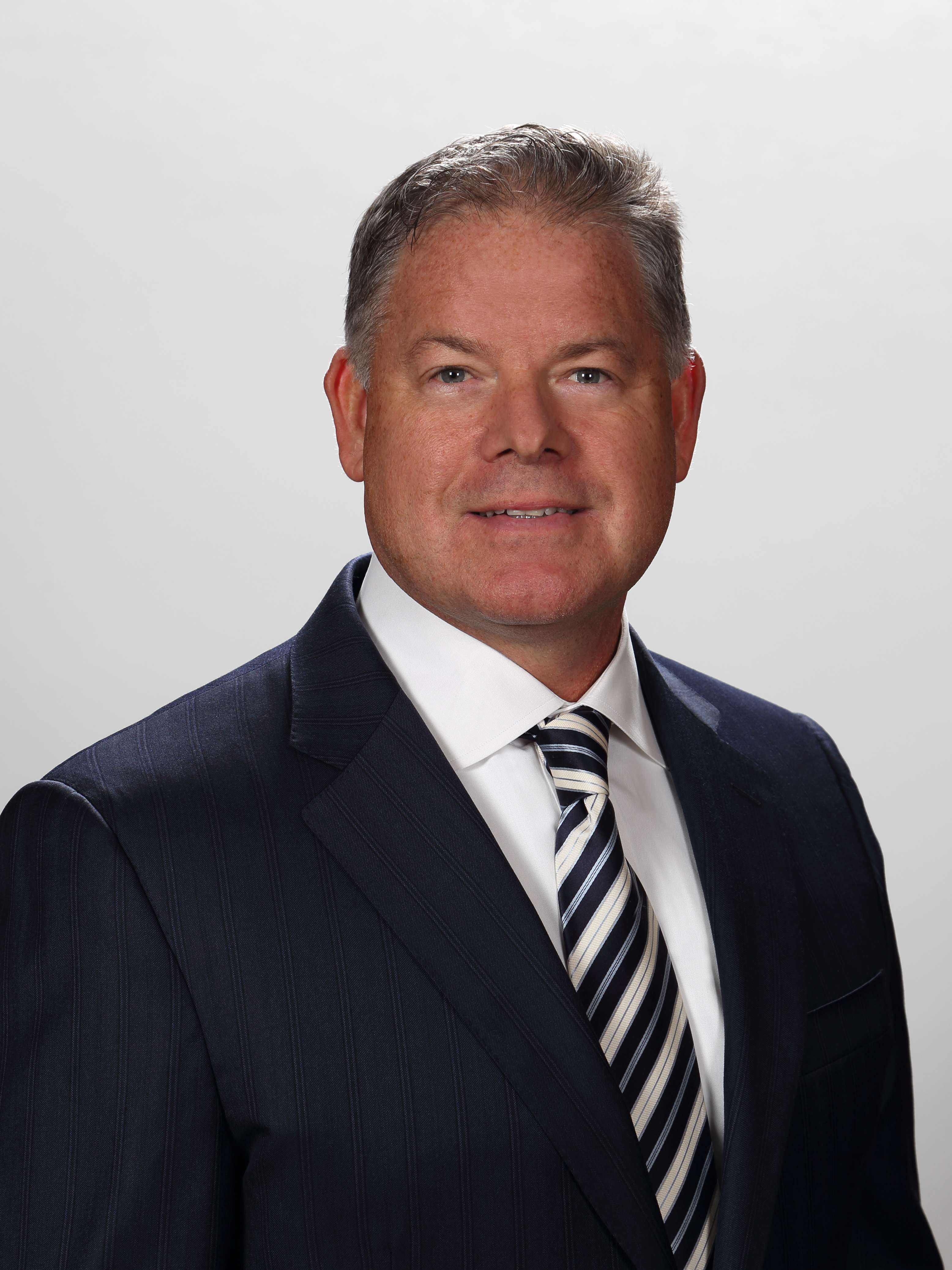
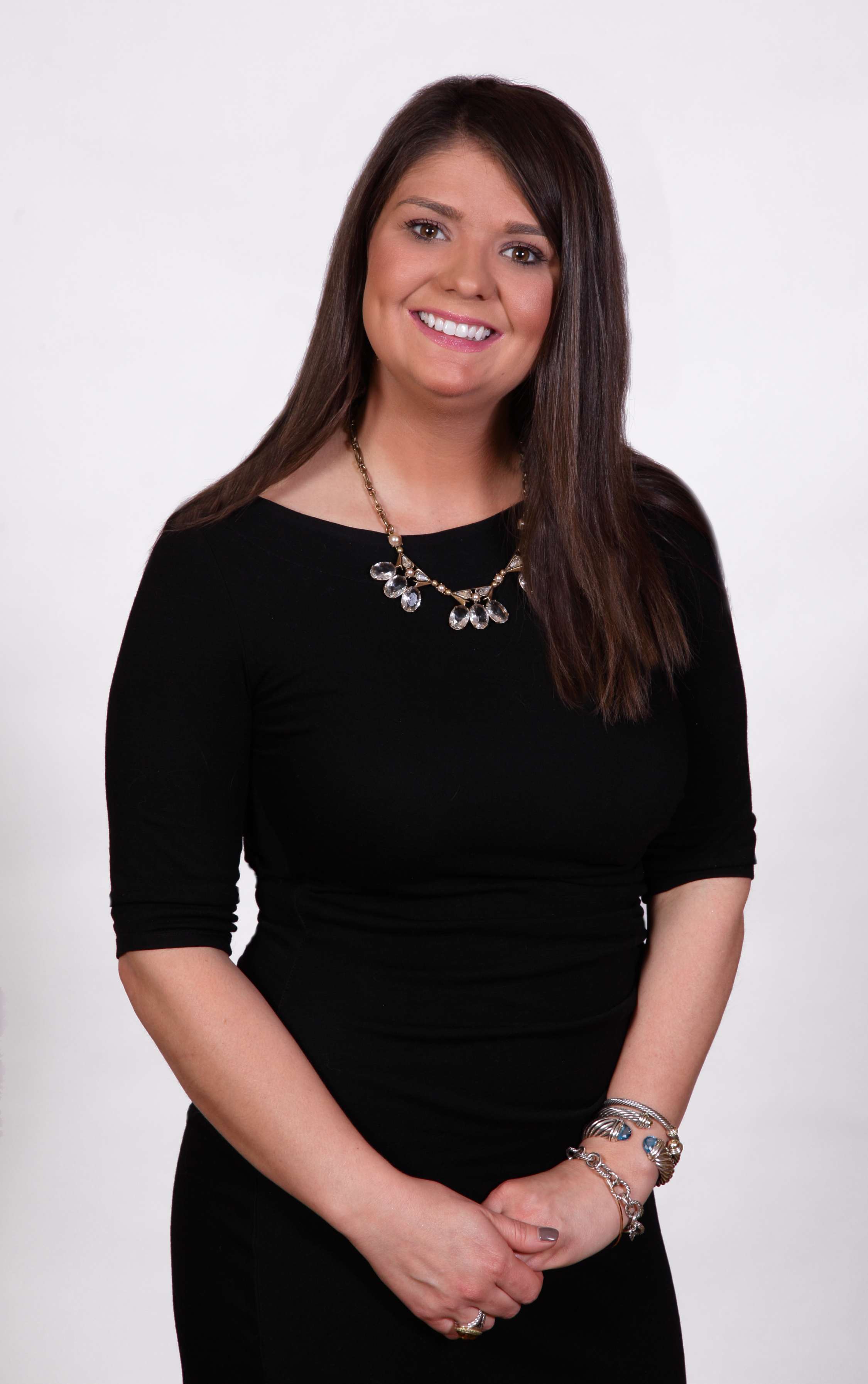
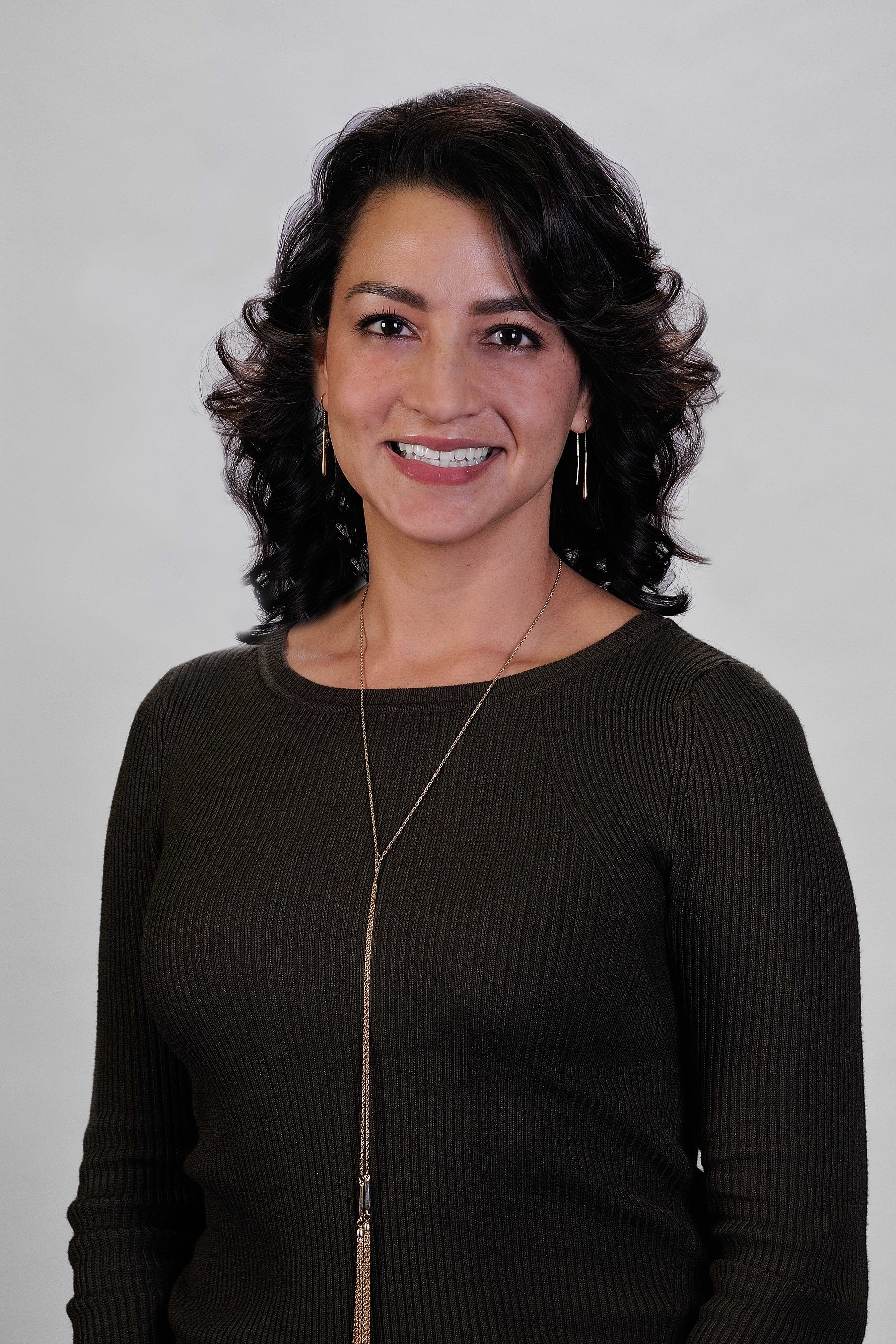
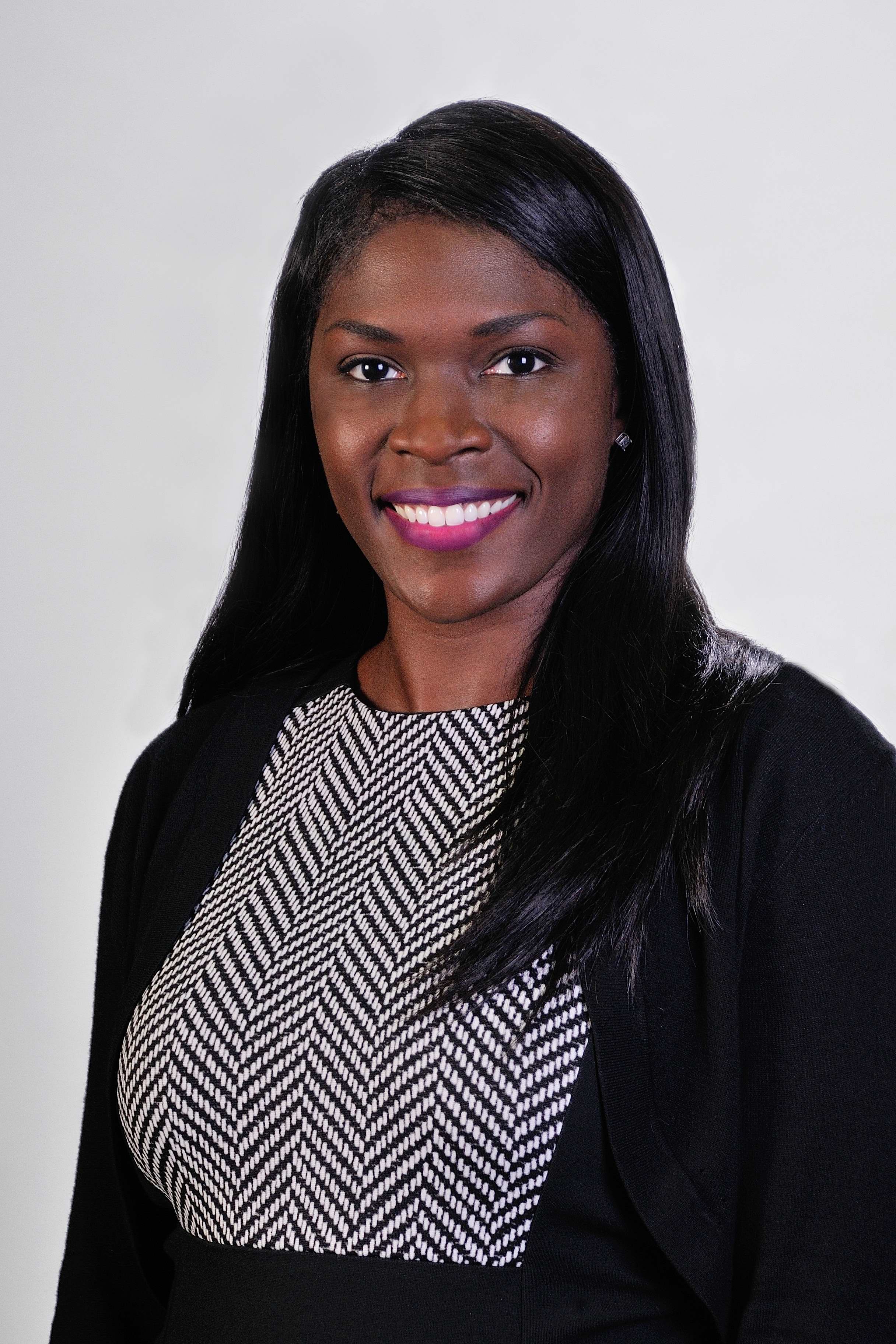
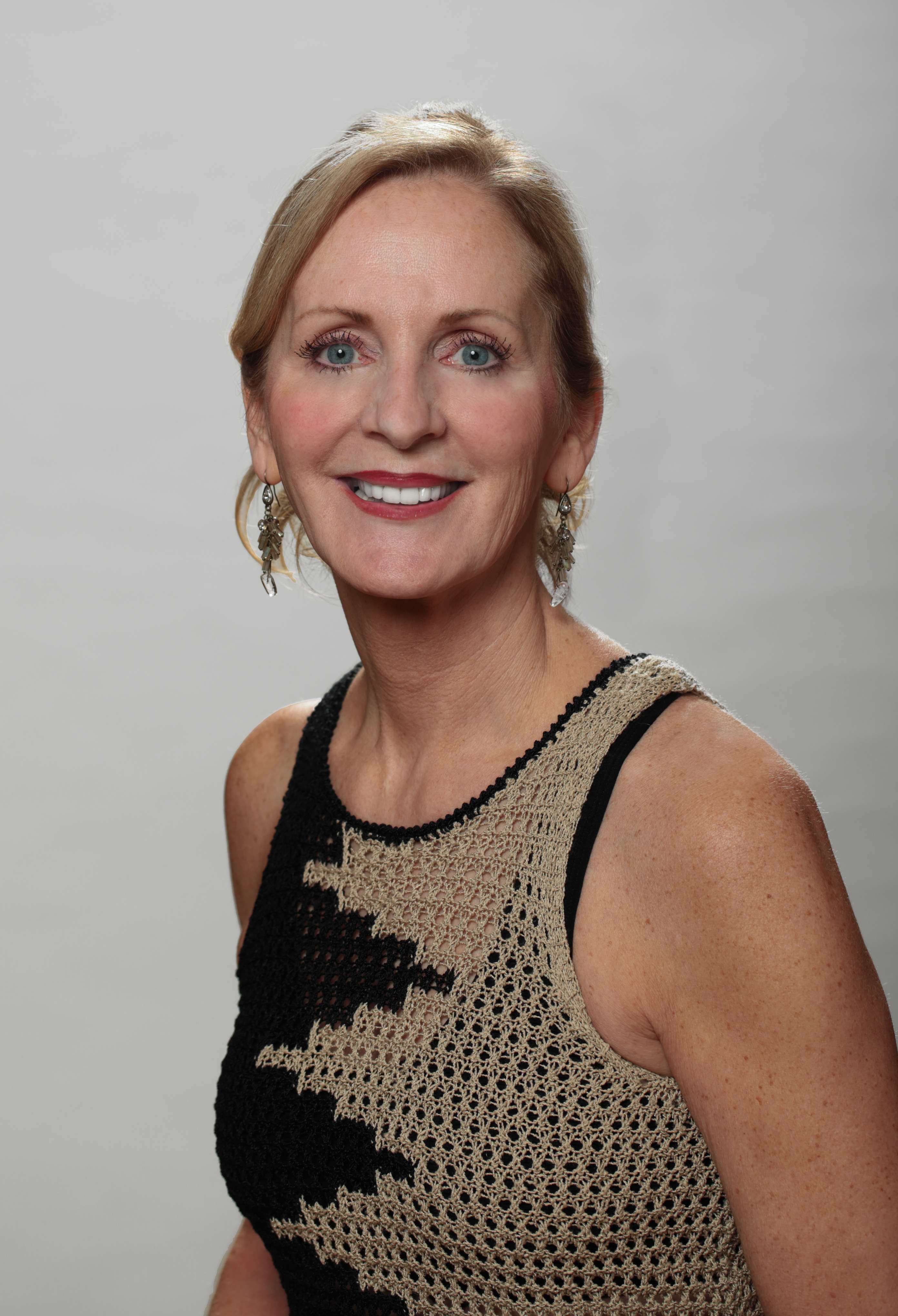
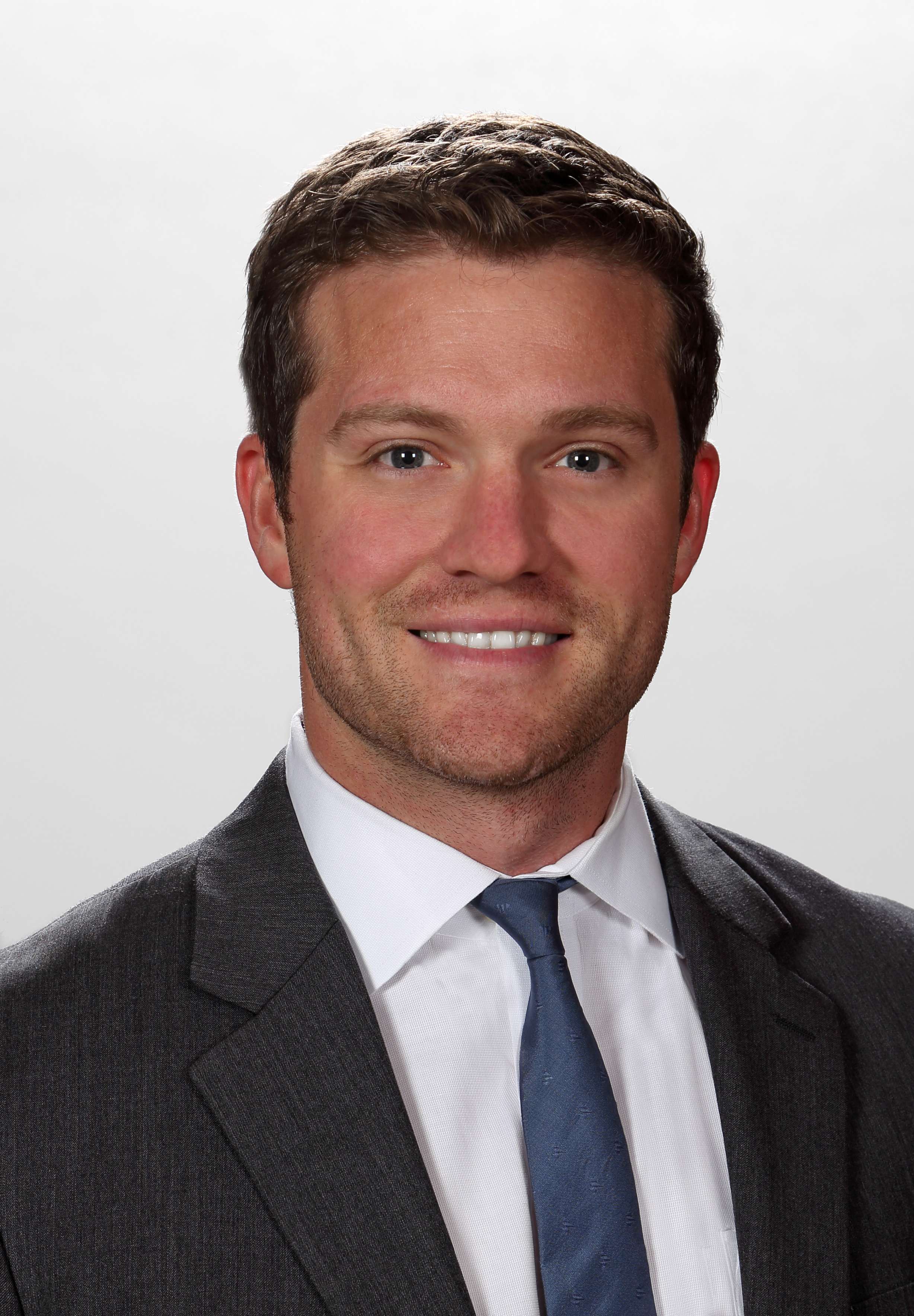
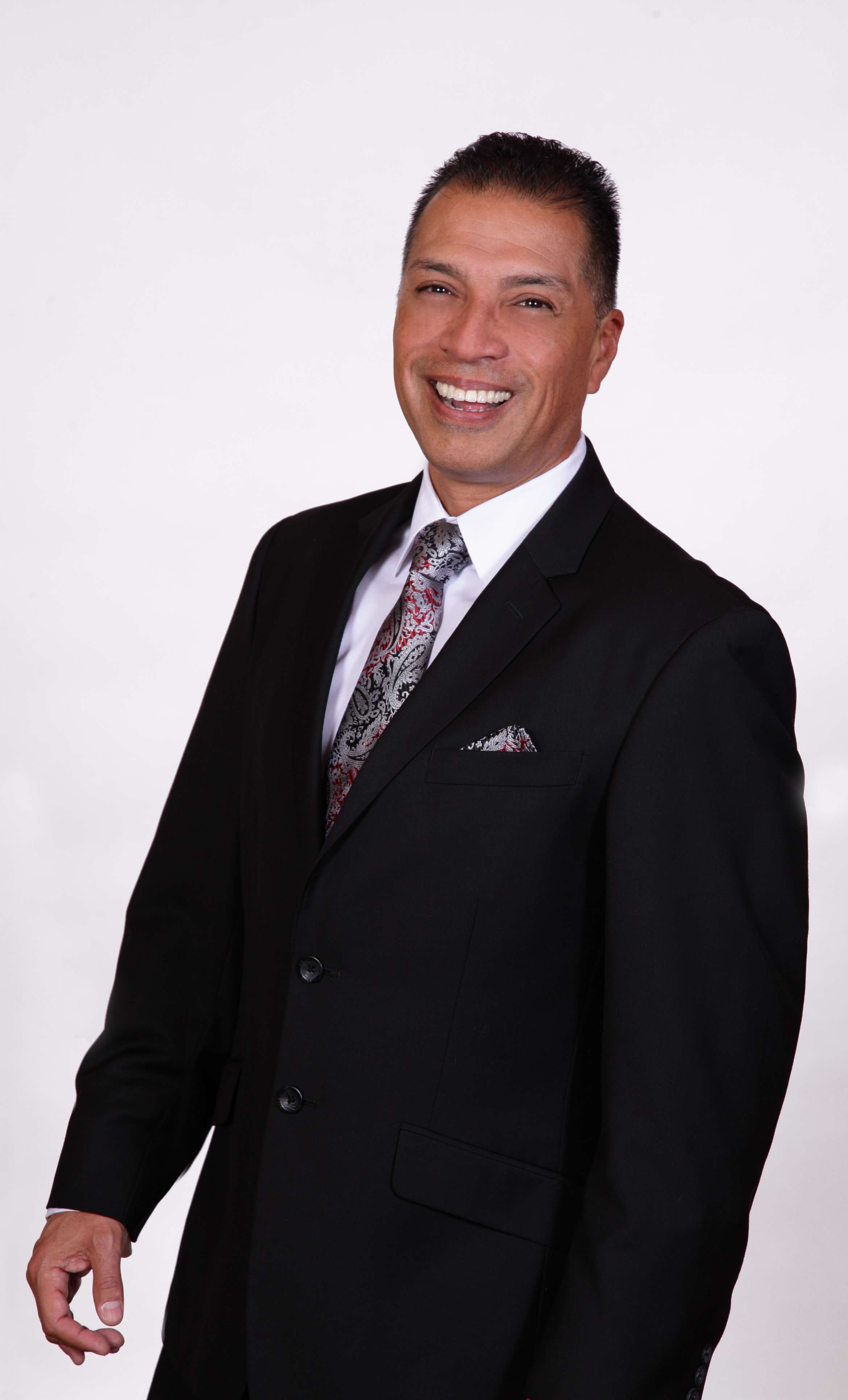
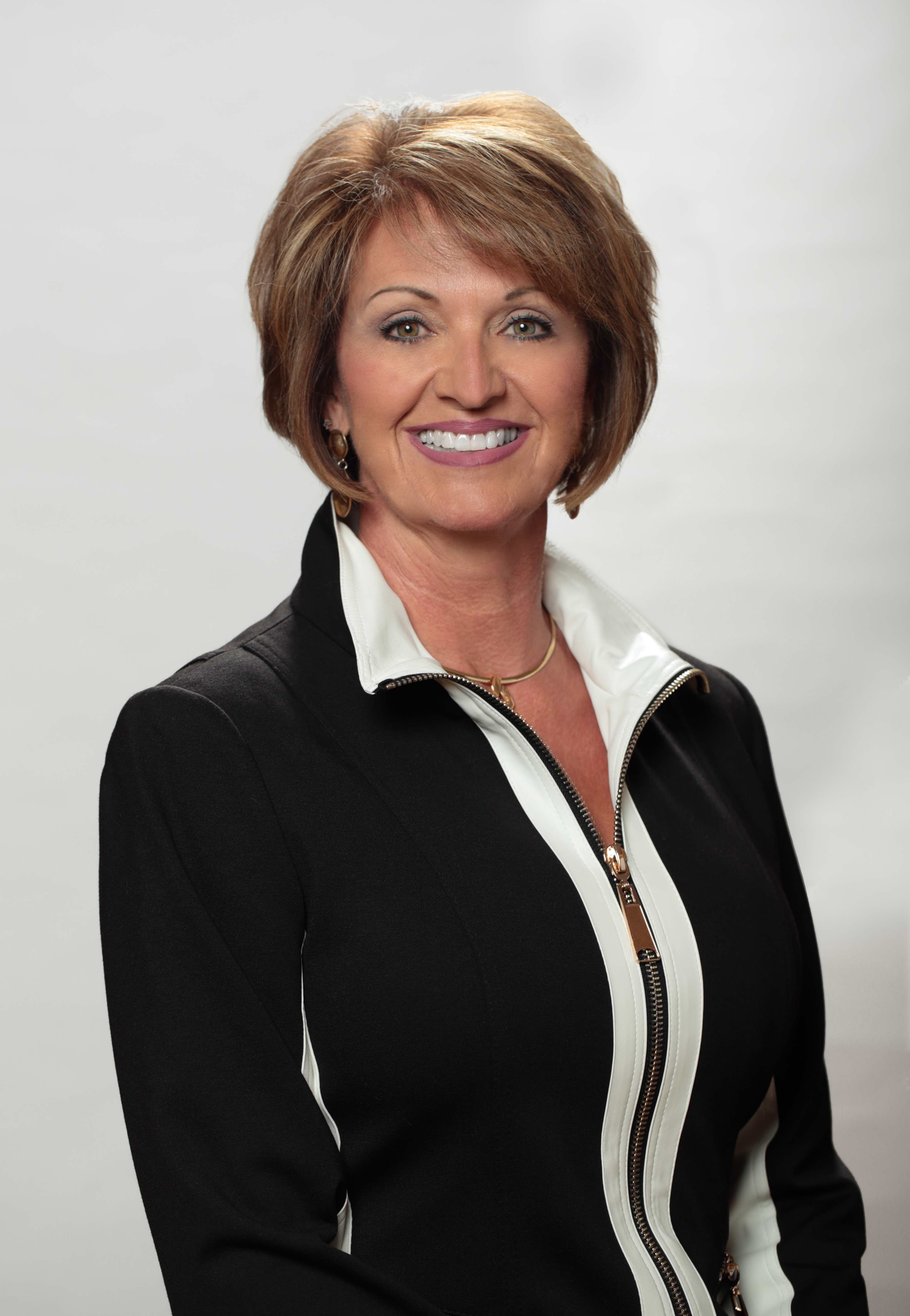
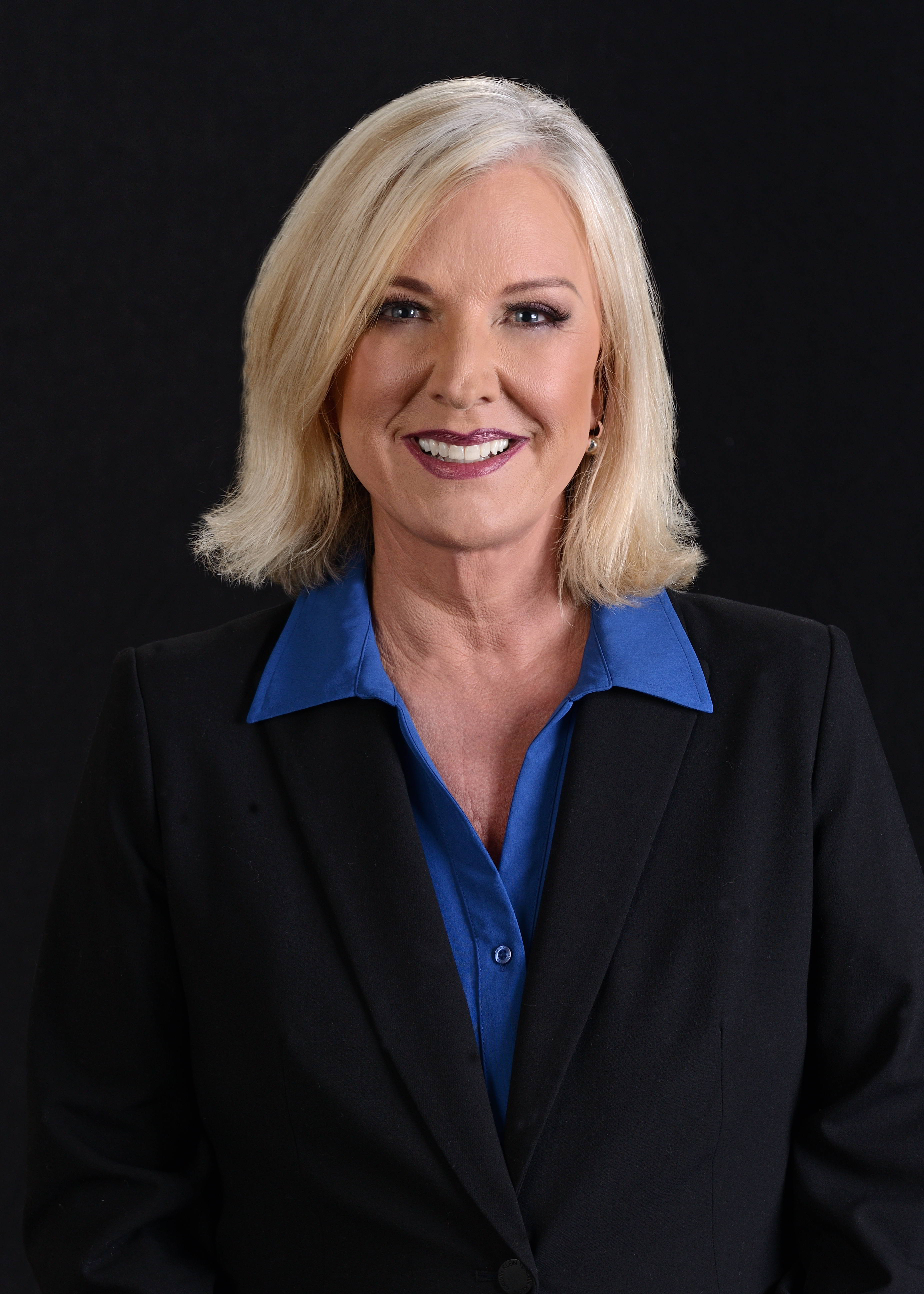
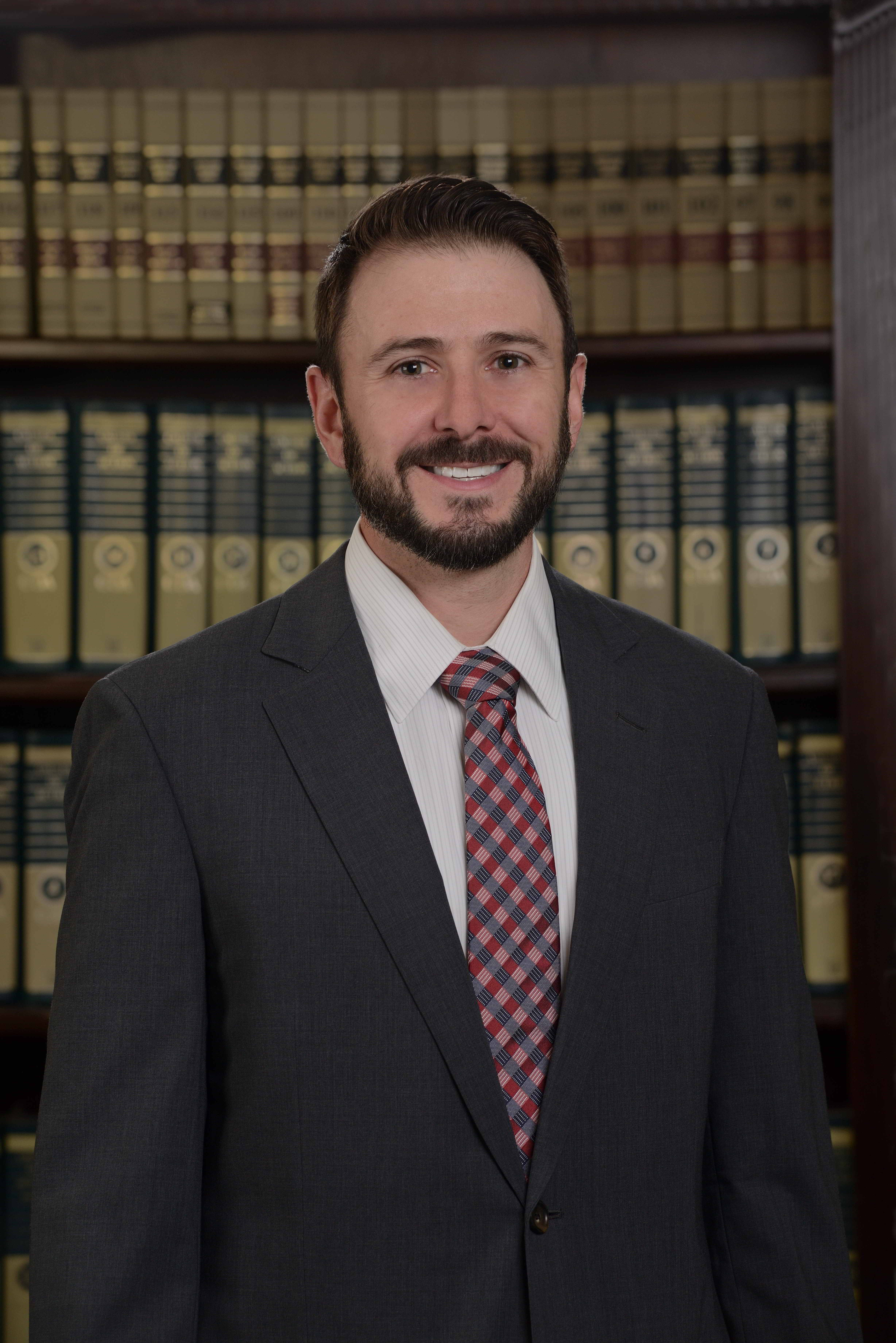
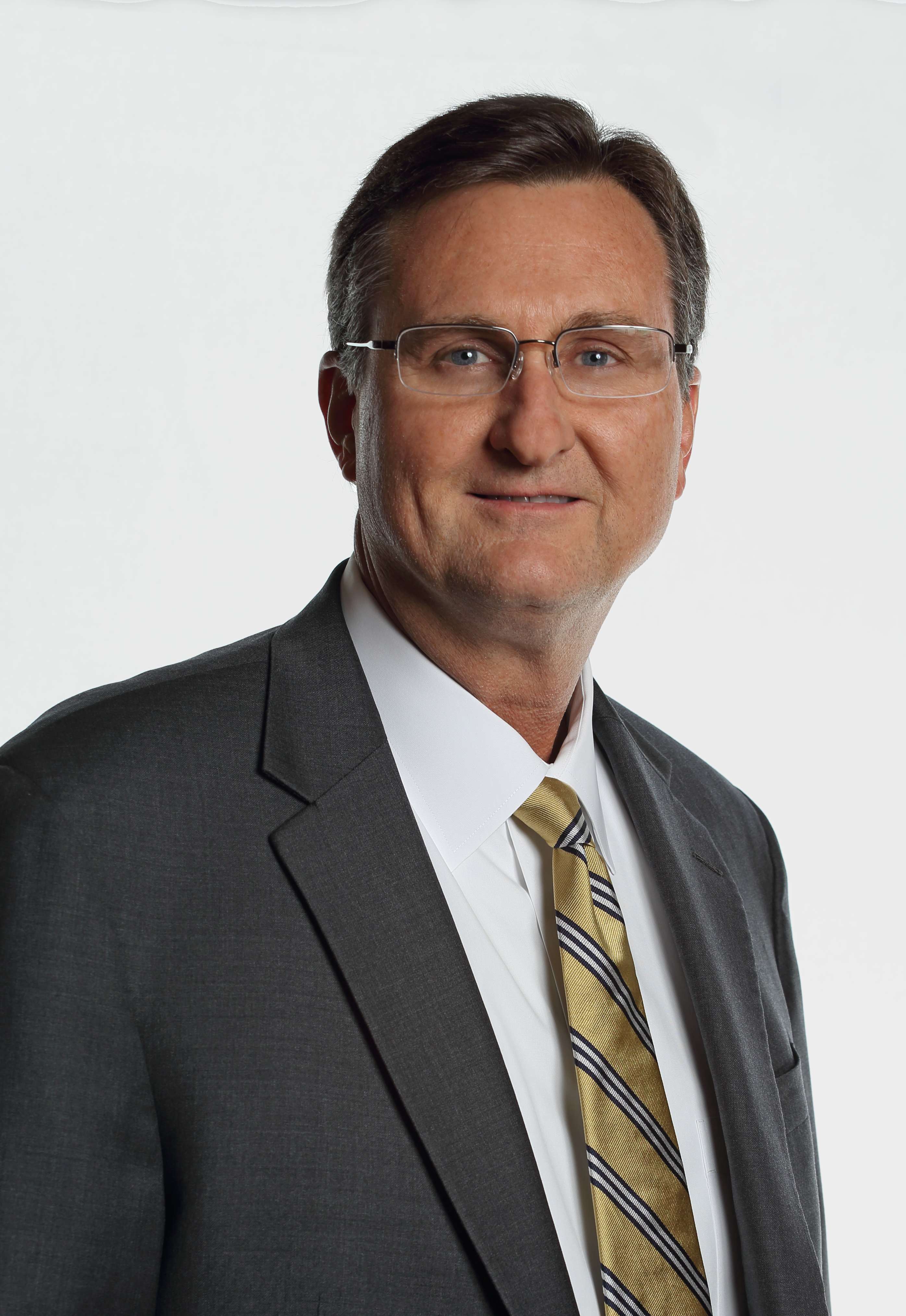
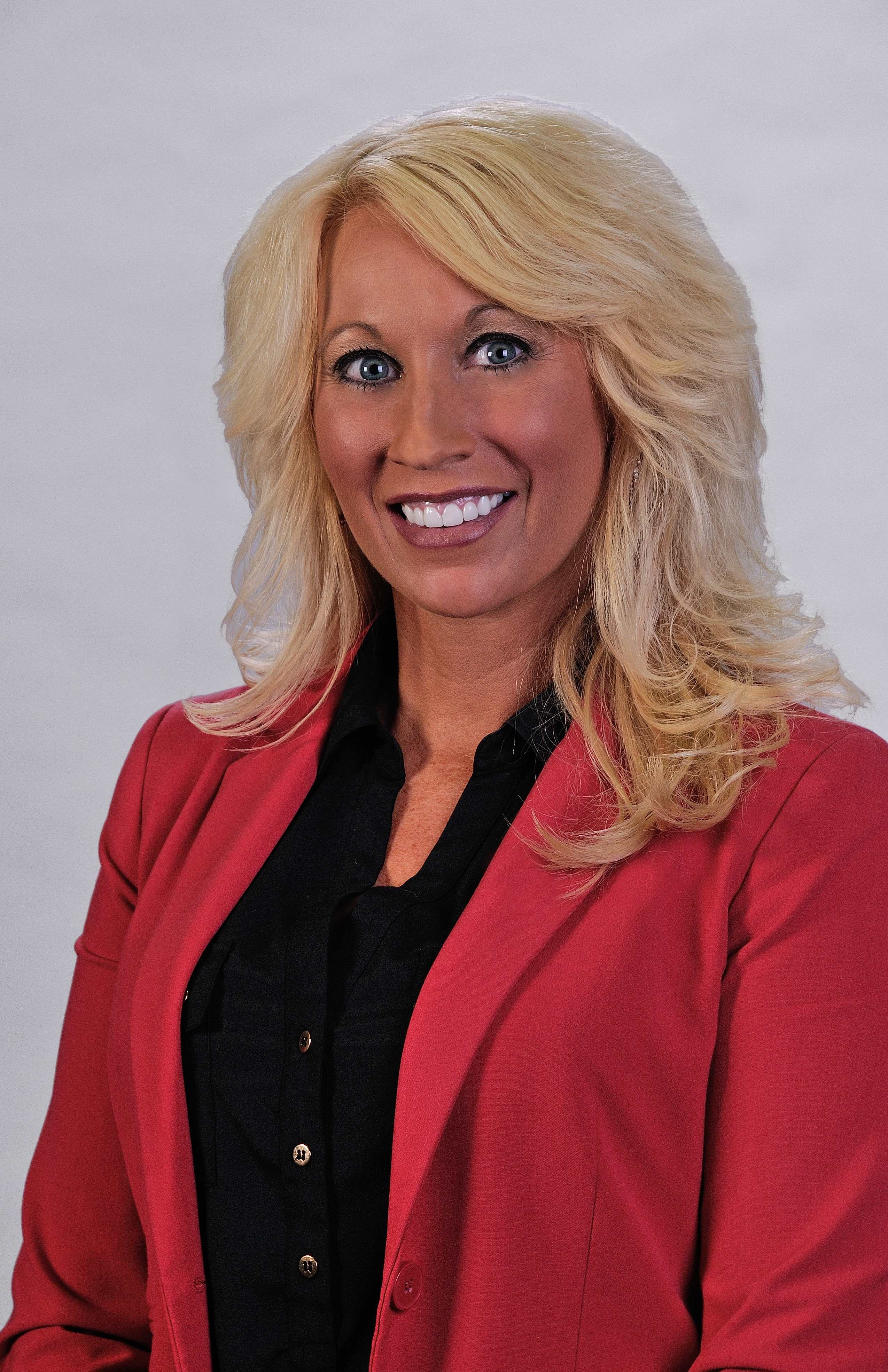
An attorney’s headshot is often among the most frequently viewed images associated with a law firm.

However, professional headshot photography involves considerably more than placing someone in front of a camera.

The photographer must evaluate facial lighting, camera position, lens selection, background design, posture, expression, wardrobe, and the intended use of the final image.

Every detail contributes to the professional impression.
Traditional Studio Headshots

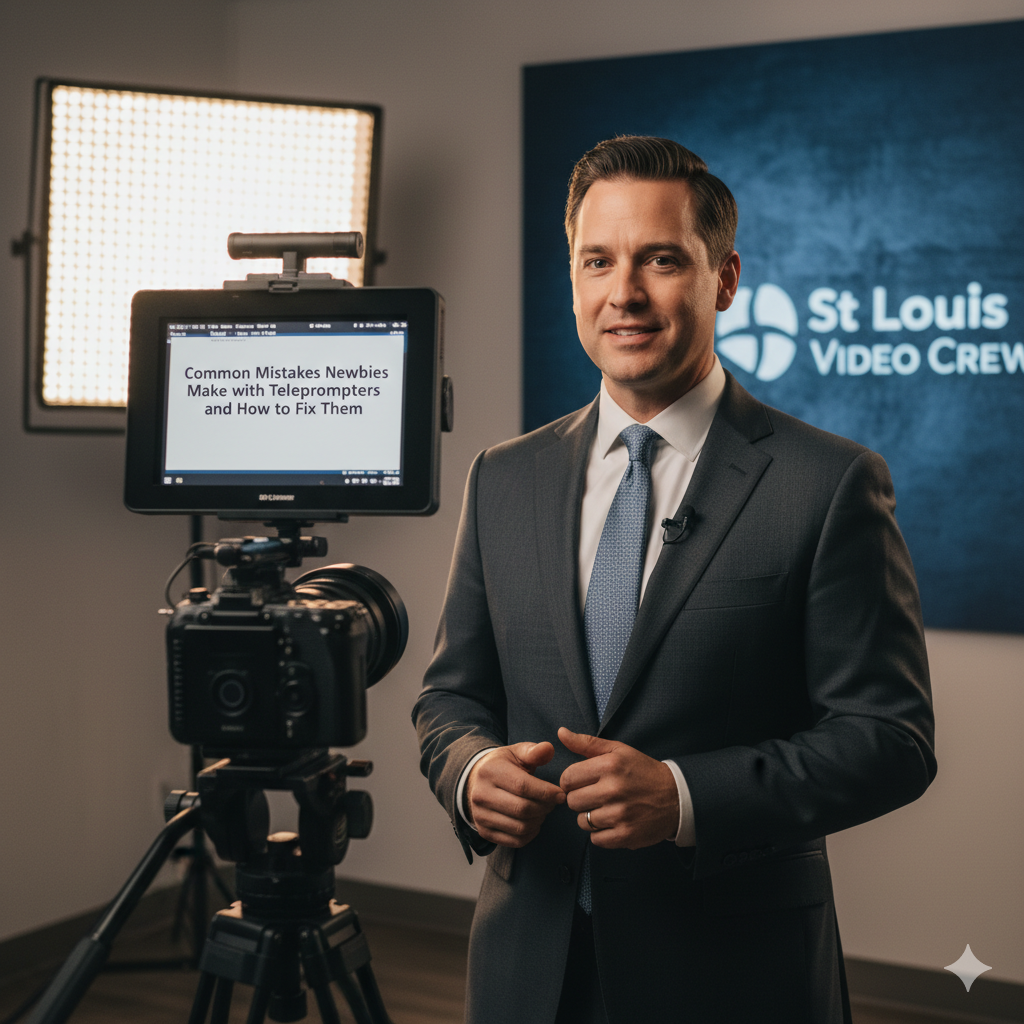
Traditional headshots provide a clean, controlled presentation suitable for attorney biographies, professional directories, and corporate communications.

Using carefully positioned studio lighting, photographers can produce flattering, consistent portraits with natural skin tones and controlled shadows.

Advantages of studio headshots include:

  • Consistent lighting across multiple attorneys
  • Coordinated backgrounds and compositions
  • Minimal visual distractions
  • Efficient scheduling and photography sessions
  • Reliable image quality
  • Flexible cropping for different marketing applications
  • Consistent results when photographing new attorneys

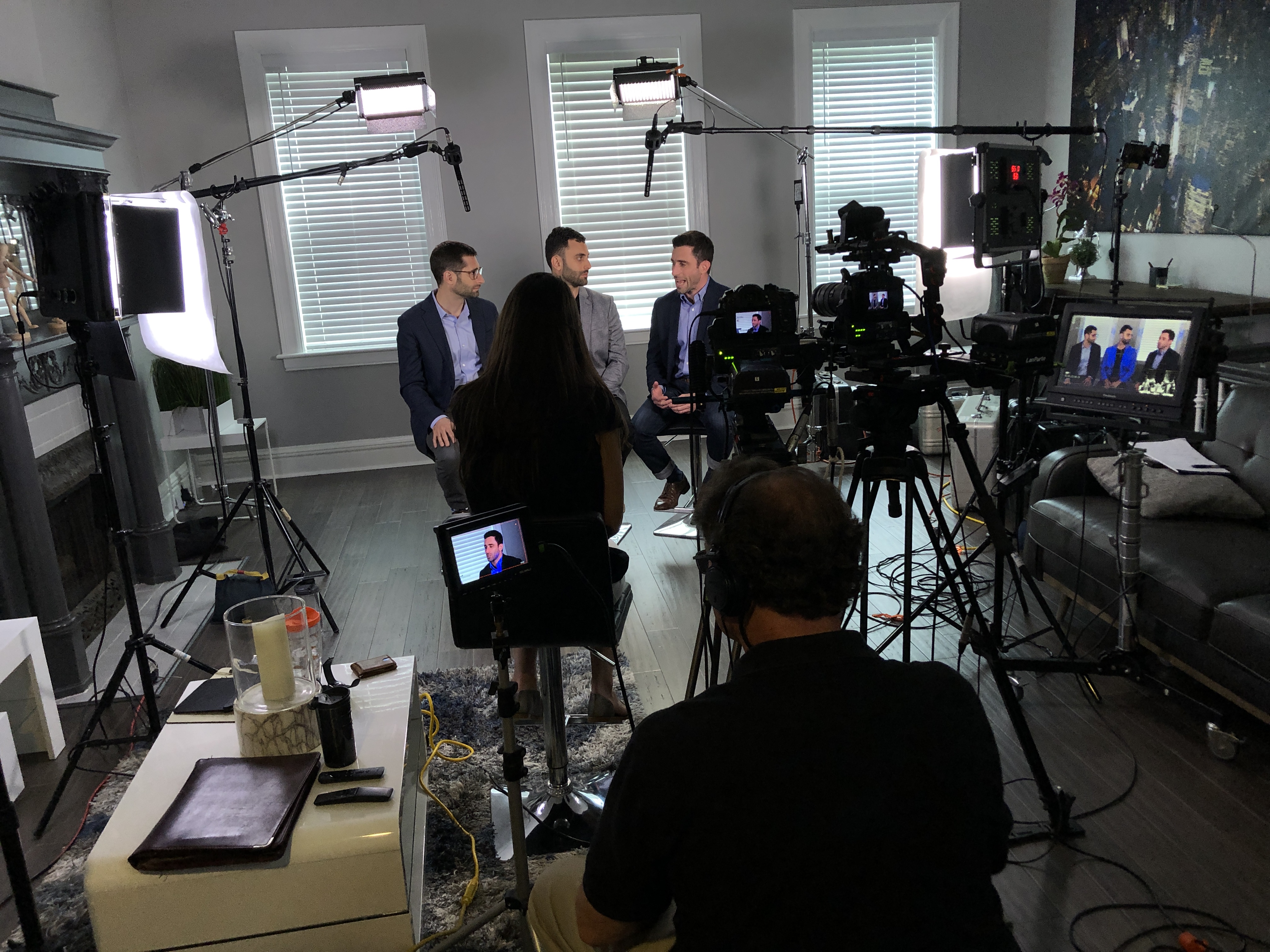
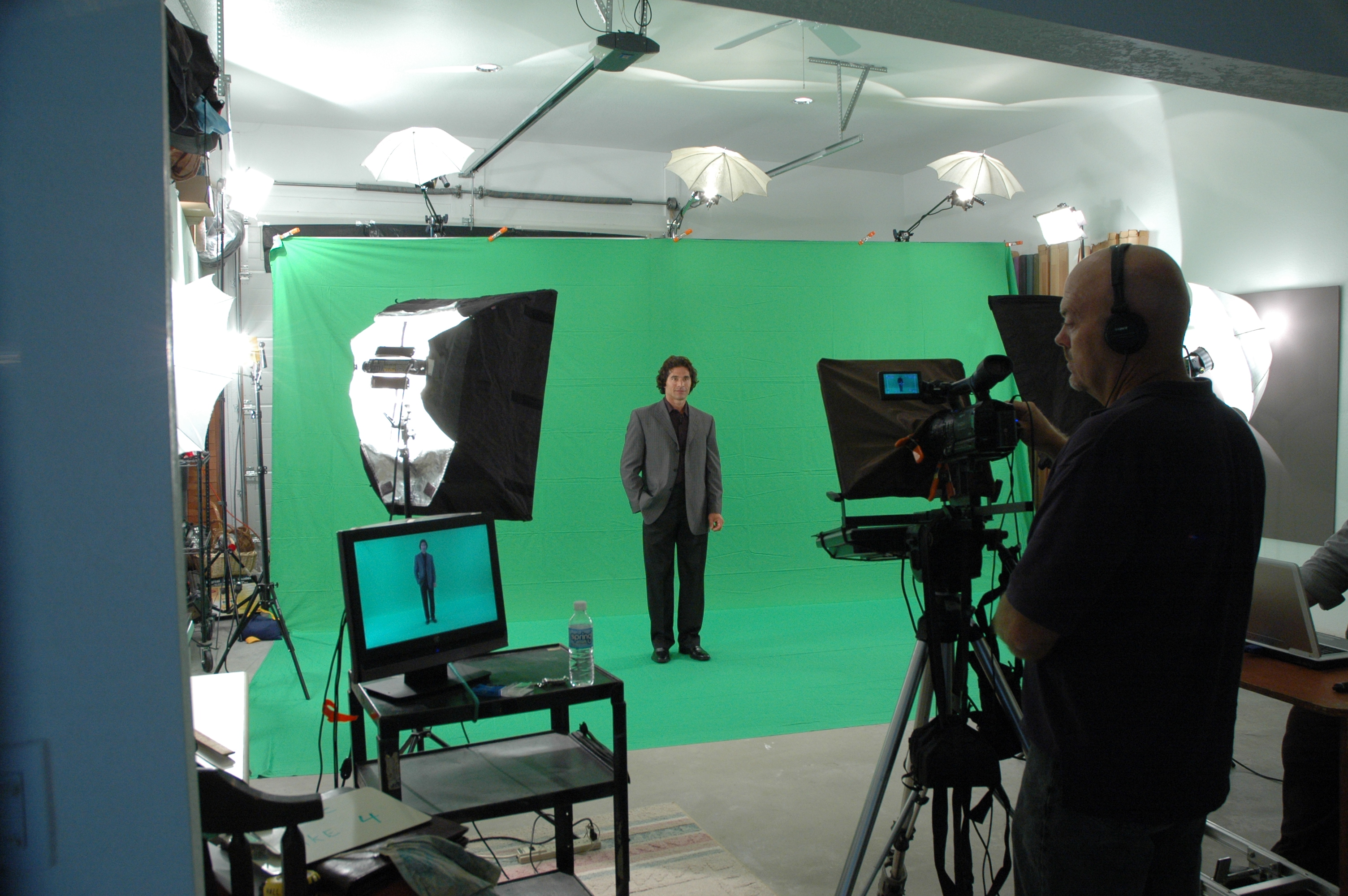
At St Louis Video Production, our private studio features professional lighting and flexible visual arrangements suitable for individual portraits, executive headshots, small-group photography, and interview productions.

Environmental Attorney Portraits

Environmental portraits show attorneys within professional surroundings, such as conference rooms, private offices, reception areas, libraries, or contemporary architectural spaces.

These images provide context and visual variety while reinforcing the firm’s identity.

An attorney photographed in a well-designed office environment may project a different atmosphere than one photographed against a neutral studio background.

Neither approach is universally better.

The appropriate choice depends on the firm’s branding objectives, practice areas, and target audience.
Coordinated Photography for Entire Law Firms

When photographing multiple attorneys, visual consistency becomes essential.

Different backgrounds, lighting styles, camera angles, and retouching treatments can make a law firm’s website appear disorganized.

A coordinated photography session helps establish consistent visual standards across the organization.

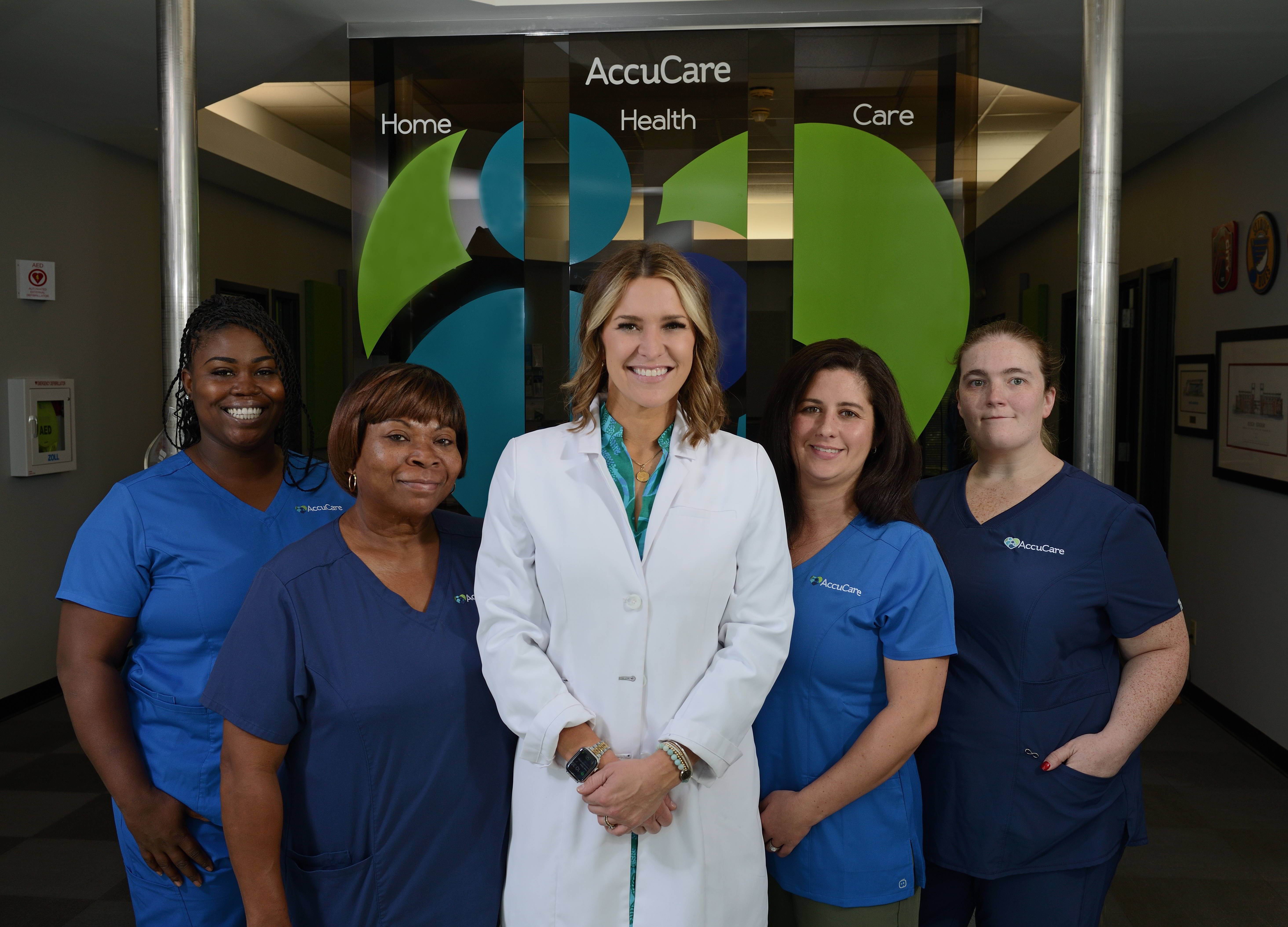
Our production team can organize individual headshots, environmental portraits, partner photography, and group photographs during a single scheduled session.

We can also establish a mobile photography station at the client’s office when that arrangement is more convenient.

This reduces unnecessary scheduling disruptions while maintaining consistent photographic quality.

Why Short-Form Video Is a Valuable Marketing Tool for Attorneys

Video offers something that still photography cannot fully communicate: the opportunity to hear an attorney speak directly to the audience.

A professionally produced video allows attorneys to demonstrate their communication style, explain their approach, and introduce the legal services their firm provides.

For prospective clients unfamiliar with legal procedures, these presentations can make complicated subjects more understandable.

Video also helps humanize a profession that some people may find intimidating.

A confident, conversational explanation can make an attorney appear more approachable while maintaining appropriate professionalism.

Short-form attorney videos are particularly useful for LinkedIn, Facebook, Instagram Reels, YouTube Shorts, and law firm websites.

However, simply recording a video does not guarantee effective communication.

Successful legal video marketing requires appropriate subject selection, concise messaging, professional production values, and careful editing.

Eight Effective Attorney Video Concepts for Social Media and Websites

Law firms can develop an extensive collection of marketing videos without producing elaborate commercials for every subject.

The most useful videos often address specific questions or introduce individual attorneys in a professional, conversational manner.

1. Attorney Introduction Videos

An attorney introduction video offers an opportunity to discuss professional experience, practice areas, and the attorney’s approach to working with clients.

These videos are especially valuable for attorney biography pages and LinkedIn profiles.

A concise introduction can help prospective clients become familiar with the attorney before making contact.
2. Frequently Asked Legal Questions

Attorneys repeatedly answer similar questions during consultations.

Recording short responses to frequently asked questions creates useful educational content.

For example, an estate planning attorney might explain the differences between a will and a trust.

A business attorney could discuss important considerations when forming a limited liability company.

An employment attorney might explain general workplace legal concepts.

Each video should focus on one clear question rather than attempting to cover an entire practice area.

3. Practice Area Overview Videos

Practice area videos introduce the types of legal services a firm provides.

Potential subjects include commercial litigation, business law, estate planning, family law, employment law, personal injury, and real estate transactions.

These productions can support individual website landing pages while giving prospective clients additional information about the firm’s experience.

4. Legal Myths and Misconceptions

Many people develop misunderstandings about legal procedures through television, movies, or online discussions.

Short educational videos can address common misconceptions in clear, accurate language.

This approach can be particularly effective for social media because each video begins with a recognizable question or misunderstanding.

5. Legal News and Regulatory Updates

Attorneys can discuss relevant legal developments affecting businesses, employers, property owners, and individuals.

These videos can support thought leadership and demonstrate awareness of current legal issues.

Because laws and regulations change, the firm should establish an internal process for reviewing content and updating or removing outdated presentations.

6. Law Firm Culture and Recruiting Videos

Legal recruiting increasingly involves communicating the working environment and professional culture of a firm.

Short videos featuring attorneys, associates, and support personnel can introduce prospective employees to the organization.

Professional footage of offices, team interactions, and approved workplace activities can help communicate the firm’s atmosphere.

7. Community Involvement and Professional Activities

Law firms often participate in charitable organizations, professional associations, educational programs, and community events.

Professional photography and video coverage can document these activities for websites, social media, newsletters, and public relations.

8. Client Testimonials and Case Study Videos

Where permitted by applicable professional conduct rules, client testimonials can provide insight into the client’s experience.
These videos require careful planning, informed authorization, and accurate representations.

Production teams must avoid misleading dramatizations, unsupported claims, and unauthorized disclosure of confidential information.

The law firm should review and approve all testimonial messaging before publication.

How Long Should an Attorney Social Media Video Be?

The ideal video length depends on the subject, intended audience, and distribution platform.

For many short-form legal marketing videos, approximately 30 to 90 seconds provides a useful starting point.

A focused presentation can follow a simple structure:

  1. Opening question: Introduce a legal topic or common concern.
  2. Attorney introduction: Identify the speaker and establish relevant context.
  3. Educational explanation: Present two or three useful points.
  4. Summary: Reinforce the central message.
  5. Call to action: Invite viewers to learn more when appropriate.

More complicated subjects may benefit from two- or three-minute explanations.

Longer educational presentations can also be valuable on YouTube and law firm websites.

The most important consideration is whether the content provides useful information without unnecessary repetition.

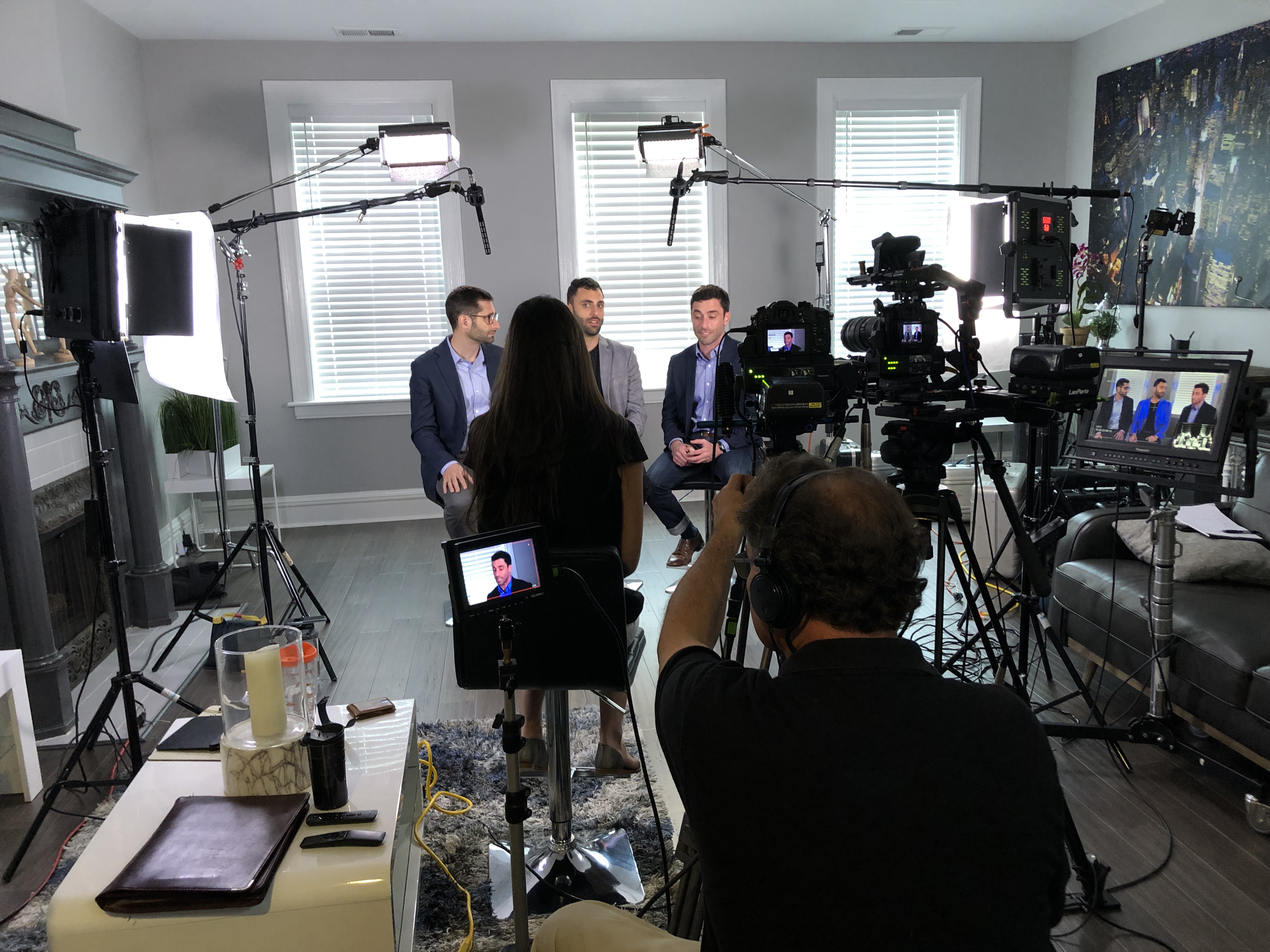
At St Louis Video Production, we can capture longer attorney interviews and edit the material into multiple concise presentations for different media platforms.

This allows firms to produce a substantial amount of content from a coordinated recording session.

Professional Studio Video Production for Attorneys

A controlled production environment offers significant advantages when filming attorney interviews and educational presentations.

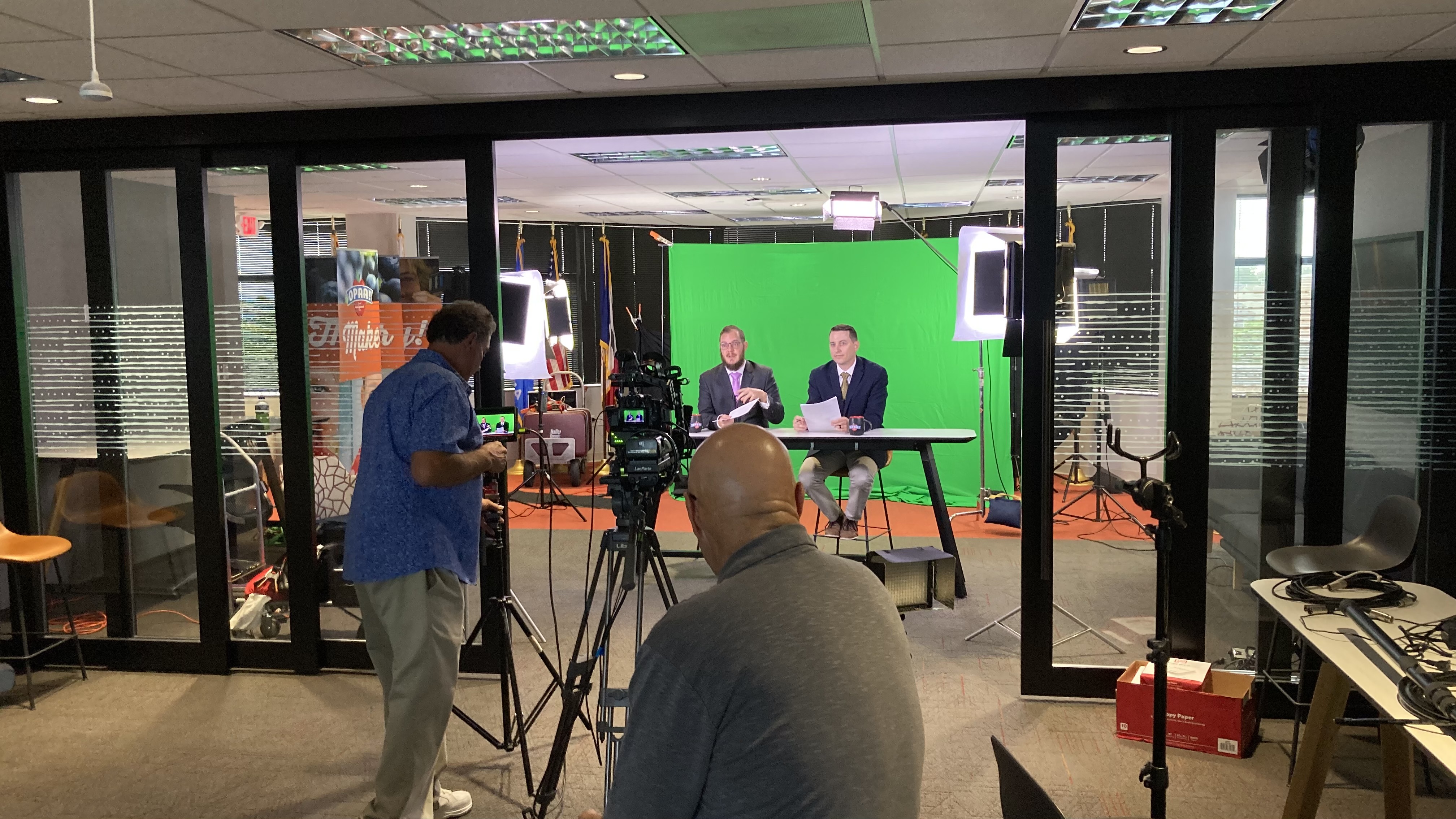
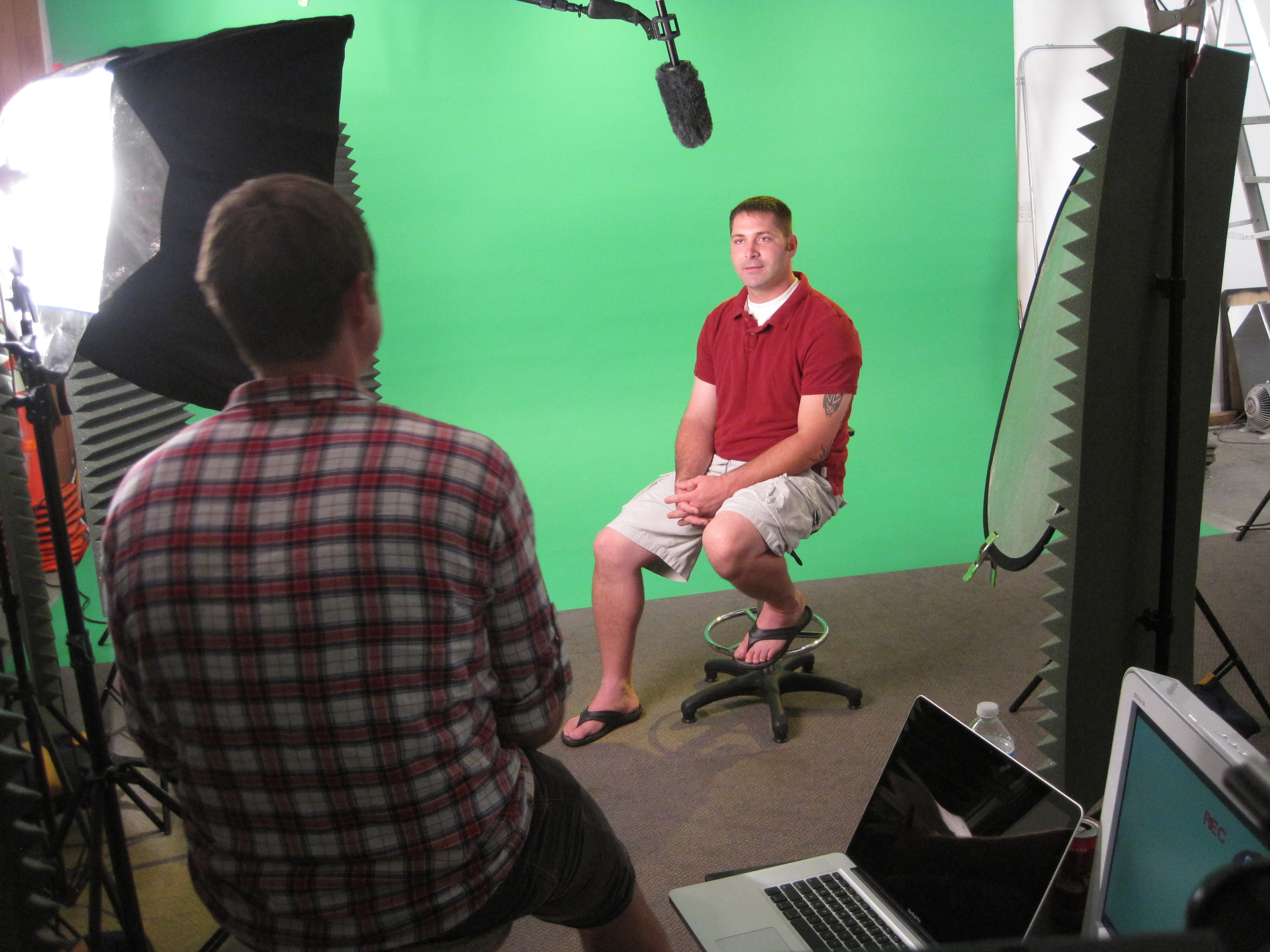
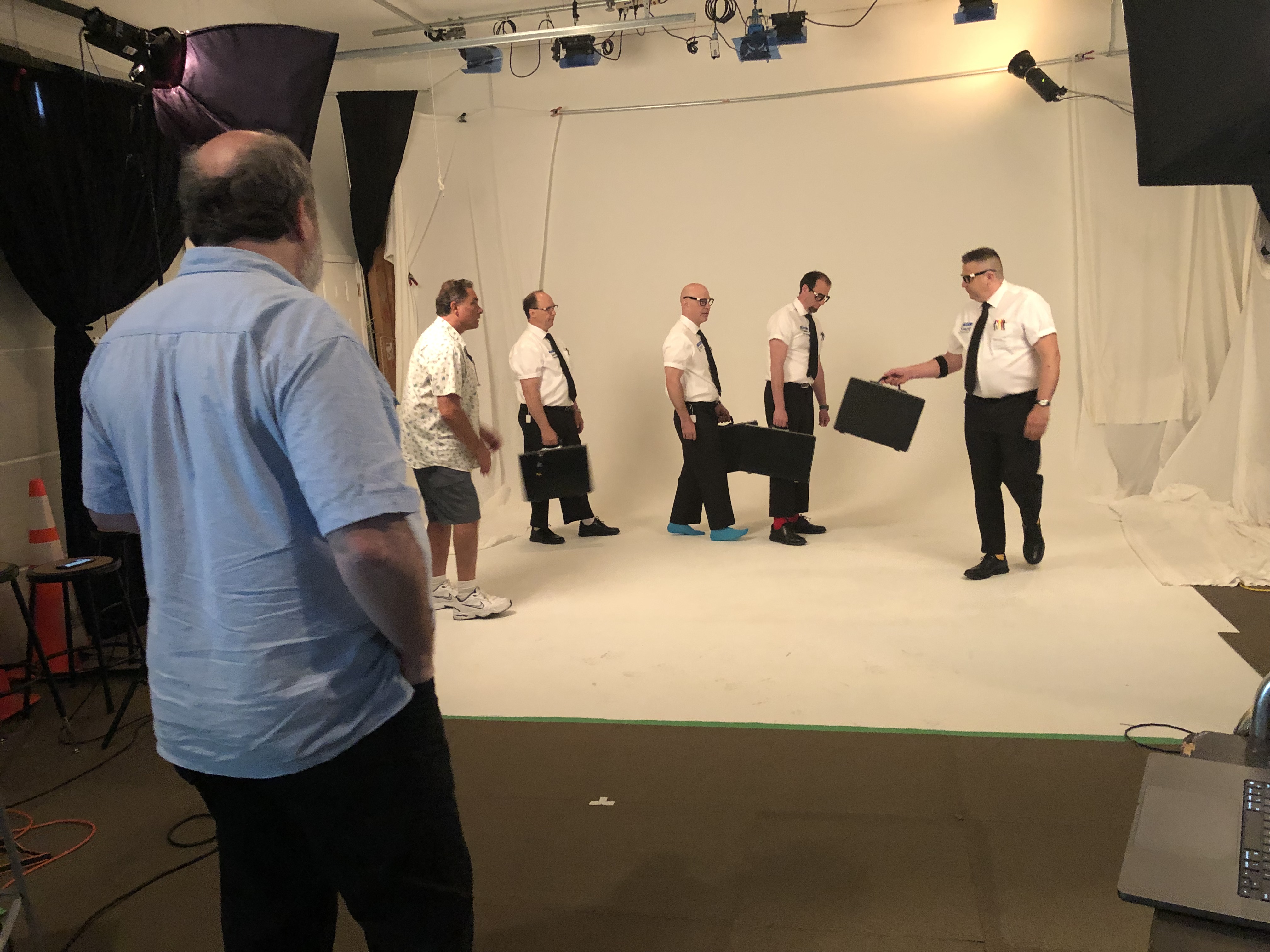
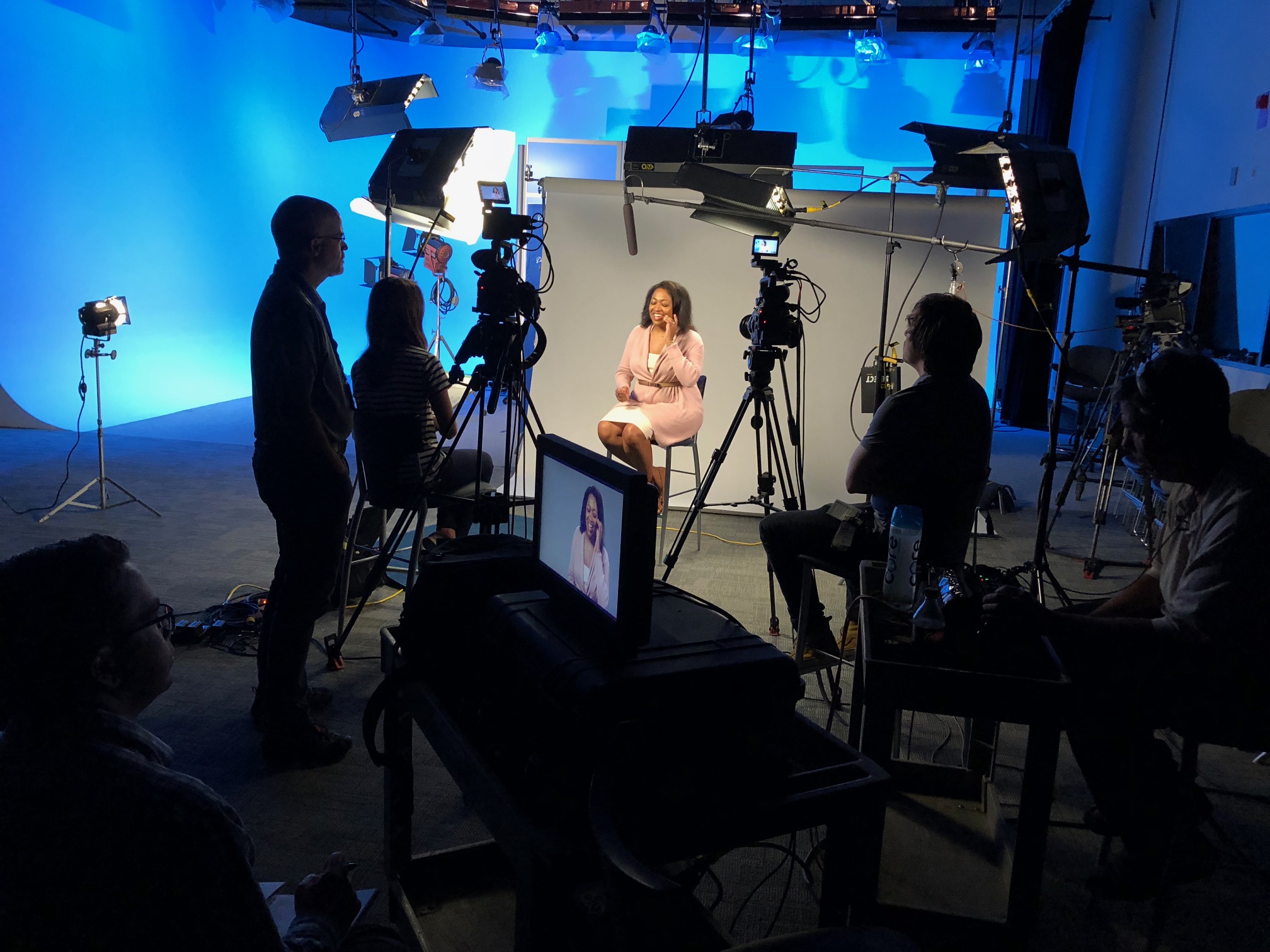
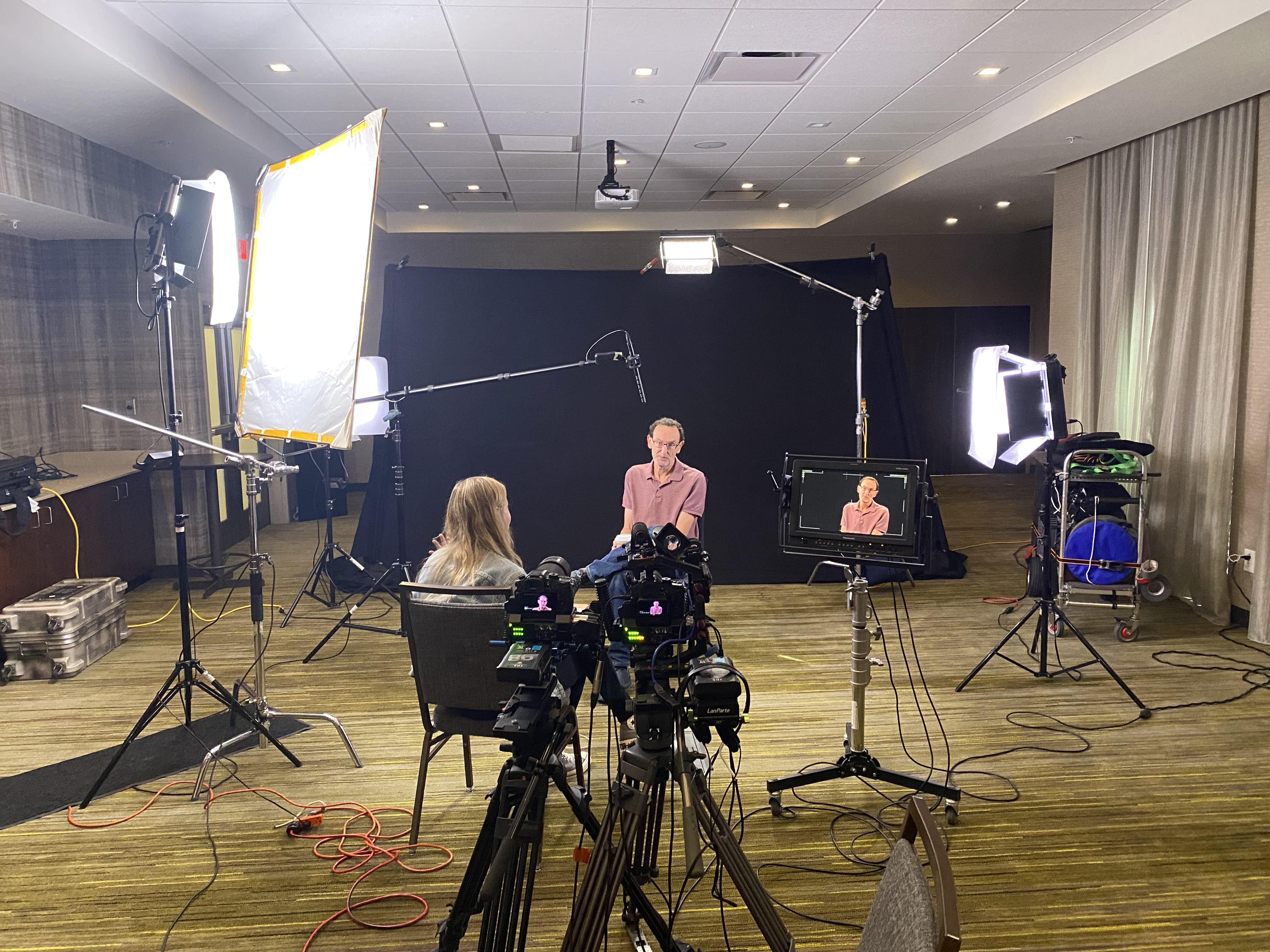
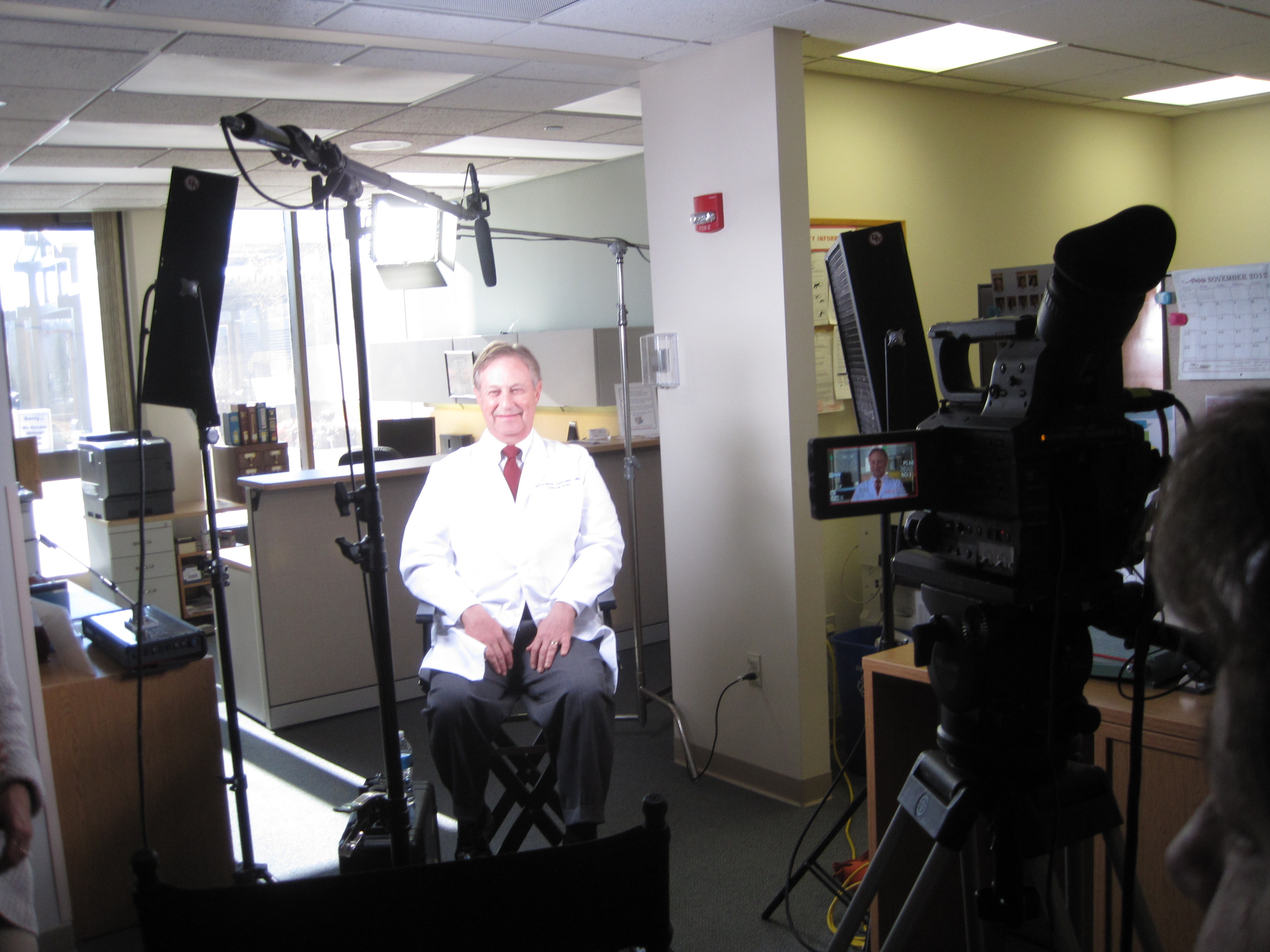
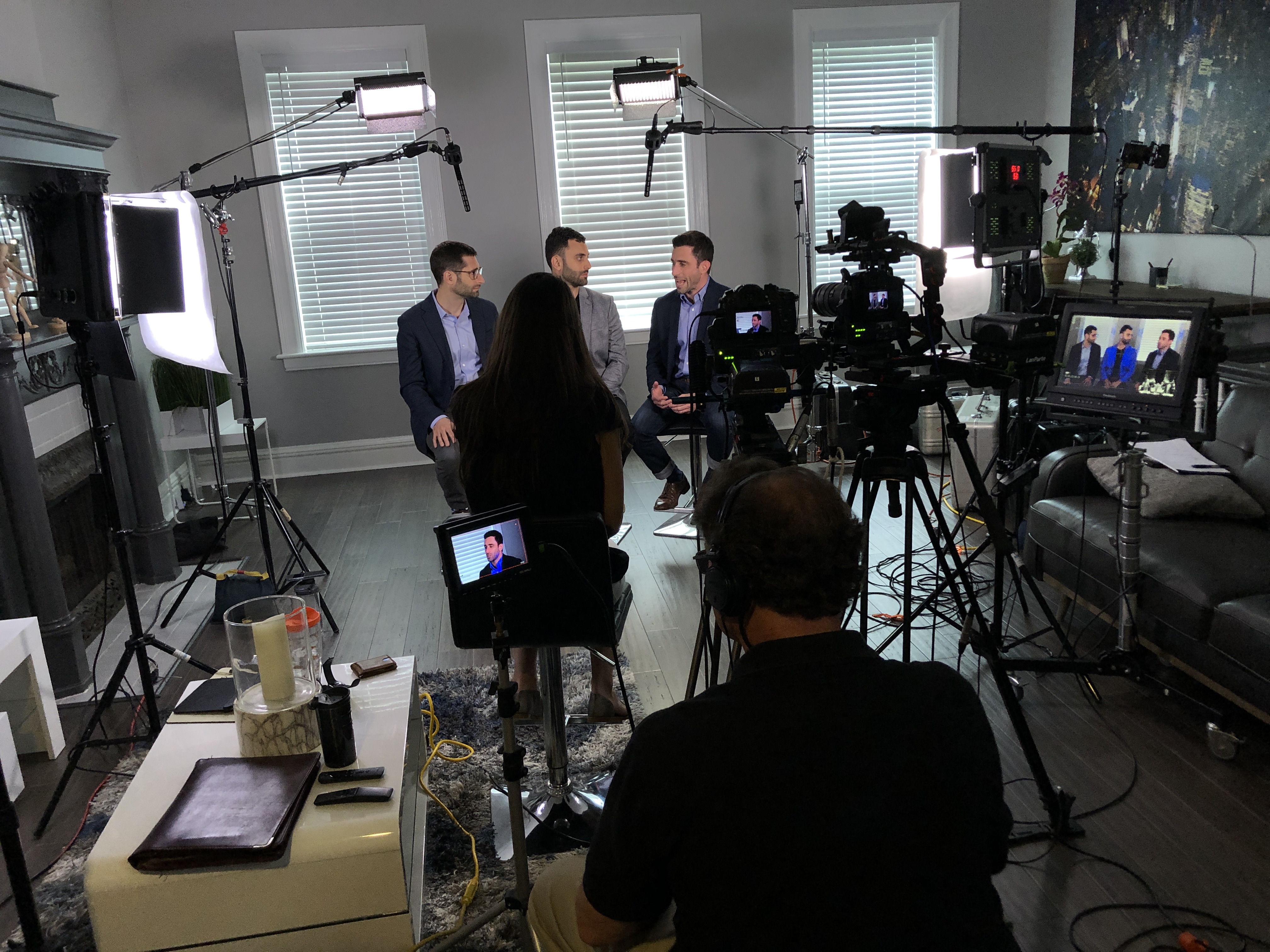
Our private studio at St Louis Video Production is particularly well suited for small-scale professional productions, talking-head videos, attorney introductions, and interview scenes.

The studio includes professional lighting and visual production arrangements designed to support consistent image acquisition.

It also provides space to incorporate props, furniture, branded backgrounds, and other set elements when appropriate.
314-913-5626

stlouisvideoproduction@gmail.com

Behind the Lens at Live Events: The Crew, Gear, and Planning That Turn One Night Into a Year of Video

A live event gives you one take. The keynote is delivered once, the award is announced once, and the crowd reacts once. Whether you capture it well depends on who is behind the cameras, what they bring, and how well they planned before the doors opened.

If you commission event video for your organization, knowing how a professional production works helps you evaluate proposals, set realistic expectations, and avoid paying for coverage you can’t use. This guide walks through the roles, equipment, and decisions that separate an event video from event footage.

The Crew: Who Does What

A common mistake is assuming “event video” means one person with one camera. Depending on the scale of the event, a professional crew divides the work among several specialists.

The producer owns the plan. Before event day, the producer works with your team on goals, run-of-show, deliverables, venue logistics, and schedule. On event day, the producer keeps coverage aligned with your priorities as the program shifts.

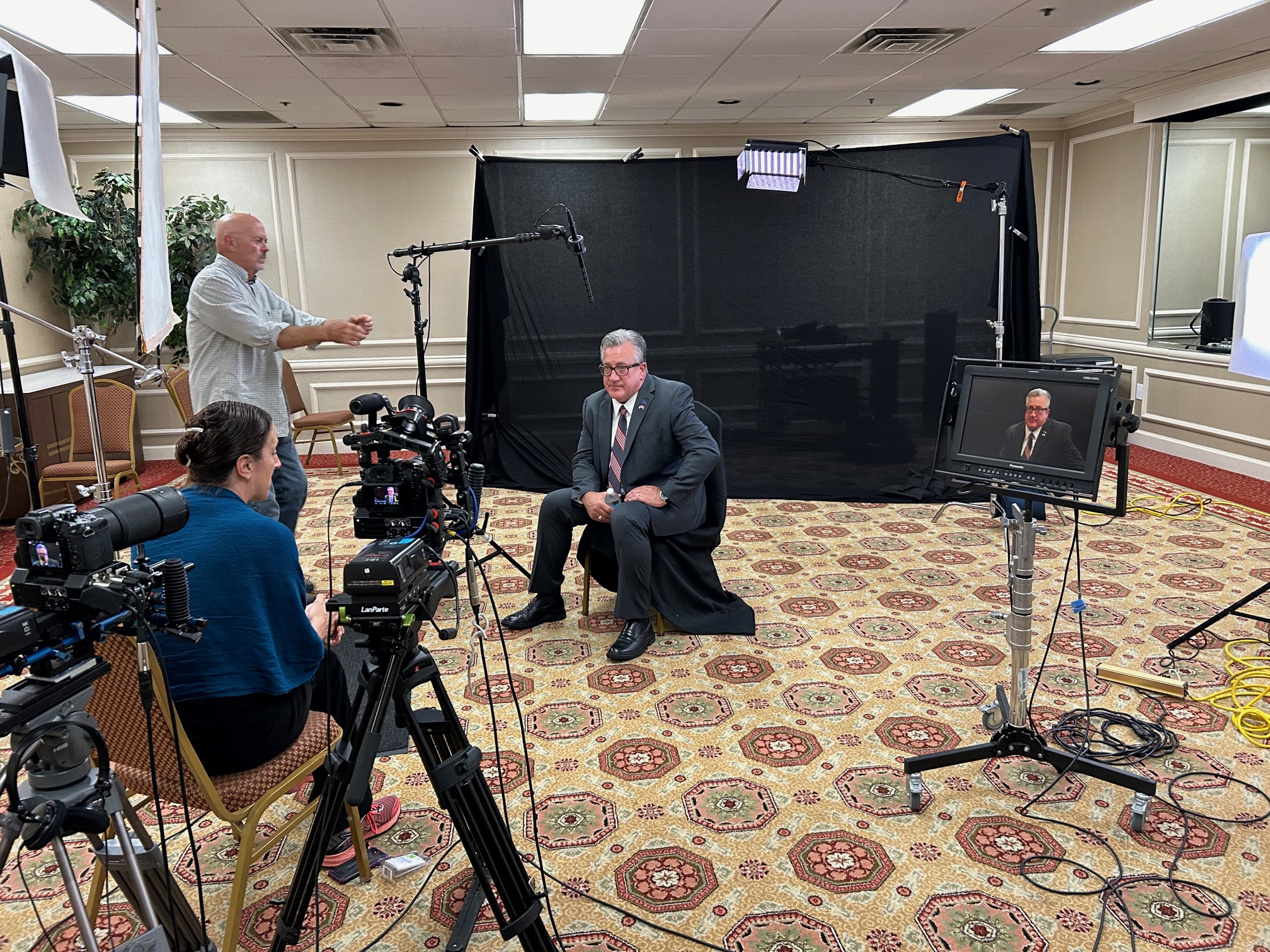
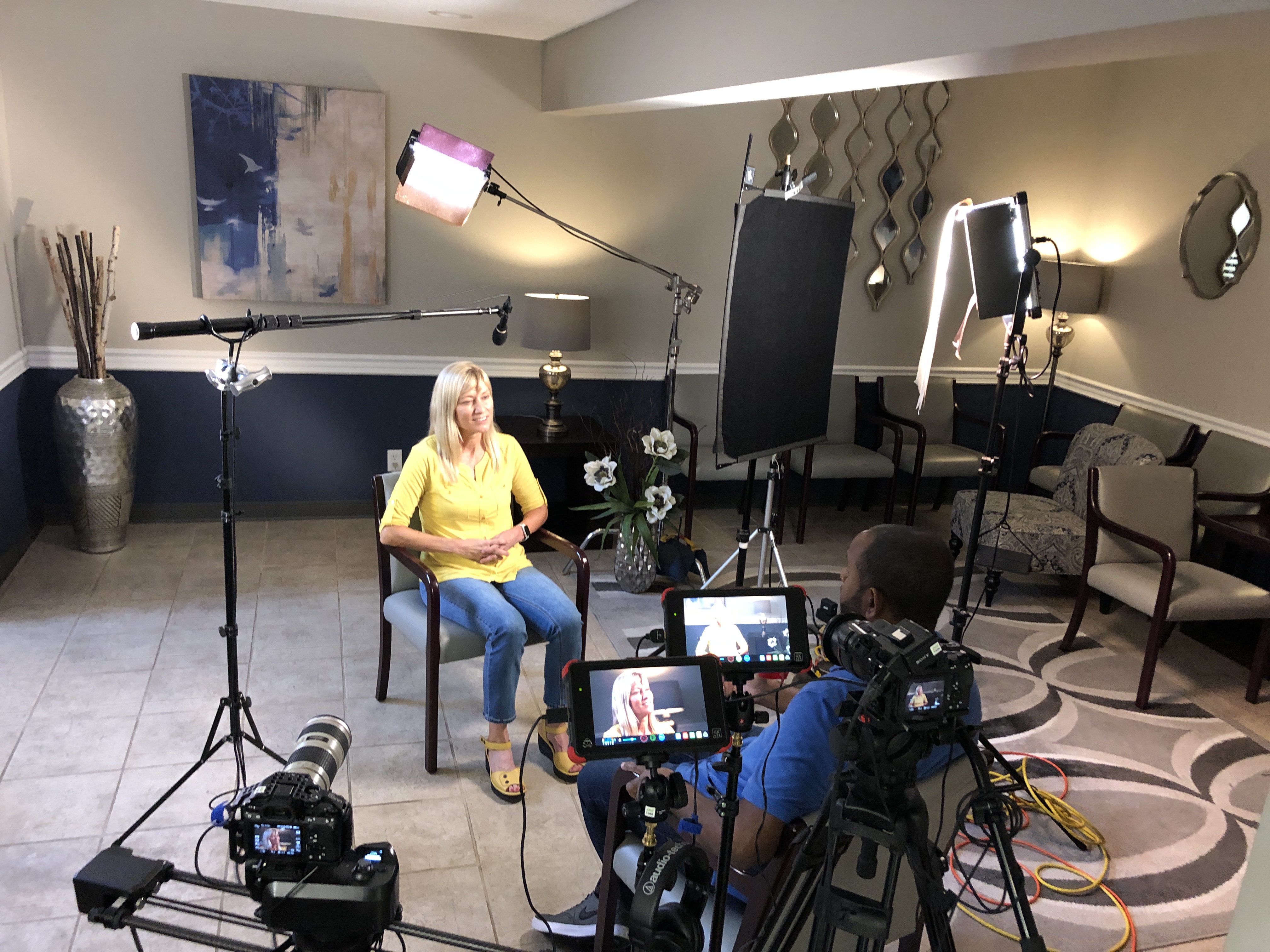
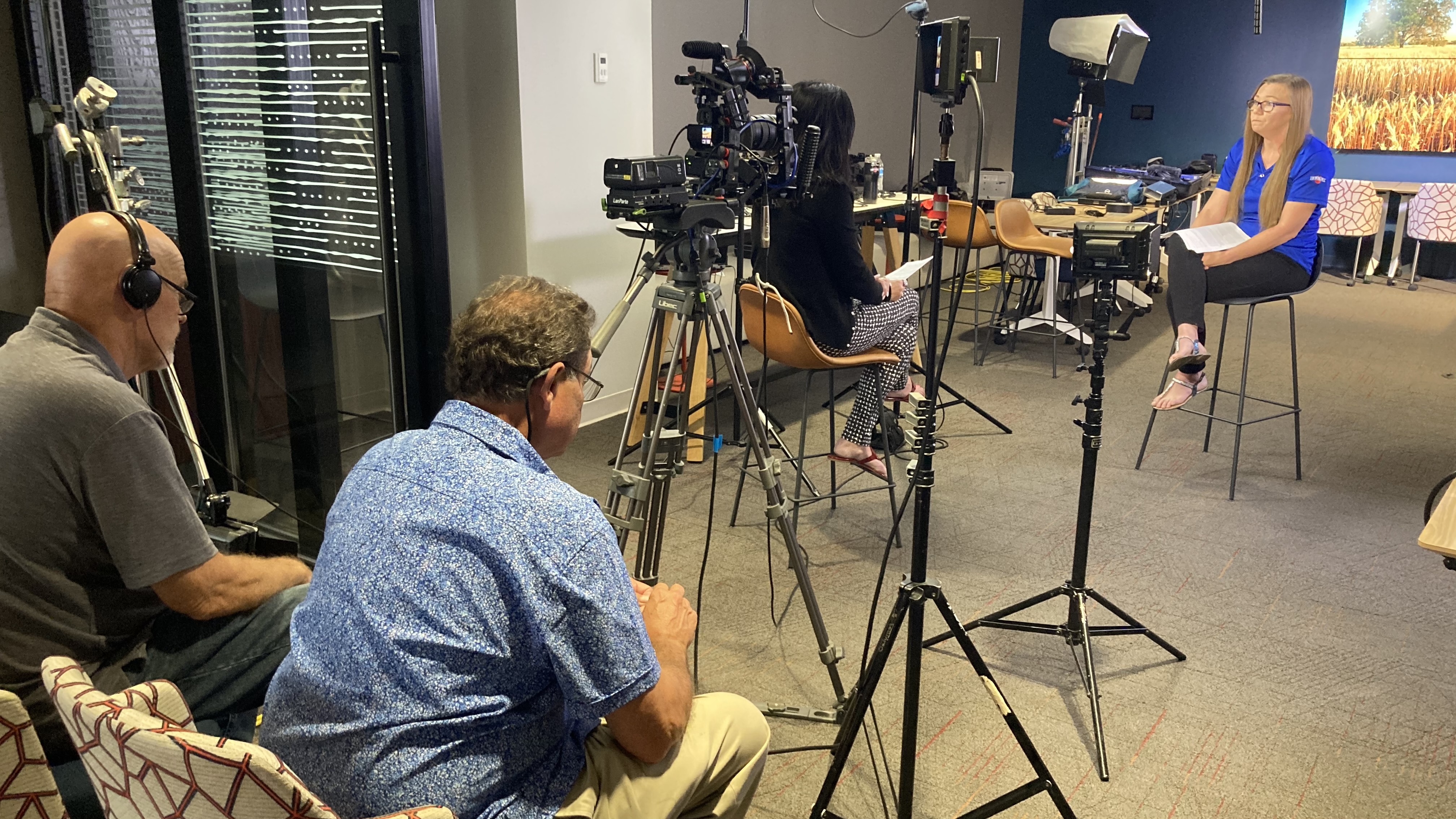
Camera operators capture the story from different positions. A typical multi-camera setup includes a locked-off wide shot of the stage or room, a tighter shot on the speaker, and a roaming operator for audience reactions, interactions, and moments the plan didn’t predict.

The audio engineer may be the most important person on the crew. Clean sound from the venue’s mixer, wireless microphones for speakers and interviewees, and ambient recording for atmosphere are what make footage publishable.

A stills photographer works alongside the video team so you get both motion and photographs from the same event, with consistent coverage and no crews getting in each other’s way.

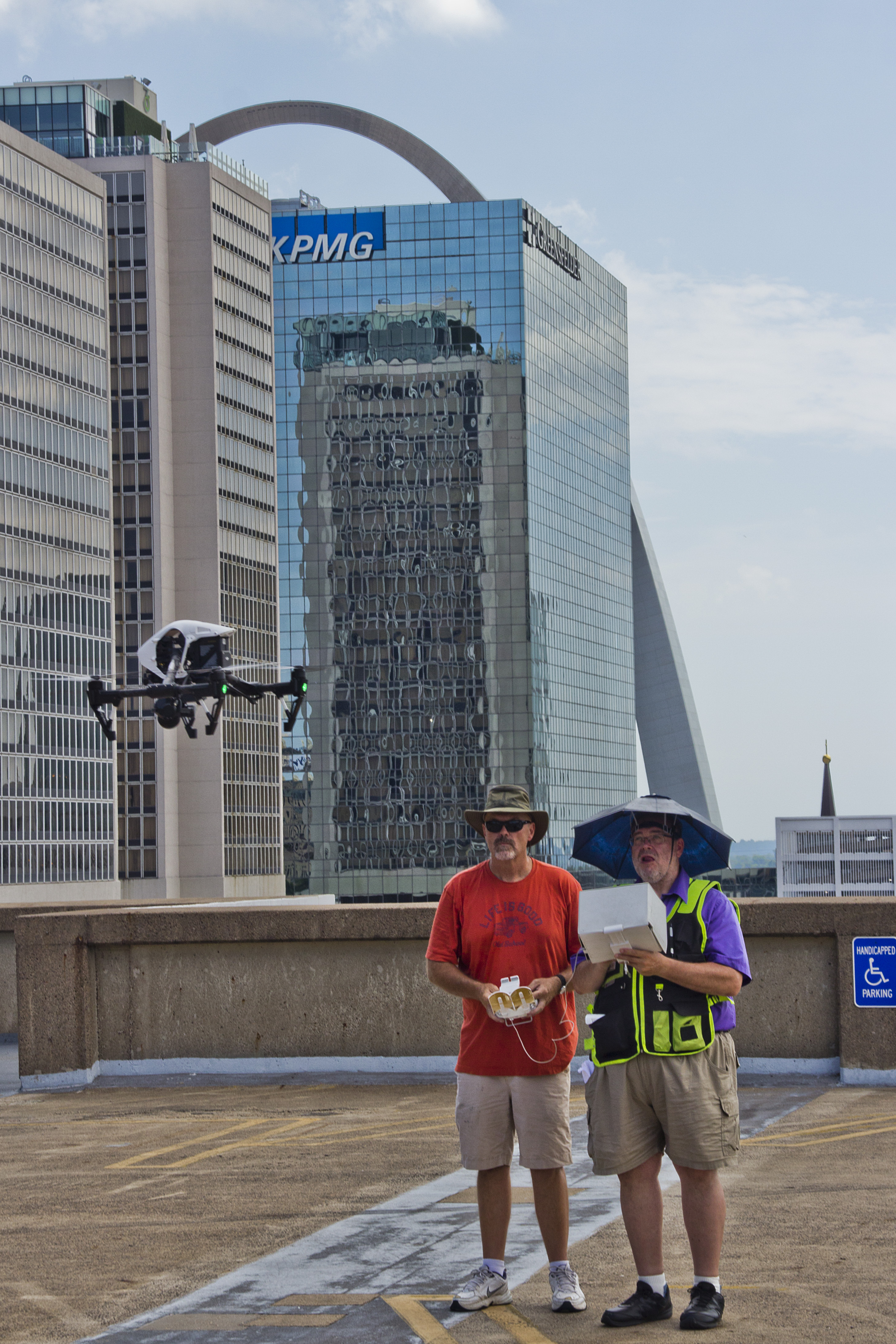
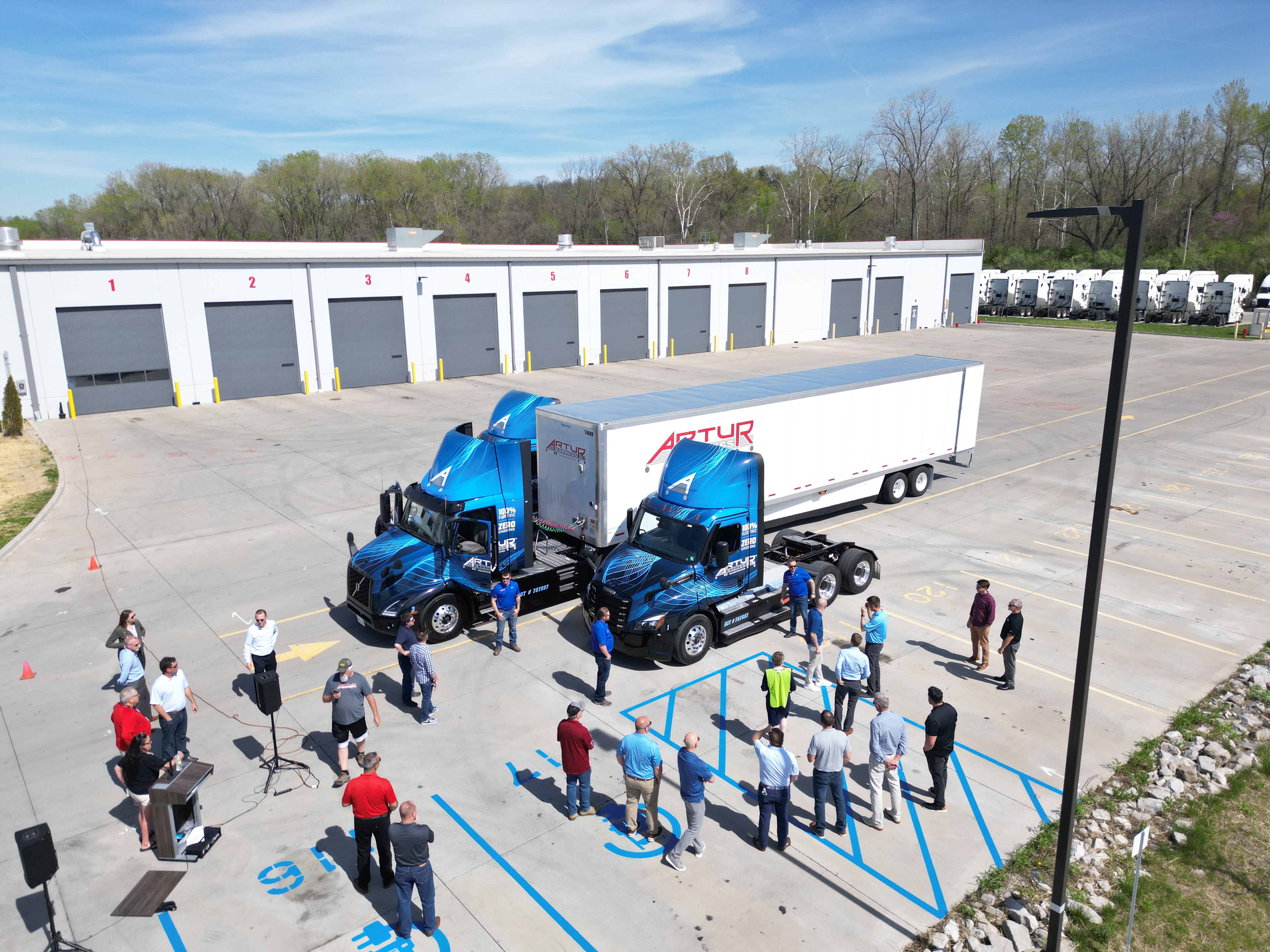
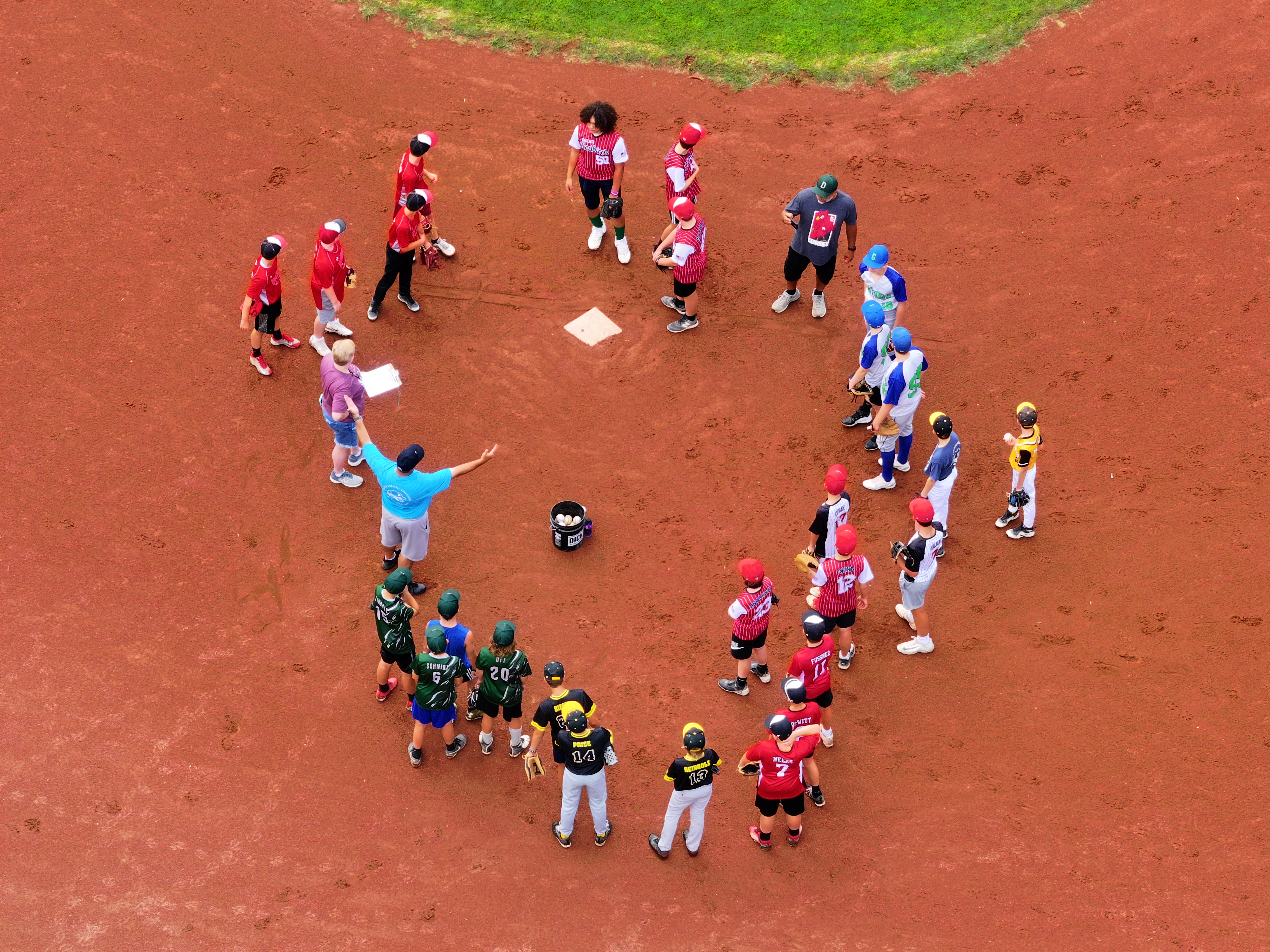
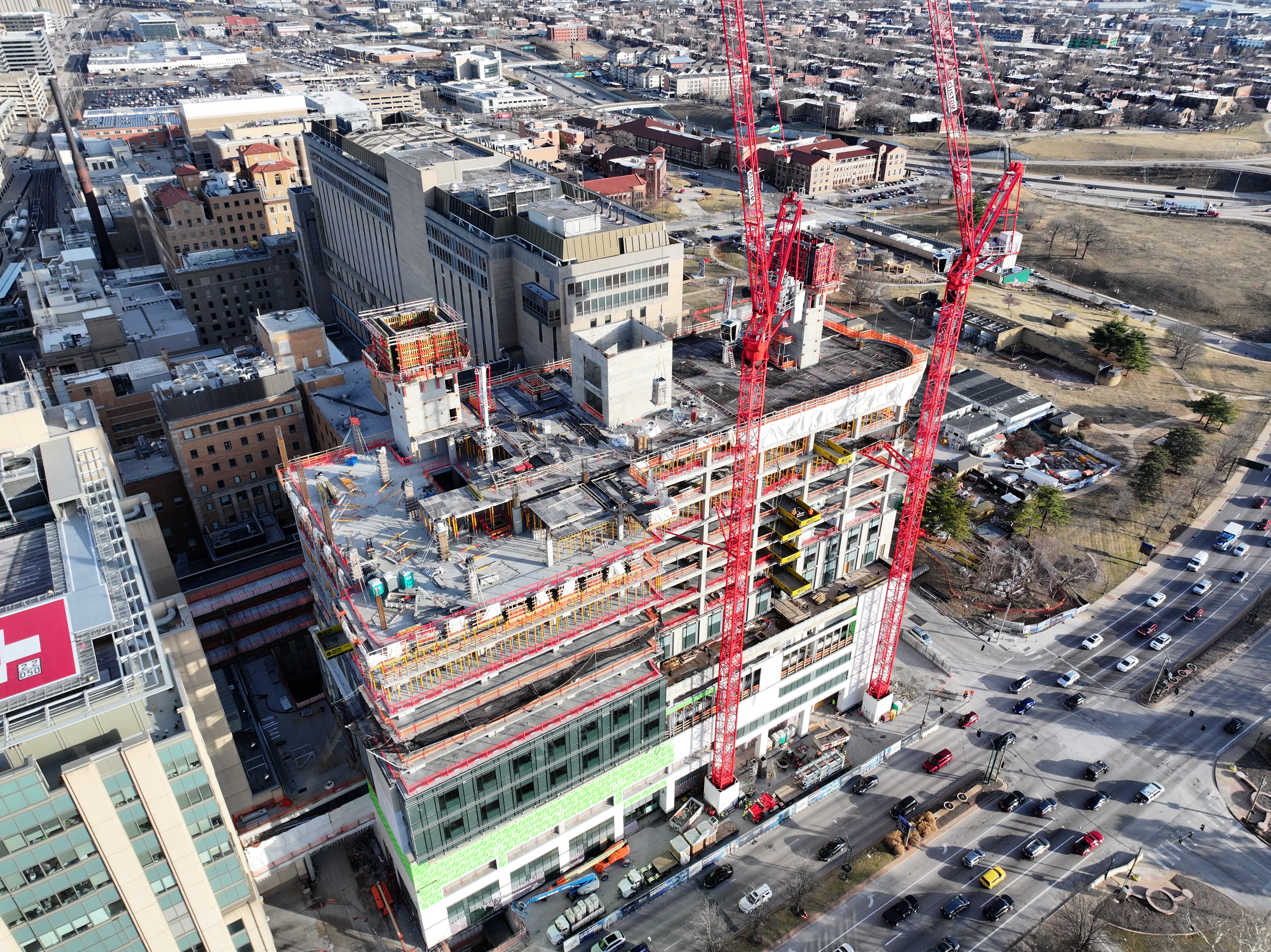
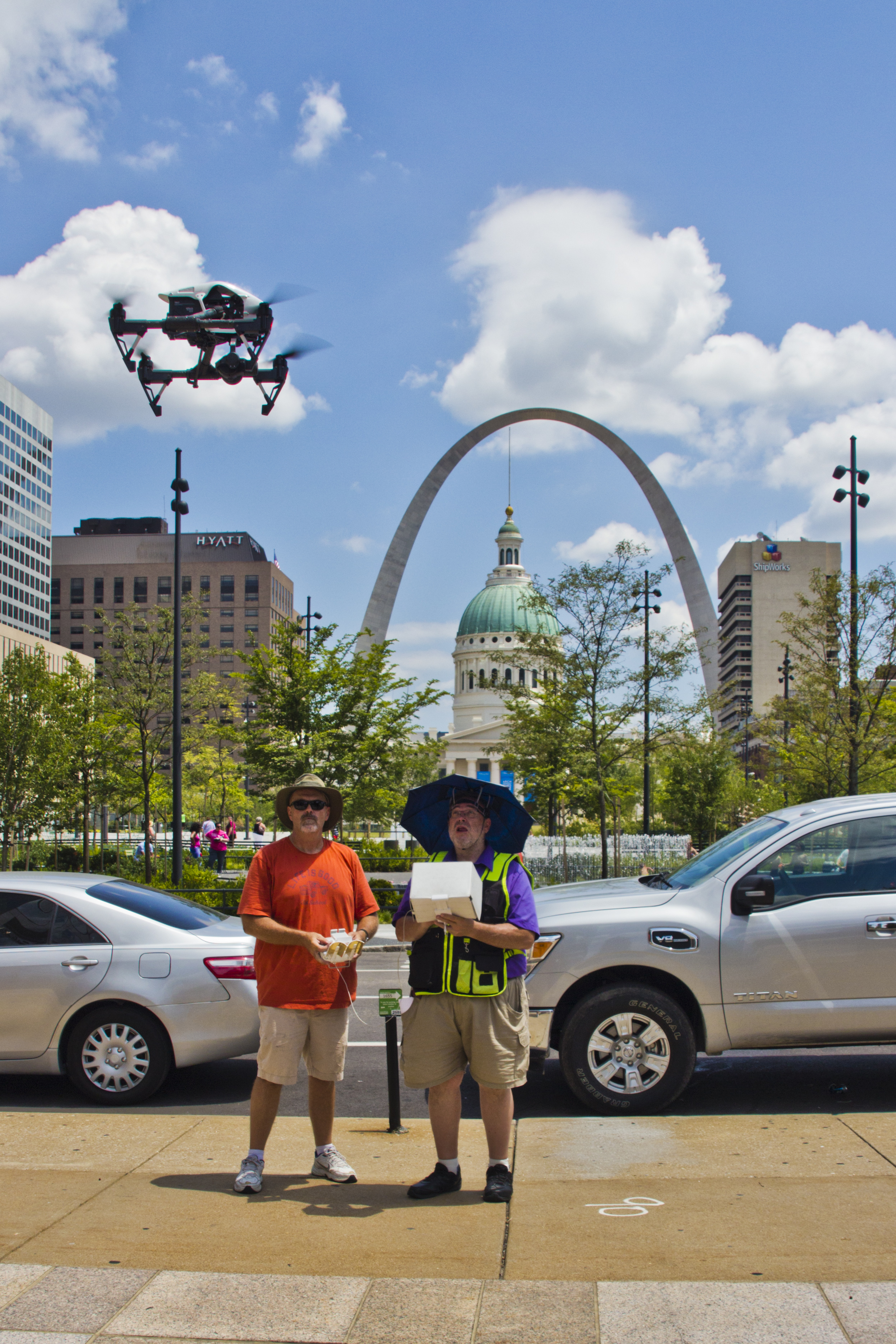
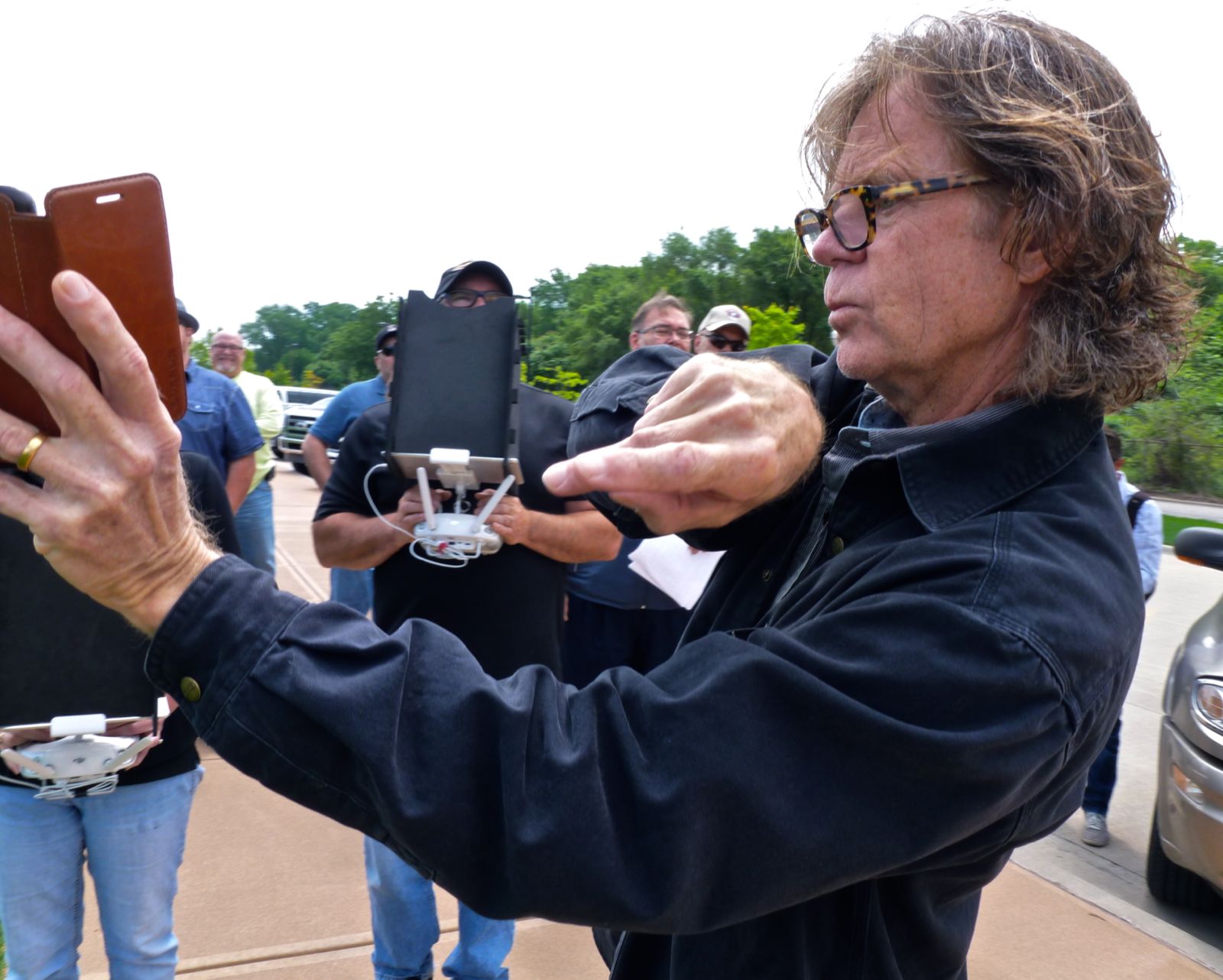
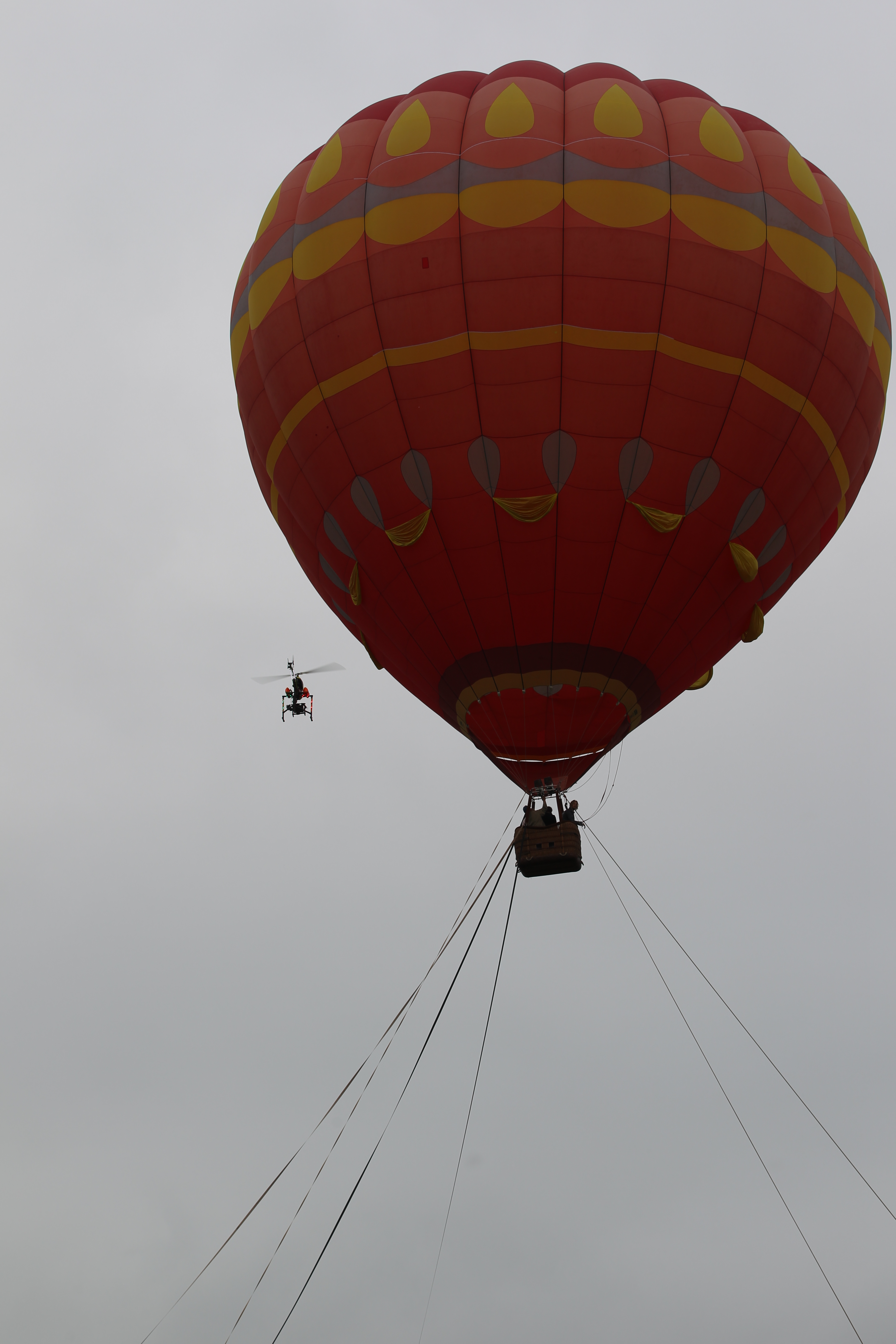
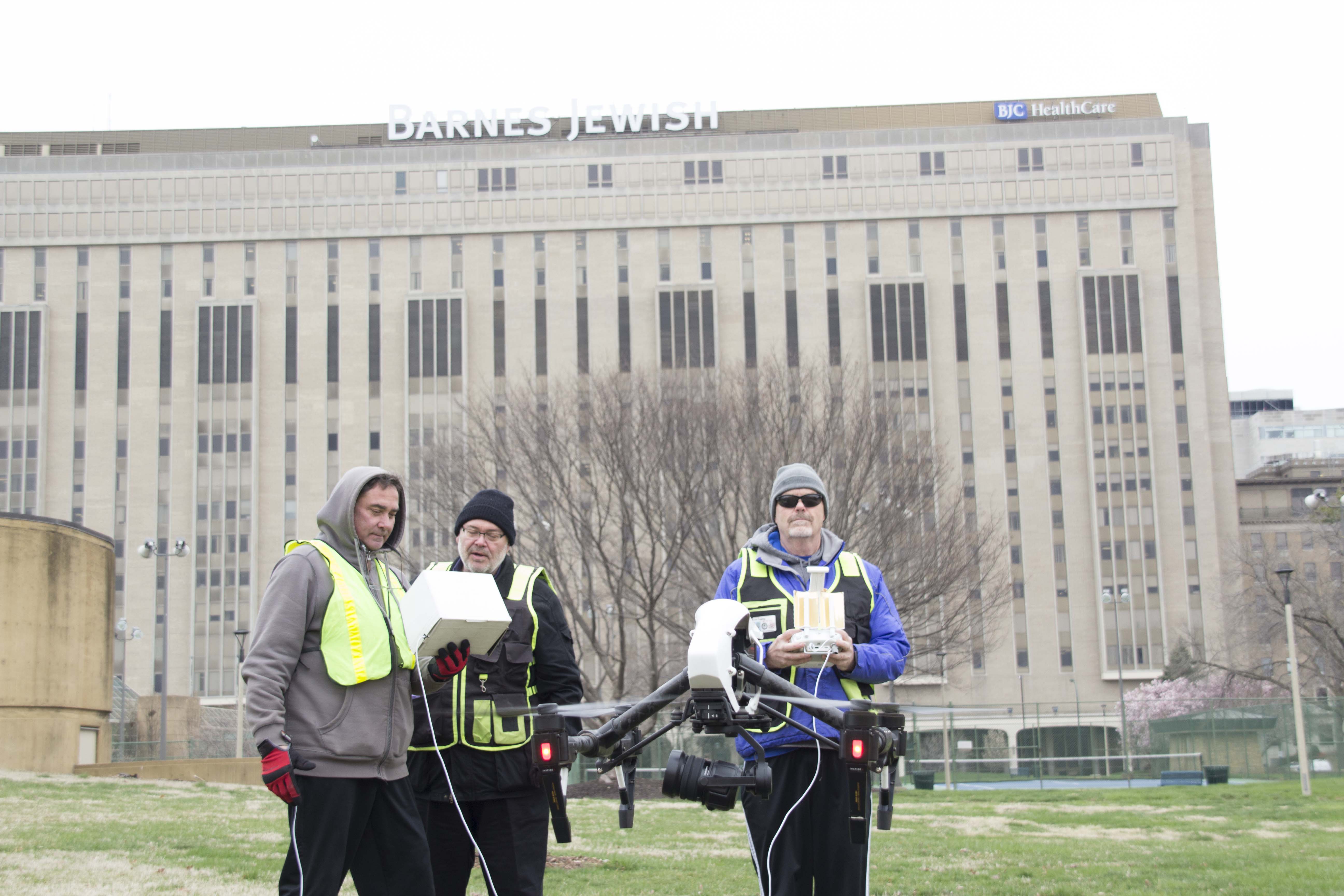
A drone operator, when the event and venue allow, adds aerial establishing shots for outdoor events, campuses, and grand openings. Licensed operators keep the work compliant. Specialized FPV drones can also fly indoors for dynamic walkthrough footage of large venues, exhibit halls, and facilities.

The editor turns captured material into finished pieces. The best editors are involved in the planning, so the shoot gives them the coverage they need.

Equipment: Matching Gear to Conditions

Event venues are hard on cameras. Ballrooms are dim, stage lighting changes constantly, LED screens create exposure problems, and sound bounces off hard surfaces. Professional crews prepare for these conditions with:

  • Cameras with strong low-light performance and fast lenses
  • Support for steady, repeatable shots, including tripods, gimbals, and sliders where appropriate
  • Wireless microphone systems, direct audio feeds, and backup recorders
  • Redundant recording so a single card or drive failure doesn’t cost you the keynote
  • Monitoring on every camera and audio channel, so problems are caught while they can still be fixed

Redundancy matters because nobody can ask the CEO to give the speech again.

Live Streaming and Webcasting

More events now reach online audiences as well as in-room attendees, whether through a full webcast, a hybrid format, or a short live segment for a major announcement. Streaming adds work that standard recording doesn’t:

  • A reliable, tested connection at the venue, ideally with a backup path
  • Live switching between camera angles
  • Graphics such as speaker names, sponsor logos, and slides
  • A clean mixed audio feed
  • A person monitoring the stream and ready to respond if something fails

If streaming is a possibility, raise it early. It affects crew size, equipment, and what we need to coordinate with the venue.

Planning Details That Protect the Result

Most problems with event video come from planning gaps, and most can be prevented with a few steps.

Share the run-of-show early. Agendas, speaker lists, and key moments let the producer place cameras and operators where they’ll matter.

Scout the venue. A walkthrough, in person or remote, answers questions about sight lines, power, lighting, load-in, and where interviews can happen with a quiet background.

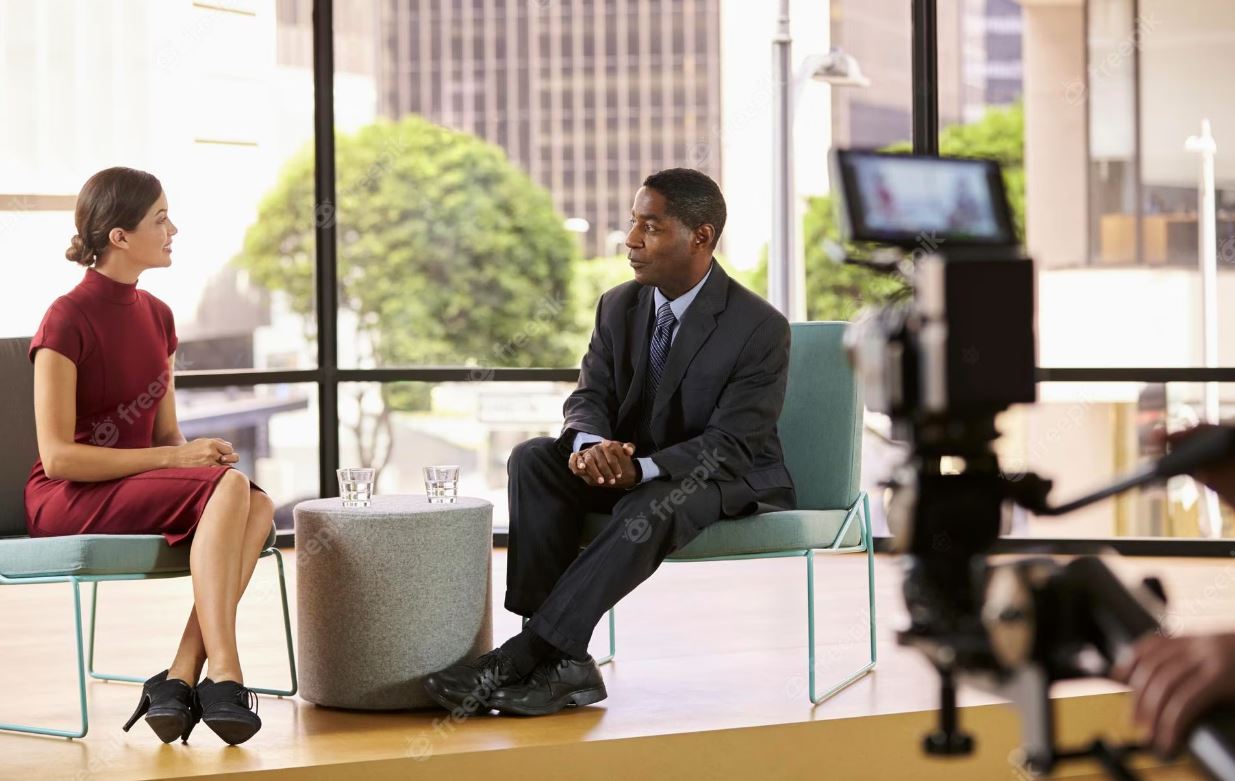
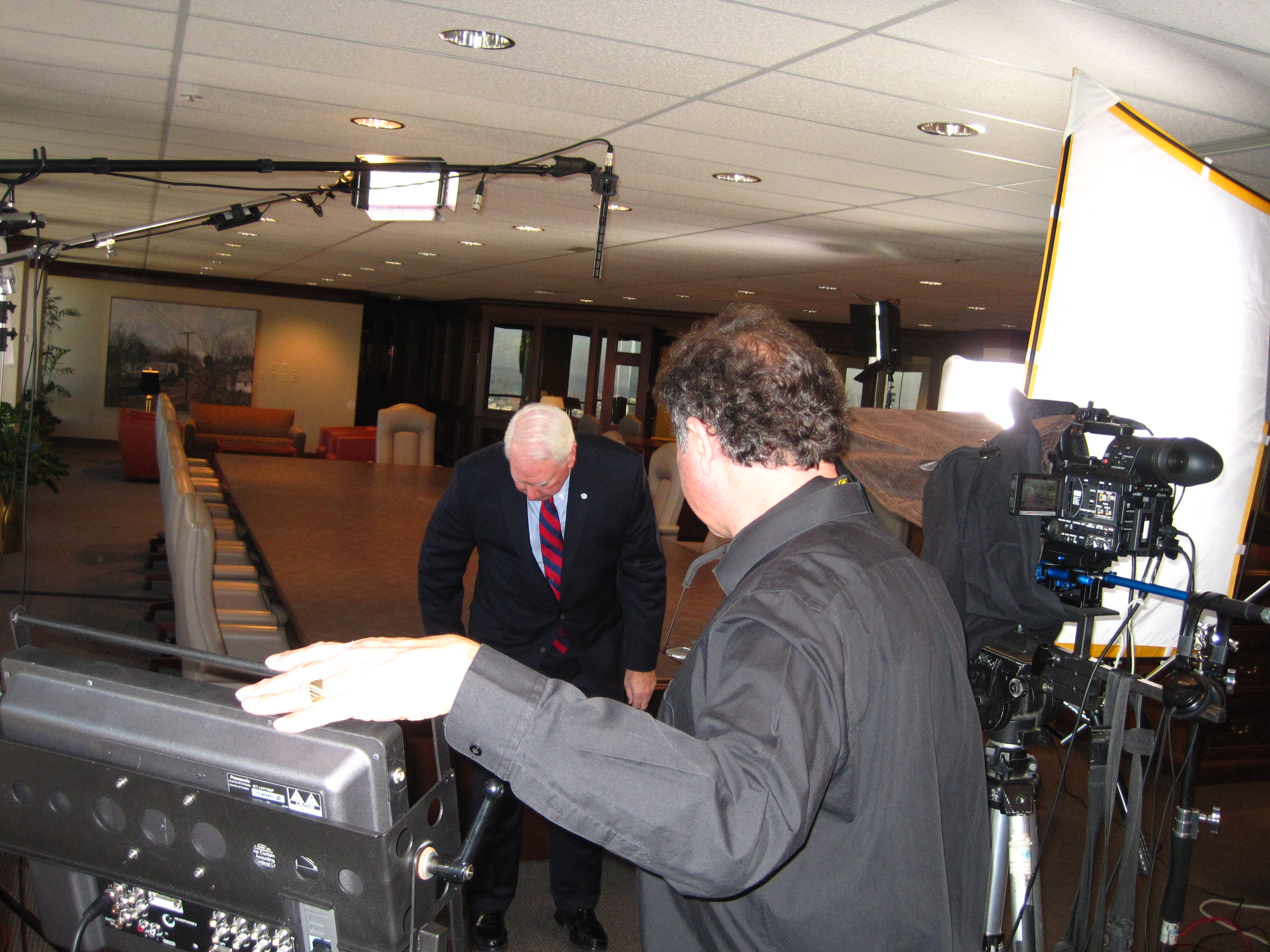
Plan for interviews. Events bring your executives, customers, partners, and speakers into one place. A short interview setup with controlled lighting and sound can generate testimonials and messaging you’d otherwise schedule separately.

Capture b-roll deliberately. Signage, setup, registration, networking, product displays, and venue details give editors the footage to make a recap feel complete.
Define deliverables before the shoot. Know whether you need a highlight reel, full-session recordings, social clips, testimonials, or all of them. That decision shapes the shooting plan, so make it before the event and not afterward.

Post-Production: Where the Footage Becomes Content

Raw event footage is material, not a finished product. Post-production includes selecting the best moments, cutting and pacing, color correction, audio cleanup, captions, graphics, and formatting for each platform you’ll publish on.

Artificial intelligence now helps with transcription, captioning, tagging footage, and rough assembly. That shortens turnaround, but an experienced editor still decides what the story is.

Plan to repurpose from the beginning. A single keynote can yield a full-session recording, a short promotional clip, quote graphics, and material for a blog post. One interview can become a testimonial, a social video, and a recruiting message. Footage from this year’s event can anchor next year’s promotion.
What to Ask Before You Hire

  • How many crew members will you send, and what will each one do?
  • What cameras and audio equipment will you bring, and what is your backup plan?
  • Can you handle live streaming and recording at the same event?
  • How do you capture audio at events like ours?
  • Can you show examples of similar events?
  • What are your turnaround times for each deliverable?
  • Can you help us repurpose the content afterward?

A team that answers specifically and confidently has probably dealt with those situations before.

About St Louis Video Production

St Louis Video Production is a full-service professional commercial photography and video production company. Since 1982, we have worked with many businesses, marketing firms, and creative agencies in the St. Louis area on their marketing photography and video. That experience, the right equipment, and a creative crew with real service experience are what make image acquisition successful, particularly at live events where there are no retakes.

We offer full-service studio and location video and photography, plus editing, post-production, and licensed drone services. We can customize your production for diverse media requirements. Repurposing your photography and video branding to gain more traction is another specialty. We are well-versed in all file types, styles of media, and accompanying software, and we use the latest in artificial intelligence across our media services.

We support every aspect of your production:

  • Private studio: Our studio lighting and visual setup is perfect for small productions and interview scenes. It is large enough to incorporate props and round out your set, and we can set up a private, custom interview studio for your project.
  • Crew and equipment: We supply professional sound and camera operators along with the right equipment, so your next video production is seamless and successful.
  • Location scouting and b-roll: Our specialists find the right settings and capture the supporting footage that gives your finished video depth.
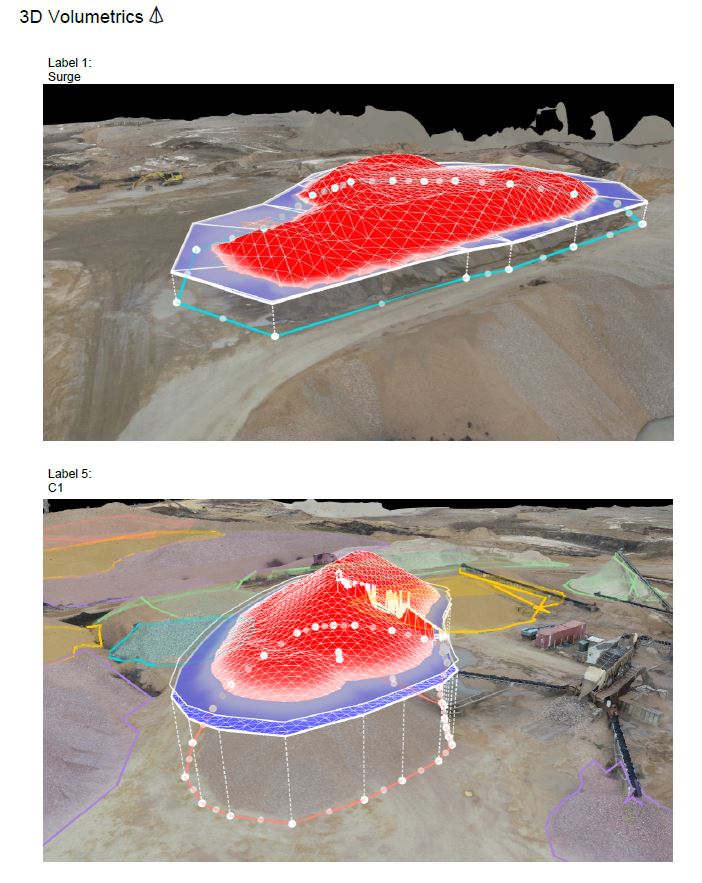
  • Specialized drone services: In addition to licensed aerial coverage, we can fly specialized FPV drones indoors. Our other drone services include infrared thermal imaging, orthomosaics, and LiDAR.

Planning a conference, product launch, gala, or corporate event? Contact Mike Haller at St Louis Video Production at 314-913-5626 or stlouisvideoproduction@gmail.com to talk through your goals. We’ll build a production plan that captures the event and keeps it working for your brand long after it ends.

Smart Budget, Sharp Results: Why an Economical Studio Is the Best-Kept Secret in St. Louis Video and Photography Production

For decision makers overseeing marketing, brand, and communications budgets, “studio production” often sounds like a line item reserved for national campaigns and Fortune 500 creative teams. In reality, the opposite is true. A well-run local studio can be the single most cost-efficient way to produce high-quality video and photography content — if you know what to look for and how to use it strategically.

This article breaks down what makes a studio “economical” without cutting corners on quality, why controlled studio environments often outperform location shoots on cost and consistency, and how to evaluate a production partner that can deliver both creative excellence and budget discipline.

Why Studio Production Is More Economical Than Most Businesses Realize

When marketing leaders compare studio production to location shoots, they frequently underestimate the hidden costs of working on location: travel time, weather delays, permitting, noise interference, lighting inconsistency, and the logistical overhead of coordinating talent, crew, and equipment across an unfamiliar space. Every one of those variables adds time — and time is the single biggest cost driver in any production budget.

A dedicated studio eliminates most of that unpredictability. Because the space, power, and lighting infrastructure are already built and tested, crews can move faster, shoot more setups per hour, and avoid the costly “we didn’t anticipate that” moments that turn a half-day shoot into a full-day invoice. For businesses producing recurring content — interviews, testimonials, product photography, training videos, or social media assets — a studio relationship also creates repeatable efficiencies. The crew already knows the lighting setups, camera positions, and workflow, which shortens pre-production and setup time on every subsequent shoot.

What “Economical” Should Actually Mean

Low cost is only valuable if it doesn’t compromise the final product. When evaluating a studio for video or photography production, decision makers should look past the day rate and assess the full value equation:

  • Efficient turnaround from setup to capture. A studio with pre-configured lighting grids, backdrops, and power distribution reduces crew hours spent on rigging — which directly reduces labor cost.
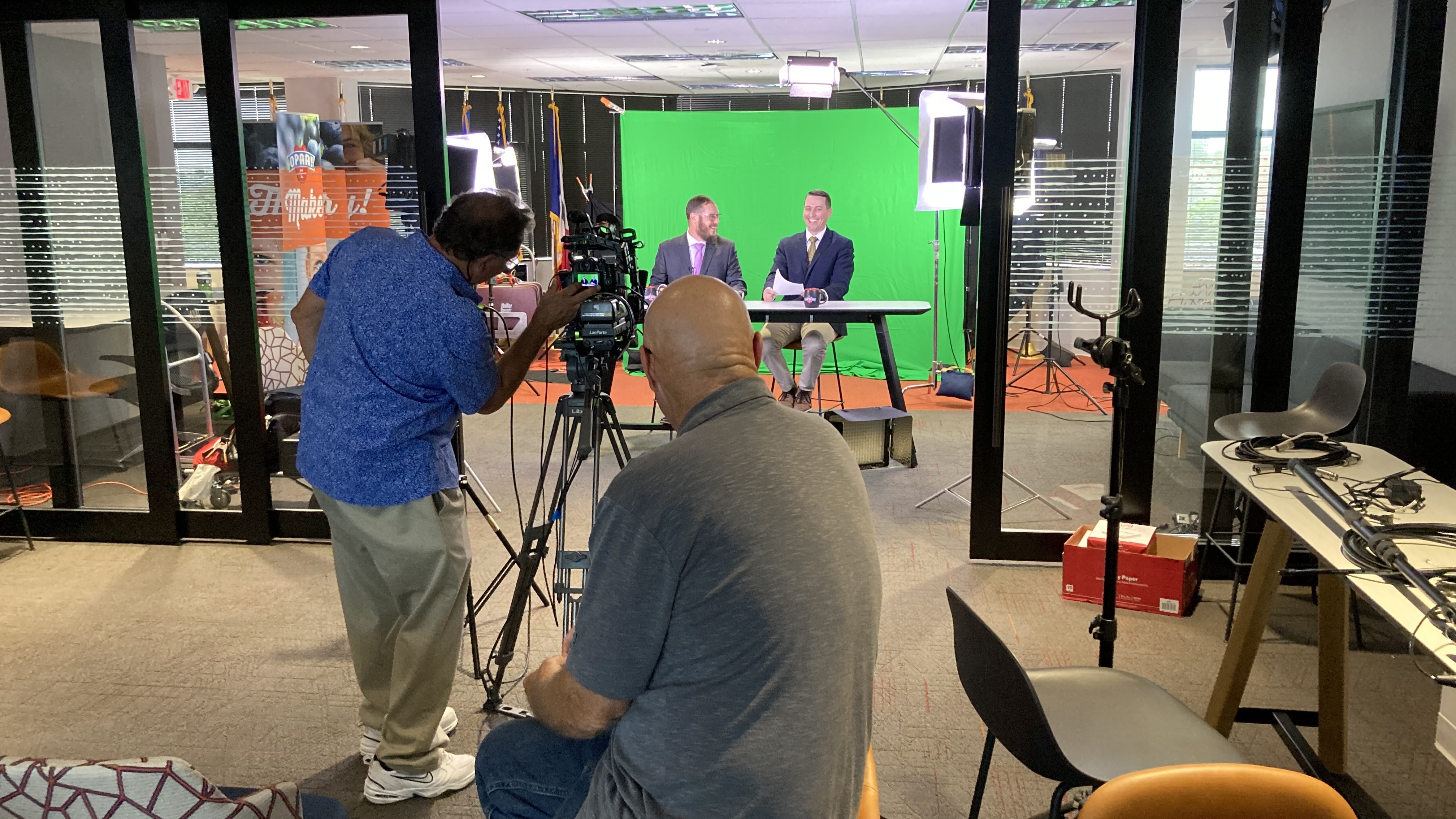
  • Multi-use flexibility. A space that supports interviews, product photography, green screen, and small set builds in one location eliminates the need to book (and pay for) multiple vendors.
  • Scalability without waste. The right partner can right-size the crew and equipment to the project — a one-person operator for a simple headshot session, or a full crew for a multi-camera interview — so businesses aren’t paying for capacity they don’t need.
  • Post-production efficiency. Modern editing workflows, including AI-assisted transcription, rough-cut assembly, and color-matching tools, can meaningfully reduce post-production hours without sacrificing polish.
  • Content repurposing built into the plan. A single studio session, shot with repurposing in mind, can yield a hero video, social cutdowns, still photography, and B-roll — multiplying the return on a single production day.

The Business Case for a Controlled Studio Environment

For interviews, executive profiles, testimonials, and product photography in particular, a controlled studio environment isn’t just a cost-saver — it’s a quality advantage. Consistent lighting removes the guesswork of matching exposure and color temperature across multiple takes or multiple days of shooting. Soundproofing (or at least acoustic control) protects audio quality, which is often the first thing viewers notice when something feels “off” about a video. And a private setting allows subjects — especially executives and subject-matter experts who may be camera-shy — to relax and deliver a more natural, confident performance.

For marketing and creative agencies managing multiple clients, a reliable studio partner also becomes a scheduling asset. Predictable availability, consistent quality, and a known cost structure make it far easier to plan campaigns, batch content, and hit publishing deadlines.

Questions to Ask Before Booking Studio Time

Before committing budget to a studio production, decision makers should ask:

  1. Does the studio support both photography and video, or will we need a second vendor?
  2. Can the space accommodate props, set pieces, or small builds if our concept requires them?
  3. What is included in the day rate — lighting, camera operators, sound, and basic post-production — versus billed as add-ons?
  4. How does the studio handle file delivery, formats, and licensing for our intended use (broadcast, web, social, print)?
  5. Can this same crew and space support location work, drone footage, or B-roll if our project grows beyond the studio?

Asking these questions up front prevents budget surprises and ensures the studio can actually support the full scope of a campaign — not just a single shoot day.

How St Louis Video Production Delivers Economical, Full-Service Studio Work

St Louis Video Production has served businesses, marketing firms, and creative agencies throughout the St. Louis area since 1982, and that four-decade track record shapes how we think about value: efficient workflows, experienced crews, and the right equipment for the job — nothing more, nothing less.

Our private studio is purpose-built for interviews, testimonials, product photography, and small-to-mid scale productions. The lighting and visual setup is pre-configured for fast, consistent results, and the studio is large enough to incorporate props and set dressing when a concept calls for more than a clean backdrop. Because the space and equipment are already dialed in, our crews spend less time on setup and more time capturing usable footage — which keeps costs predictable for our clients.

As a full-service commercial photography and video production company, we support every stage of a production: private studio and on-location shooting, professional sound and camera operators, editing and post-production, and licensed drone services — including specialized FPV drones capable of flying indoors, along with infrared thermal imaging, orthomosaic mapping, and LiDAR capture for specialized commercial applications. Our team also includes location scouting and B-roll specialists, so productions that start in the studio can seamlessly extend into the field when a project requires it.

We’re well-versed across file types, media formats, and the software ecosystems our clients rely on, and we integrate the latest artificial intelligence tools throughout our workflow to streamline editing and post-production without compromising creative quality. We also specialize in repurposing existing photography and video assets — helping clients extend the value of their branding across new campaigns, platforms, and formats rather than starting from scratch every time.

Whether you need a single executive headshot session, a full interview-style video campaign, or ongoing content production for a marketing calendar, St Louis Video Production has the studio space, crew experience, and equipment to deliver professional results efficiently and economically. Contact St Louis Video Production to discuss your next studio or location production.

314-913-5626

stlouisvideoproduction@gmail.com