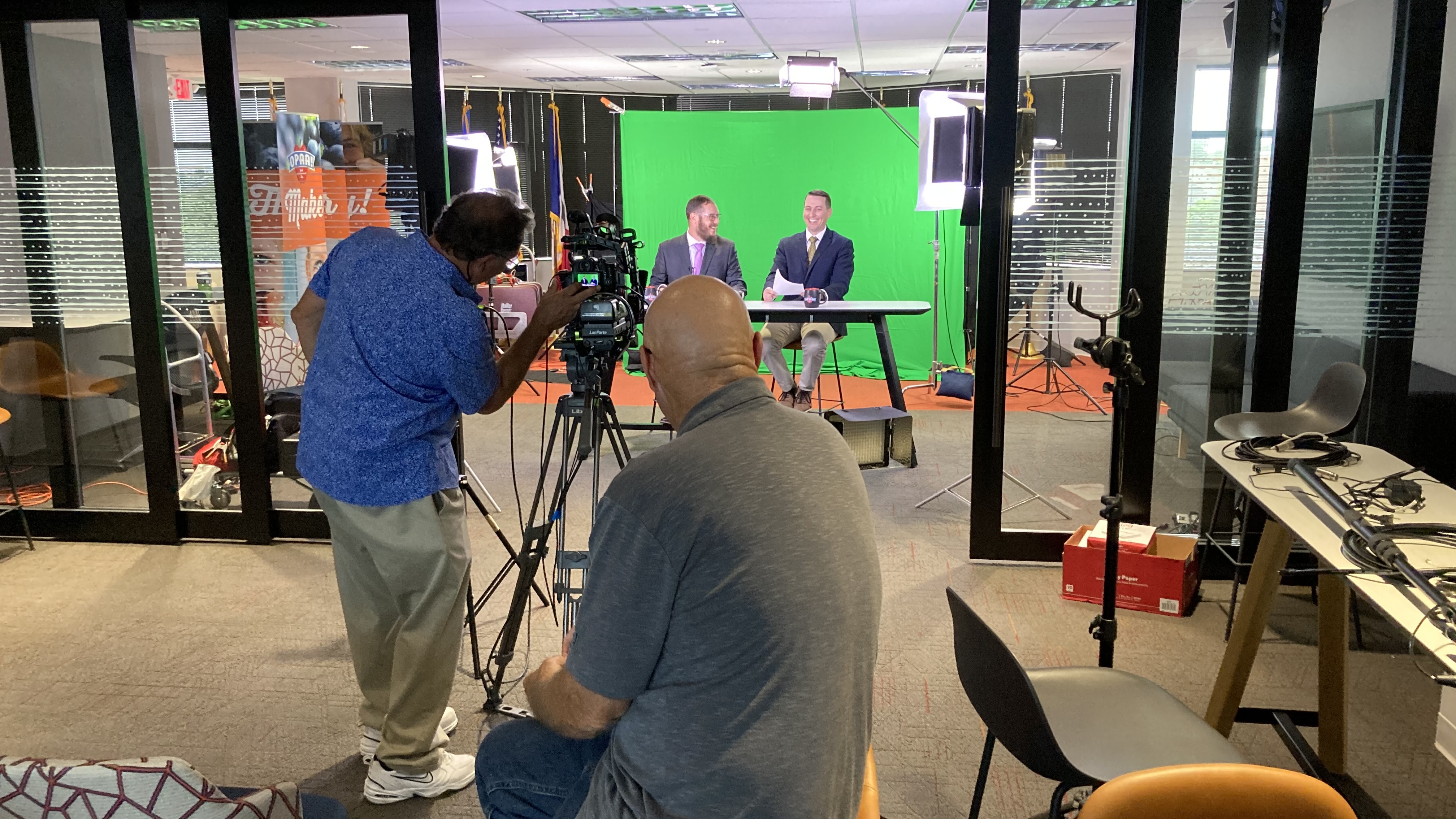
Experienced Crews | Professional Equipment | Studio & Remote Production

Posts tagged ‘photography’

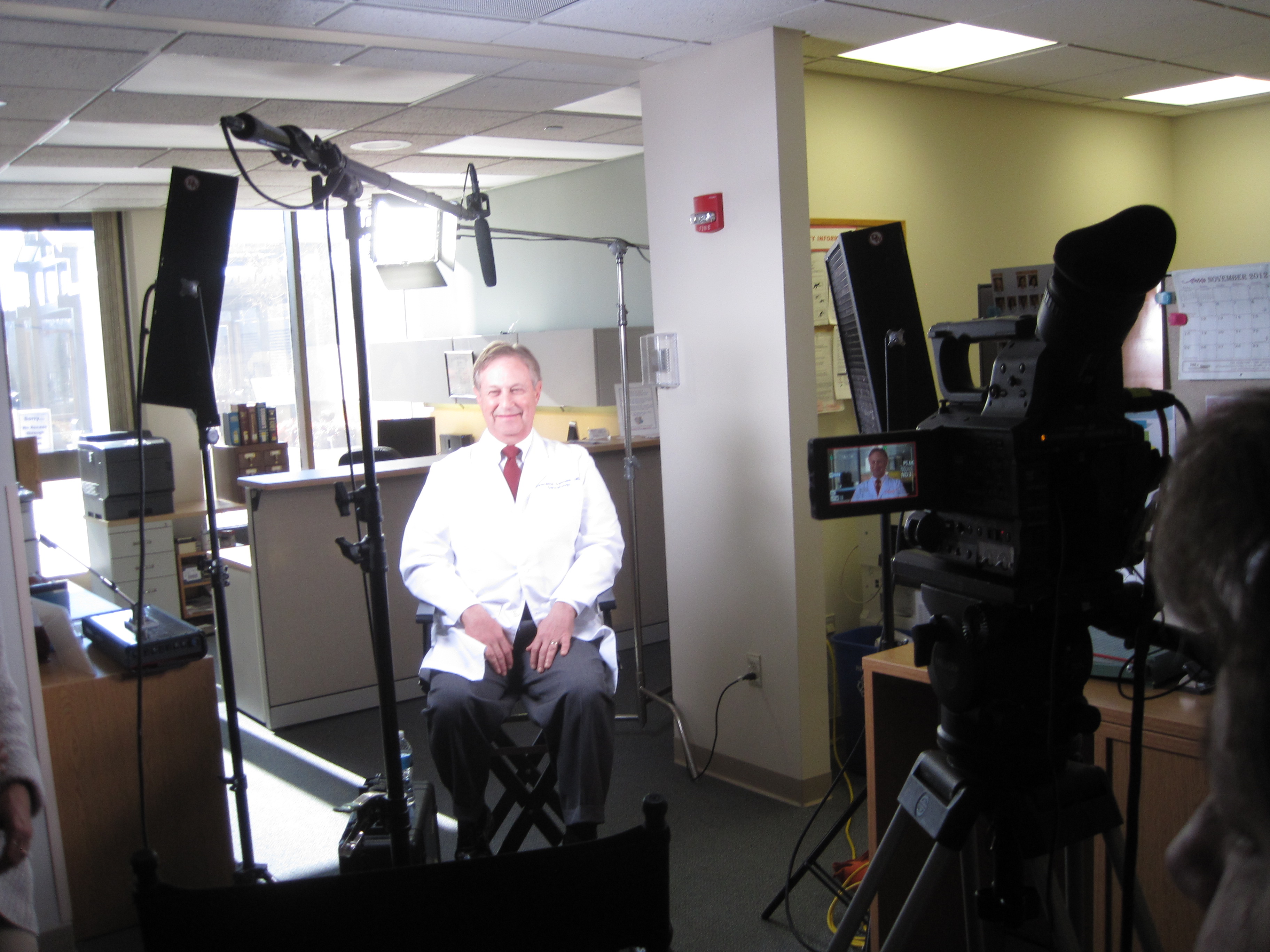
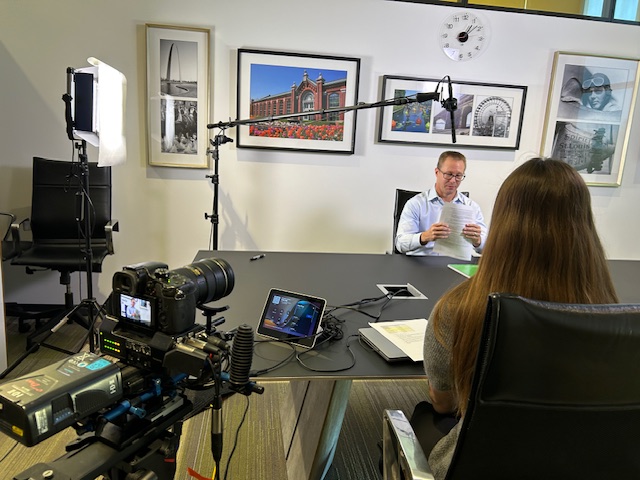
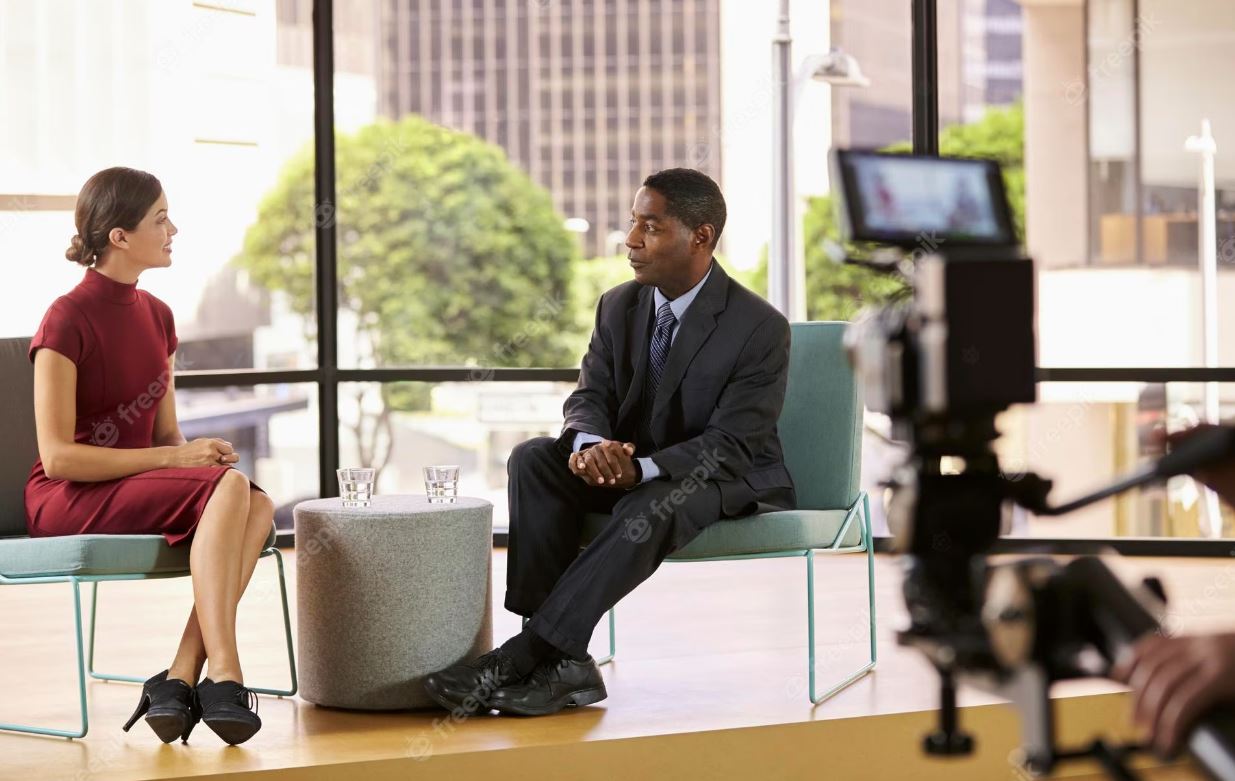
Video Interviews and B-Roll Specialists in St. Louis

In a market crowded with short attention spans, fragmented messaging, and endless content formats, well-produced video interviews and purposeful b-roll remain two of the most effective tools a business can use to communicate clearly and professionally. For organizations in St. Louis that need marketing videos, brand stories, executive messaging, recruiting content, customer testimonials, training assets, or documentary-style business features, the quality of both the interview and the supporting visuals often determines whether the final piece feels credible, polished, and worth watching.

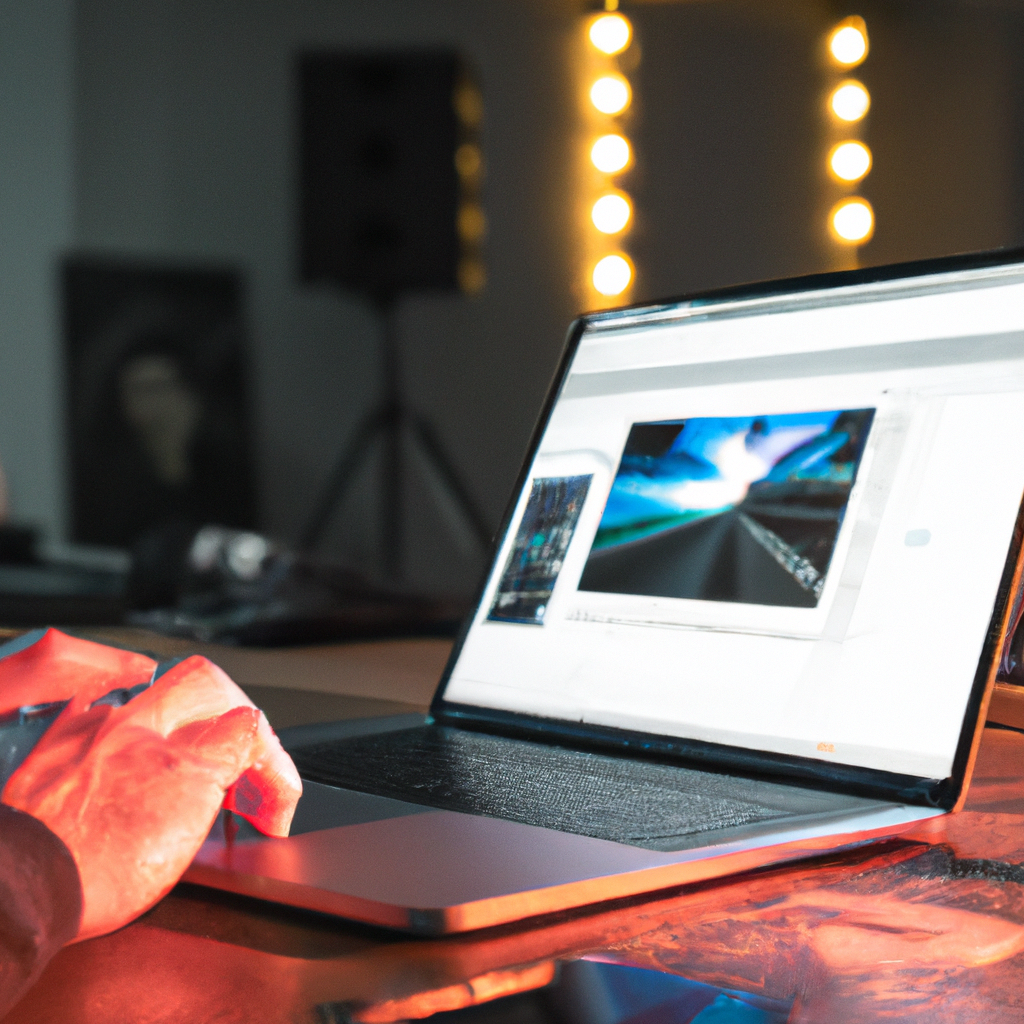
Strong interview production is not simply about pointing a camera at a subject and pressing record. Strong b-roll is not just random footage gathered to fill dead space. The best business videos are built when both elements are planned together from the start. Interview content delivers the message. B-roll provides context, pacing, proof, energy, and visual sophistication. When handled by an experienced production team, the result is a video that feels intentional, persuasive, and useful across multiple platforms.

For decision makers responsible for marketing, communications, branding, internal messaging, recruitment, fundraising, or public relations, understanding the relationship between interview production and b-roll strategy can help shape better projects and better outcomes.

Why Video Interviews Still Matter

Interview-based video remains one of the most dependable formats in business communication because it allows real people to speak directly and credibly to an audience. Whether the subject is a CEO, founder, customer, technical expert, physician, educator, plant manager, or nonprofit leader, the spoken interview gives the piece authenticity. It creates a human connection that scripted voiceover alone often cannot achieve.

Businesses use interview-driven videos for many reasons. Some want to explain their value proposition through leadership perspectives. Others want to build trust by featuring real customers or employees. Some need to communicate complex services in a more approachable format. Others want to preserve institutional knowledge, document a company story, or create content that can be repurposed into smaller pieces for social media, websites, presentations, and email campaigns.

The interview is usually the backbone of the production. It establishes the narrative. It gives structure to the edit. It determines tone. But no matter how articulate the speaker may be, an interview without strong supporting visuals often feels static and limited. That is where b-roll becomes essential.

What B-Roll Really Does

B-roll is often underestimated by clients who have not been through many professional productions. In reality, it is one of the defining factors in whether a video feels average or exceptional.

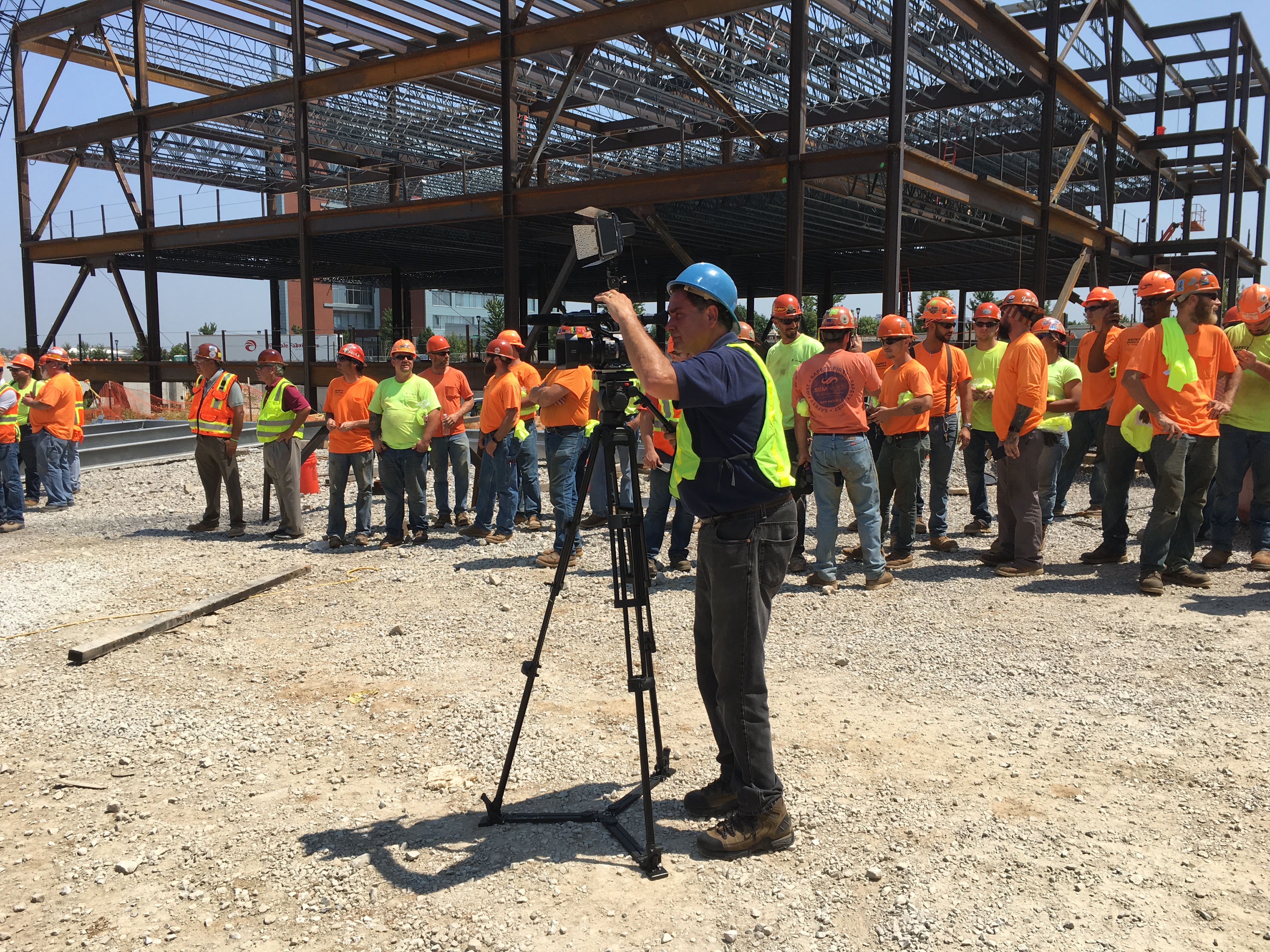
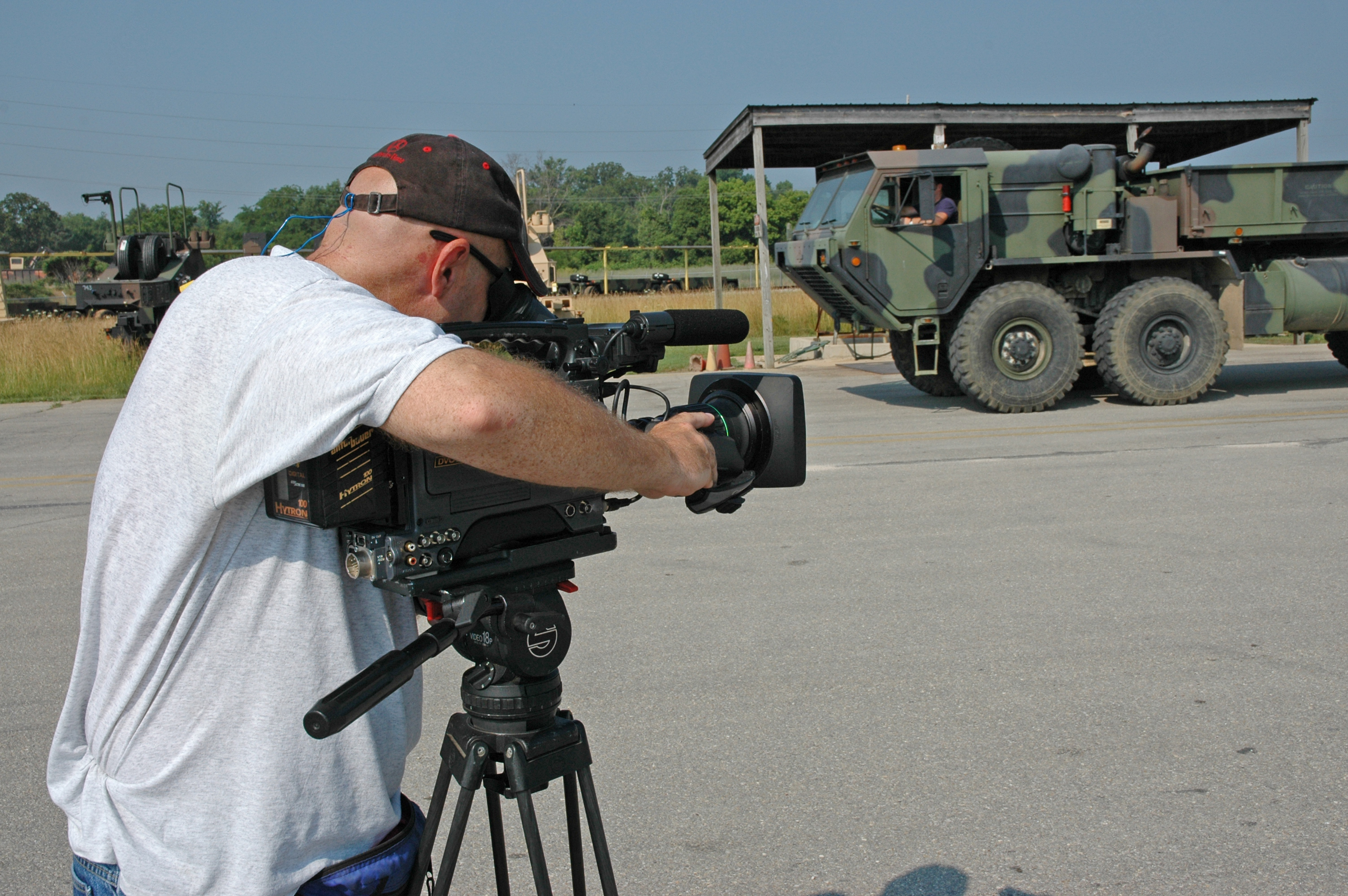
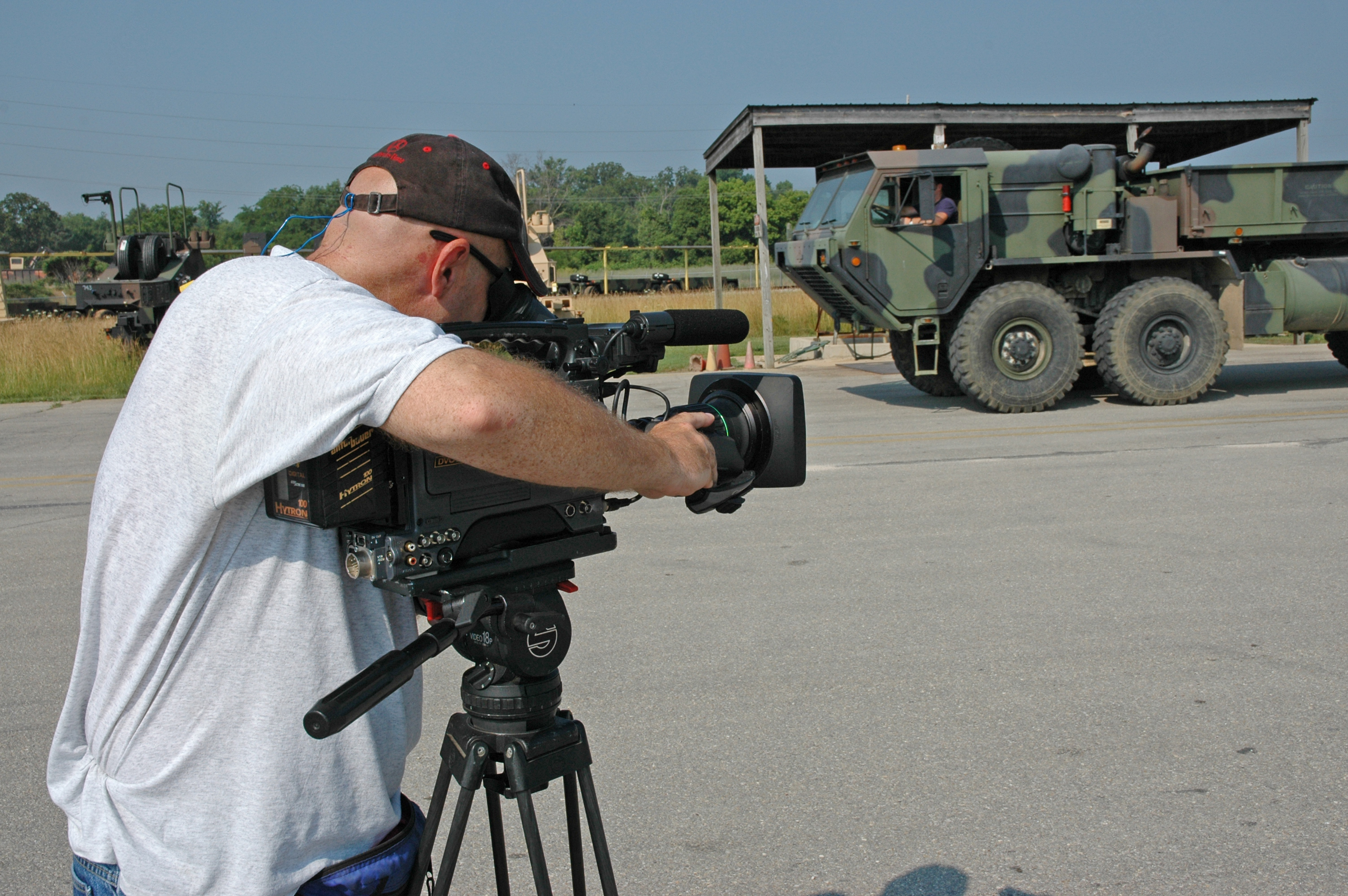
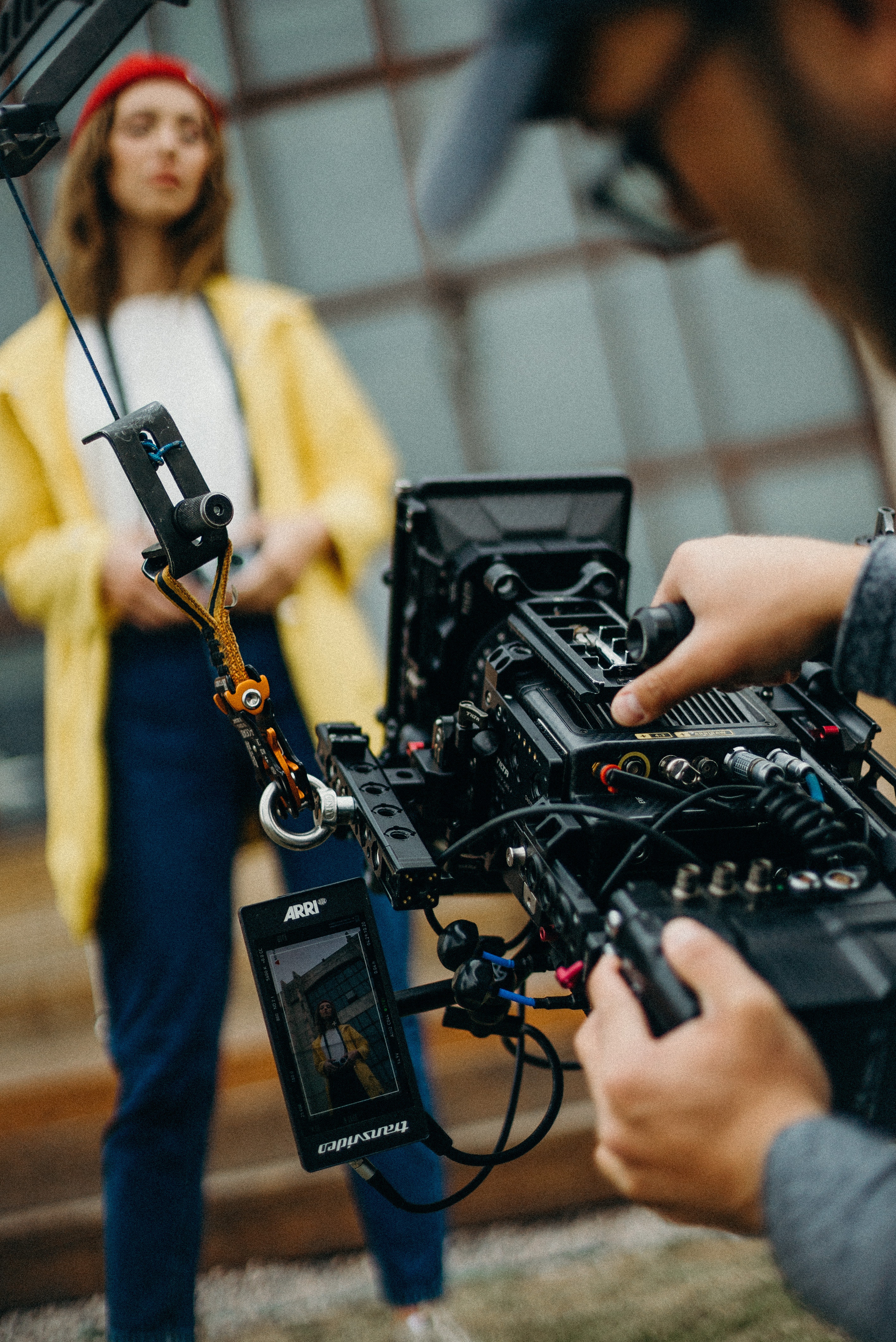
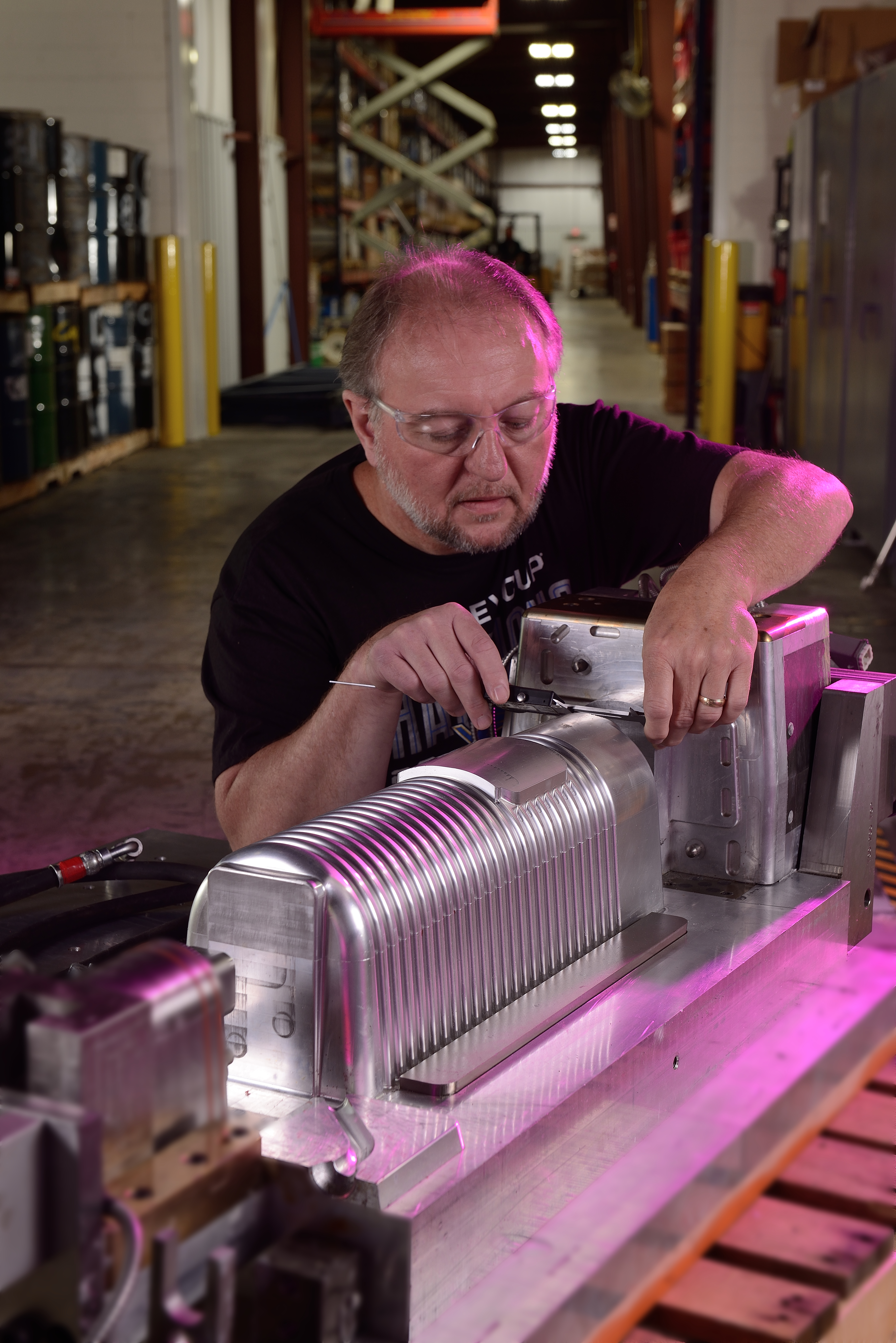
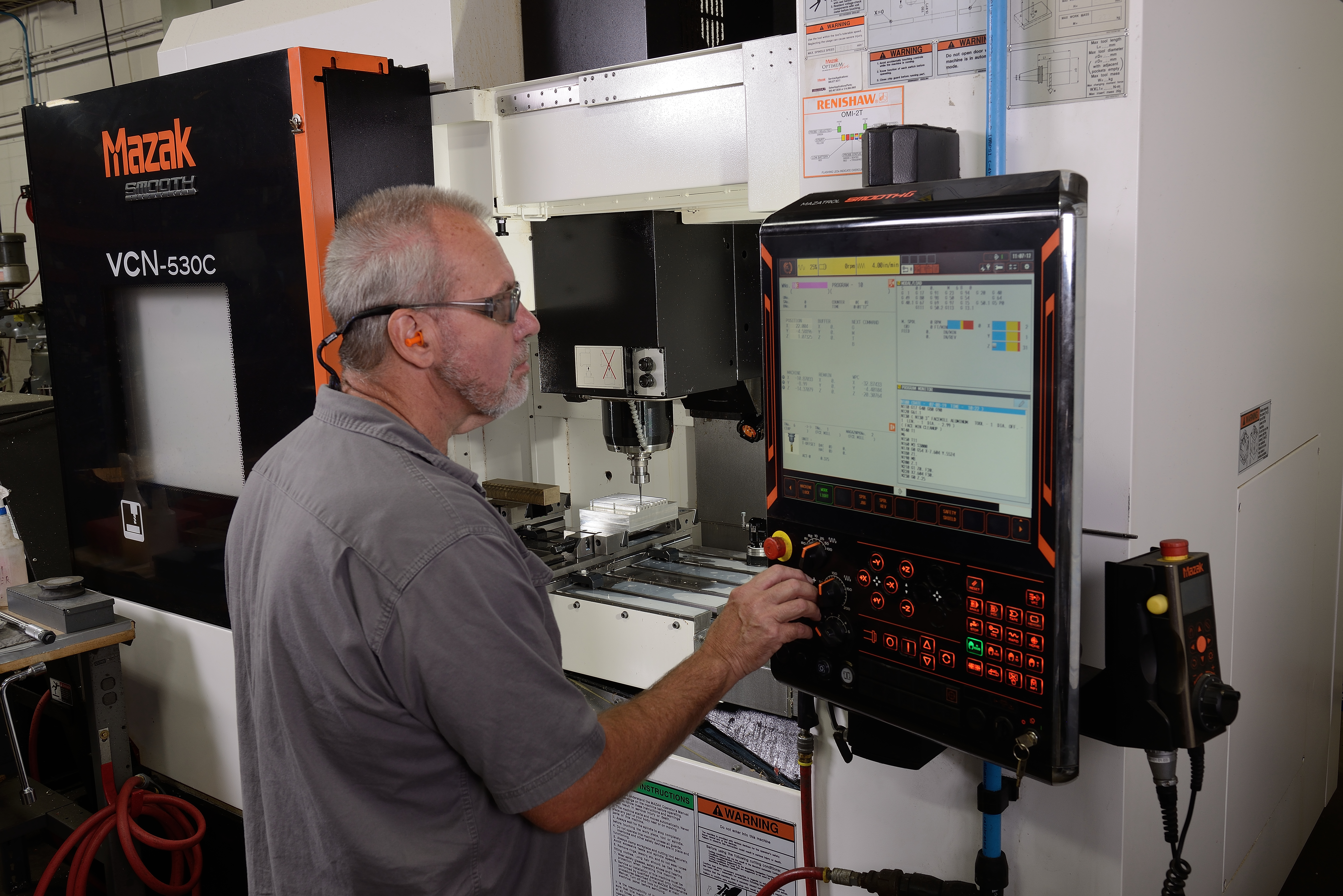
B-roll is the footage that supports, illustrates, and enriches the interview. It may include your team at work, your facility, your products, equipment, service delivery, hands-on processes, environmental shots, branded spaces, customer interactions, workflow details, drone footage, textures, tools, screens, signage, manufacturing activity, architectural details, or lifestyle scenes that help tell the story.

When captured strategically, b-roll does several important things at once.

First, it helps visualize what the speaker is talking about. If an executive mentions efficiency, innovation, precision, or customer service, good b-roll gives the audience something concrete to see. That makes the message more believable.

Second, it improves pacing. Interviews alone can quickly become visually repetitive. B-roll introduces motion, changes perspective, and keeps viewers engaged.

Third, it hides edits. Most interviews require trimming, restructuring, or combining sound bites for clarity and impact. B-roll allows editors to make those transitions smoothly.

Fourth, it adds production value. A video with thoughtful coverage simply feels more polished, more intentional, and more aligned with a strong brand.

Finally, b-roll increases repurposing potential. The more useful visuals a production gathers, the more assets can be created from the same shoot day.

Why St. Louis Businesses Benefit From Specialists

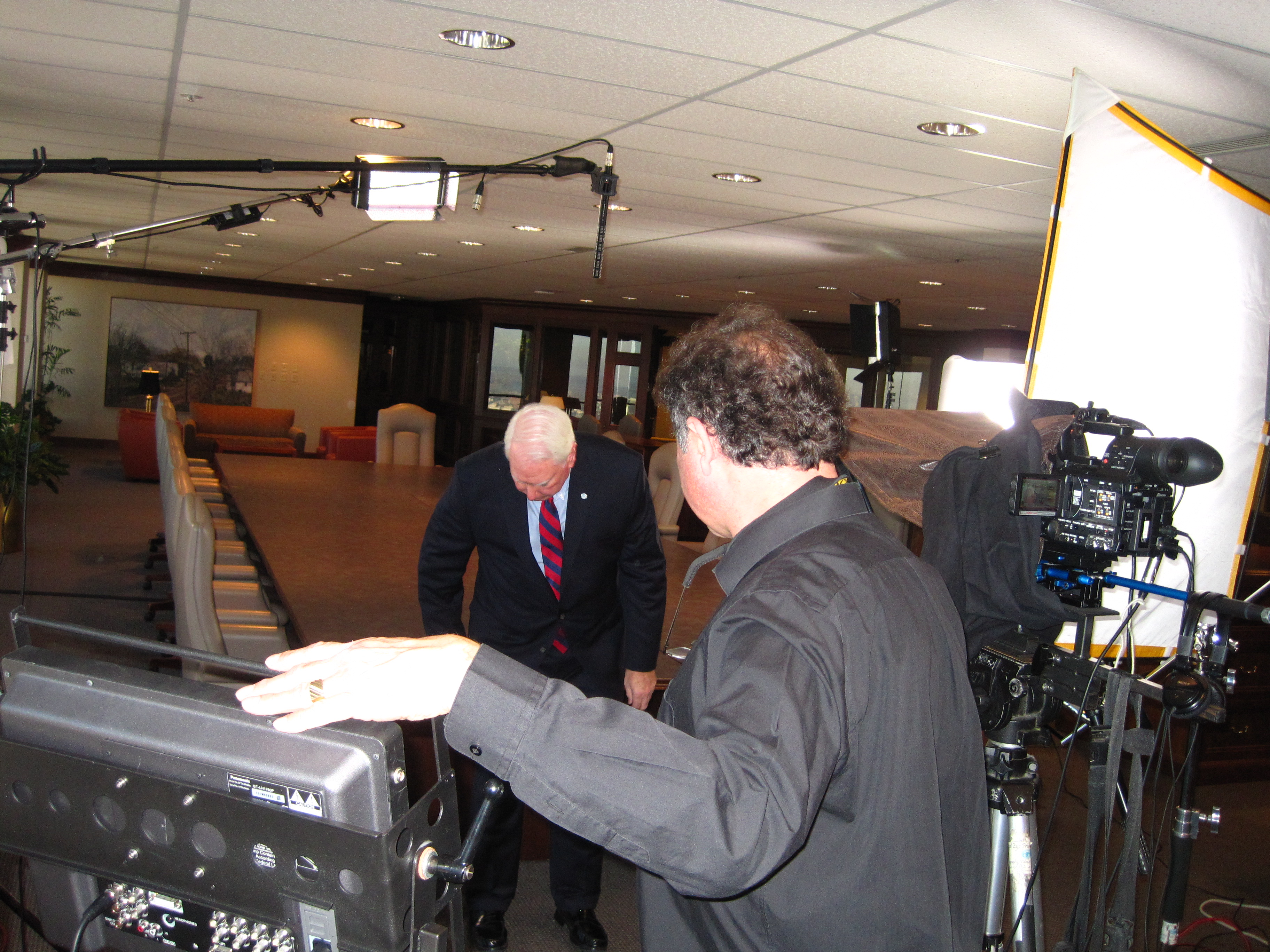
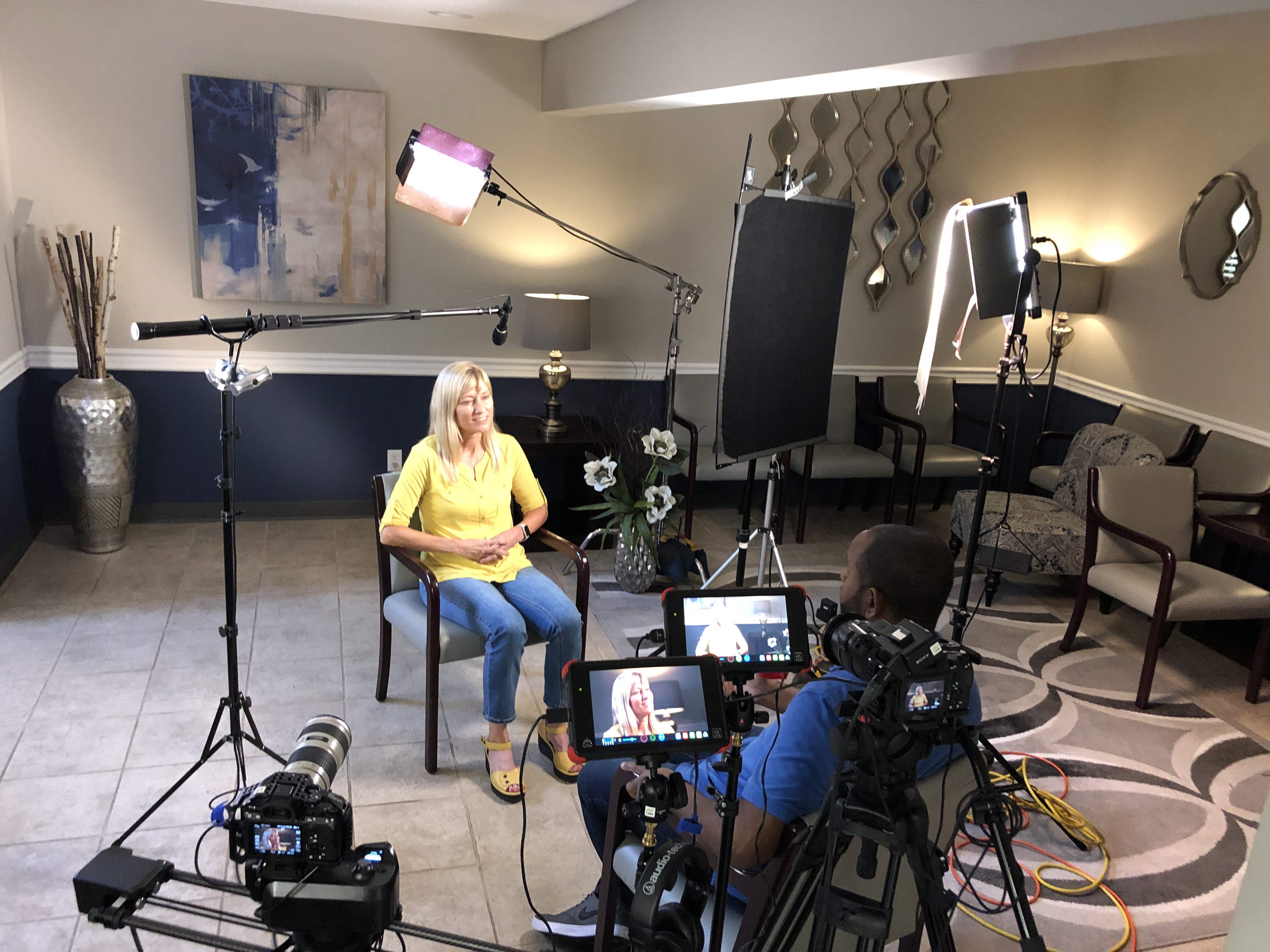
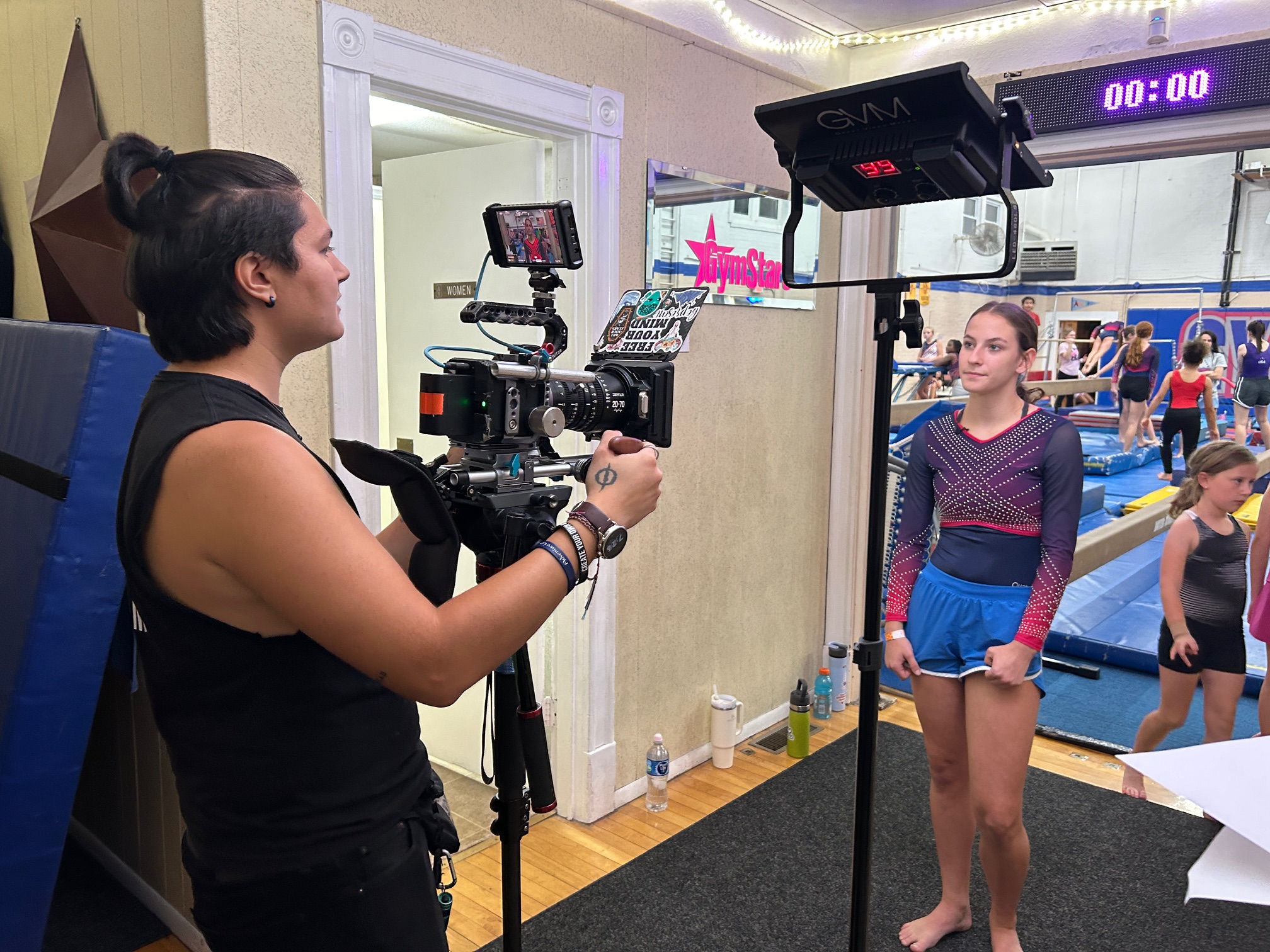
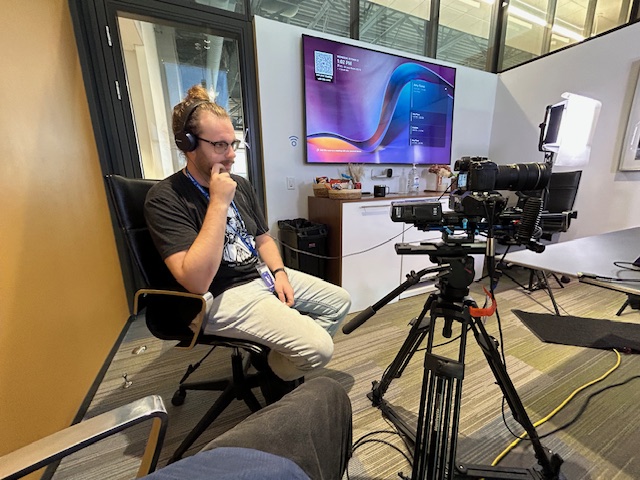
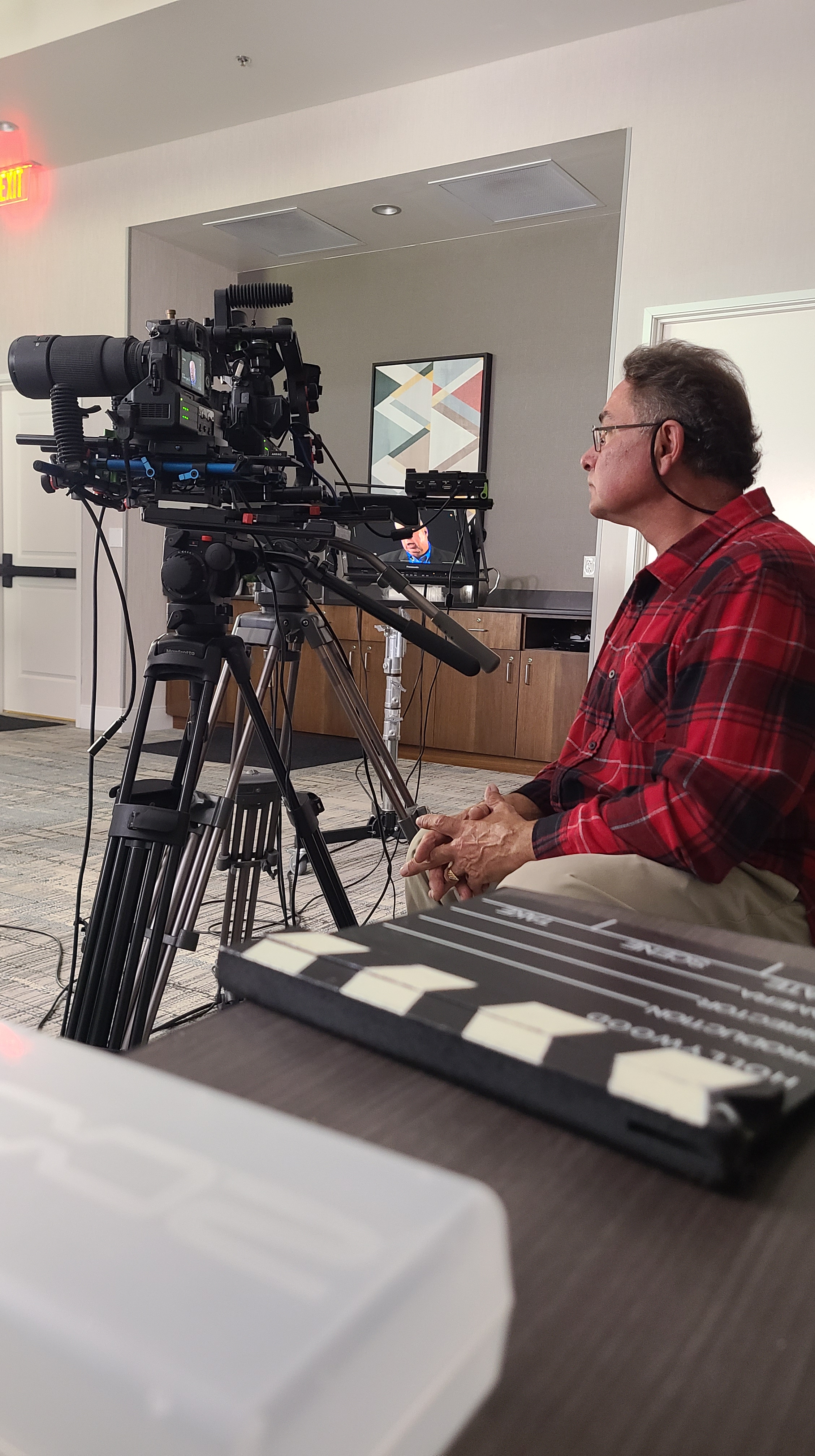
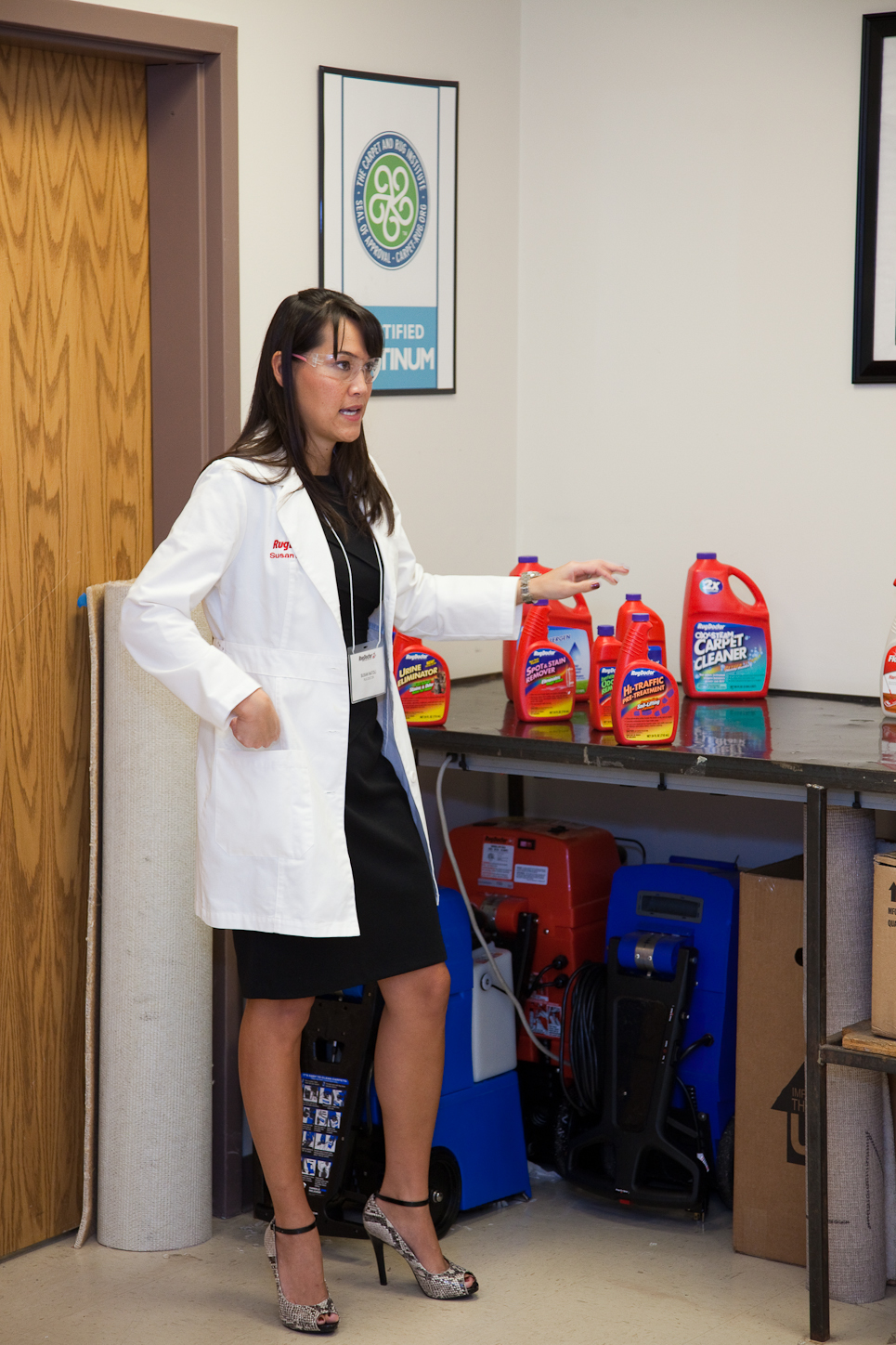
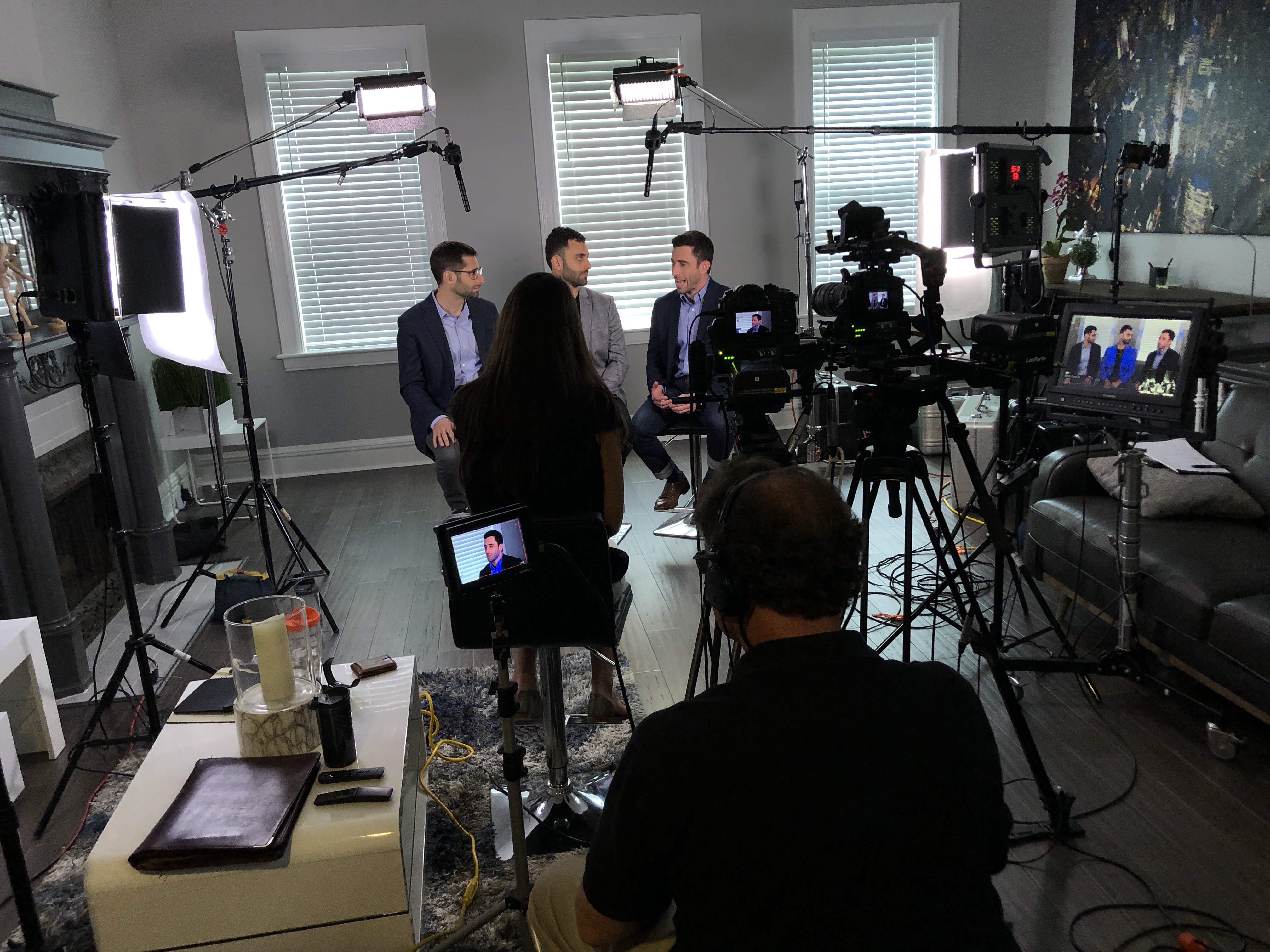
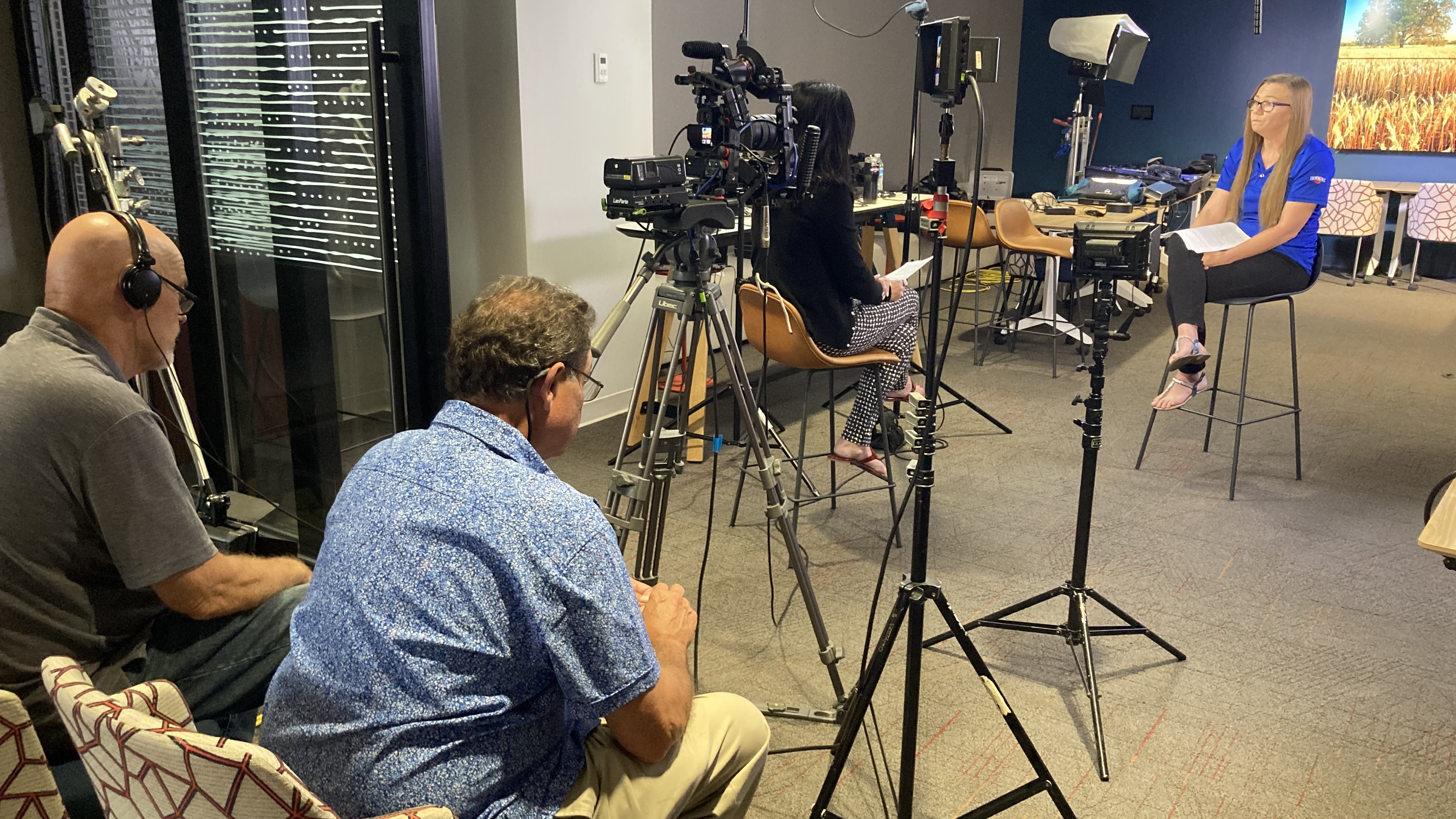
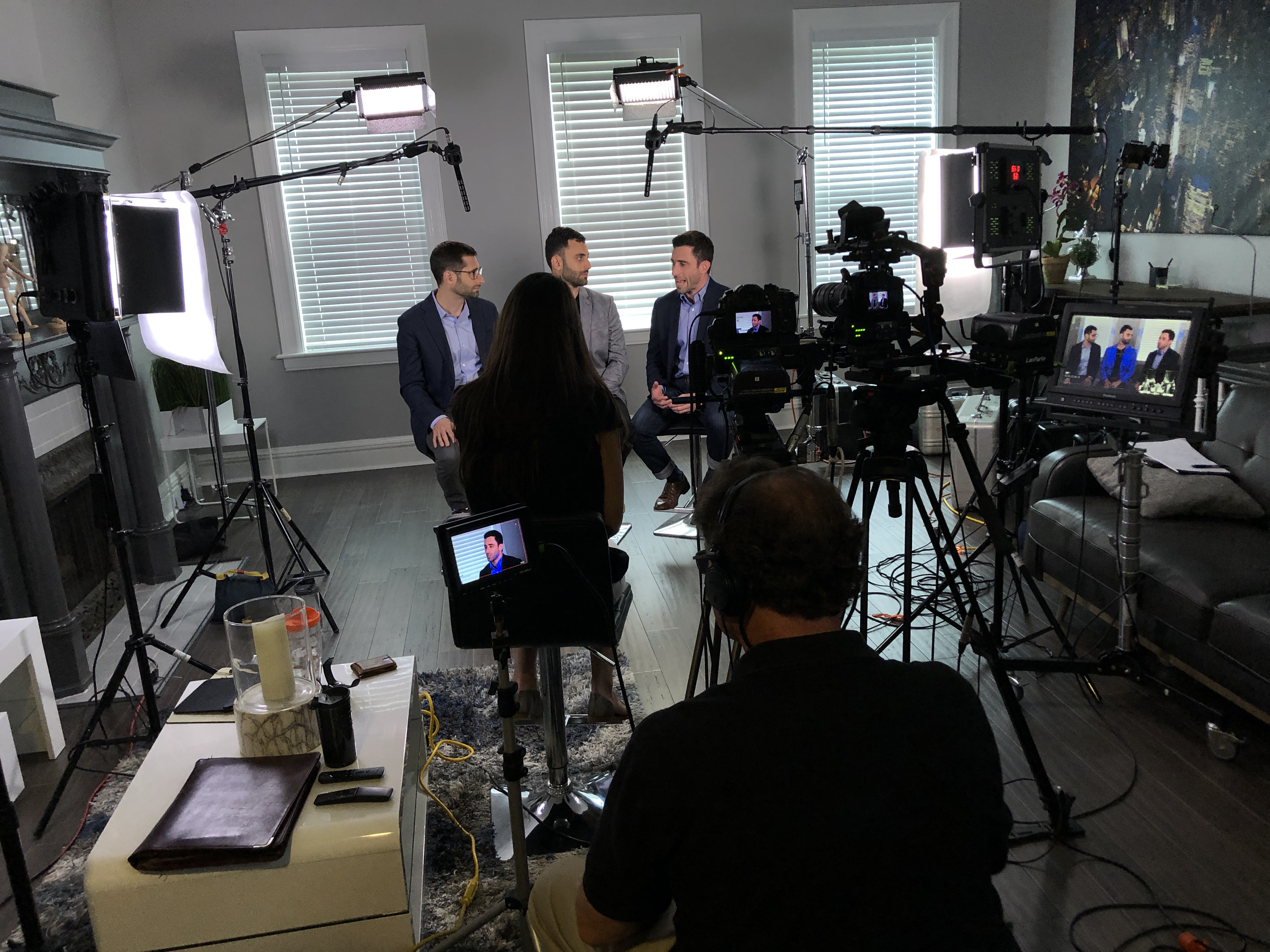
There is a meaningful difference between a crew that occasionally captures interviews and a production team that specializes in interview-based storytelling and b-roll acquisition. Specialists know how to make subjects comfortable, shape meaningful answers, light a scene professionally, manage sound correctly, and identify the coverage needed to support the final edit before the day even begins.

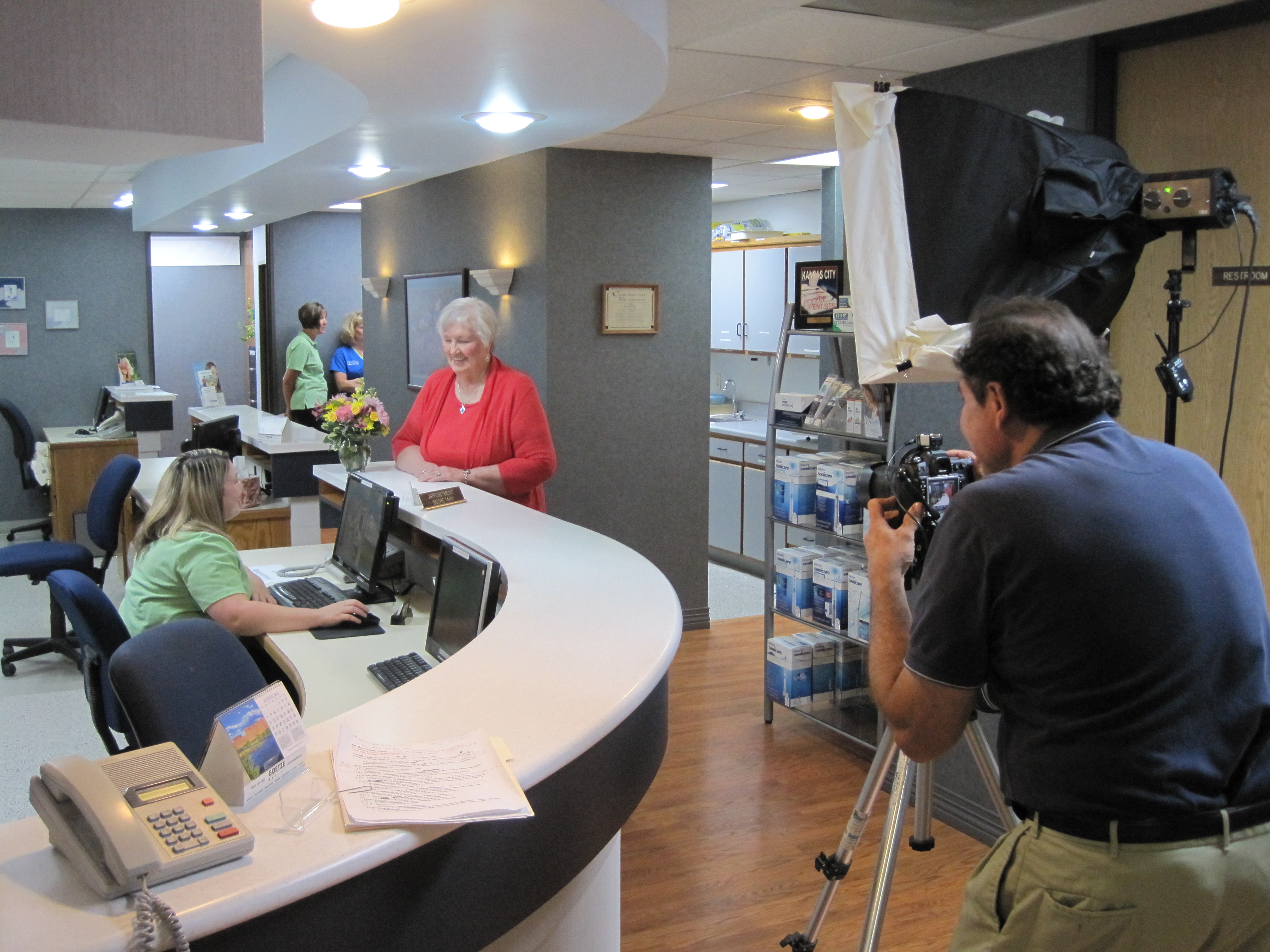
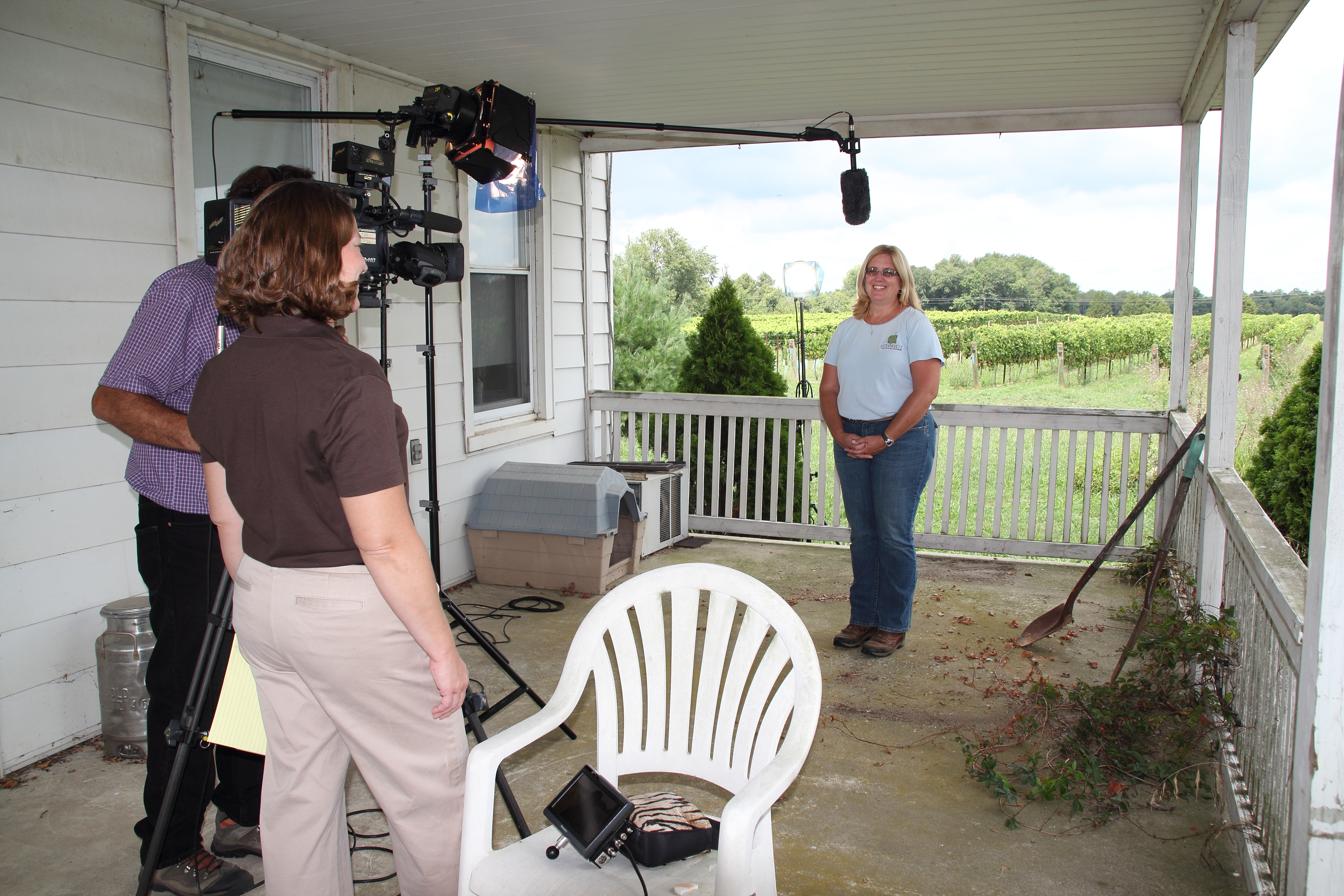
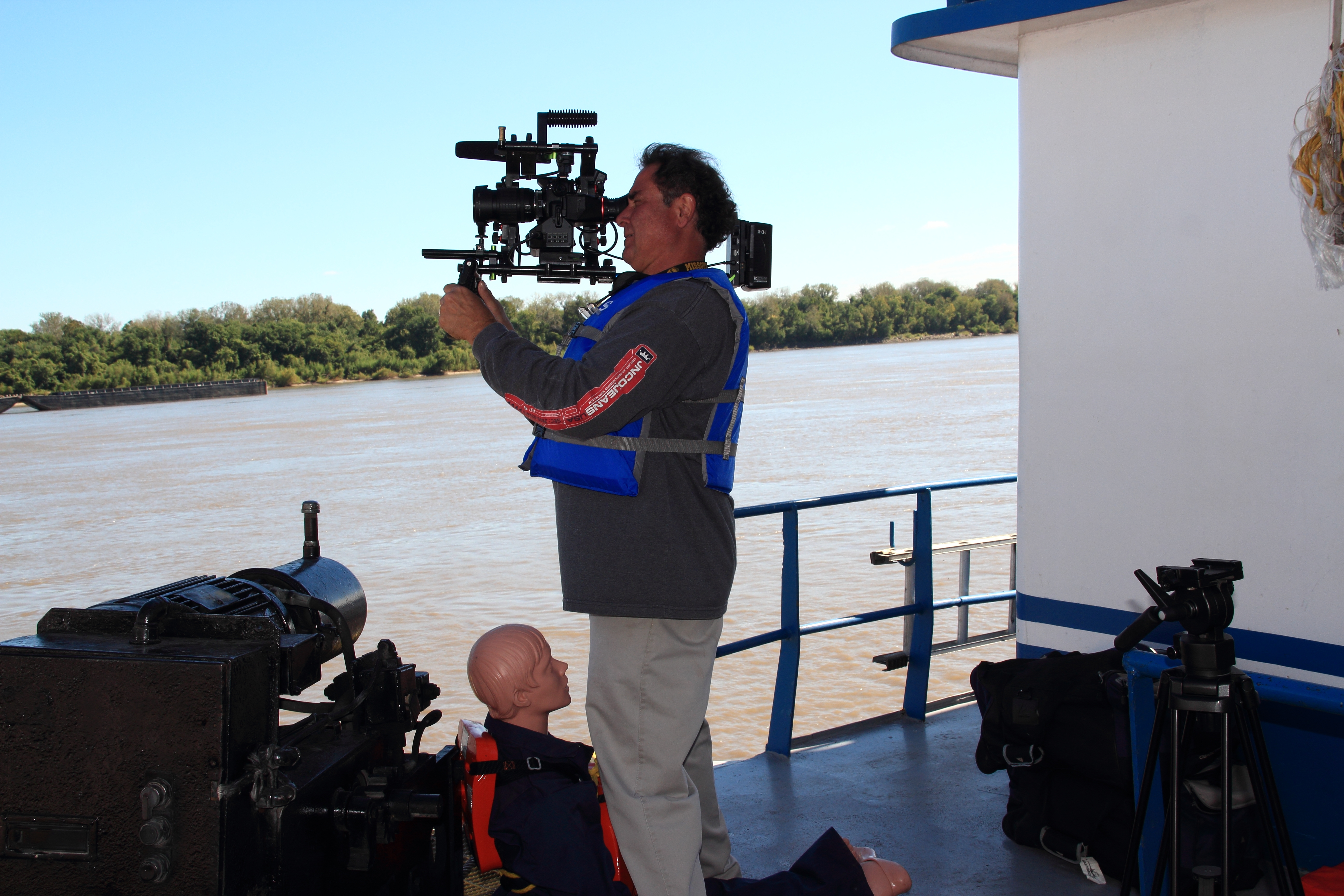
For St. Louis businesses, this matters because many productions need to happen inside real-world environments that are not designed as studios. Offices, plants, hospitals, warehouses, schools, manufacturing floors, retail spaces, and job sites each bring lighting challenges, sound challenges, scheduling limitations, and workflow interruptions. A specialist knows how to adapt the production approach without sacrificing quality.

They also understand how to balance the interview itself with the visual support material. Many less experienced crews focus too heavily on the sit-down portion and leave the location with insufficient b-roll. Then the final edit suffers because there is not enough coverage to support the story. A strong production team plans for both from the outset.

The Anatomy of a Successful Interview Shoot

An effective business interview is the result of preparation, not luck. It begins long before the cameras roll.

Defining the Message

The first step is identifying the purpose of the video. Is the project intended to drive leads, support recruiting, explain a process, build trust, communicate culture, or showcase a service? The answer affects the interview questions, the tone of delivery, and the style of b-roll needed.

Without this clarity, interviews can become too broad, too vague, or too disconnected from the business objective.

Choosing the Right Subject

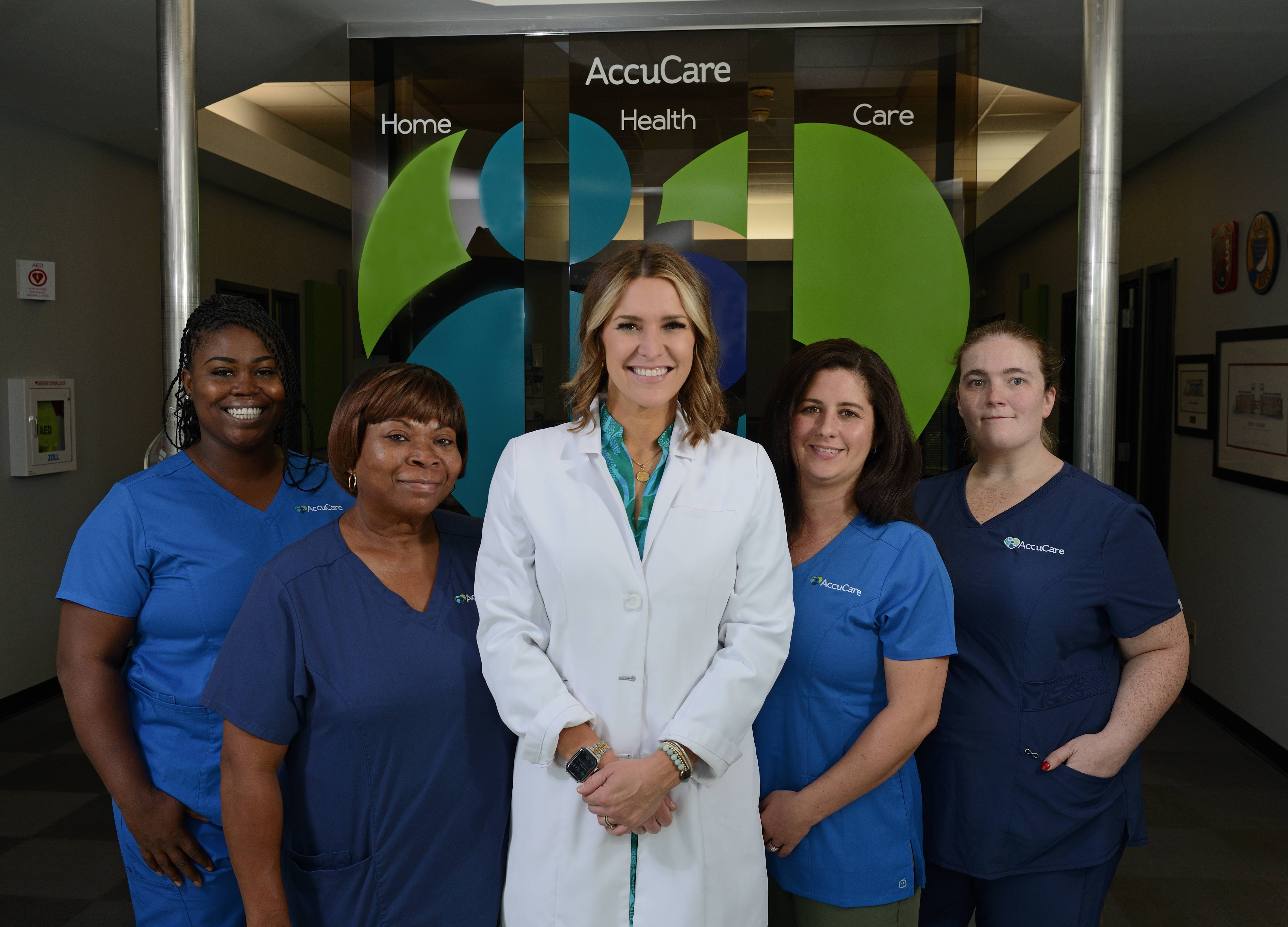
Not every executive or staff member is naturally the best on-camera representative for every story. Sometimes the ideal subject is the founder. Sometimes it is a department head, a client, a technician, a nurse, a project manager, or a long-term employee. The right person is the one who can speak with credibility, clarity, and comfort about the topic at hand.

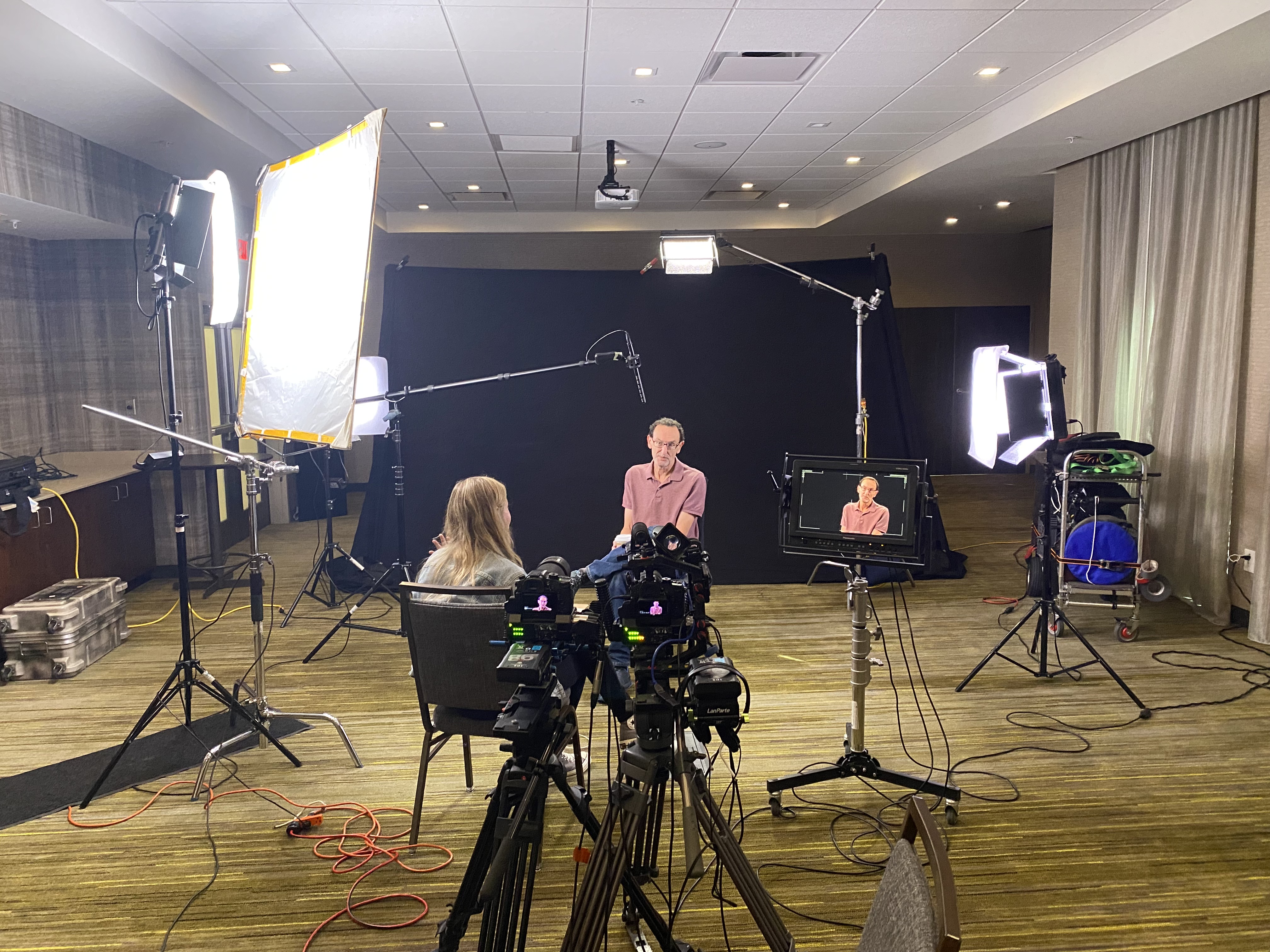
Building a Comfortable Set

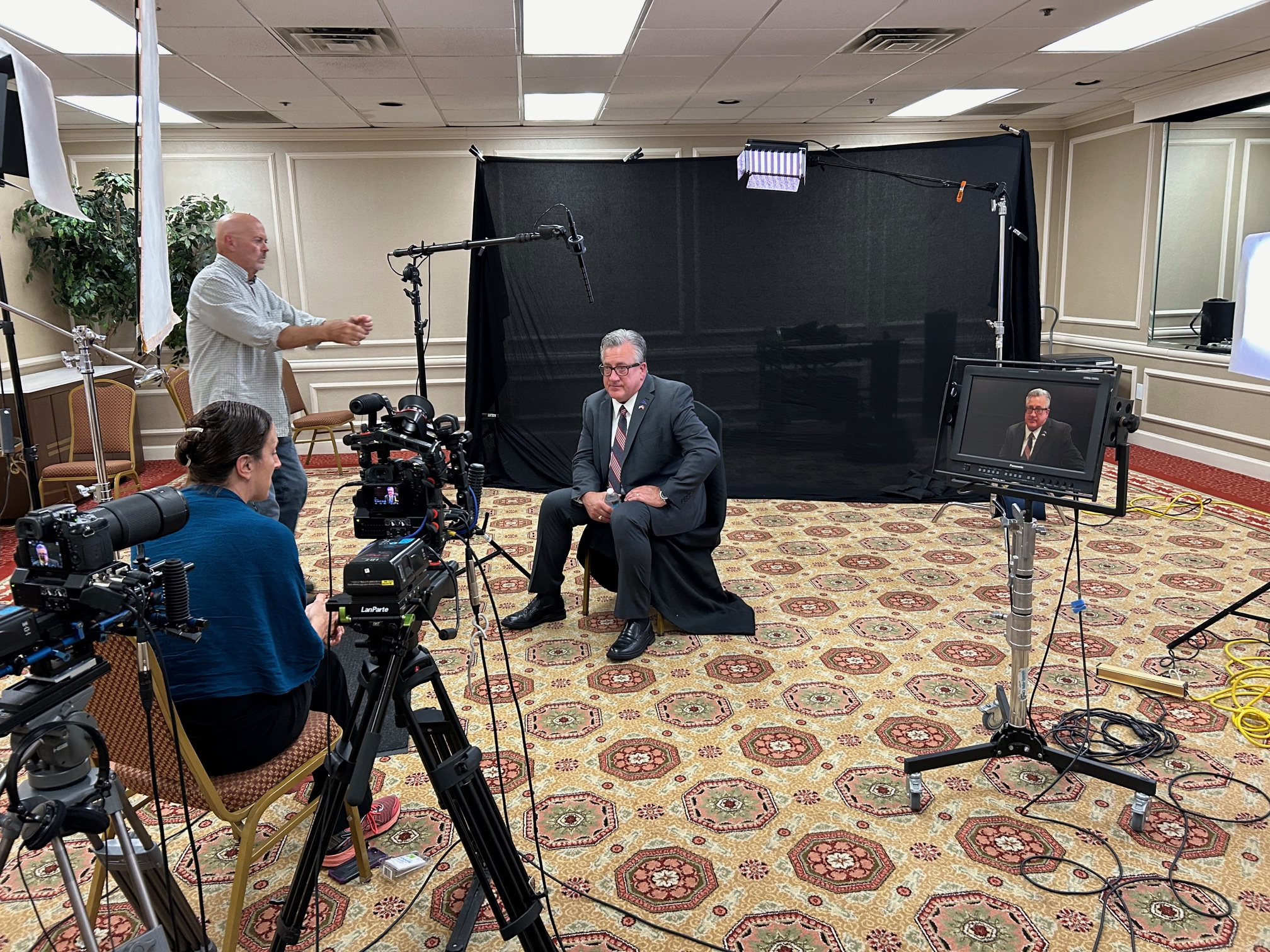
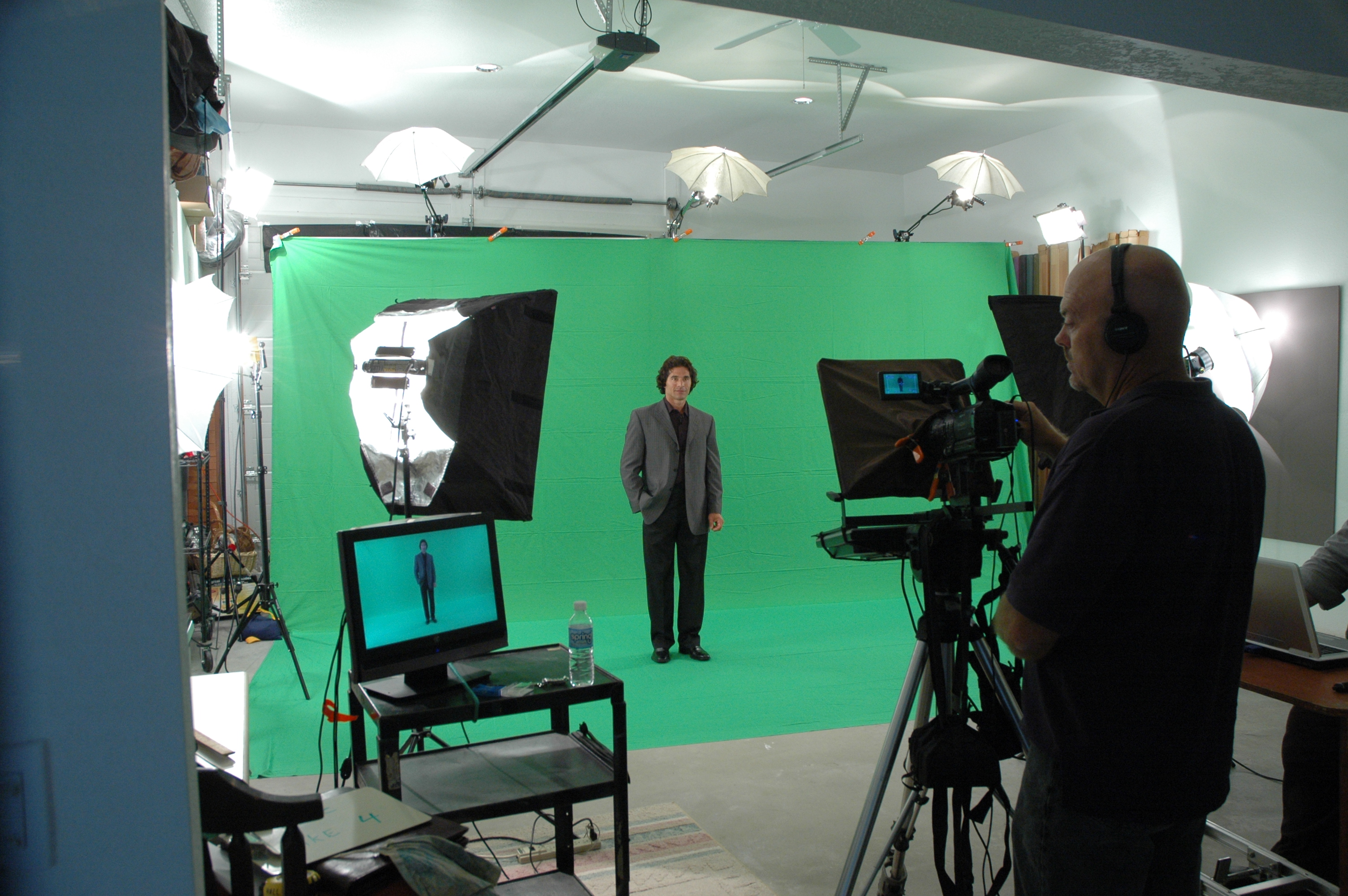
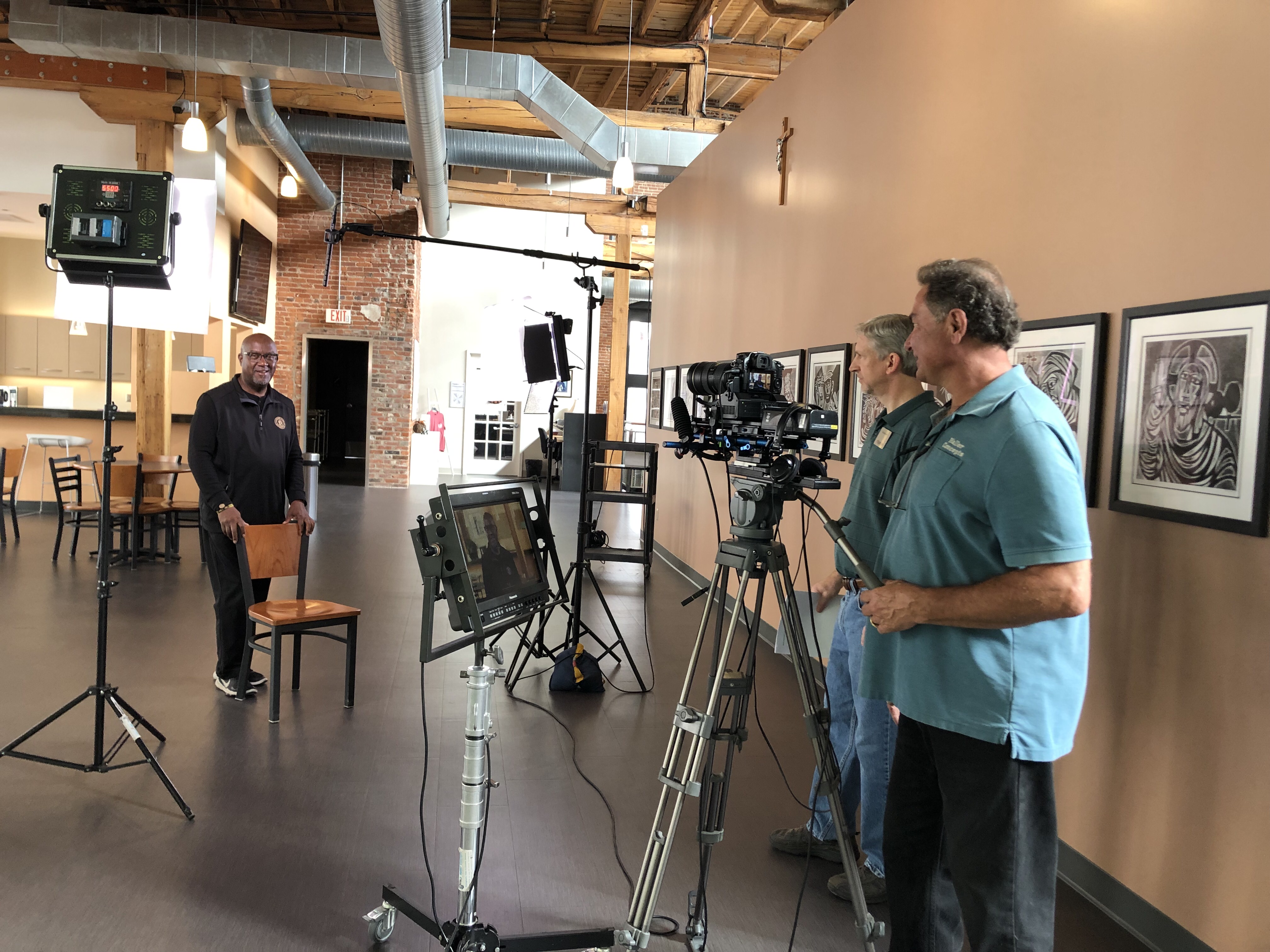
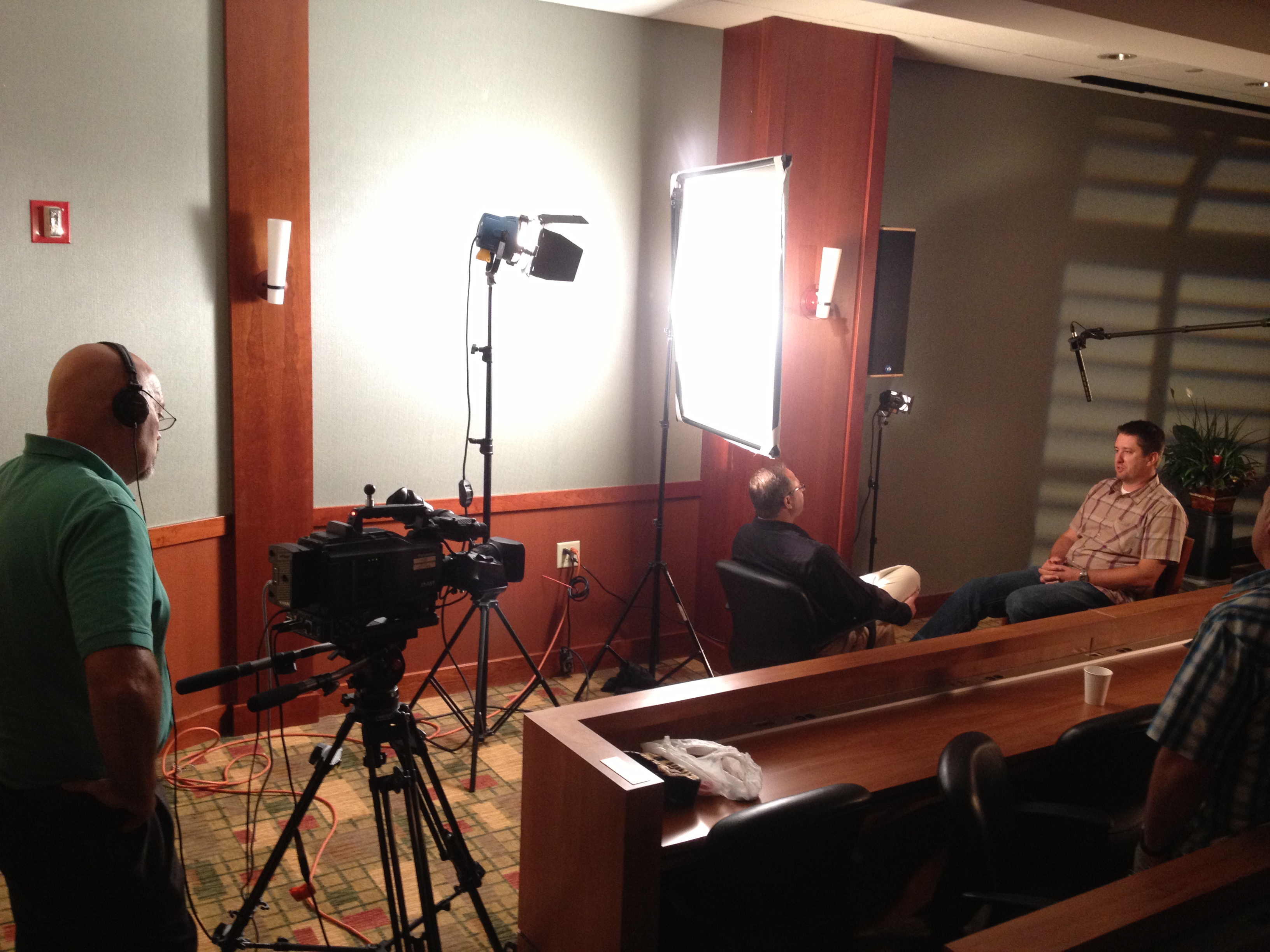
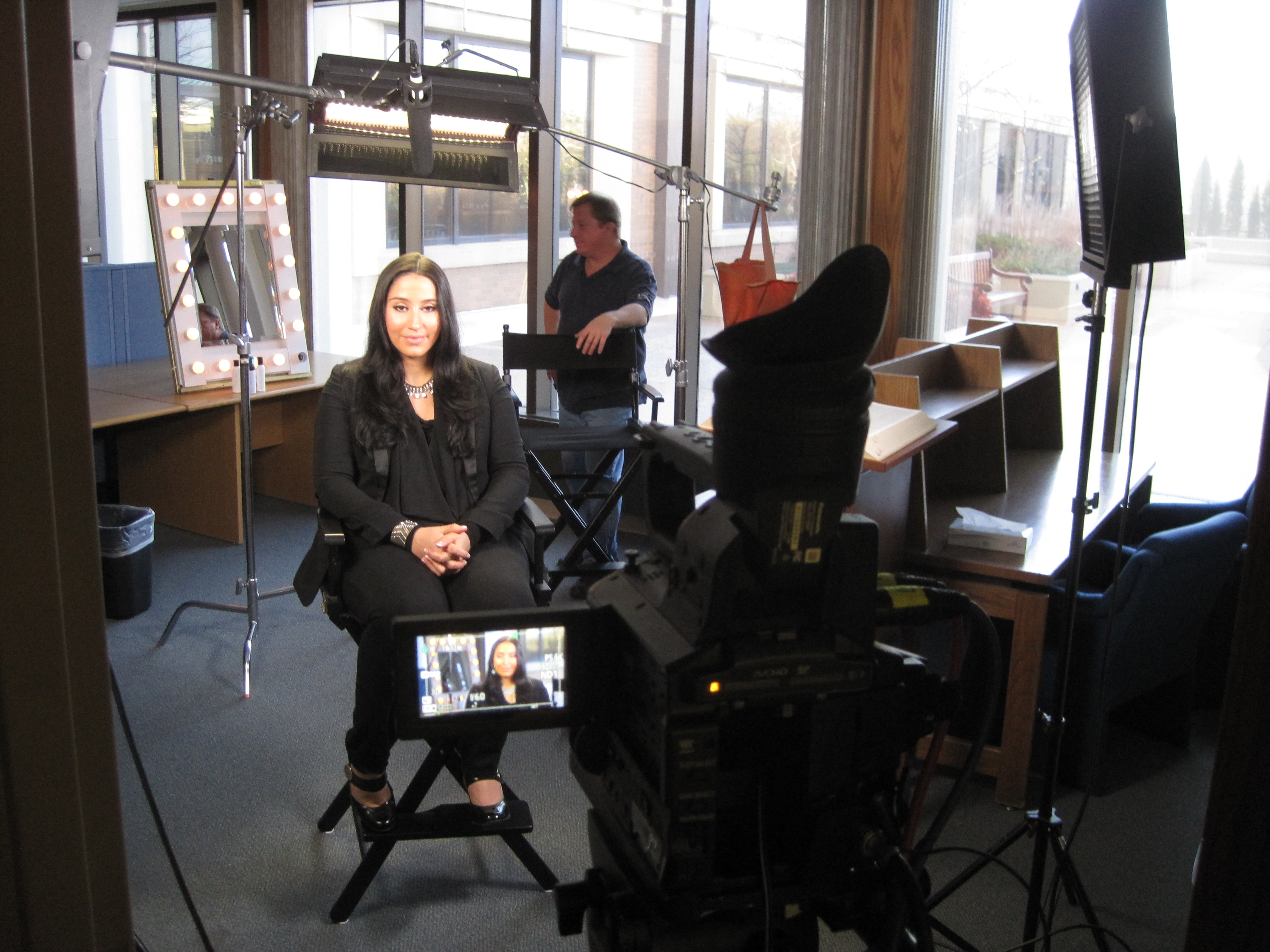
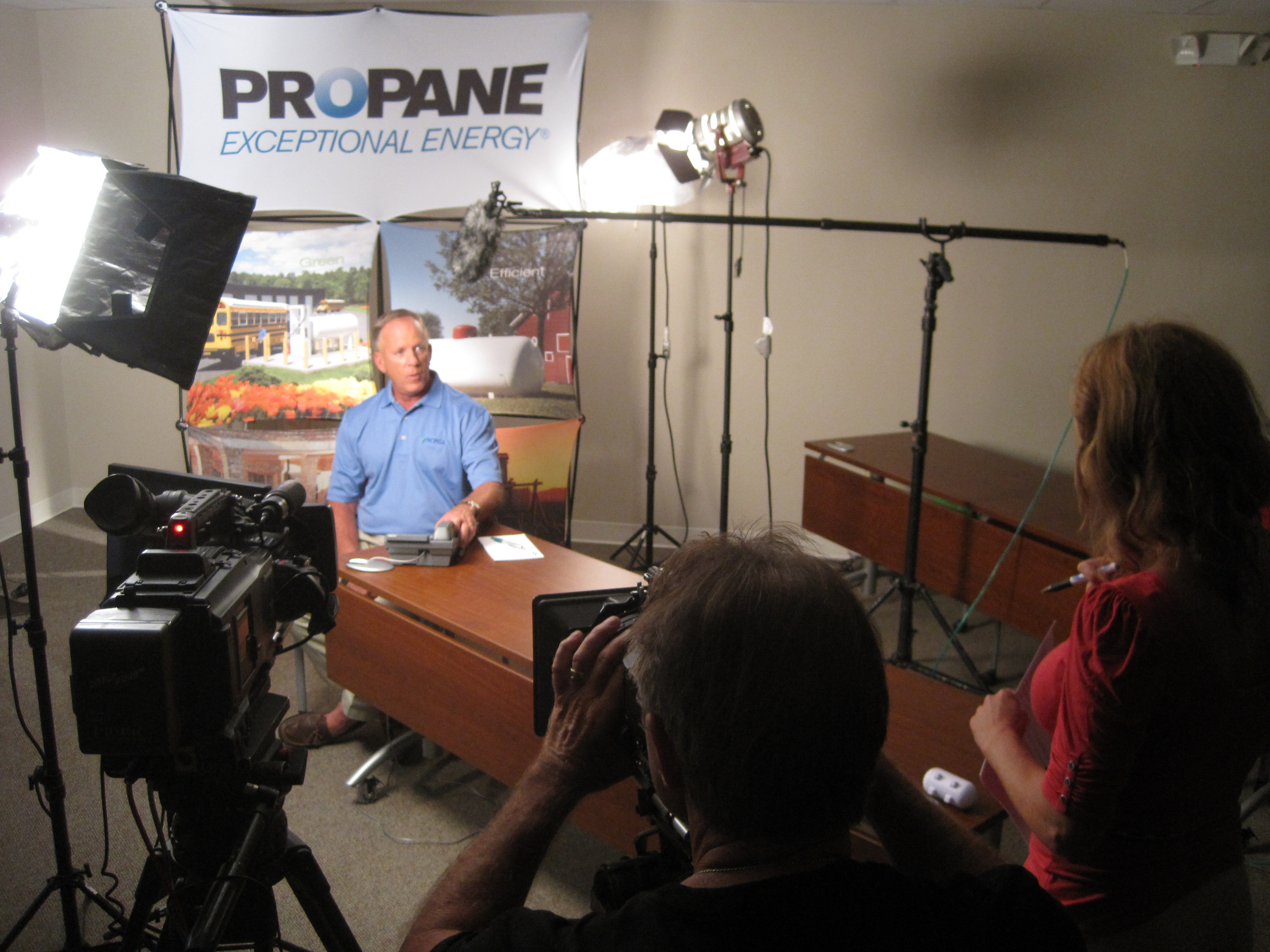
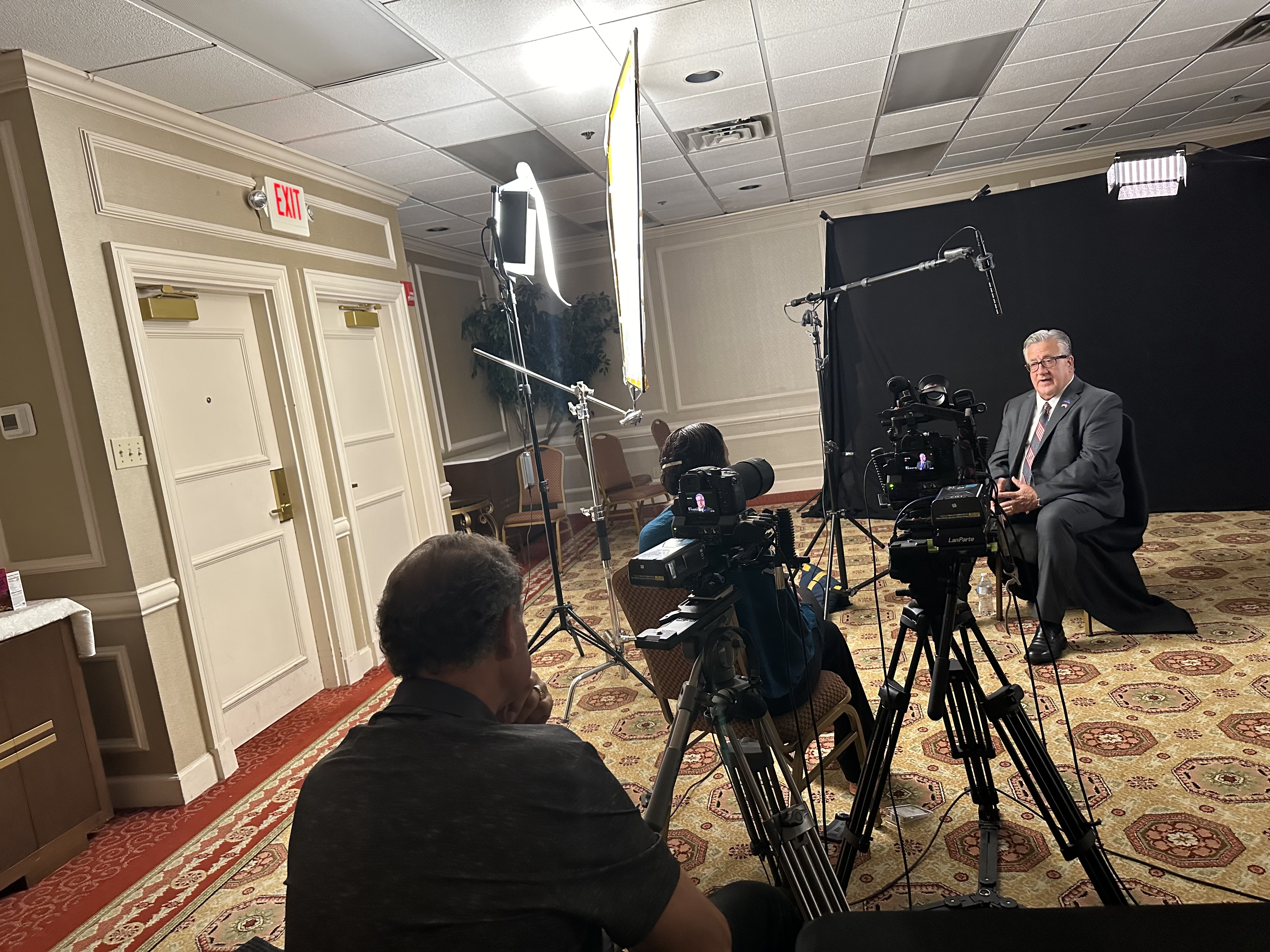
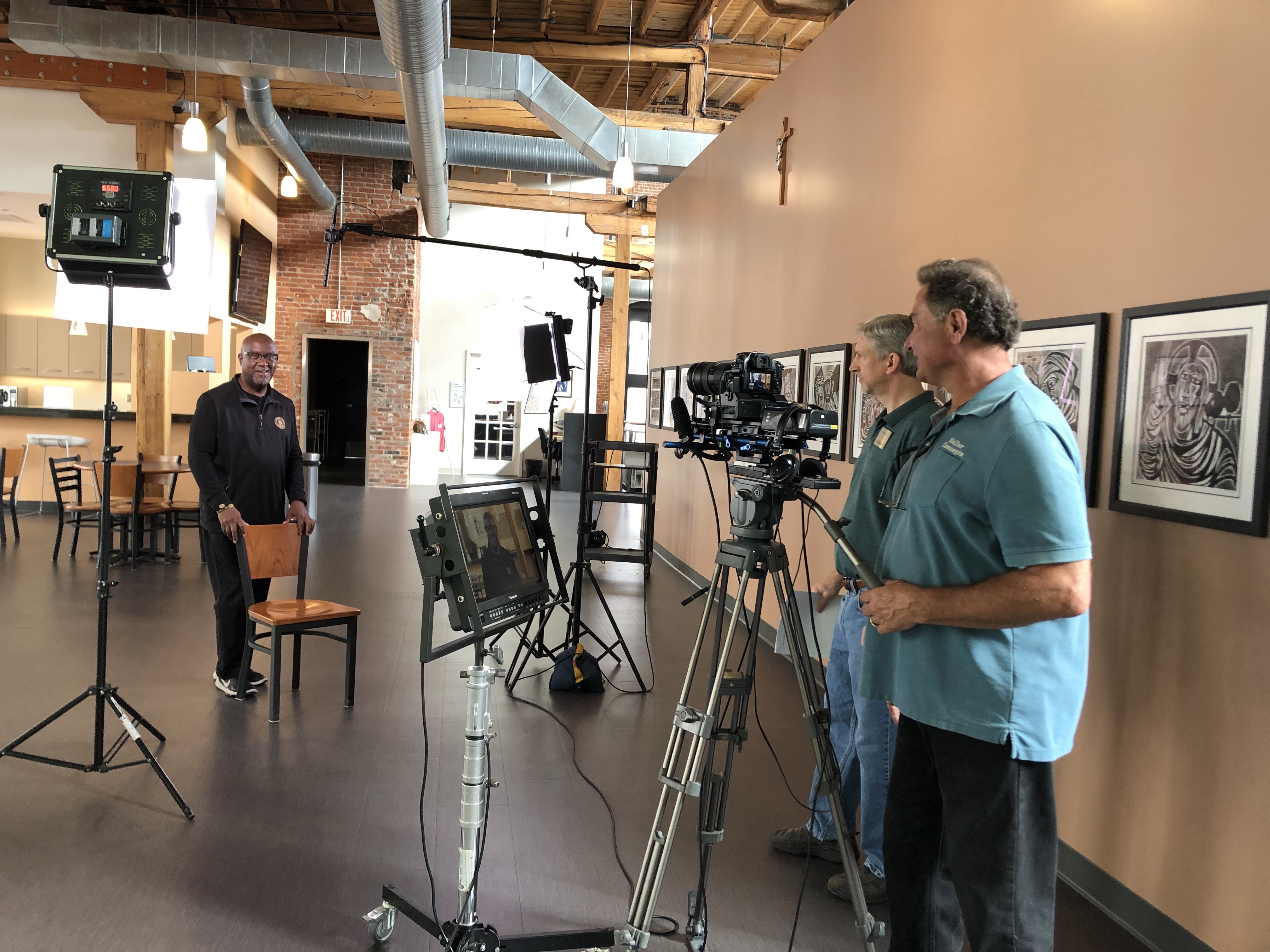
People perform better on camera when the environment feels calm and professional. Lighting, sound, camera placement, room arrangement, background composition, and crew demeanor all influence the quality of the interview. An experienced team understands how to shape a space so the subject looks confident and natural without feeling intimidated.

Asking Better Questions

Strong interview footage comes from strong prompting. Questions should be structured to produce complete, useful answers that sound natural in the final edit. Instead of asking for yes-or-no responses or overly corporate phrasing, good producers guide the conversation toward clear, authentic statements.

Capturing for the Edit

Professionals do not just shoot for the moment. They shoot for the final sequence. That means gathering alternate angles when appropriate, room tone for audio continuity, and enough visual variation to support future editing decisions.

What Makes Great B-Roll Different

Great b-roll is purposeful. It is not filler. It is visual storytelling.

That means understanding what the audience needs to see in order to believe, remember, and respond to the message. A company that prides itself on precision should show precision. A company promoting responsiveness should show human interaction and workflow. A manufacturer emphasizing quality control should show the inspection process, machinery, detail shots, and environmental context. A service brand talking about trust should show real people, real settings, and real moments that feel credible.

Specialized b-roll teams look for layers within a location. They do not settle for a few wide shots and leave. They gather establishing views, medium action, detail coverage, movement, texture, signage, environmental context, process shots, and the little visual moments that elevate an edit.

This is especially important for businesses that want more than one deliverable from a shoot. A carefully shot day of interviews and b-roll can fuel a flagship brand video, social cutdowns, recruiting pieces, testimonial variations, website headers, trade show loops, internal communications, and still frame grabs for marketing collateral.

Common Business Uses for Interview and B-Roll Productions

St. Louis organizations across industries can use this format effectively.

Professional services firms use interview-driven videos to build trust and explain expertise.

Manufacturers use them to show process, quality control, plant capabilities, and workforce culture.

Healthcare organizations use them to communicate patient care values, service lines, and physician perspectives.

Schools and universities use them for recruitment, development campaigns, and leadership communications.

Nonprofits use interviews and b-roll to capture mission, donor impact, and human stories.

Construction and real estate companies use them to show projects, people, equipment, and operational scale.

Marketing agencies use this format on behalf of their clients because it is efficient, versatile, and highly adaptable to multiple campaigns.

Why Location Matters in St. Louis Productions

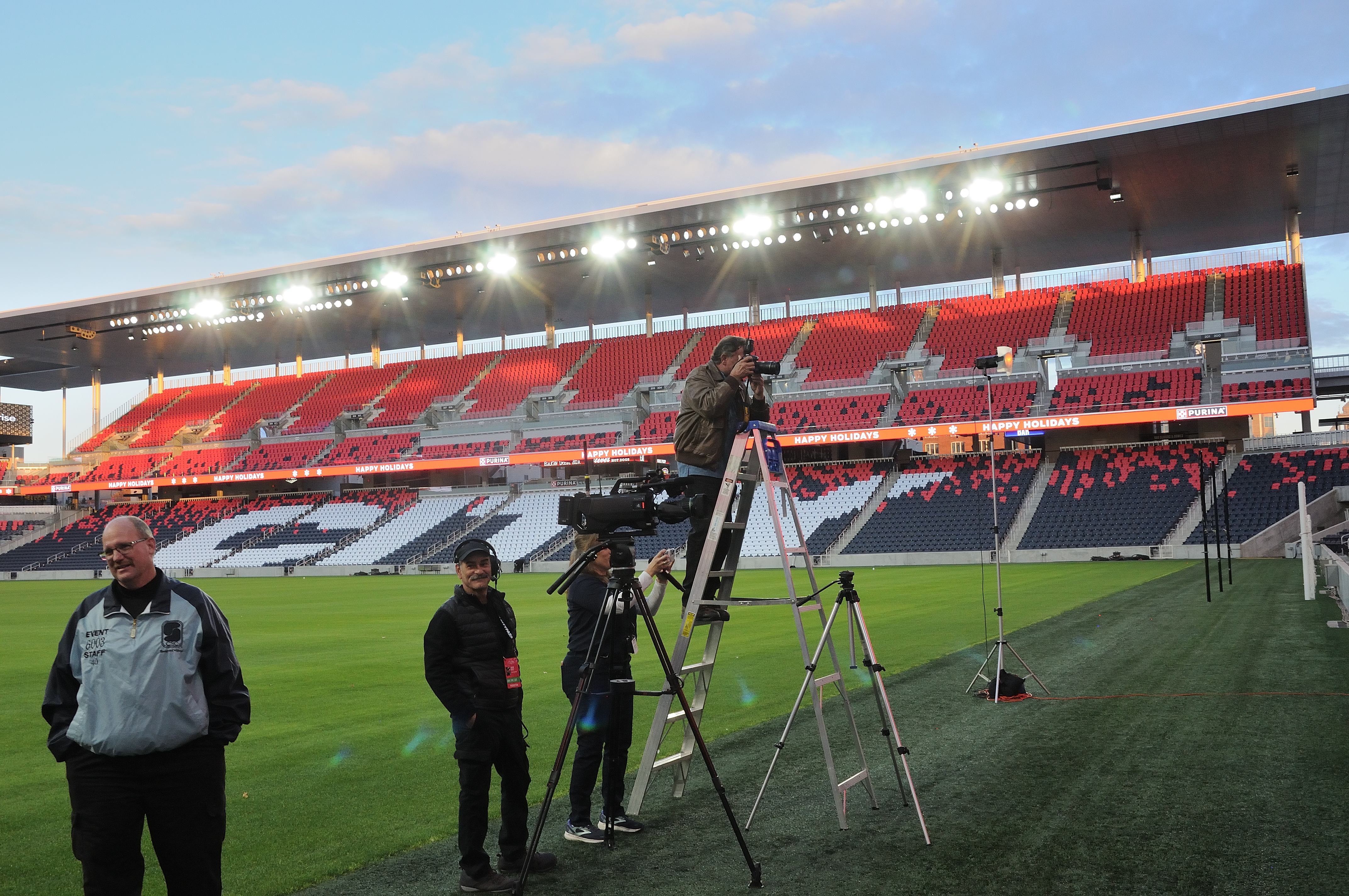
St. Louis offers a broad range of useful backdrops and business environments, but every location comes with logistical considerations. Interview and b-roll specialists know how to evaluate locations not just for aesthetics, but for practical production needs.

They consider available light, sound contamination, power access, room size, reflective surfaces, HVAC noise, outside traffic, schedule interruptions, and visual distractions. They also think through how different areas of the site can contribute to the story. A lobby, conference room, production floor, rooftop, loading dock, laboratory, warehouse aisle, outdoor entrance, or drone exterior may all play a role in shaping the final visual narrative.

Location scouting becomes especially important when a business wants a polished cinematic look without disrupting normal operations. The right crew can identify strong visual opportunities while keeping the production efficient and manageable.

The Importance of Sound in Interview Production

Many clients focus first on the picture, but in interviews, sound quality is just as important. Audiences will tolerate modest visual imperfections more easily than poor audio. If the voice sounds hollow, noisy, distorted, or inconsistent, credibility drops immediately.

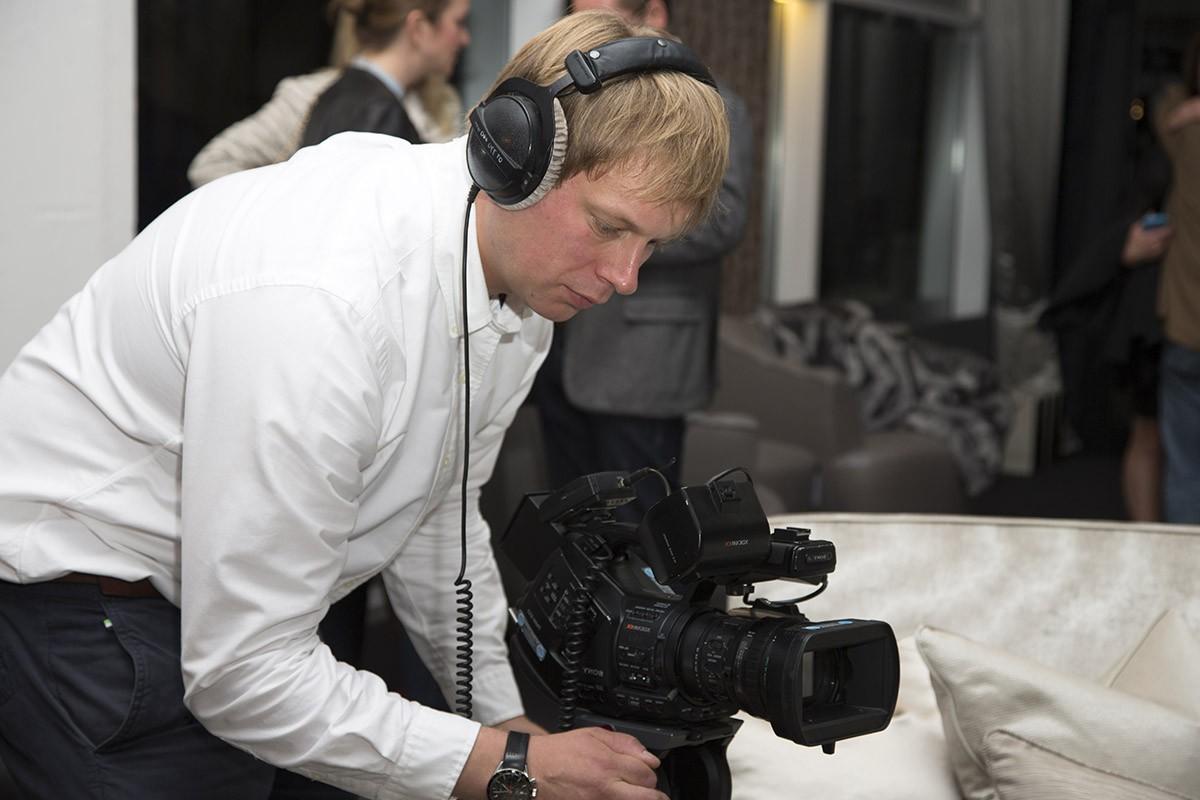
That is why professional interview production requires attention to microphones, acoustics, room tone, ambient control, and audio monitoring. Skilled crews know how to work around office hum, HVAC systems, plant noise, traffic, and unpredictable environmental factors. They understand that a beautifully lit interview can still fail if the audio is compromised.

For business videos, clean and intelligible dialogue is not optional. It is foundational.

How Drone, FPV, Thermal, Orthomosaics, and LiDAR Expand the Story

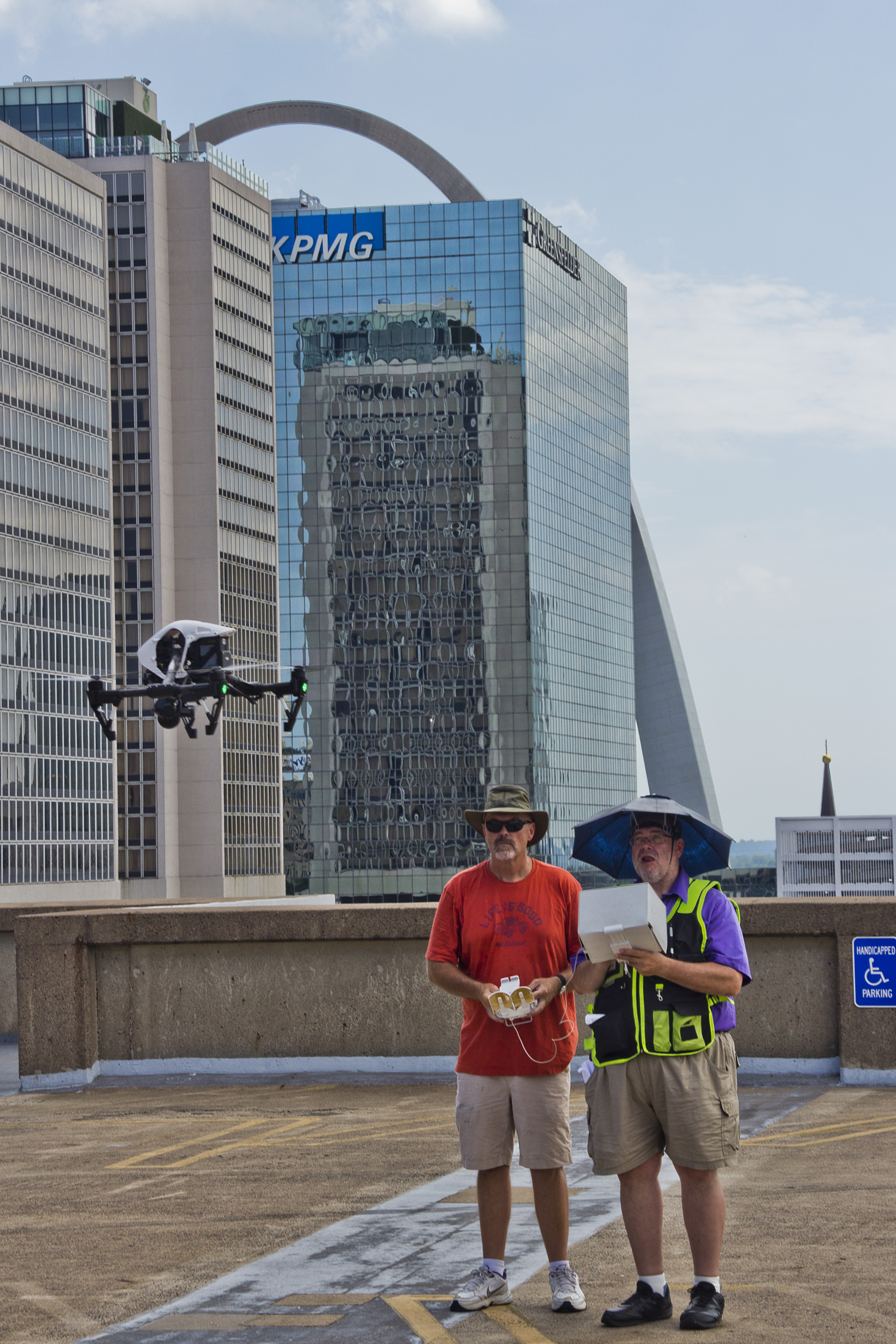
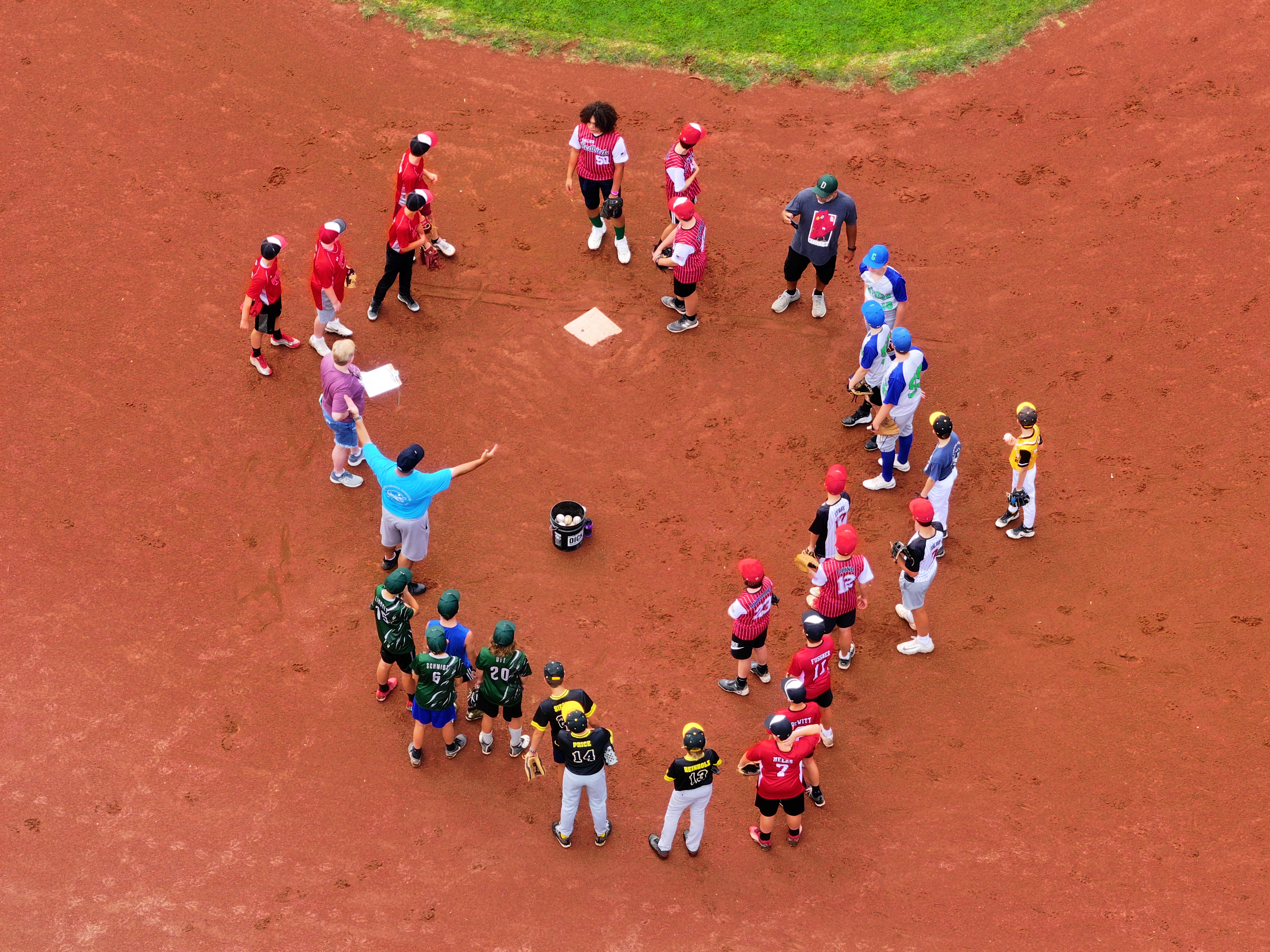
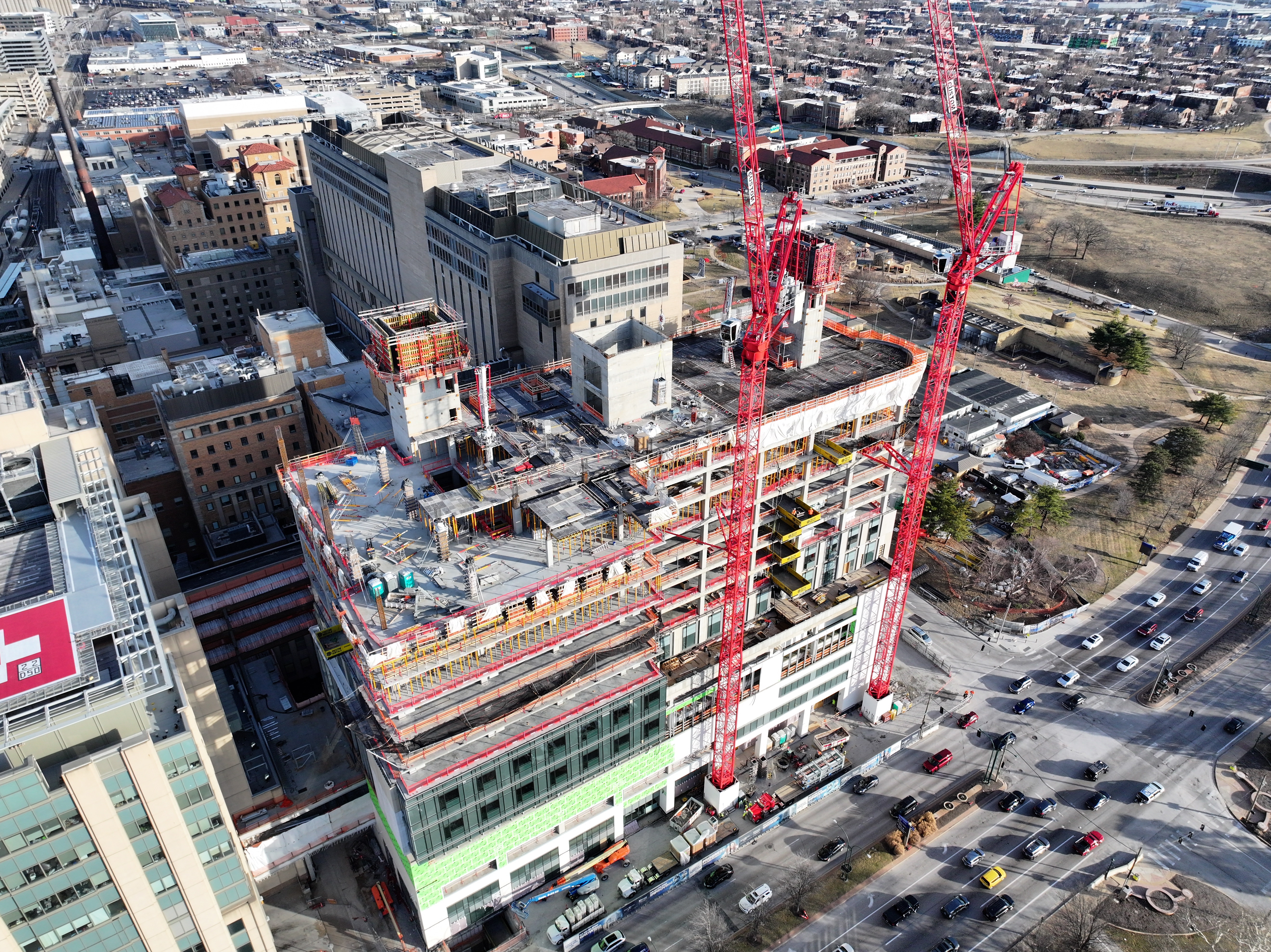
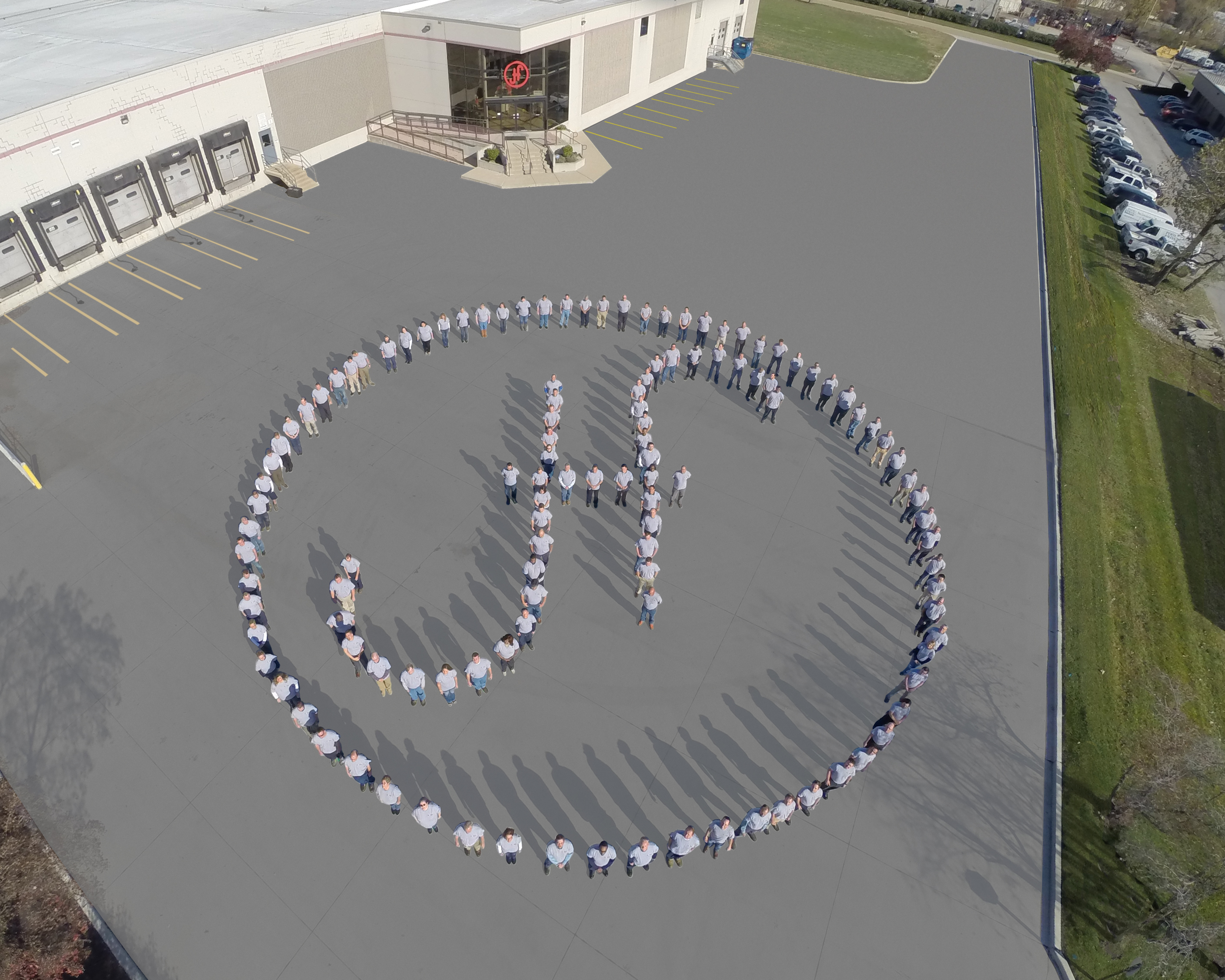
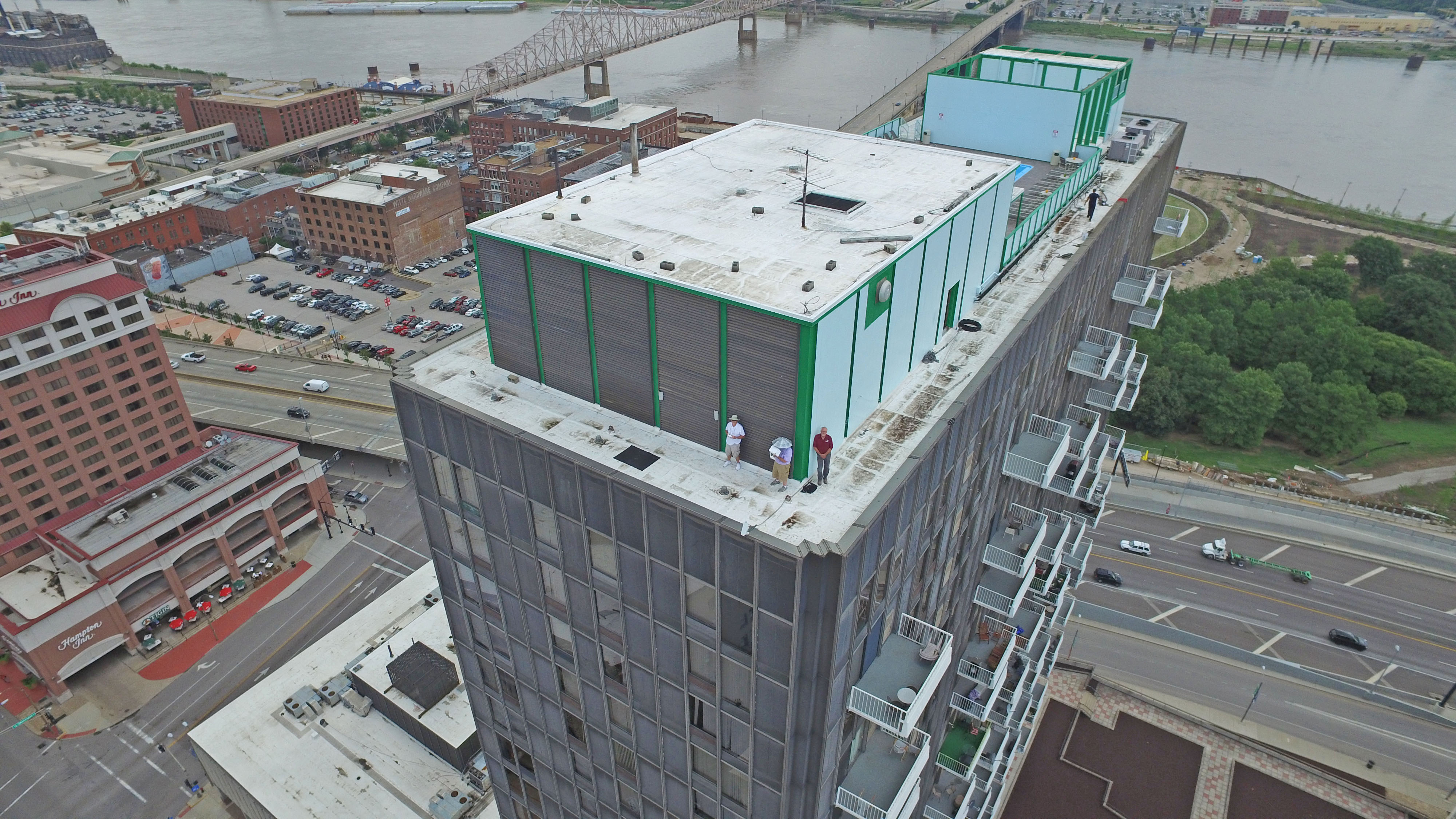
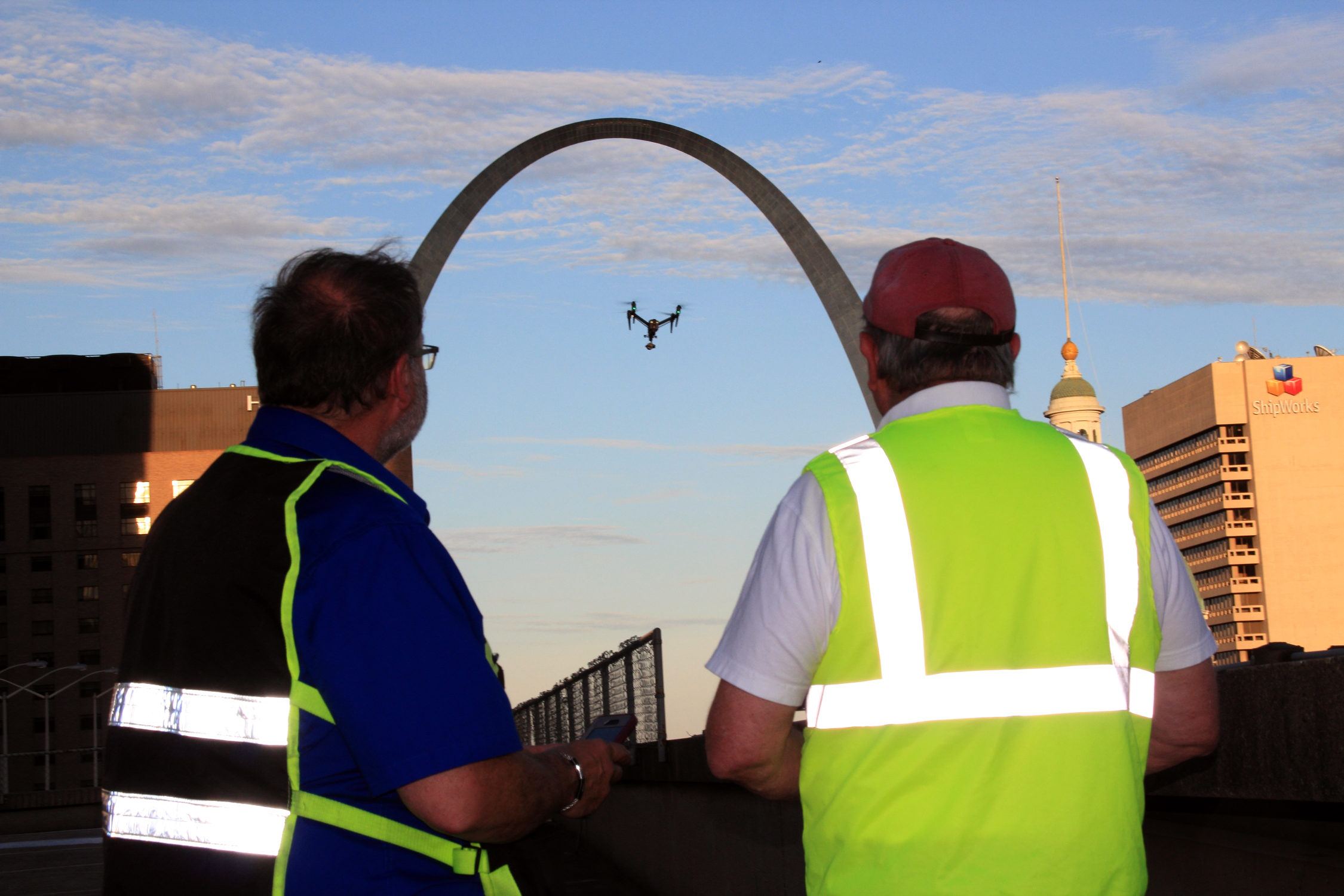
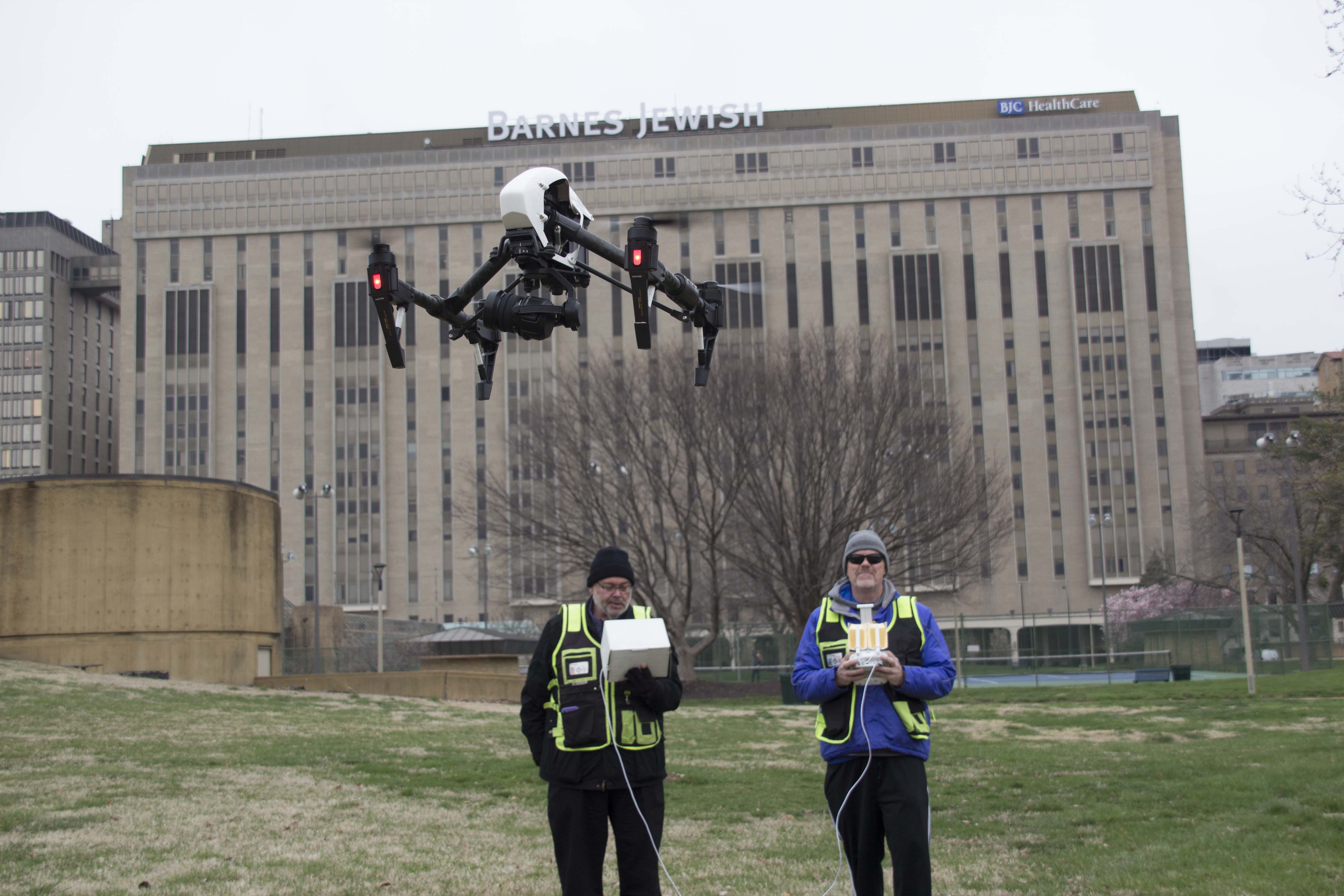
Modern video and photography production has expanded far beyond traditional ground cameras. For the right projects, specialized drone services can dramatically increase both the visual value and the informational value of a production.

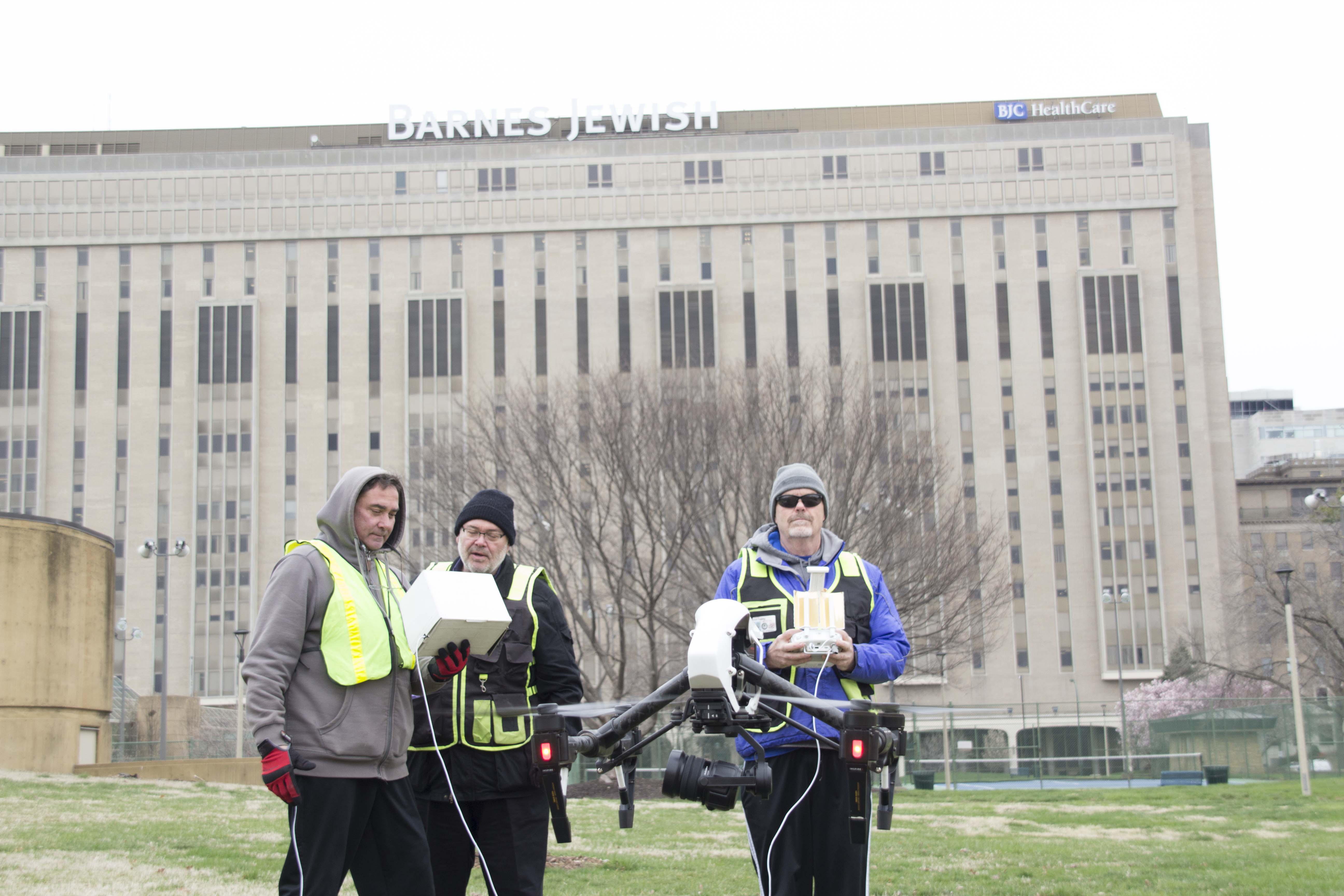
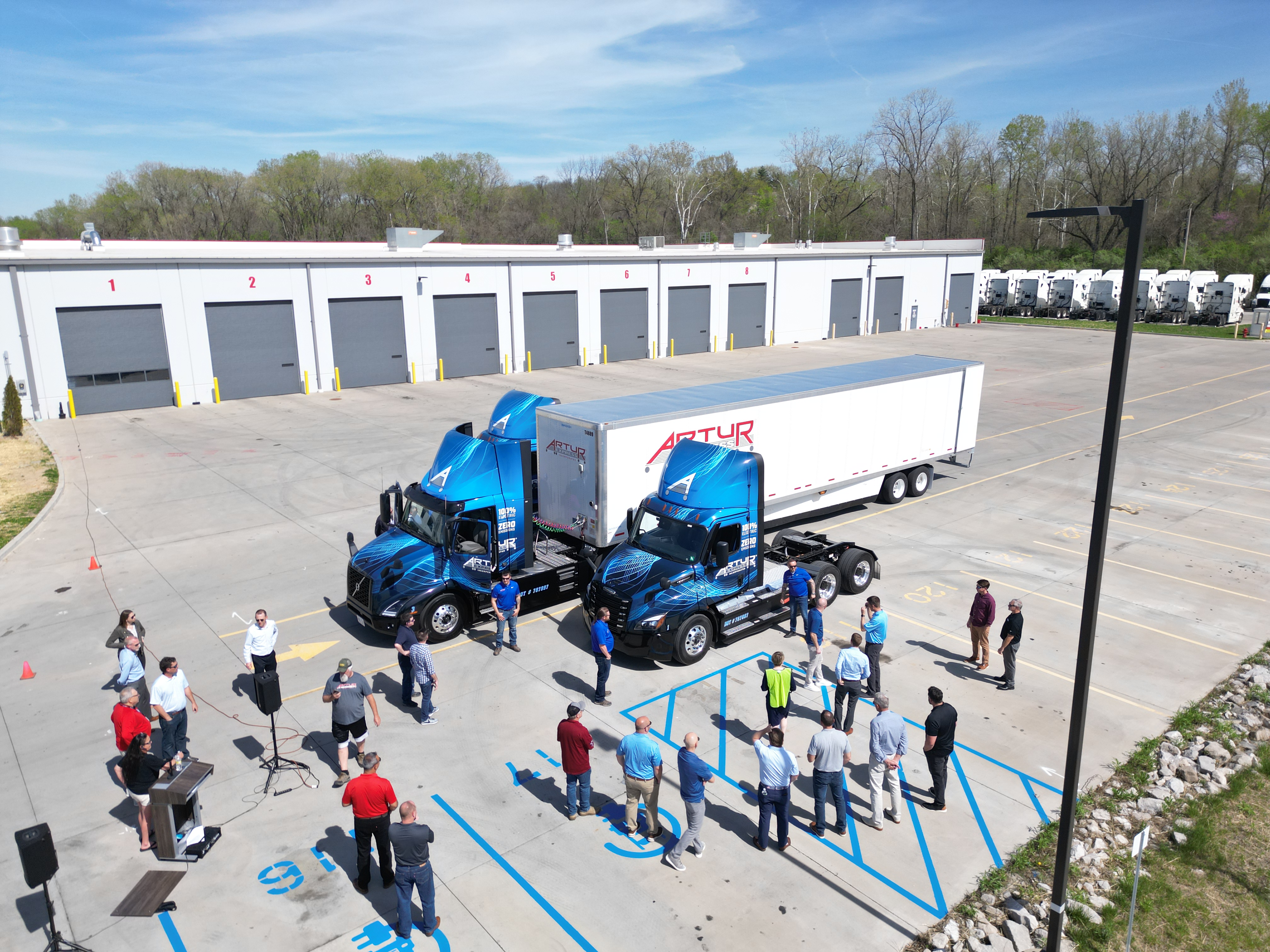
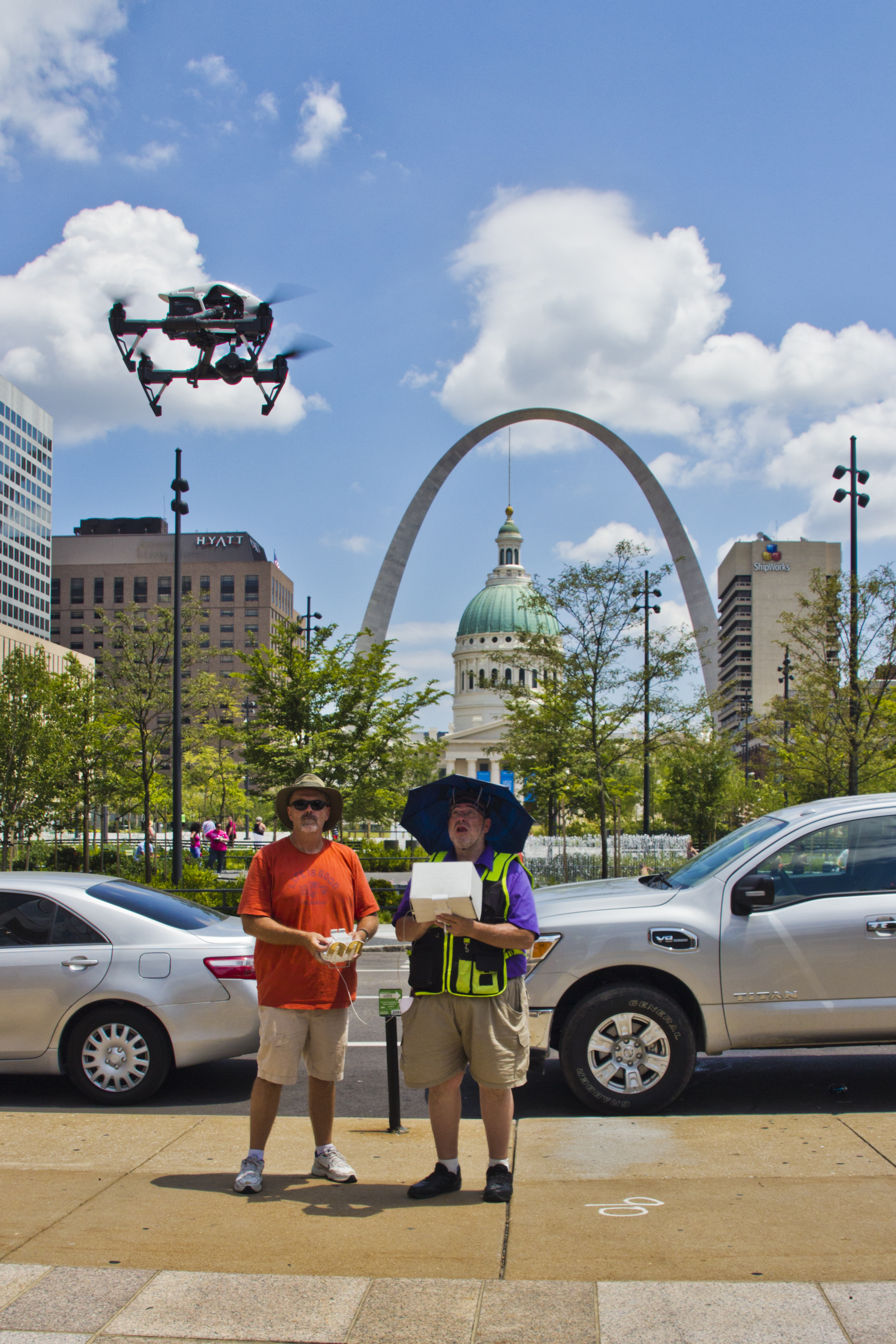
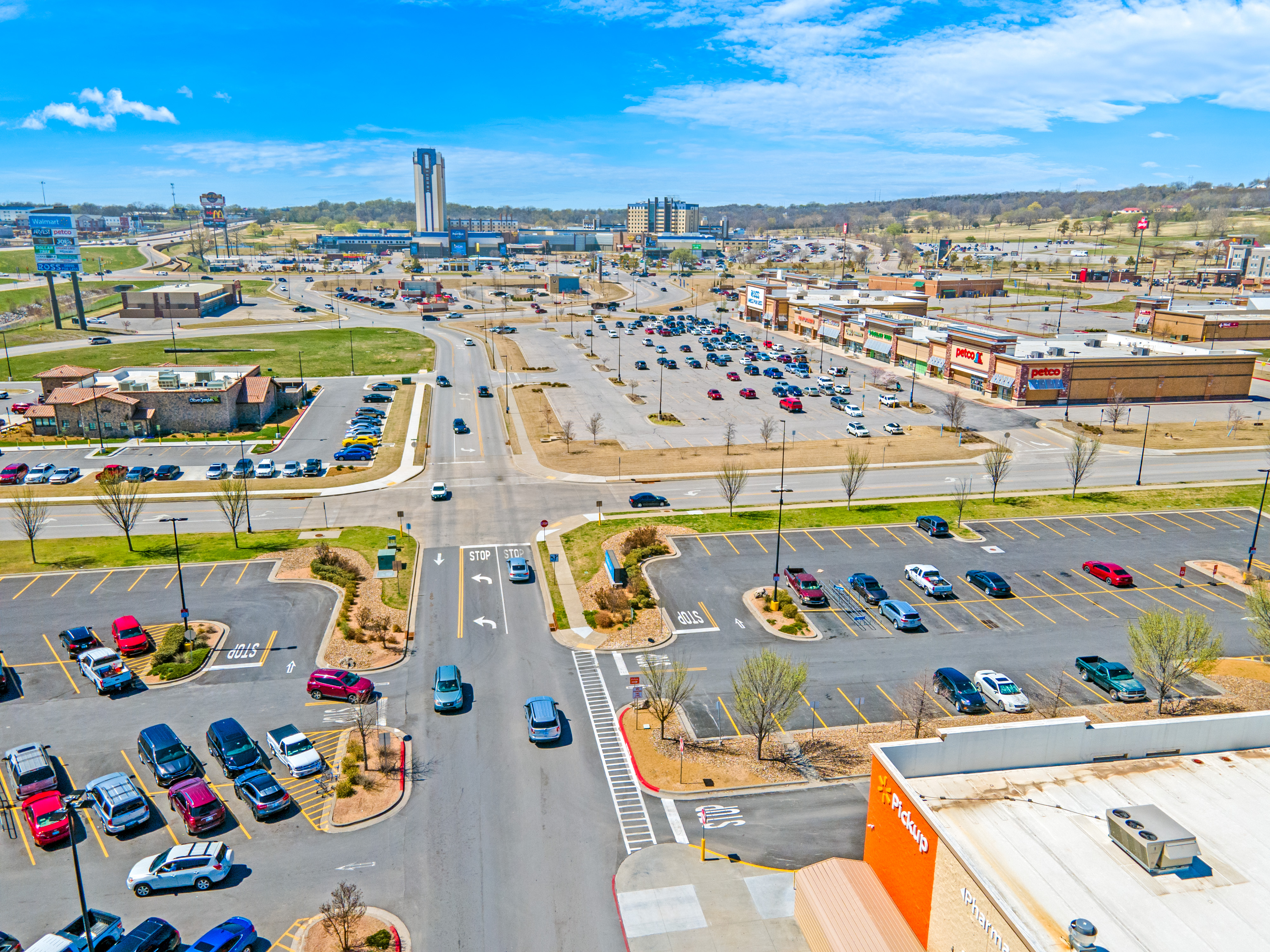
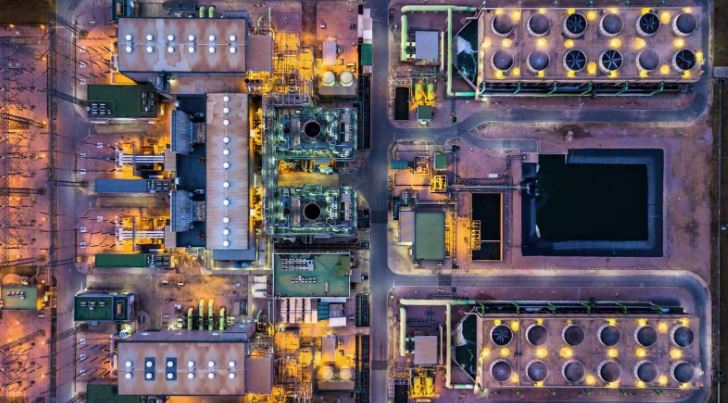
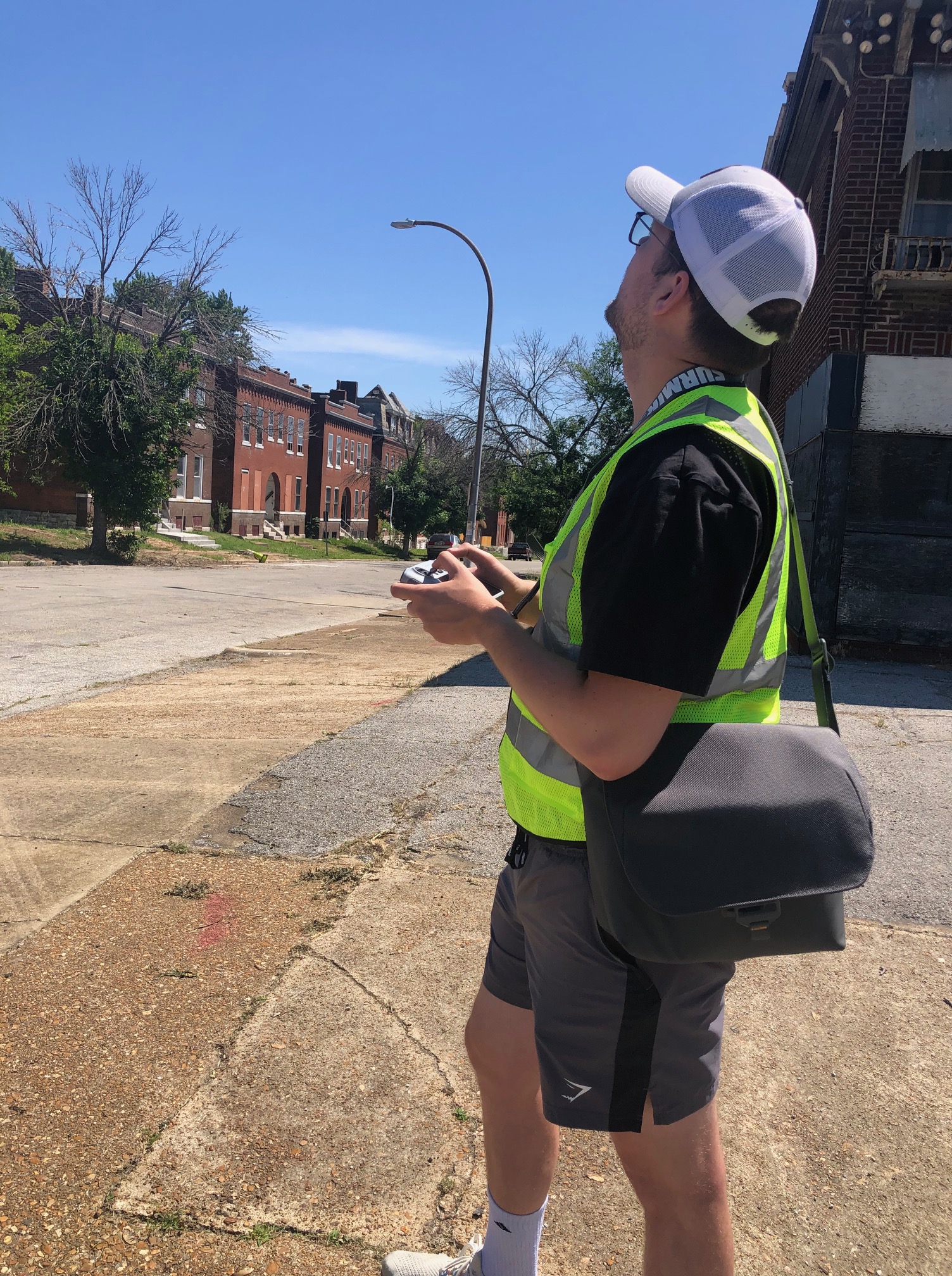
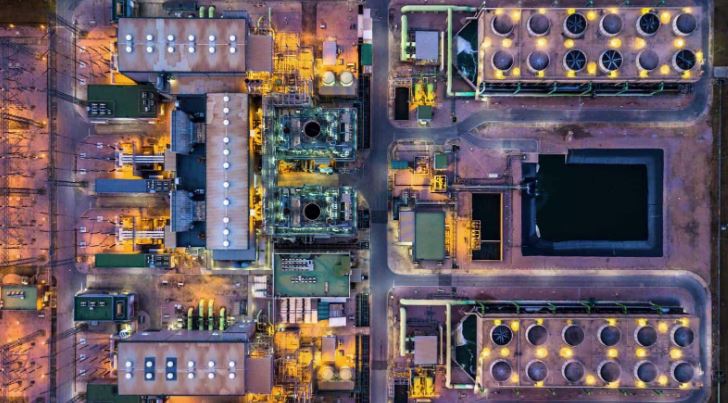
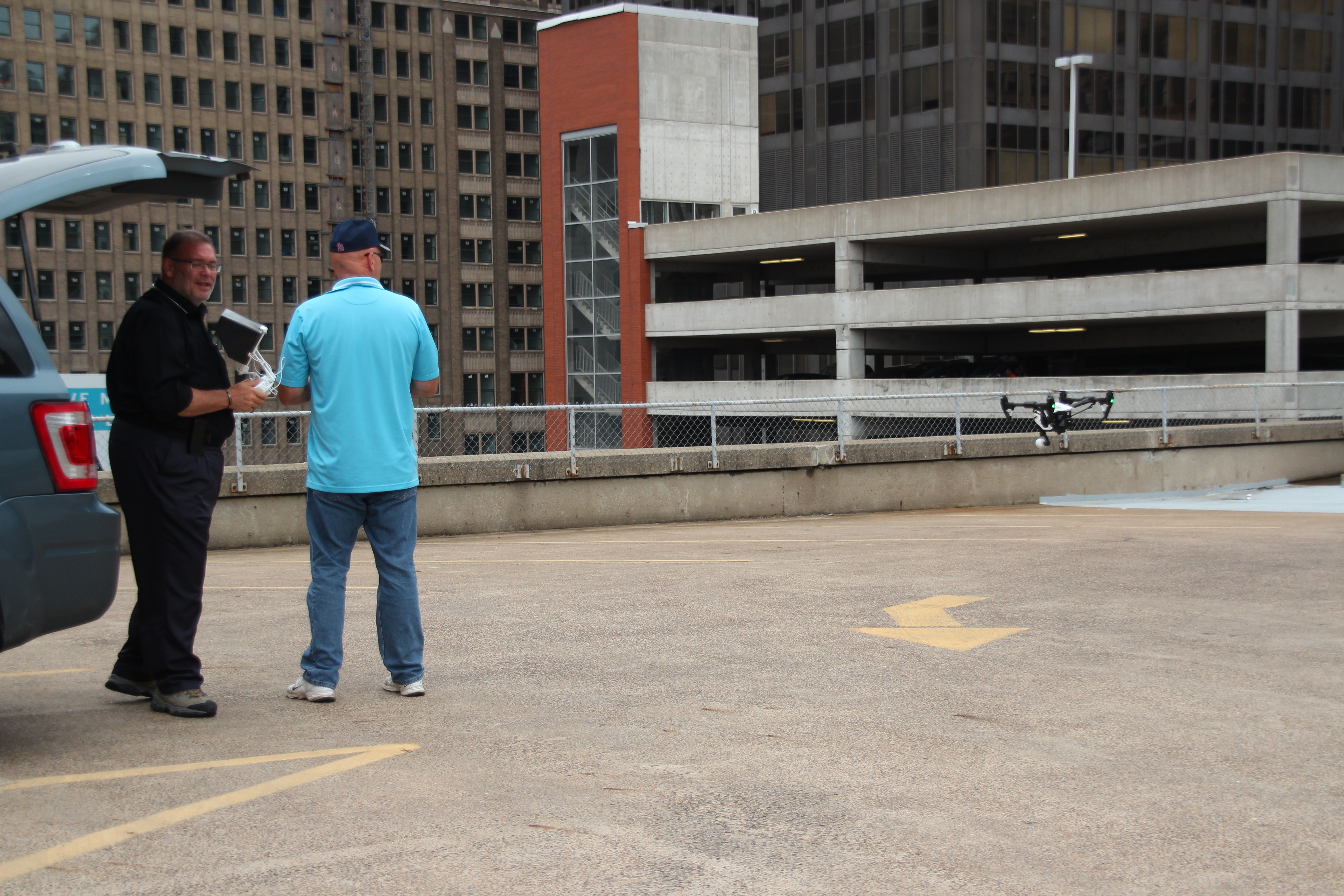
Standard aerial footage can establish location, scale, access, architecture, and operational footprint. FPV drones can create dynamic motion sequences indoors and through spaces that would otherwise be difficult to showcase. For industrial, facility, logistics, and experiential environments, FPV can reveal workflow and layout in a uniquely immersive way.

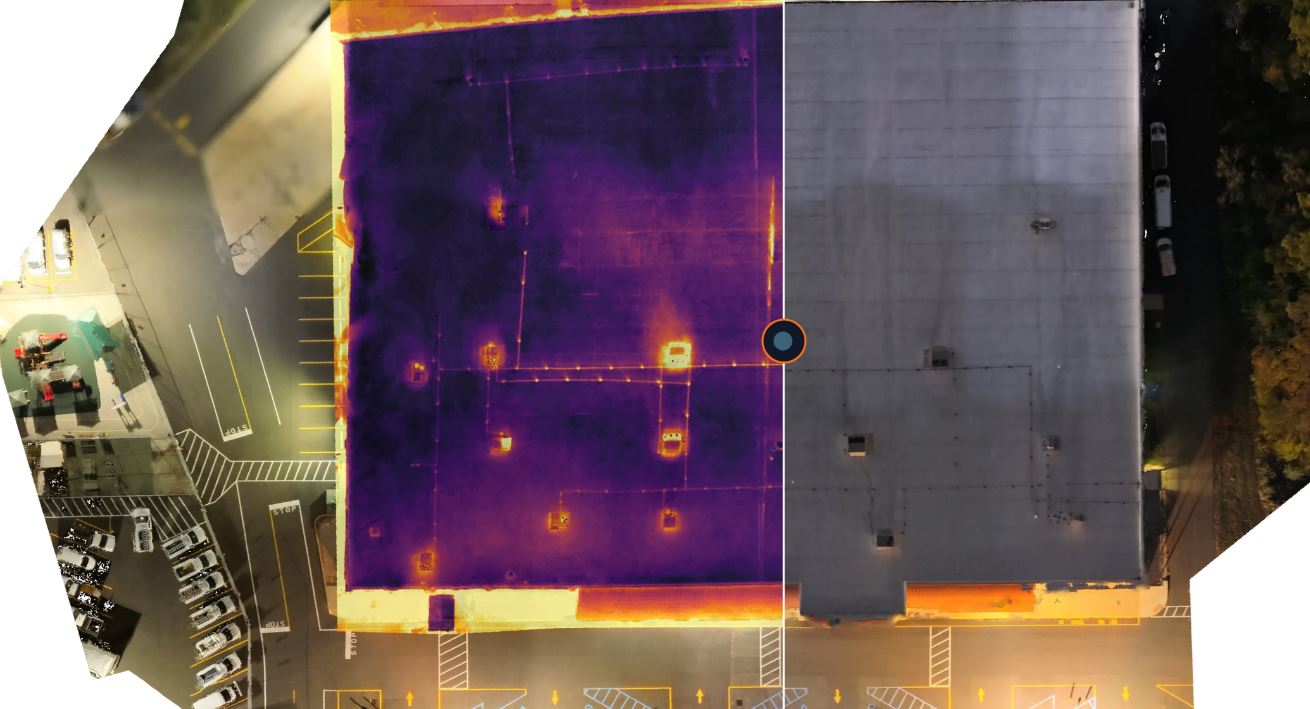
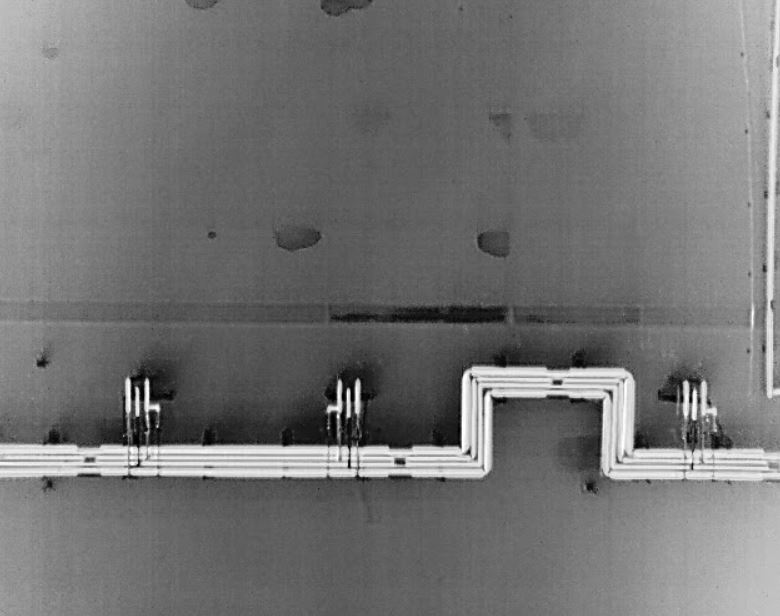
Infrared thermal imaging can support specialized inspections, diagnostics, and visual analysis. Orthomosaic outputs can provide accurate overhead mapping for sites, campuses, developments, and industrial properties. LiDAR can support advanced spatial documentation and data-rich visualization where precision matters.

When these services are integrated into a broader interview and b-roll production strategy, the project becomes more than a simple video shoot. It becomes a more complete visual asset build.

Repurposing: Where Real Value Is Often Won

One of the smartest reasons to invest in a professionally planned interview and b-roll production is the ability to repurpose the captured material. Many businesses underuse their footage by producing one final video and leaving valuable content on the table.

A well-structured shoot can generate a long-form brand piece, short testimonials, executive sound bites, recruiting content, social clips, website visuals, sales presentation assets, digital ads, internal training segments, and still imagery extracted from motion footage where appropriate.

This is where strategy matters. If the production team understands from the beginning that the content will be reused across departments and platforms, they can capture accordingly. That means more orientation options, more compositional variety, more environmental coverage, more short quotable statements, and more flexibility in post-production.

The result is a stronger return on each production day.

What Decision Makers Should Look For in a Production Partner

When evaluating a team for interview and b-roll work, businesses should look beyond a highlight reel. The right questions are practical.

Can this team make nonprofessional talent comfortable on camera?

Do they understand business messaging, not just visuals?

Can they light interviews consistently in real locations?

Do they capture enough b-roll to truly support the story?

Can they handle audio professionally?

Can they work efficiently around operations, staff schedules, and location constraints?

Can they produce assets for multiple channels and uses?

Can they integrate photography, drone work, and post-production into one coordinated process?

Can they think beyond the shoot day and help build a library of useful branded media?

The strongest production partners are not merely camera operators. They are visual communicators, problem solvers, and production strategists.

Why Experience Still Matters

Technology is more accessible than ever, but access to gear is not the same as experience. Interview production and b-roll storytelling still require judgment, timing, preparation, and editorial thinking. Knowing where to place a subject, how to shape light, when to push for a better answer, how to sequence a location, and what visual gaps will hurt the edit later are all skills built over time.

For organizations trusting a production team to represent their brand, culture, people, and credibility, experience reduces risk. It leads to smoother shoot days, better media capture, stronger edits, and more usable final assets.

Mike Hallerย 314-913-5626ย stlouisvideoproduction@gmail.com

St. Louis Missouri Infrared FLIR Thermal Drone Services

Infrared FLIR thermal drone services are no longer a niche specialty reserved for industrial inspections and technical consultants. In St. Louis, Missouri, they have become a highly practical tool for businesses, property managers, facility teams, construction professionals, marketers, engineers, and organizations that need a faster, safer, and more revealing way to evaluate buildings, equipment, land, and infrastructure.

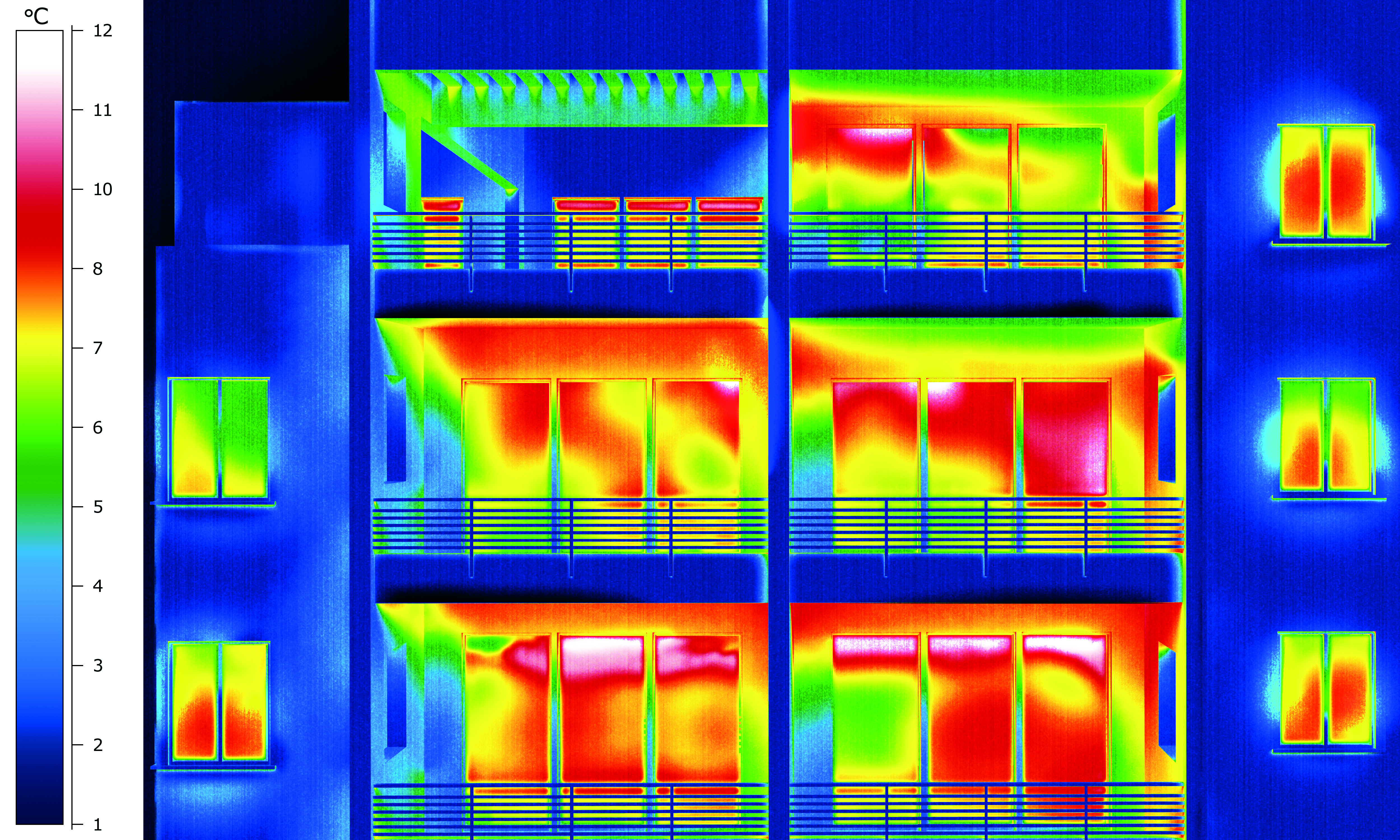
For decision makers responsible for photography, marketing, operations, and video production, thermal drone imaging offers something conventional cameras cannot: the ability to visualize heat patterns, temperature anomalies, and hidden conditions that may never appear in standard photography or video. When paired with experienced image acquisition, production planning, and post-production, thermal drone services become even more valuable. They can support documentation, inspections, visual storytelling, reporting, facility assessments, and branded communication.

At St Louis Video Production, we view infrared FLIR thermal drone services as both a technical solution and a visual communication tool. The right thermal aerial workflow does more than collect data. It helps businesses understand what is happening, document it clearly, and present it in a way that supports better decisions.

What Infrared FLIR Thermal Drone Services Actually Do

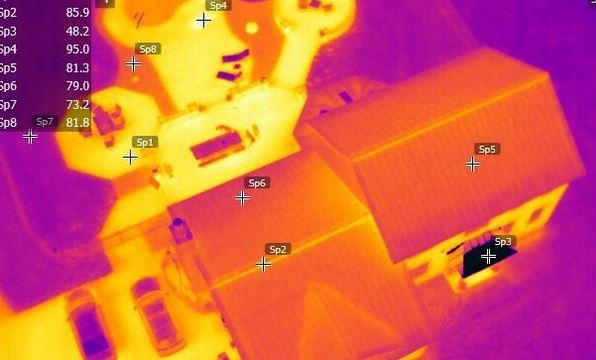
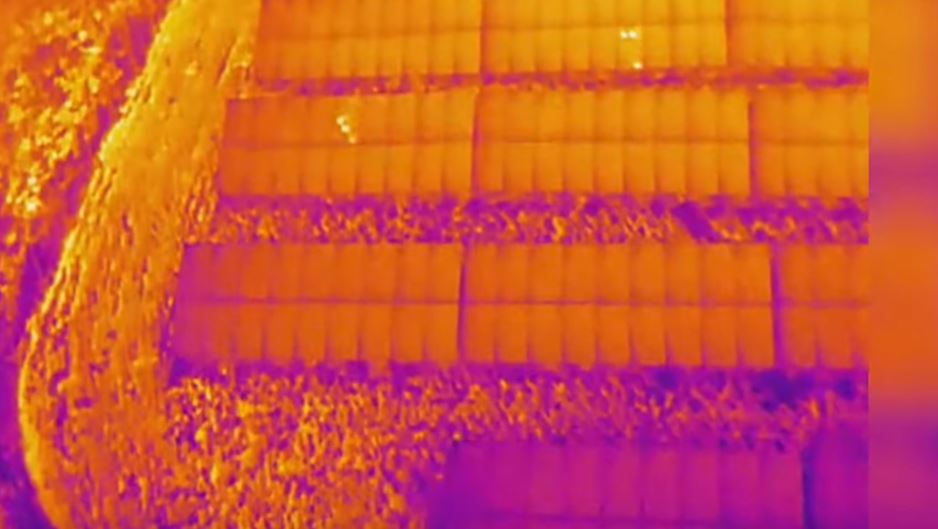
A thermal drone uses a specialized infrared camera to detect heat energy rather than visible light. That means the camera is not simply taking a normal picture from the air. It is capturing temperature differences across surfaces, materials, and structures.

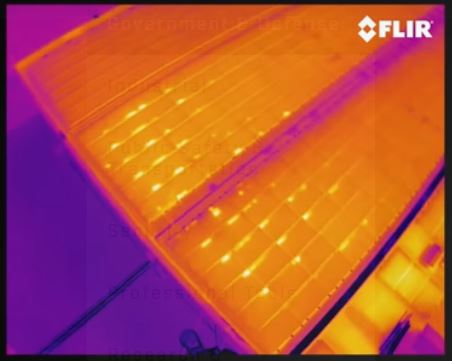
FLIR thermal imaging is especially useful because many real-world problems show up first as heat variation. Moisture intrusion may cool an area differently than dry material. Roof damage can create unusual temperature patterns. Electrical systems can reveal hot spots. Solar panels can show underperforming cells. HVAC issues may appear in airflow or insulation irregularities. Even certain site conditions and industrial processes can be better understood through thermal imaging.

For businesses in the St. Louis area, this makes thermal drone services relevant across a surprisingly wide range of applications. Instead of relying only on ladders, lifts, scaffolding, or incomplete ground-level observation, organizations can evaluate broad areas quickly and safely from above.

Why Thermal Drones Matter for Businesses and Organizations

The business case for thermal drone imaging is straightforward. It improves visibility, reduces guesswork, and often lowers the time and disruption involved in understanding a problem.

A conventional visual inspection may show what a roof looks like. A thermal inspection may help show where trapped moisture, insulation issues, or other temperature-related irregularities are occurring. A standard drone video may document the appearance of a building or facility. A thermal drone flight can add another layer of information that supports maintenance, repair planning, asset management, or insurance-related documentation.

This matters to decision makers because many projects are delayed or made more expensive by incomplete information. When the source of a problem is hidden, the cost of trial and error increases. Thermal imaging can help teams prioritize the right areas for closer examination, targeted repair, or additional testing.

It also matters from a communication standpoint. Executives, property owners, facility teams, engineers, marketing departments, and stakeholders often need clear visuals to understand technical conditions. A properly captured and well-presented thermal image can make a complex issue easier to explain than a long written report alone.

Common Uses for Infrared FLIR Thermal Drone Services in St. Louis

In a market like St. Louis, where commercial, industrial, institutional, and municipal properties vary widely in age, scale, and construction type, infrared thermal drone services can serve many purposes.

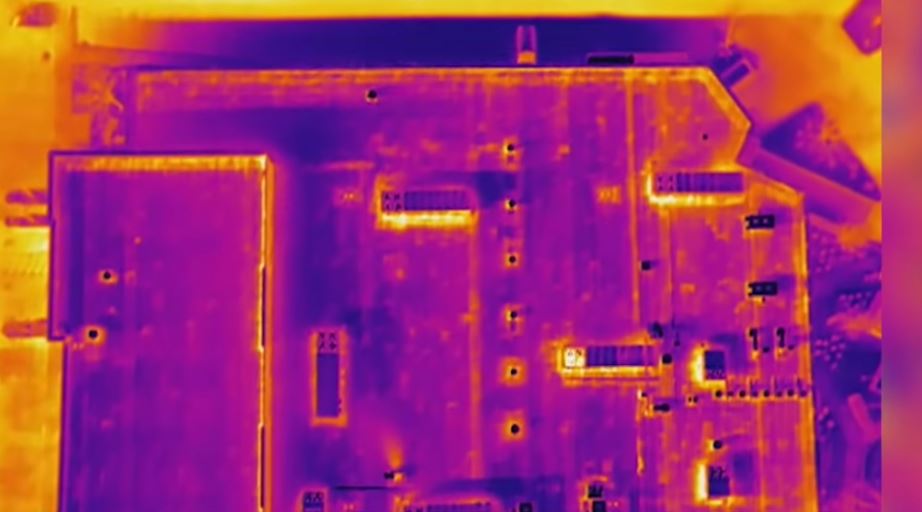
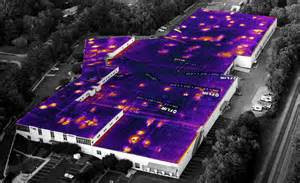
Roof inspections are one of the most common uses. Large roofs are difficult and time-consuming to assess manually, especially when the goal is to identify areas of moisture intrusion, failing insulation, or inconsistent surface behavior. A thermal drone can scan broad sections efficiently and provide imagery that helps direct attention to specific zones.

Building envelope analysis is another important application. Exterior walls, windows, and transitions may reveal heat loss, insulation inconsistencies, or other thermal irregularities that affect energy performance and comfort. For commercial buildings, schools, warehouses, and institutional properties, that insight can be valuable for maintenance and capital planning.

Electrical inspections can also benefit from thermal imaging. Certain components and systems may show abnormal heat signatures that suggest overloading, imbalance, resistance issues, or failing parts. While thermal imagery does not replace licensed electrical diagnosis, it can be a powerful screening and documentation tool.

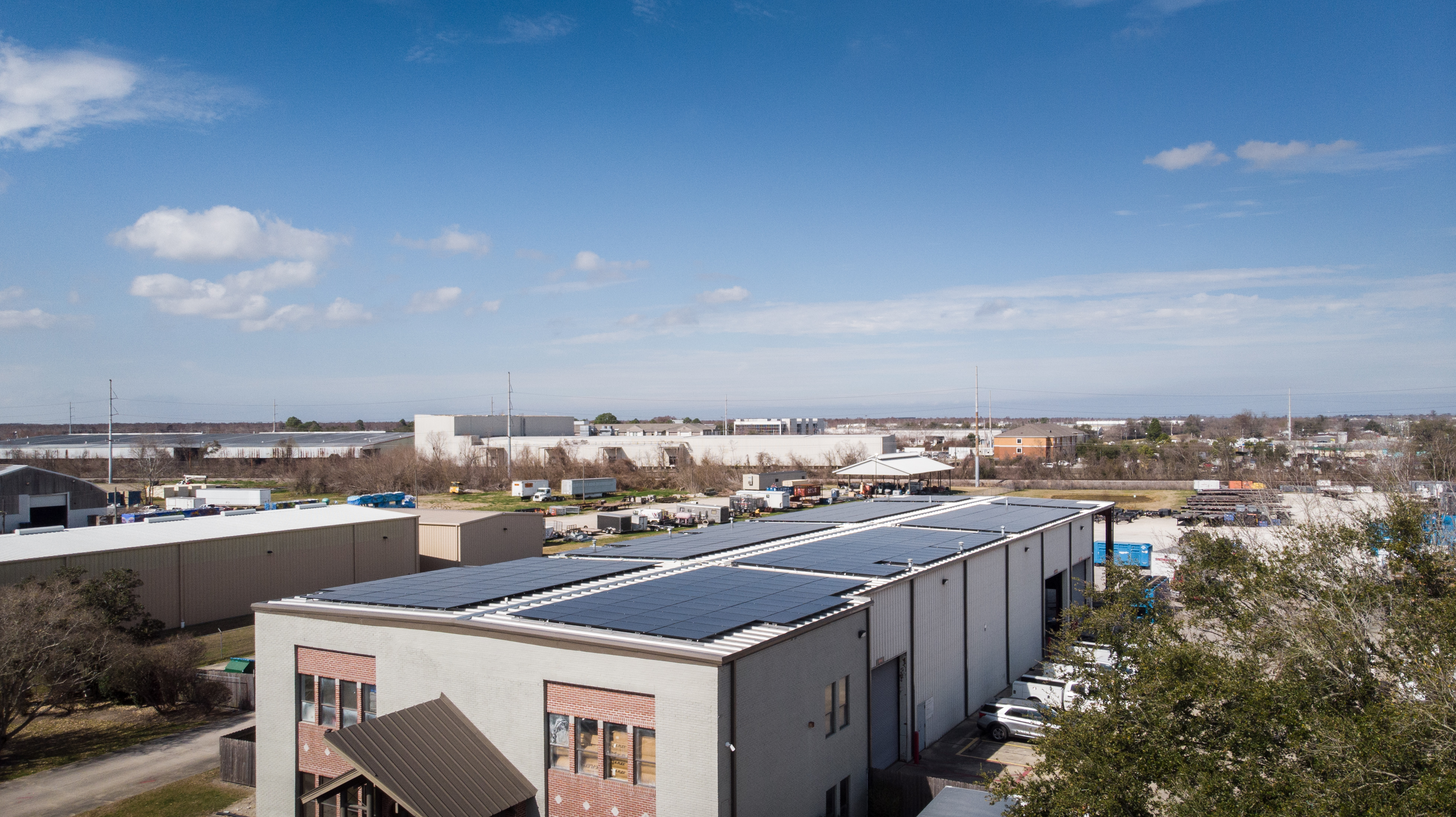
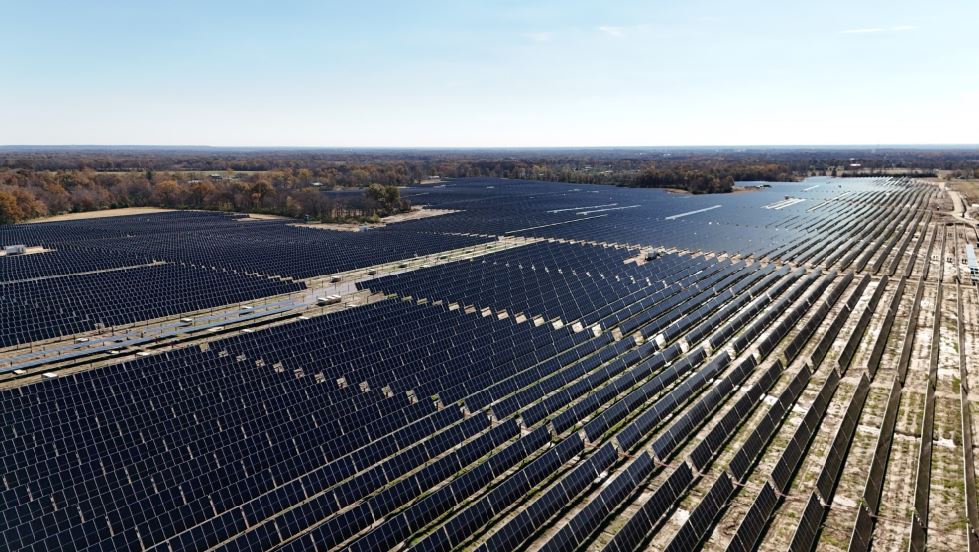
Solar panel inspections are well suited to aerial thermal capture as well. Thermal anomalies may indicate malfunctioning cells, damaged components, or underperforming sections within a solar installation. For organizations investing in renewable energy, thermal drone imaging helps support performance evaluation and maintenance planning.

Construction and industrial sites can use thermal imaging for monitoring, process observation, and visual documentation. Depending on the project, thermal data may reveal patterns and issues not visible in standard footage. Agriculture, utilities, and specialized facility operations may also find unique value in infrared aerial imaging, particularly when large areas or difficult access points are involved.

The Advantage of Aerial Thermal Imaging Over Traditional Methods

One of the biggest advantages of a drone-mounted thermal camera is access. Many buildings and sites are difficult to inspect from the ground. Some involve height, slope, fragile roofing materials, limited access points, or operational hazards. A drone allows an experienced operator to capture thermal imagery from multiple angles without placing personnel directly on surfaces or requiring more invasive setup.

Another advantage is coverage. A drone can survey a broad area far more quickly than many manual methods. That speed matters when working around business schedules, weather windows, facility operations, or time-sensitive maintenance needs.

A third advantage is clarity through context. Ground-based thermal imaging has value, but an aerial perspective often reveals patterns across an entire roof, elevation, or site. Seeing the full thermal picture can make it easier to identify relationships between anomalies rather than examining isolated sections one at a time.

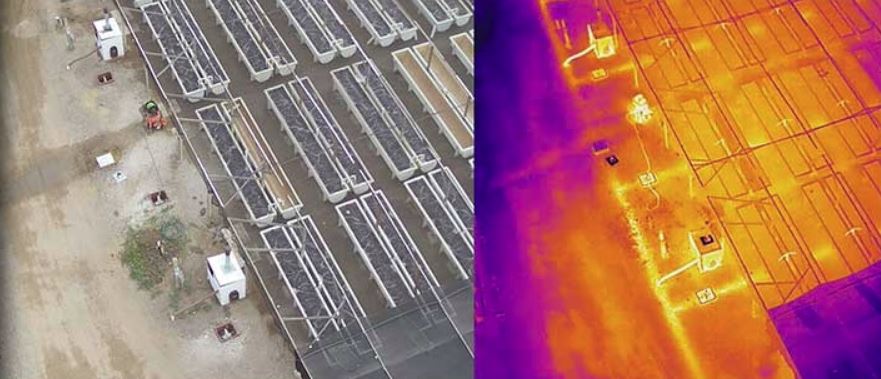
Finally, thermal drone imaging supports better visual reporting. Side-by-side visible and thermal images, annotated deliverables, edited video segments, and post-produced visuals can help technical findings become understandable to non-technical stakeholders.

What Decision Makers Should Look for in a Thermal Drone Provider

Not all drone services are the same, and not all aerial photographers are equipped to deliver meaningful thermal results. For businesses and organizations, the key is finding a provider that understands both the technical side of acquisition and the communication side of production.

Image quality matters, but so does mission planning. Thermal results depend heavily on timing, weather conditions, surface characteristics, environmental variables, flight path, angle, and the purpose of the inspection. An operator needs to understand how to capture useful imagery, not just how to fly.

Experience with visual storytelling also matters more than many clients realize. Once the imagery is captured, it still needs to be organized, interpreted visually, and prepared for the intended audience. Engineers, property managers, marketing teams, legal teams, insurers, and executives may all need different forms of presentation. A production company with strong post-production capability can transform raw capture into usable deliverables.

It is also important to choose a provider who understands the limitations of thermal imaging. Thermal imagery is powerful, but it is not magic. It detects temperature differences, not causes. The most responsible professionals present thermal imaging as part of a broader evaluation process, not as a shortcut to unsupported conclusions. That disciplined approach builds credibility and helps clients use the imagery appropriately.

Thermal Imaging as a Documentation and Marketing Tool

Although thermal drone services are often discussed in technical terms, they also have real marketing and communication value. For many businesses, especially in construction, roofing, engineering, energy, facility management, restoration, and industrial services, thermal visuals can strengthen case studies, presentations, proposals, and branded content.

A company that performs roof remediation, building diagnostics, energy upgrades, or infrastructure work can use thermal imagery to show before-and-after conditions. A facilities department can document building issues for internal planning and board presentations. An engineering firm can use visual thermal assets to communicate methodology and findings more effectively. Marketing teams can incorporate these unique visuals into campaigns that demonstrate capability and innovation.

This is where a full-service production mindset makes a difference. Thermal capture is not only about inspection utility. It can also become part of a wider content strategy that includes photography, video, editing, graphics, interviews, and repurposed media assets across websites, presentations, social channels, and sales materials.

Why St. Louis Organizations Benefit from Local Experience

Local experience matters in production and it matters in drone services. St. Louis properties, weather conditions, architecture, industrial environments, and client expectations all shape how projects should be approached. Working in a local market means understanding how to schedule around conditions, how to communicate with regional business clients, and how to adapt services to real-world operational needs.

For companies and organizations here, there is also value in working with a team that can do more than one isolated task. Many clients need thermal drone imaging, but they also need conventional drone footage, ground photography, interview video, editing, graphics, or a polished final presentation. Coordinating all of that through one experienced production partner saves time and keeps the final output consistent.

In other words, the best infrared FLIR thermal drone service is not just about the sensor. It is about the full production workflow surrounding that sensor.

From Data Capture to Usable Deliverables

The most effective thermal drone projects do not end when the flight ends. They end when the client receives materials that are organized, clear, and useful.

That may include thermal stills, visible-light comparison images, edited aerial video, labeled visuals, project documentation, marketing-ready media, presentation assets, or post-produced deliverables designed for internal or external communication. Different clients need different outcomes, and that is why post-production should never be treated as an afterthought.

For business decision makers, this is often the difference between having raw files and having usable value. Capturing images is only one part of the job. Making those images work for your objective is where experienced production support becomes essential.

The Strategic Value of Infrared FLIR Thermal Drone Services

Infrared FLIR thermal drone services give organizations a smarter way to see what standard imaging misses. They can improve inspection efficiency, reduce access challenges, support maintenance planning, strengthen documentation, and provide visually compelling material for communication and marketing. In a business environment where clarity, speed, and presentation all matter, thermal drone services offer a strong return in both operational and visual terms.

For companies in St. Louis, Missouri, the opportunity is even greater when thermal imaging is delivered by a team that understands production as well as technology. The best results come from combining safe aerial operations, skilled capture, strong visual judgment, and polished post-production into one coordinated service.

At St Louis Video Production, we are an experienced full-service professional commercial photography and video production company with the right equipment and creative crew service experience for successful image acquisition. We offer full-service studio and location video and photography, as well as editing, post-production and licensed drone services. St Louis Video Production can customize your productions for diverse types of media requirements. Repurposing your photography and video branding to gain more traction is another specialty. We are well-versed in all file types and styles of media and accompanying software, and we use the latest in Artificial Intelligence for all our media services.

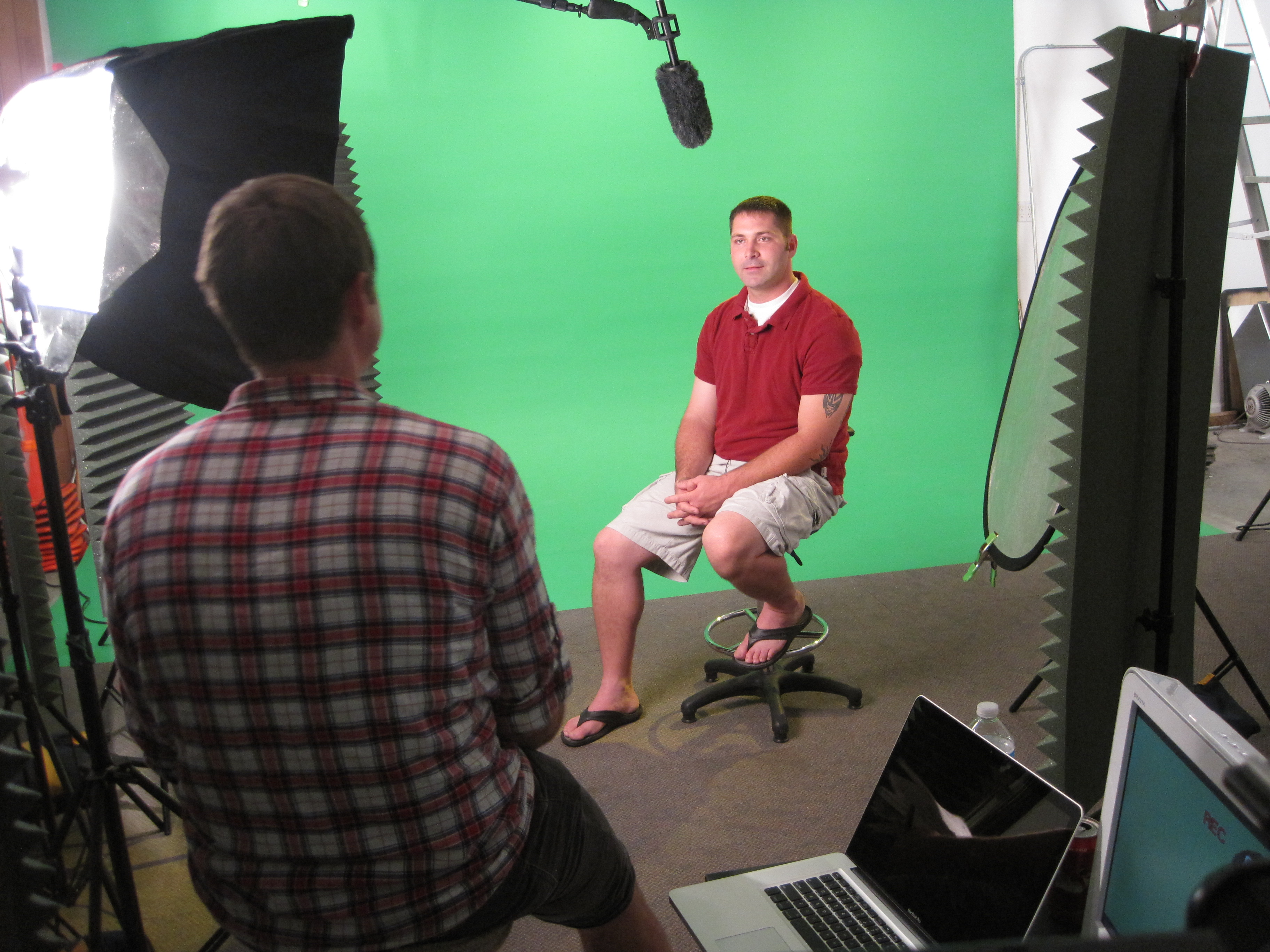
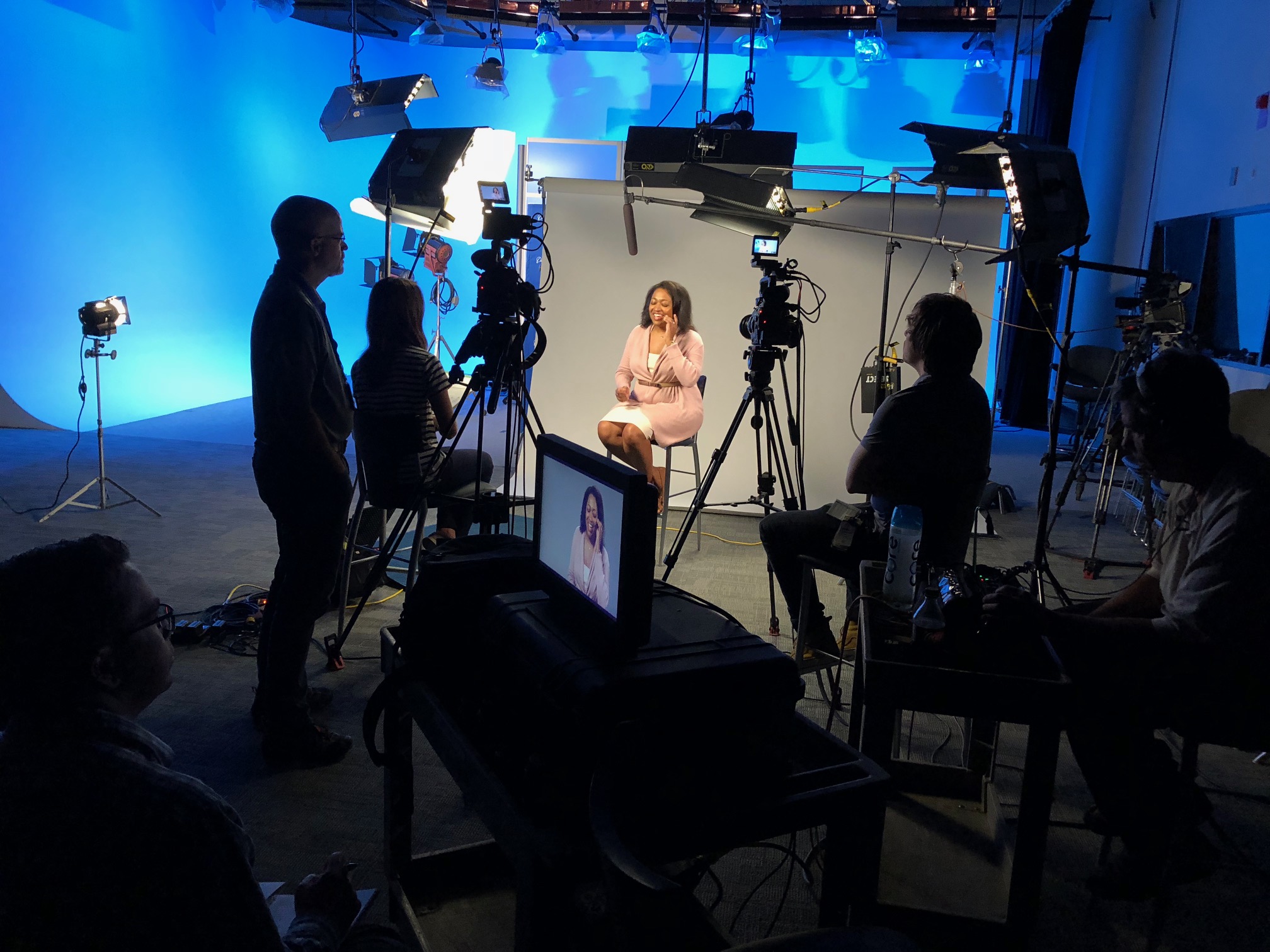
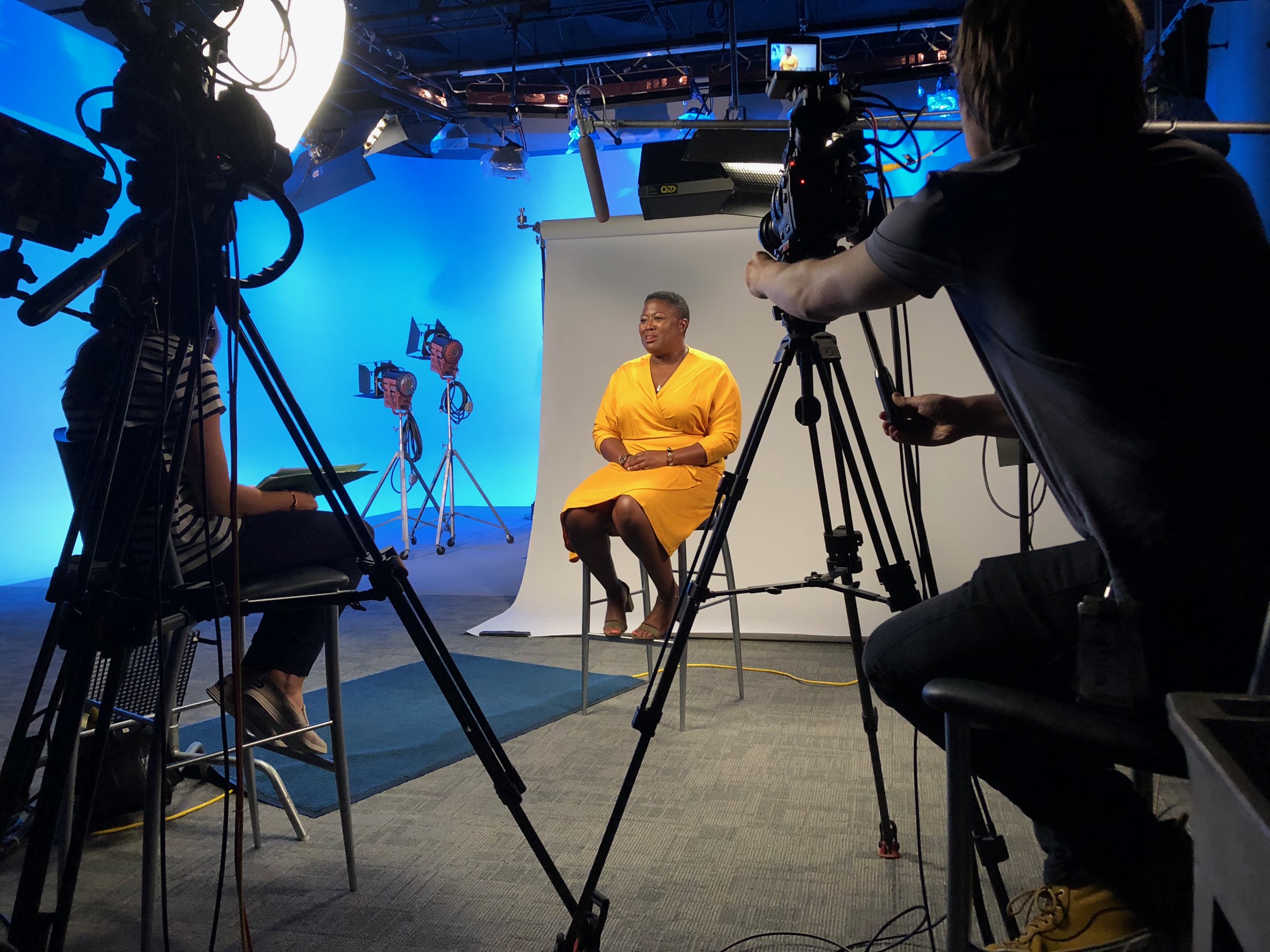
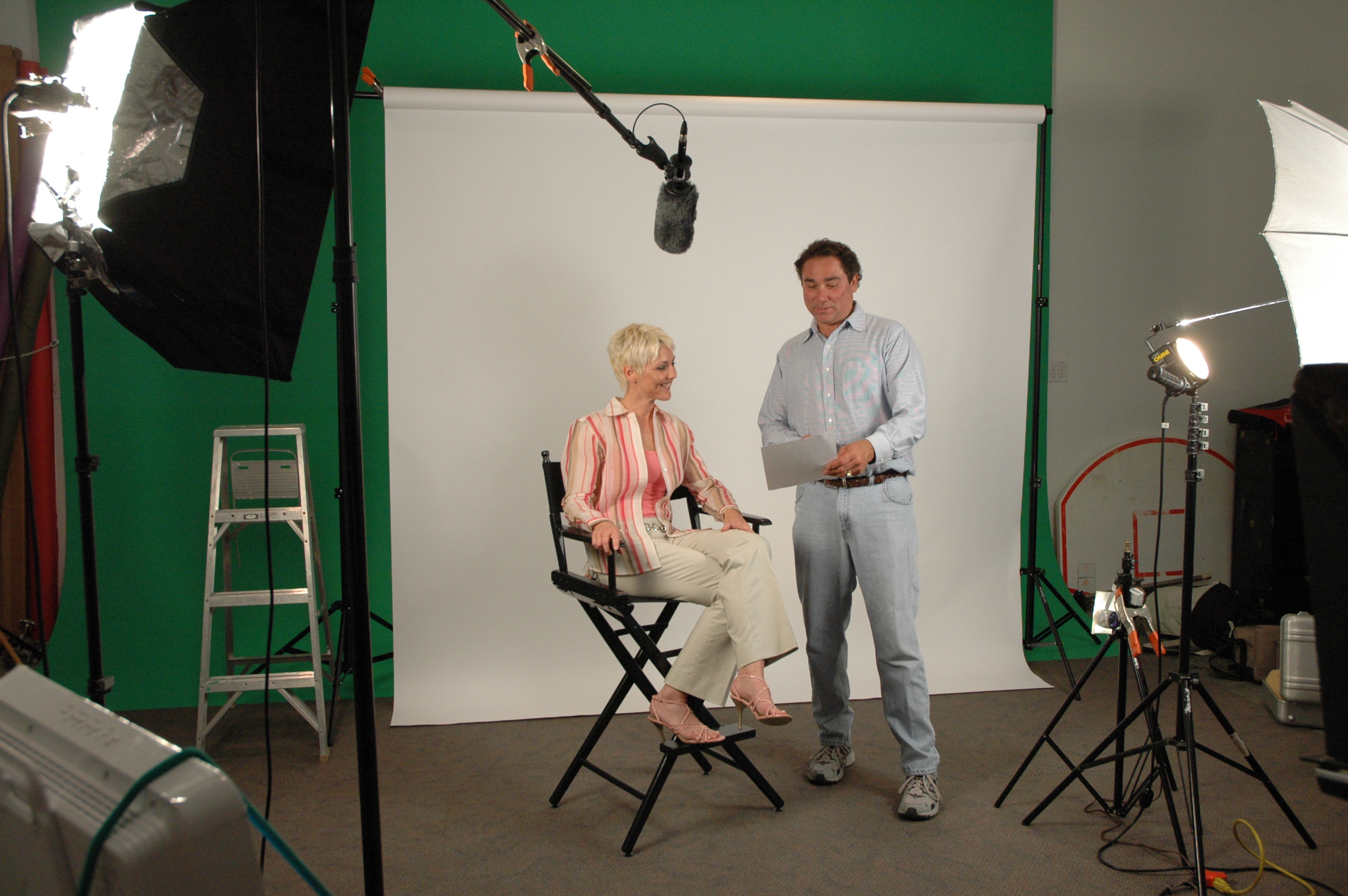
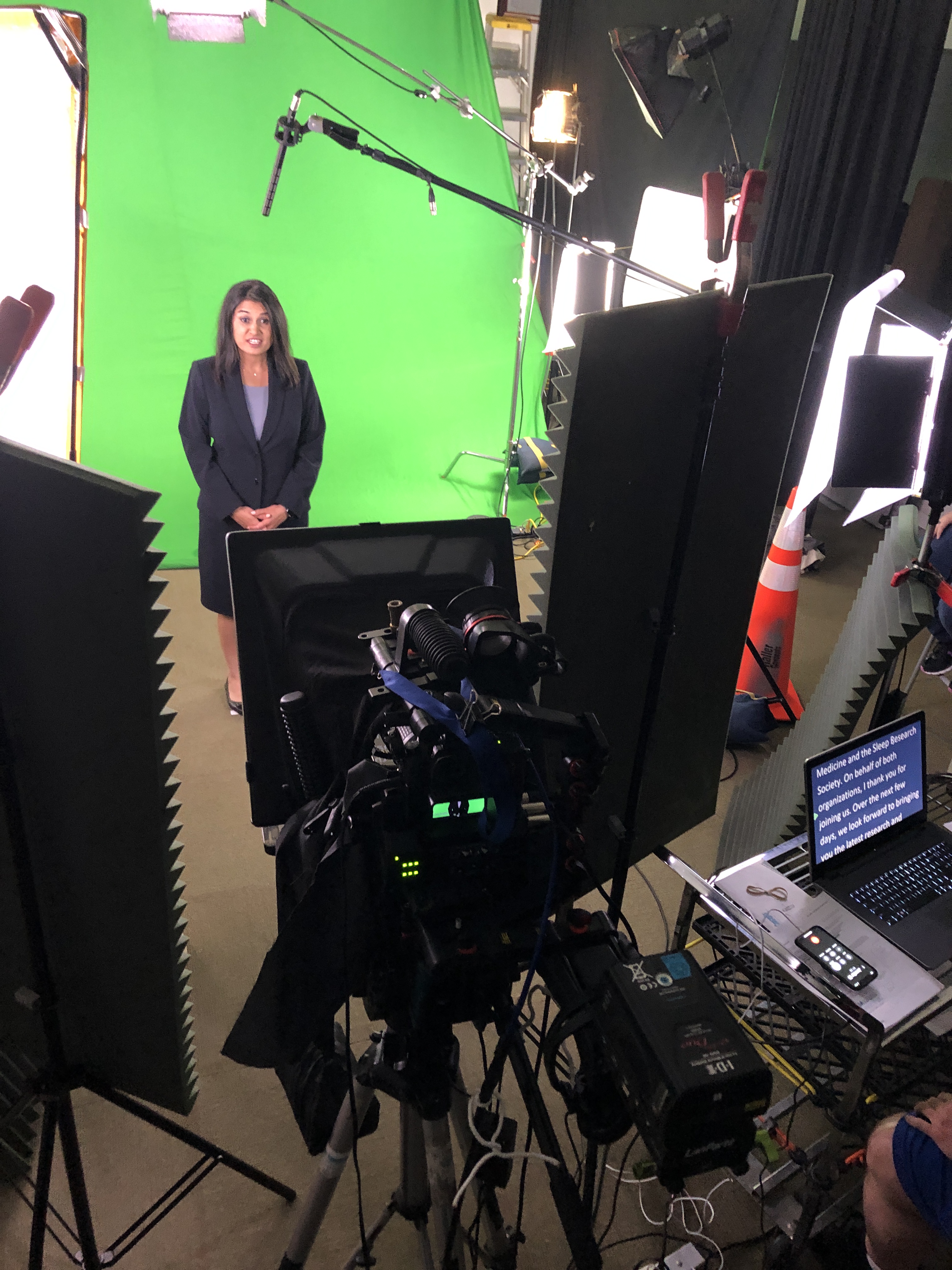
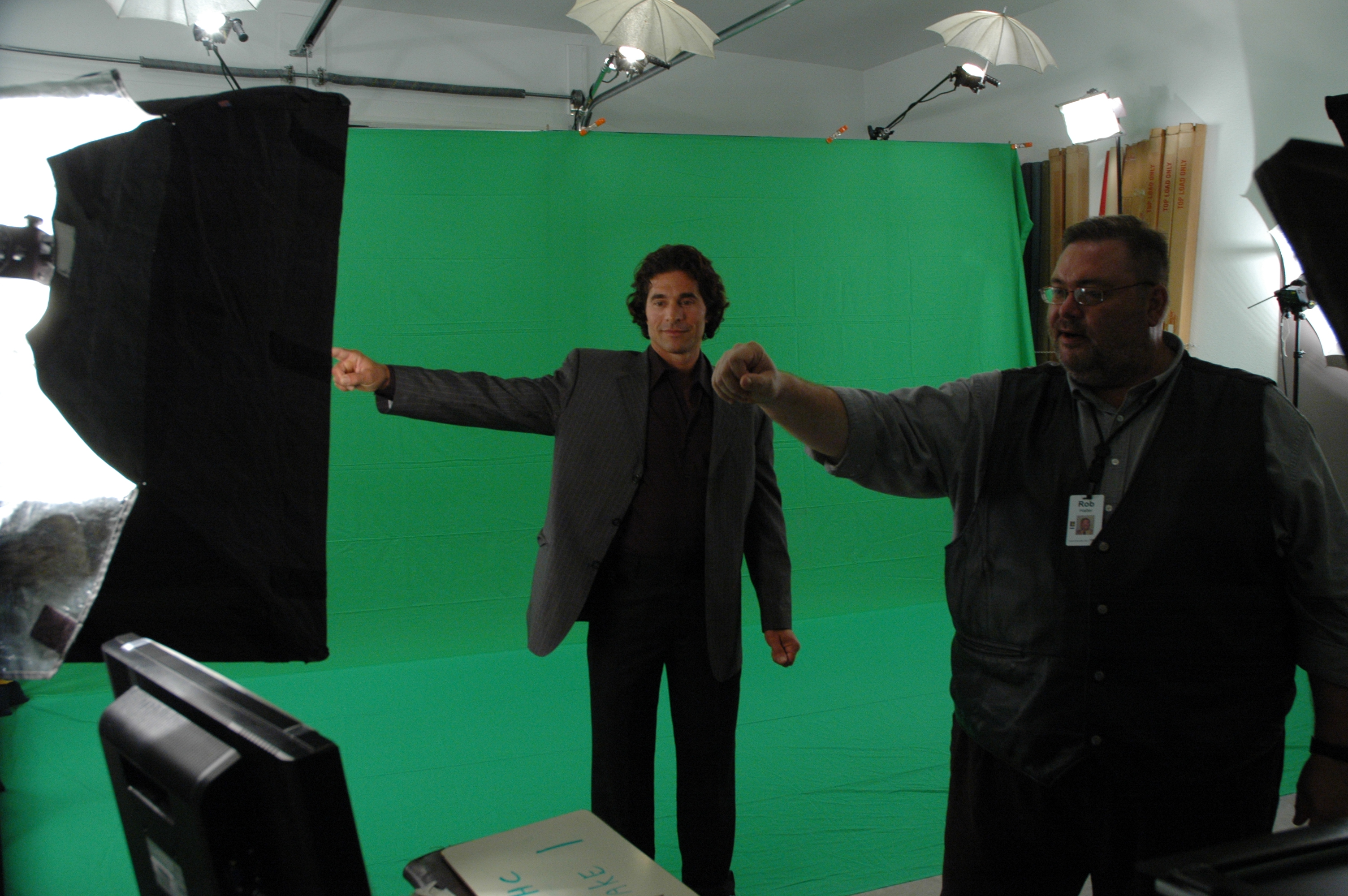
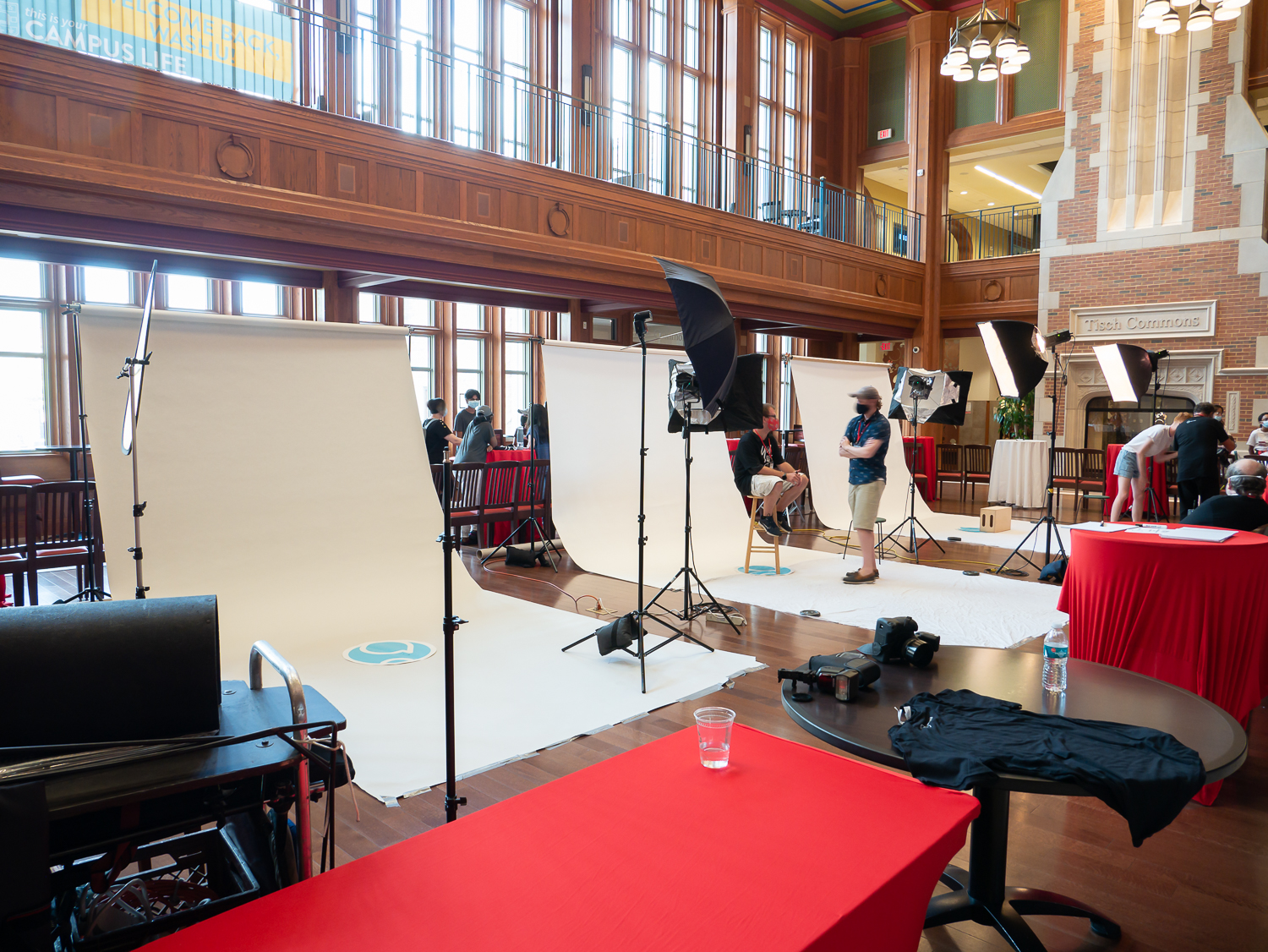
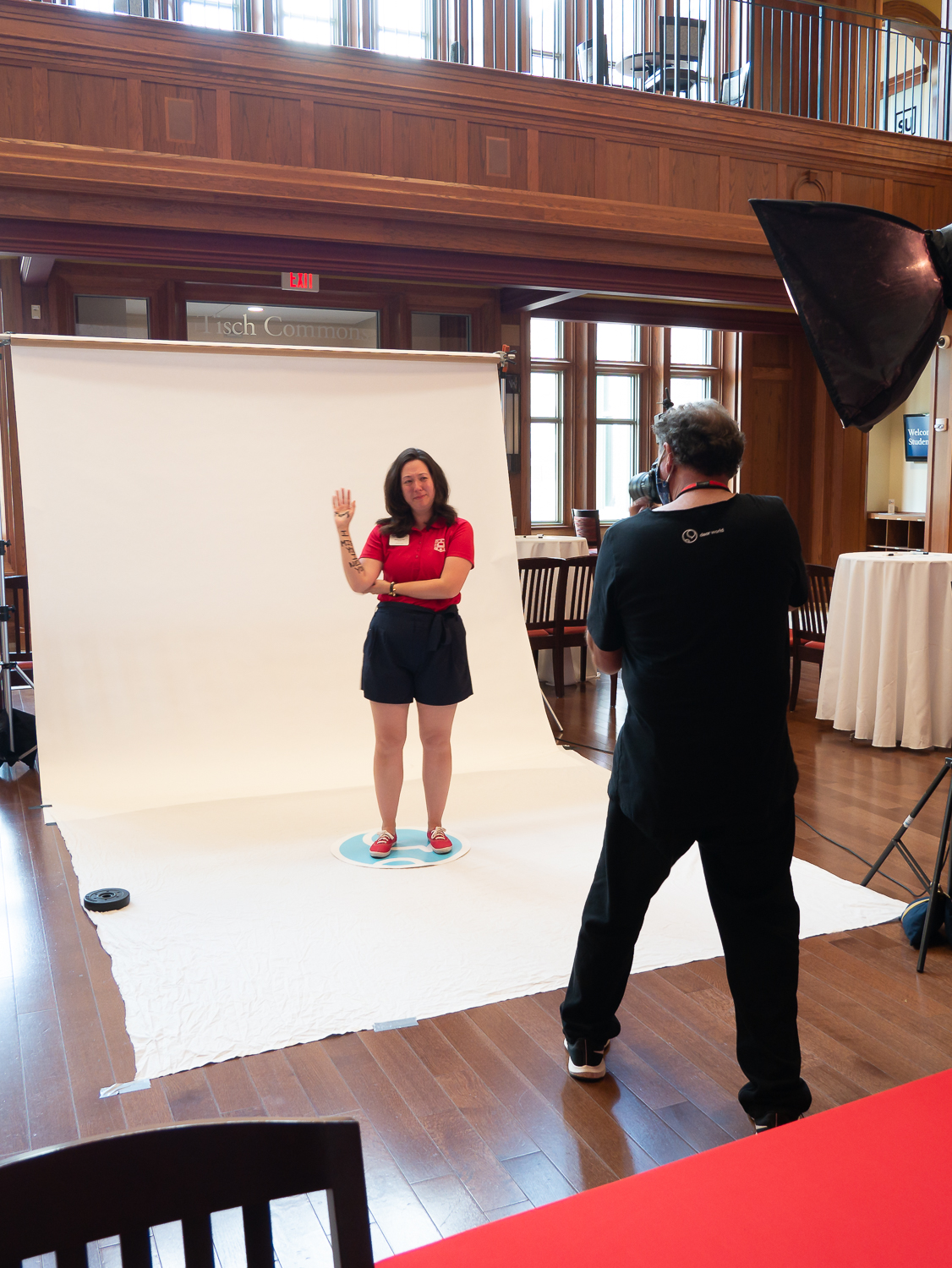
Our private studio lighting and visual setup is perfect for small productions and interview scenes, and our studio is large enough to incorporate props to round out your set. We support every aspect of your production, from setting up a private, custom interview studio to supplying professional sound and camera operators, as well as providing the right equipment, ensuring your next video production is seamless and successful. We can fly our specialized drones indoors. Since 1982, St Louis Video Production has worked with many businesses, marketing firms, and creative agencies in the St. Louis area for their marketing photography and video. When you need St. Louis Missouri infrared FLIR thermal drone services backed by real production experience, technical capability, and a creative team that understands how to turn complex visuals into useful media, St Louis Video Production is ready to help.

Mike Hallerย 314-913-5626ย stlouisvideoproduction@gmail.com

Seeing Heat from Above: How Drone Thermal Inspections Protect Commercial Roof Investments

Commercial roofs rarely fail overnight. Leaks, trapped moisture, and insulation breakdown usually start as small, invisible problems that quietly erode your asset value. By the time you see water stains inside the building, the damage is already expensiveโ€”and often disruptiveโ€”to fix.

Drone-based thermal inspections change that equation.

By combining high-resolution infrared (thermal) imaging with aerial photography, we can quickly identify trouble spots across large commercial roofsโ€”without scaffolding, risky walk-arounds, or shutting down operations. For asset managers, facility teams, and marketing or communications leaders, this is not just a maintenance tool; itโ€™s a strategic way to protect brand, budgets, and the occupant experience.


What Is a Commercial Roof Thermal Inspection by Drone?

A drone thermal inspection uses an aerial platform equipped with:

  • A high-resolution RGB camera for visual documentation
  • A thermal (infrared) camera that measures subtle temperature variations across the roof surface

Every object emits infrared radiation based on its temperature. The thermal camera detects this and translates it into an image, where warmer and cooler areas are represented by different tones. On a commercial roof, those temperature differences can reveal:

  • Areas of trapped moisture beneath membranes or coatings
  • Compromised insulation thatโ€™s leaking energy
  • Ponding water or drainage issues
  • Thermal bridging around penetrations, edges, and rooftop equipment
  • Heat signatures that may indicate mechanical or electrical issues with rooftop units

The drone flies a pre-planned grid pattern over the roof, capturing overlapping thermal and visual images. These are then stitched, analyzed, and mapped into a comprehensive report your team can act on.


Why Thermal Drone Inspections Matter to Decision Makers

For decision makers responsible for capital budgets, risk management, and brand reputation, drone thermal inspections deliver value in several critical ways.

1. Early Leak Detection and Moisture Mapping

Traditional inspections often rely on what inspectors can see at eye levelโ€”cracks, blisters, visible damage. By the time water shows up inside, moisture has usually migrated through layers of roofing, insulation, and structure.

Thermal imaging can detect temperature anomalies consistent with moist insulation long before interior leaks appear. That means:

  • Targeted repairs instead of full system replacement
  • Reduced interior damage to ceilings, finishes, and equipment
  • Shorter disruption to tenants and operations

This is especially valuable for large roofsโ€”warehouses, hospitals, schools, office parksโ€”where walking every square foot thoroughly is impractical.

2. Energy Efficiency and ESG Reporting

Insulation failures and air leaks donโ€™t just impact comfort; they show up on the energy bill. Drone thermal inspections can reveal where conditioned air is escaping or where insulation has lost performance.

For organizations focused on ESG goals, LEED certifications, or sustainability reporting, thermal maps and documented improvements provide:

  • Evidence of energy-loss hot spots before remediation
  • Visual proof of corrective actions after repairs or upgrades
  • Compelling visuals for annual reports, stakeholder updates, and presentations

Itโ€™s a technical service that can be translated into clear communication for executives, investors, and the public.

3. Better Capital Planning and Warranty Documentation

Roof systems are major capital assets. Drone thermal inspections help you manage them like the long-term investments they are.

  • Benchmarking condition today, then comparing over time
  • Supporting warranty claims with time-stamped imagery and thermal data
  • Prioritizing which sections need attention first instead of guessing
  • Aligning roof replacement decisions with budget cycles and building strategy

When you can see the entire roof at onceโ€”visually and thermallyโ€”itโ€™s much easier to justify your capital requests with data, not anecdotes.

4. Safety, Liability, and Downtime Reduction

Sending staff or contractors onto a roof always carries riskโ€”especially when surfaces are wet, icy, or cluttered with equipment.

Drone inspections dramatically reduce the need for rooftop foot traffic, helping:

  • Lower the risk of slips, falls, and OSHA incidents
  • Minimize disruption to normal operations
  • Provide a faster first assessment after storms, hail, or wind events

In many cases, the drone can be deployed quickly after severe weather to document conditions for insurance and internal risk teams before anyone physically steps onto the roof.


How a Professional Drone Thermal Inspection Process Works

While every building is unique, a well-run thermal inspection follows a disciplined process.

1. Discovery and Scope

We start with a conversation:

  • Building type and use (office, industrial, healthcare, education, etc.)
  • Roof construction (membrane, built-up, metal, coated systems)
  • Known trouble areas, history of leaks, warranty status
  • Access limitations, nearby airspace considerations, and operational constraints

This ensures the flight plan, camera settings, and deliverables match your goals.

2. Flight Planning and Compliance

Professional operations are always FAA Part 107โ€“compliant and follow local airspace rules. Planning includes:

  • Defining safe launch and landing zones
  • Establishing altitudes and flight paths for full coverage
  • Ensuring we maintain appropriate stand-off distances from people and property
  • Coordinating timing so the roof has a strong enough temperature differential (typically late afternoon or early evening after solar loading)

All of this is handled before a drone ever leaves the ground.

3. Data Capture: Thermal and Visual

During the flight, the drone captures:

  • High-overlap thermal imagery for later mapping and analysis
  • High-resolution RGB photos for visual context, documentation, and reporting
  • Close-up visuals of penetrations, seams, rooftop units, and terminations as needed

The goal is not just pretty pictures, but actionable dataโ€”imagery that can be correlated to specific locations, units, and features on your roof.

4. Analysis and Interpretation

Once the data is captured, the post-production work begins:

  • Stitching imagery into orthomosaic maps
  • Calibrating thermal data and reviewing for patterns, anomalies, and false positives
  • Cross-referencing thermal hotspots with visual images to distinguish moisture, ponding water, reflectivity issues, or equipment heat

Professional teams understand that not every hot or cold spot is a leak. Experience with commercial roof systems and thermography is critical to correctly interpreting what the camera is seeing.

5. Deliverables You Can Use

A good inspection doesnโ€™t end with a folder of images. It should give you clear, decision-ready deliverables, such as:

  • A written summary report in plain language
  • Annotated thermal maps highlighting areas of concern
  • Side-by-side thermal and visual images of problem zones
  • Suggested next steps, whether thatโ€™s invasive testing, targeted repairs, or ongoing monitoring
  • Optional visual assets (photos and video) that you can use for internal presentations, facility documentation, and stakeholder communications

Turning Roof Data Into Communication and Marketing Assets

For many organizations, building performance and resilience are no longer โ€œback-of-houseโ€ topics. They are front-and-center in:

  • Investor presentations
  • Corporate responsibility reports
  • Recruitment and culture materials
  • Tenant communications and leasing collateral

Professionally shot aerial video and stills from your thermal inspection can be repurposed to:

  • Demonstrate your commitment to proactive maintenance and safety
  • Highlight energy-efficiency initiatives and sustainability projects
  • Illustrate capital improvements in a way that is easy for non-technical stakeholders to grasp

When your inspection partner is also an experienced commercial video production team, the same mission can produce both technical documentation and polished visual storytelling.


What to Look for in a Drone Thermal Inspection Partner

If youโ€™re evaluating vendors, a few key criteria help separate a basic drone operator from a professional production and inspection partner:

  • Experience with commercial roofs, not just general drone flying
  • Licensed, insured pilots who understand airspace, risk management, and industrial environments
  • Radiometric-capable thermal cameras for accurate temperature data
  • A proven post-production workflow for reports, mapping, and visual deliverables
  • The ability to integrate inspection footage into broader marketing or documentation efforts
  • Capability to operate safely in tight or indoor spaces, when specialized drones are required

When these elements come together, you get more than a one-off inspectionโ€”you get a visual and thermal data partner for your facilities portfolio.


Why St Louis Video Production Is a Smart Choice for Drone Roof Thermal Inspections

As an experienced videographer, photographer, and producer at St Louis Video Production, Iโ€™ve seen firsthand how combining technical inspection work with high-end visual production gives organizations a powerful advantage. Youโ€™re not only identifying problems earlyโ€”youโ€™re also building a library of visuals that serve facilities, risk management, marketing, and leadership teams simultaneously.

St Louis Video Production is a full-service professional commercial photography and video production company with the right equipment and experienced creative crew for successful image acquisition on complex sitesโ€”roofs included. We offer full-service studio and location video and photography, along with editing, post-production, and licensed drone pilots who understand both storytelling and technical capture.

We can customize your productions for diverse media requirements, whether you need a focused thermal inspection report, a facilities update for executives, or a full marketing piece around your building upgrades. Repurposing your existing photography and video branding to gain more traction across channels is another core specialty. Our team is well-versed in all common file types, media formats, and software platforms, making it easy to plug our work into your internal systems and vendors.

We also leverage the latest in Artificial Intelligence across our media servicesโ€”from intelligent footage organization and enhanced image analysis to smart editing workflows that keep projects efficient and on schedule.

Our private studio lighting and visual setup is ideal for small productions, executive interviews, and explainer segments that can accompany your inspection visuals. The studio is large enough to incorporate props and set elements that help tell your facility story in a compelling way. On every project, we support the full production lifecycleโ€”from setting up a private, custom interview studio to supplying professional sound and camera operators, as well as providing the right equipment on siteโ€”so your next video or inspection-driven communication is seamless and successful.

When rooftop access is limited or specialized perspectives are needed, we can even fly our specialized drones indoors where appropriate and safe, capturing unique visuals that traditional crews cannot.

As a full-service video and photography production corporation serving the St. Louis area since 1982, St Louis Video Production has partnered with countless businesses, marketing firms, and creative agencies on their marketing photography and video. If youโ€™re exploring commercial roof thermal inspections by droneโ€”or looking to turn technical inspections into clear, compelling visual storiesโ€”our team is ready to help you see your buildings differently, from the roof down.

314-913-5626ย stlouisvideoproduction@gmail.com

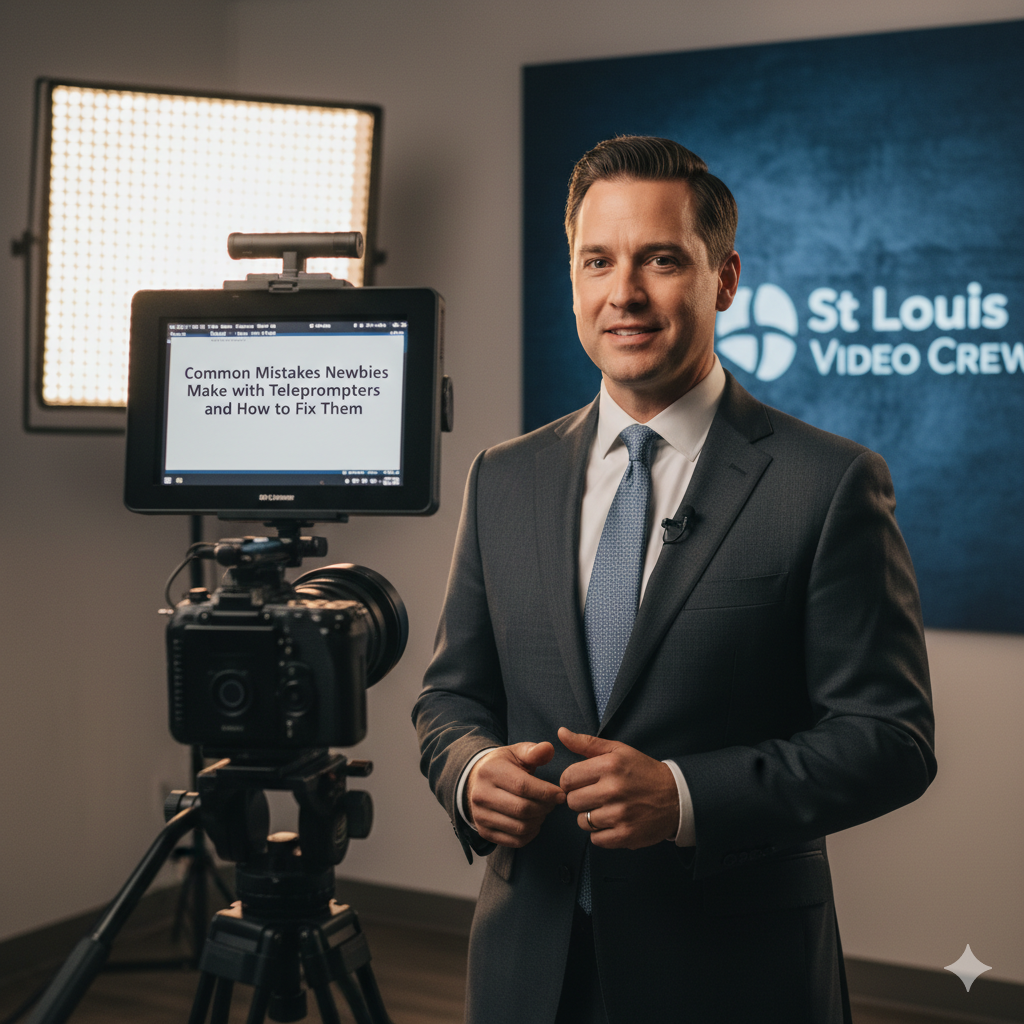
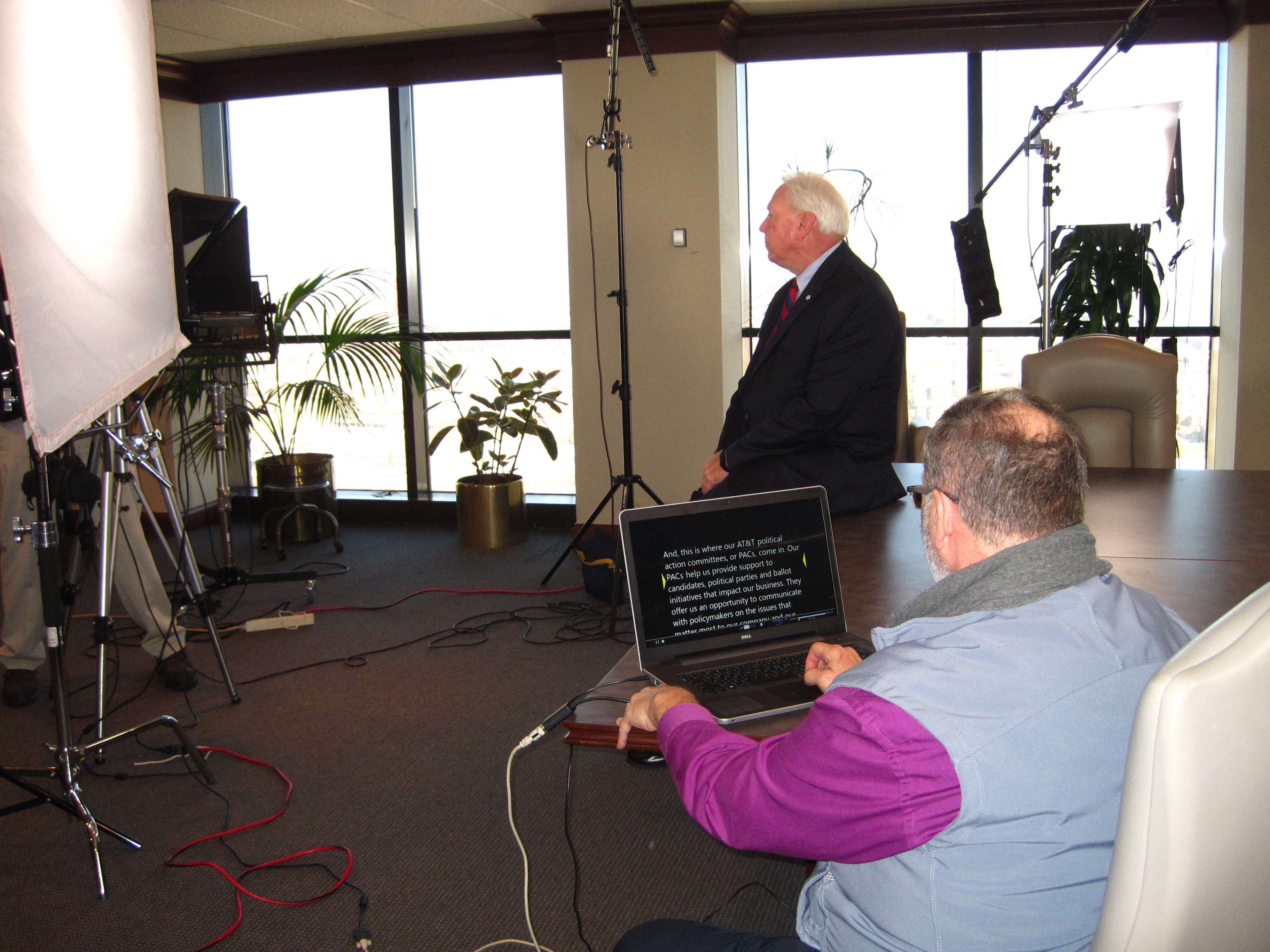
Beyond the Blinking Light: Empowering Your On-Camera Talent with Teleprompters

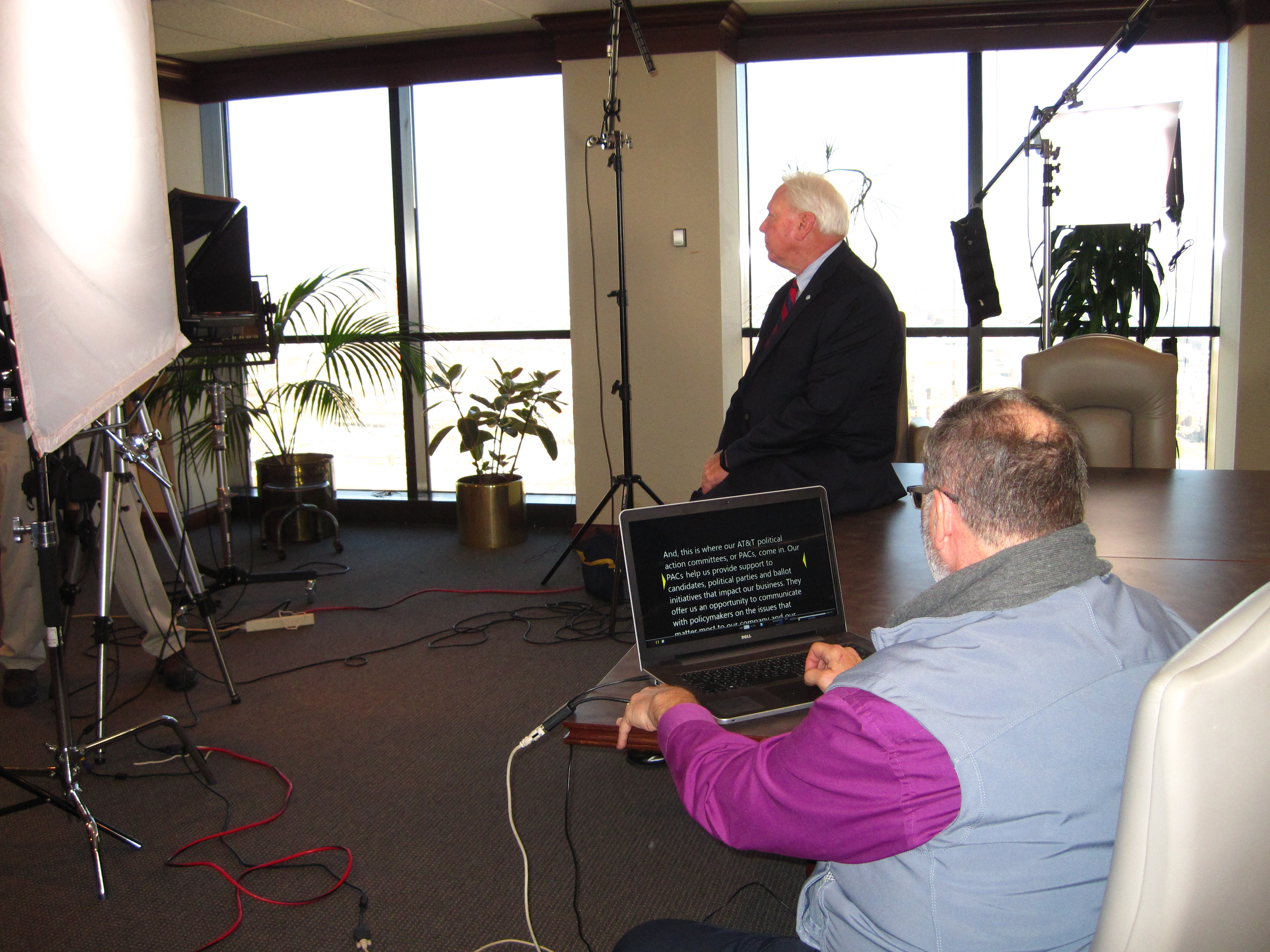
In the world of corporate communications, the camera often feels like an intimidating, all-seeing eye. For many business professionals, stepping in front of it for the first time can be a nerve-wracking experience, leading to stilted deliveries, forgotten lines, and an overall lack of authentic connection. As seasoned videographers and producers, we at St Louis Video Production understand these anxieties intimately. Our secret weapon for transforming hesitant speakers into confident camera stars? The humble, yet incredibly powerful, teleprompter.

The Teleprompter: More Than Just a Script Reader

Too often, the teleprompter is viewed as a crutch, a tool for those who can’t memorize their lines. This couldn’t be further from the truth. In expert hands, a teleprompter is a strategic asset that enhances professionalism, boosts confidence, and ultimately delivers a more impactful message.

Here’s how a teleprompter transcends its basic function to ease nerves and empower your on-camera talent:

1. Eliminating Memorization Pressure: The sheer burden of memorizing a script can be paralyzing. With a teleprompter, this pressure evaporates. Talent can focus entirely on their delivery, inflection, and connecting with the audience, rather than frantically trying to recall the next sentence. This freedom allows for a more natural and conversational tone, even with highly technical or detailed content.

2. Maintaining Eye Contact and Engagement: One of the most significant advantages of a teleprompter is its ability to keep your talent looking directly into the camera lens. Instead of glancing down at notes or looking off-camera, their gaze remains steady and engaged, creating a direct connection with the viewer. This sustained eye contact builds trust and makes the message feel more personal and authoritative.

3. Ensuring Message Accuracy and Consistency: In corporate video, precision is paramount. A teleprompter guarantees that key messaging, brand guidelines, and complex information are communicated accurately and consistently, every single time. This is especially critical for legal, financial, or technical content where even a slight misstatement can have significant repercussions.

4. Boosting Confidence and Reducing Takes: When talent knows the words are there, their confidence soars. This translates into fewer retakes, saving valuable production time and resources. The ability to deliver a smooth, error-free performance from the outset is incredibly empowering, fostering a more positive and productive filming environment. Imagine the relief of seeing your message scroll effortlessly, knowing you’re hitting every key point.

5. Facilitating Dynamic Deliveries: While a teleprompter provides the words, an experienced director can guide talent to deliver them with appropriate pacing, emphasis, and emotion. The teleprompter frees the talent’s mental energy to focus on these nuances, resulting in a more dynamic and engaging presentation, rather than a robotic recitation.

6. Adapting to Last-Minute Changes: Business environments are dynamic, and scripts often require last-minute tweaks. With a teleprompter, these changes can be implemented instantly, allowing for seamless adaptation without disrupting the flow of the shoot or requiring your talent to re-memorize sections.

Integrating Teleprompters into Your Production Strategy

For decision-makers in photography, marketing, and video production, incorporating teleprompters into your strategy for on-camera talent is a shrewd investment. It’s about more than just reading words; it’s about empowering your people to communicate effectively, authentically, and confidently.

At St Louis Video Production, we understand the art and science of utilizing teleprompters to their fullest potential. Our experienced crew ensures the script scrolls at the perfect pace, the font size is comfortable, and the talent feels completely at ease.


St Louis Video Production: Your Partner for Flawless Visual Storytelling

Since 1982, St Louis Video Production has been the trusted full-service professional commercial photography and video production company for businesses, marketing firms, and creative agencies across the St. Louis area. We bring the right equipment and a creative crew with extensive service experience for successful image acquisition, ensuring your message not only gets seen but also resonates.

We offer comprehensive studio and location video and photography services, as well as expert editing, post-production, and licensed drone pilots. Our capabilities extend to customizing productions for diverse types of media requirements, and we specialize in repurposing your photography and video branding to gain more traction across platforms. We are well-versed in all file types and styles of media and accompanying software, leveraging the latest in Artificial Intelligence for all our media services to optimize efficiency and impact.

Our private studio lighting and visual setup is meticulously designed, perfect for small productions and interview scenes. The studio is large enough to incorporate various props to round out your set, providing a versatile environment for your creative vision. We meticulously support every aspect of your productionโ€”from setting up a private, custom interview studio to supplying professional sound and camera operators, as well as providing the right equipmentโ€”ensuring your next video production is seamless and successful. We even possess the specialized equipment and expertise to fly our drones indoors for unique perspectives.

When you partner with St Louis Video Production, you’re not just getting a vendor; you’re gaining a dedicated team committed to transforming your vision into compelling visual content. Let us help your first-time camera stars shine, delivering your message with clarity, confidence, and professionalism.

Mike Hallerย 314-913-5626ย stlouisvideoproduction@gmail.com

Most common video-production services clients ask for.

1) Corporate & Brand Videos

What clients ask: โ€œCan you produce a clear, on-message corporate pieceโ€”recruiting, sales, or corporate communicationsโ€”and handle it end-to-end?โ€
Our answer: Yes. Weโ€™re a full-service corporate production company creating communications, recruiting, marketing/sales, campaign, commercial, and special-event videosโ€”shaping ideas into high-impact presentations.


2) Multi-camera Crews & Turnkey Production

What clients ask: โ€œCan you bring the crew, manage logistics, and scale from a simple interview to a multi-camera shoot?โ€
Our answer: Yes. Our award-winning crews handle interviews, B-roll, event coverage, presentations, live streaming, animation/motion graphics, and full postโ€”turnkey.


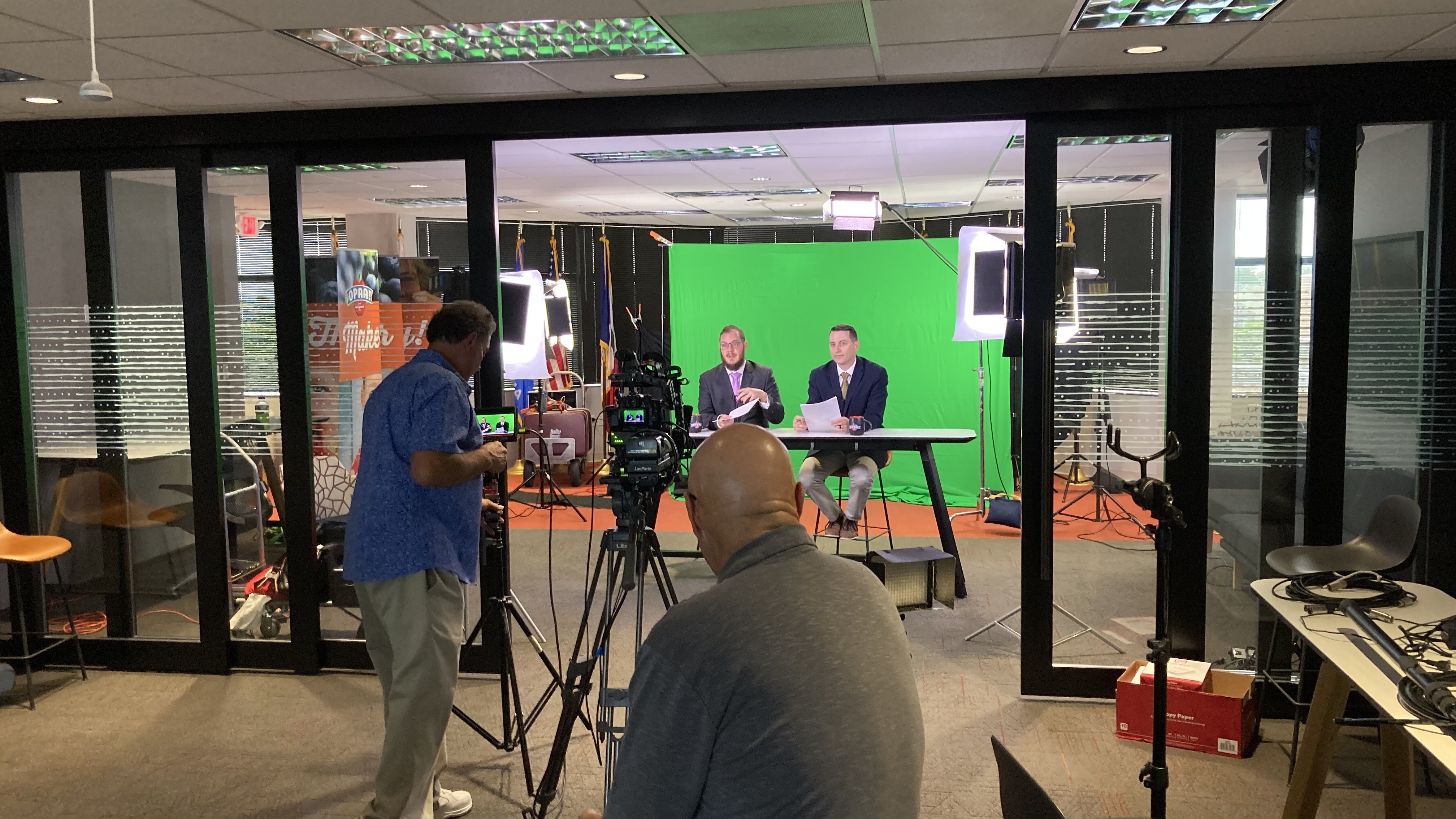
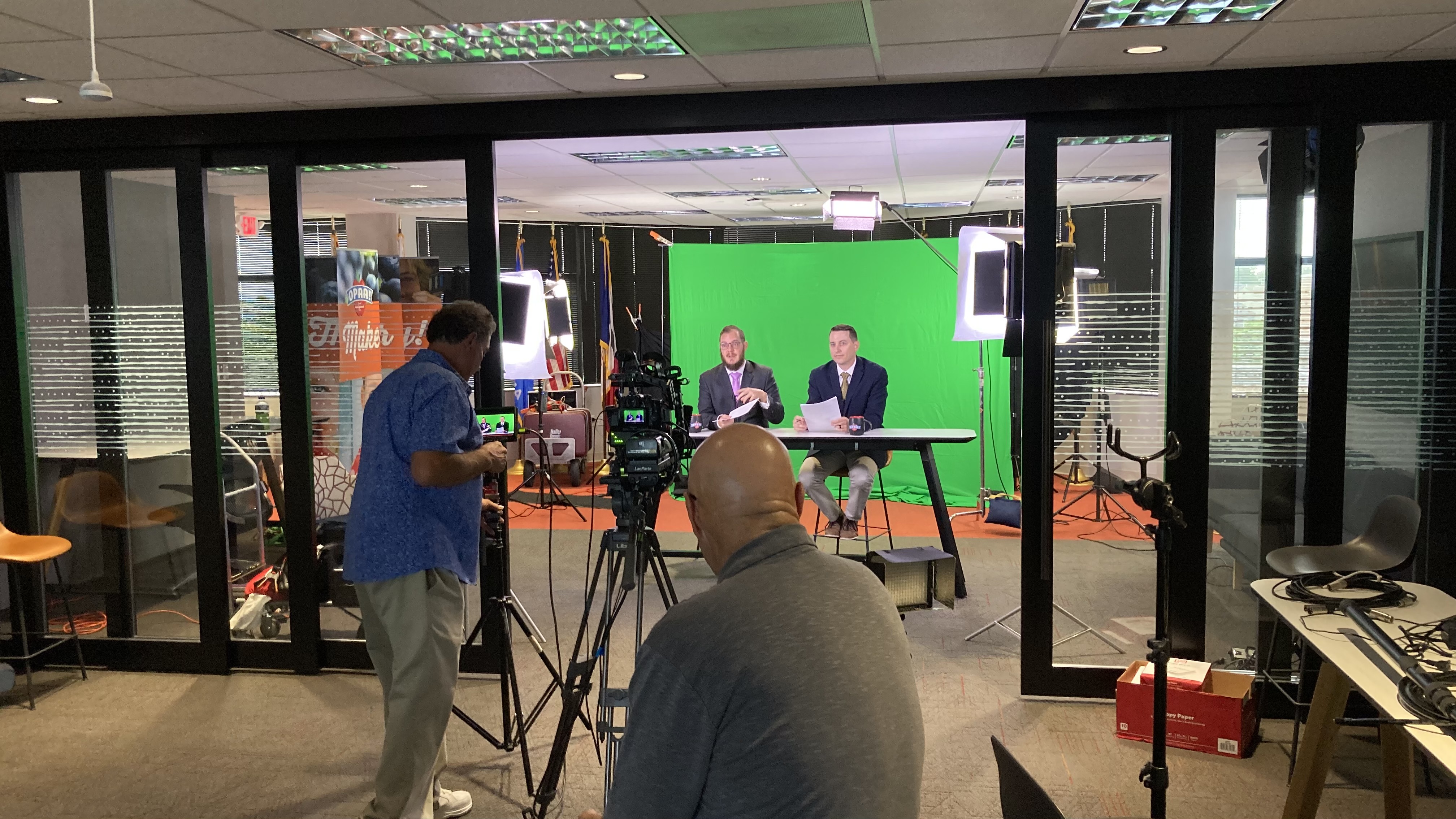
3) Studio Production (Green screen, teleprompter, controlled sound/light)

What clients ask: โ€œDo you have a studio and can you manage scripting, shooting, and finishing in one place?โ€
Our answer: Yes. We provide complete studio services and manage all phasesโ€”pre-production (scripting), production (shooting), and post (editing/duplication).


4) Post-Production & Editorial

What clients ask: โ€œCan you take footage from any source and craft a tight, on-brand story with graphics, color, and sound?โ€
Our answer: Yes. Weโ€™re a full-service post resourceโ€”creative editorial, finishing, and client review workflows to fit your schedule and budget.


5) Live Streaming & Webcasts

What clients ask: โ€œCan you stream our meeting/conference with the right tech and provide an on-demand replay?โ€
Our answer: Yes. We handle live web video streaming from simple presentations to large productions and enable on-demand libraries to extend reach.


6) Drone & Aerial Imaging

What clients ask: โ€œDo you provide licensed drone work and aerial deliverables that cut cleanly into edited pieces?โ€
Our answer: Yes. We offer 4K aerial videography and photography, professional post-production (color, graphics, integration), and sector-specific use cases such as real estate and specialized aerial documentation.


7) On-Location Production & Event Coverage

What clients ask: โ€œCan you cover seminars, conferences, panels, and performances on location?โ€
Our answer: Yes. We staff single- or multi-camera crews for special lectures, panels, cultural events, and moreโ€”and regularly cover seminars, conferences, conventions, stage events, and website videos.


8) Location Scouting & Production Support

What clients ask: โ€œCan you find and secure locations, permits, and manage street closures and logistics?โ€
Our answer: Yes. We source regional backdrops across St. Louis and Central/Southern Illinois, handling permits, police, traffic, parking, location fees, insurance, and holding areas from start to finish.

Mike Hallerย 314-913-5626ย stlouisvideoproduction@gmail.com

Studio by Appointment 4501 Mattis Road St. Louis, Missouri 63128

Using Drones and Airplane Aerial Photography for Accurate Stockpile Reporting

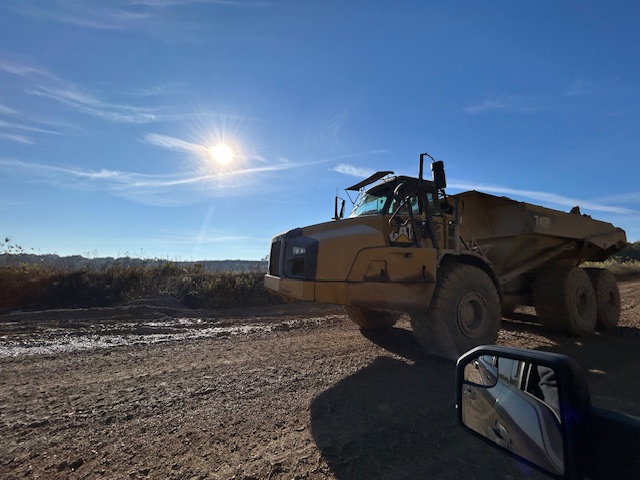
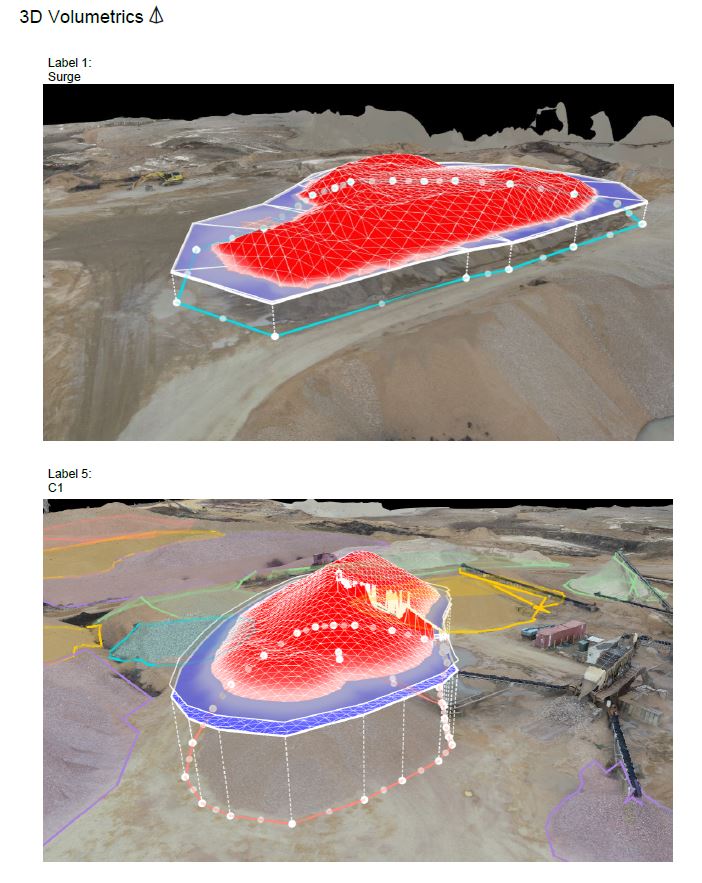
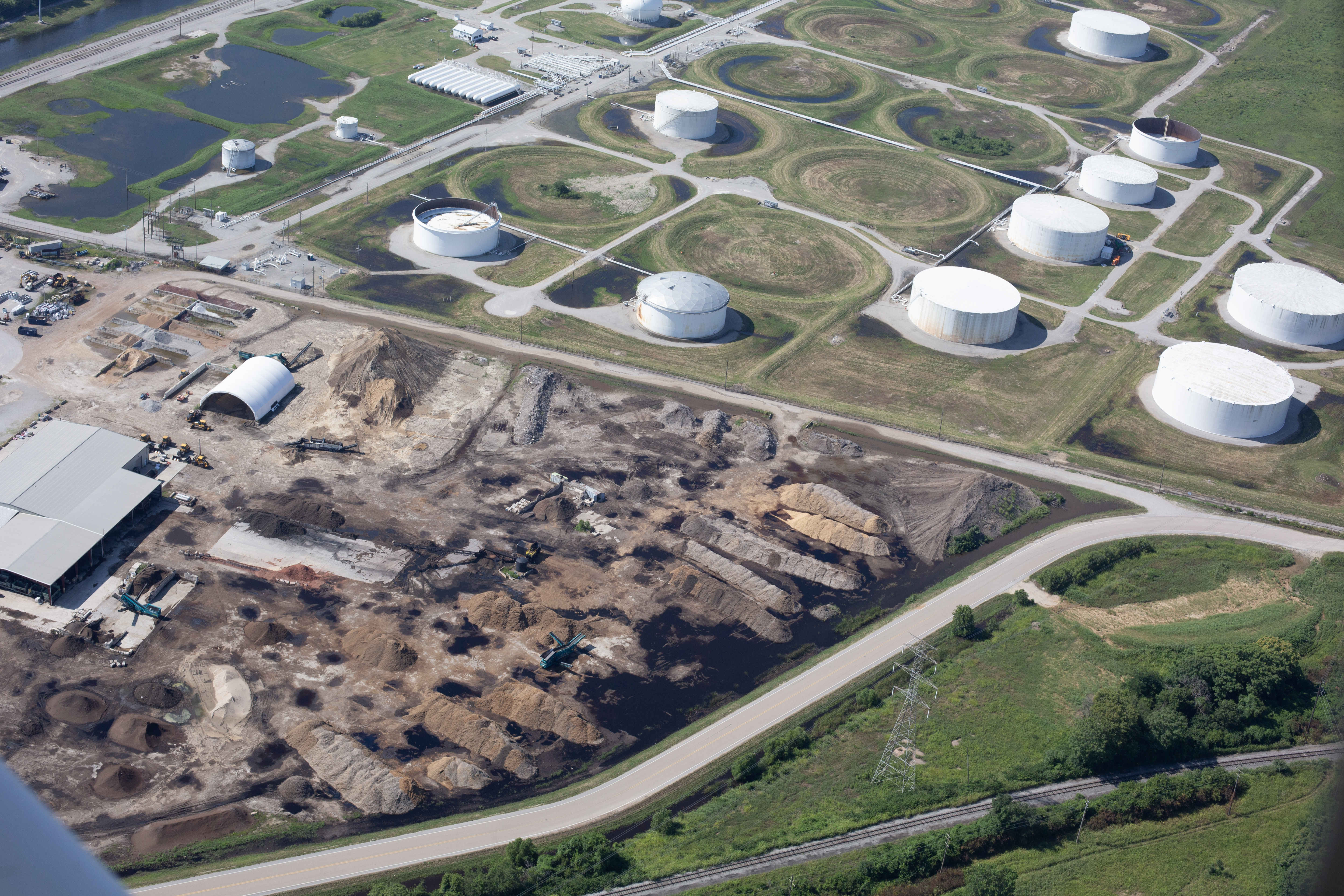
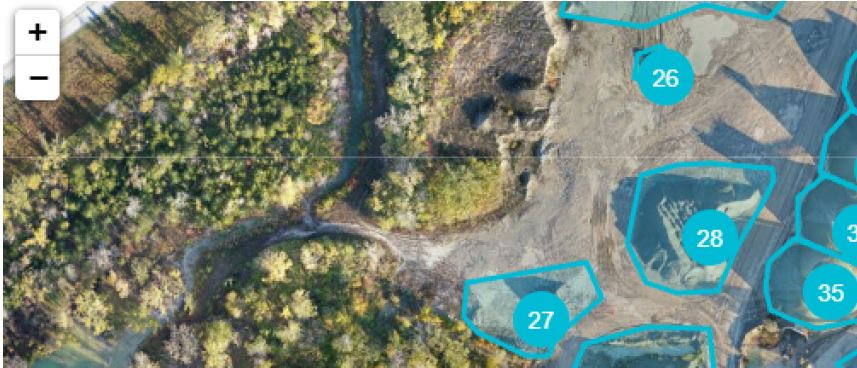
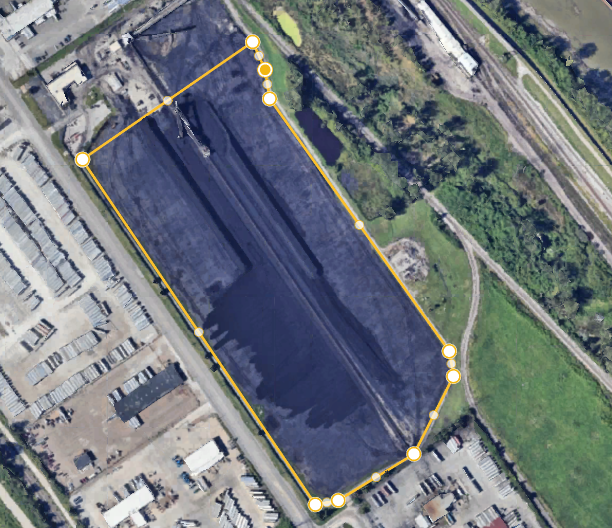
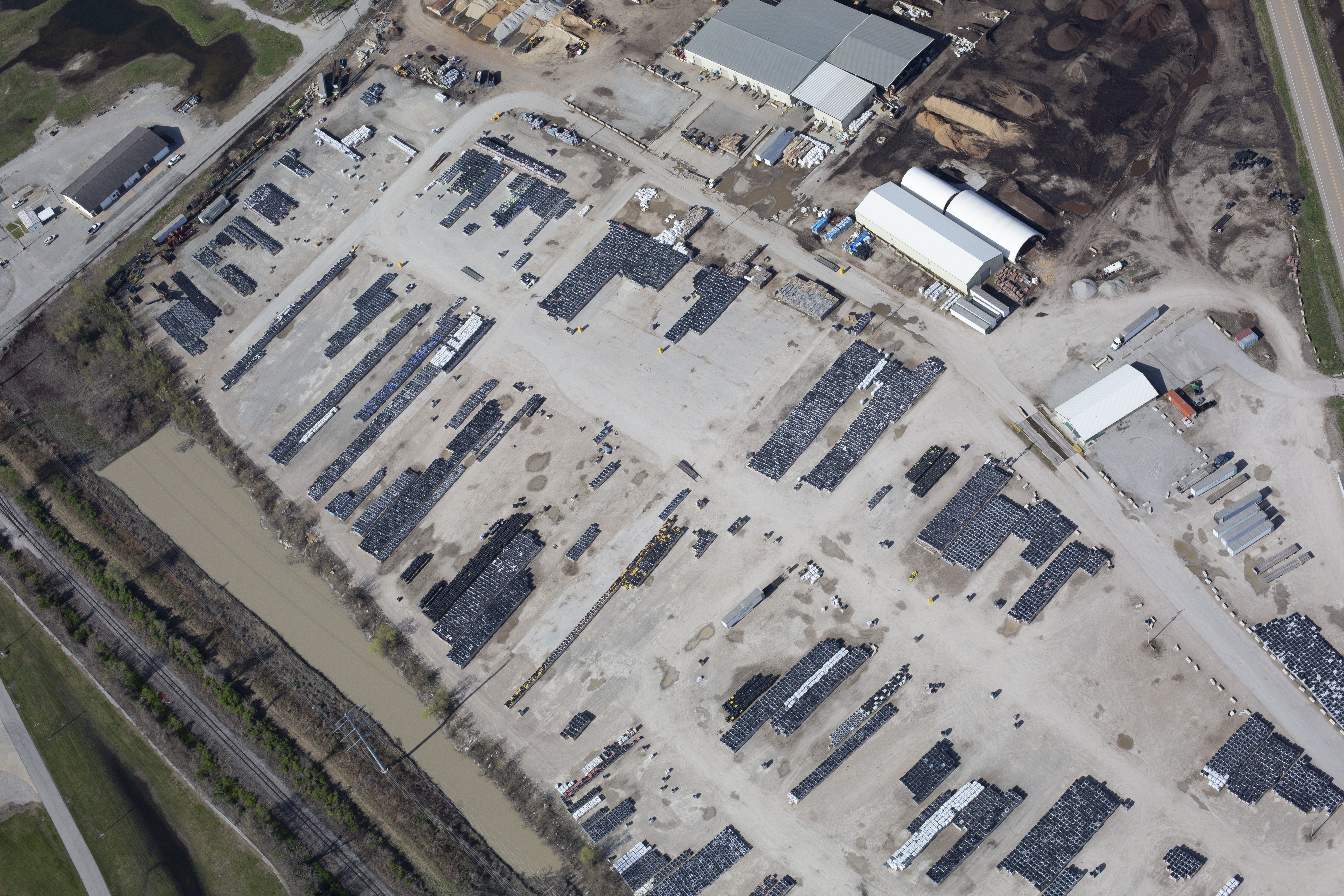
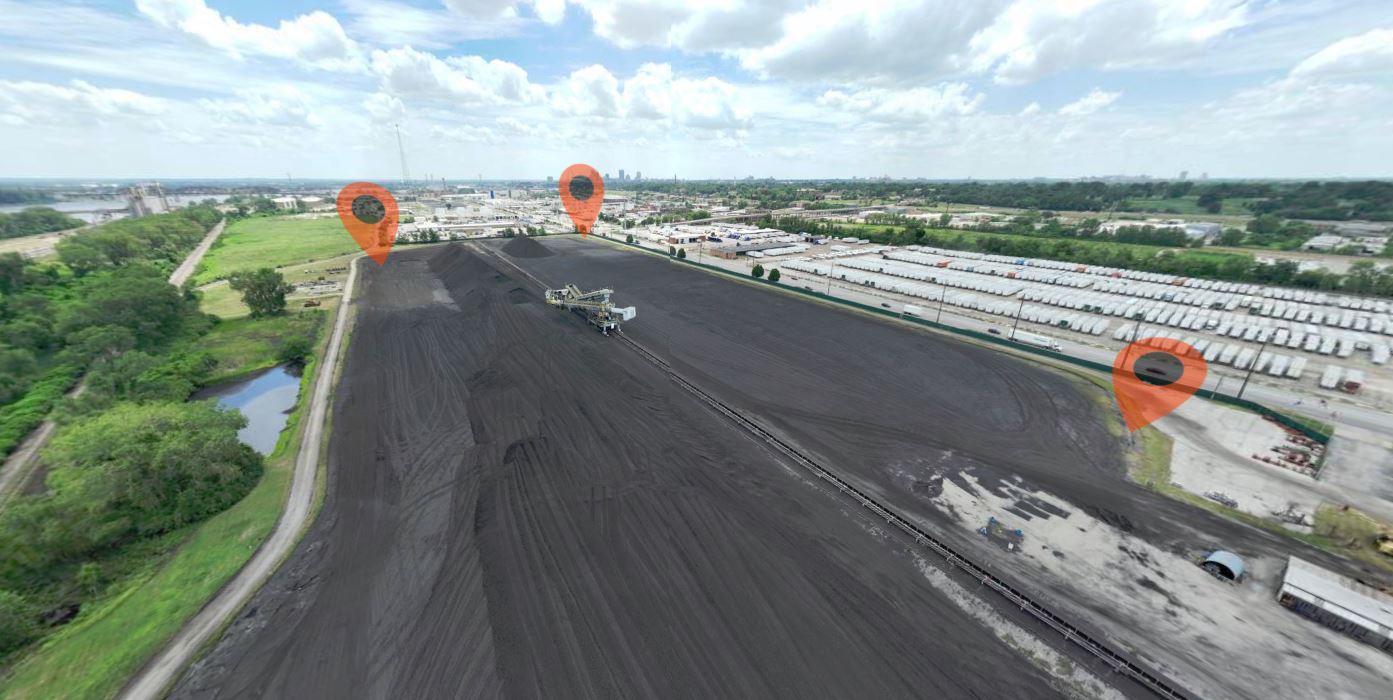
Whether you’re managing raw materials, aggregate stock, construction debris, or industrial waste, aerial imaging provides the vantage point needed to capture volume, shape, and distribution with precision. At St Louis Video Production, we specialize in using both drone and airplane aerial photography to document, measure, and report stockpiles in a way that is efficient, safe, and legally compliant.

Why Aerial Imaging Is Ideal for Stockpile Reporting

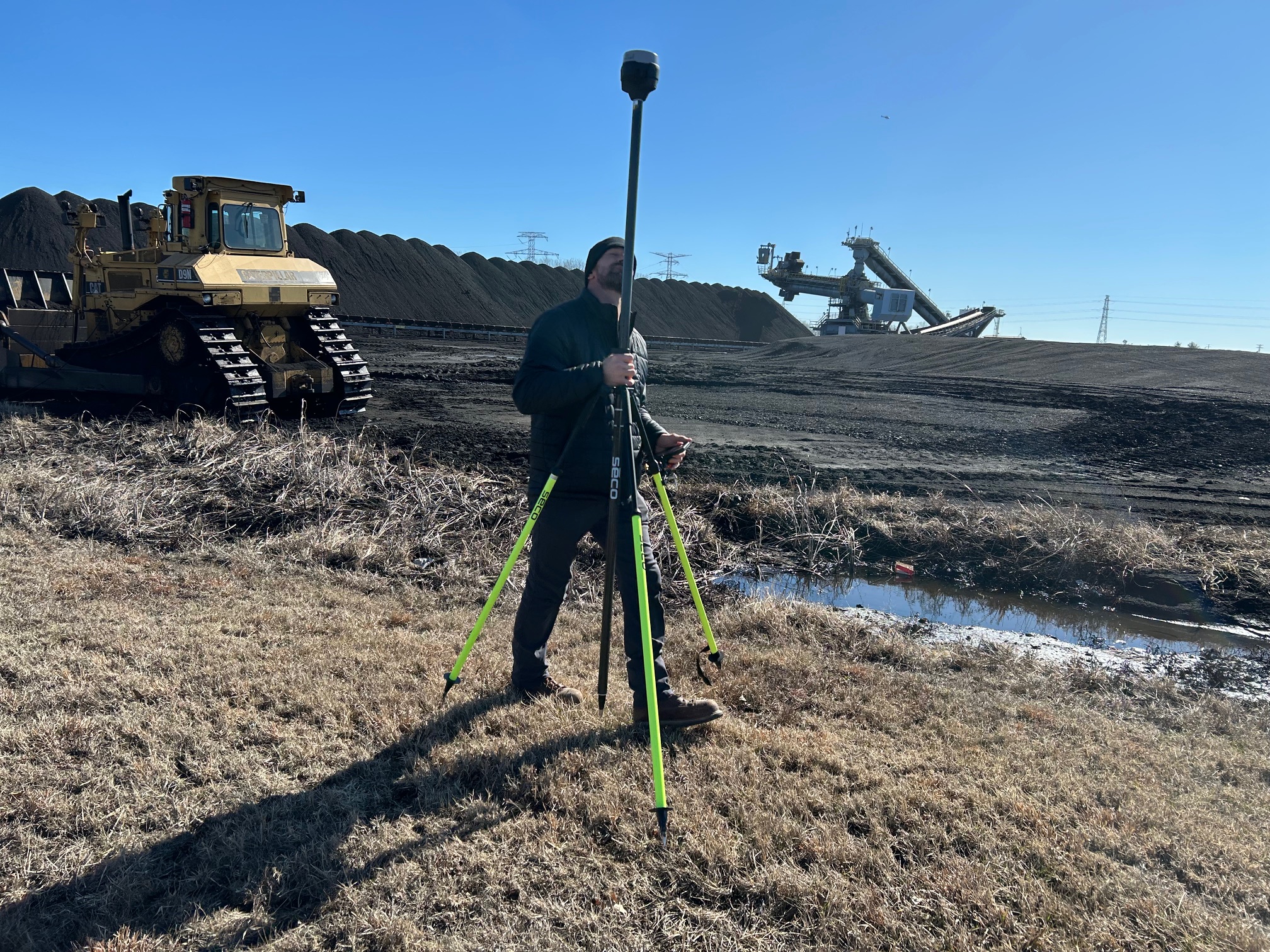
Traditional ground-based methods for measuring stockpilesโ€”such as manual surveying or GPS roversโ€”can be time-consuming, error-prone, and risky in unstable terrain. Aerial photography, by contrast, allows for fast, non-invasive documentation of large areas with a high degree of accuracy. It also provides consistent repeatability over time, ideal for routine inventory updates.

Aerial visual data supports:

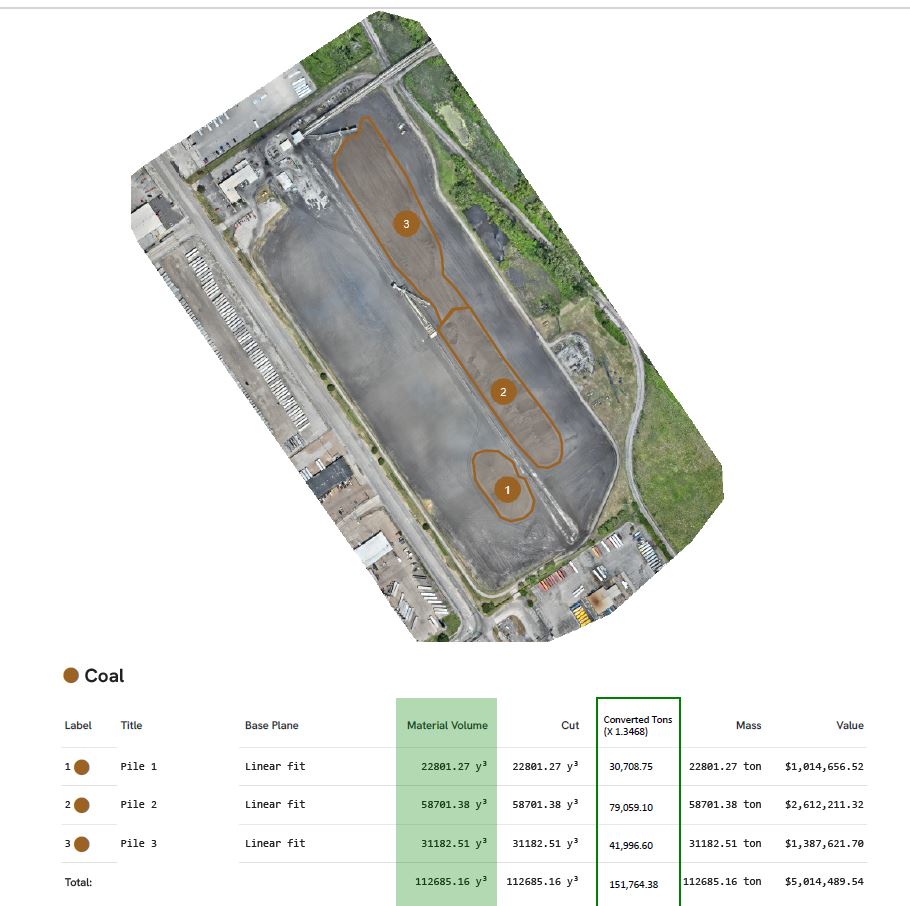
  • Volumetric analysis
  • Progress monitoring
  • Environmental compliance
  • Asset valuation
  • Insurance documentation

But not all aerial methods are created equal. The choice between drones and airplanes depends on airspace access, jobsite complexity, regulatory constraints, and data resolution needs.

When to Use Drones for Stockpile Imaging

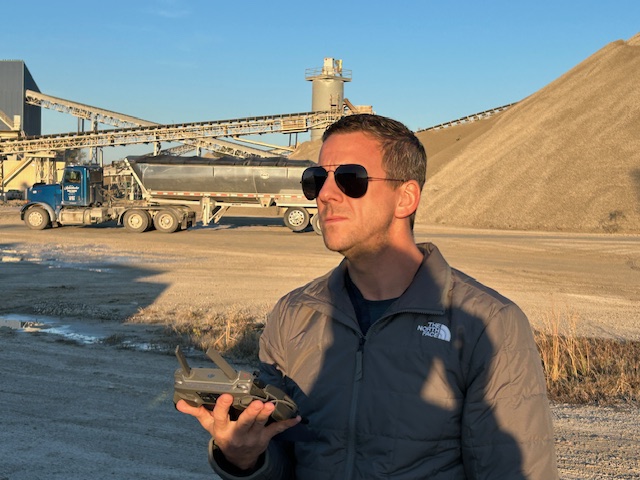
Unmanned Aerial Vehicles (UAVs)โ€”commonly referred to as dronesโ€”are incredibly effective for stockpile reporting, especially on active or mid-sized sites.
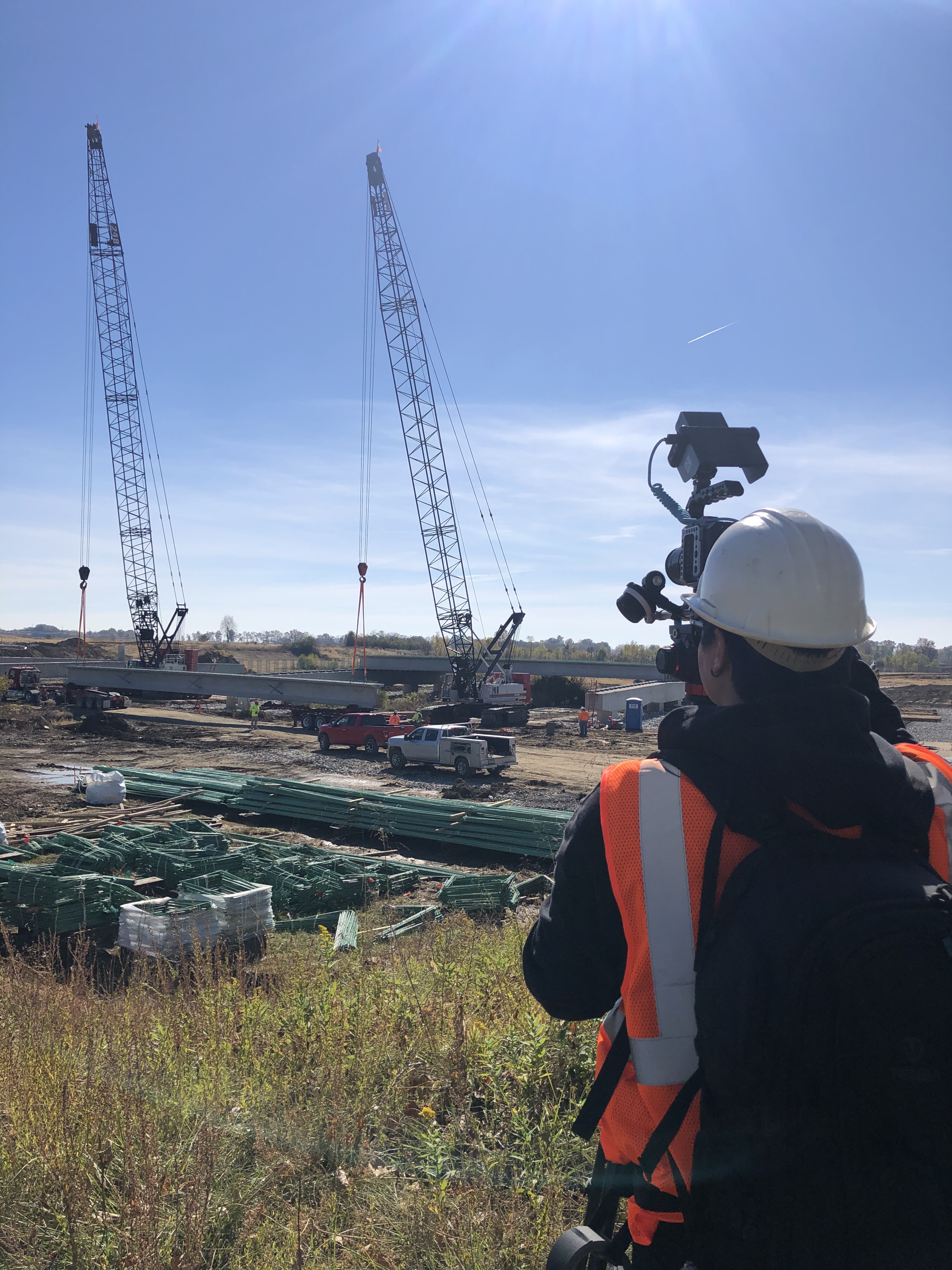
Advantages of drone-based aerial photography include:

  • High-resolution, low-altitude imaging: Perfect for smaller stockpiles or congested sites where detail matters.
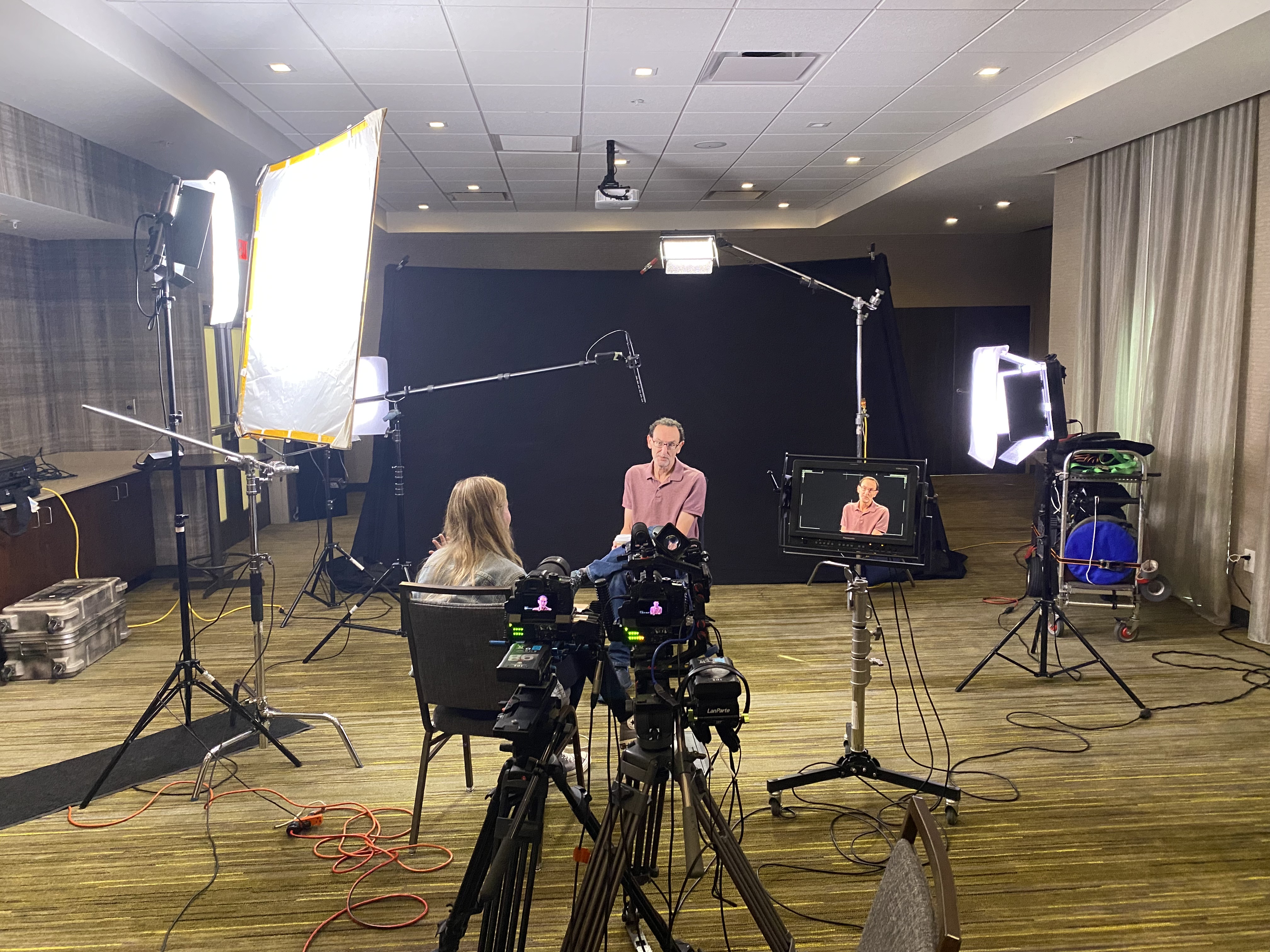
  • Rapid deployment: Our FAA-licensed drone operators can be on-site and airborne in minutes.
  • Cost efficiency: Especially effective for routine or recurring imaging needs.
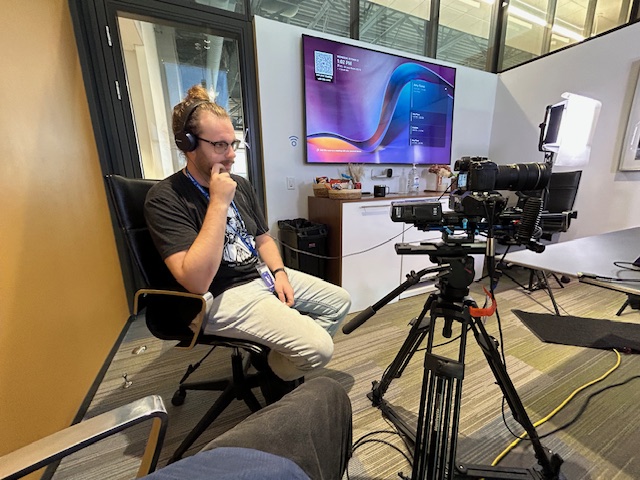
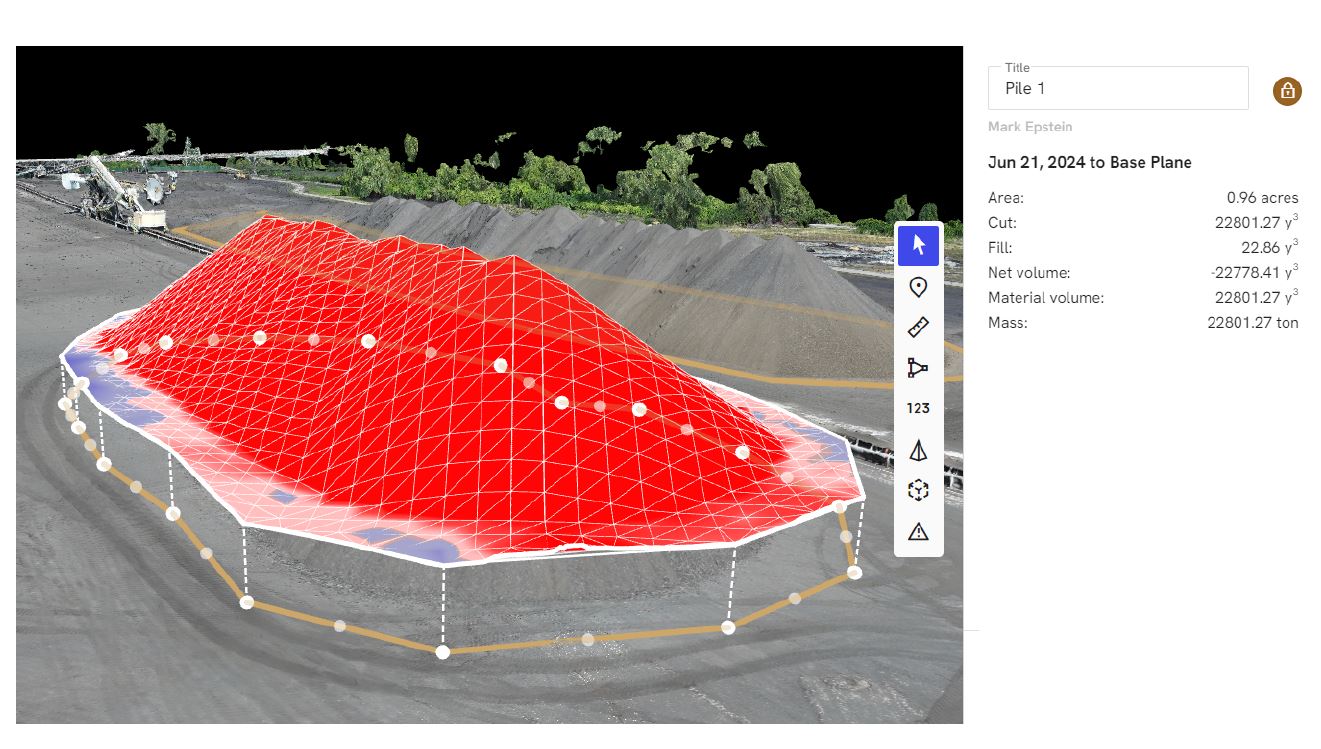
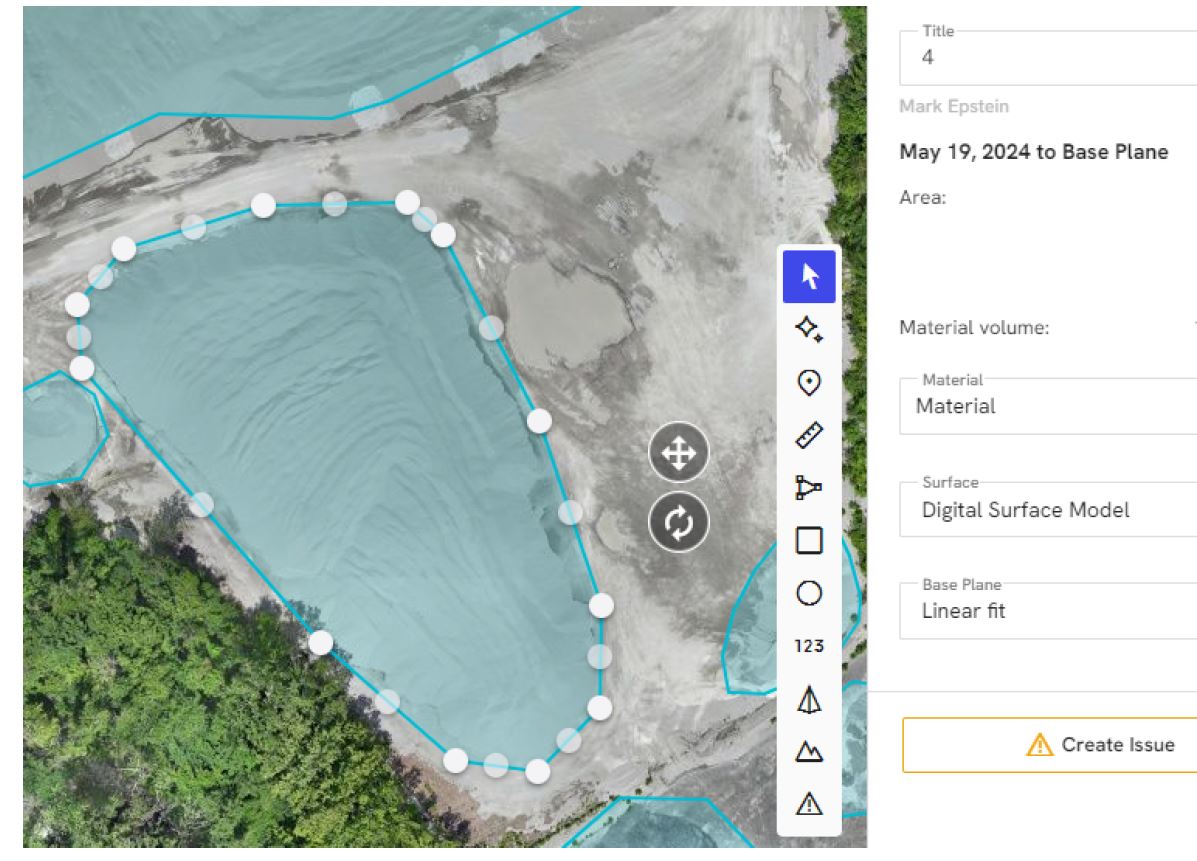
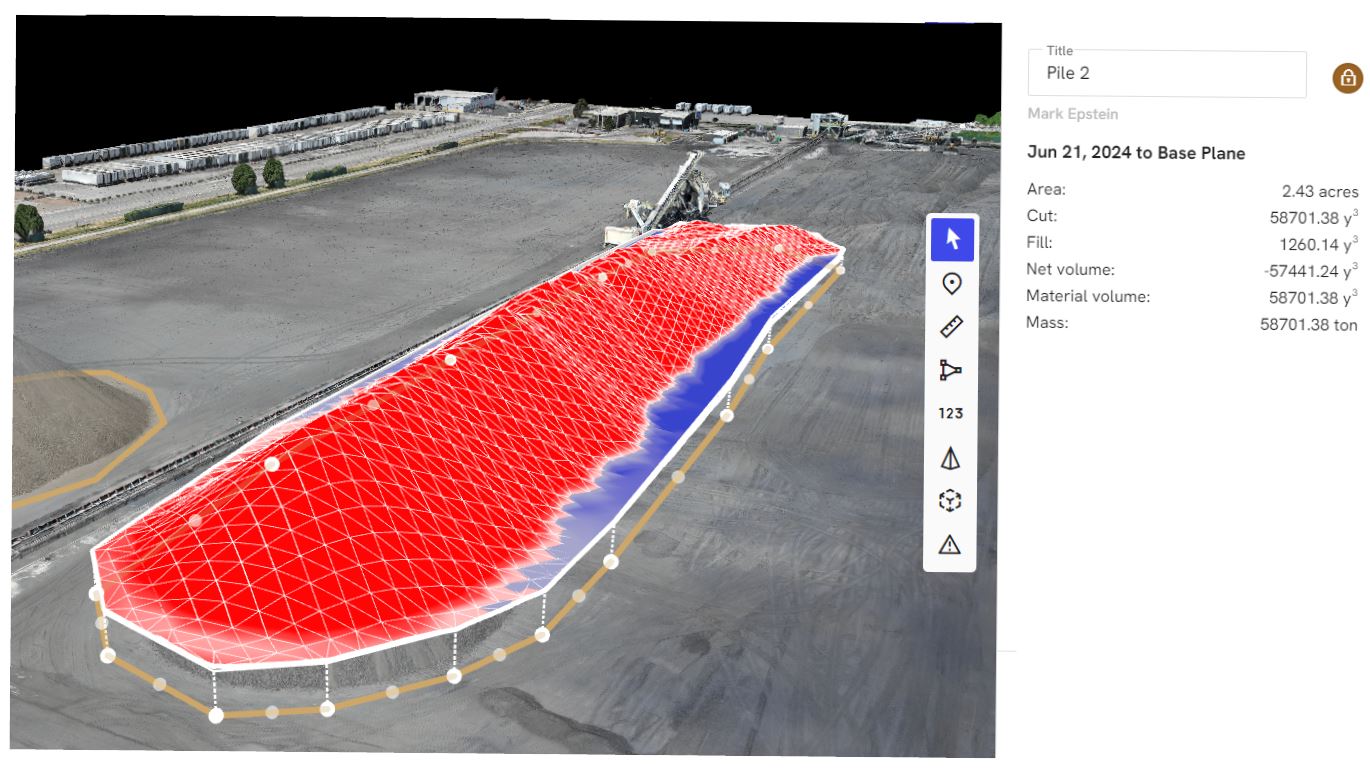
  • Photogrammetry for 3D modeling: Drones capture overlapping images that can be converted into orthomosaic maps and volumetric measurements with centimeter-grade accuracy.

Drones are especially useful when flying under 400 feet, and within FAA-approved areas not restricted by airspace classifications or site-specific constraints.
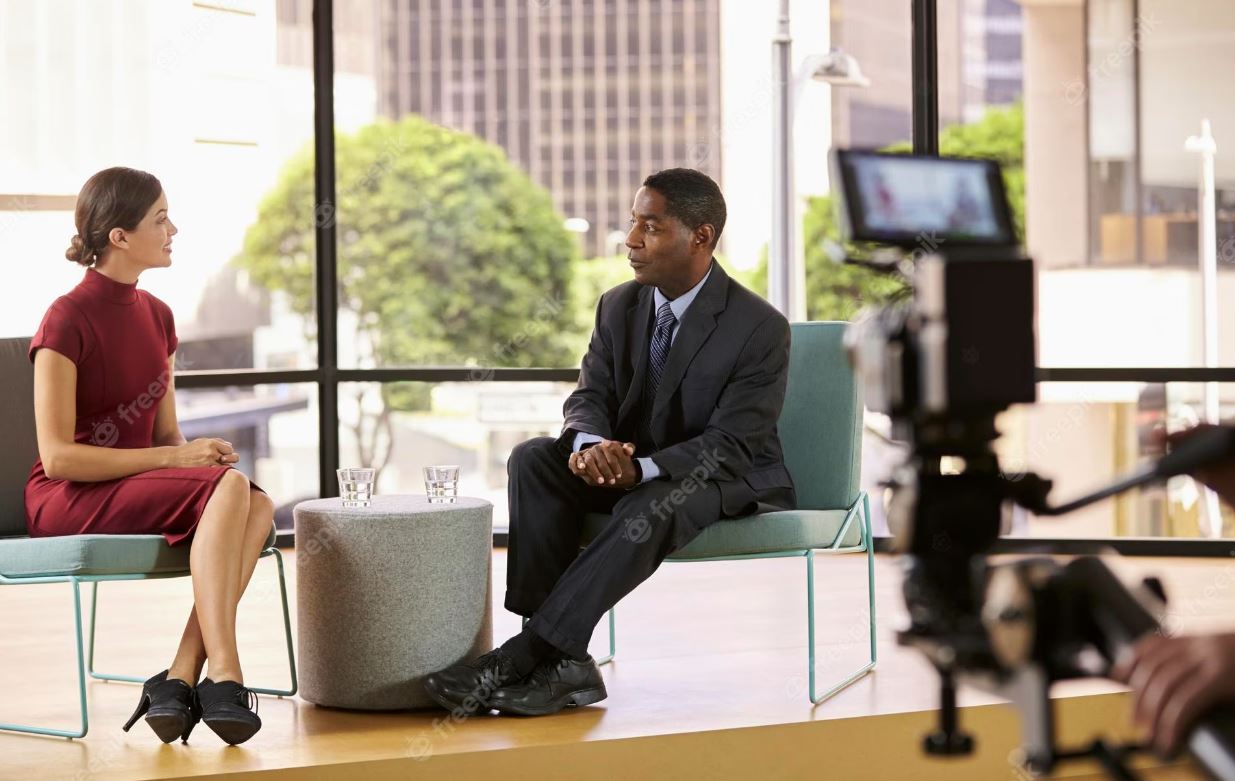

When Airplane Aerial Photography Is the Right Tool

For large-scale operations, restricted airspace, or high-altitude capture needs, manned airplane aerial photography is the solution.
Advantages of airplane-based aerial photography include:

  • Legal compliance in no-drone zones: We safely operate in areas where drones are prohibited due to proximity to airports, military bases, or hazardous infrastructure.
  • Full-site capture in a single pass: Fixed-wing aircraft can photograph entire operations from an altitude that delivers complete context and minimizes distortion.
  • Repeatable flight paths: Ideal for regularly scheduled documentation and historical comparison.
  • Complementary to drone use: We often integrate both methods in a hybrid solution that maximizes data resolution and area coverage.

With advanced gyroscopic camera mounts and high-megapixel sensors, our manned aerial flights produce detailed images ready for analysis and reporting.


The Hybrid Advantage: Drones + Airplanes

Many of our stockpile reporting projects involve a hybrid approachโ€”leveraging drones for close-range, high-resolution 3D mapping, while using airplane photography for broader site context and compliance. This dual approach ensures our clients receive the most comprehensive, regulation-ready, and visually clear documentation possible.

We also apply AI-assisted image processing to rapidly extract edge boundaries, calculate volumes, and render visual overlays for reports and presentations. These tools help our clients meet stakeholder, auditor, and regulatory requirements with minimal time on-site.


Why Choose St Louis Video Production?

At St Louis Video Production, weโ€™ve been at the forefront of commercial video and photography services since 1982. We bring the right combination of technical expertise, creative insight, and field-tested equipment to every stockpile reporting projectโ€”whether by drone, airplane, or both.

We offer:

  • Full-service studio and location video and photography
  • Expert editing, post-production, and file formatting across all media types
  • FAA-licensed drone pilots and coordinated manned aerial flight operations
  • AI-powered image processing for fast and accurate volumetrics
  • Indoor and outdoor lighting and visual setup tailored to each production
  • A private studio environment for custom interview shoots, corporate messaging, and product showcases
  • Repurposing services that help maximize the reach and ROI of your video and photography assets across platforms

When drones can flyโ€”weโ€™re ready. When airplanes are requiredโ€”weโ€™re cleared. When both are neededโ€”we deliver.

Whether you’re monitoring gravel piles, tracking landfill expansion, or documenting site development over time, St Louis Video Production has the tools, experience, and creativity to provide the aerial data that drives results.

Letโ€™s talk about how we can elevate your next stockpile reporting projectโ€”literally.

Mike Hallerย 314-913-5626ย stlouisvideoproduction@gmail.com

Big Impact, Small Footprint: How Small Crews Deliver Better Video Quality

In the world of commercial video production, bigger doesn’t always mean better. For many marketing professionals, corporate communicators, and content strategists, the key to standout visual content lies not in oversized teams or overcomplicated setupsโ€”but in the efficiency, precision, and creativity of a small, highly skilled crew.

At St Louis Video Production, weโ€™ve spent decades proving that a well-organized, experienced small crew can produce video quality that rivals major productionsโ€”often with faster turnaround times, lower overhead, and more flexibility on set. Here’s why scaling down your crew size might just scale up your results.


1. Agility = Better Shots

With fewer people on set, small crews can move faster and adapt quicker. This is especially valuable in:

  • Dynamic environments, like busy offices or event spaces
  • Tight locations, where large setups would be disruptive
  • Corporate interviews, where maintaining a low profile ensures authenticity and comfort

Fewer layers of communication also allow for real-time creative decisions between client and crew, cutting down on reshoots and boosting efficiency.


2. Streamlined Workflow Without Sacrificing Quality

A modern small crew often includes:

  • A videographer who doubles as director of photography
  • A sound operator who also monitors lighting
  • A production assistant handling logistics, slates, and continuity

When each member is cross-trained and experienced, the quality of output is never compromisedโ€”itโ€™s just produced smarter. With the right tools and planning, a small crew can shoot multi-camera setups, aerial drone footage, and cinematic B-rollโ€”all within one production day.


3. Better Communication, On-Set and Off

In large crews, ideas can get lost in the chain of command. With a smaller team, clients interact directly with the creative leadโ€”often the same person operating the camera or overseeing post-production. This enables:

  • Real-time feedback and adjustments
  • Immediate creative alignment
  • Direct accountability for vision and outcomes

That kind of clarity results in faster editing, more focused messaging, and visuals that stay on brand.


4. More Natural Performances from On-Camera Talent

When your subject is a CEO, a customer, or a team memberโ€”not a trained actorโ€”a small crew helps create a relaxed, low-pressure atmosphere that encourages authentic delivery. A room full of lights, cables, and a dozen technicians can feel overwhelming. A lean crew setup feels conversational, allowing your on-camera talent to shine naturally.


5. High-End Gear Thatโ€™s Light and Efficient

Modern equipment makes it easier than ever for small teams to capture large-scale results. At St Louis Video Production, our small crews are equipped with:

  • Cinema-quality cameras with high dynamic range and interchangeable lenses
  • Professional sound gear, including boom and lavalier microphones
  • Compact lighting kits that can simulate daylight or create moody, cinematic looks
  • Licensed drones capable of indoor and outdoor flight
  • AI-driven editing tools for quicker post-production without sacrificing quality

The result? Stunning visuals without the bulky footprint.


Why Businesses Choose St Louis Video Production for High-Impact Small Crews

At St Louis Video Production, we bring over four decades of expertise to every project. We are a full-service professional commercial photography and video production company thatโ€™s built for both studio and location shoots, using the right equipment and crew structure for each unique project.

We offer:

  • Custom video and photography services for all media formats
  • Licensed indoor and outdoor drone pilots for sweeping aerials and precision imaging
  • A private studio space ideal for interviews and customizable sets
  • Full post-production capabilities with AI-powered editing, motion graphics, and color grading
  • The ability to repurpose and reformat your footage for various platforms, from web and broadcast to internal communications

Since 1982, weโ€™ve supported businesses, marketing firms, and agencies across the St. Louis area with dependable results and creative solutions. Whether itโ€™s a brand video, testimonial series, or product shoot, we optimize every frame with the right-sized crew for the job.

Need high-end results without a production circus? Letโ€™s talk.
St Louis Video Production is your partner for streamlined shoots, creative flexibility, and polished visual storytelling that resonates.

314-913-5626

stlouisvideoproduction@gmail.com

Give us a call or a text or an email. Weโ€™ll get back to you promptly if weโ€™re out on a production. We are always available to meet you at your offices or in our studio to discuss your upcoming project.

Easy Tips to Re-edit Your Marketing Videos for Recruitment Success

In todayโ€™s ultra-competitive hiring landscape, businesses are constantly seeking ways to attract top-tier talent while keeping marketing efforts efficient and cost-effective. One often overlooked opportunity lies in the content youโ€™ve already created. Instead of starting from scratch, re-editing your existing marketing videos can be a strategic, high-impact way to craft compelling recruitment content that resonates with job seekers and reinforces your brandโ€™s values and culture.

At St Louis Video Production, we help organizations across industries repurpose their footage creatively and effectively. Below are expert tips to help decision makers like you transform your existing marketing assets into powerful recruitment tools.


1. Start by Auditing Your Existing Video Library

Your marketing team has likely produced content that touches on employee experiences, company culture, leadership insights, or behind-the-scenes footage. Begin by reviewing your existing library with a fresh lens focused on recruitment:

  • Do you have client testimonials that include positive mentions of your team?
  • Are there interview clips with leadership discussing the mission or vision?
  • Have you showcased your workplace, team collaboration, or community involvement?

These are the building blocks of great recruitment storytelling.


2. Highlight Your People and Culture

Recruitment videos should make potential candidates feel excited about joining your team. Consider re-editing clips that feature:

  • Employee success stories
  • Office camaraderie or team-building moments
  • Company events or volunteer initiatives
  • Leadership talking about growth opportunities

Overlaying this footage with dynamic text, music, or animated infographics can make it more engaging and accessible on platforms like LinkedIn or your company careers page.


3. Incorporate On-Screen Captions and Branding

Most job seekers are consuming content on mobile devices, often with the sound off. Re-edit your videos to include:

  • Branded visuals and logo animations
  • Clear, readable captions
  • Calls-to-action, like โ€œJoin Our Teamโ€ or โ€œExplore Careersโ€

Adding graphic overlays or subtle animation can modernize your older footage while making it easier for prospective employees to digest the information.


4. Update Narration and Voiceover

If your original video had a product-focused voiceover, consider swapping it out with new narration tailored to candidates. A recruitment-focused script might include:

  • A brief introduction to company values
  • Insight into daily work life
  • Employee testimonials or quotes

Fresh voiceover updates combined with polished footage can shift the tone of a video from sales to recruitment effortlessly.


5. Optimize for Multiple Platforms

The beauty of re-editing is scalability. From one core video, you can create:

  • 15-second social media teasers
  • 60-second highlights for job boards
  • 2-minute features for your careers page
  • Vertical stories for Instagram or TikTok

Tailor your cuts and aspect ratios to suit each platformโ€™s best practices, and donโ€™t forget to A/B test thumbnails, titles, and descriptions.


6. Use AI Tools for Speed and Efficiency

At St Louis Video Production, we use advanced AI-driven editing platforms that assist with facial recognition, transcript-based editing, and emotion-driven content tagging. These tools can drastically reduce turnaround time and ensure your recruitment edits hit the right tone and pace.


7. Measure, Improve, and Repurpose Again

Once your recruitment video goes live, monitor metrics like watch time, click-through rates, and engagement. With that feedback, we can help you refine and re-edit further, ensuring each version performs better than the last.


Why Choose St Louis Video Production?

With decades of experience, St Louis Video Production is a trusted full-service commercial photography and video production company. We provide everything you need for successful image acquisitionโ€”studio and location photography and video, professional editing, post-production, and FAA-licensed drone pilots.

We specialize in repurposing existing content to drive more traction and value, whether for recruitment, branding, or social media. Our creative team customizes each project for your unique media needs and supports all file types and industry-standard software. From private studio interviews to custom set designs and on-location shoots, we have the right equipment and crew to ensure production excellence.

We also use cutting-edge Artificial Intelligence to streamline editing workflows and enhance visual storytelling. Our private studio lighting setups are ideal for intimate, professional interview scenes, and our space accommodates set dressing and prop integration. We even fly specialized drones indoors to capture stunning overhead visuals safely and creatively.

Since 1982, weโ€™ve proudly served businesses, marketing firms, and agencies across the St. Louis area, delivering high-quality media that meets and exceeds client expectations.


Ready to transform your existing video content into compelling recruitment assets?
Let St Louis Video Production help you craft the perfect message to attract top talent.

Would you like help outlining a recruitment video re-edit strategy specific to your industry?

Mike Hallerย 314-913-5626ย stlouisvideoproduction@gmail.com