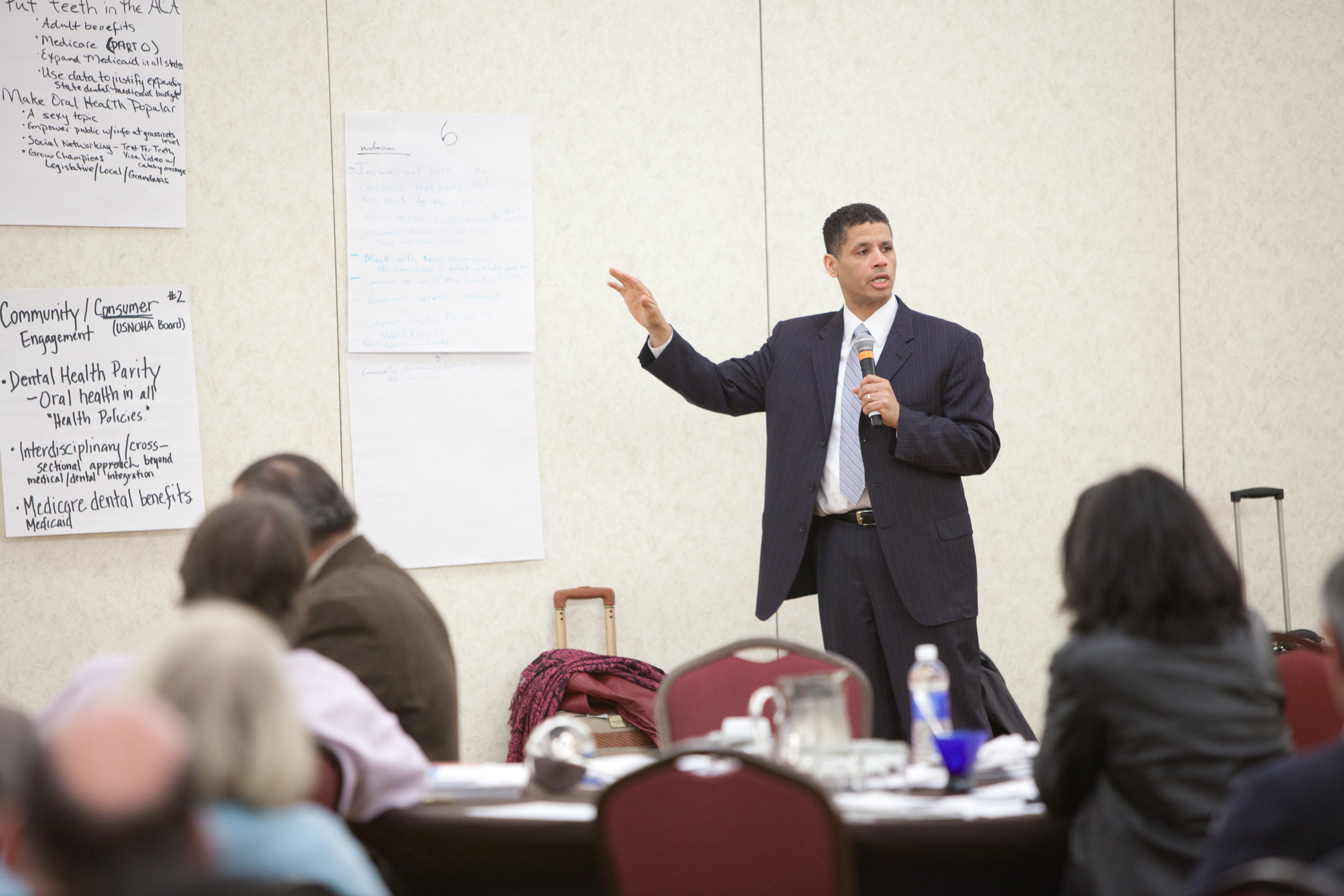
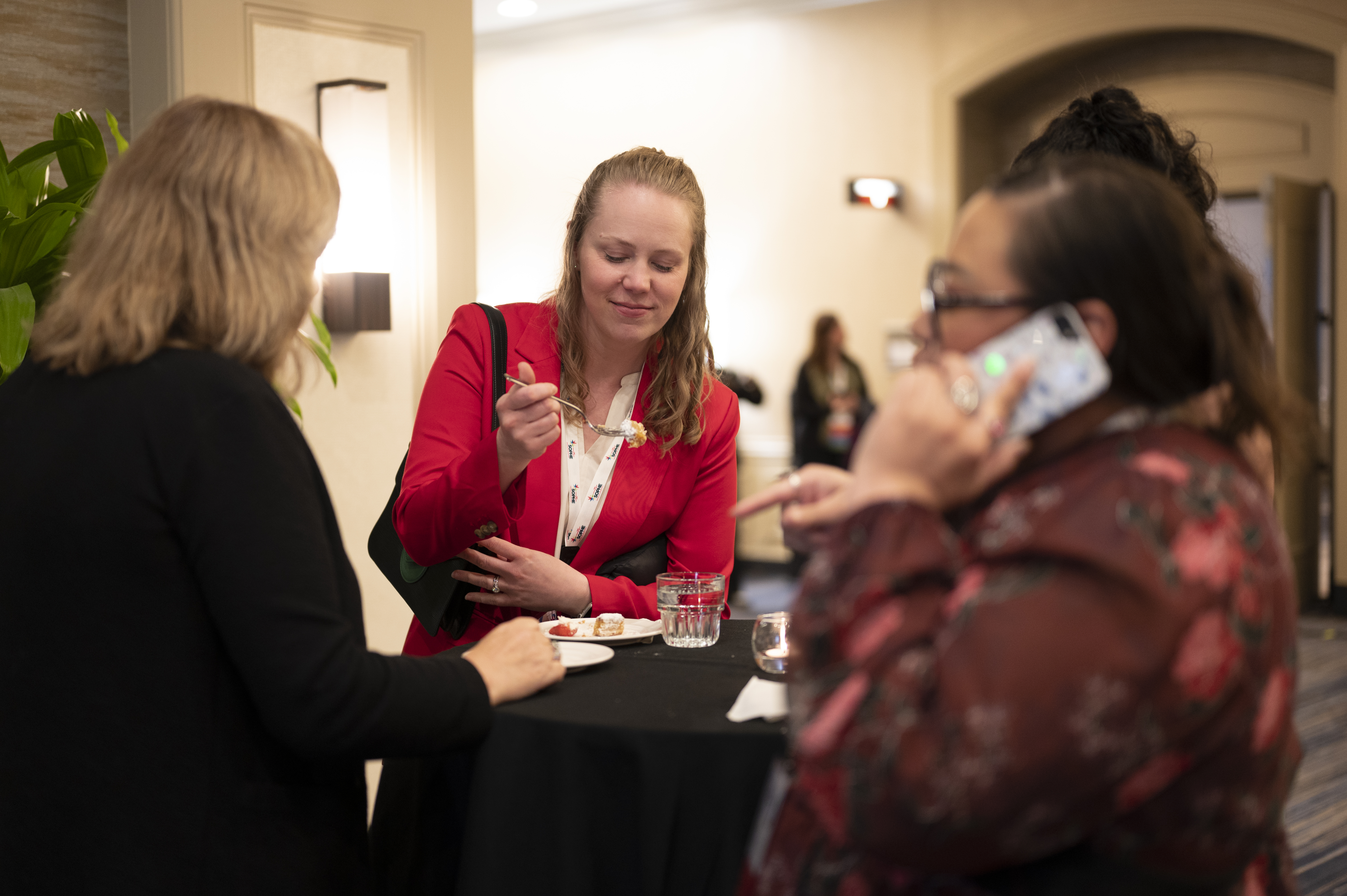
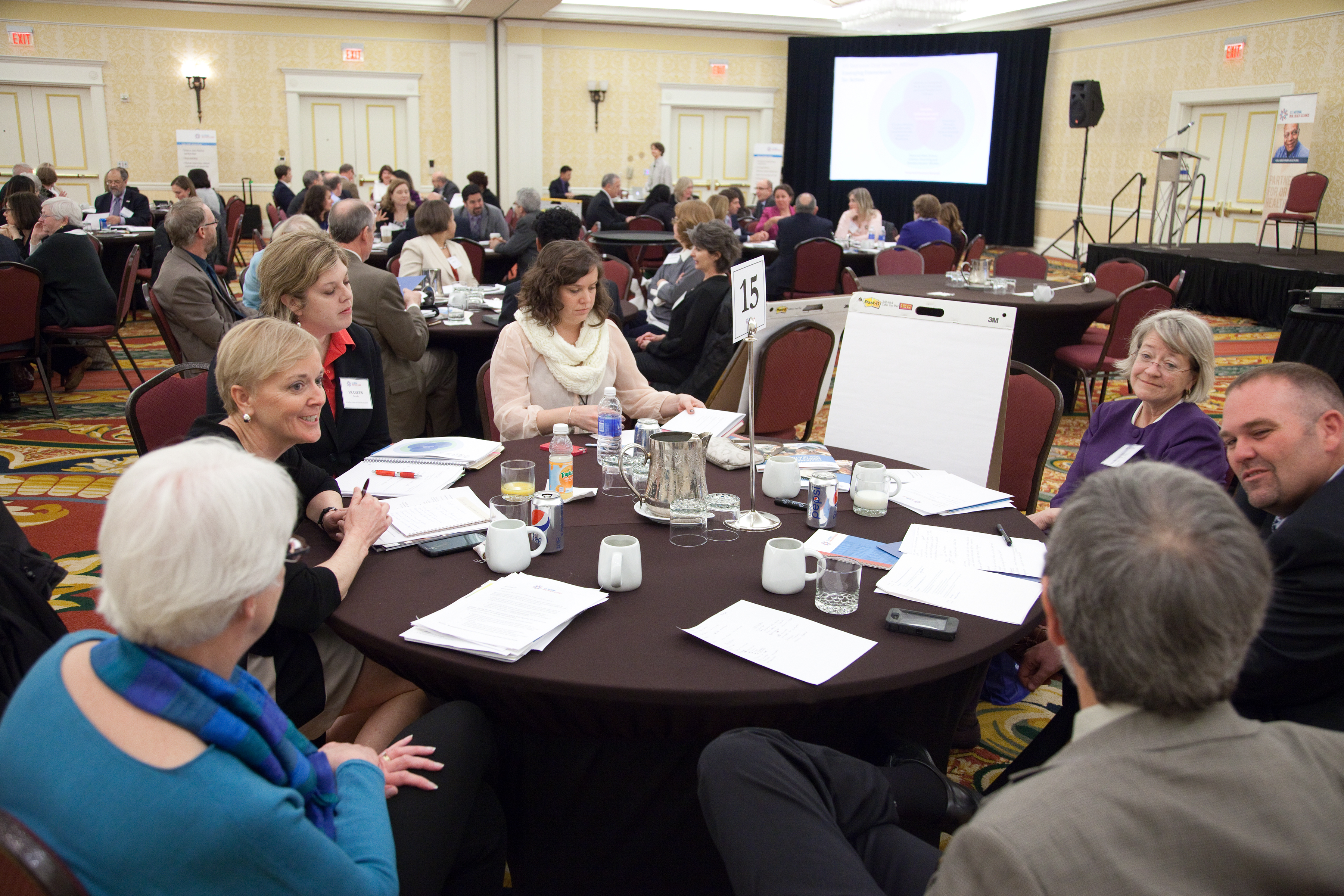
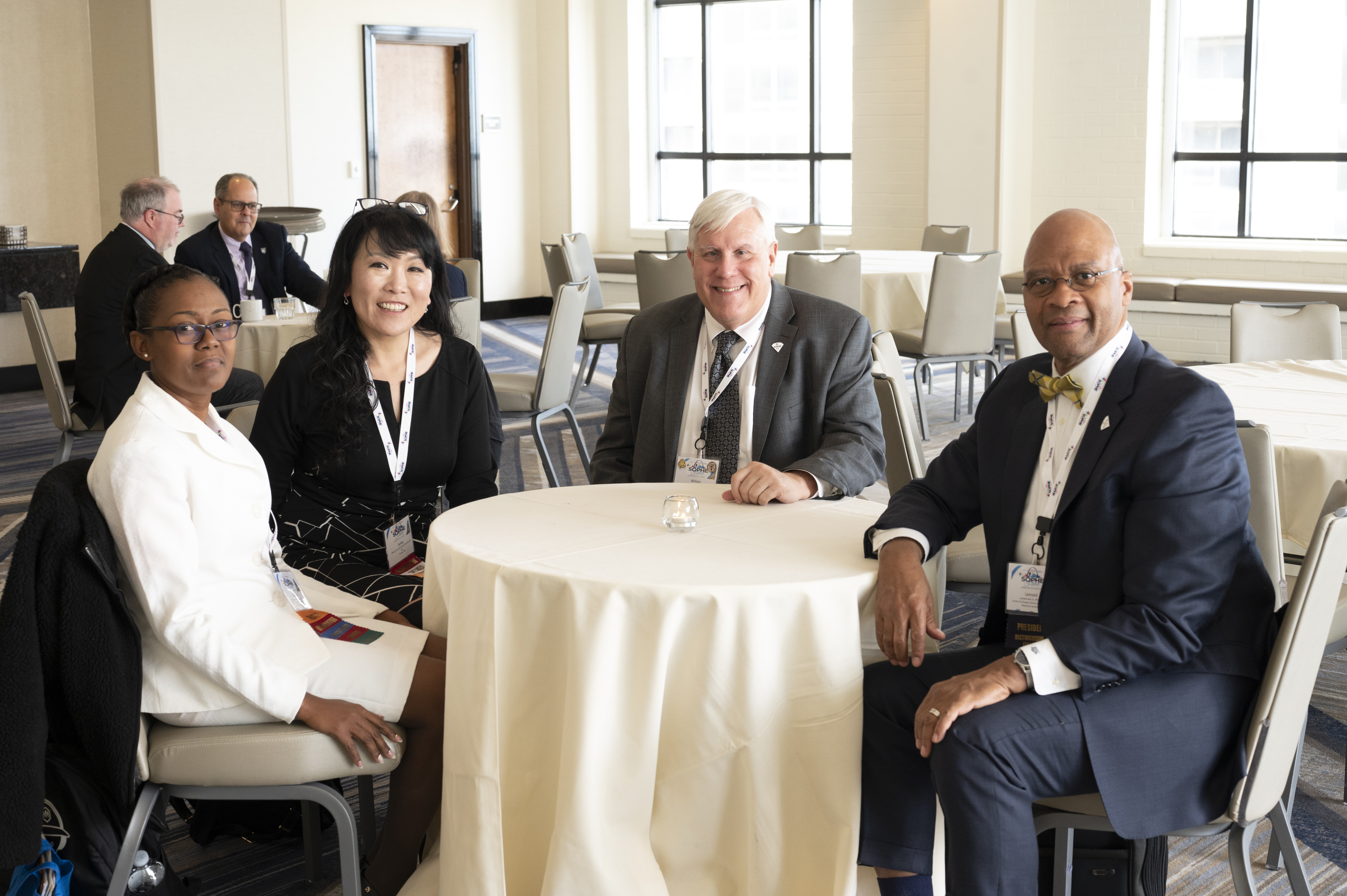
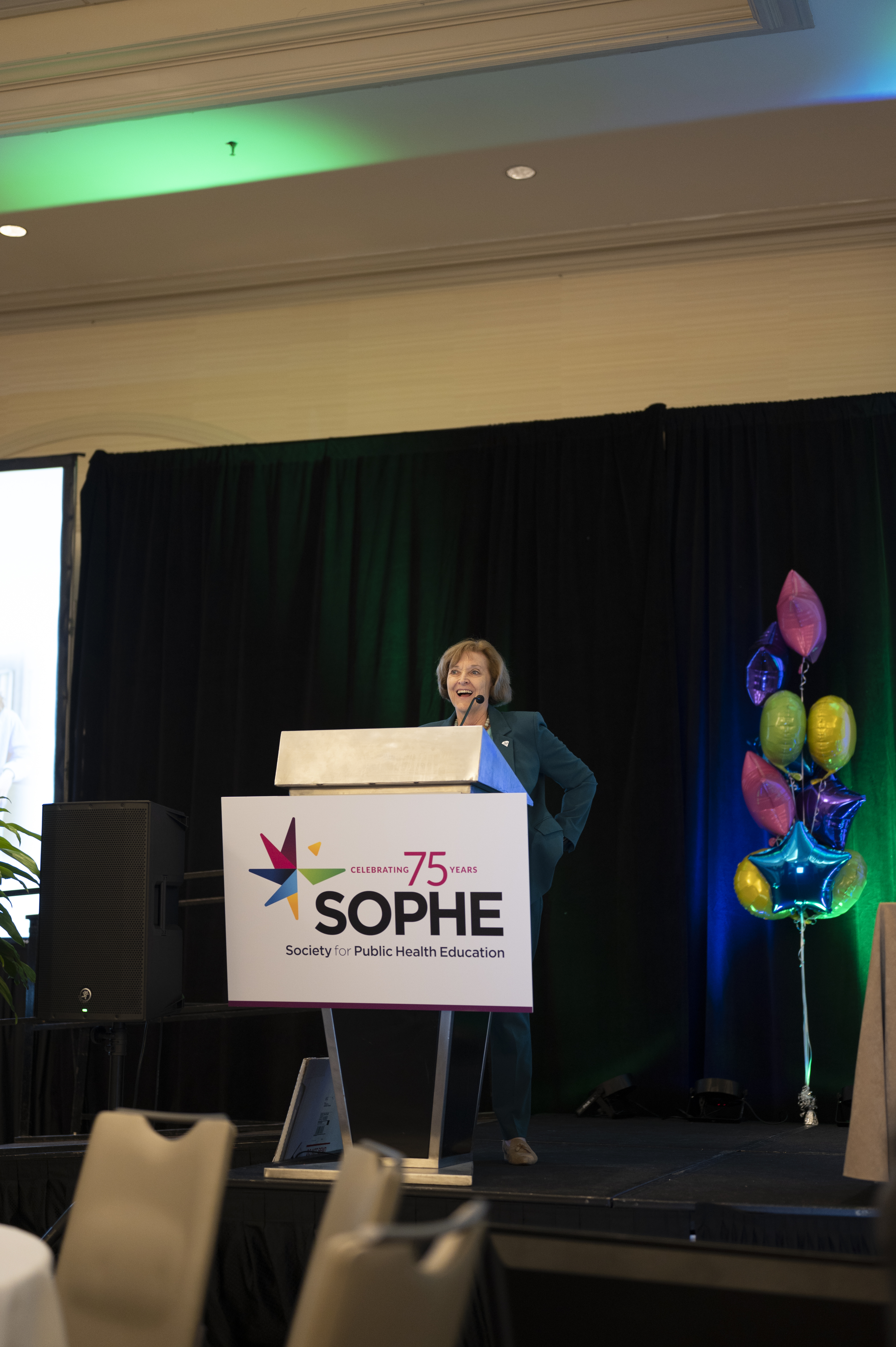
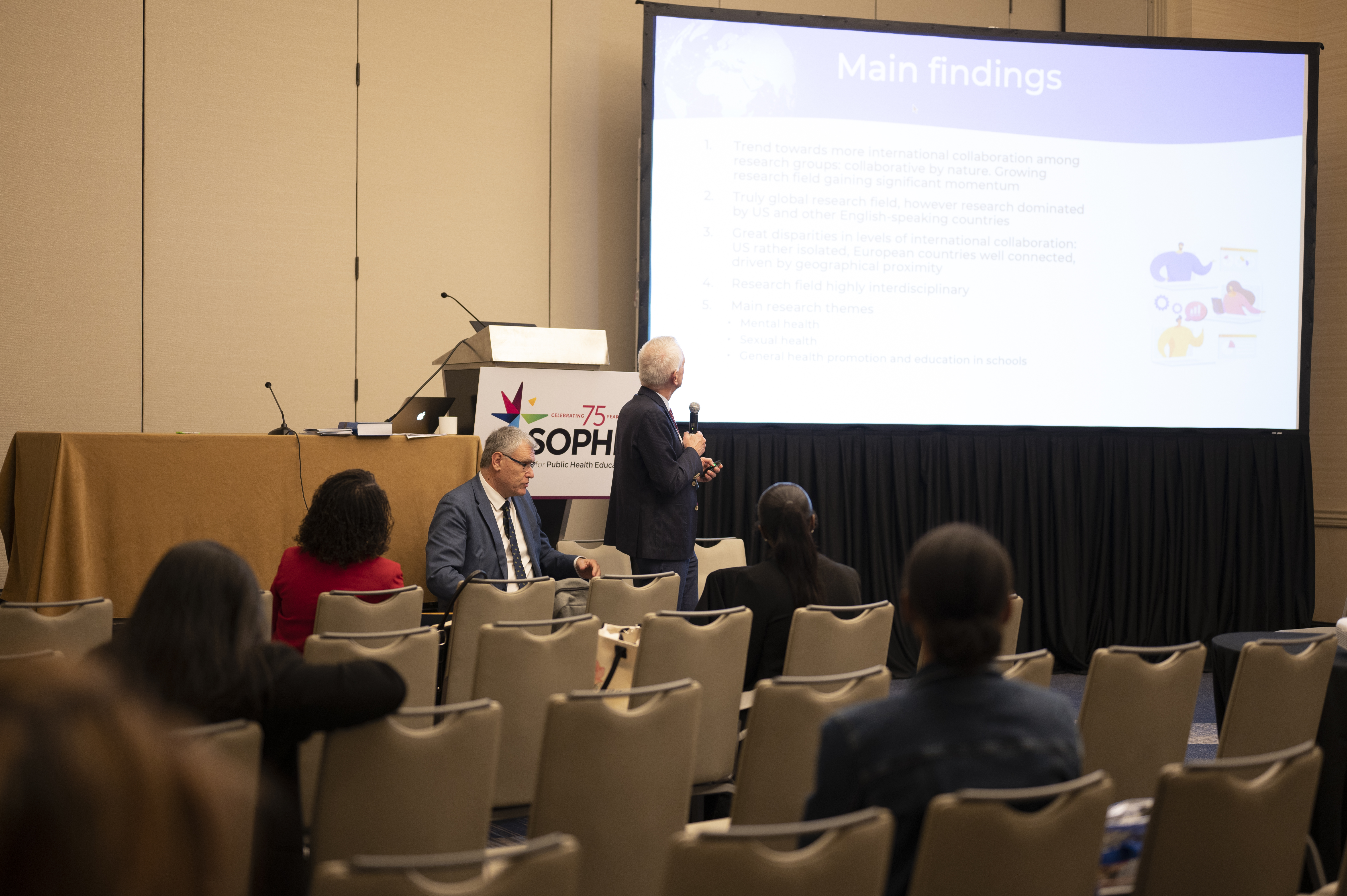
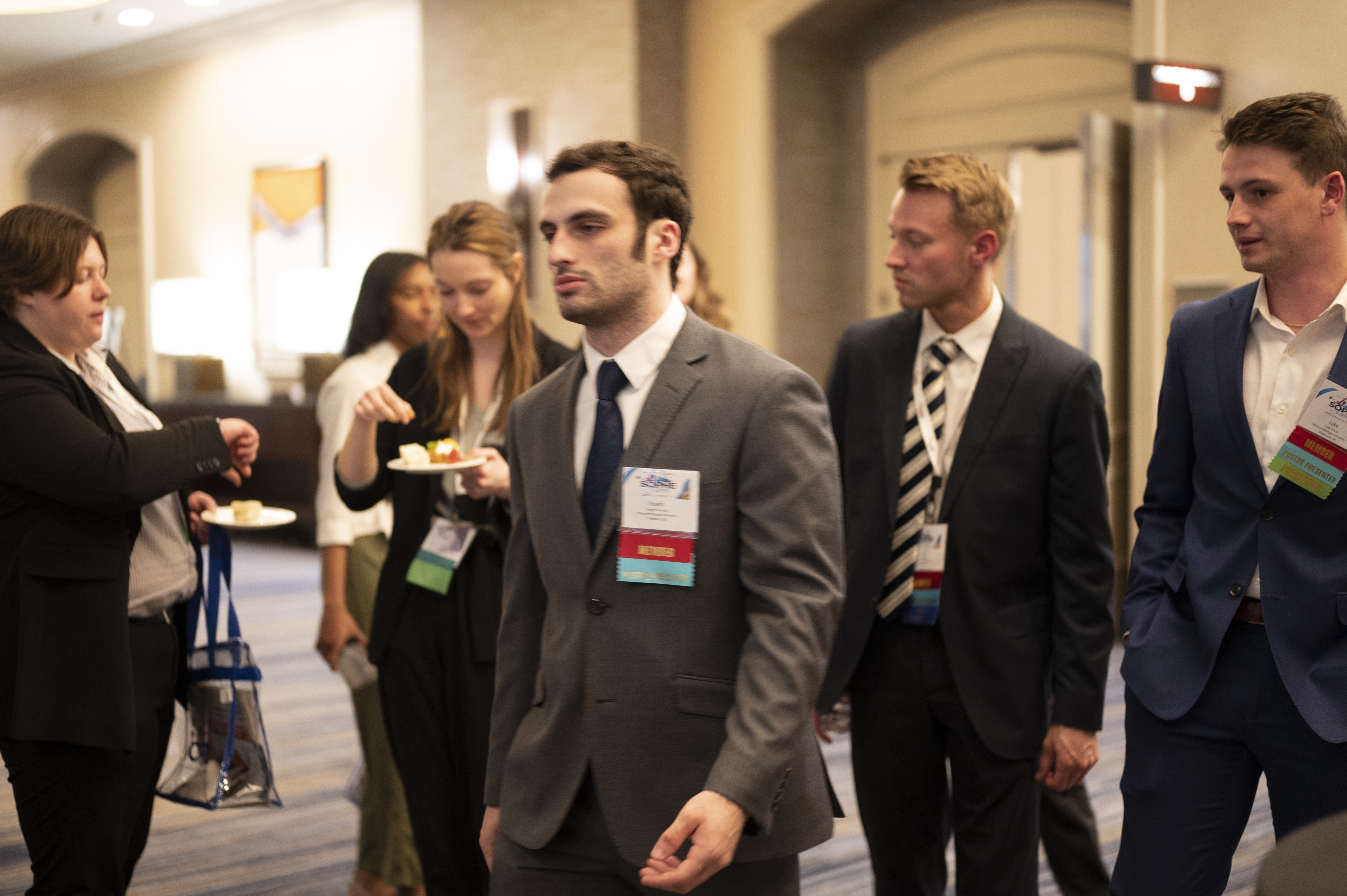
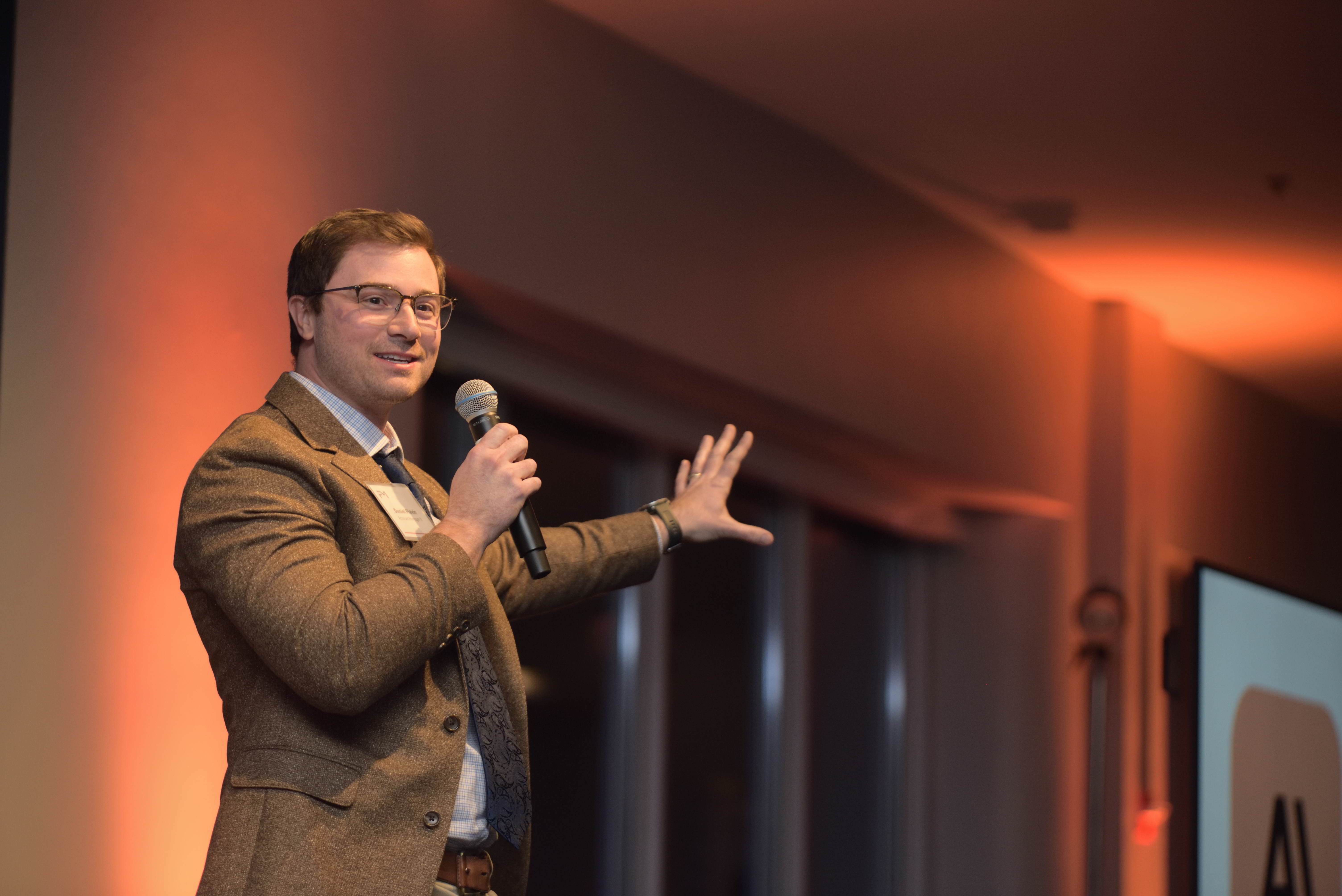
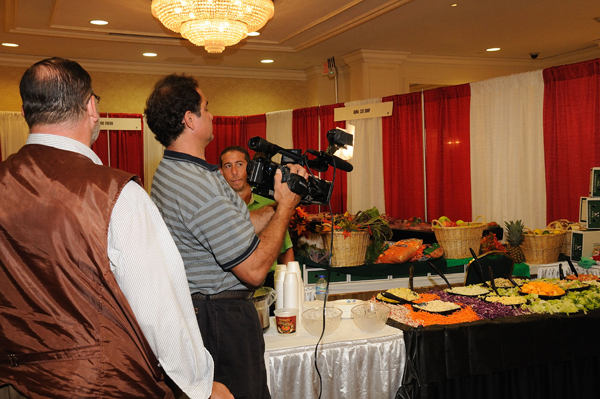
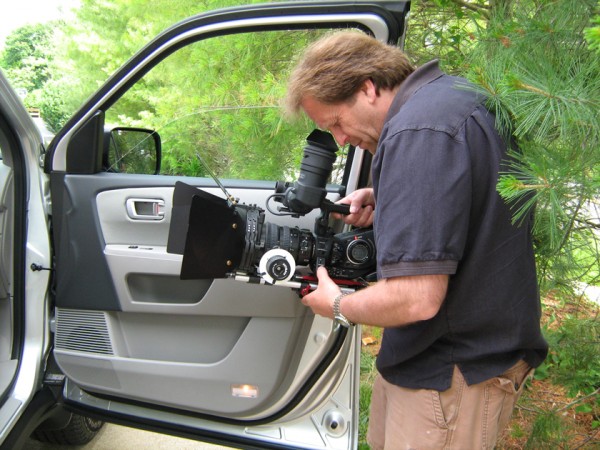
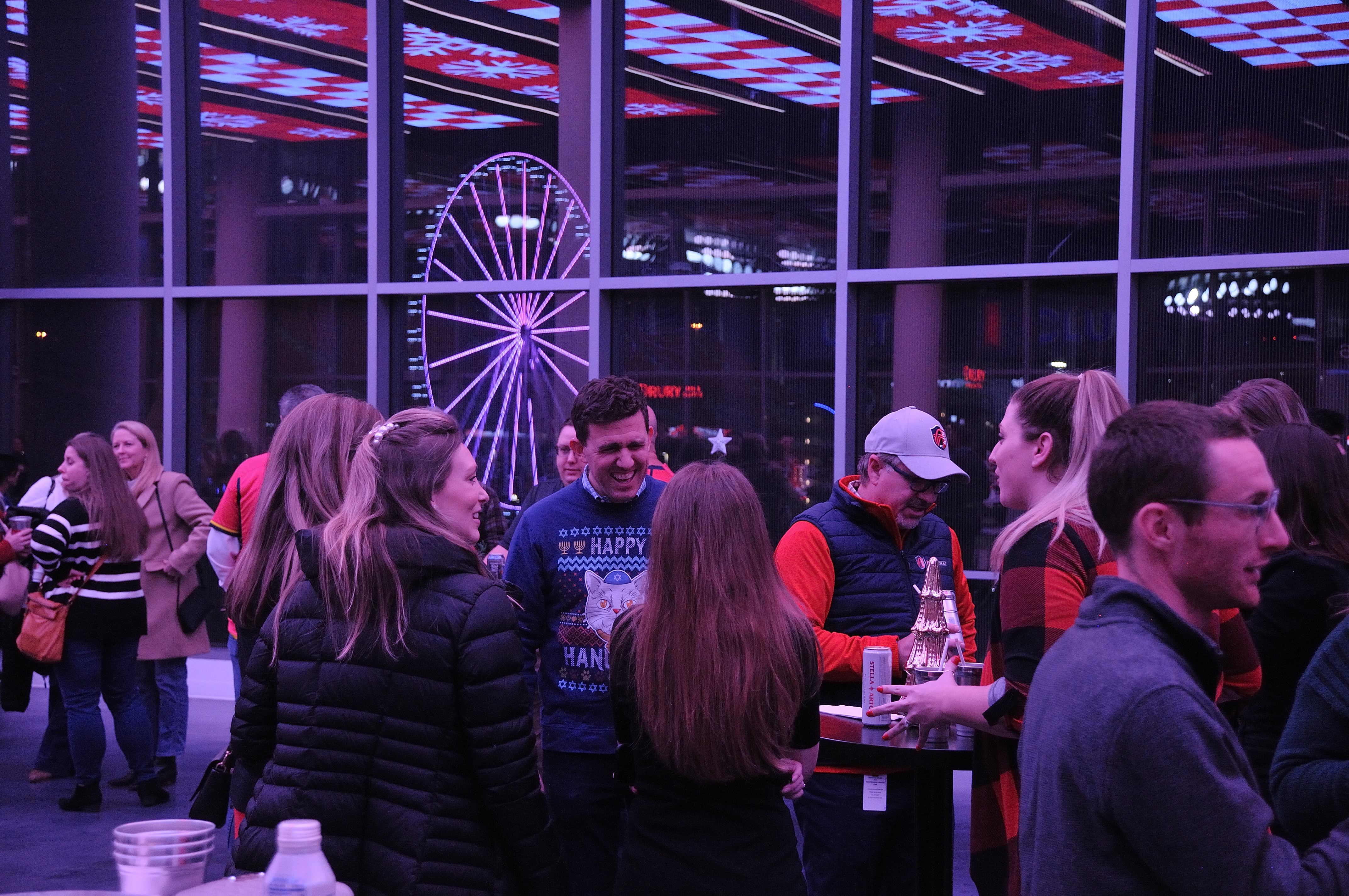
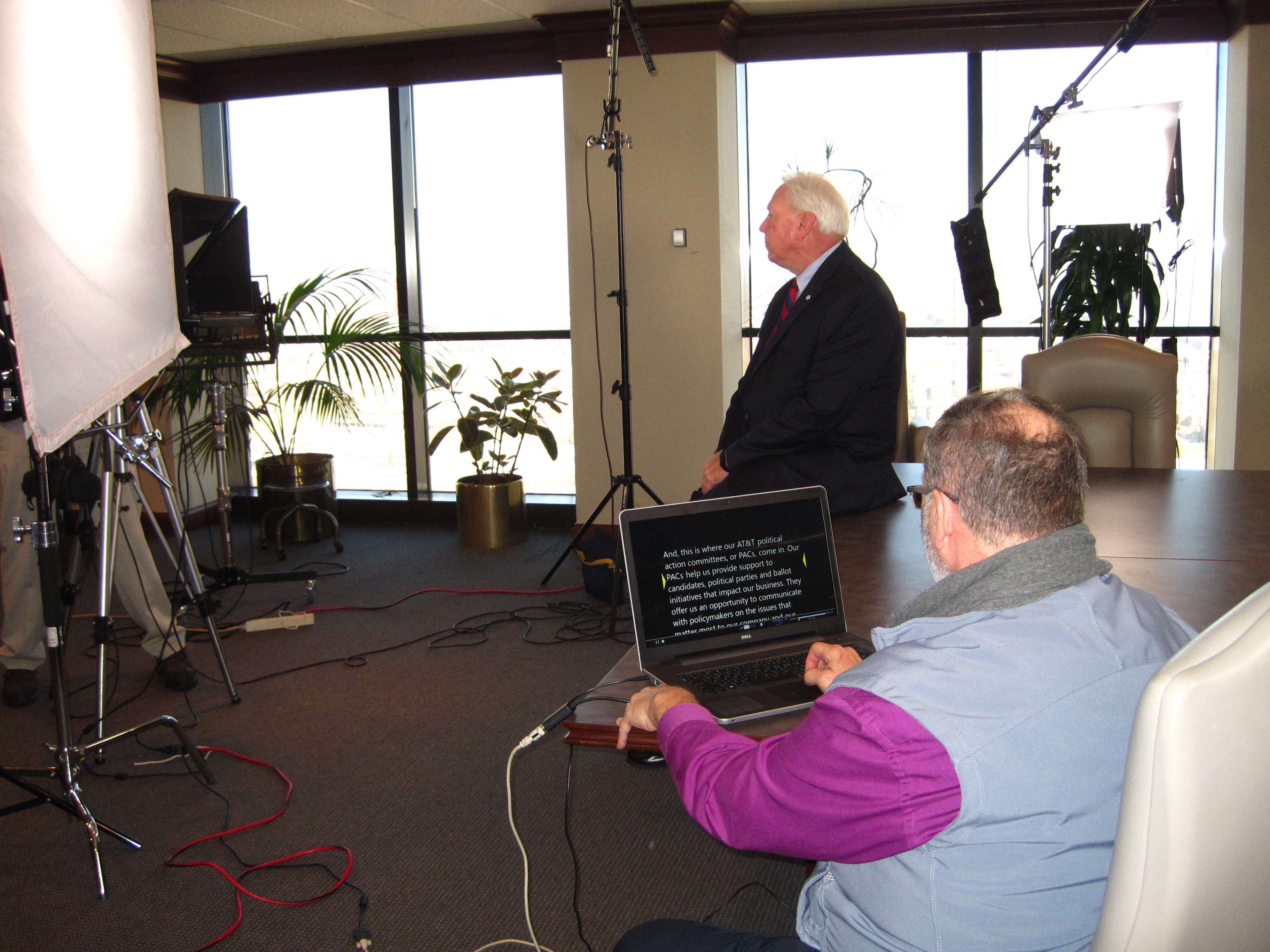
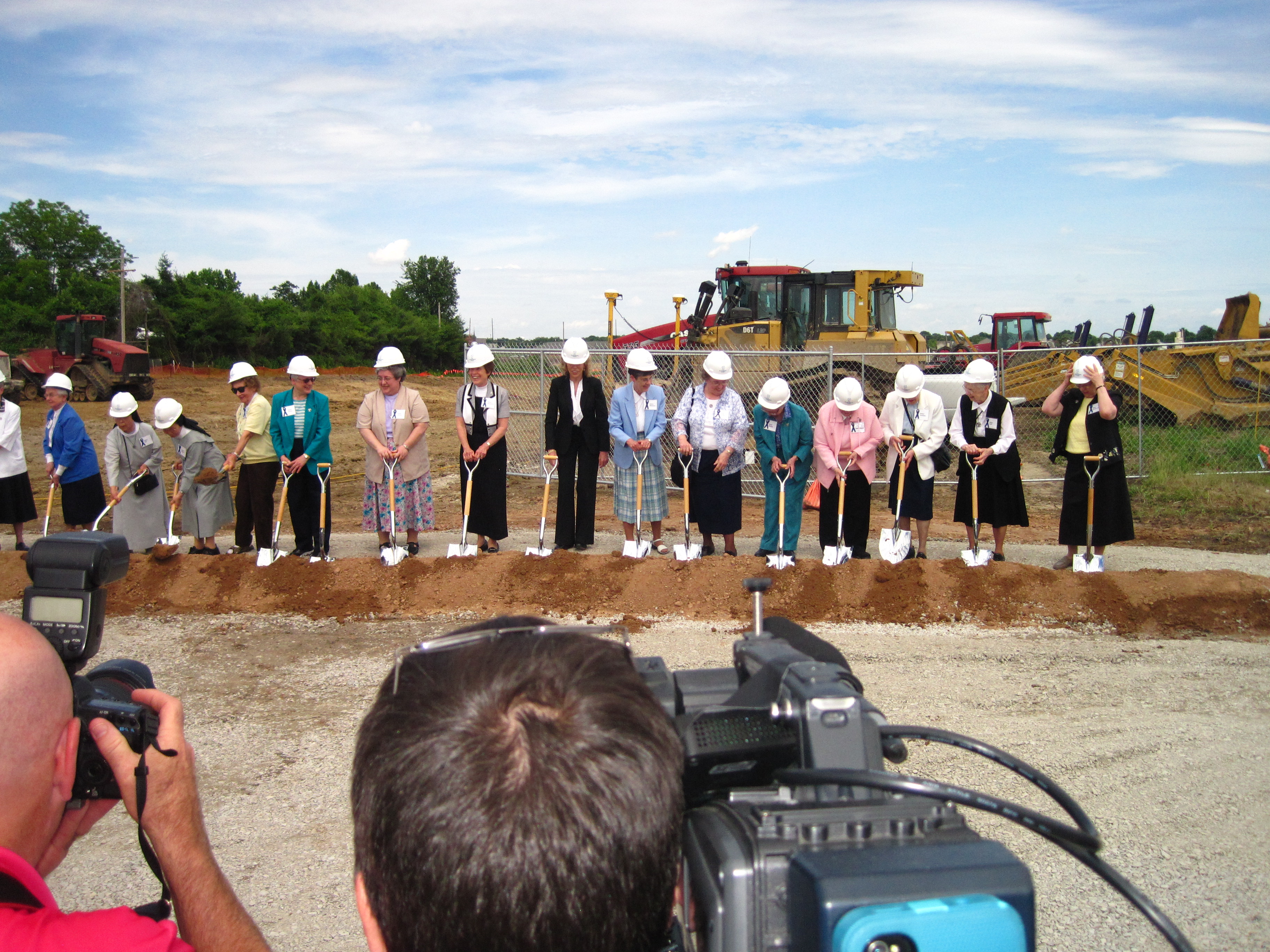
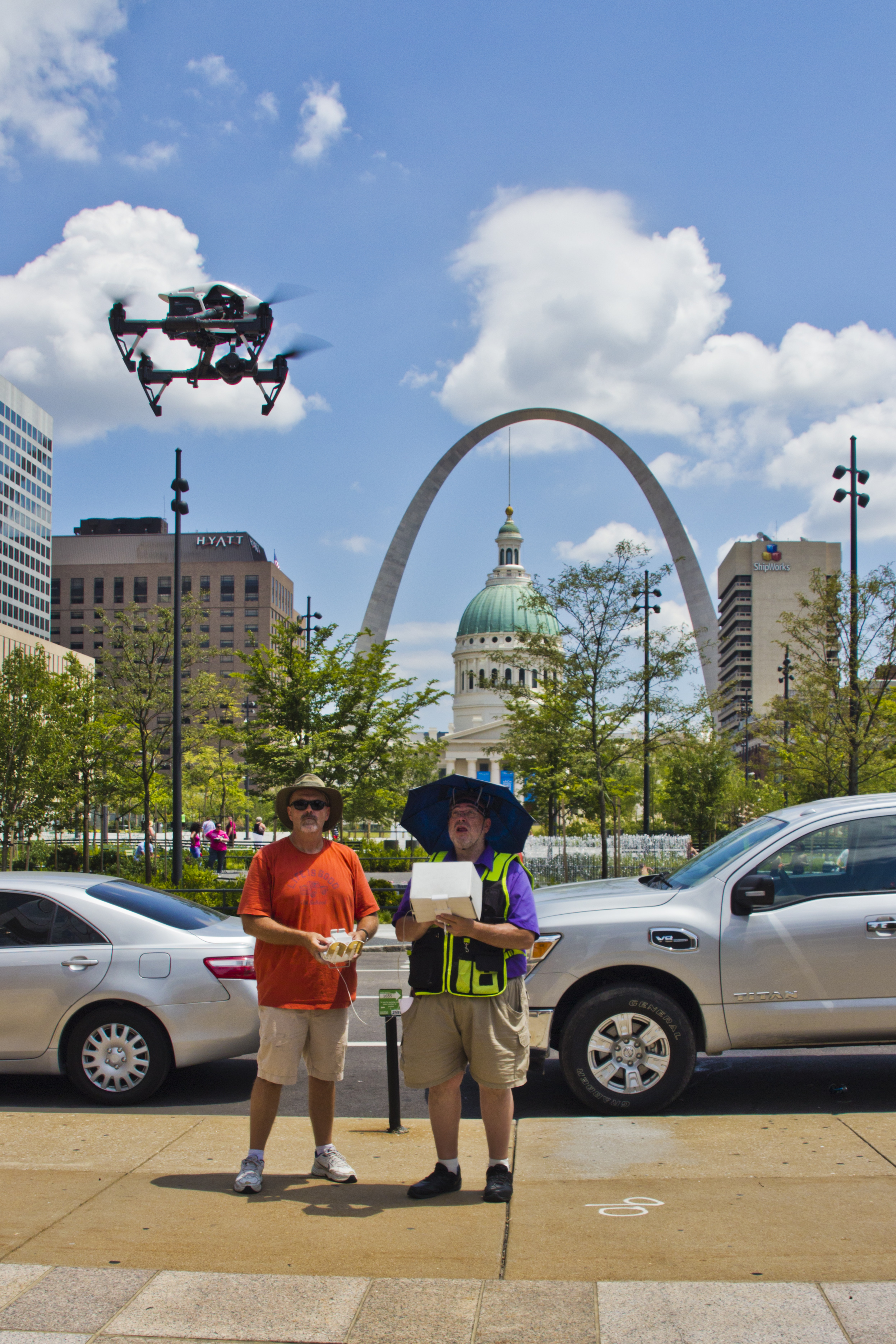
For marketing directors, corporate communications leaders, and agency decision-makers, a live event represents a massive investment. Whether it is an annual conference, a high-stakes product launch, or a regional gala, these moments offer a goldmine of visual assets.
The challenge? Capturing high-quality media that serves your long-term marketing goals without blowing out your budget.
True cost-efficiency in live event production isnโt about cutting corners or hiring the lowest bidder. It is about strategic planning, technical agility, and maximizing the lifecycle of every frame captured. As experienced videographers, photographers, and producers, we understand how to align creative execution with fiscal responsibility.
Here is how organizations can achieve comprehensive, high-impact live event media coverage cost-effectively.
1. Pre-Production Mapping: The Antidote to Costly Overruns
The most effective way to control event production costs happens long before the crew arrives on-site. Pre-production planning ensures no billable hours are wasted.
Define Clear Deliverables Early: Determine exactly what assets are required before the event. Do you need a 3-minute highlight reel, ten 15-second social media clips, or full-length keynote captures? Knowing this dictates the exact crew size and gear required.
Strategic Location Scouting: Understanding the venueโs layout, lighting challenges, and power availability ahead of time eliminates costly on-site troubleshooting.
The Shared Schedule: Align the production crewโs schedule tightly with the event itinerary. This ensures camera operators are positioned for high-value moments (b-roll opportunities, executive arrivals, keynote peaks) without paying for idle standby time.
2. The Hybrid Crew Advantage: Doing More with Less
In traditional media production, photography and video departments operated in strict silos. Today, a streamlined, cross-functional team is the key to cost-efficiency.
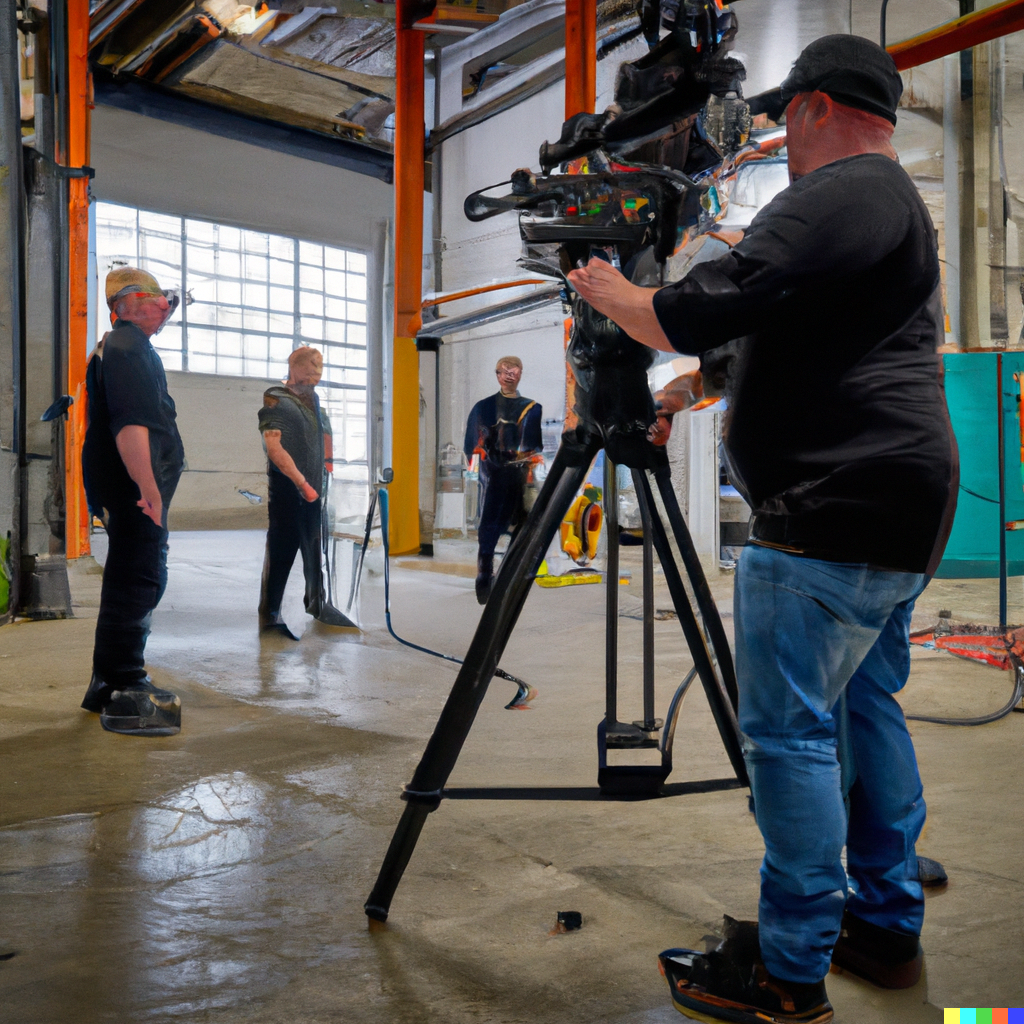
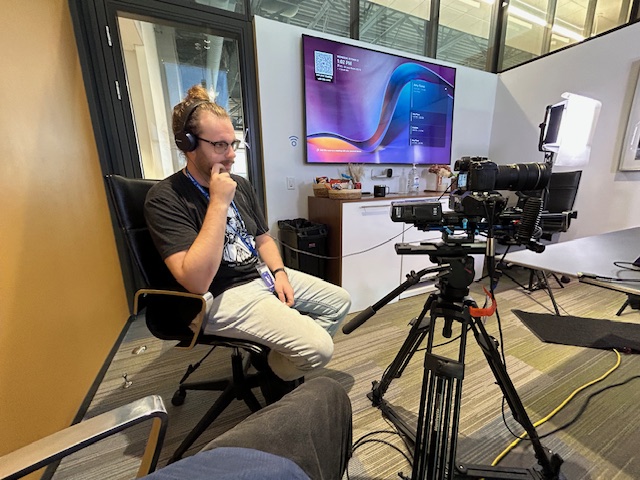
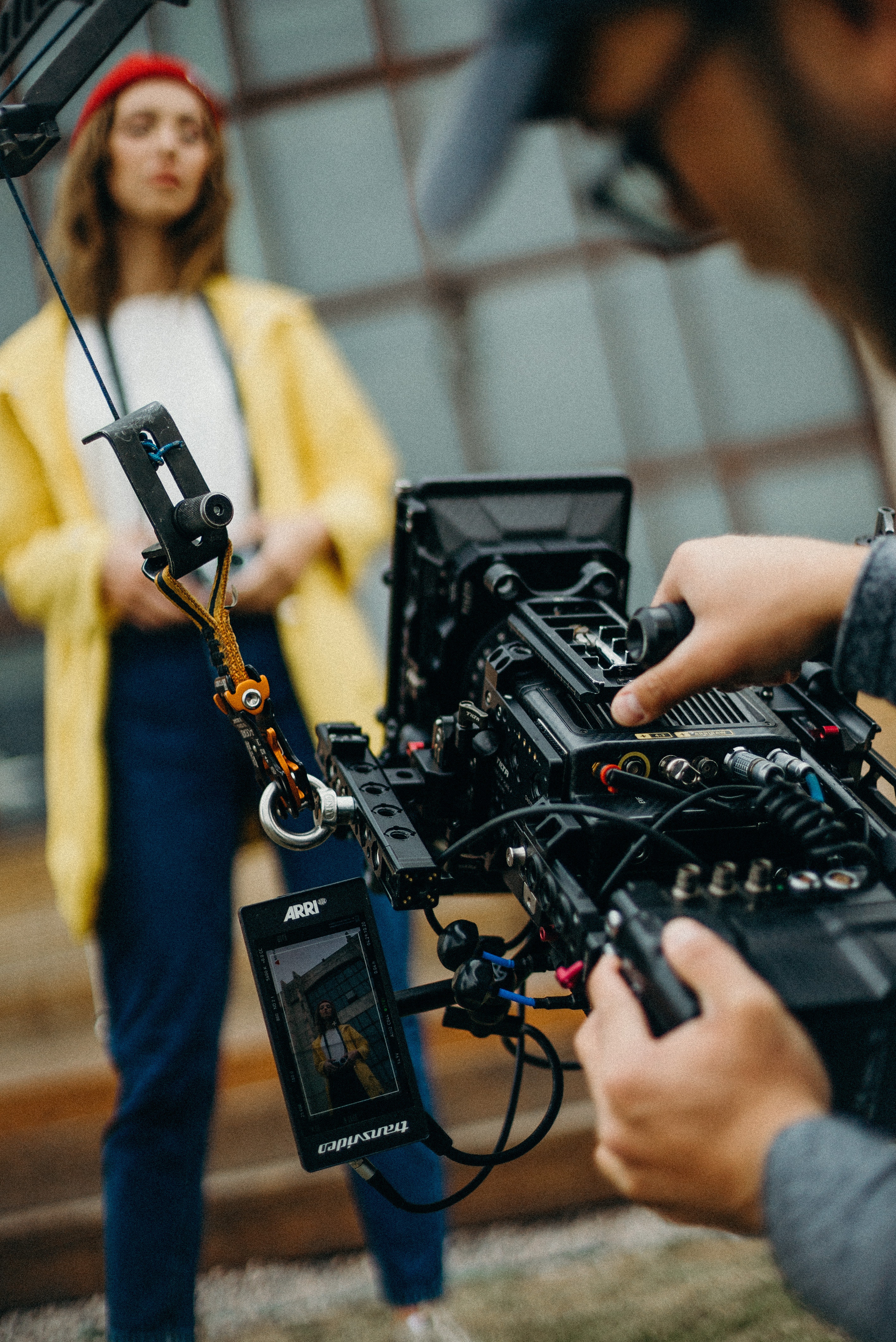
By deploying experienced professionals who understand the interplay between motion and still photography, a smaller crew can capture a broader range of assets. For instance, a dedicated camera operator can capture dynamic b-roll during a keynote address while simultaneously monitoring a secondary, automated wide-angle camera. This multi-camera look provides high production value without the cost of hiring multiple operators.
The ultimate metric of cost-efficiency is the cost-per-use of your media assets. A single live event should feed your marketing pipeline for months.
Instead of viewing an event video as a single asset, treat it as a content library. A comprehensive capture strategy allows you to extract:
Micro-Content for Social Media: Short, high-impact vertical videos for LinkedIn, Instagram, or TikTok.
Case Studies & Testimonials: Splicing attendee interviews with event b-roll to create powerful B2B proof-of-concept videos.
Future Event Promotion: Using high-energy photography and crowd shots to drive registrations for next year’s event.
Partner with St. Louisโs Trusted Production Experts
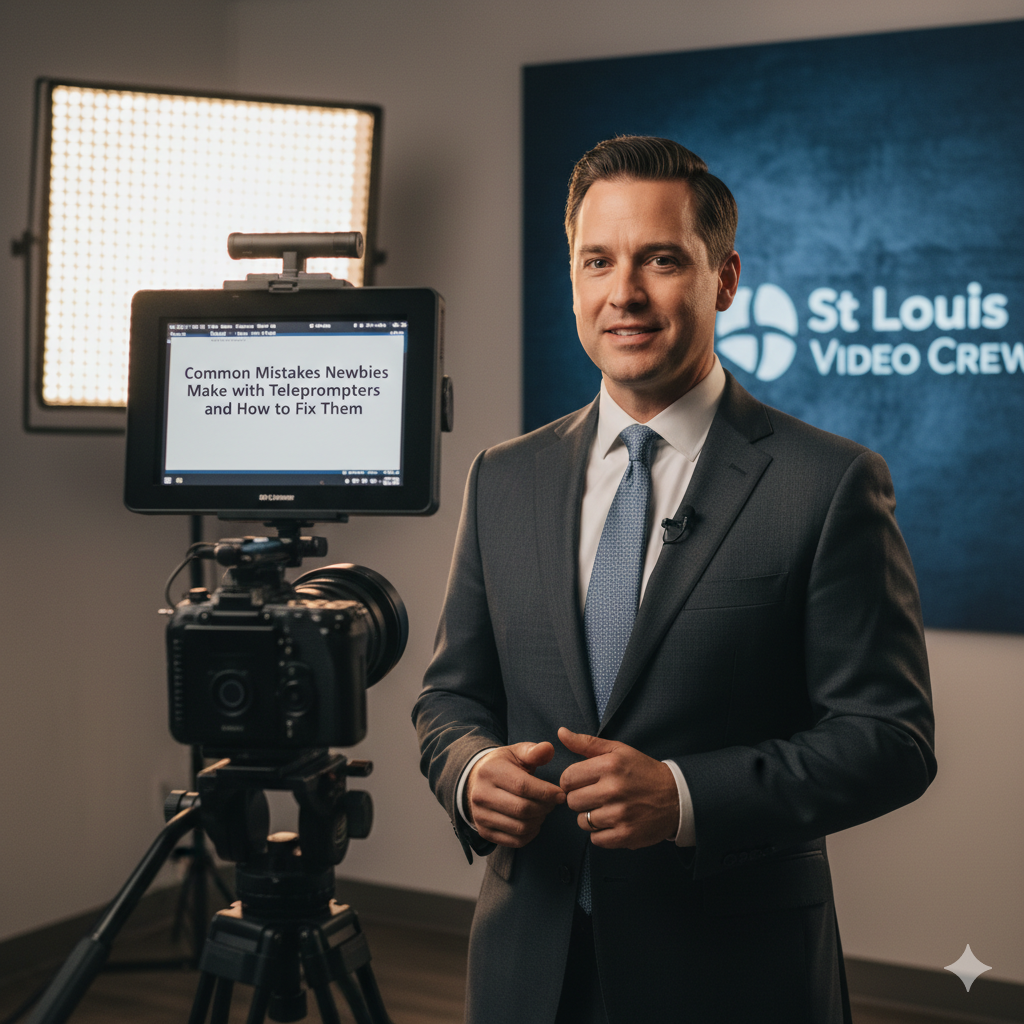
Achieving this level of strategic efficiency requires an experienced production partner. St Louis Video Production is a full-service professional commercial photography and video production company with the right equipment and creative crew service experience for successful image acquisition.
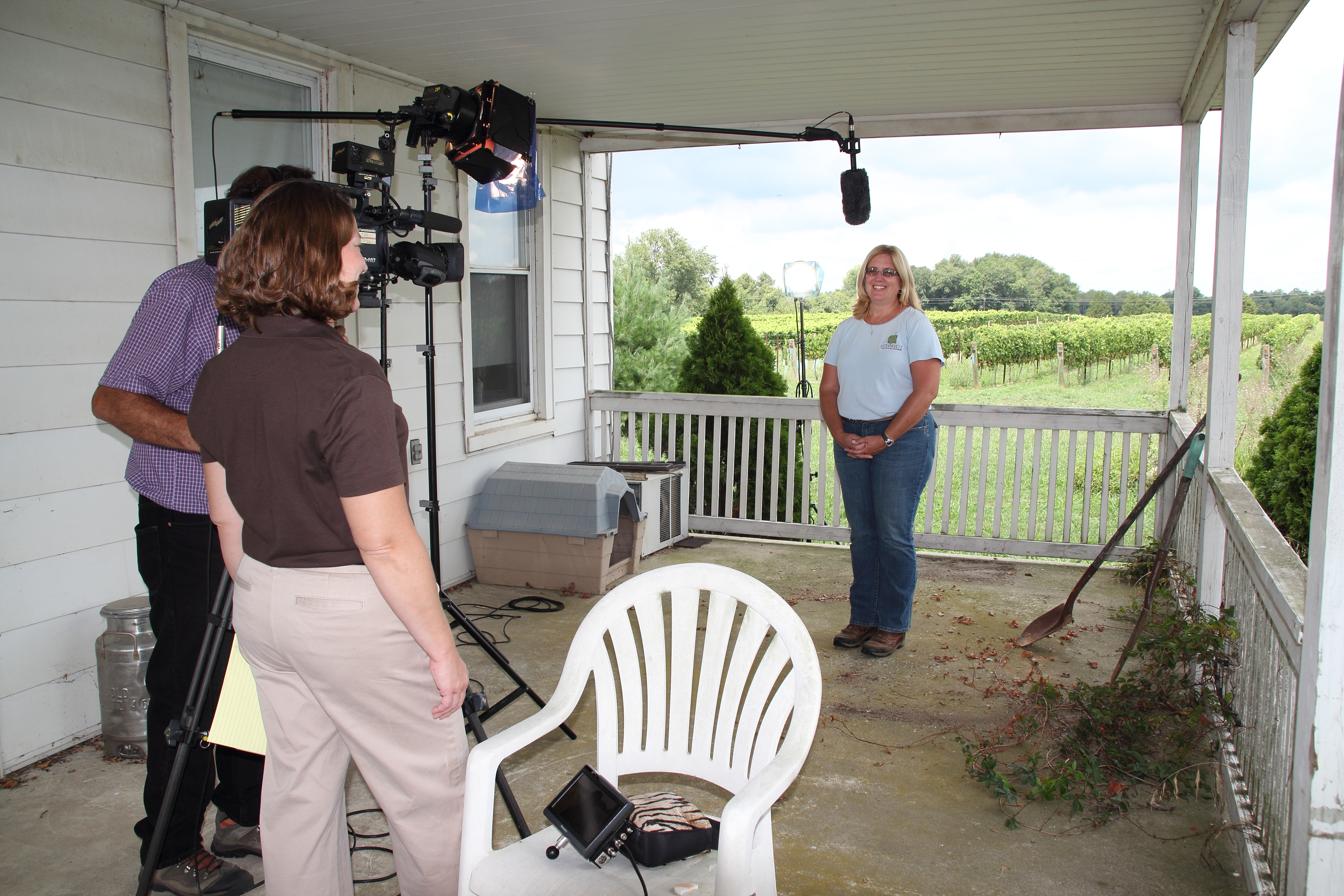
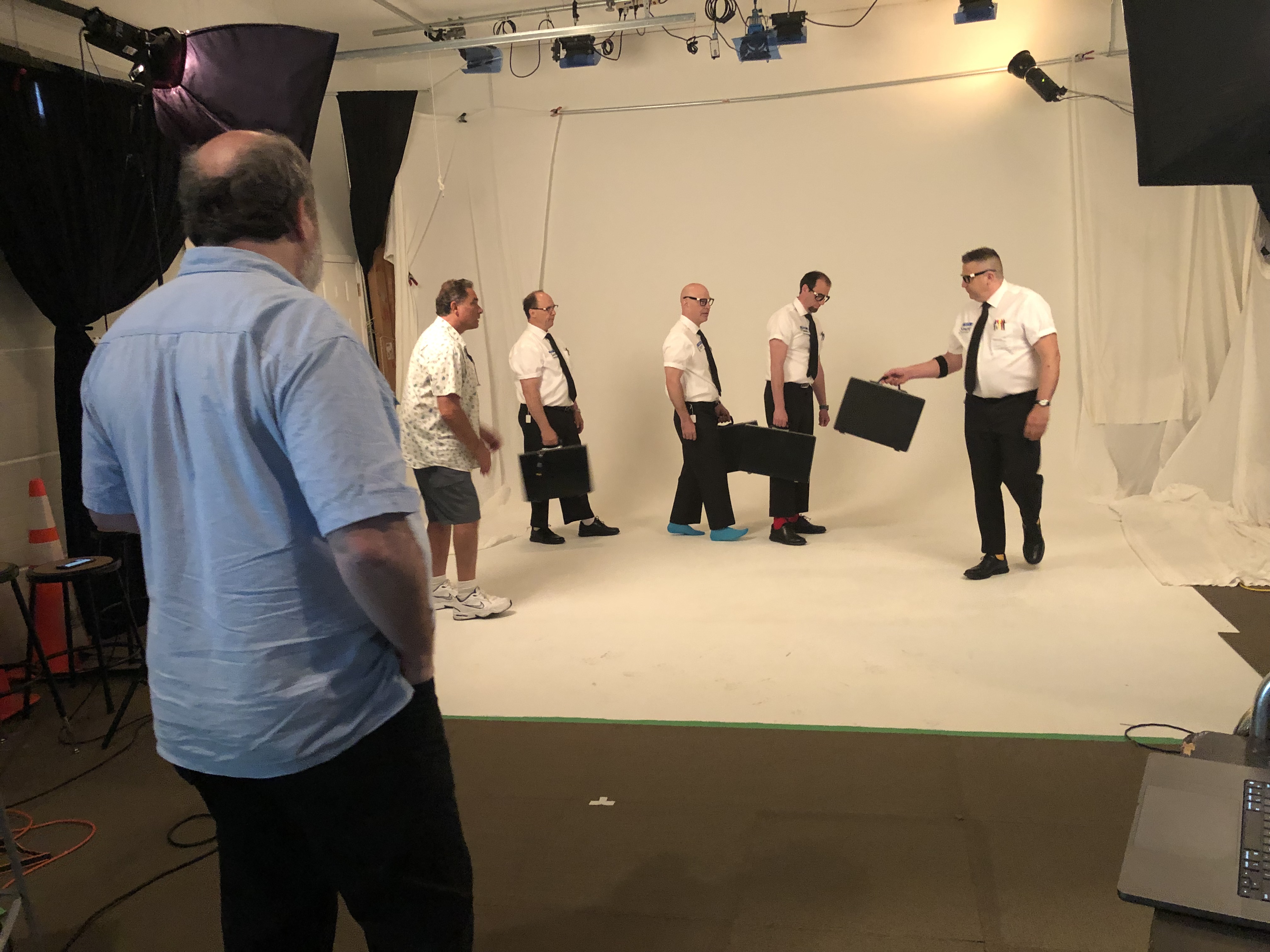
Since 1982, St Louis Video Production has worked with many businesses, marketing firms, and creative agencies in the St. Louis area for their marketing photography and video. We support every aspect of your productionโfrom setting up a private, custom interview studio to supplying professional sound and camera operators, as well as providing the right equipmentโensuring your next video production is seamless and successful.
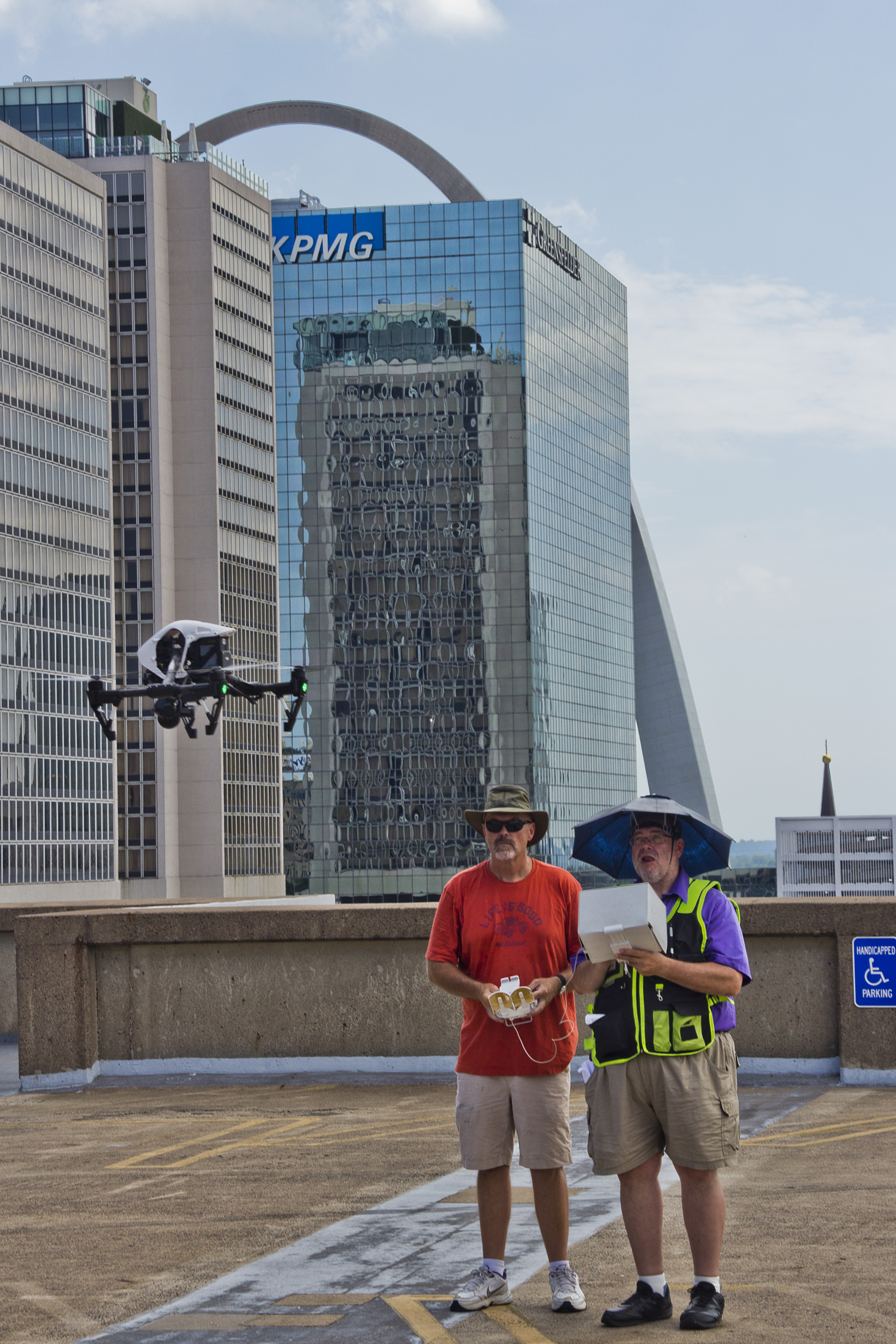
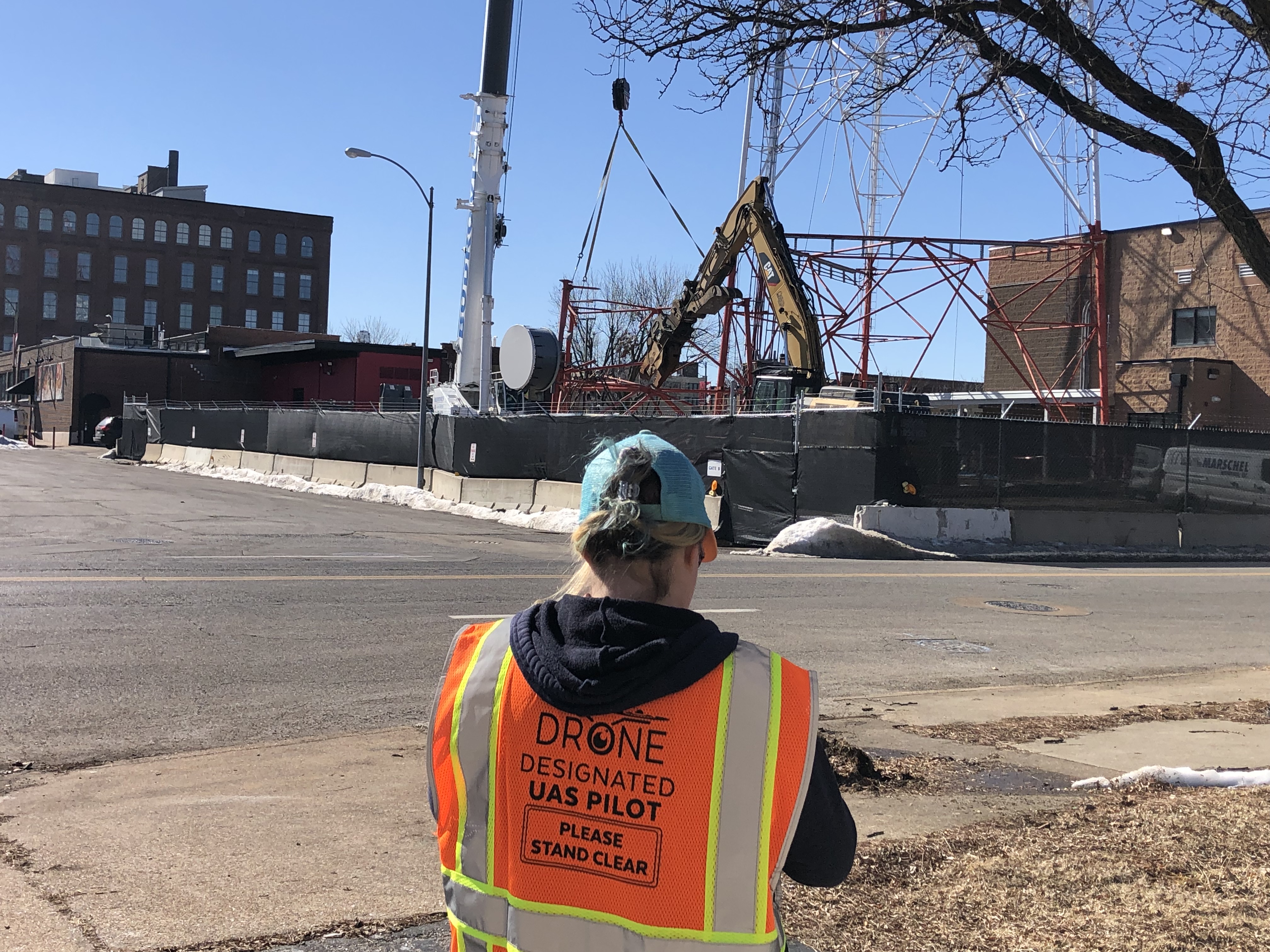
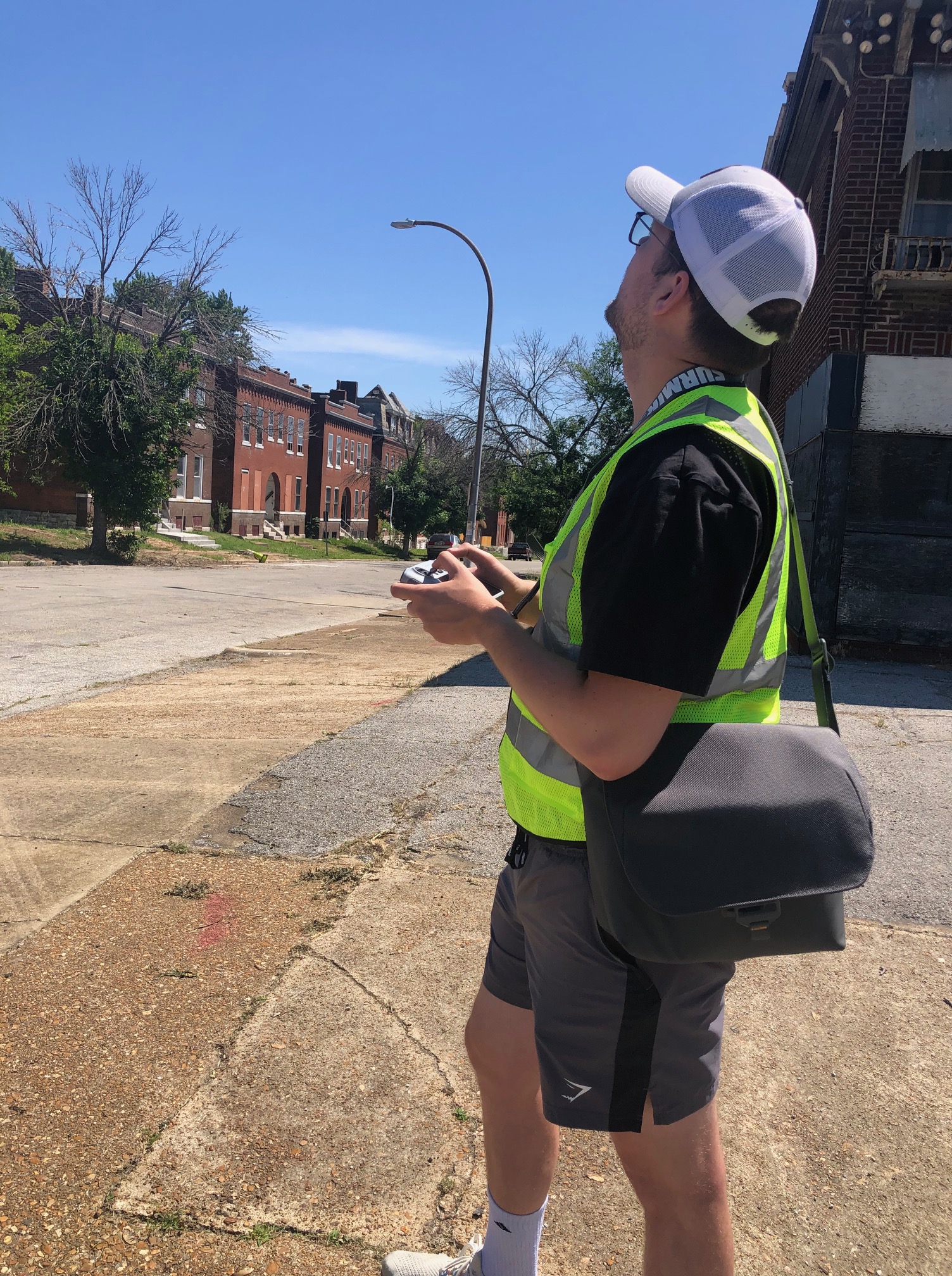
We offer full-service studio and location video and photography, as well as editing, post-production, and licensed drone services. Our team consists of seasoned location scouting and b-roll specialists who know how to capture the exact footage your brand needs.
Advanced Technical Capabilities
We pride ourselves on staying ahead of industry trends to deliver superior value to our clients:
Advanced AI Integration: We use the latest in Artificial Intelligence for all our media services, streamlining editing workflows, enhancing visual quality, and accelerating turnaround times.
Software & Format Expertise: We are well-versed in all file types and styles of media and accompanying software, ensuring seamless integration with your internal asset management systems.
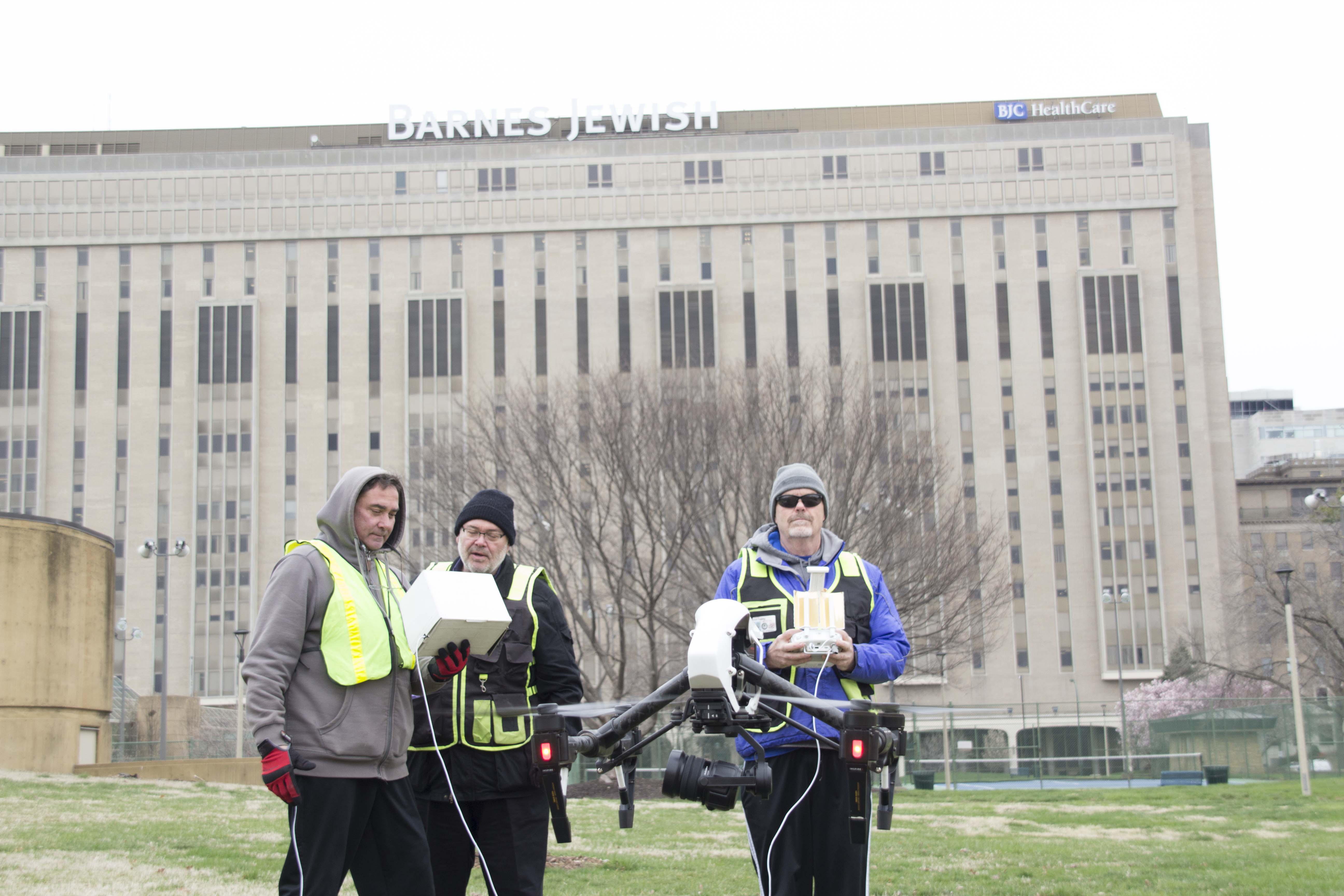
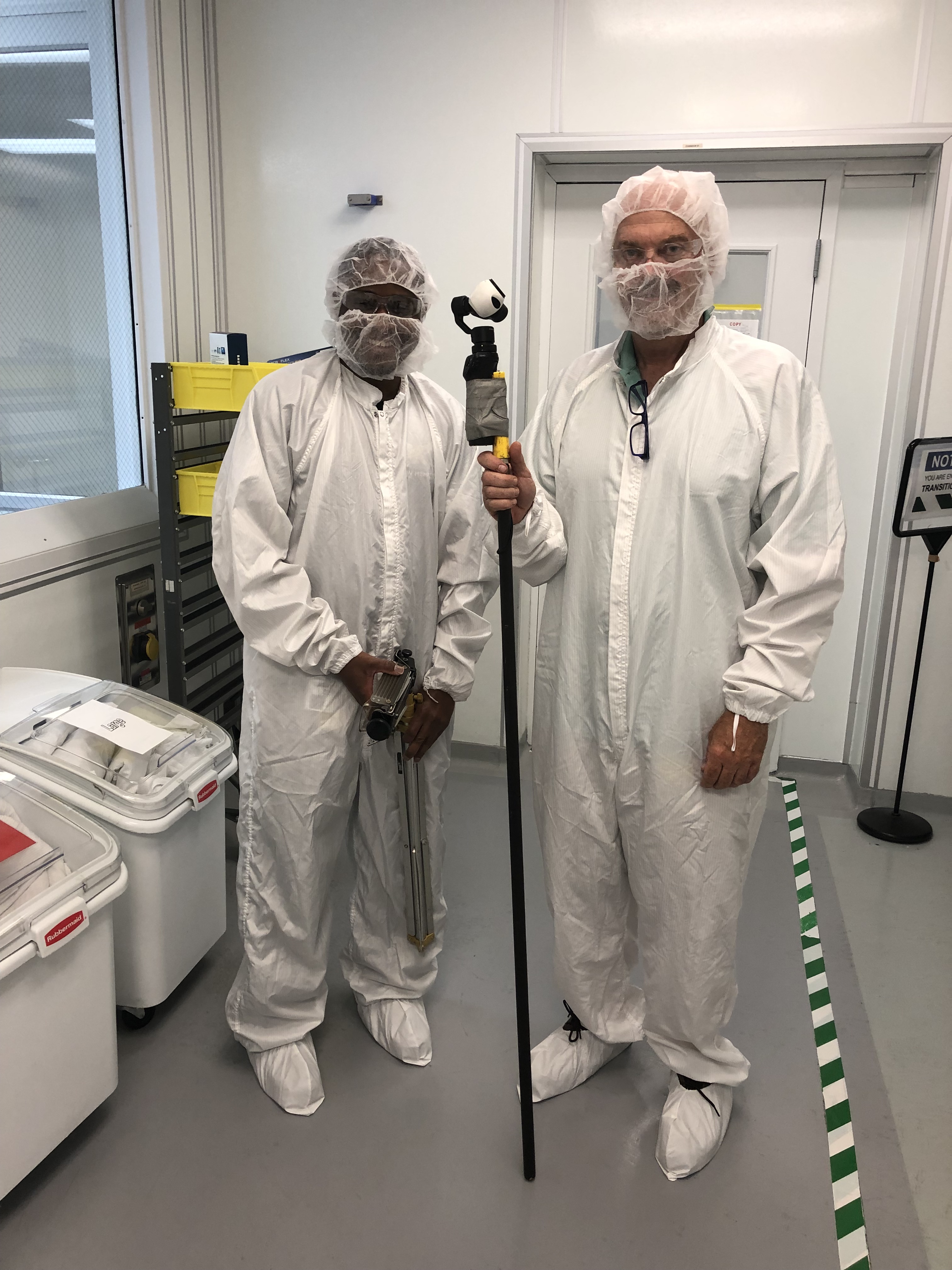
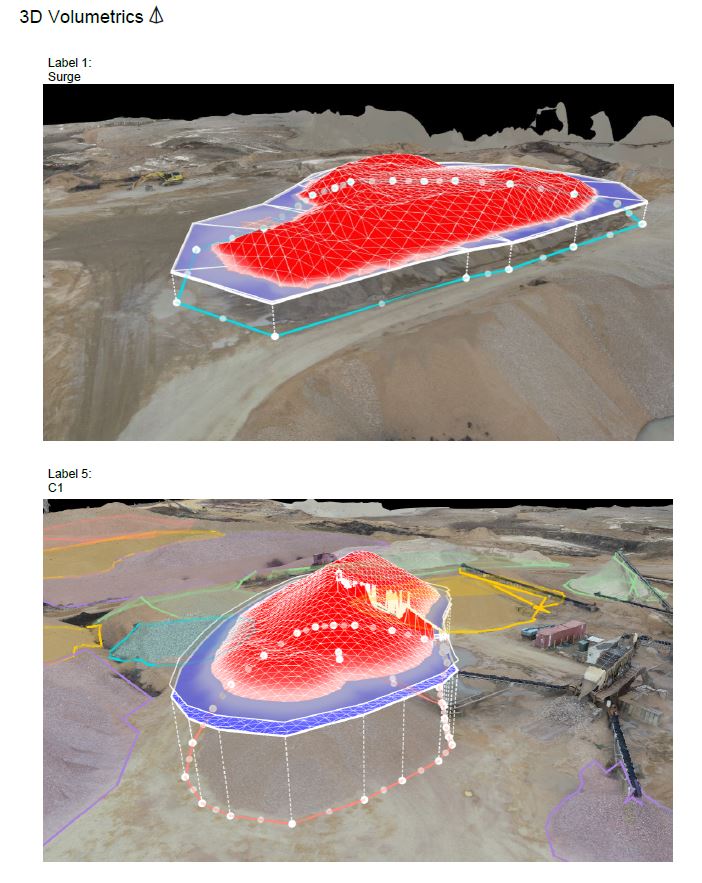
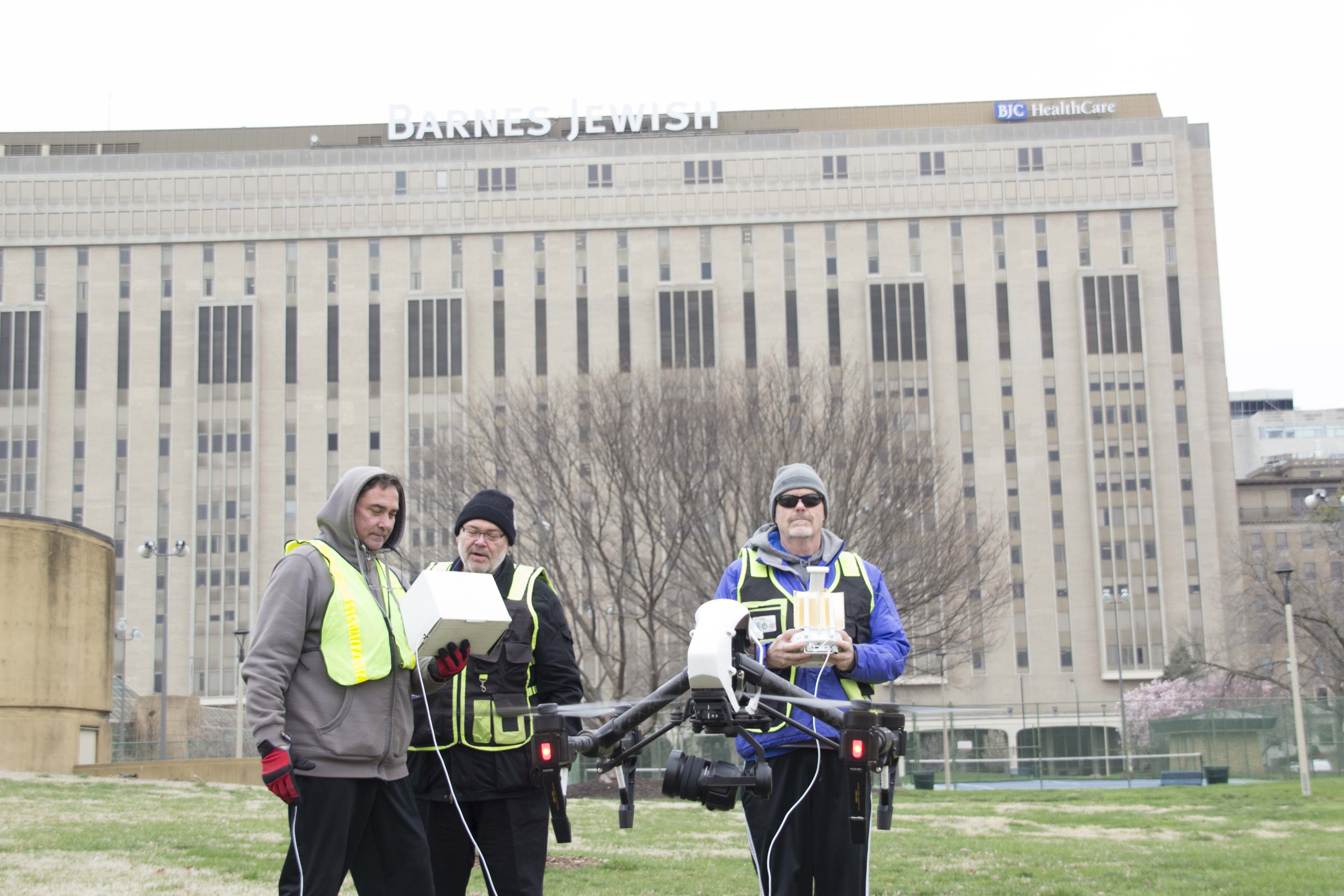
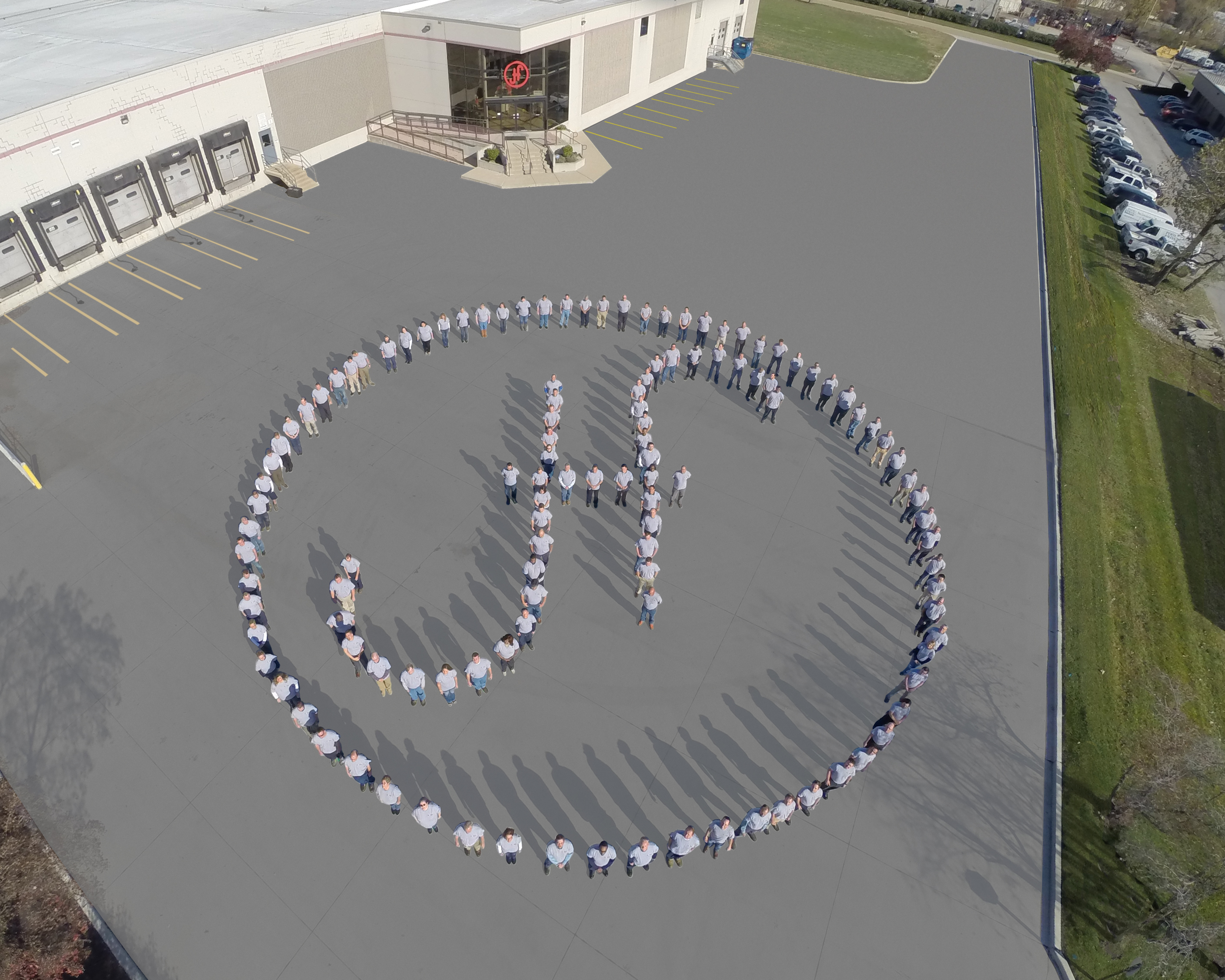
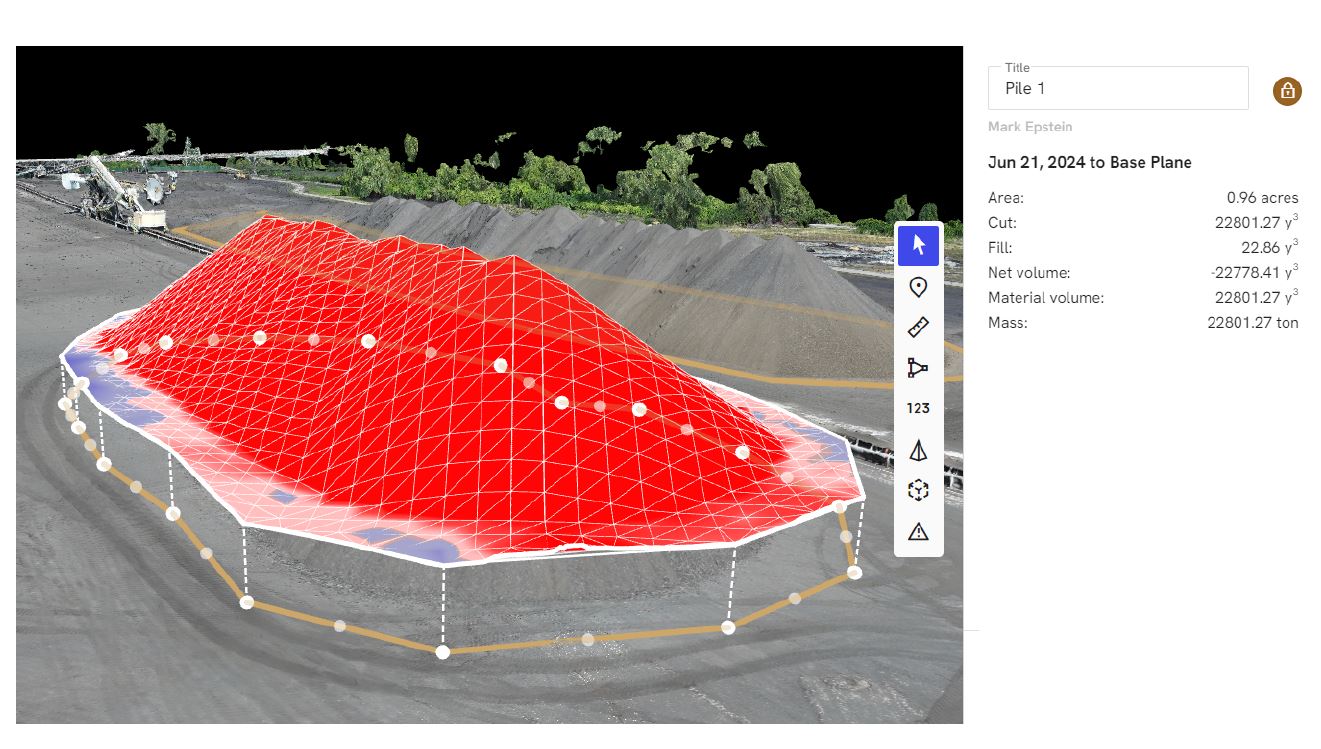
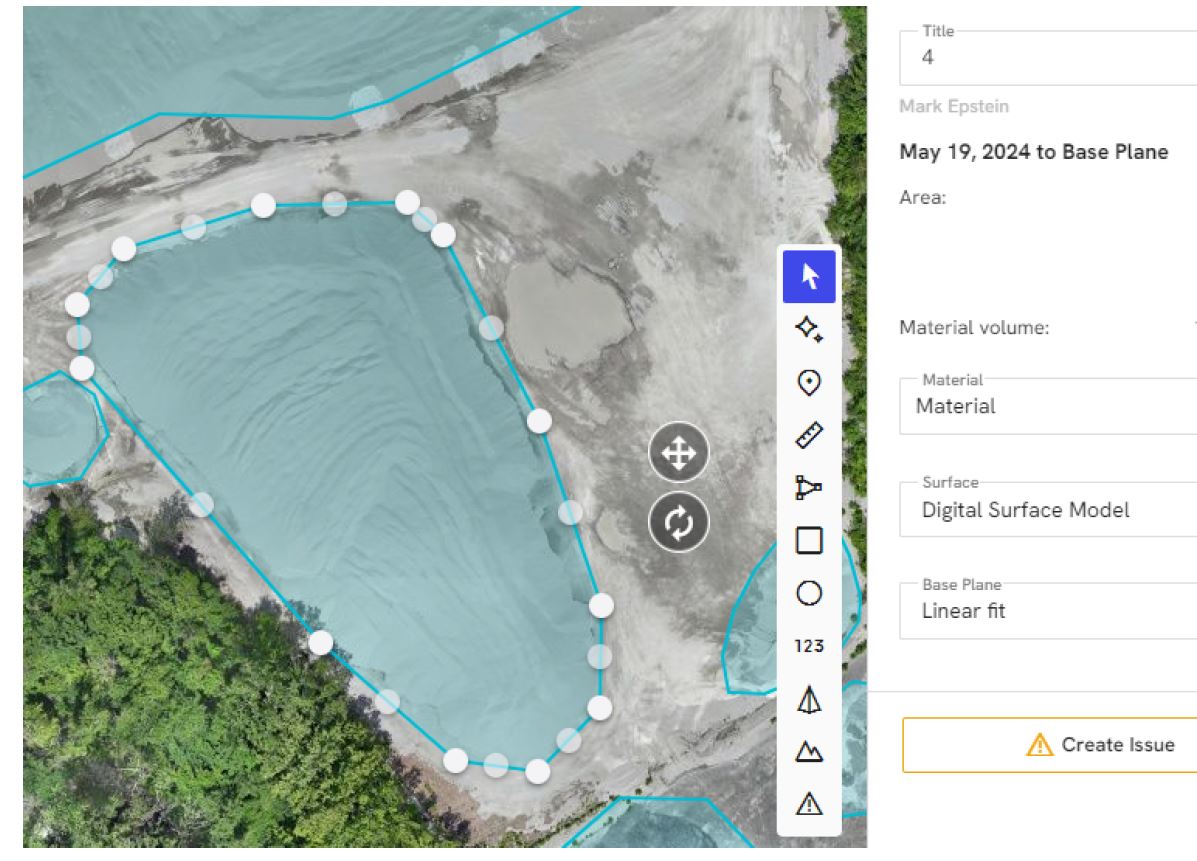
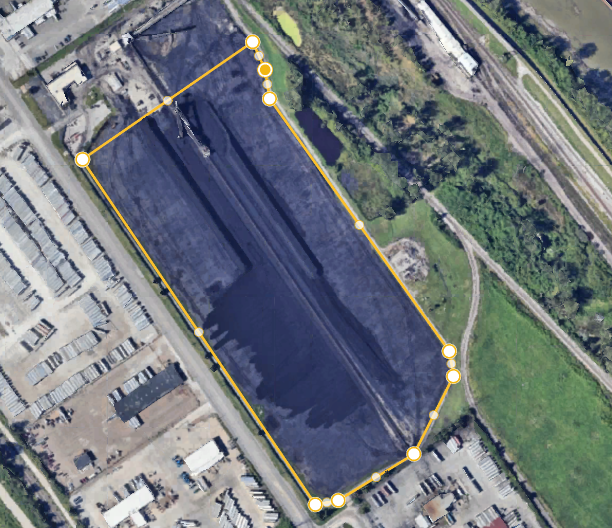
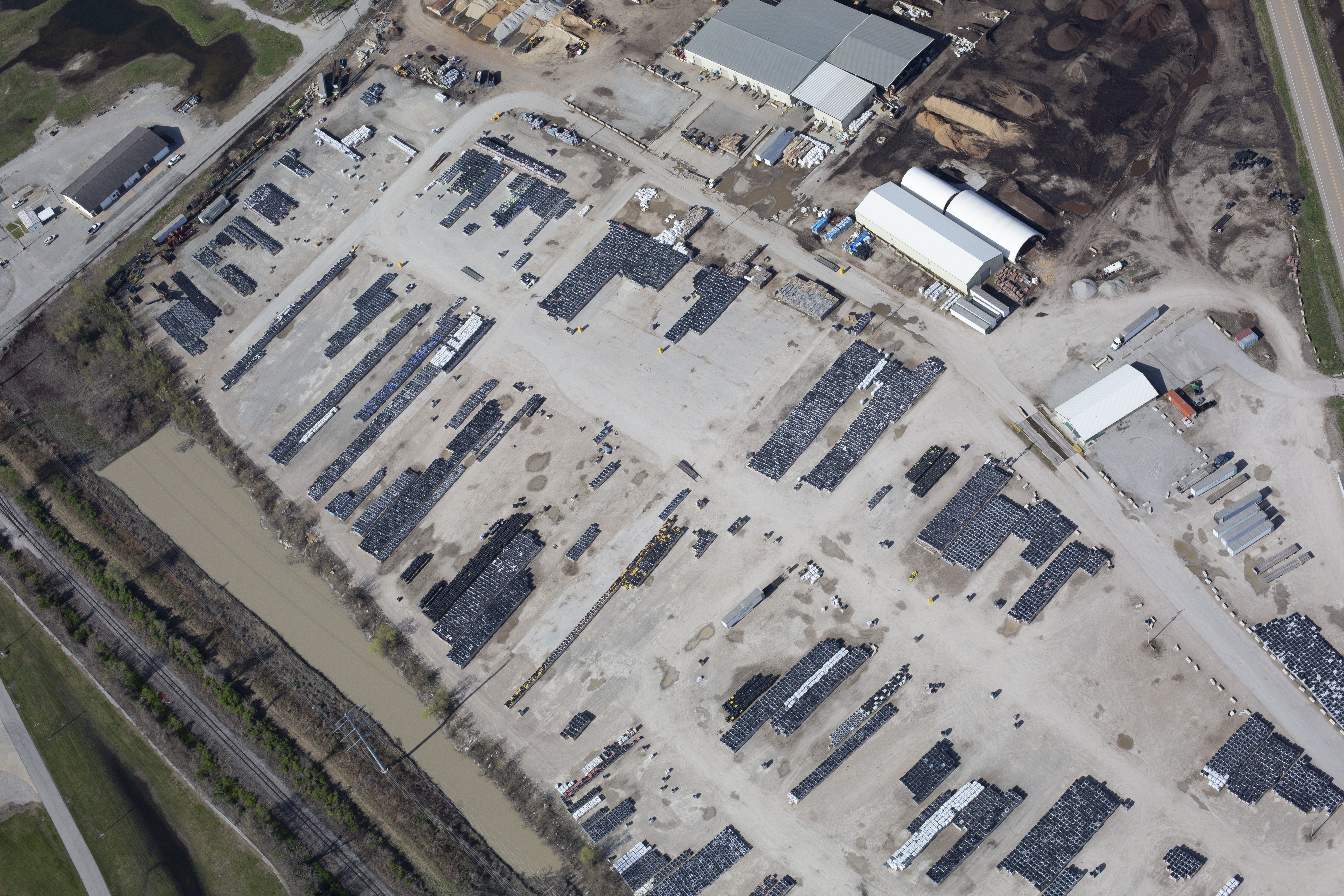
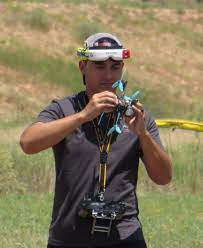
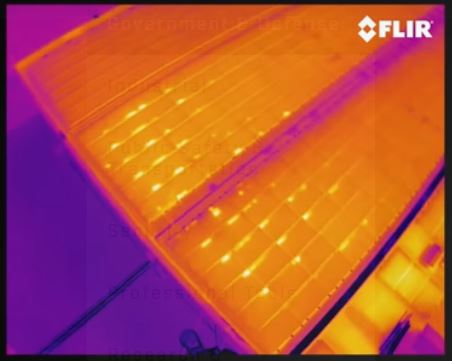
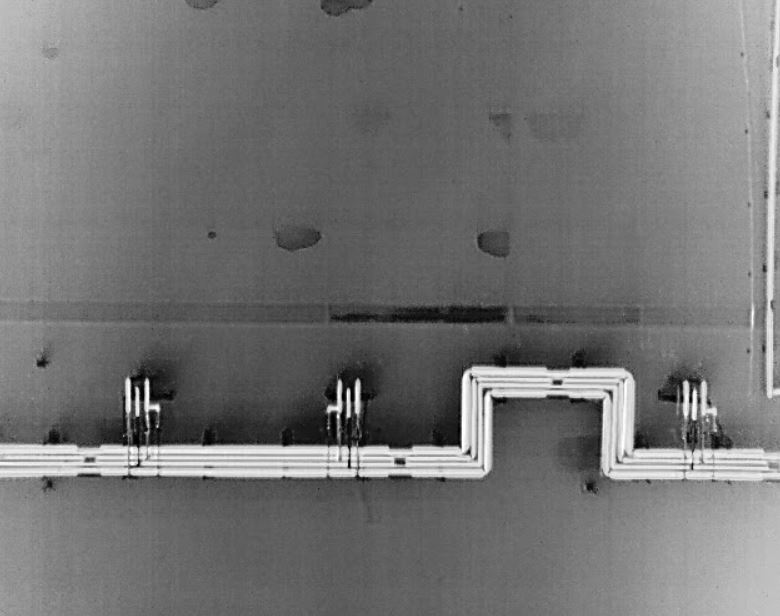
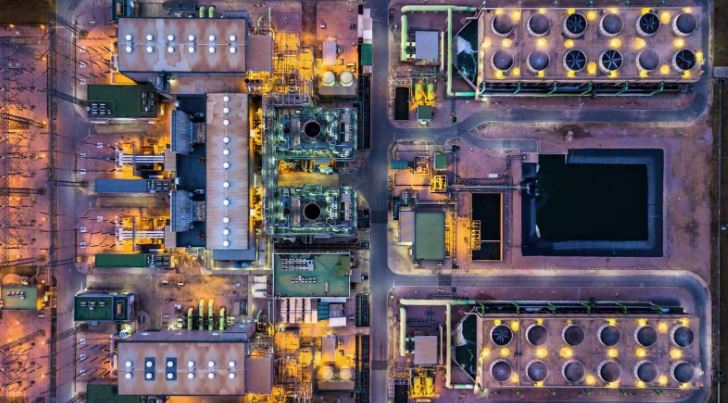
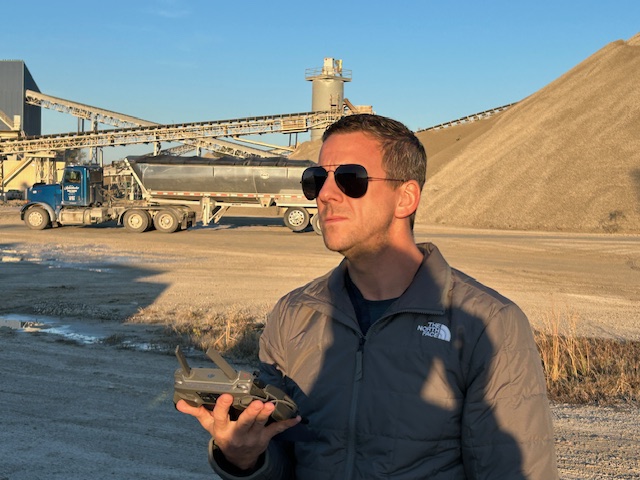
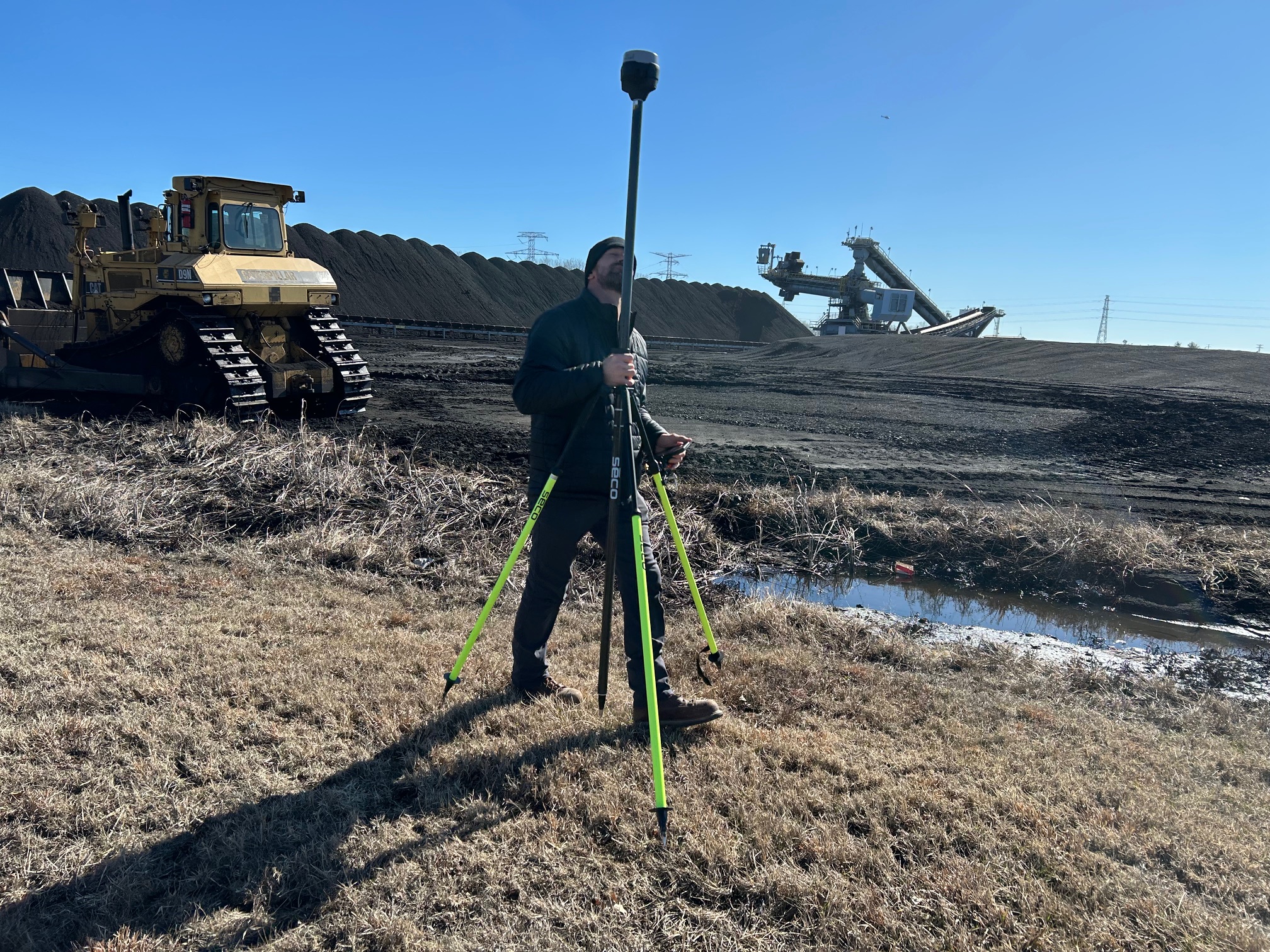
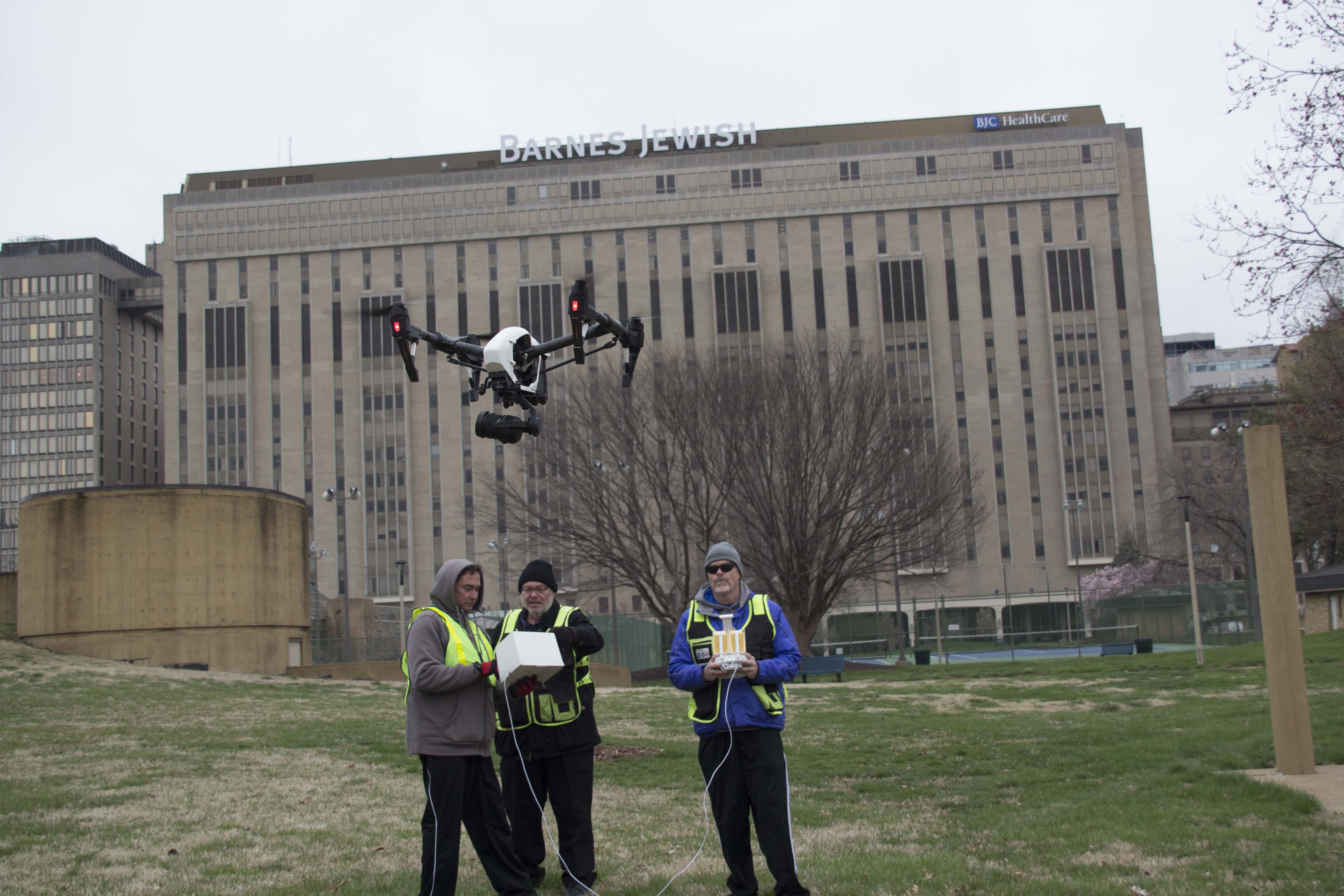
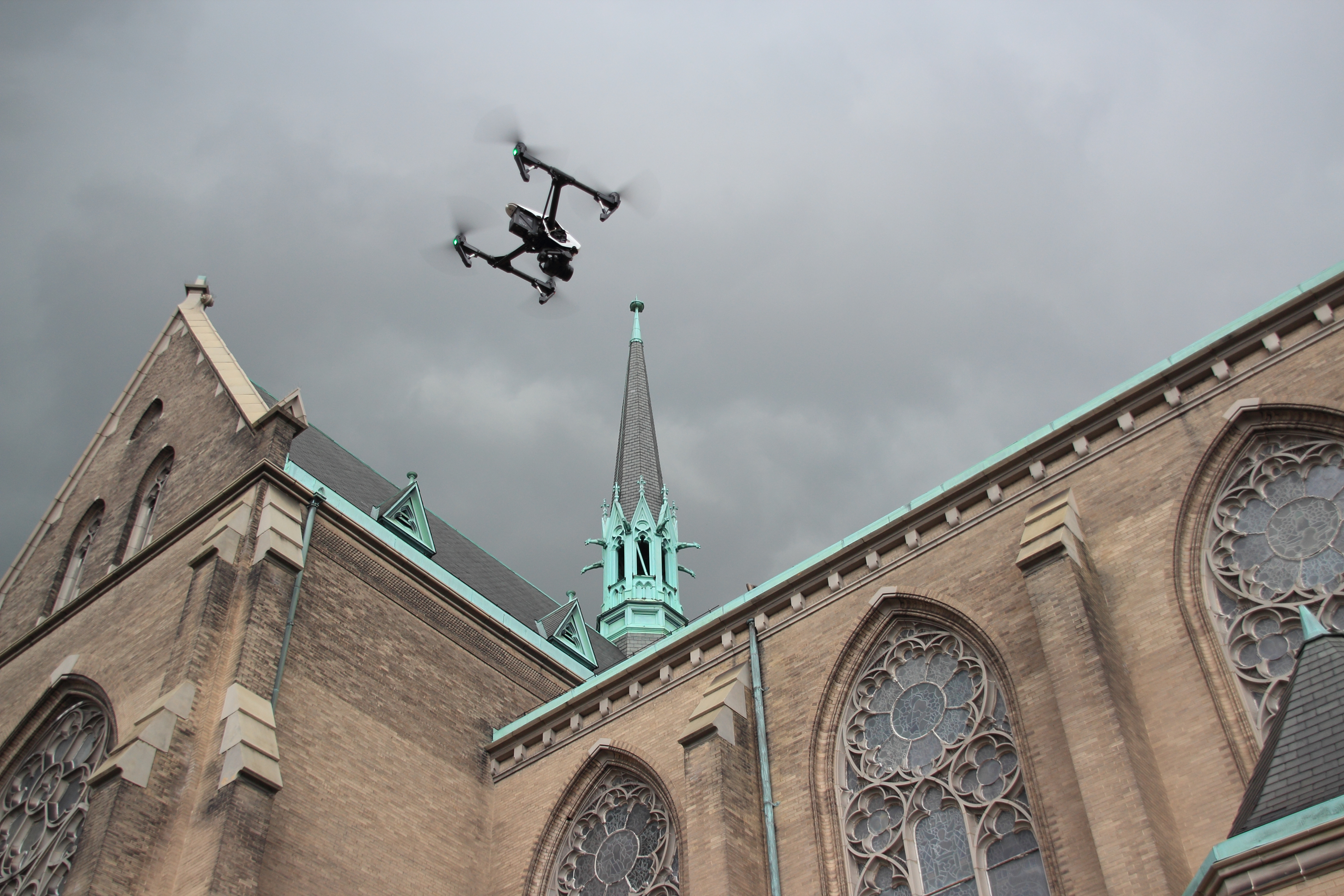
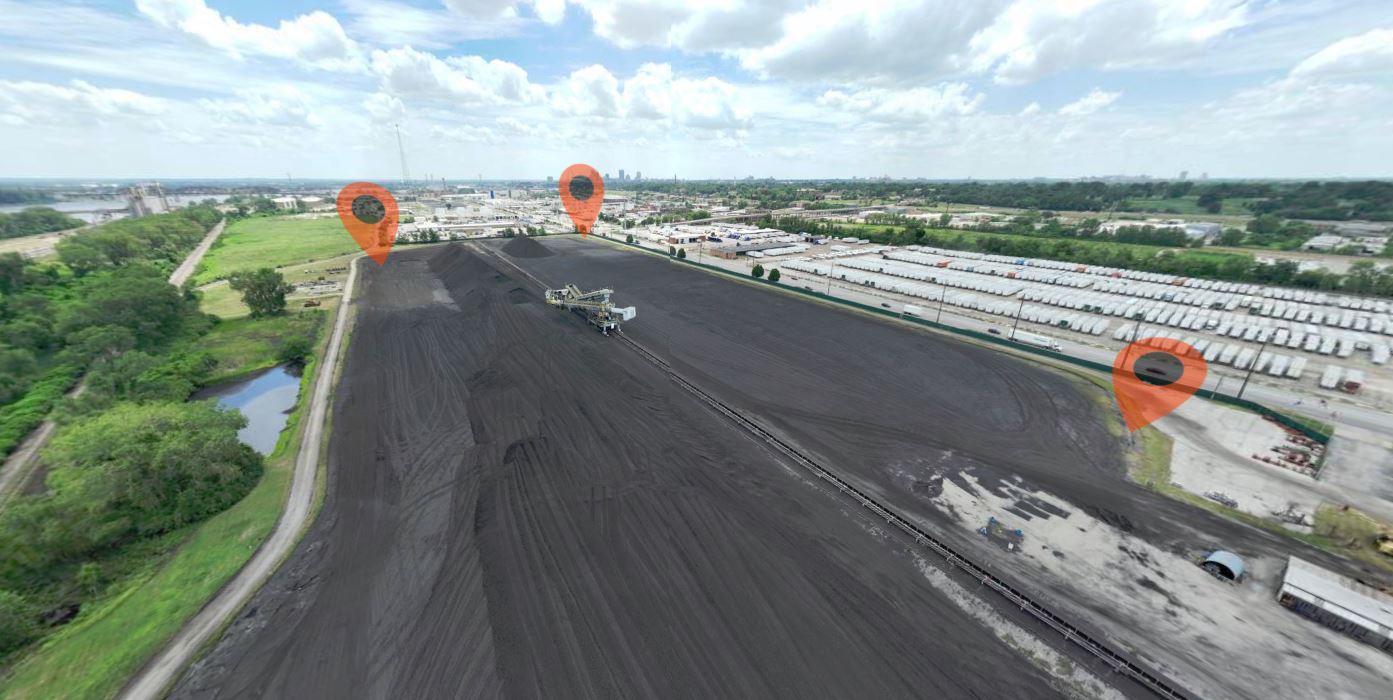
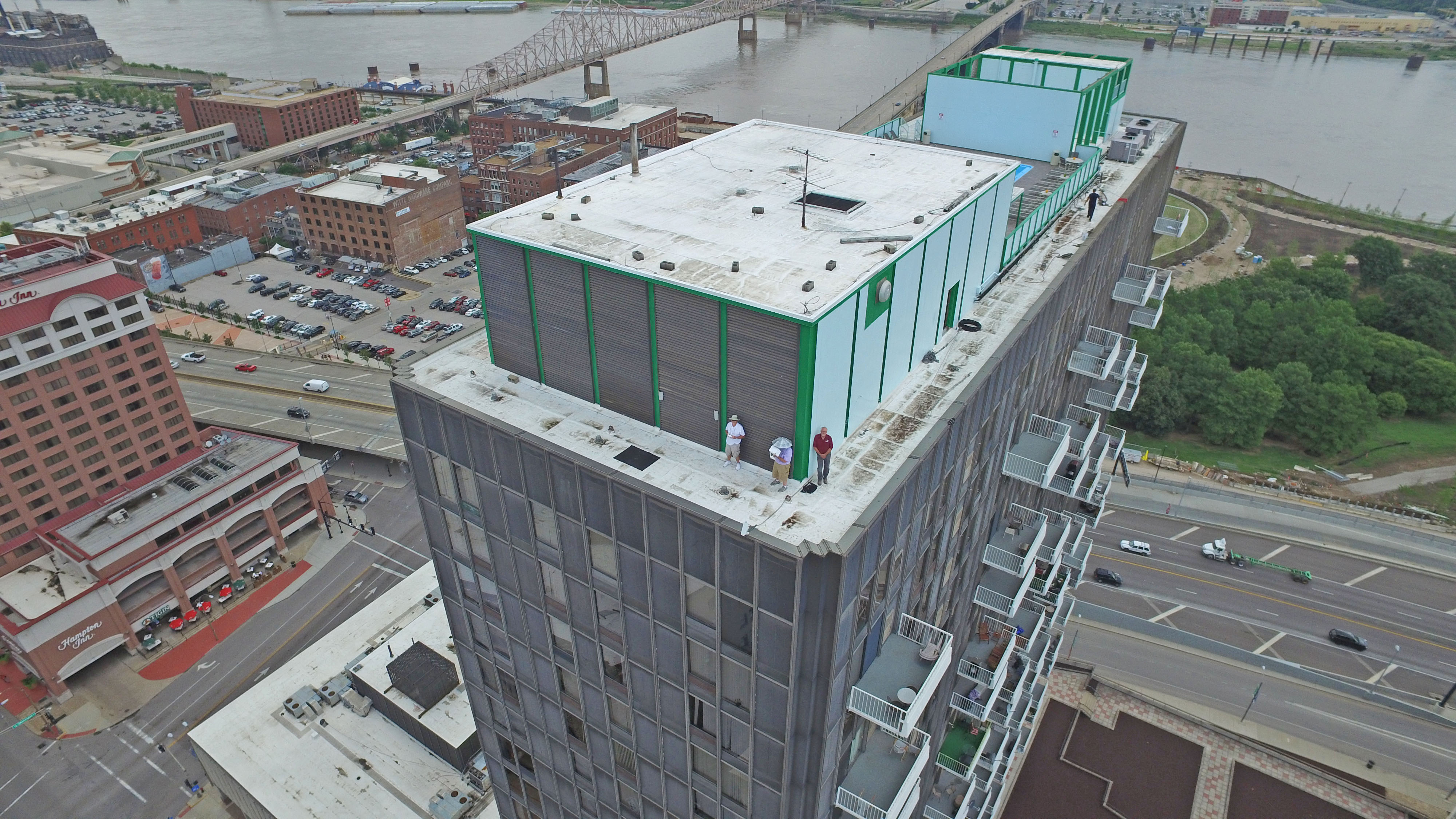
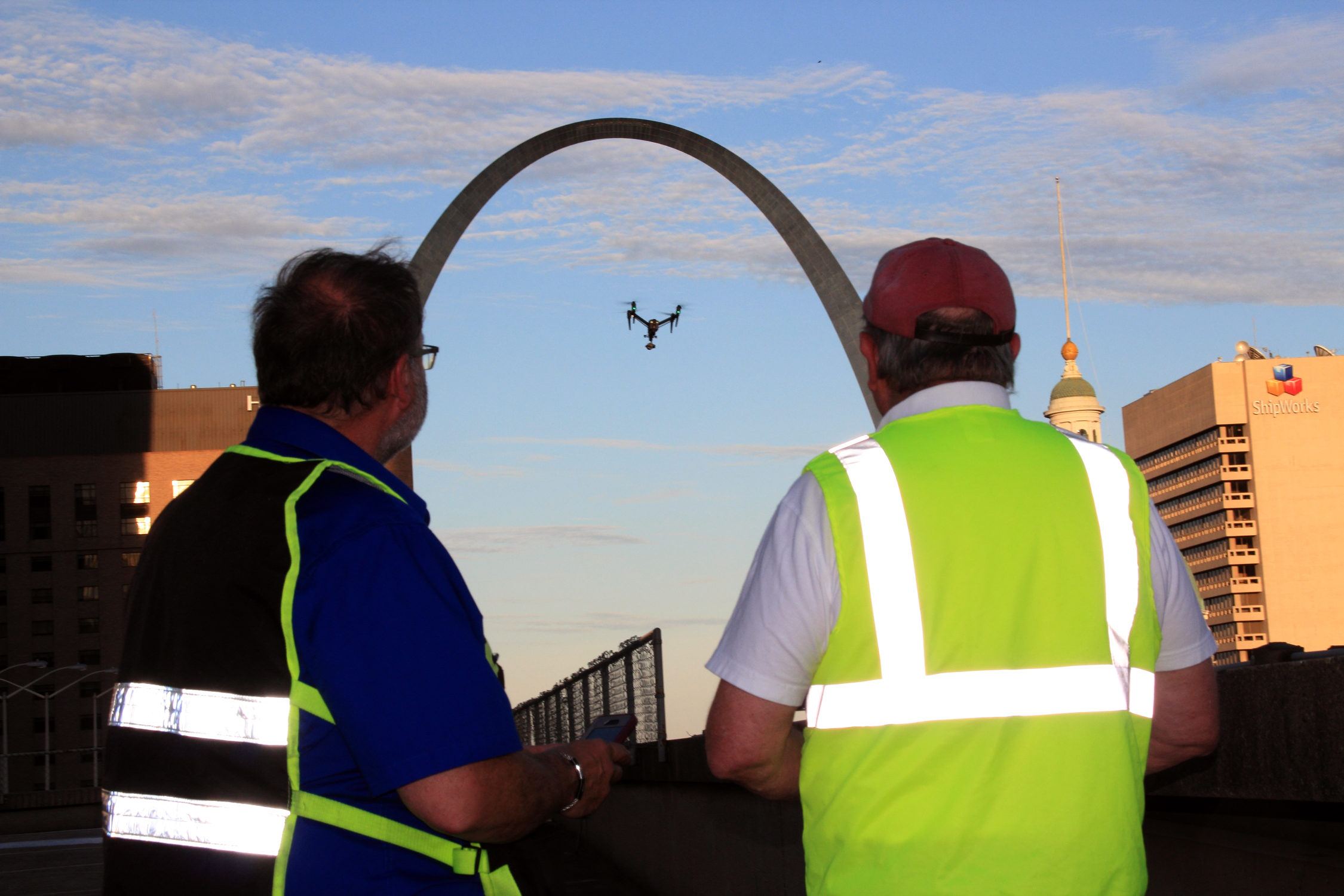
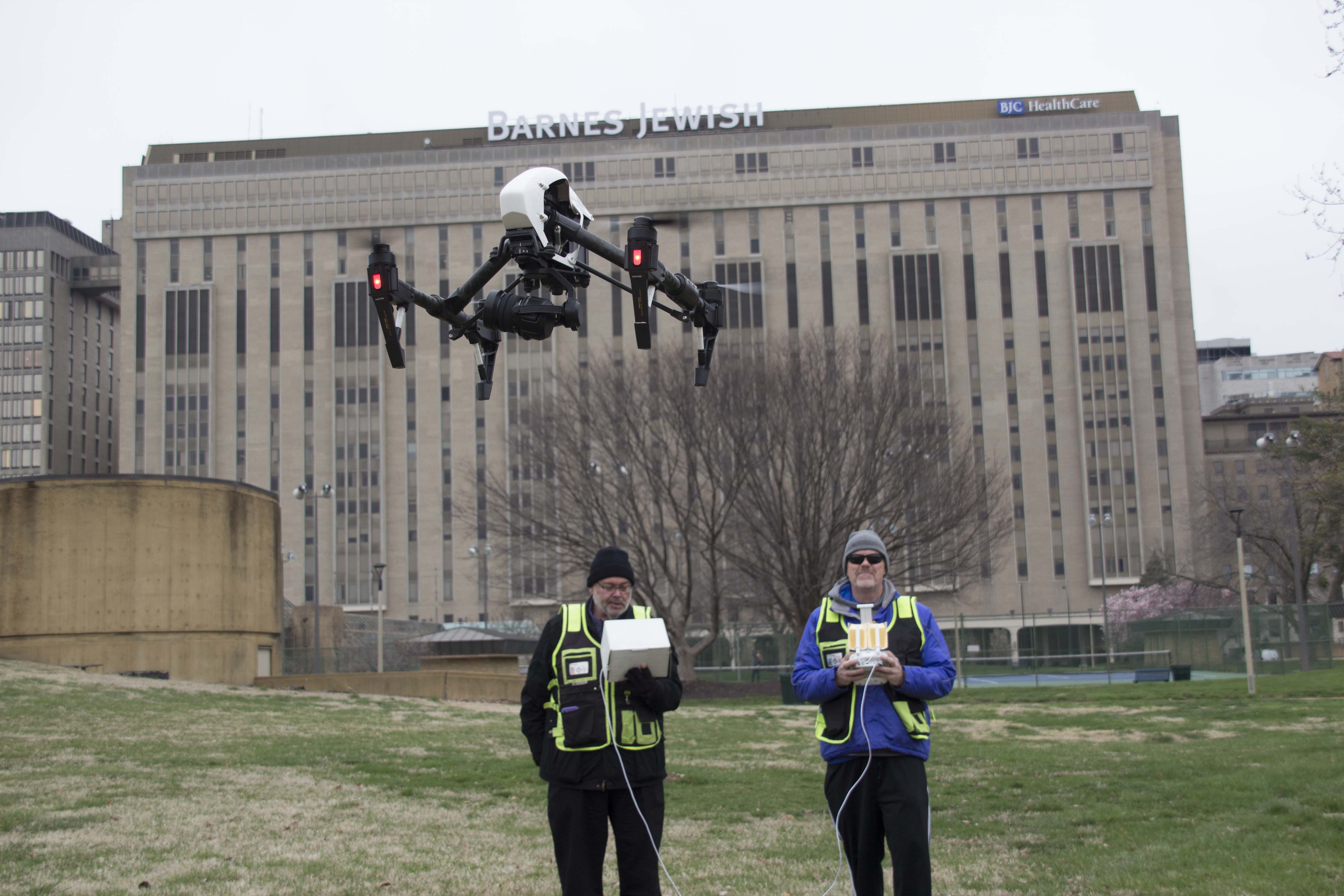
Specialized Drone Services: Beyond standard aerial footage, we can fly our specialized FPV drones indoors to capture breathtaking, immersive event walkthroughs. Our advanced drone capabilities also include infrared thermal imaging, orthomosaics, and LiDAR for specialized industrial and commercial requirements.
A Versatile Studio Spaces to Supplement Your Project
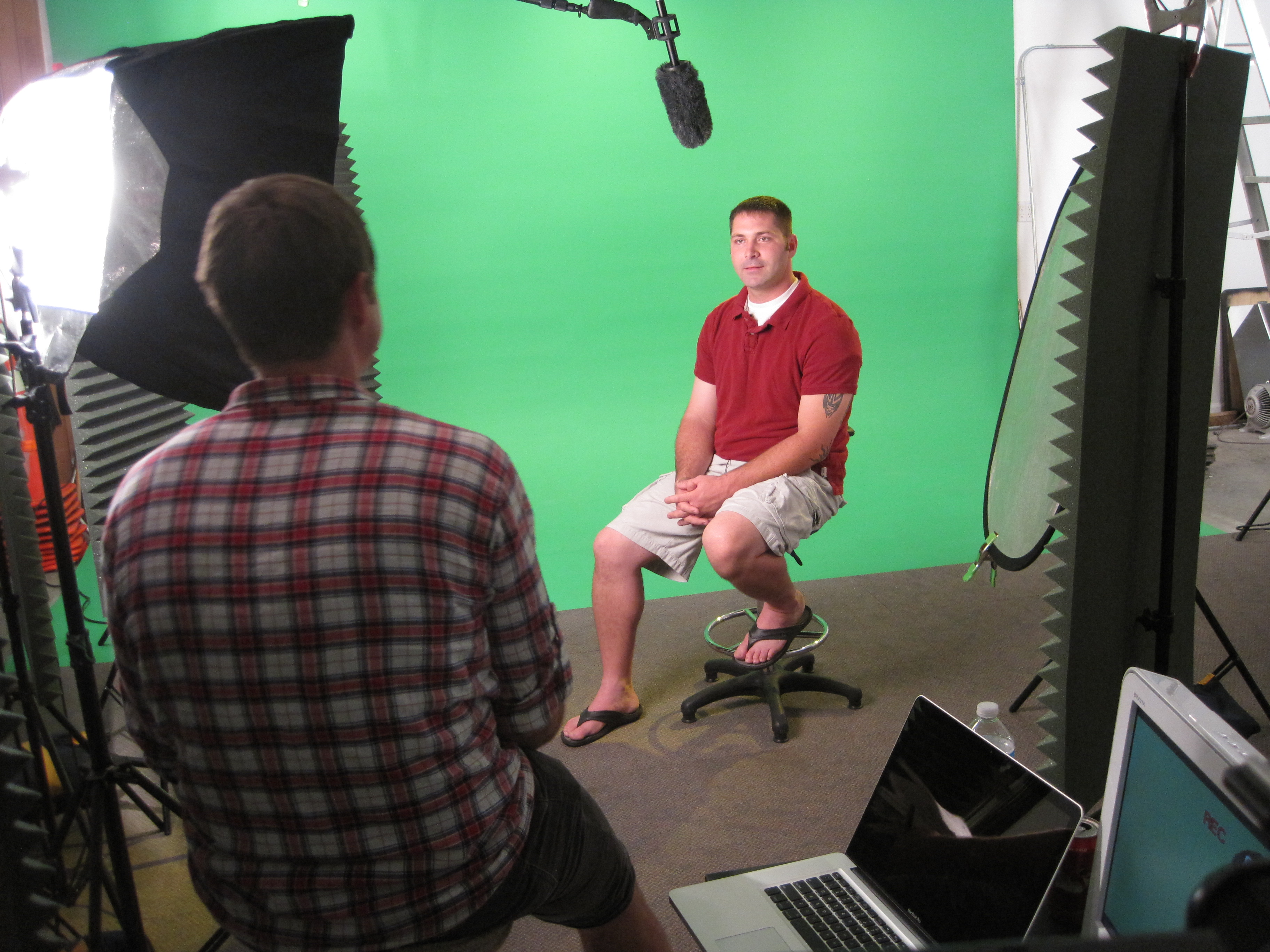
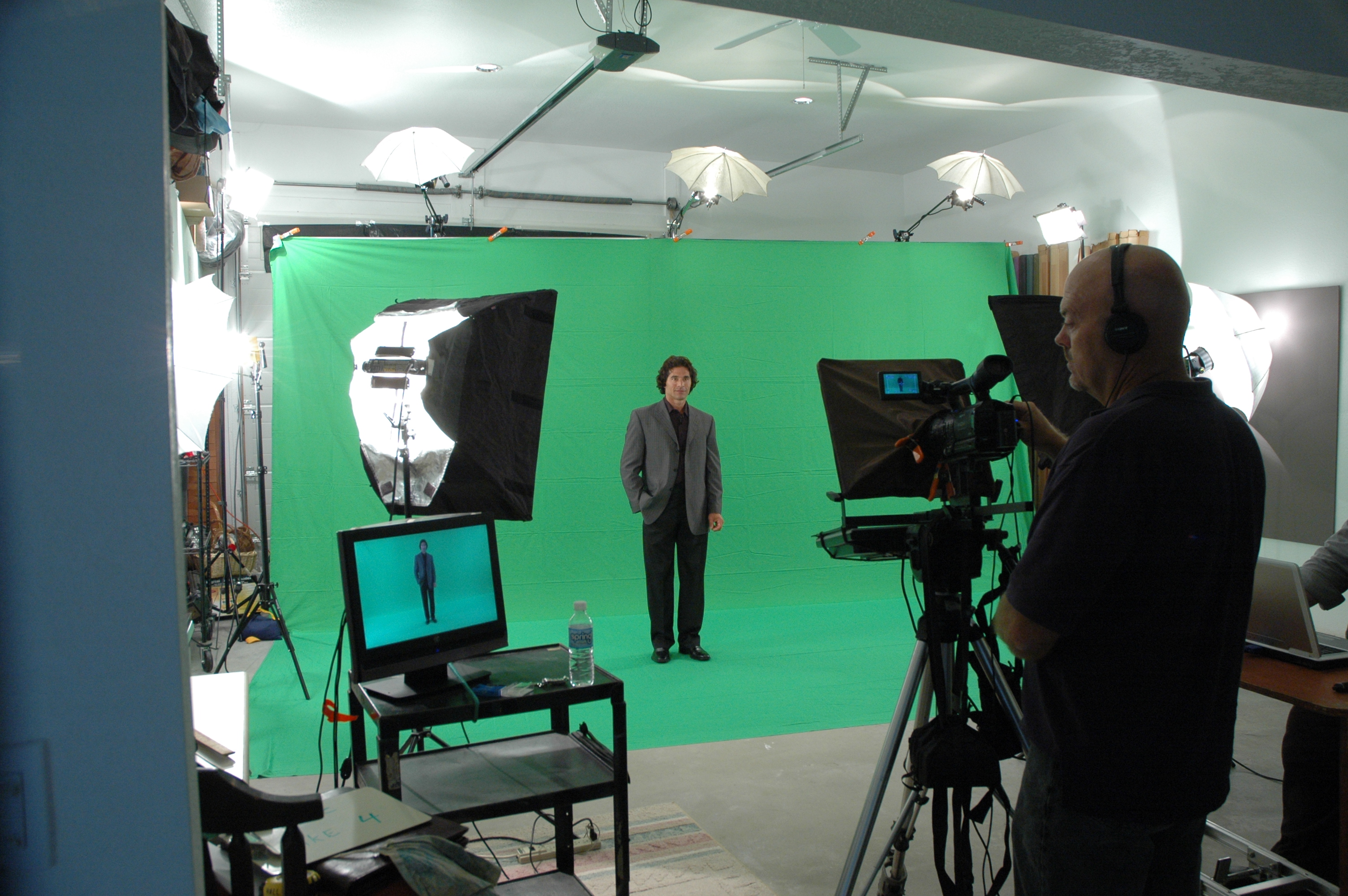
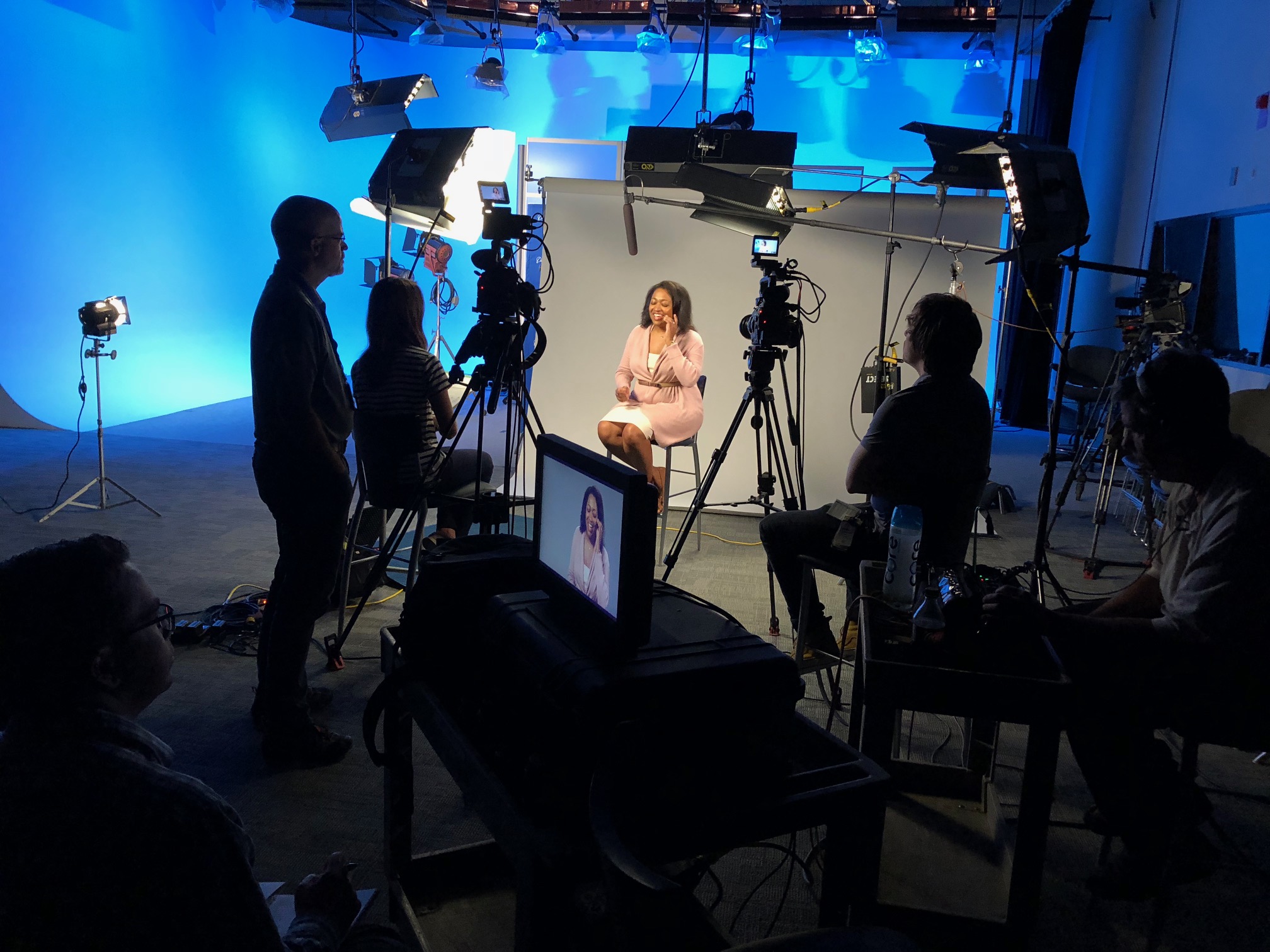
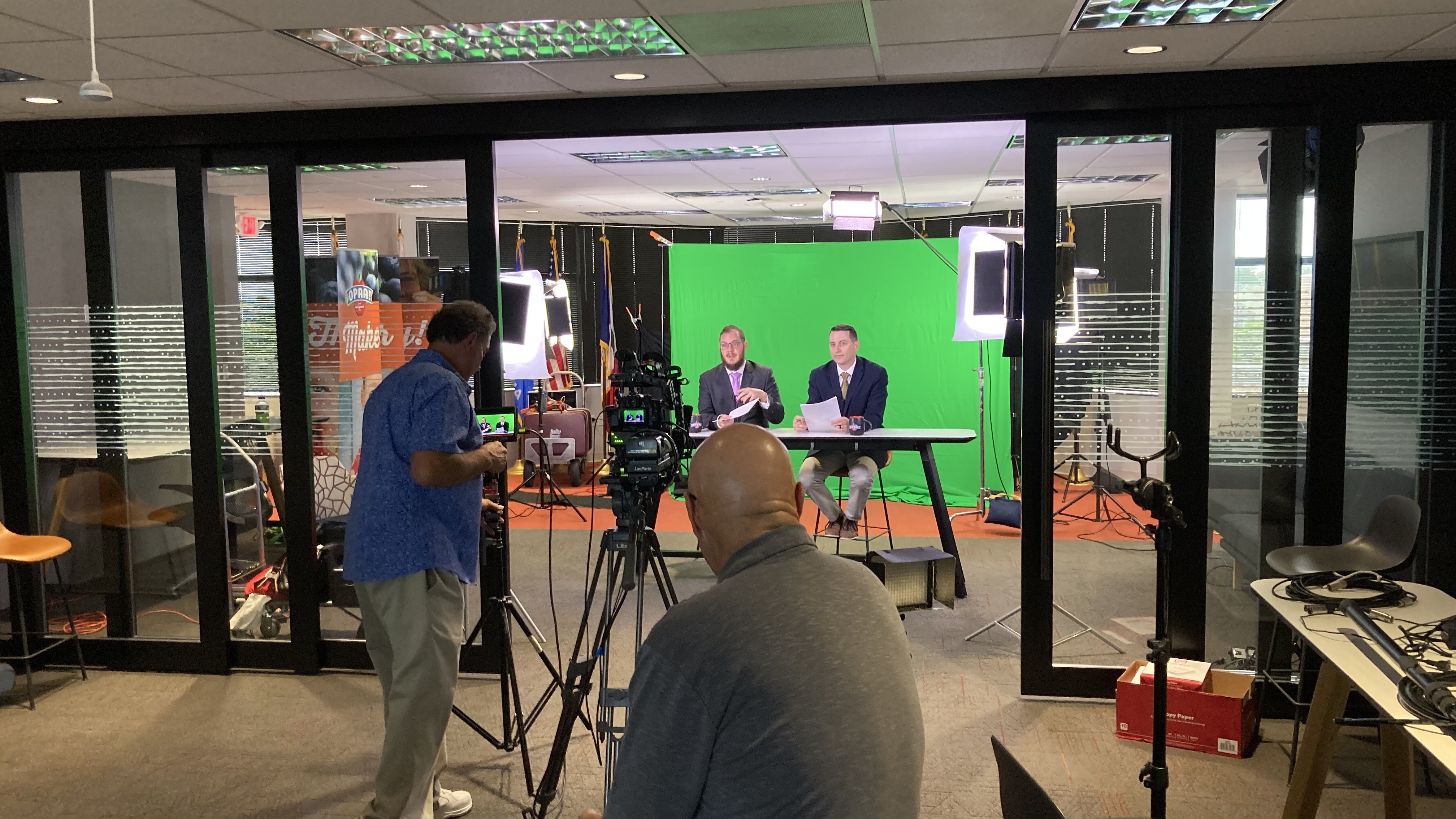
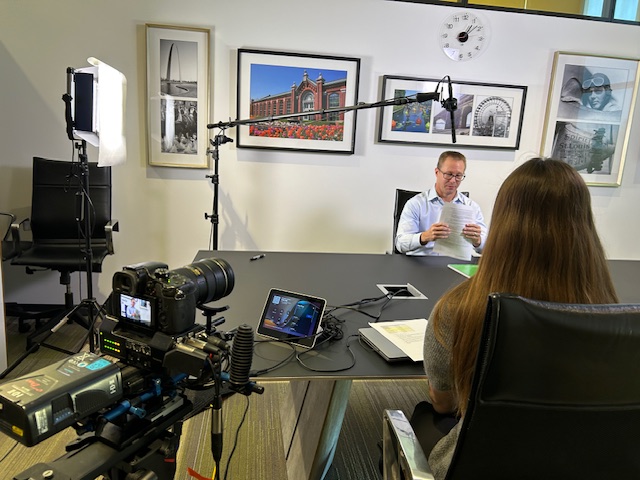
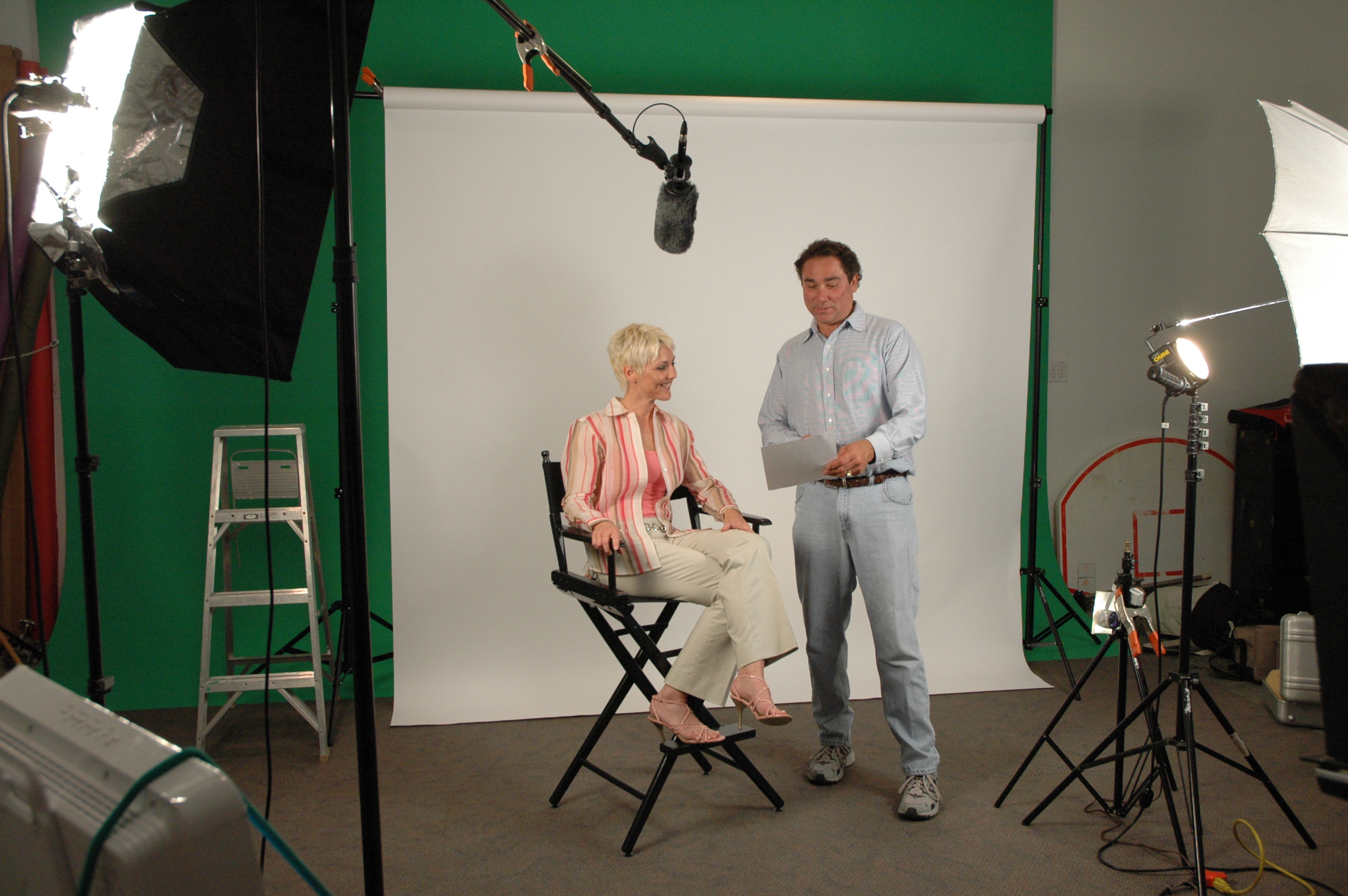
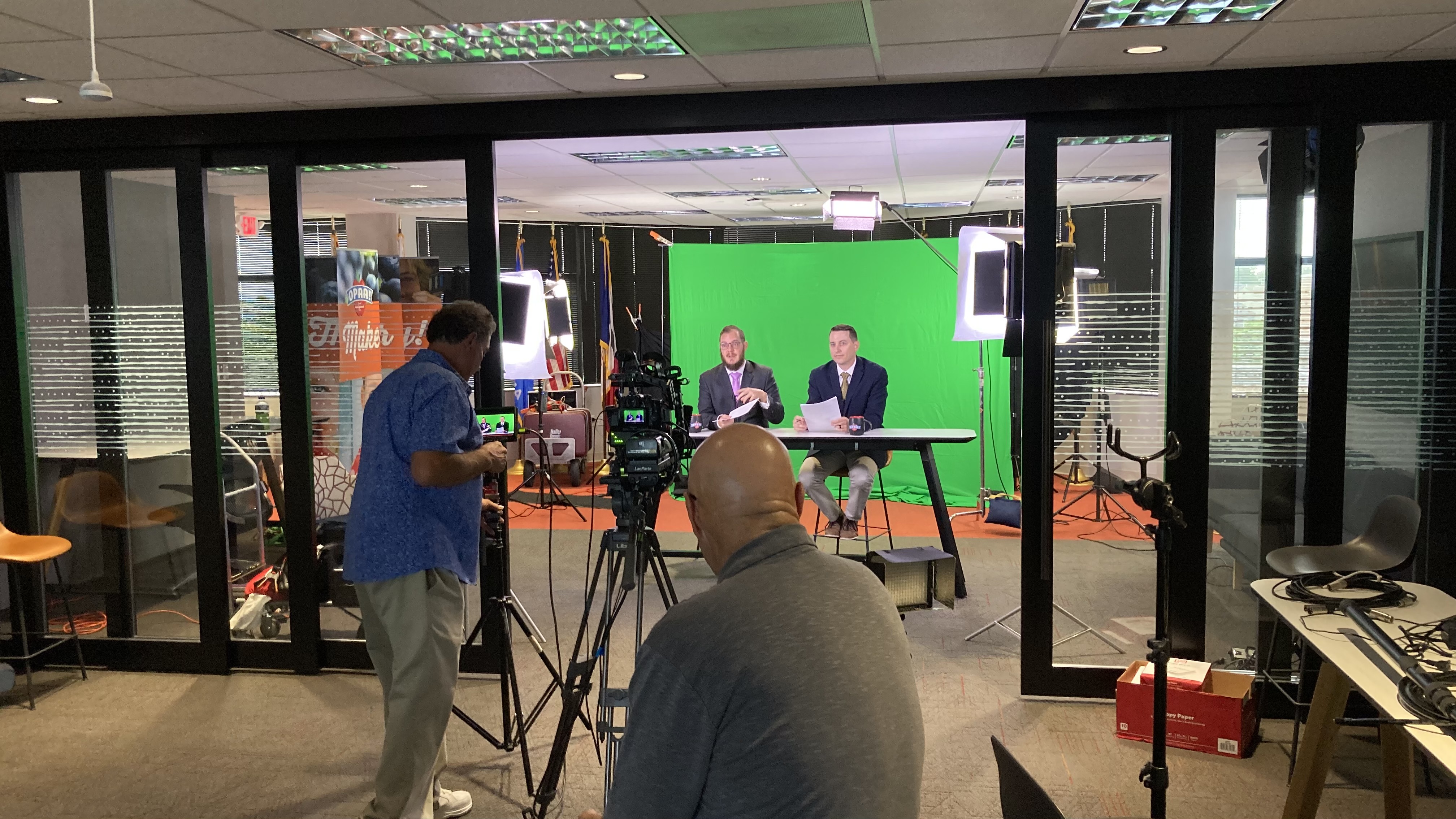
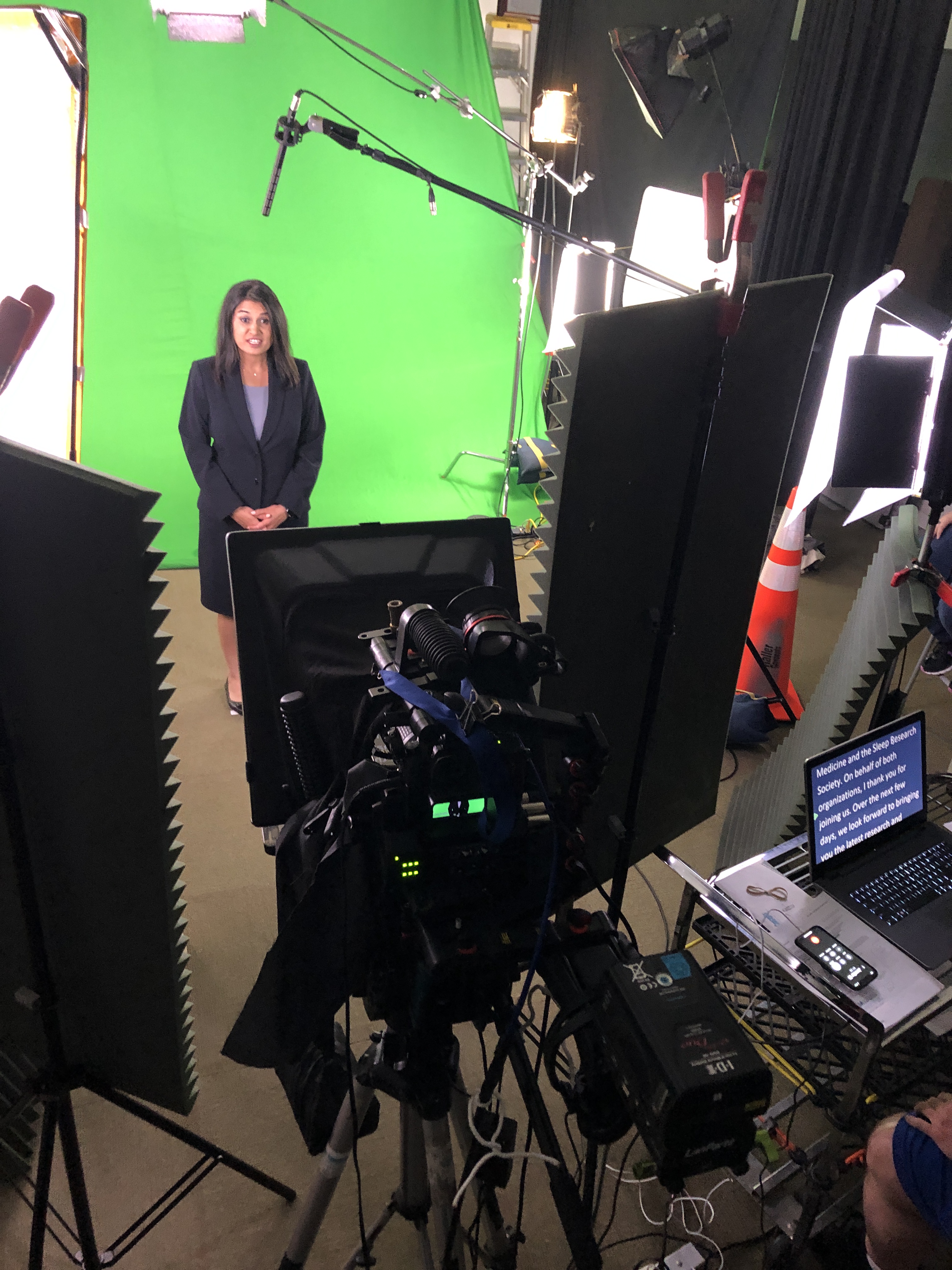
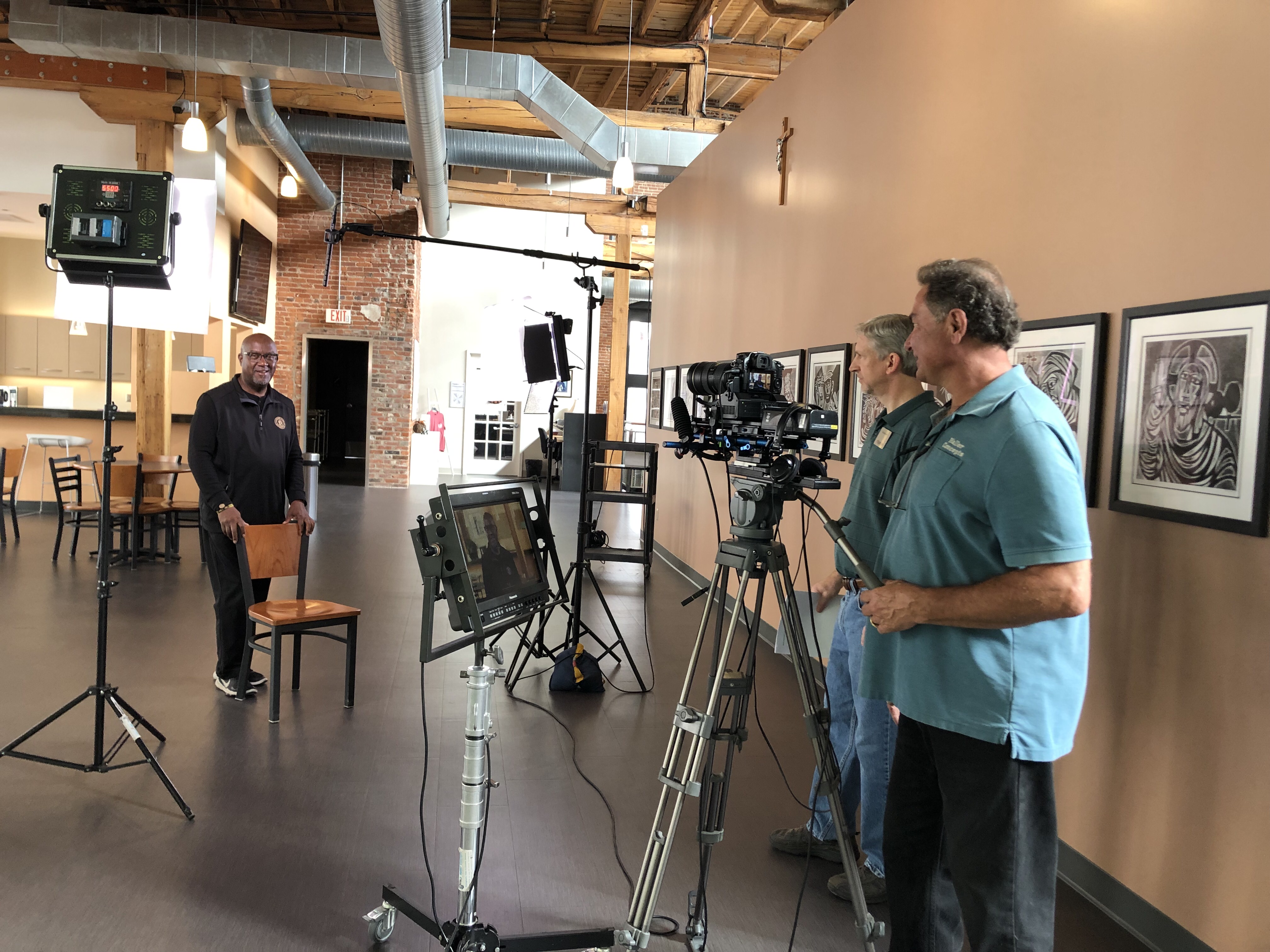
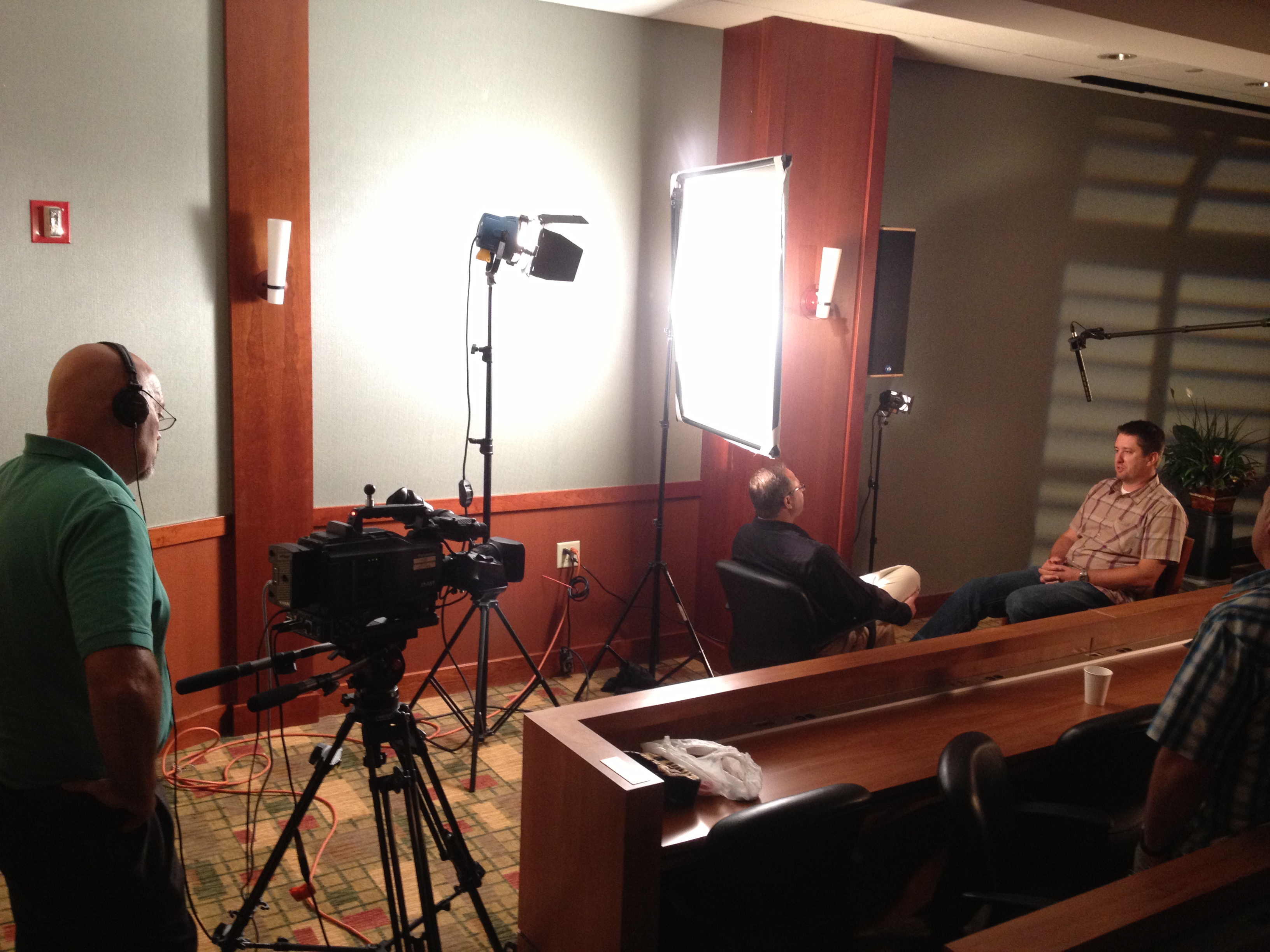
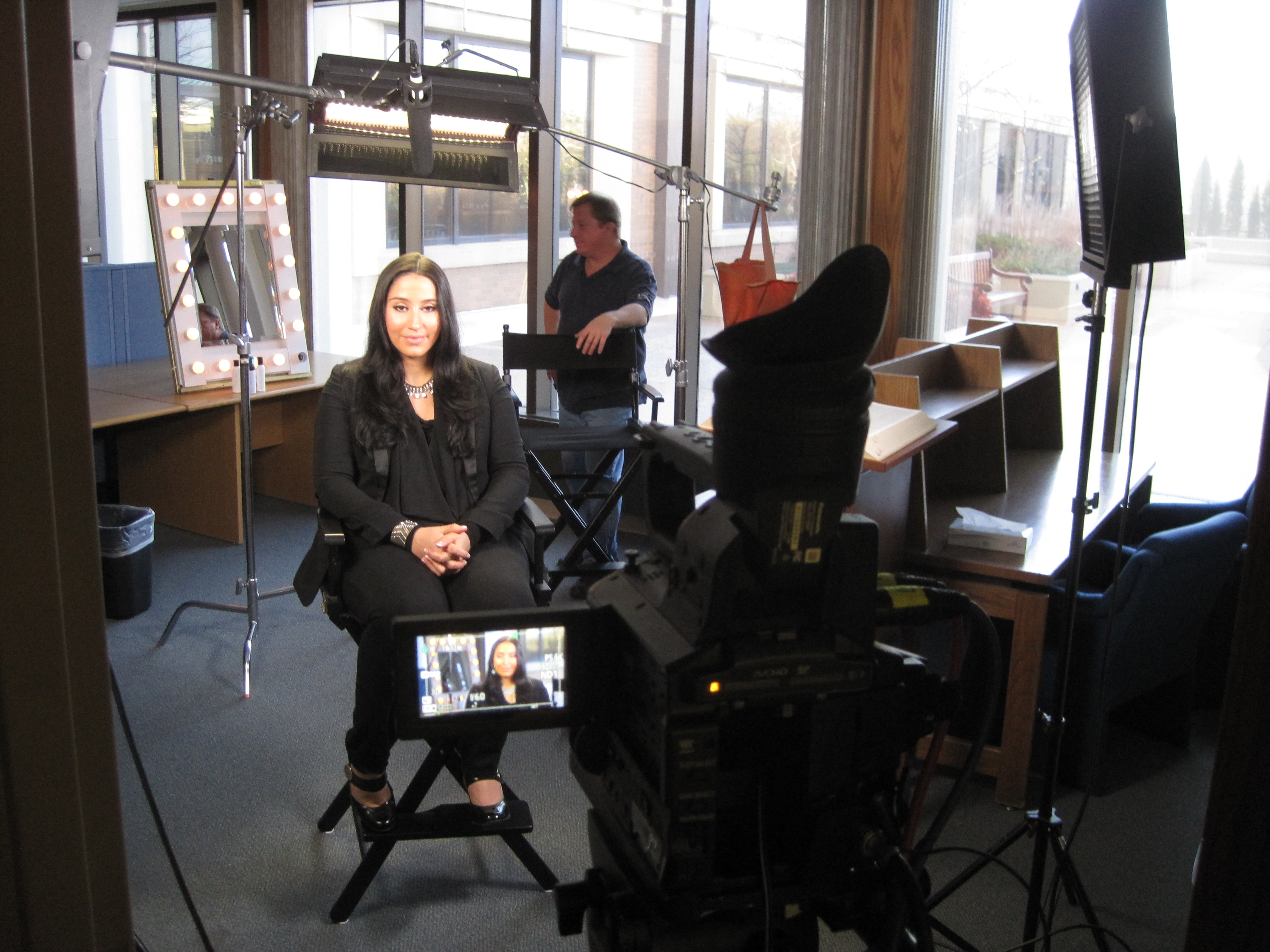
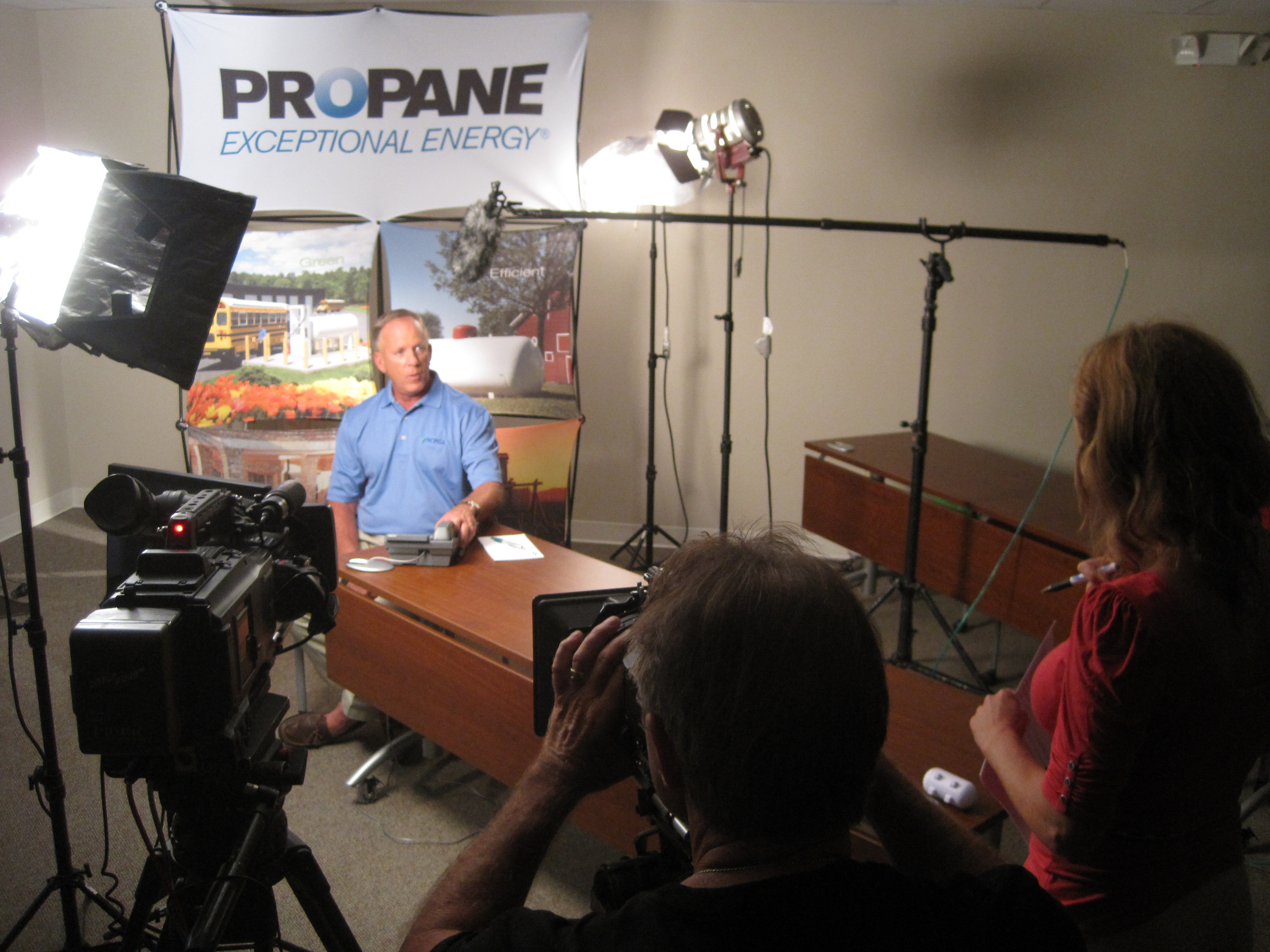
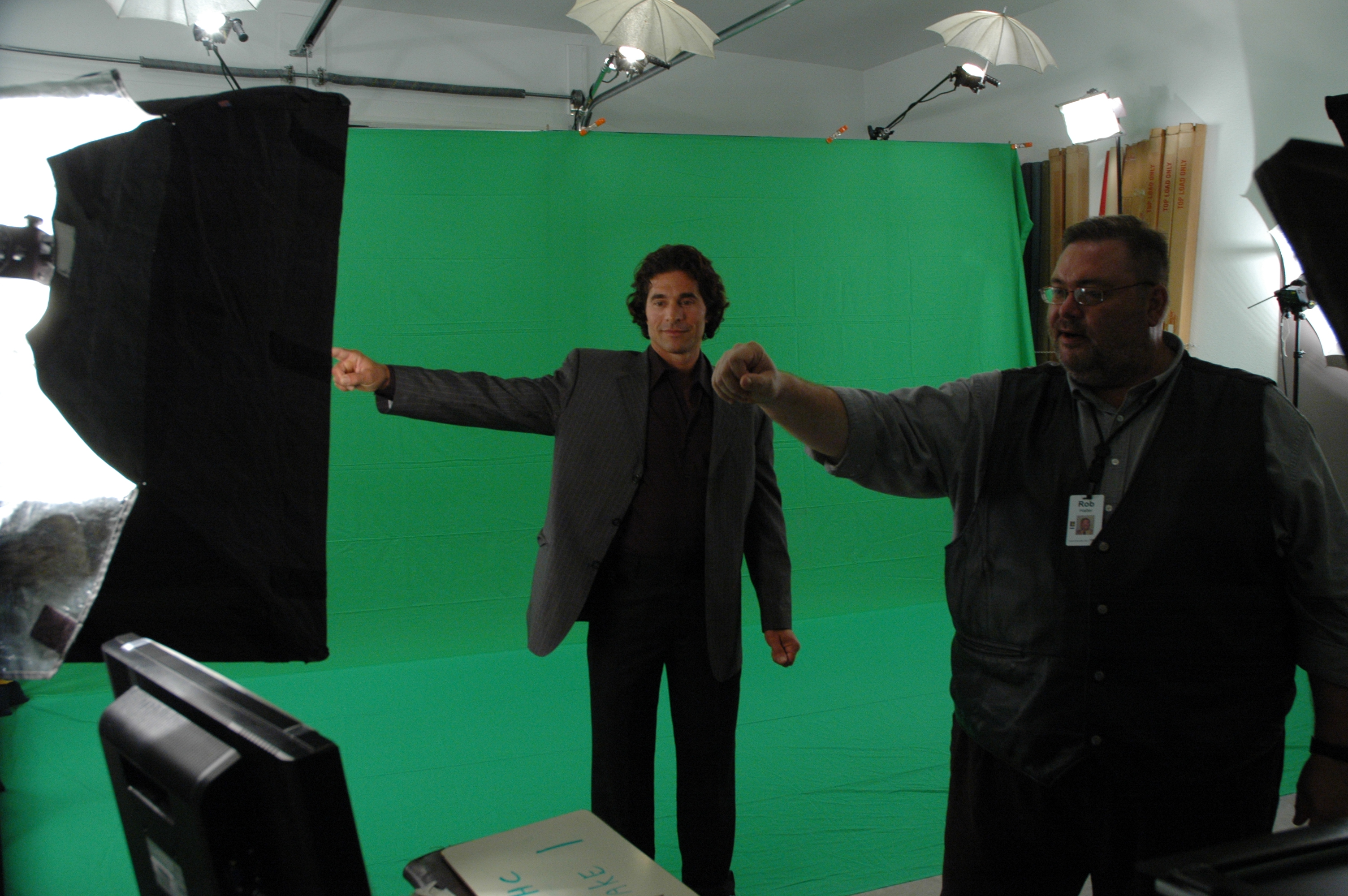
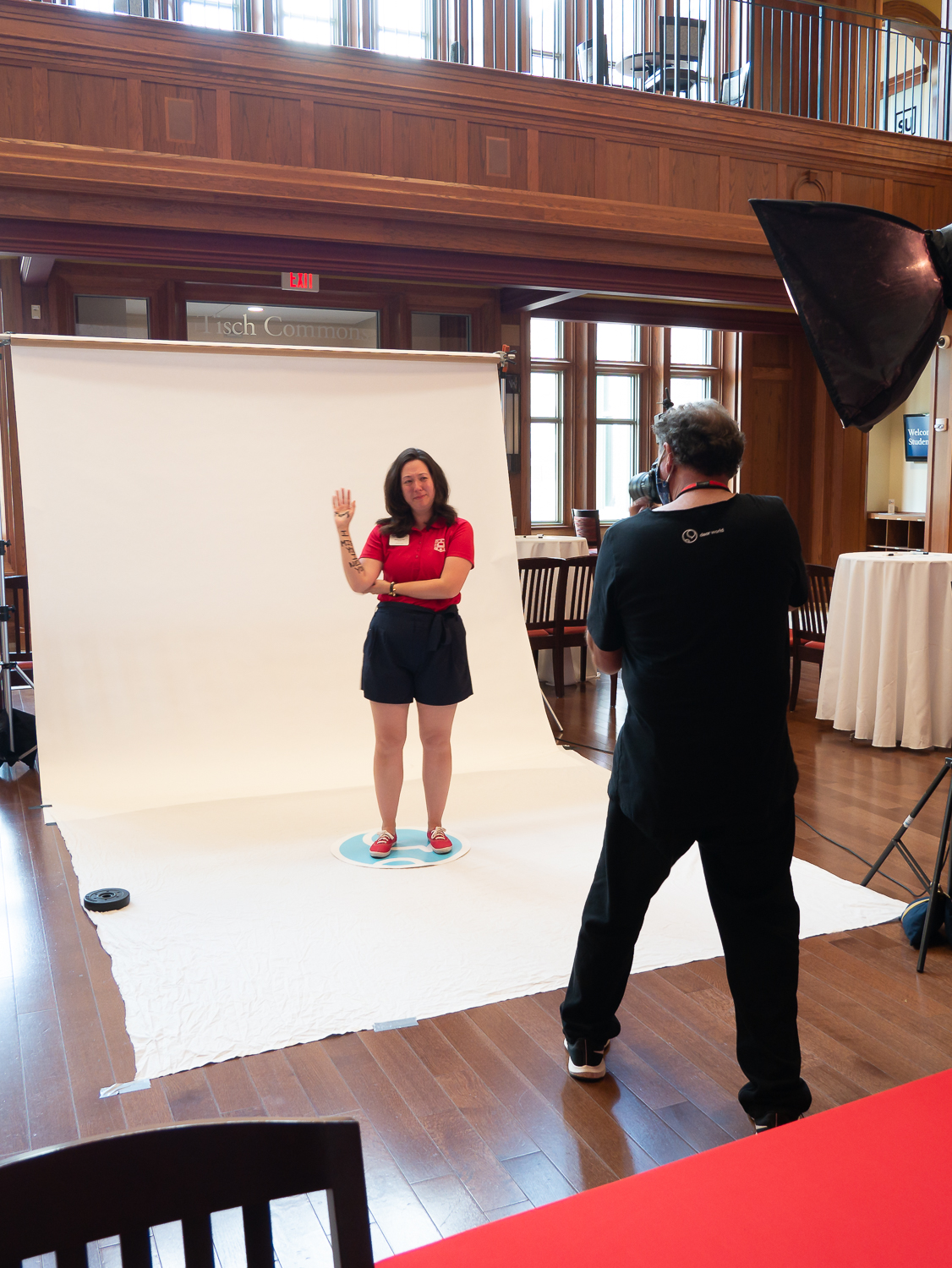
St Louis Video Production can customize your productions for diverse types of media requirements. In addition to our on-location event services, our private studio lighting and visual setup is perfect for small productions and interview scenes. The studio is large enough to incorporate props to round out your set, making it an ideal environment for capturing clean, controlled executive statements or product close-ups before or after your main event.
Repurposing your photography and video branding to gain more traction is another specialty of ours. Let us help you maximize your next corporate event budget with sharp strategy, elite creative talent, and cutting-edge technology.
The Strategic Case for Investing in Internal Video โ Without Overspending
In today’s competitive labor market, the ability to onboard efficiently, train consistently, and retain top talent isn’t a human resources luxury โ it’s a measurable business advantage. Yet many organizations continue to rely on outdated printed manuals, inconsistent in-person sessions, and slide decks that fail to engage the modern workforce. The solution is not complicated. It is video.
What stops most decision-makers from committing to internal training and employee retention video programs is the assumption that professional production is cost-prohibitive. That assumption is wrong โ and correcting it could be one of the most impactful operational decisions your organization makes this year.
Why Video Outperforms Every Other Training Medium
The research is unambiguous. Employees retain approximately 95 percent of a message delivered via video, compared to roughly 10 percent when reading text. That single statistic reframes the entire conversation around production budgets. The question is no longer whether you can afford professional training videos โ it is whether you can afford the ongoing cost of inconsistent, ineffective training delivered through inferior media.
Video standardizes your message. Every employee in every department, in every location, receives the same information, delivered with the same tone, emphasis, and accuracy. There is no variation based on who conducts the training session that morning. There is no institutional knowledge that walks out the door when a senior trainer retires. The content lives, is scalable, and is always available on demand.
For employee retention specifically, video communication from leadership โ culture videos, recognition programs, benefit explainers, career path storytelling โ creates emotional connection at scale. Employees who feel informed and valued stay longer. The cost of replacing a single employee routinely ranges from 50 to 200 percent of that employee’s annual salary. A well-produced retention video series pays for itself the first time it prevents a single departure.
Building an Economical Training Video Program: What Decision-Makers Need to Know
Economical does not mean cheap. It means strategically produced โ where every production dollar is allocated with intention, and the resulting assets generate value across multiple use cases and extended timeframes.
Here is how organizations with serious internal communication goals approach this efficiently.
Modular Production Design
The most cost-effective training video programs are built modularly. Rather than producing one long, monolithic training film, the content is segmented into discrete, topic-specific modules โ each three to eight minutes in length. This approach allows your organization to update individual segments as policies, procedures, or products change, without reshooting the entire library. It also dramatically improves learner engagement, since shorter, focused segments outperform lengthy presentations in completion rates and knowledge retention.
Interview-Driven Content
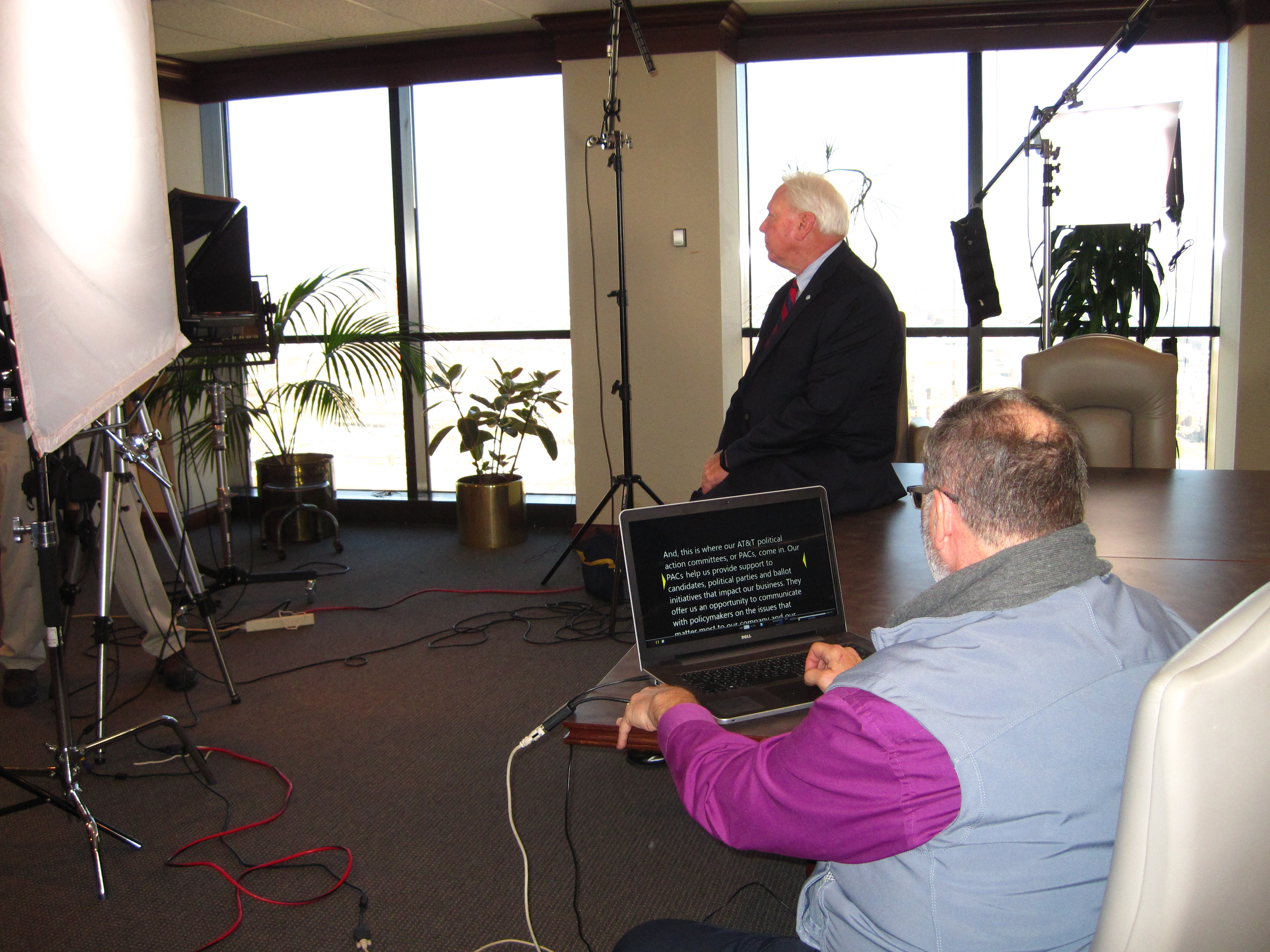
One of the most economical and authentic formats available is the controlled interview. Subject matter experts โ your own team members, department heads, and executives โ deliver content directly on camera in a structured interview format. This approach requires minimal scripting infrastructure, produces genuine and credible content, and transfers internal expertise to video in a way that resonates with employees. A well-lit, professionally sound-recorded interview series carries authority and warmth that no animated slideshow can replicate.
Evergreen Asset Strategy
Not all training content changes frequently. Safety protocols, company culture narratives, onboarding introductions, equipment orientation, and core values programming can remain relevant for years with minor updates. Prioritizing the production of evergreen content first maximizes your return on investment. Identify the content that will remain stable and produce it at the highest quality your budget allows. Supplement it over time with topical, modular additions.
Repurposing for Multiple Platforms
A professionally produced training video is rarely useful in only one context. The same interview segment filmed for onboarding can be reformatted for your careers page to attract applicants. The same safety demonstration produced for warehouse staff can be edited into a social media awareness campaign or a client-facing credibility piece. When production is planned with repurposing in mind from the outset, your per-use cost decreases significantly with every additional application.
The True Cost of Not Using Professional Video
Organizations that delay investment in professional training video production often do so because the cost of inaction is invisible โ until it isn’t.
Consider the cumulative hours spent by managers repeating the same onboarding content to each new hire. Consider the liability exposure created by inconsistent safety training delivered informally. Consider the attrition driven by employees who feel disconnected from leadership and uncertain about their career trajectory. Consider the competitive disadvantage of slower ramp-up times for new personnel compared to organizations that have invested in scalable video training infrastructure.
When these costs are aggregated and placed alongside a realistic video production budget, the return on investment calculation becomes straightforward.
Types of Training and Retention Video Productions That Deliver Results
The following formats represent the highest-impact applications for organizations investing in internal video programming:
New Employee Onboarding Series โ Welcoming, informative, and consistent. Covers company history, culture, policies, benefits, and role-specific orientation. Sets the tone for the employee relationship from day one.
Compliance and Safety Training โ Legally defensible, consistently delivered, and documentable. Reduces liability and ensures regulatory standards are met uniformly across all locations and shifts.
Process and Procedure Demonstrations โ Step-by-step visual instruction for equipment operation, software platforms, customer service protocols, and technical workflows. Dramatically reduces errors and retraining time.
Leadership and Culture Communications โ Executive messaging, town hall recordings, vision and values storytelling. Builds organizational identity and reinforces why employees choose to stay.
Career Development and Growth Path Videos โ Shows employees what advancement looks like within your organization. One of the most underleveraged retention tools available.
Recognition and Milestone Content โ Celebrates achievements, anniversaries, and team successes in a format that can be shared broadly. Reinforces belonging and loyalty.
Benefits and Wellness Explainers โ Ensures employees actually understand and utilize the benefits your organization provides โ improving satisfaction and reducing underutilization of investments already made.
Production Considerations for the Informed Buyer
When engaging a production partner for training and retention video, the following factors directly affect both quality and economy.
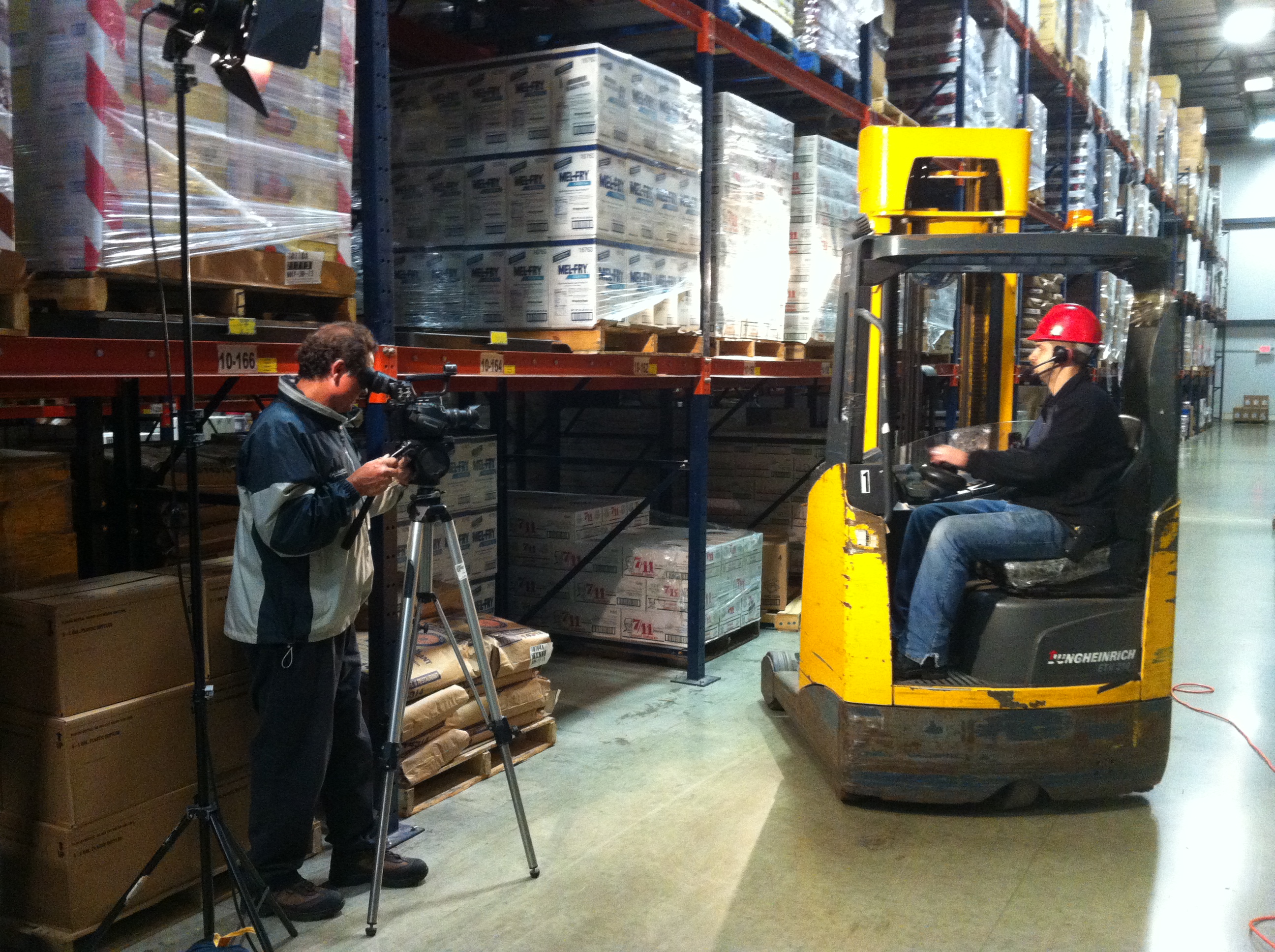
Location Versus Studio Production โ Some content is best captured in the actual work environment, providing authenticity and environmental context. Other content โ particularly executive interviews and sensitive HR topics โ benefits from a controlled studio setting where lighting, acoustics, and visual presentation can be precisely managed. The ability to execute both efficiently, under one production relationship, reduces coordination overhead and ensures visual consistency across your library.
Audio Quality โ No single production element is sacrificed more often in budget discussions and regretted more consistently in the finished product than audio. Professional sound recording is non-negotiable for training content. Employees and viewers will tolerate imperfect visuals. They will abandon video with poor audio within seconds.
Scripting and Content Development โ Effective training video is not simply filmed conversation. It requires structured content development โ clear learning objectives, logical sequencing, and appropriate pacing. A production partner with experience in training content understands the difference between producing a promotional video and producing a video designed to transfer knowledge and change behavior.
Post-Production and Editing โ The editing phase is where training video is made functional. Chapter markers, lower thirds identifying speakers and topics, branded templates, closed captioning for accessibility and compliance, and proper file formatting for your learning management system or internal platforms โ these are the details that determine whether your video library is genuinely usable at scale.
File Delivery and Format Versatility โ Your training video assets will need to function across multiple platforms โ LMS systems, intranets, mobile devices, presentation displays, and potentially broadcast contexts. Your production partner must be fluent in the full range of delivery formats and compression standards required for seamless, high-quality playback in every environment.
Artificial Intelligence as a Production Efficiency Tool
The integration of AI into professional video production has created meaningful opportunities to reduce turnaround time and expand the scope of what is achievable at a given budget. AI-assisted transcription, auto-captioning, content analysis, voice-over synthesis for draft review, and intelligent editing assistance are now standard components of an efficient post-production workflow. Organizations investing in training video today benefit from production timelines and price points that were not available even three years ago, while receiving technically superior finished products.
A Note on Drone and Specialty Imaging for Facility and Operations Training
For organizations with physical facilities, manufacturing operations, construction sites, distribution centers, or expansive campuses, aerial and specialty imaging adds a dimension of context that ground-level videography cannot provide. Establishing shots that orient employees within a facility, overhead process documentation, infrastructure inspection footage, and site survey imaging are all legitimate components of comprehensive training video libraries. These capabilities, when integrated into your production program, eliminate the need for separate specialty vendors and reduce the coordination complexity that drives unnecessary cost.
St. Louis Video Production: Your Full-Service Partner for Training and Retention Video
Since 1982, St. Louis Video Production has served businesses, marketing firms, and creative agencies throughout the St. Louis region as a trusted full-service commercial photography and video production company. Our four decades of production experience across industries gives us a practical, informed perspective on what works โ and what actually gets used โ in professional internal communications.
We are equipped and experienced to handle every phase of your training and retention video program, from concept and content development through final delivery.
Our private studio is purpose-built for the controlled production environments that executive interviews, HR content, and on-camera instruction require. Professional lighting, optimized acoustics, and a configurable set large enough to incorporate props and environmental elements give your productions a polished, credible visual identity. For location-based production โ facility walkthroughs, operational demonstrations, site documentation โ our team brings the same professional standards to your environment.
We provide complete crews including experienced camera operators and professional sound engineers, ensuring technical execution is never a variable that compromises your content. Our post-production capabilities encompass the full editing and finishing workflow, including file formatting for any platform or LMS your organization uses. We are fluent in every relevant file type, delivery standard, and media format.
Our licensed drone services extend the visual range of your productions significantly. In addition to standard aerial cinematography, we offer FPV drone operations โ including indoor flight for facility and warehouse documentation โ as well as infrared thermal imaging, orthomosaic mapping, and LiDAR scanning for organizations with specialized documentation requirements.
We incorporate the latest artificial intelligence tools across all phases of production and post-production, enabling faster turnaround, greater accuracy in captioning and transcription, and expanded creative and analytical capabilities that benefit every project.
Repurposing your training and retention video assets across additional media applications โ internal platforms, recruiting communications, social channels, client-facing content โ is a specialty we bring to every client engagement. Every production dollar should work harder than it was designed to. We make that happen.
St. Louis Video Production is the experienced, fully equipped, creatively capable production partner your organization needs to build a training and employee retention video program that delivers measurable results โ economically, professionally, and on schedule.
Contact us to discuss your production objectives. We will tell you exactly what is possible, what it requires, and how to get the most from your investment.
In a market crowded with short attention spans, fragmented messaging, and endless content formats, well-produced video interviews and purposeful b-roll remain two of the most effective tools a business can use to communicate clearly and professionally. For organizations in St. Louis that need marketing videos, brand stories, executive messaging, recruiting content, customer testimonials, training assets, or documentary-style business features, the quality of both the interview and the supporting visuals often determines whether the final piece feels credible, polished, and worth watching.
Strong interview production is not simply about pointing a camera at a subject and pressing record. Strong b-roll is not just random footage gathered to fill dead space. The best business videos are built when both elements are planned together from the start. Interview content delivers the message. B-roll provides context, pacing, proof, energy, and visual sophistication. When handled by an experienced production team, the result is a video that feels intentional, persuasive, and useful across multiple platforms.
For decision makers responsible for marketing, communications, branding, internal messaging, recruitment, fundraising, or public relations, understanding the relationship between interview production and b-roll strategy can help shape better projects and better outcomes.
Why Video Interviews Still Matter
Interview-based video remains one of the most dependable formats in business communication because it allows real people to speak directly and credibly to an audience. Whether the subject is a CEO, founder, customer, technical expert, physician, educator, plant manager, or nonprofit leader, the spoken interview gives the piece authenticity. It creates a human connection that scripted voiceover alone often cannot achieve.
Businesses use interview-driven videos for many reasons. Some want to explain their value proposition through leadership perspectives. Others want to build trust by featuring real customers or employees. Some need to communicate complex services in a more approachable format. Others want to preserve institutional knowledge, document a company story, or create content that can be repurposed into smaller pieces for social media, websites, presentations, and email campaigns.
The interview is usually the backbone of the production. It establishes the narrative. It gives structure to the edit. It determines tone. But no matter how articulate the speaker may be, an interview without strong supporting visuals often feels static and limited. That is where b-roll becomes essential.
What B-Roll Really Does
B-roll is often underestimated by clients who have not been through many professional productions. In reality, it is one of the defining factors in whether a video feels average or exceptional.
B-roll is the footage that supports, illustrates, and enriches the interview. It may include your team at work, your facility, your products, equipment, service delivery, hands-on processes, environmental shots, branded spaces, customer interactions, workflow details, drone footage, textures, tools, screens, signage, manufacturing activity, architectural details, or lifestyle scenes that help tell the story.
When captured strategically, b-roll does several important things at once.
First, it helps visualize what the speaker is talking about. If an executive mentions efficiency, innovation, precision, or customer service, good b-roll gives the audience something concrete to see. That makes the message more believable.
Second, it improves pacing. Interviews alone can quickly become visually repetitive. B-roll introduces motion, changes perspective, and keeps viewers engaged.
Third, it hides edits. Most interviews require trimming, restructuring, or combining sound bites for clarity and impact. B-roll allows editors to make those transitions smoothly.
Fourth, it adds production value. A video with thoughtful coverage simply feels more polished, more intentional, and more aligned with a strong brand.
Finally, b-roll increases repurposing potential. The more useful visuals a production gathers, the more assets can be created from the same shoot day.
Why St. Louis Businesses Benefit From Specialists
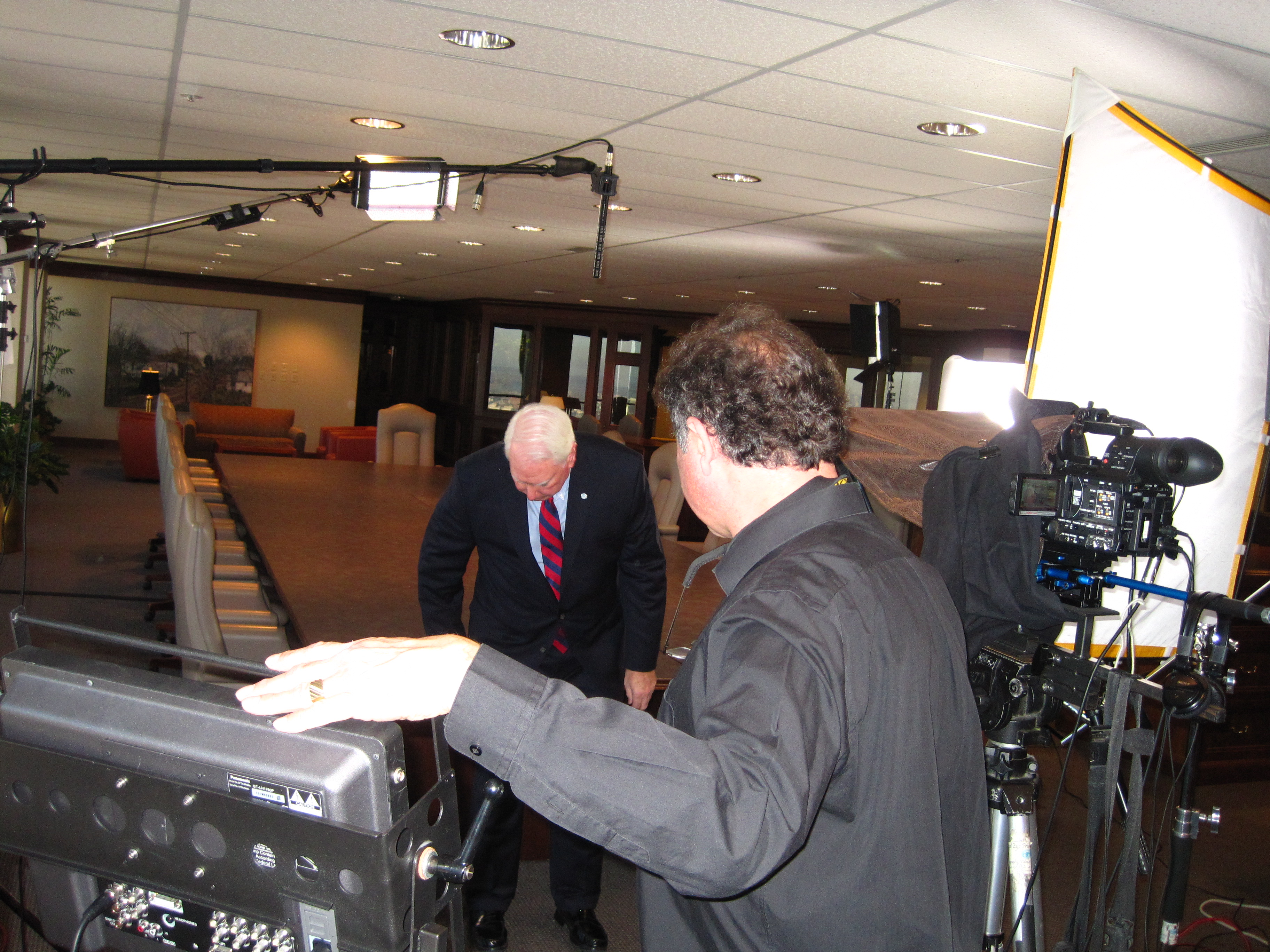
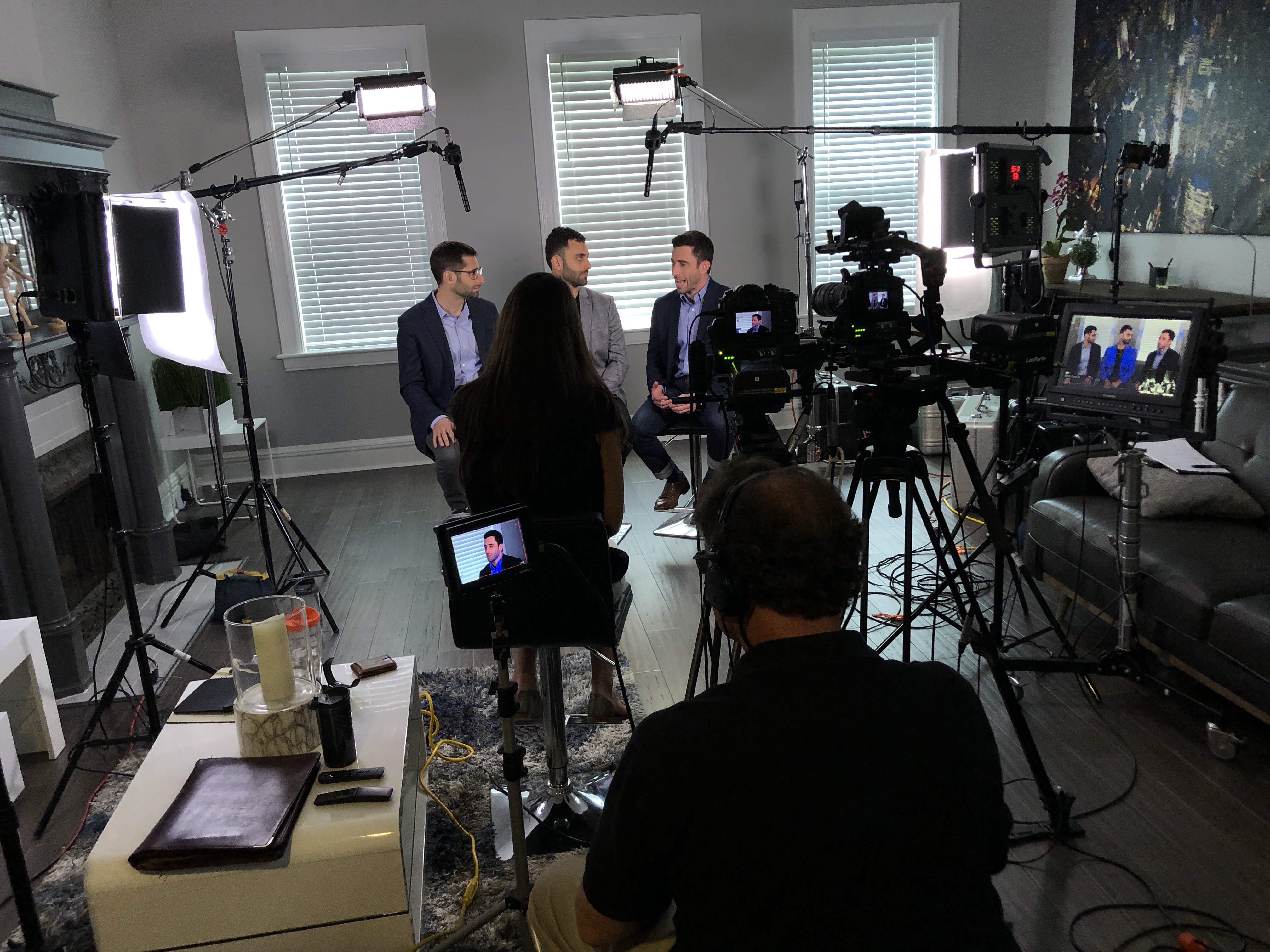
There is a meaningful difference between a crew that occasionally captures interviews and a production team that specializes in interview-based storytelling and b-roll acquisition. Specialists know how to make subjects comfortable, shape meaningful answers, light a scene professionally, manage sound correctly, and identify the coverage needed to support the final edit before the day even begins.
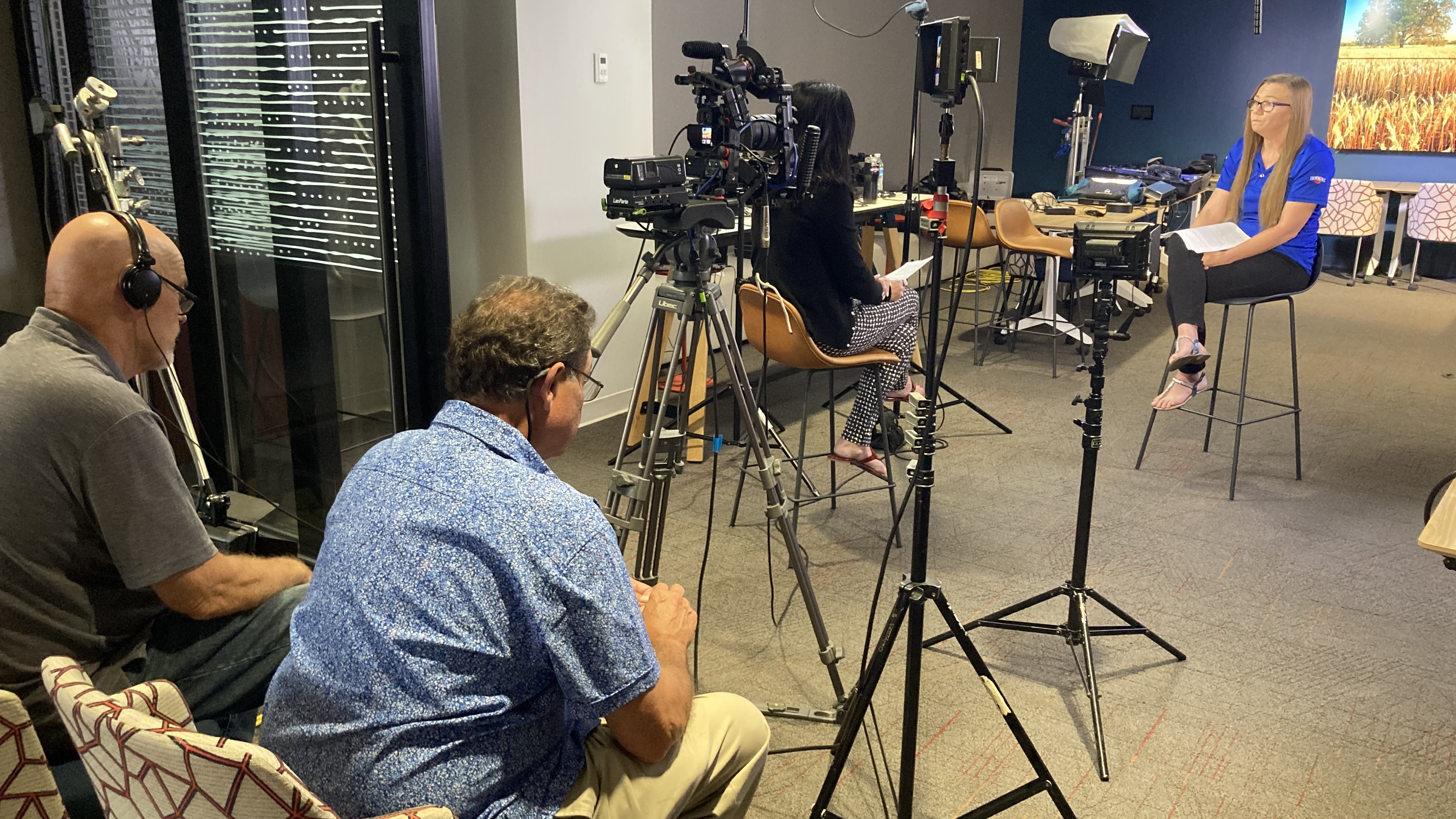
For St. Louis businesses, this matters because many productions need to happen inside real-world environments that are not designed as studios. Offices, plants, hospitals, warehouses, schools, manufacturing floors, retail spaces, and job sites each bring lighting challenges, sound challenges, scheduling limitations, and workflow interruptions. A specialist knows how to adapt the production approach without sacrificing quality.
They also understand how to balance the interview itself with the visual support material. Many less experienced crews focus too heavily on the sit-down portion and leave the location with insufficient b-roll. Then the final edit suffers because there is not enough coverage to support the story. A strong production team plans for both from the outset.
The Anatomy of a Successful Interview Shoot
An effective business interview is the result of preparation, not luck. It begins long before the cameras roll.
Defining the Message
The first step is identifying the purpose of the video. Is the project intended to drive leads, support recruiting, explain a process, build trust, communicate culture, or showcase a service? The answer affects the interview questions, the tone of delivery, and the style of b-roll needed.
Without this clarity, interviews can become too broad, too vague, or too disconnected from the business objective.
Choosing the Right Subject
Not every executive or staff member is naturally the best on-camera representative for every story. Sometimes the ideal subject is the founder. Sometimes it is a department head, a client, a technician, a nurse, a project manager, or a long-term employee. The right person is the one who can speak with credibility, clarity, and comfort about the topic at hand.
Building a Comfortable Set
People perform better on camera when the environment feels calm and professional. Lighting, sound, camera placement, room arrangement, background composition, and crew demeanor all influence the quality of the interview. An experienced team understands how to shape a space so the subject looks confident and natural without feeling intimidated.
Asking Better Questions
Strong interview footage comes from strong prompting. Questions should be structured to produce complete, useful answers that sound natural in the final edit. Instead of asking for yes-or-no responses or overly corporate phrasing, good producers guide the conversation toward clear, authentic statements.
Capturing for the Edit
Professionals do not just shoot for the moment. They shoot for the final sequence. That means gathering alternate angles when appropriate, room tone for audio continuity, and enough visual variation to support future editing decisions.
What Makes Great B-Roll Different
Great b-roll is purposeful. It is not filler. It is visual storytelling.
That means understanding what the audience needs to see in order to believe, remember, and respond to the message. A company that prides itself on precision should show precision. A company promoting responsiveness should show human interaction and workflow. A manufacturer emphasizing quality control should show the inspection process, machinery, detail shots, and environmental context. A service brand talking about trust should show real people, real settings, and real moments that feel credible.
Specialized b-roll teams look for layers within a location. They do not settle for a few wide shots and leave. They gather establishing views, medium action, detail coverage, movement, texture, signage, environmental context, process shots, and the little visual moments that elevate an edit.
This is especially important for businesses that want more than one deliverable from a shoot. A carefully shot day of interviews and b-roll can fuel a flagship brand video, social cutdowns, recruiting pieces, testimonial variations, website headers, trade show loops, internal communications, and still frame grabs for marketing collateral.
Common Business Uses for Interview and B-Roll Productions
St. Louis organizations across industries can use this format effectively.
Professional services firms use interview-driven videos to build trust and explain expertise.
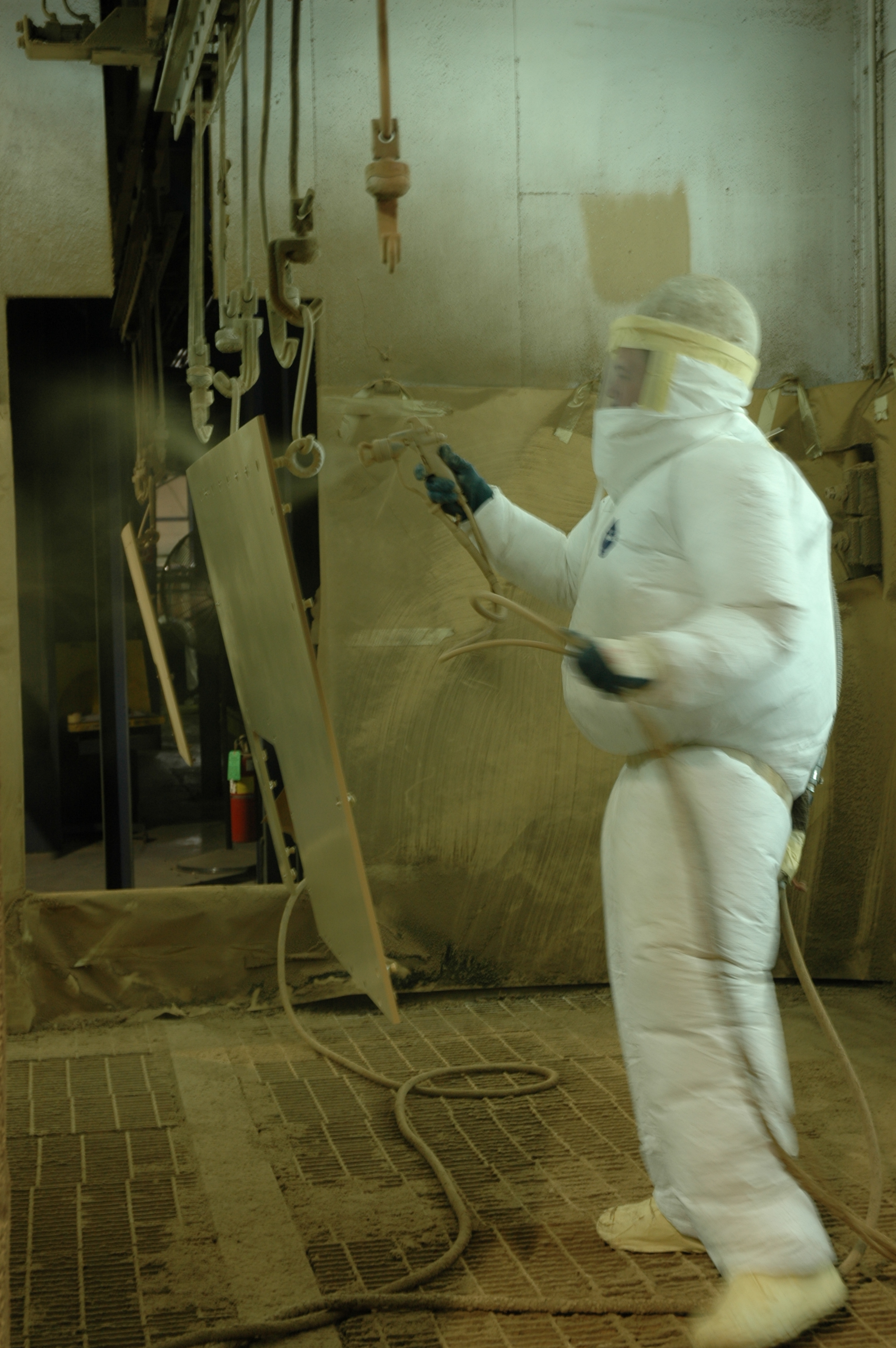
Manufacturers use them to show process, quality control, plant capabilities, and workforce culture.
Healthcare organizations use them to communicate patient care values, service lines, and physician perspectives.
Schools and universities use them for recruitment, development campaigns, and leadership communications.
Nonprofits use interviews and b-roll to capture mission, donor impact, and human stories.
Construction and real estate companies use them to show projects, people, equipment, and operational scale.
Marketing agencies use this format on behalf of their clients because it is efficient, versatile, and highly adaptable to multiple campaigns.
Why Location Matters in St. Louis Productions
St. Louis offers a broad range of useful backdrops and business environments, but every location comes with logistical considerations. Interview and b-roll specialists know how to evaluate locations not just for aesthetics, but for practical production needs.
They consider available light, sound contamination, power access, room size, reflective surfaces, HVAC noise, outside traffic, schedule interruptions, and visual distractions. They also think through how different areas of the site can contribute to the story. A lobby, conference room, production floor, rooftop, loading dock, laboratory, warehouse aisle, outdoor entrance, or drone exterior may all play a role in shaping the final visual narrative.
Location scouting becomes especially important when a business wants a polished cinematic look without disrupting normal operations. The right crew can identify strong visual opportunities while keeping the production efficient and manageable.
The Importance of Sound in Interview Production
Many clients focus first on the picture, but in interviews, sound quality is just as important. Audiences will tolerate modest visual imperfections more easily than poor audio. If the voice sounds hollow, noisy, distorted, or inconsistent, credibility drops immediately.
That is why professional interview production requires attention to microphones, acoustics, room tone, ambient control, and audio monitoring. Skilled crews know how to work around office hum, HVAC systems, plant noise, traffic, and unpredictable environmental factors. They understand that a beautifully lit interview can still fail if the audio is compromised.
For business videos, clean and intelligible dialogue is not optional. It is foundational.
How Drone, FPV, Thermal, Orthomosaics, and LiDAR Expand the Story
Modern video and photography production has expanded far beyond traditional ground cameras. For the right projects, specialized drone services can dramatically increase both the visual value and the informational value of a production.
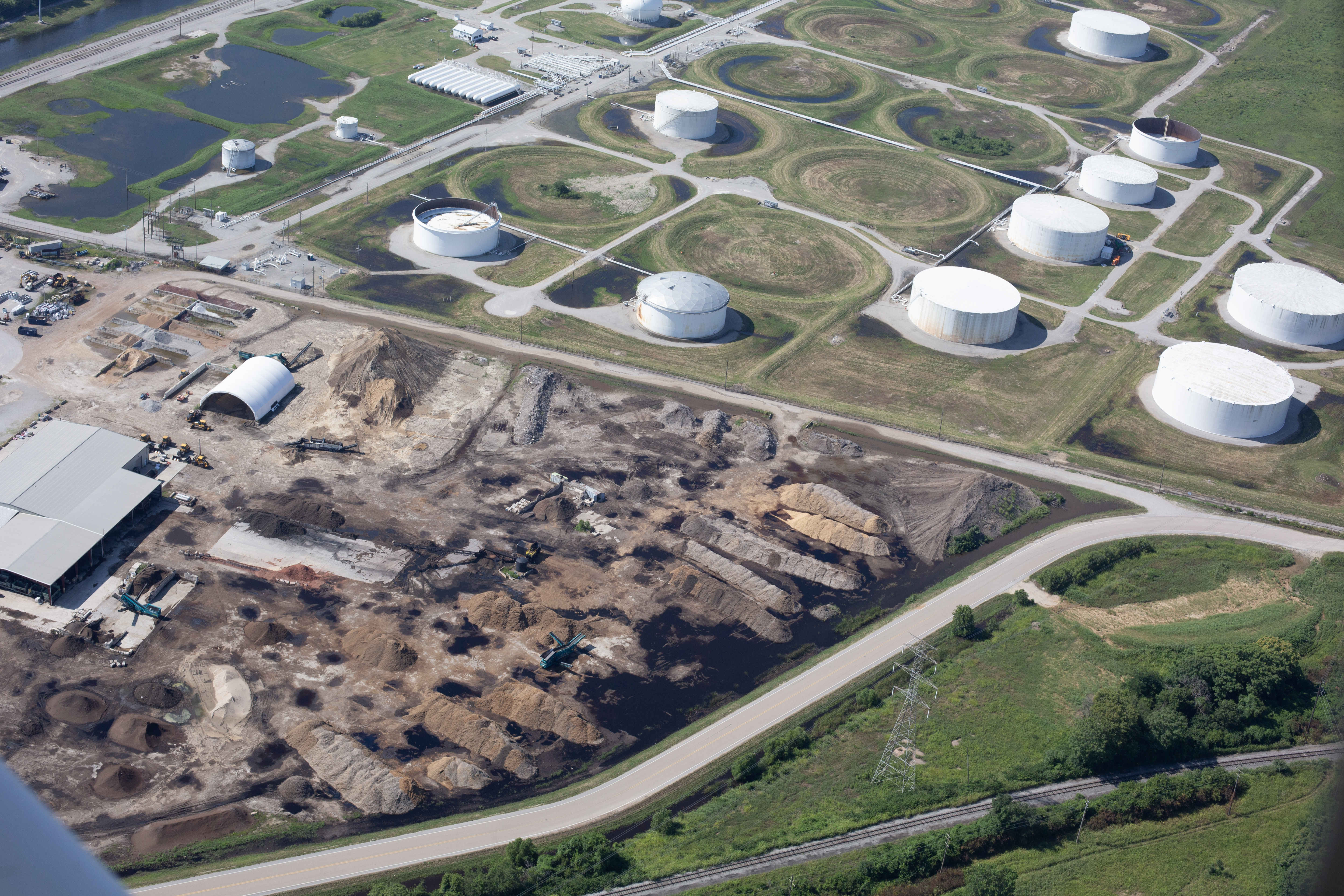
Standard aerial footage can establish location, scale, access, architecture, and operational footprint. FPV drones can create dynamic motion sequences indoors and through spaces that would otherwise be difficult to showcase. For industrial, facility, logistics, and experiential environments, FPV can reveal workflow and layout in a uniquely immersive way.
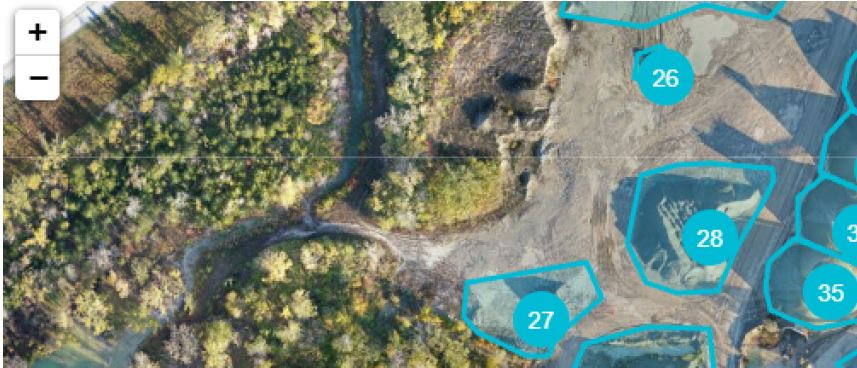
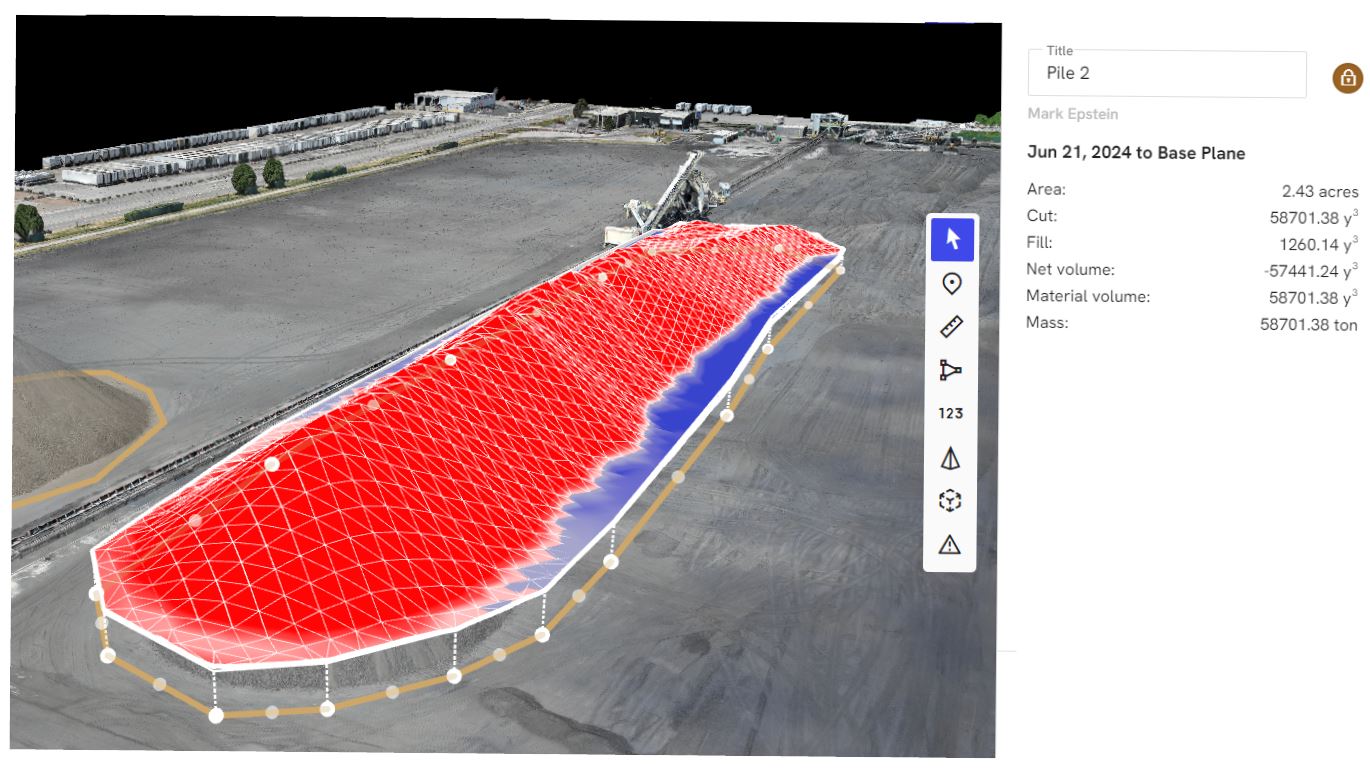
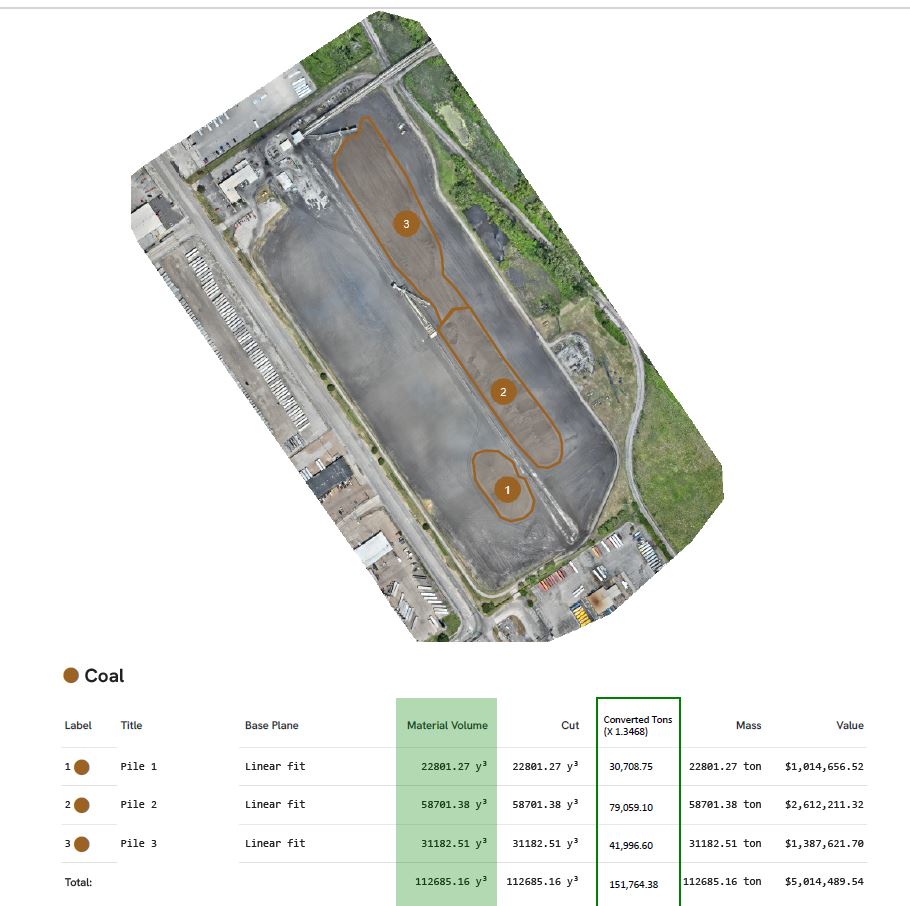
Infrared thermal imaging can support specialized inspections, diagnostics, and visual analysis. Orthomosaic outputs can provide accurate overhead mapping for sites, campuses, developments, and industrial properties. LiDAR can support advanced spatial documentation and data-rich visualization where precision matters.
When these services are integrated into a broader interview and b-roll production strategy, the project becomes more than a simple video shoot. It becomes a more complete visual asset build.
Repurposing: Where Real Value Is Often Won
One of the smartest reasons to invest in a professionally planned interview and b-roll production is the ability to repurpose the captured material. Many businesses underuse their footage by producing one final video and leaving valuable content on the table.
A well-structured shoot can generate a long-form brand piece, short testimonials, executive sound bites, recruiting content, social clips, website visuals, sales presentation assets, digital ads, internal training segments, and still imagery extracted from motion footage where appropriate.
This is where strategy matters. If the production team understands from the beginning that the content will be reused across departments and platforms, they can capture accordingly. That means more orientation options, more compositional variety, more environmental coverage, more short quotable statements, and more flexibility in post-production.
The result is a stronger return on each production day.
What Decision Makers Should Look For in a Production Partner
When evaluating a team for interview and b-roll work, businesses should look beyond a highlight reel. The right questions are practical.
Can this team make nonprofessional talent comfortable on camera?
Do they understand business messaging, not just visuals?
Can they light interviews consistently in real locations?
Do they capture enough b-roll to truly support the story?
Can they handle audio professionally?
Can they work efficiently around operations, staff schedules, and location constraints?
Can they produce assets for multiple channels and uses?
Can they integrate photography, drone work, and post-production into one coordinated process?
Can they think beyond the shoot day and help build a library of useful branded media?
The strongest production partners are not merely camera operators. They are visual communicators, problem solvers, and production strategists.
Why Experience Still Matters
Technology is more accessible than ever, but access to gear is not the same as experience. Interview production and b-roll storytelling still require judgment, timing, preparation, and editorial thinking. Knowing where to place a subject, how to shape light, when to push for a better answer, how to sequence a location, and what visual gaps will hurt the edit later are all skills built over time.
For organizations trusting a production team to represent their brand, culture, people, and credibility, experience reduces risk. It leads to smoother shoot days, better media capture, stronger edits, and more usable final assets.
Infrared FLIR thermal drone services are no longer a niche specialty reserved for industrial inspections and technical consultants. In St. Louis, Missouri, they have become a highly practical tool for businesses, property managers, facility teams, construction professionals, marketers, engineers, and organizations that need a faster, safer, and more revealing way to evaluate buildings, equipment, land, and infrastructure.
For decision makers responsible for photography, marketing, operations, and video production, thermal drone imaging offers something conventional cameras cannot: the ability to visualize heat patterns, temperature anomalies, and hidden conditions that may never appear in standard photography or video. When paired with experienced image acquisition, production planning, and post-production, thermal drone services become even more valuable. They can support documentation, inspections, visual storytelling, reporting, facility assessments, and branded communication.
At St Louis Video Production, we view infrared FLIR thermal drone services as both a technical solution and a visual communication tool. The right thermal aerial workflow does more than collect data. It helps businesses understand what is happening, document it clearly, and present it in a way that supports better decisions.
What Infrared FLIR Thermal Drone Services Actually Do
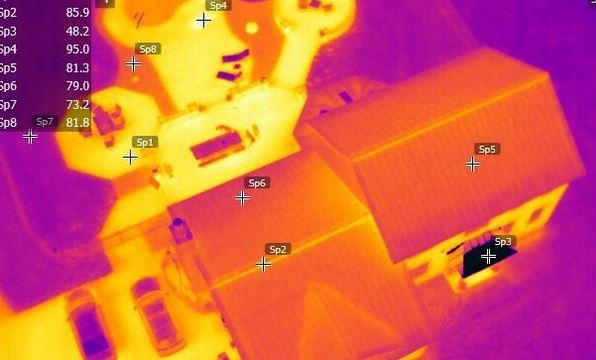
A thermal drone uses a specialized infrared camera to detect heat energy rather than visible light. That means the camera is not simply taking a normal picture from the air. It is capturing temperature differences across surfaces, materials, and structures.
FLIR thermal imaging is especially useful because many real-world problems show up first as heat variation. Moisture intrusion may cool an area differently than dry material. Roof damage can create unusual temperature patterns. Electrical systems can reveal hot spots. Solar panels can show underperforming cells. HVAC issues may appear in airflow or insulation irregularities. Even certain site conditions and industrial processes can be better understood through thermal imaging.
For businesses in the St. Louis area, this makes thermal drone services relevant across a surprisingly wide range of applications. Instead of relying only on ladders, lifts, scaffolding, or incomplete ground-level observation, organizations can evaluate broad areas quickly and safely from above.
Why Thermal Drones Matter for Businesses and Organizations
The business case for thermal drone imaging is straightforward. It improves visibility, reduces guesswork, and often lowers the time and disruption involved in understanding a problem.
A conventional visual inspection may show what a roof looks like. A thermal inspection may help show where trapped moisture, insulation issues, or other temperature-related irregularities are occurring. A standard drone video may document the appearance of a building or facility. A thermal drone flight can add another layer of information that supports maintenance, repair planning, asset management, or insurance-related documentation.
This matters to decision makers because many projects are delayed or made more expensive by incomplete information. When the source of a problem is hidden, the cost of trial and error increases. Thermal imaging can help teams prioritize the right areas for closer examination, targeted repair, or additional testing.
It also matters from a communication standpoint. Executives, property owners, facility teams, engineers, marketing departments, and stakeholders often need clear visuals to understand technical conditions. A properly captured and well-presented thermal image can make a complex issue easier to explain than a long written report alone.
Common Uses for Infrared FLIR Thermal Drone Services in St. Louis
In a market like St. Louis, where commercial, industrial, institutional, and municipal properties vary widely in age, scale, and construction type, infrared thermal drone services can serve many purposes.
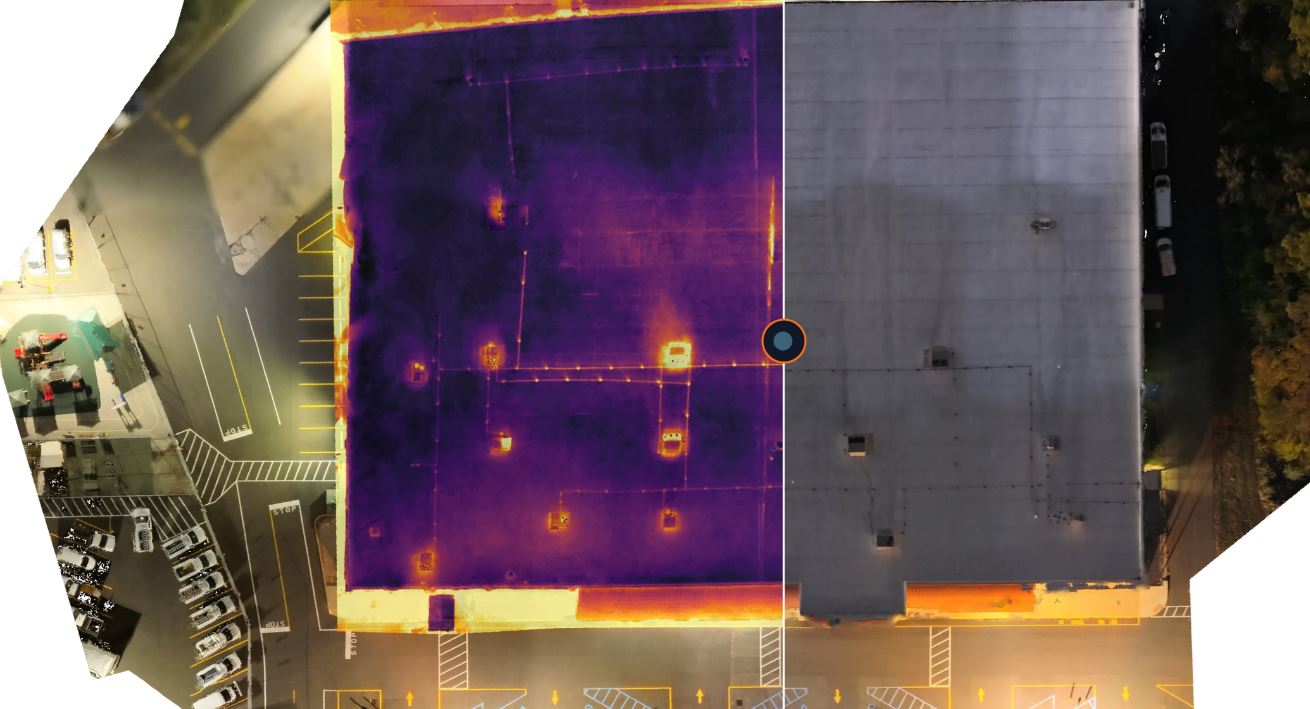
Roof inspections are one of the most common uses. Large roofs are difficult and time-consuming to assess manually, especially when the goal is to identify areas of moisture intrusion, failing insulation, or inconsistent surface behavior. A thermal drone can scan broad sections efficiently and provide imagery that helps direct attention to specific zones.
Building envelope analysis is another important application. Exterior walls, windows, and transitions may reveal heat loss, insulation inconsistencies, or other thermal irregularities that affect energy performance and comfort. For commercial buildings, schools, warehouses, and institutional properties, that insight can be valuable for maintenance and capital planning.
Electrical inspections can also benefit from thermal imaging. Certain components and systems may show abnormal heat signatures that suggest overloading, imbalance, resistance issues, or failing parts. While thermal imagery does not replace licensed electrical diagnosis, it can be a powerful screening and documentation tool.
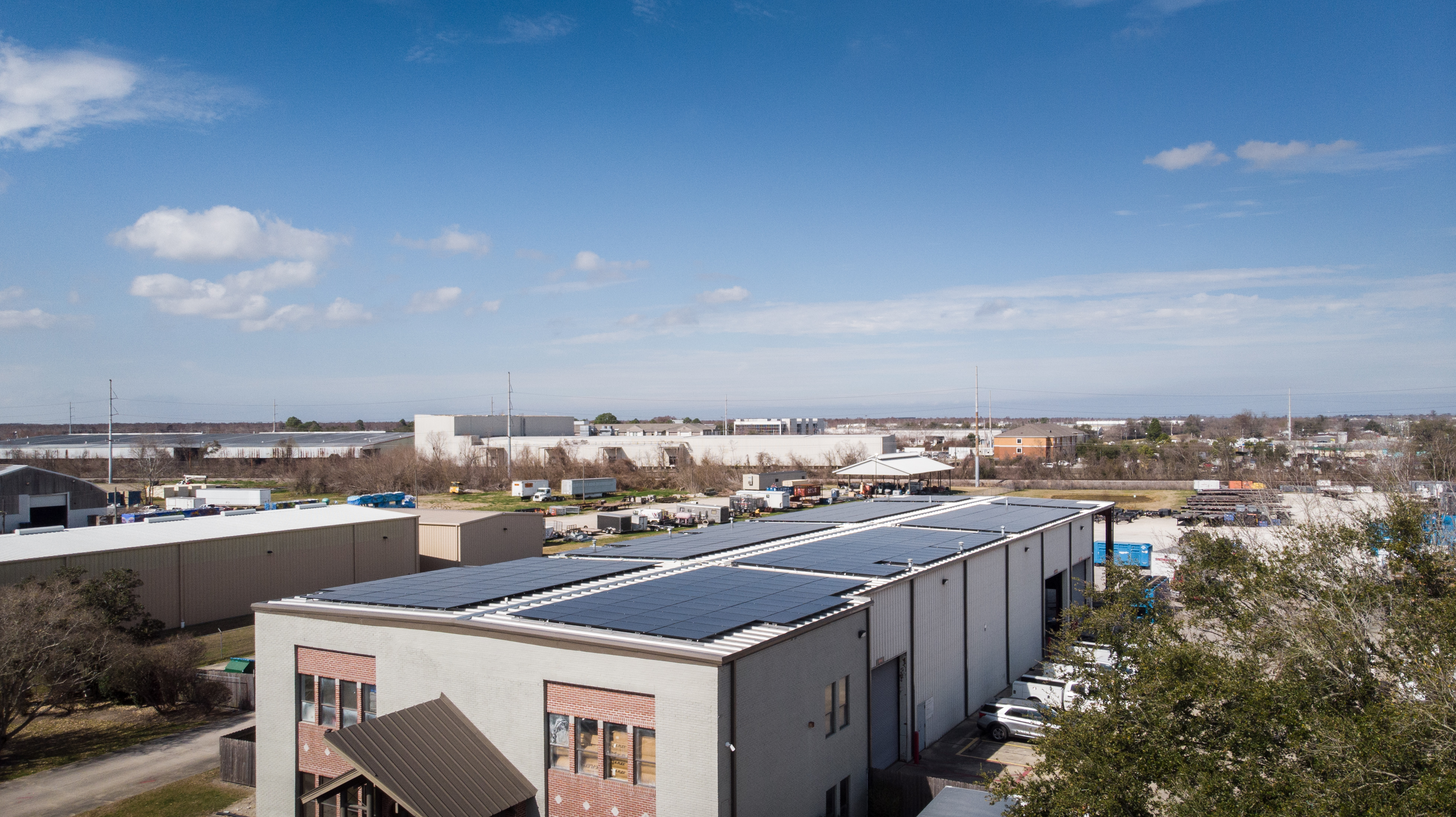
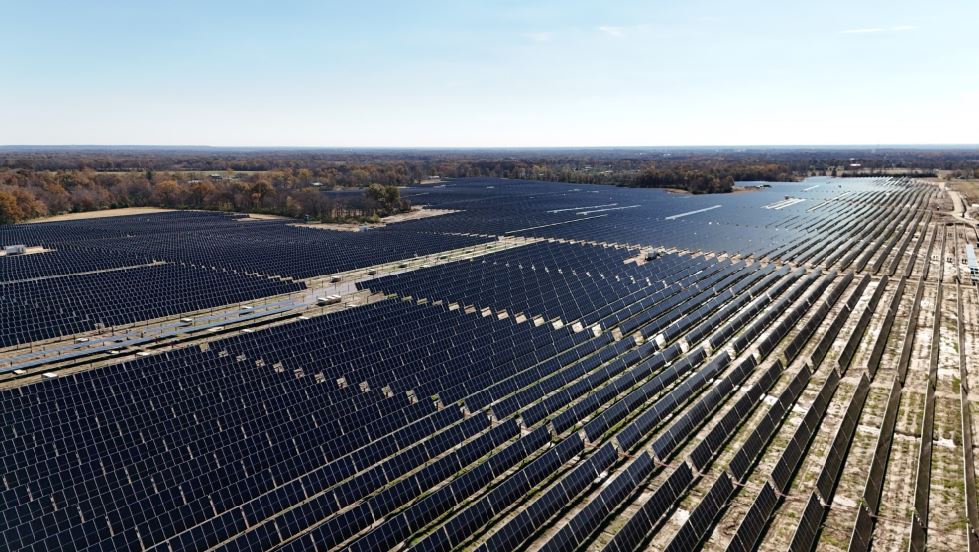
Solar panel inspections are well suited to aerial thermal capture as well. Thermal anomalies may indicate malfunctioning cells, damaged components, or underperforming sections within a solar installation. For organizations investing in renewable energy, thermal drone imaging helps support performance evaluation and maintenance planning.
Construction and industrial sites can use thermal imaging for monitoring, process observation, and visual documentation. Depending on the project, thermal data may reveal patterns and issues not visible in standard footage. Agriculture, utilities, and specialized facility operations may also find unique value in infrared aerial imaging, particularly when large areas or difficult access points are involved.
The Advantage of Aerial Thermal Imaging Over Traditional Methods
One of the biggest advantages of a drone-mounted thermal camera is access. Many buildings and sites are difficult to inspect from the ground. Some involve height, slope, fragile roofing materials, limited access points, or operational hazards. A drone allows an experienced operator to capture thermal imagery from multiple angles without placing personnel directly on surfaces or requiring more invasive setup.
Another advantage is coverage. A drone can survey a broad area far more quickly than many manual methods. That speed matters when working around business schedules, weather windows, facility operations, or time-sensitive maintenance needs.
A third advantage is clarity through context. Ground-based thermal imaging has value, but an aerial perspective often reveals patterns across an entire roof, elevation, or site. Seeing the full thermal picture can make it easier to identify relationships between anomalies rather than examining isolated sections one at a time.
Finally, thermal drone imaging supports better visual reporting. Side-by-side visible and thermal images, annotated deliverables, edited video segments, and post-produced visuals can help technical findings become understandable to non-technical stakeholders.
What Decision Makers Should Look for in a Thermal Drone Provider
Not all drone services are the same, and not all aerial photographers are equipped to deliver meaningful thermal results. For businesses and organizations, the key is finding a provider that understands both the technical side of acquisition and the communication side of production.
Image quality matters, but so does mission planning. Thermal results depend heavily on timing, weather conditions, surface characteristics, environmental variables, flight path, angle, and the purpose of the inspection. An operator needs to understand how to capture useful imagery, not just how to fly.
Experience with visual storytelling also matters more than many clients realize. Once the imagery is captured, it still needs to be organized, interpreted visually, and prepared for the intended audience. Engineers, property managers, marketing teams, legal teams, insurers, and executives may all need different forms of presentation. A production company with strong post-production capability can transform raw capture into usable deliverables.
It is also important to choose a provider who understands the limitations of thermal imaging. Thermal imagery is powerful, but it is not magic. It detects temperature differences, not causes. The most responsible professionals present thermal imaging as part of a broader evaluation process, not as a shortcut to unsupported conclusions. That disciplined approach builds credibility and helps clients use the imagery appropriately.
Thermal Imaging as a Documentation and Marketing Tool
Although thermal drone services are often discussed in technical terms, they also have real marketing and communication value. For many businesses, especially in construction, roofing, engineering, energy, facility management, restoration, and industrial services, thermal visuals can strengthen case studies, presentations, proposals, and branded content.
A company that performs roof remediation, building diagnostics, energy upgrades, or infrastructure work can use thermal imagery to show before-and-after conditions. A facilities department can document building issues for internal planning and board presentations. An engineering firm can use visual thermal assets to communicate methodology and findings more effectively. Marketing teams can incorporate these unique visuals into campaigns that demonstrate capability and innovation.
This is where a full-service production mindset makes a difference. Thermal capture is not only about inspection utility. It can also become part of a wider content strategy that includes photography, video, editing, graphics, interviews, and repurposed media assets across websites, presentations, social channels, and sales materials.
Why St. Louis Organizations Benefit from Local Experience
Local experience matters in production and it matters in drone services. St. Louis properties, weather conditions, architecture, industrial environments, and client expectations all shape how projects should be approached. Working in a local market means understanding how to schedule around conditions, how to communicate with regional business clients, and how to adapt services to real-world operational needs.
For companies and organizations here, there is also value in working with a team that can do more than one isolated task. Many clients need thermal drone imaging, but they also need conventional drone footage, ground photography, interview video, editing, graphics, or a polished final presentation. Coordinating all of that through one experienced production partner saves time and keeps the final output consistent.
In other words, the best infrared FLIR thermal drone service is not just about the sensor. It is about the full production workflow surrounding that sensor.
From Data Capture to Usable Deliverables
The most effective thermal drone projects do not end when the flight ends. They end when the client receives materials that are organized, clear, and useful.
That may include thermal stills, visible-light comparison images, edited aerial video, labeled visuals, project documentation, marketing-ready media, presentation assets, or post-produced deliverables designed for internal or external communication. Different clients need different outcomes, and that is why post-production should never be treated as an afterthought.
For business decision makers, this is often the difference between having raw files and having usable value. Capturing images is only one part of the job. Making those images work for your objective is where experienced production support becomes essential.
The Strategic Value of Infrared FLIR Thermal Drone Services
Infrared FLIR thermal drone services give organizations a smarter way to see what standard imaging misses. They can improve inspection efficiency, reduce access challenges, support maintenance planning, strengthen documentation, and provide visually compelling material for communication and marketing. In a business environment where clarity, speed, and presentation all matter, thermal drone services offer a strong return in both operational and visual terms.
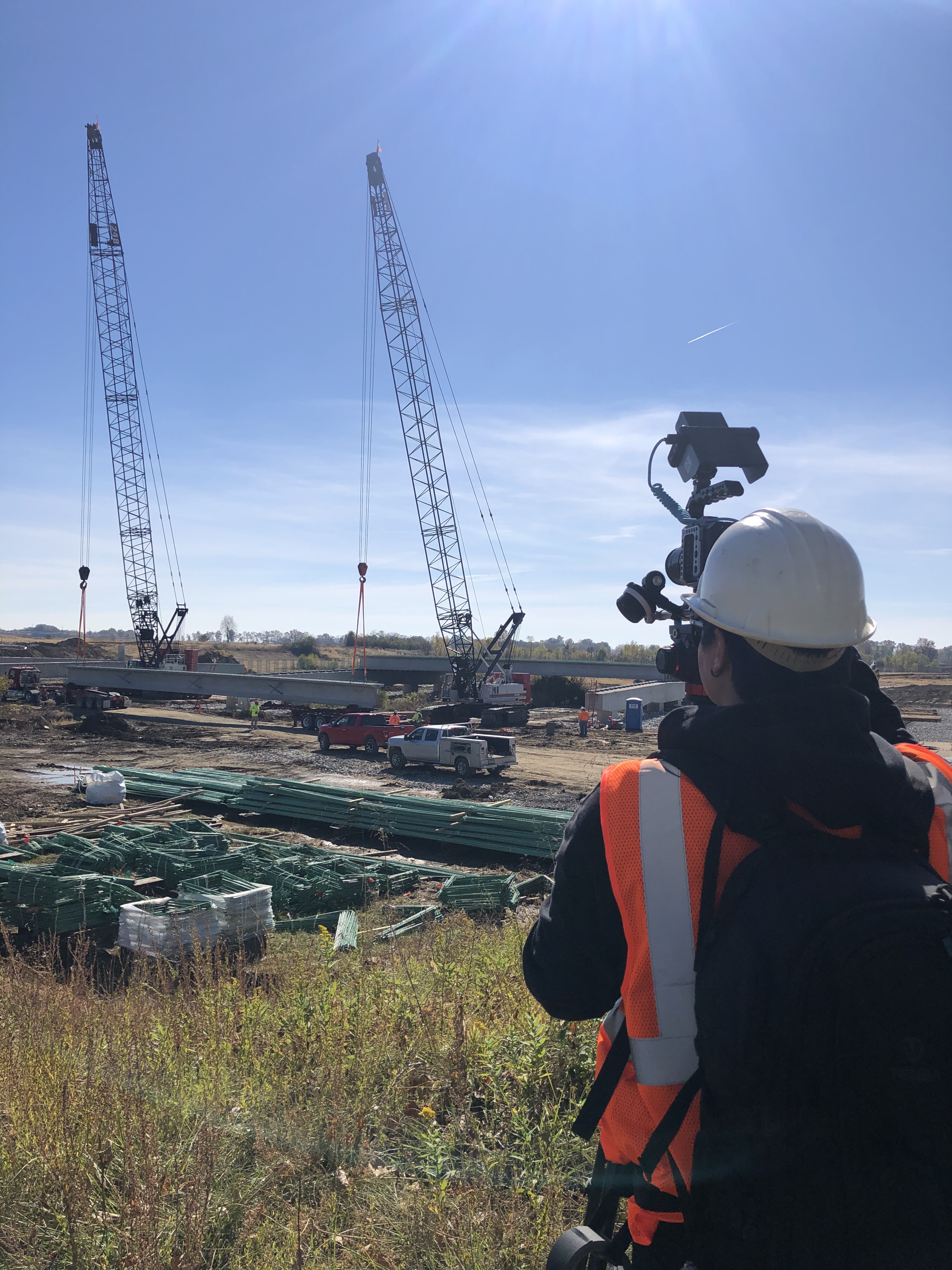
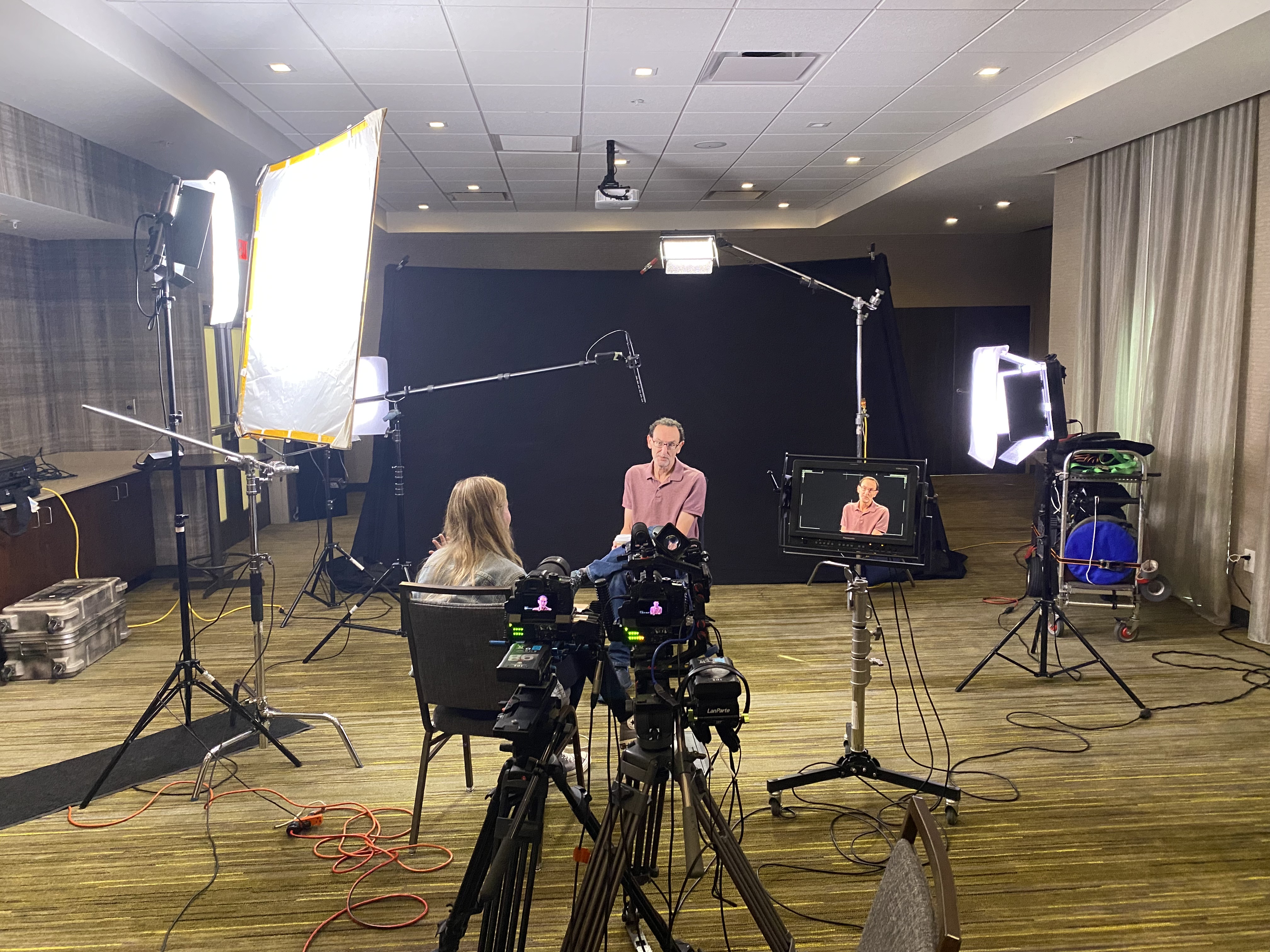
For companies in St. Louis, Missouri, the opportunity is even greater when thermal imaging is delivered by a team that understands production as well as technology. The best results come from combining safe aerial operations, skilled capture, strong visual judgment, and polished post-production into one coordinated service.
At St Louis Video Production, we are an experienced full-service professional commercial photography and video production company with the right equipment and creative crew service experience for successful image acquisition. We offer full-service studio and location video and photography, as well as editing, post-production and licensed drone services. St Louis Video Production can customize your productions for diverse types of media requirements. Repurposing your photography and video branding to gain more traction is another specialty. We are well-versed in all file types and styles of media and accompanying software, and we use the latest in Artificial Intelligence for all our media services.
Our private studio lighting and visual setup is perfect for small productions and interview scenes, and our studio is large enough to incorporate props to round out your set. We support every aspect of your production, from setting up a private, custom interview studio to supplying professional sound and camera operators, as well as providing the right equipment, ensuring your next video production is seamless and successful. We can fly our specialized drones indoors. Since 1982, St Louis Video Production has worked with many businesses, marketing firms, and creative agencies in the St. Louis area for their marketing photography and video. When you need St. Louis Missouri infrared FLIR thermal drone services backed by real production experience, technical capability, and a creative team that understands how to turn complex visuals into useful media, St Louis Video Production is ready to help.
In the current corporate landscape, a business eventโwhether a regional conference at Americaโs Center, a high-stakes product launch in a Clayton hotel ballroom, or an exclusive executive retreatโ represents a significant investment of capital, time, and human resources.
Yet, too many organizations view these events as ephemeral moments. They happen, energy is generated, connections are made, and then everyone goes home.
As experienced producers in the St. Louis market, we argue that this perspective leaves immense value on the table. A business event without professional video capture is a wasted opportunity to create a renewable marketing engine.
For decision-makers in marketing and operations, understanding the strategic application of video production in a live event setting is crucial. It is not merely about “recording” what happened; it is about high-quality image acquisition designed to extend the ROI of the event for months, or even years.
Here is an expertโs perspective on maximizing business event video production in the St. Louis region.
1. The Shift from Archival to Strategic Asset
Historically, event video was often an afterthoughtโa single camera at the back of the room recording a shaky zoom of a keynote speaker for “archival purposes.” That footage rarely saw the light of day again.
Today, effective event production requires a proactive, cinematic mindset. Before the doors open, we need to determine the endgame of the footage. Are we creating a hype reel to sell tickets for next year? Are we turning a CEOโs speech into twelve separate thought-leadership pieces for LinkedIn? Are we capturing genuine client testimonials in the hallway?
Every shot must have a strategic purpose. If you aren’t filming with post-production repurposing in mind, you are merely documenting, not marketing.
2. The Technical Reality of Live Environments
Business events are notoriously hostile environments for video and audio. They are rarely designed as recording studios.
Lighting Chaos: Ballrooms often feature dreaded mixed lightingโwarm practical lamps clashing with cool window light and magenta-hued overhead fluorescents. Without professional intervention and supplementary lighting, skin tones look sickly and the footage appears amateurish.
The Audio Battlefield: Clear audio is paramount. If your audience cannot hear the keynote perfectly, the video is useless. Experienced crews know how to navigate radio frequency interference in crowded convention centers and how to mike a speaker so their lapel doesn’t rustle against their jacket every time they move.
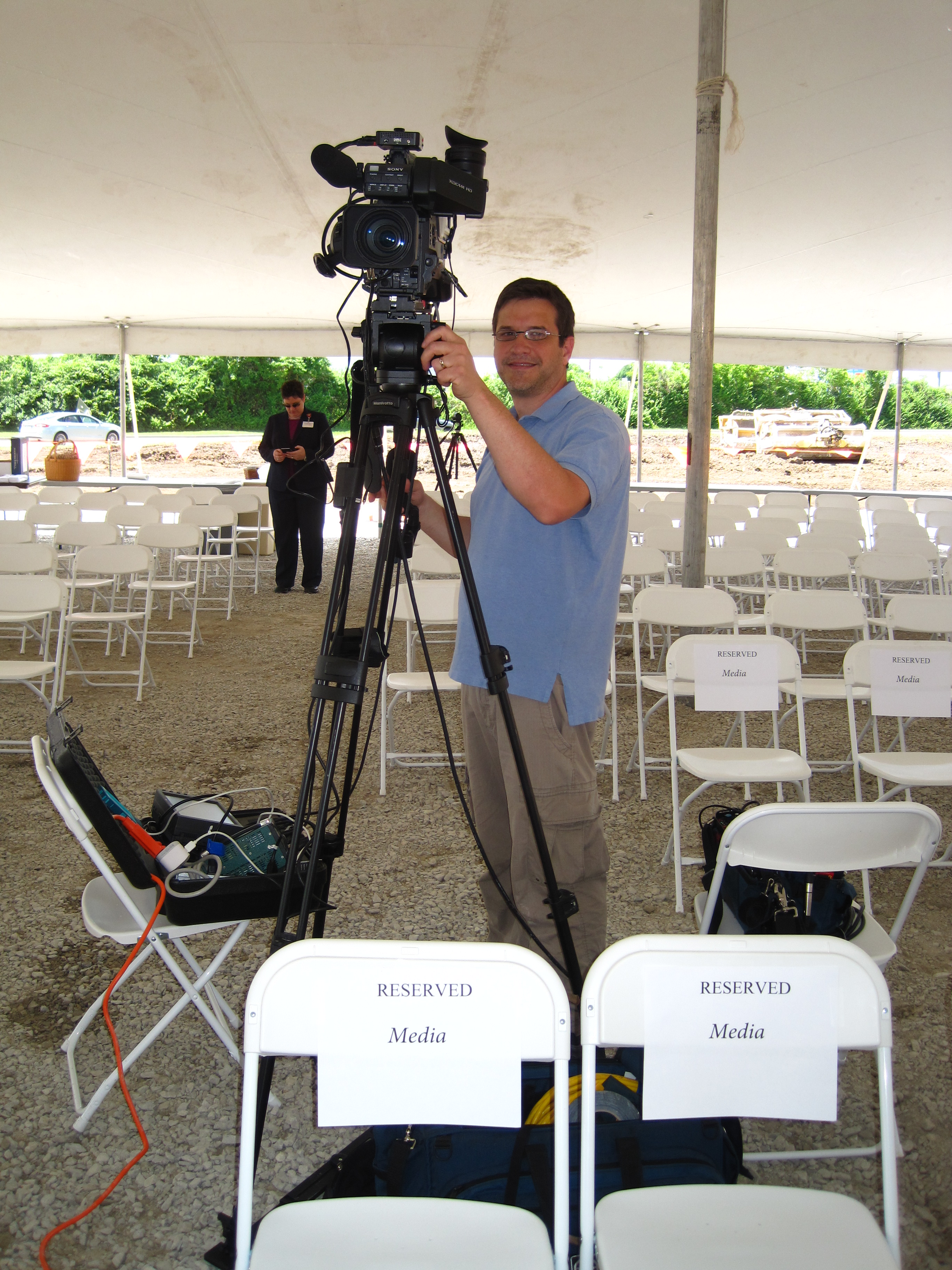
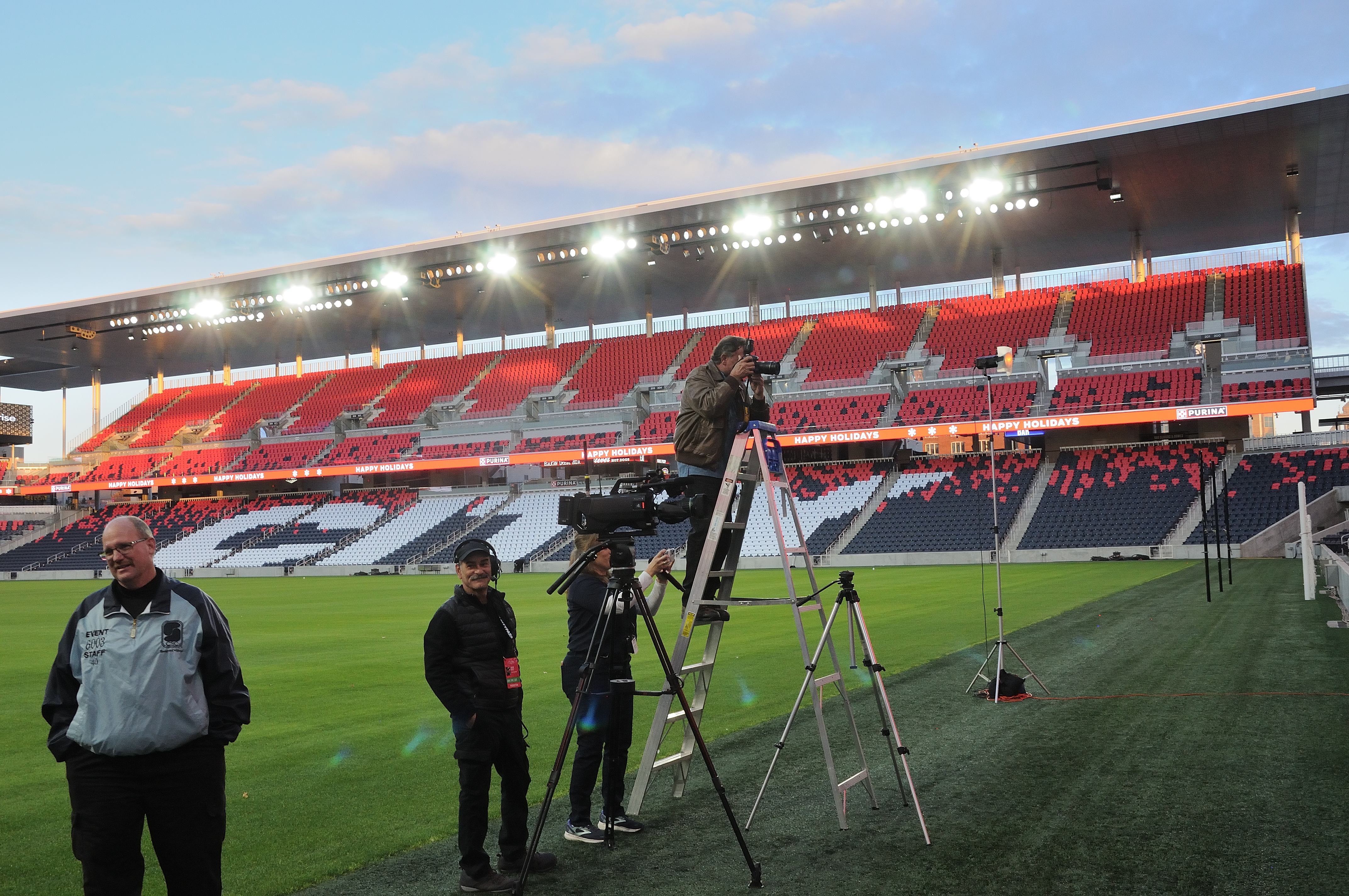
Logistical Agility: Corporate events run on tight, shifting schedules. A professional crew must be able to load in quietly, set up complex multi-camera arrays without disrupting the flow, and adapt instantly when the agenda changes by 15 minutes.
Successful acquisition in these environments requires crews who have “seen it all” and possess the right equipment to neutralize these challenges.
3. Diverse Deliverables for Diverse Audiences
A comprehensive event strategy doesn’t yield just one video product. It yields a suite of assets customized for different media requirements.
The “Sizzle” Reel: This is high-energy, fast-paced, and music-driven. It captures the vibe, the networking, and the excitement. Its goal is FOMO (Fear Of Missing Out). It proves your event is the place to be.
The Educational Deep Dive: High-fidelity recordings of presentations, often edited with integrated slide decks. This is crucial content for members unable to attend or for internal training databases.
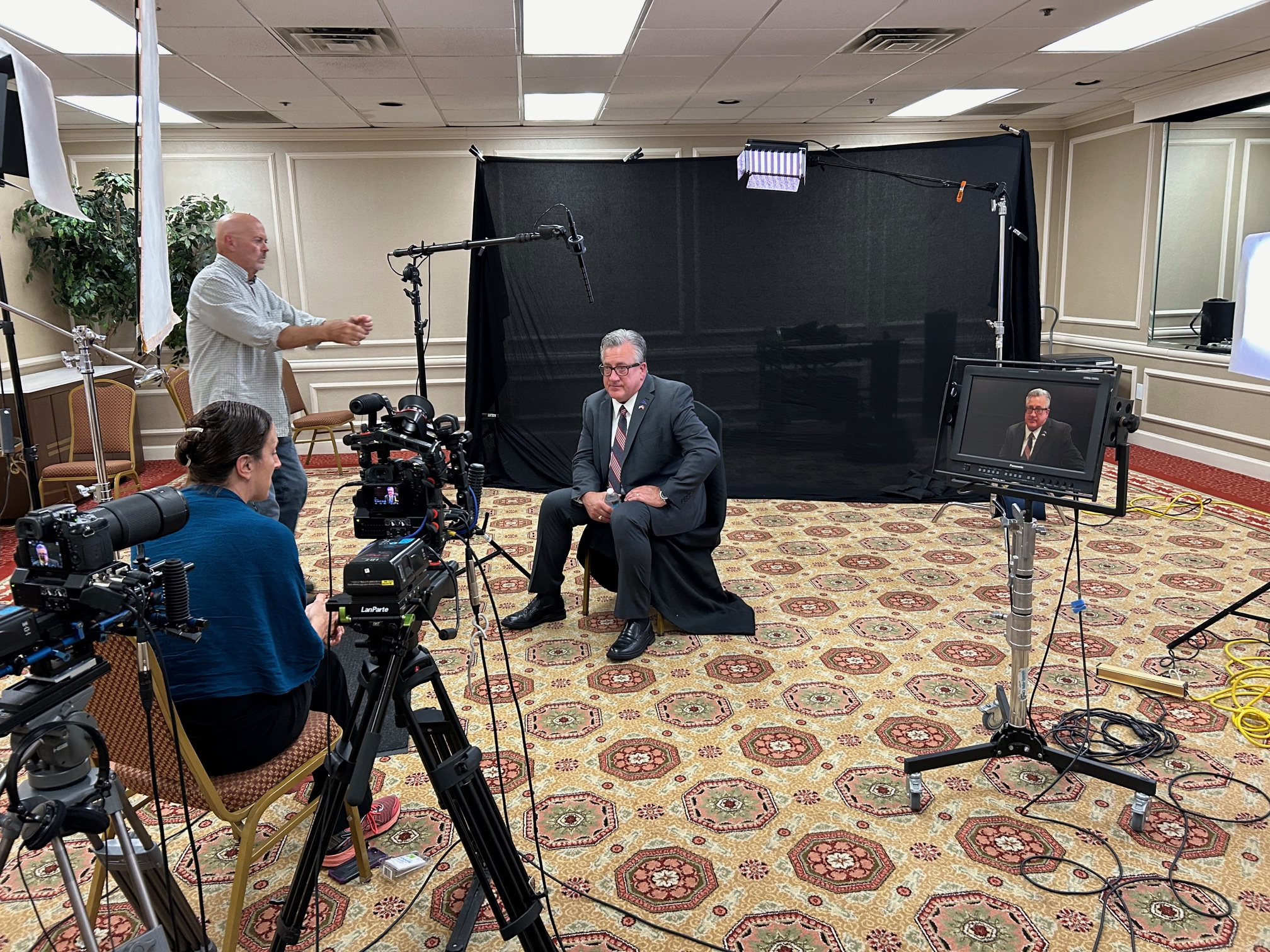
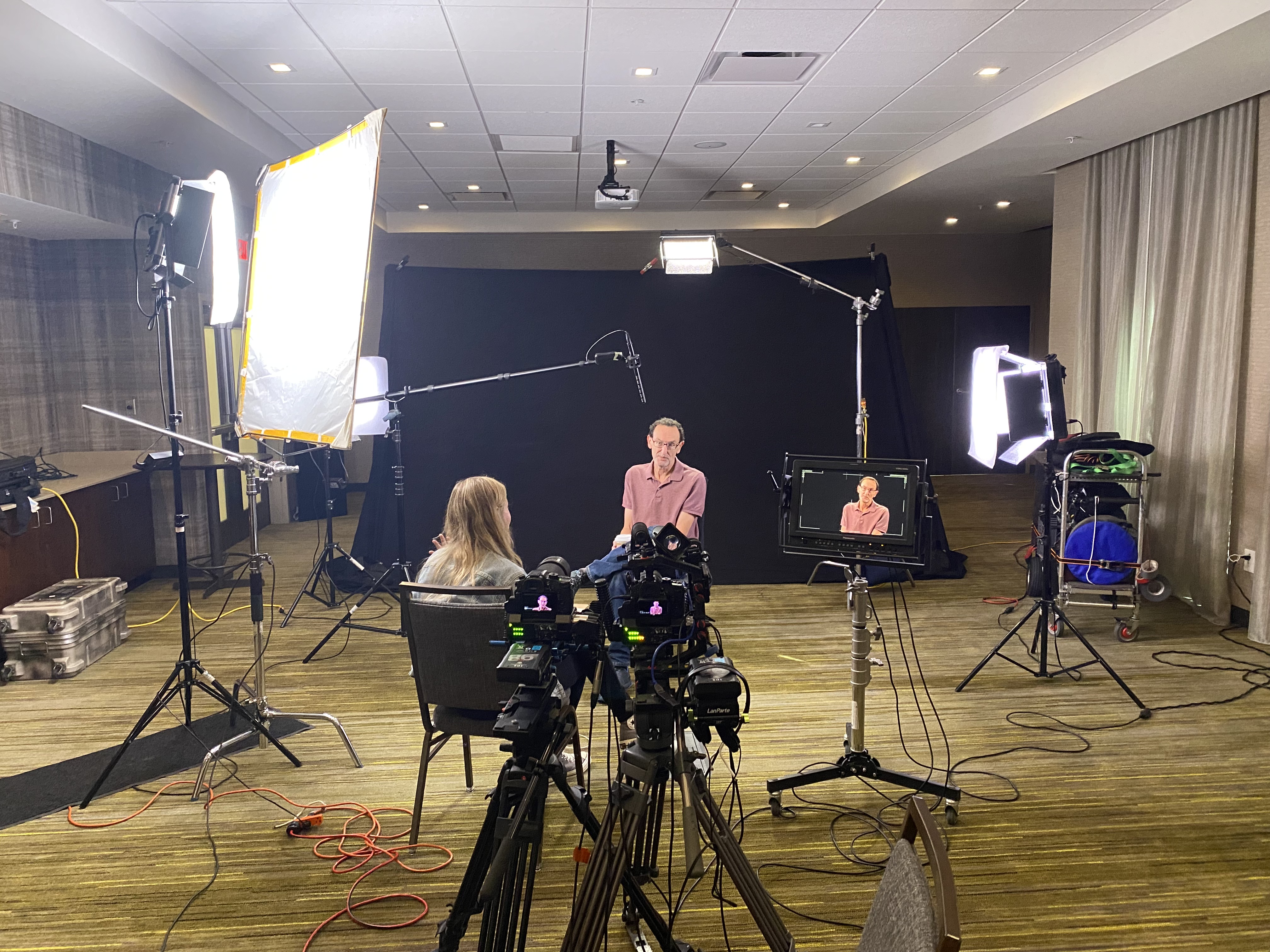
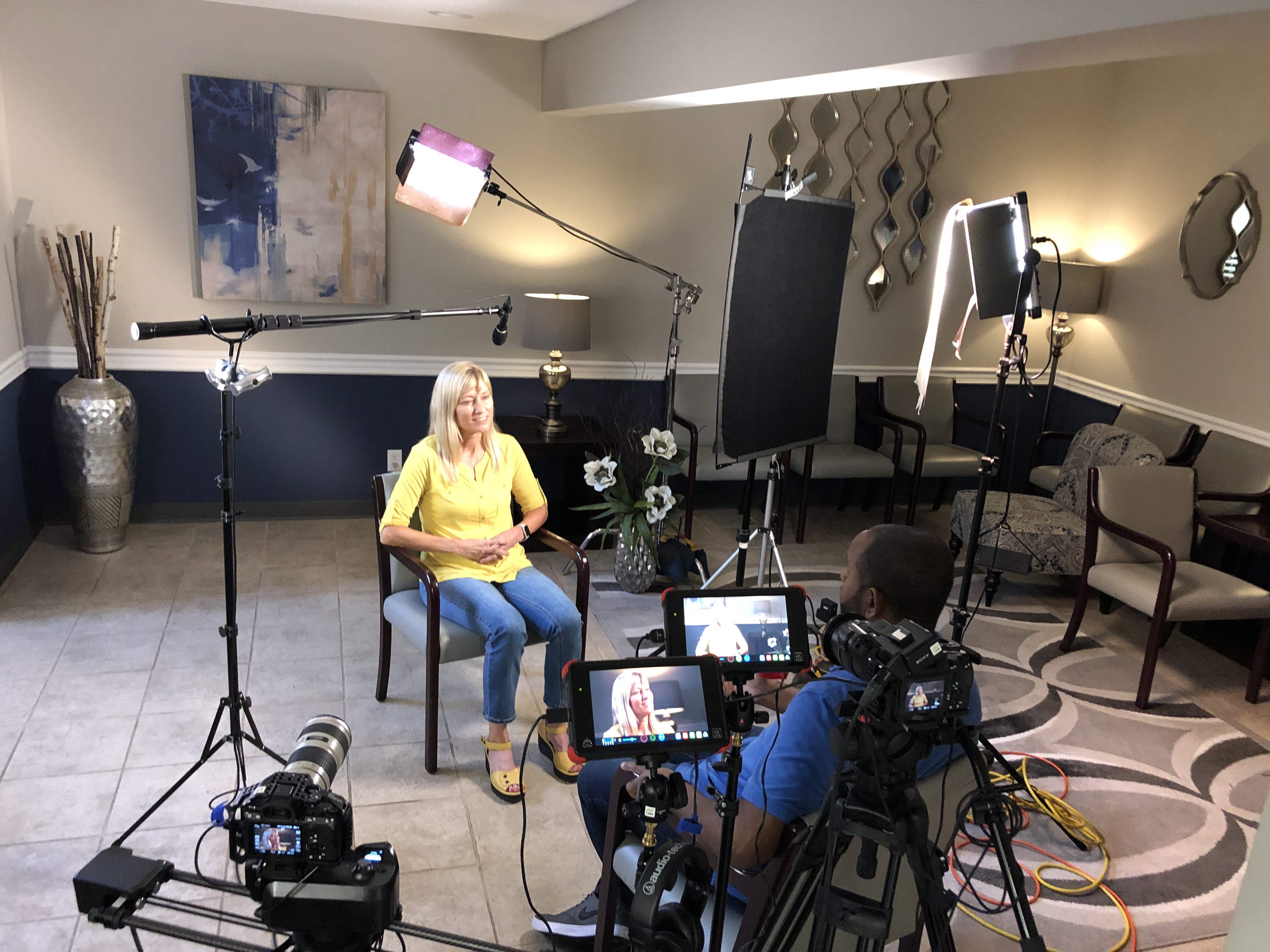
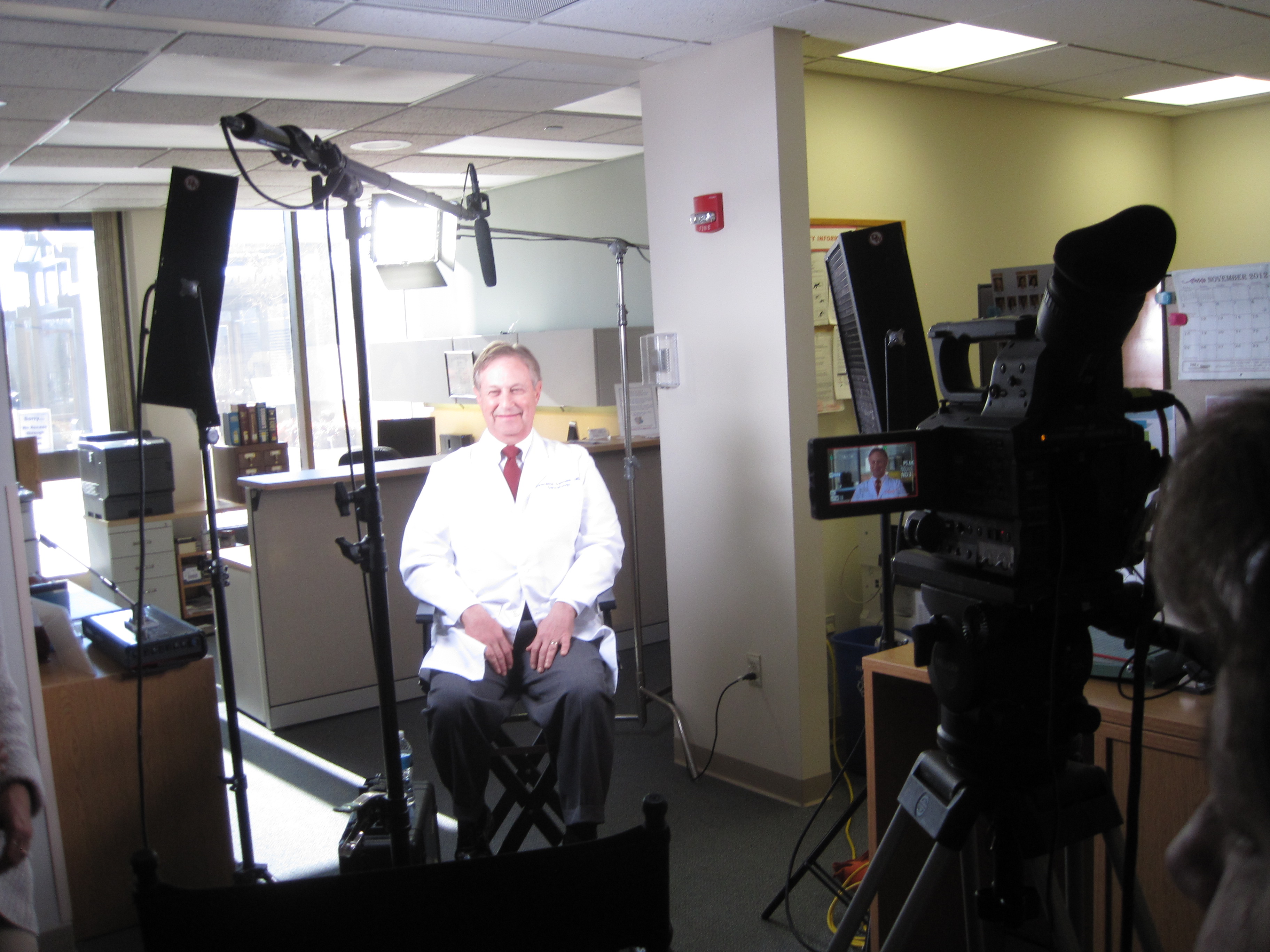
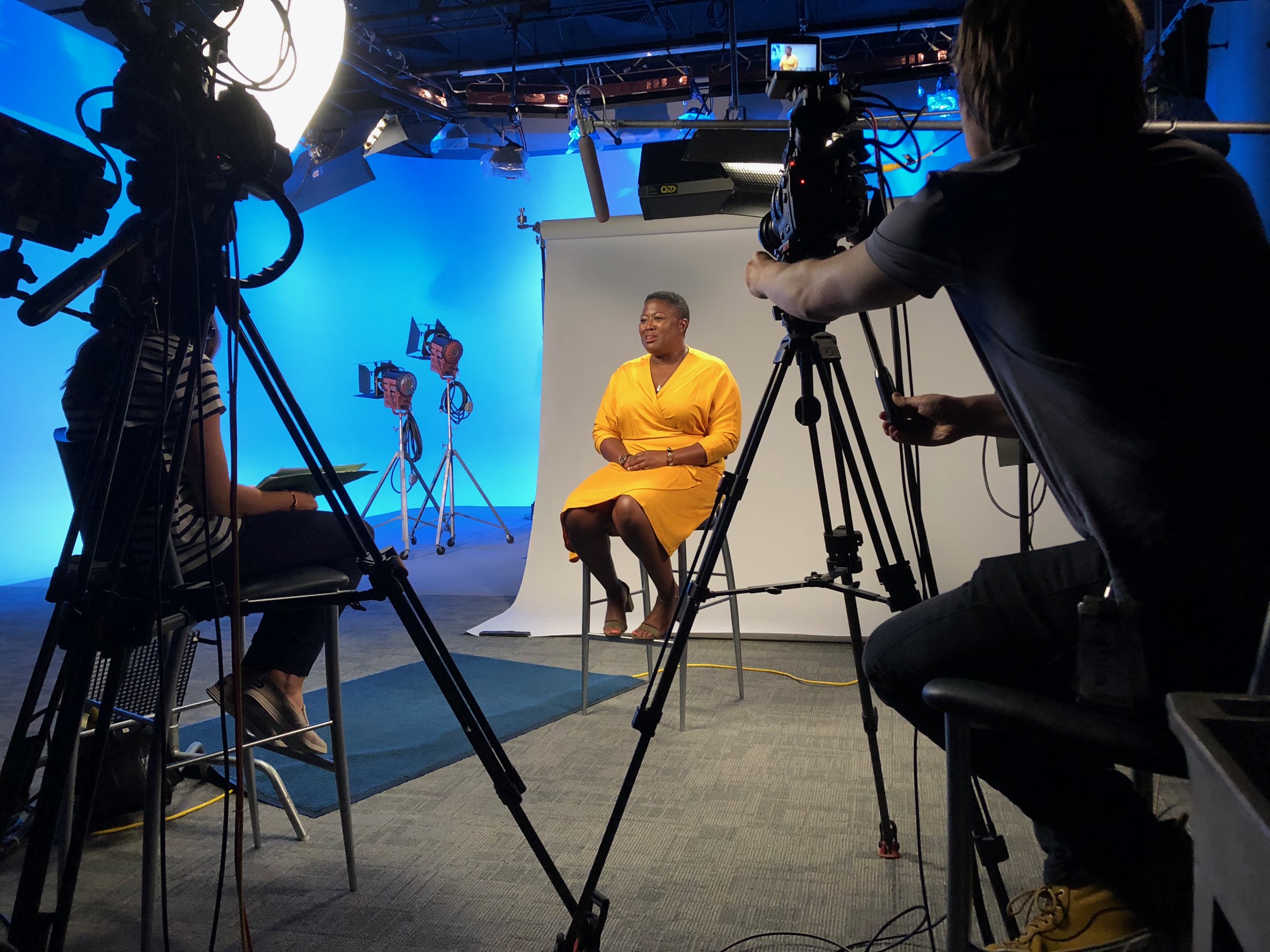
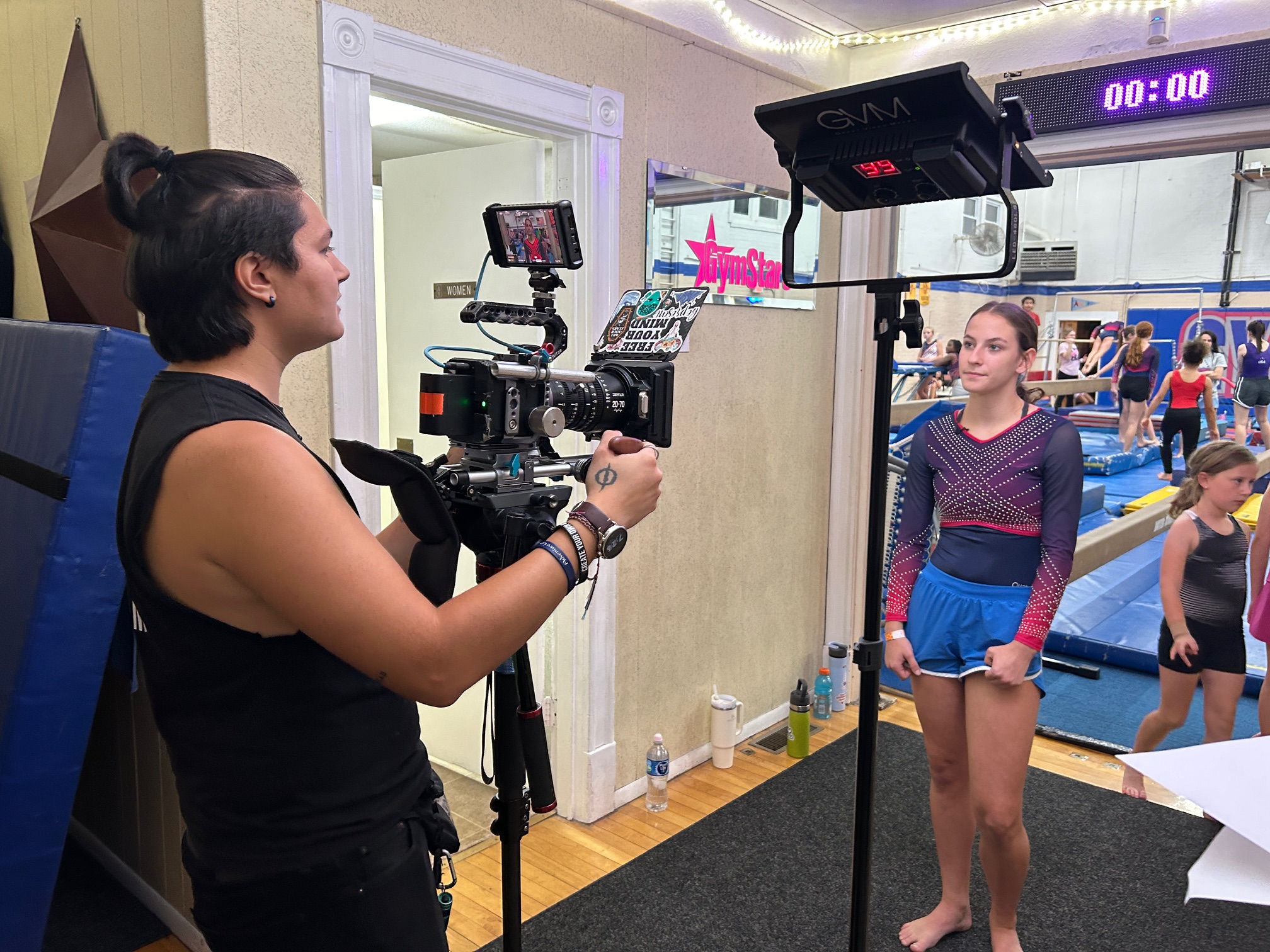
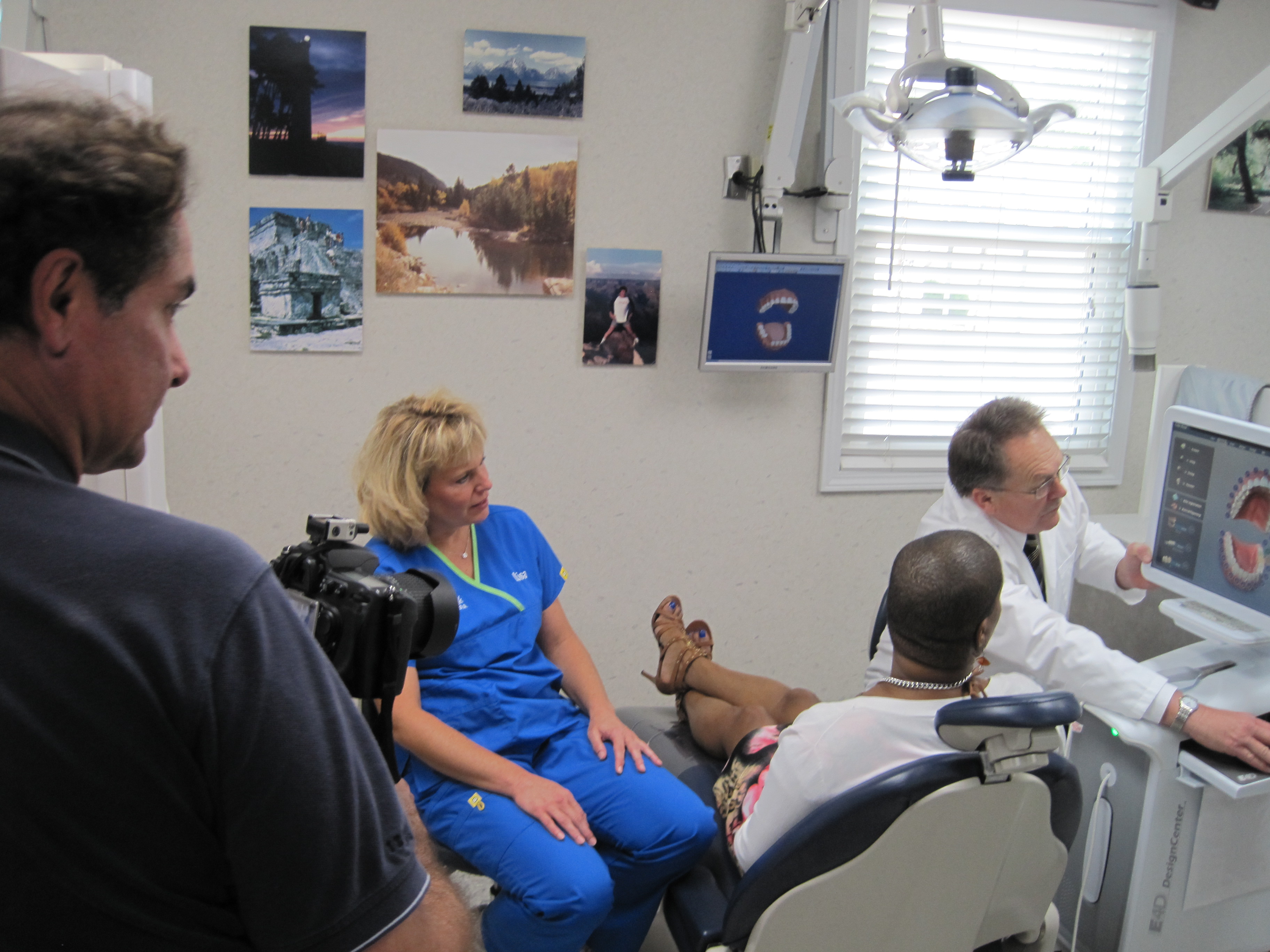
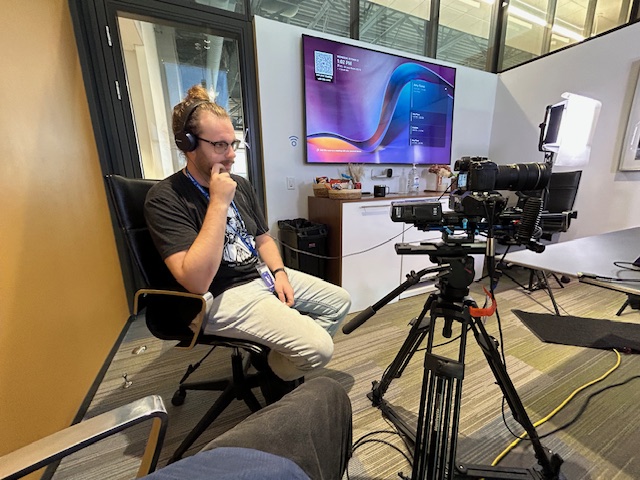
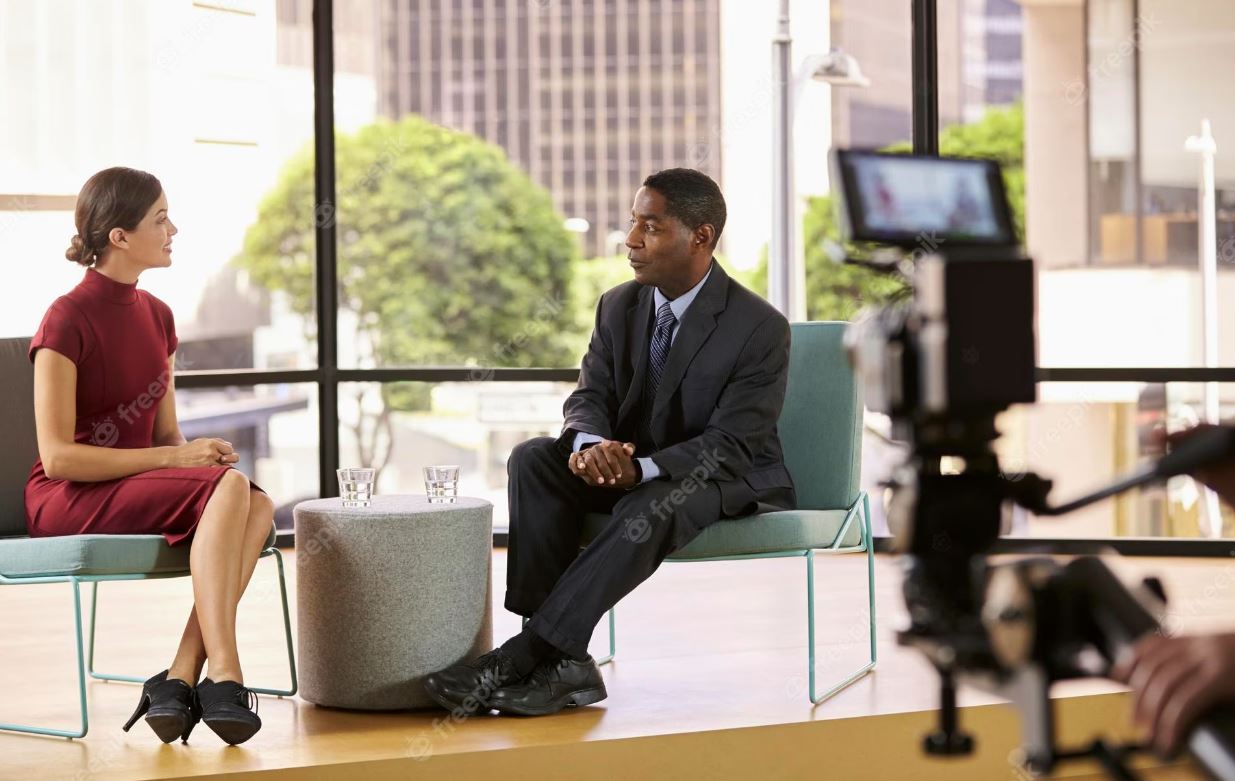
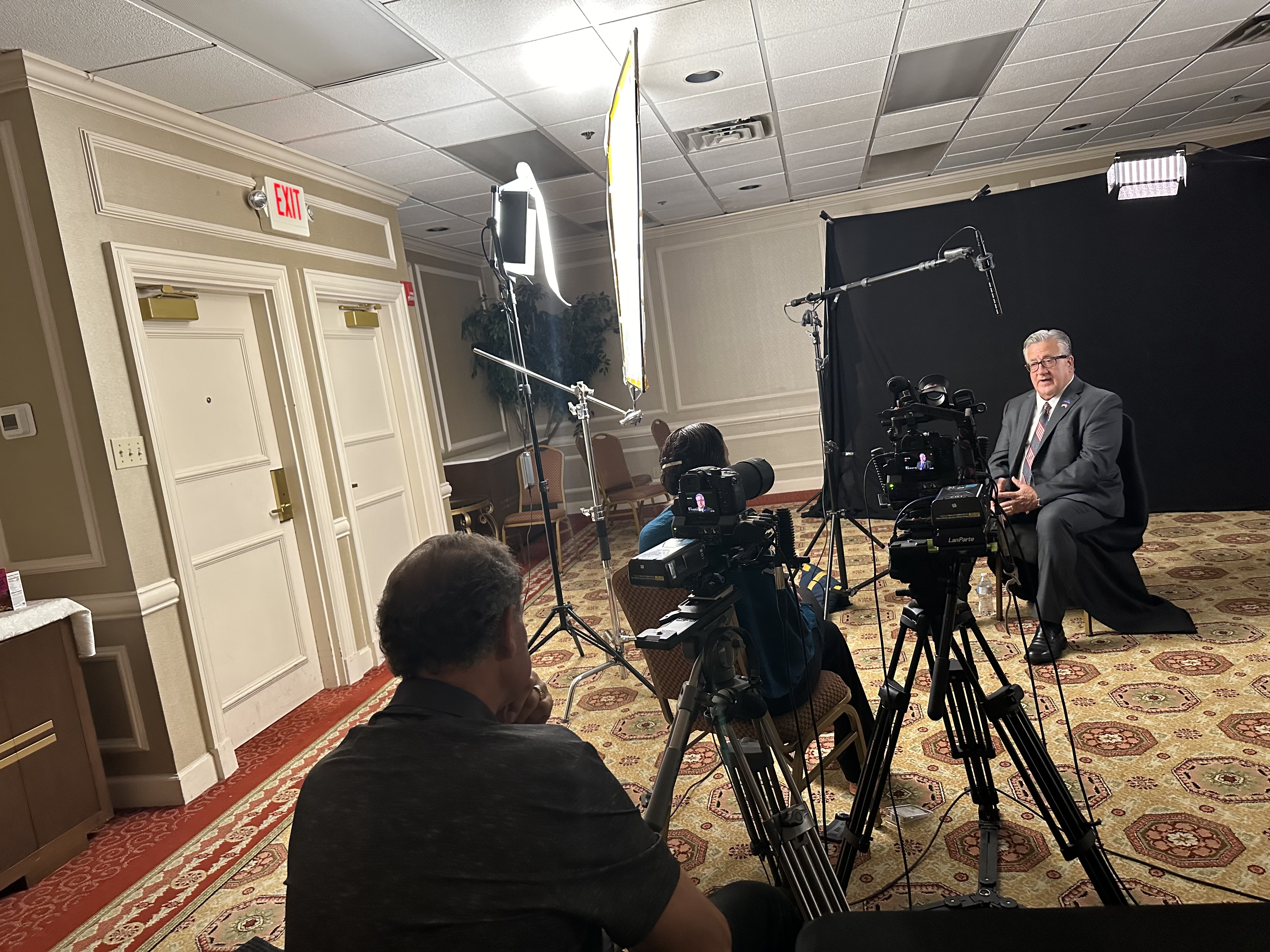
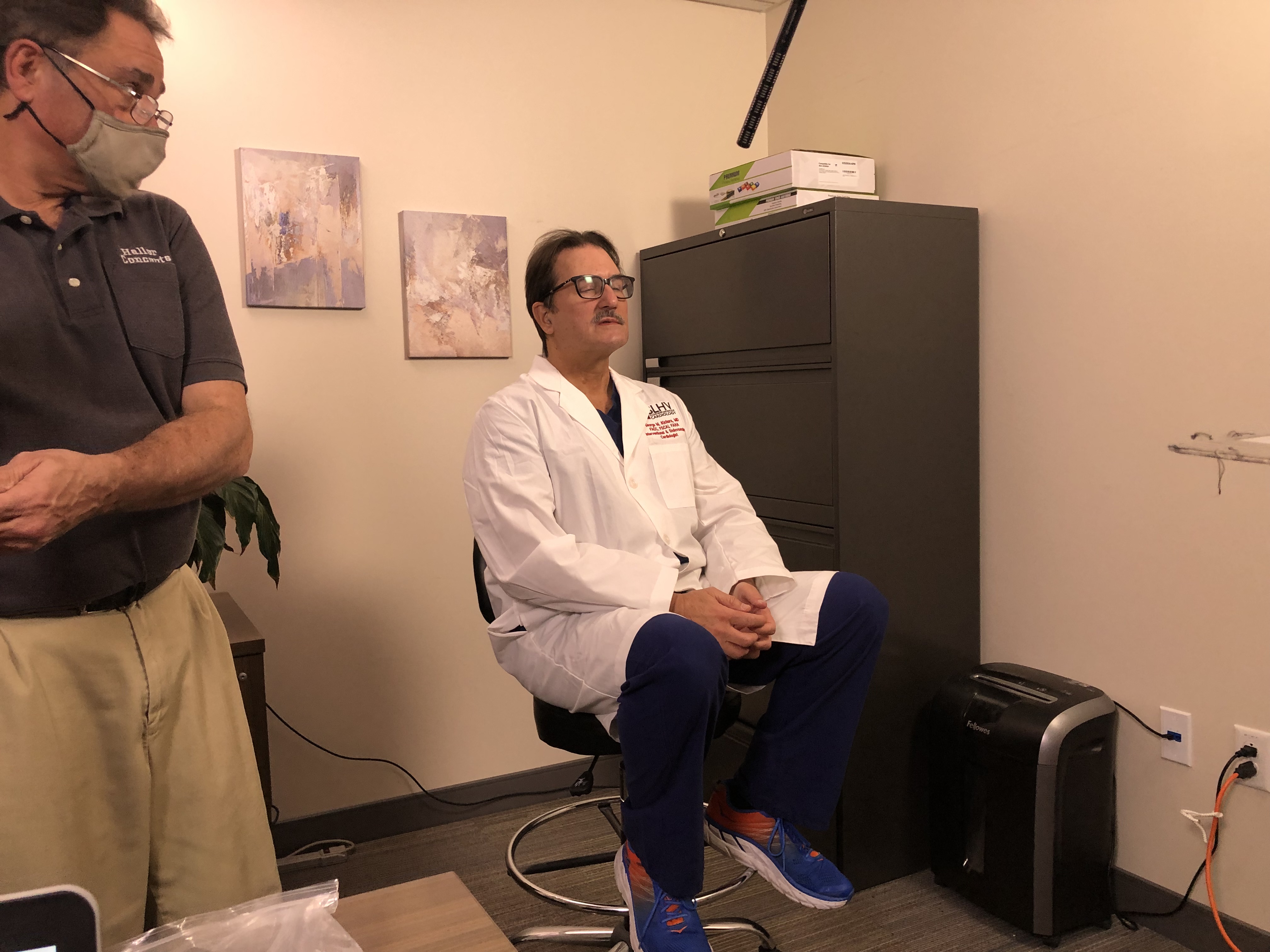
The Pop-Up Studio: One of the most effective tactics we deploy is setting up a small, private interview studio adjacent to the main event floor. This allows us to pull aside VIPs, happy customers, or industry experts for polished, controlled interviews while they are already on-site and engaged.
4. The Lifecycle of Content: Repurposing
The real ROI of event video comes in post-production. A skilled production partner doesn’t just hand over a hard drive of raw files. They help you build a content strategy.
A single day of shooting can fuel a marketing calendar for a quarter. We can take a 45-minute keynote and slice it into ten 60-second vertical clips tailored for TikTok or Instagram Reels, three 3-minute substantive clips for YouTube, and a polished blog header video.
We are well-versed in all file types, aspect ratios, and styles of media necessary for modern digital distribution. If your video branding isn’t gaining traction, it is likely because it isn’t being repurposed correctly for the platform it lives on.
The St Louis Video Production Advantage
Executing a high-stakes business event shoot requires more than just a camera owner; it requires a full-service production partner with deep roots in the community and a history of reliability.
Since 1982, St Louis Video Production has been that partner for countless businesses, marketing firms, and creative agencies across the St. Louis area. We understand the local landscape and the demands of corporate communications.
We are a full-service professional commercial photography and video production company equipped with the right gear and experienced creative crews for successful image acquisition in any environment. Whether your event is in a massive convention hall or an intimate boardroom, we support every aspect of your productionโfrom supplying professional sound and camera operators to ensuring seamless logistics.
Our capabilities extend beyond standard event coverage. We offer licensed drone services and are unique in our ability to safely fly specialized drones indoors to capture spectacular aerial perspectives of your venue or trade show floor.
Furthermore, we stay at the cutting edge of technology, integrating the latest in Artificial Intelligence into our media services for enhanced editing workflows and visual effects.
For more controlled content creation during your event, our private studio offers the perfect visual setup for interview scenes. Our studio space is large enough to incorporate specific props, allowing us to round out your set and create a fully customized look that aligns with your brand identity.
St Louis Video Production is dedicated to customizing your productions for diverse types of media requirements, ensuring your event investment pays dividends long after the final curtain call.
In the contemporary professional landscape, management and life coach consultants are no longer just selling a service; they are selling intellectual capital, trust, and transformation. For decision-makers in marketing and corporate procurement, the challenge lies in translating these intangible assets into a tangible, persuasive medium.
Video is the most effective tool for this translation. However, for a consultantโs message to resonate with high-level executives or individuals seeking profound change, the production quality must mirror the caliber of the advice being given.
The Strategic Pillars of Consulting Media
To create video content that converts, consultants must move beyond “talking head” clips and embrace a multi-faceted media strategy.
1. The Psychology of the “Trust Profile”
For a management consultant, the first 10 seconds of a video establish professional authority. This is achieved through meticulous visual semiotics: the lighting must be crisp, the audio must be broadcast-quality, and the environment must reflect a high-stakes corporate or reflective personal setting. High-end cinematography signals that your insights are premium products.
2. Narrative Case Studies (The Transformation Arc)
Generic testimonials are easily ignored. Effective video production for coaches utilizes a cinematic approach to storytelling. By blending interview footage with high-quality B-roll of the consultant in action, you demonstrate a “proof of concept.” This allows prospective clients to visualize the journey from their current pain points to their desired outcomes.
3. Educational Micro-Content
Management consultants thrive on “frameworks.” We recommend breaking down complex methodologies into short, punchy, high-retention videos.
LinkedIn Insights: 60-second clips focused on a single leadership tactic.
Webinar Trailers: High-energy teasers that drive registrations.
The “Vlog” Evolution: Using professional studio setups to elevate regular updates above the “webcam” noise of competitors.
Maximizing ROI through Multi-Channel Repurposing
One of the most significant mistakes organizations make is treating a video shoot as a one-time event. In a professional production environment, we focus on Image Acquisition Efficiency. A single day in a professional studio can be engineered to yield:
A flagship “Who We Are” brand film.
A library of high-resolution professional headshots and “in-action” photography.
Dozens of vertical social media clips extracted from long-form interviews.
AI-enhanced transcripts for blog posts and whitepapers.
Why St. Louis Video Production is Your Strategic Partner
At St. Louis Video Production, we arenโt just operators; we are creative partners who understand the nuances of corporate branding and personal coaching. Since 1982, we have served as a full-service professional commercial photography and video production corporation, helping St. Louis businesses and marketing firms articulate their value through superior imagery.
Our Capabilities Include:
Full-Service Studio & Location: Our private studio features professional lighting and a visual setup perfect for intimate interview scenes, yet large enough to incorporate custom props to round out your set.
Advanced Technology: We utilize the latest in Artificial Intelligence to enhance our post-production workflows, ensuring your media is optimized for every file type and platform requirement.
Specialized Drone Services: We employ licensed drone pilots capable of flying specialized drones both outdoors and indoors, providing unique perspectives of your workspace or seminars.
Comprehensive Crew Support: From professional sound engineers and camera operators to expert editors, we ensure every aspect of your production is seamless.
Whether you are a management consultant looking to break into the C-suite or a life coach expanding your digital footprint, we customize our productions to meet your specific media requirements. We don’t just capture video; we capture authority.
Commercial roofs rarely fail overnight. Leaks, trapped moisture, and insulation breakdown usually start as small, invisible problems that quietly erode your asset value. By the time you see water stains inside the building, the damage is already expensiveโand often disruptiveโto fix.
Drone-based thermal inspections change that equation.
By combining high-resolution infrared (thermal) imaging with aerial photography, we can quickly identify trouble spots across large commercial roofsโwithout scaffolding, risky walk-arounds, or shutting down operations. For asset managers, facility teams, and marketing or communications leaders, this is not just a maintenance tool; itโs a strategic way to protect brand, budgets, and the occupant experience.
What Is a Commercial Roof Thermal Inspection by Drone?
A drone thermal inspection uses an aerial platform equipped with:
A high-resolution RGB camera for visual documentation
A thermal (infrared) camera that measures subtle temperature variations across the roof surface
Every object emits infrared radiation based on its temperature. The thermal camera detects this and translates it into an image, where warmer and cooler areas are represented by different tones. On a commercial roof, those temperature differences can reveal:
Areas of trapped moisture beneath membranes or coatings
Compromised insulation thatโs leaking energy
Ponding water or drainage issues
Thermal bridging around penetrations, edges, and rooftop equipment
Heat signatures that may indicate mechanical or electrical issues with rooftop units
The drone flies a pre-planned grid pattern over the roof, capturing overlapping thermal and visual images. These are then stitched, analyzed, and mapped into a comprehensive report your team can act on.
Why Thermal Drone Inspections Matter to Decision Makers
For decision makers responsible for capital budgets, risk management, and brand reputation, drone thermal inspections deliver value in several critical ways.
1. Early Leak Detection and Moisture Mapping
Traditional inspections often rely on what inspectors can see at eye levelโcracks, blisters, visible damage. By the time water shows up inside, moisture has usually migrated through layers of roofing, insulation, and structure.
Thermal imaging can detect temperature anomalies consistent with moist insulation long before interior leaks appear. That means:
Targeted repairs instead of full system replacement
Reduced interior damage to ceilings, finishes, and equipment
Shorter disruption to tenants and operations
This is especially valuable for large roofsโwarehouses, hospitals, schools, office parksโwhere walking every square foot thoroughly is impractical.
2. Energy Efficiency and ESG Reporting
Insulation failures and air leaks donโt just impact comfort; they show up on the energy bill. Drone thermal inspections can reveal where conditioned air is escaping or where insulation has lost performance.
For organizations focused on ESG goals, LEED certifications, or sustainability reporting, thermal maps and documented improvements provide:
Evidence of energy-loss hot spots before remediation
Visual proof of corrective actions after repairs or upgrades
Compelling visuals for annual reports, stakeholder updates, and presentations
Itโs a technical service that can be translated into clear communication for executives, investors, and the public.
3. Better Capital Planning and Warranty Documentation
Roof systems are major capital assets. Drone thermal inspections help you manage them like the long-term investments they are.
Benchmarking condition today, then comparing over time
Supporting warranty claims with time-stamped imagery and thermal data
Prioritizing which sections need attention first instead of guessing
Aligning roof replacement decisions with budget cycles and building strategy
When you can see the entire roof at onceโvisually and thermallyโitโs much easier to justify your capital requests with data, not anecdotes.
4. Safety, Liability, and Downtime Reduction
Sending staff or contractors onto a roof always carries riskโespecially when surfaces are wet, icy, or cluttered with equipment.
Drone inspections dramatically reduce the need for rooftop foot traffic, helping:
Lower the risk of slips, falls, and OSHA incidents
Minimize disruption to normal operations
Provide a faster first assessment after storms, hail, or wind events
In many cases, the drone can be deployed quickly after severe weather to document conditions for insurance and internal risk teams before anyone physically steps onto the roof.
How a Professional Drone Thermal Inspection Process Works
While every building is unique, a well-run thermal inspection follows a disciplined process.
1. Discovery and Scope
We start with a conversation:
Building type and use (office, industrial, healthcare, education, etc.)
Roof construction (membrane, built-up, metal, coated systems)
Known trouble areas, history of leaks, warranty status
Access limitations, nearby airspace considerations, and operational constraints
This ensures the flight plan, camera settings, and deliverables match your goals.
2. Flight Planning and Compliance
Professional operations are always FAA Part 107โcompliant and follow local airspace rules. Planning includes:
Defining safe launch and landing zones
Establishing altitudes and flight paths for full coverage
Ensuring we maintain appropriate stand-off distances from people and property
Coordinating timing so the roof has a strong enough temperature differential (typically late afternoon or early evening after solar loading)
All of this is handled before a drone ever leaves the ground.
3. Data Capture: Thermal and Visual
During the flight, the drone captures:
High-overlap thermal imagery for later mapping and analysis
High-resolution RGB photos for visual context, documentation, and reporting
Close-up visuals of penetrations, seams, rooftop units, and terminations as needed
The goal is not just pretty pictures, but actionable dataโimagery that can be correlated to specific locations, units, and features on your roof.
4. Analysis and Interpretation
Once the data is captured, the post-production work begins:
Stitching imagery into orthomosaic maps
Calibrating thermal data and reviewing for patterns, anomalies, and false positives
Cross-referencing thermal hotspots with visual images to distinguish moisture, ponding water, reflectivity issues, or equipment heat
Professional teams understand that not every hot or cold spot is a leak. Experience with commercial roof systems and thermography is critical to correctly interpreting what the camera is seeing.
5. Deliverables You Can Use
A good inspection doesnโt end with a folder of images. It should give you clear, decision-ready deliverables, such as:
A written summary report in plain language
Annotated thermal maps highlighting areas of concern
Side-by-side thermal and visual images of problem zones
Suggested next steps, whether thatโs invasive testing, targeted repairs, or ongoing monitoring
Optional visual assets (photos and video) that you can use for internal presentations, facility documentation, and stakeholder communications
Turning Roof Data Into Communication and Marketing Assets
For many organizations, building performance and resilience are no longer โback-of-houseโ topics. They are front-and-center in:
Investor presentations
Corporate responsibility reports
Recruitment and culture materials
Tenant communications and leasing collateral
Professionally shot aerial video and stills from your thermal inspection can be repurposed to:
Demonstrate your commitment to proactive maintenance and safety
Highlight energy-efficiency initiatives and sustainability projects
Illustrate capital improvements in a way that is easy for non-technical stakeholders to grasp
When your inspection partner is also an experienced commercial video production team, the same mission can produce both technical documentation and polished visual storytelling.
What to Look for in a Drone Thermal Inspection Partner
If youโre evaluating vendors, a few key criteria help separate a basic drone operator from a professional production and inspection partner:
Experience with commercial roofs, not just general drone flying
Licensed, insured pilots who understand airspace, risk management, and industrial environments
Radiometric-capable thermal cameras for accurate temperature data
A proven post-production workflow for reports, mapping, and visual deliverables
The ability to integrate inspection footage into broader marketing or documentation efforts
Capability to operate safely in tight or indoor spaces, when specialized drones are required
When these elements come together, you get more than a one-off inspectionโyou get a visual and thermal data partner for your facilities portfolio.
Why St Louis Video Production Is a Smart Choice for Drone Roof Thermal Inspections
As an experienced videographer, photographer, and producer at St Louis Video Production, Iโve seen firsthand how combining technical inspection work with high-end visual production gives organizations a powerful advantage. Youโre not only identifying problems earlyโyouโre also building a library of visuals that serve facilities, risk management, marketing, and leadership teams simultaneously.
St Louis Video Production is a full-service professional commercial photography and video production company with the right equipment and experienced creative crew for successful image acquisition on complex sitesโroofs included. We offer full-service studio and location video and photography, along with editing, post-production, and licensed drone pilots who understand both storytelling and technical capture.
We can customize your productions for diverse media requirements, whether you need a focused thermal inspection report, a facilities update for executives, or a full marketing piece around your building upgrades. Repurposing your existing photography and video branding to gain more traction across channels is another core specialty. Our team is well-versed in all common file types, media formats, and software platforms, making it easy to plug our work into your internal systems and vendors.
We also leverage the latest in Artificial Intelligence across our media servicesโfrom intelligent footage organization and enhanced image analysis to smart editing workflows that keep projects efficient and on schedule.
Our private studio lighting and visual setup is ideal for small productions, executive interviews, and explainer segments that can accompany your inspection visuals. The studio is large enough to incorporate props and set elements that help tell your facility story in a compelling way. On every project, we support the full production lifecycleโfrom setting up a private, custom interview studio to supplying professional sound and camera operators, as well as providing the right equipment on siteโso your next video or inspection-driven communication is seamless and successful.
When rooftop access is limited or specialized perspectives are needed, we can even fly our specialized drones indoors where appropriate and safe, capturing unique visuals that traditional crews cannot.
As a full-service video and photography production corporation serving the St. Louis area since 1982, St Louis Video Production has partnered with countless businesses, marketing firms, and creative agencies on their marketing photography and video. If youโre exploring commercial roof thermal inspections by droneโor looking to turn technical inspections into clear, compelling visual storiesโour team is ready to help you see your buildings differently, from the roof down.
If you sell a serviceโIT, healthcare, engineering, logistics, facilitiesโyour โproductโ is trust. Moving pictures are often the fastest way to prove that trust. The recurring question for marketing leaders: invest in original video production or assemble campaigns from stock clips? The smart answer is a frameworkโbalancing cost, control, and brand risk against speed and campaign goals. Hereโs a practical, field-tested guide from the production floor.
Executive Summary (for busy stakeholders)
Stock footage is efficient for low-stakes, short-life assets (internal explainers, early mockups, quick social tests).
Custom video wins when you need ownable IP, legal clarity, narrative cohesion, and proof of your real people, processes, and locations.
Hidden costs and risksโlicensing limits, look-alike competitors, audio/music rights, compliance missesโoften turn โcheapโ stock into the costlier option.
Cost: Sticker Price vs. Total Cost of Ownership (TCO)
Direct costs
Stock footage: Clip/subscription fees, often per seat or per deliverable; extended licenses for paid media or OTT quickly escalate.
Custom video: Crew, gear, locations, permits, talent, and post. Upside: broad rights, consistent masters, footage libraries that pay off across quarters.
Hidden and downstream costs
License governance for each clip (duration, territory, impressions, media types).
Music & SFX rightsโeven โroyalty-freeโ tracks can exclude broadcast/paid social.
Style stitchingโtime spent matching disparate clips and codecs, frame rates, color science, and grain.
Replacement costs if a competitor uses the same hero shot.
Performance taxโgeneric visuals depress watch time and conversions on high-intent pages.
A quick ROI lens If custom video lifts conversion or sales enablement metrics even modestly, the compounding reuse (web, social, recruiting, PR, tradeshows) usually beats stock within one campaign cycle.
Control: Narrative, Consistency, and Compliance
Narrative control
Stock: You inherit someone elseโs angles, casting, and context. Coverage gaps force script compromises.
Custom: You design story beatsโcold open, proof moments, VO sync, graphics handoffsโso messaging drives pictures, not the other way around.
Visual consistency
Stock is a collage: mixed camera systems, white balances, shutter cadences, and motion blur.
Custom yields a repeatable look: lens set, LUTs, lighting ratios, motion language, and lower-thirds templating that scale across all channels.
Regulatory & safety
Stock often misses details your buyers and auditors scrutinize: correct PPE, HIPAA-safe contexts, lockout/tagout cues, sterile fields, data-center protocols.
Custom lets us stage compliance correctly and clear it with your legal or safety teams in advance.
Brand Risk: Where Teams Get Surprised
Competitor collisions: The same โtechnician walking and pointingโ shows up in your marketโcredibility dips.
Context errors: Wrong facility types, unrealistic equipment, or non-Midwest exteriors that break authenticity.
Rights ambiguity: Editorial vs. commercial, actor/model releases, trademarked backgrounds, and AI re-edits that violate clip terms.
Provenance: Mixed AI/3D/real clips without content credentials invite scrutiny. With custom, we can embed C2PA for source transparency.
When Stock Footage Makes Sense (and How to Use It Well)
AI policy (permitted enhancements, disclosure, provenance)
Where AI Fits (and Where It Doesnโt)
Use AI to storyboard, generate animatics, clean plates, remove distractions, automate captions, version graphics, and upscale. For credibilityโreal people, regulated processes, facility specificsโcapture reality and use AI as a finishing tool. Preserve provenance with Content Credentials.
Bottom Line
For service brands, video isnโt decorationโitโs evidence. Stock footage has a role in speed and prototyping, but the videos that build trust and move revenueโcohesive stories, accurate process visuals, compliant details, and consistent brand languageโcome from custom production. Model total cost and risk honestly, and bespoke video becomes the most economical choice you can make.
About St Louis Video Production
St Louis Video Production is a full-service professional commercial video and photography company with the right equipment and creative crew experience for successful image acquisition. We provide full-service studio and location video and photography, plus editing and post-production, and licensed drone pilotsโincluding the ability to fly our specialized drones indoors for dynamic, cinematic facility footage.
We customize productions for diverse media requirements and excel at repurposing your video and photography branding to maximize traction across web, social, recruiting, sales enablement, trade shows, and paid media. Our team is well-versed in all file types, media styles, and accompanying software, and we leverage the latest Artificial Intelligence for efficient, secure workflowsโfrom denoise and upscaling to smart captioning and content credentials. Our private studio lighting and visual setup is ideal for executive interviews and small productions, with space to incorporate props and sets.
As a full-service production corporation since 1982, St Louis Video Production has partnered with businesses, marketing firms, and creative agencies throughout the St. Louis area to deliver credible, conversion-ready video libraries. We support every aspect of your productionโfrom setting up a private, custom interview studio to supplying professional sound and camera operators and the right equipmentโensuring your next video production is seamless and successful.