The Strategic Case for Investing in Internal Video — Without Overspending
In today’s competitive labor market, the ability to onboard efficiently, train consistently, and retain top talent isn’t a human resources luxury — it’s a measurable business advantage. Yet many organizations continue to rely on outdated printed manuals, inconsistent in-person sessions, and slide decks that fail to engage the modern workforce. The solution is not complicated. It is video.
What stops most decision-makers from committing to internal training and employee retention video programs is the assumption that professional production is cost-prohibitive. That assumption is wrong — and correcting it could be one of the most impactful operational decisions your organization makes this year.
Why Video Outperforms Every Other Training Medium
The research is unambiguous. Employees retain approximately 95 percent of a message delivered via video, compared to roughly 10 percent when reading text. That single statistic reframes the entire conversation around production budgets. The question is no longer whether you can afford professional training videos — it is whether you can afford the ongoing cost of inconsistent, ineffective training delivered through inferior media.
Video standardizes your message. Every employee in every department, in every location, receives the same information, delivered with the same tone, emphasis, and accuracy. There is no variation based on who conducts the training session that morning. There is no institutional knowledge that walks out the door when a senior trainer retires. The content lives, is scalable, and is always available on demand.
For employee retention specifically, video communication from leadership — culture videos, recognition programs, benefit explainers, career path storytelling — creates emotional connection at scale. Employees who feel informed and valued stay longer. The cost of replacing a single employee routinely ranges from 50 to 200 percent of that employee’s annual salary. A well-produced retention video series pays for itself the first time it prevents a single departure.
Building an Economical Training Video Program: What Decision-Makers Need to Know
Economical does not mean cheap. It means strategically produced — where every production dollar is allocated with intention, and the resulting assets generate value across multiple use cases and extended timeframes.
Here is how organizations with serious internal communication goals approach this efficiently.
Modular Production Design
The most cost-effective training video programs are built modularly. Rather than producing one long, monolithic training film, the content is segmented into discrete, topic-specific modules — each three to eight minutes in length. This approach allows your organization to update individual segments as policies, procedures, or products change, without reshooting the entire library. It also dramatically improves learner engagement, since shorter, focused segments outperform lengthy presentations in completion rates and knowledge retention.
Interview-Driven Content
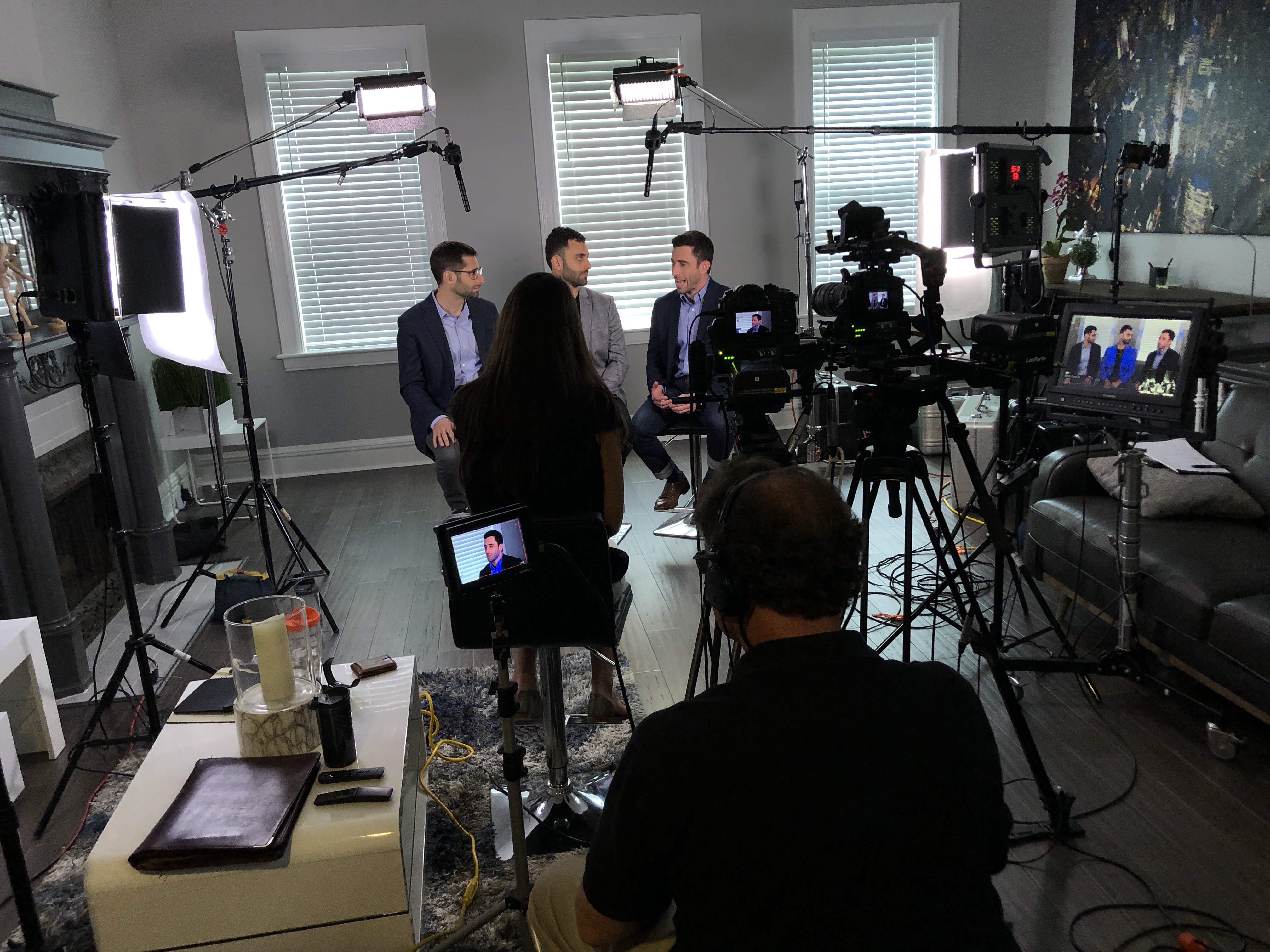
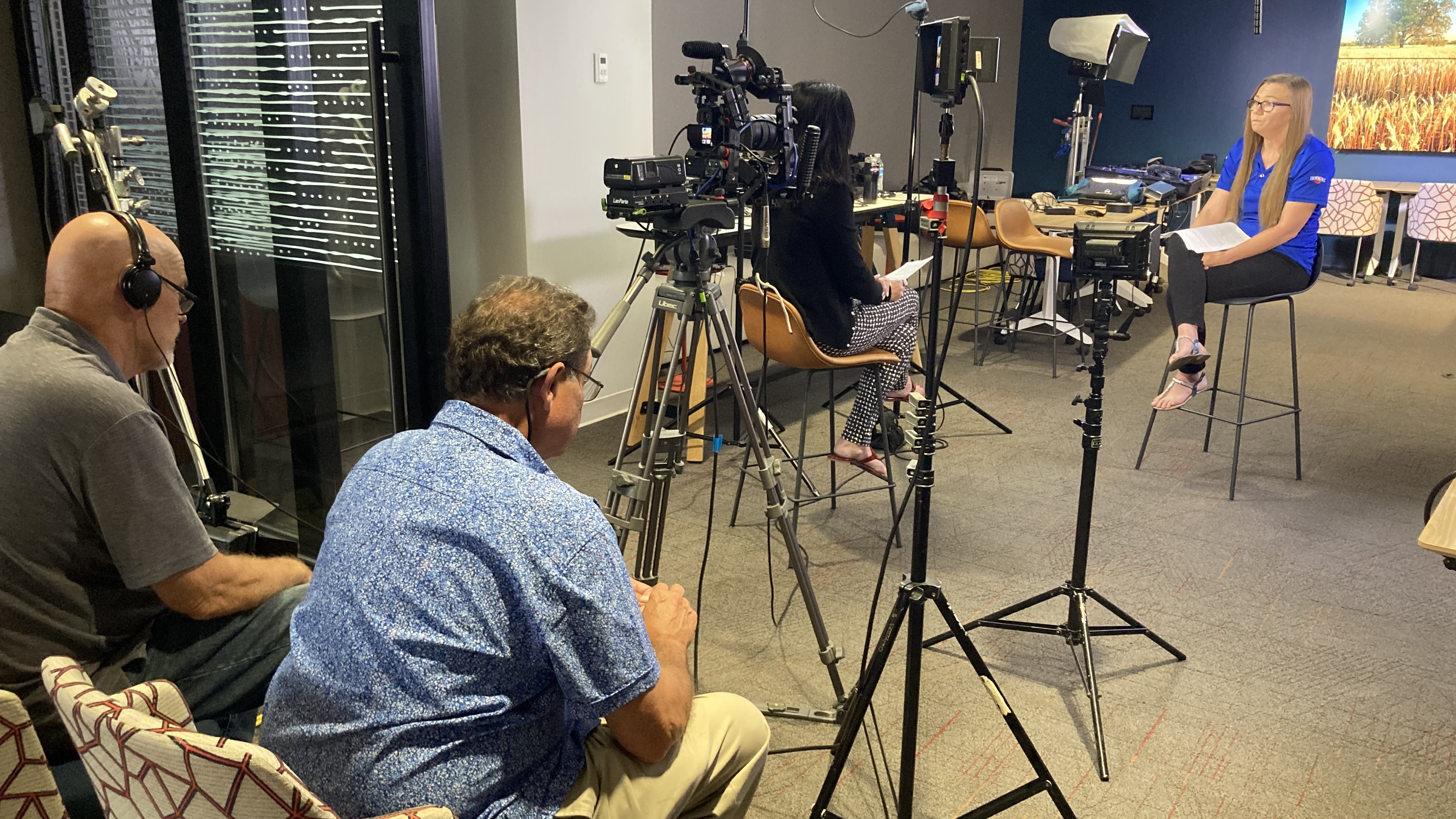
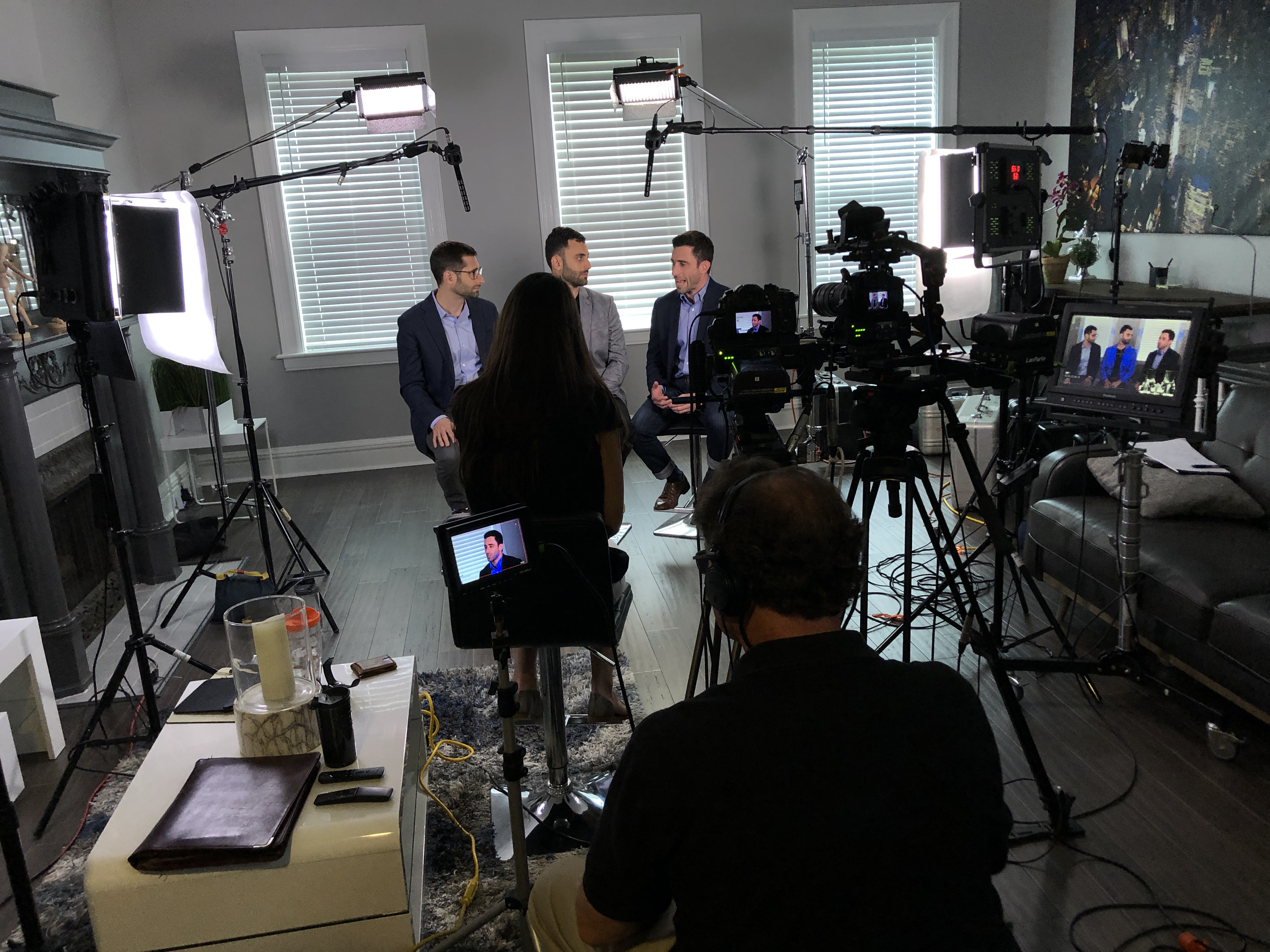
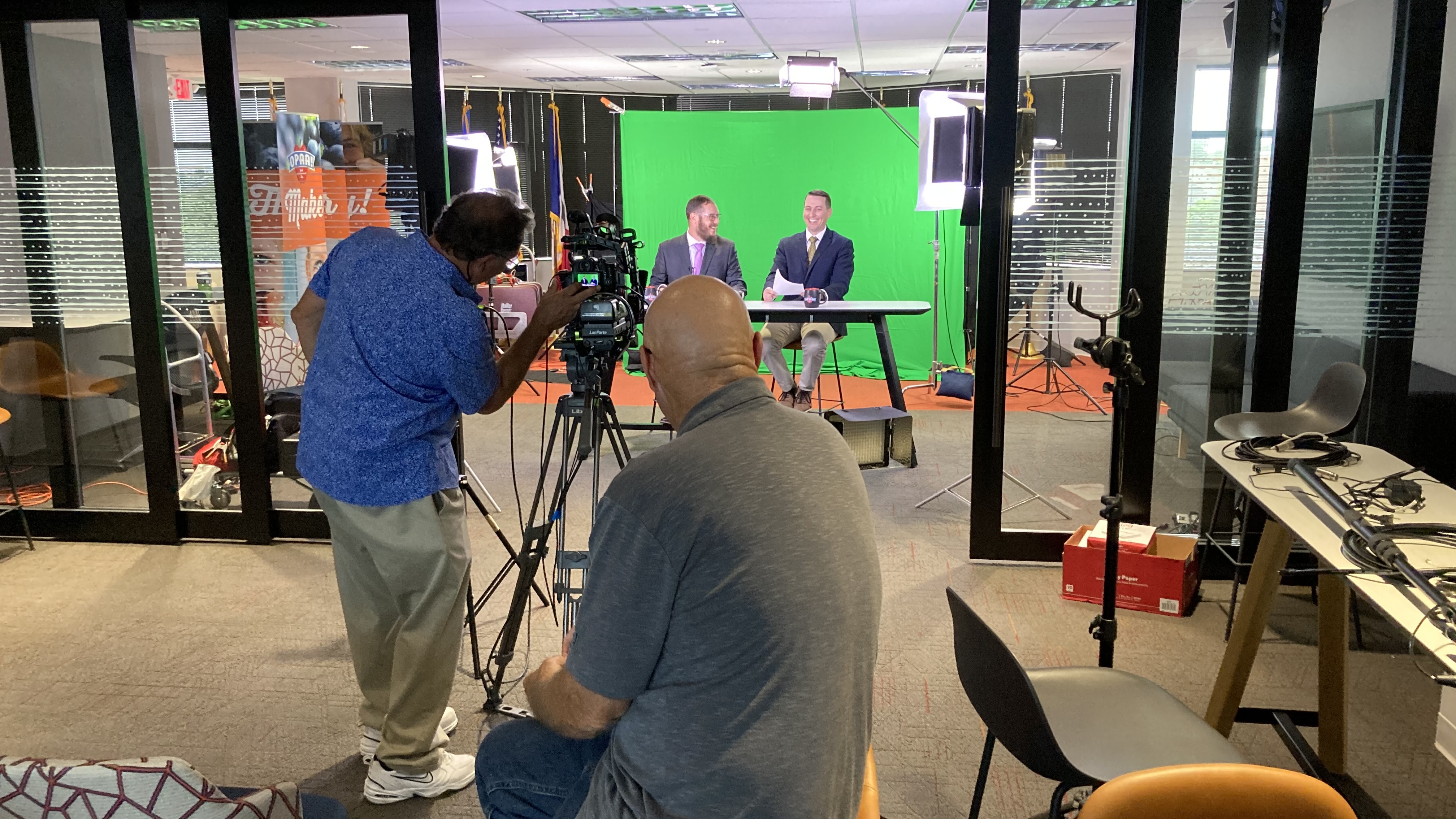
One of the most economical and authentic formats available is the controlled interview. Subject matter experts — your own team members, department heads, and executives — deliver content directly on camera in a structured interview format. This approach requires minimal scripting infrastructure, produces genuine and credible content, and transfers internal expertise to video in a way that resonates with employees. A well-lit, professionally sound-recorded interview series carries authority and warmth that no animated slideshow can replicate.
Evergreen Asset Strategy
Not all training content changes frequently. Safety protocols, company culture narratives, onboarding introductions, equipment orientation, and core values programming can remain relevant for years with minor updates. Prioritizing the production of evergreen content first maximizes your return on investment. Identify the content that will remain stable and produce it at the highest quality your budget allows. Supplement it over time with topical, modular additions.
Repurposing for Multiple Platforms
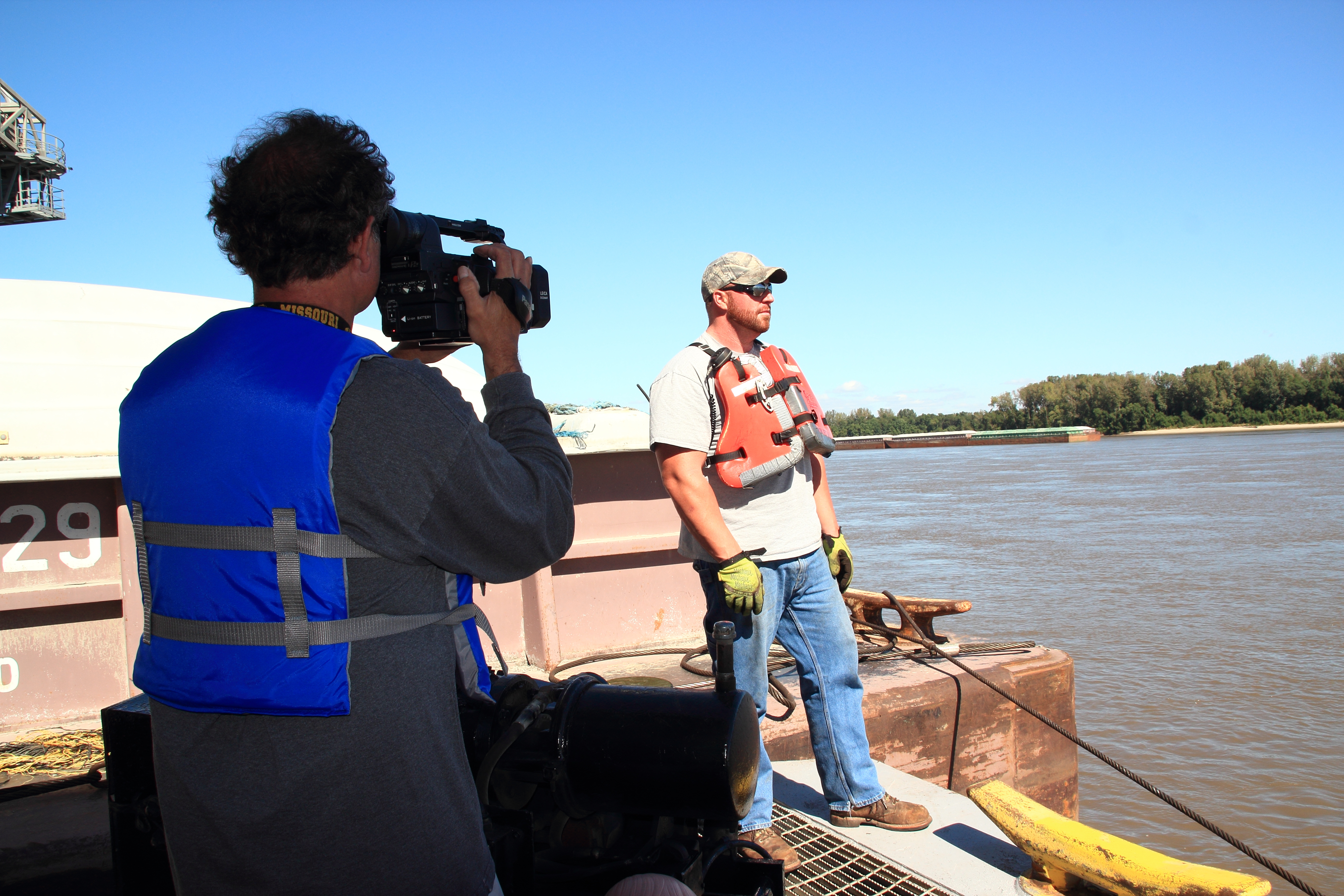
A professionally produced training video is rarely useful in only one context. The same interview segment filmed for onboarding can be reformatted for your careers page to attract applicants. The same safety demonstration produced for warehouse staff can be edited into a social media awareness campaign or a client-facing credibility piece. When production is planned with repurposing in mind from the outset, your per-use cost decreases significantly with every additional application.

The True Cost of Not Using Professional Video
Organizations that delay investment in professional training video production often do so because the cost of inaction is invisible — until it isn’t.
Consider the cumulative hours spent by managers repeating the same onboarding content to each new hire. Consider the liability exposure created by inconsistent safety training delivered informally. Consider the attrition driven by employees who feel disconnected from leadership and uncertain about their career trajectory. Consider the competitive disadvantage of slower ramp-up times for new personnel compared to organizations that have invested in scalable video training infrastructure.
When these costs are aggregated and placed alongside a realistic video production budget, the return on investment calculation becomes straightforward.
Types of Training and Retention Video Productions That Deliver Results
The following formats represent the highest-impact applications for organizations investing in internal video programming:
New Employee Onboarding Series — Welcoming, informative, and consistent. Covers company history, culture, policies, benefits, and role-specific orientation. Sets the tone for the employee relationship from day one.
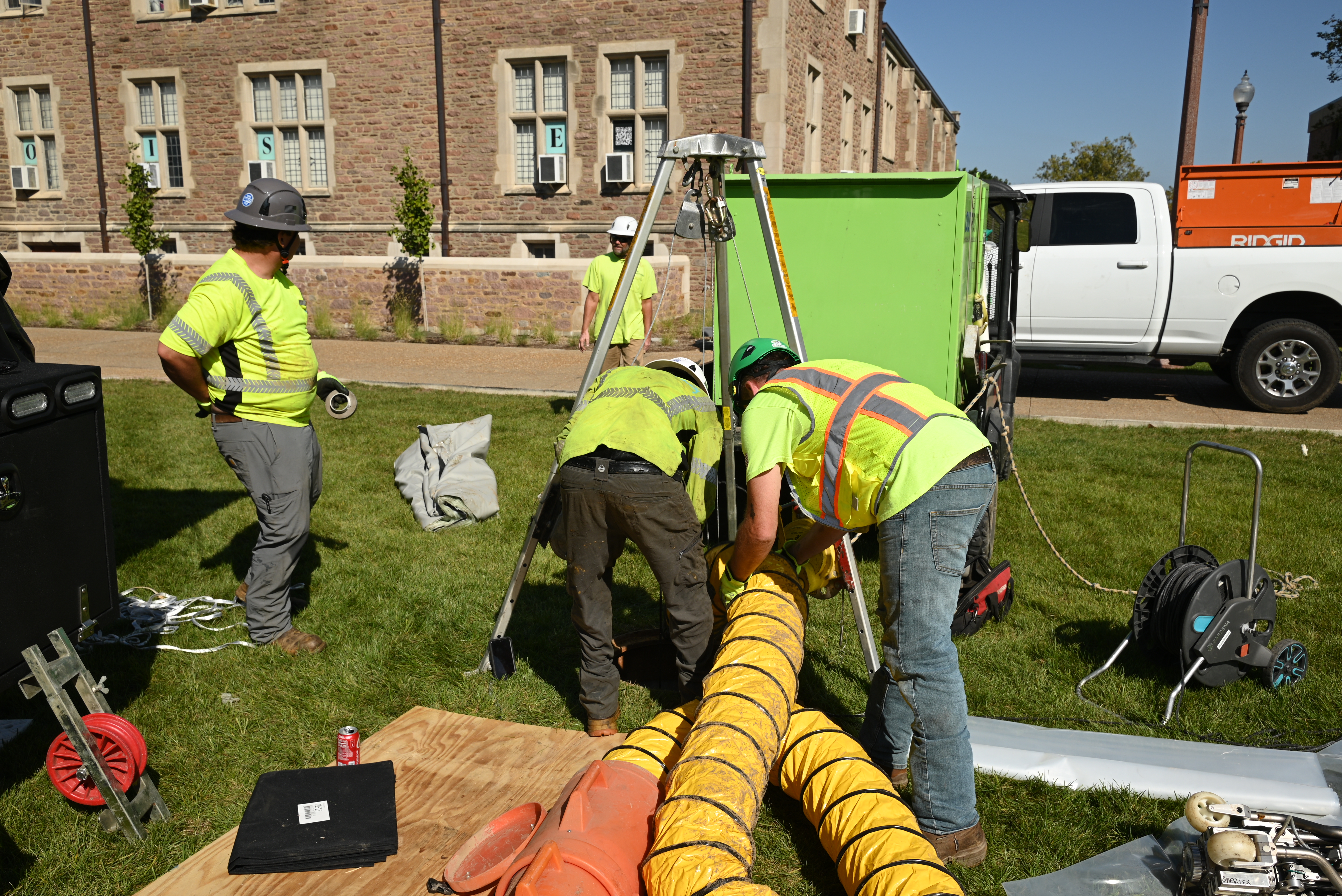
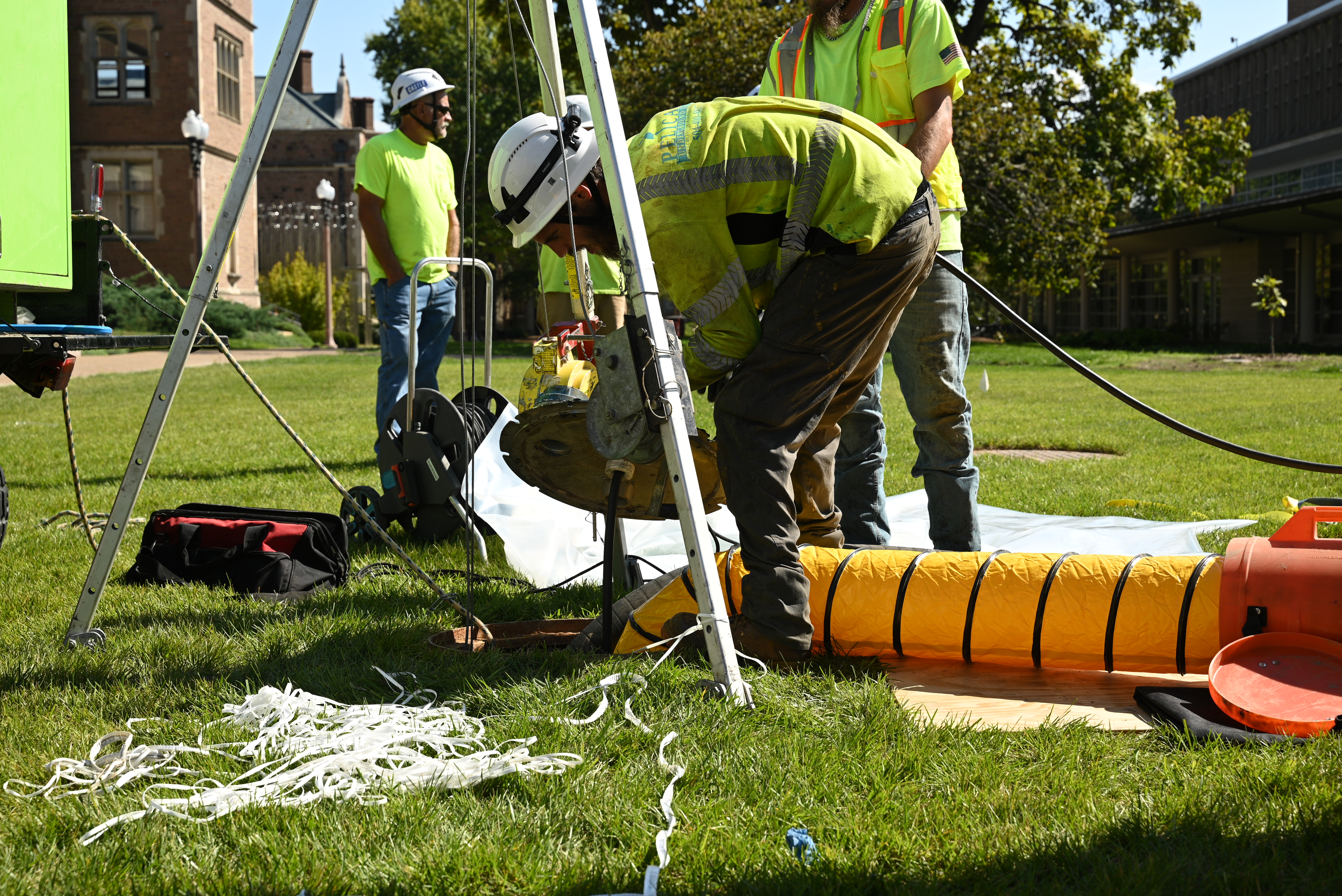
Compliance and Safety Training — Legally defensible, consistently delivered, and documentable. Reduces liability and ensures regulatory standards are met uniformly across all locations and shifts.
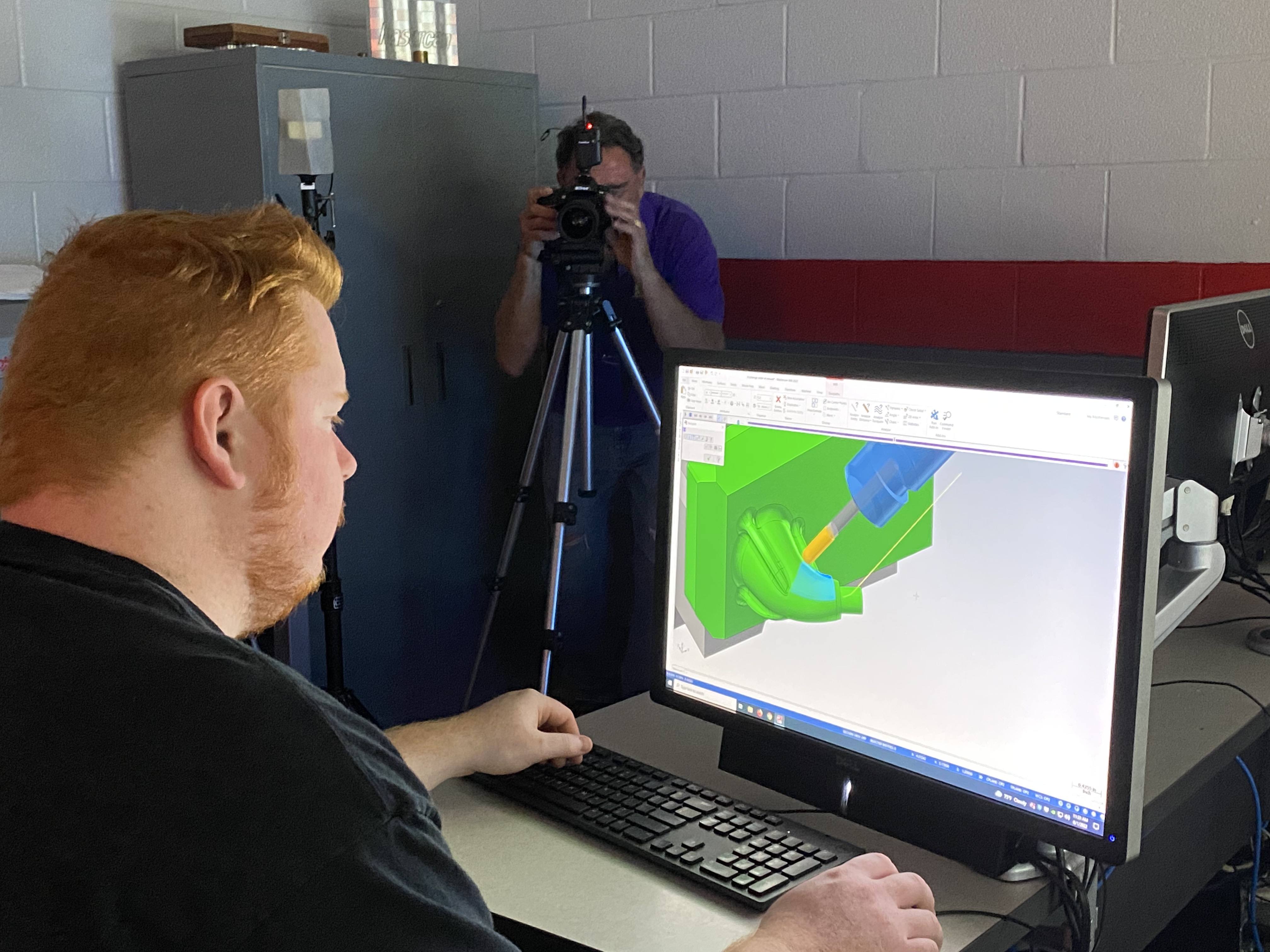
Process and Procedure Demonstrations — Step-by-step visual instruction for equipment operation, software platforms, customer service protocols, and technical workflows. Dramatically reduces errors and retraining time.
Leadership and Culture Communications — Executive messaging, town hall recordings, vision and values storytelling. Builds organizational identity and reinforces why employees choose to stay.
Career Development and Growth Path Videos — Shows employees what advancement looks like within your organization. One of the most underleveraged retention tools available.
Recognition and Milestone Content — Celebrates achievements, anniversaries, and team successes in a format that can be shared broadly. Reinforces belonging and loyalty.
Benefits and Wellness Explainers — Ensures employees actually understand and utilize the benefits your organization provides — improving satisfaction and reducing underutilization of investments already made.
Production Considerations for the Informed Buyer
When engaging a production partner for training and retention video, the following factors directly affect both quality and economy.
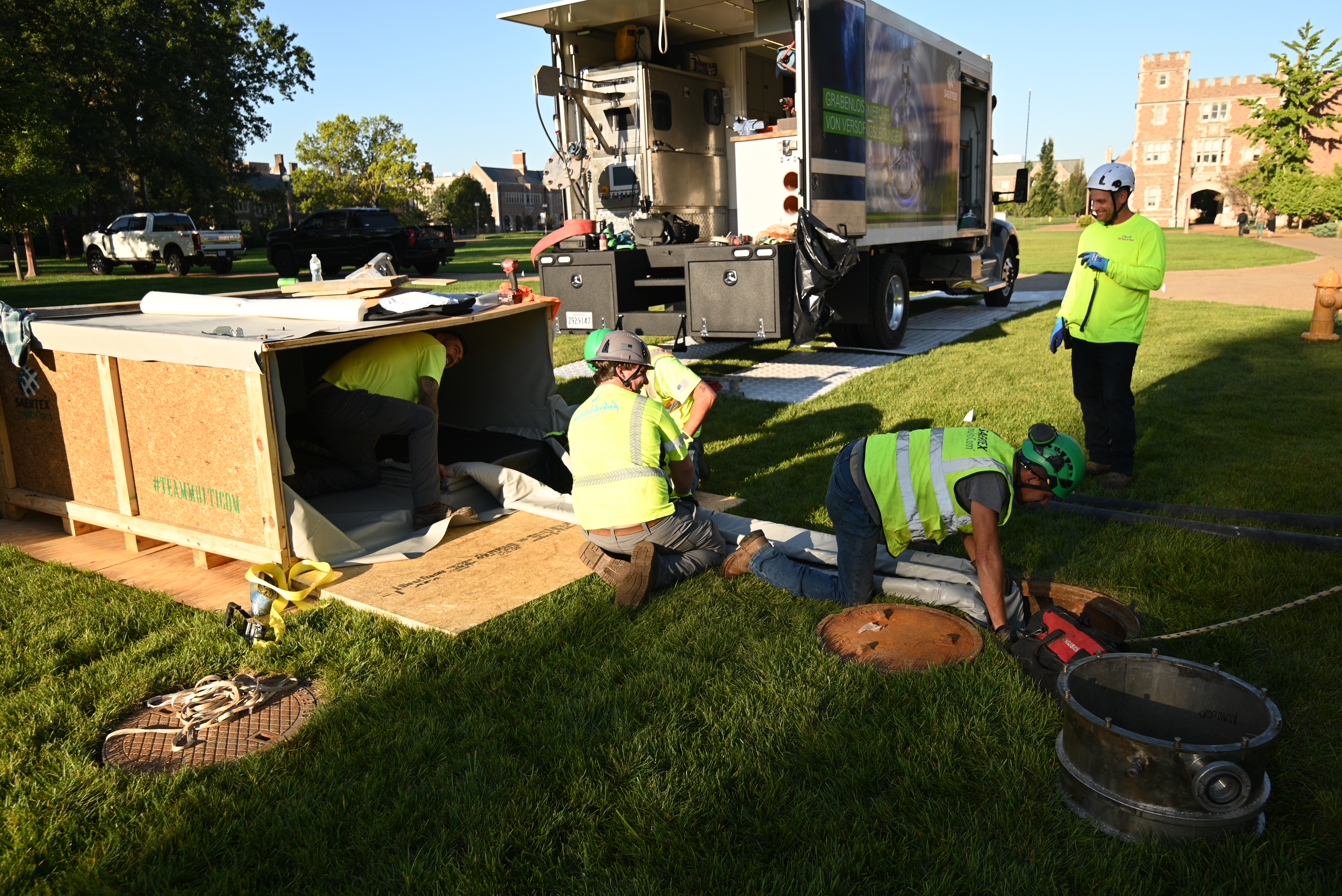
Location Versus Studio Production — Some content is best captured in the actual work environment, providing authenticity and environmental context. Other content — particularly executive interviews and sensitive HR topics — benefits from a controlled studio setting where lighting, acoustics, and visual presentation can be precisely managed. The ability to execute both efficiently, under one production relationship, reduces coordination overhead and ensures visual consistency across your library.
Audio Quality — No single production element is sacrificed more often in budget discussions and regretted more consistently in the finished product than audio. Professional sound recording is non-negotiable for training content. Employees and viewers will tolerate imperfect visuals. They will abandon video with poor audio within seconds.
Scripting and Content Development — Effective training video is not simply filmed conversation. It requires structured content development — clear learning objectives, logical sequencing, and appropriate pacing. A production partner with experience in training content understands the difference between producing a promotional video and producing a video designed to transfer knowledge and change behavior.
Post-Production and Editing — The editing phase is where training video is made functional. Chapter markers, lower thirds identifying speakers and topics, branded templates, closed captioning for accessibility and compliance, and proper file formatting for your learning management system or internal platforms — these are the details that determine whether your video library is genuinely usable at scale.
File Delivery and Format Versatility — Your training video assets will need to function across multiple platforms — LMS systems, intranets, mobile devices, presentation displays, and potentially broadcast contexts. Your production partner must be fluent in the full range of delivery formats and compression standards required for seamless, high-quality playback in every environment.


Artificial Intelligence as a Production Efficiency Tool
The integration of AI into professional video production has created meaningful opportunities to reduce turnaround time and expand the scope of what is achievable at a given budget. AI-assisted transcription, auto-captioning, content analysis, voice-over synthesis for draft review, and intelligent editing assistance are now standard components of an efficient post-production workflow. Organizations investing in training video today benefit from production timelines and price points that were not available even three years ago, while receiving technically superior finished products.
A Note on Drone and Specialty Imaging for Facility and Operations Training
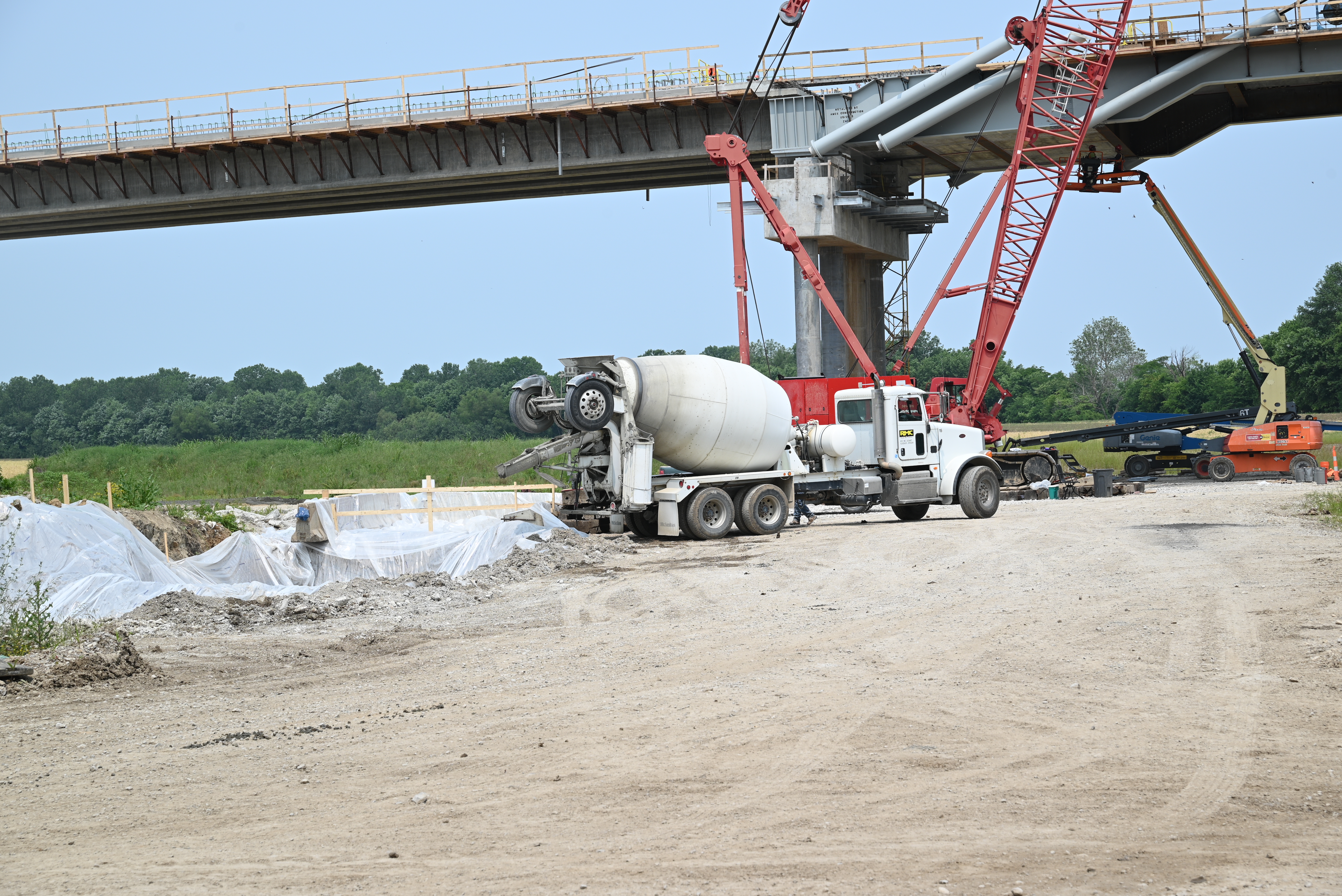
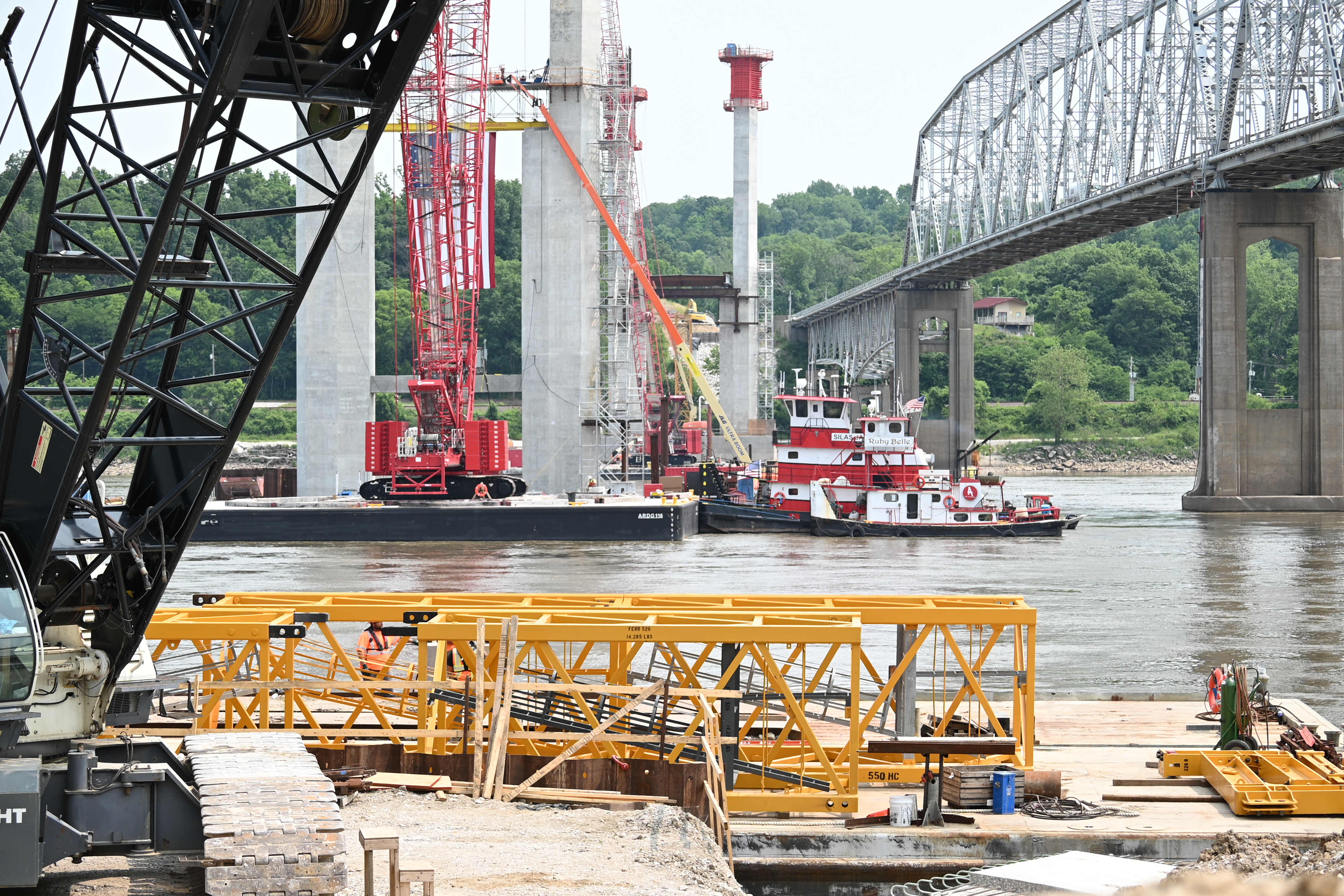
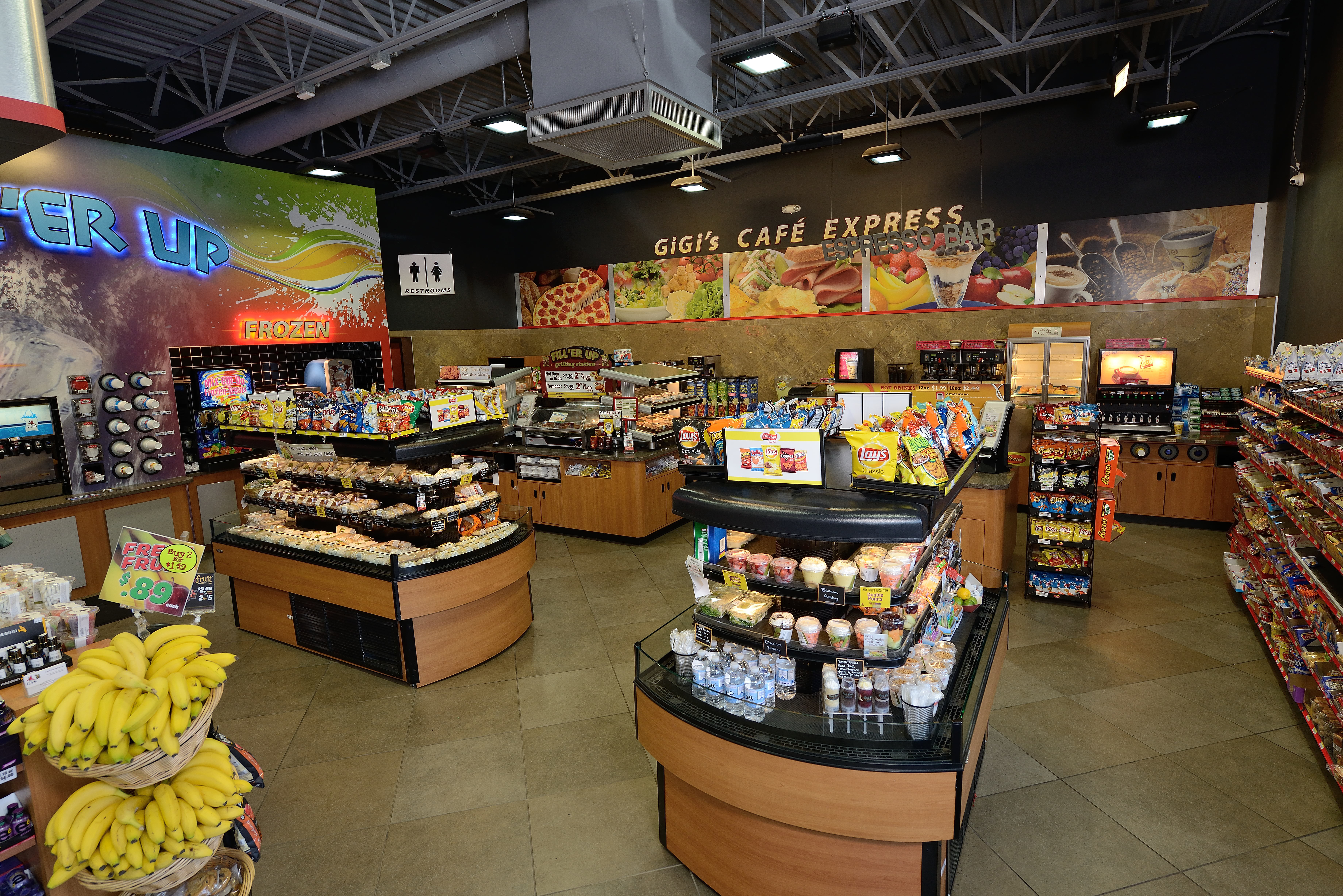
For organizations with physical facilities, manufacturing operations, construction sites, distribution centers, or expansive campuses, aerial and specialty imaging adds a dimension of context that ground-level videography cannot provide. Establishing shots that orient employees within a facility, overhead process documentation, infrastructure inspection footage, and site survey imaging are all legitimate components of comprehensive training video libraries. These capabilities, when integrated into your production program, eliminate the need for separate specialty vendors and reduce the coordination complexity that drives unnecessary cost.

St. Louis Video Production: Your Full-Service Partner for Training and Retention Video
Since 1982, St. Louis Video Production has served businesses, marketing firms, and creative agencies throughout the St. Louis region as a trusted full-service commercial photography and video production company. Our four decades of production experience across industries gives us a practical, informed perspective on what works — and what actually gets used — in professional internal communications.
We are equipped and experienced to handle every phase of your training and retention video program, from concept and content development through final delivery.
Our private studio is purpose-built for the controlled production environments that executive interviews, HR content, and on-camera instruction require. Professional lighting, optimized acoustics, and a configurable set large enough to incorporate props and environmental elements give your productions a polished, credible visual identity. For location-based production — facility walkthroughs, operational demonstrations, site documentation — our team brings the same professional standards to your environment.

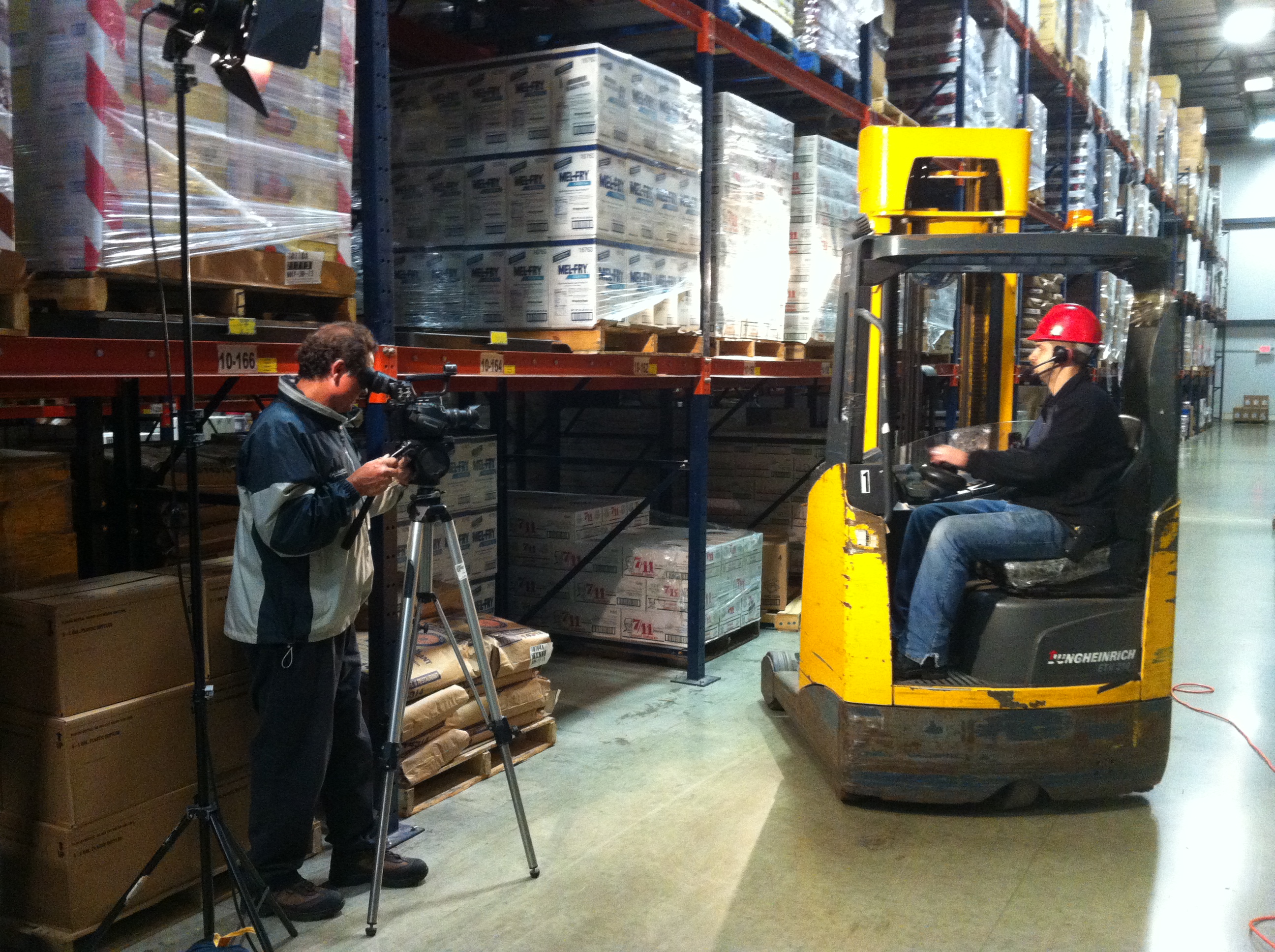
We provide complete crews including experienced camera operators and professional sound engineers, ensuring technical execution is never a variable that compromises your content. Our post-production capabilities encompass the full editing and finishing workflow, including file formatting for any platform or LMS your organization uses. We are fluent in every relevant file type, delivery standard, and media format.
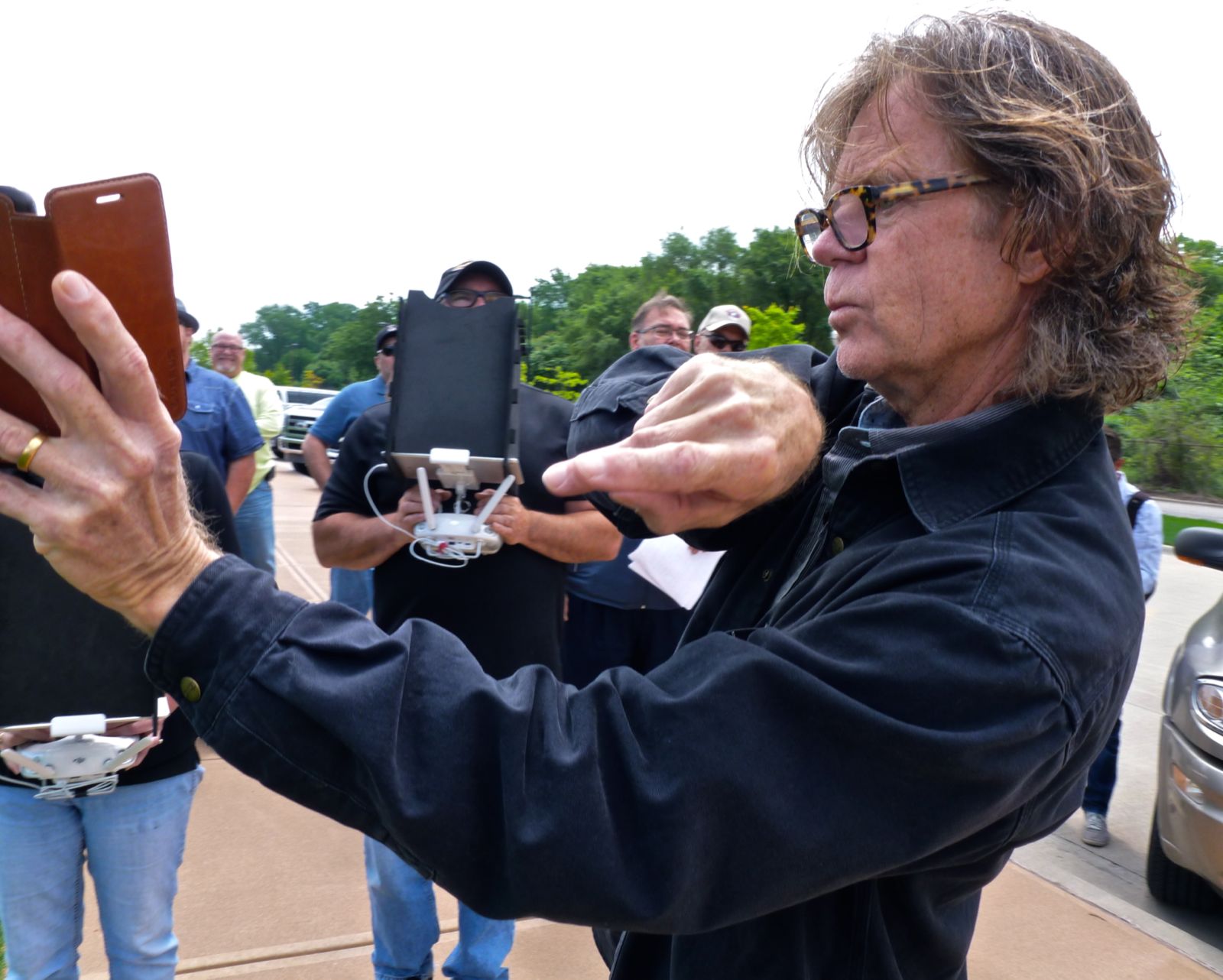
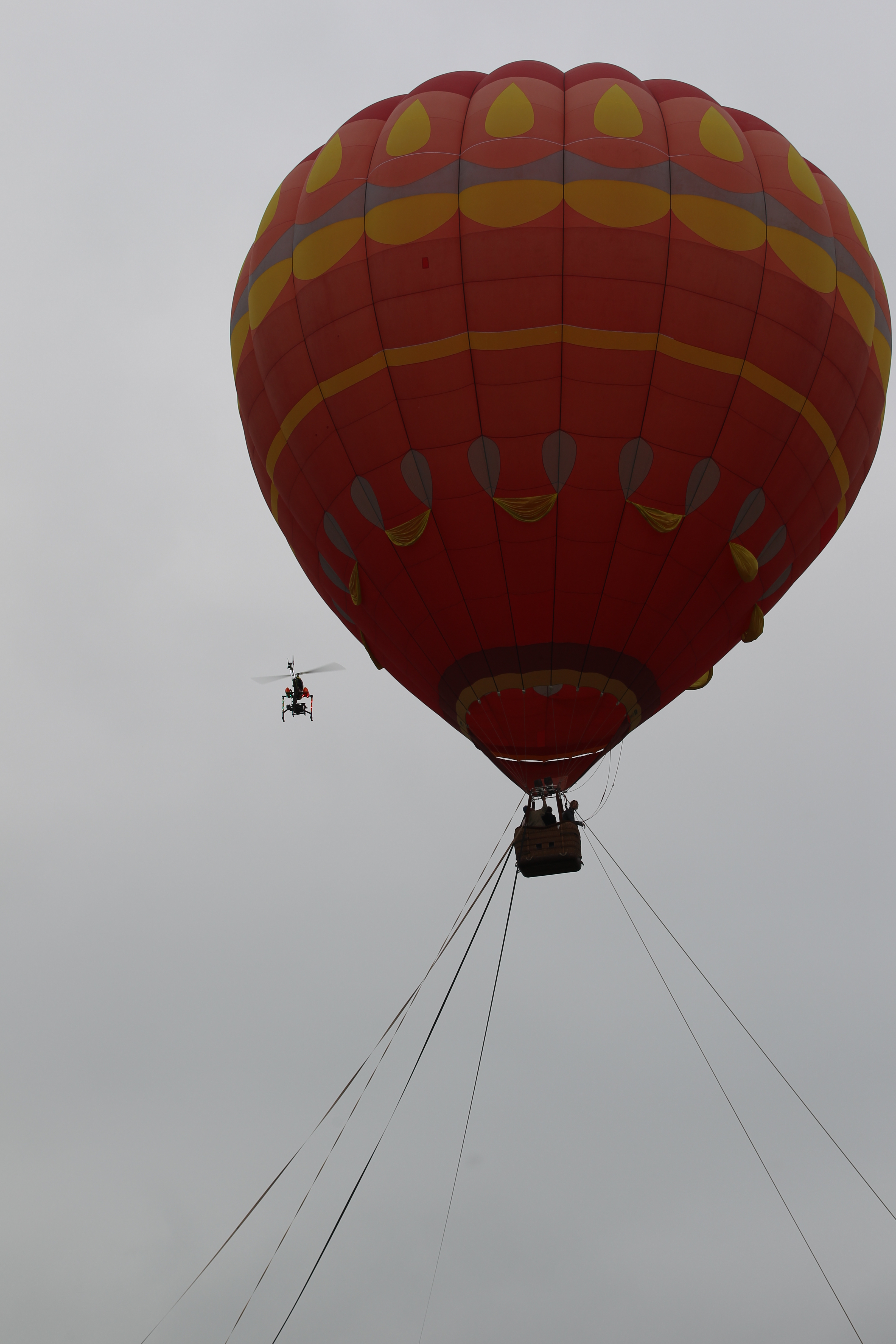
Our licensed drone services extend the visual range of your productions significantly. In addition to standard aerial cinematography, we offer FPV drone operations — including indoor flight for facility and warehouse documentation — as well as infrared thermal imaging, orthomosaic mapping, and LiDAR scanning for organizations with specialized documentation requirements.
We incorporate the latest artificial intelligence tools across all phases of production and post-production, enabling faster turnaround, greater accuracy in captioning and transcription, and expanded creative and analytical capabilities that benefit every project.
Repurposing your training and retention video assets across additional media applications — internal platforms, recruiting communications, social channels, client-facing content — is a specialty we bring to every client engagement. Every production dollar should work harder than it was designed to. We make that happen.
St. Louis Video Production is the experienced, fully equipped, creatively capable production partner your organization needs to build a training and employee retention video program that delivers measurable results — economically, professionally, and on schedule.
Contact us to discuss your production objectives. We will tell you exactly what is possible, what it requires, and how to get the most from your investment.
Mike Haller 314-913-5626 stlouisvideoproduction@gmail.com


















Leave a Reply