For decision makers overseeing marketing, brand, and communications budgets, “studio production” often sounds like a line item reserved for national campaigns and Fortune 500 creative teams. In reality, the opposite is true. A well-run local studio can be the single most cost-efficient way to produce high-quality video and photography content — if you know what to look for and how to use it strategically.
This article breaks down what makes a studio “economical” without cutting corners on quality, why controlled studio environments often outperform location shoots on cost and consistency, and how to evaluate a production partner that can deliver both creative excellence and budget discipline.
Why Studio Production Is More Economical Than Most Businesses Realize
When marketing leaders compare studio production to location shoots, they frequently underestimate the hidden costs of working on location: travel time, weather delays, permitting, noise interference, lighting inconsistency, and the logistical overhead of coordinating talent, crew, and equipment across an unfamiliar space. Every one of those variables adds time — and time is the single biggest cost driver in any production budget.
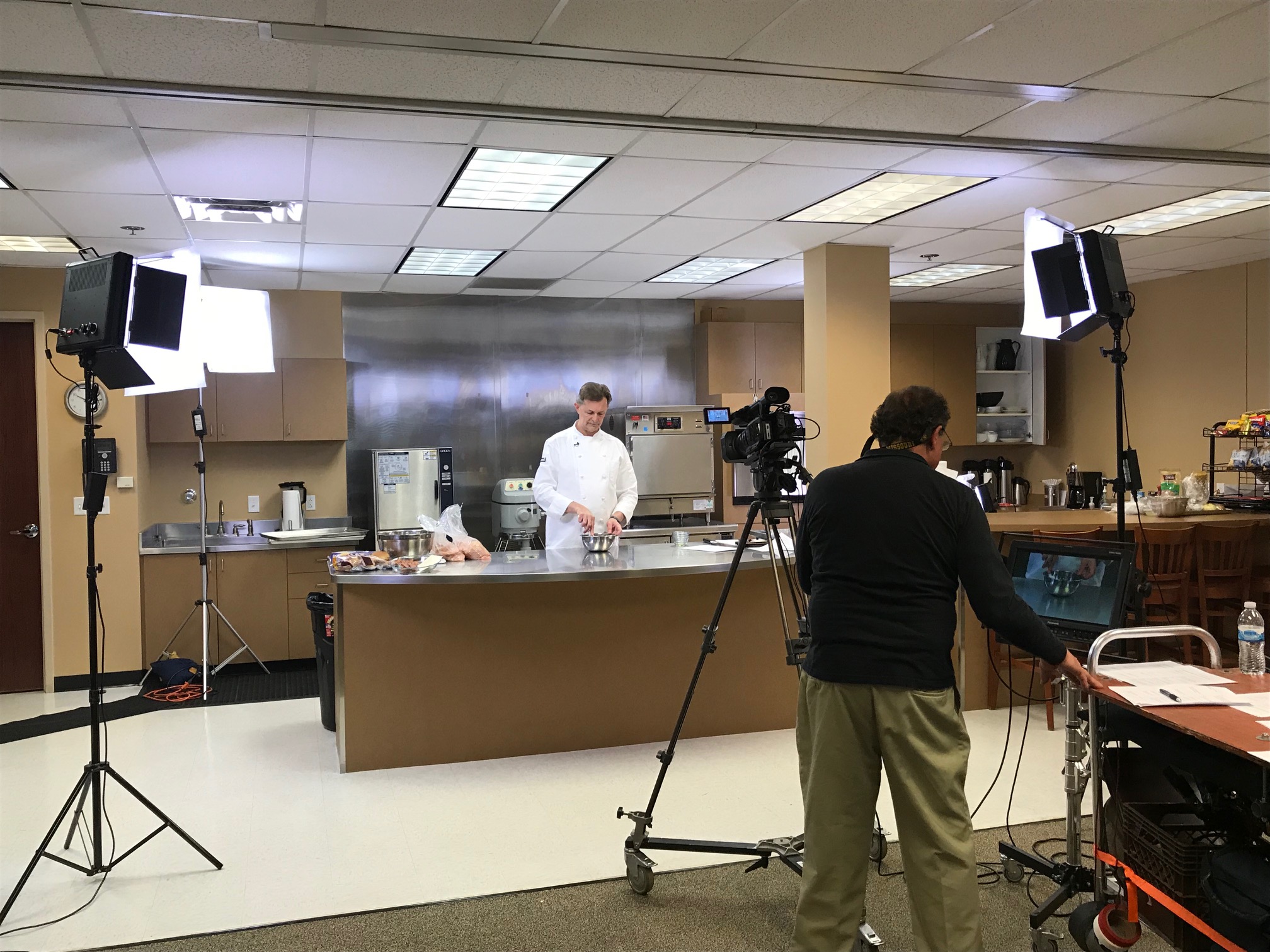
A dedicated studio eliminates most of that unpredictability. Because the space, power, and lighting infrastructure are already built and tested, crews can move faster, shoot more setups per hour, and avoid the costly “we didn’t anticipate that” moments that turn a half-day shoot into a full-day invoice. For businesses producing recurring content — interviews, testimonials, product photography, training videos, or social media assets — a studio relationship also creates repeatable efficiencies. The crew already knows the lighting setups, camera positions, and workflow, which shortens pre-production and setup time on every subsequent shoot.
What “Economical” Should Actually Mean
Low cost is only valuable if it doesn’t compromise the final product. When evaluating a studio for video or photography production, decision makers should look past the day rate and assess the full value equation:
Efficient turnaround from setup to capture. A studio with pre-configured lighting grids, backdrops, and power distribution reduces crew hours spent on rigging — which directly reduces labor cost.
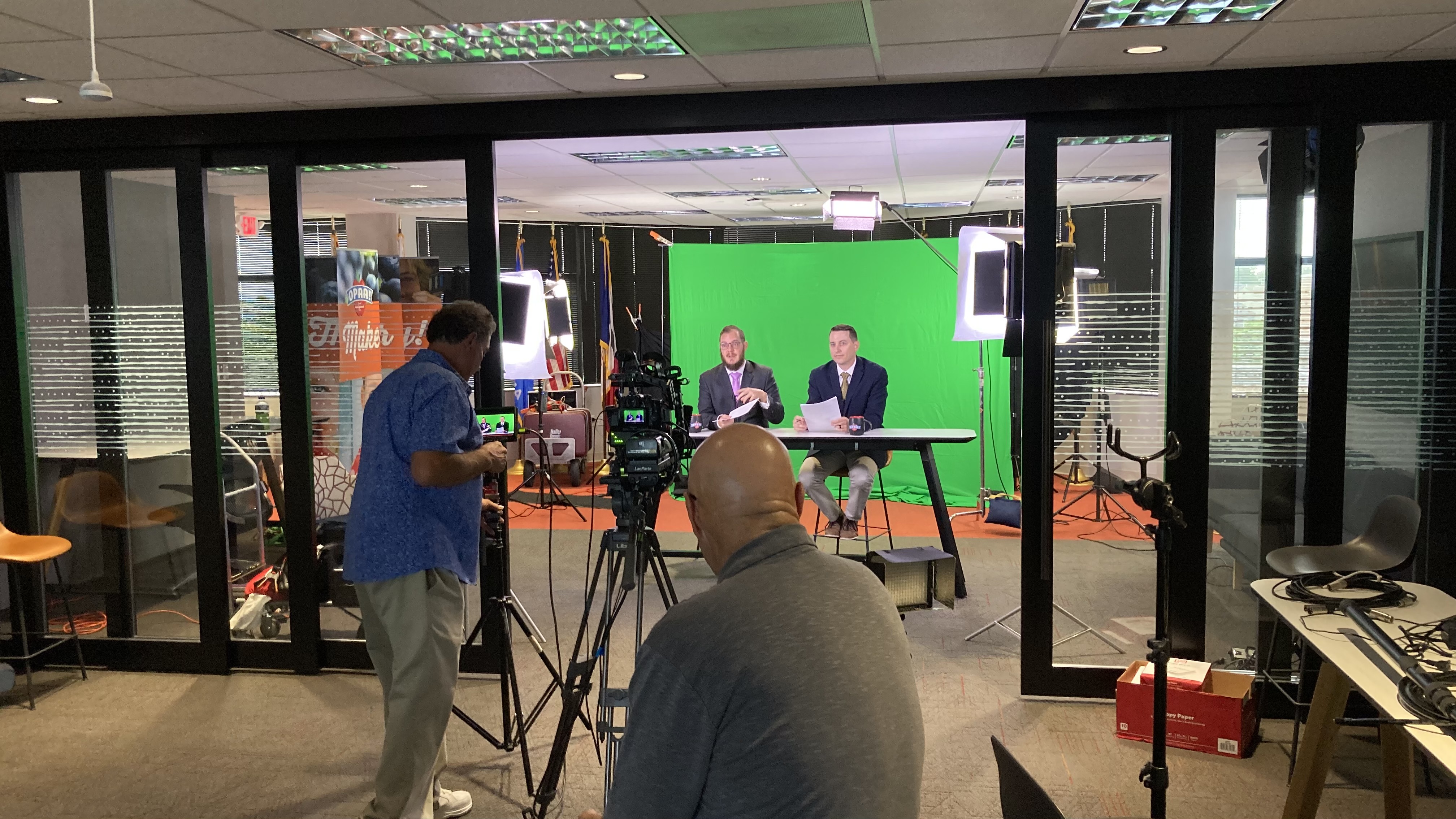
Multi-use flexibility. A space that supports interviews, product photography, green screen, and small set builds in one location eliminates the need to book (and pay for) multiple vendors.
Scalability without waste. The right partner can right-size the crew and equipment to the project — a one-person operator for a simple headshot session, or a full crew for a multi-camera interview — so businesses aren’t paying for capacity they don’t need.
Post-production efficiency. Modern editing workflows, including AI-assisted transcription, rough-cut assembly, and color-matching tools, can meaningfully reduce post-production hours without sacrificing polish.
Content repurposing built into the plan. A single studio session, shot with repurposing in mind, can yield a hero video, social cutdowns, still photography, and B-roll — multiplying the return on a single production day.
The Business Case for a Controlled Studio Environment
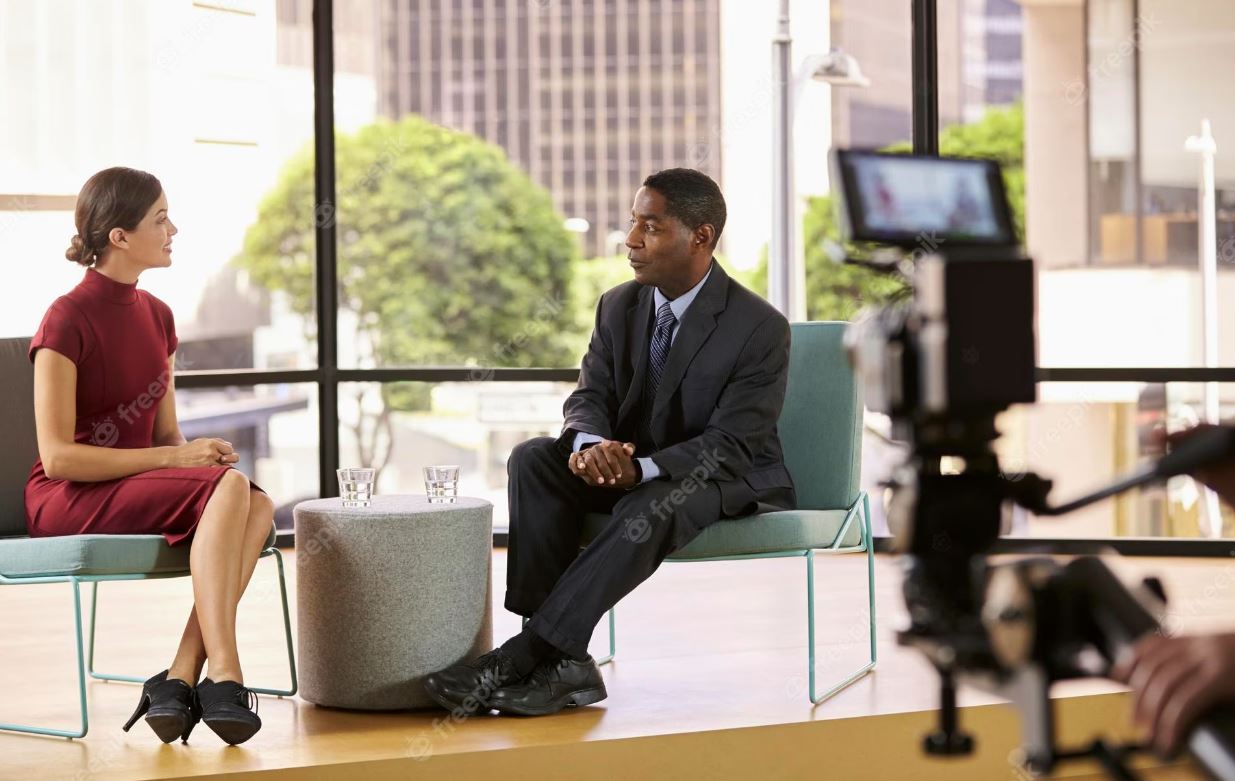
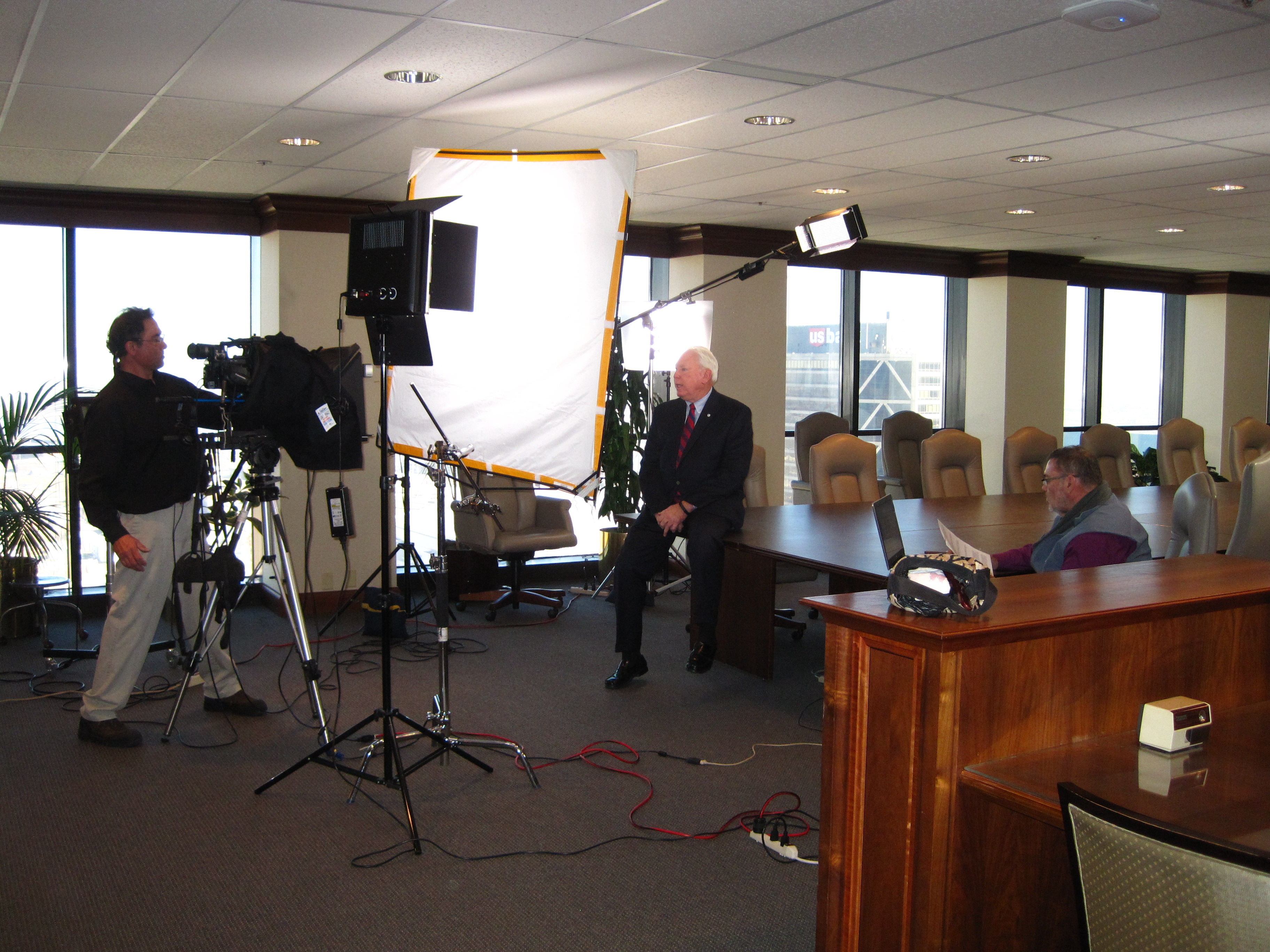
For interviews, executive profiles, testimonials, and product photography in particular, a controlled studio environment isn’t just a cost-saver — it’s a quality advantage. Consistent lighting removes the guesswork of matching exposure and color temperature across multiple takes or multiple days of shooting. Soundproofing (or at least acoustic control) protects audio quality, which is often the first thing viewers notice when something feels “off” about a video. And a private setting allows subjects — especially executives and subject-matter experts who may be camera-shy — to relax and deliver a more natural, confident performance.
For marketing and creative agencies managing multiple clients, a reliable studio partner also becomes a scheduling asset. Predictable availability, consistent quality, and a known cost structure make it far easier to plan campaigns, batch content, and hit publishing deadlines.
Questions to Ask Before Booking Studio Time
Before committing budget to a studio production, decision makers should ask:
Does the studio support both photography and video, or will we need a second vendor?
Can the space accommodate props, set pieces, or small builds if our concept requires them?
What is included in the day rate — lighting, camera operators, sound, and basic post-production — versus billed as add-ons?
How does the studio handle file delivery, formats, and licensing for our intended use (broadcast, web, social, print)?
Can this same crew and space support location work, drone footage, or B-roll if our project grows beyond the studio?
Asking these questions up front prevents budget surprises and ensures the studio can actually support the full scope of a campaign — not just a single shoot day.
How St Louis Video Production Delivers Economical, Full-Service Studio Work
St Louis Video Production has served businesses, marketing firms, and creative agencies throughout the St. Louis area since 1982, and that four-decade track record shapes how we think about value: efficient workflows, experienced crews, and the right equipment for the job — nothing more, nothing less.
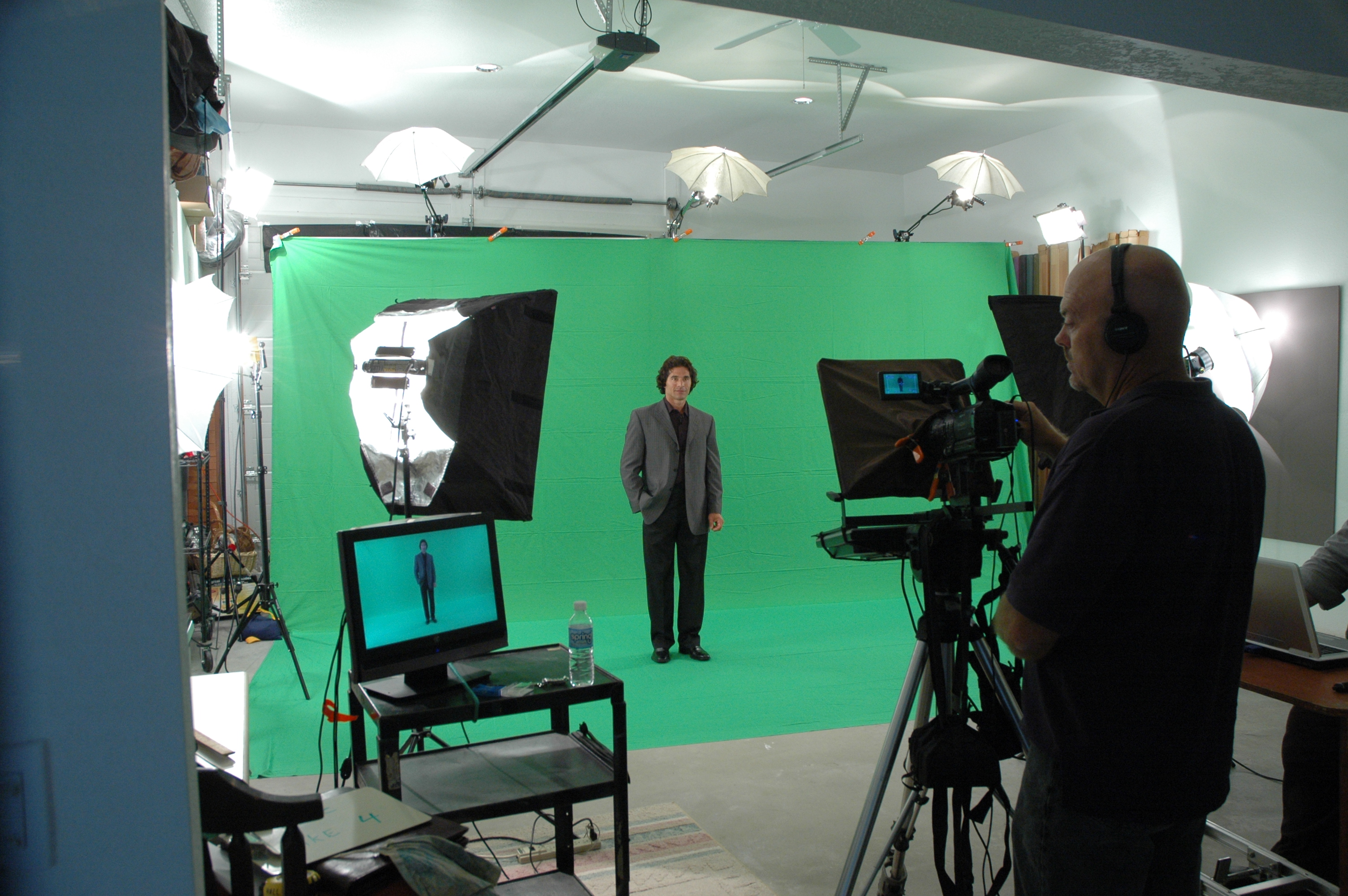
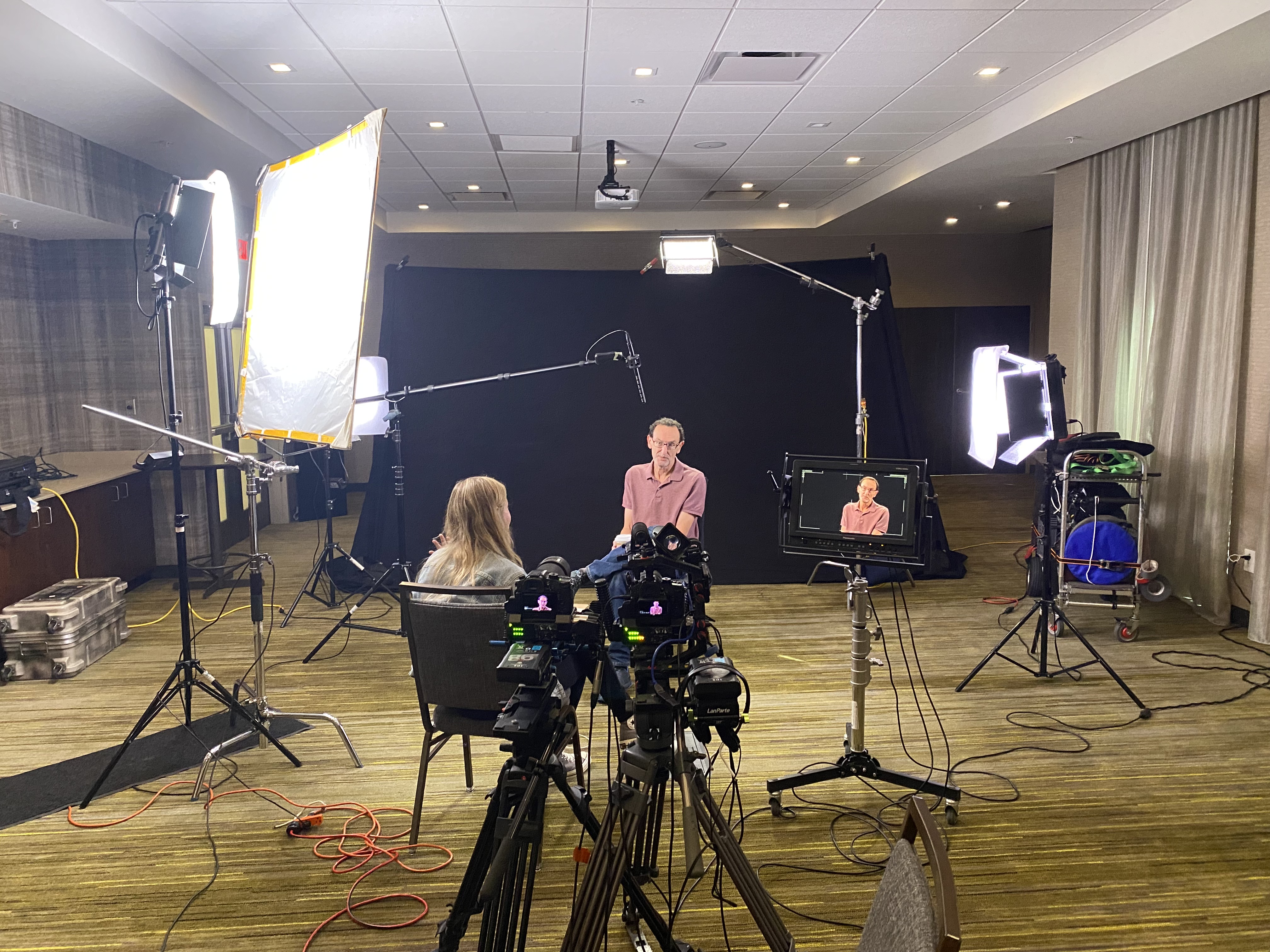
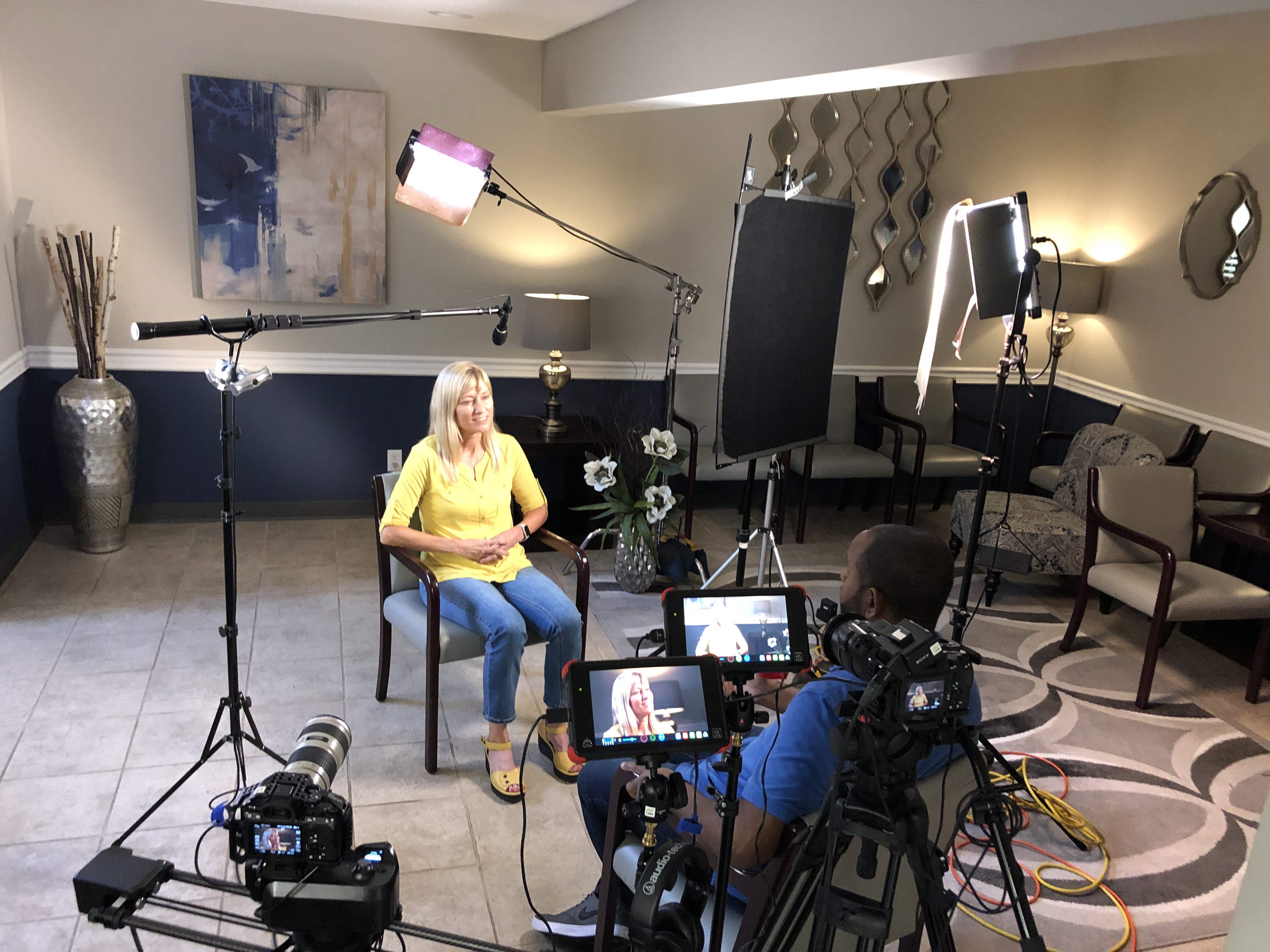
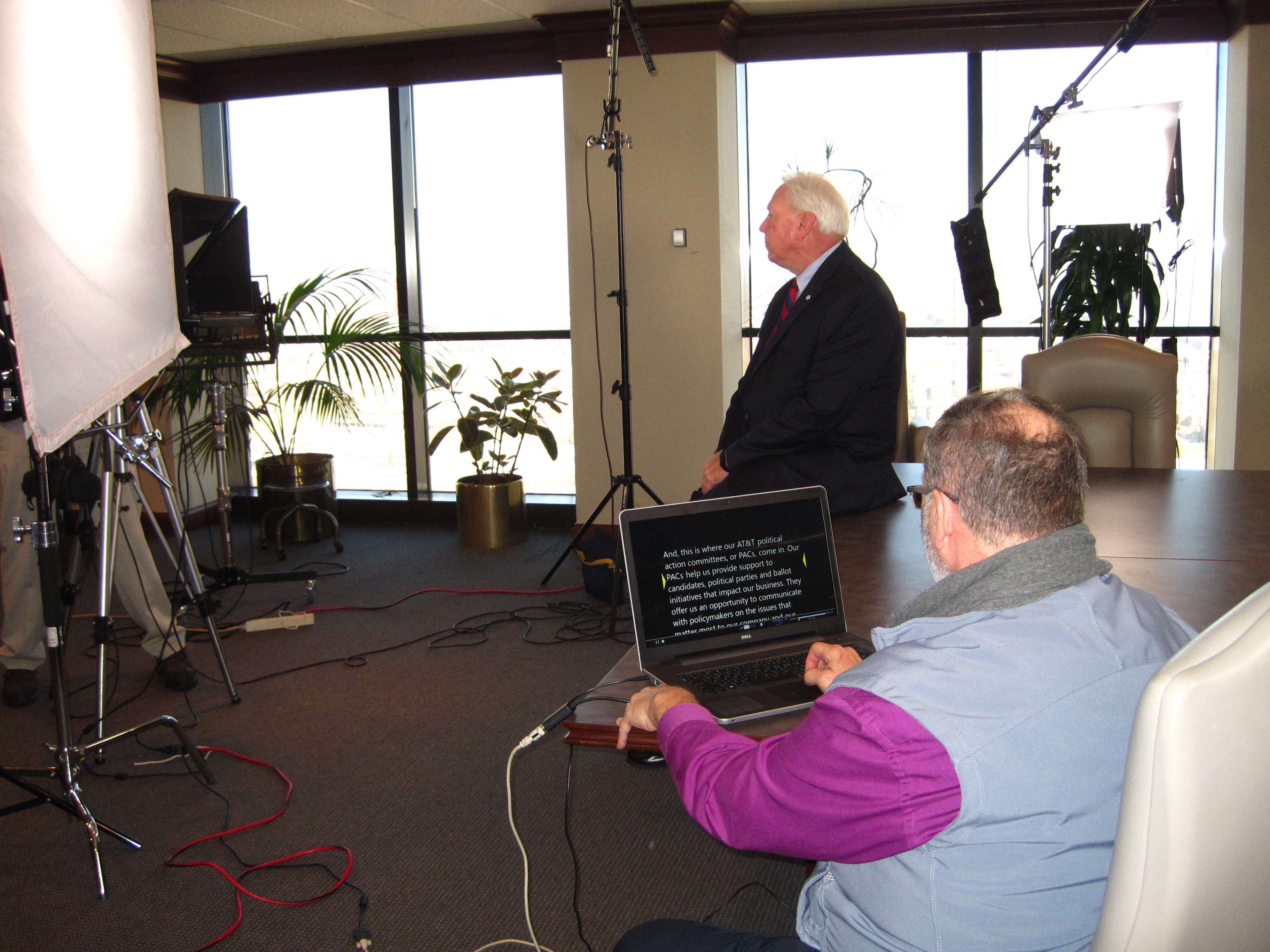
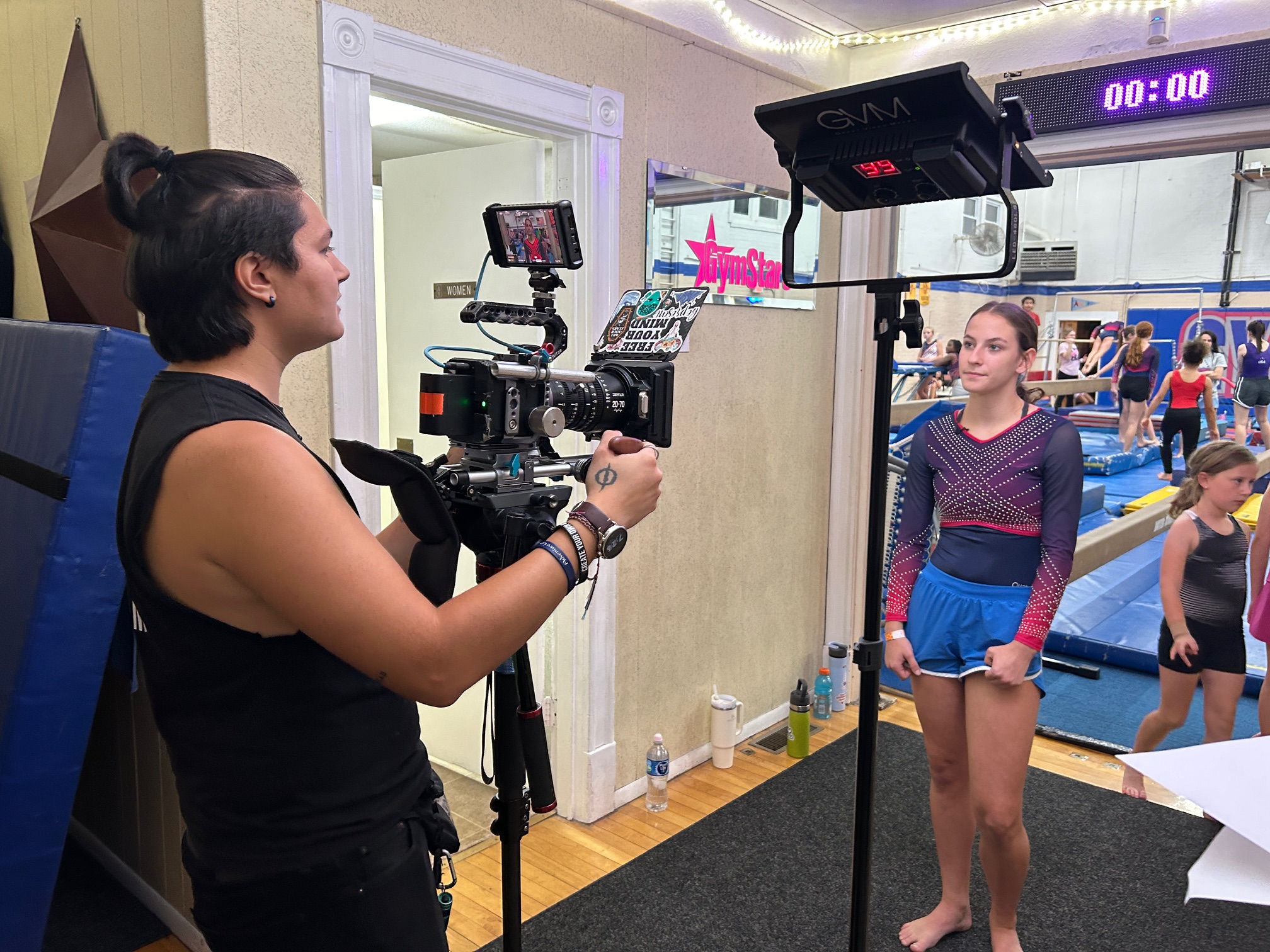
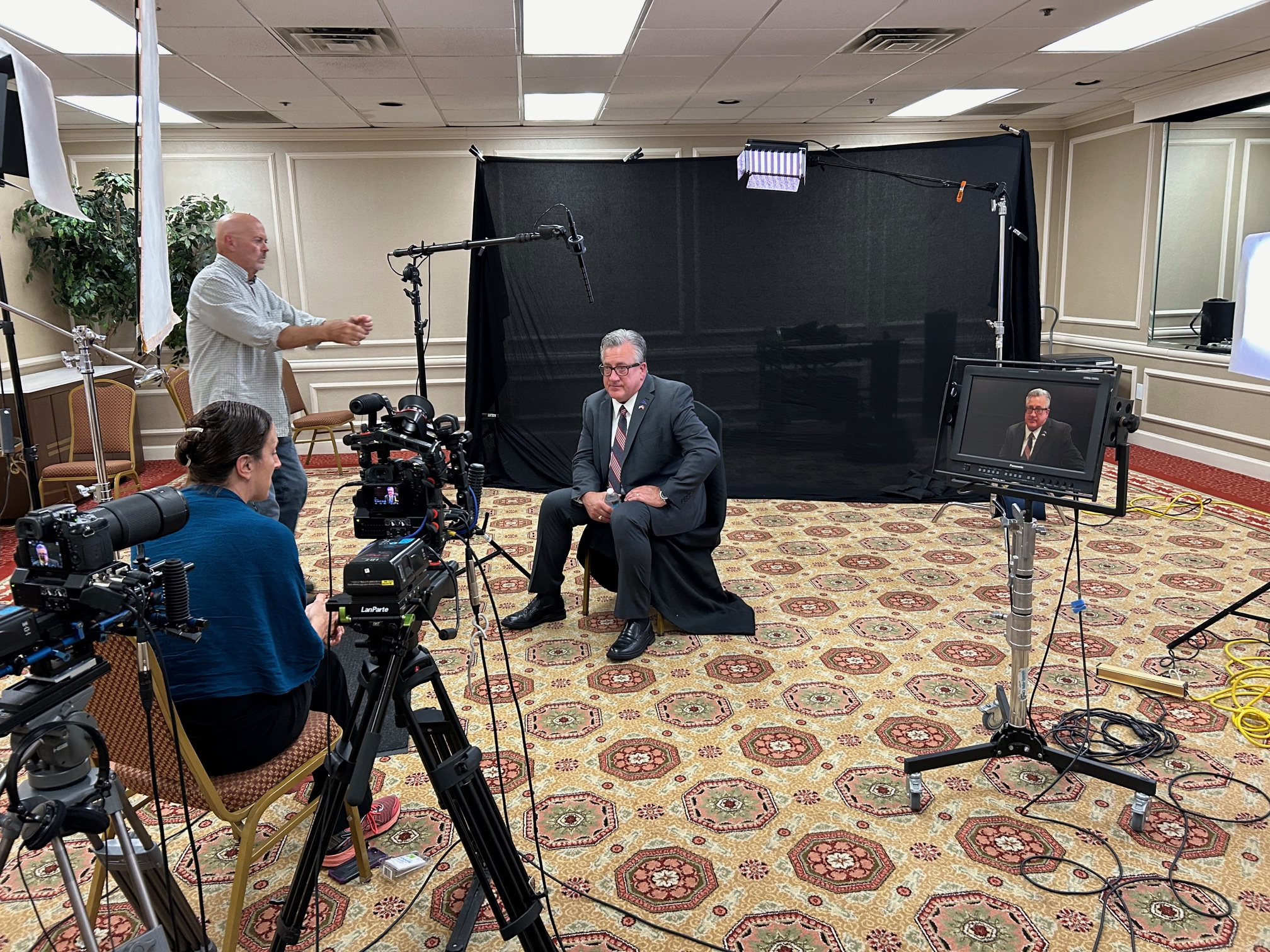
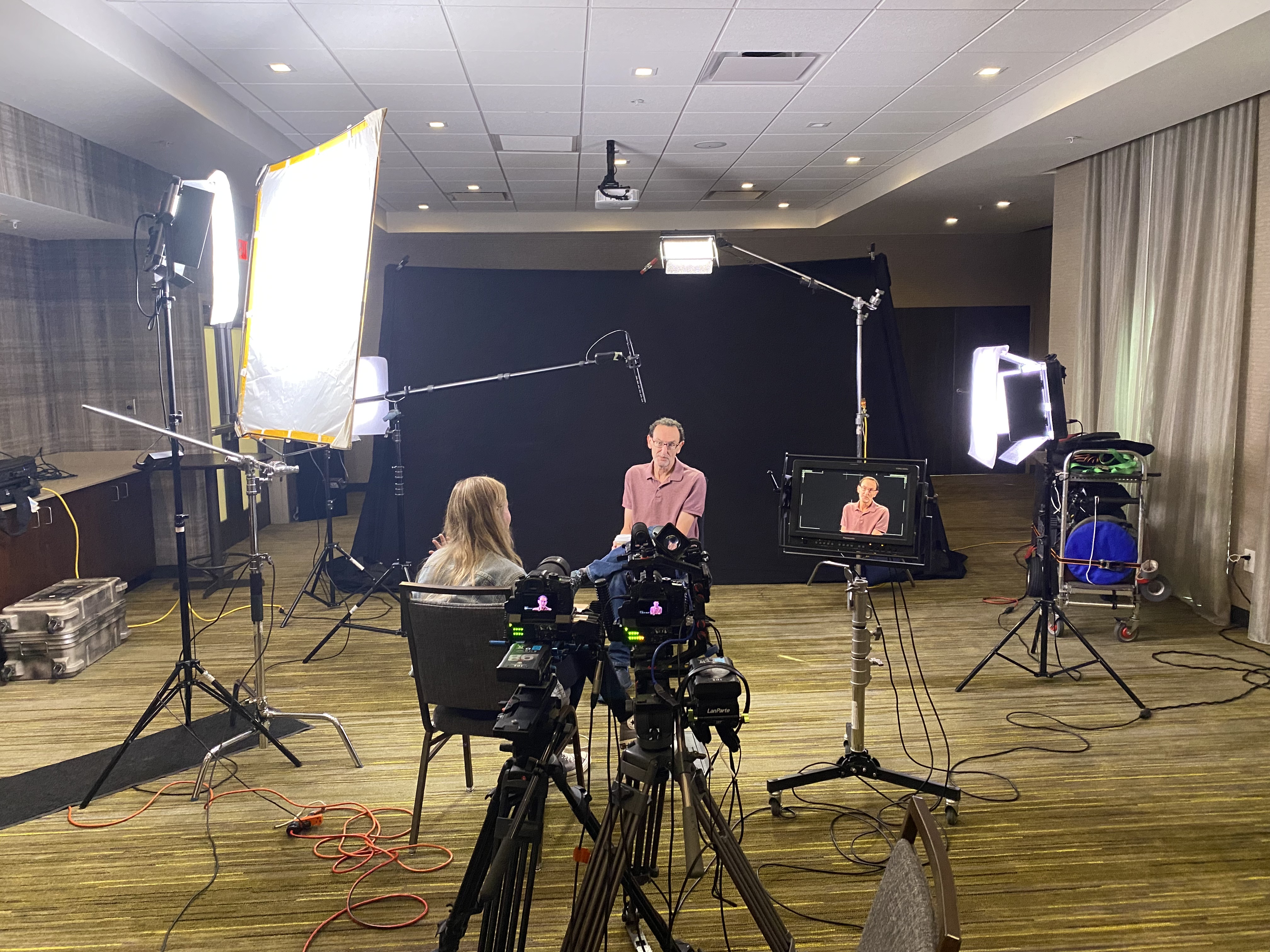
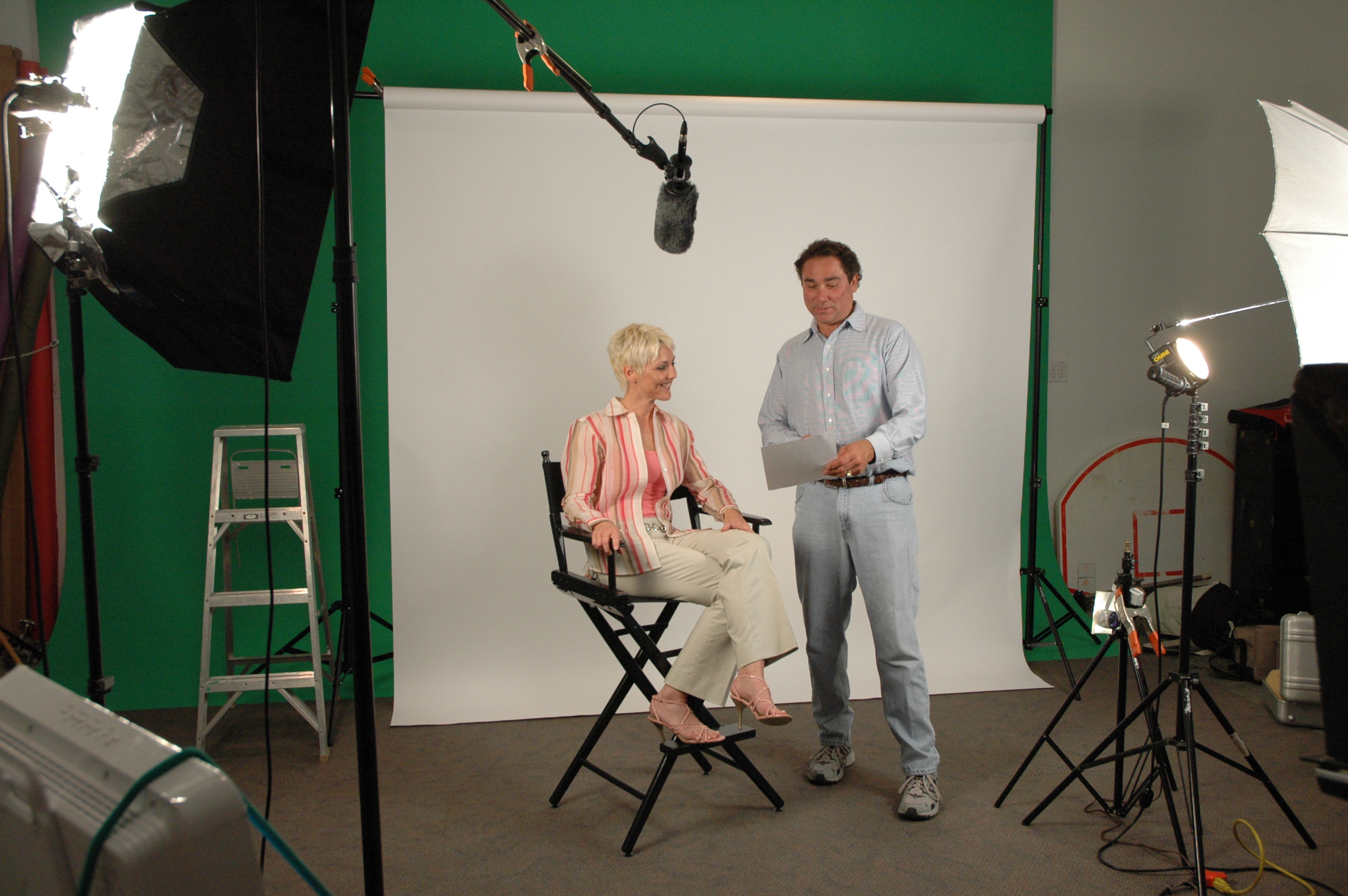
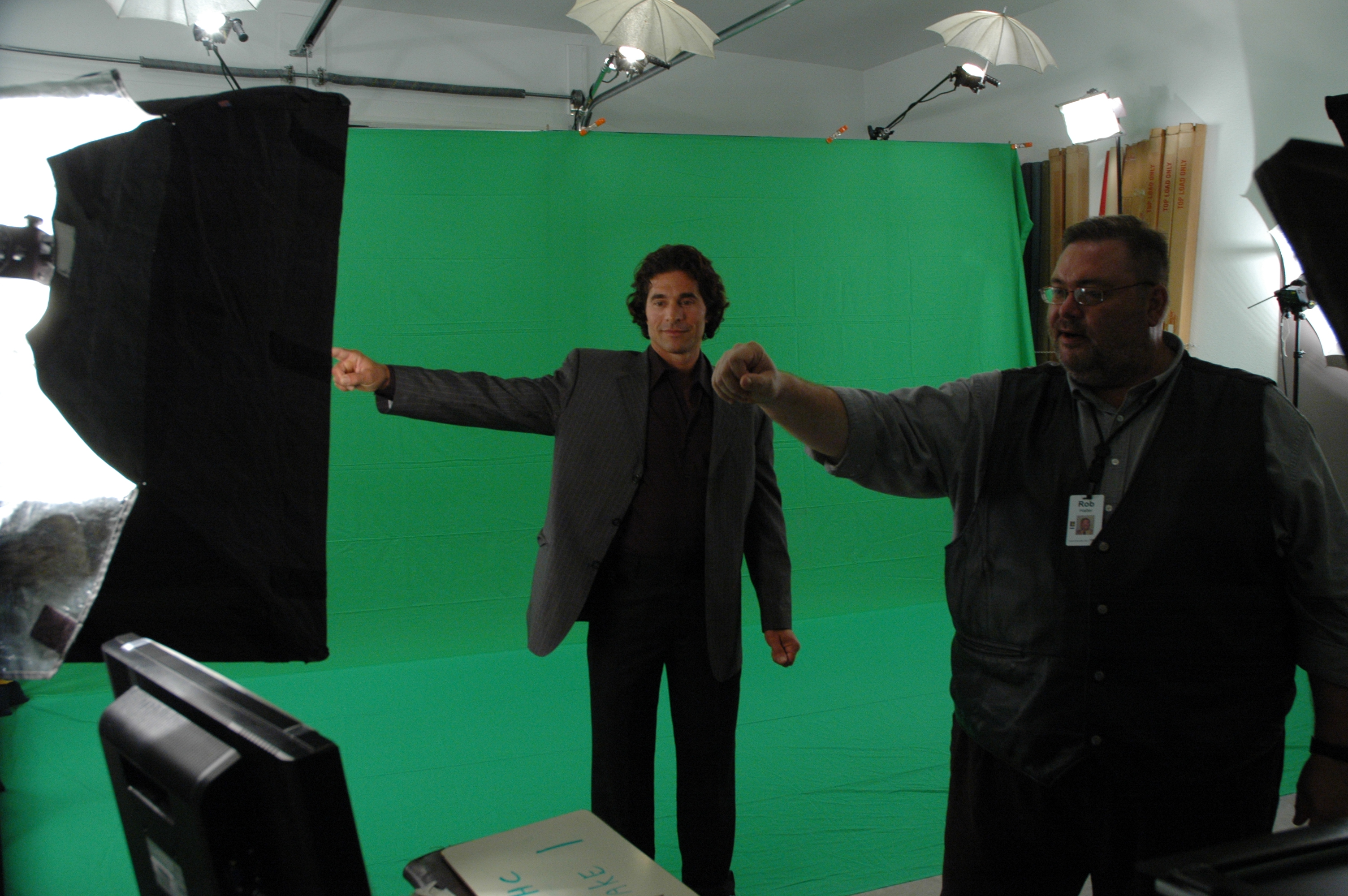
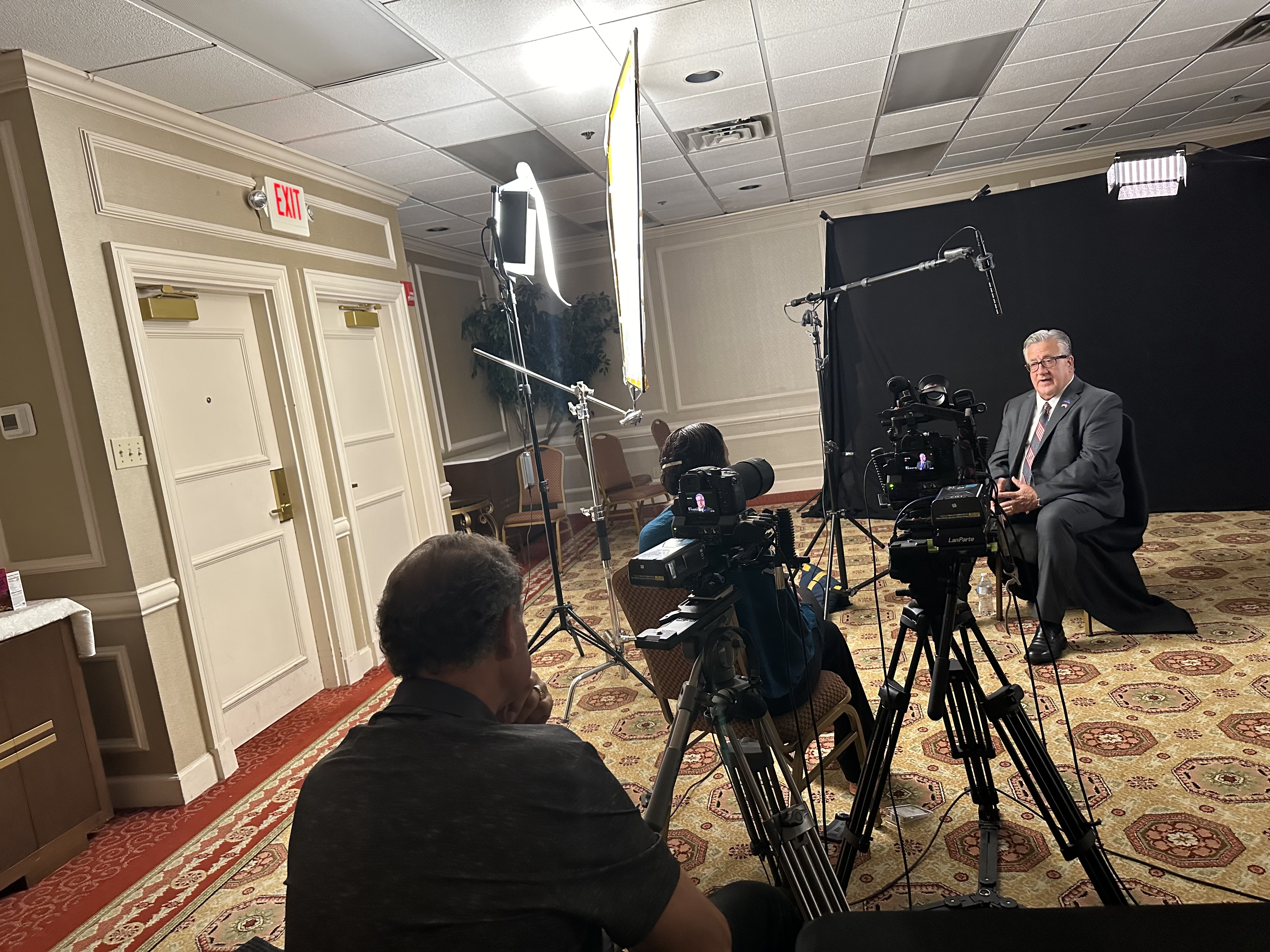
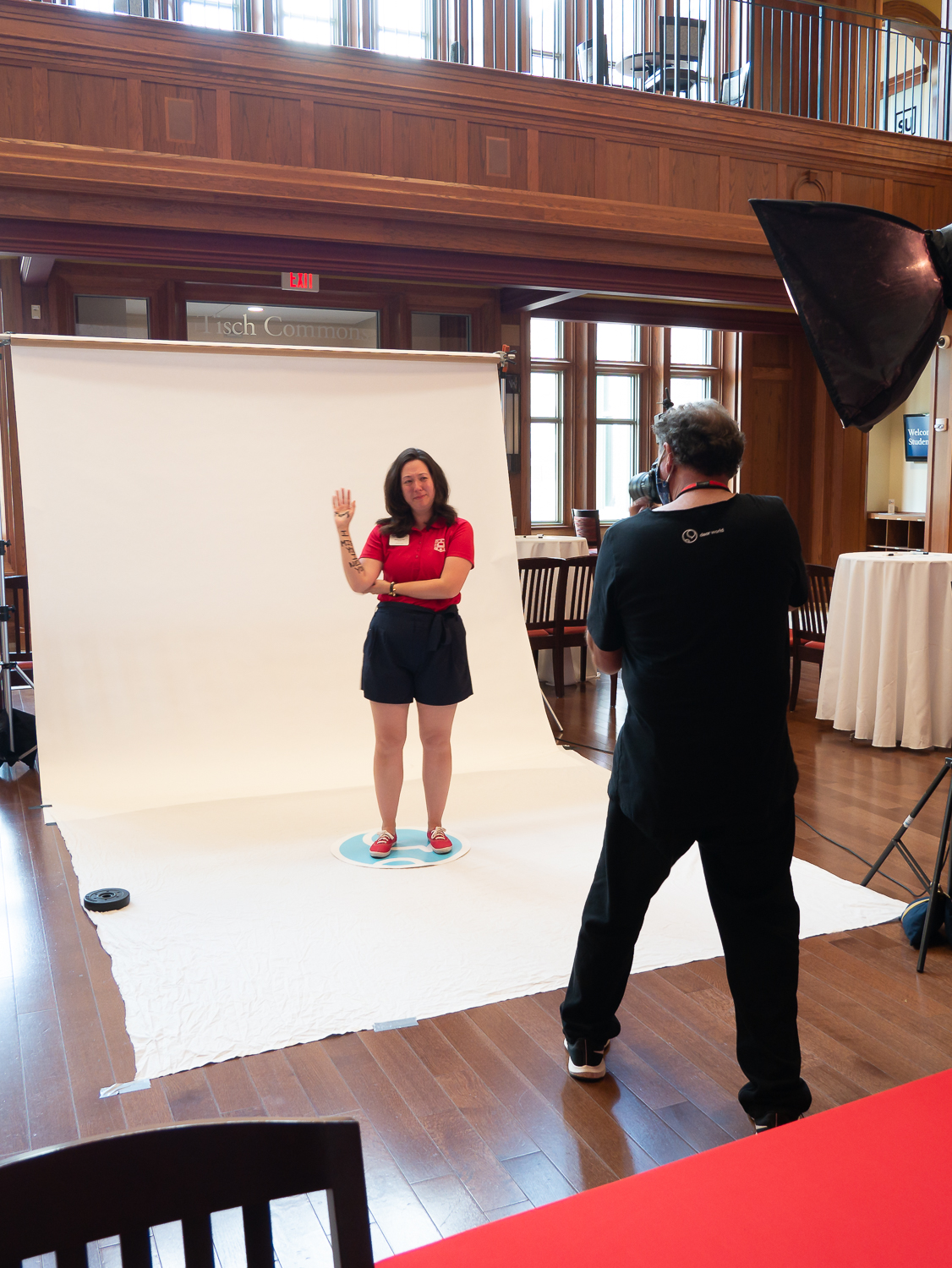
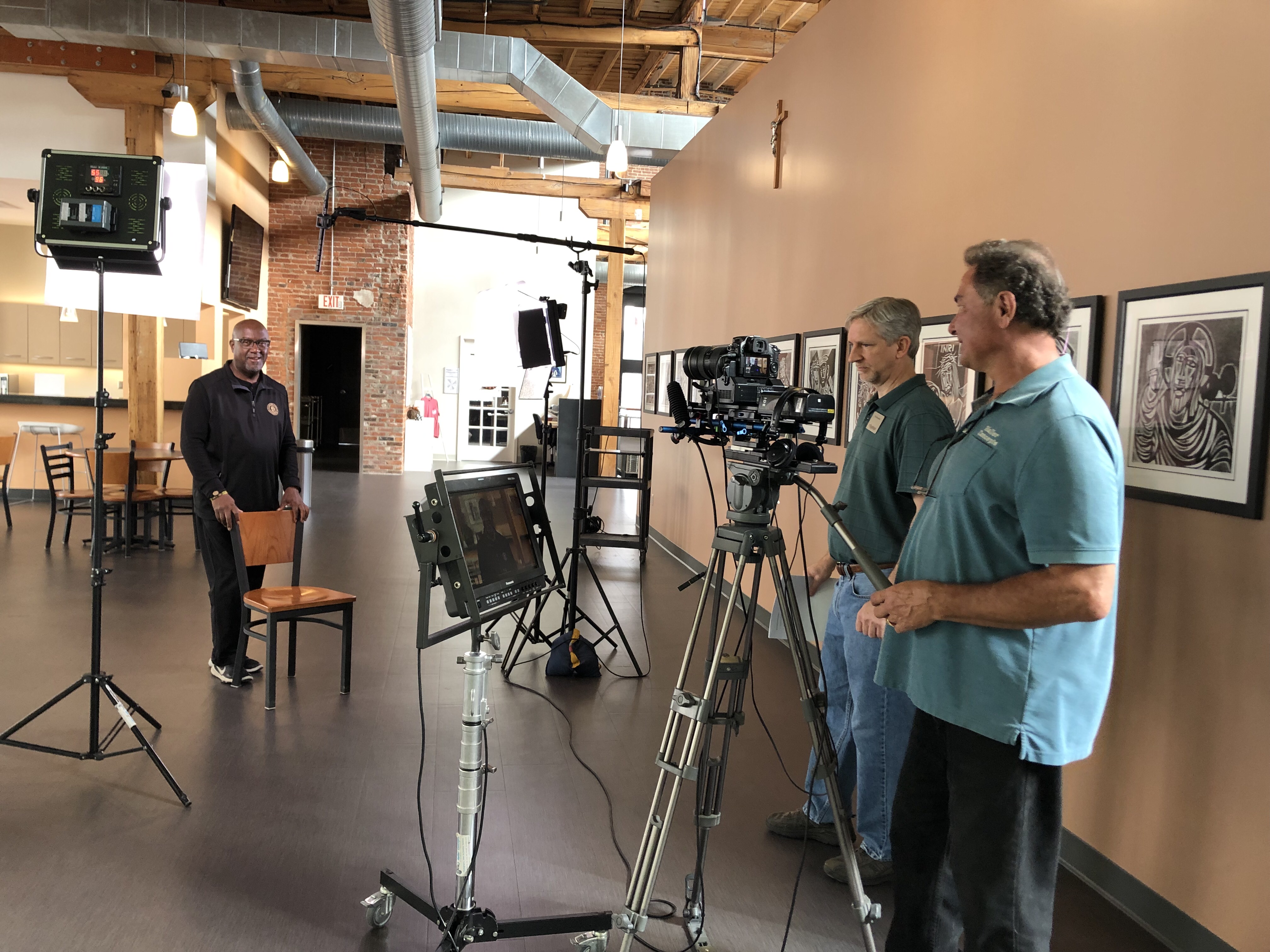
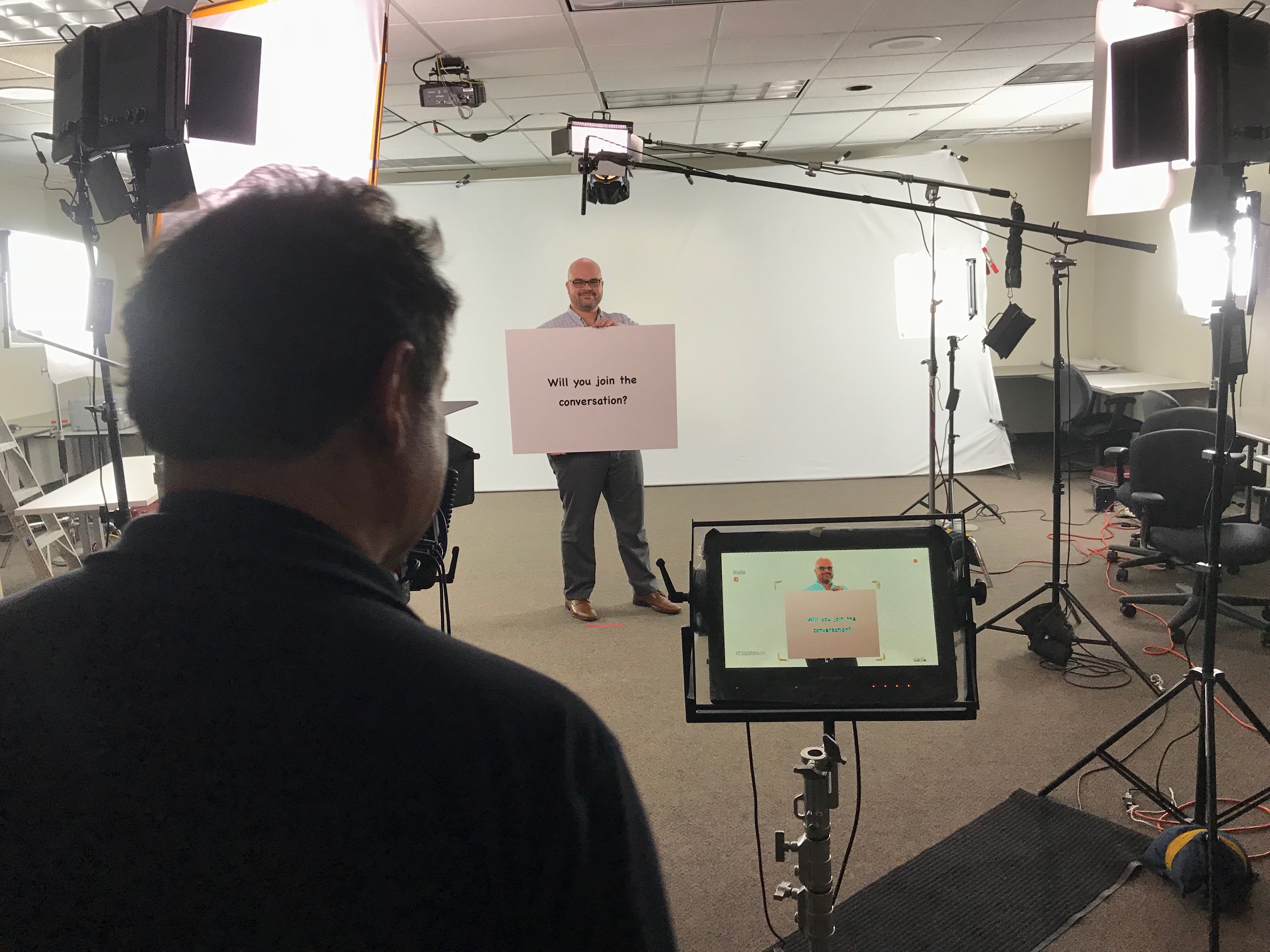
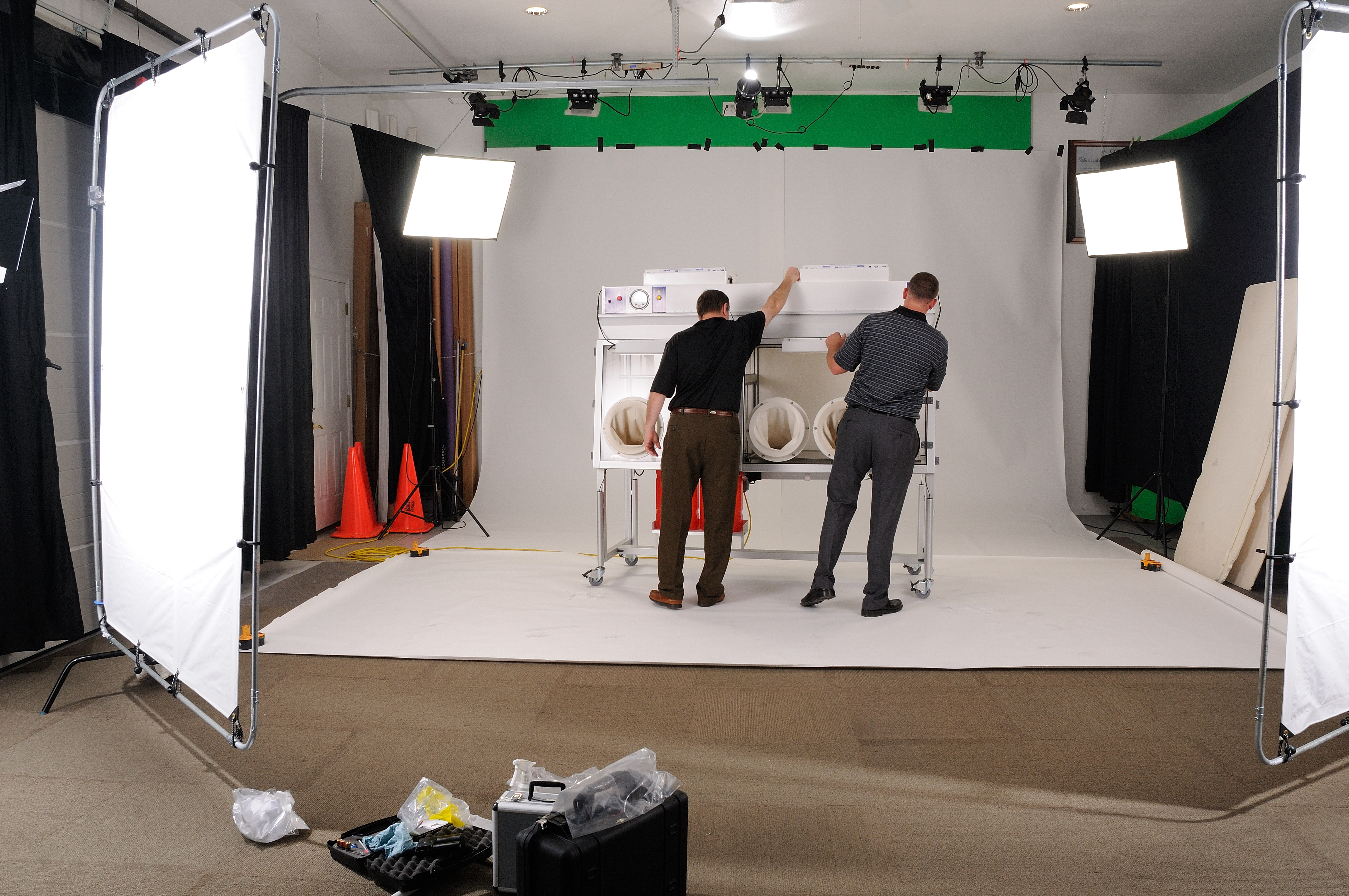
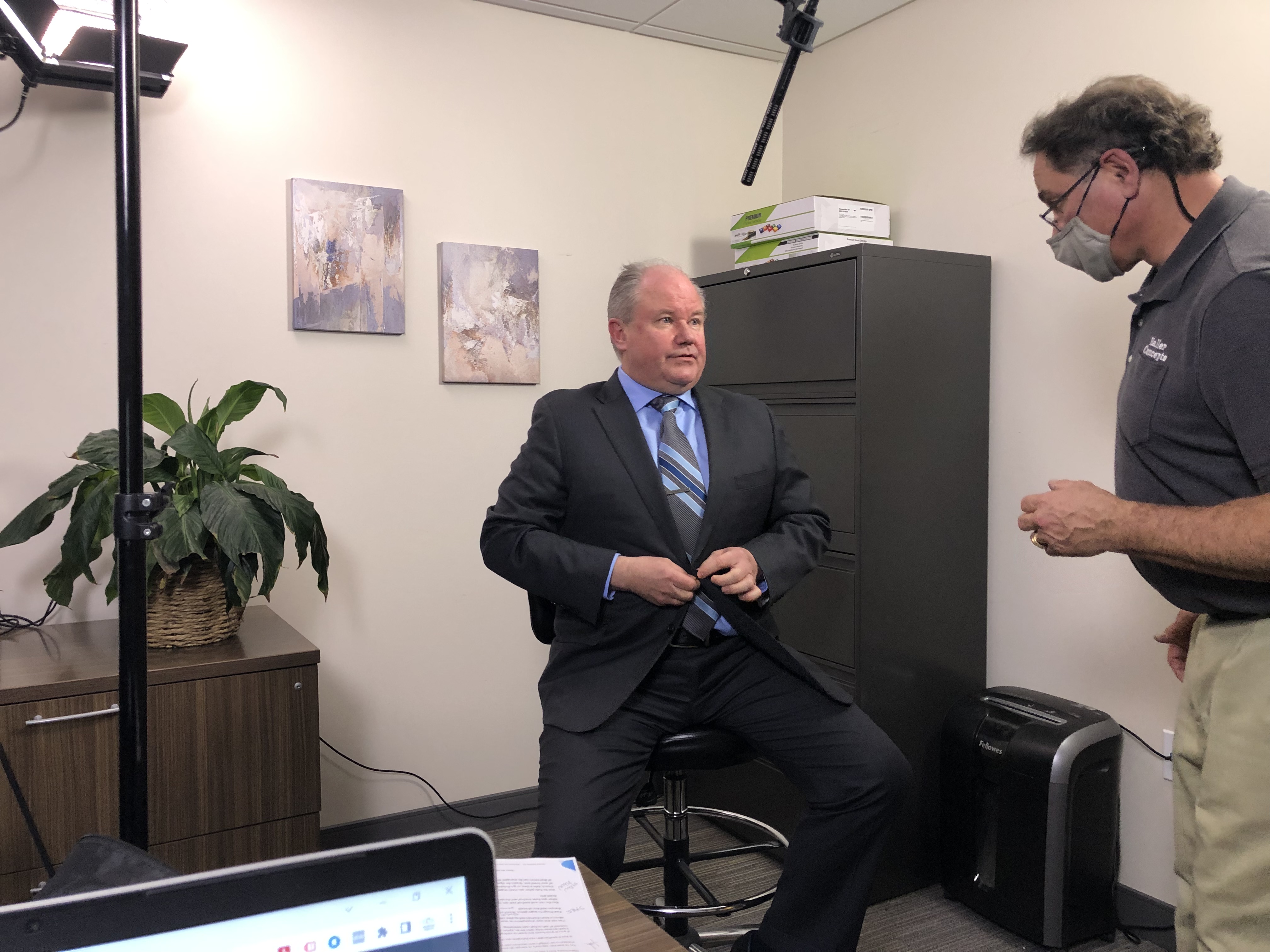
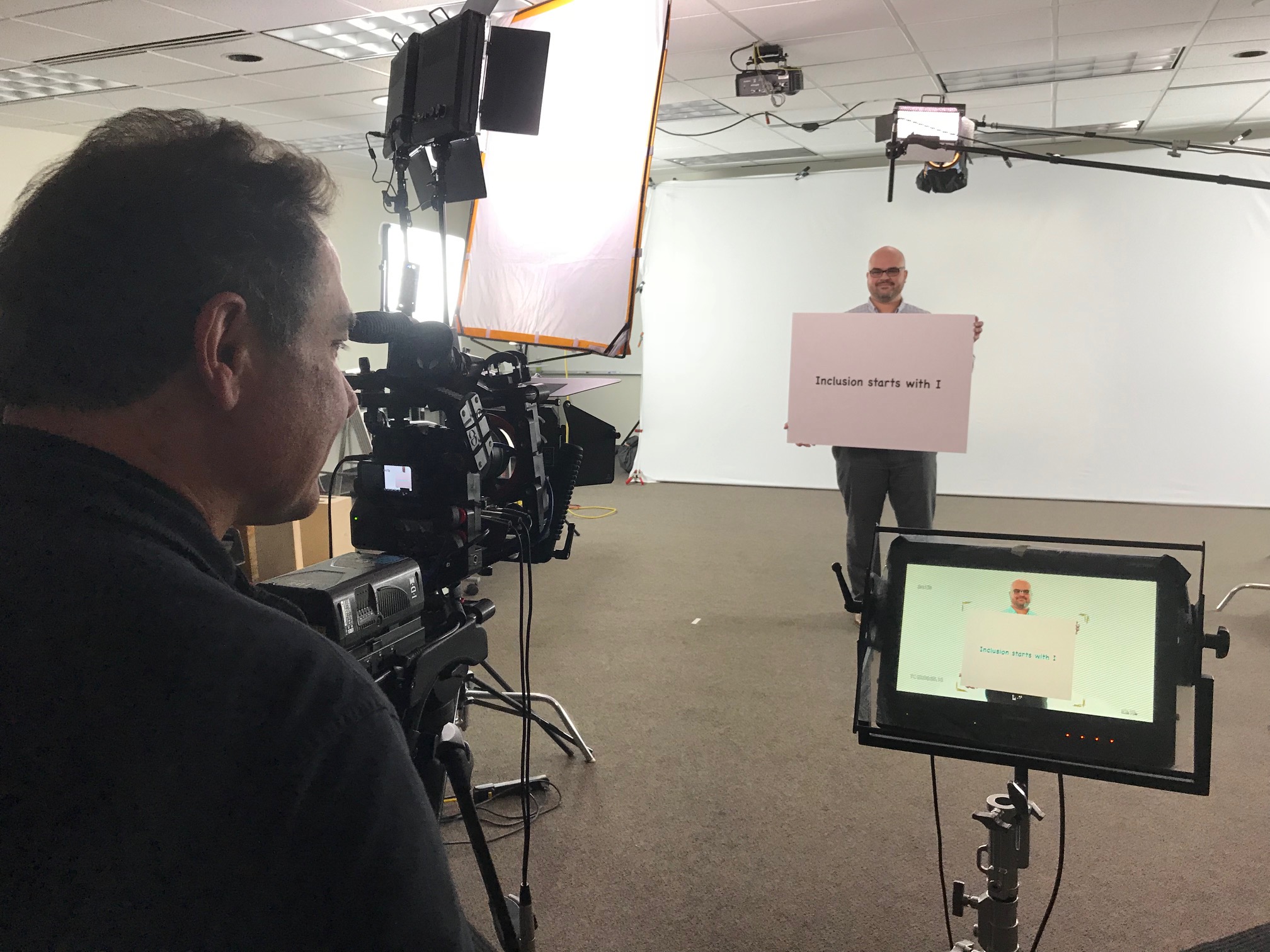
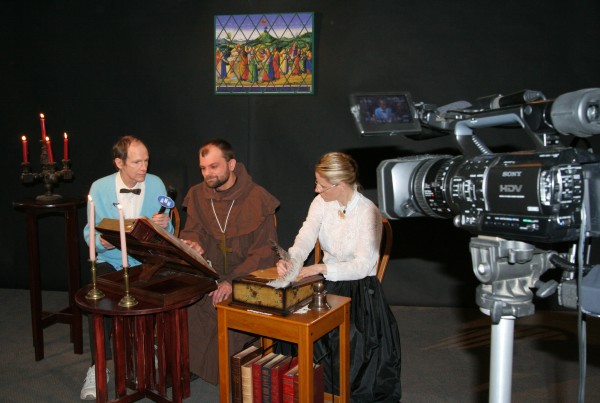
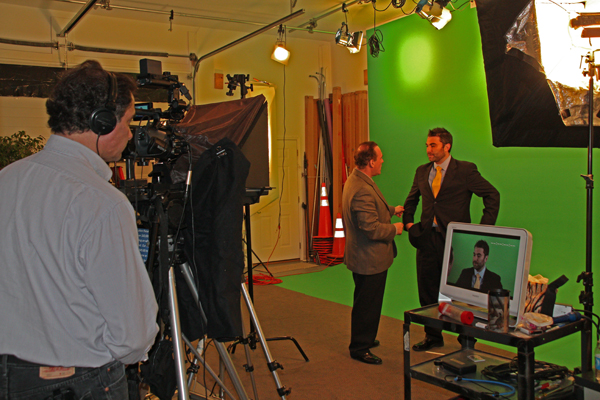
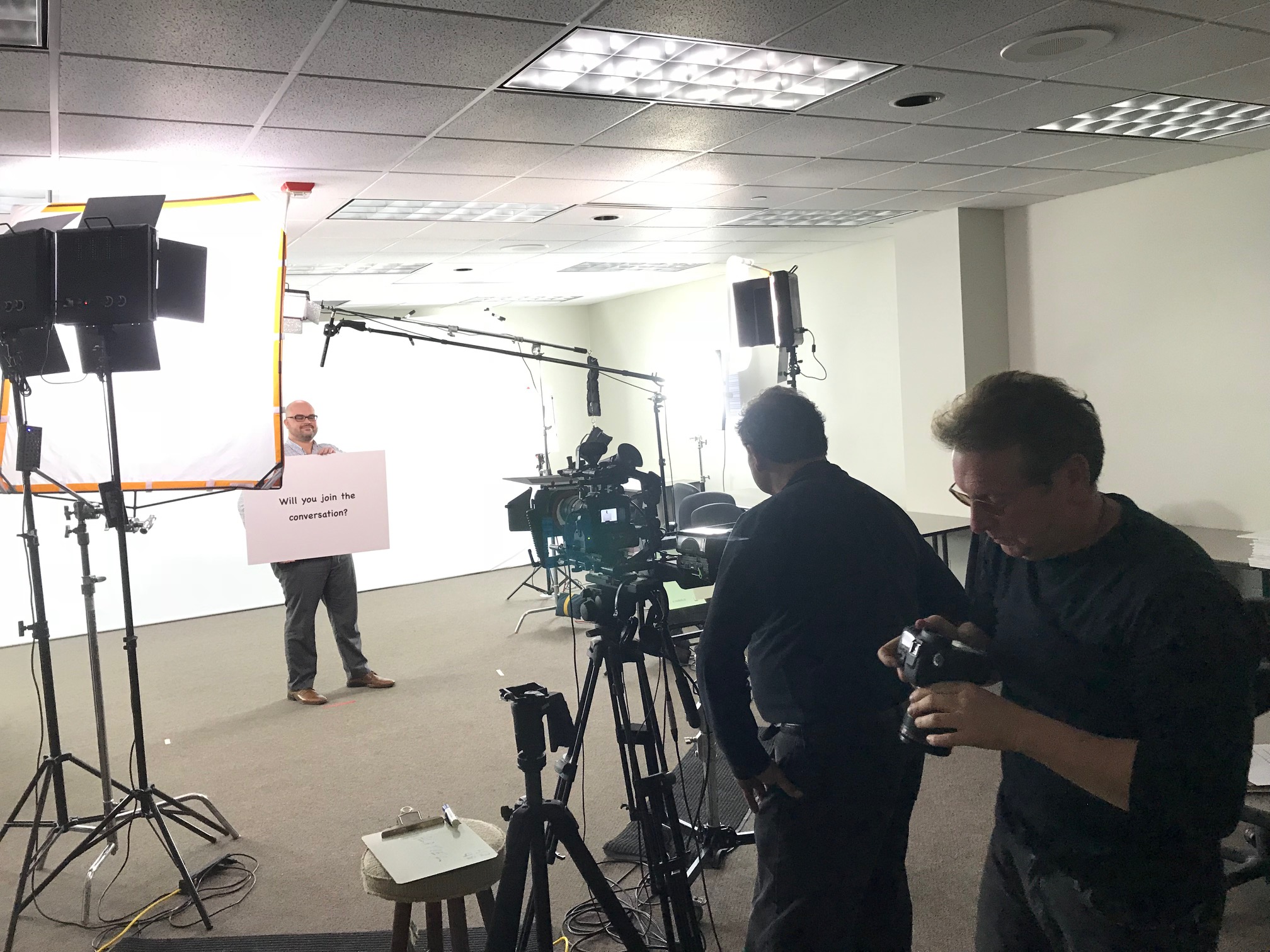
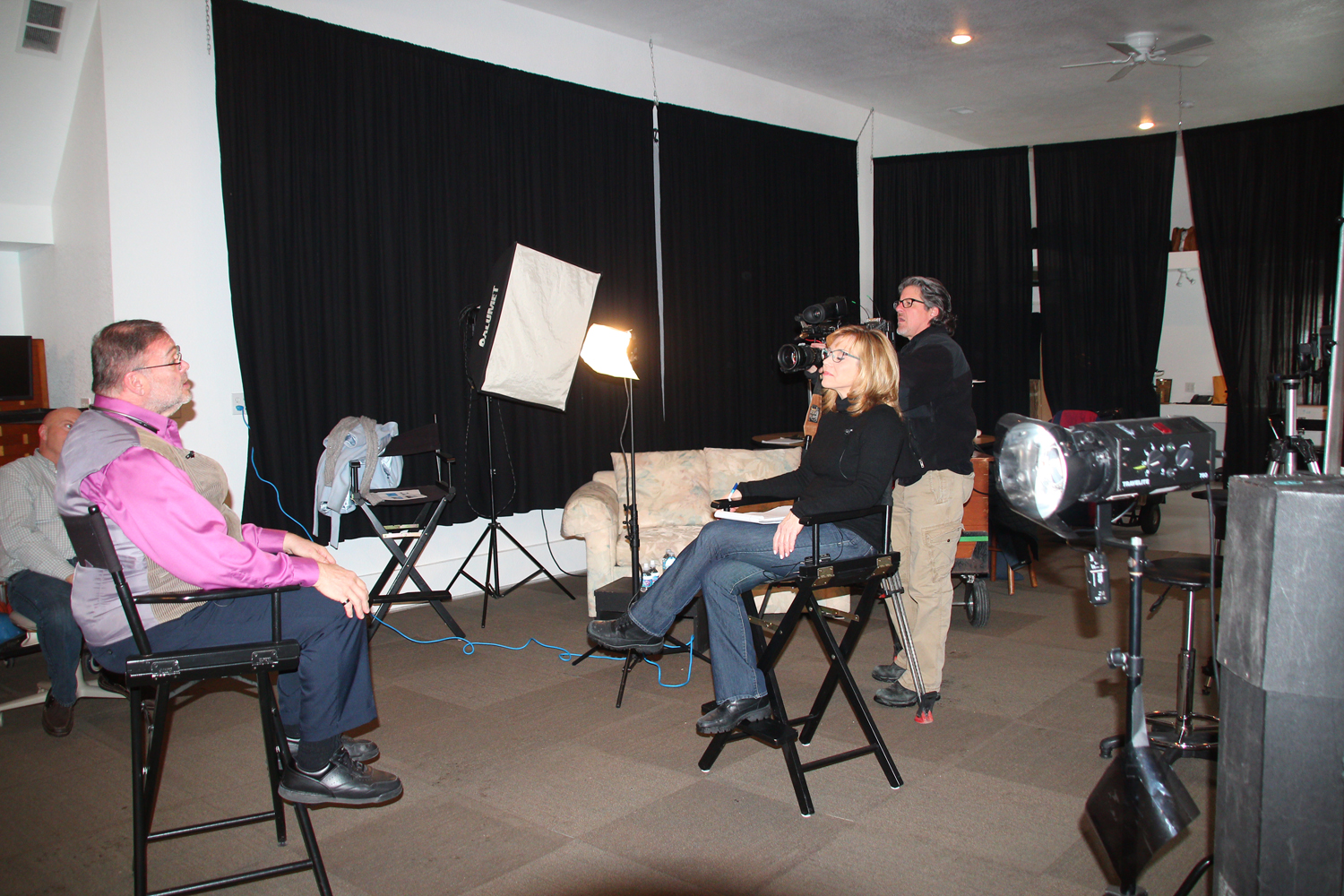
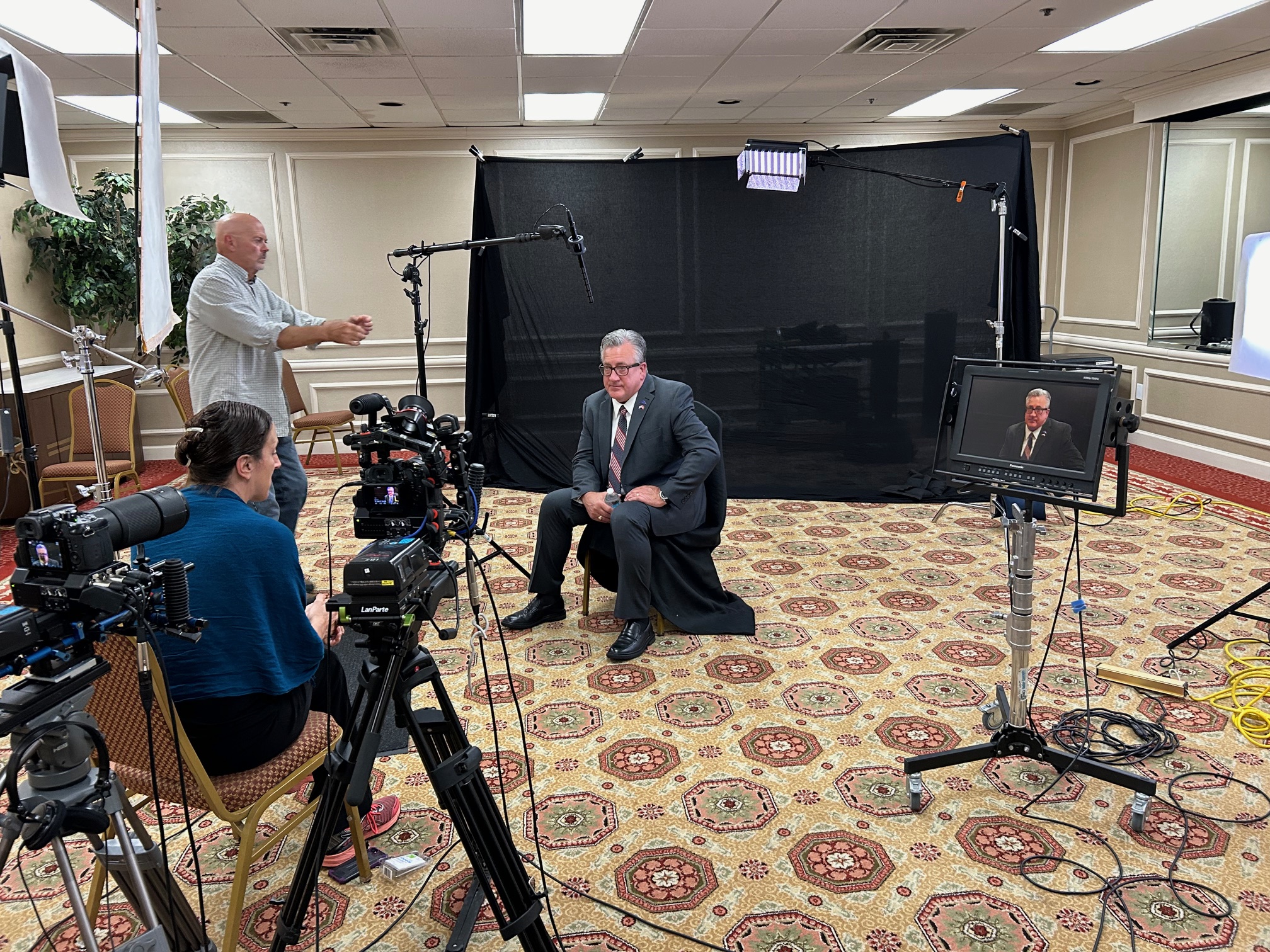
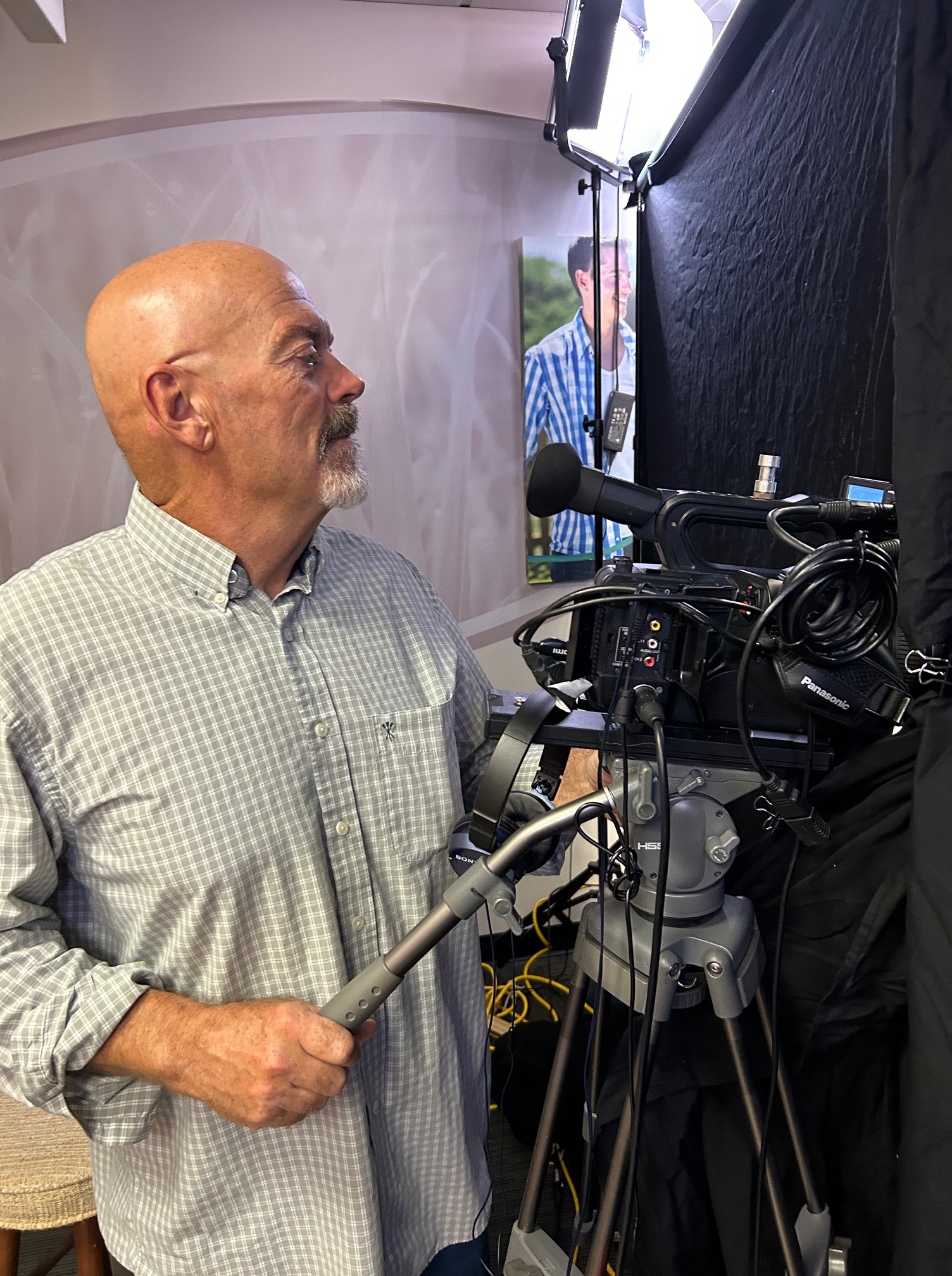
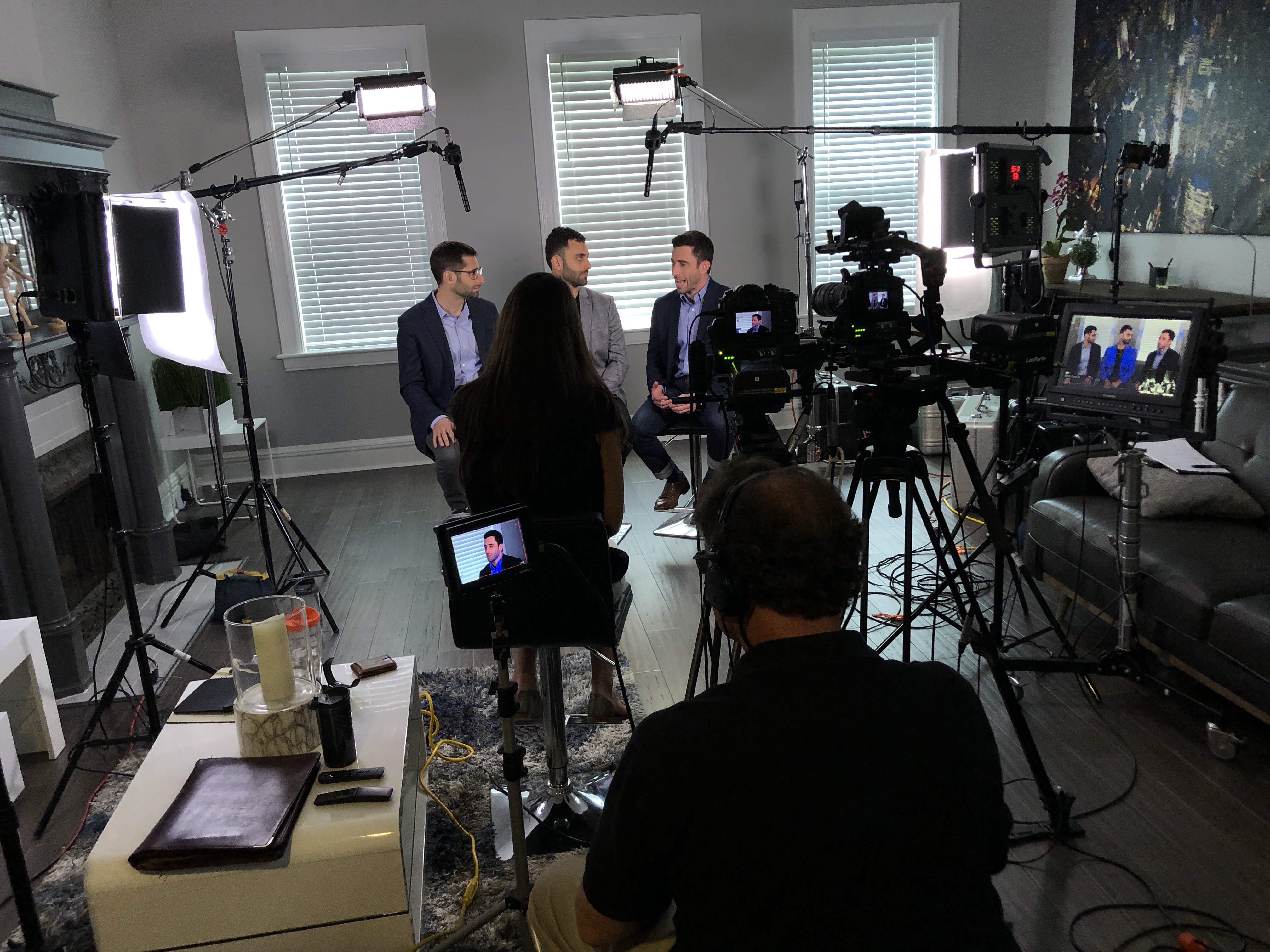
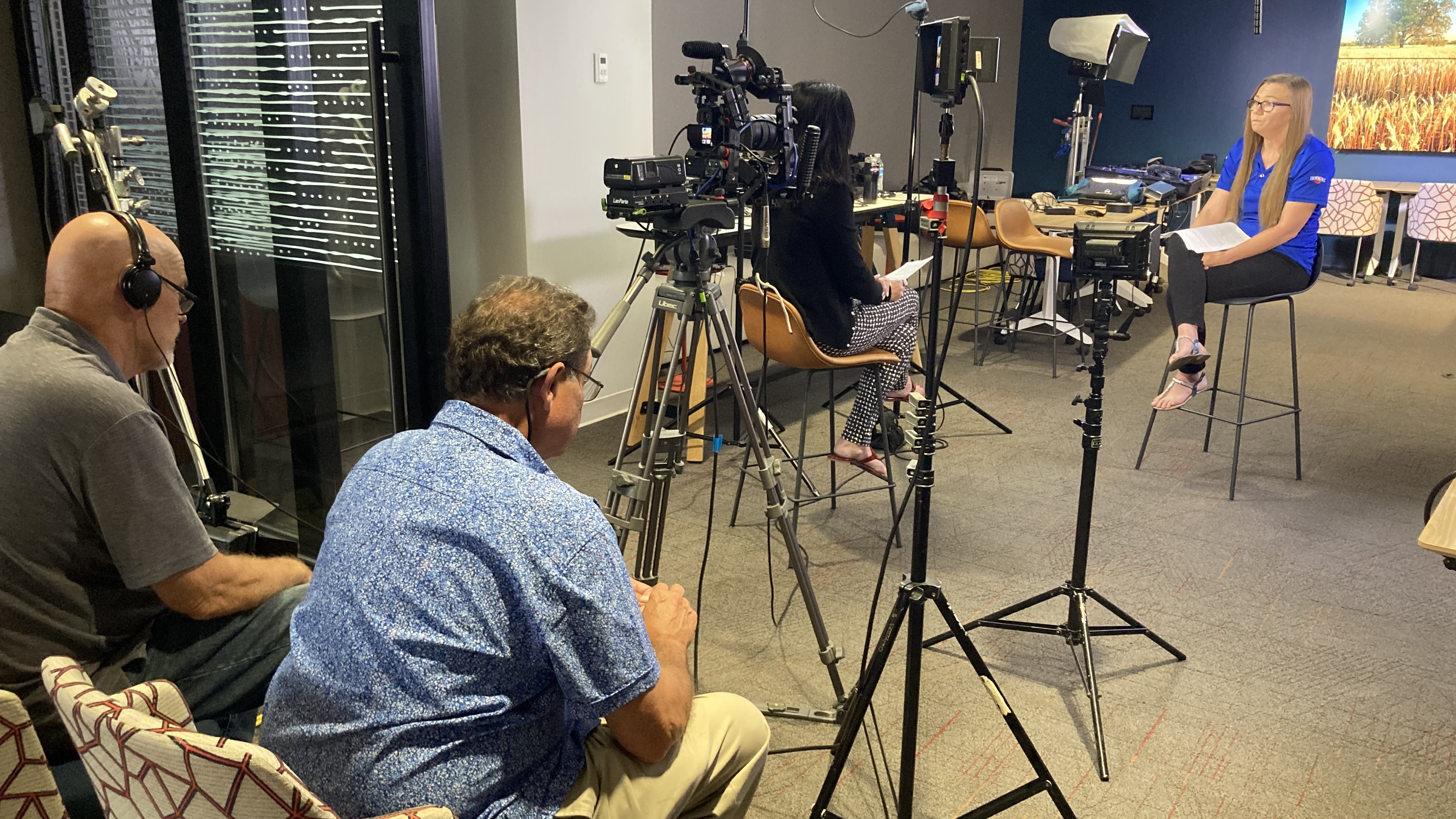
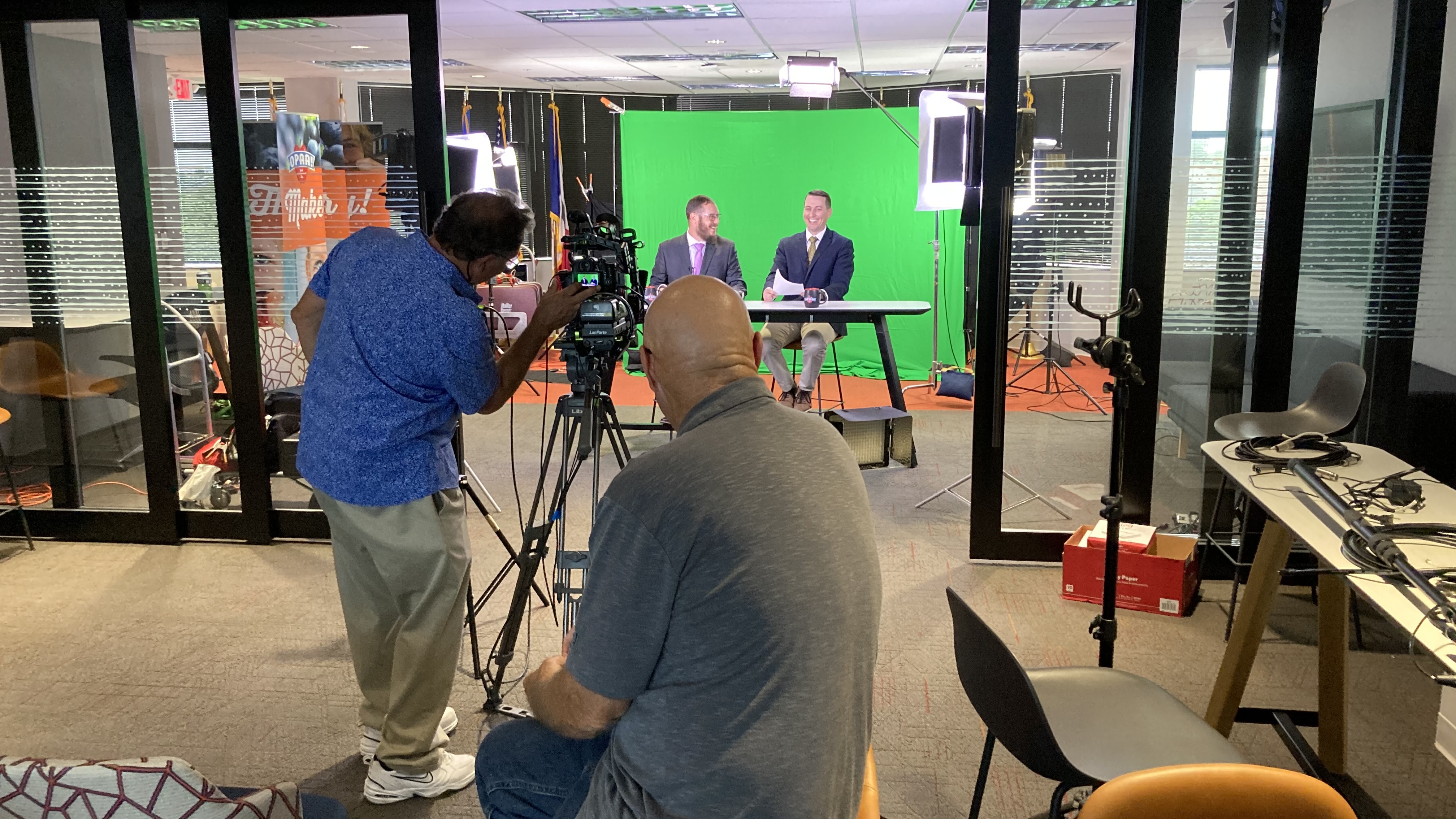
Our private studio is purpose-built for interviews, testimonials, product photography, and small-to-mid scale productions. The lighting and visual setup is pre-configured for fast, consistent results, and the studio is large enough to incorporate props and set dressing when a concept calls for more than a clean backdrop. Because the space and equipment are already dialed in, our crews spend less time on setup and more time capturing usable footage — which keeps costs predictable for our clients.
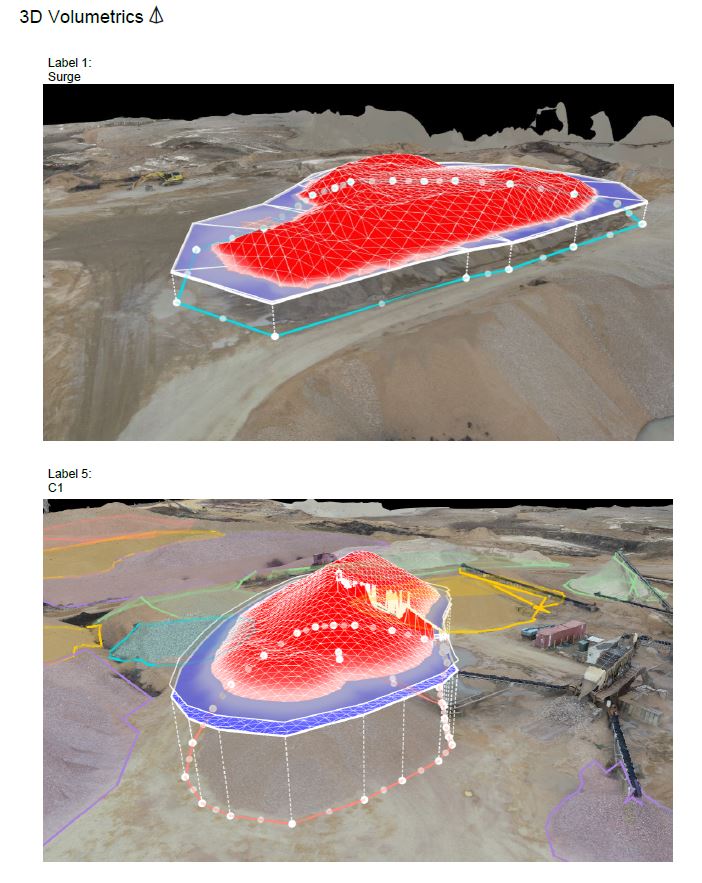
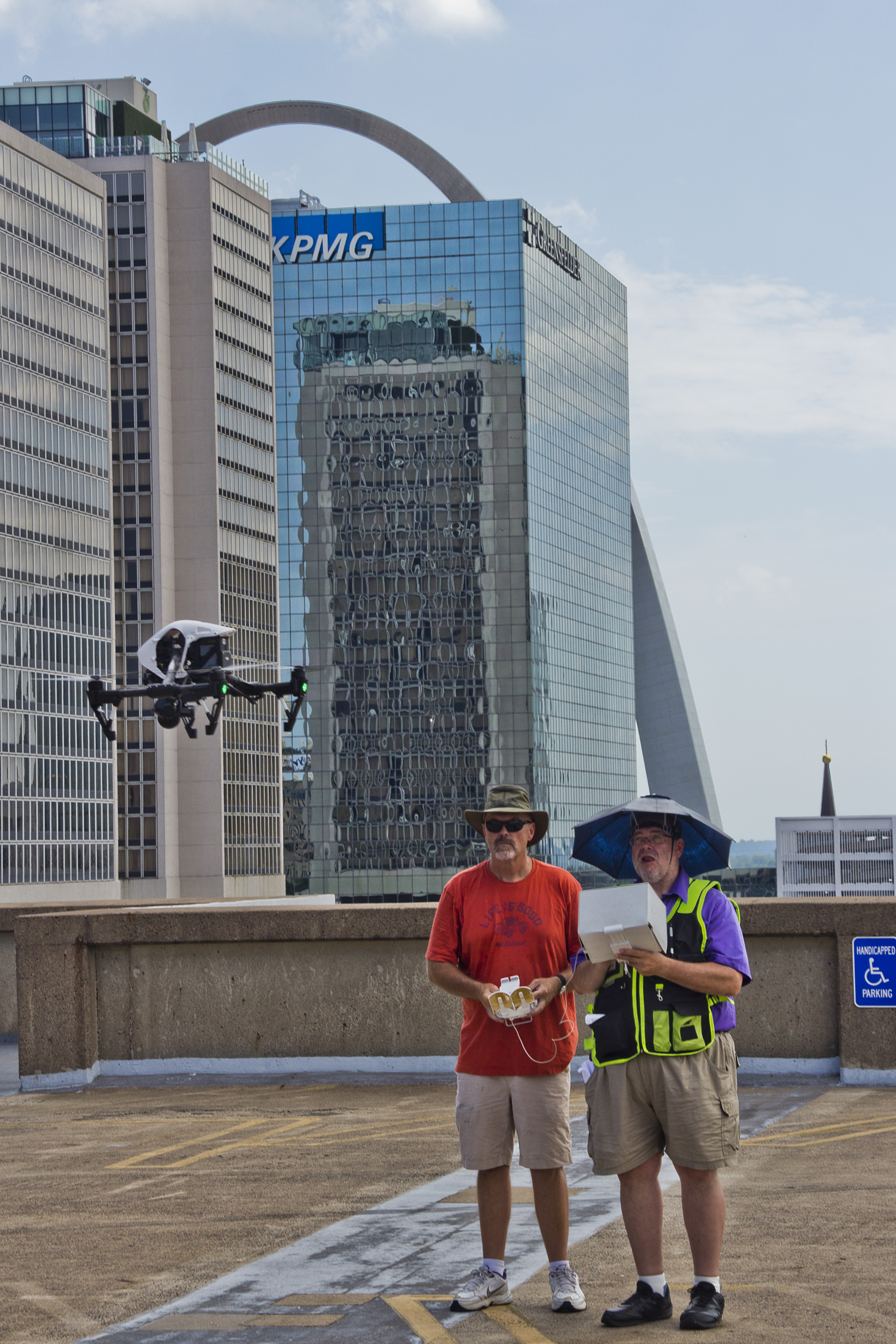
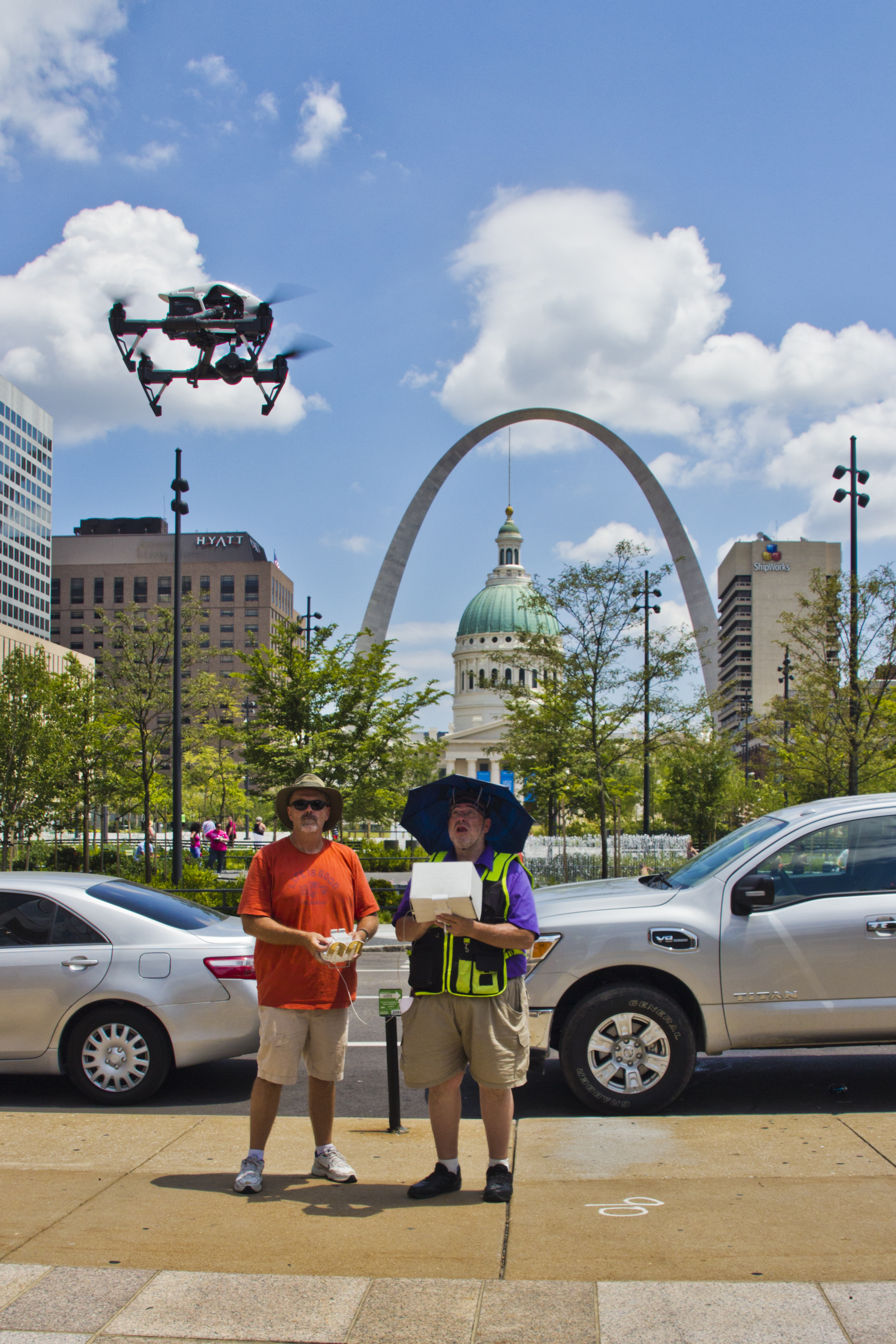
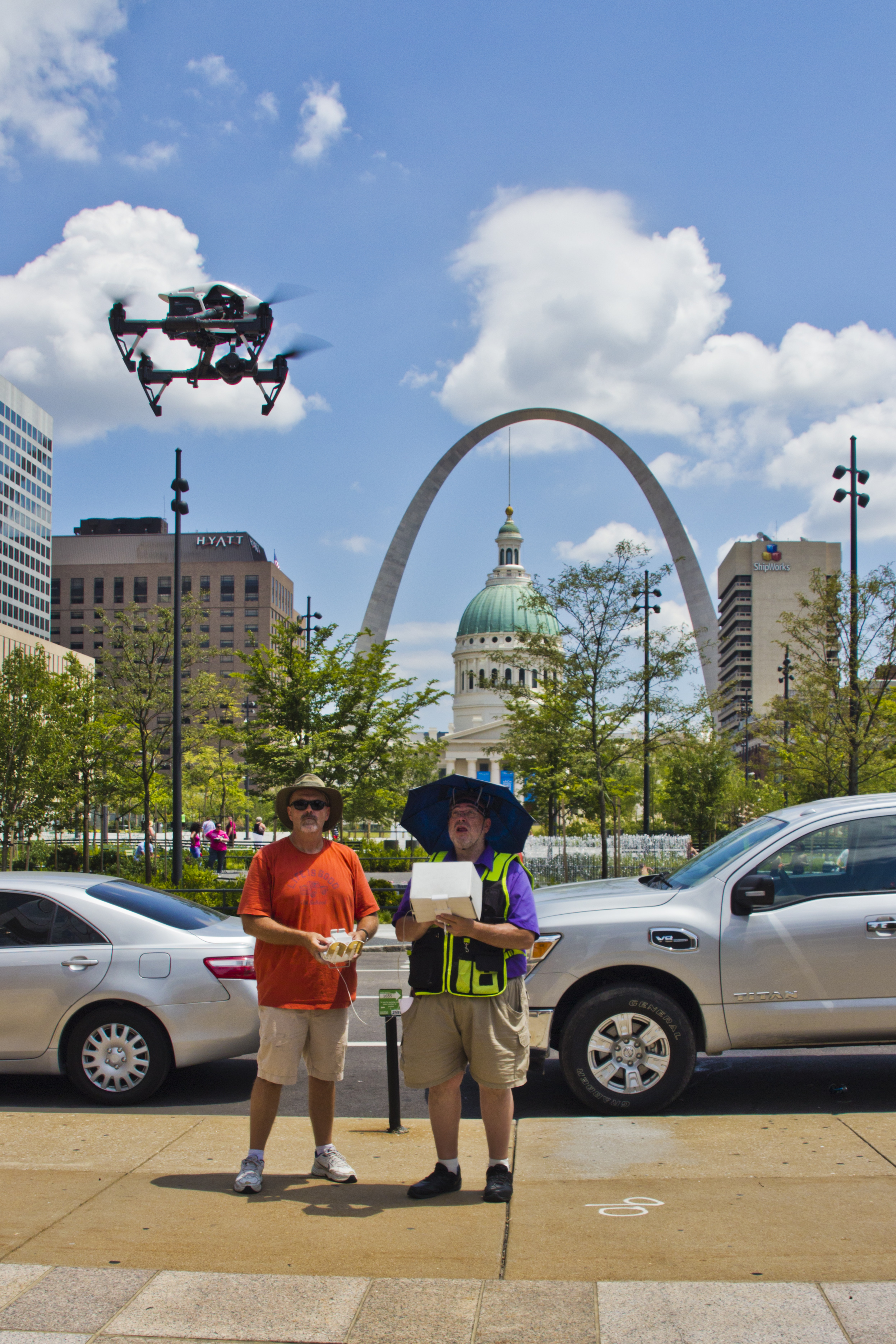
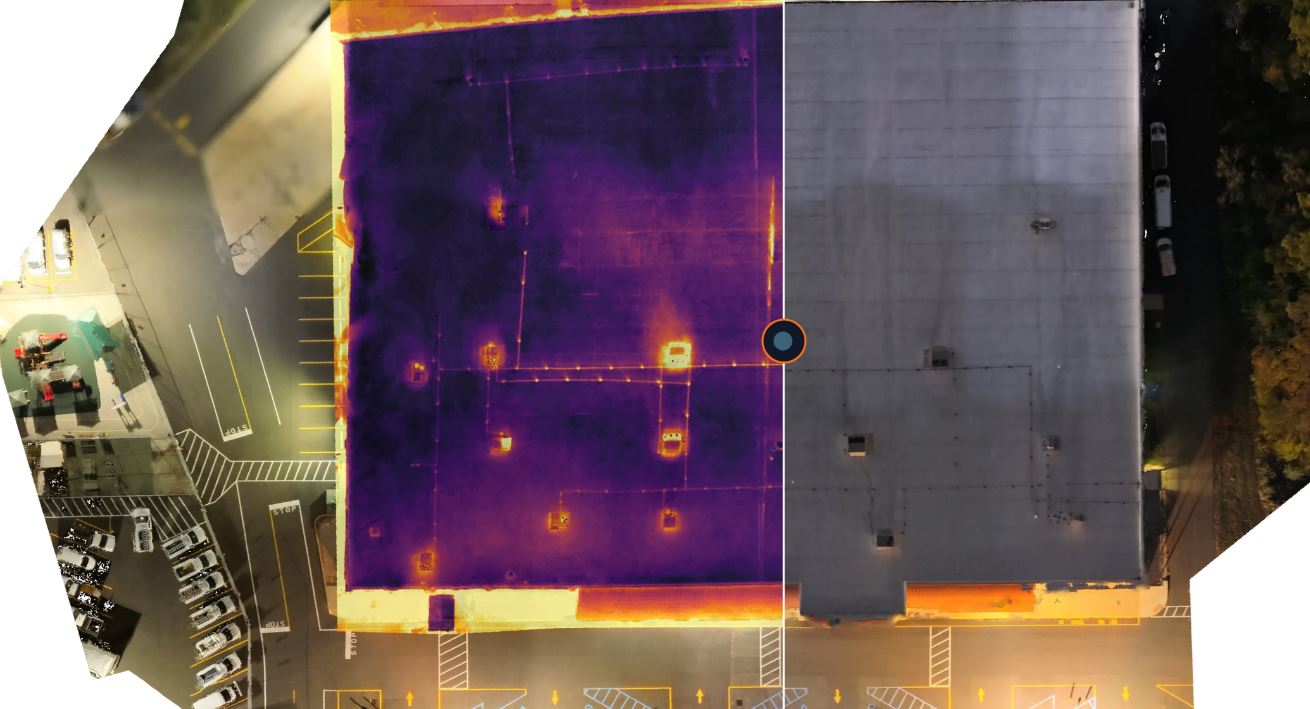
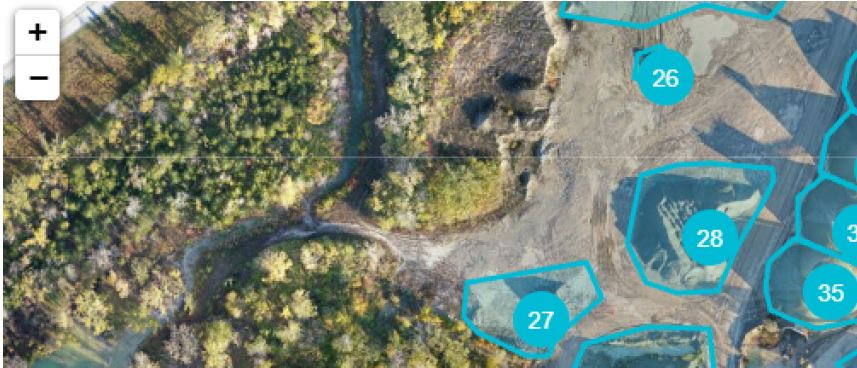
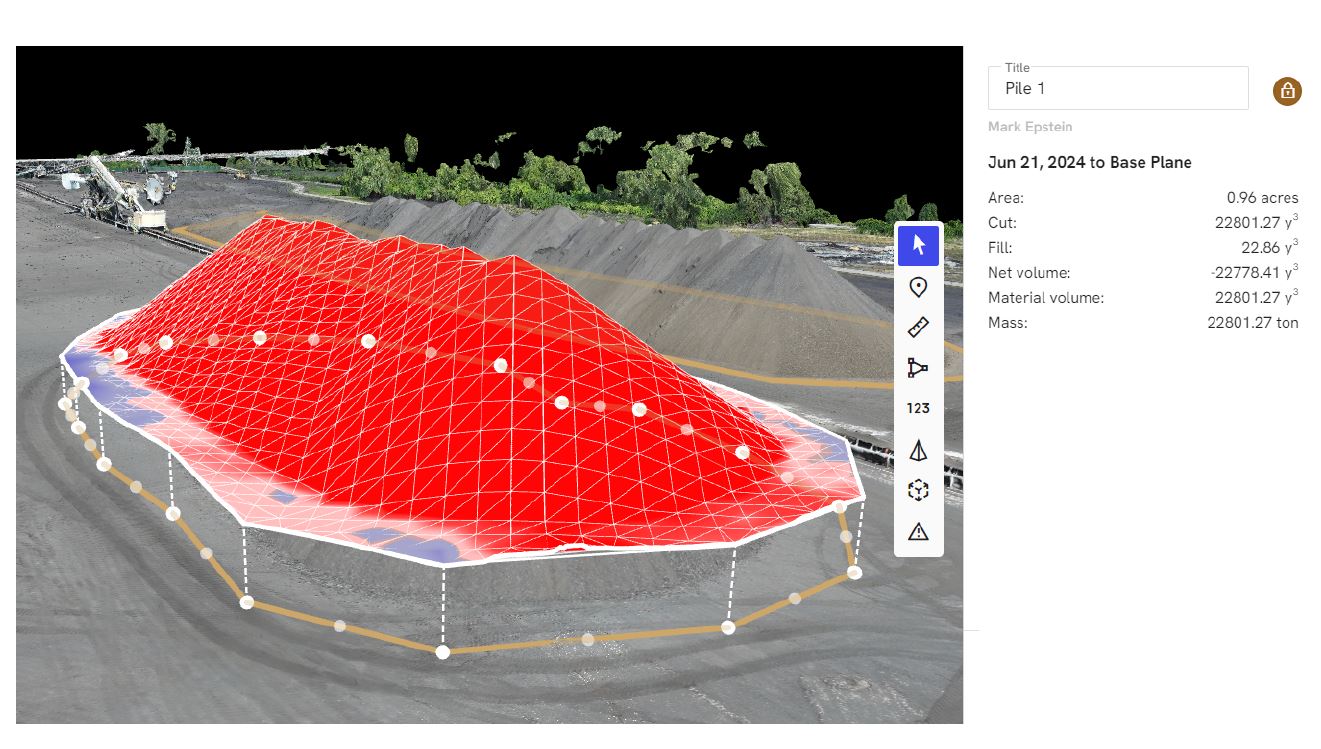
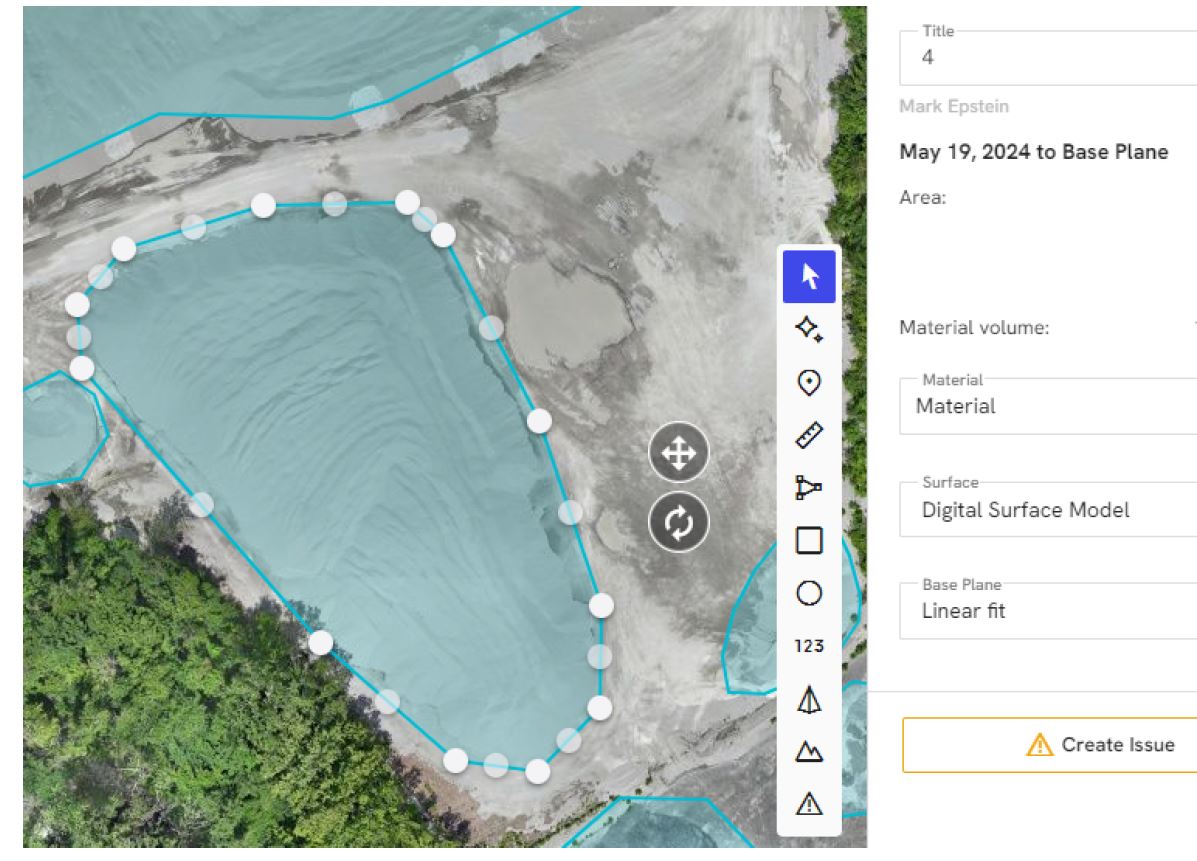
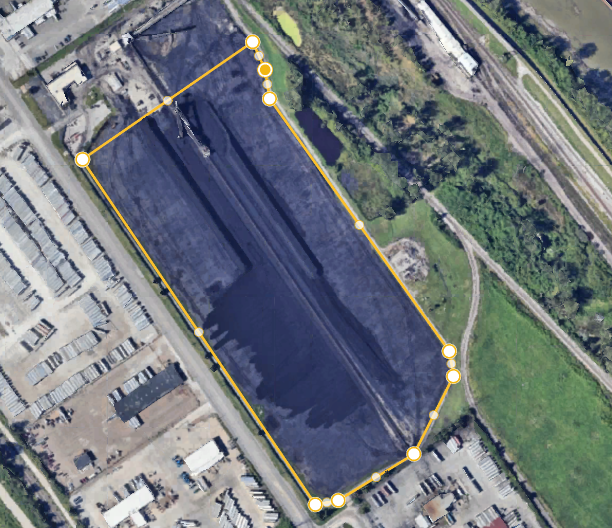
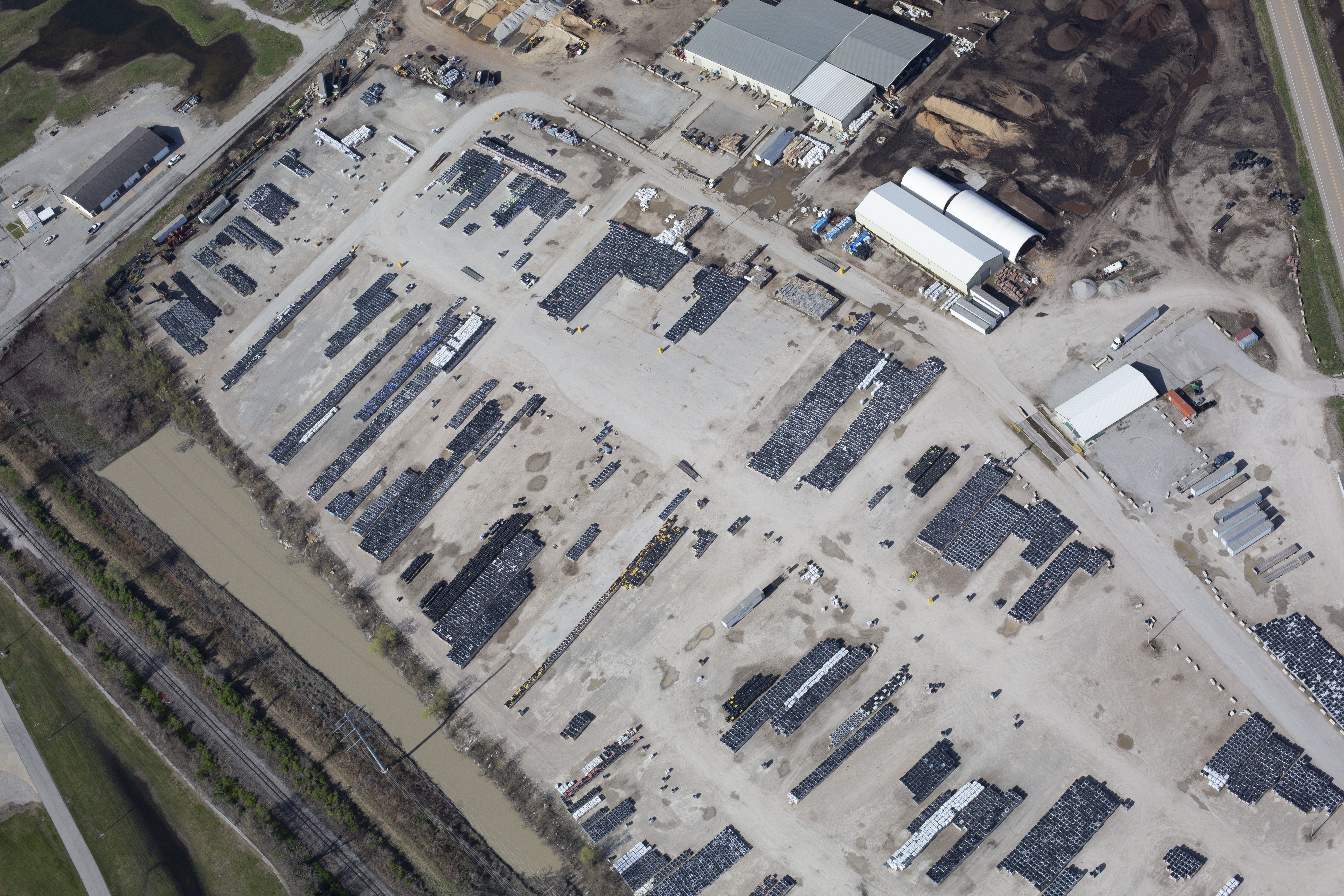
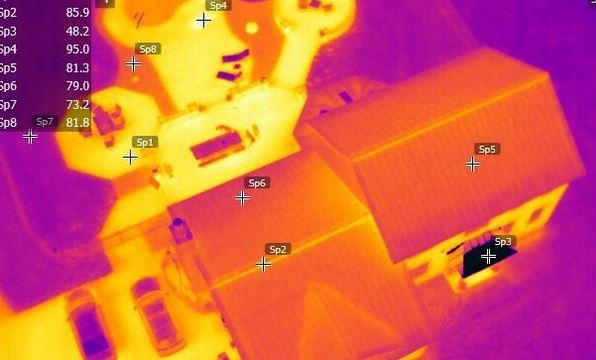
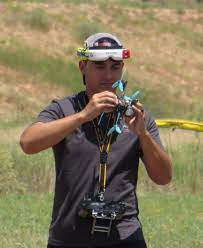
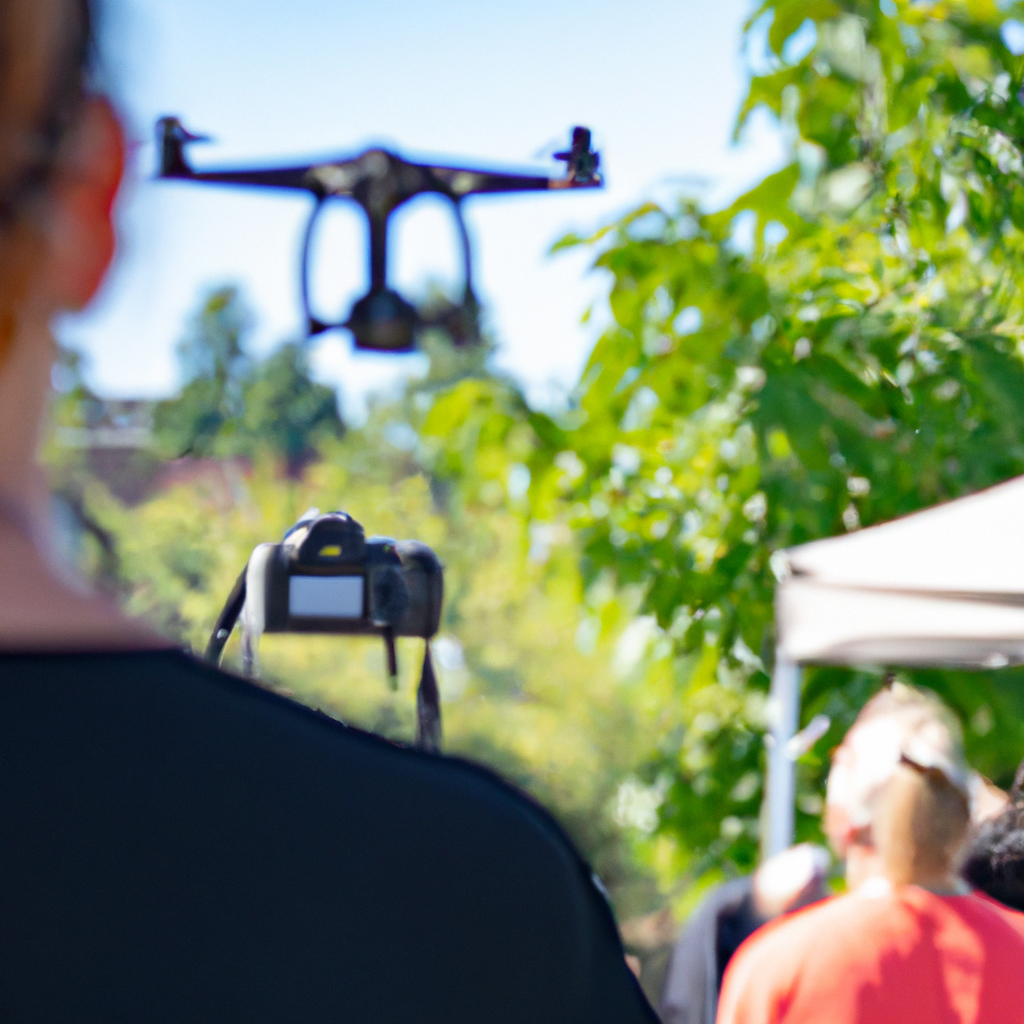
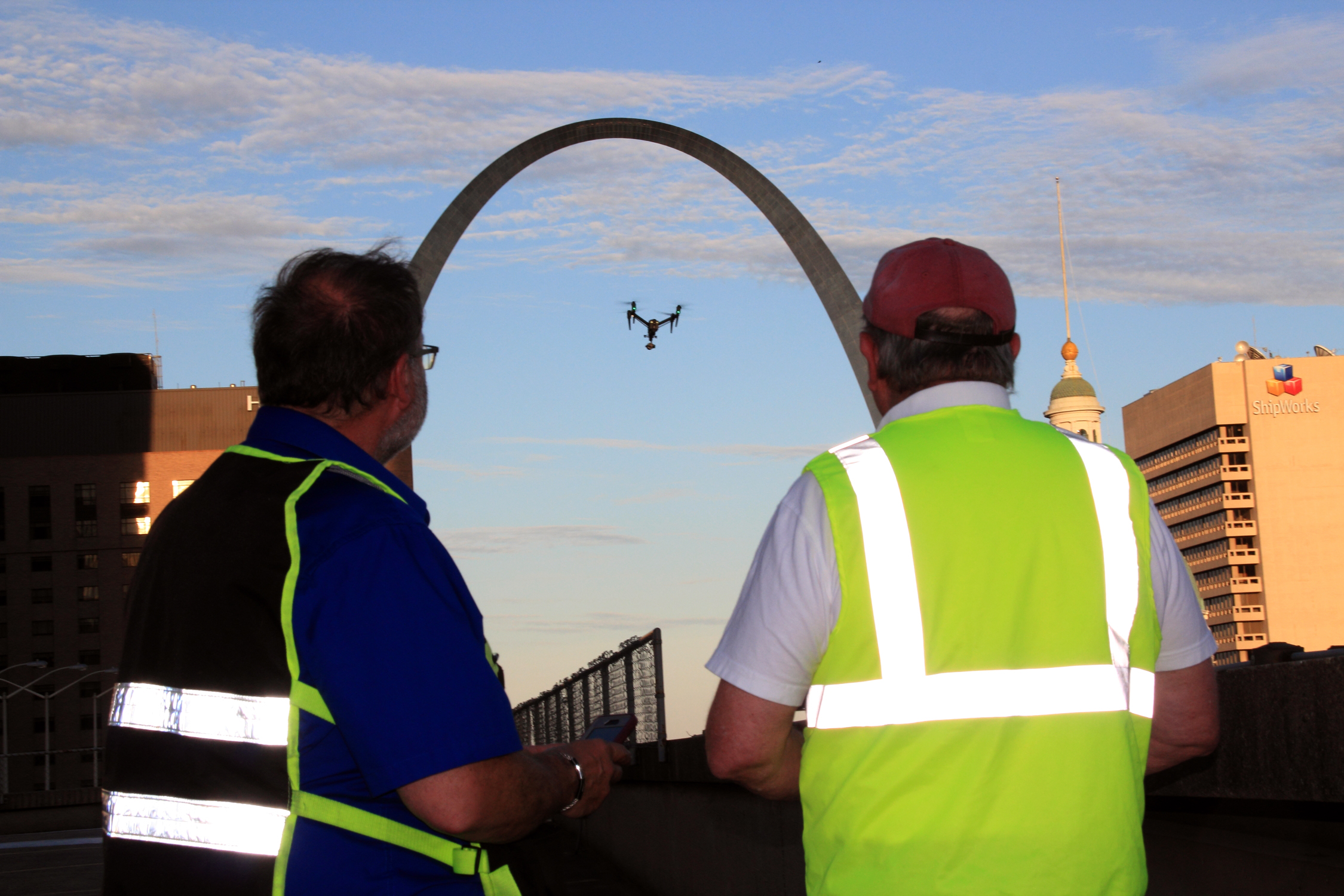
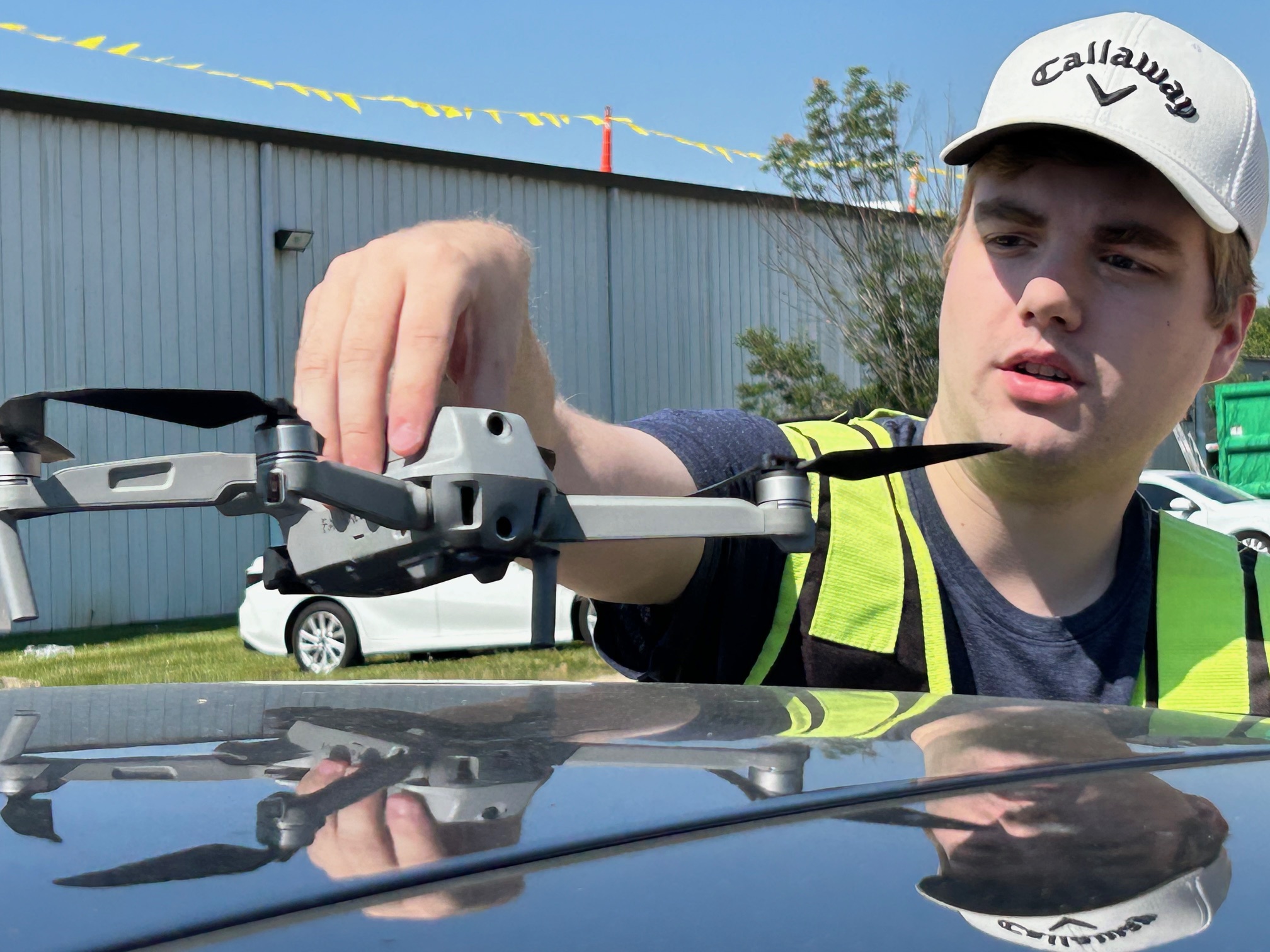
As a full-service commercial photography and video production company, we support every stage of a production: private studio and on-location shooting, professional sound and camera operators, editing and post-production, and licensed drone services — including specialized FPV drones capable of flying indoors, along with infrared thermal imaging, orthomosaic mapping, and LiDAR capture for specialized commercial applications. Our team also includes location scouting and B-roll specialists, so productions that start in the studio can seamlessly extend into the field when a project requires it.
We’re well-versed across file types, media formats, and the software ecosystems our clients rely on, and we integrate the latest artificial intelligence tools throughout our workflow to streamline editing and post-production without compromising creative quality. We also specialize in repurposing existing photography and video assets — helping clients extend the value of their branding across new campaigns, platforms, and formats rather than starting from scratch every time.
Whether you need a single executive headshot session, a full interview-style video campaign, or ongoing content production for a marketing calendar, St Louis Video Production has the studio space, crew experience, and equipment to deliver professional results efficiently and economically. Contact St Louis Video Production to discuss your next studio or location production.
For marketing directors, corporate communications leaders, and agency decision-makers, a live event represents a massive investment. Whether it is an annual conference, a high-stakes product launch, or a regional gala, these moments offer a goldmine of visual assets.
The challenge? Capturing high-quality media that serves your long-term marketing goals without blowing out your budget.
True cost-efficiency in live event production isn’t about cutting corners or hiring the lowest bidder. It is about strategic planning, technical agility, and maximizing the lifecycle of every frame captured. As experienced videographers, photographers, and producers, we understand how to align creative execution with fiscal responsibility.
Here is how organizations can achieve comprehensive, high-impact live event media coverage cost-effectively.
1. Pre-Production Mapping: The Antidote to Costly Overruns
The most effective way to control event production costs happens long before the crew arrives on-site. Pre-production planning ensures no billable hours are wasted.
Define Clear Deliverables Early: Determine exactly what assets are required before the event. Do you need a 3-minute highlight reel, ten 15-second social media clips, or full-length keynote captures? Knowing this dictates the exact crew size and gear required.
Strategic Location Scouting: Understanding the venue’s layout, lighting challenges, and power availability ahead of time eliminates costly on-site troubleshooting.
The Shared Schedule: Align the production crew’s schedule tightly with the event itinerary. This ensures camera operators are positioned for high-value moments (b-roll opportunities, executive arrivals, keynote peaks) without paying for idle standby time.
2. The Hybrid Crew Advantage: Doing More with Less
In traditional media production, photography and video departments operated in strict silos. Today, a streamlined, cross-functional team is the key to cost-efficiency.
By deploying experienced professionals who understand the interplay between motion and still photography, a smaller crew can capture a broader range of assets. For instance, a dedicated camera operator can capture dynamic b-roll during a keynote address while simultaneously monitoring a secondary, automated wide-angle camera. This multi-camera look provides high production value without the cost of hiring multiple operators.
The ultimate metric of cost-efficiency is the cost-per-use of your media assets. A single live event should feed your marketing pipeline for months.
Instead of viewing an event video as a single asset, treat it as a content library. A comprehensive capture strategy allows you to extract:
Micro-Content for Social Media: Short, high-impact vertical videos for LinkedIn, Instagram, or TikTok.
Case Studies & Testimonials: Splicing attendee interviews with event b-roll to create powerful B2B proof-of-concept videos.
Future Event Promotion: Using high-energy photography and crowd shots to drive registrations for next year’s event.
Partner with St. Louis’s Trusted Production Experts
Achieving this level of strategic efficiency requires an experienced production partner. St Louis Video Production is a full-service professional commercial photography and video production company with the right equipment and creative crew service experience for successful image acquisition.
Since 1982, St Louis Video Production has worked with many businesses, marketing firms, and creative agencies in the St. Louis area for their marketing photography and video. We support every aspect of your production—from setting up a private, custom interview studio to supplying professional sound and camera operators, as well as providing the right equipment—ensuring your next video production is seamless and successful.
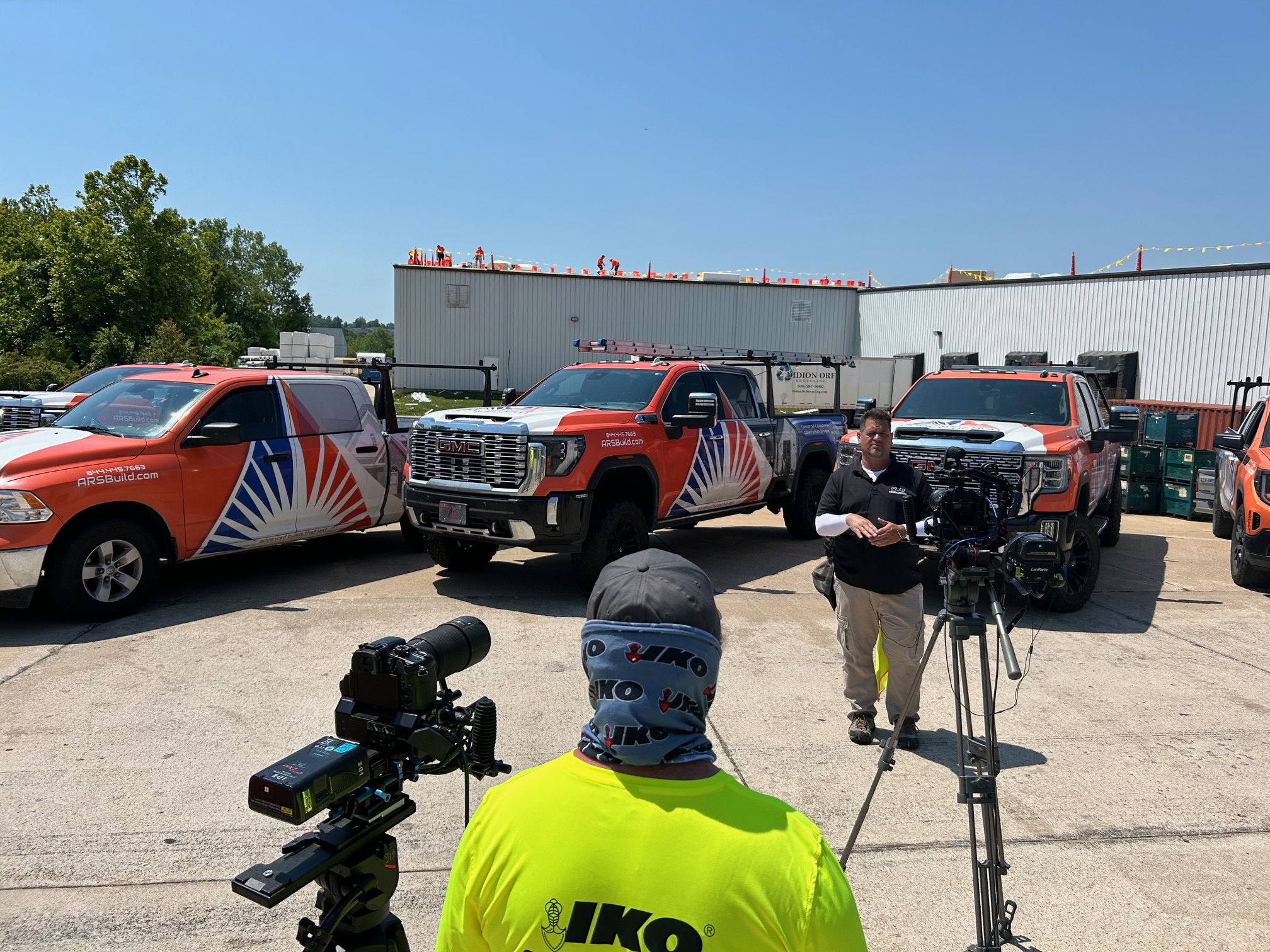
We offer full-service studio and location video and photography, as well as editing, post-production, and licensed drone services. Our team consists of seasoned location scouting and b-roll specialists who know how to capture the exact footage your brand needs.
Advanced Technical Capabilities
We pride ourselves on staying ahead of industry trends to deliver superior value to our clients:
Advanced AI Integration: We use the latest in Artificial Intelligence for all our media services, streamlining editing workflows, enhancing visual quality, and accelerating turnaround times.
Software & Format Expertise: We are well-versed in all file types and styles of media and accompanying software, ensuring seamless integration with your internal asset management systems.
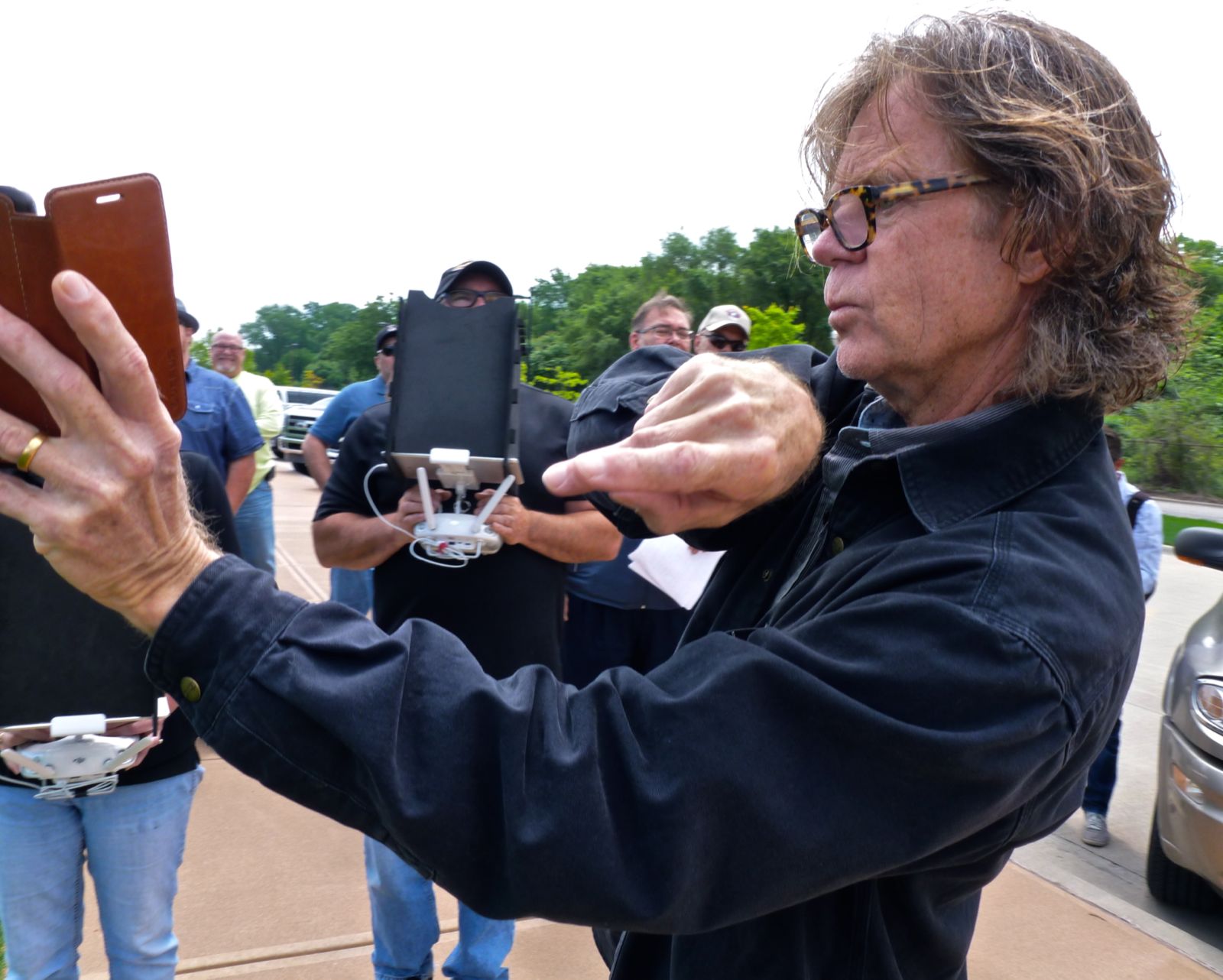
Specialized Drone Services: Beyond standard aerial footage, we can fly our specialized FPV drones indoors to capture breathtaking, immersive event walkthroughs. Our advanced drone capabilities also include infrared thermal imaging, orthomosaics, and LiDAR for specialized industrial and commercial requirements.
A Versatile Studio Spaces to Supplement Your Project
St Louis Video Production can customize your productions for diverse types of media requirements. In addition to our on-location event services, our private studio lighting and visual setup is perfect for small productions and interview scenes. The studio is large enough to incorporate props to round out your set, making it an ideal environment for capturing clean, controlled executive statements or product close-ups before or after your main event.
Repurposing your photography and video branding to gain more traction is another specialty of ours. Let us help you maximize your next corporate event budget with sharp strategy, elite creative talent, and cutting-edge technology.
In a market crowded with short attention spans, fragmented messaging, and endless content formats, well-produced video interviews and purposeful b-roll remain two of the most effective tools a business can use to communicate clearly and professionally. For organizations in St. Louis that need marketing videos, brand stories, executive messaging, recruiting content, customer testimonials, training assets, or documentary-style business features, the quality of both the interview and the supporting visuals often determines whether the final piece feels credible, polished, and worth watching.
Strong interview production is not simply about pointing a camera at a subject and pressing record. Strong b-roll is not just random footage gathered to fill dead space. The best business videos are built when both elements are planned together from the start. Interview content delivers the message. B-roll provides context, pacing, proof, energy, and visual sophistication. When handled by an experienced production team, the result is a video that feels intentional, persuasive, and useful across multiple platforms.
For decision makers responsible for marketing, communications, branding, internal messaging, recruitment, fundraising, or public relations, understanding the relationship between interview production and b-roll strategy can help shape better projects and better outcomes.
Why Video Interviews Still Matter
Interview-based video remains one of the most dependable formats in business communication because it allows real people to speak directly and credibly to an audience. Whether the subject is a CEO, founder, customer, technical expert, physician, educator, plant manager, or nonprofit leader, the spoken interview gives the piece authenticity. It creates a human connection that scripted voiceover alone often cannot achieve.
Businesses use interview-driven videos for many reasons. Some want to explain their value proposition through leadership perspectives. Others want to build trust by featuring real customers or employees. Some need to communicate complex services in a more approachable format. Others want to preserve institutional knowledge, document a company story, or create content that can be repurposed into smaller pieces for social media, websites, presentations, and email campaigns.
The interview is usually the backbone of the production. It establishes the narrative. It gives structure to the edit. It determines tone. But no matter how articulate the speaker may be, an interview without strong supporting visuals often feels static and limited. That is where b-roll becomes essential.
What B-Roll Really Does
B-roll is often underestimated by clients who have not been through many professional productions. In reality, it is one of the defining factors in whether a video feels average or exceptional.
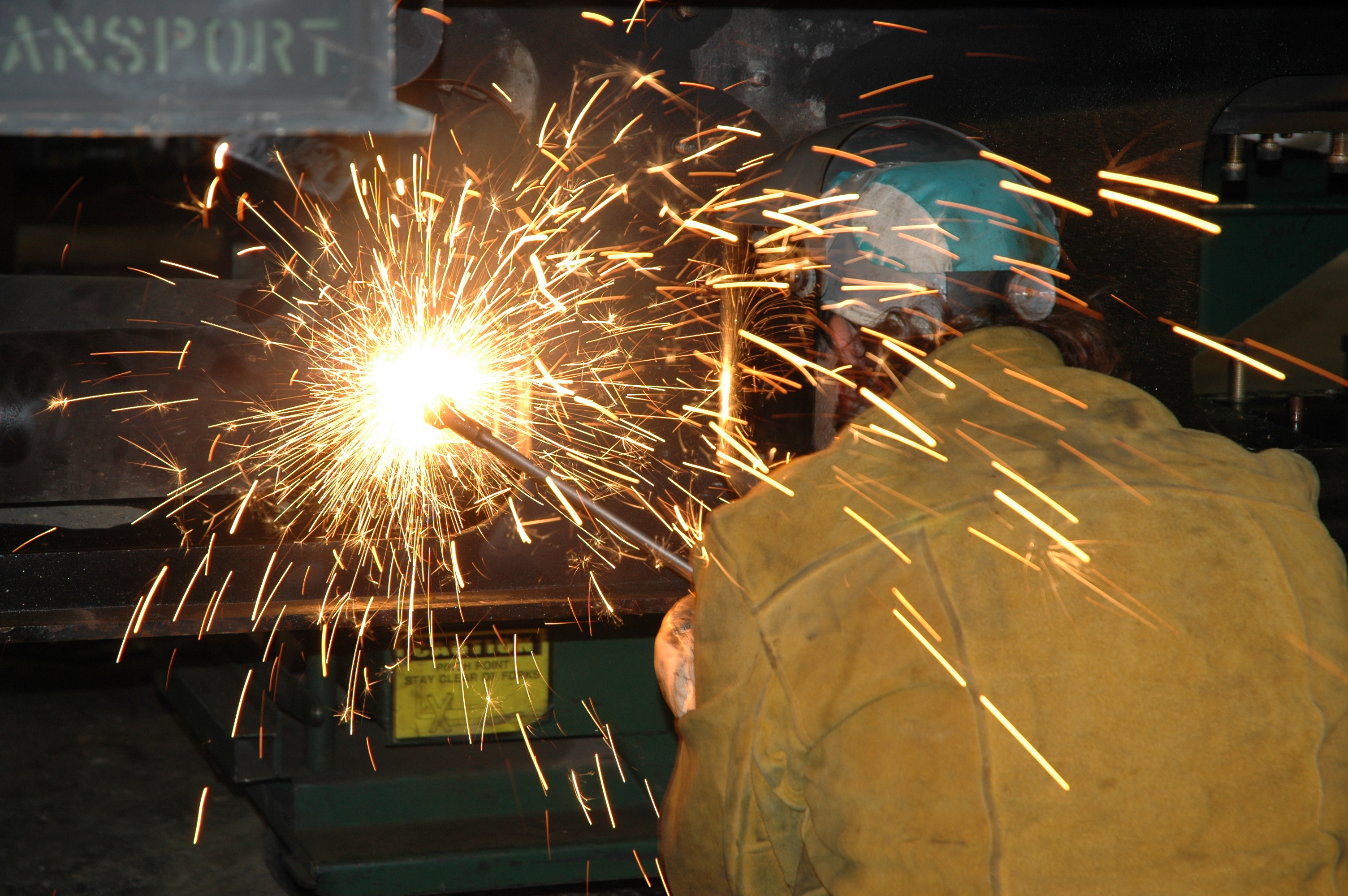
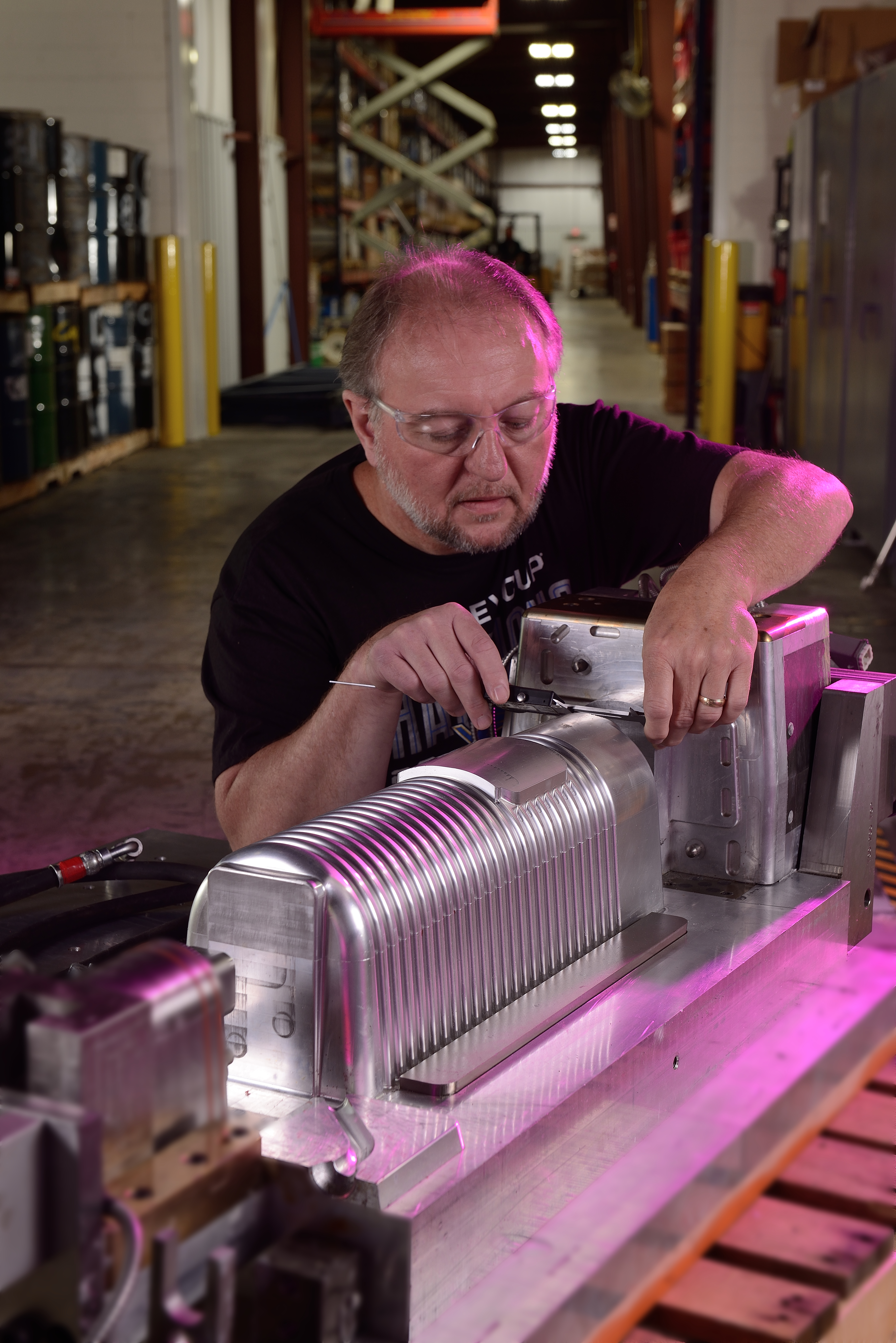
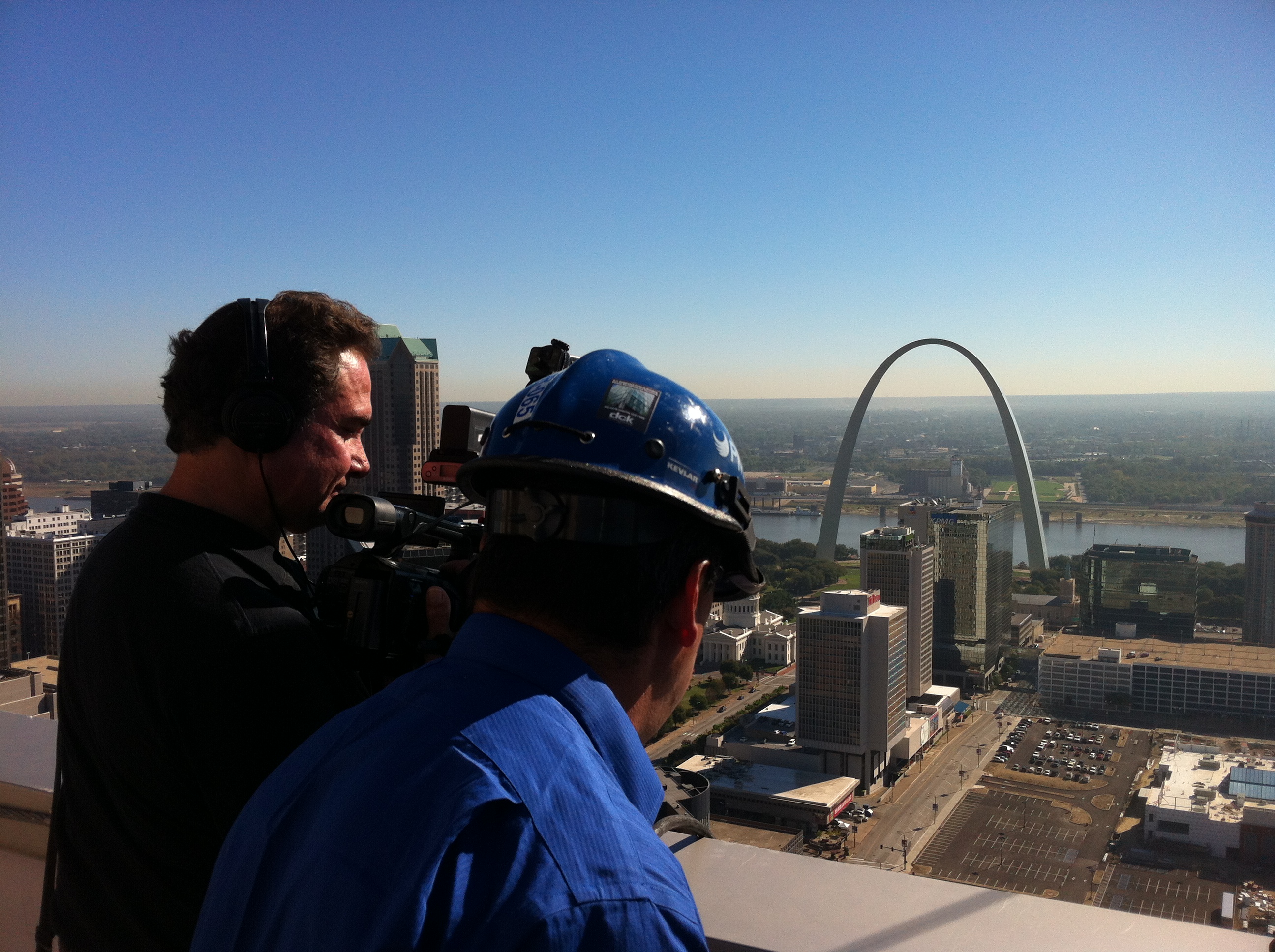
B-roll is the footage that supports, illustrates, and enriches the interview. It may include your team at work, your facility, your products, equipment, service delivery, hands-on processes, environmental shots, branded spaces, customer interactions, workflow details, drone footage, textures, tools, screens, signage, manufacturing activity, architectural details, or lifestyle scenes that help tell the story.
When captured strategically, b-roll does several important things at once.
First, it helps visualize what the speaker is talking about. If an executive mentions efficiency, innovation, precision, or customer service, good b-roll gives the audience something concrete to see. That makes the message more believable.
Second, it improves pacing. Interviews alone can quickly become visually repetitive. B-roll introduces motion, changes perspective, and keeps viewers engaged.
Third, it hides edits. Most interviews require trimming, restructuring, or combining sound bites for clarity and impact. B-roll allows editors to make those transitions smoothly.
Fourth, it adds production value. A video with thoughtful coverage simply feels more polished, more intentional, and more aligned with a strong brand.
Finally, b-roll increases repurposing potential. The more useful visuals a production gathers, the more assets can be created from the same shoot day.
Why St. Louis Businesses Benefit From Specialists
There is a meaningful difference between a crew that occasionally captures interviews and a production team that specializes in interview-based storytelling and b-roll acquisition. Specialists know how to make subjects comfortable, shape meaningful answers, light a scene professionally, manage sound correctly, and identify the coverage needed to support the final edit before the day even begins.
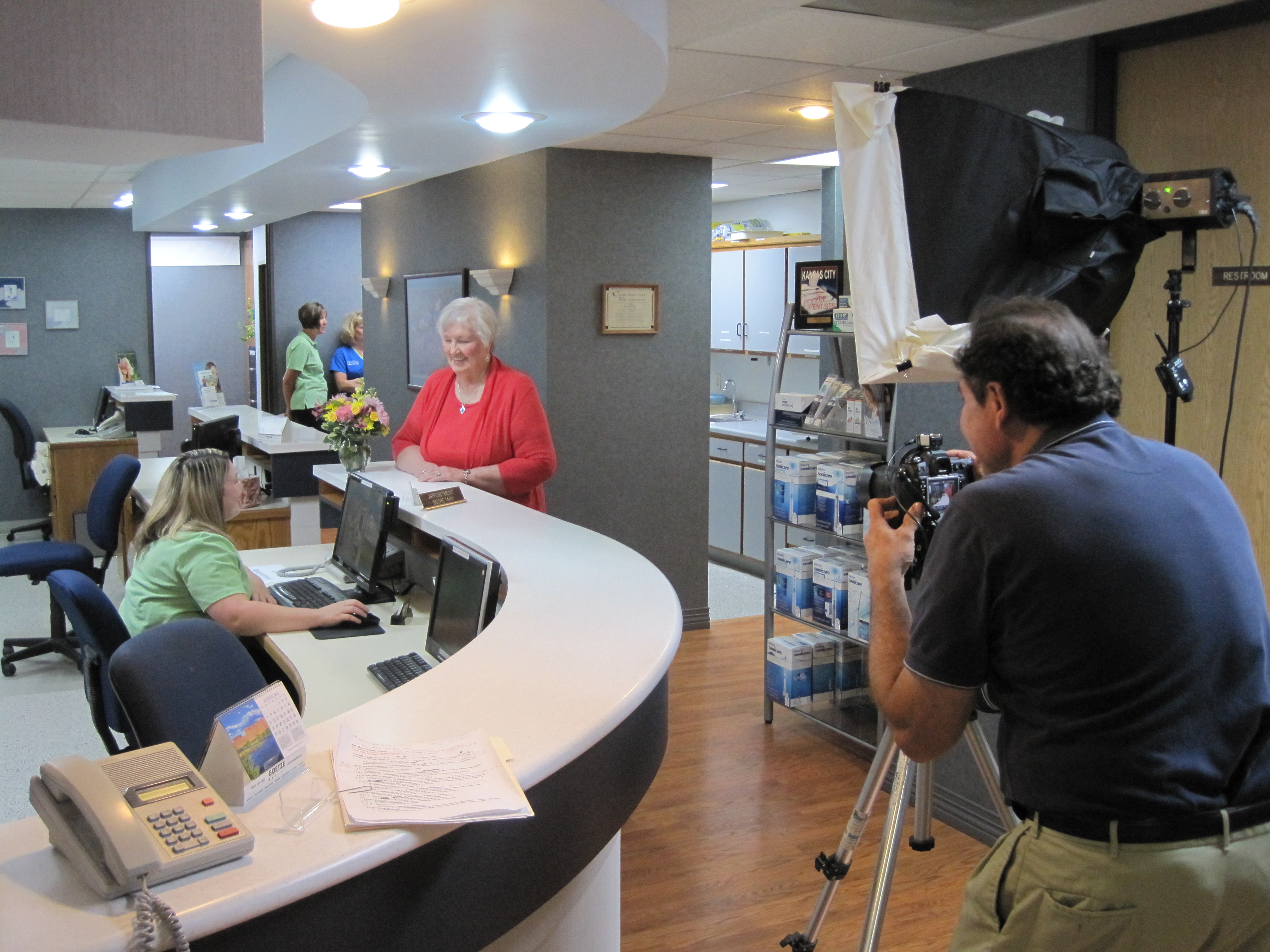
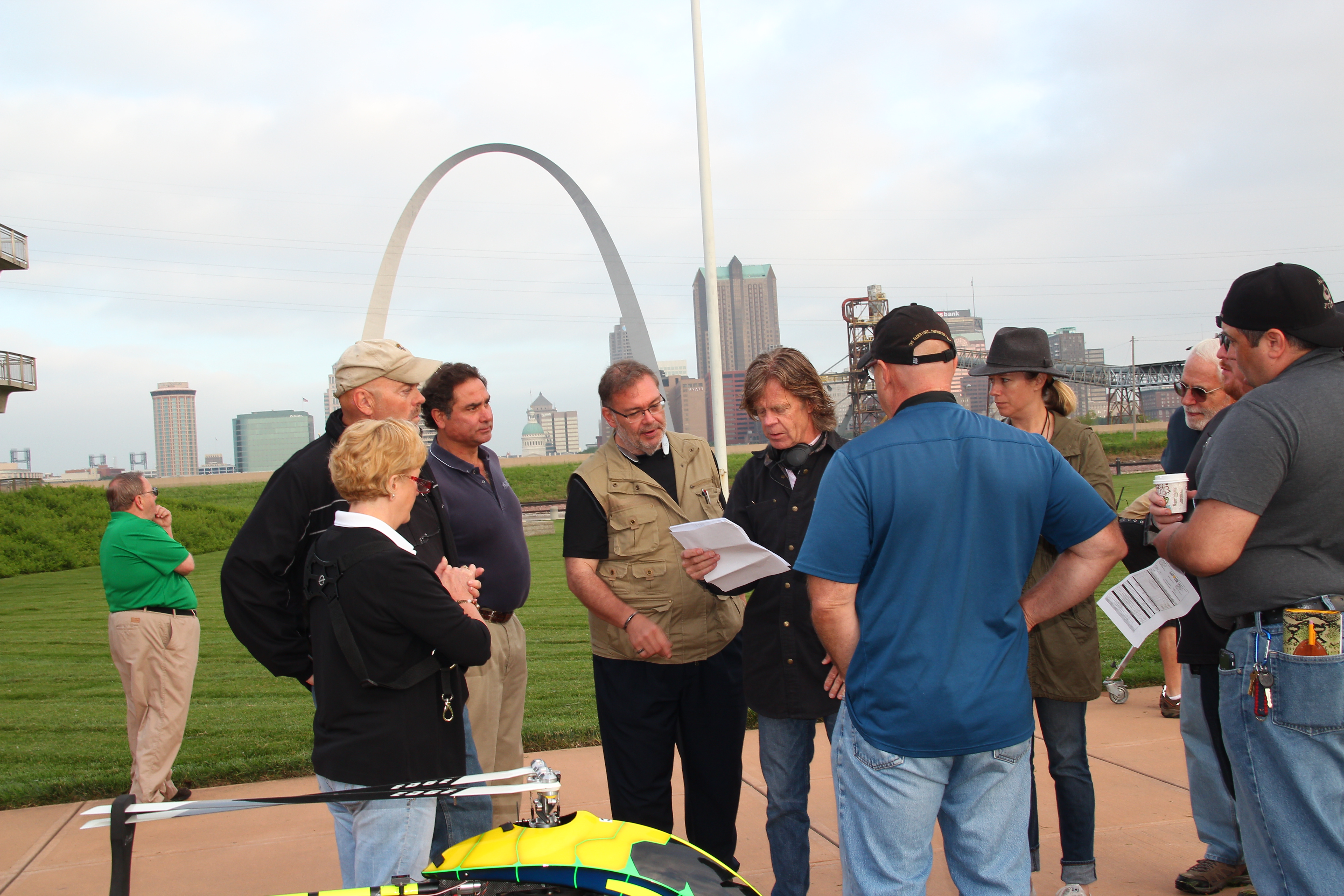
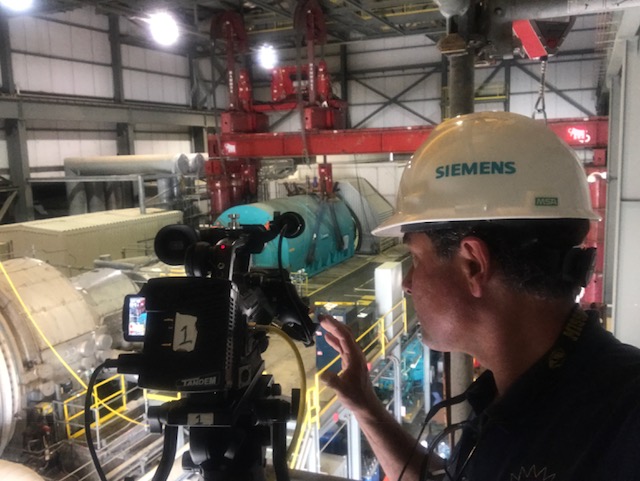
For St. Louis businesses, this matters because many productions need to happen inside real-world environments that are not designed as studios. Offices, plants, hospitals, warehouses, schools, manufacturing floors, retail spaces, and job sites each bring lighting challenges, sound challenges, scheduling limitations, and workflow interruptions. A specialist knows how to adapt the production approach without sacrificing quality.
They also understand how to balance the interview itself with the visual support material. Many less experienced crews focus too heavily on the sit-down portion and leave the location with insufficient b-roll. Then the final edit suffers because there is not enough coverage to support the story. A strong production team plans for both from the outset.
The Anatomy of a Successful Interview Shoot
An effective business interview is the result of preparation, not luck. It begins long before the cameras roll.
Defining the Message
The first step is identifying the purpose of the video. Is the project intended to drive leads, support recruiting, explain a process, build trust, communicate culture, or showcase a service? The answer affects the interview questions, the tone of delivery, and the style of b-roll needed.
Without this clarity, interviews can become too broad, too vague, or too disconnected from the business objective.
Choosing the Right Subject
Not every executive or staff member is naturally the best on-camera representative for every story. Sometimes the ideal subject is the founder. Sometimes it is a department head, a client, a technician, a nurse, a project manager, or a long-term employee. The right person is the one who can speak with credibility, clarity, and comfort about the topic at hand.
Building a Comfortable Set
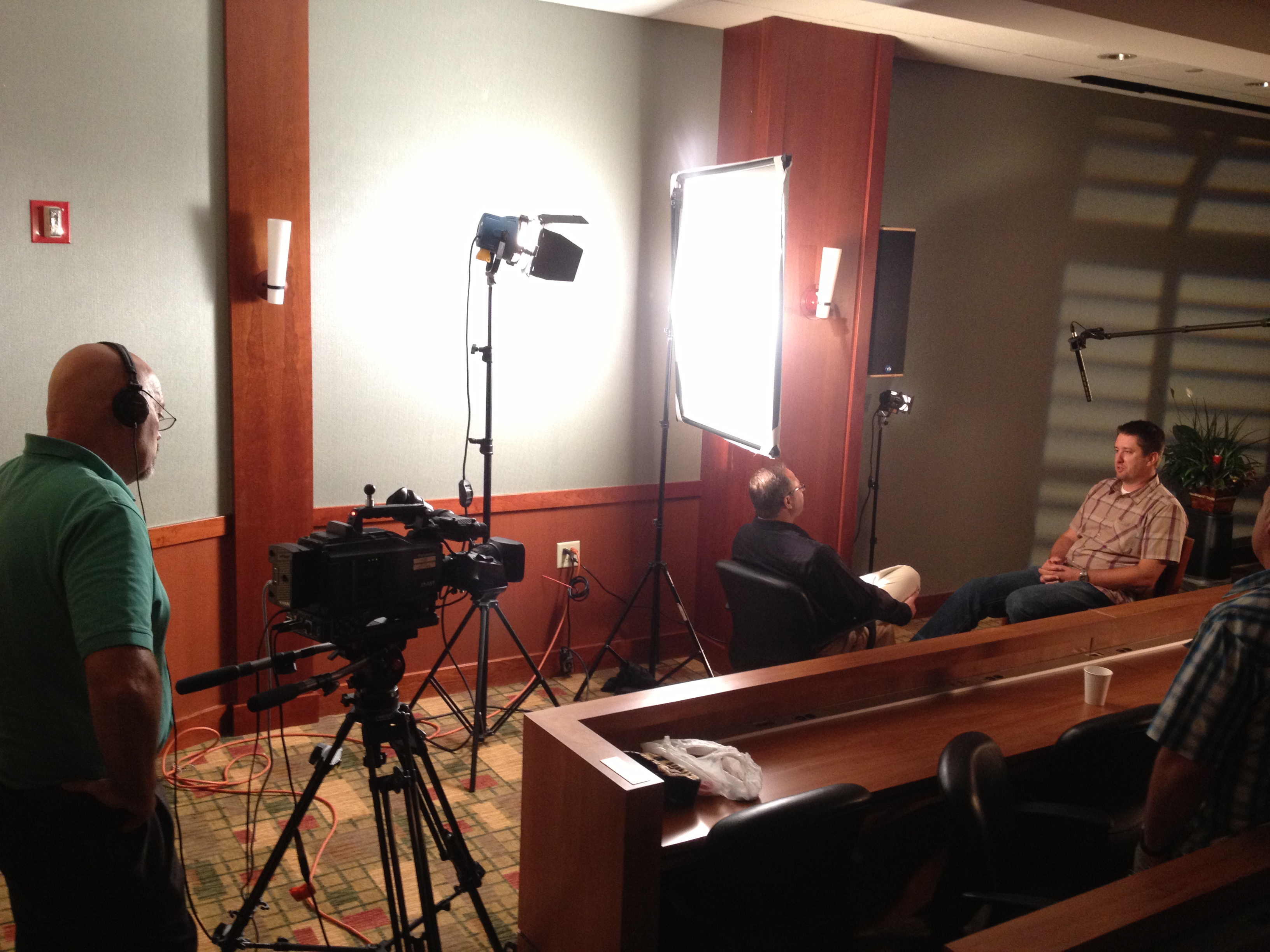
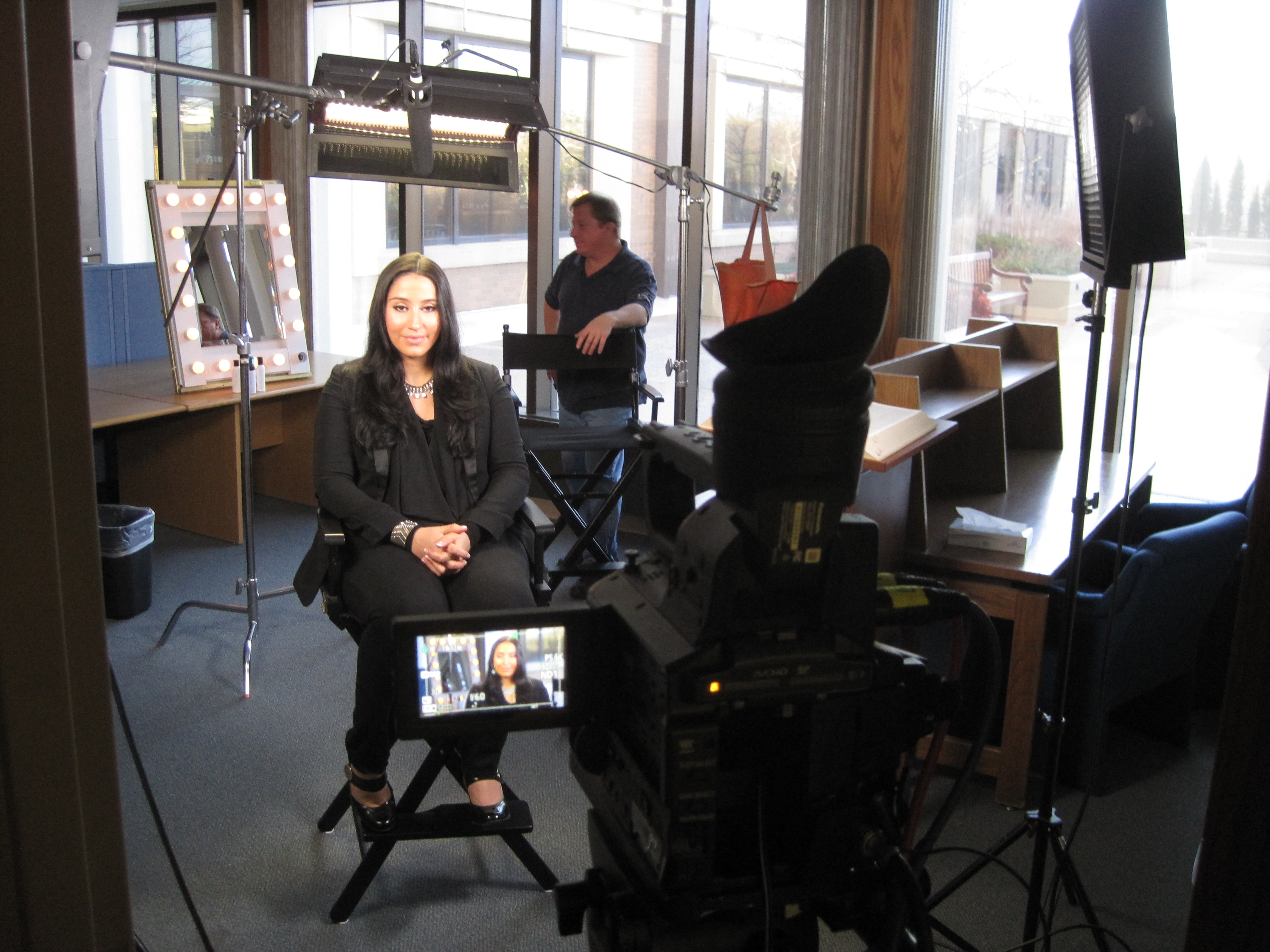
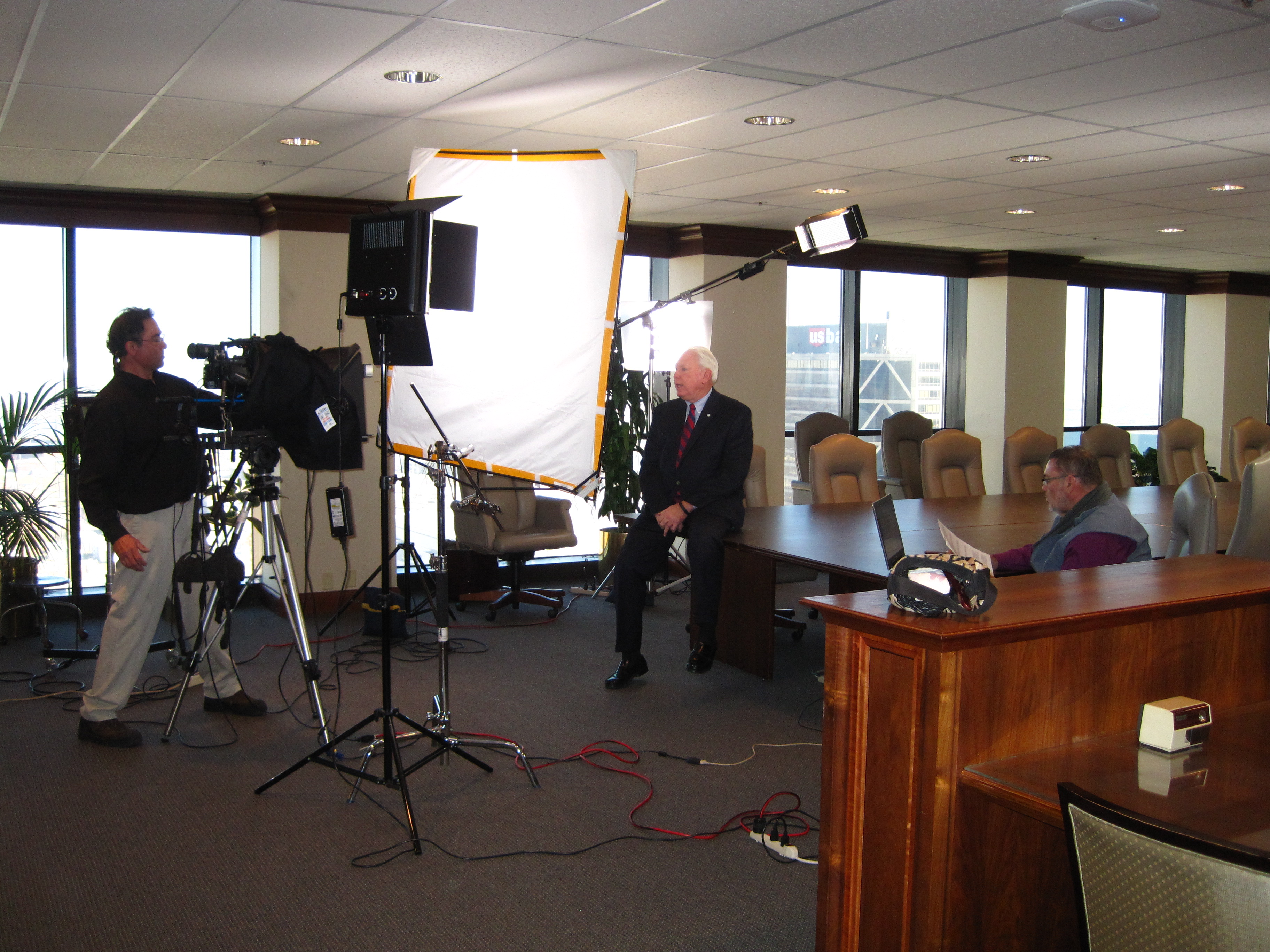
People perform better on camera when the environment feels calm and professional. Lighting, sound, camera placement, room arrangement, background composition, and crew demeanor all influence the quality of the interview. An experienced team understands how to shape a space so the subject looks confident and natural without feeling intimidated.
Asking Better Questions
Strong interview footage comes from strong prompting. Questions should be structured to produce complete, useful answers that sound natural in the final edit. Instead of asking for yes-or-no responses or overly corporate phrasing, good producers guide the conversation toward clear, authentic statements.
Capturing for the Edit
Professionals do not just shoot for the moment. They shoot for the final sequence. That means gathering alternate angles when appropriate, room tone for audio continuity, and enough visual variation to support future editing decisions.
What Makes Great B-Roll Different
Great b-roll is purposeful. It is not filler. It is visual storytelling.
That means understanding what the audience needs to see in order to believe, remember, and respond to the message. A company that prides itself on precision should show precision. A company promoting responsiveness should show human interaction and workflow. A manufacturer emphasizing quality control should show the inspection process, machinery, detail shots, and environmental context. A service brand talking about trust should show real people, real settings, and real moments that feel credible.
Specialized b-roll teams look for layers within a location. They do not settle for a few wide shots and leave. They gather establishing views, medium action, detail coverage, movement, texture, signage, environmental context, process shots, and the little visual moments that elevate an edit.
This is especially important for businesses that want more than one deliverable from a shoot. A carefully shot day of interviews and b-roll can fuel a flagship brand video, social cutdowns, recruiting pieces, testimonial variations, website headers, trade show loops, internal communications, and still frame grabs for marketing collateral.
Common Business Uses for Interview and B-Roll Productions
St. Louis organizations across industries can use this format effectively.
Professional services firms use interview-driven videos to build trust and explain expertise.
Manufacturers use them to show process, quality control, plant capabilities, and workforce culture.
Healthcare organizations use them to communicate patient care values, service lines, and physician perspectives.
Schools and universities use them for recruitment, development campaigns, and leadership communications.
Nonprofits use interviews and b-roll to capture mission, donor impact, and human stories.
Construction and real estate companies use them to show projects, people, equipment, and operational scale.
Marketing agencies use this format on behalf of their clients because it is efficient, versatile, and highly adaptable to multiple campaigns.
Why Location Matters in St. Louis Productions
St. Louis offers a broad range of useful backdrops and business environments, but every location comes with logistical considerations. Interview and b-roll specialists know how to evaluate locations not just for aesthetics, but for practical production needs.
They consider available light, sound contamination, power access, room size, reflective surfaces, HVAC noise, outside traffic, schedule interruptions, and visual distractions. They also think through how different areas of the site can contribute to the story. A lobby, conference room, production floor, rooftop, loading dock, laboratory, warehouse aisle, outdoor entrance, or drone exterior may all play a role in shaping the final visual narrative.
Location scouting becomes especially important when a business wants a polished cinematic look without disrupting normal operations. The right crew can identify strong visual opportunities while keeping the production efficient and manageable.
The Importance of Sound in Interview Production
Many clients focus first on the picture, but in interviews, sound quality is just as important. Audiences will tolerate modest visual imperfections more easily than poor audio. If the voice sounds hollow, noisy, distorted, or inconsistent, credibility drops immediately.
That is why professional interview production requires attention to microphones, acoustics, room tone, ambient control, and audio monitoring. Skilled crews know how to work around office hum, HVAC systems, plant noise, traffic, and unpredictable environmental factors. They understand that a beautifully lit interview can still fail if the audio is compromised.
For business videos, clean and intelligible dialogue is not optional. It is foundational.
How Drone, FPV, Thermal, Orthomosaics, and LiDAR Expand the Story
Modern video and photography production has expanded far beyond traditional ground cameras. For the right projects, specialized drone services can dramatically increase both the visual value and the informational value of a production.
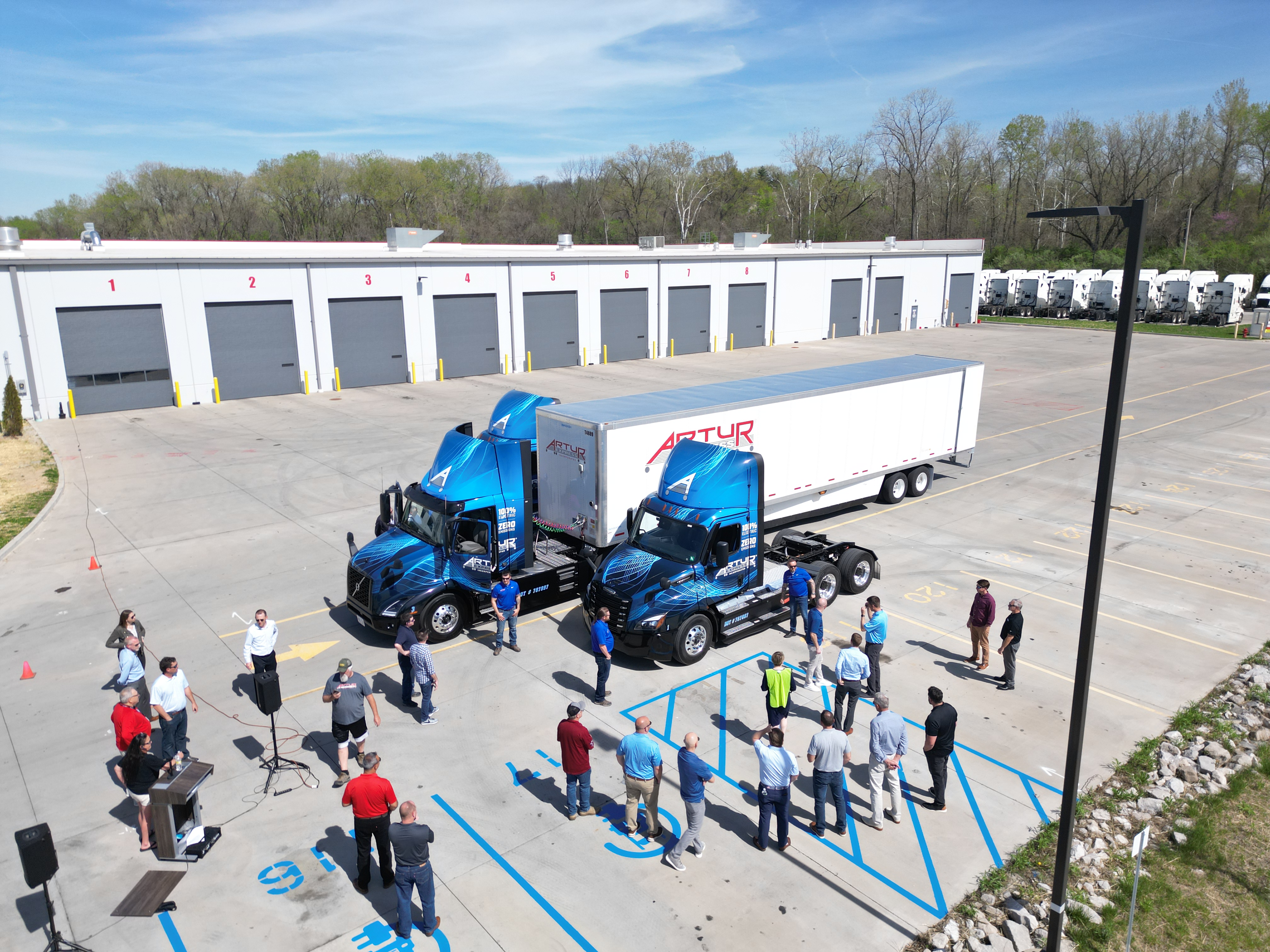
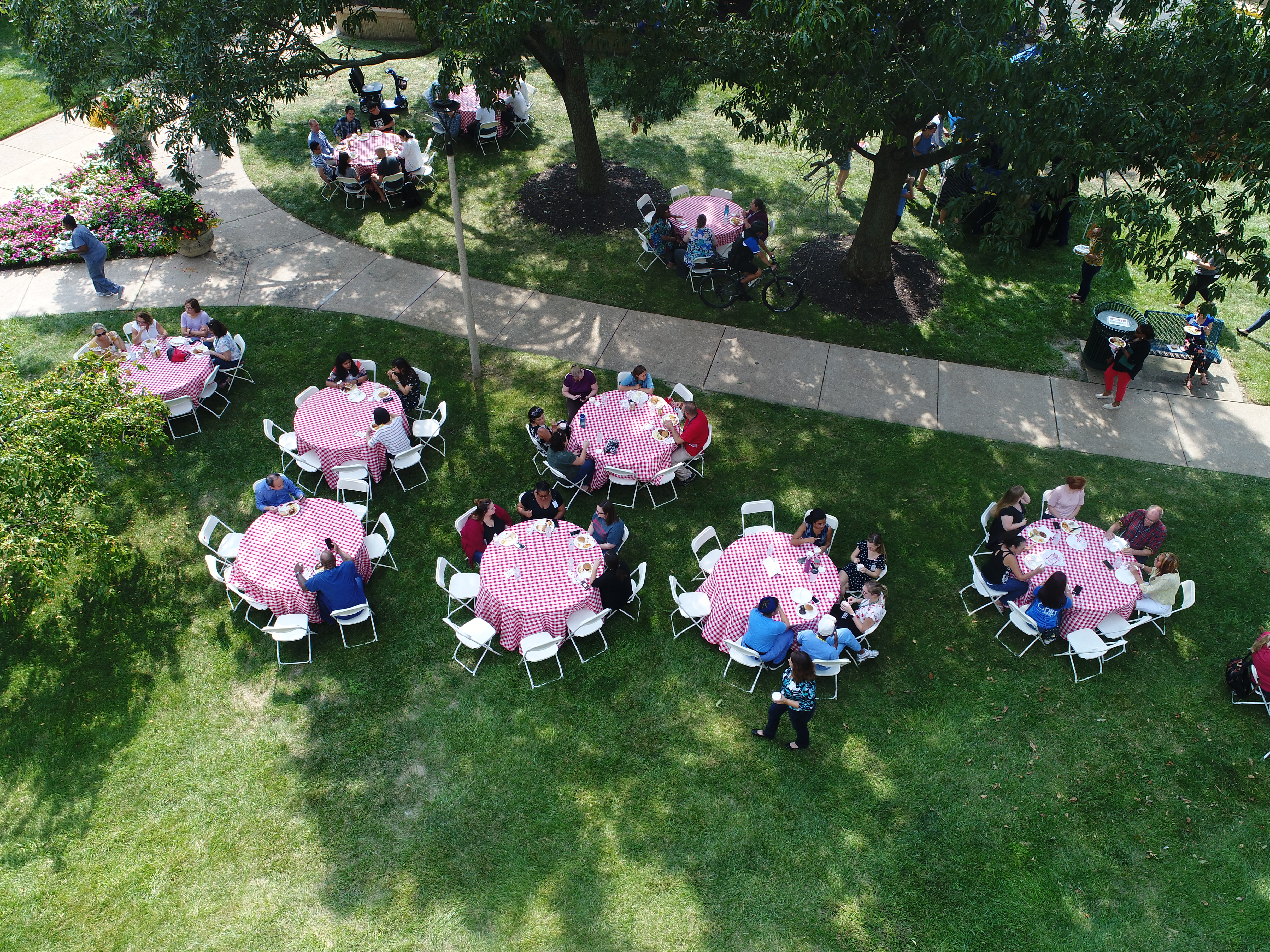
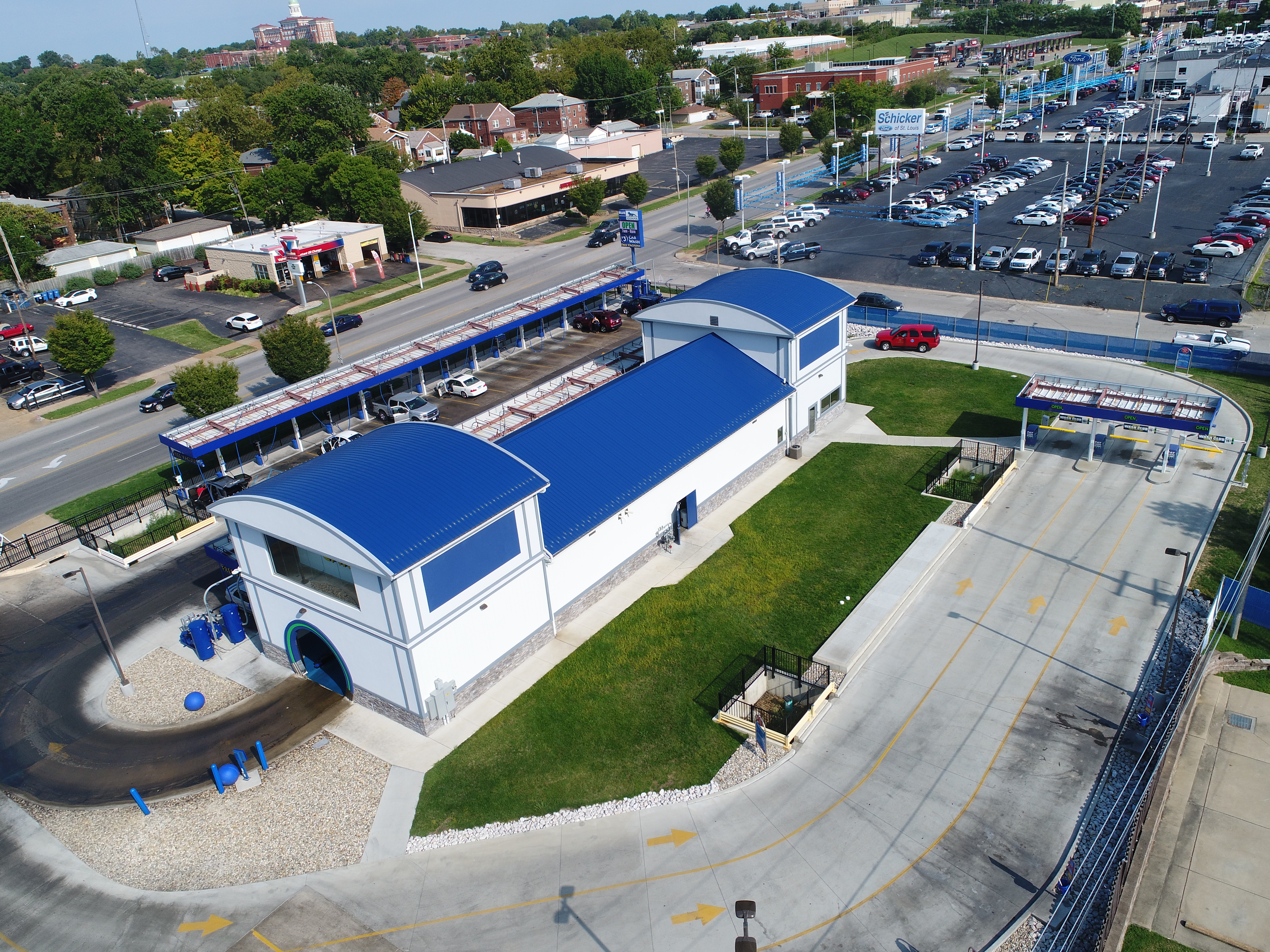
Standard aerial footage can establish location, scale, access, architecture, and operational footprint. FPV drones can create dynamic motion sequences indoors and through spaces that would otherwise be difficult to showcase. For industrial, facility, logistics, and experiential environments, FPV can reveal workflow and layout in a uniquely immersive way.
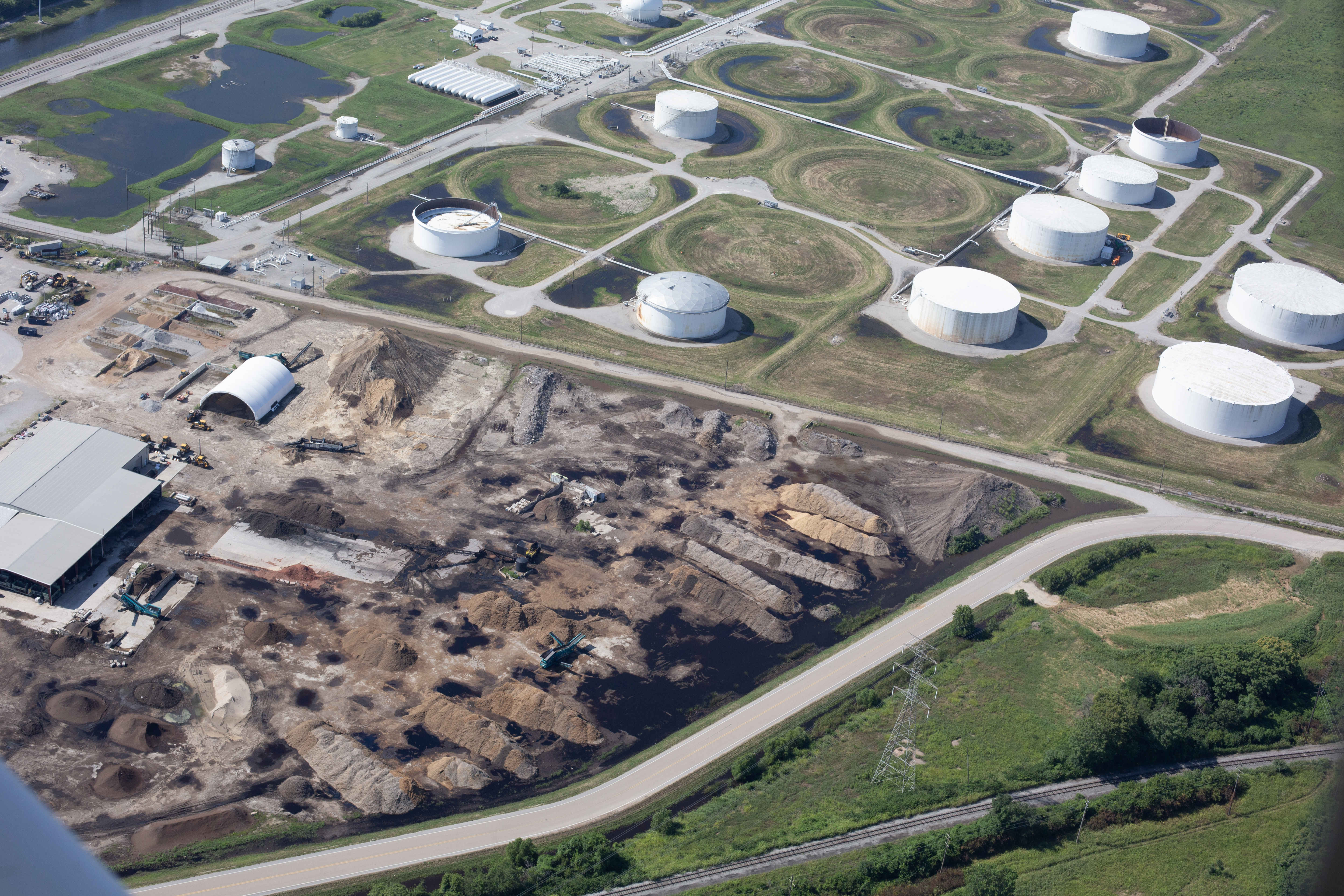
Infrared thermal imaging can support specialized inspections, diagnostics, and visual analysis. Orthomosaic outputs can provide accurate overhead mapping for sites, campuses, developments, and industrial properties. LiDAR can support advanced spatial documentation and data-rich visualization where precision matters.
When these services are integrated into a broader interview and b-roll production strategy, the project becomes more than a simple video shoot. It becomes a more complete visual asset build.
Repurposing: Where Real Value Is Often Won
One of the smartest reasons to invest in a professionally planned interview and b-roll production is the ability to repurpose the captured material. Many businesses underuse their footage by producing one final video and leaving valuable content on the table.
A well-structured shoot can generate a long-form brand piece, short testimonials, executive sound bites, recruiting content, social clips, website visuals, sales presentation assets, digital ads, internal training segments, and still imagery extracted from motion footage where appropriate.
This is where strategy matters. If the production team understands from the beginning that the content will be reused across departments and platforms, they can capture accordingly. That means more orientation options, more compositional variety, more environmental coverage, more short quotable statements, and more flexibility in post-production.
The result is a stronger return on each production day.
What Decision Makers Should Look For in a Production Partner
When evaluating a team for interview and b-roll work, businesses should look beyond a highlight reel. The right questions are practical.
Can this team make nonprofessional talent comfortable on camera?
Do they understand business messaging, not just visuals?
Can they light interviews consistently in real locations?
Do they capture enough b-roll to truly support the story?
Can they handle audio professionally?
Can they work efficiently around operations, staff schedules, and location constraints?
Can they produce assets for multiple channels and uses?
Can they integrate photography, drone work, and post-production into one coordinated process?
Can they think beyond the shoot day and help build a library of useful branded media?
The strongest production partners are not merely camera operators. They are visual communicators, problem solvers, and production strategists.
Why Experience Still Matters
Technology is more accessible than ever, but access to gear is not the same as experience. Interview production and b-roll storytelling still require judgment, timing, preparation, and editorial thinking. Knowing where to place a subject, how to shape light, when to push for a better answer, how to sequence a location, and what visual gaps will hurt the edit later are all skills built over time.
For organizations trusting a production team to represent their brand, culture, people, and credibility, experience reduces risk. It leads to smoother shoot days, better media capture, stronger edits, and more usable final assets.
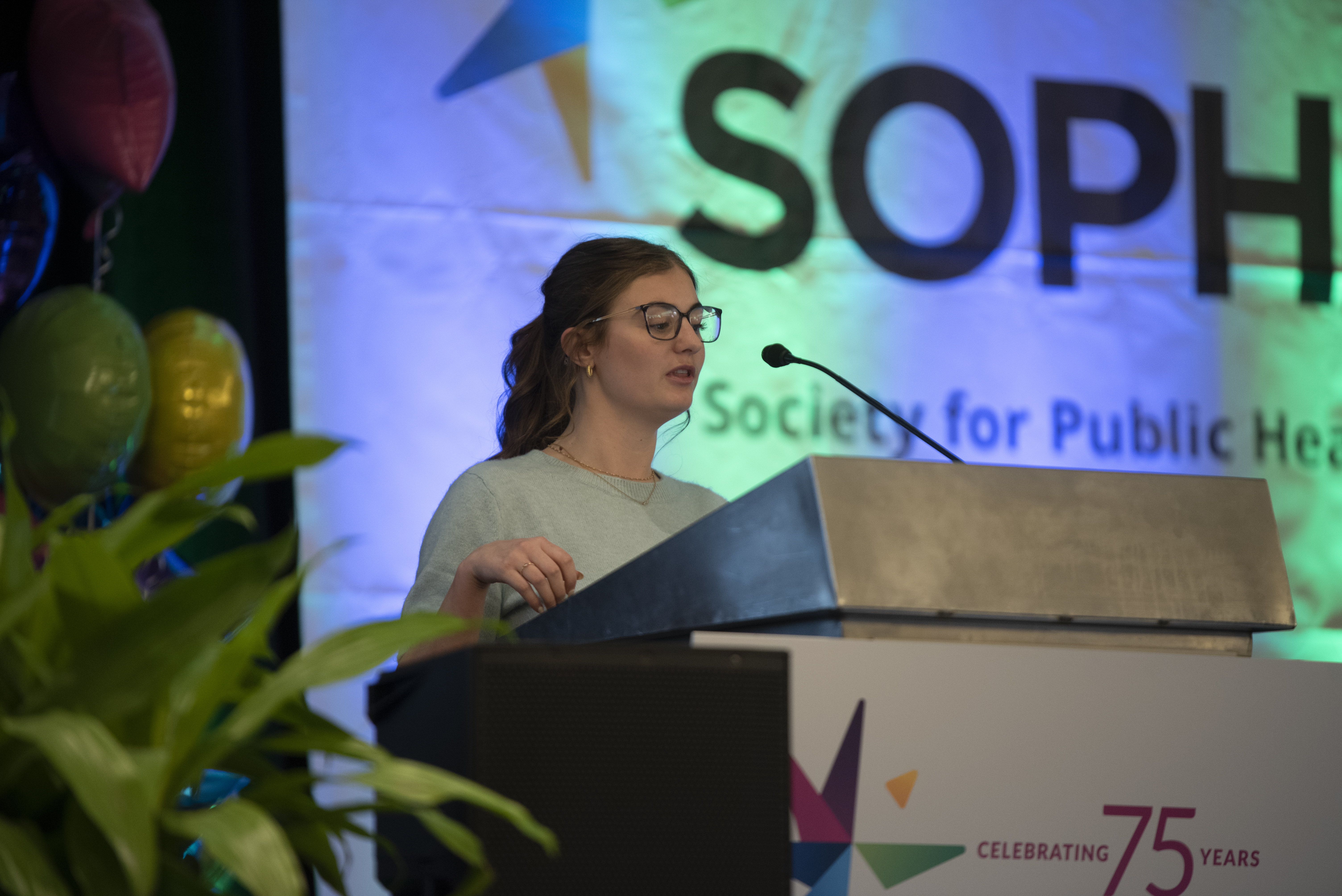
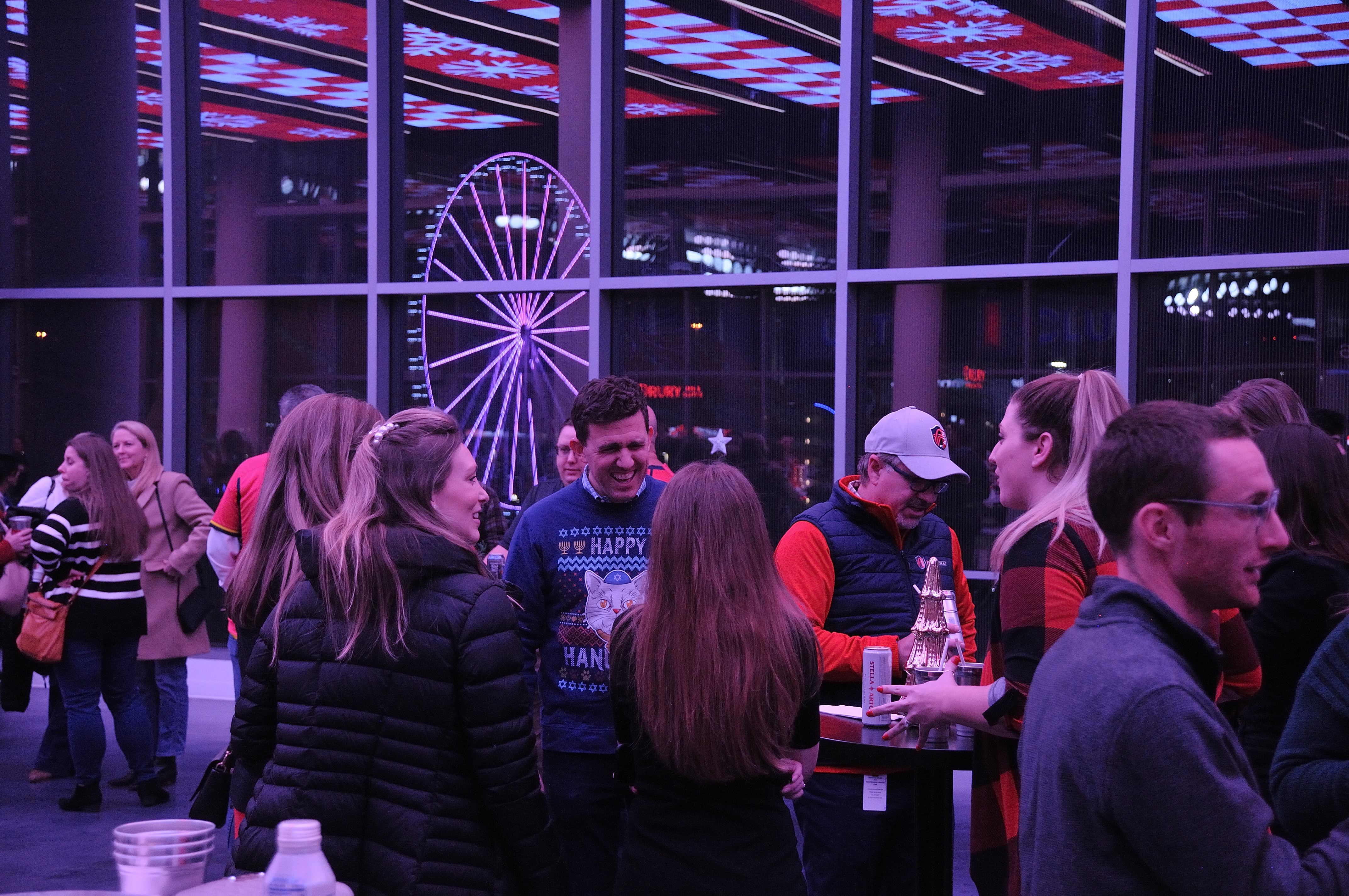
In the current corporate landscape, a business event—whether a regional conference at America’s Center, a high-stakes product launch in a Clayton hotel ballroom, or an exclusive executive retreat— represents a significant investment of capital, time, and human resources.
Yet, too many organizations view these events as ephemeral moments. They happen, energy is generated, connections are made, and then everyone goes home.
As experienced producers in the St. Louis market, we argue that this perspective leaves immense value on the table. A business event without professional video capture is a wasted opportunity to create a renewable marketing engine.
For decision-makers in marketing and operations, understanding the strategic application of video production in a live event setting is crucial. It is not merely about “recording” what happened; it is about high-quality image acquisition designed to extend the ROI of the event for months, or even years.
Here is an expert’s perspective on maximizing business event video production in the St. Louis region.
1. The Shift from Archival to Strategic Asset
Historically, event video was often an afterthought—a single camera at the back of the room recording a shaky zoom of a keynote speaker for “archival purposes.” That footage rarely saw the light of day again.
Today, effective event production requires a proactive, cinematic mindset. Before the doors open, we need to determine the endgame of the footage. Are we creating a hype reel to sell tickets for next year? Are we turning a CEO’s speech into twelve separate thought-leadership pieces for LinkedIn? Are we capturing genuine client testimonials in the hallway?
Every shot must have a strategic purpose. If you aren’t filming with post-production repurposing in mind, you are merely documenting, not marketing.
2. The Technical Reality of Live Environments
Business events are notoriously hostile environments for video and audio. They are rarely designed as recording studios.
Lighting Chaos: Ballrooms often feature dreaded mixed lighting—warm practical lamps clashing with cool window light and magenta-hued overhead fluorescents. Without professional intervention and supplementary lighting, skin tones look sickly and the footage appears amateurish.
The Audio Battlefield: Clear audio is paramount. If your audience cannot hear the keynote perfectly, the video is useless. Experienced crews know how to navigate radio frequency interference in crowded convention centers and how to mike a speaker so their lapel doesn’t rustle against their jacket every time they move.
Logistical Agility: Corporate events run on tight, shifting schedules. A professional crew must be able to load in quietly, set up complex multi-camera arrays without disrupting the flow, and adapt instantly when the agenda changes by 15 minutes.
Successful acquisition in these environments requires crews who have “seen it all” and possess the right equipment to neutralize these challenges.
3. Diverse Deliverables for Diverse Audiences
A comprehensive event strategy doesn’t yield just one video product. It yields a suite of assets customized for different media requirements.
The “Sizzle” Reel: This is high-energy, fast-paced, and music-driven. It captures the vibe, the networking, and the excitement. Its goal is FOMO (Fear Of Missing Out). It proves your event is the place to be.
The Educational Deep Dive: High-fidelity recordings of presentations, often edited with integrated slide decks. This is crucial content for members unable to attend or for internal training databases.
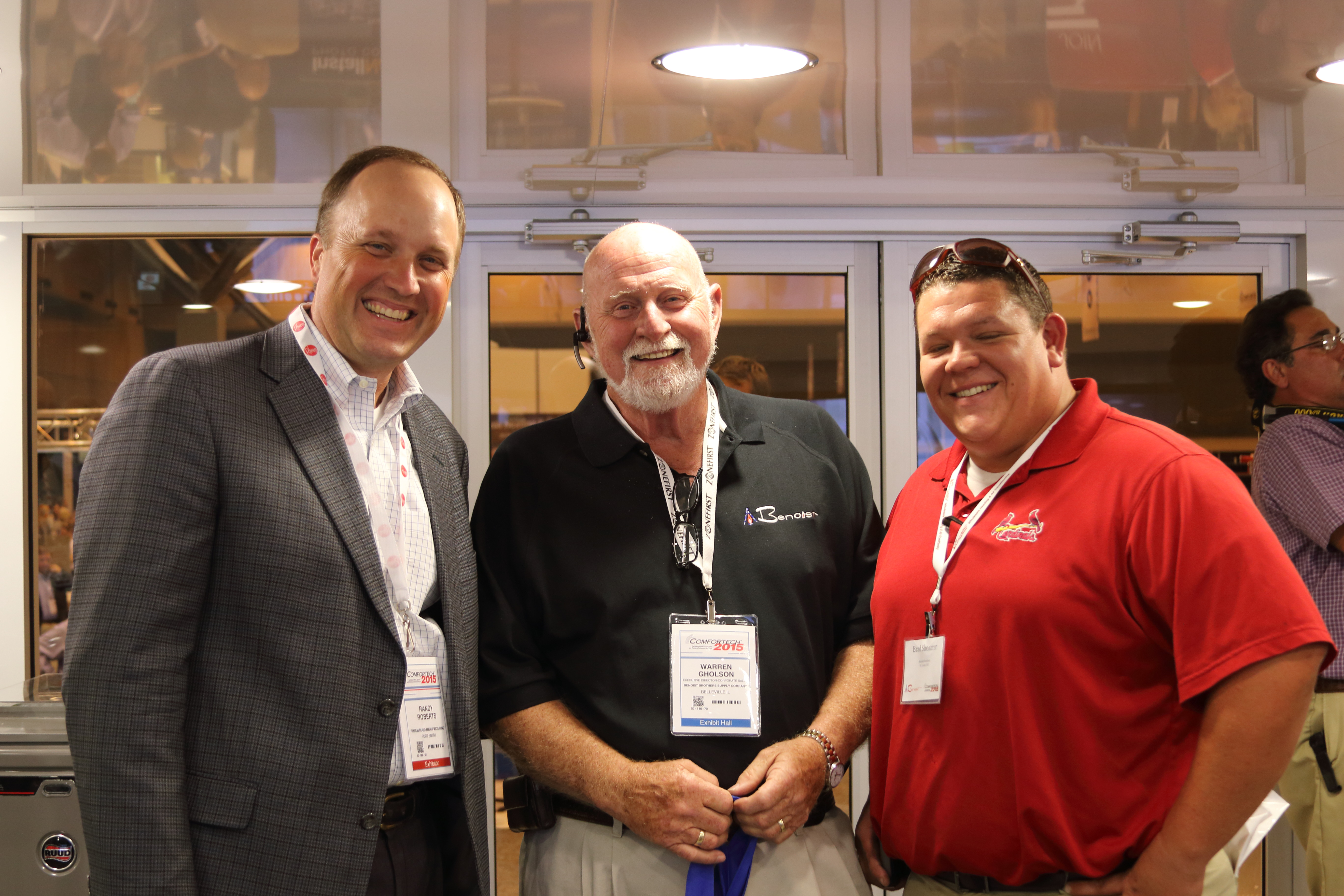
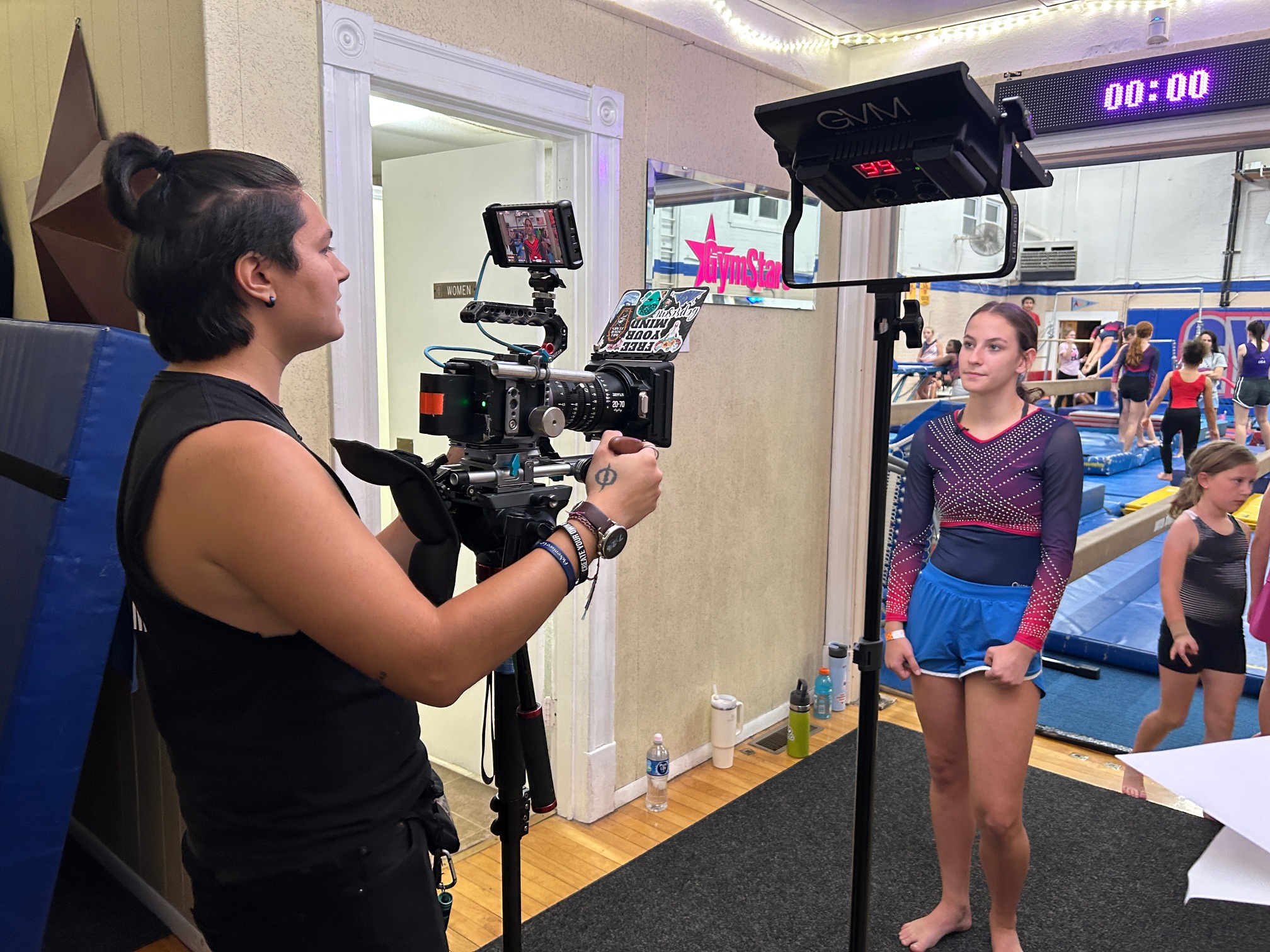
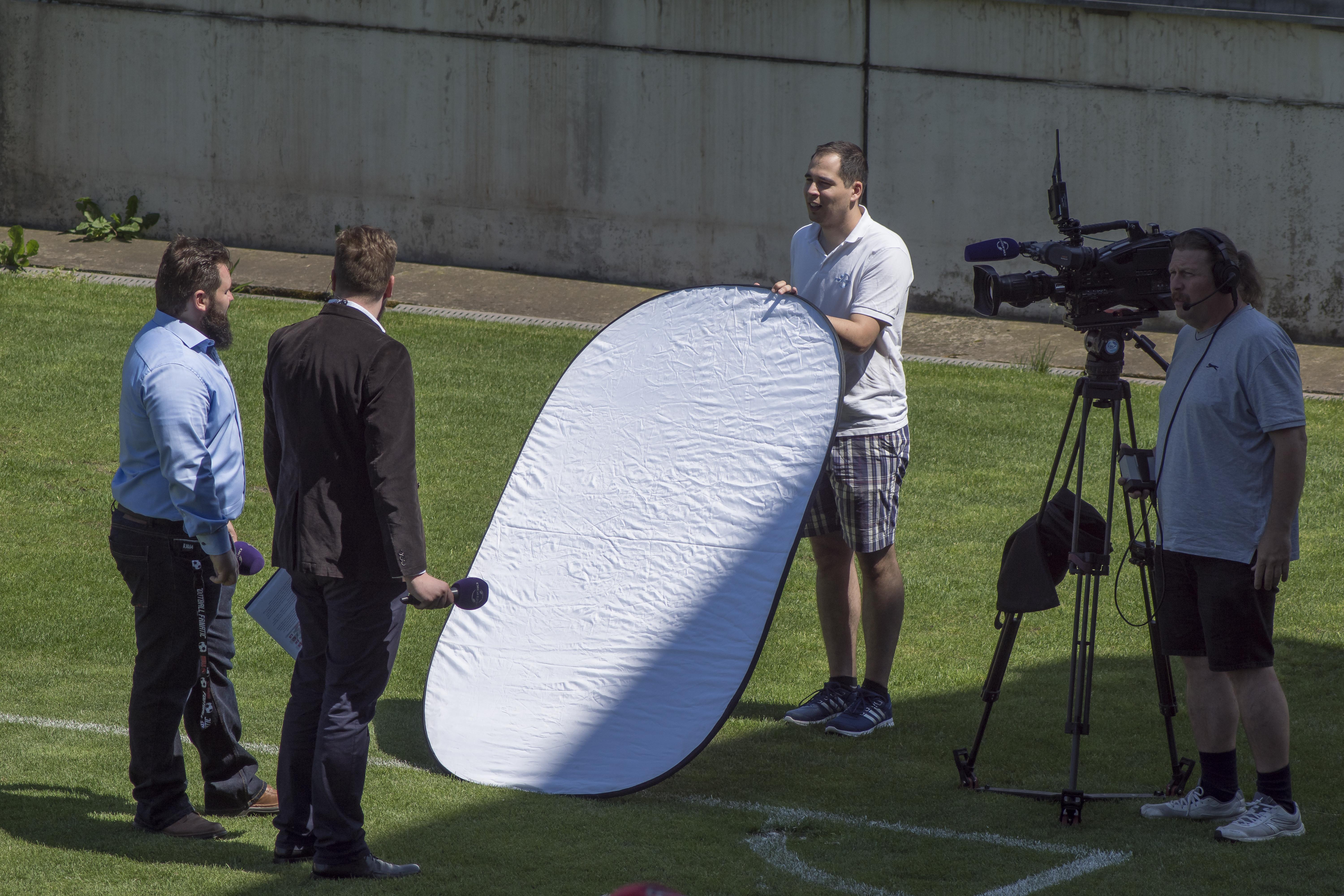
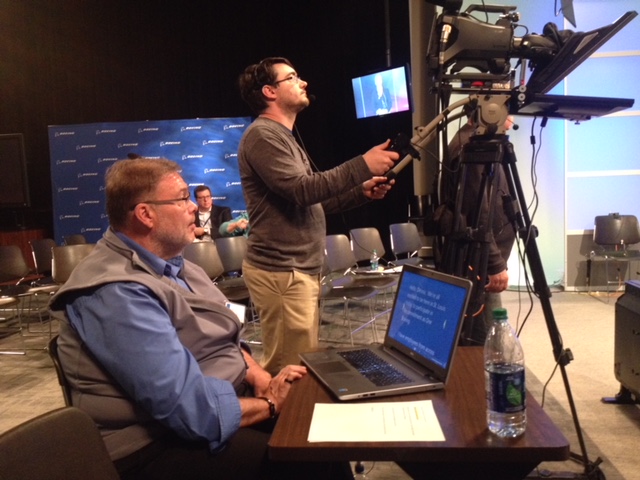
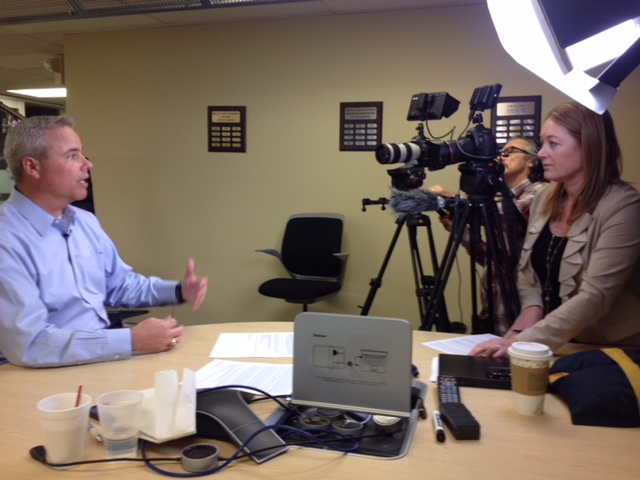
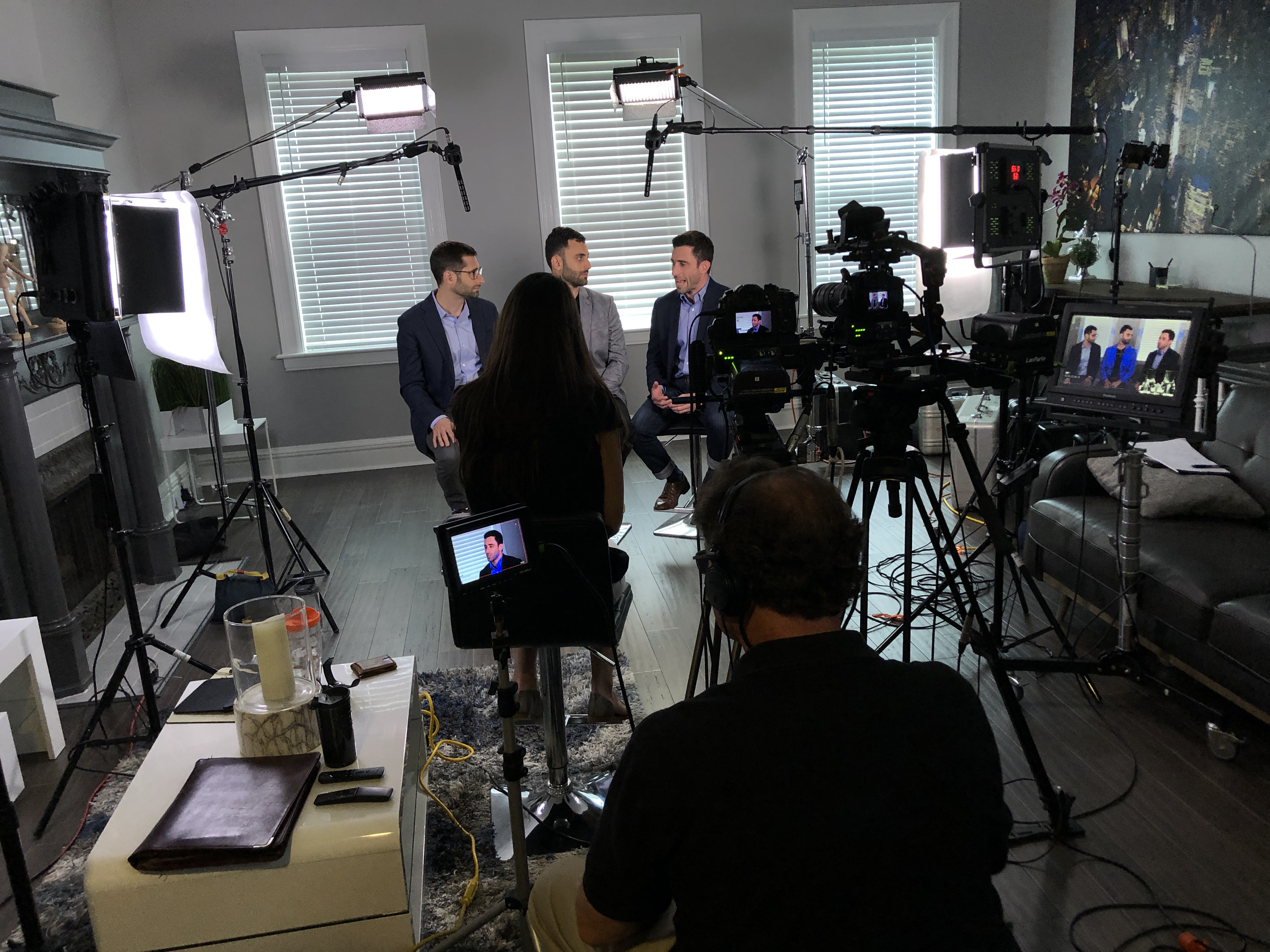
The Pop-Up Studio: One of the most effective tactics we deploy is setting up a small, private interview studio adjacent to the main event floor. This allows us to pull aside VIPs, happy customers, or industry experts for polished, controlled interviews while they are already on-site and engaged.
4. The Lifecycle of Content: Repurposing
The real ROI of event video comes in post-production. A skilled production partner doesn’t just hand over a hard drive of raw files. They help you build a content strategy.
A single day of shooting can fuel a marketing calendar for a quarter. We can take a 45-minute keynote and slice it into ten 60-second vertical clips tailored for TikTok or Instagram Reels, three 3-minute substantive clips for YouTube, and a polished blog header video.
We are well-versed in all file types, aspect ratios, and styles of media necessary for modern digital distribution. If your video branding isn’t gaining traction, it is likely because it isn’t being repurposed correctly for the platform it lives on.
The St Louis Video Production Advantage
Executing a high-stakes business event shoot requires more than just a camera owner; it requires a full-service production partner with deep roots in the community and a history of reliability.
Since 1982, St Louis Video Production has been that partner for countless businesses, marketing firms, and creative agencies across the St. Louis area. We understand the local landscape and the demands of corporate communications.
We are a full-service professional commercial photography and video production company equipped with the right gear and experienced creative crews for successful image acquisition in any environment. Whether your event is in a massive convention hall or an intimate boardroom, we support every aspect of your production—from supplying professional sound and camera operators to ensuring seamless logistics.
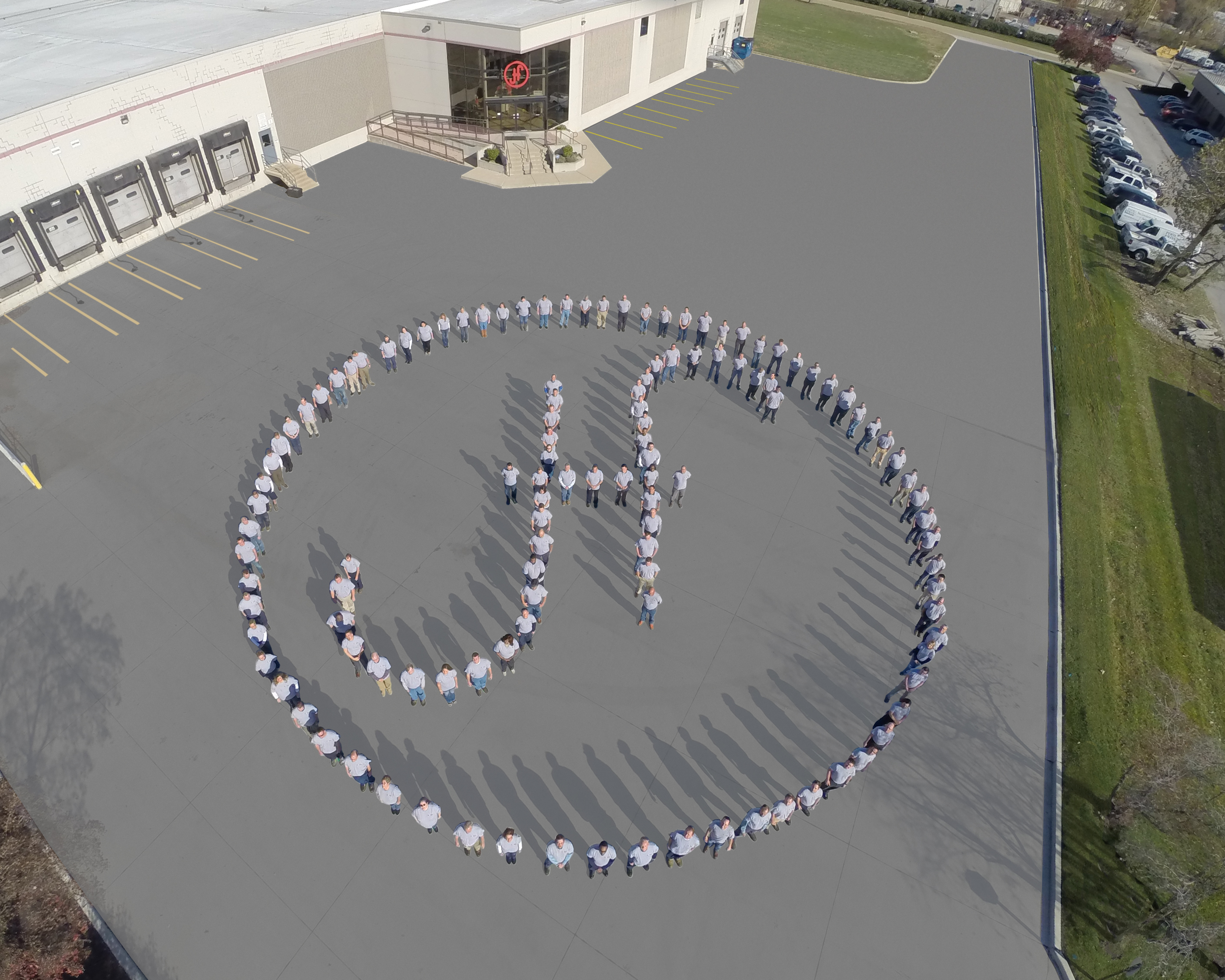
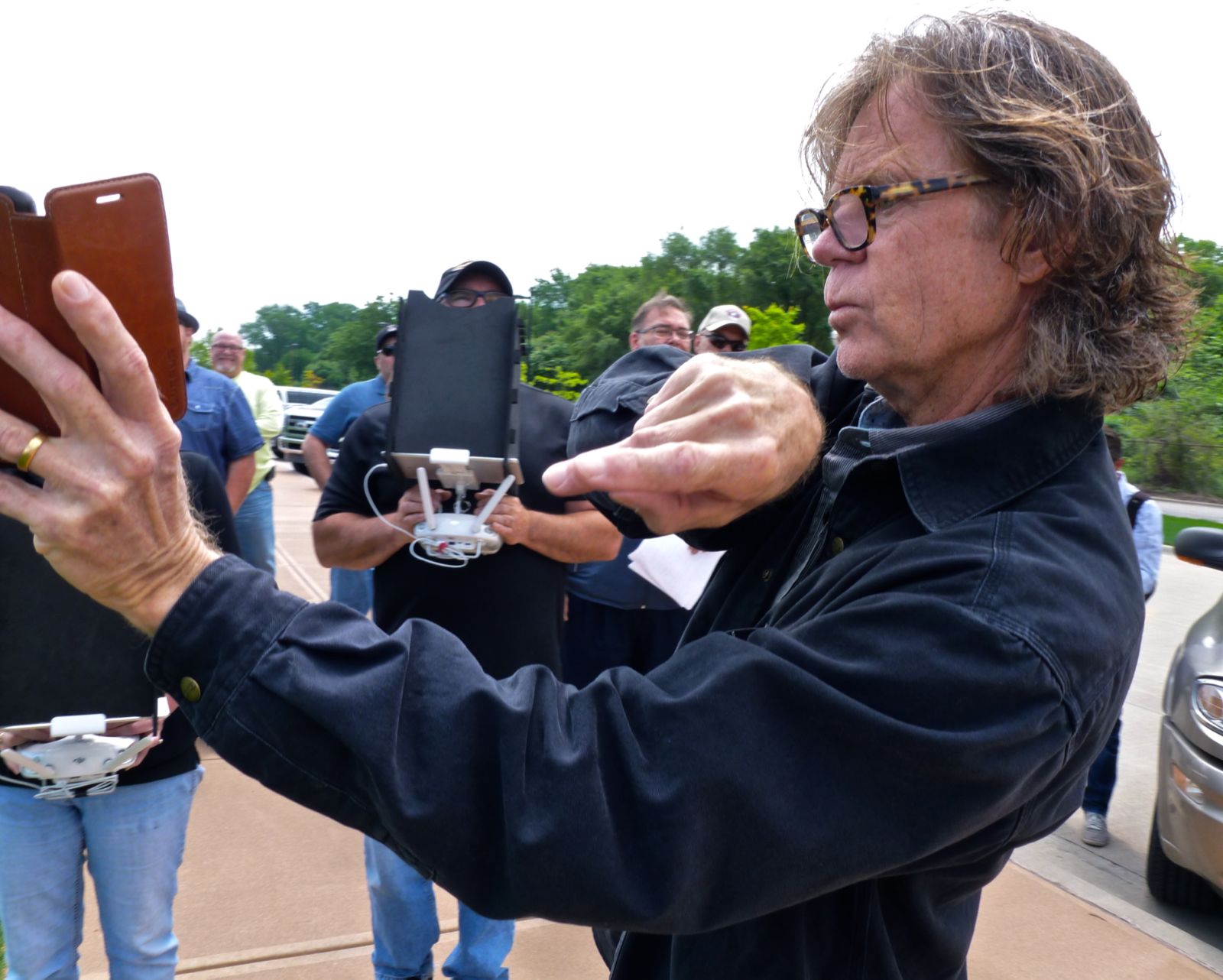
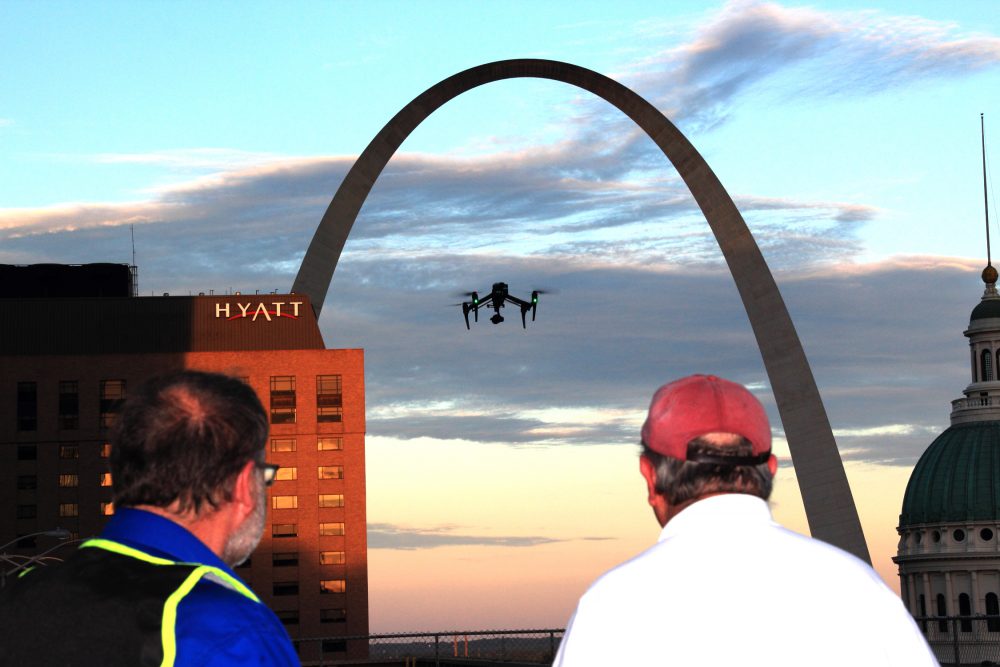
Our capabilities extend beyond standard event coverage. We offer licensed drone services and are unique in our ability to safely fly specialized drones indoors to capture spectacular aerial perspectives of your venue or trade show floor.
Furthermore, we stay at the cutting edge of technology, integrating the latest in Artificial Intelligence into our media services for enhanced editing workflows and visual effects.
For more controlled content creation during your event, our private studio offers the perfect visual setup for interview scenes. Our studio space is large enough to incorporate specific props, allowing us to round out your set and create a fully customized look that aligns with your brand identity.
St Louis Video Production is dedicated to customizing your productions for diverse types of media requirements, ensuring your event investment pays dividends long after the final curtain call.
If your best prospects could sit in on one honest conversation with your happiest customer, they’d buy faster and with more confidence. That’s the power of a well-structured video testimonial. The trick isn’t fancy gear or a lucky soundbite—it’s asking the right questions in the right order, and creating an environment where real stories surface naturally.
Below is a pragmatic, field-tested playbook we use at St Louis Video Production to plan, conduct, and repurpose testimonial interviews that actually move the needle.
Why Video Testimonials Work (and What “Good” Looks Like)
Good testimonials:
Match the buyer’s journey (awareness → evaluation → decision).
Frame the before → during → after in concrete, measurable terms.
Address common objections (risk, cost, speed to value, switching pain).
Feel unscripted but are guided—crisp answers, human details, proof.
Signal you’ve nailed it: prospects echo your customer’s own phrases back to your sales team, and sales uses the clips proactively (not just marketing).
Pre-Production: Set the Table for Truth
Define the story arc
ICP: Which customer profile do we want more of?
Use case: Which problem-outcome pair matters most this quarter?
Proof target: What metric, milestone, or moment will validate success?
Line up logistics
Stakeholders: Subject, their boss (for approval), legal/compliance, location contact.
Sales: email follow-ups, proposal decks, QR at trade shows.
Social/PR: short cuts with one metric per clip; tag the customer if approved.
Lifecycle: onboarding (what good looks like), renewal (outcomes reminder).
Paid: A/B test 6s hooks that mirror top objections from sales calls.
Track watch time, quartile completion, CTA clicks, influenced pipeline/revenue; annotate wins to the original testimonial in your asset library.
Ethical, Legal, and Brand Hygiene
Signed appearance and location releases (store with the asset).
Avoid confidential data on screens; plan redactions in post if needed.
Add content credentials/provenance where appropriate.
Keep claims truthful; use customer’s own metrics and language.
Quick Do/Don’t
Do
Coach for specifics and stories.
Ask follow-ups; let them finish.
Film lots of purposeful B-roll.
Don’t
Put words in their mouth.
Lead with jargon or internal slogans.
Rely on a single long cut—think modular reuse.
Ready-to-Use Prompt Sheet (Print for Your Interviewer)
“What was happening before you started looking for a solution?”
“What changed that made you act now?”
“What nearly stopped you from choosing us?”
“What happened in week one?”
“What can you measure that proves this worked?”
“If someone’s on the fence, what should they know?”
“What do we do that others don’t?”
“Would you choose us again? Why?”
Why Teams Choose Us to Produce Testimonials
Since 1982, we’ve helped businesses, marketing firms, and agencies in the St. Louis area capture credible, conversion-ready testimonial stories. Our crews handle everything—from strategy and question design to on-set coaching, filming, and post-production—so your customers look and sound their best while saying what future buyers actually need to hear.
About St Louis Video Production St Louis Video Production is a full-service professional commercial photography and video production company with the right equipment and experienced crew for successful image acquisition. We provide full-service studio and location video and photography, editing, post-production, and licensed drone pilots—including the ability to fly our specialized drones indoors when a dynamic perspective is needed. We customize productions for diverse media requirements and excel at repurposing your photography and video branding to gain more traction across channels. We are well-versed in all file types, media styles, and the accompanying software, and we leverage the latest Artificial Intelligence responsibly throughout our services for speed, consistency, and scale. Our private studio lighting and visual setup is ideal for small productions and interview scenes, with room for props to round out your set. We support every aspect of your production—from setting up a private, custom interview studio to supplying professional sound and camera operators, as well as providing the right equipment—ensuring your next video production is seamless and successful.
In today’s ultra-competitive hiring landscape, businesses are constantly seeking ways to attract top-tier talent while keeping marketing efforts efficient and cost-effective. One often overlooked opportunity lies in the content you’ve already created. Instead of starting from scratch, re-editing your existing marketing videos can be a strategic, high-impact way to craft compelling recruitment content that resonates with job seekers and reinforces your brand’s values and culture.
At St Louis Video Production, we help organizations across industries repurpose their footage creatively and effectively. Below are expert tips to help decision makers like you transform your existing marketing assets into powerful recruitment tools.
1. Start by Auditing Your Existing Video Library
Your marketing team has likely produced content that touches on employee experiences, company culture, leadership insights, or behind-the-scenes footage. Begin by reviewing your existing library with a fresh lens focused on recruitment:
Do you have client testimonials that include positive mentions of your team?
Are there interview clips with leadership discussing the mission or vision?
Have you showcased your workplace, team collaboration, or community involvement?
These are the building blocks of great recruitment storytelling.
2. Highlight Your People and Culture
Recruitment videos should make potential candidates feel excited about joining your team. Consider re-editing clips that feature:
Employee success stories
Office camaraderie or team-building moments
Company events or volunteer initiatives
Leadership talking about growth opportunities
Overlaying this footage with dynamic text, music, or animated infographics can make it more engaging and accessible on platforms like LinkedIn or your company careers page.
3. Incorporate On-Screen Captions and Branding
Most job seekers are consuming content on mobile devices, often with the sound off. Re-edit your videos to include:
Branded visuals and logo animations
Clear, readable captions
Calls-to-action, like “Join Our Team” or “Explore Careers”
Adding graphic overlays or subtle animation can modernize your older footage while making it easier for prospective employees to digest the information.
4. Update Narration and Voiceover
If your original video had a product-focused voiceover, consider swapping it out with new narration tailored to candidates. A recruitment-focused script might include:
A brief introduction to company values
Insight into daily work life
Employee testimonials or quotes
Fresh voiceover updates combined with polished footage can shift the tone of a video from sales to recruitment effortlessly.
5. Optimize for Multiple Platforms
The beauty of re-editing is scalability. From one core video, you can create:
15-second social media teasers
60-second highlights for job boards
2-minute features for your careers page
Vertical stories for Instagram or TikTok
Tailor your cuts and aspect ratios to suit each platform’s best practices, and don’t forget to A/B test thumbnails, titles, and descriptions.
6. Use AI Tools for Speed and Efficiency
At St Louis Video Production, we use advanced AI-driven editing platforms that assist with facial recognition, transcript-based editing, and emotion-driven content tagging. These tools can drastically reduce turnaround time and ensure your recruitment edits hit the right tone and pace.
7. Measure, Improve, and Repurpose Again
Once your recruitment video goes live, monitor metrics like watch time, click-through rates, and engagement. With that feedback, we can help you refine and re-edit further, ensuring each version performs better than the last.
Why Choose St Louis Video Production?
With decades of experience, St Louis Video Production is a trusted full-service commercial photography and video production company. We provide everything you need for successful image acquisition—studio and location photography and video, professional editing, post-production, and FAA-licensed drone pilots.
We specialize in repurposing existing content to drive more traction and value, whether for recruitment, branding, or social media. Our creative team customizes each project for your unique media needs and supports all file types and industry-standard software. From private studio interviews to custom set designs and on-location shoots, we have the right equipment and crew to ensure production excellence.
We also use cutting-edge Artificial Intelligence to streamline editing workflows and enhance visual storytelling. Our private studio lighting setups are ideal for intimate, professional interview scenes, and our space accommodates set dressing and prop integration. We even fly specialized drones indoors to capture stunning overhead visuals safely and creatively.
Since 1982, we’ve proudly served businesses, marketing firms, and agencies across the St. Louis area, delivering high-quality media that meets and exceeds client expectations.
Ready to transform your existing video content into compelling recruitment assets? Let St Louis Video Production help you craft the perfect message to attract top talent.
Would you like help outlining a recruitment video re-edit strategy specific to your industry?
In today’s fast-moving digital world, consumers are hungry for authentic experiences—and nothing builds credibility quite like a well-crafted testimonial video. For businesses and organizations looking to stand out in crowded social media feeds, testimonial videos offer more than just social proof; they serve as a powerful storytelling tool that can drive conversions, humanize your brand, and build long-term loyalty. But beyond simply posting these videos to your Facebook page or embedding them on your website, there are countless creative ways to deploy testimonial content across platforms for maximum impact.
As an experienced videographer, photographer, and producer at St Louis Video Production, I’ve helped countless businesses leverage testimonial videos in innovative ways. This blog post will break down unique strategies to repurpose and distribute these compelling assets—strategies that decision-makers in marketing and communications can act on right away.
1. Create Micro-Content for Stories and Reels
Long-form testimonial interviews are a great foundation, but attention spans on social media are short. Use AI-assisted editing and storytelling techniques to pull 15–30 second highlights and reactions for:
Instagram Reels
YouTube Shorts
TikTok clips
LinkedIn Stories (via third-party apps)
These short, punchy clips can tease a longer testimonial or highlight one powerful quote that resonates with your audience’s pain points.
2. Pin Testimonials to the Top of Your Profiles
Once you’ve published your testimonial content, don’t let it get buried. Platforms like Facebook, LinkedIn, and X (formerly Twitter) allow businesses to pin posts to the top of their feed. Pinning a strong testimonial gives new visitors an immediate glimpse into real customer satisfaction, improving first impressions.
3. Use Testimonials as Paid Social Ad Creative
Organic reach has its limits. Placing testimonial video content into a paid social ad campaign lets you hyper-target ideal customers based on demographics, interests, and behavior. This is especially effective for:
Retargeting website visitors with social proof
Introducing your brand to new audiences with relatable customer success stories
B2B lead nurturing, showing how your services deliver ROI
Testimonial content is more likely to be trusted than traditional advertising—making it a high-performing format in ad campaigns.
4. Turn Testimonials into Carousels with Embedded Video
Especially on LinkedIn and Instagram, carousels are a top-performing format. Combine key quotes from a video testimonial with behind-the-scenes photos, customer stats, or clips from the shoot. Carousel posts increase swipe-through engagement while keeping viewers immersed in the story.
5. Feature Testimonials in Video Cover Stories and Banners
Facebook, LinkedIn, and YouTube all allow for cover videos or banners on business profiles. Use your strongest testimonial clips—featuring real clients speaking directly to the camera—to anchor your brand presence in a dynamic way. These give your profile immediate authority and energy.
6. Build a “Testimonial Tuesday” or Series-Based Campaign
Create a regular publishing rhythm with testimonial videos, giving your brand a consistent, trustworthy voice. For example:
Testimonial Tuesdays: Highlight one client story each week.
Behind the Brand: Pair testimonials with visuals of your team and work process.
Customer Journey Series: Map out the before-during-after experience.
A series builds anticipation and engagement, especially when each installment tells a part of the customer journey.
7. Leverage LinkedIn Native Video to Reach B2B Buyers
LinkedIn’s algorithm favors native video, especially when it contains peer-driven insights. Post testimonial clips as thought leadership content and tag your featured clients. Not only does this expand your reach, but it also encourages clients to reshare—amplifying trust within their network.
8. Integrate Testimonials into Email Video Clips and Newsletters
Social media and email marketing go hand in hand. Include short video thumbnails of testimonials in your email newsletters with a call to action to watch more on your social platforms or landing pages. These “click-to-watch” elements boost engagement and keep your brand top of mind.
Why Choose St Louis Video Production for Testimonial Video Campaigns?
At St Louis Video Production, we specialize in producing effective testimonial videos that convert—then helping our clients strategically deploy them across platforms to achieve measurable results.
As a full-service professional commercial photography and video production company, we provide everything you need for a successful testimonial campaign:
Full-service studio and location video and photography
Expert editing, post-production, and licensed drone pilots
AI-enhanced video editing and media services for optimized efficiency and creativity
Private studio lighting and custom visual setups, ideal for sit-down testimonials
A studio large enough to incorporate props and scenic design for enhanced branding
The ability to fly specialized drones indoors for dynamic b-roll and visual flair
A deep understanding of file types, media styles, and accompanying software
Since 1982, we’ve worked with countless businesses, marketing firms, and creative agencies across the St. Louis region. Whether you’re planning a single video or a multi-platform testimonial campaign, St Louis Video Production brings the right equipment, creative crew, and production experience to elevate your brand’s story.
Let us help you customize, shoot, and repurpose testimonial videos that drive real impact. When you’re ready to turn your customer success into powerful social media content, we’re ready to roll.
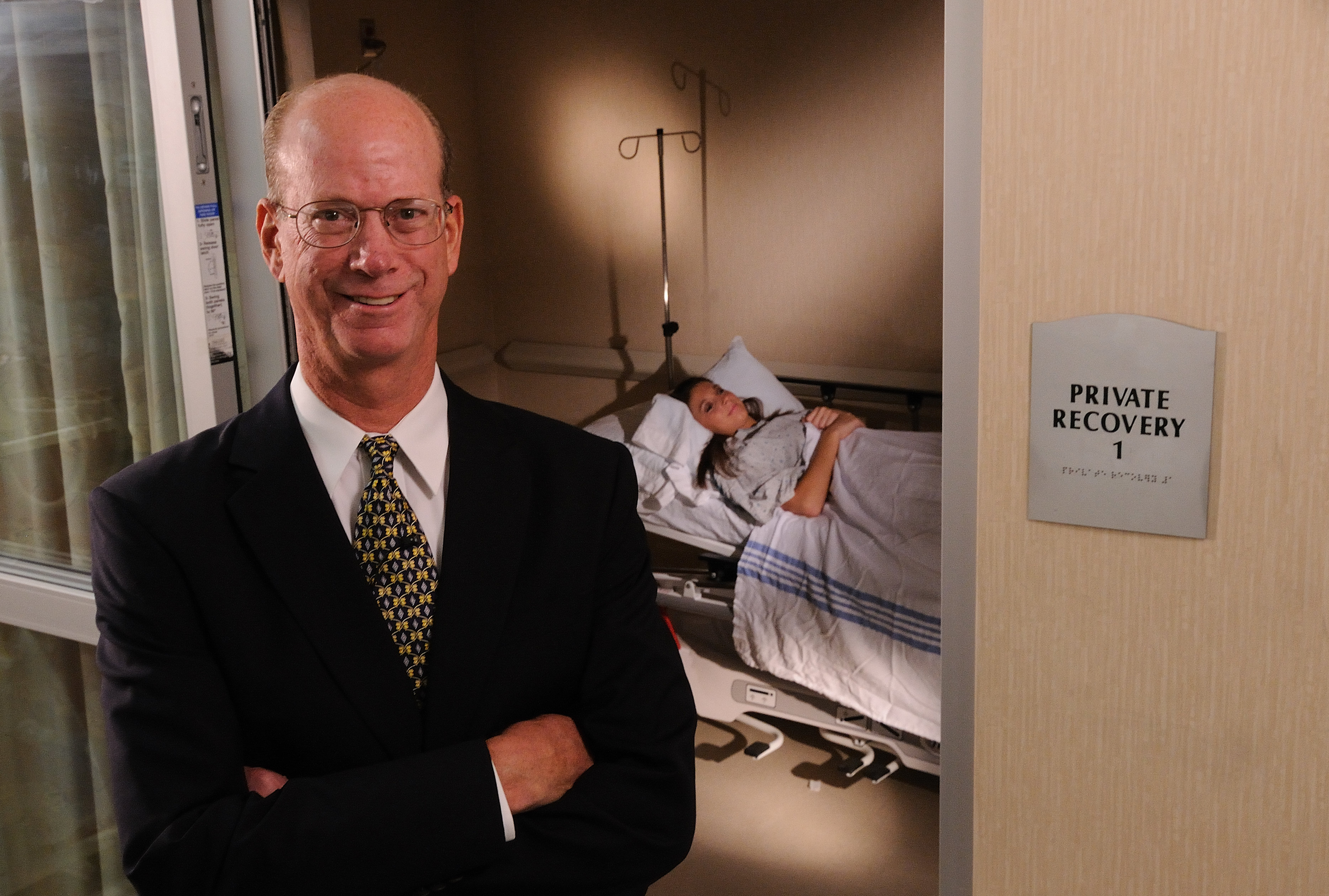
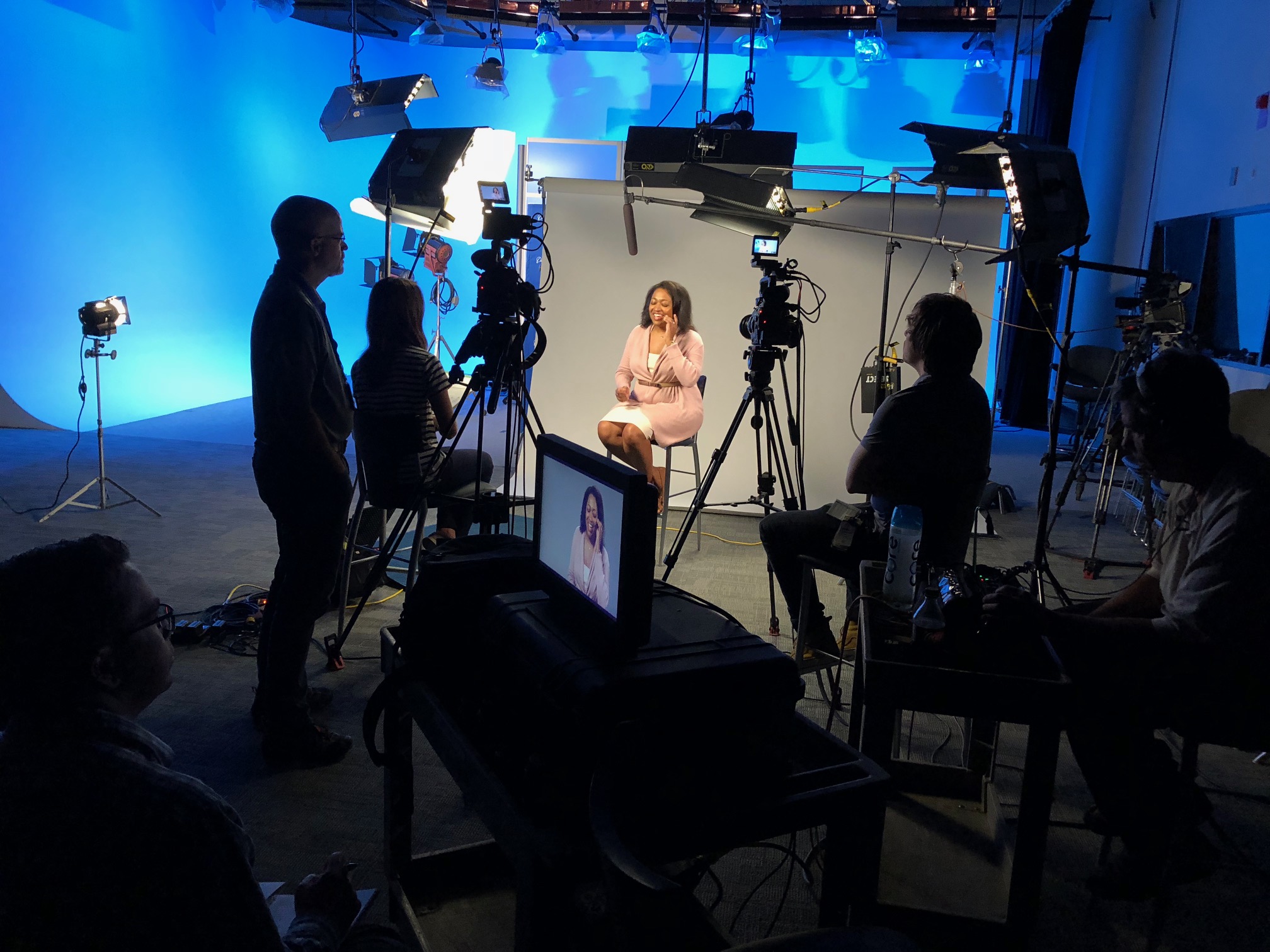
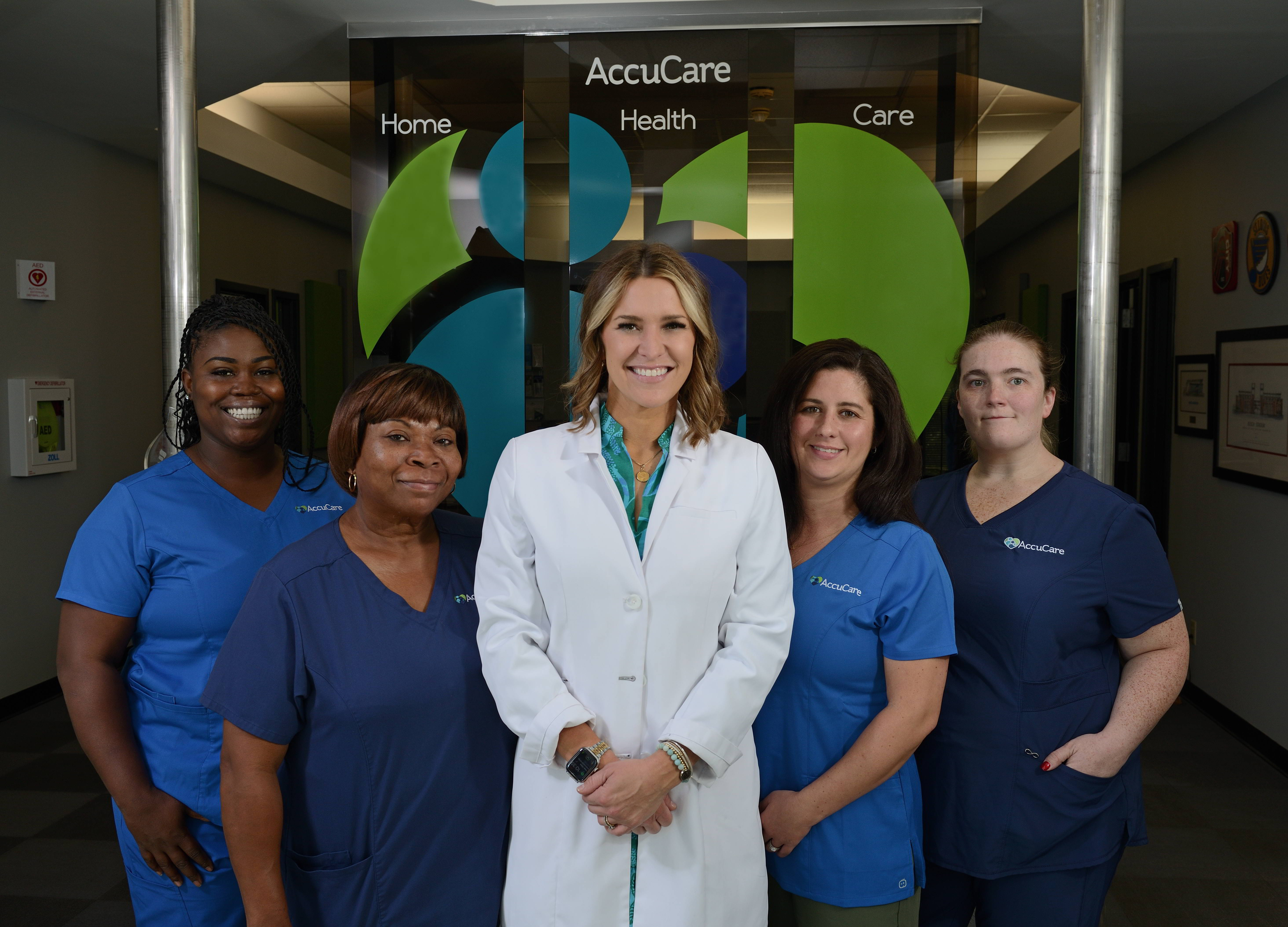
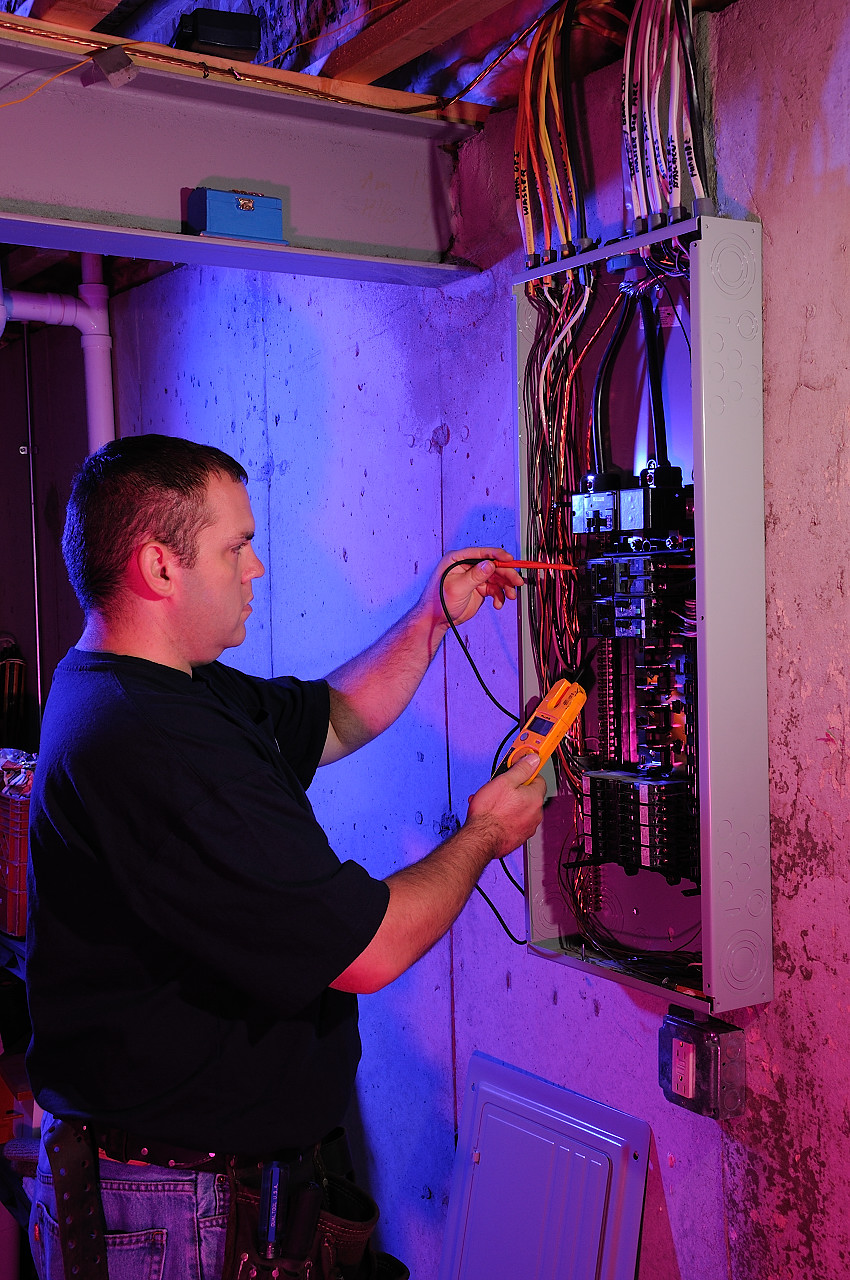
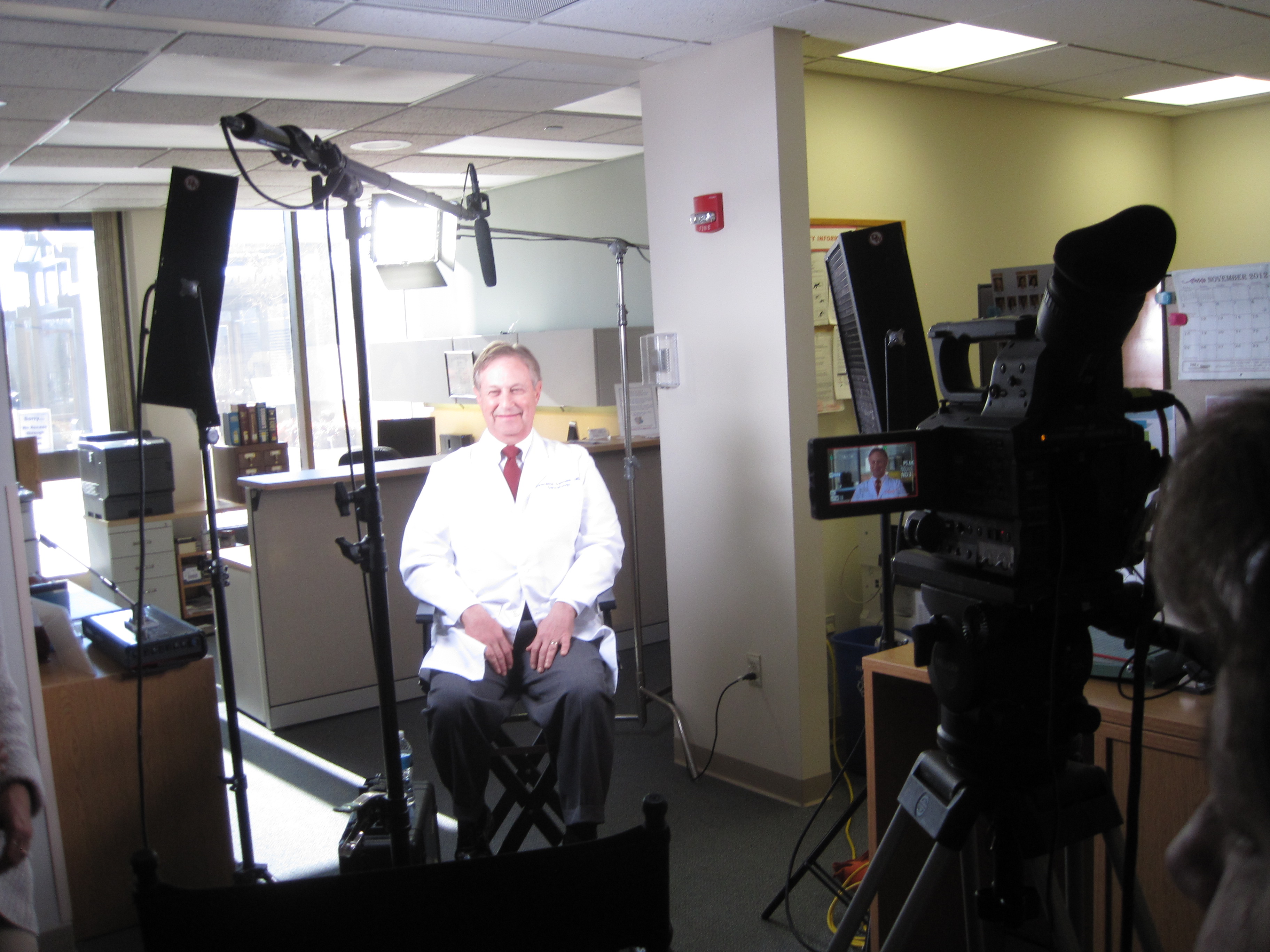
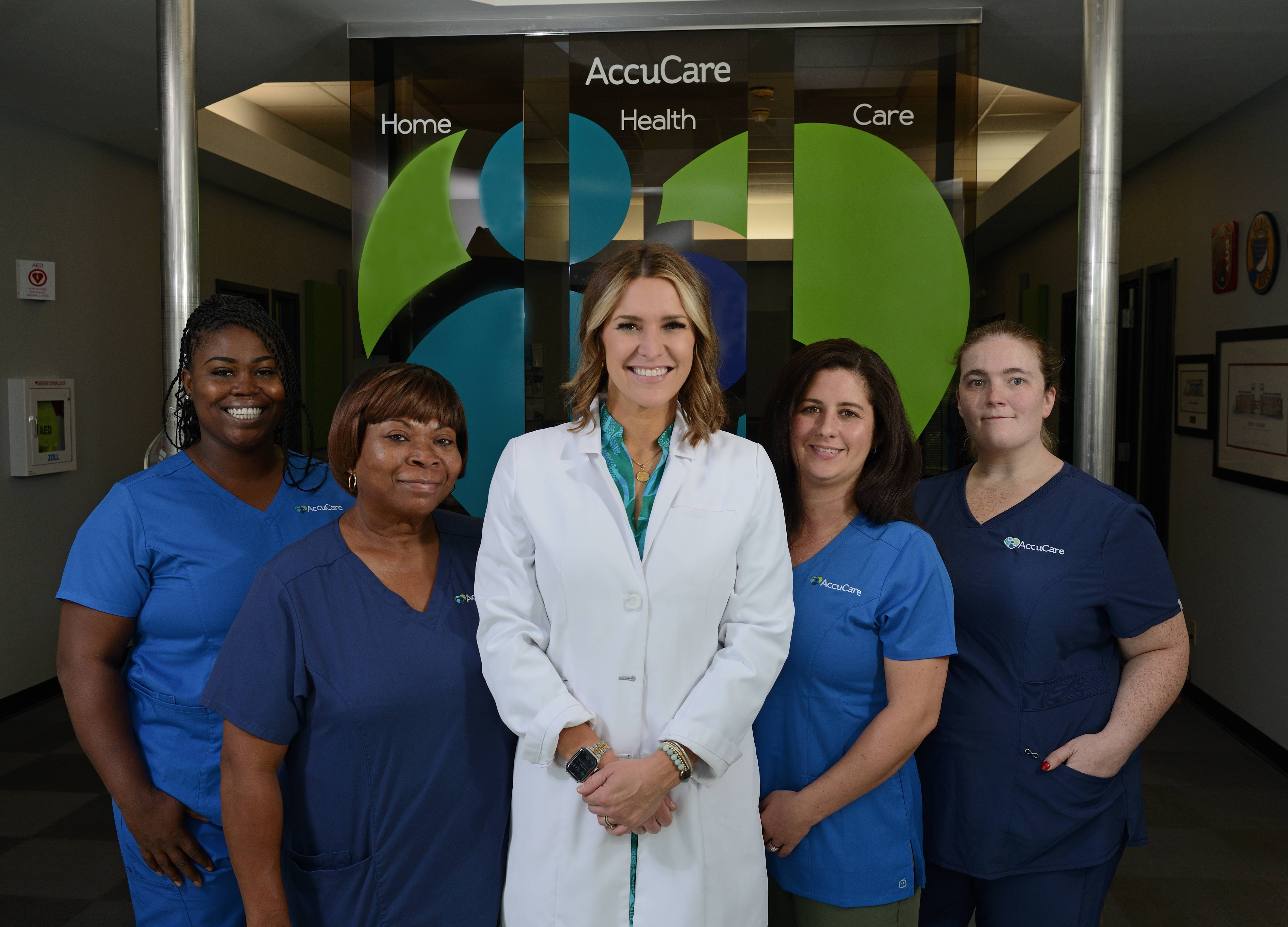
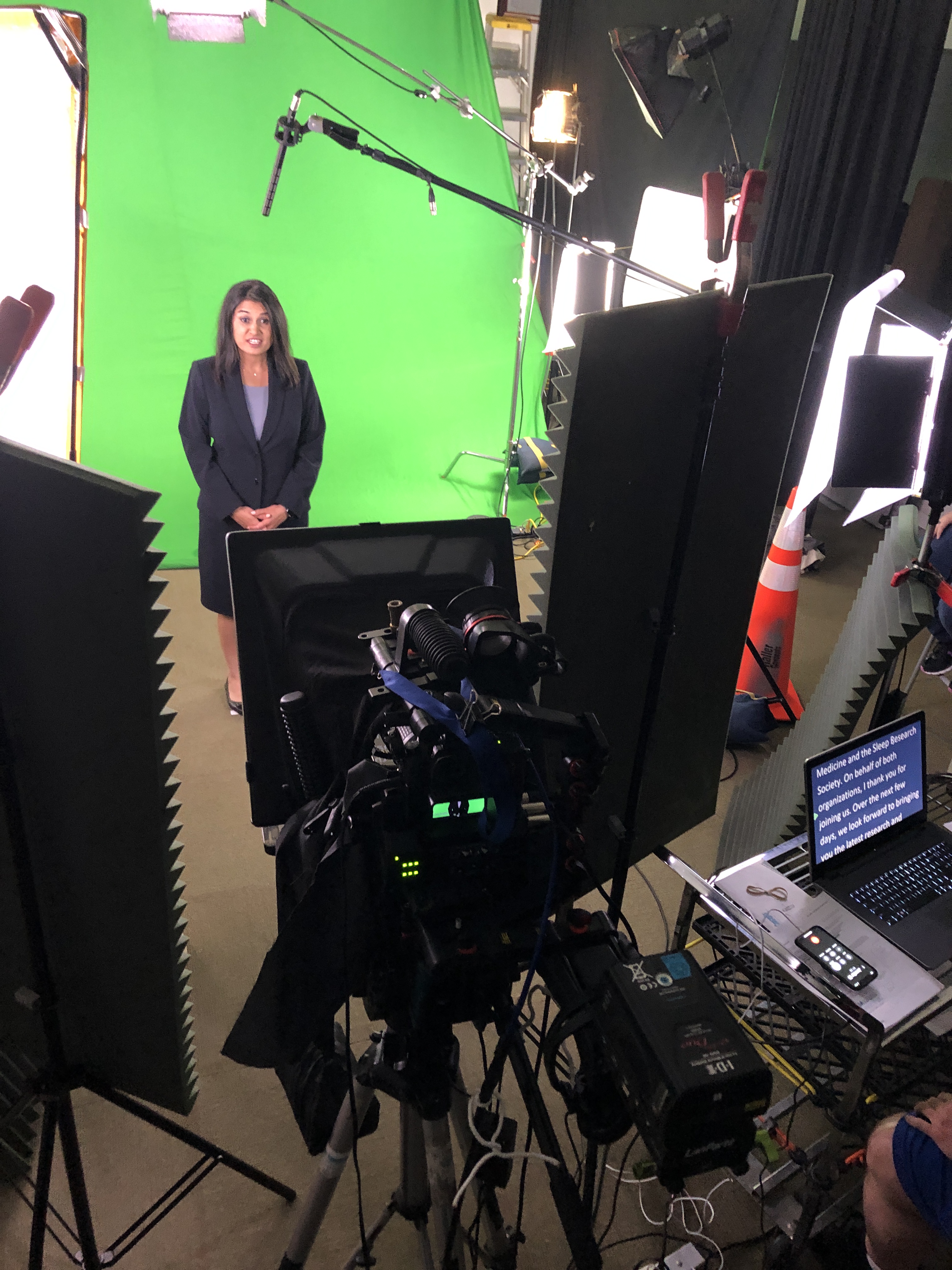
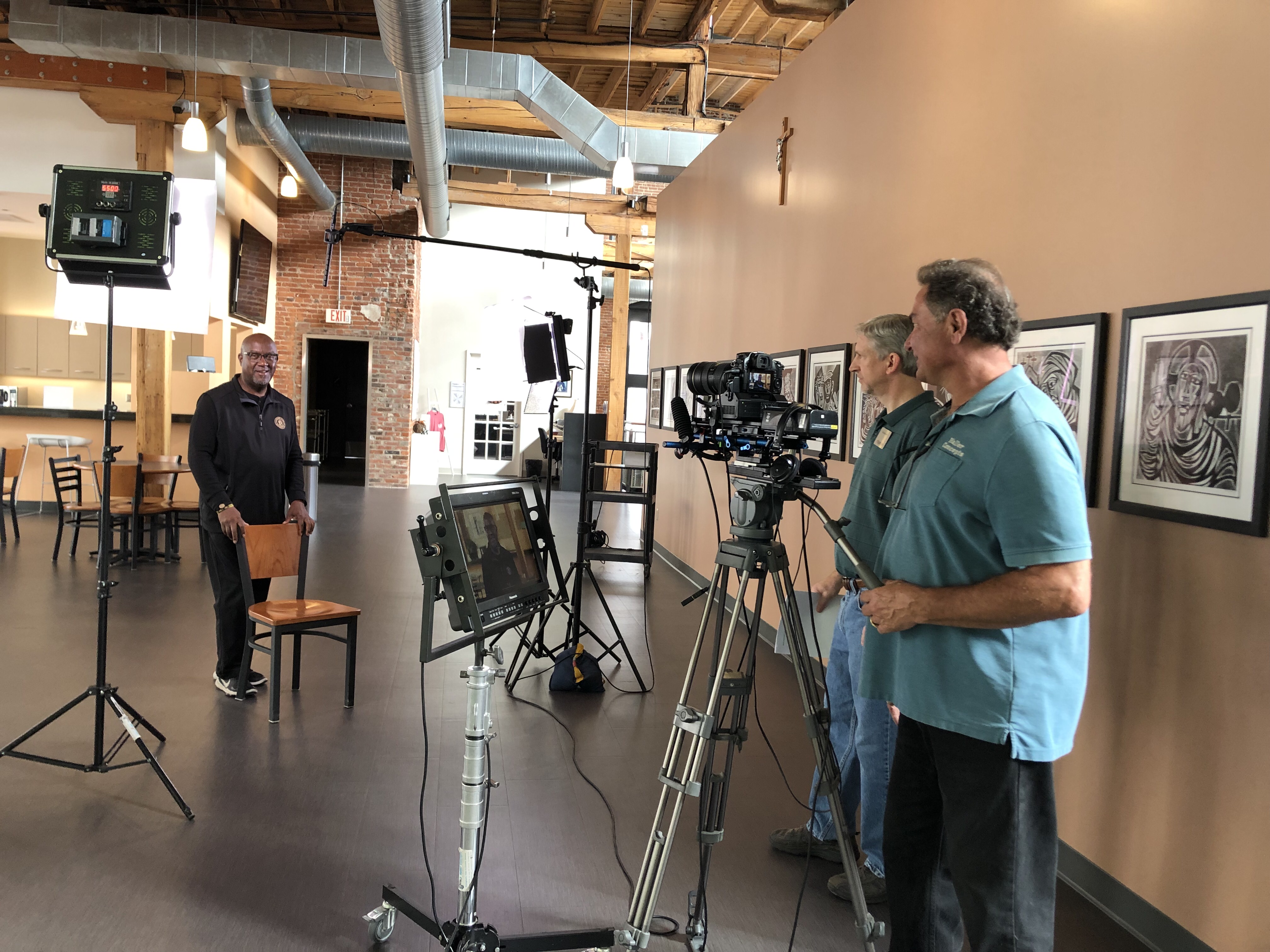
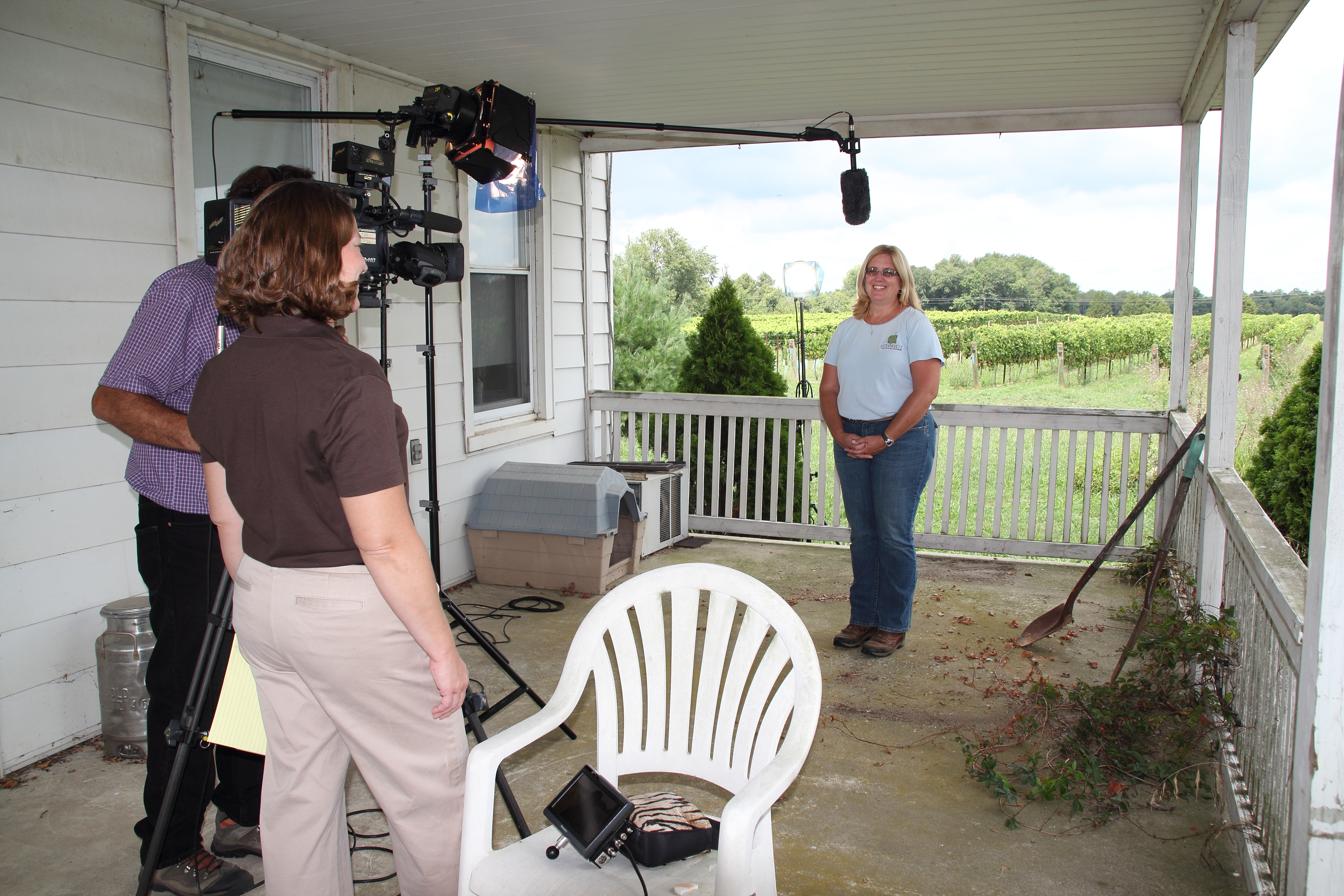
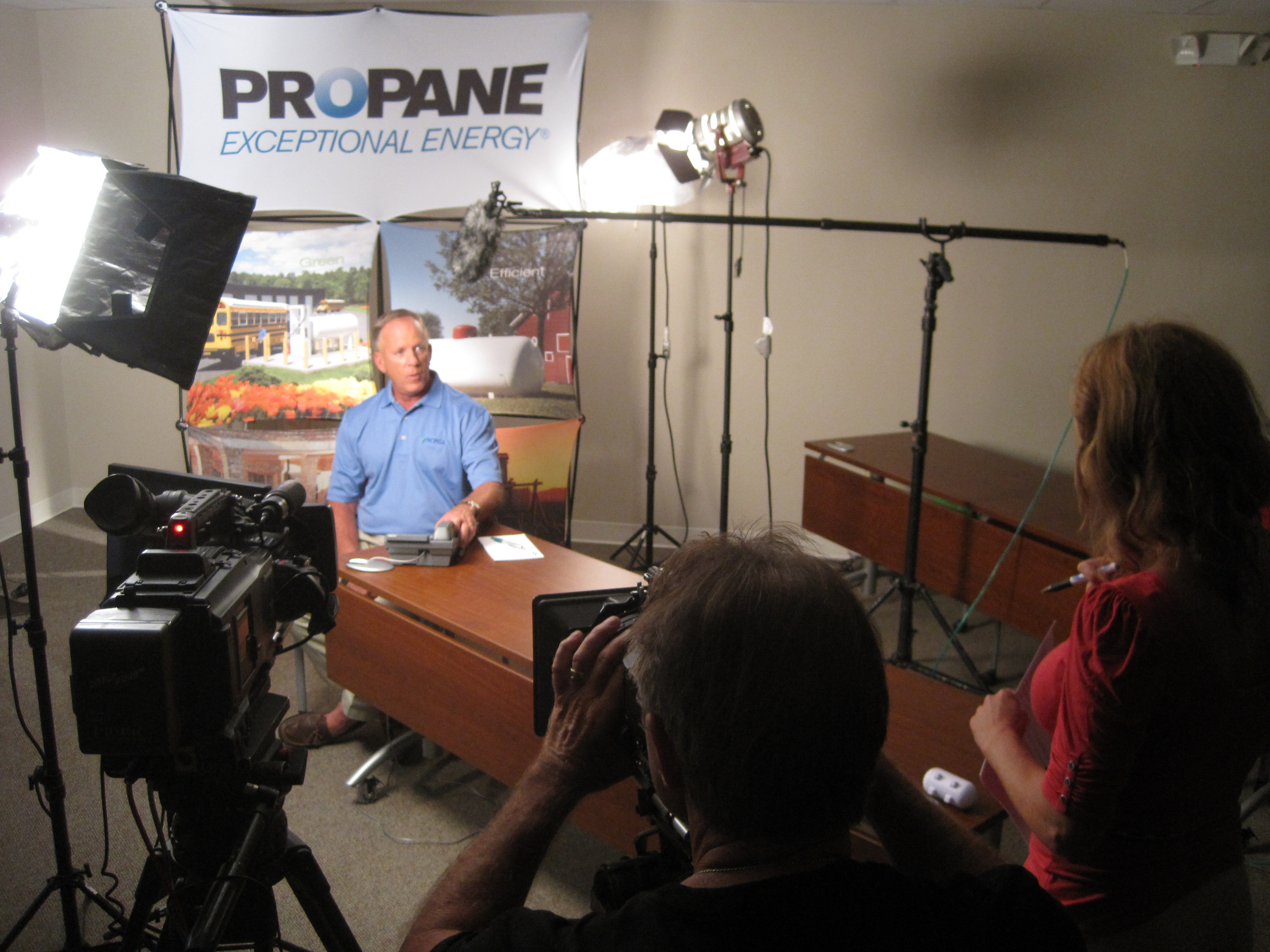
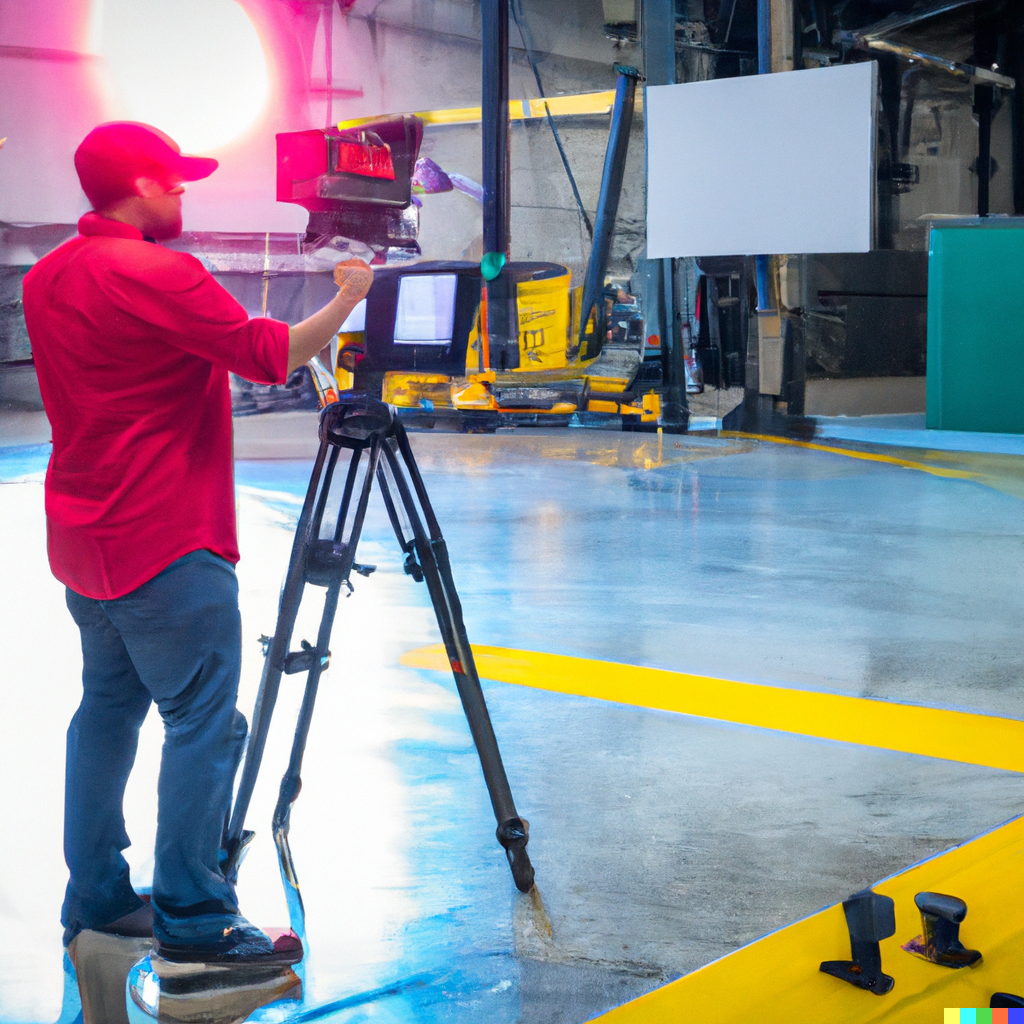
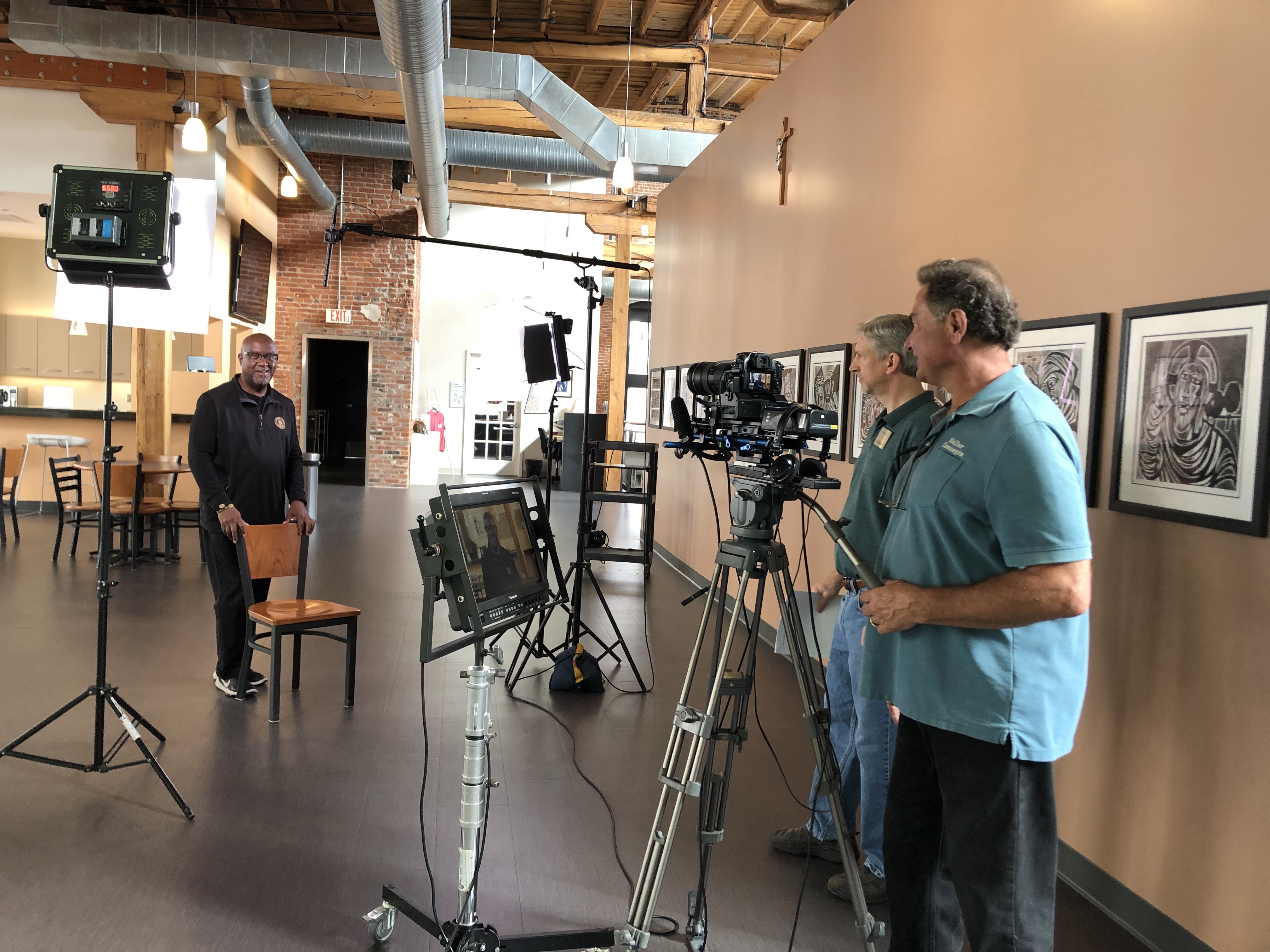
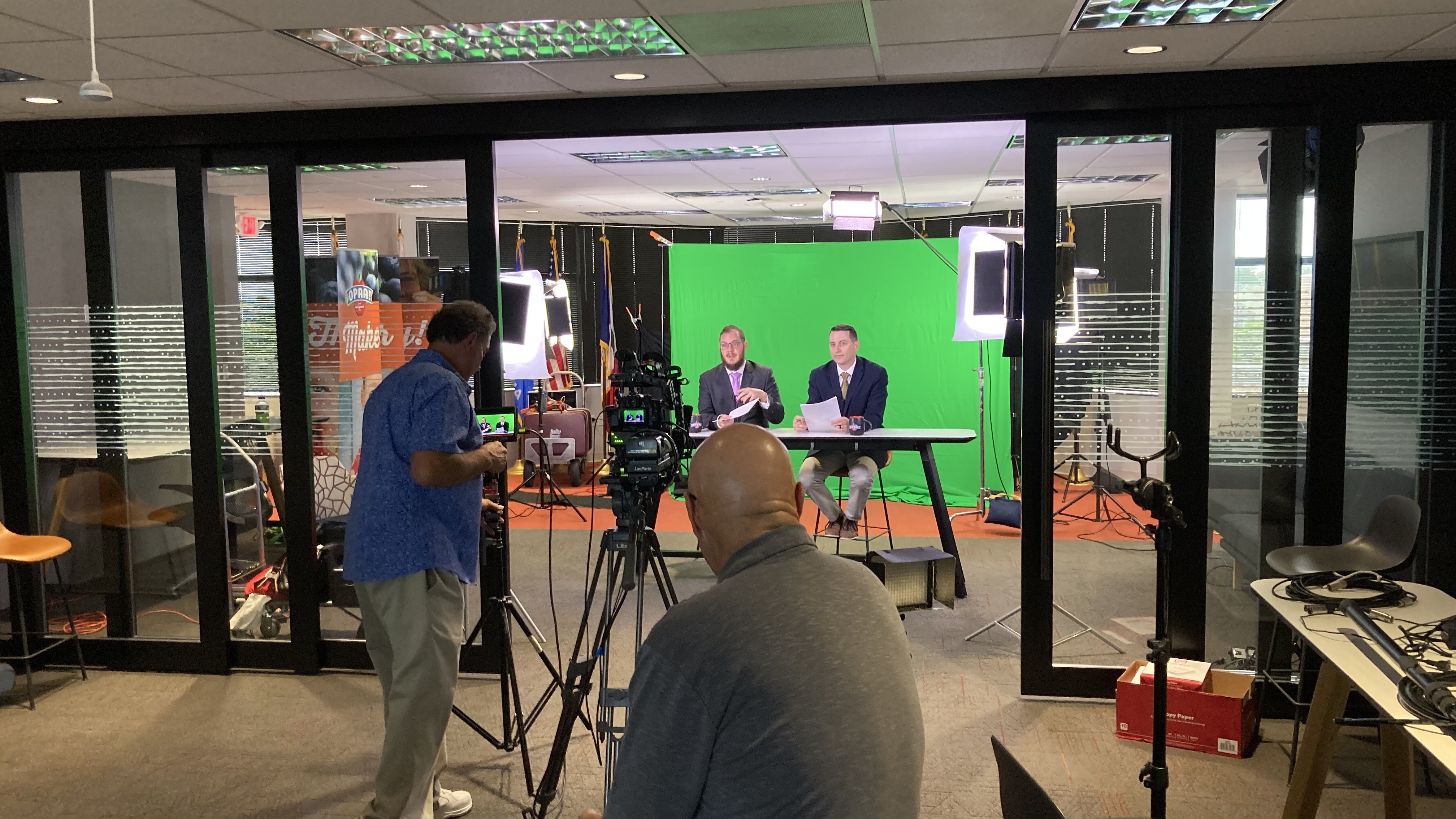
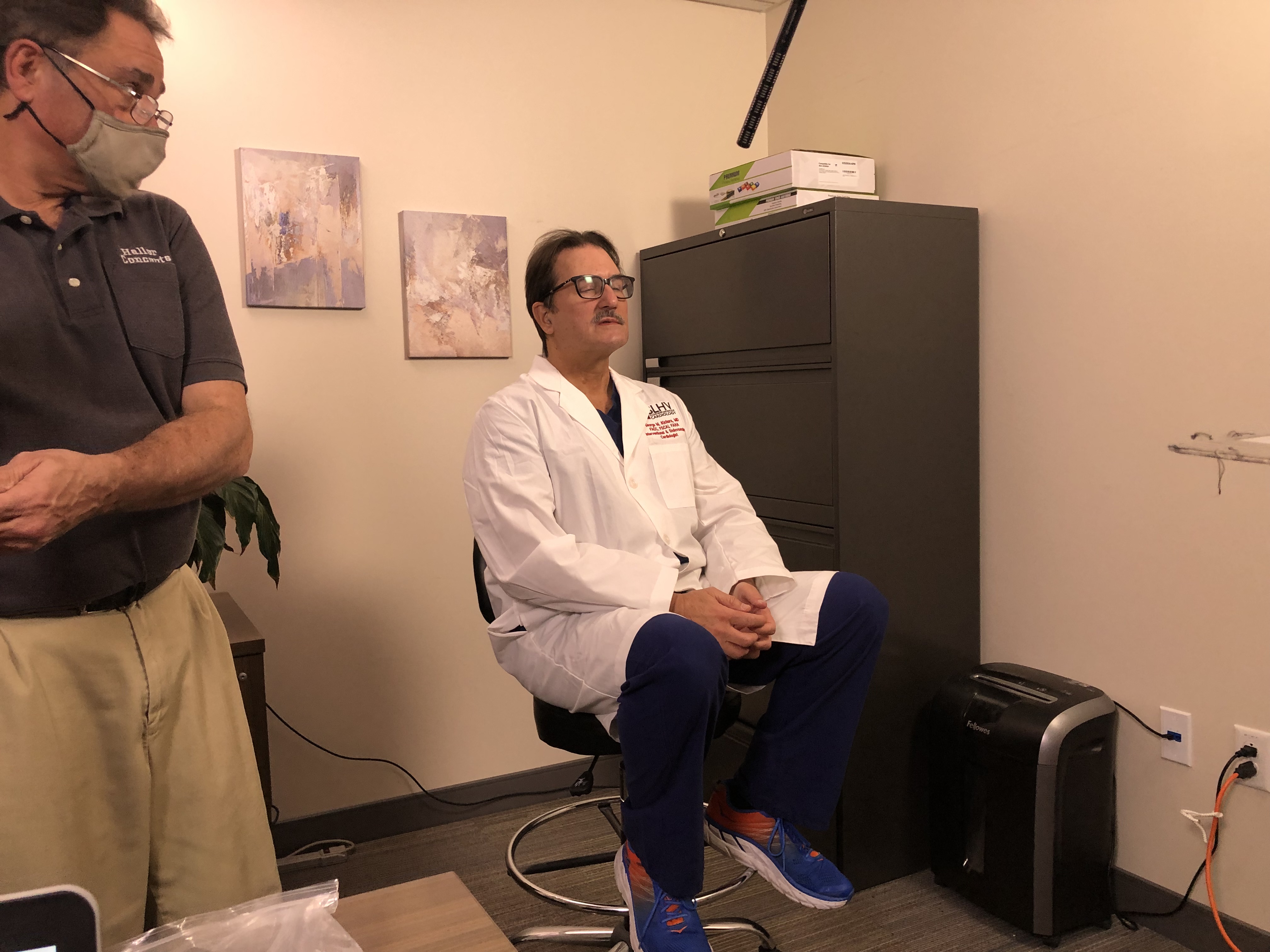
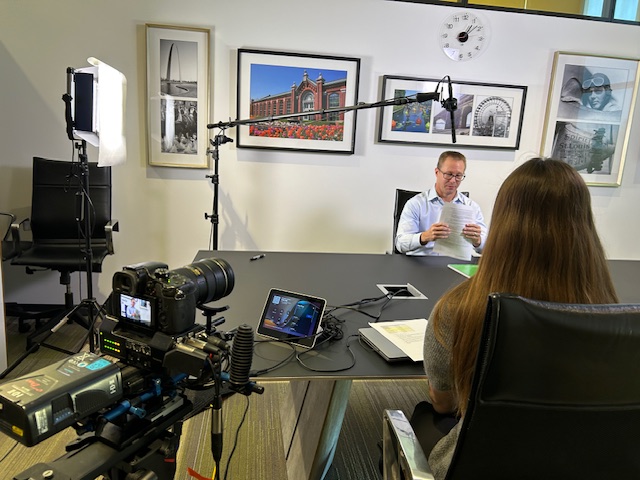
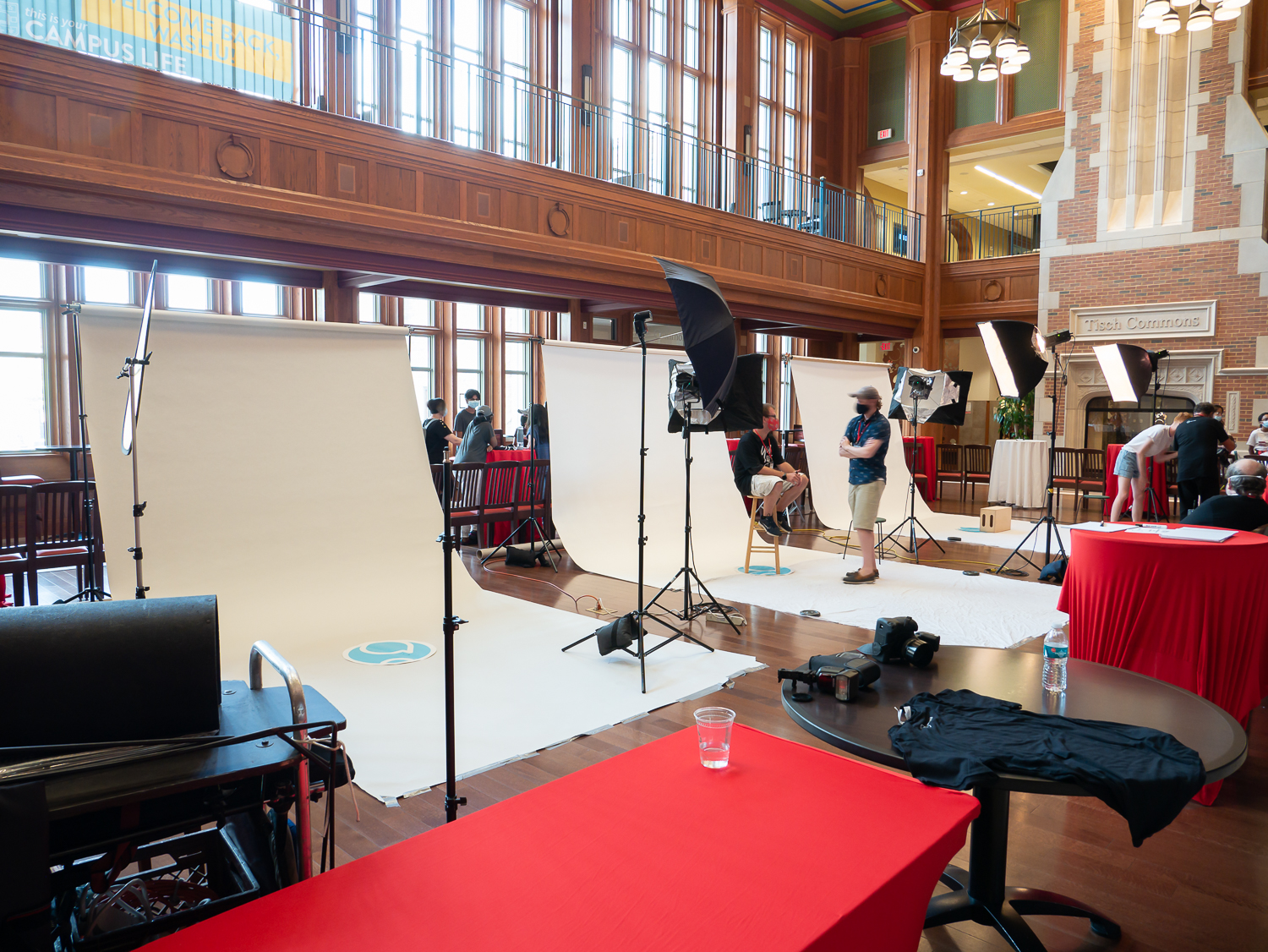
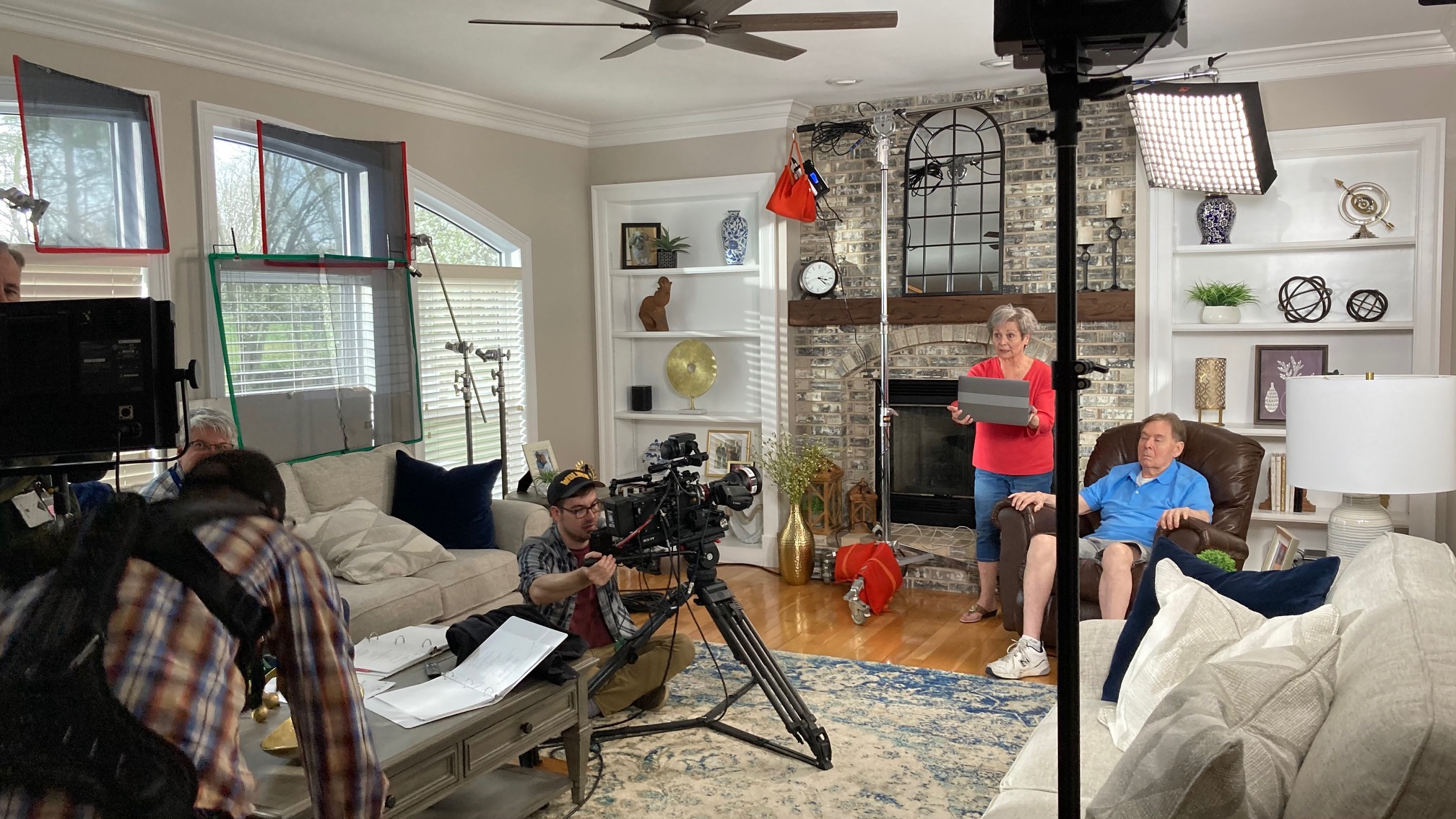
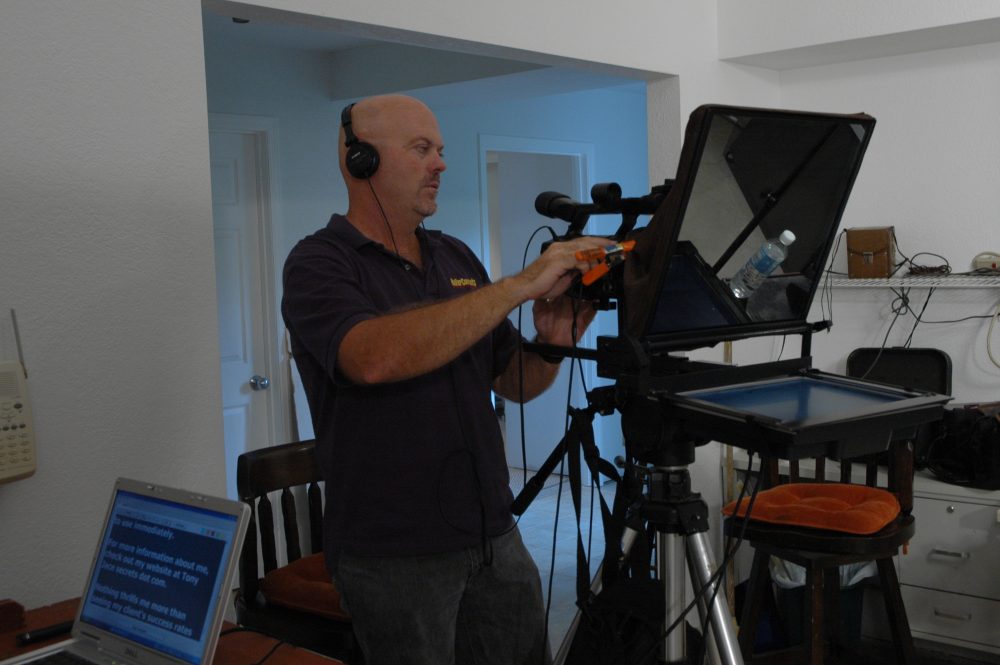
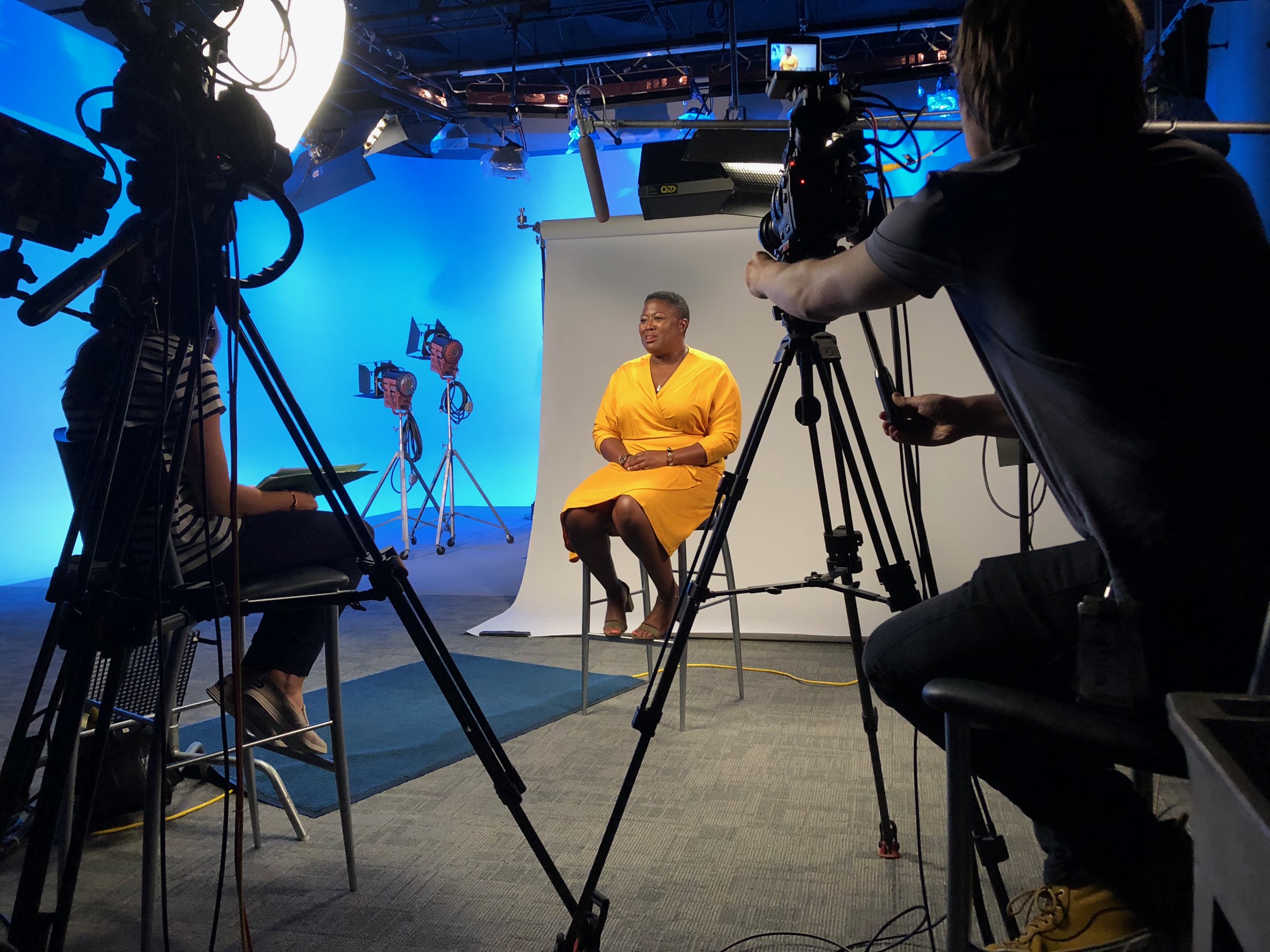
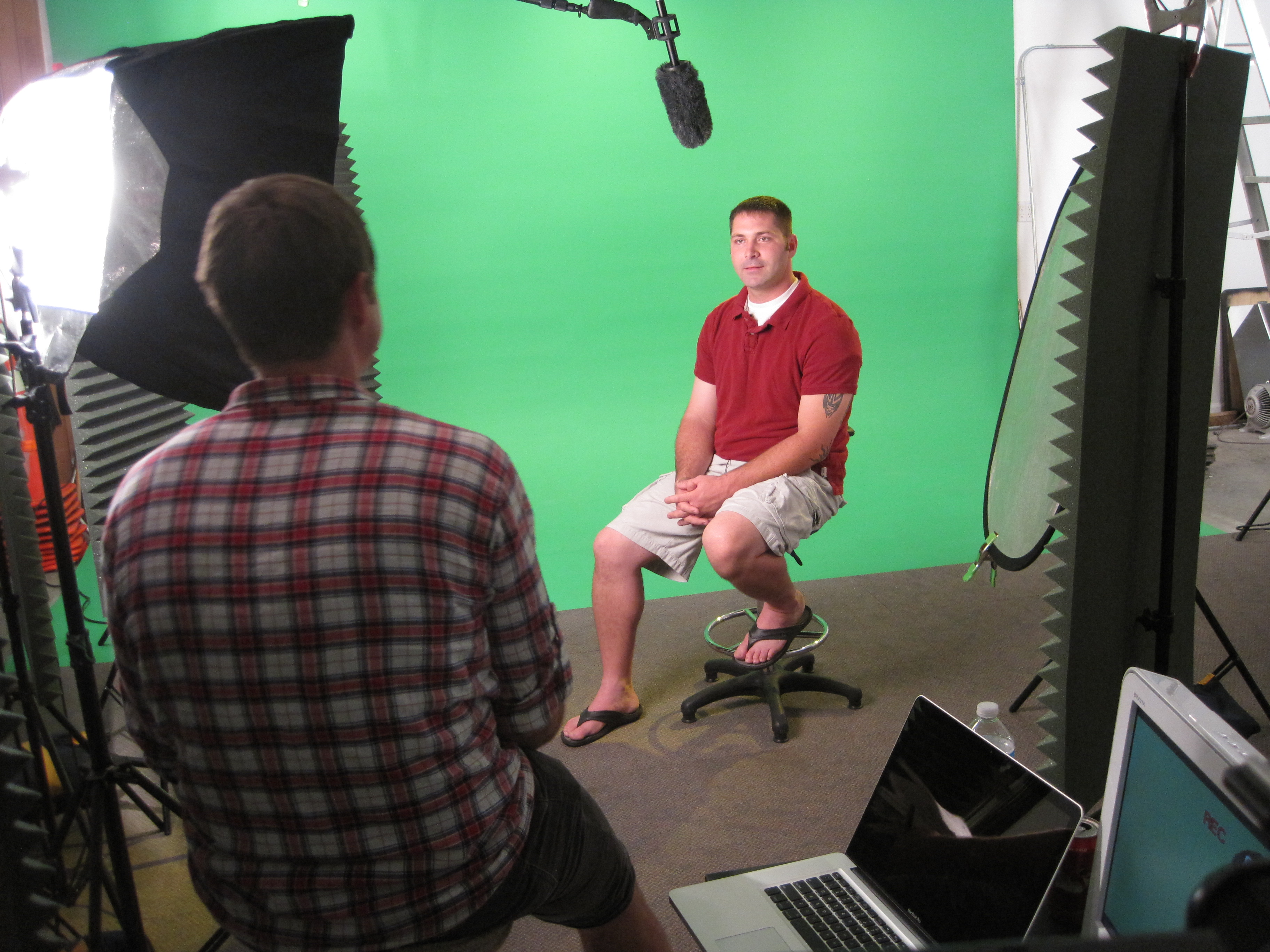
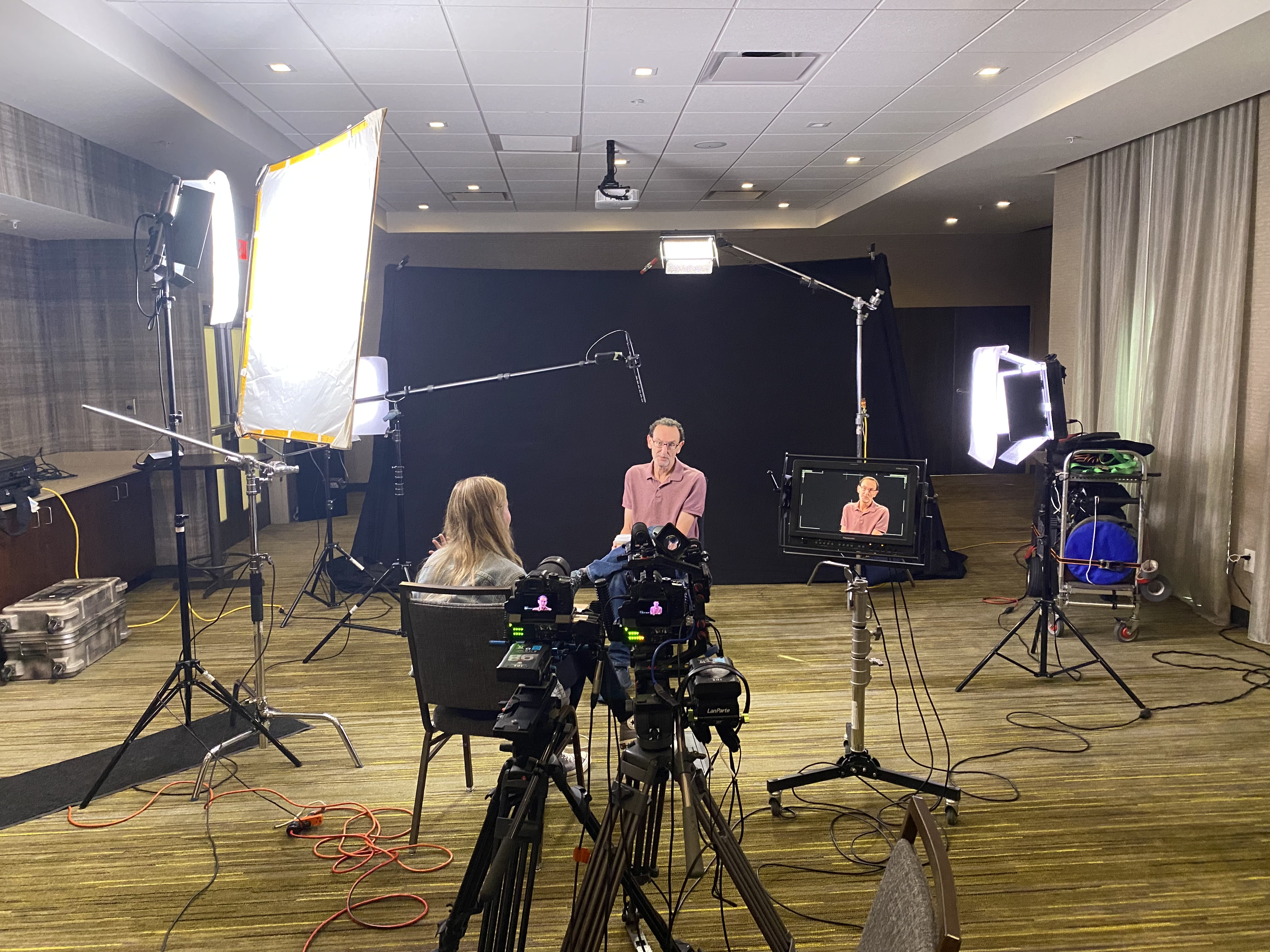
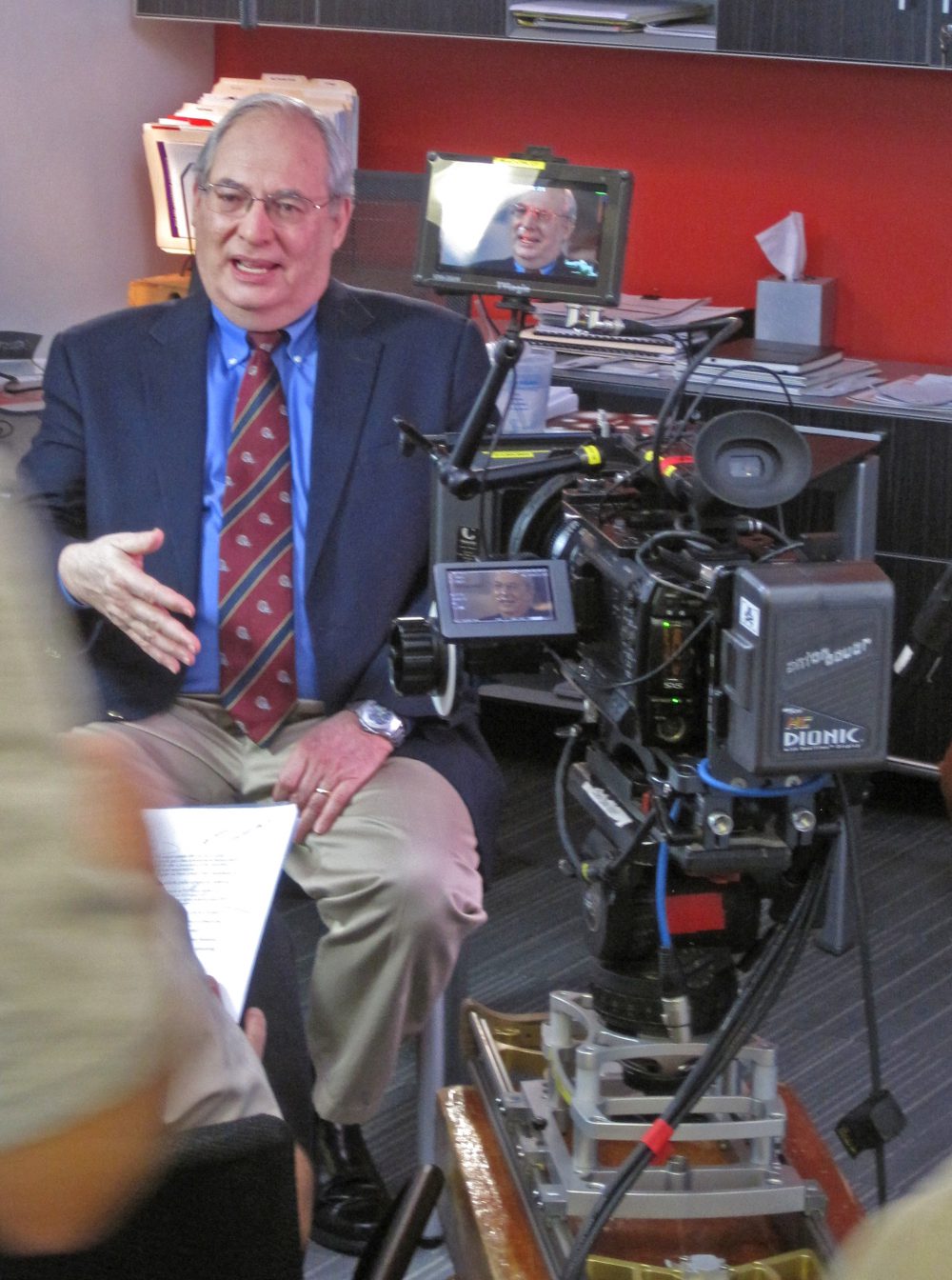
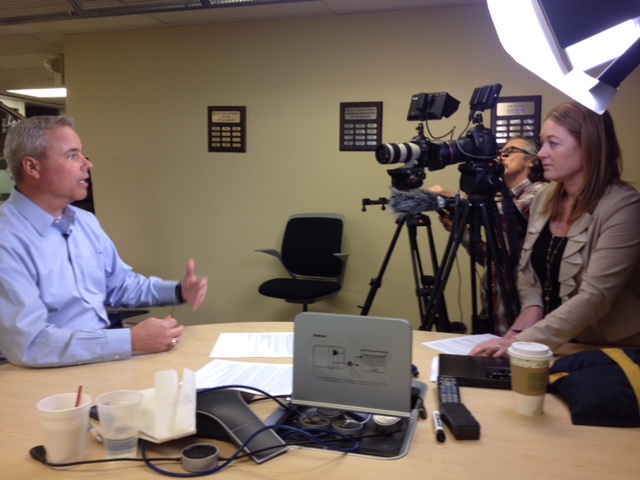
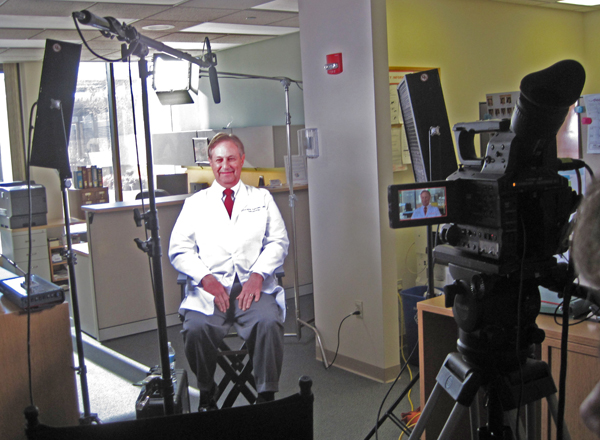
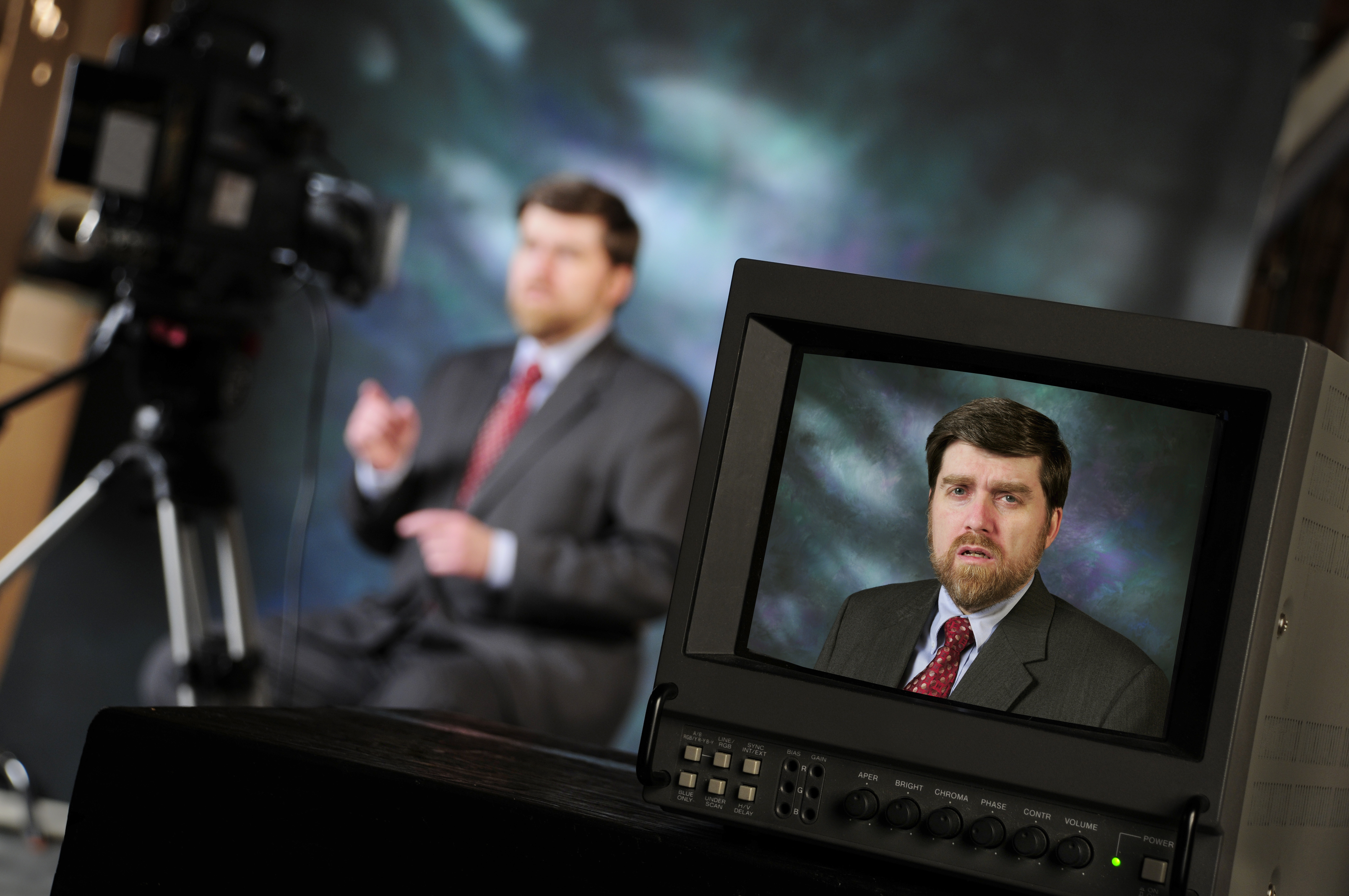
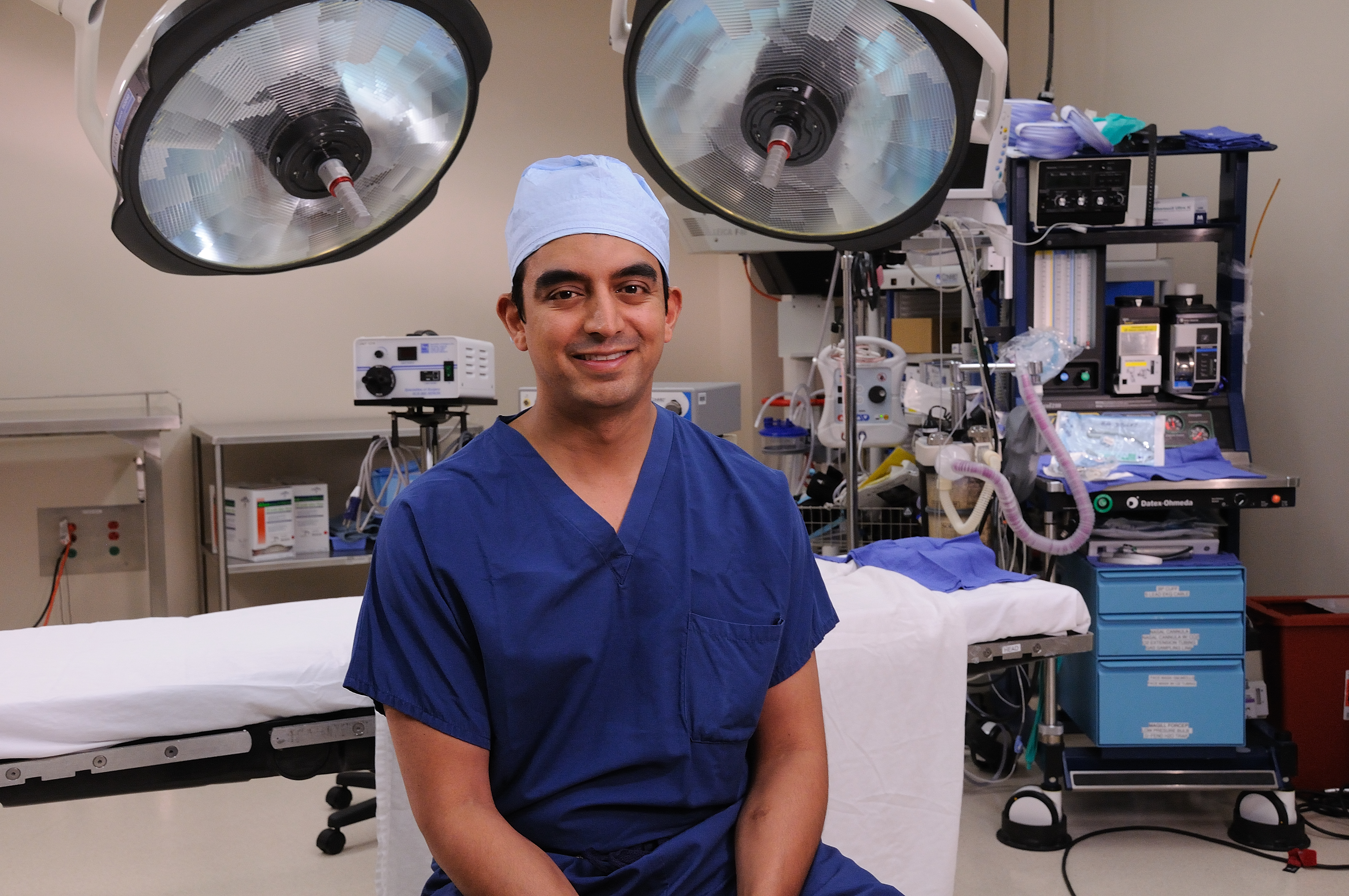
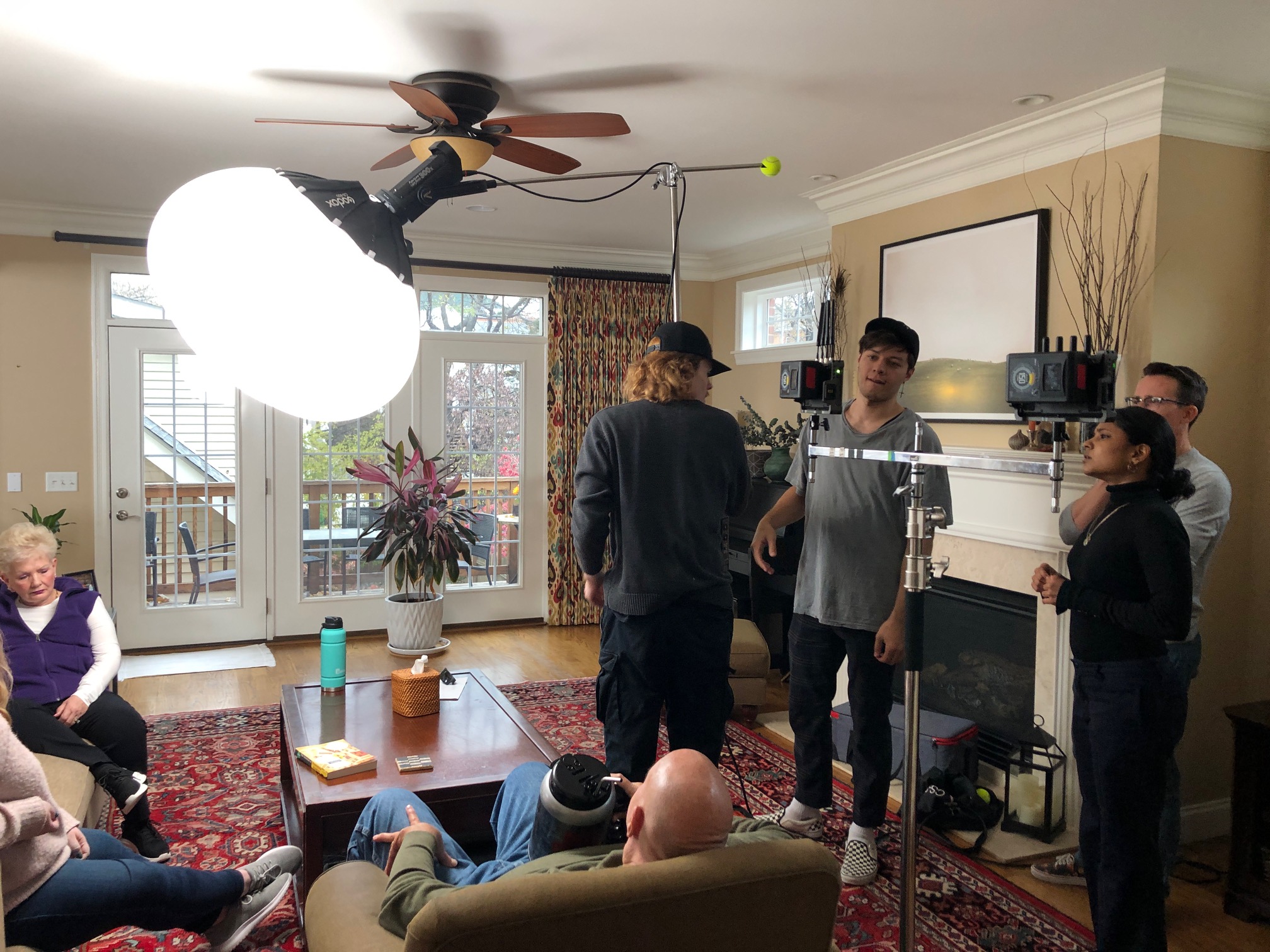
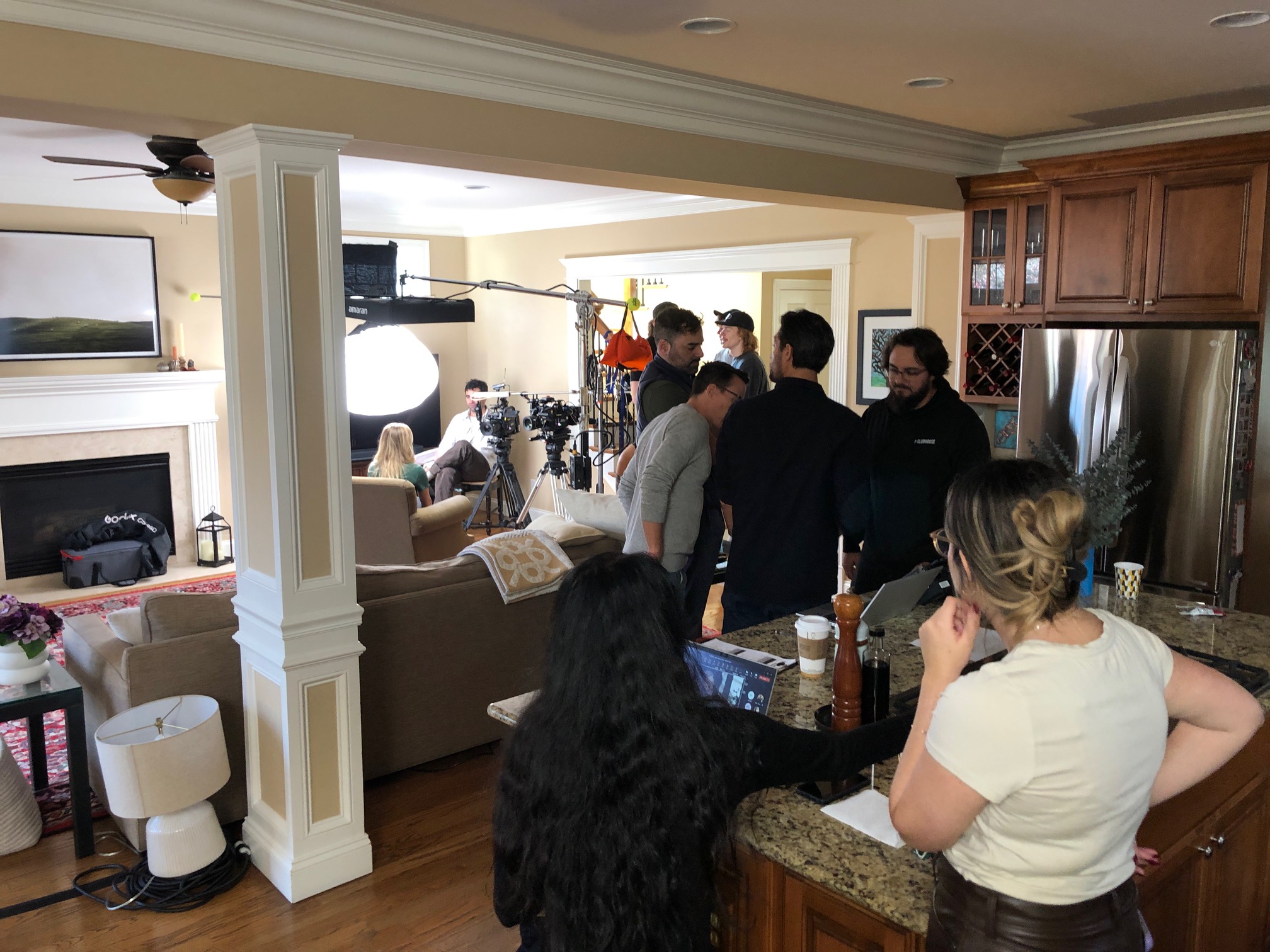
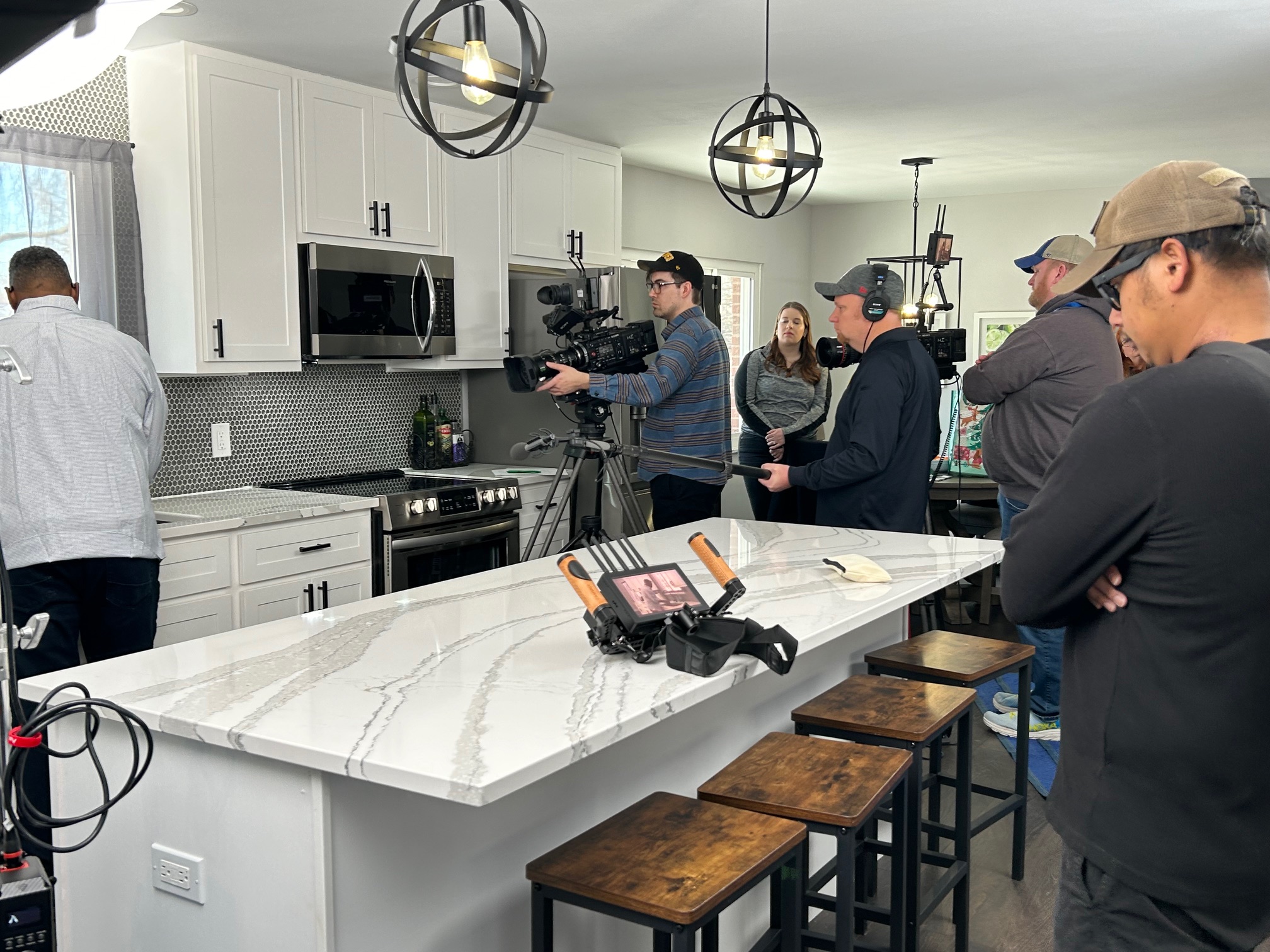
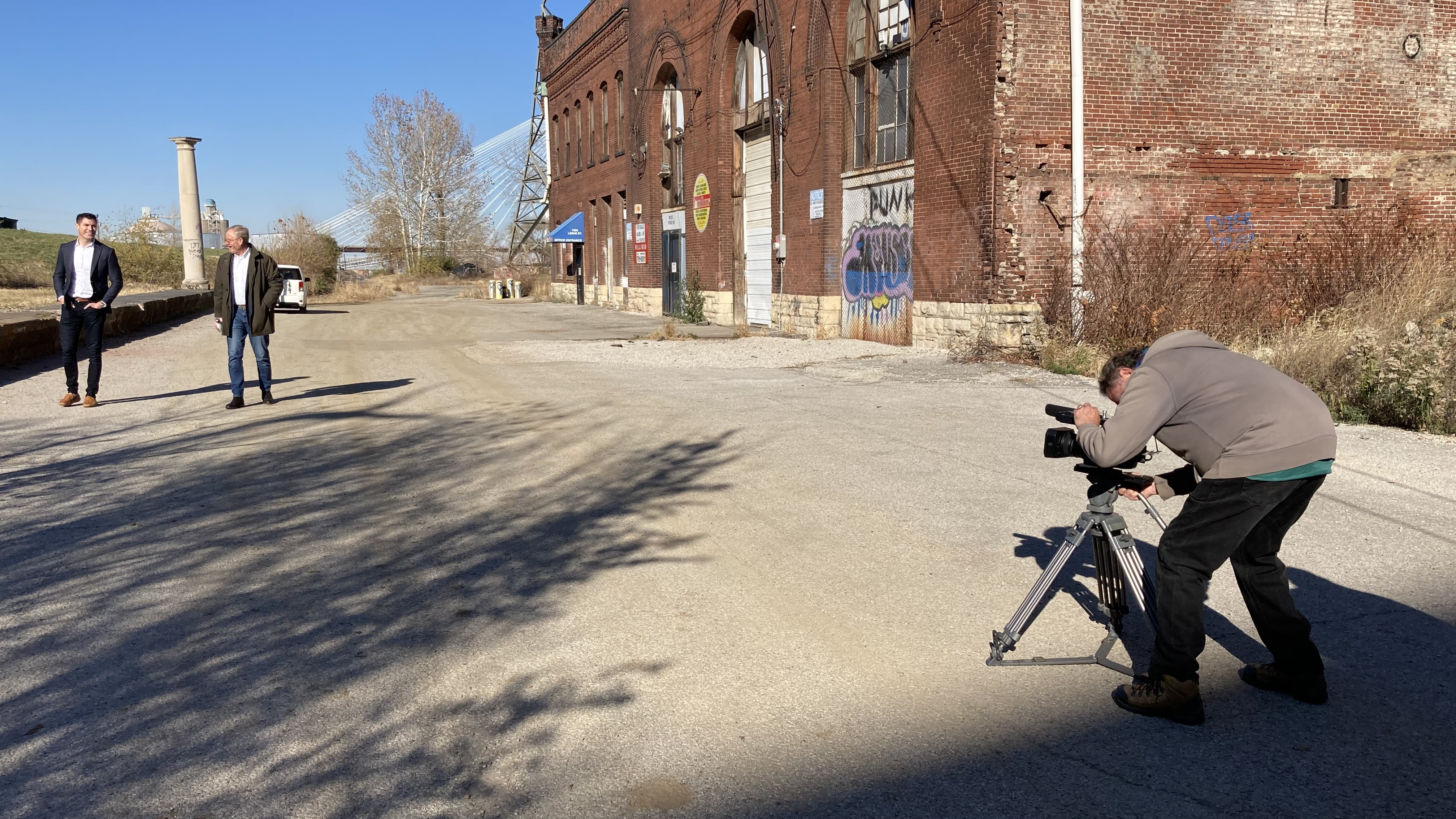
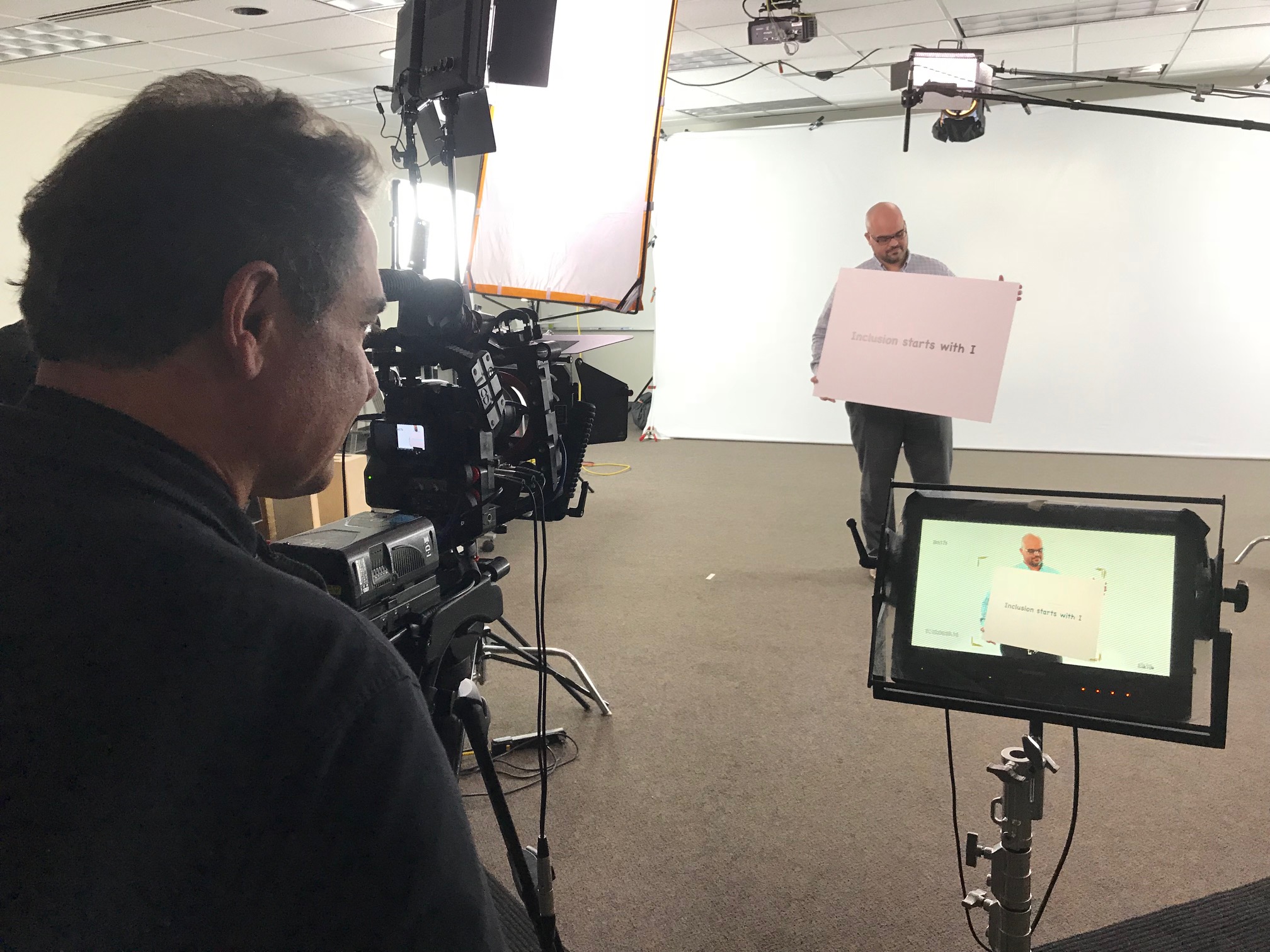
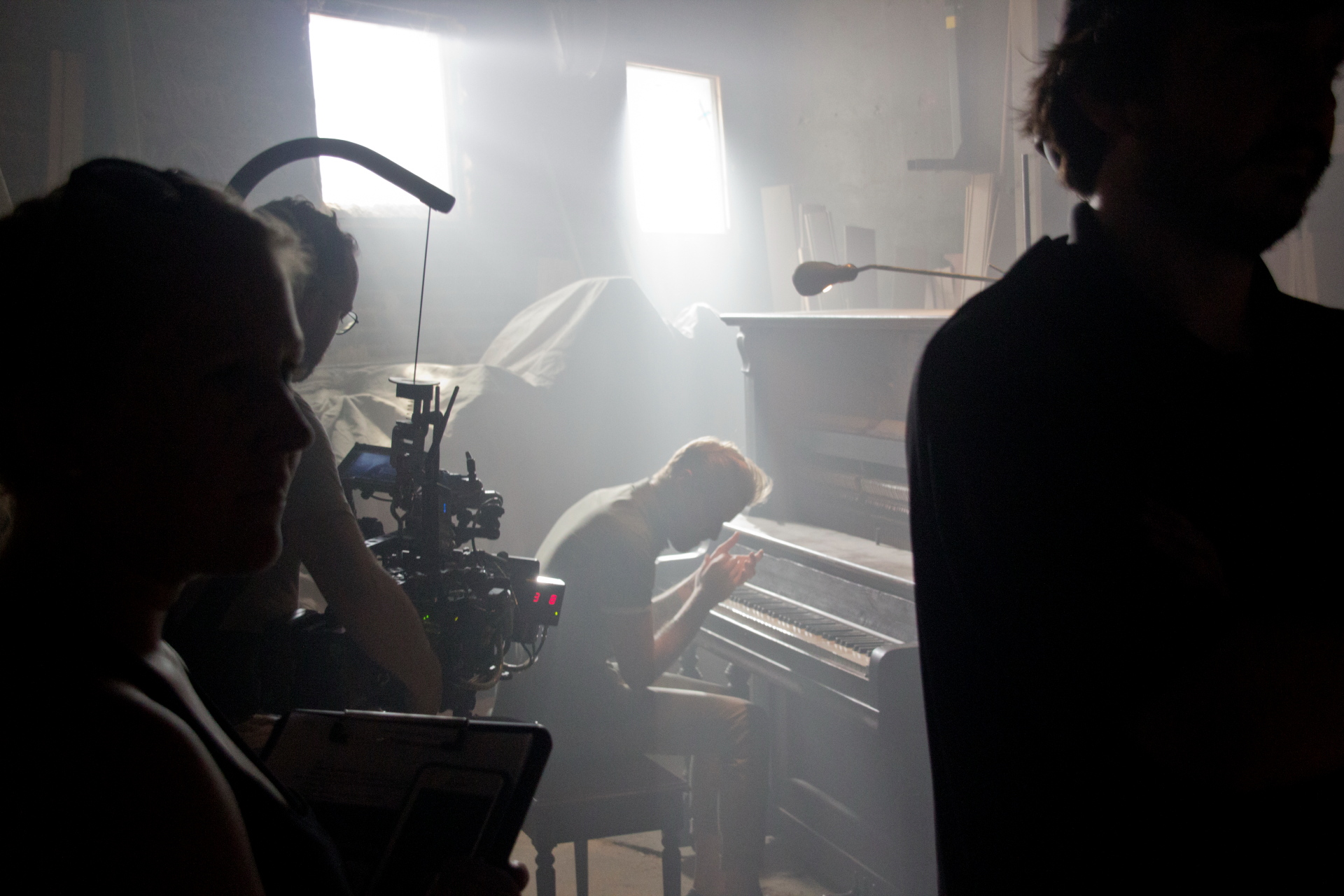
Take a look at this background! Video production shot with an interesting background makes all the difference to producing a great looking shot. Notice the depth perspective, the Doctor on camera most certainly pops out of the background. We take the time to light up the shoot the way it should be lit. Sure, we can run and gun with the best of them. But for quality looking shots, the director or the camera man, preferably both, will define more time be dedicated to the proper lights and the way the set is lit for each shot.


























 St Louis Video Production, Inc.