A live event gives you one take. The keynote is delivered once, the award is announced once, and the crowd reacts once. Whether you capture it well depends on who is behind the cameras, what they bring, and how well they planned before the doors opened.
If you commission event video for your organization, knowing how a professional production works helps you evaluate proposals, set realistic expectations, and avoid paying for coverage you can’t use. This guide walks through the roles, equipment, and decisions that separate an event video from event footage.
The Crew: Who Does What
A common mistake is assuming “event video” means one person with one camera. Depending on the scale of the event, a professional crew divides the work among several specialists.
The producer owns the plan. Before event day, the producer works with your team on goals, run-of-show, deliverables, venue logistics, and schedule. On event day, the producer keeps coverage aligned with your priorities as the program shifts.
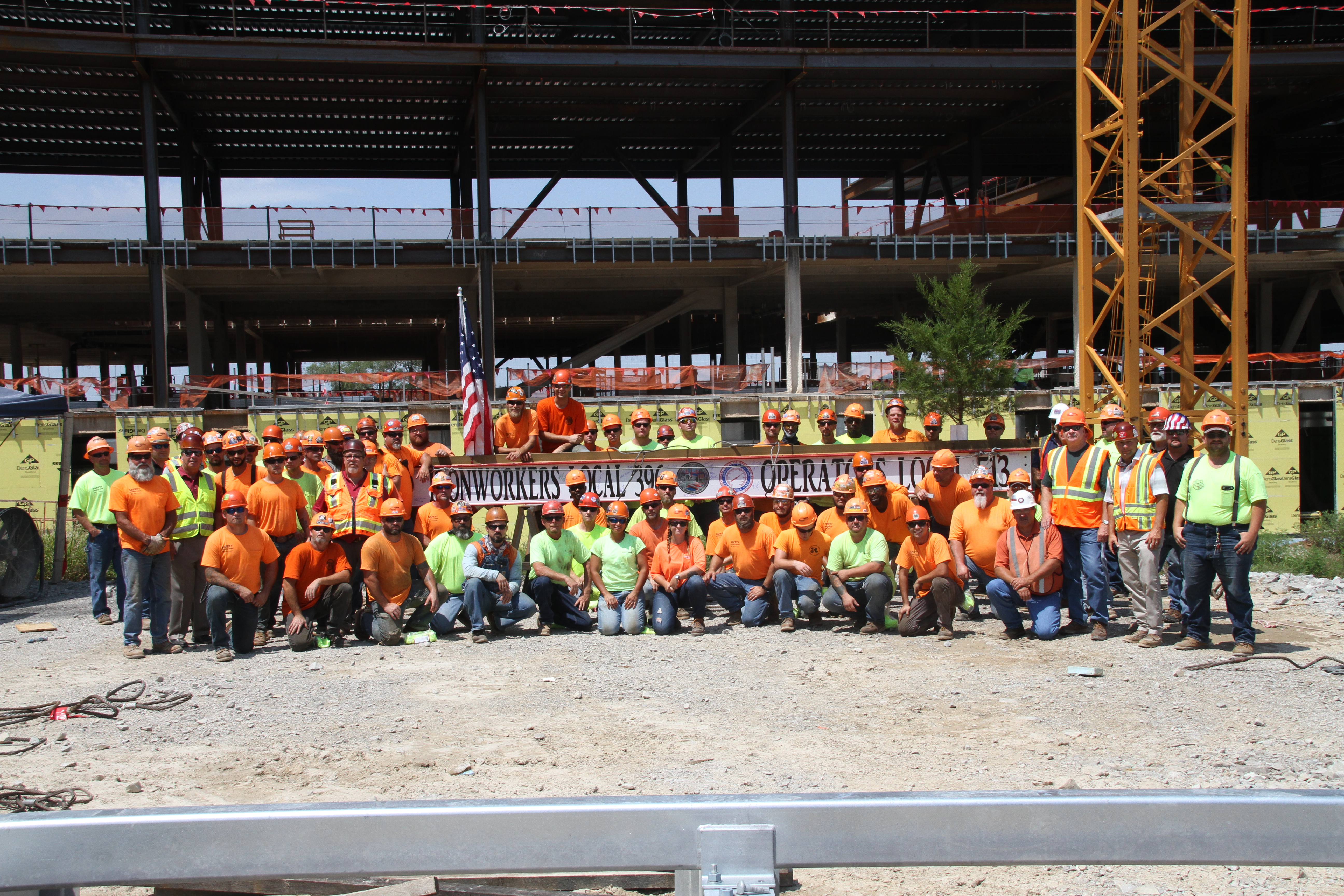
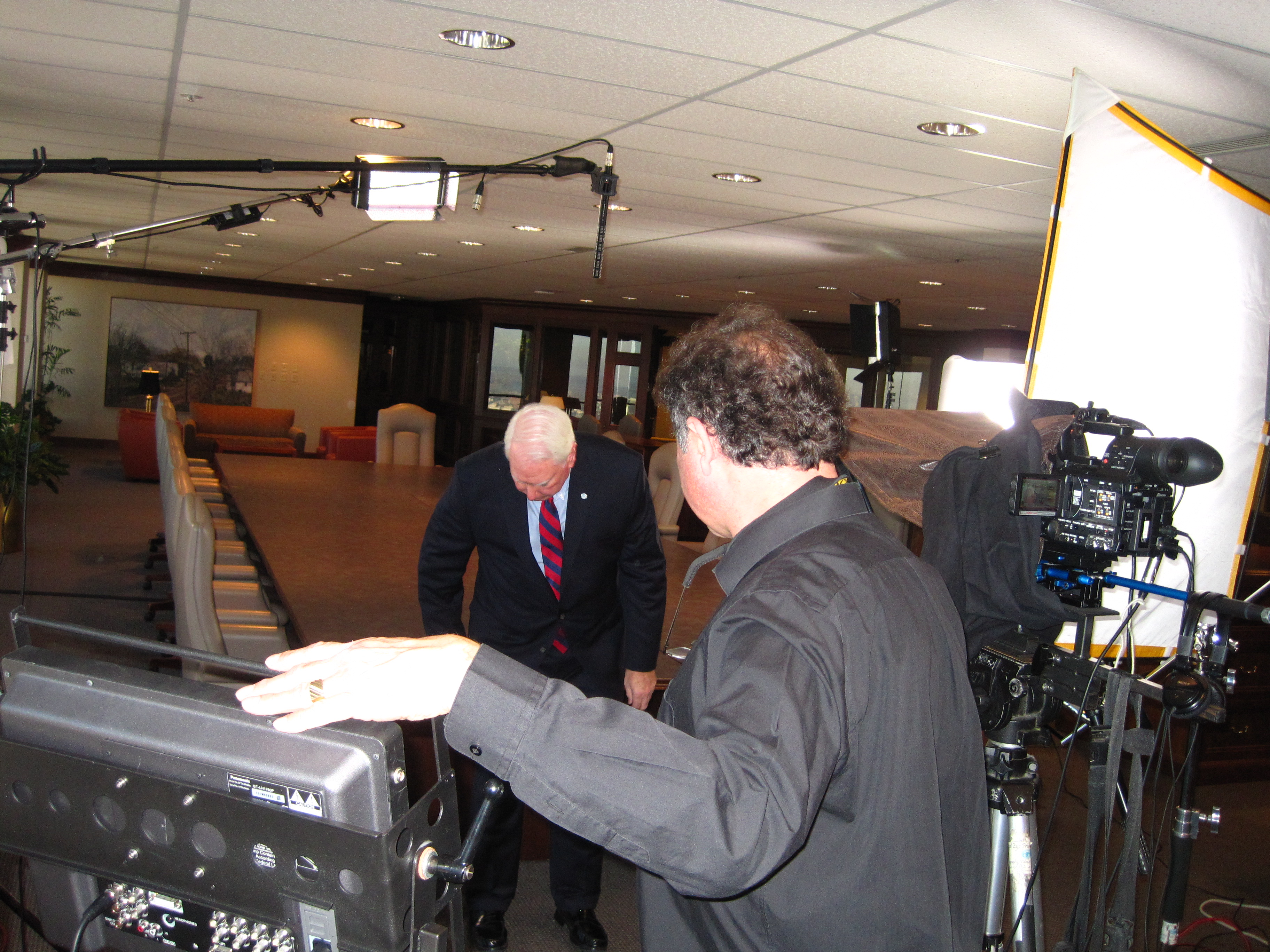
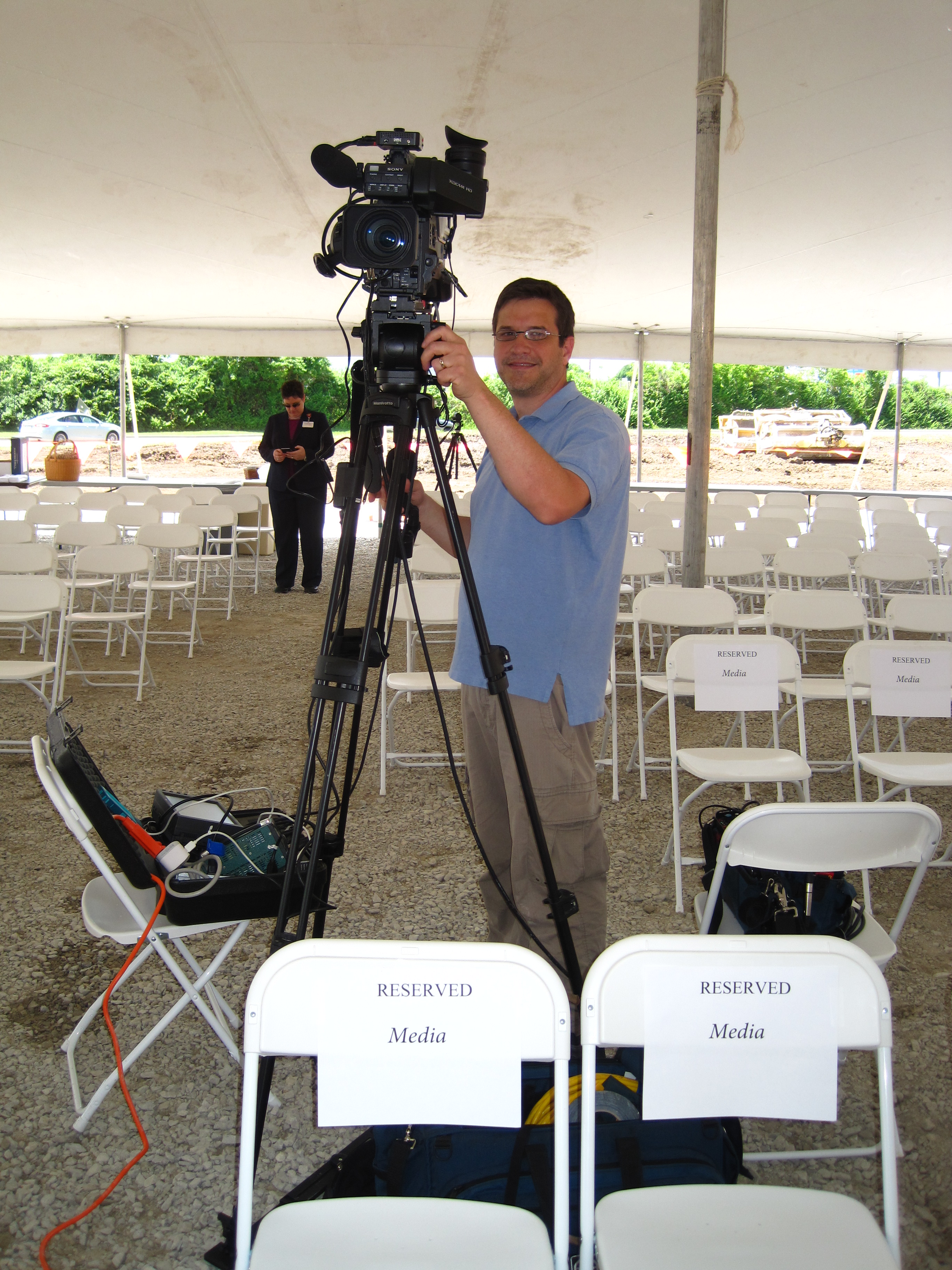
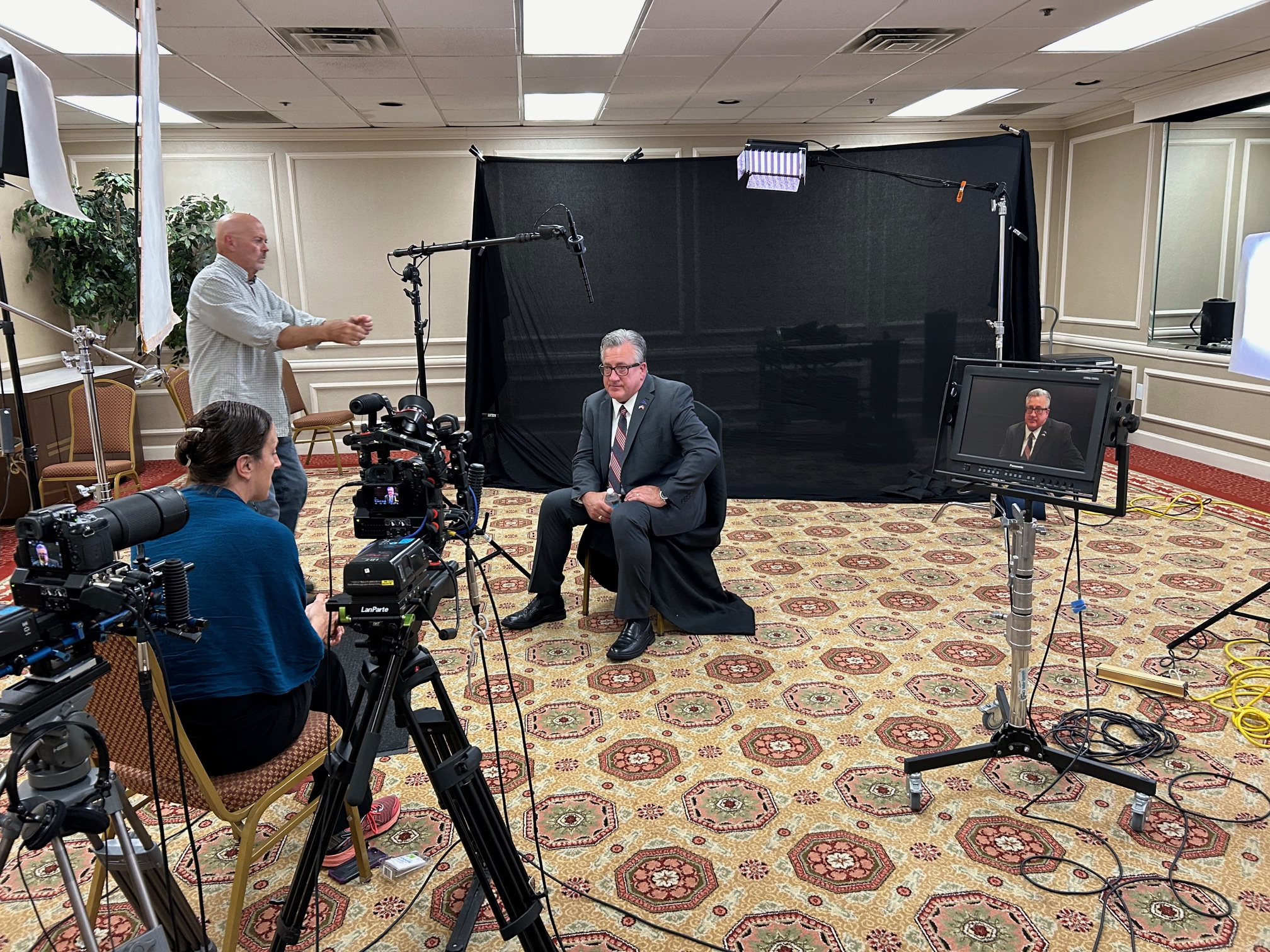
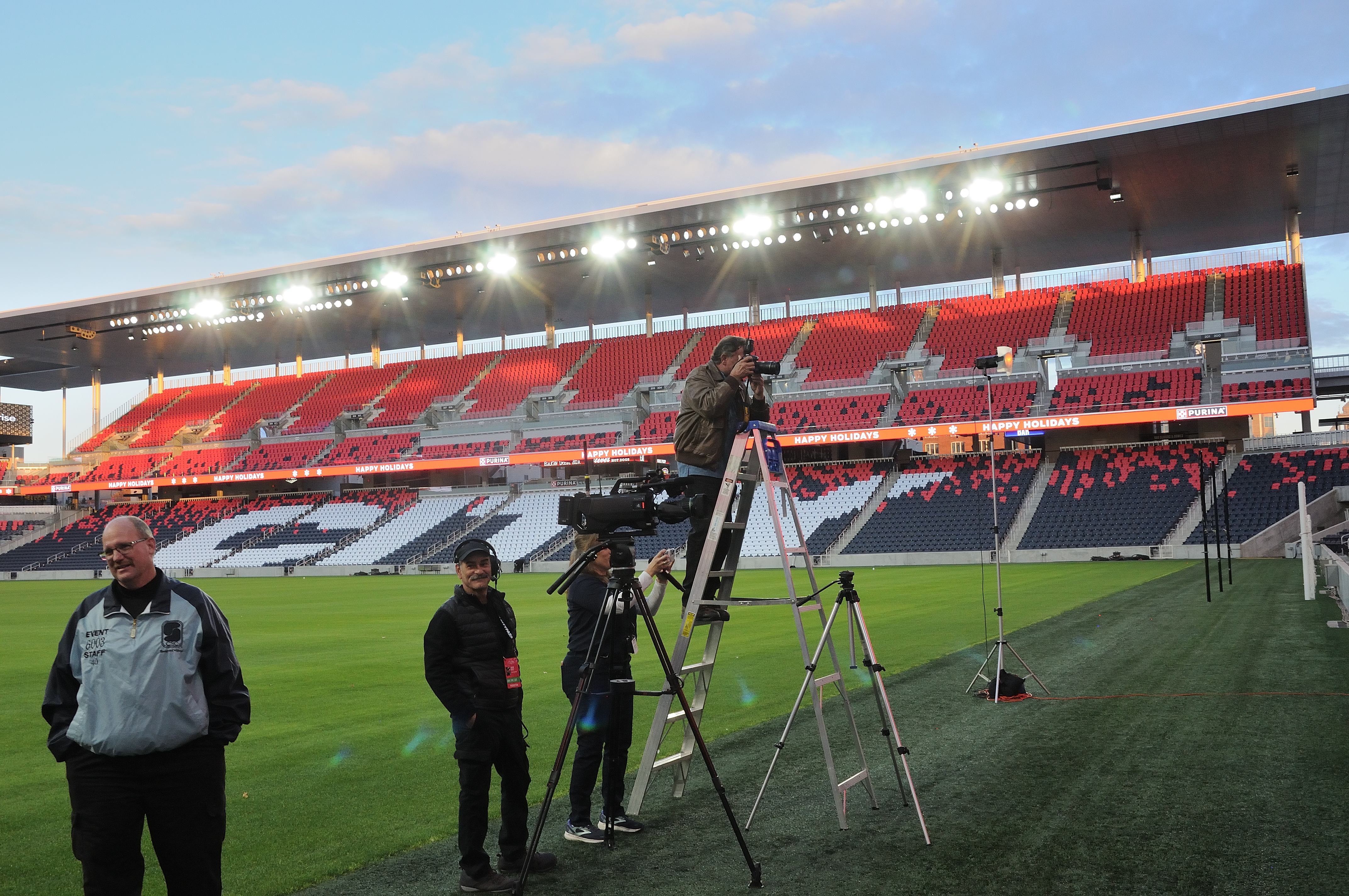
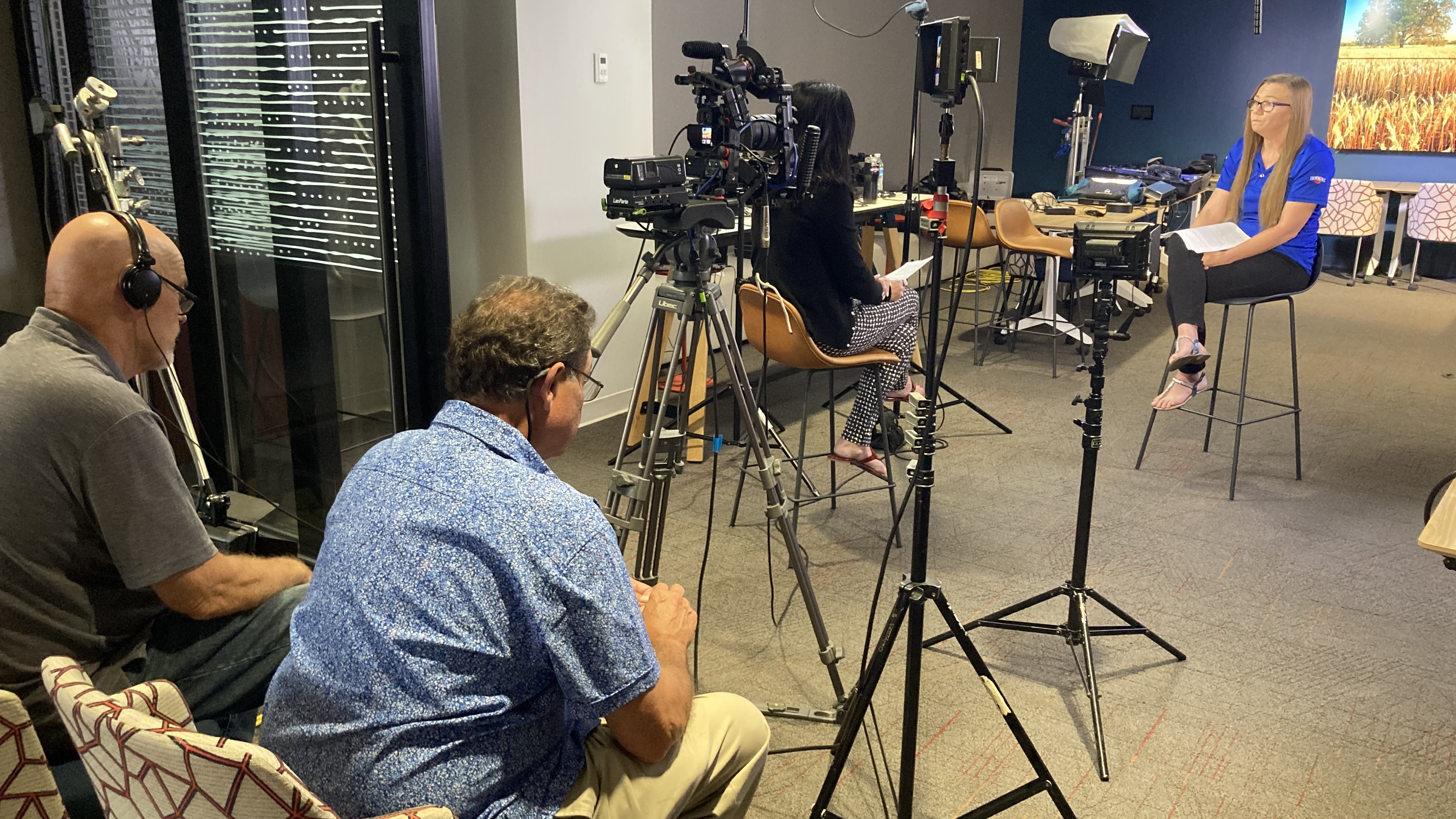
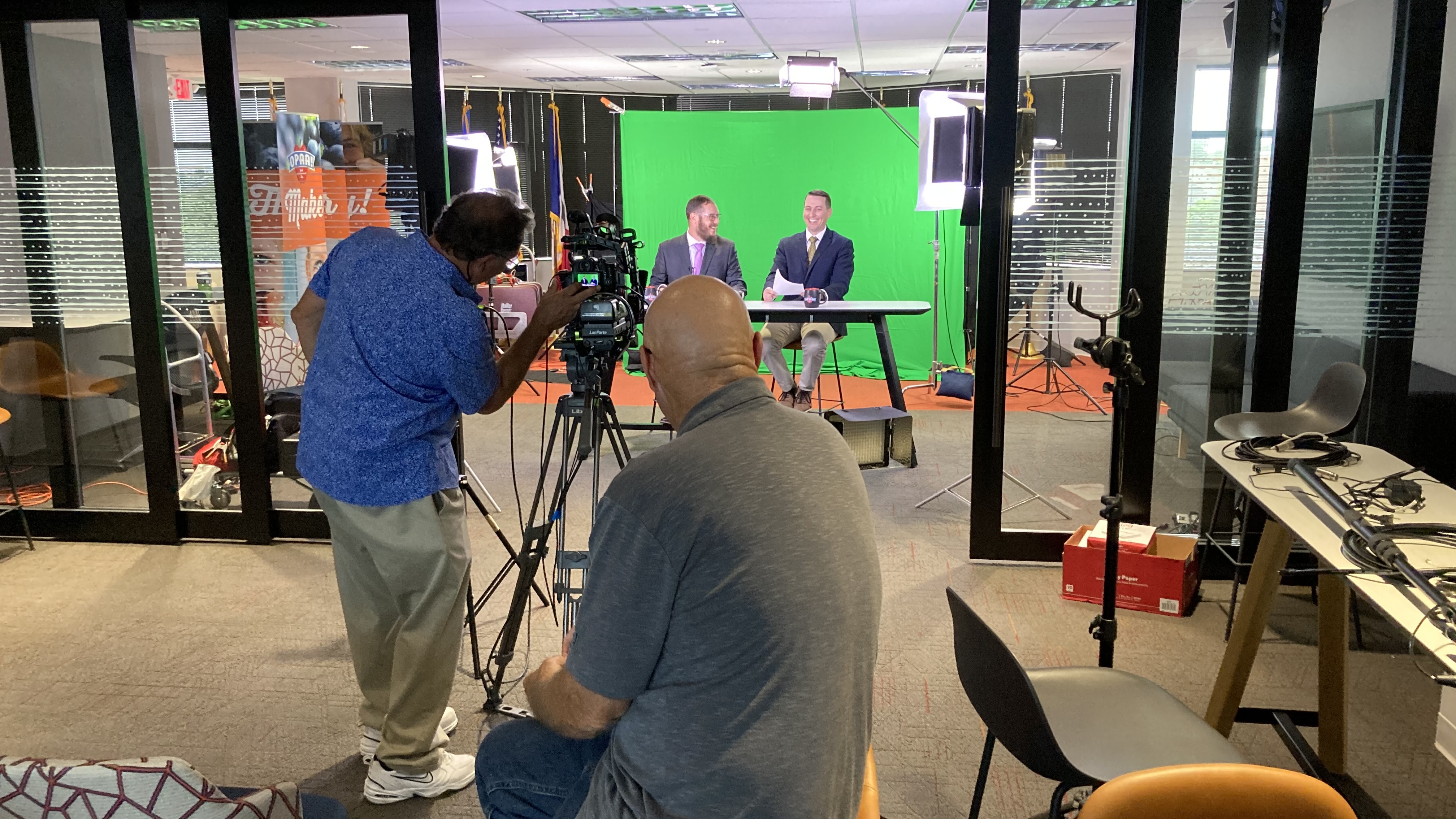
Camera operators capture the story from different positions. A typical multi-camera setup includes a locked-off wide shot of the stage or room, a tighter shot on the speaker, and a roaming operator for audience reactions, interactions, and moments the plan didn’t predict.
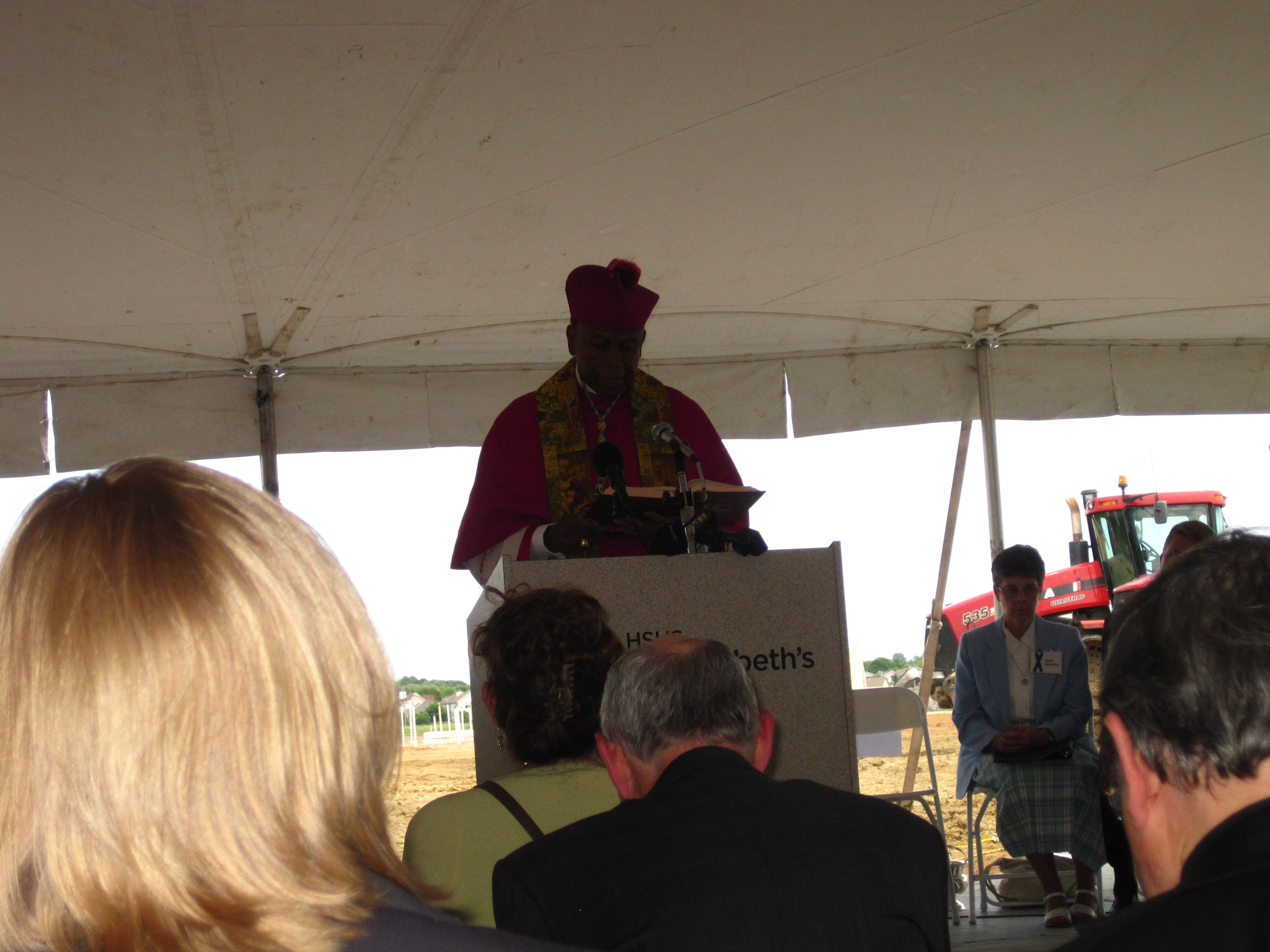
The audio engineer may be the most important person on the crew. Clean sound from the venue’s mixer, wireless microphones for speakers and interviewees, and ambient recording for atmosphere are what make footage publishable.
A stills photographer works alongside the video team so you get both motion and photographs from the same event, with consistent coverage and no crews getting in each other’s way.
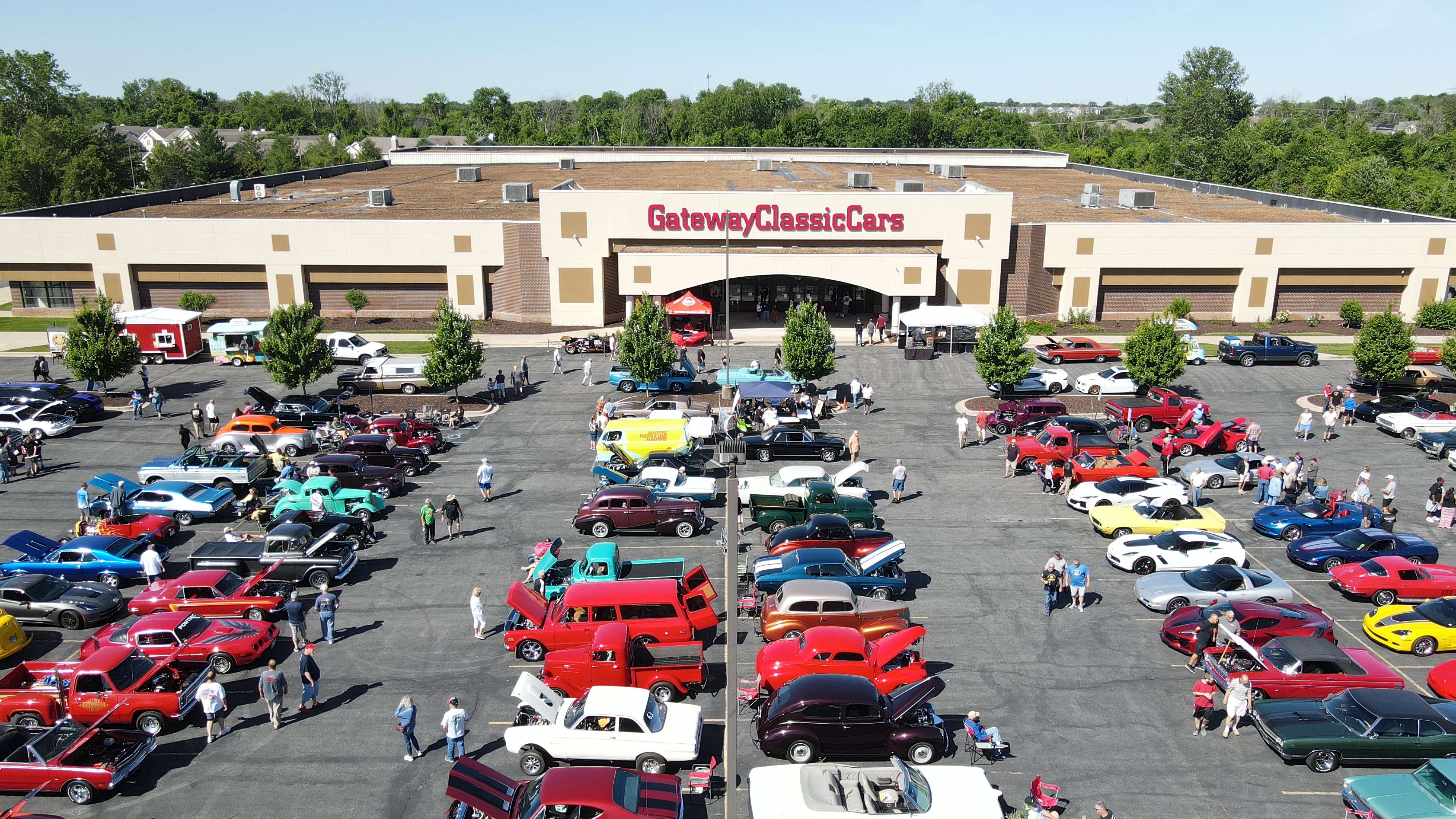
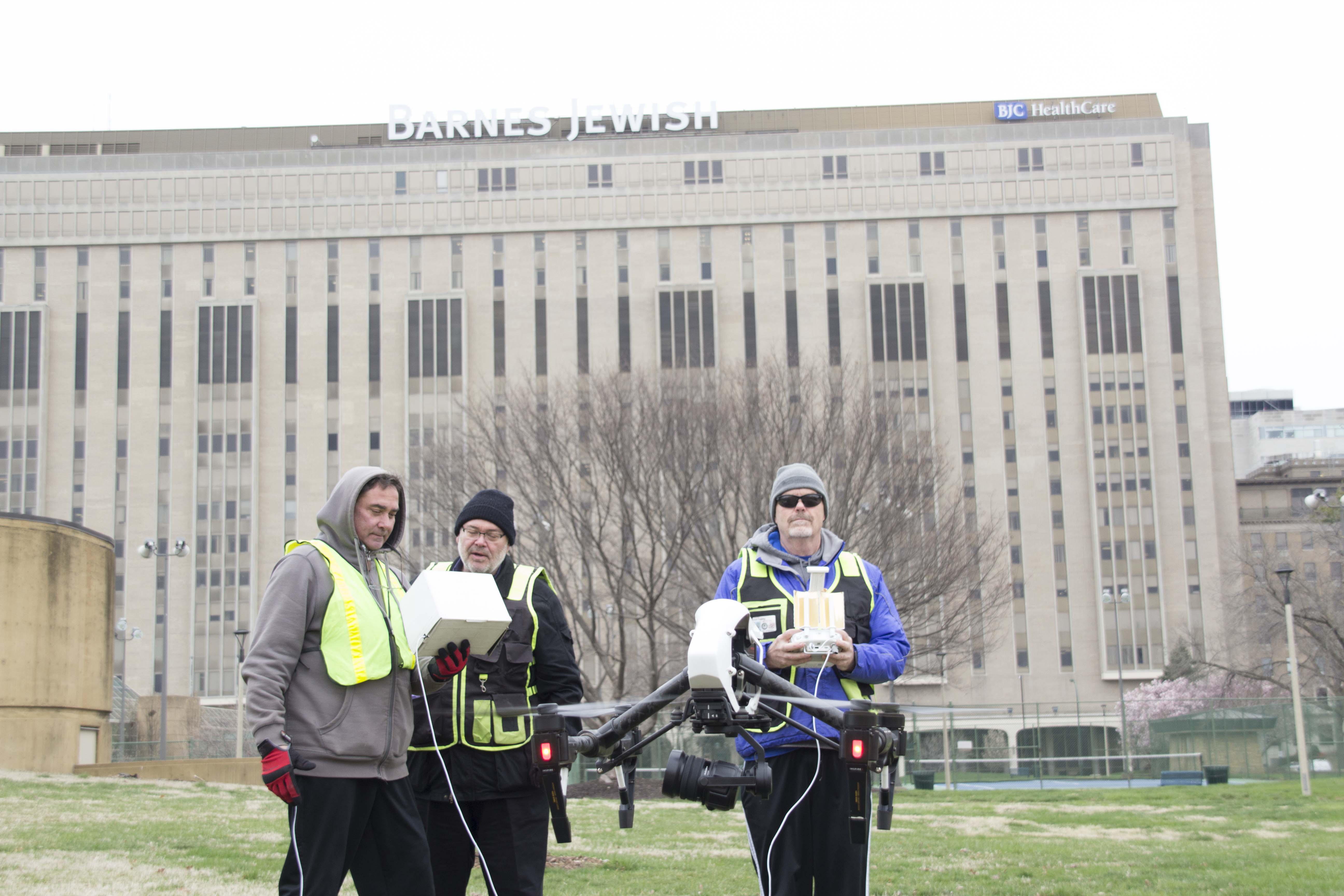
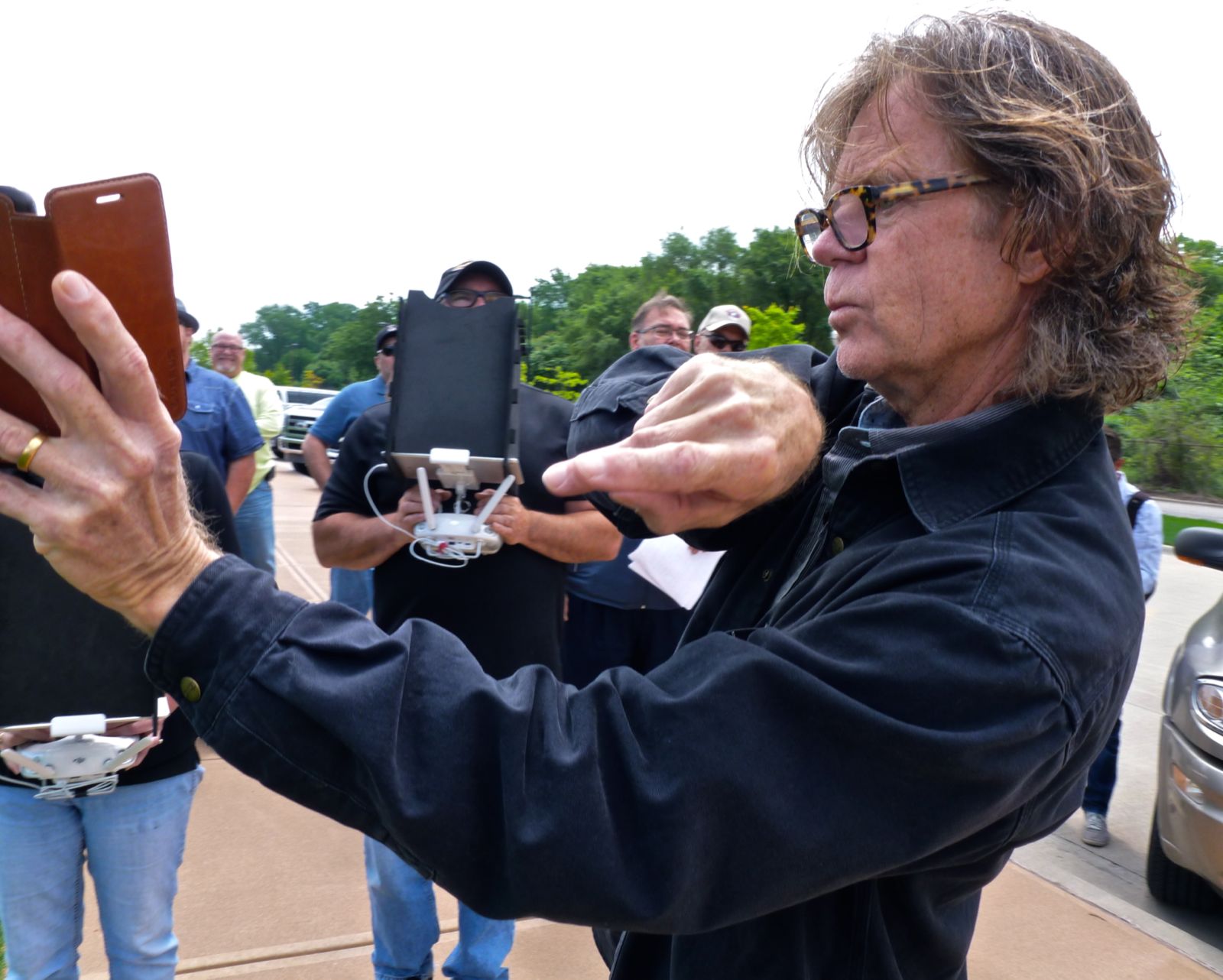
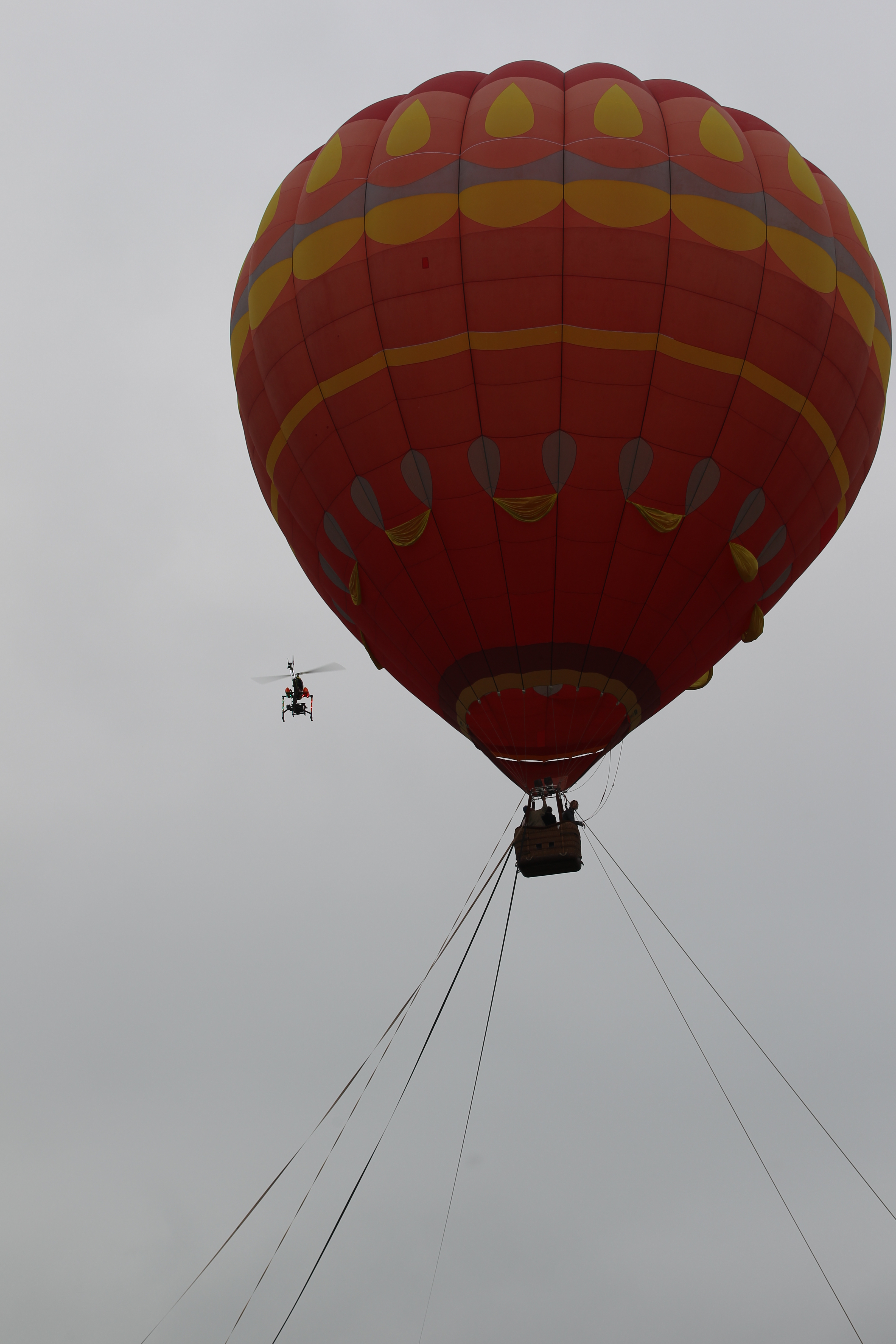
A drone operator, when the event and venue allow, adds aerial establishing shots for outdoor events, campuses, and grand openings. Licensed operators keep the work compliant. Specialized FPV drones can also fly indoors for dynamic walkthrough footage of large venues, exhibit halls, and facilities.
The editor turns captured material into finished pieces. The best editors are involved in the planning, so the shoot gives them the coverage they need.
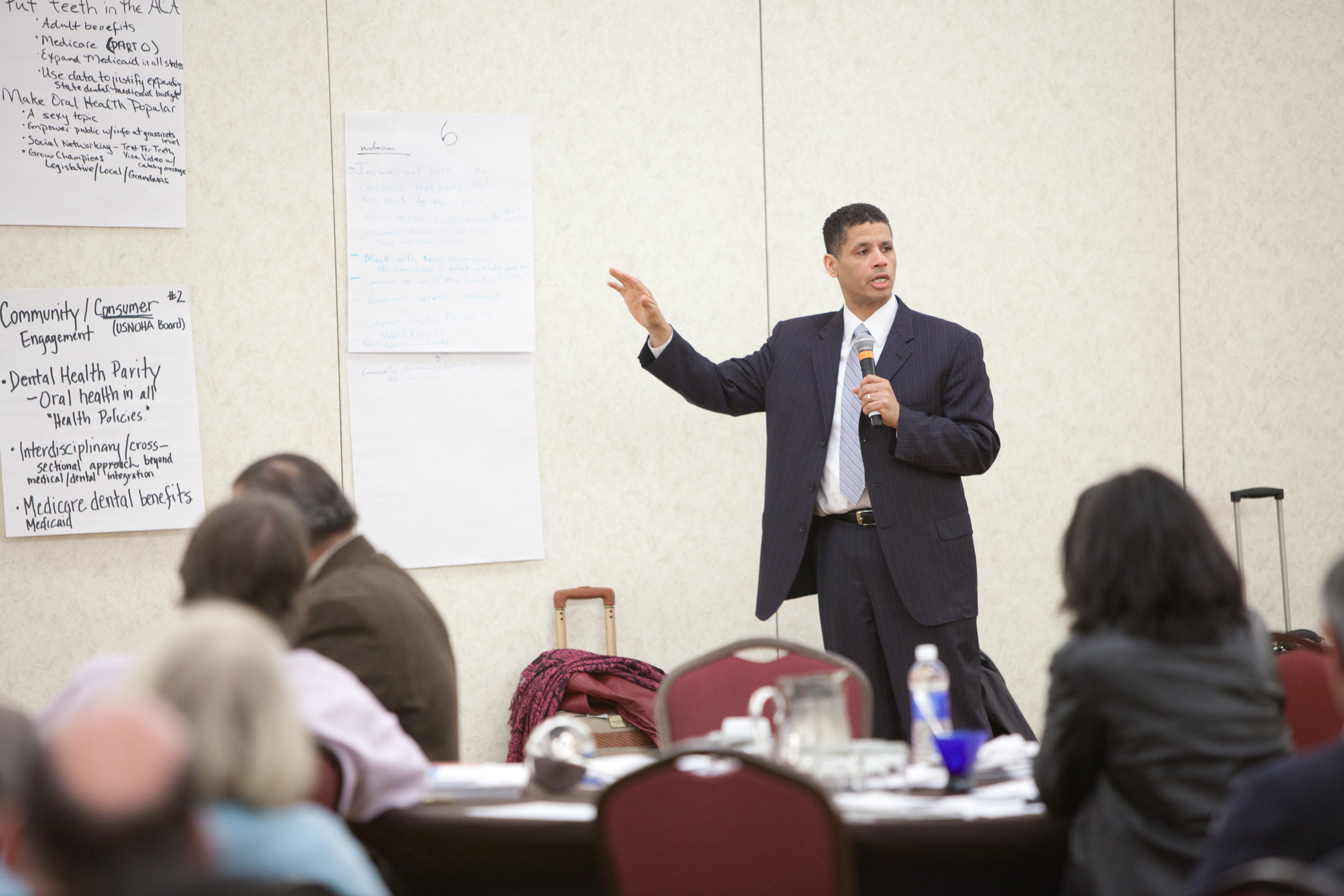
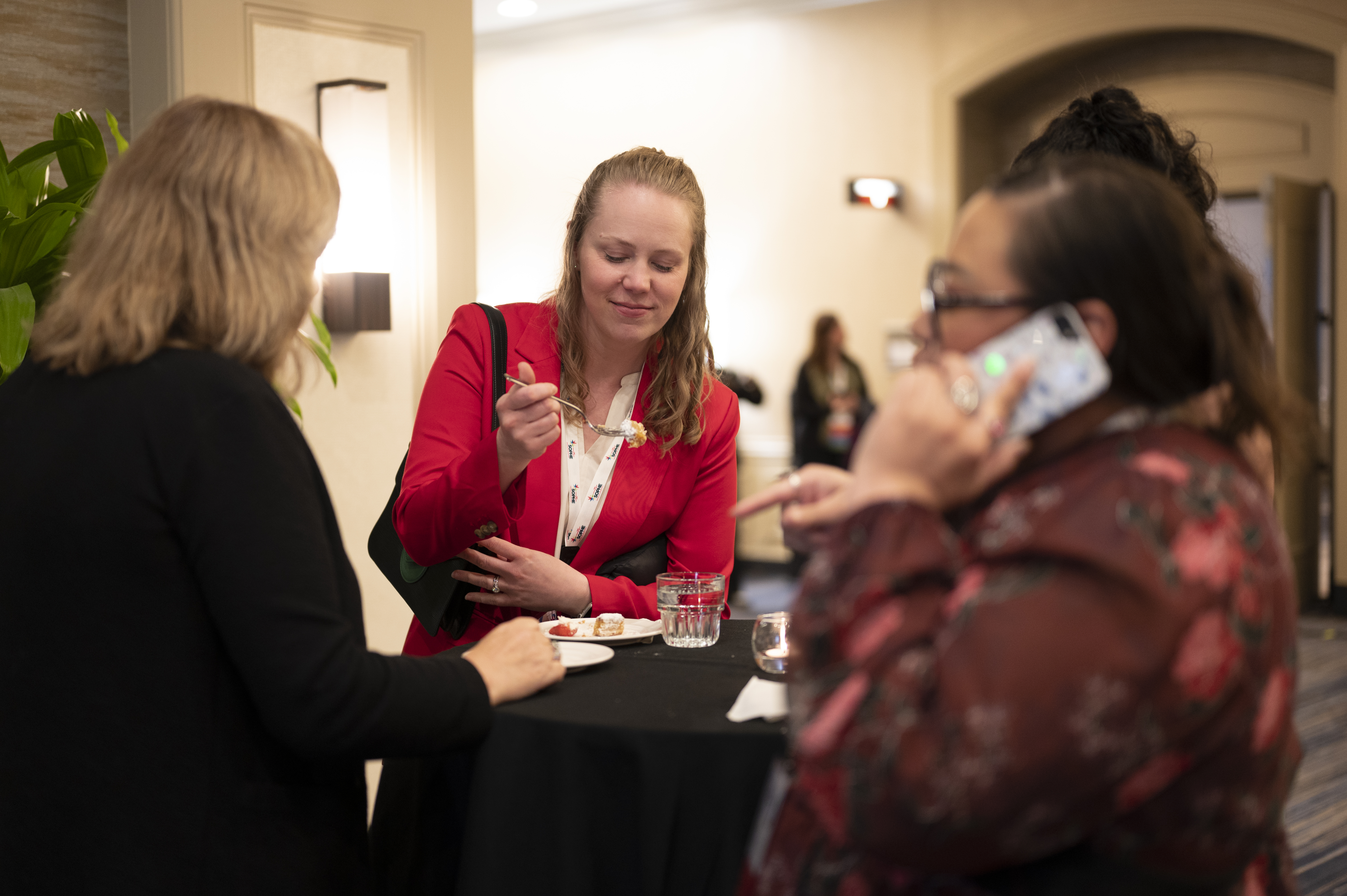
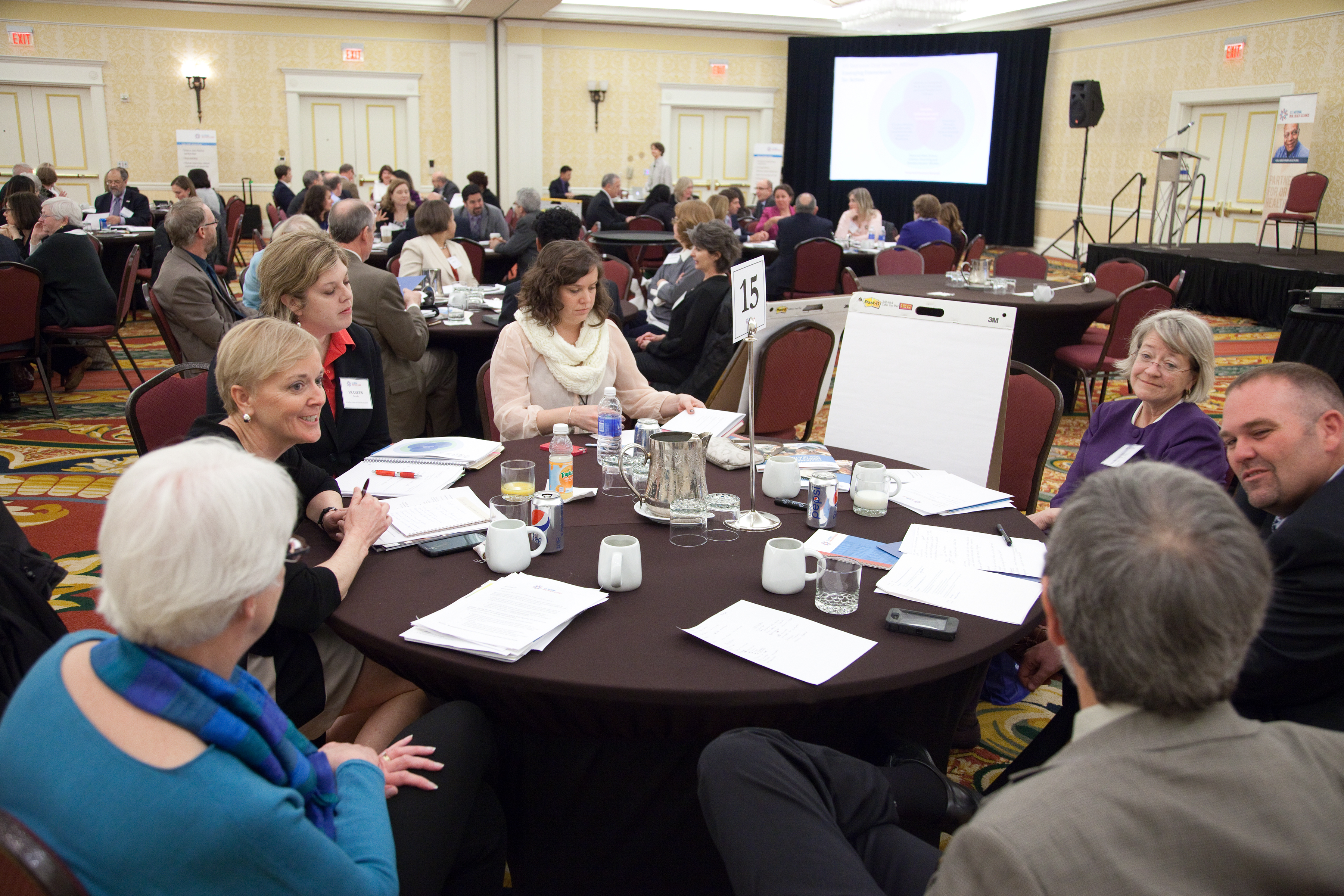
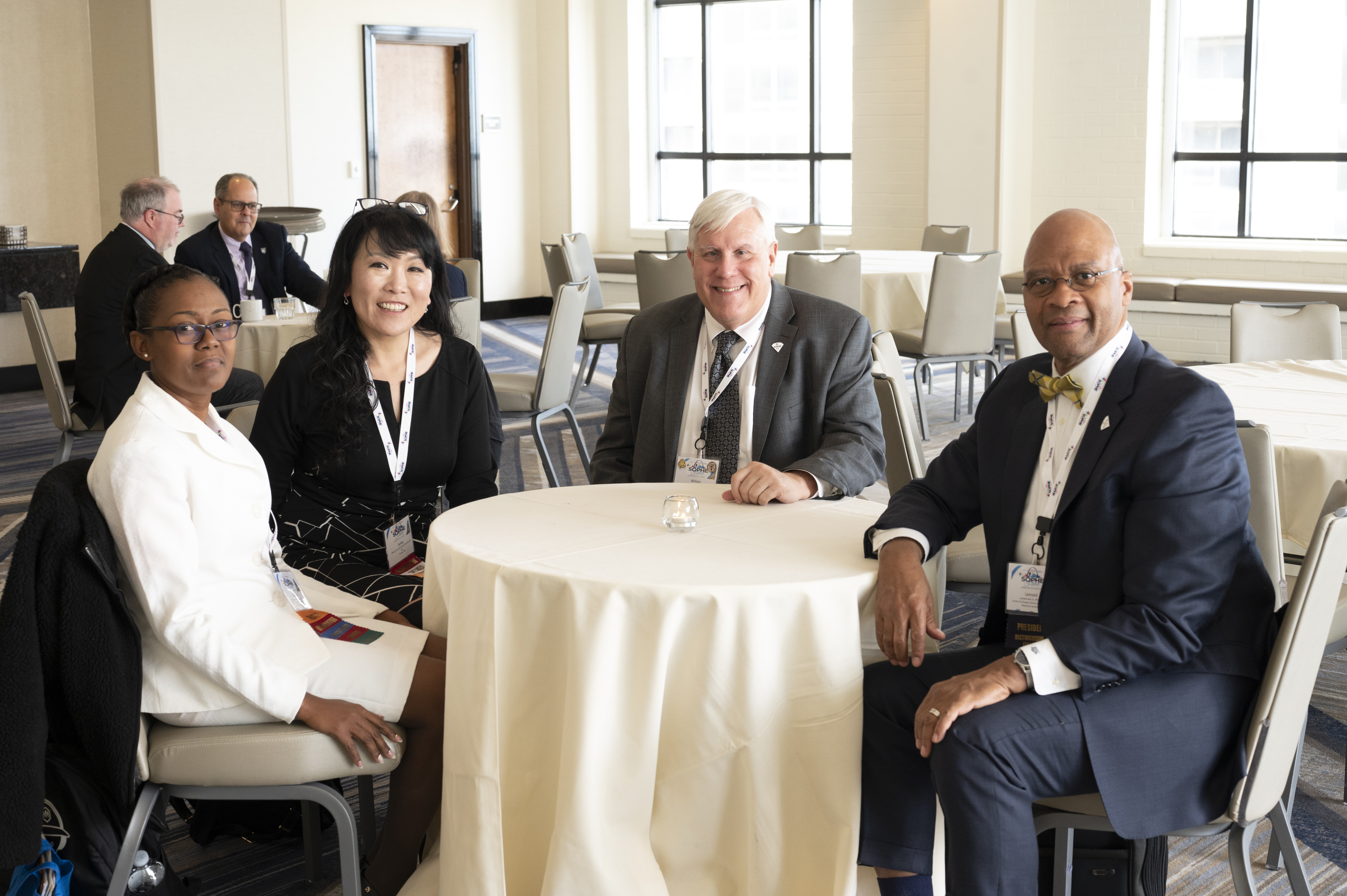
Equipment: Matching Gear to Conditions
Event venues are hard on cameras. Ballrooms are dim, stage lighting changes constantly, LED screens create exposure problems, and sound bounces off hard surfaces. Professional crews prepare for these conditions with:
- Cameras with strong low-light performance and fast lenses
- Support for steady, repeatable shots, including tripods, gimbals, and sliders where appropriate
- Wireless microphone systems, direct audio feeds, and backup recorders
- Redundant recording so a single card or drive failure doesn’t cost you the keynote
- Monitoring on every camera and audio channel, so problems are caught while they can still be fixed
Redundancy matters because nobody can ask the CEO to give the speech again.
Live Streaming and Webcasting
More events now reach online audiences as well as in-room attendees, whether through a full webcast, a hybrid format, or a short live segment for a major announcement. Streaming adds work that standard recording doesn’t:
- A reliable, tested connection at the venue, ideally with a backup path
- Live switching between camera angles
- Graphics such as speaker names, sponsor logos, and slides
- A clean mixed audio feed
- A person monitoring the stream and ready to respond if something fails
If streaming is a possibility, raise it early. It affects crew size, equipment, and what we need to coordinate with the venue.
Planning Details That Protect the Result
Most problems with event video come from planning gaps, and most can be prevented with a few steps.
Share the run-of-show early. Agendas, speaker lists, and key moments let the producer place cameras and operators where they’ll matter.
Scout the venue. A walkthrough, in person or remote, answers questions about sight lines, power, lighting, load-in, and where interviews can happen with a quiet background.
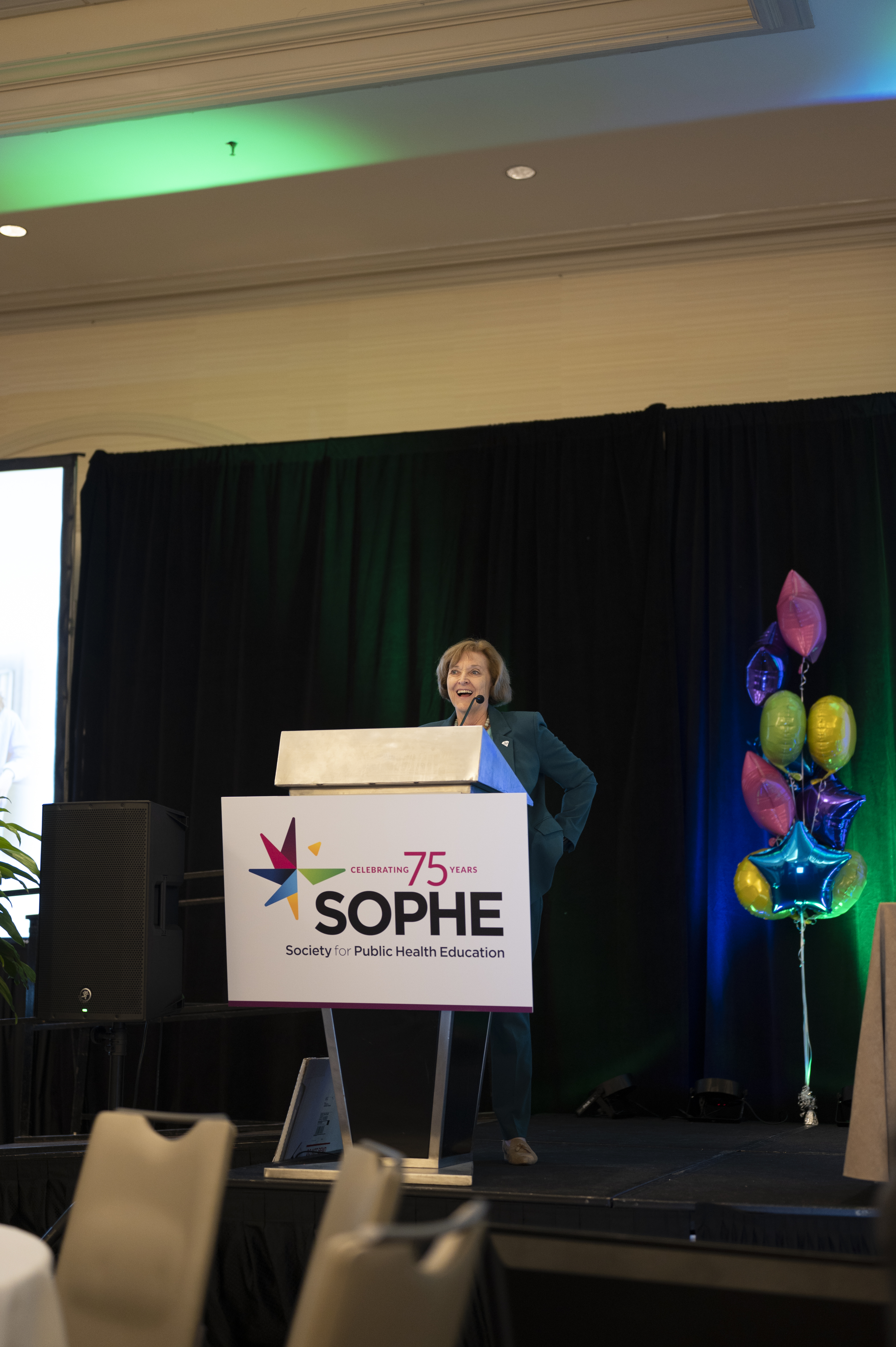
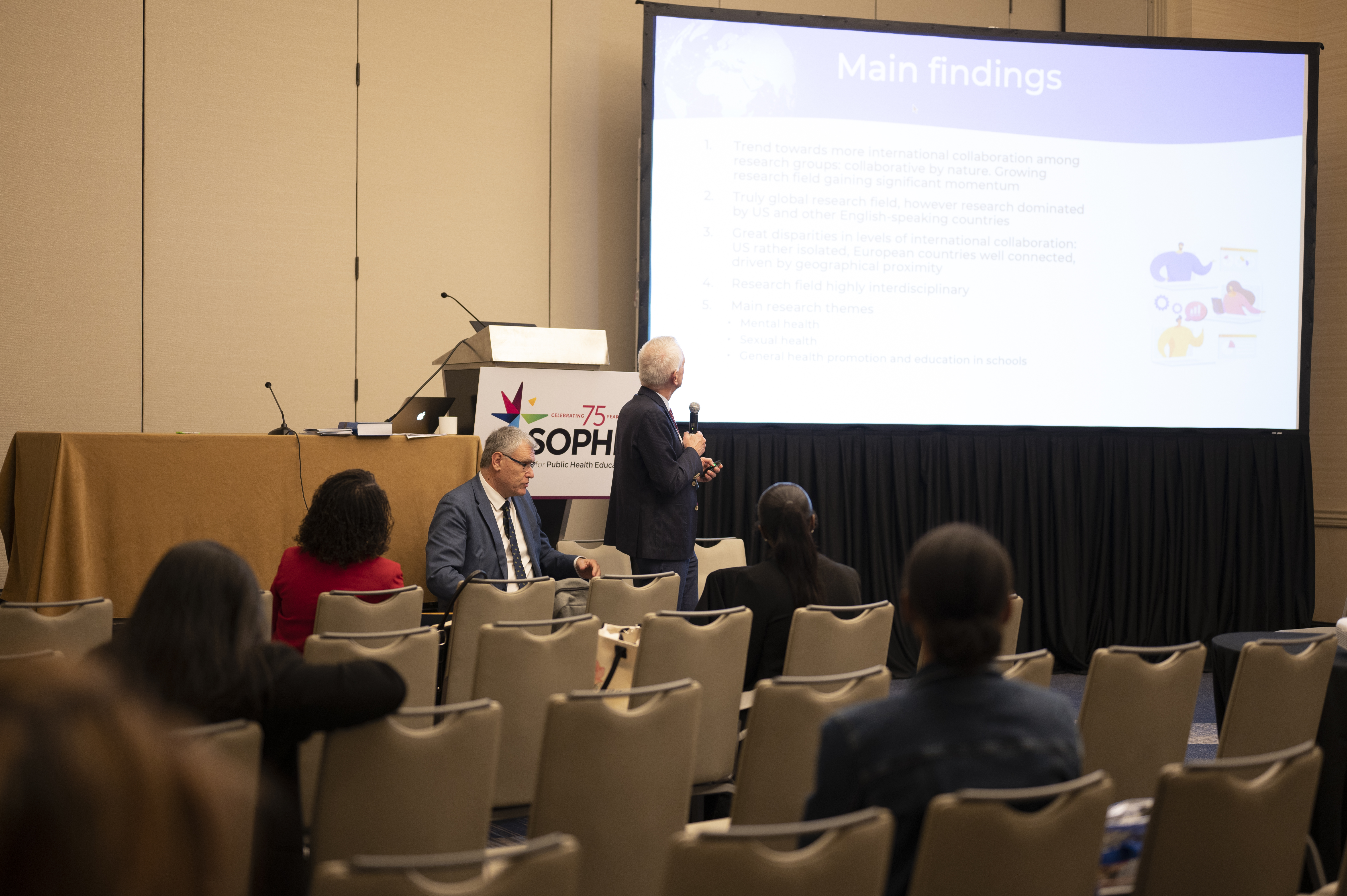
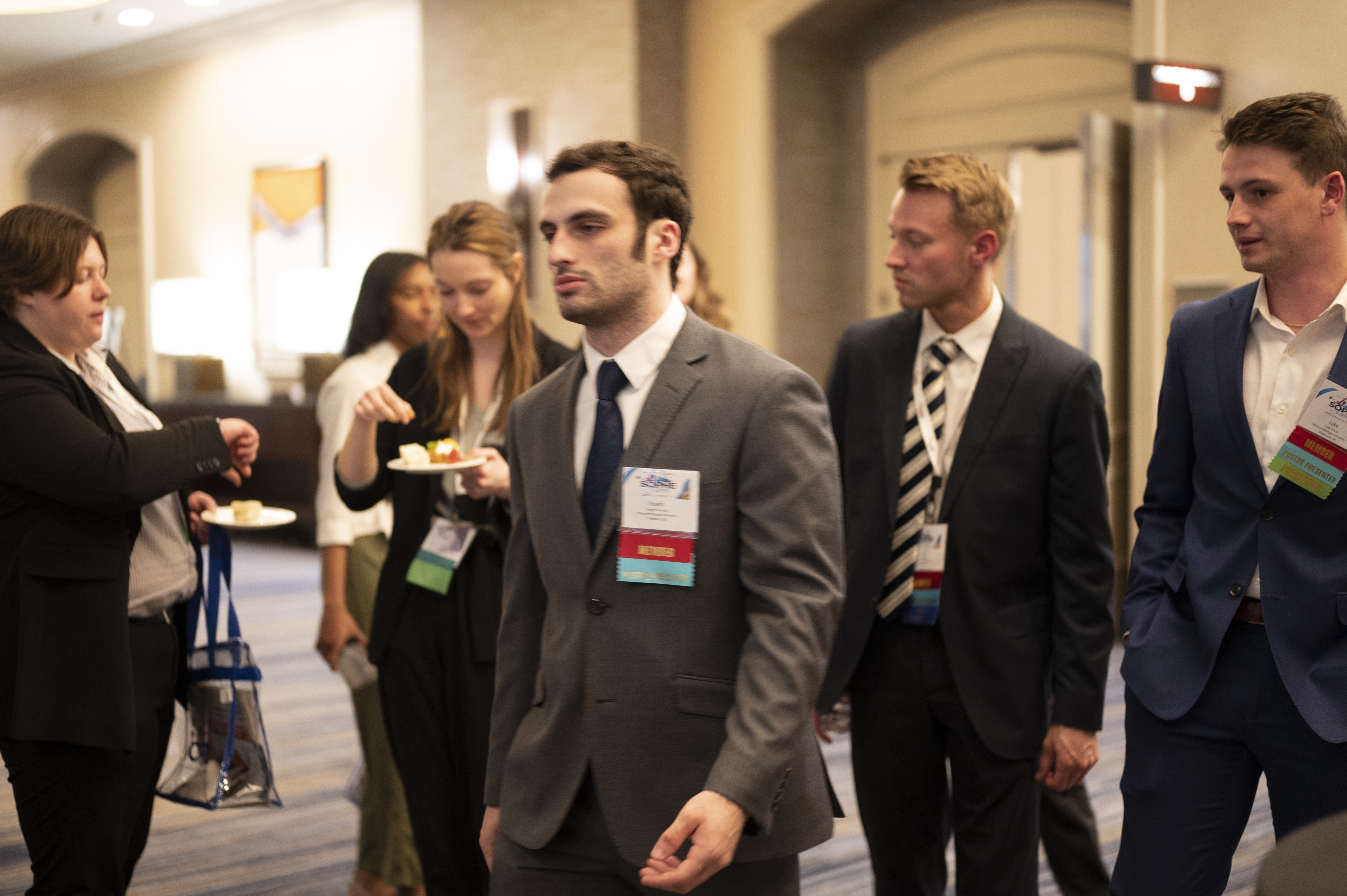
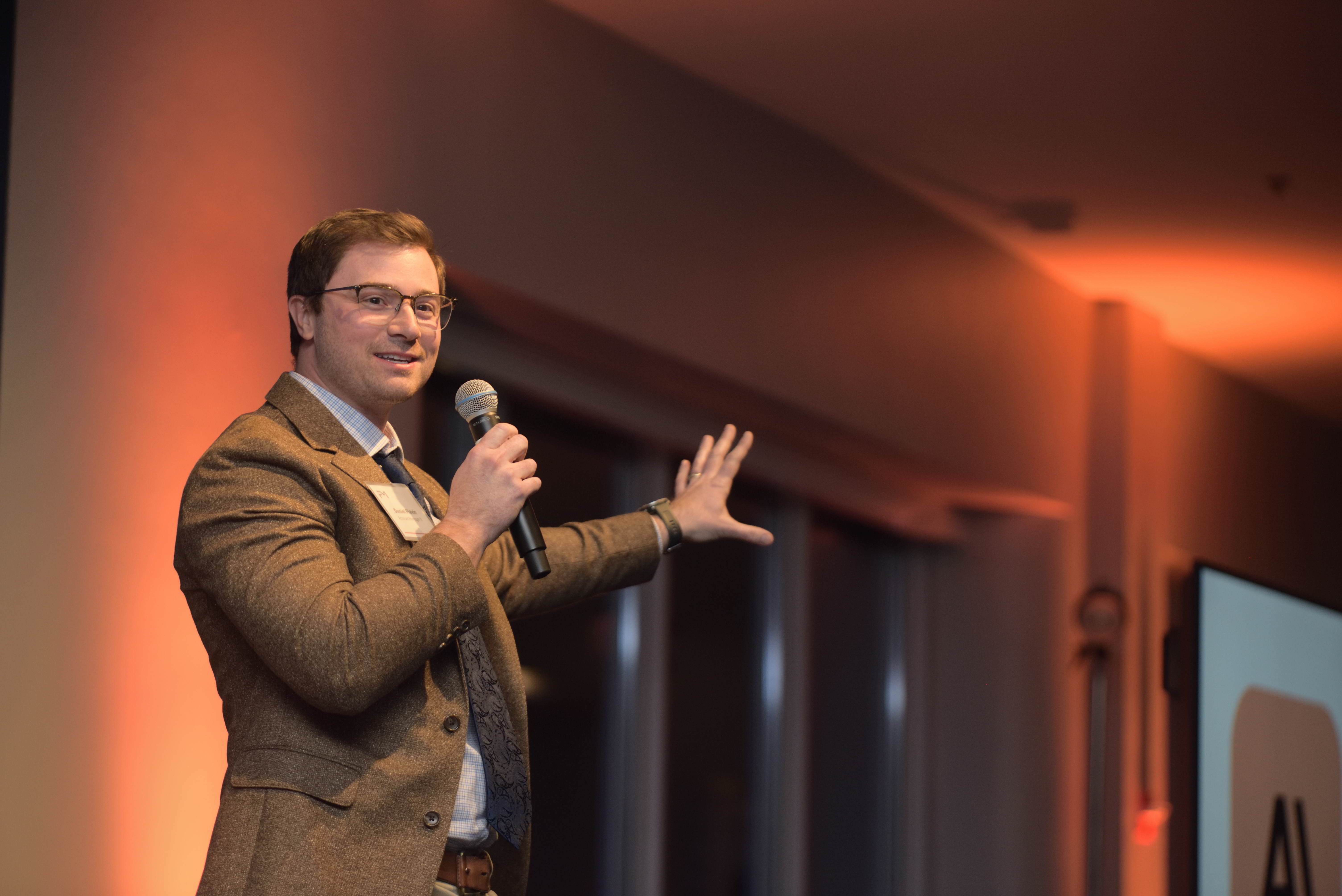
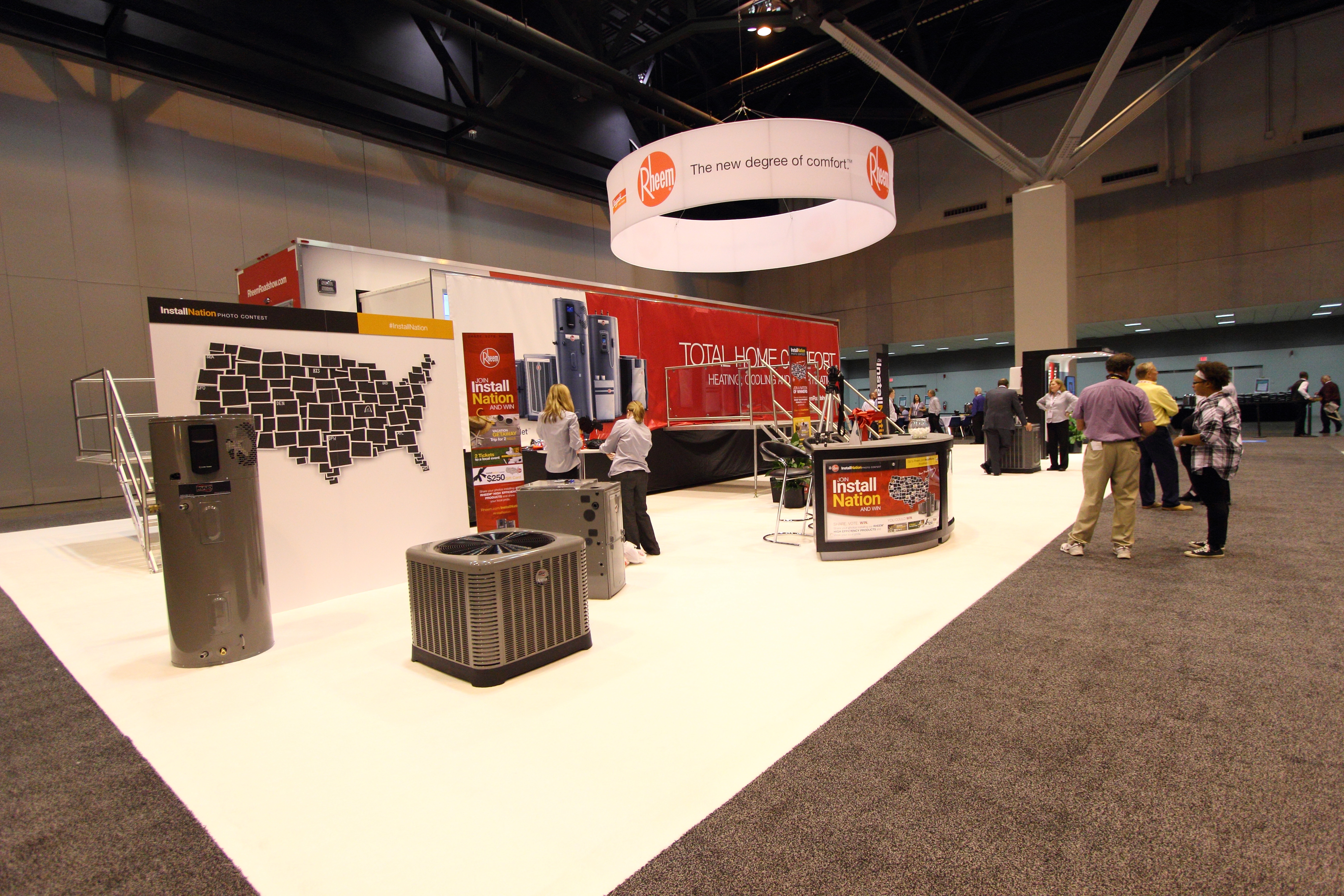
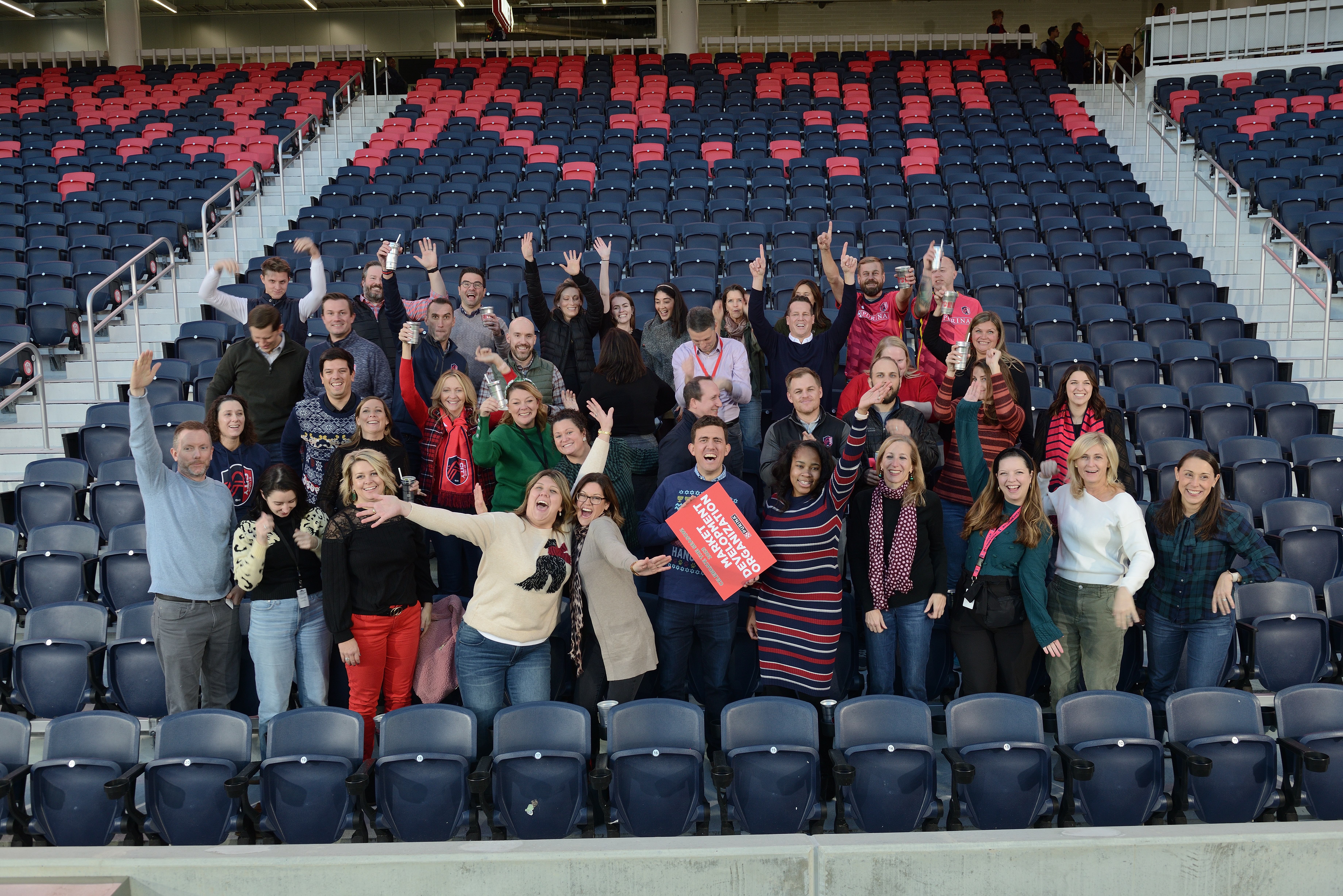
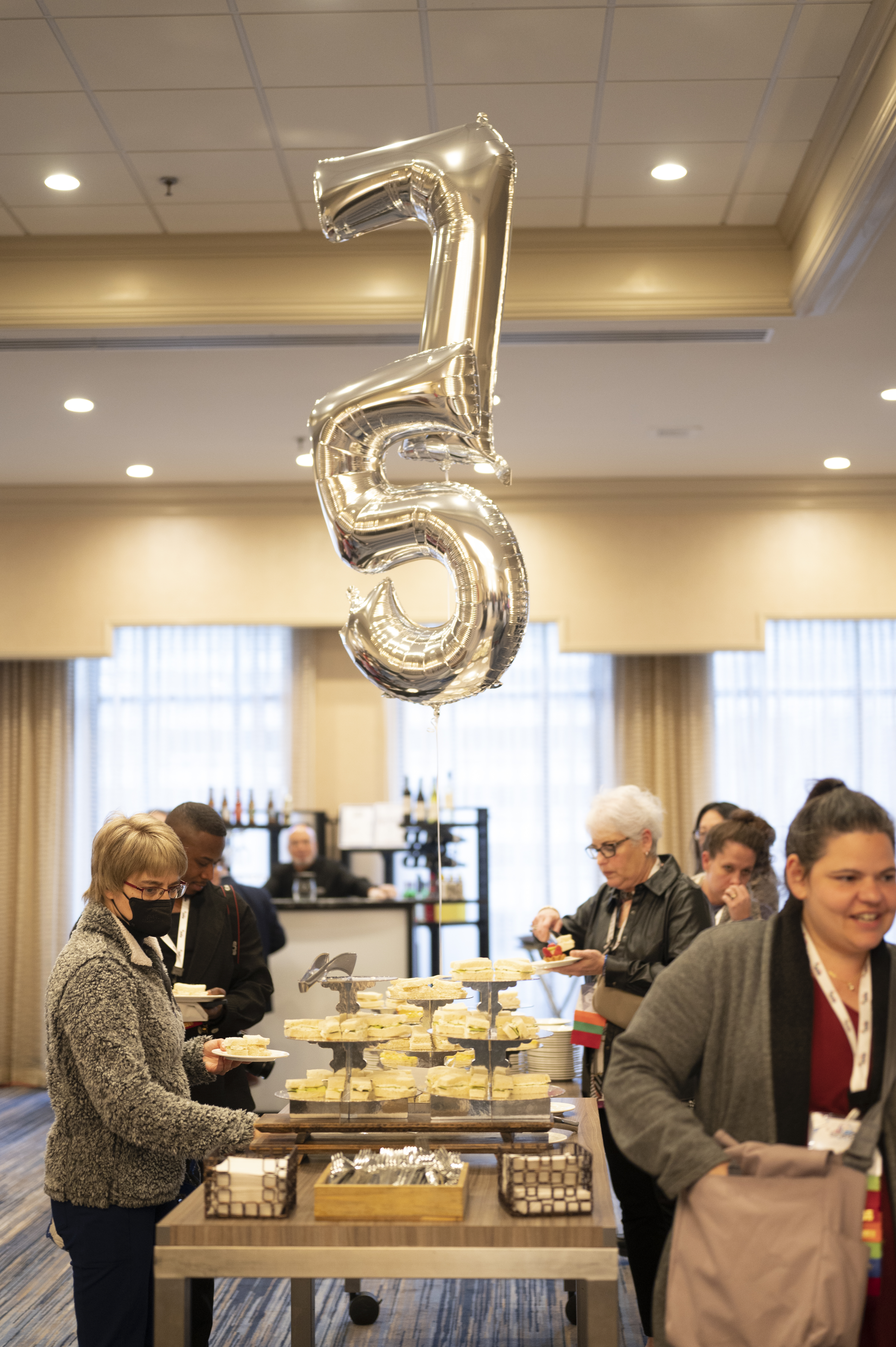
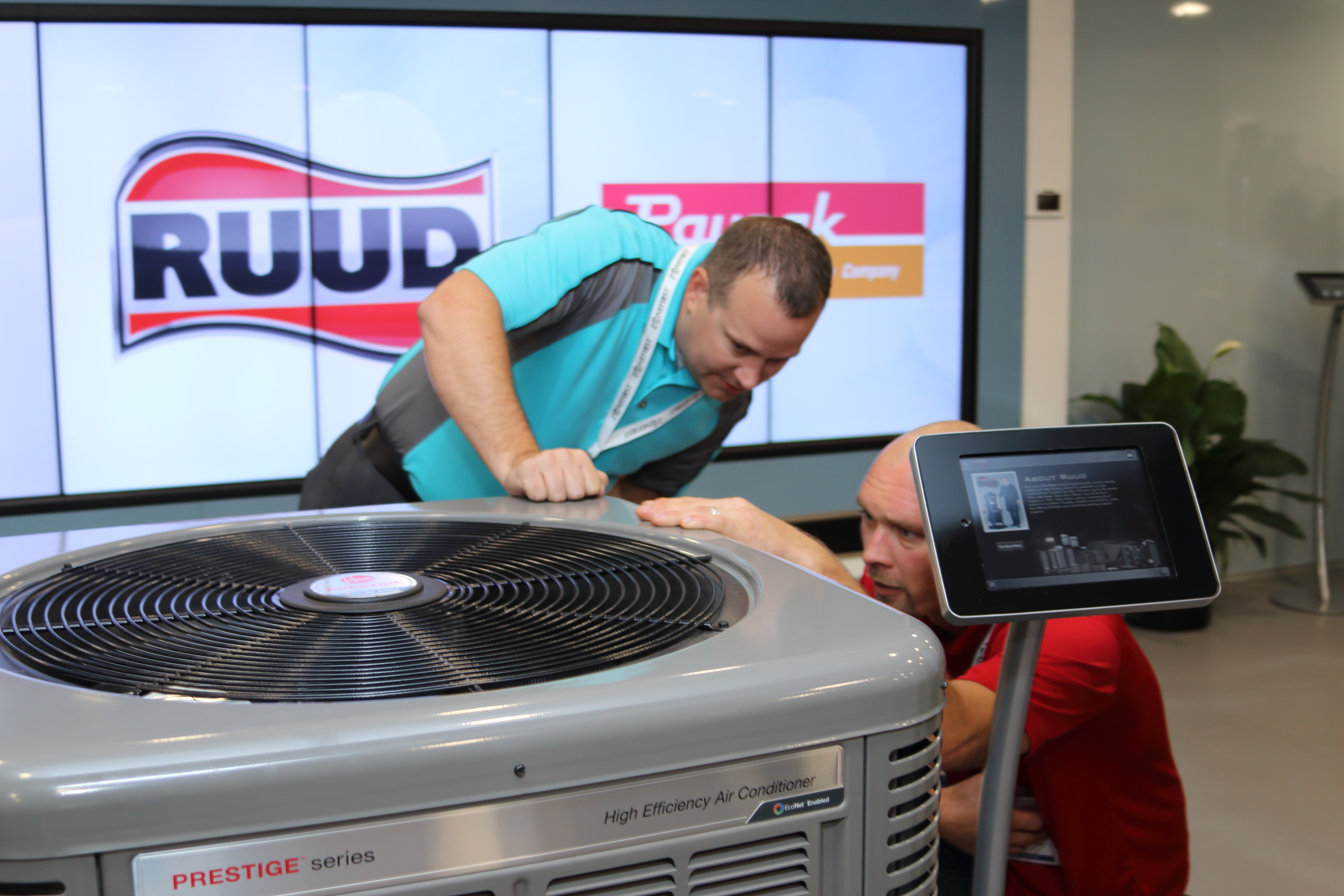
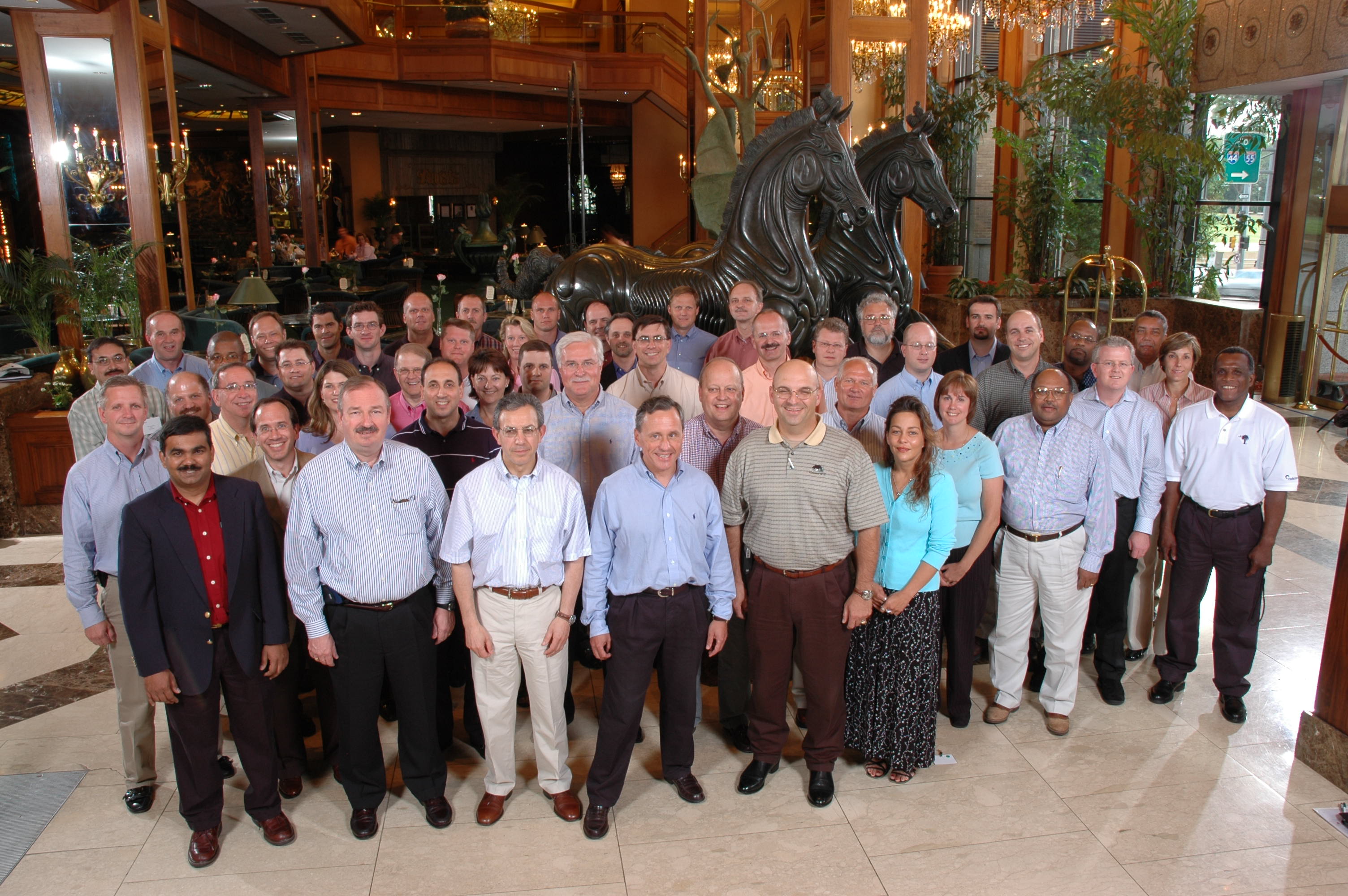
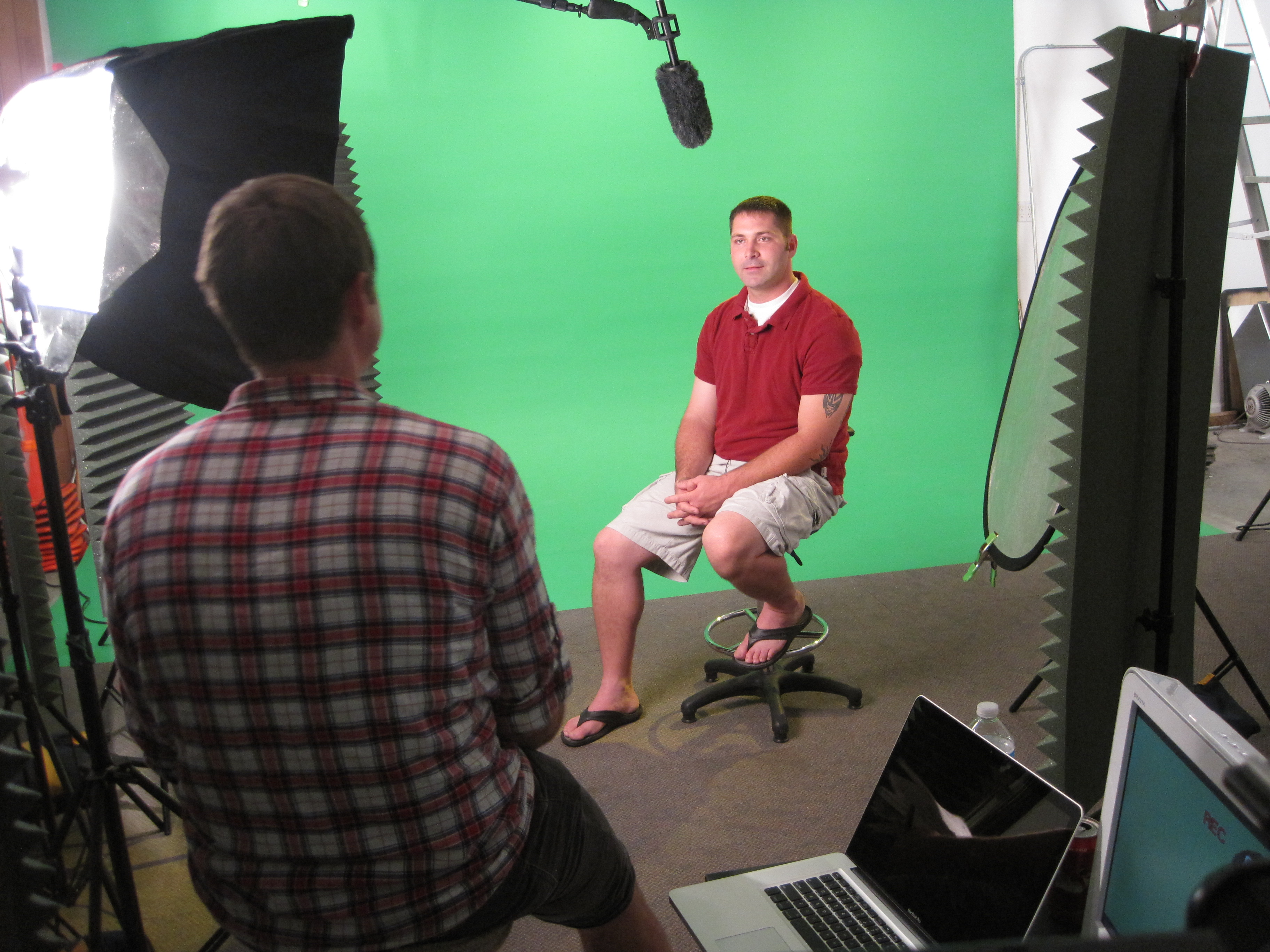
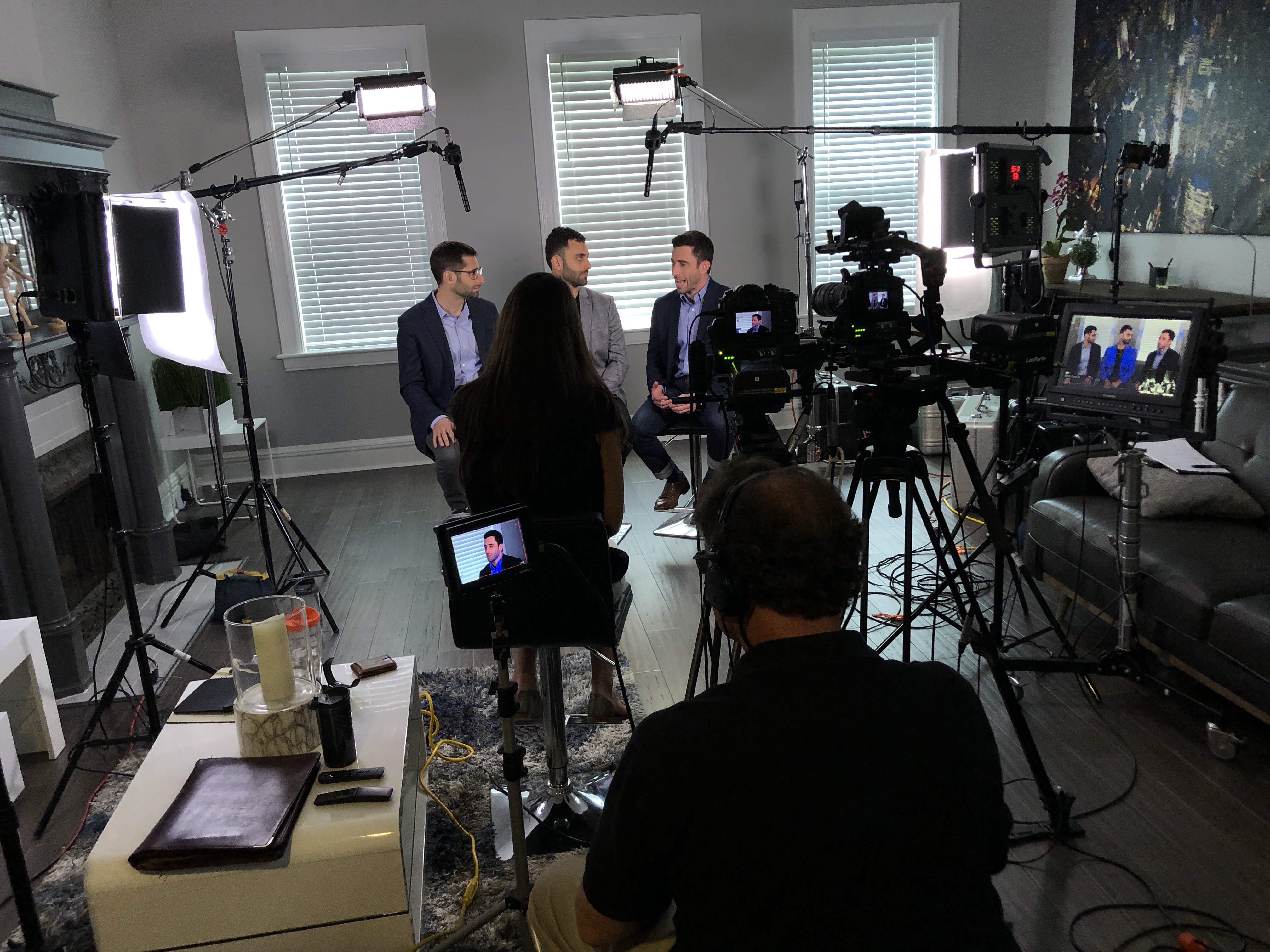
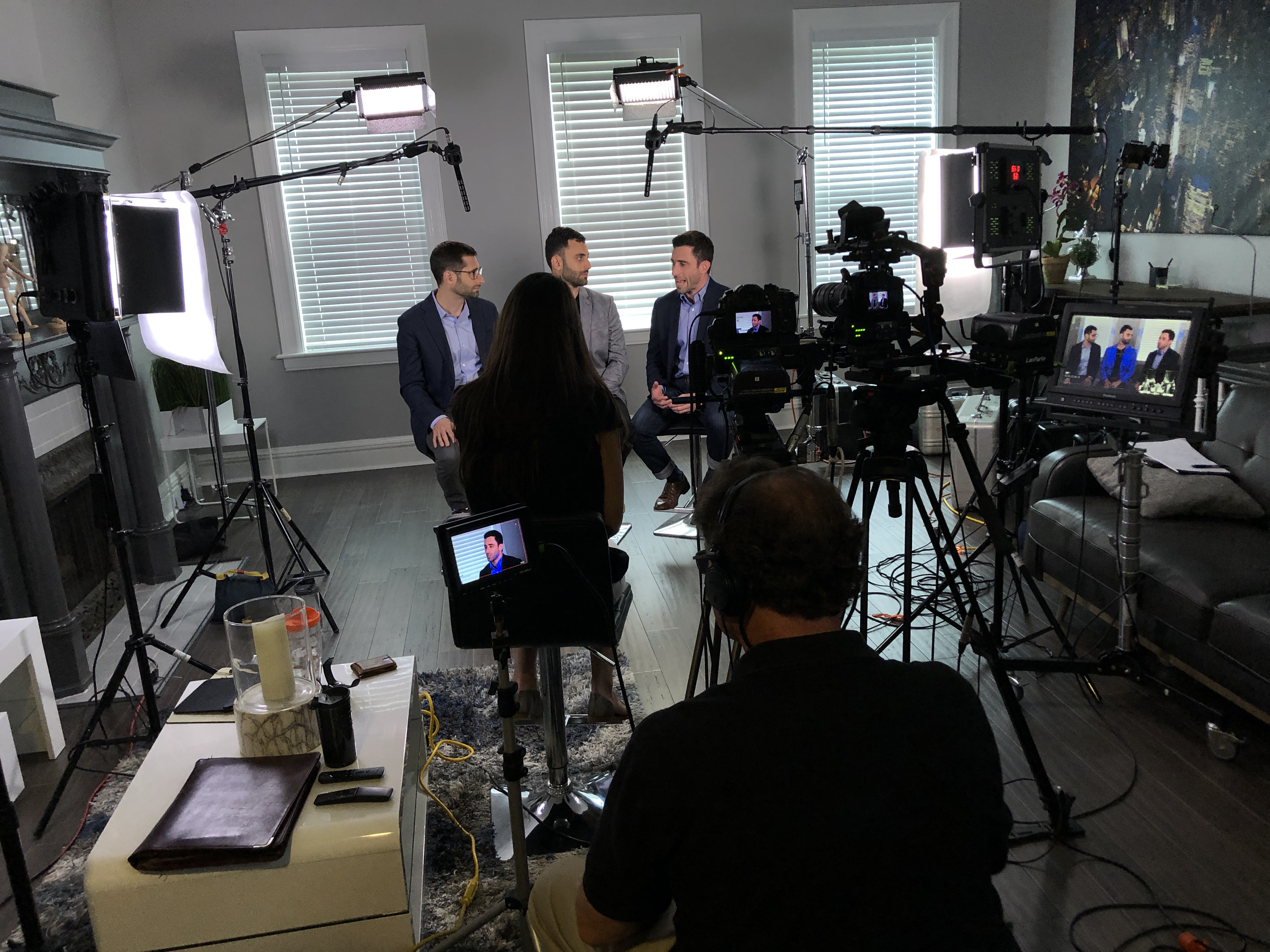
Plan for interviews. Events bring your executives, customers, partners, and speakers into one place. A short interview setup with controlled lighting and sound can generate testimonials and messaging you’d otherwise schedule separately.
Capture b-roll deliberately. Signage, setup, registration, networking, product displays, and venue details give editors the footage to make a recap feel complete.
Define deliverables before the shoot. Know whether you need a highlight reel, full-session recordings, social clips, testimonials, or all of them. That decision shapes the shooting plan, so make it before the event and not afterward.
Post-Production: Where the Footage Becomes Content
Raw event footage is material, not a finished product. Post-production includes selecting the best moments, cutting and pacing, color correction, audio cleanup, captions, graphics, and formatting for each platform you’ll publish on.
Artificial intelligence now helps with transcription, captioning, tagging footage, and rough assembly. That shortens turnaround, but an experienced editor still decides what the story is.
Plan to repurpose from the beginning. A single keynote can yield a full-session recording, a short promotional clip, quote graphics, and material for a blog post. One interview can become a testimonial, a social video, and a recruiting message. Footage from this year’s event can anchor next year’s promotion.
What to Ask Before You Hire
- How many crew members will you send, and what will each one do?
- What cameras and audio equipment will you bring, and what is your backup plan?
- Can you handle live streaming and recording at the same event?
- How do you capture audio at events like ours?
- Can you show examples of similar events?
- What are your turnaround times for each deliverable?
- Can you help us repurpose the content afterward?

A team that answers specifically and confidently has probably dealt with those situations before.
About St Louis Video Production
St Louis Video Production is a full-service professional commercial photography and video production company. Since 1982, we have worked with many businesses, marketing firms, and creative agencies in the St. Louis area on their marketing photography and video. That experience, the right equipment, and a creative crew with real service experience are what make image acquisition successful, particularly at live events where there are no retakes.
We offer full-service studio and location video and photography, plus editing, post-production, and licensed drone services. We can customize your production for diverse media requirements. Repurposing your photography and video branding to gain more traction is another specialty. We are well-versed in all file types, styles of media, and accompanying software, and we use the latest in artificial intelligence across our media services.
We support every aspect of your production:
- Private studio: Our studio lighting and visual setup is perfect for small productions and interview scenes. It is large enough to incorporate props and round out your set, and we can set up a private, custom interview studio for your project.
- Crew and equipment: We supply professional sound and camera operators along with the right equipment, so your next video production is seamless and successful.
- Location scouting and b-roll: Our specialists find the right settings and capture the supporting footage that gives your finished video depth.
- Specialized drone services: In addition to licensed aerial coverage, we can fly specialized FPV drones indoors. Our other drone services include infrared thermal imaging, orthomosaics, and LiDAR.
Planning a conference, product launch, gala, or corporate event? Contact Mike Haller at St Louis Video Production at 314-913-5626 or stlouisvideoproduction@gmail.com to talk through your goals. We’ll build a production plan that captures the event and keeps it working for your brand long after it ends.
















Leave a Reply