Experienced Crews | Professional Equipment | Studio & Remote Production

Posts tagged ‘Promotional video production St Louis’

Script and Plan Your Training Video Production: Essential Tips for Success

Creating a compelling and effective training video requires careful planning and execution. Whether you’re training new employees, providing product tutorials, or sharing best practices, a well-produced training video can enhance engagement, ensure knowledge retention, and streamline the learning process. However, it all begins with a solid plan and a structured script. In this post, weโ€™ll cover the essential steps to scripting and planning your next training video production.

Whether you need on-camera talent or voiceover artists, make sure they understand the objectives and tone of the video.

1. Define Your Objectives

Before you even think about shooting your training video, you must define its purpose. What are you trying to achieve with this video? Are you introducing new employees to the companyโ€™s culture, policies, or procedures? Are you showing a step-by-step guide on how to use a specific tool or platform?

Clear objectives will guide the tone, style, and structure of the video, ensuring it serves its intended purpose effectively. Write down the goals of the video and focus on the key takeaways you want the audience to retain.

2. Know Your Audience

Understanding who your audience is will help you adjust the video’s style, tone, and complexity. Is this video for entry-level employees, seasoned professionals, or external clients? Adjust your language, pace, and visuals accordingly. For example, an employee onboarding video might need to break down complex processes into digestible steps, while an advanced product tutorial could feature a more technical approach.

3. Craft a Strong Script

A well-written script is the backbone of your training video. Your script should clearly define each section of the video, including:

  • Introduction: Start with an engaging introduction to capture attention. Outline what the video is about and explain why itโ€™s important.
  • Main Content: Break down the training content into manageable sections. This could include demonstrations, explanations, and real-life examples. Include any relevant visuals and descriptions of actions.
  • Conclusion: Summarize the key points from the video, reinforcing the main takeaways. Include a call-to-action (CTA), such as encouraging viewers to practice what theyโ€™ve learned or to follow up with additional training.

Each section should be concise, direct, and engaging to maintain the audienceโ€™s attention.

4. Plan Visuals and Supporting Elements

Training videos are more than just talking heads. Visual elements, like screen recordings, demonstrations, graphics, and diagrams, are crucial for reinforcing the message. Visual aids should complement the script to clarify complex concepts.

Think about the following:

  • On-screen Text: Use captions or bullet points to highlight important concepts.
  • Demonstrations: Show examples of the skills or processes being taught, so learners can visualize the steps.
  • Graphics: Diagrams, charts, and infographics can break down information and make it easier to understand.

This is where creativity plays a vital role. A well-designed visual plan can elevate the production quality and effectiveness of the training video.

5. Determine the Videoโ€™s Format

Training videos come in many formats, including:

  • Live-action: Show real people performing tasks or demonstrating concepts.
  • Animation: Great for explaining abstract ideas or complex systems.
  • Screen Recording: Best for software tutorials or showcasing digital platforms.

Choose the format based on your audience, content, and budget. A mix of formats can also work well in maintaining interest and ensuring the material is easy to digest.

6. Organize the Logistics

Once you have your script and visual plan in place, itโ€™s time to organize the logistics:

  • Location: Do you need a studio, or will you shoot on location? Ensure the space is well-lit and free from distractions.
  • Talent: Who will be featured in the video? Whether you need on-camera talent or voiceover artists, make sure they understand the objectives and tone of the video.
  • Equipment: List all the necessary equipment, such as cameras, microphones, lighting, and props. Ensure everything is ready for the shoot to avoid delays or issues during production.
  • Schedule: Plan the timeline for filming, including the time needed for each segment and any breaks for talent or crew.

7. Production: Capture the Content

With everything in place, itโ€™s time to shoot the video. Stick to the script and plan, but be open to improvisation if new ideas or improvements come up during the shoot. It’s essential to keep your training video engaging, so make sure to keep the energy up, especially for longer videos.

8. Post-production: Polish the Video

Once filming is complete, post-production begins. This is where the magic happens, as youโ€™ll edit the footage, add transitions, include voiceovers or music, and ensure everything flows seamlessly. The editing process is vital to making your training video look polished and professional.

During post-production, you can also include features such as:

  • Subtitles and captions for accessibility
  • Animations to explain complex ideas
  • B-Roll footage to maintain viewer interest

Why Choose St. Louis Video Production?

At St. Louis Video Production, we understand the intricacies of crafting a powerful training video. As a full-service professional commercial photography and video production company, we have the right equipment and creative crew to deliver successful image acquisition and ensure your training video meets the highest standards.

We offer full-service studio and location video and photography, as well as editing, post-production, and licensed drone pilots. Our team is capable of customizing your productions for diverse types of media requirements, from employee onboarding videos to advanced product tutorials. We specialize in repurposing your photography and video branding to gain more traction, ensuring your message reaches a broader audience.

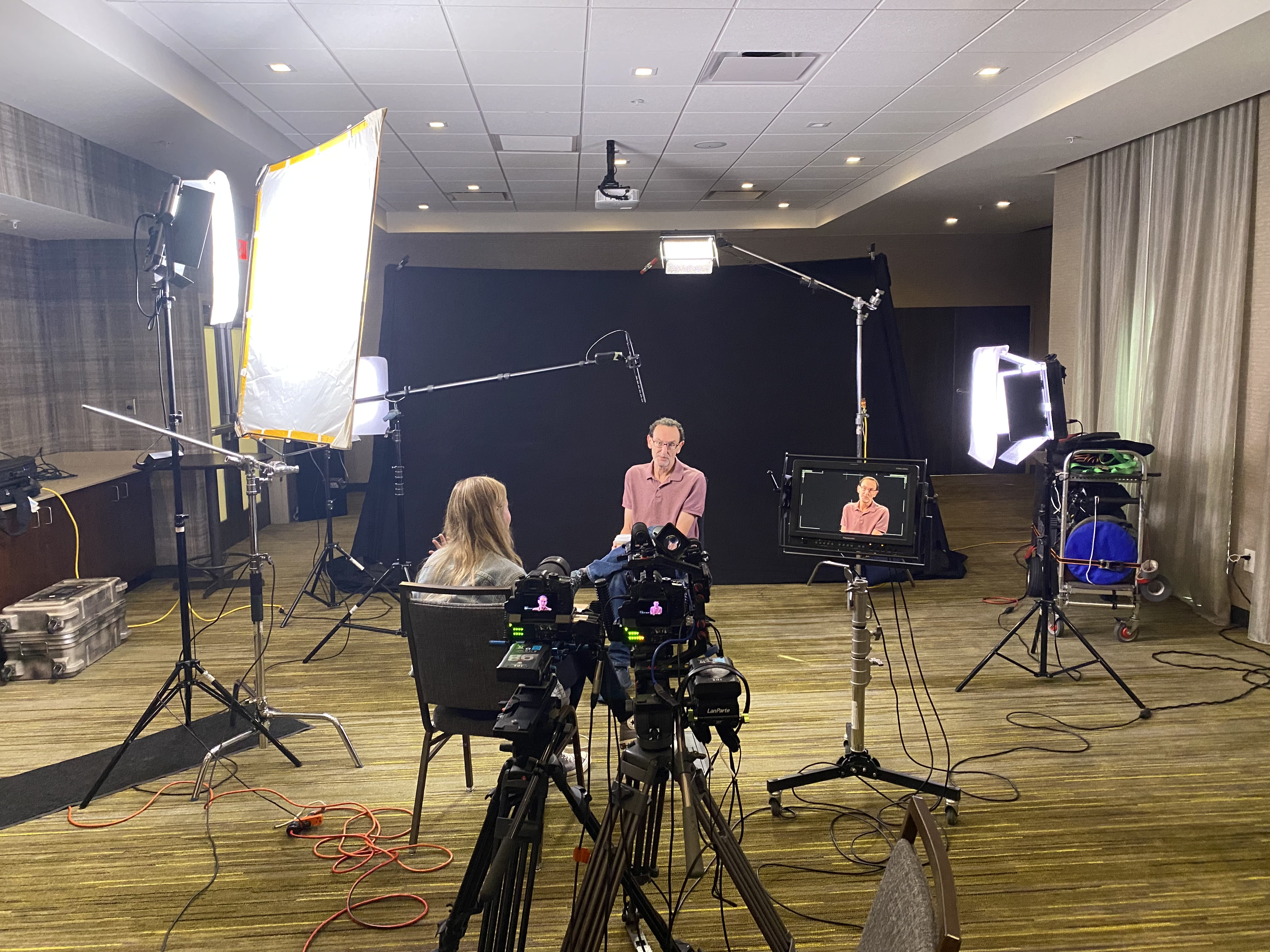
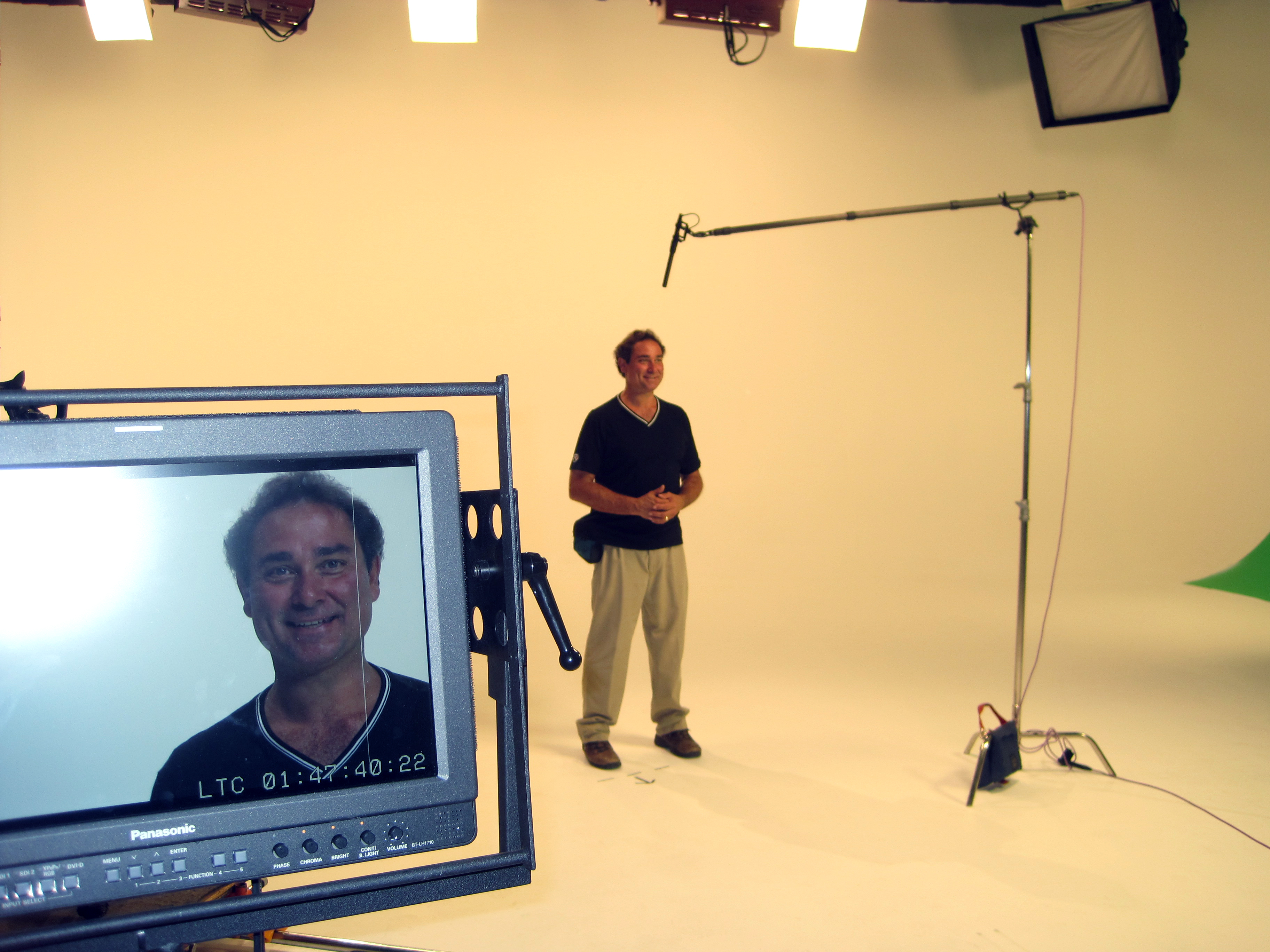
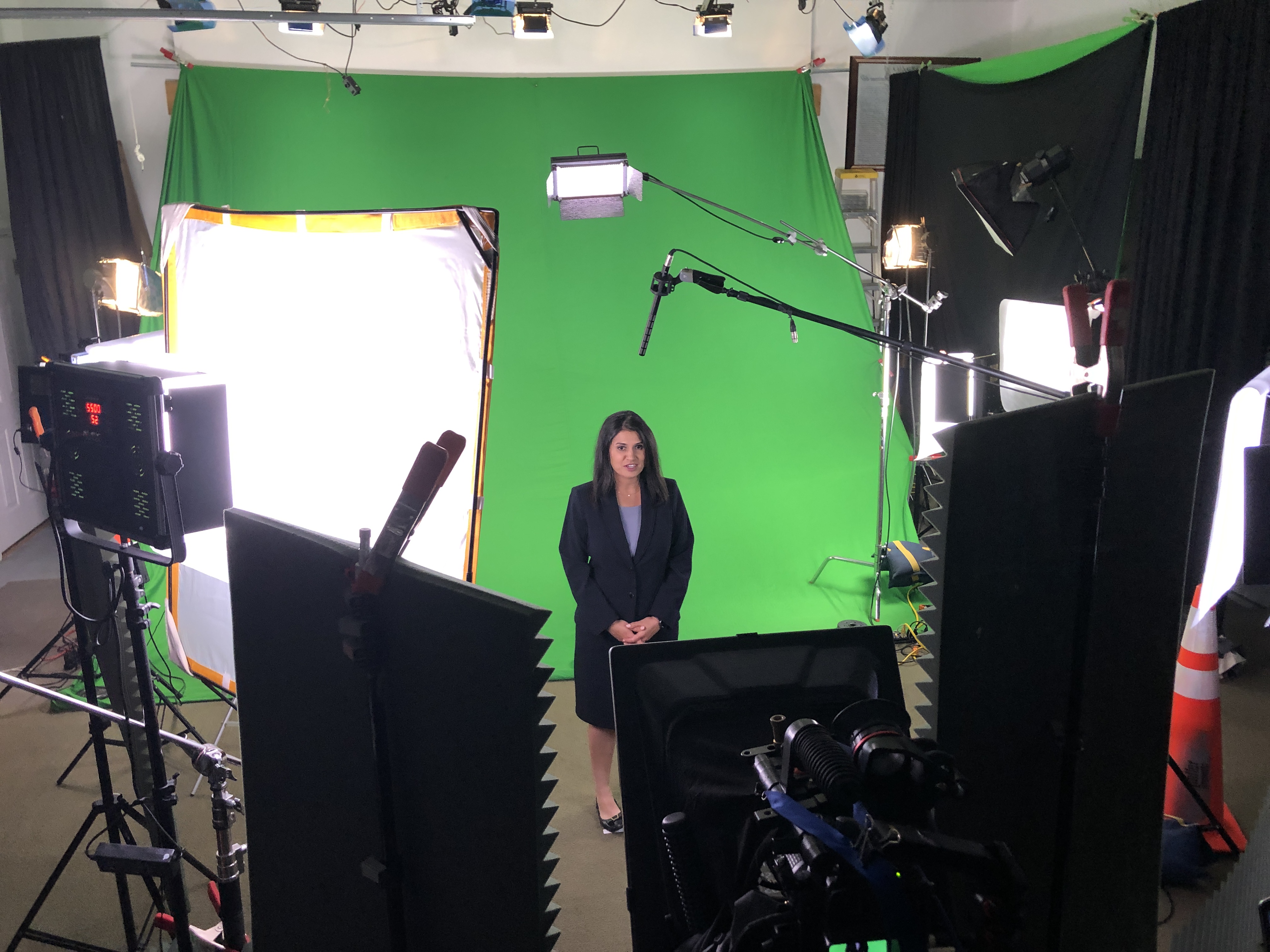
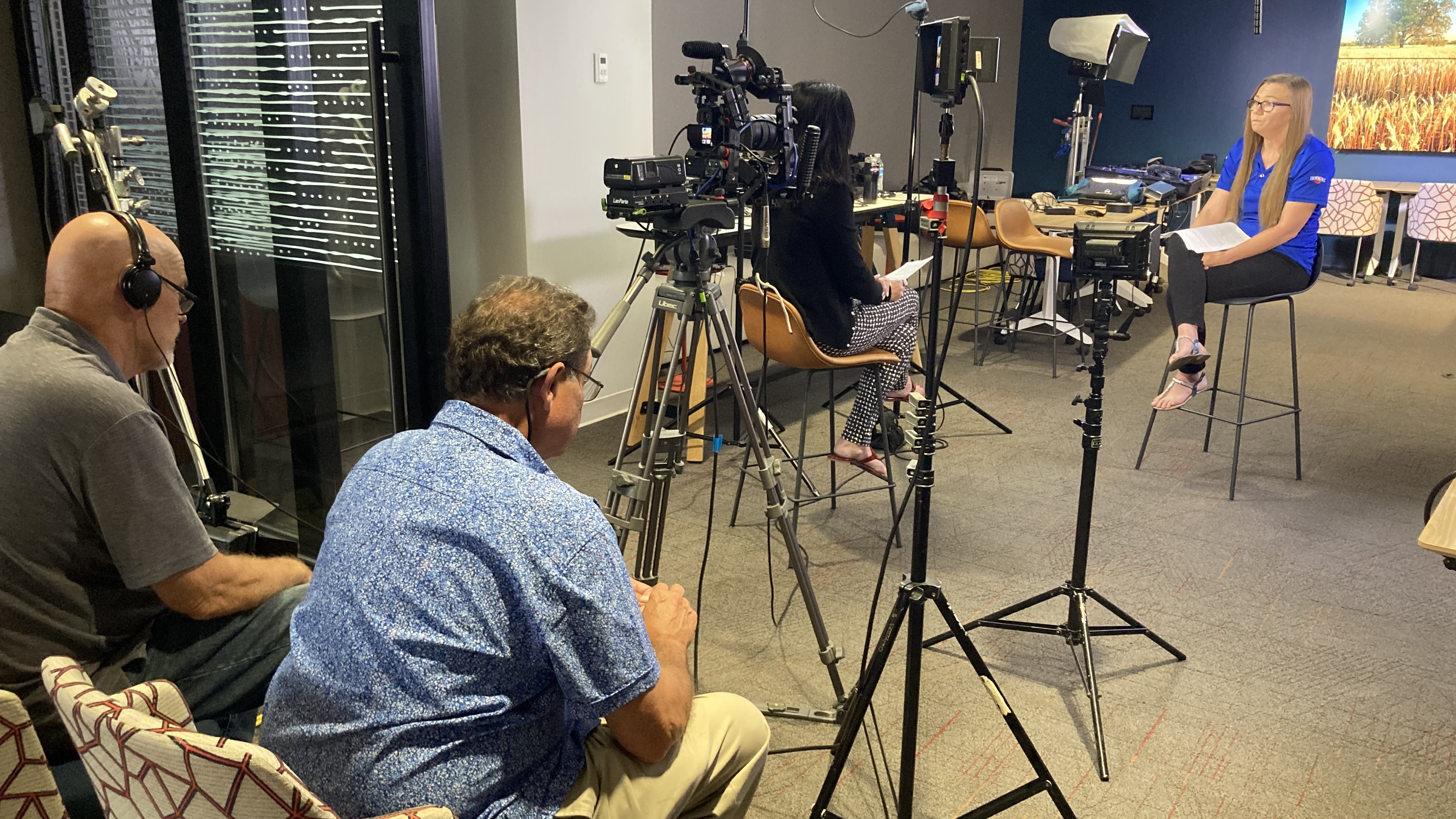
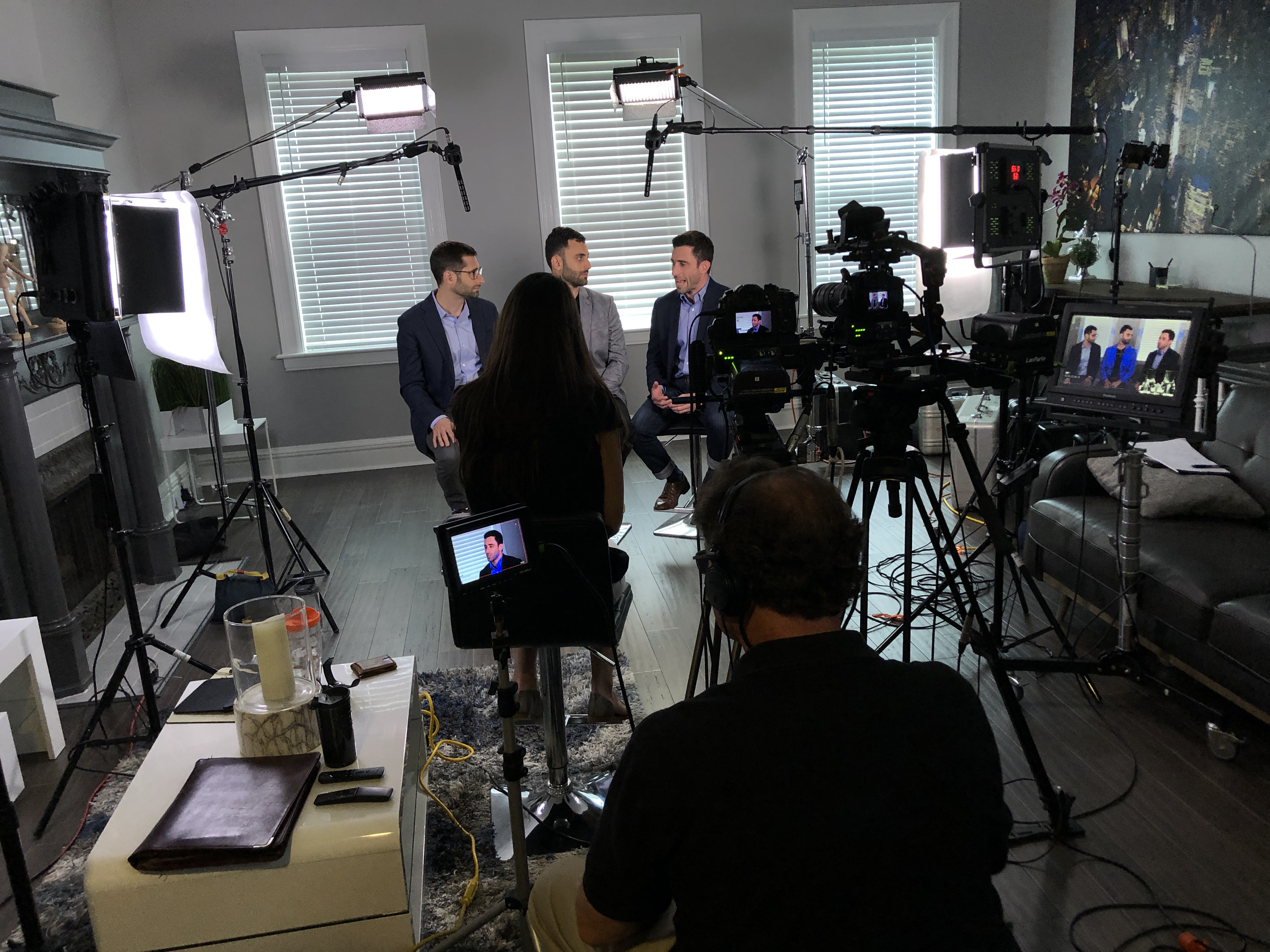
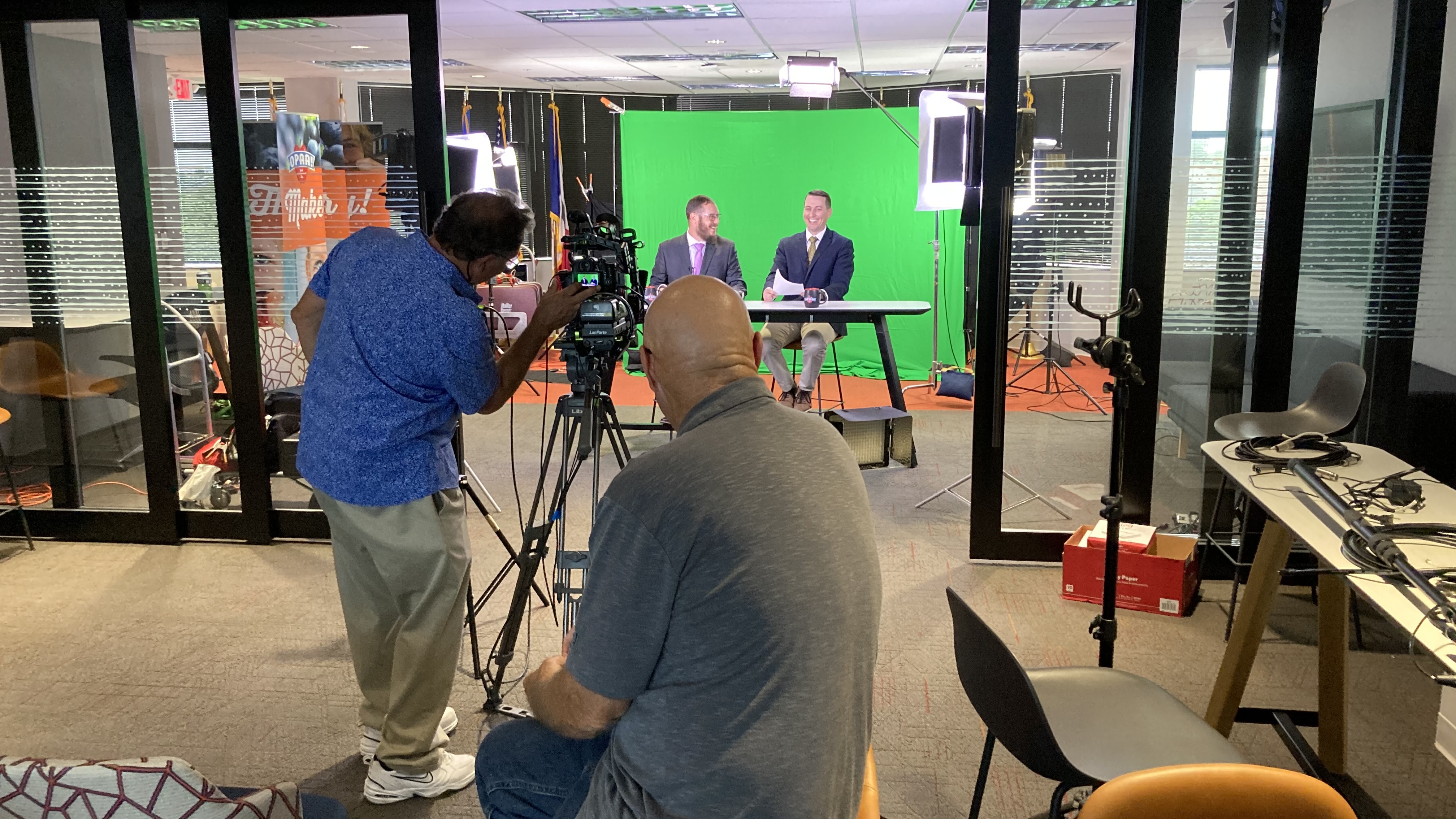
Our private studio lighting and visual setup are perfect for small productions and interview scenes. The studio is large enough to incorporate props, rounding out your set to create the ideal atmosphere for your video. We can assist in every part of your production, from setting up a custom interview studio to providing sound and camera operators.

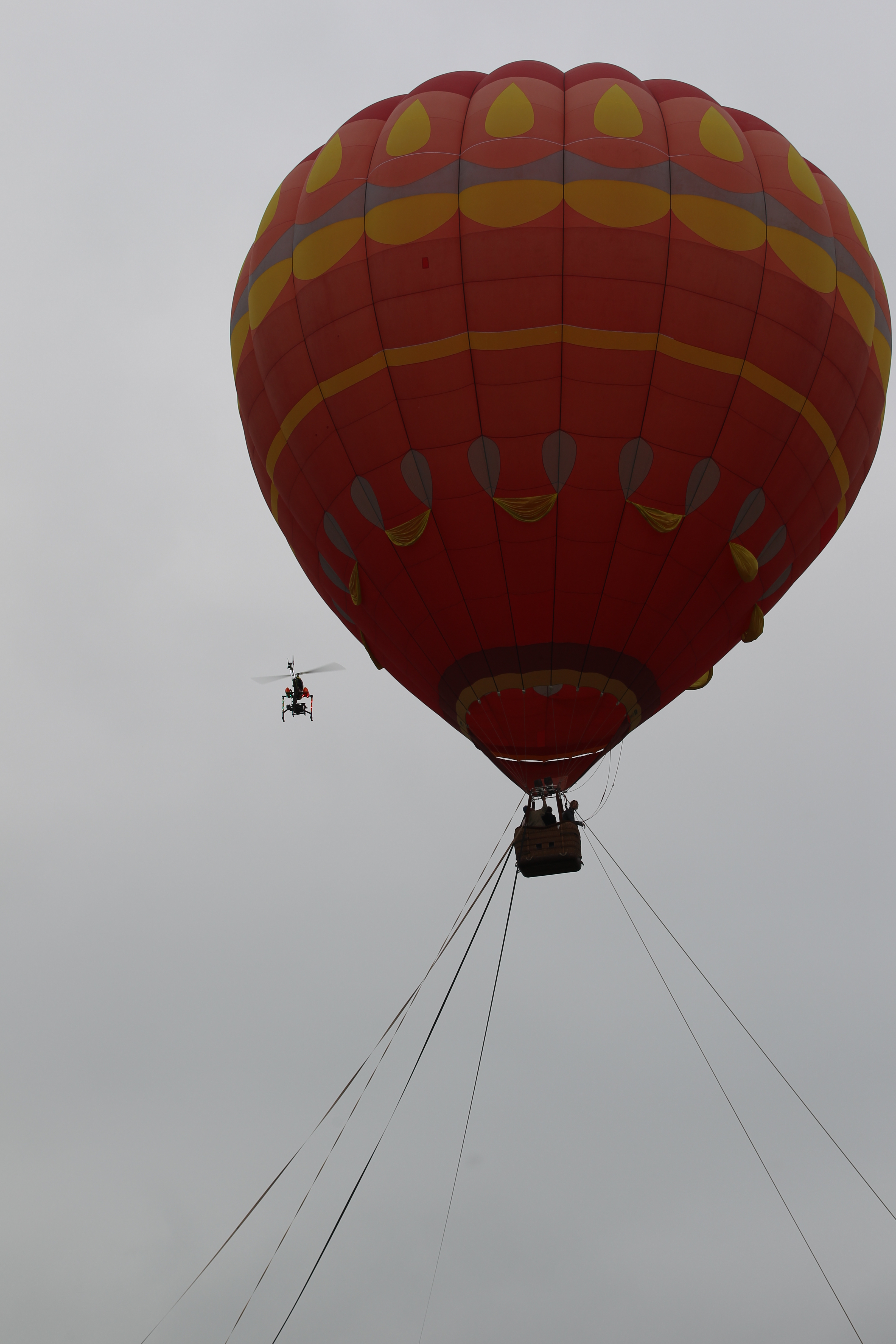
In addition, we offer specialized drones that can fly indoors, allowing for dynamic shots that enhance the visual appeal of your training videos. With over 40 years of experience in corporate video and photography production, St. Louis Video Production has worked with businesses, marketing firms, and agencies throughout the St. Louis area to deliver top-notch corporate videos and photography.

Whether youโ€™re producing a simple training video or a complex, multi-faceted production, St. Louis Video Production has the expertise and resources to bring your vision to life. Let us help you create an impactful training video that will engage, educate, and inspire your team.


ย 314-913-5626ย stlouisvideoproduction@gmail.com

How to Plan Your Day for Great Event Videos and Photos

When it comes to capturing events, whether corporate functions, conferences, or promotional launches, planning is key. Quality photography and video services are essential in documenting these moments, but they require careful thought, preparation, and a strategy to ensure success. For event organizers, understanding how to plan your day with professional photographers and videographers is the first step toward obtaining stunning results. In this guide, we will discuss how to organize your event to ensure great event videos and photos that effectively communicate your brand, message, and mission.

Knowing the event’s flow allows the photographers and videographers to anticipate the best times to shoot and avoid missing important moments.

1. Establish Your Goals and Budget

Before the event, make sure you have a clear understanding of the type of content you want to capture. Are you looking for a highlight reel of the day? A series of candid photos showcasing attendees? Or perhaps both? Having clear objectives will not only guide the creative direction of your event media but will also help your production team provide exactly what you need.

Additionally, establish a budget for photography and video production services. While cost is a factor, remember that investing in experienced professionals and quality equipment will ultimately yield high-quality content that can be repurposed across various marketing channels. A detailed budget helps ensure that all aspects of the eventโ€”from pre-production to post-productionโ€”are covered.

2. Create a Detailed Event Timeline

A well-organized event timeline is crucial for capturing every significant moment of the day. Provide your videography and photography team with a full agenda, including the times for speeches, awards, breaks, and other key activities. Knowing the event’s flow allows the photographers and videographers to anticipate the best times to shoot and avoid missing important moments.

For example, for corporate events, you may want to highlight the keynotes, panel discussions, or networking opportunities. For a product launch, capturing the reveal or first interaction with the product will be crucial. With a timeline, the crew can plan their shots to make the most of each moment.

3. Designate Key Photo and Video Moments

While itโ€™s impossible to predict every moment of the event, itโ€™s helpful to identify key moments that need special attention. For example, the opening speech, the moment the guest of honor arrives, or the cutting of the ribbon are all significant photo and video opportunities.

Discuss with your production team beforehand to make sure they understand which moments to prioritize. This ensures that nothing important is missed and also allows the videographers and photographers to be in the right place at the right time.

4. Consider Lighting and Equipment Needs

Proper lighting is essential for high-quality photos and videos. If you’re hosting an indoor event, ensure your venue is well-lit or that your production team has access to lighting equipment to create the best visual environment.

At St. Louis Video Production, we have the experience and equipment to handle a range of lighting conditions. Our private studio lighting setup is perfect for small productions and interview scenes, and our large studio can easily accommodate props to help round out your set. This makes our team well-suited for all types of event shoots, both indoors and outdoors.

5. Be Prepared for Interviews and Testimonials

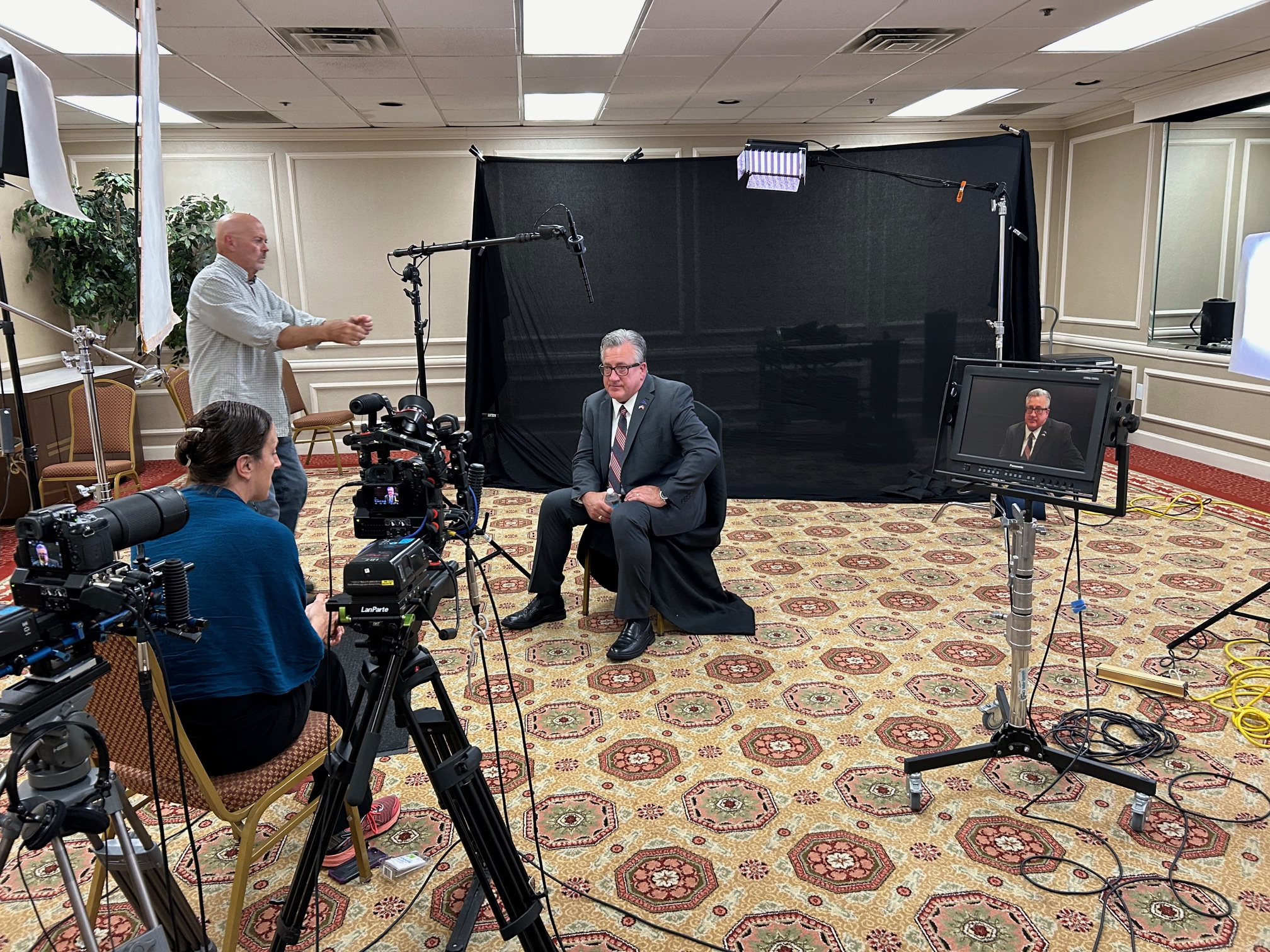
Many events include testimonials from attendees or interviews with the guest of honor. If interviews are part of your event, plan the space for these ahead of time. Consider quiet areas or a designated interview room where your team can set up the perfect shot.

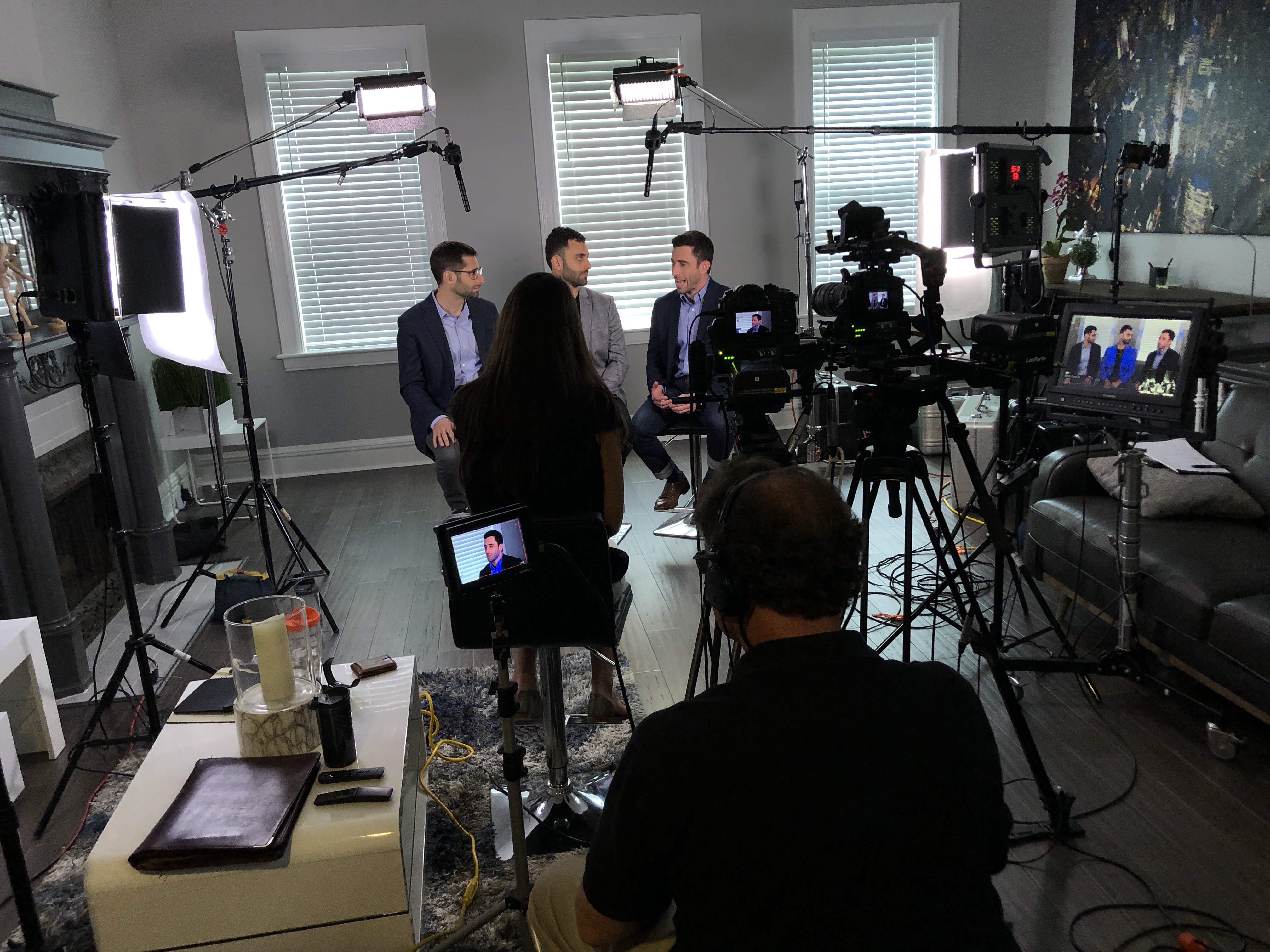
St. Louis Video Production excels in creating custom interview setups. We offer private, custom studio setups with perfect lighting and sound conditions for interviews, and our skilled crew ensures every technical aspect is taken care of. Additionally, our licensed drone pilots can fly specialized drones indoors to capture unique aerial shots of your event.

6. Plan for Repurposing Content

In todayโ€™s digital world, one of the most powerful tools for businesses is content repurposing. Capturing the same event through both video and photography gives you versatile content that can be used across your website, social media platforms, and marketing materials.

Our team is well-versed in repurposing photography and video branding to help your company gain more traction with a variety of media. Whether you need high-quality stills for social media or a compelling video for your website, we can help you maximize your content’s potential.

7. Understand Post-Production Needs

After the event, your photography and video production team will enter the post-production phase, where the footage is edited, refined, and transformed into the final product. Be sure to communicate your timeline and expectations for when you need the edited content.

At St. Louis Video Production, we offer full-service post-production to ensure your video and photography are polished and meet your objectives. Whether itโ€™s video editing, color grading, or adding graphics, weโ€™ve got the expertise and tools to deliver exceptional results.


Why Choose St. Louis Video Production?

With over 40 years of experience in commercial photography and video production, St. Louis Video Production is a trusted partner for businesses, marketing firms, and agencies in the St. Louis area. We have the right equipment and creative crew experience to ensure successful image acquisition and help you achieve the perfect video and photography for your event.

As a full-service company, we offer studio and location video and photography, as well as editing, post-production, and licensed drone pilots. Our expertise allows us to customize your productions for diverse media requirements and repurpose your photography and video branding for maximum impact. From private interview studio setups to providing sound and camera operators, we ensure every detail is covered for a seamless production experience.

When it comes to event photography and video production, St. Louis Video Production has the knowledge, experience, and creativity to make your next event a visual success.

314-913-5626ย stlouisvideoproduction@gmail.com

Top Ideas for Creating Engaging Testimonial Videos

In the realm of corporate communication, testimonial videos have emerged as a potent tool for enhancing credibility and building trust with potential clients. When executed effectively, these videos can profoundly impact your brandโ€™s reputation, offering a compelling narrative that resonates with your target audience. As an experienced producer at St Louis Video Production, Iโ€™ve seen firsthand how powerful well-crafted testimonial videos can be. Hereโ€™s a comprehensive guide to creating engaging testimonial videos that will captivate your audience and drive your message home.

1. Identify the Right Subjects

The foundation of a compelling testimonial video starts with selecting the right subjects. Look for clients or partners who have had a significant positive experience with your company. They should be articulate, enthusiastic, and relatable to your target audience. A mix of high-profile clients and everyday users can provide a balanced perspective.

2. Craft a Structured Narrative

An effective testimonial video should tell a story. Start by crafting a clear narrative structure:

  • Introduction: Briefly introduce the subject and their background.
  • Problem: Describe the challenges they faced before discovering your service or product.
  • Solution: Highlight how your company provided a solution and the benefits received.
  • Conclusion: End with a summary of the positive outcomes and a call-to-action.

This structure helps keep the content focused and engaging, ensuring that viewers can easily follow along and understand the value of your offering.

3. Focus on Authenticity

Authenticity is key to a successful testimonial video. Avoid scripted responses and instead encourage your subjects to speak naturally. Authentic testimonials resonate more with viewers, making your message more persuasive. Capture genuine emotions and experiences to create a more relatable and trustworthy narrative.

4. Utilize High-Quality Production Techniques

To ensure your testimonial video stands out, invest in high-quality production techniques:

  • Lighting: Proper lighting is crucial for a professional look. Utilize soft, diffused lighting to create a flattering and natural appearance.
  • Sound: Clear audio is essential for effective communication. Use high-quality microphones and minimize background noise.
  • Camera Work: Employ stable camera techniques and varied shots to keep the video visually interesting. Incorporate close-ups for emotional moments and wide shots to provide context.

5. Incorporate Visual Elements

Enhance your testimonial video by incorporating visual elements that complement the narrative:

  • B-Roll Footage: Include footage of the client interacting with your product or service to provide context.
  • Graphics and Text: Use on-screen text and graphics to highlight key points and add visual interest.
  • Branding: Subtly include your brandโ€™s logo and colors to reinforce brand identity.

6. Keep it Concise

While itโ€™s important to cover all necessary points, keep the video concise. Aim for a length of 1-3 minutes to maintain viewer engagement. Focus on delivering the core message without unnecessary details.

7. Include a Call-to-Action

End your testimonial video with a strong call-to-action. Encourage viewers to visit your website, contact your sales team, or take another step towards engaging with your company. Make it easy for them to act on their interest.

Why Choose St Louis Video Production?

At St Louis Video Production, we bring decades of experience and a full suite of services to ensure your testimonial videos are nothing short of exceptional. As a full-service professional commercial photography and video production company, we offer comprehensive studio and location video and photography, including editing, post-production, and licensed drone pilots. Our expertise in repurposing photography and video branding helps your content gain maximum traction.

We are well-versed in all file types, media styles, and accompanying software, ensuring your testimonial videos are produced to the highest standards. Our private studio is equipped with advanced lighting and visual setups, perfect for small productions and interview scenes. From custom interview studio setups to providing sound and camera operators, we have everything you need to make your next video production flawless. We even offer the capability to fly specialized drones indoors for unique perspectives.

Since 1982, St Louis Video Production has collaborated with numerous businesses, marketing firms, and agencies in the St. Louis area, delivering top-notch corporate photography and video services. Let us help you create engaging testimonial videos that not only highlight your successes but also drive meaningful results for your business.

314-913-5626ย stlouisvideoproduction@gmail.com

How to Get Ready for Your Next Training Video in Simple Steps

Creating an effective training video requires more than just a camera and a script. It involves careful planning, coordination, and a deep understanding of your audience and the message you want to convey. As decision-makers in your organization, your role is crucial in ensuring the production process is smooth and the final product is engaging, informative, and aligned with your companyโ€™s goals. Here’s a step-by-step guide to help you prepare for your next training video.

Whether you use professional actors, company staff, or a mix, they need to be comfortable on camera and able to convey the message effectively.

Step 1: Define the Objective and Audience

The first and most important step is to clearly define the objective of the training video. What are you trying to achieve? Is it to onboard new employees, introduce new processes, or perhaps to enhance skills? Understanding the specific outcome you want will guide the content and structure of the video.

Equally important is knowing your audience. Are they new hires, experienced staff, or a mixed group? Tailoring the content to their level of understanding and the context in which theyโ€™ll use this information will make the video more effective.

Step 2: Develop a Detailed Script and Storyboard

Once the objective and audience are defined, itโ€™s time to craft a detailed script. This script should be clear, concise, and aligned with the training goals. A well-written script serves as the backbone of your video, ensuring that all key points are covered logically and comprehensively.

In parallel, develop a storyboard to visualize how each segment of the script will be presented on screen. This includes decisions on camera angles, visual aids, and any on-screen text or graphics. A storyboard helps in aligning the production teamโ€™s vision with your expectations and ensures a cohesive final product.

Step 3: Choose the Right Talent

The people who appear in your training video are crucial to its success. Whether you use professional actors, company staff, or a mix, they need to be comfortable on camera and able to convey the message effectively. If the video involves complex or technical information, ensure the talent has a solid understanding or can be briefed thoroughly.

Step 4: Plan the Location and Setup

The location of your shoot plays a significant role in the videoโ€™s effectiveness. It should be relevant to the content and free from distractions. Whether youโ€™re filming in an office, a factory floor, or a studio, ensure that the environment enhances the learning experience.

Consider the setup carefully. This includes lighting, sound, and camera placement. Professional production companies, like St Louis Video Production, have the expertise to create an optimal setup, whether in-studio or on-location, to ensure high-quality visuals and audio.

Step 5: Schedule the Shoot Efficiently

Time is money, especially in video production. Plan your shoot schedule meticulously, accounting for setup time, breaks, and any potential delays. Ensure all participants know their roles and timings to keep the production running smoothly.

Step 6: Engage in Post-Production Review

Once the shoot is complete, the raw footage will go into post-production. This stage involves editing the video, adding graphics, animations, and any special effects, and ensuring the final product aligns with your initial goals.

Engage in the review process actively. Provide feedback on the first cut and be clear about any changes youโ€™d like to see. At St Louis Video Production, we understand the importance of this collaborative process and work closely with our clients to refine the video until it meets their expectations.

Step 7: Plan for Distribution

Finally, consider how the video will be distributed. Will it be hosted on your companyโ€™s intranet, shared via a learning management system, or used in live training sessions? Understanding the distribution method helps in optimizing the videoโ€™s format and resolution.

Partner with Professionals for Optimal Results

At St Louis Video Production, we bring decades of experience in corporate photography and video production, ensuring every project we undertake is executed with precision and creativity. Our team of professionals is equipped with the latest technology, including specialized drones for indoor use, and we offer full-service studio and location video and photography, editing, post-production, and licensed drone pilots.

Whether you need a private custom interview studio setup or comprehensive video production services, we can help make your next training video not just a success but a valuable tool for your organization. Our expertise extends to repurposing your photography and video branding, helping you gain more traction across different media platforms.

With a rich history of serving businesses, marketing firms, and agencies in the St. Louis area since 1982, St Louis Video Production is your trusted partner in creating impactful and professional training videos. Let us help you tell your story effectively and efficiently, ensuring your message resonates with your audience and achieves your training objectives.

Mike Hallerย 314-913-5626ย stlouisvideoproduction@gmail.com

Understanding the Power of Simplicity in Graphic Design for Your Marketing Video

In the realm of marketing videos, simplicity holds a profound significance that often goes overlooked. Amidst a landscape cluttered with information and visual noise, simplicity emerges as a beacon of clarity and effectiveness. As decision-makers in the realm of photography and video production services for businesses and organizations, understanding the power of simplicity in graphic design can significantly elevate the impact of your marketing endeavors.

Embrace whitespace as a powerful tool for enhancing clarity and focus, allowing your content to breathe and command attention.

The Essence of Simplicity

Simplicity, in the context of graphic design for marketing videos, encapsulates the idea of distilling complex messages into clear, concise visual elements. It involves stripping away unnecessary clutter and focusing on the core message or theme. By embracing simplicity, you allow your audience to engage more readily with your content, fostering better comprehension and retention.

Clarity Trumps Complexity

One of the primary benefits of simplicity in graphic design is its ability to enhance clarity. When your visuals are cluttered with extraneous details or overly intricate elements, the message becomes diluted, and viewers may struggle to grasp the intended meaning. By simplifying your design, you ensure that your message remains front and center, making it easier for your audience to understand and connect with.

Visual Hierarchy and Minimalism

Central to the concept of simplicity is the establishment of a clear visual hierarchy. By prioritizing key elements and minimizing distractions, you guide the viewer’s attention toward the most important aspects of your message. Minimalism, a design philosophy that advocates for the use of only essential elements, complements simplicity by emphasizing clean lines, ample whitespace, and restrained use of color.

The Impact on Viewer Engagement

Simplicity in graphic design isn’t just about aesthetics; it directly influences viewer engagement and response. When confronted with a visually cluttered or overly complex video, viewers may experience cognitive overload, leading to disengagement or outright rejection of the content. On the other hand, a well-executed design that prioritizes simplicity can captivate attention, elicit emotional resonance, and drive desired actions from your audience.

Memorable and Shareable Content

Simple, visually striking designs have a higher likelihood of being remembered and shared by viewers. In an age where attention spans are fleeting and content consumption is rapid, the ability to create memorable impressions is invaluable. By embracing simplicity, you increase the likelihood that your marketing video will leave a lasting impact on your audience, driving brand recognition and advocacy.

Implementing Simplicity in Your Marketing Videos

Achieving simplicity in graphic design requires a thoughtful approach and attention to detail. Begin by clearly defining your message and objectives, ensuring that every visual element serves to reinforce these core components. Embrace whitespace as a powerful tool for enhancing clarity and focus, allowing your content to breathe and command attention.

Iterative Design and Testing

Effective simplicity often emerges through an iterative process of design and testing. Experiment with different layouts, color schemes, and typography choices to find the optimal balance between visual appeal and clarity. Solicit feedback from stakeholders and test audiences to gauge the effectiveness of your design choices, making adjustments as necessary to refine the final product.

Conclusion

In the fast-paced world of marketing, simplicity reigns supreme as a guiding principle for effective graphic design. By prioritizing clarity, minimizing distractions, and embracing minimalism, you can create marketing videos that resonate with your audience and drive meaningful engagement. As decision-makers in the realm of photography and video production services, harnessing the power of simplicity can elevate your brand’s visibility and impact in the market.


As a full-service video and photography production company, St Louis Video Production has worked with many businesses, marketing firms, and agencies in the St. Louis area for their corporate photography and video. Trust us to bring simplicity and effectiveness to your marketing videos. Contact us today to discuss your next project!

ย 314-913-5626ย stlouisvideoproduction@gmail.com