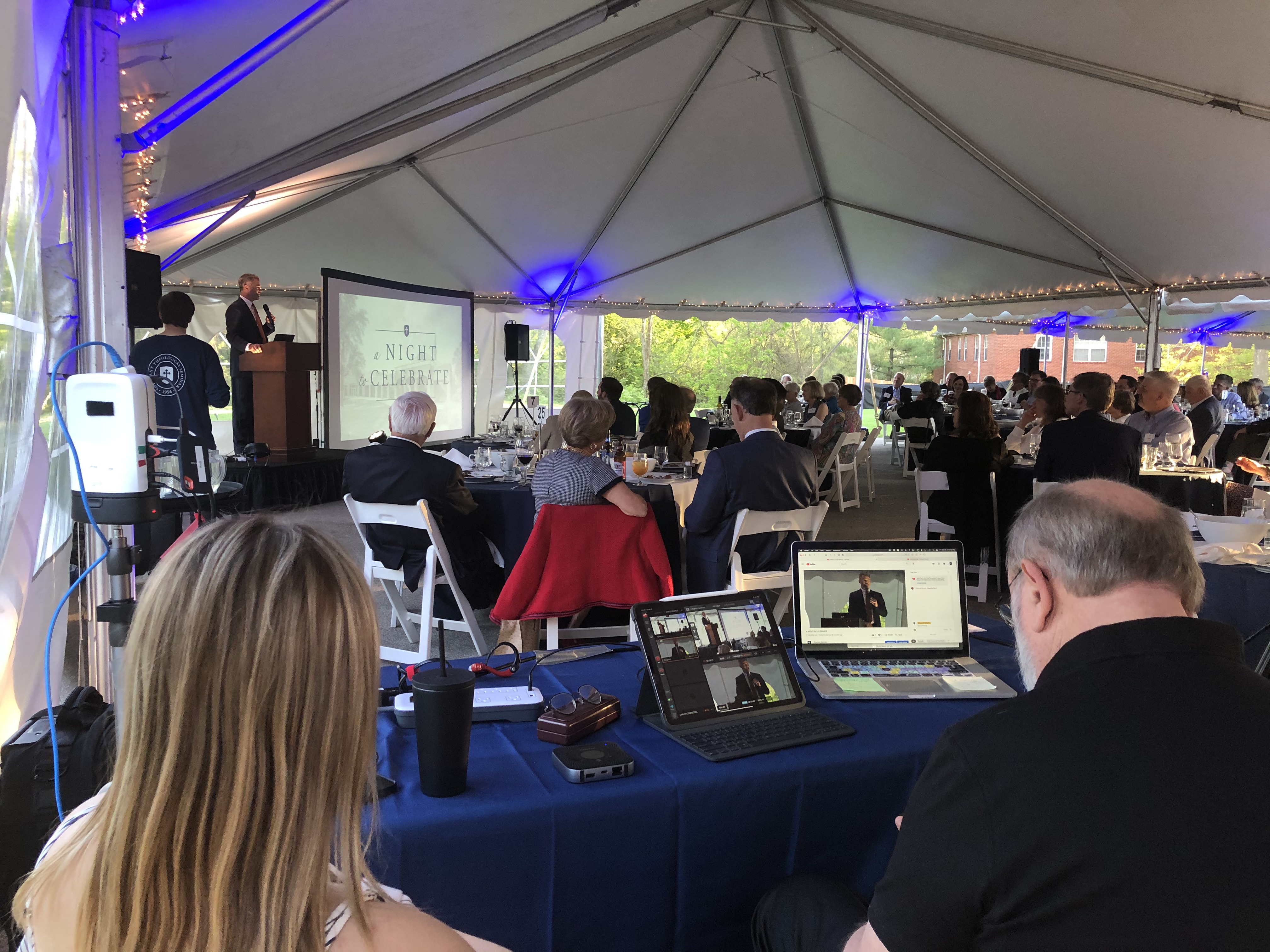
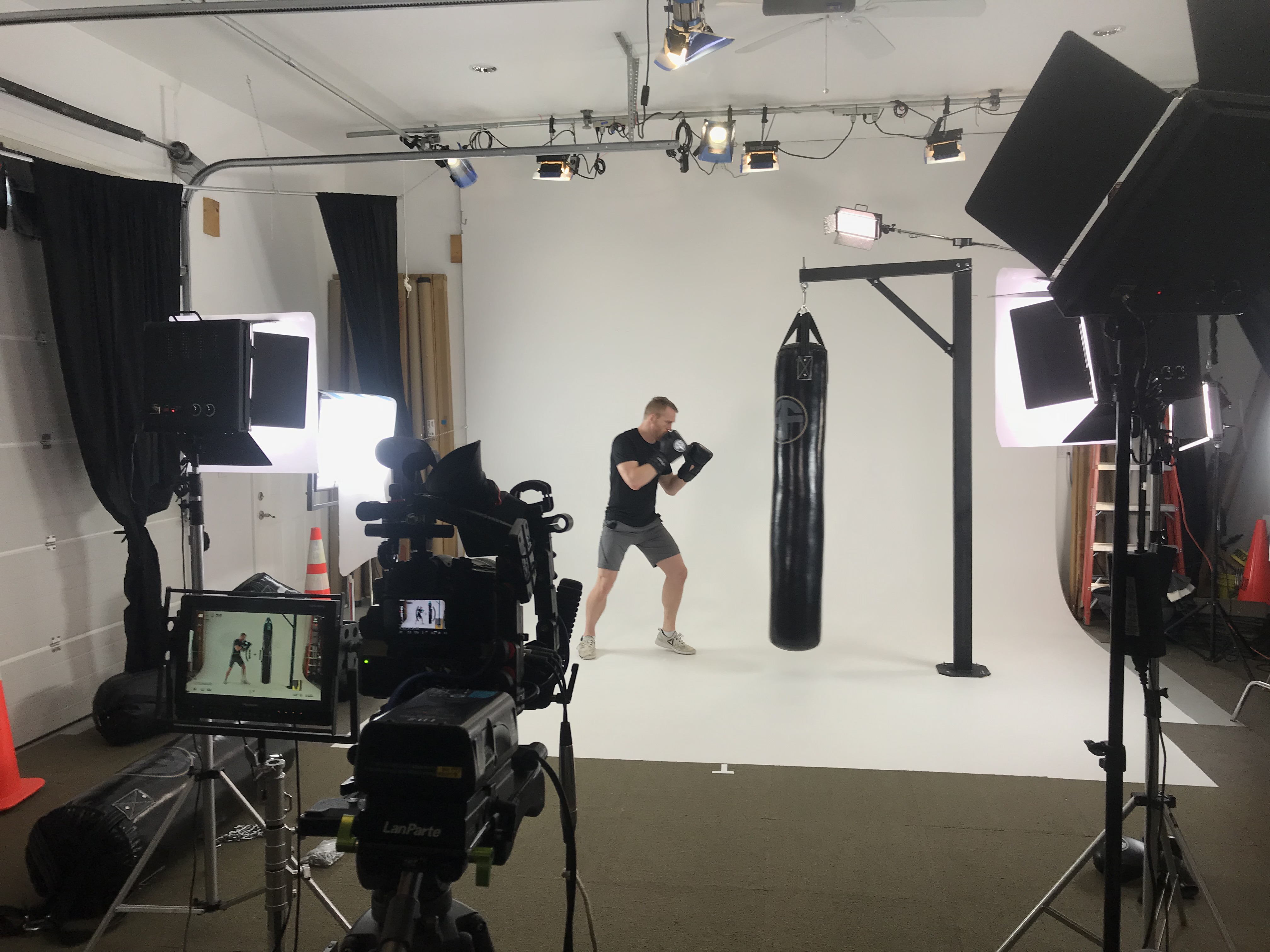
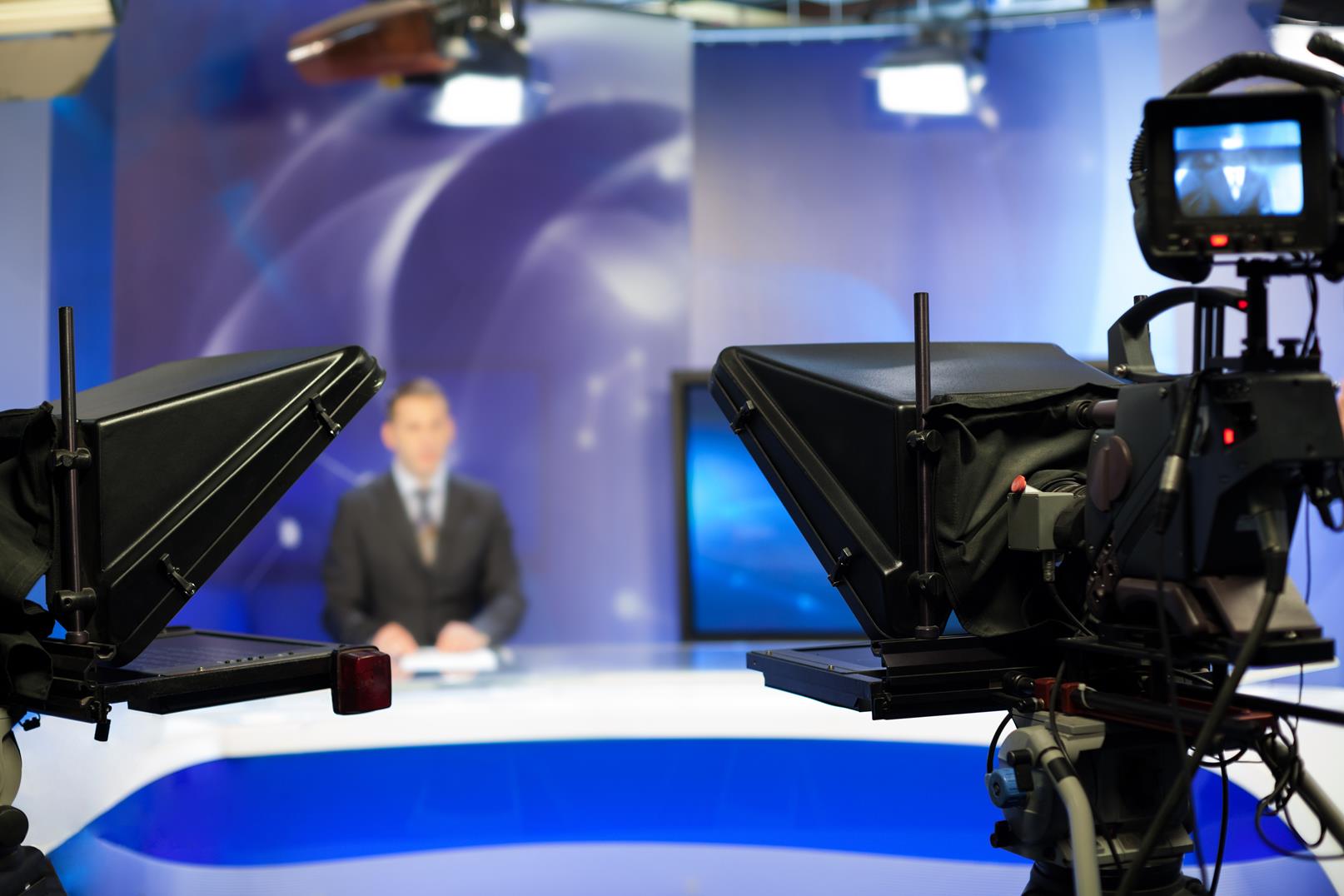
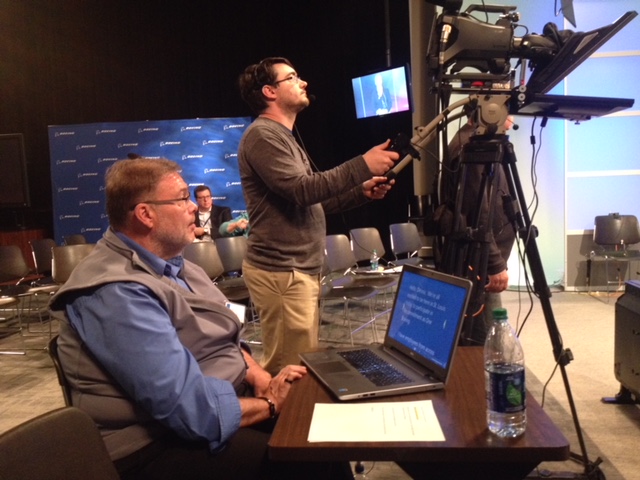
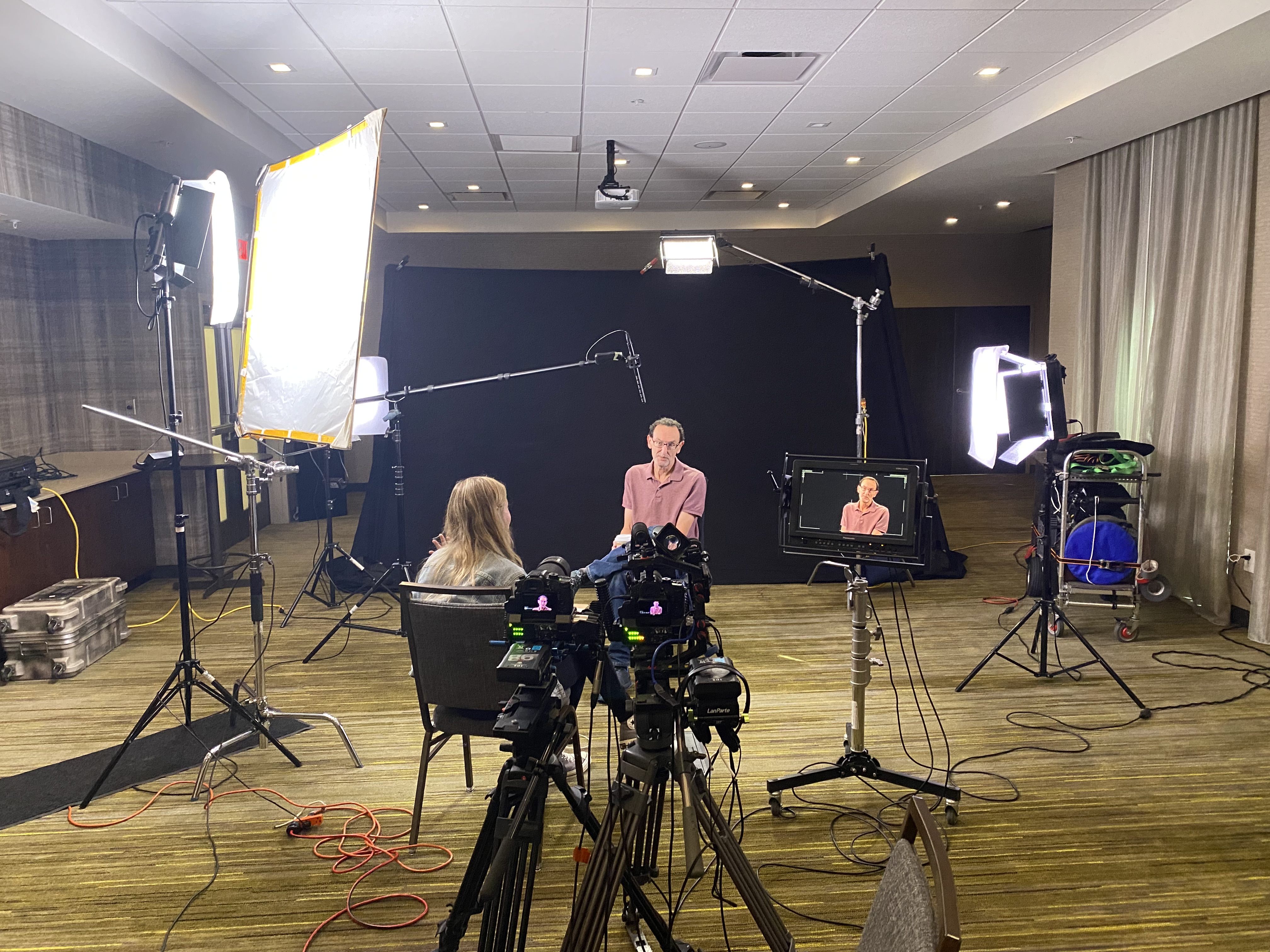
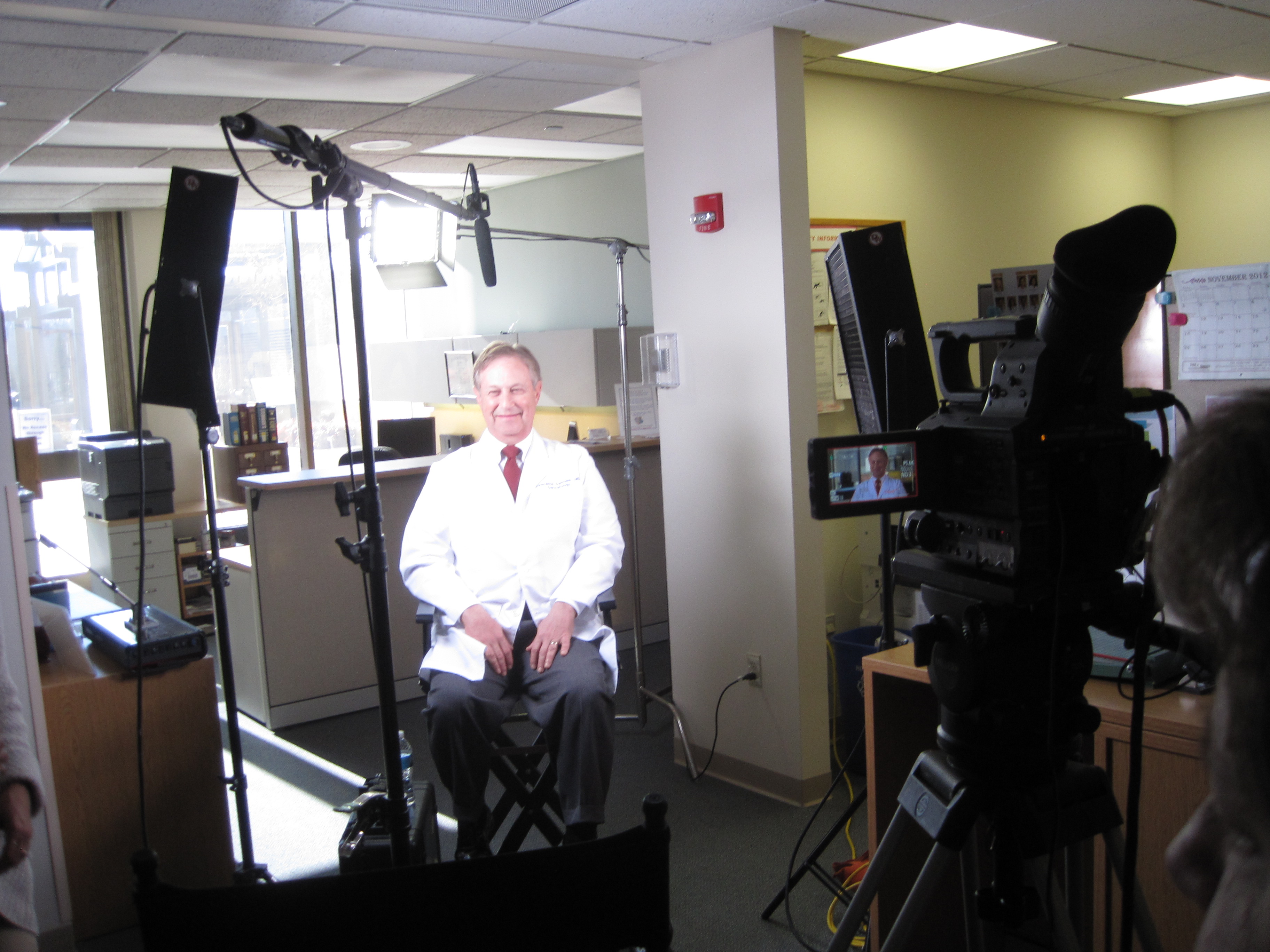
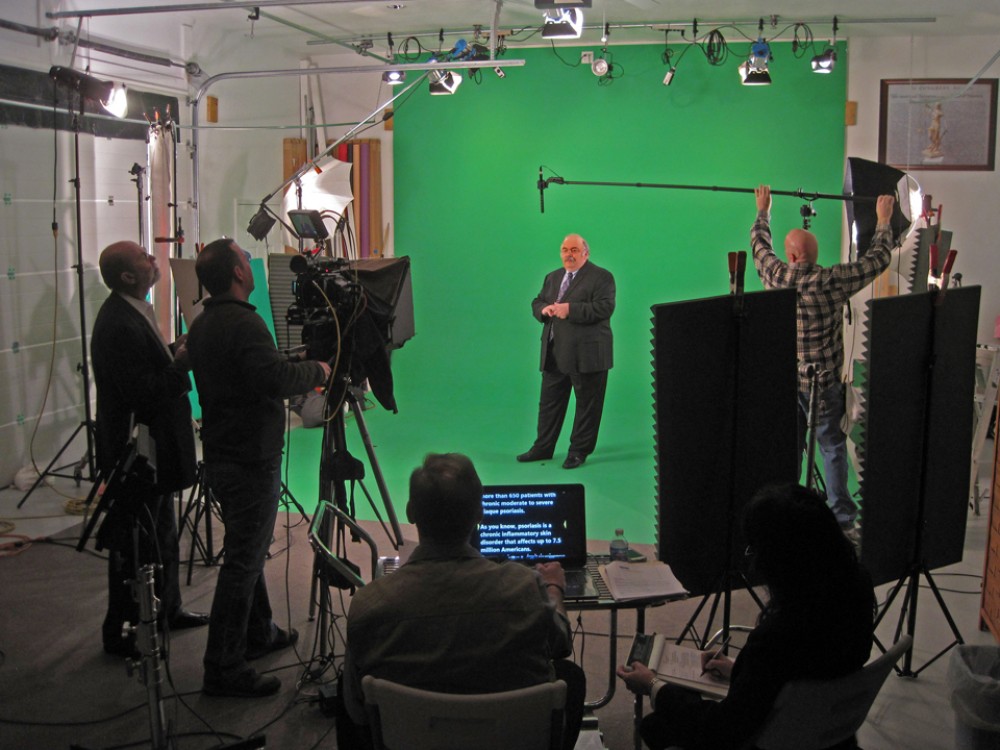
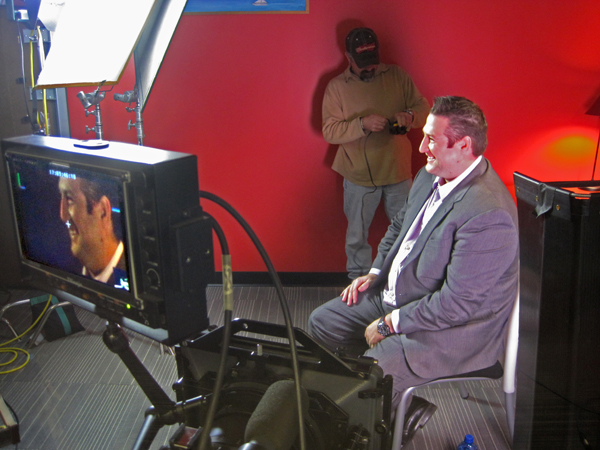
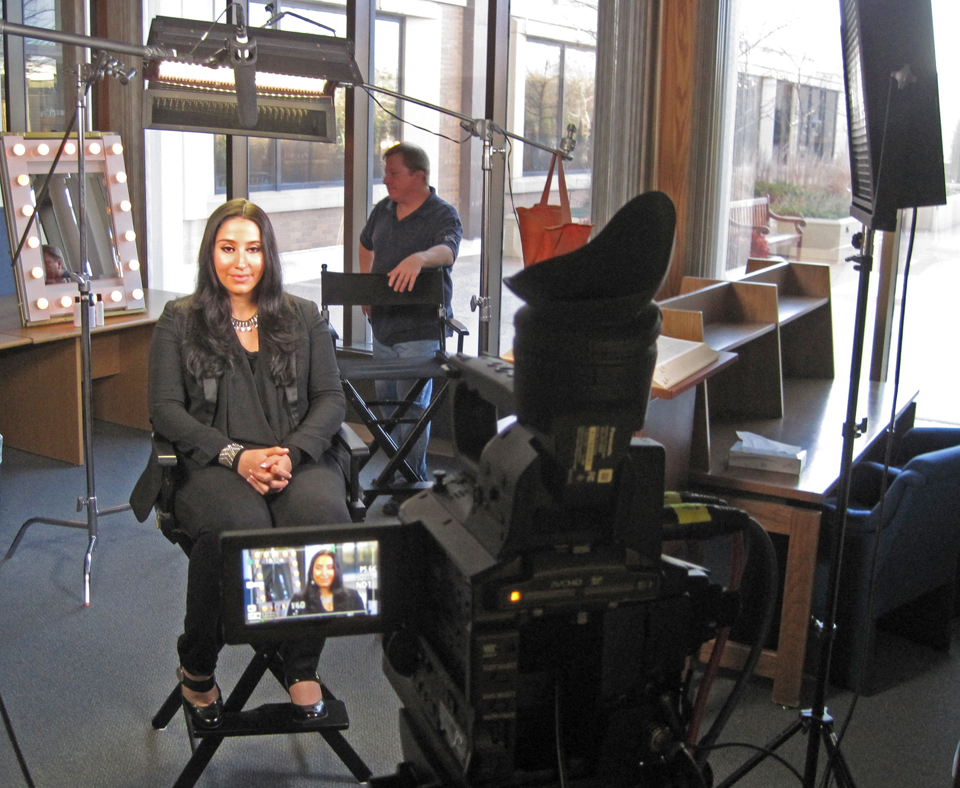
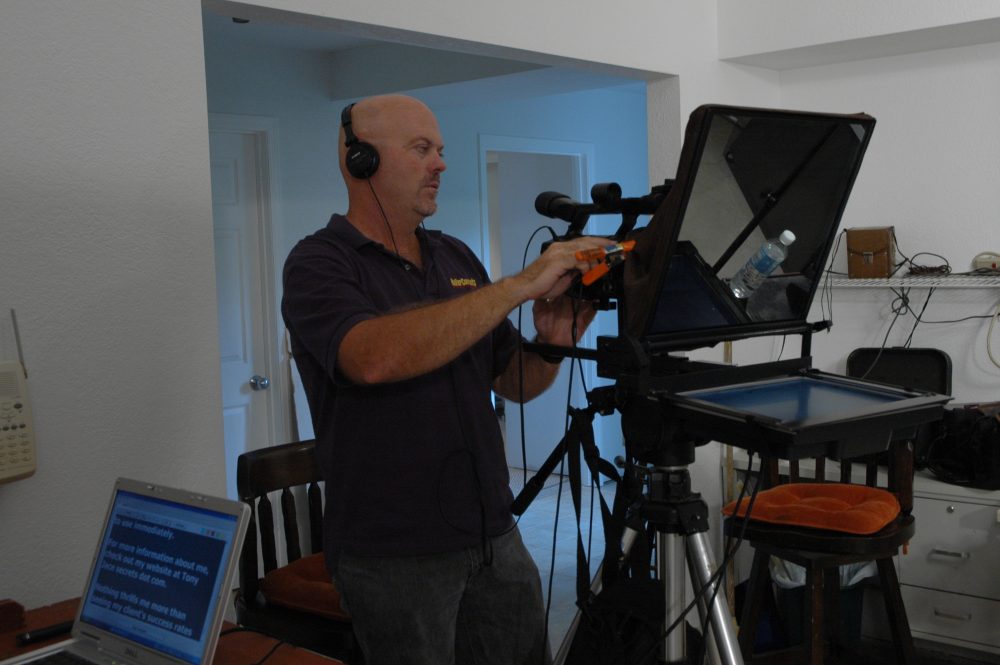
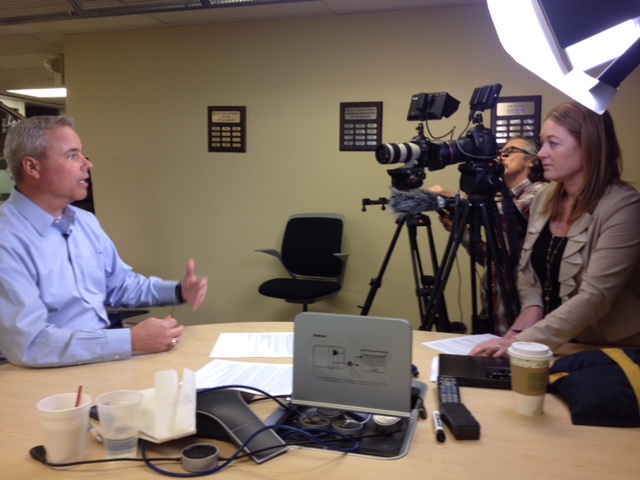
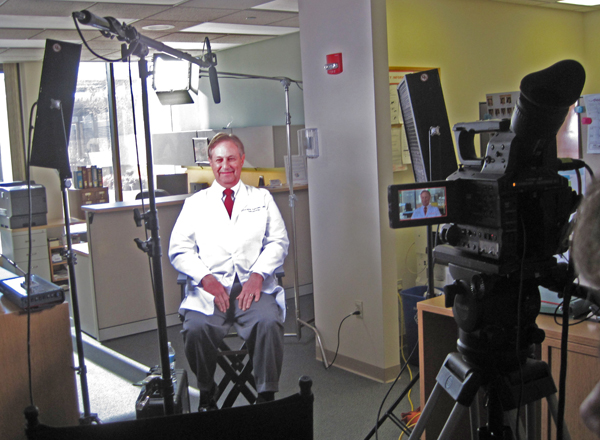
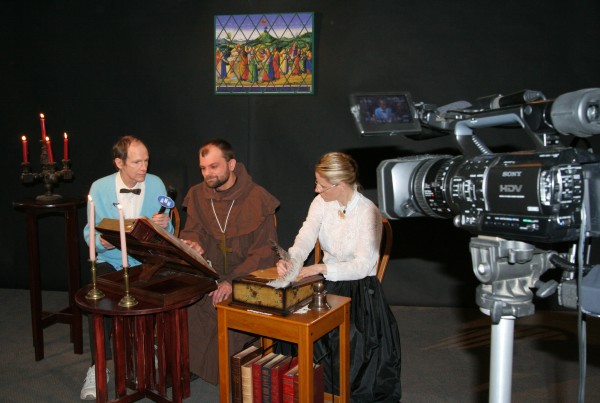
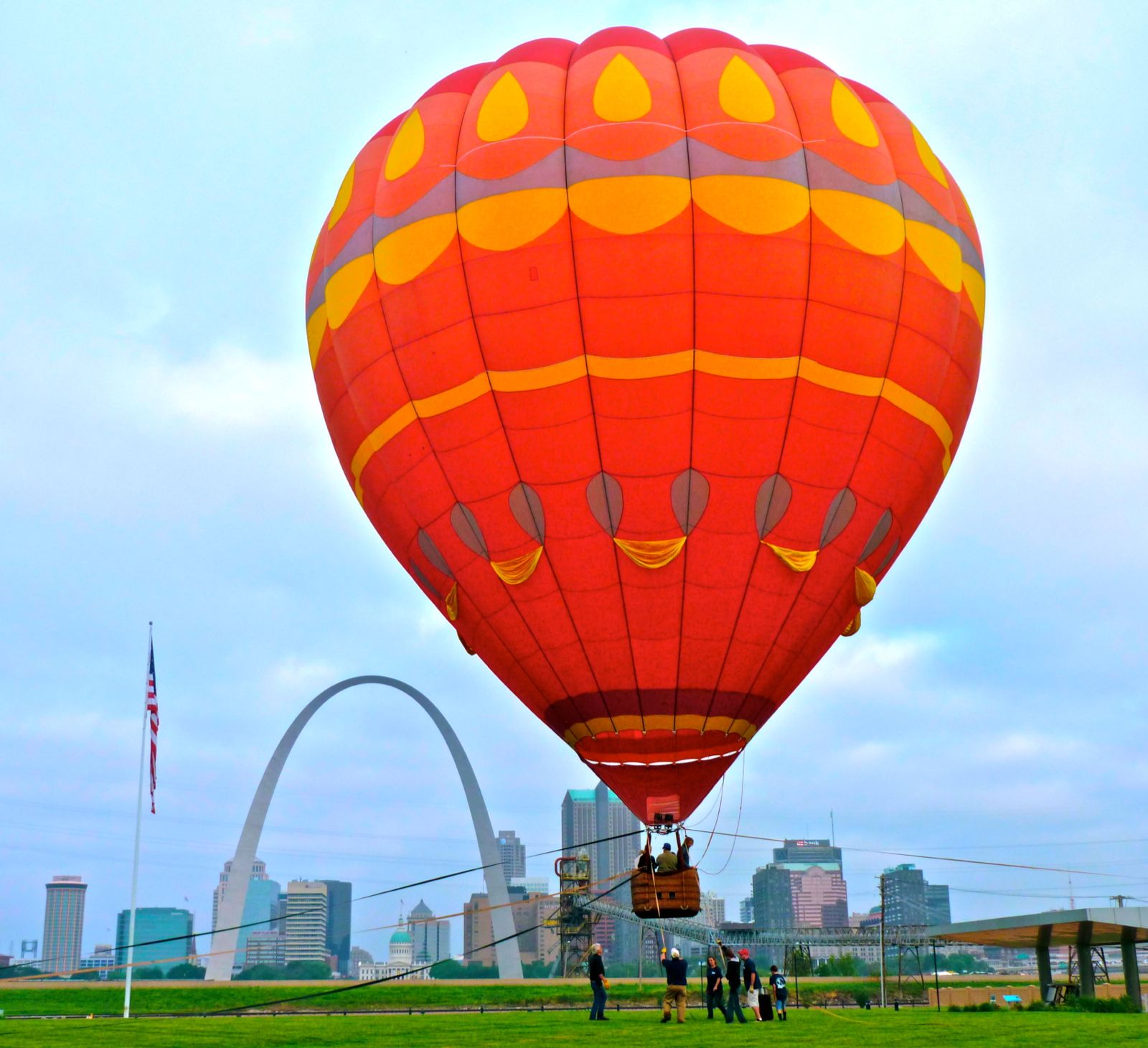
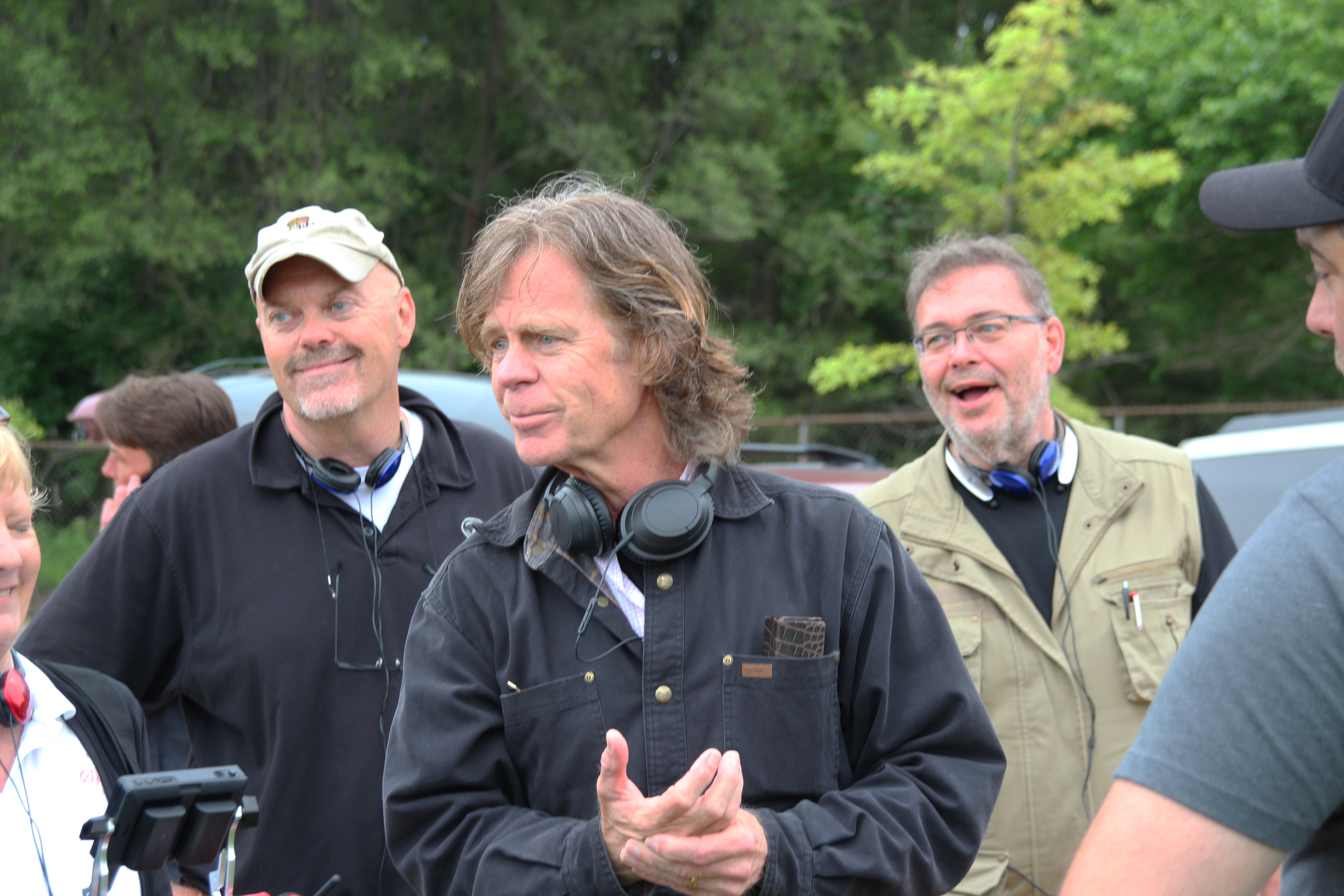
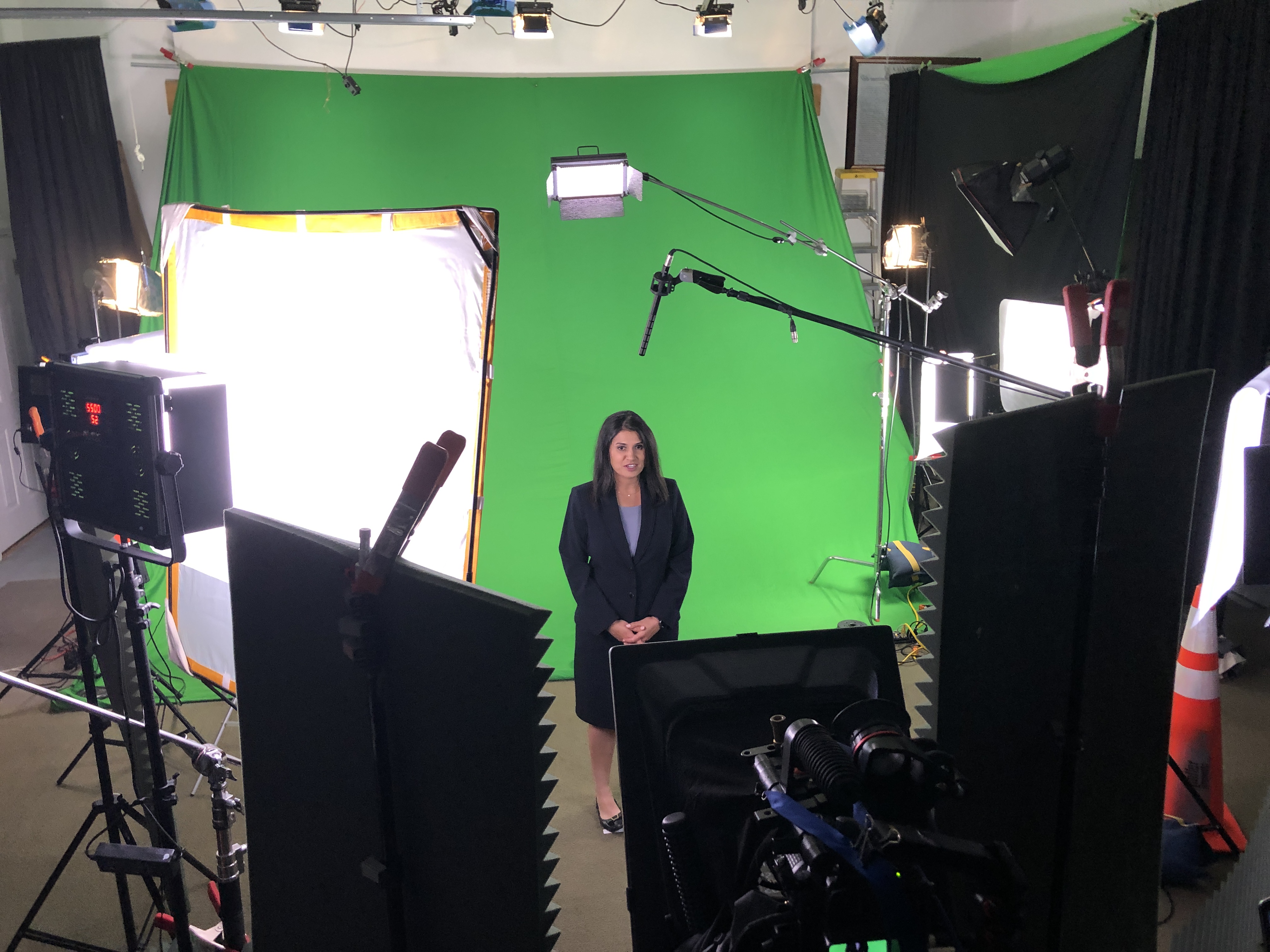
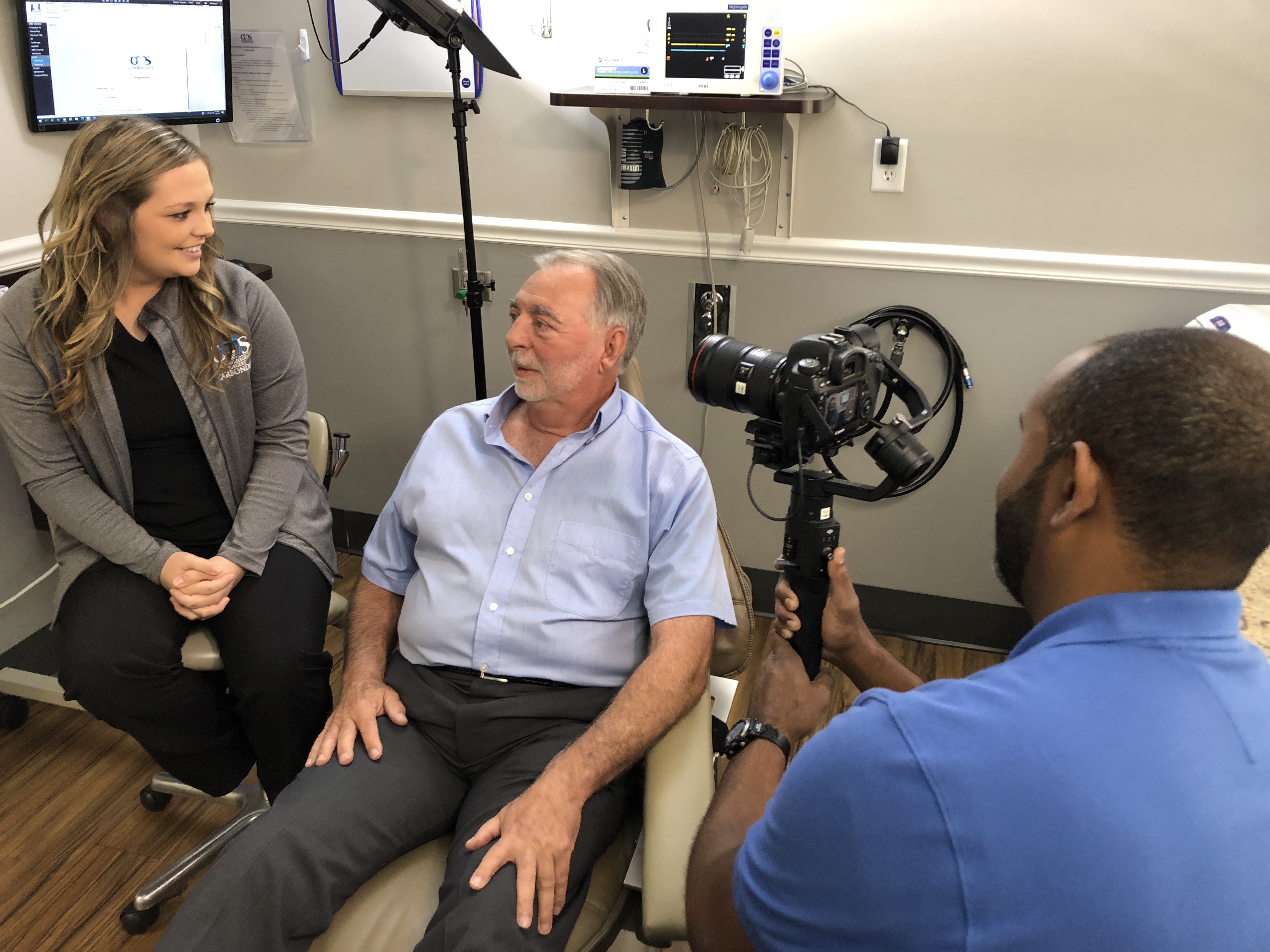
Experienced Crews | Professional Equipment | Studio & Remote Production

Archive for the ‘st louis video production | st louis video’ Category

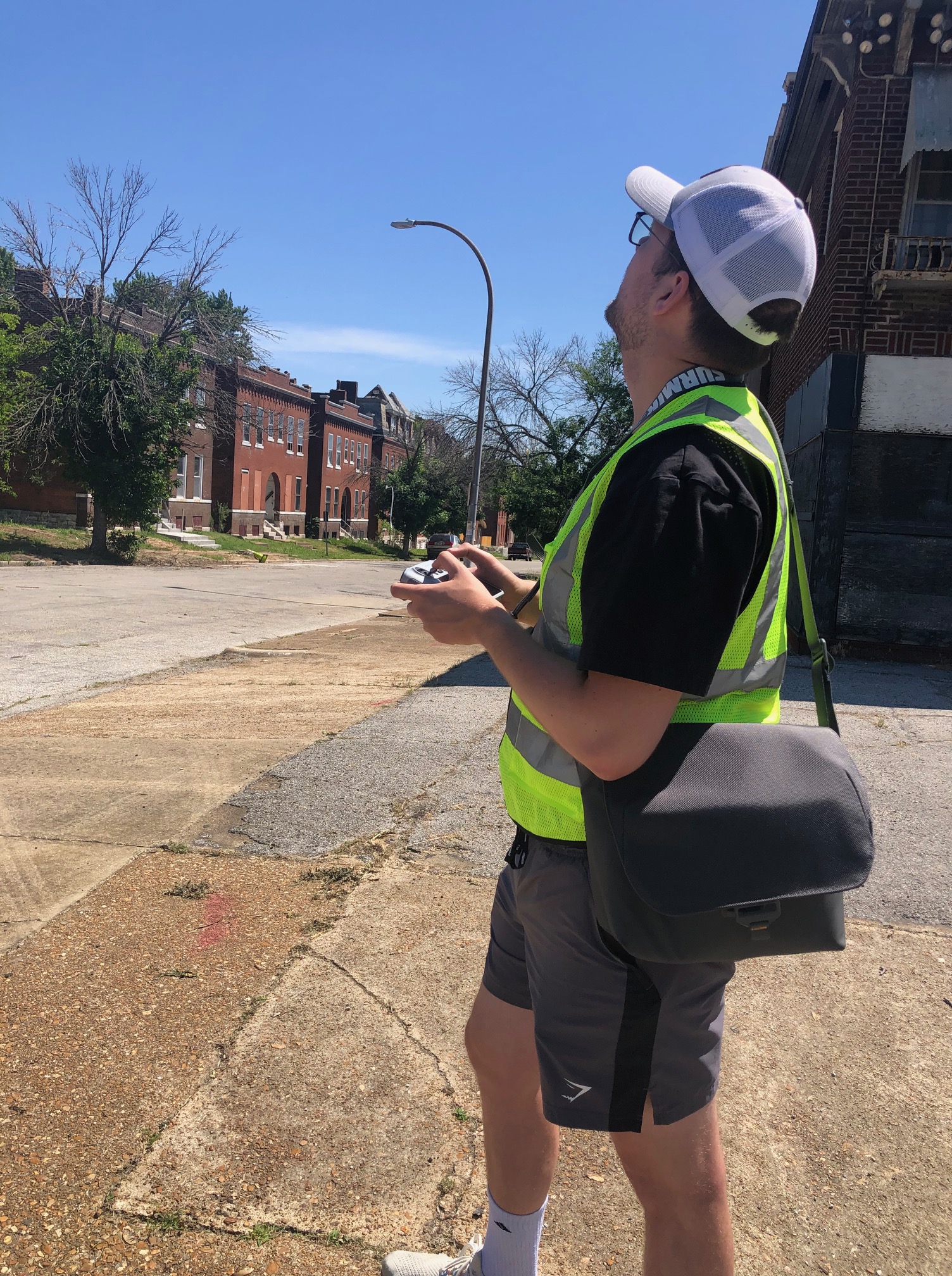
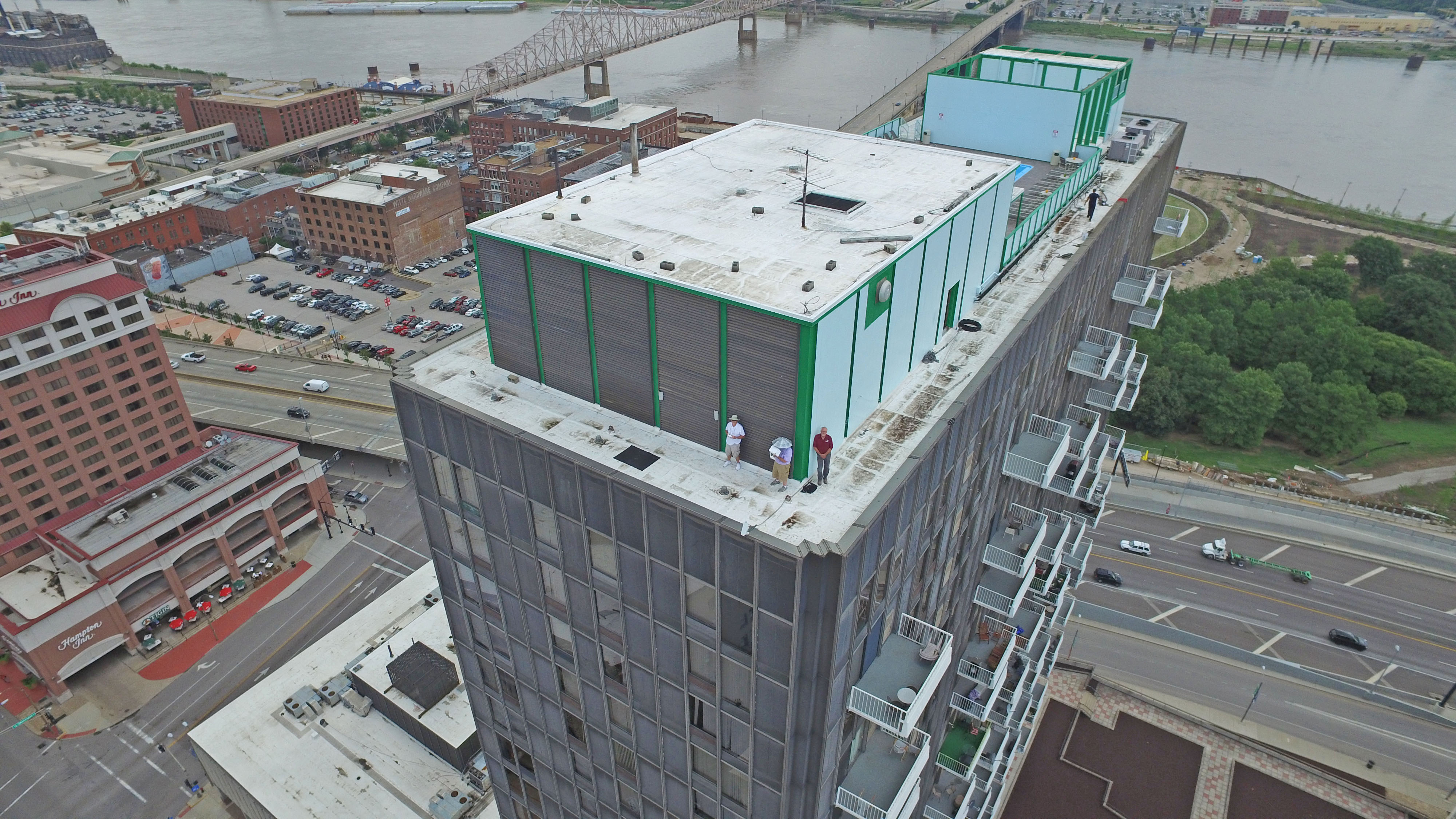
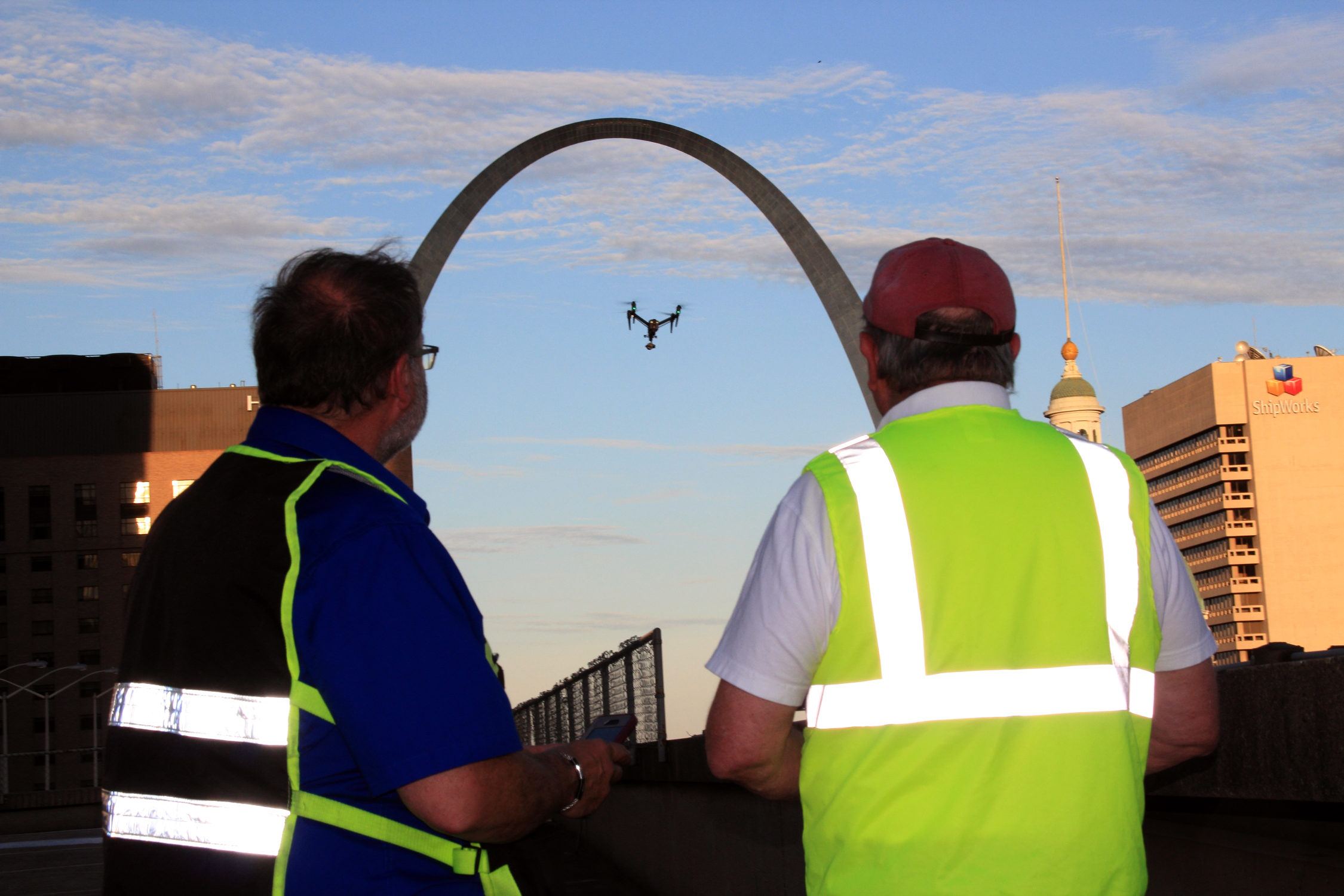
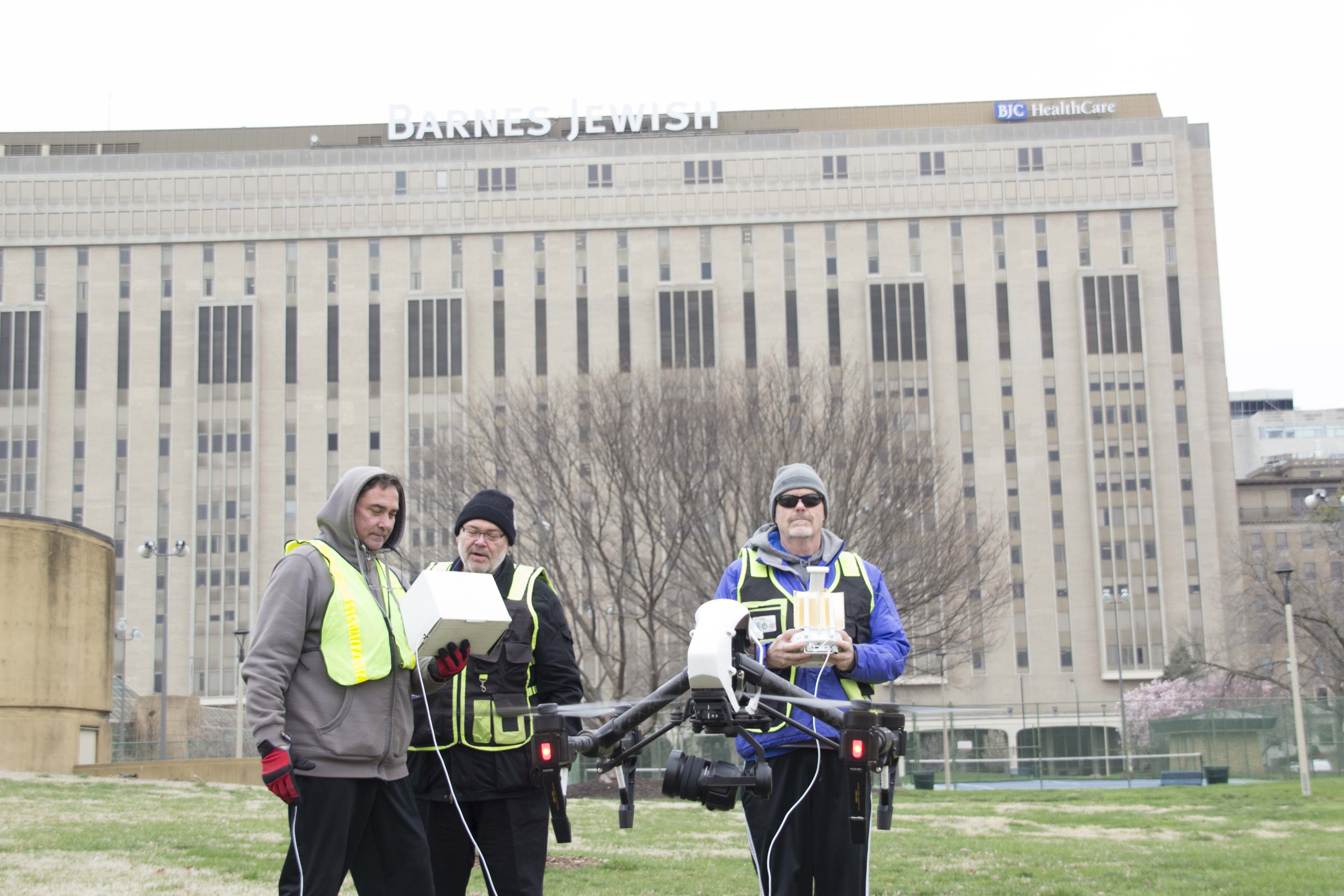
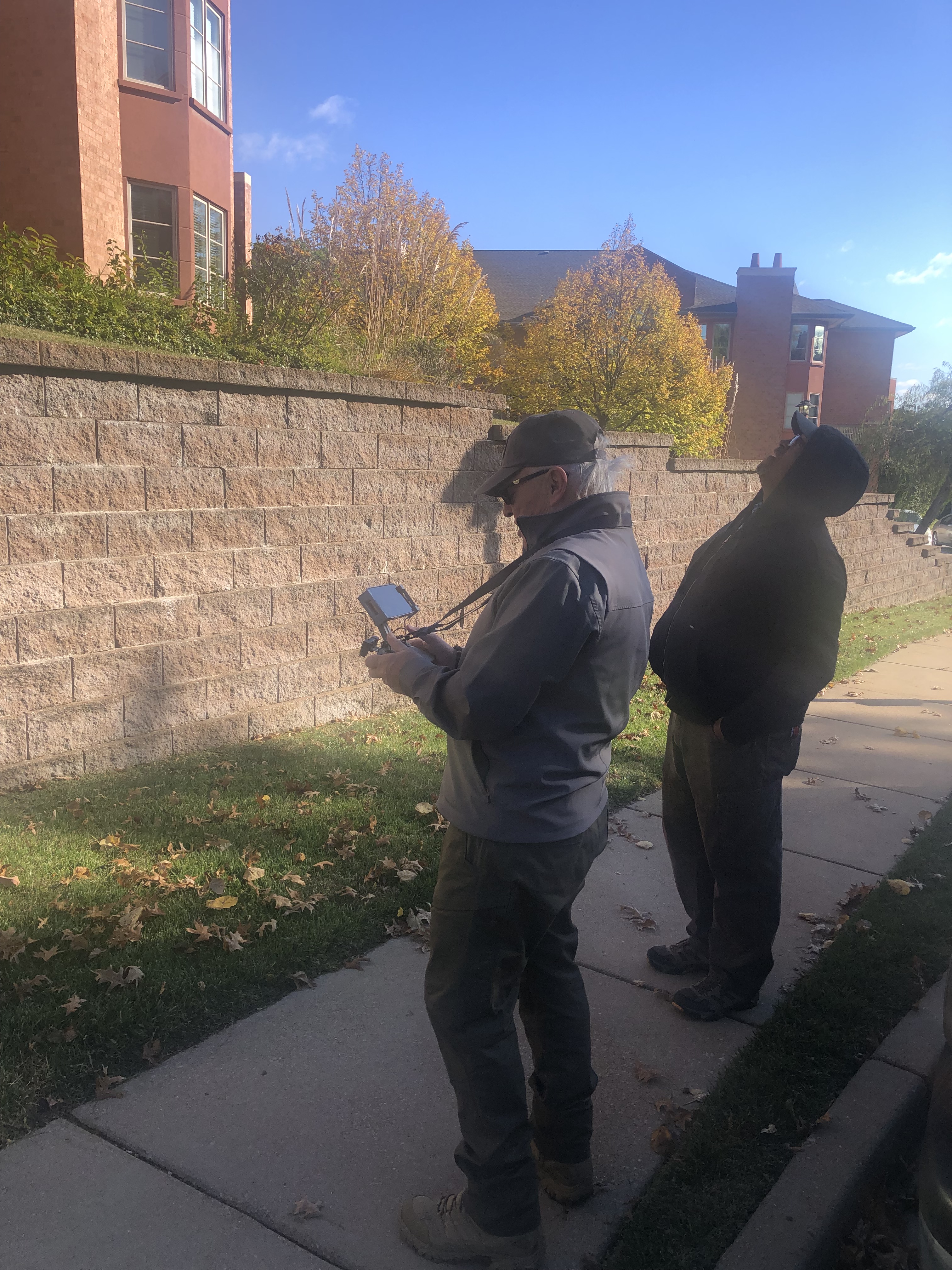
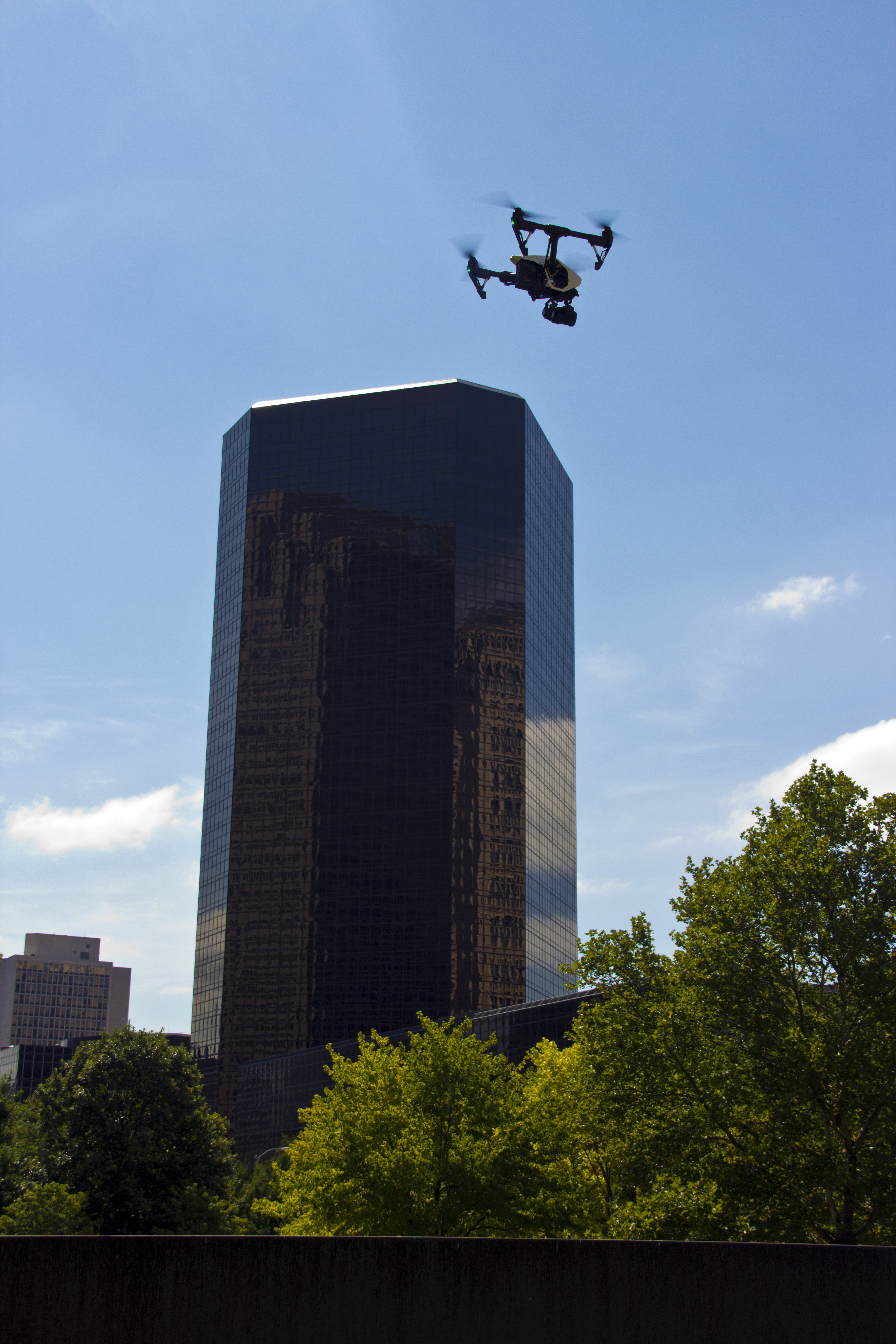
Seeing Heat from Above: How Drone Thermal Inspections Protect Commercial Roof Investments

Commercial roofs rarely fail overnight. Leaks, trapped moisture, and insulation breakdown usually start as small, invisible problems that quietly erode your asset value. By the time you see water stains inside the building, the damage is already expensive—and often disruptive—to fix.

Drone-based thermal inspections change that equation.

By combining high-resolution infrared (thermal) imaging with aerial photography, we can quickly identify trouble spots across large commercial roofs—without scaffolding, risky walk-arounds, or shutting down operations. For asset managers, facility teams, and marketing or communications leaders, this is not just a maintenance tool; it’s a strategic way to protect brand, budgets, and the occupant experience.


What Is a Commercial Roof Thermal Inspection by Drone?

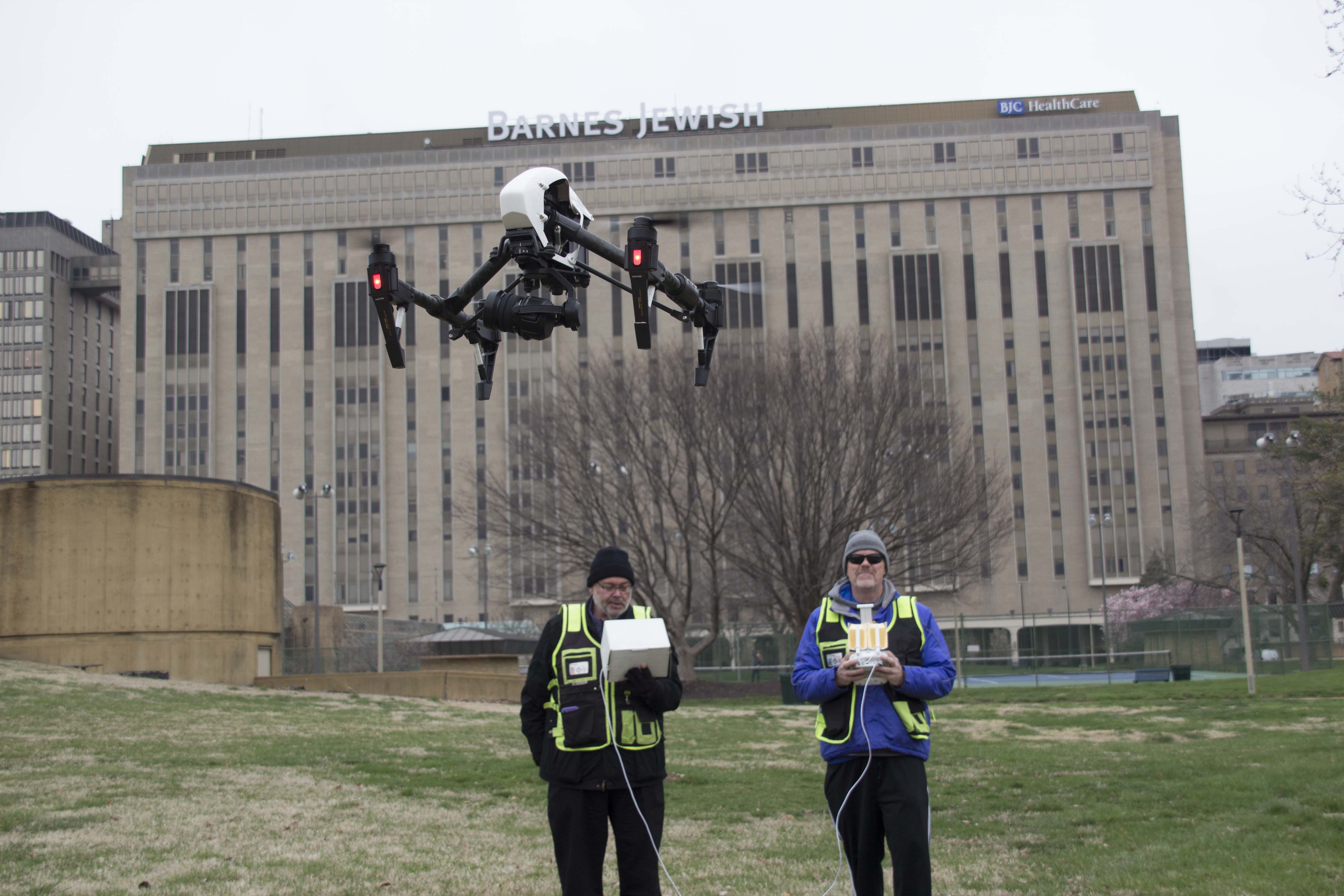
A drone thermal inspection uses an aerial platform equipped with:

  • A high-resolution RGB camera for visual documentation
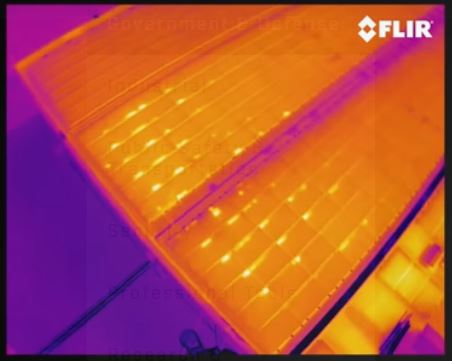
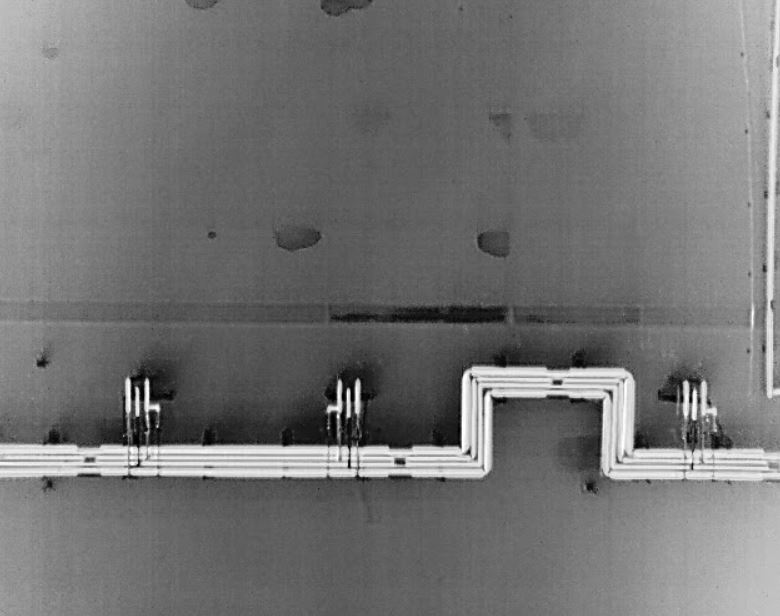
  • A thermal (infrared) camera that measures subtle temperature variations across the roof surface

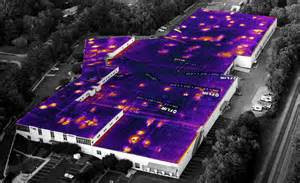
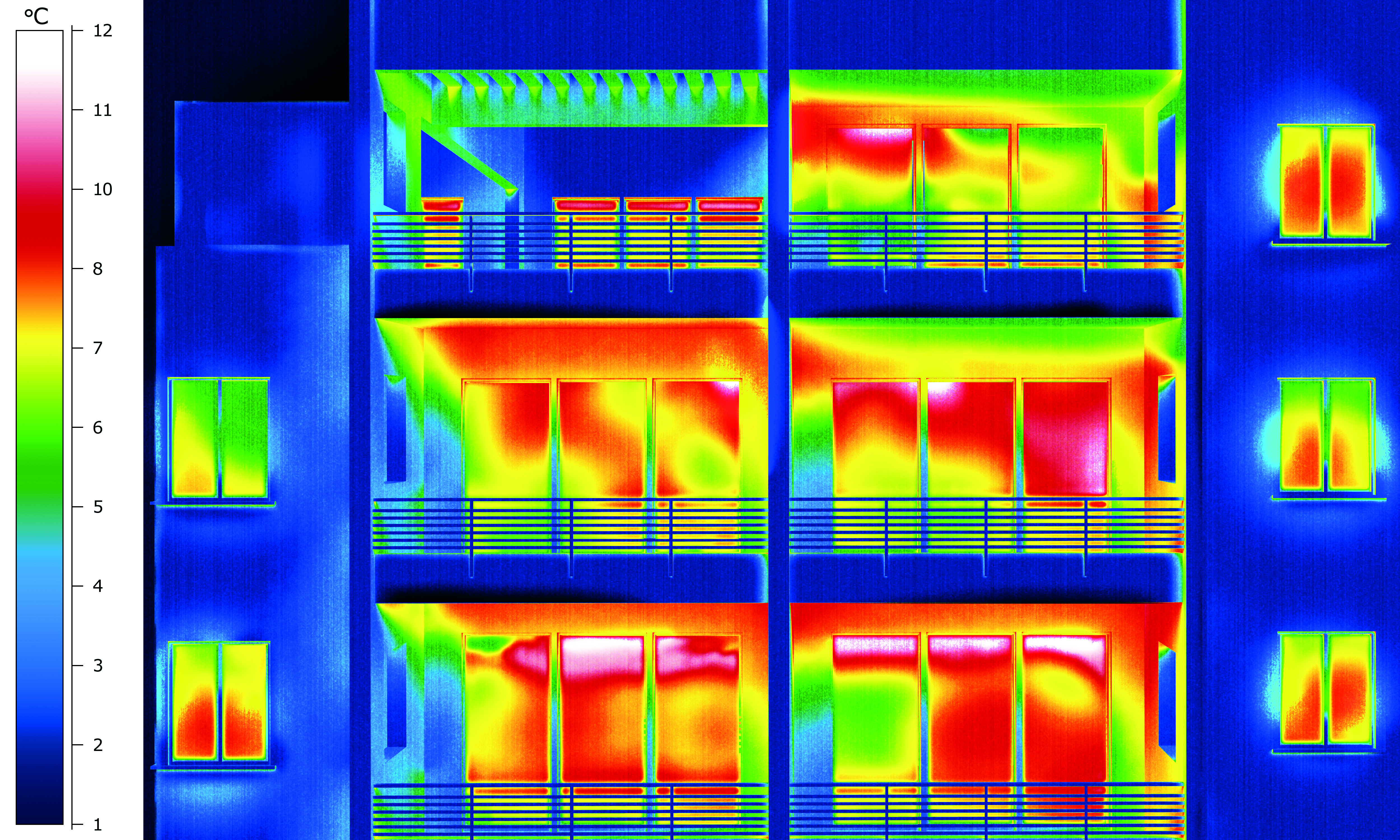
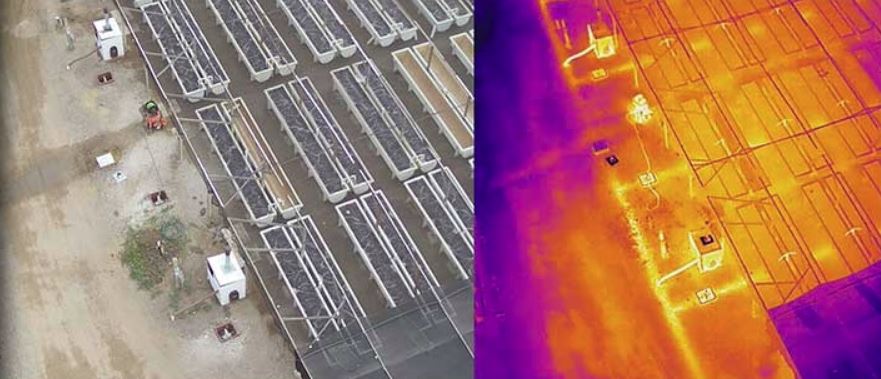
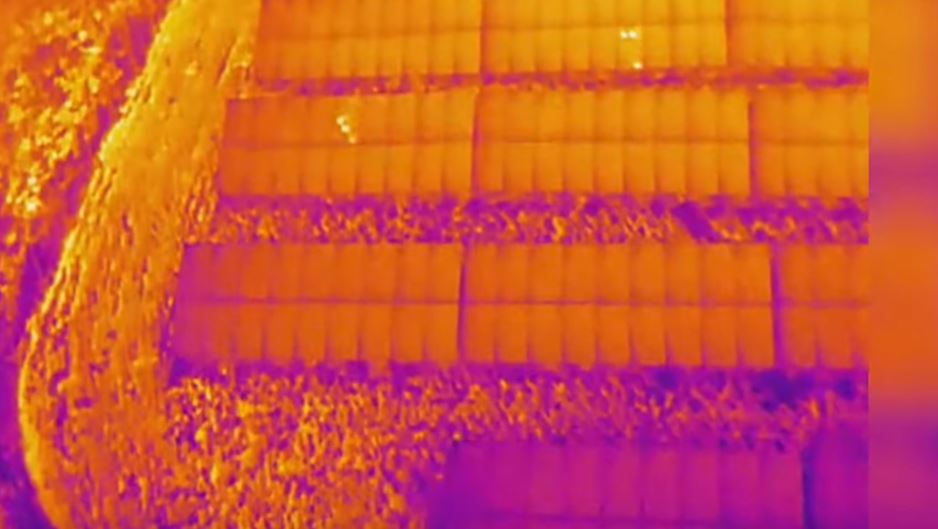
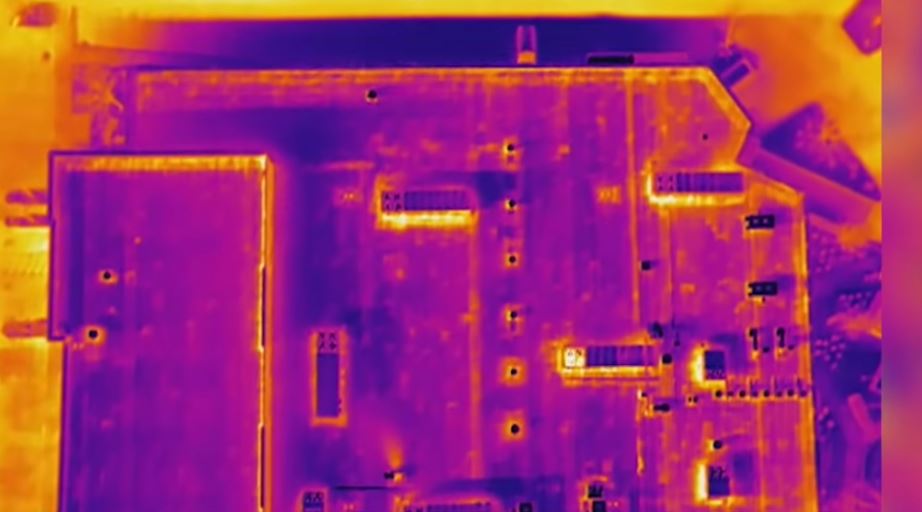
Every object emits infrared radiation based on its temperature. The thermal camera detects this and translates it into an image, where warmer and cooler areas are represented by different tones. On a commercial roof, those temperature differences can reveal:

  • Areas of trapped moisture beneath membranes or coatings
  • Compromised insulation that’s leaking energy
  • Ponding water or drainage issues
  • Thermal bridging around penetrations, edges, and rooftop equipment
  • Heat signatures that may indicate mechanical or electrical issues with rooftop units

The drone flies a pre-planned grid pattern over the roof, capturing overlapping thermal and visual images. These are then stitched, analyzed, and mapped into a comprehensive report your team can act on.


Why Thermal Drone Inspections Matter to Decision Makers

For decision makers responsible for capital budgets, risk management, and brand reputation, drone thermal inspections deliver value in several critical ways.

1. Early Leak Detection and Moisture Mapping

Traditional inspections often rely on what inspectors can see at eye level—cracks, blisters, visible damage. By the time water shows up inside, moisture has usually migrated through layers of roofing, insulation, and structure.

Thermal imaging can detect temperature anomalies consistent with moist insulation long before interior leaks appear. That means:

  • Targeted repairs instead of full system replacement
  • Reduced interior damage to ceilings, finishes, and equipment
  • Shorter disruption to tenants and operations

This is especially valuable for large roofs—warehouses, hospitals, schools, office parks—where walking every square foot thoroughly is impractical.

2. Energy Efficiency and ESG Reporting

Insulation failures and air leaks don’t just impact comfort; they show up on the energy bill. Drone thermal inspections can reveal where conditioned air is escaping or where insulation has lost performance.

For organizations focused on ESG goals, LEED certifications, or sustainability reporting, thermal maps and documented improvements provide:

  • Evidence of energy-loss hot spots before remediation
  • Visual proof of corrective actions after repairs or upgrades
  • Compelling visuals for annual reports, stakeholder updates, and presentations

It’s a technical service that can be translated into clear communication for executives, investors, and the public.

3. Better Capital Planning and Warranty Documentation

Roof systems are major capital assets. Drone thermal inspections help you manage them like the long-term investments they are.

  • Benchmarking condition today, then comparing over time
  • Supporting warranty claims with time-stamped imagery and thermal data
  • Prioritizing which sections need attention first instead of guessing
  • Aligning roof replacement decisions with budget cycles and building strategy

When you can see the entire roof at once—visually and thermally—it’s much easier to justify your capital requests with data, not anecdotes.

4. Safety, Liability, and Downtime Reduction

Sending staff or contractors onto a roof always carries risk—especially when surfaces are wet, icy, or cluttered with equipment.

Drone inspections dramatically reduce the need for rooftop foot traffic, helping:

  • Lower the risk of slips, falls, and OSHA incidents
  • Minimize disruption to normal operations
  • Provide a faster first assessment after storms, hail, or wind events

In many cases, the drone can be deployed quickly after severe weather to document conditions for insurance and internal risk teams before anyone physically steps onto the roof.


How a Professional Drone Thermal Inspection Process Works

While every building is unique, a well-run thermal inspection follows a disciplined process.

1. Discovery and Scope

We start with a conversation:

  • Building type and use (office, industrial, healthcare, education, etc.)
  • Roof construction (membrane, built-up, metal, coated systems)
  • Known trouble areas, history of leaks, warranty status
  • Access limitations, nearby airspace considerations, and operational constraints

This ensures the flight plan, camera settings, and deliverables match your goals.

2. Flight Planning and Compliance

Professional operations are always FAA Part 107–compliant and follow local airspace rules. Planning includes:

  • Defining safe launch and landing zones
  • Establishing altitudes and flight paths for full coverage
  • Ensuring we maintain appropriate stand-off distances from people and property
  • Coordinating timing so the roof has a strong enough temperature differential (typically late afternoon or early evening after solar loading)

All of this is handled before a drone ever leaves the ground.

3. Data Capture: Thermal and Visual

During the flight, the drone captures:

  • High-overlap thermal imagery for later mapping and analysis
  • High-resolution RGB photos for visual context, documentation, and reporting
  • Close-up visuals of penetrations, seams, rooftop units, and terminations as needed

The goal is not just pretty pictures, but actionable data—imagery that can be correlated to specific locations, units, and features on your roof.

4. Analysis and Interpretation

Once the data is captured, the post-production work begins:

  • Stitching imagery into orthomosaic maps
  • Calibrating thermal data and reviewing for patterns, anomalies, and false positives
  • Cross-referencing thermal hotspots with visual images to distinguish moisture, ponding water, reflectivity issues, or equipment heat

Professional teams understand that not every hot or cold spot is a leak. Experience with commercial roof systems and thermography is critical to correctly interpreting what the camera is seeing.

5. Deliverables You Can Use

A good inspection doesn’t end with a folder of images. It should give you clear, decision-ready deliverables, such as:

  • A written summary report in plain language
  • Annotated thermal maps highlighting areas of concern
  • Side-by-side thermal and visual images of problem zones
  • Suggested next steps, whether that’s invasive testing, targeted repairs, or ongoing monitoring
  • Optional visual assets (photos and video) that you can use for internal presentations, facility documentation, and stakeholder communications

Turning Roof Data Into Communication and Marketing Assets

For many organizations, building performance and resilience are no longer “back-of-house” topics. They are front-and-center in:

  • Investor presentations
  • Corporate responsibility reports
  • Recruitment and culture materials
  • Tenant communications and leasing collateral

Professionally shot aerial video and stills from your thermal inspection can be repurposed to:

  • Demonstrate your commitment to proactive maintenance and safety
  • Highlight energy-efficiency initiatives and sustainability projects
  • Illustrate capital improvements in a way that is easy for non-technical stakeholders to grasp

When your inspection partner is also an experienced commercial video production team, the same mission can produce both technical documentation and polished visual storytelling.


What to Look for in a Drone Thermal Inspection Partner

If you’re evaluating vendors, a few key criteria help separate a basic drone operator from a professional production and inspection partner:

  • Experience with commercial roofs, not just general drone flying
  • Licensed, insured pilots who understand airspace, risk management, and industrial environments
  • Radiometric-capable thermal cameras for accurate temperature data
  • A proven post-production workflow for reports, mapping, and visual deliverables
  • The ability to integrate inspection footage into broader marketing or documentation efforts
  • Capability to operate safely in tight or indoor spaces, when specialized drones are required

When these elements come together, you get more than a one-off inspection—you get a visual and thermal data partner for your facilities portfolio.


Why St Louis Video Production Is a Smart Choice for Drone Roof Thermal Inspections

As an experienced videographer, photographer, and producer at St Louis Video Production, I’ve seen firsthand how combining technical inspection work with high-end visual production gives organizations a powerful advantage. You’re not only identifying problems early—you’re also building a library of visuals that serve facilities, risk management, marketing, and leadership teams simultaneously.

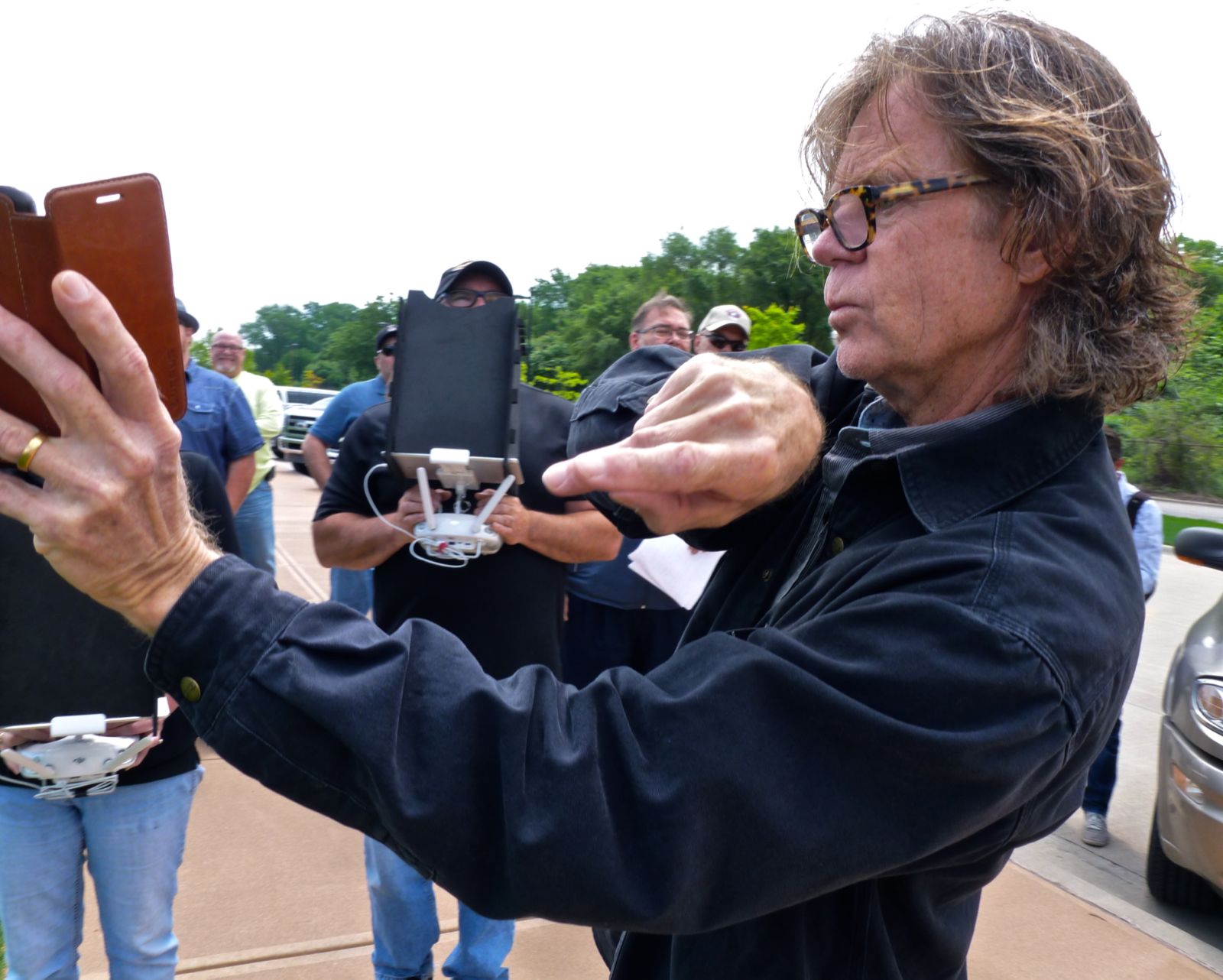
St Louis Video Production is a full-service professional commercial photography and video production company with the right equipment and experienced creative crew for successful image acquisition on complex sites—roofs included. We offer full-service studio and location video and photography, along with editing, post-production, and licensed drone pilots who understand both storytelling and technical capture.

We can customize your productions for diverse media requirements, whether you need a focused thermal inspection report, a facilities update for executives, or a full marketing piece around your building upgrades. Repurposing your existing photography and video branding to gain more traction across channels is another core specialty. Our team is well-versed in all common file types, media formats, and software platforms, making it easy to plug our work into your internal systems and vendors.

We also leverage the latest in Artificial Intelligence across our media services—from intelligent footage organization and enhanced image analysis to smart editing workflows that keep projects efficient and on schedule.

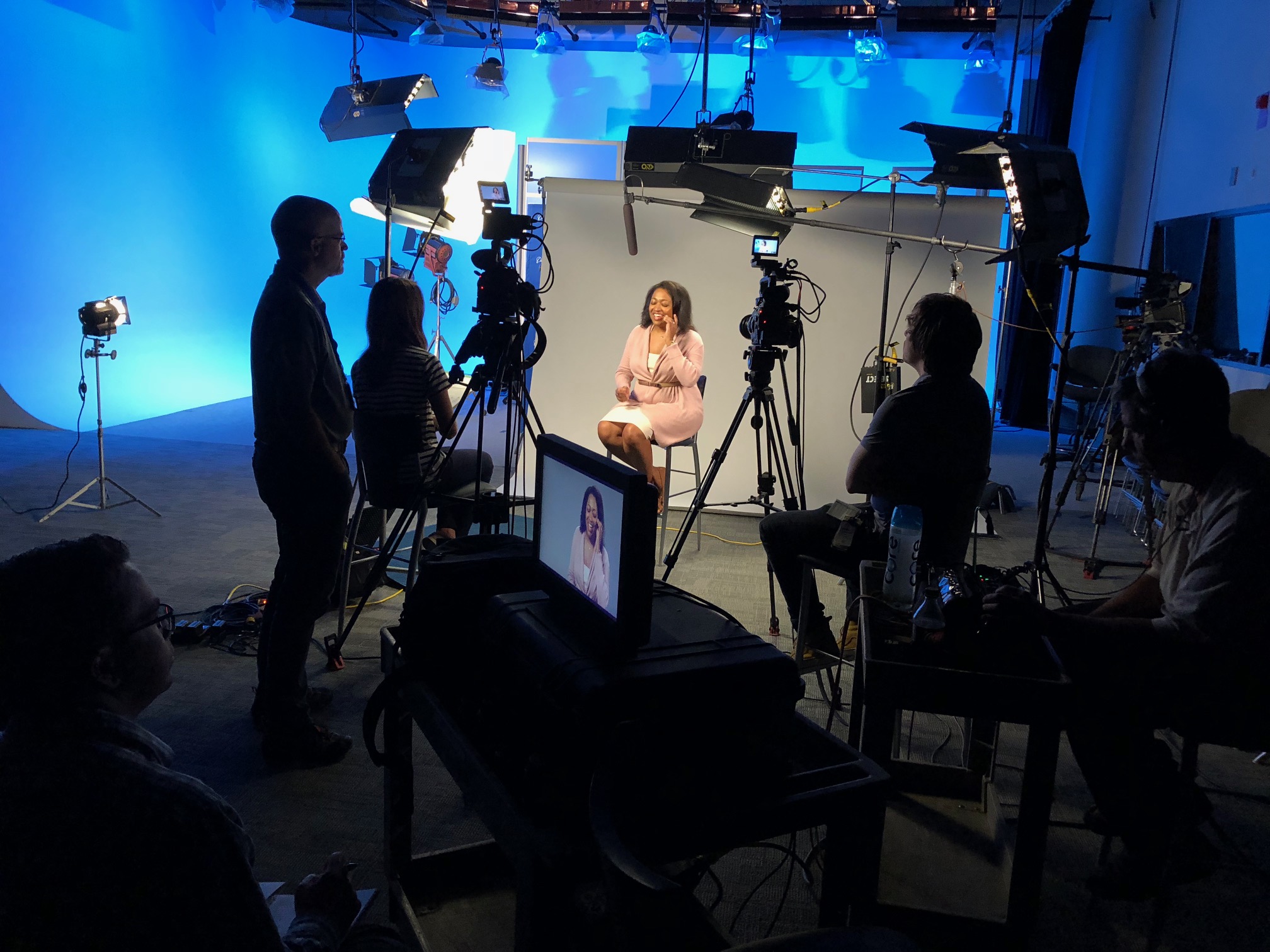
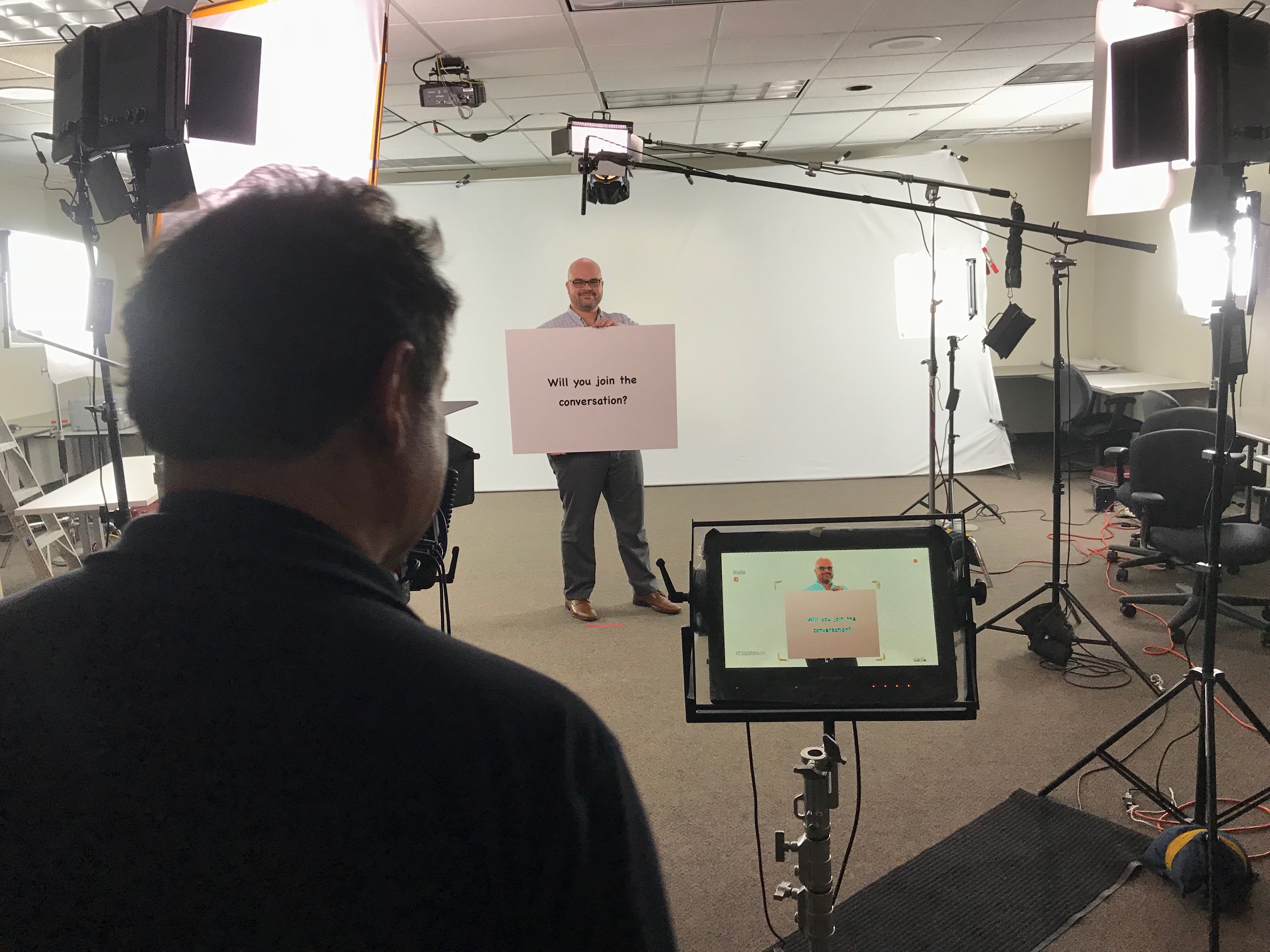
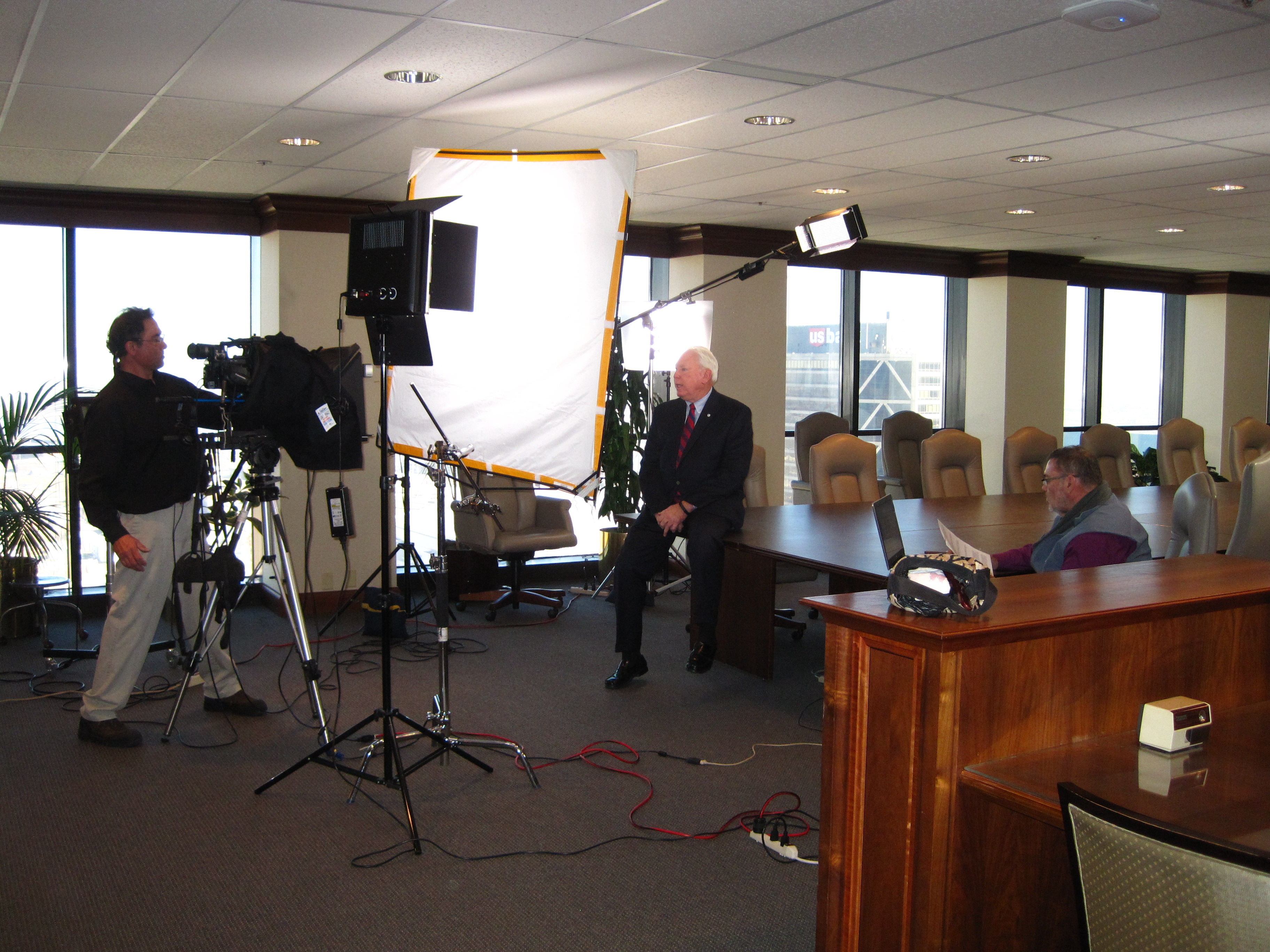
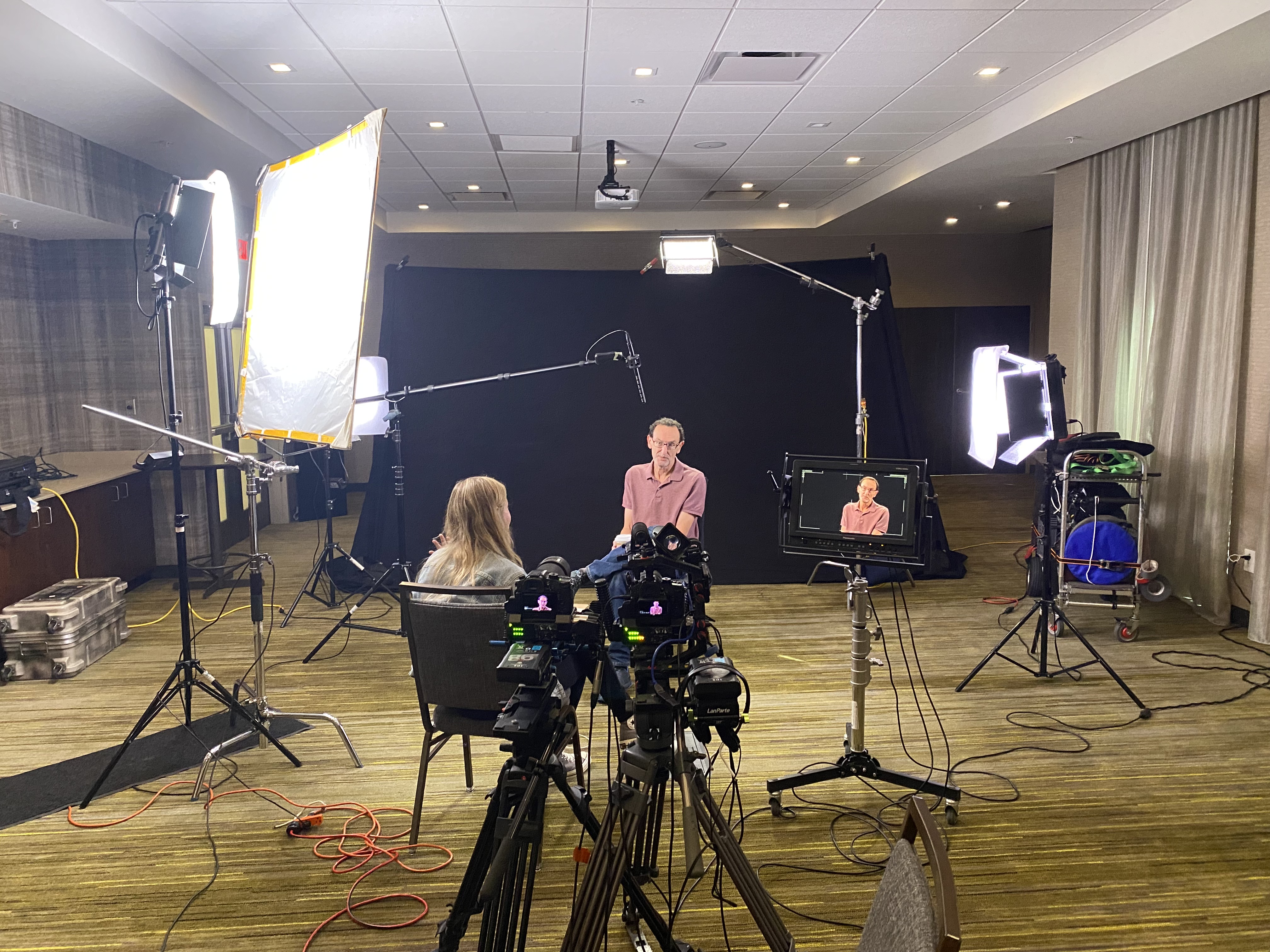
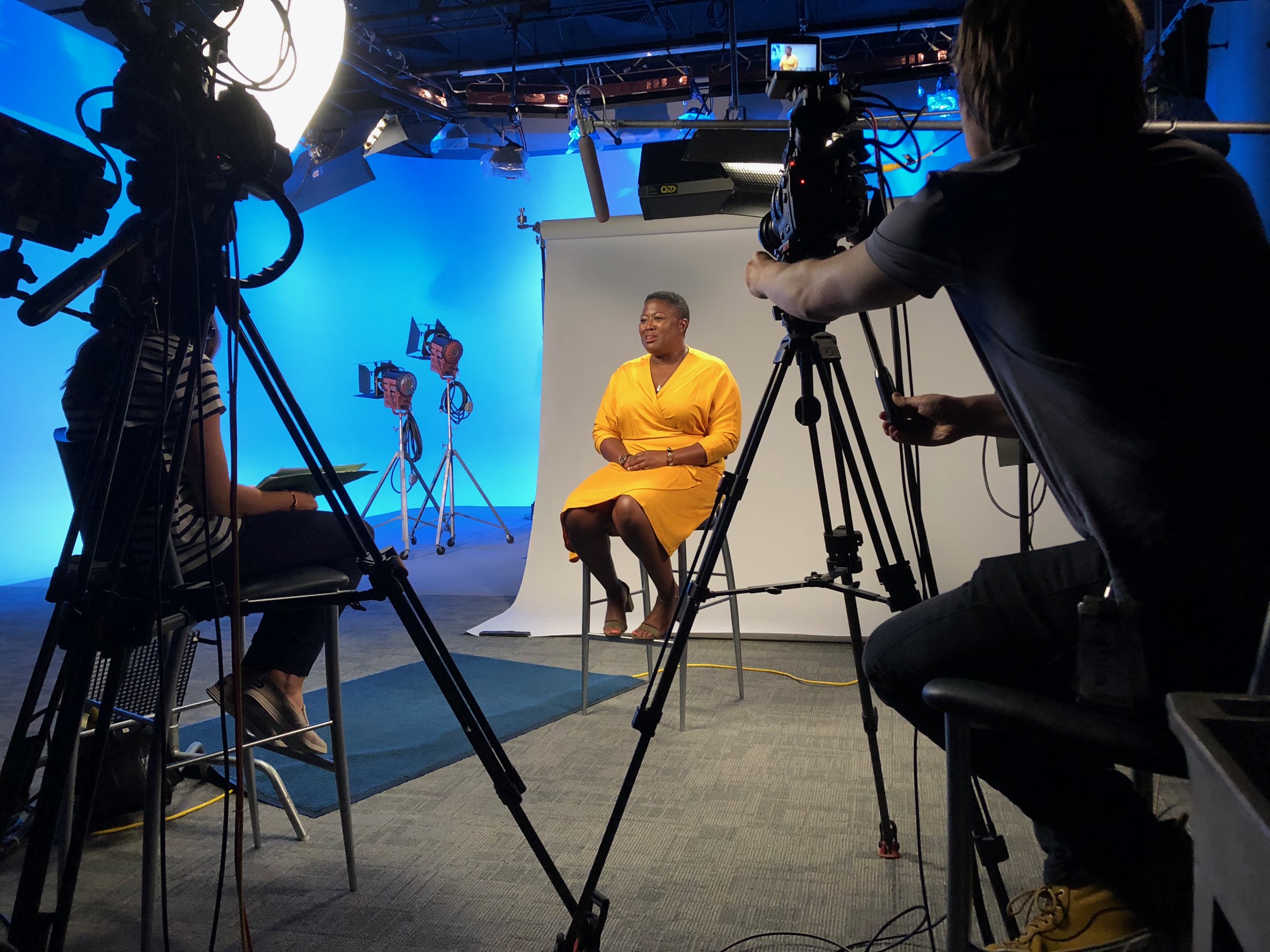
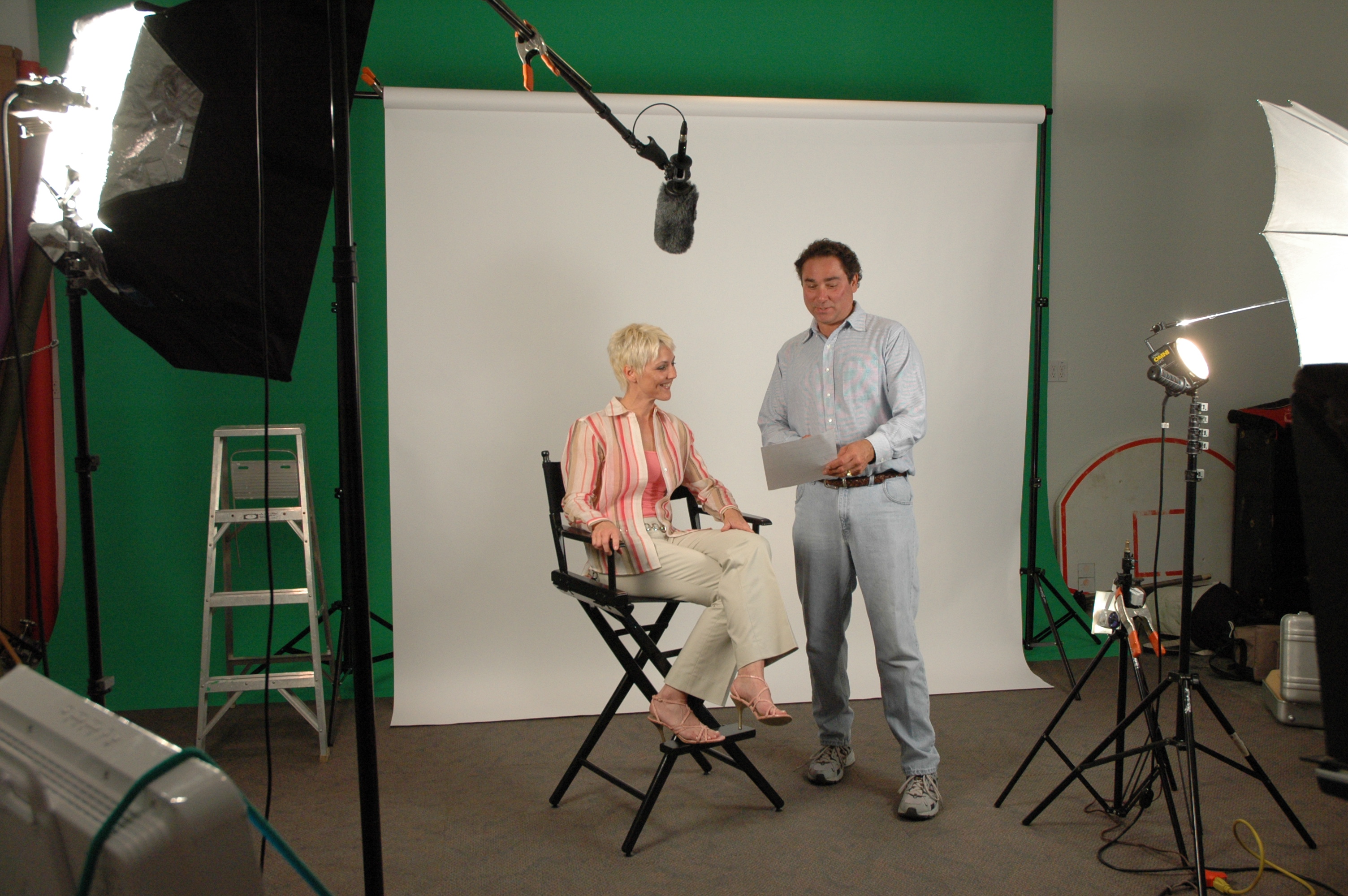
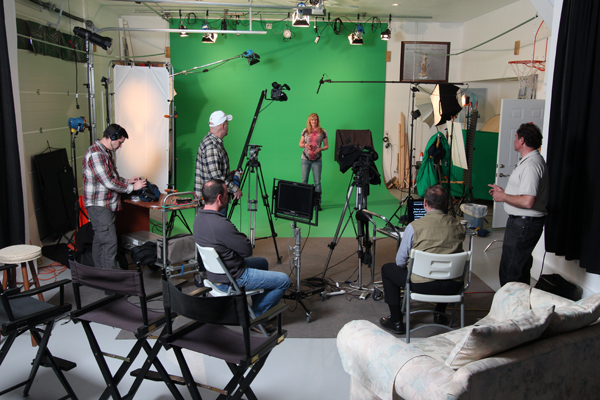
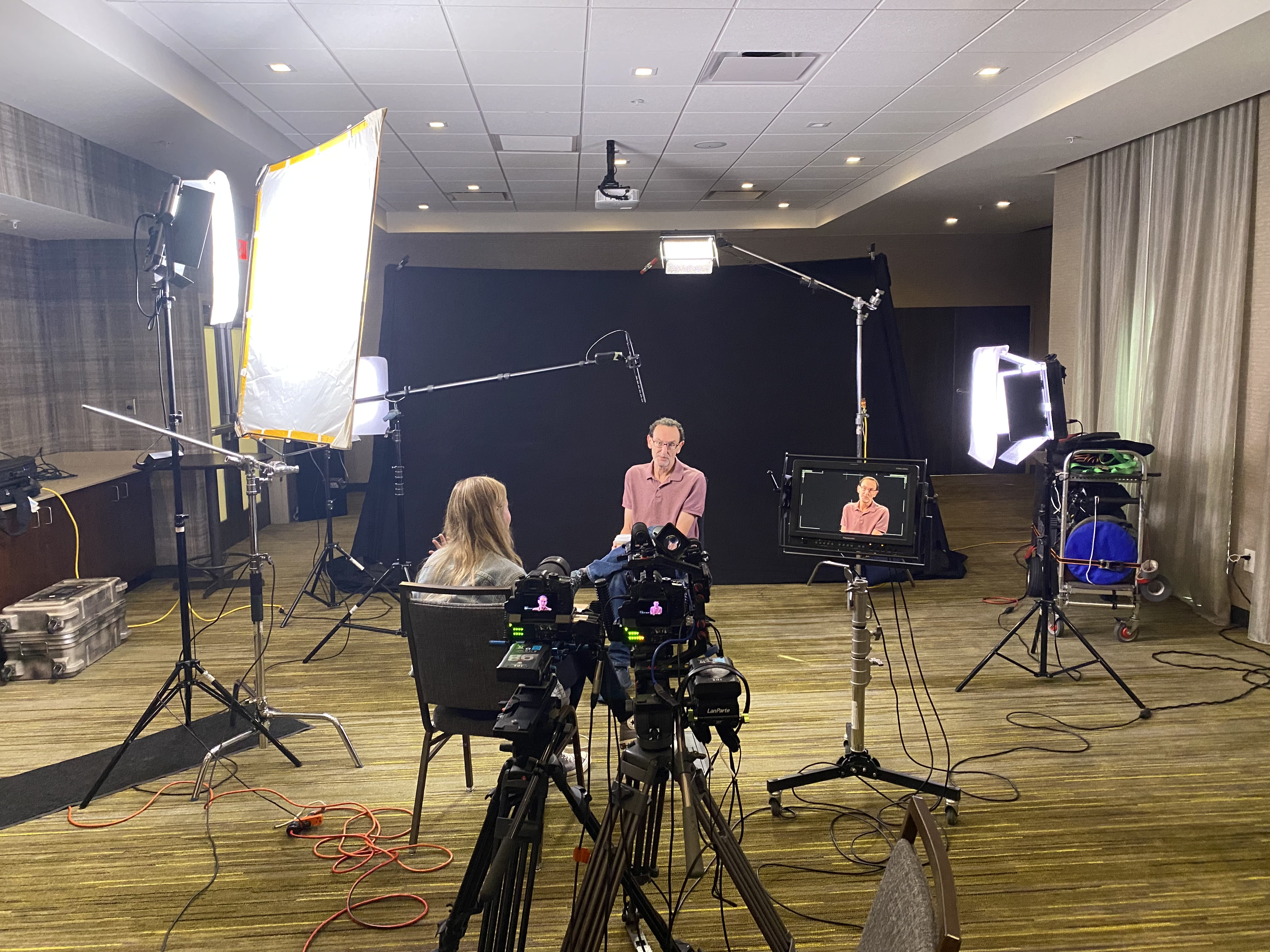
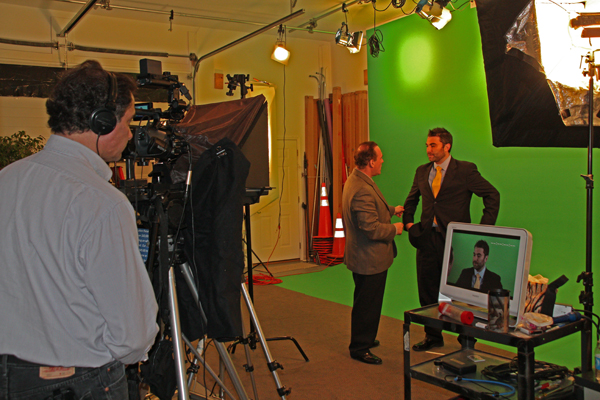
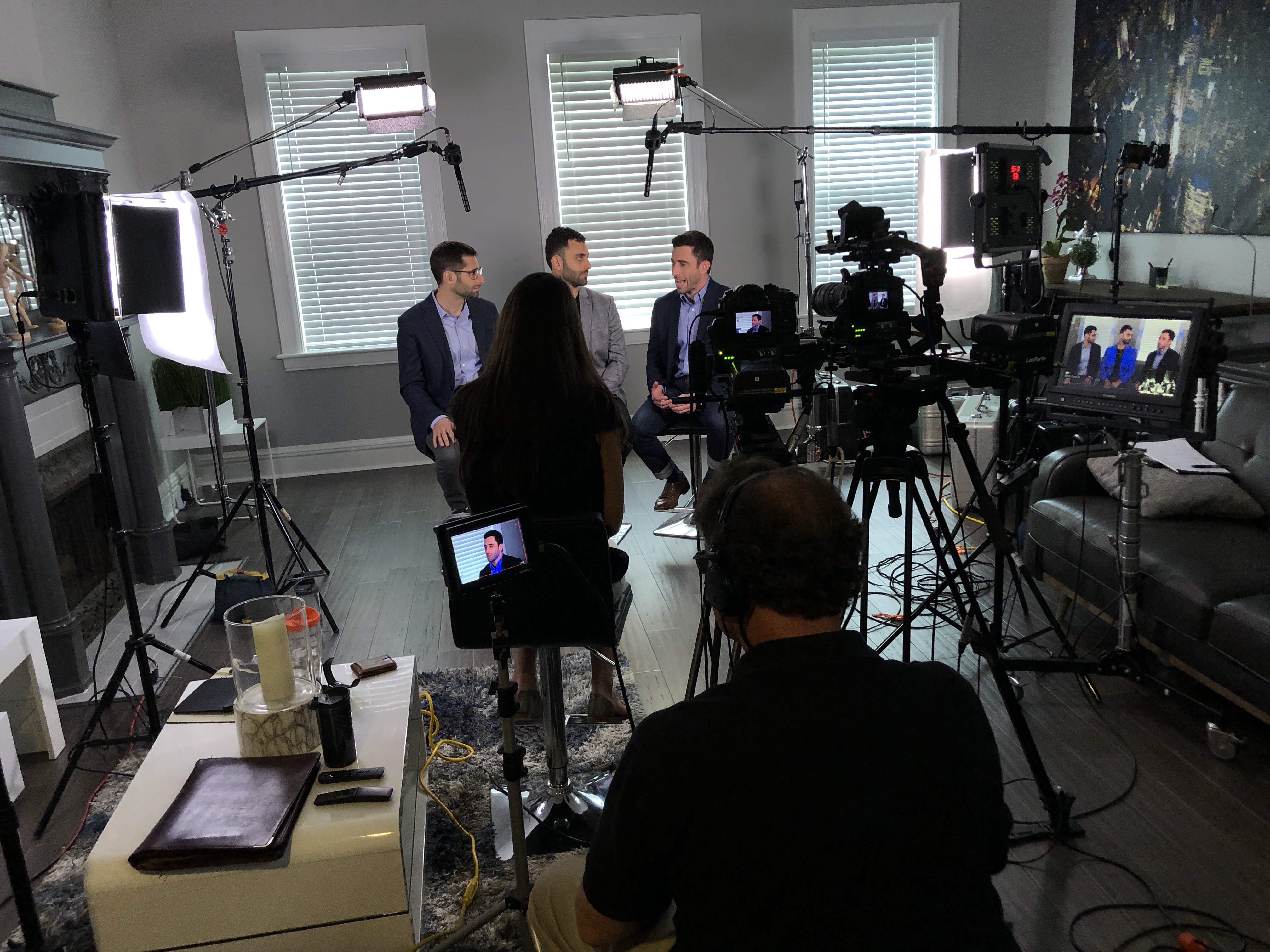
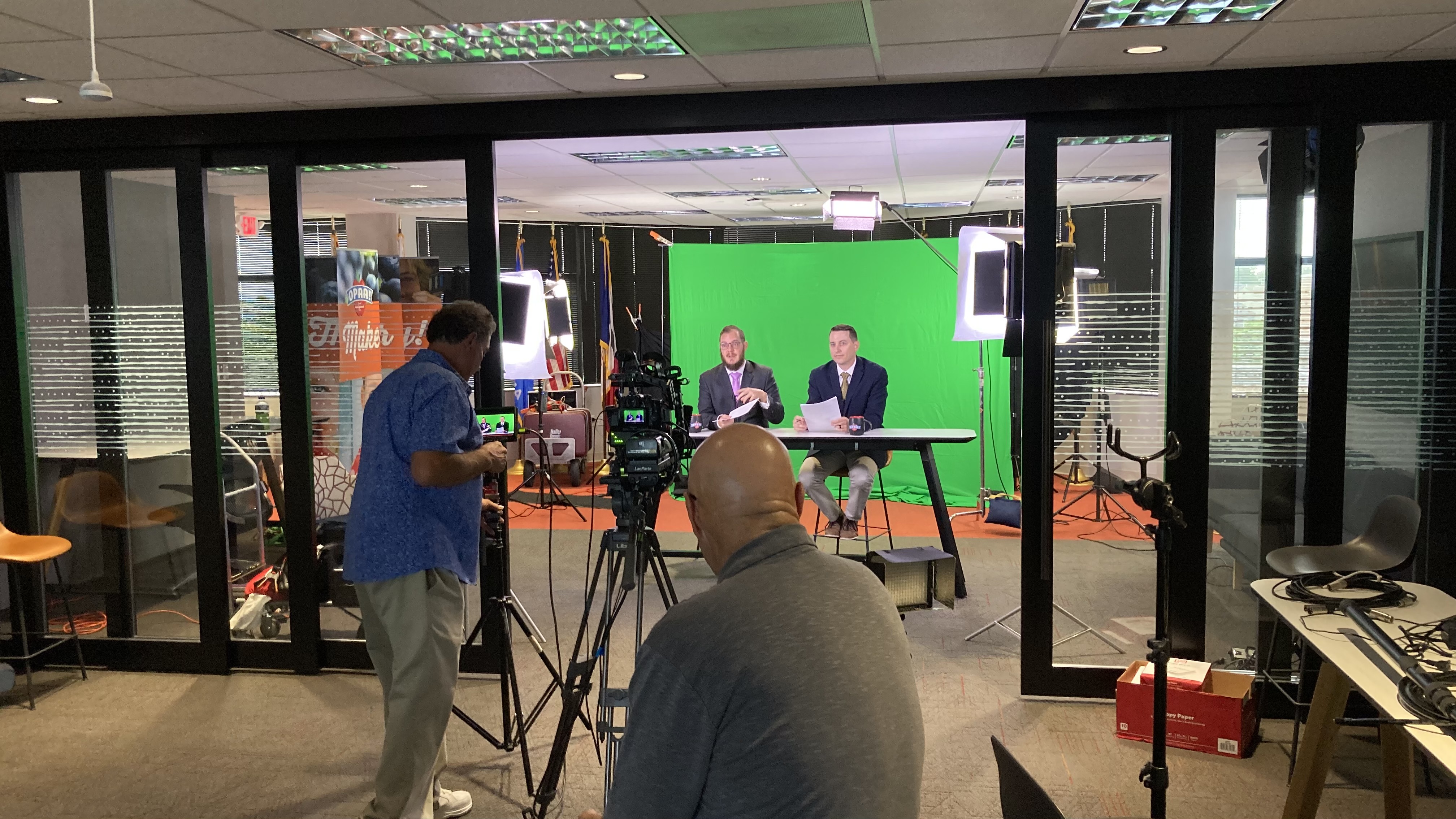
Our private studio lighting and visual setup is ideal for small productions, executive interviews, and explainer segments that can accompany your inspection visuals. The studio is large enough to incorporate props and set elements that help tell your facility story in a compelling way. On every project, we support the full production lifecycle—from setting up a private, custom interview studio to supplying professional sound and camera operators, as well as providing the right equipment on site—so your next video or inspection-driven communication is seamless and successful.

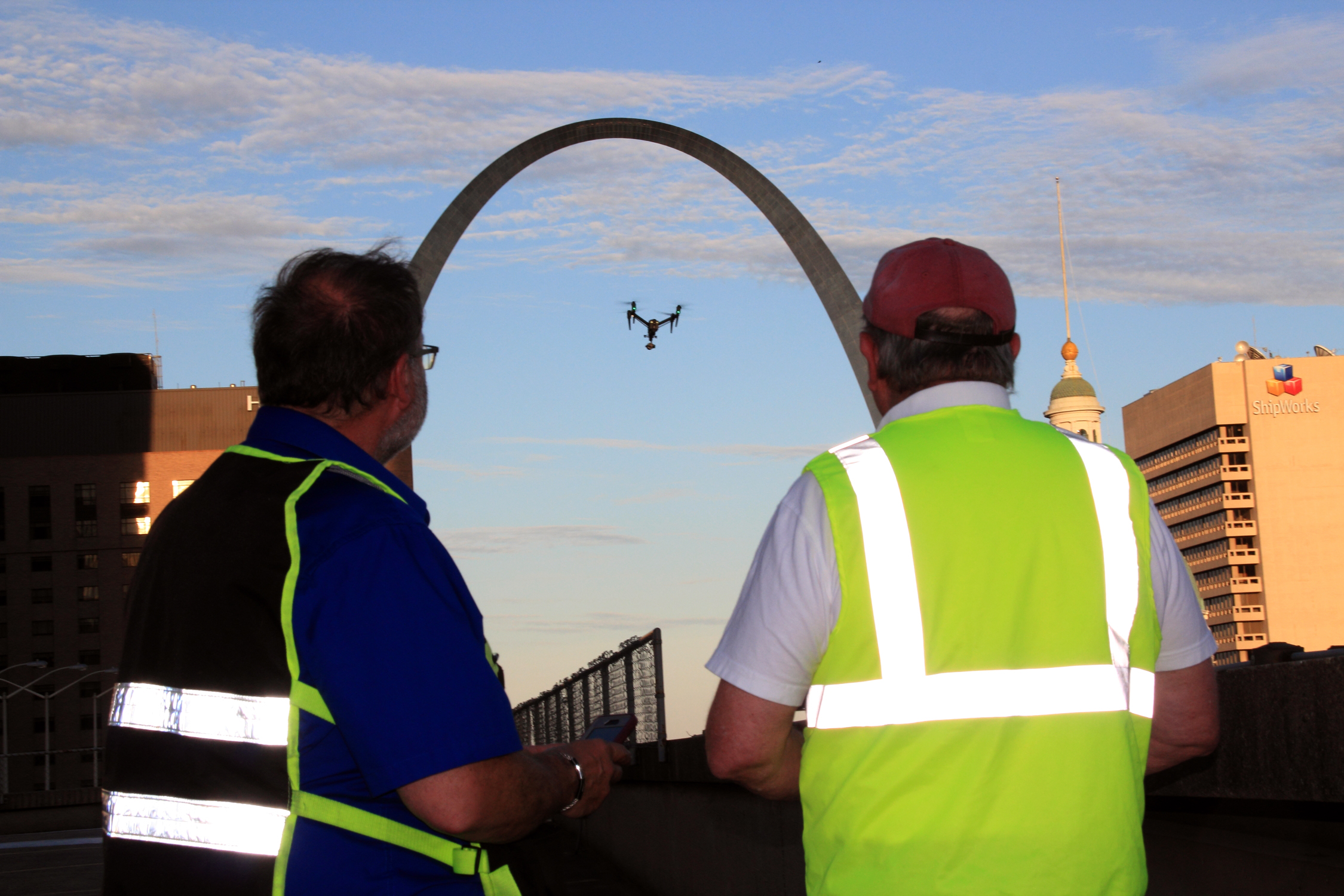
When rooftop access is limited or specialized perspectives are needed, we can even fly our specialized drones indoors where appropriate and safe, capturing unique visuals that traditional crews cannot.

As a full-service video and photography production corporation serving the St. Louis area since 1982, St Louis Video Production has partnered with countless businesses, marketing firms, and creative agencies on their marketing photography and video. If you’re exploring commercial roof thermal inspections by drone—or looking to turn technical inspections into clear, compelling visual stories—our team is ready to help you see your buildings differently, from the roof down.

314-913-5626 stlouisvideoproduction@gmail.com
Custom Video vs. Stock Footage: Cost, Control, and Brand Risk for Service Brands

If you sell a service—IT, healthcare, engineering, logistics, facilities—your “product” is trust. Moving pictures are often the fastest way to prove that trust. The recurring question for marketing leaders: invest in original video production or assemble campaigns from stock clips? The smart answer is a framework—balancing cost, control, and brand risk against speed and campaign goals. Here’s a practical, field-tested guide from the production floor.


Executive Summary (for busy stakeholders)

  • Stock footage is efficient for low-stakes, short-life assets (internal explainers, early mockups, quick social tests).
  • Custom video wins when you need ownable IP, legal clarity, narrative cohesion, and proof of your real people, processes, and locations.
  • Hidden costs and risks—licensing limits, look-alike competitors, audio/music rights, compliance misses—often turn “cheap” stock into the costlier option.

Cost: Sticker Price vs. Total Cost of Ownership (TCO)

Direct costs

  • Stock footage: Clip/subscription fees, often per seat or per deliverable; extended licenses for paid media or OTT quickly escalate.
  • Custom video: Crew, gear, locations, permits, talent, and post. Upside: broad rights, consistent masters, footage libraries that pay off across quarters.

Hidden and downstream costs

  1. License governance for each clip (duration, territory, impressions, media types).
  2. Music & SFX rights—even “royalty-free” tracks can exclude broadcast/paid social.
  3. Style stitching—time spent matching disparate clips and codecs, frame rates, color science, and grain.
  4. Replacement costs if a competitor uses the same hero shot.
  5. Performance tax—generic visuals depress watch time and conversions on high-intent pages.

A quick ROI lens
If custom video lifts conversion or sales enablement metrics even modestly, the compounding reuse (web, social, recruiting, PR, tradeshows) usually beats stock within one campaign cycle.


Control: Narrative, Consistency, and Compliance

Narrative control

  • Stock: You inherit someone else’s angles, casting, and context. Coverage gaps force script compromises.
  • Custom: You design story beats—cold open, proof moments, VO sync, graphics handoffs—so messaging drives pictures, not the other way around.

Visual consistency

  • Stock is a collage: mixed camera systems, white balances, shutter cadences, and motion blur.
  • Custom yields a repeatable look: lens set, LUTs, lighting ratios, motion language, and lower-thirds templating that scale across all channels.

Regulatory & safety

  • Stock often misses details your buyers and auditors scrutinize: correct PPE, HIPAA-safe contexts, lockout/tagout cues, sterile fields, data-center protocols.
  • Custom lets us stage compliance correctly and clear it with your legal or safety teams in advance.

Brand Risk: Where Teams Get Surprised

  1. Competitor collisions: The same “technician walking and pointing” shows up in your market—credibility dips.
  2. Context errors: Wrong facility types, unrealistic equipment, or non-Midwest exteriors that break authenticity.
  3. Rights ambiguity: Editorial vs. commercial, actor/model releases, trademarked backgrounds, and AI re-edits that violate clip terms.
  4. Provenance: Mixed AI/3D/real clips without content credentials invite scrutiny. With custom, we can embed C2PA for source transparency.

When Stock Footage Makes Sense (and How to Use It Well)

  • Early prototypes, wireframes, and mood films
  • Decorative b-roll in low-stakes channels
  • Abstract interstitials (macro textures, bokeh, time-lapse)
  • Quick social experiments where speed > polish

Best practices

  • Maintain a clip ledger (ID, license scope, expiry, placements, spend).
  • Avoid recognizable faces or facilities for hero sequences.
  • Standardize frame rate and color space to minimize stitching labor.
  • Prefer abstract or environmental stock to reduce look-alike risk.

When Custom Video Is the Clear Choice

  • Homepage hero videos, service explainers, recruiting films
  • Case studies and proposal sizzles where buyers need evidence
  • Regulated or technical workflows (medical, industrial, utilities, aviation)
  • Evergreen brand libraries for ongoing campaigns
  • Facility tours and POV walkthroughs (including indoor drone moves)

Deliverables that scale

  • Master film (60–120s) + cut-downs (30s/15s/6s) in 16:9, 1:1, and 9:16
  • B-roll library tagged by process, department, and compliance state
  • Interview soundbites (customer, manager, technician) for quick social lifts
  • Graphics pack (lower-thirds, supers, logo resolves) for internal reuse

The Decision Matrix (Use Before You Script)

Ask five questions:

  1. Is the video proof or decoration? Proof = Custom. Decoration = Stock can work.
  2. How public and persistent is the placement? Evergreen or paid = Custom lowers risk.
  3. Are there compliance or accuracy requirements? If yes, custom.
  4. Do we need a unified brand look? If yes, build a custom library + style guide.
  5. Will we repurpose across teams? If yes, custom’s TCO wins fast.

Practical Budgeting: Buy Once, Reuse Everywhere

Plan a library, not a one-off

  • Map the funnel (awareness → consideration → decision → onboarding → recruiting).
  • For each stage, list required scenes: team expertise, process, safety, customer outcomes, facility scale.

Stack efficiencies

  • Shoot interviews + process b-roll while setups are hot.
  • Capture audio wild lines (taglines, CTAs, alt takes) for future edits.
  • Use indoor drones for dynamic reveals without disrupting operations.
  • Record clean plates for on-brand motion graphics and future language swaps.

Rights & governance

  • Commission for broad commercial rights (digital/print/paid/OTT), model & property releases, and music with broadcast/paid rights.
  • Embed C2PA credentials; centralize masters, transcripts, captions, cue sheets, and license docs.

Creative Guardrails for Service-Brand Video

  • Show the actual workflow: Wide (context) → Medium (people + process) → Tight (expert details).
  • Prioritize sound: Lav + boom capture, noise control, proper sample rates; build caption files on delivery.
  • Safety and inclusion: Correct PPE/signage; represent real teams authentically.
  • Lighting language: Soft directional key, motivated practicals, consistent contrast; one LUT library.
  • Motion language: Thoughtful gimbal/dolly; drones for establishing and impossible angles—indoor flights when appropriate.
  • Accessibility: High-contrast supers, legible type, accurate captions, descriptive alt text on embeds.

Sample One-Day Video Plan (Designed for 6–12 Months of Assets)

Pre-production (1–2 weeks prior)

  • Script outline, interview beats, shot list, schedule, releases, safety review
  • Look/tone brief, lower-thirds/graphic templates
  • Tech scout: power, noise, drone paths (including indoor), staging

Production (1 day)

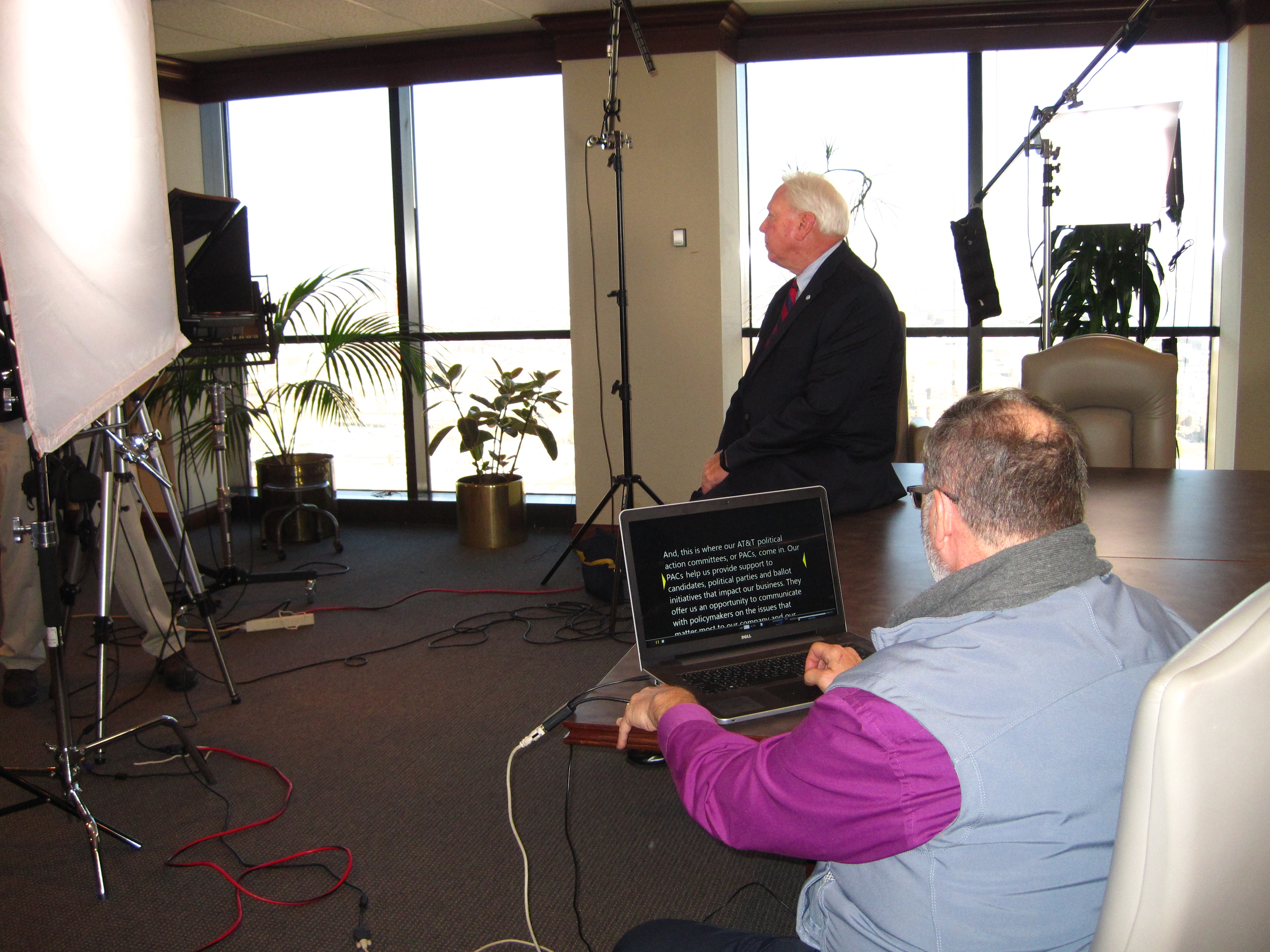
  • Executive & SME interviews (2-camera, teleprompter as needed)
  • Process coverage (A-cam on sticks, B-cam on gimbal; wide/medium/detail cadence)
  • Facility and culture b-roll (collaboration, stand-ups, QC checks)
  • Indoor drone establishing passes and transitions
  • Wild lines for future CTAs and versioning

Post (3–10 days)

  • Color pipeline + loudness-normalized mixes
  • Master + social cut-downs (16:9 / 1:1 / 9:16)
  • Captions (SRT/WebVTT), transcripts, clean text for repurposing
  • Music/SFX with paid/OTT rights; cue sheets delivered
  • Delivery with metadata, C2PA, and asset index

Governance Checklist (Pin This in Your Brand Binder)

  • Broad commercial rights secured; music licensed for paid/OTT
  • Model & property releases on file
  • Compliance sign-off (PPE, privacy, signage)
  • Captions/transcripts included; accessibility reviewed
  • C2PA credentials embedded
  • Centralized asset index with tags/expirations
  • AI policy (permitted enhancements, disclosure, provenance)

Where AI Fits (and Where It Doesn’t)

Use AI to storyboard, generate animatics, clean plates, remove distractions, automate captions, version graphics, and upscale. For credibility—real people, regulated processes, facility specifics—capture reality and use AI as a finishing tool. Preserve provenance with Content Credentials.


Bottom Line

For service brands, video isn’t decoration—it’s evidence. Stock footage has a role in speed and prototyping, but the videos that build trust and move revenue—cohesive stories, accurate process visuals, compliant details, and consistent brand language—come from custom production. Model total cost and risk honestly, and bespoke video becomes the most economical choice you can make.


About St Louis Video Production

St Louis Video Production is a full-service professional commercial video and photography company with the right equipment and creative crew experience for successful image acquisition. We provide full-service studio and location video and photography, plus editing and post-production, and licensed drone pilots—including the ability to fly our specialized drones indoors for dynamic, cinematic facility footage.

We customize productions for diverse media requirements and excel at repurposing your video and photography branding to maximize traction across web, social, recruiting, sales enablement, trade shows, and paid media. Our team is well-versed in all file types, media styles, and accompanying software, and we leverage the latest Artificial Intelligence for efficient, secure workflows—from denoise and upscaling to smart captioning and content credentials. Our private studio lighting and visual setup is ideal for executive interviews and small productions, with space to incorporate props and sets.

As a full-service production corporation since 1982, St Louis Video Production has partnered with businesses, marketing firms, and creative agencies throughout the St. Louis area to deliver credible, conversion-ready video libraries. We support every aspect of your production—from setting up a private, custom interview studio to supplying professional sound and camera operators and the right equipment—ensuring your next video production is seamless and successful.

Mike Haller 314-913-5626 stlouisvideoproduction@gmail.com
Beyond the Blinking Light: Empowering Your On-Camera Talent with Teleprompters

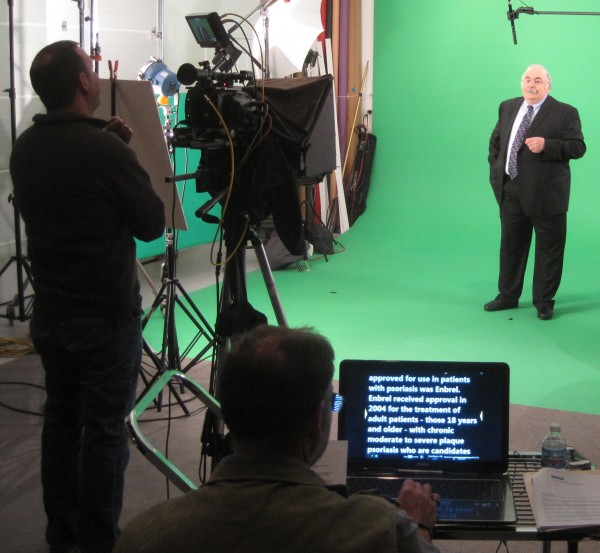
In the world of corporate communications, the camera often feels like an intimidating, all-seeing eye. For many business professionals, stepping in front of it for the first time can be a nerve-wracking experience, leading to stilted deliveries, forgotten lines, and an overall lack of authentic connection. As seasoned videographers and producers, we at St Louis Video Production understand these anxieties intimately. Our secret weapon for transforming hesitant speakers into confident camera stars? The humble, yet incredibly powerful, teleprompter.

The Teleprompter: More Than Just a Script Reader

Too often, the teleprompter is viewed as a crutch, a tool for those who can’t memorize their lines. This couldn’t be further from the truth. In expert hands, a teleprompter is a strategic asset that enhances professionalism, boosts confidence, and ultimately delivers a more impactful message.

Here’s how a teleprompter transcends its basic function to ease nerves and empower your on-camera talent:

1. Eliminating Memorization Pressure: The sheer burden of memorizing a script can be paralyzing. With a teleprompter, this pressure evaporates. Talent can focus entirely on their delivery, inflection, and connecting with the audience, rather than frantically trying to recall the next sentence. This freedom allows for a more natural and conversational tone, even with highly technical or detailed content.

2. Maintaining Eye Contact and Engagement: One of the most significant advantages of a teleprompter is its ability to keep your talent looking directly into the camera lens. Instead of glancing down at notes or looking off-camera, their gaze remains steady and engaged, creating a direct connection with the viewer. This sustained eye contact builds trust and makes the message feel more personal and authoritative.

3. Ensuring Message Accuracy and Consistency: In corporate video, precision is paramount. A teleprompter guarantees that key messaging, brand guidelines, and complex information are communicated accurately and consistently, every single time. This is especially critical for legal, financial, or technical content where even a slight misstatement can have significant repercussions.

4. Boosting Confidence and Reducing Takes: When talent knows the words are there, their confidence soars. This translates into fewer retakes, saving valuable production time and resources. The ability to deliver a smooth, error-free performance from the outset is incredibly empowering, fostering a more positive and productive filming environment. Imagine the relief of seeing your message scroll effortlessly, knowing you’re hitting every key point.

5. Facilitating Dynamic Deliveries: While a teleprompter provides the words, an experienced director can guide talent to deliver them with appropriate pacing, emphasis, and emotion. The teleprompter frees the talent’s mental energy to focus on these nuances, resulting in a more dynamic and engaging presentation, rather than a robotic recitation.

6. Adapting to Last-Minute Changes: Business environments are dynamic, and scripts often require last-minute tweaks. With a teleprompter, these changes can be implemented instantly, allowing for seamless adaptation without disrupting the flow of the shoot or requiring your talent to re-memorize sections.

Integrating Teleprompters into Your Production Strategy

For decision-makers in photography, marketing, and video production, incorporating teleprompters into your strategy for on-camera talent is a shrewd investment. It’s about more than just reading words; it’s about empowering your people to communicate effectively, authentically, and confidently.

At St Louis Video Production, we understand the art and science of utilizing teleprompters to their fullest potential. Our experienced crew ensures the script scrolls at the perfect pace, the font size is comfortable, and the talent feels completely at ease.


St Louis Video Production: Your Partner for Flawless Visual Storytelling

Since 1982, St Louis Video Production has been the trusted full-service professional commercial photography and video production company for businesses, marketing firms, and creative agencies across the St. Louis area. We bring the right equipment and a creative crew with extensive service experience for successful image acquisition, ensuring your message not only gets seen but also resonates.

We offer comprehensive studio and location video and photography services, as well as expert editing, post-production, and licensed drone pilots. Our capabilities extend to customizing productions for diverse types of media requirements, and we specialize in repurposing your photography and video branding to gain more traction across platforms. We are well-versed in all file types and styles of media and accompanying software, leveraging the latest in Artificial Intelligence for all our media services to optimize efficiency and impact.

Our private studio lighting and visual setup is meticulously designed, perfect for small productions and interview scenes. The studio is large enough to incorporate various props to round out your set, providing a versatile environment for your creative vision. We meticulously support every aspect of your production—from setting up a private, custom interview studio to supplying professional sound and camera operators, as well as providing the right equipment—ensuring your next video production is seamless and successful. We even possess the specialized equipment and expertise to fly our drones indoors for unique perspectives.

When you partner with St Louis Video Production, you’re not just getting a vendor; you’re gaining a dedicated team committed to transforming your vision into compelling visual content. Let us help your first-time camera stars shine, delivering your message with clarity, confidence, and professionalism.

Mike Haller 314-913-5626 stlouisvideoproduction@gmail.com
Let Your Customers Sell: The Question Playbook for Video Testimonials

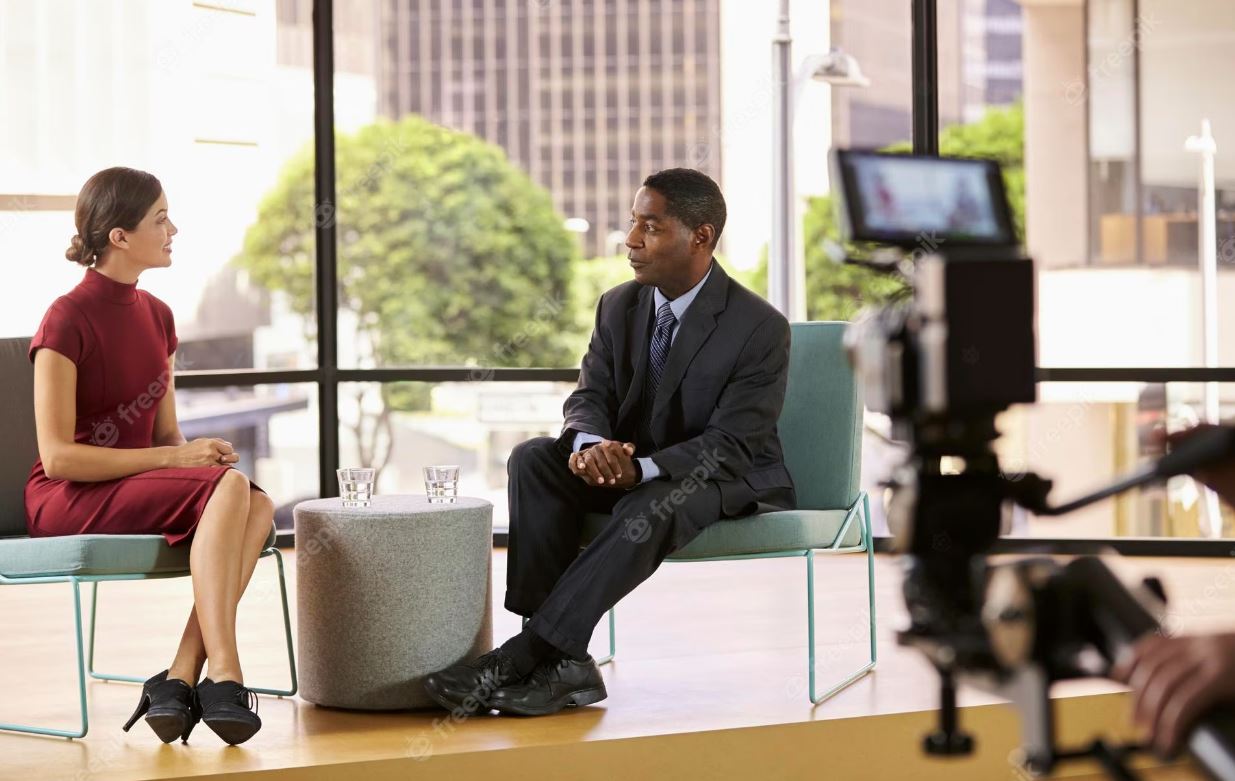
If your best prospects could sit in on one honest conversation with your happiest customer, they’d buy faster and with more confidence. That’s the power of a well-structured video testimonial. The trick isn’t fancy gear or a lucky soundbite—it’s asking the right questions in the right order, and creating an environment where real stories surface naturally.

Below is a pragmatic, field-tested playbook we use at St Louis Video Production to plan, conduct, and repurpose testimonial interviews that actually move the needle.


Why Video Testimonials Work (and What “Good” Looks Like)

Good testimonials:

  • Match the buyer’s journey (awareness → evaluation → decision).
  • Frame the before → during → after in concrete, measurable terms.
  • Address common objections (risk, cost, speed to value, switching pain).
  • Feel unscripted but are guided—crisp answers, human details, proof.

Signal you’ve nailed it: prospects echo your customer’s own phrases back to your sales team, and sales uses the clips proactively (not just marketing).


Pre-Production: Set the Table for Truth

Define the story arc

  • ICP: Which customer profile do we want more of?
  • Use case: Which problem-outcome pair matters most this quarter?
  • Proof target: What metric, milestone, or moment will validate success?

Line up logistics

  • Stakeholders: Subject, their boss (for approval), legal/compliance, location contact.
  • Paperwork: Appearance release, location release, product/logo permissions.
  • Guardrails: Topics to avoid (competitive NDAs, regulatory limits), brand voice, no-go claims.

Prep the guest (without over-rehearsing)

  • Send a 1-page “what to expect” (wardrobe, timing, parking, mic etiquette).
  • Share themes, not scripts; reassure “we’ll guide you.”
  • Ask for artifacts (dashboards, photos, product in use) to film as B-roll.

On-Set: Make It Easy to Be Great on Camera

  • Warm-up first. Start with soft, non-work questions to settle nerves.
  • Ask one idea per question. Short prompts → short, usable answers.
  • Go for specifics. Replace “it was better” with “cut onboarding from 10 days to 3.”
  • Follow the energy. When eyes light up, stay curious; ask “What happened next?”
  • Silence is a tool. After an answer, pause; the best add-ons arrive in the quiet.

Technical baseline (so the story shines):

  • Two-camera angle for edit flexibility; lav + boom for clean audio.
  • Soft, flattering key + fill; match brand palette subtly in set elements.
  • Capture plentiful B-roll that shows what the guest says.

The Question Playbook (Organized by Outcome)

Use these as modular blocks. You won’t ask them all—select 8–15 that fit your story arc.

1) Openers that Build Comfort

  • “Where do you work and what do you do day to day?”
  • “What does success look like in your role?”

2) The Before State (Problem and Stakes)

  • “What was the situation before you started looking for a solution?”
  • “What made the status quo no longer acceptable?”
  • “What did the pain look like in numbers (time lost, errors, missed revenue)?”

3) The Search and Selection

  • “What alternatives did you consider, and why didn’t they fit?”
  • “What tipped the decision in our favor?”
  • “What risk felt biggest, and how was it addressed?”

4) Implementation and Experience

  • “Walk me through week one—what actually happened?”
  • “Who was involved on both teams? Any surprises?”
  • “How long until you saw first value? Full value?”

5) Outcomes and Proof

  • “What metrics moved? Baseline vs now.”
  • “What changed for your team or customers?”
  • “What’s a moment you realized this was working?”

6) Objections—Handled on Camera

  • “If someone is worried about cost/switching/complexity, what would you tell them?”
  • “What do you wish you’d known on day one?”

7) Differentiators in Plain Language

  • “What do we do differently than others you’ve worked with?”
  • “What one capability would be hardest to give up?”

8) Emotional Beats (Human Detail)

  • “How does your workday feel different now?”
  • “Who on your team felt the impact first?”

9) Future and Advocacy

  • “What’s next now that this is solved?”
  • “Would you choose us again? Why?”

Industry-Specific Add-Ons

B2B SaaS / Tech

  • “What integrations mattered most?”
  • “How did security/compliance review go?”
  • “What’s your retention or adoption rate after rollout?”

Manufacturing / Logistics

  • “What throughput or yield improvements did you see?”
  • “Any downtime reduction or safety gains?”
  • “Impact on scrap, returns, or on-time delivery?”

Healthcare / Regulated

  • “How did the process respect privacy and compliance?”
  • “Which outcomes are you comfortable sharing publicly?”
    (Avoid PHI; pre-clear wording with compliance.)

Professional Services

  • “Where did the team demonstrate judgment—not just tasks?”
  • “What checkpoint gave you confidence we were on track?”

Recruiting / HR

  • “How many days to fill before/after?”
  • “Quality-of-hire or retention shifts?”

Nonprofit / Public Sector

  • “Community outcome in lives touched, hours saved, dollars redirected?”
  • “How did this influence stakeholder confidence or funding?”

A 10-Minute Interview Outline (Efficient and Effective)

  1. Role & context (0:45)
  2. The “before” and trigger to change (1:30)
  3. Why we were chosen (1:00)
  4. Implementation snapshot (1:30)
  5. Outcomes with numbers (2:30)
  6. Objection handling (1:00)
  7. Differentiator and recommendation (1:00)
  8. CTA-ready closer (0:45)

Make It Visual: B-Roll You’ll Actually Use

  • The system in action: screens, hands, processes, product close-ups.
  • “Day in the life” cutaways: meetings, whiteboards, customers served.
  • Proof artifacts: dashboards, reports, before/after images, shipping lines, storefronts.
  • Emotional texture: smiles, relieved team, quiet focus, celebratory moments.

Edit Structure That Converts

  • Cold open: 3–6 second hook with a quantifiable win.
  • Title card + identity: who’s speaking, why they matter.
  • Problem → solution → outcome in under 90 seconds; keep one idea per beat.
  • End card CTA: what to do next (book demo, schedule consult, watch deeper case).
  • Versions: 16:9 web, 1:1 feed, 9:16 stories/reels; 6s, 15s, 30s, 60–90s cuts.
  • Accessibility: open captions burned in; high-contrast safe zones.

Distribution Plan (So the Story Works for You Everywhere)

  • Website: case-study pages, product pages, pricing page objection handlers.
  • Sales: email follow-ups, proposal decks, QR at trade shows.
  • Social/PR: short cuts with one metric per clip; tag the customer if approved.
  • Lifecycle: onboarding (what good looks like), renewal (outcomes reminder).
  • Paid: A/B test 6s hooks that mirror top objections from sales calls.

Track watch time, quartile completion, CTA clicks, influenced pipeline/revenue; annotate wins to the original testimonial in your asset library.


Ethical, Legal, and Brand Hygiene

  • Signed appearance and location releases (store with the asset).
  • Avoid confidential data on screens; plan redactions in post if needed.
  • Add content credentials/provenance where appropriate.
  • Keep claims truthful; use customer’s own metrics and language.

Quick Do/Don’t

Do

  • Coach for specifics and stories.
  • Ask follow-ups; let them finish.
  • Film lots of purposeful B-roll.

Don’t

  • Put words in their mouth.
  • Lead with jargon or internal slogans.
  • Rely on a single long cut—think modular reuse.

Ready-to-Use Prompt Sheet (Print for Your Interviewer)

  • “What was happening before you started looking for a solution?”
  • “What changed that made you act now?”
  • “What nearly stopped you from choosing us?”
  • “What happened in week one?”
  • “What can you measure that proves this worked?”
  • “If someone’s on the fence, what should they know?”
  • “What do we do that others don’t?”
  • “Would you choose us again? Why?”

Why Teams Choose Us to Produce Testimonials

Since 1982, we’ve helped businesses, marketing firms, and agencies in the St. Louis area capture credible, conversion-ready testimonial stories. Our crews handle everything—from strategy and question design to on-set coaching, filming, and post-production—so your customers look and sound their best while saying what future buyers actually need to hear.

About St Louis Video Production
St Louis Video Production is a full-service professional commercial photography and video production company with the right equipment and experienced crew for successful image acquisition. We provide full-service studio and location video and photography, editing, post-production, and licensed drone pilots—including the ability to fly our specialized drones indoors when a dynamic perspective is needed. We customize productions for diverse media requirements and excel at repurposing your photography and video branding to gain more traction across channels. We are well-versed in all file types, media styles, and the accompanying software, and we leverage the latest Artificial Intelligence responsibly throughout our services for speed, consistency, and scale. Our private studio lighting and visual setup is ideal for small productions and interview scenes, with room for props to round out your set. We support every aspect of your production—from setting up a private, custom interview studio to supplying professional sound and camera operators, as well as providing the right equipment—ensuring your next video production is seamless and successful.

Mike Haller 314-913-5626 stlouisvideoproduction@gmail.com
Most common video-production services clients ask for.

1) Corporate & Brand Videos

What clients ask: “Can you produce a clear, on-message corporate piece—recruiting, sales, or corporate communications—and handle it end-to-end?”
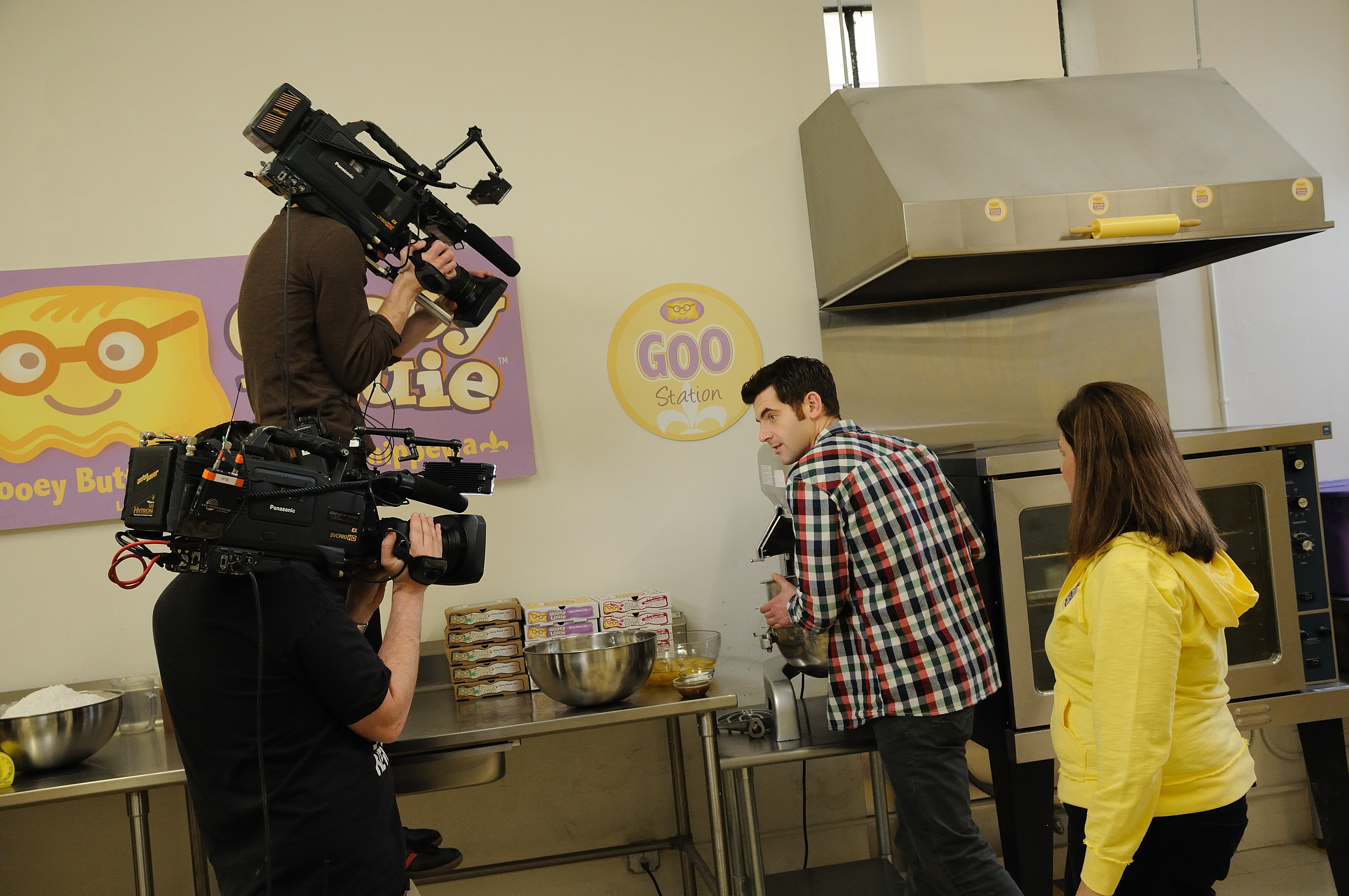
Our answer: Yes. We’re a full-service corporate production company creating communications, recruiting, marketing/sales, campaign, commercial, and special-event videos—shaping ideas into high-impact presentations.


2) Multi-camera Crews & Turnkey Production

What clients ask: “Can you bring the crew, manage logistics, and scale from a simple interview to a multi-camera shoot?”
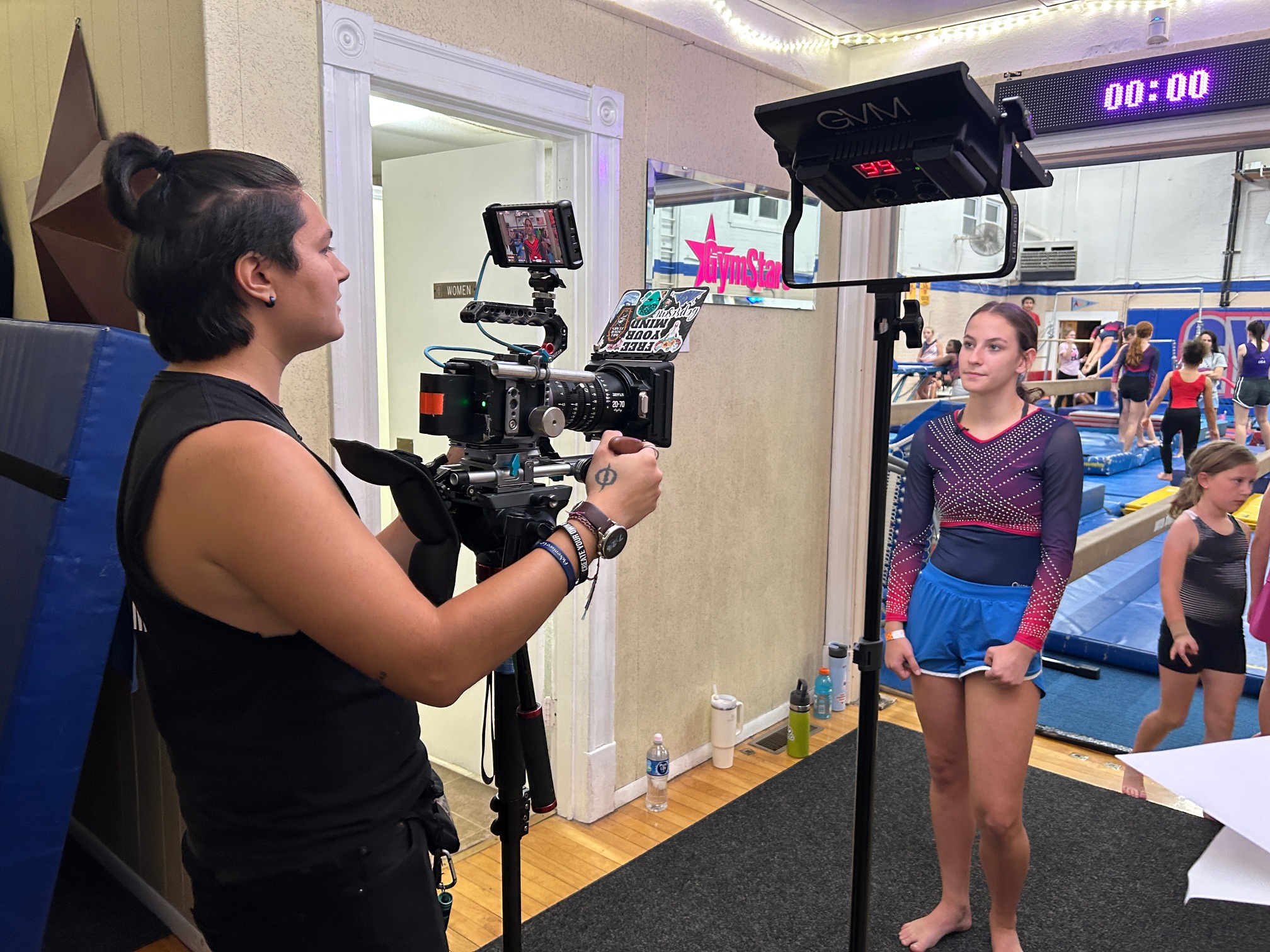
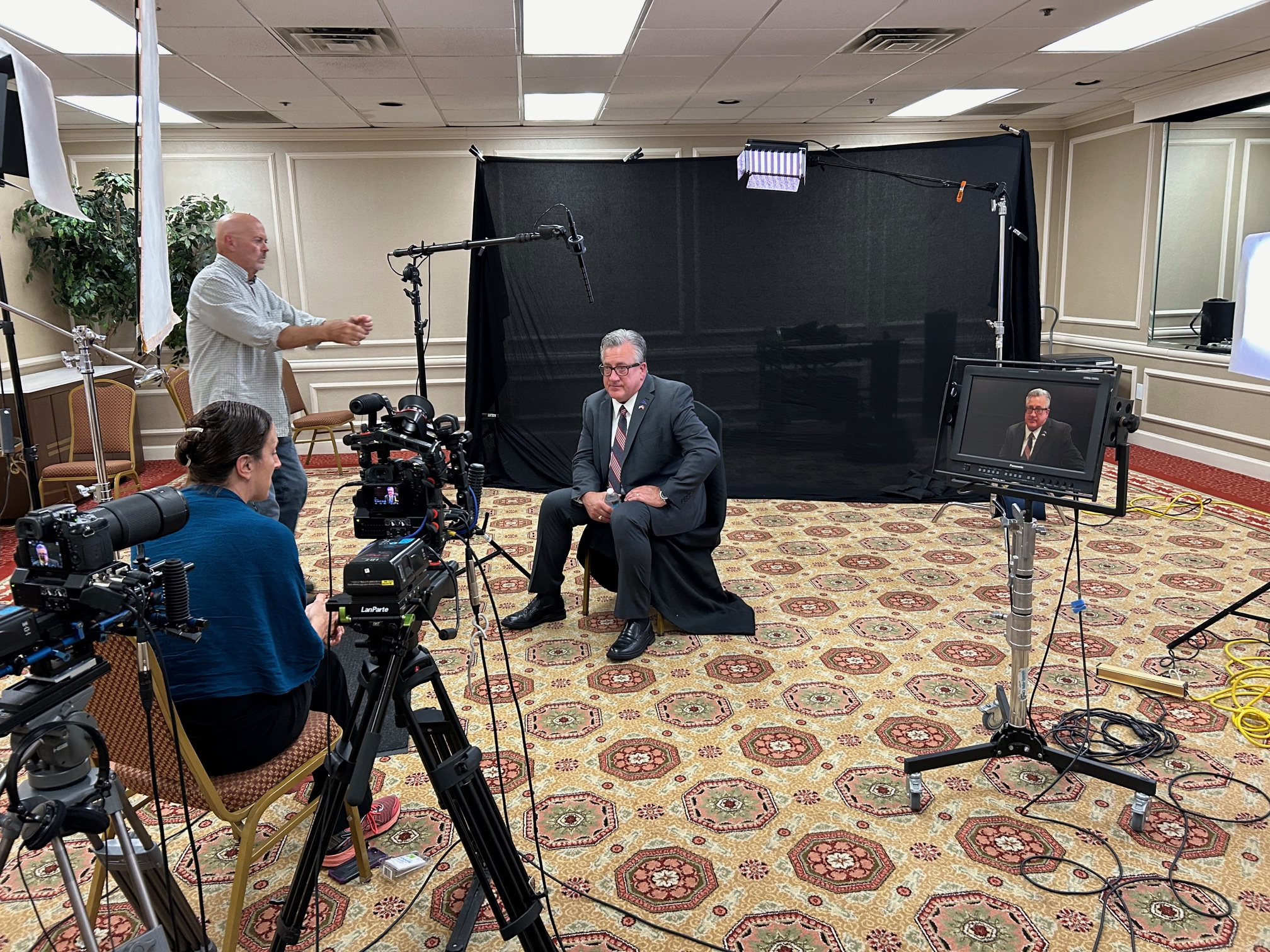
Our answer: Yes. Our award-winning crews handle interviews, B-roll, event coverage, presentations, live streaming, animation/motion graphics, and full post—turnkey.


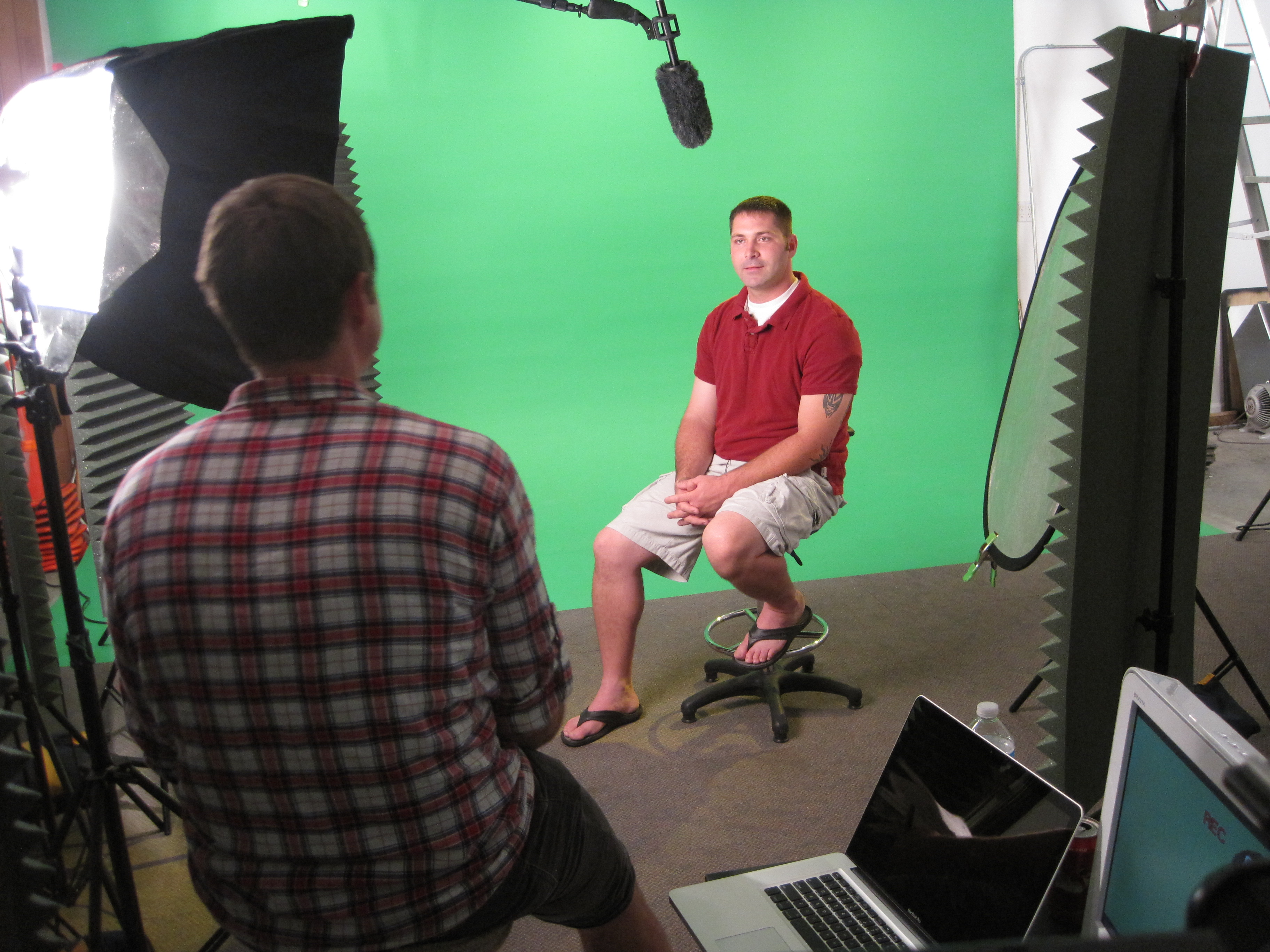
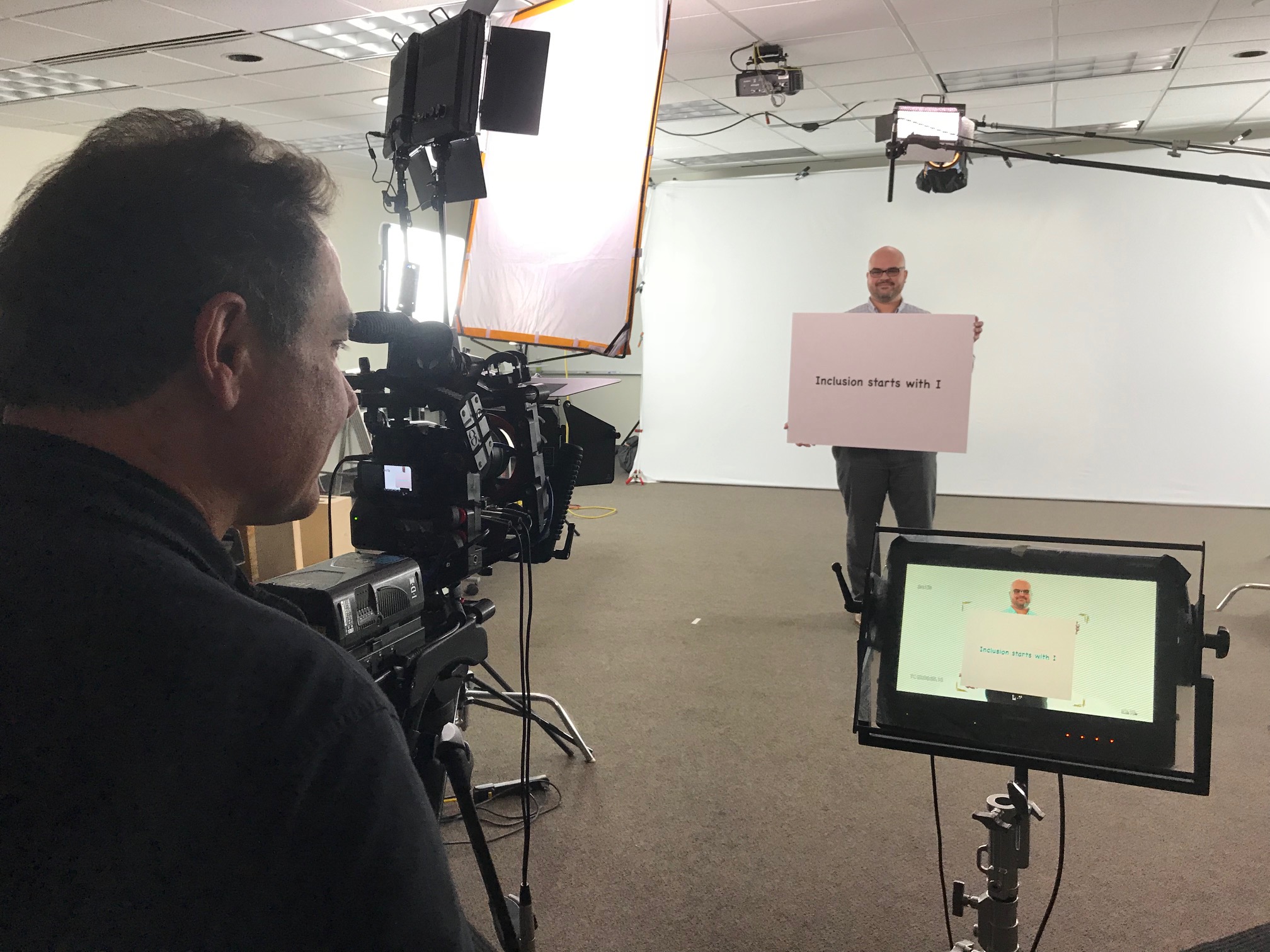
3) Studio Production (Green screen, teleprompter, controlled sound/light)

What clients ask: “Do you have a studio and can you manage scripting, shooting, and finishing in one place?”
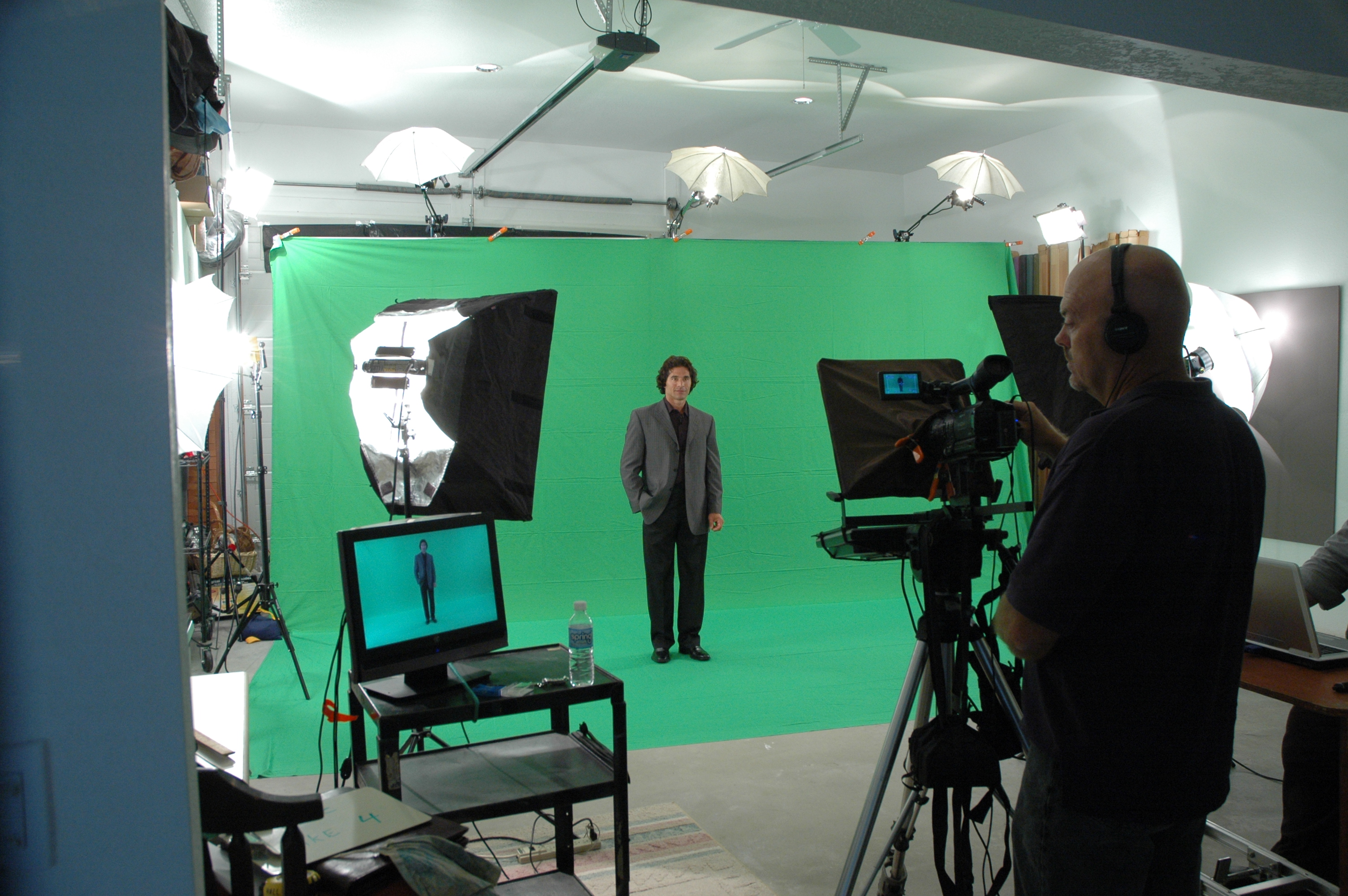
Our answer: Yes. We provide complete studio services and manage all phases—pre-production (scripting), production (shooting), and post (editing/duplication).


4) Post-Production & Editorial

What clients ask: “Can you take footage from any source and craft a tight, on-brand story with graphics, color, and sound?”
Our answer: Yes. We’re a full-service post resource—creative editorial, finishing, and client review workflows to fit your schedule and budget.


5) Live Streaming & Webcasts

What clients ask: “Can you stream our meeting/conference with the right tech and provide an on-demand replay?”
Our answer: Yes. We handle live web video streaming from simple presentations to large productions and enable on-demand libraries to extend reach.


6) Drone & Aerial Imaging

What clients ask: “Do you provide licensed drone work and aerial deliverables that cut cleanly into edited pieces?”
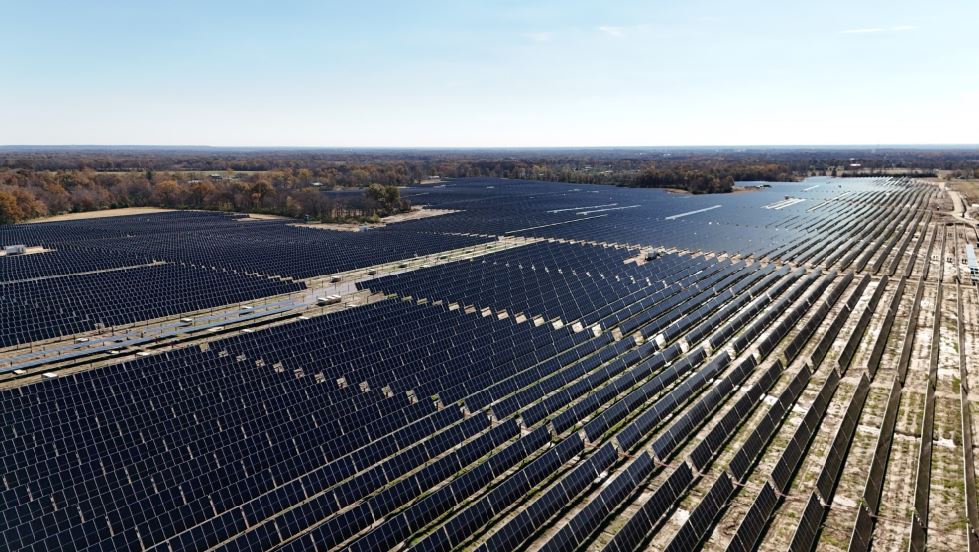
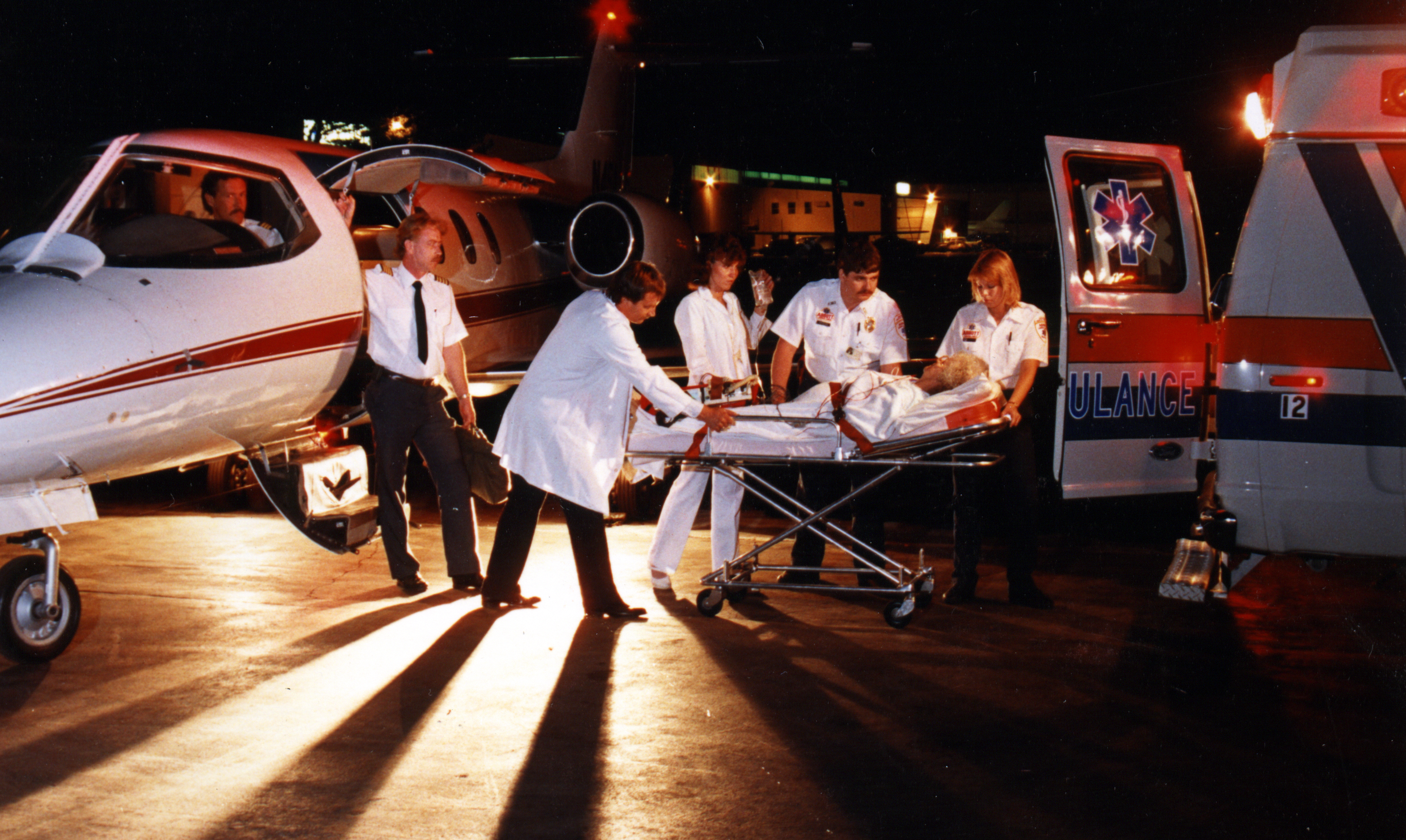
Our answer: Yes. We offer 4K aerial videography and photography, professional post-production (color, graphics, integration), and sector-specific use cases such as real estate and specialized aerial documentation.


7) On-Location Production & Event Coverage

What clients ask: “Can you cover seminars, conferences, panels, and performances on location?”
Our answer: Yes. We staff single- or multi-camera crews for special lectures, panels, cultural events, and more—and regularly cover seminars, conferences, conventions, stage events, and website videos.


8) Location Scouting & Production Support

What clients ask: “Can you find and secure locations, permits, and manage street closures and logistics?”
Our answer: Yes. We source regional backdrops across St. Louis and Central/Southern Illinois, handling permits, police, traffic, parking, location fees, insurance, and holding areas from start to finish.

Mike Haller 314-913-5626 stlouisvideoproduction@gmail.com
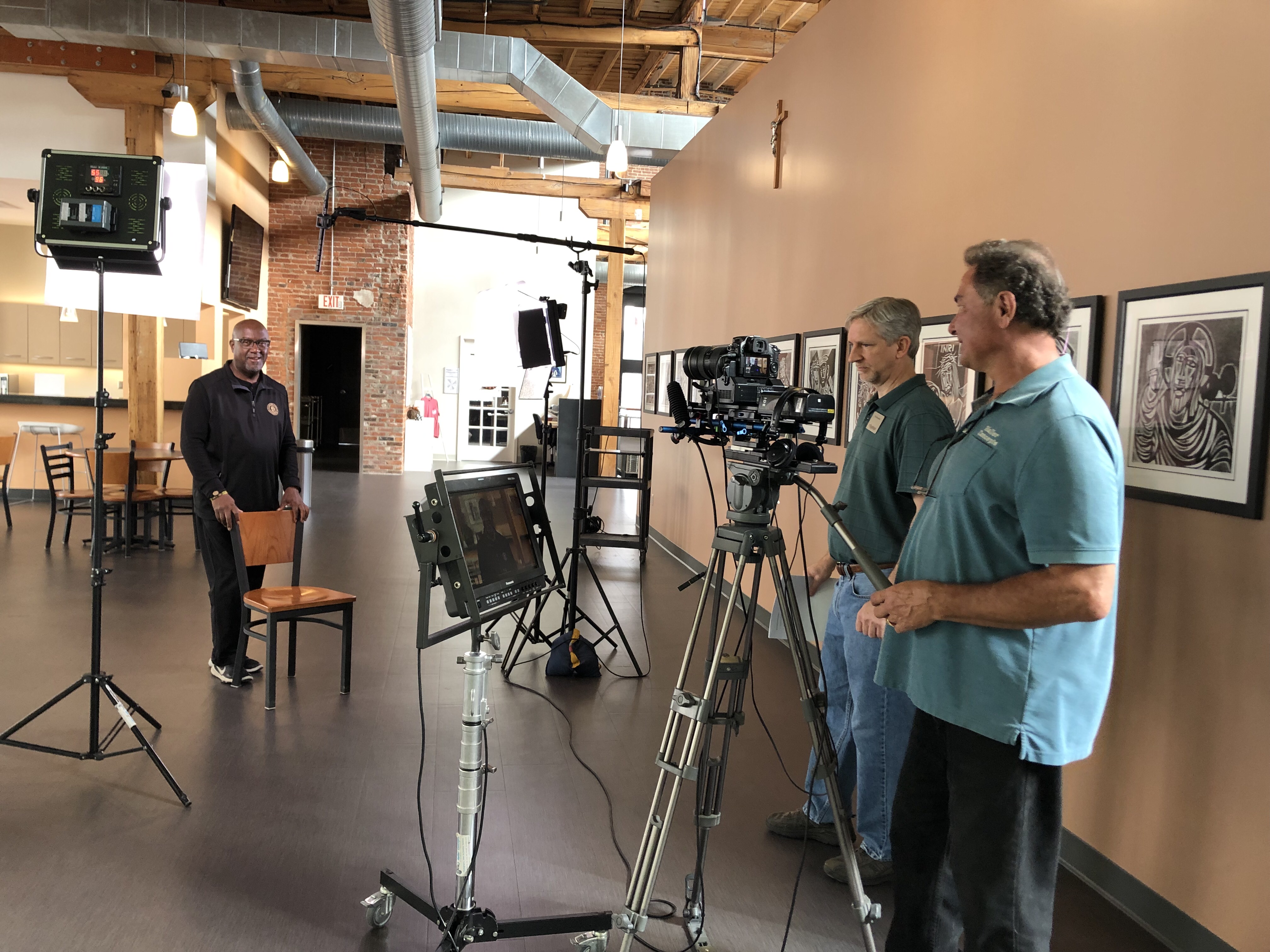
Studio by Appointment 4501 Mattis Road St. Louis, Missouri 63128

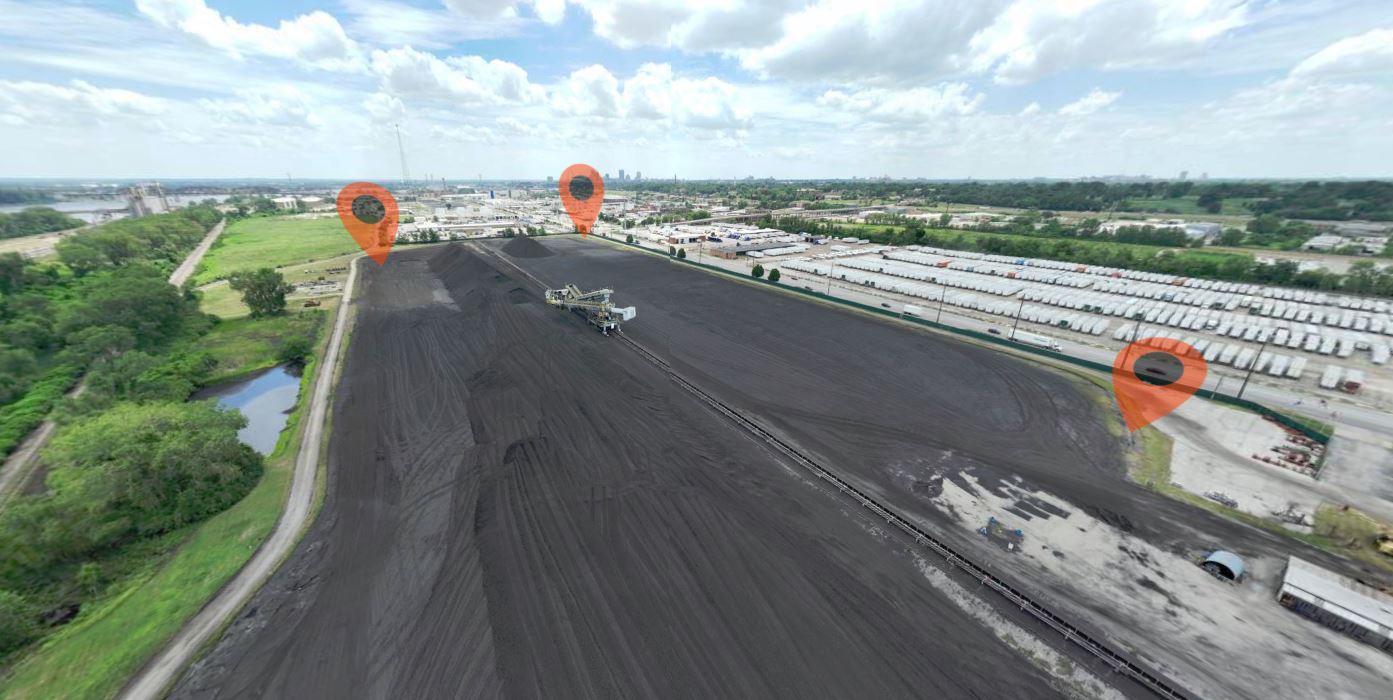
Using Drones and Airplane Aerial Photography for Accurate Stockpile Reporting

Whether you’re managing raw materials, aggregate stock, construction debris, or industrial waste, aerial imaging provides the vantage point needed to capture volume, shape, and distribution with precision. At St Louis Video Production, we specialize in using both drone and airplane aerial photography to document, measure, and report stockpiles in a way that is efficient, safe, and legally compliant.

Why Aerial Imaging Is Ideal for Stockpile Reporting

Traditional ground-based methods for measuring stockpiles—such as manual surveying or GPS rovers—can be time-consuming, error-prone, and risky in unstable terrain. Aerial photography, by contrast, allows for fast, non-invasive documentation of large areas with a high degree of accuracy. It also provides consistent repeatability over time, ideal for routine inventory updates.

Aerial visual data supports:

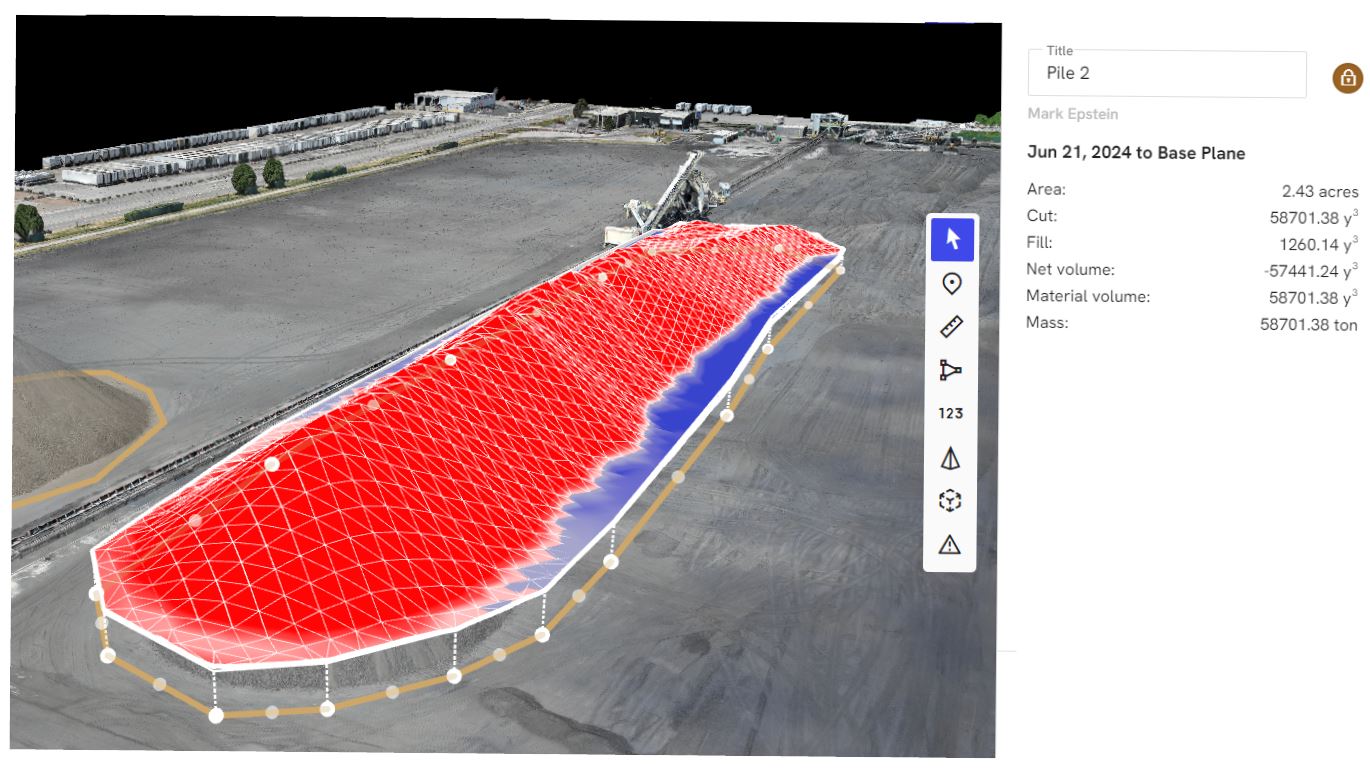
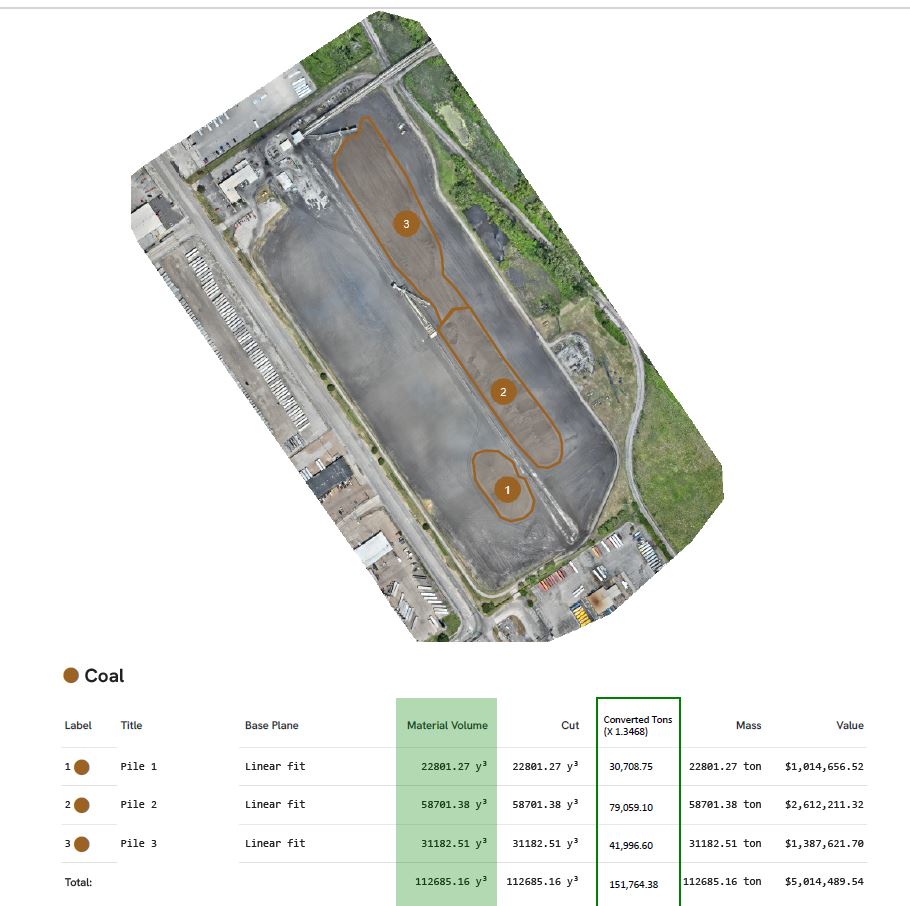
  • Volumetric analysis
  • Progress monitoring
  • Environmental compliance
  • Asset valuation
  • Insurance documentation

But not all aerial methods are created equal. The choice between drones and airplanes depends on airspace access, jobsite complexity, regulatory constraints, and data resolution needs.


When to Use Drones for Stockpile Imaging

Unmanned Aerial Vehicles (UAVs)—commonly referred to as drones—are incredibly effective for stockpile reporting, especially on active or mid-sized sites.

Advantages of drone-based aerial photography include:

  • High-resolution, low-altitude imaging: Perfect for smaller stockpiles or congested sites where detail matters.
  • Rapid deployment: Our FAA-licensed drone operators can be on-site and airborne in minutes.
  • Cost efficiency: Especially effective for routine or recurring imaging needs.
  • Photogrammetry for 3D modeling: Drones capture overlapping images that can be converted into orthomosaic maps and volumetric measurements with centimeter-grade accuracy.

Drones are especially useful when flying under 400 feet, and within FAA-approved areas not restricted by airspace classifications or site-specific constraints.


When Airplane Aerial Photography Is the Right Tool

For large-scale operations, restricted airspace, or high-altitude capture needs, manned airplane aerial photography is the solution.

Advantages of airplane-based aerial photography include:

  • Legal compliance in no-drone zones: We safely operate in areas where drones are prohibited due to proximity to airports, military bases, or hazardous infrastructure.
  • Full-site capture in a single pass: Fixed-wing aircraft can photograph entire operations from an altitude that delivers complete context and minimizes distortion.
  • Repeatable flight paths: Ideal for regularly scheduled documentation and historical comparison.
  • Complementary to drone use: We often integrate both methods in a hybrid solution that maximizes data resolution and area coverage.

With advanced gyroscopic camera mounts and high-megapixel sensors, our manned aerial flights produce detailed images ready for analysis and reporting.


The Hybrid Advantage: Drones + Airplanes

Many of our stockpile reporting projects involve a hybrid approach—leveraging drones for close-range, high-resolution 3D mapping, while using airplane photography for broader site context and compliance. This dual approach ensures our clients receive the most comprehensive, regulation-ready, and visually clear documentation possible.

We also apply AI-assisted image processing to rapidly extract edge boundaries, calculate volumes, and render visual overlays for reports and presentations. These tools help our clients meet stakeholder, auditor, and regulatory requirements with minimal time on-site.


Why Choose St Louis Video Production?

At St Louis Video Production, we’ve been at the forefront of commercial video and photography services since 1982. We bring the right combination of technical expertise, creative insight, and field-tested equipment to every stockpile reporting project—whether by drone, airplane, or both.

We offer:

  • Full-service studio and location video and photography
  • Expert editing, post-production, and file formatting across all media types
  • FAA-licensed drone pilots and coordinated manned aerial flight operations
  • AI-powered image processing for fast and accurate volumetrics
  • Indoor and outdoor lighting and visual setup tailored to each production
  • A private studio environment for custom interview shoots, corporate messaging, and product showcases
  • Repurposing services that help maximize the reach and ROI of your video and photography assets across platforms

When drones can fly—we’re ready. When airplanes are required—we’re cleared. When both are needed—we deliver.

Whether you’re monitoring gravel piles, tracking landfill expansion, or documenting site development over time, St Louis Video Production has the tools, experience, and creativity to provide the aerial data that drives results.

Let’s talk about how we can elevate your next stockpile reporting project—literally.

Mike Haller 314-913-5626 stlouisvideoproduction@gmail.com
Big Impact, Small Footprint: How Small Crews Deliver Better Video Quality

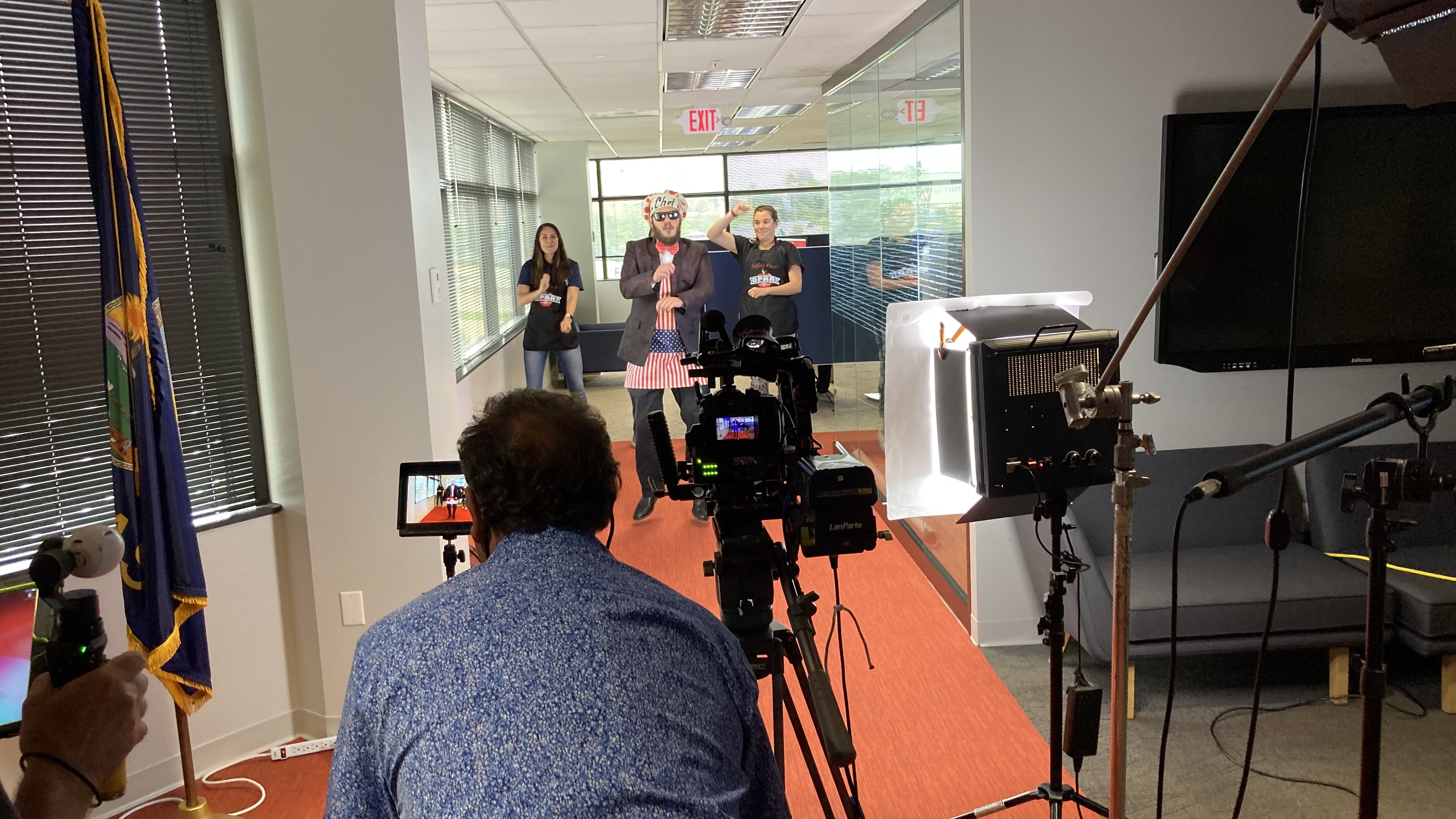
In the world of commercial video production, bigger doesn’t always mean better. For many marketing professionals, corporate communicators, and content strategists, the key to standout visual content lies not in oversized teams or overcomplicated setups—but in the efficiency, precision, and creativity of a small, highly skilled crew.

At St Louis Video Production, we’ve spent decades proving that a well-organized, experienced small crew can produce video quality that rivals major productions—often with faster turnaround times, lower overhead, and more flexibility on set. Here’s why scaling down your crew size might just scale up your results.


1. Agility = Better Shots

With fewer people on set, small crews can move faster and adapt quicker. This is especially valuable in:

  • Dynamic environments, like busy offices or event spaces
  • Tight locations, where large setups would be disruptive
  • Corporate interviews, where maintaining a low profile ensures authenticity and comfort

Fewer layers of communication also allow for real-time creative decisions between client and crew, cutting down on reshoots and boosting efficiency.


2. Streamlined Workflow Without Sacrificing Quality

A modern small crew often includes:

  • A videographer who doubles as director of photography
  • A sound operator who also monitors lighting
  • A production assistant handling logistics, slates, and continuity

When each member is cross-trained and experienced, the quality of output is never compromised—it’s just produced smarter. With the right tools and planning, a small crew can shoot multi-camera setups, aerial drone footage, and cinematic B-roll—all within one production day.


3. Better Communication, On-Set and Off

In large crews, ideas can get lost in the chain of command. With a smaller team, clients interact directly with the creative lead—often the same person operating the camera or overseeing post-production. This enables:

  • Real-time feedback and adjustments
  • Immediate creative alignment
  • Direct accountability for vision and outcomes

That kind of clarity results in faster editing, more focused messaging, and visuals that stay on brand.


4. More Natural Performances from On-Camera Talent

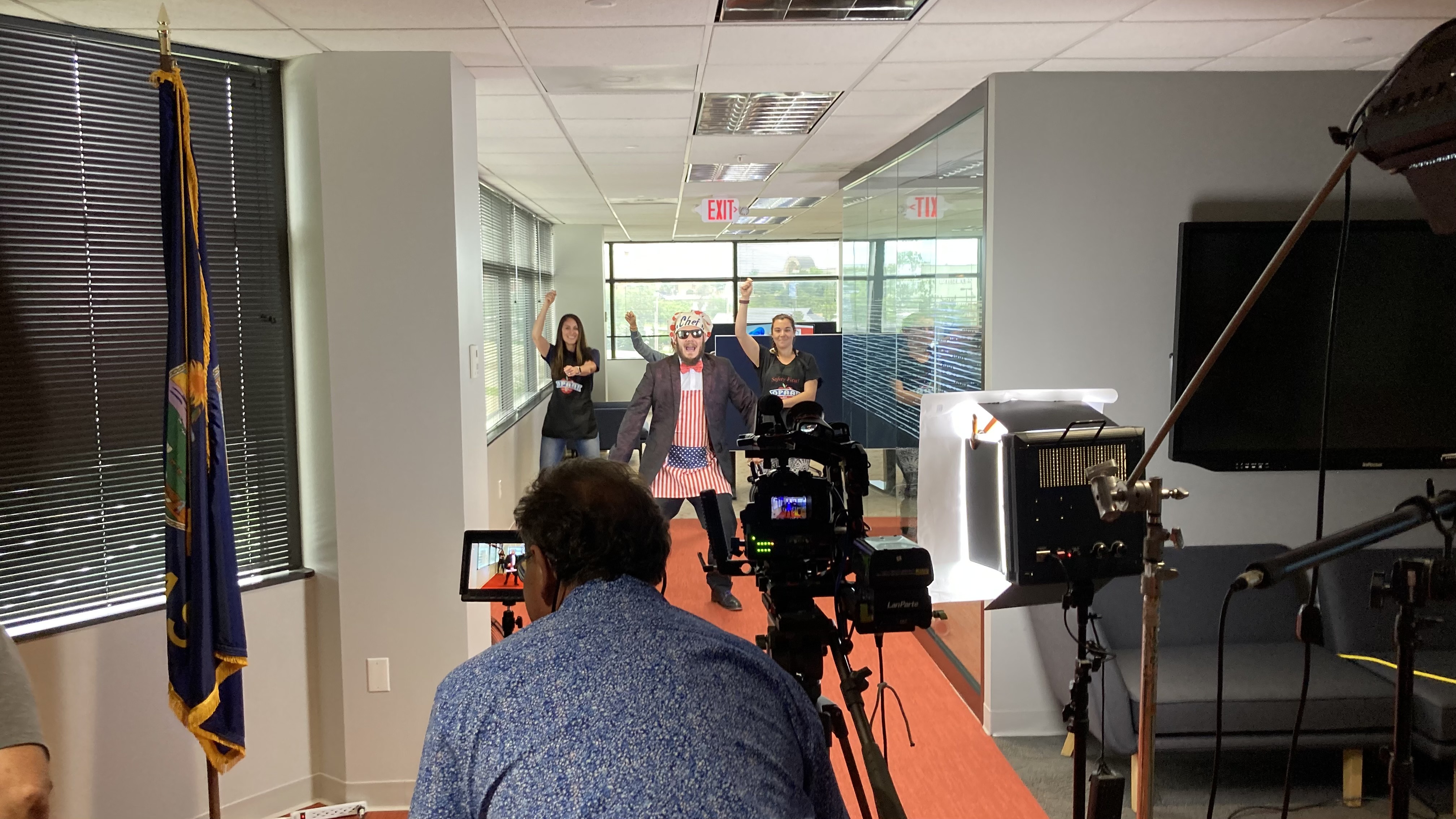
When your subject is a CEO, a customer, or a team member—not a trained actor—a small crew helps create a relaxed, low-pressure atmosphere that encourages authentic delivery. A room full of lights, cables, and a dozen technicians can feel overwhelming. A lean crew setup feels conversational, allowing your on-camera talent to shine naturally.


5. High-End Gear That’s Light and Efficient

Modern equipment makes it easier than ever for small teams to capture large-scale results. At St Louis Video Production, our small crews are equipped with:

  • Cinema-quality cameras with high dynamic range and interchangeable lenses
  • Professional sound gear, including boom and lavalier microphones
  • Compact lighting kits that can simulate daylight or create moody, cinematic looks
  • Licensed drones capable of indoor and outdoor flight
  • AI-driven editing tools for quicker post-production without sacrificing quality

The result? Stunning visuals without the bulky footprint.


Why Businesses Choose St Louis Video Production for High-Impact Small Crews

At St Louis Video Production, we bring over four decades of expertise to every project. We are a full-service professional commercial photography and video production company that’s built for both studio and location shoots, using the right equipment and crew structure for each unique project.

We offer:

  • Custom video and photography services for all media formats
  • Licensed indoor and outdoor drone pilots for sweeping aerials and precision imaging
  • A private studio space ideal for interviews and customizable sets
  • Full post-production capabilities with AI-powered editing, motion graphics, and color grading
  • The ability to repurpose and reformat your footage for various platforms, from web and broadcast to internal communications

Since 1982, we’ve supported businesses, marketing firms, and agencies across the St. Louis area with dependable results and creative solutions. Whether it’s a brand video, testimonial series, or product shoot, we optimize every frame with the right-sized crew for the job.

Need high-end results without a production circus? Let’s talk.
St Louis Video Production is your partner for streamlined shoots, creative flexibility, and polished visual storytelling that resonates.

314-913-5626

stlouisvideoproduction@gmail.com
Give us a call or a text or an email. We’ll get back to you promptly if we’re out on a production. We are always available to meet you at your offices or in our studio to discuss your upcoming project.

Easy Tips to Re-edit Your Marketing Videos for Recruitment Success

In today’s ultra-competitive hiring landscape, businesses are constantly seeking ways to attract top-tier talent while keeping marketing efforts efficient and cost-effective. One often overlooked opportunity lies in the content you’ve already created. Instead of starting from scratch, re-editing your existing marketing videos can be a strategic, high-impact way to craft compelling recruitment content that resonates with job seekers and reinforces your brand’s values and culture.
At St Louis Video Production, we help organizations across industries repurpose their footage creatively and effectively. Below are expert tips to help decision makers like you transform your existing marketing assets into powerful recruitment tools.

1. Start by Auditing Your Existing Video Library

Your marketing team has likely produced content that touches on employee experiences, company culture, leadership insights, or behind-the-scenes footage. Begin by reviewing your existing library with a fresh lens focused on recruitment:

  • Do you have client testimonials that include positive mentions of your team?
  • Are there interview clips with leadership discussing the mission or vision?
  • Have you showcased your workplace, team collaboration, or community involvement?

These are the building blocks of great recruitment storytelling.


2. Highlight Your People and Culture

Recruitment videos should make potential candidates feel excited about joining your team. Consider re-editing clips that feature:

  • Employee success stories
  • Office camaraderie or team-building moments
  • Company events or volunteer initiatives
  • Leadership talking about growth opportunities

Overlaying this footage with dynamic text, music, or animated infographics can make it more engaging and accessible on platforms like LinkedIn or your company careers page.


3. Incorporate On-Screen Captions and Branding

Most job seekers are consuming content on mobile devices, often with the sound off. Re-edit your videos to include:

  • Branded visuals and logo animations
  • Clear, readable captions
  • Calls-to-action, like “Join Our Team” or “Explore Careers”

Adding graphic overlays or subtle animation can modernize your older footage while making it easier for prospective employees to digest the information.


4. Update Narration and Voiceover

If your original video had a product-focused voiceover, consider swapping it out with new narration tailored to candidates. A recruitment-focused script might include:

  • A brief introduction to company values
  • Insight into daily work life
  • Employee testimonials or quotes

Fresh voiceover updates combined with polished footage can shift the tone of a video from sales to recruitment effortlessly.

5. Optimize for Multiple Platforms

The beauty of re-editing is scalability. From one core video, you can create:
  • 15-second social media teasers
  • 60-second highlights for job boards
  • 2-minute features for your careers page
  • Vertical stories for Instagram or TikTok

Tailor your cuts and aspect ratios to suit each platform’s best practices, and don’t forget to A/B test thumbnails, titles, and descriptions.


6. Use AI Tools for Speed and Efficiency

At St Louis Video Production, we use advanced AI-driven editing platforms that assist with facial recognition, transcript-based editing, and emotion-driven content tagging. These tools can drastically reduce turnaround time and ensure your recruitment edits hit the right tone and pace.


7. Measure, Improve, and Repurpose Again

Once your recruitment video goes live, monitor metrics like watch time, click-through rates, and engagement. With that feedback, we can help you refine and re-edit further, ensuring each version performs better than the last.


Why Choose St Louis Video Production?

With decades of experience, St Louis Video Production is a trusted full-service commercial photography and video production company. We provide everything you need for successful image acquisition—studio and location photography and video, professional editing, post-production, and FAA-licensed drone pilots.

We specialize in repurposing existing content to drive more traction and value, whether for recruitment, branding, or social media. Our creative team customizes each project for your unique media needs and supports all file types and industry-standard software. From private studio interviews to custom set designs and on-location shoots, we have the right equipment and crew to ensure production excellence.

We also use cutting-edge Artificial Intelligence to streamline editing workflows and enhance visual storytelling. Our private studio lighting setups are ideal for intimate, professional interview scenes, and our space accommodates set dressing and prop integration. We even fly specialized drones indoors to capture stunning overhead visuals safely and creatively.

Since 1982, we’ve proudly served businesses, marketing firms, and agencies across the St. Louis area, delivering high-quality media that meets and exceeds client expectations.


Ready to transform your existing video content into compelling recruitment assets?
Let St Louis Video Production help you craft the perfect message to attract top talent.

Would you like help outlining a recruitment video re-edit strategy specific to your industry?

Mike Haller 314-913-5626 stlouisvideoproduction@gmail.com