Experienced Crews | Professional Equipment | Studio & Remote Production

Posts tagged ‘Training videos’

Video Interviews and B-Roll: How Location and Studio Services Shape a Successful Production

For decision makers overseeing marketing, communications, or brand strategy, video has become the default currency of business storytelling. But not all video is created equal, and the difference between a piece that resonates and one that falls flat almost always comes down to two foundational elements: the quality of the interview and the strength of the b-roll that supports it. Add to that the strategic choice between studio and location shooting, and you have the core decisions that determine whether a production will meet its marketing objectives.
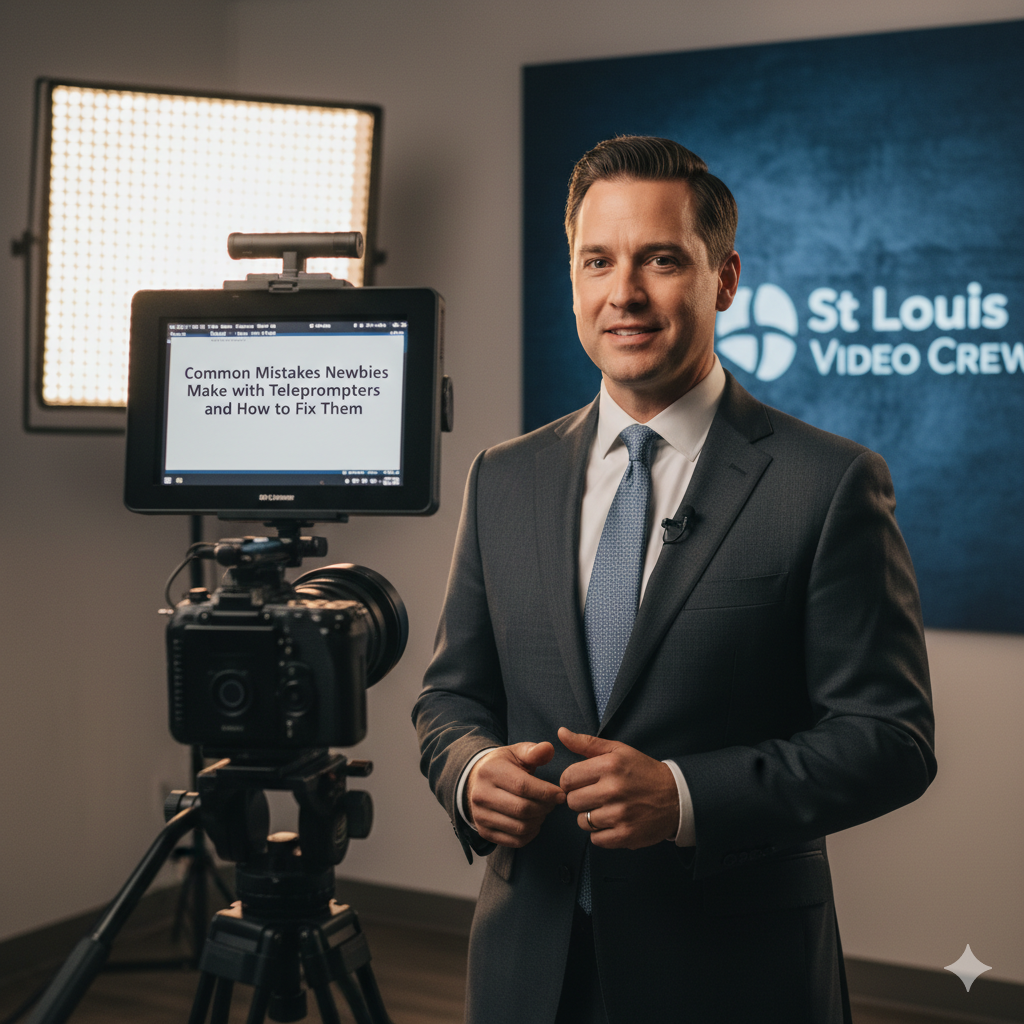
This article breaks down what decision makers need to understand about interview production, b-roll strategy, and the studio-versus-location question โ€” so that the next time your organization commissions a video, you’re asking the right questions and setting your production team up for success.

Why the Interview Is the Backbone of Business Video

Whether you’re producing a customer testimonial, an executive thought-leadership piece, an internal training video, or a recruitment campaign, the on-camera interview is usually the emotional and informational core of the piece. Everything else โ€” b-roll, graphics, music โ€” exists to support and elevate what’s being said.

A few factors separate a professional interview from an amateur one:

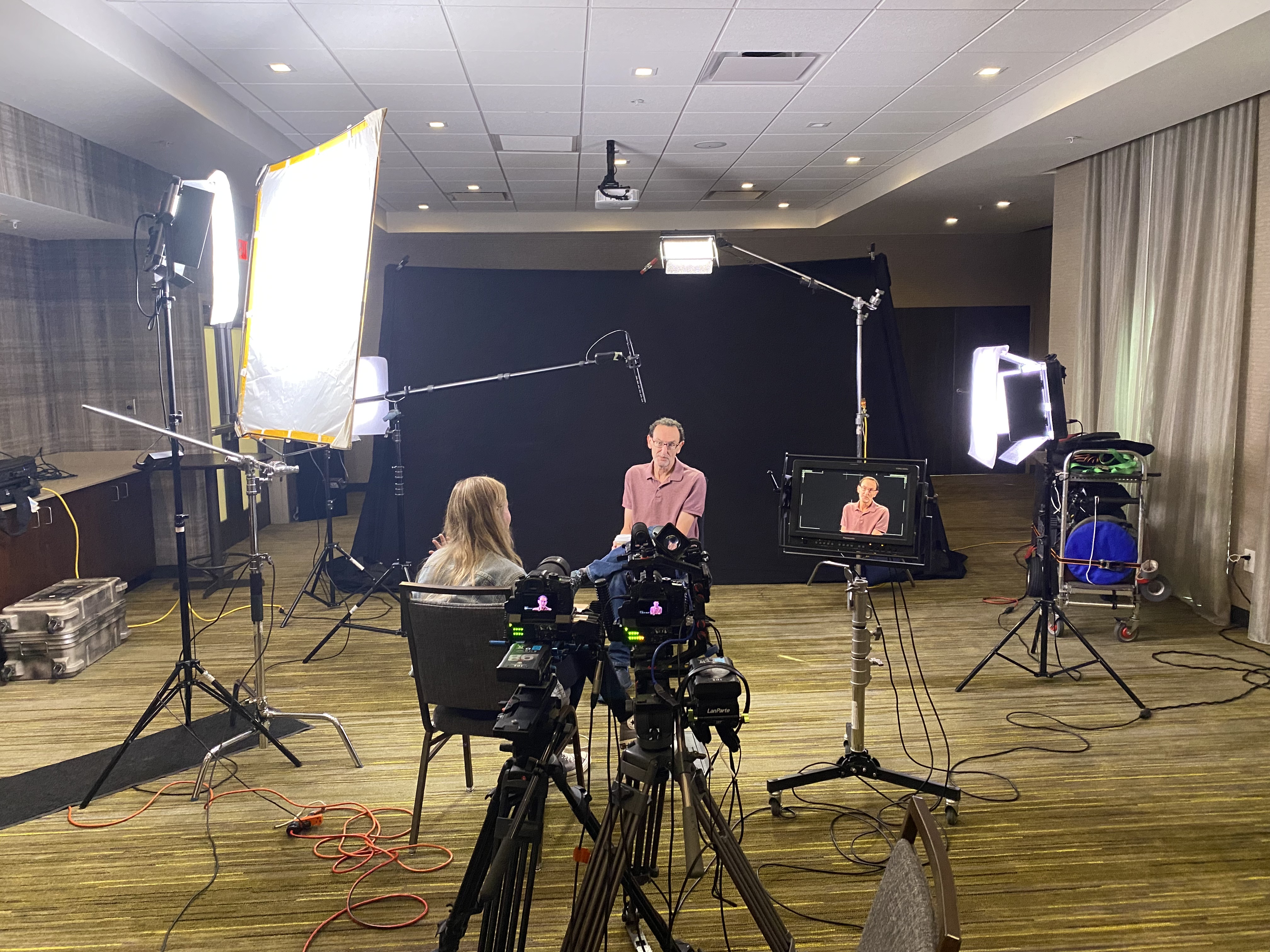
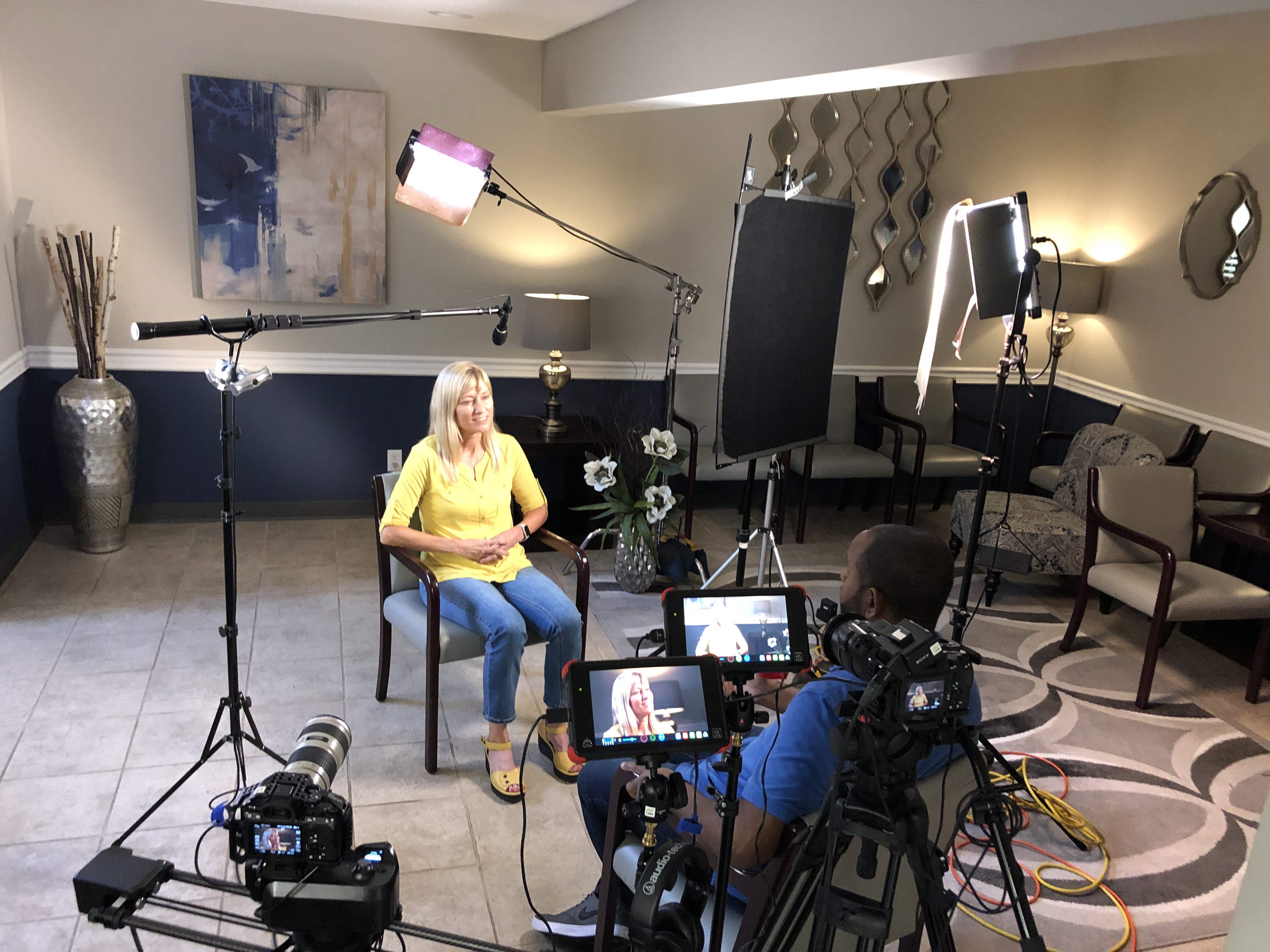
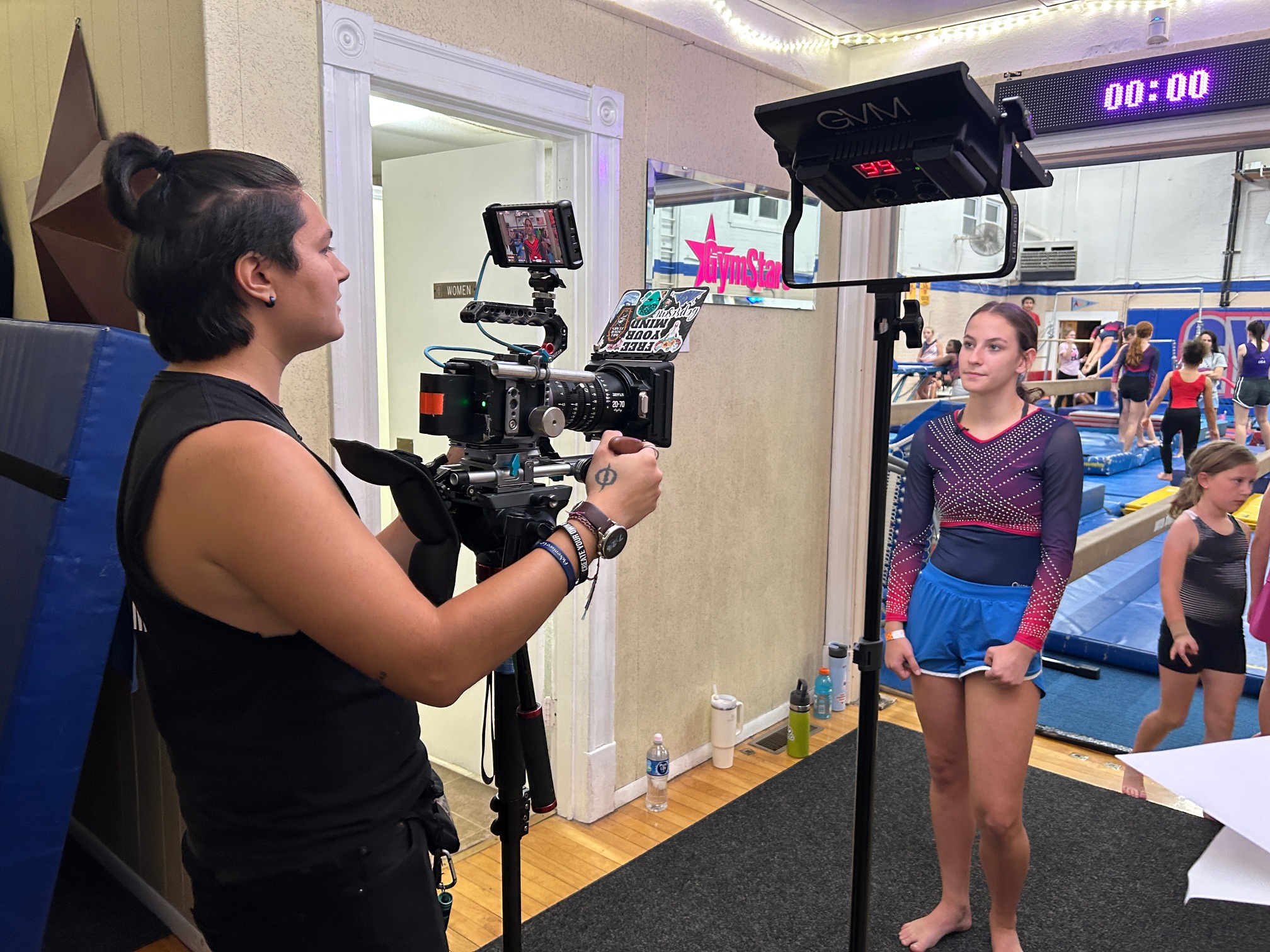
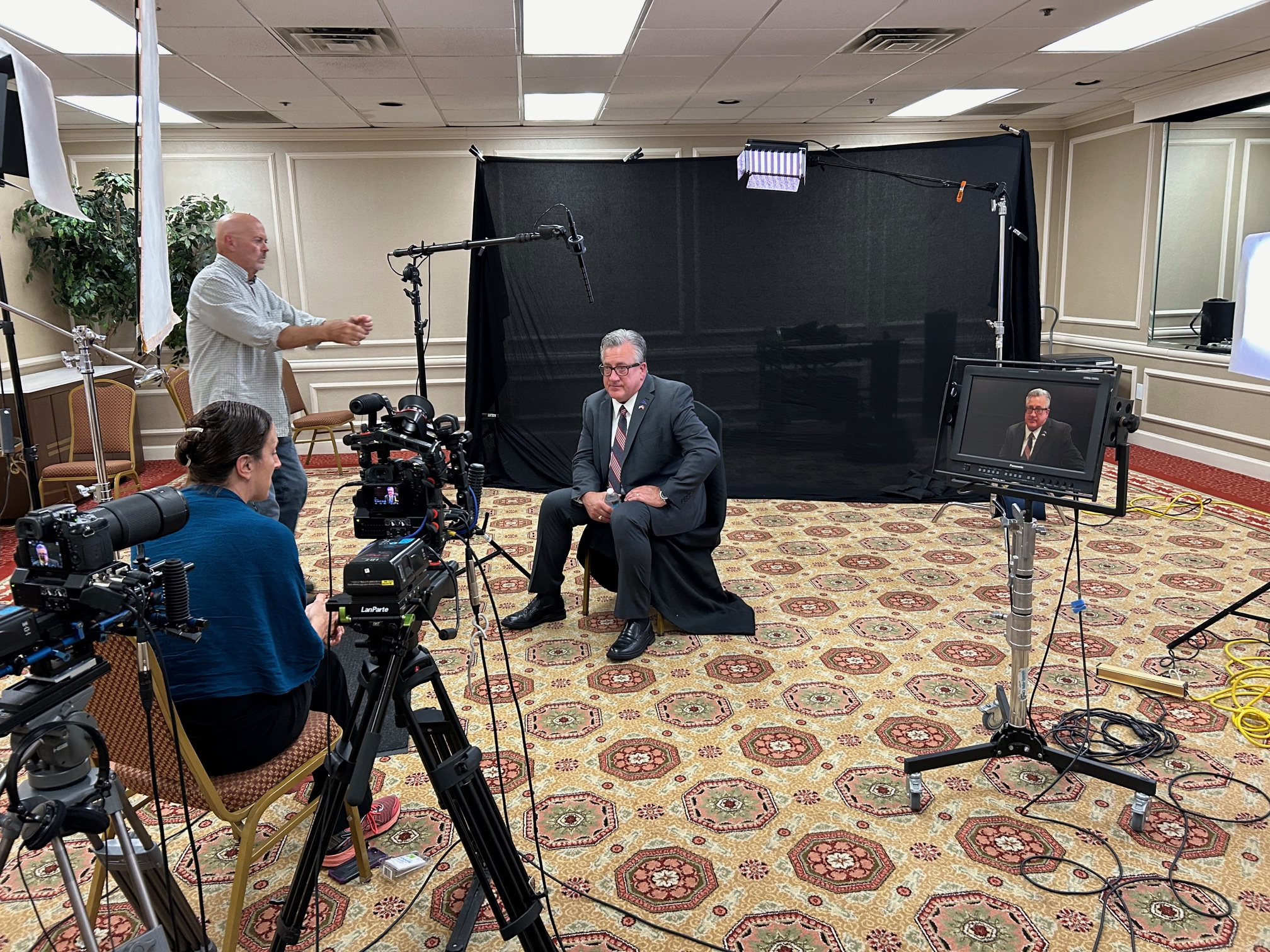
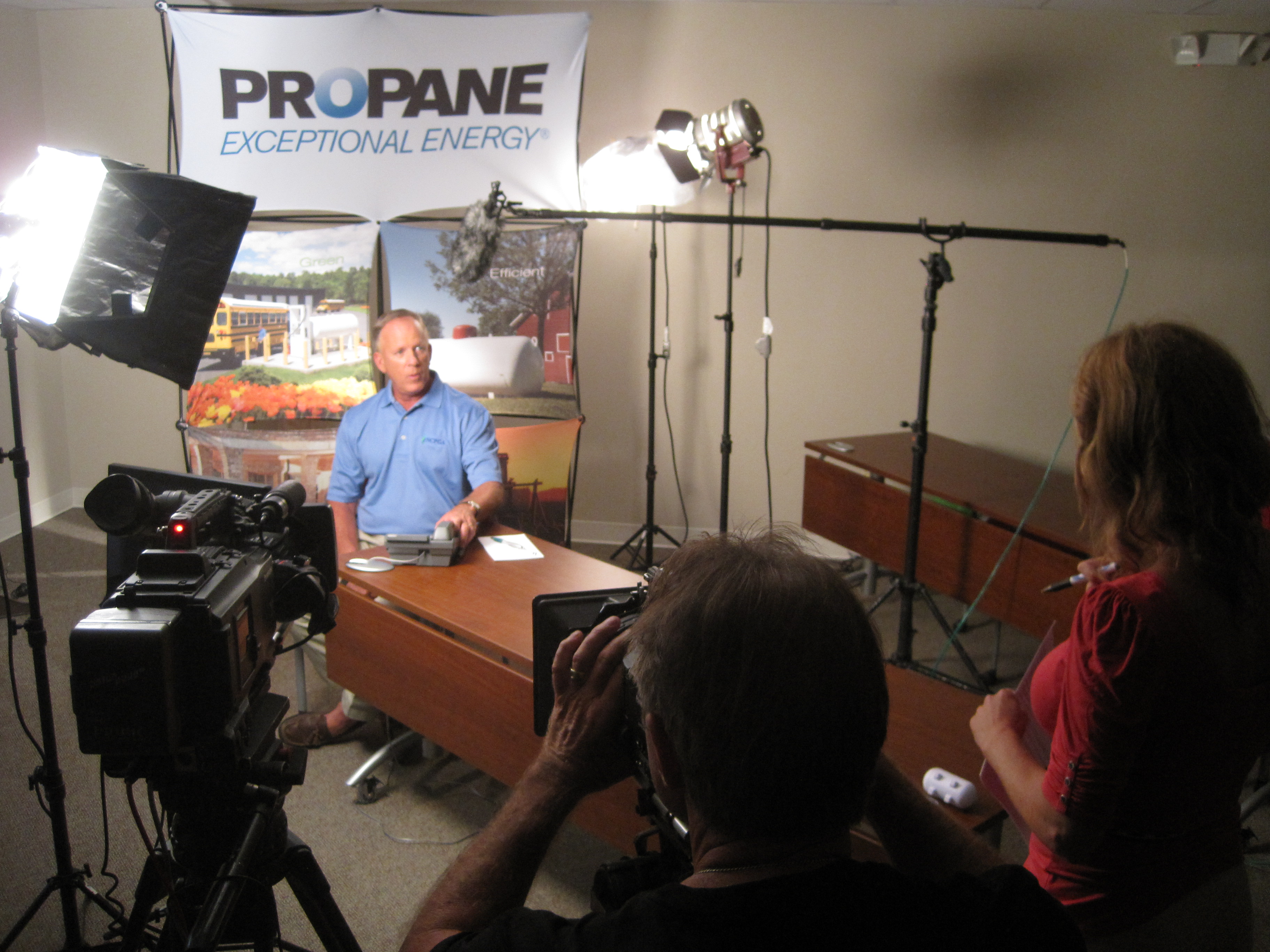
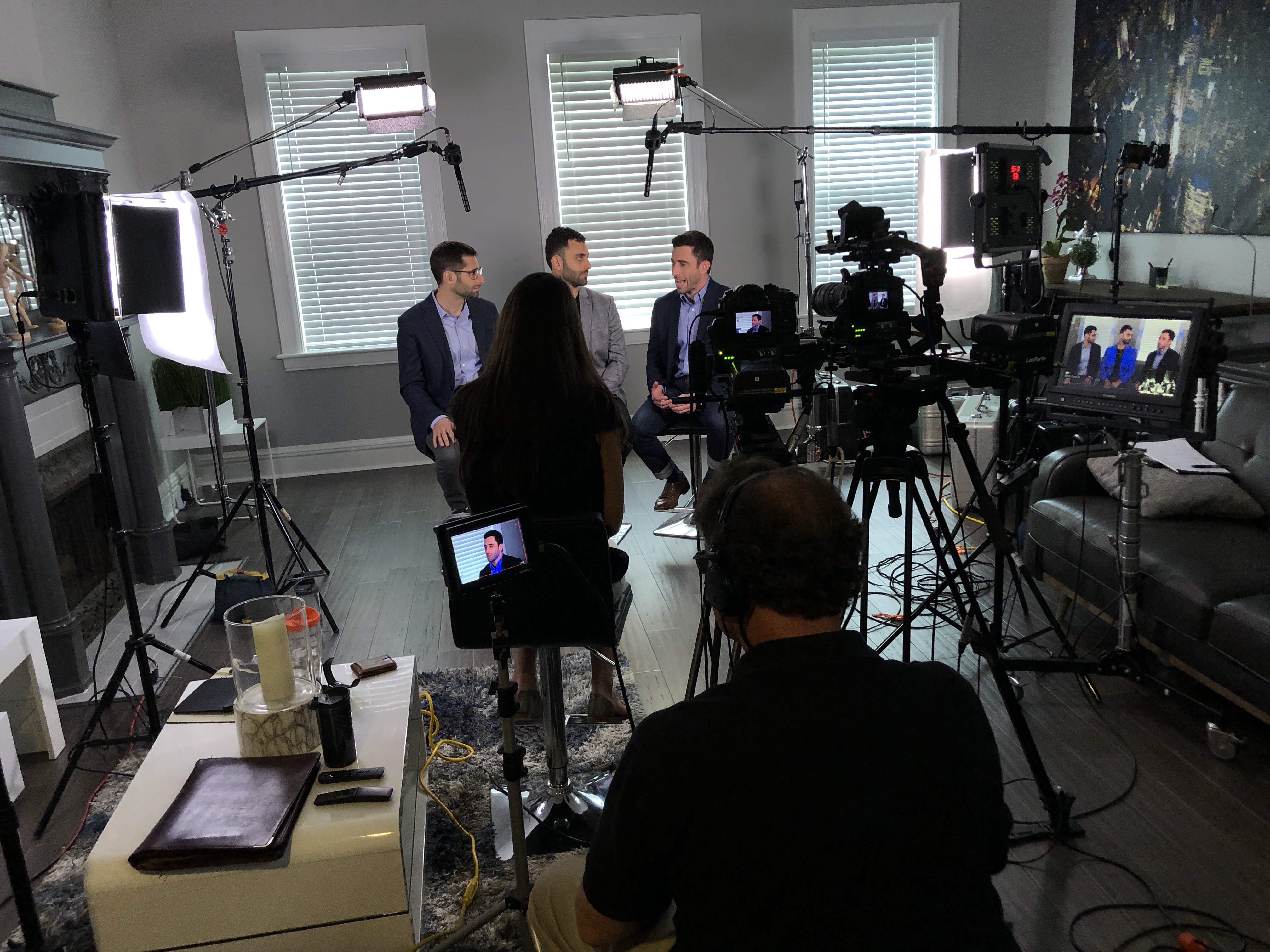
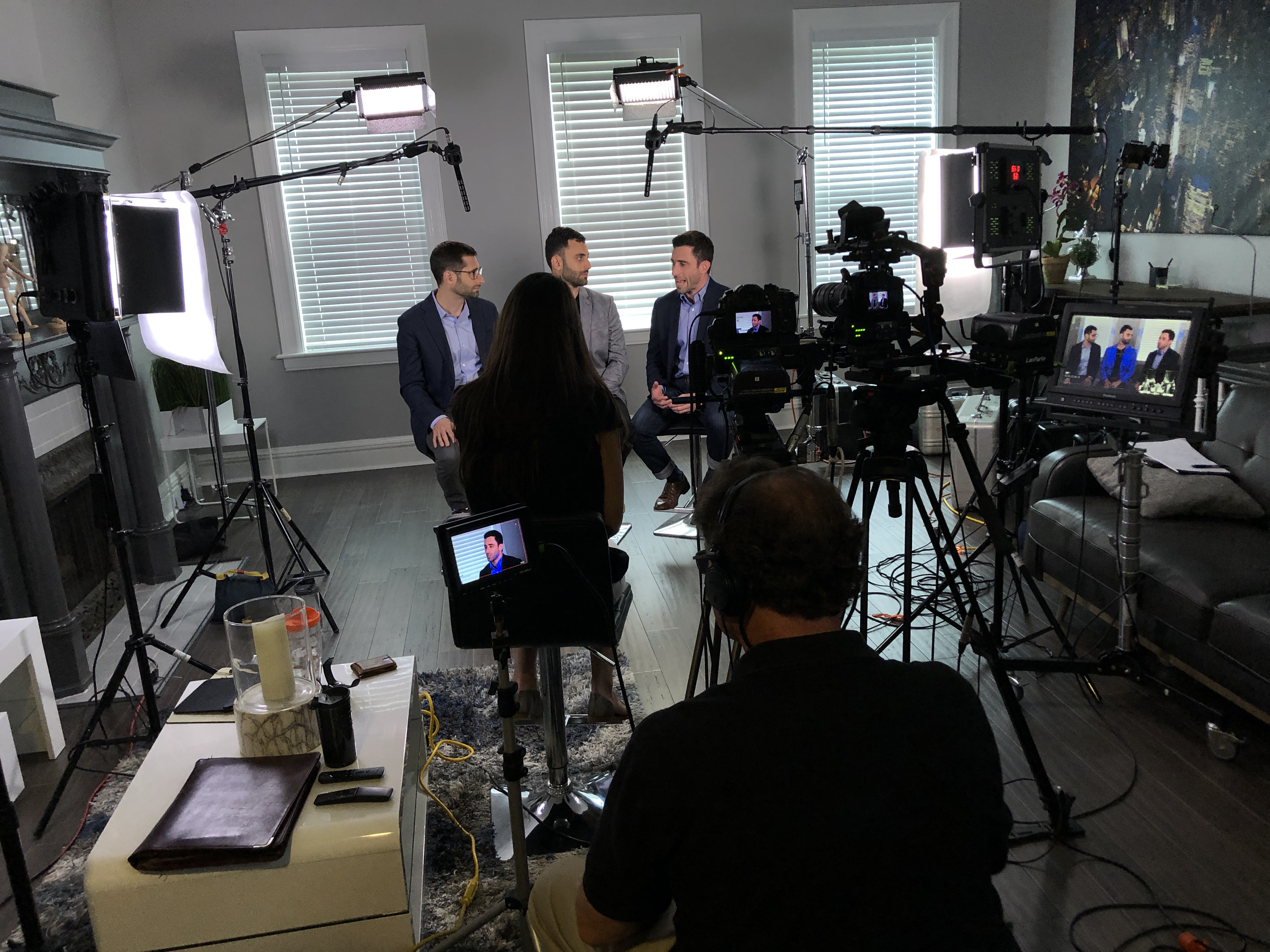
Lighting and composition. Flat, uneven, or harsh lighting is one of the fastest ways to undermine credibility on camera. A well-lit subject, framed with proper headroom and depth using techniques like three-point lighting or soft key/fill setups, immediately signals professionalism to viewers โ€” and, by extension, to your brand.

Audio quality. Viewers will forgive imperfect video far more readily than they’ll forgive bad audio. Lavalier mics, boom operators, and controlled acoustic environments are non-negotiable for interviews meant to represent your organization publicly.

Interview technique. A skilled director knows how to put a subject at ease, ask questions that produce usable, quotable soundbites, and adapt in real time when an answer isn’t landing. This is a craft distinct from camera operation โ€” and it’s often the difference between an interview that feels stiff and one that feels authentic.

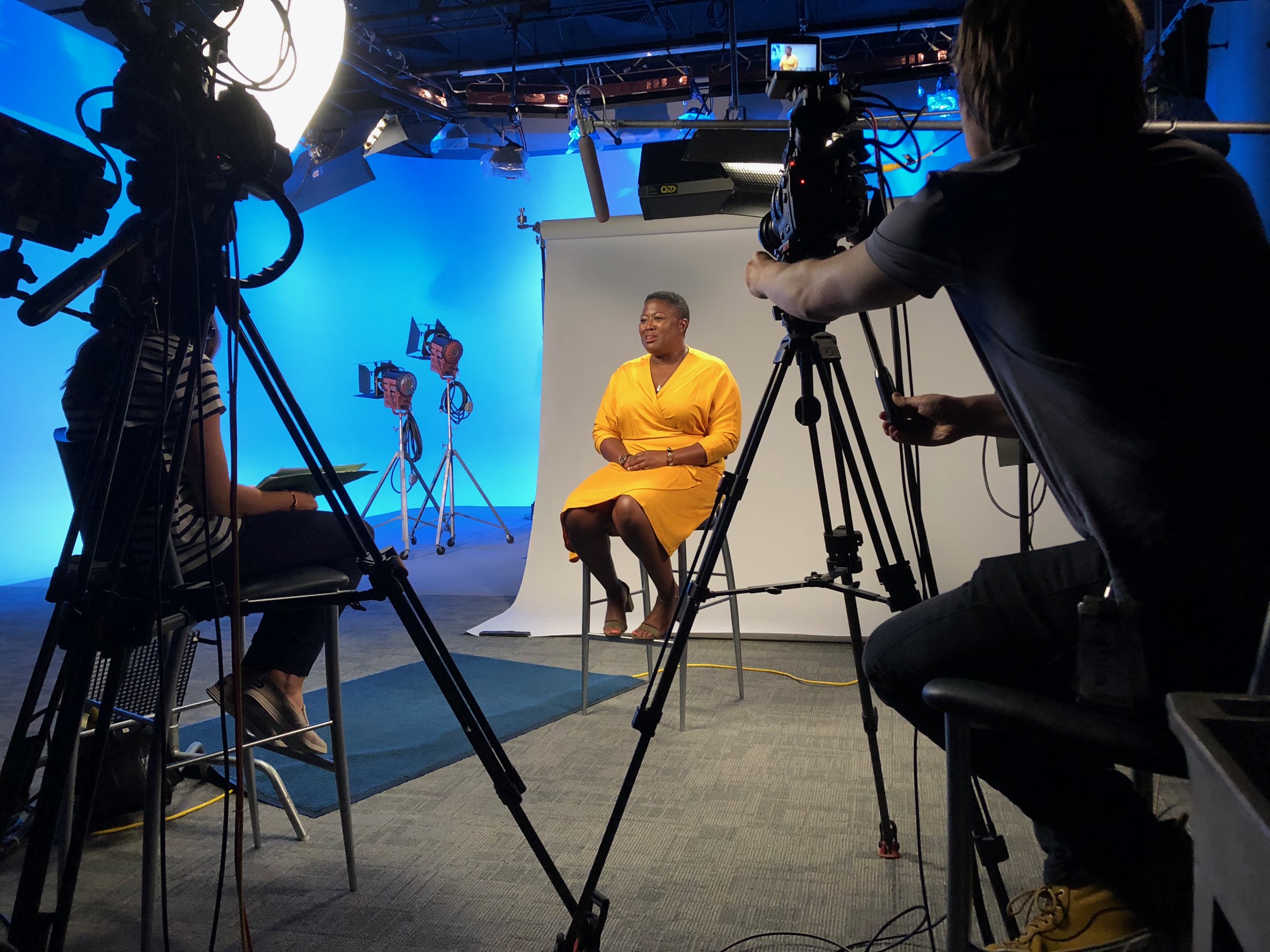
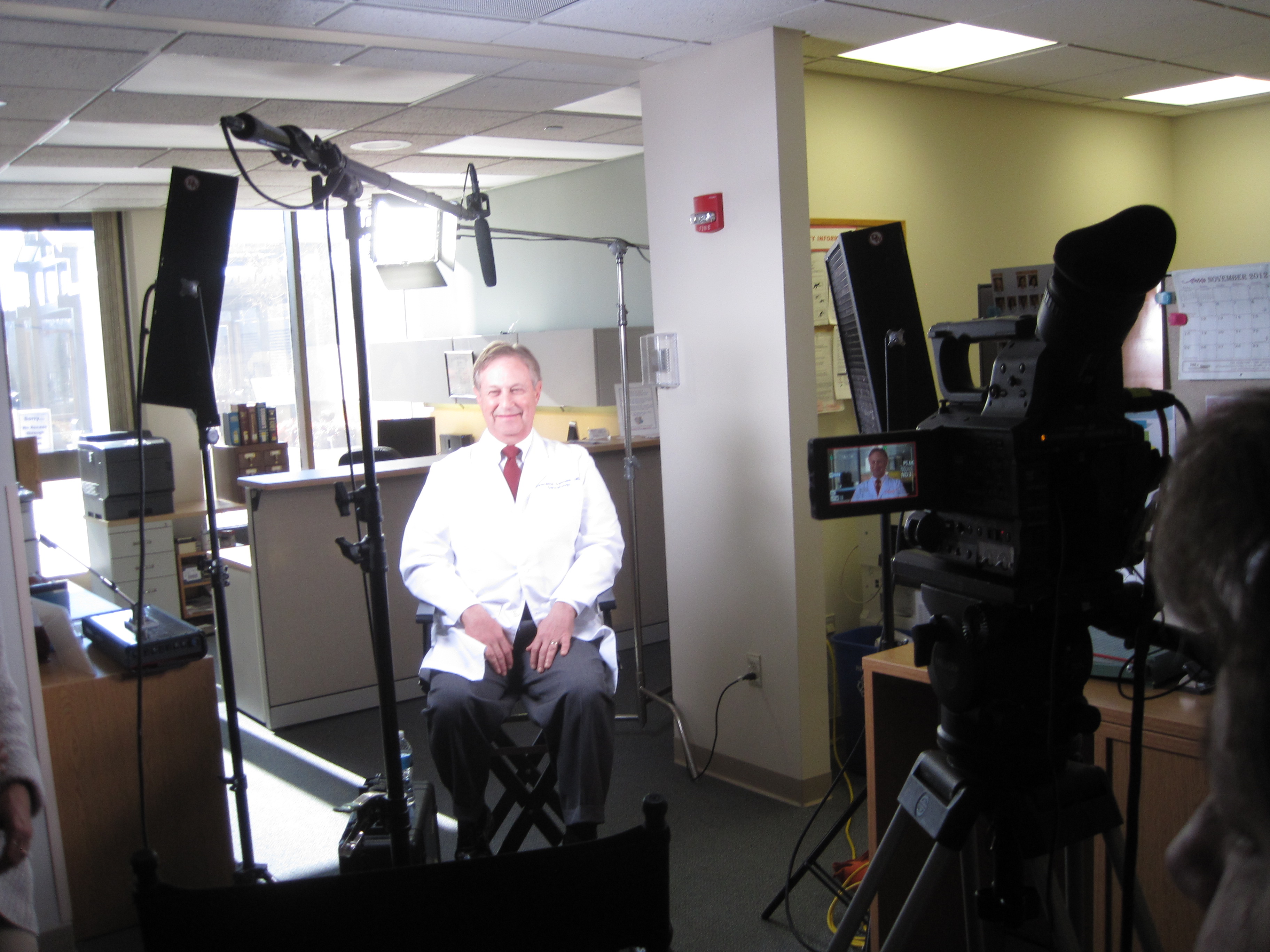
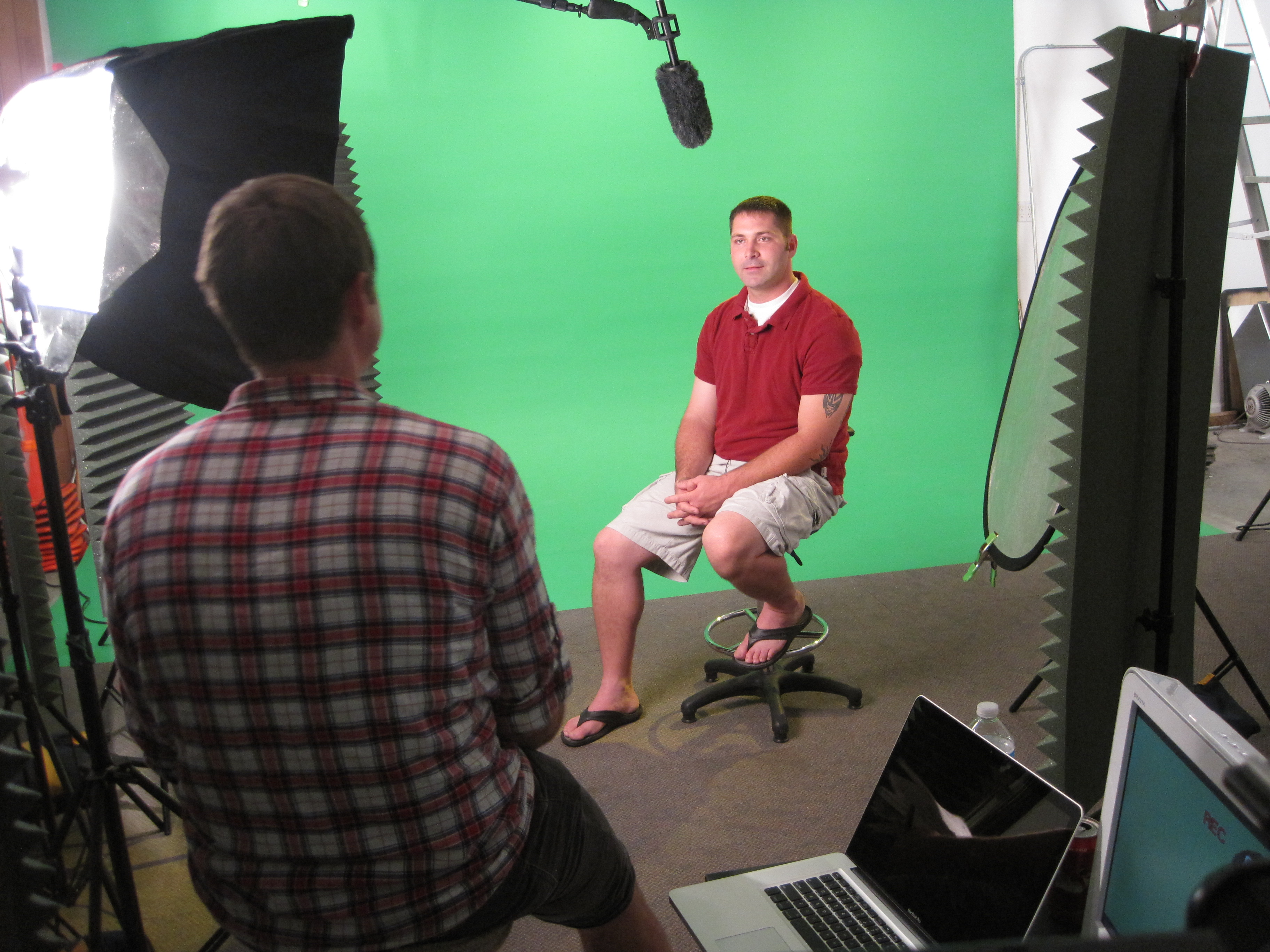
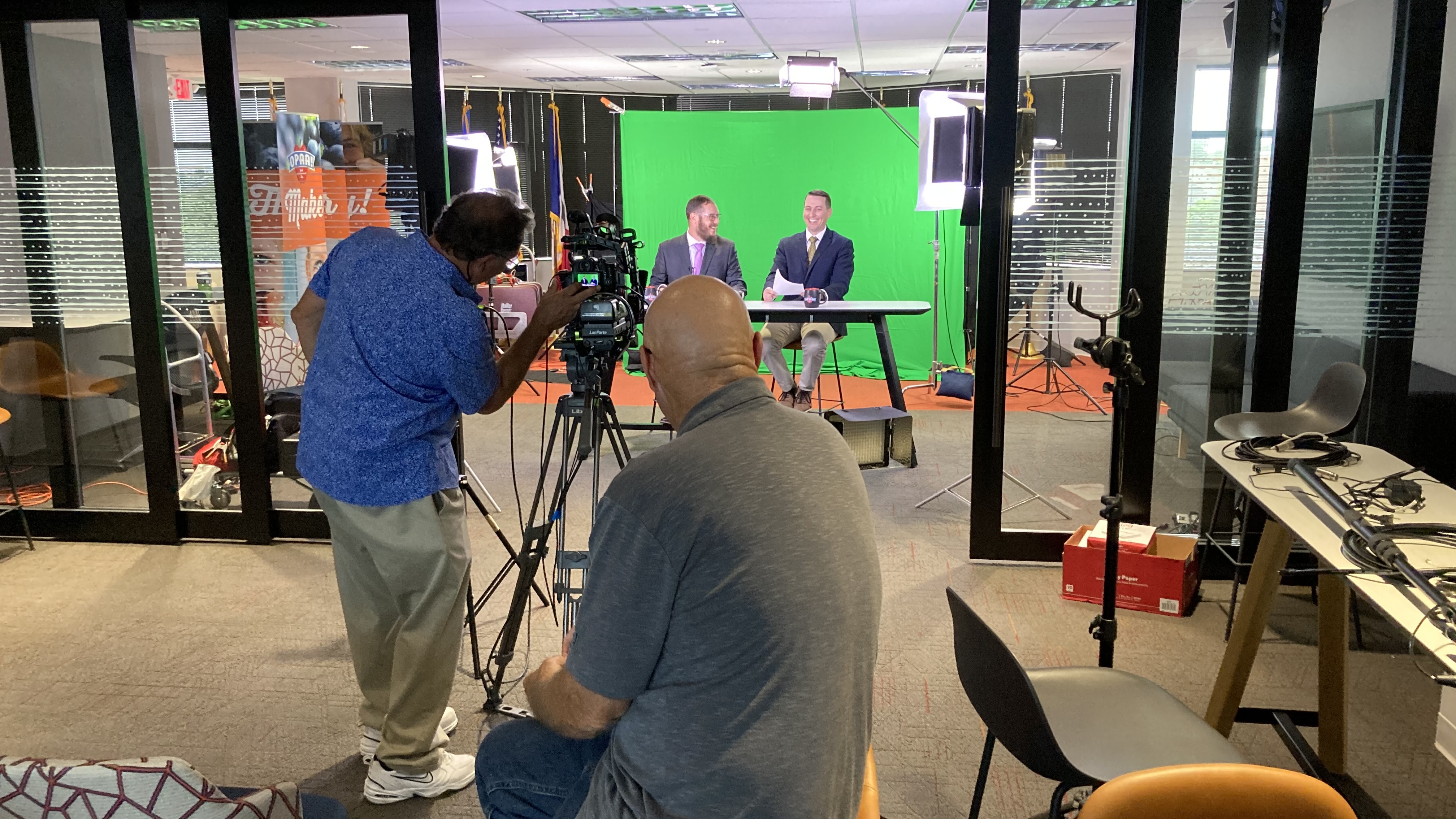
Environment. The backdrop of an interview โ€” whether a clean studio cyclorama, a branded office space, or a relevant location โ€” communicates context. Choosing the right environment is a creative decision that should align with your brand’s visual identity and the story being told.
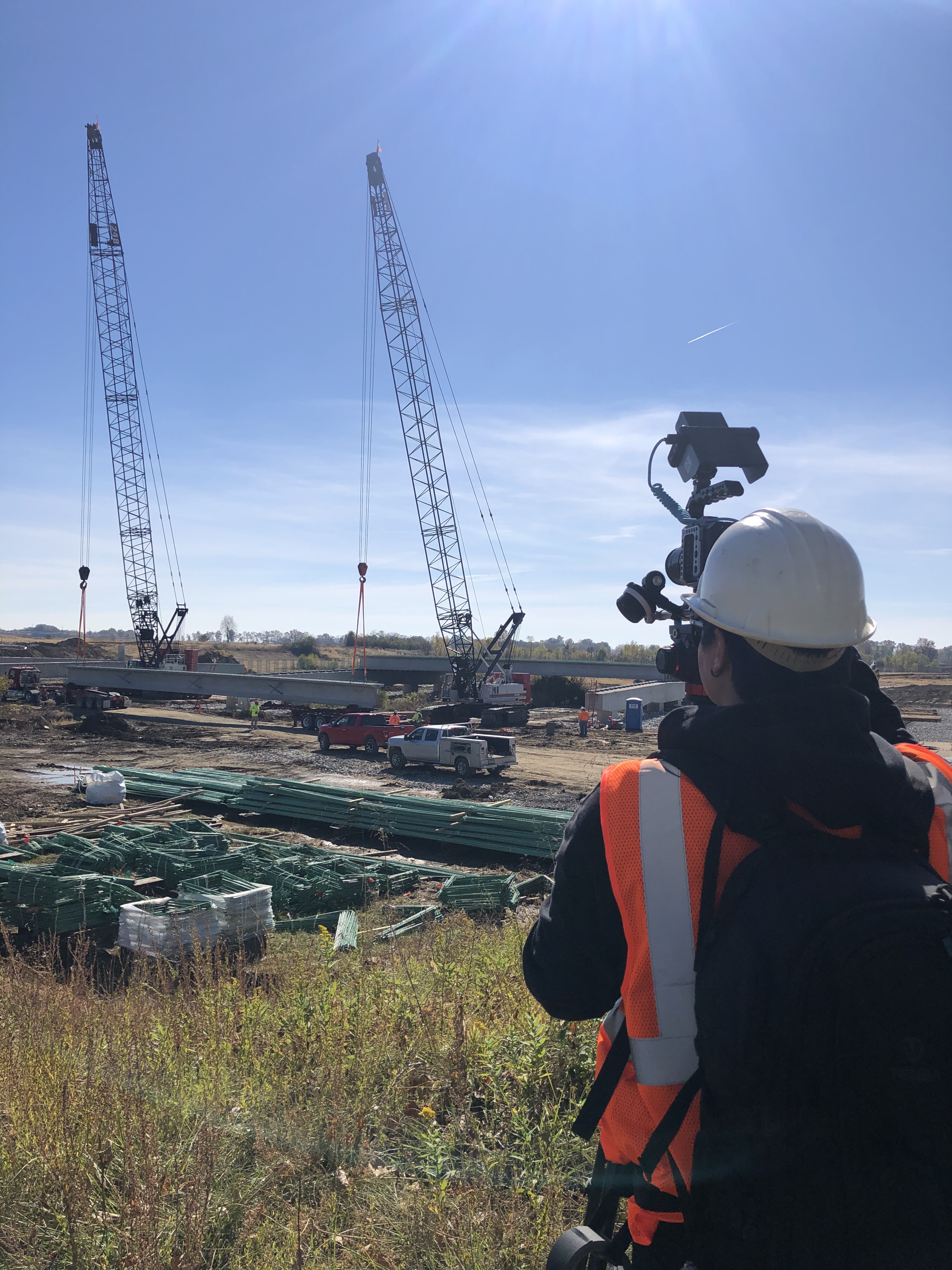
B-Roll: The Unsung Hero of Business Video

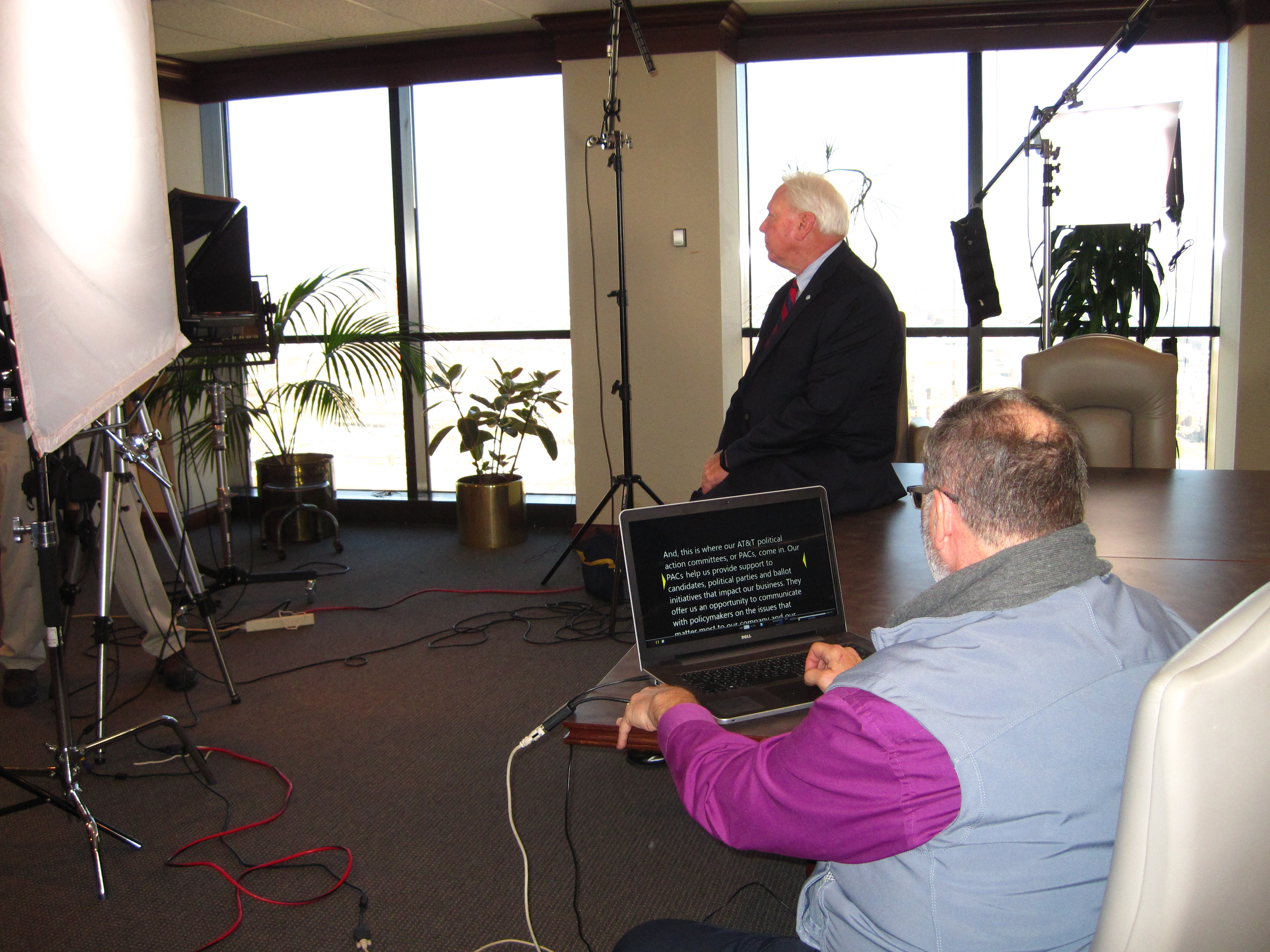
If the interview is the backbone, b-roll is the connective tissue that keeps viewers engaged. B-roll refers to supplemental footage โ€” product shots, workplace activity, exteriors, close-ups, process footage โ€” that gets cut into the interview to illustrate what’s being discussed, break up “talking head” fatigue, and maintain visual interest.

Strategic b-roll accomplishes several things at once:

  • Reinforces credibility. Showing your team, facility, or process in action substantiates the claims made in the interview.
  • Controls pacing. Editors use b-roll to manage rhythm, allowing awkward pauses, filler words, or jump cuts in the interview to be masked seamlessly.
  • Extends usability. Well-shot b-roll libraries can be repurposed across multiple videos, social clips, and future campaigns โ€” extending the value of a single production day.
  • Adds visual variety. Wide shots, macro details, motion, and texture keep an audience’s attention in ways a static interview frame cannot.

Decision makers should treat b-roll planning as a strategic exercise, not an afterthought. A shot list built around your key messaging โ€” mapped to the interview questions in advance โ€” ensures editors have exactly what they need to tell a complete story without scrambling to fill gaps later.
Studio vs. Location: Making the Right Call

One of the most consequential decisions in pre-production is where the shoot will happen. Each option carries distinct advantages.

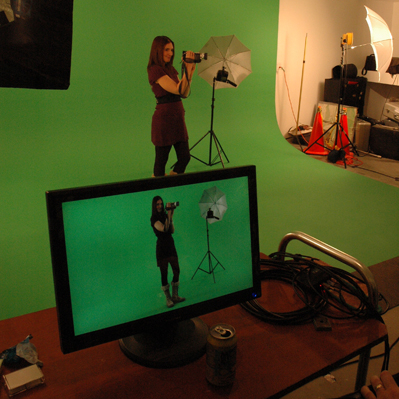
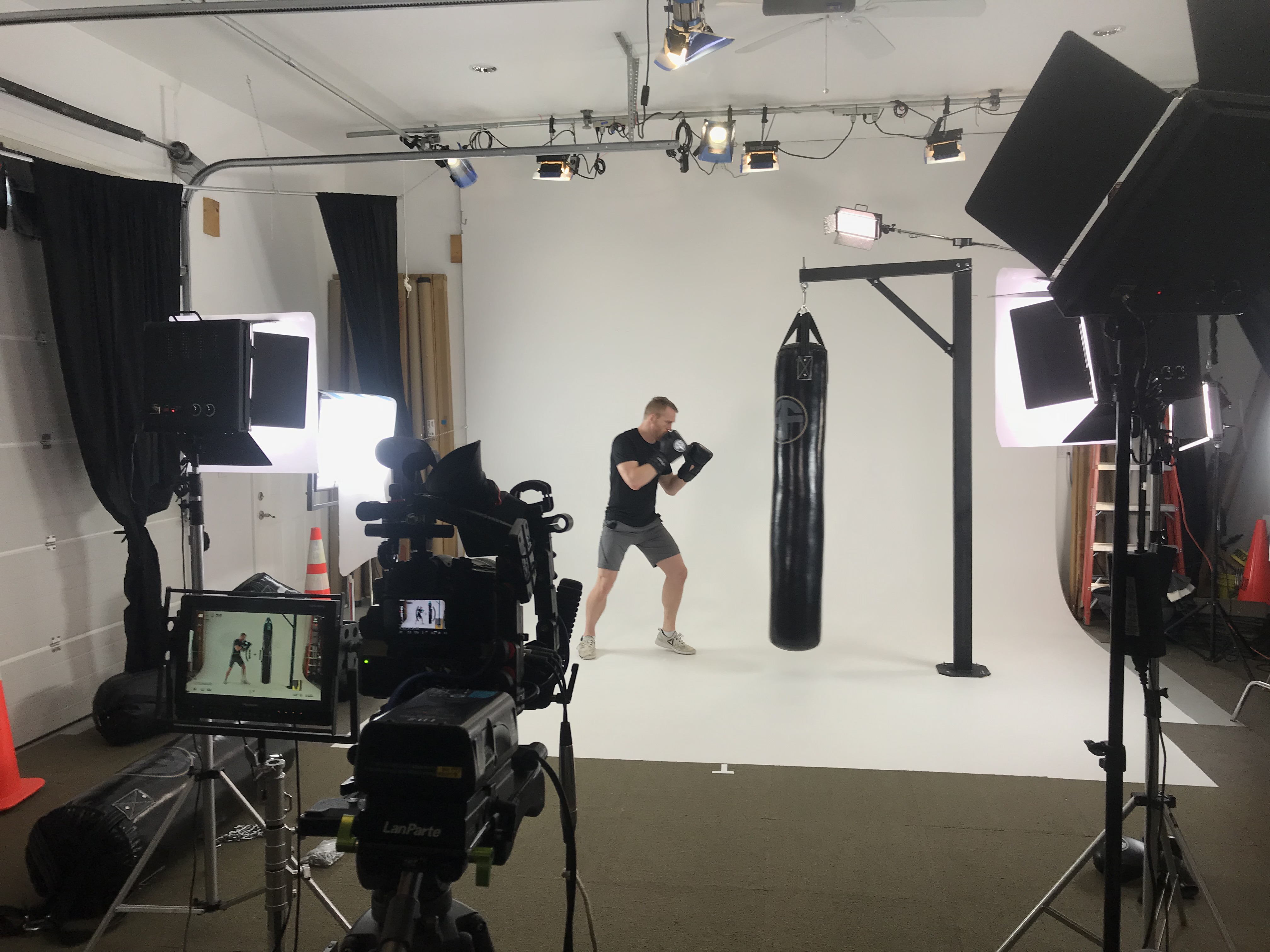
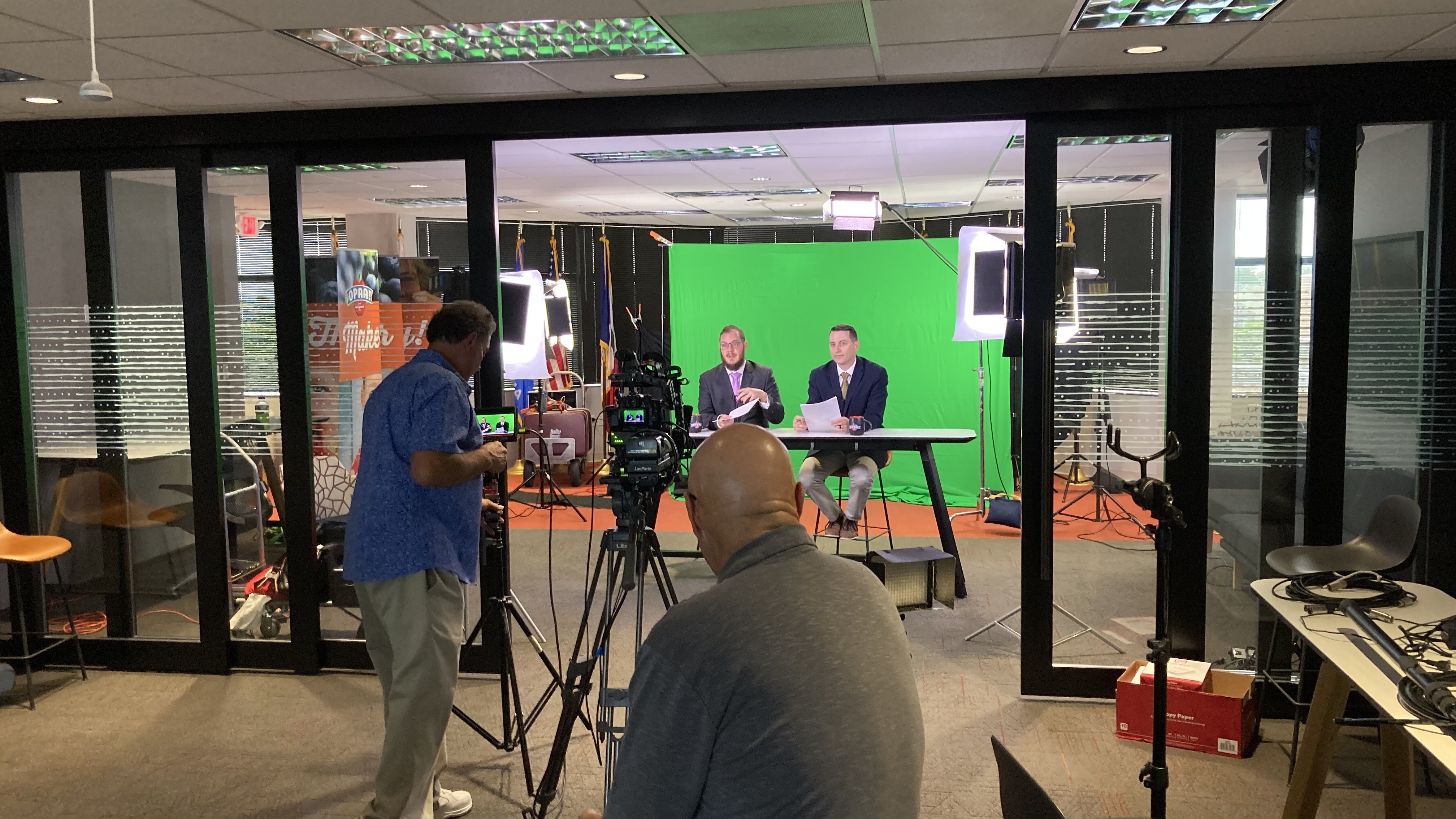
Studio Production

A controlled studio environment offers:

  • Consistent lighting and audio conditions, free from ambient noise, changing daylight, or weather interruptions
  • Efficiency, since crews aren’t traveling between setups or losing time to location logistics
  • Customizable backdrops and props, allowing a set to be built or dressed specifically to match brand guidelines
  • A polished, intentional look well-suited to executive interviews, testimonials, training content, and product-focused pieces

Studios are particularly effective for organizations that need repeatable, brand-consistent visuals across multiple subjects or episodes โ€” think interview series, leadership spotlights, or recurring internal communications.
Location Production

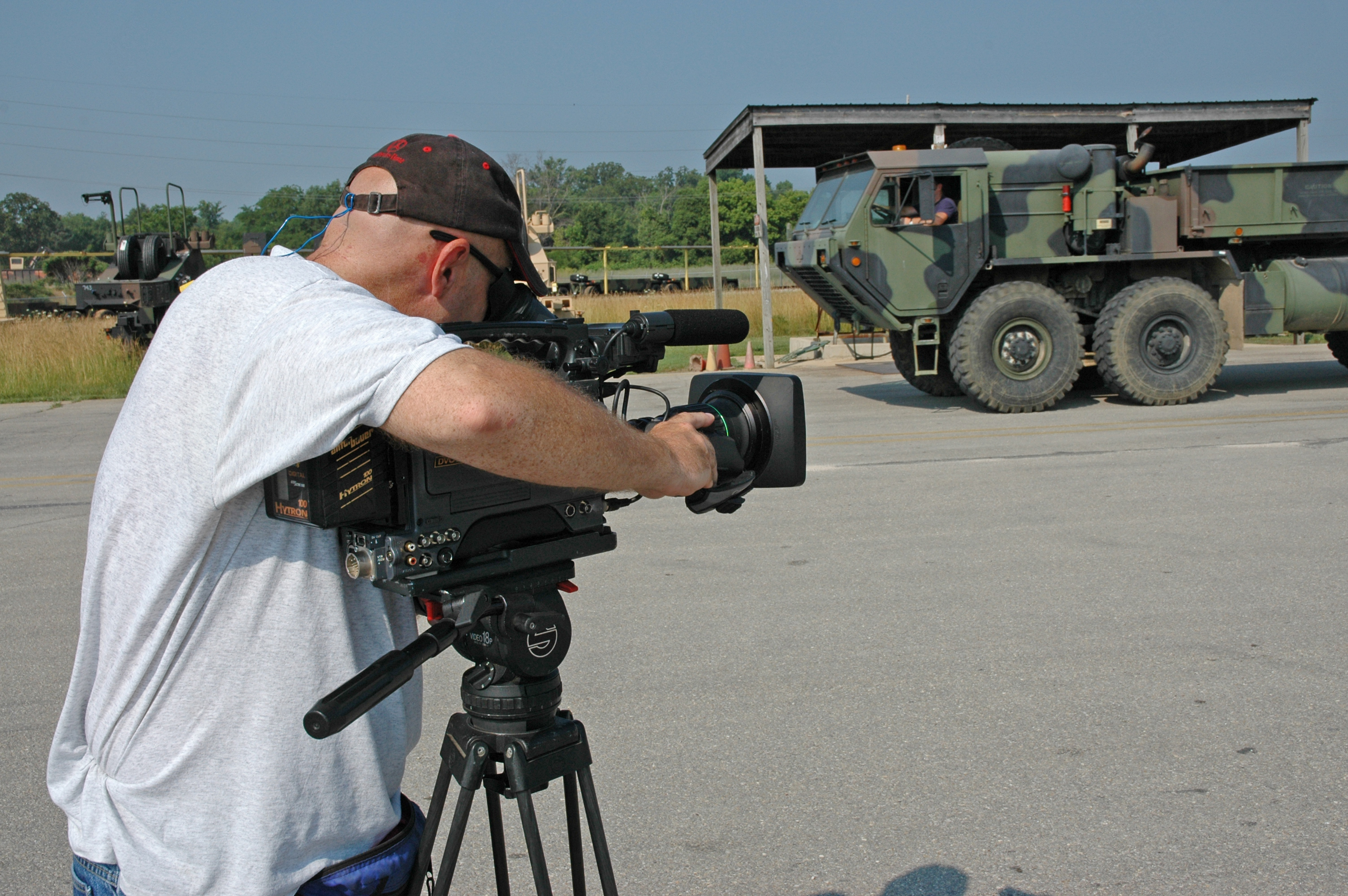
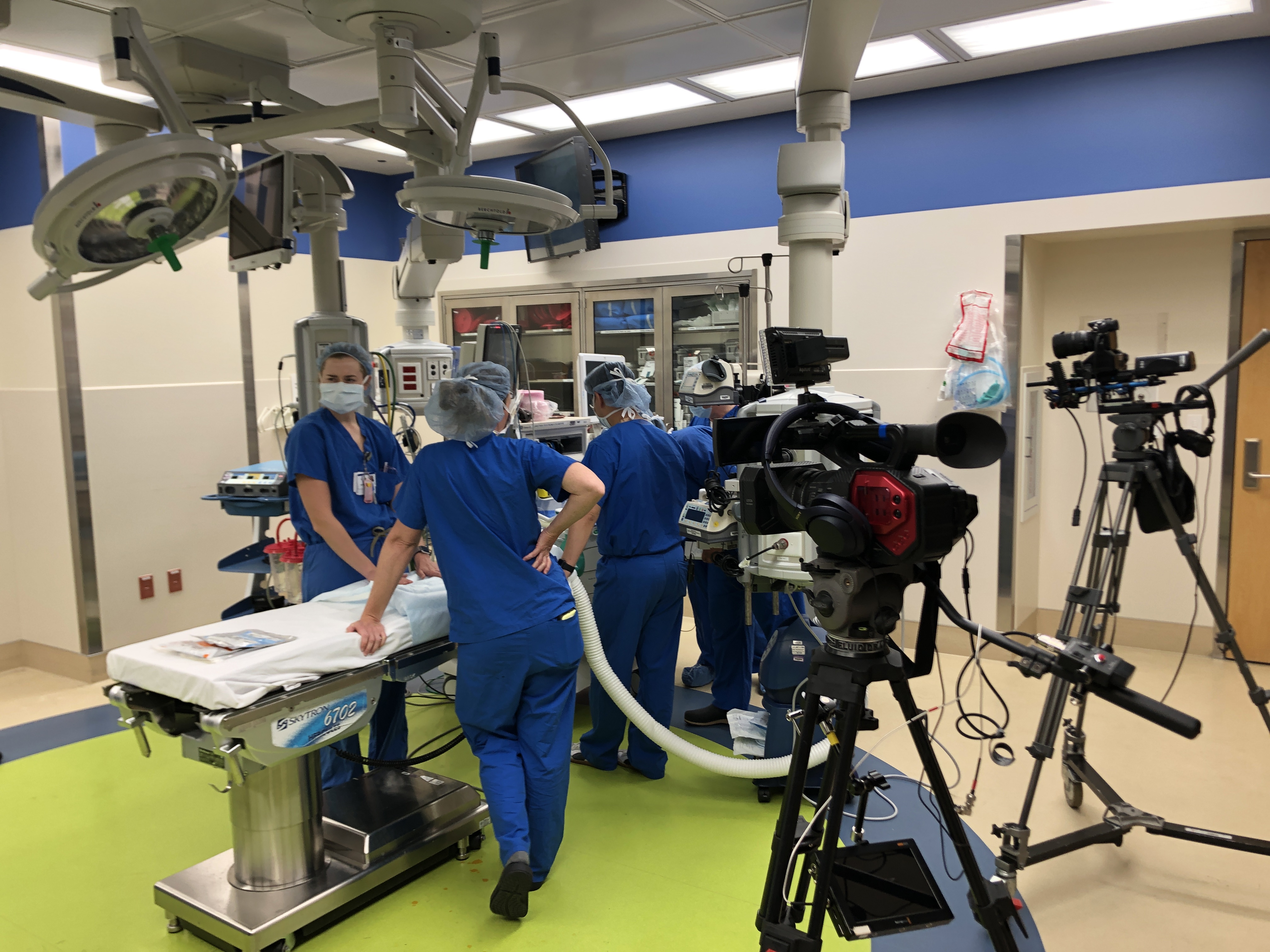
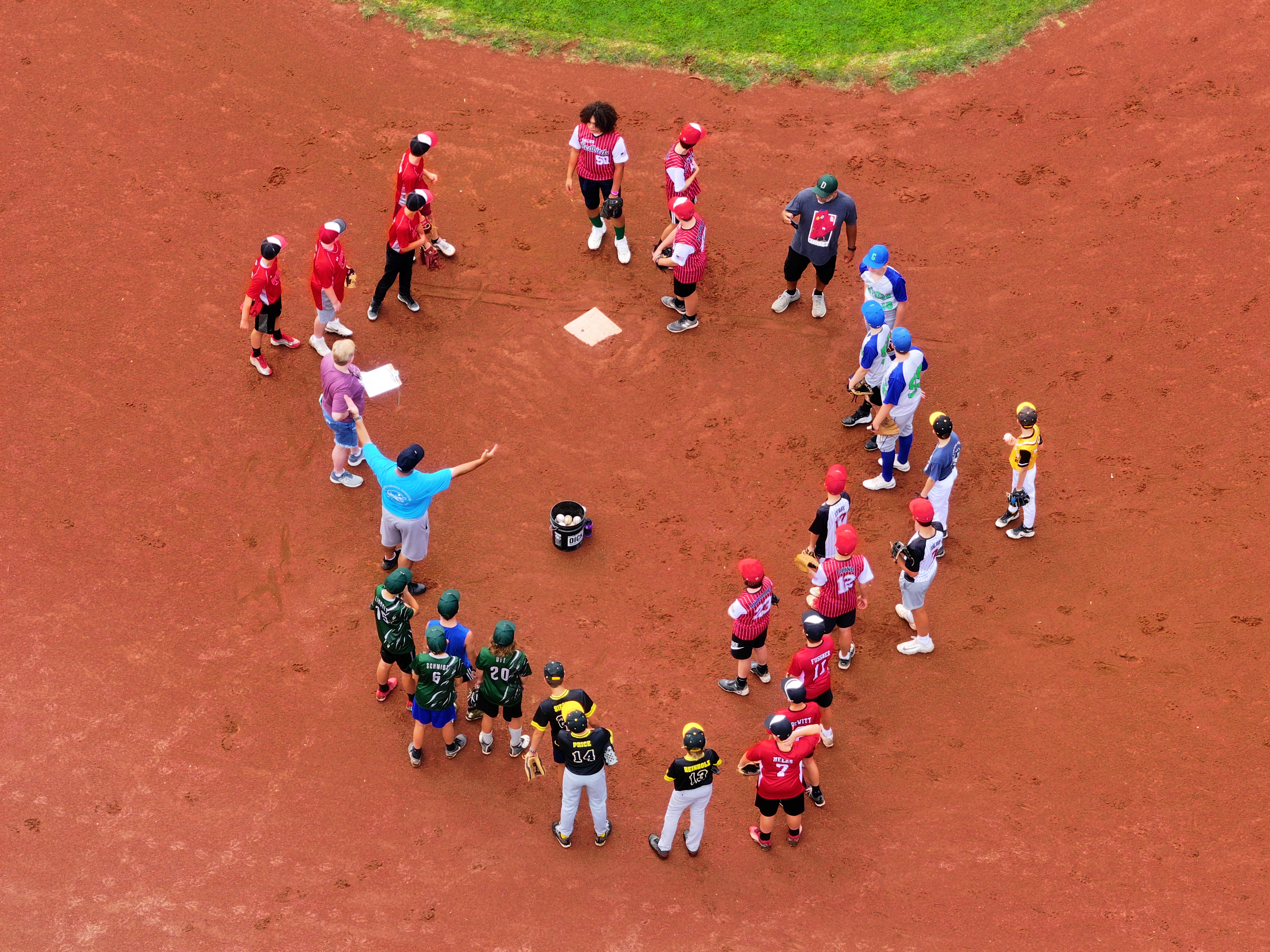
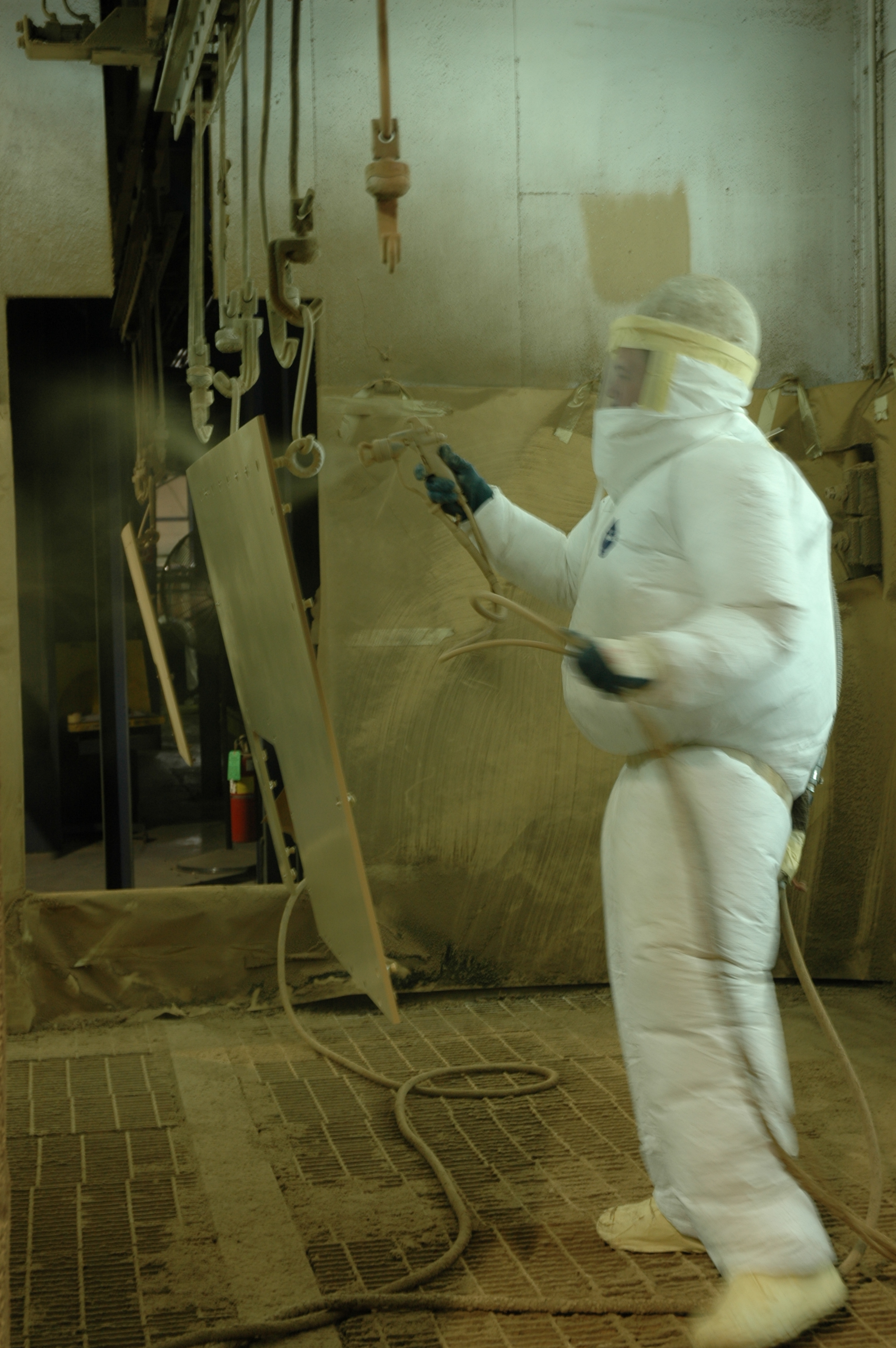
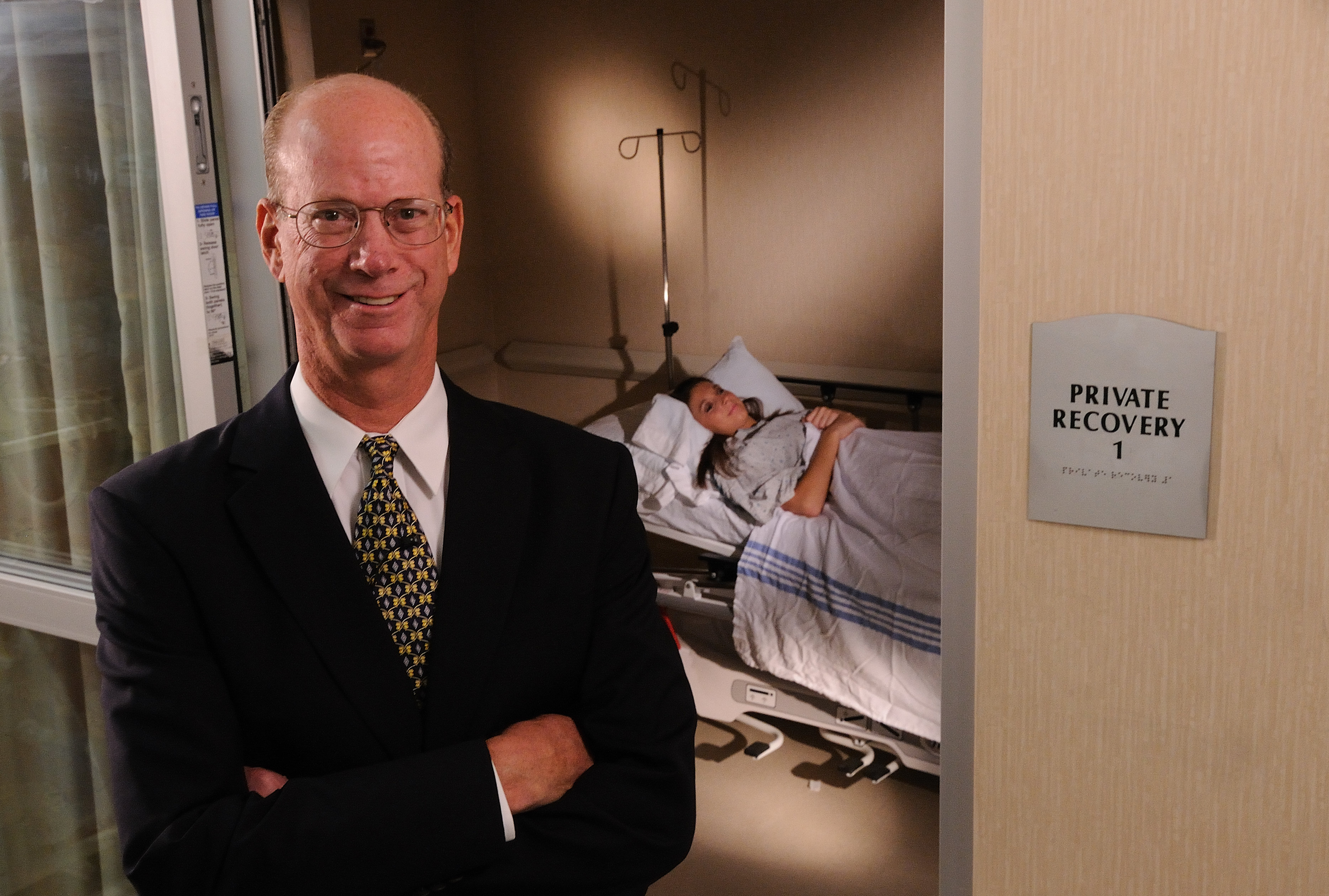
Shooting on location brings authenticity that a studio can’t replicate:

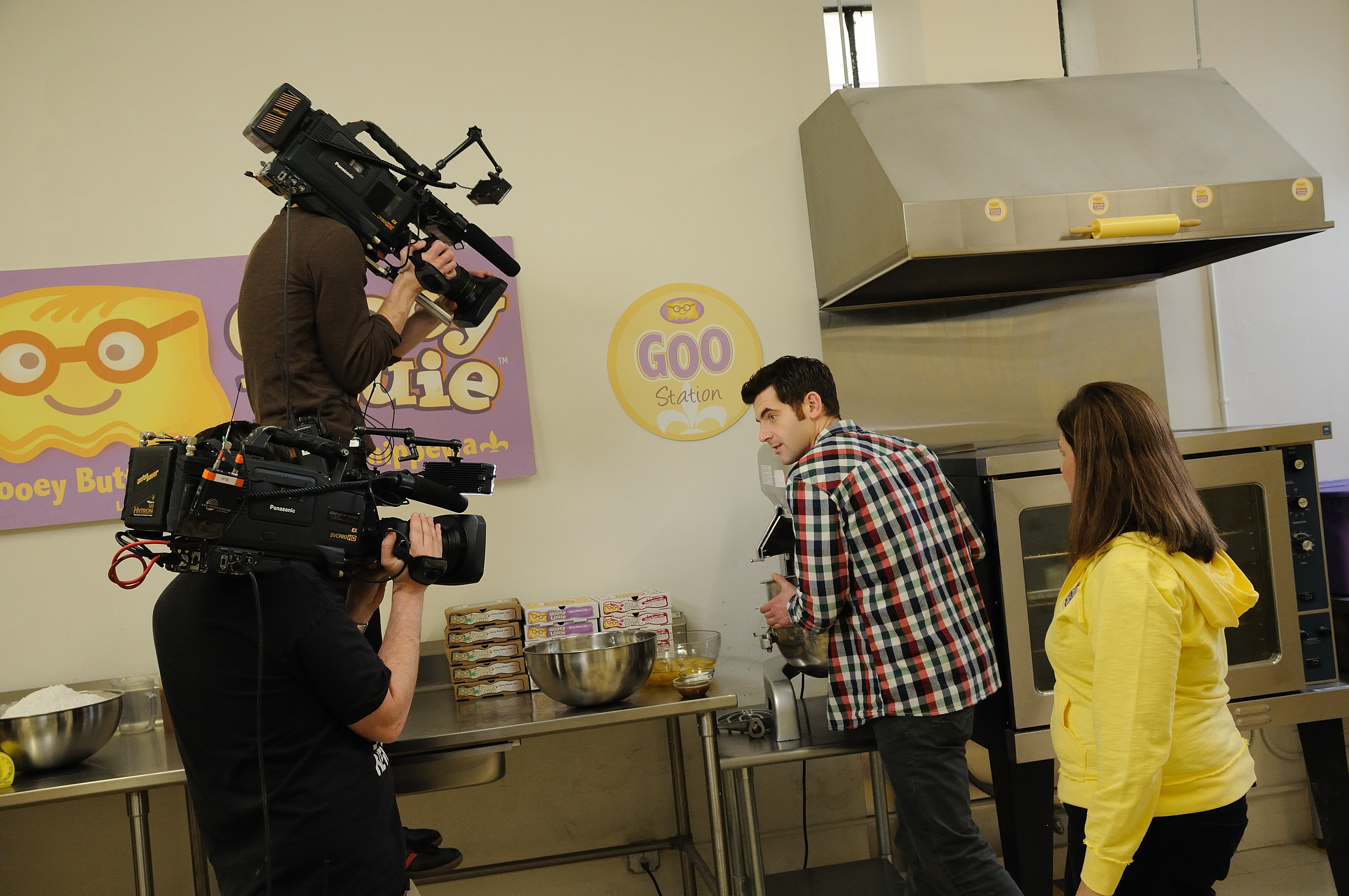
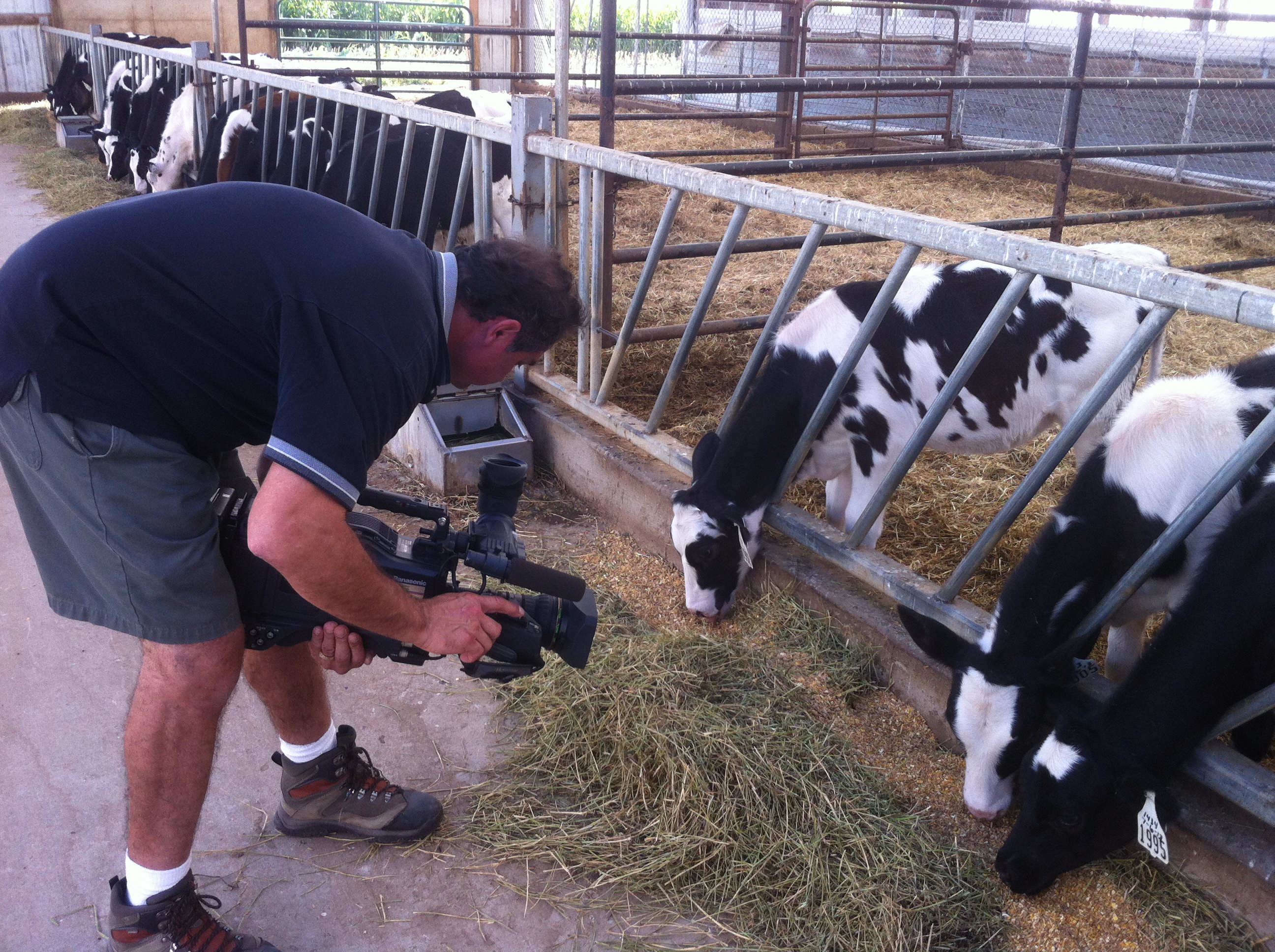
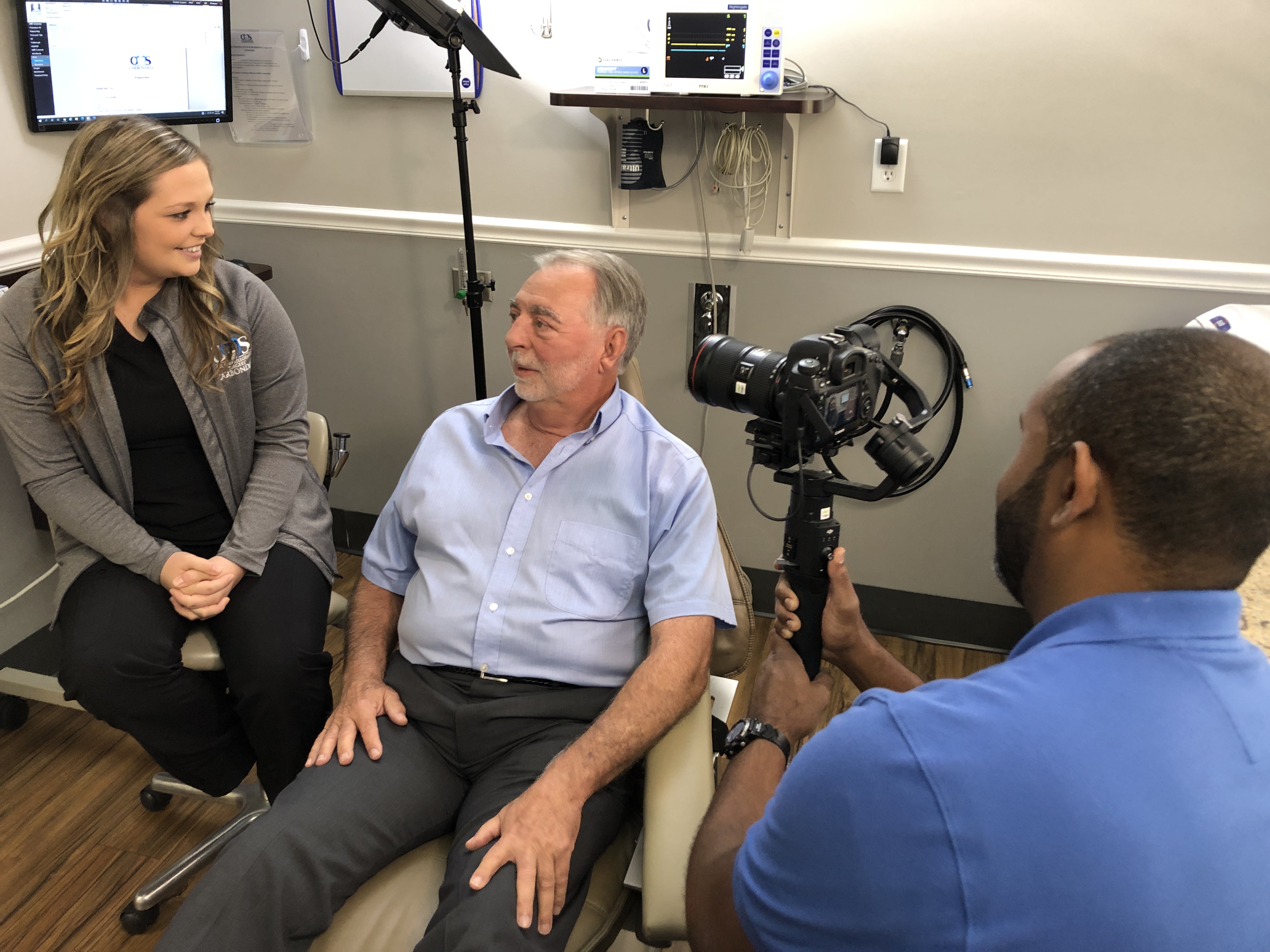
  • Real environments โ€” a manufacturing floor, a retail space, a job site โ€” provide context that grounds the story in reality
  • Natural b-roll opportunities are abundant, since the location itself often supplies the supporting footage
  • Brand storytelling benefits from showing, not just telling, where and how a business operates

The trade-off is reduced control: location shoots require careful scouting, contingency planning for lighting and sound, and often more logistical coordination.

The best productions frequently combine both โ€” a controlled studio interview paired with location-shot b-roll โ€” giving editors maximum flexibility while preserving the authenticity and craftsmanship a brand needs.
Location Scouting: A Discipline, Not a Formality

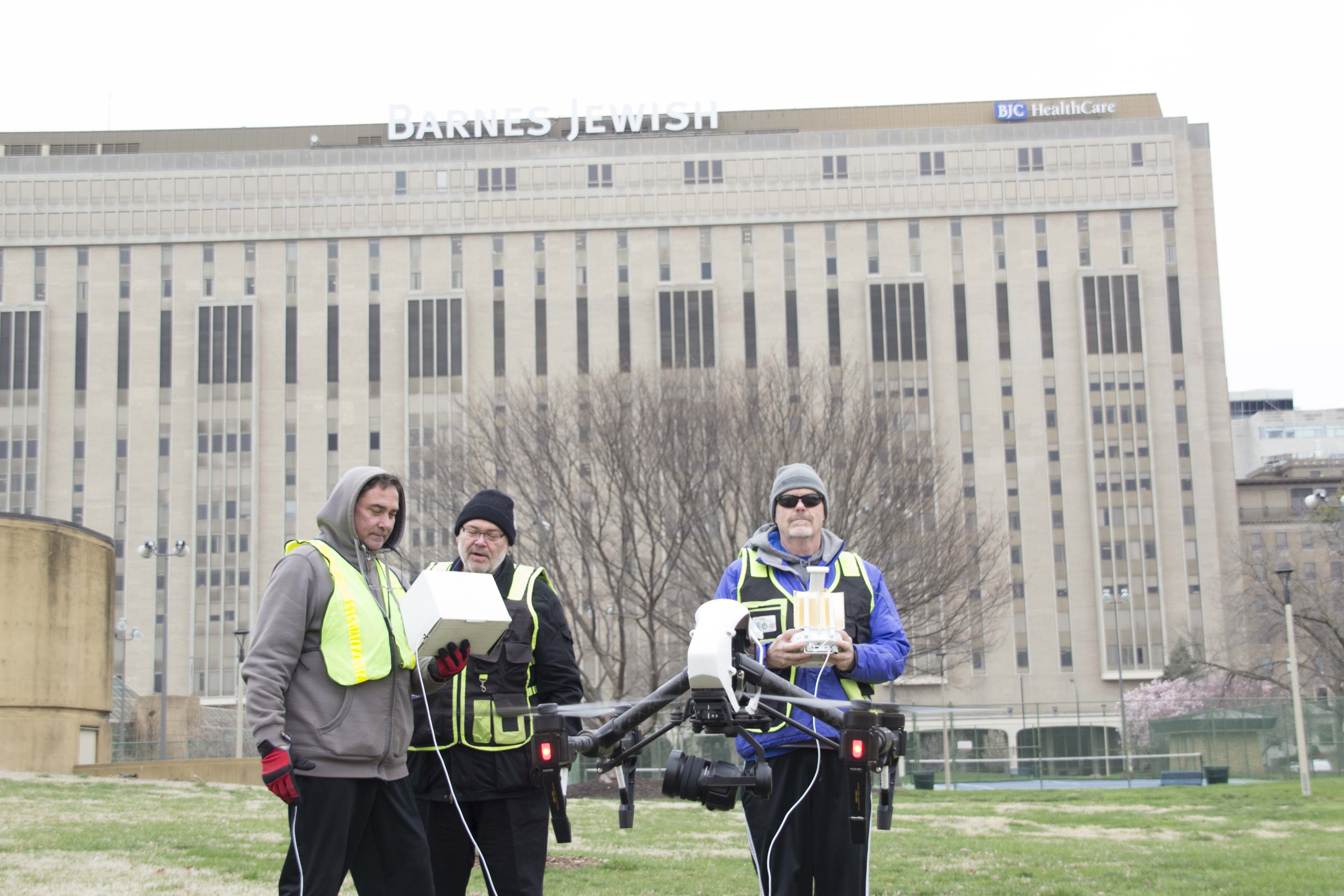
Successful location shoots depend heavily on scouting done well in advance. This means evaluating natural light throughout the day, checking for ambient noise (HVAC systems, traffic, machinery), assessing available power and space for equipment, and securing any necessary permissions or permits. Scouting also identifies b-roll opportunities within a location before the shoot day, so the crew arrives with a clear plan rather than improvising on the spot.

What Decision Makers Should Ask Before Their Next Shoot

Before greenlighting a video project, consider asking your production partner:

  1. Will this be shot in a studio, on location, or a hybrid of both โ€” and why?
  2. What is the b-roll plan, and how does it connect to our key messages?
  3. What lighting and audio equipment will be used for the interview?
  4. How will footage be organized and delivered for future repurposing?
  5. What’s the contingency plan for weather, noise, or access issues on location?

Asking these questions early prevents costly reshoots and ensures the final product aligns with your brand and marketing goals.


About St Louis Video Production

St Louis Video Production has been the trusted, full-service commercial photography and video production partner for businesses, marketing firms, and creative agencies throughout the St. Louis area since 1982. With decades of experience behind the camera and in the edit bay, our team brings the equipment, technical expertise, and creative judgment required for successful image acquisition โ€” no matter the scope or complexity of the project.

We offer complete studio and location video and photography services, backed by our own in-house editing, post-production, and licensed drone operations. Every production is customized to fit the specific media requirements of the organizations we serve, and we specialize in repurposing existing photography and video assets to help brands gain more traction from the content they’ve already invested in.
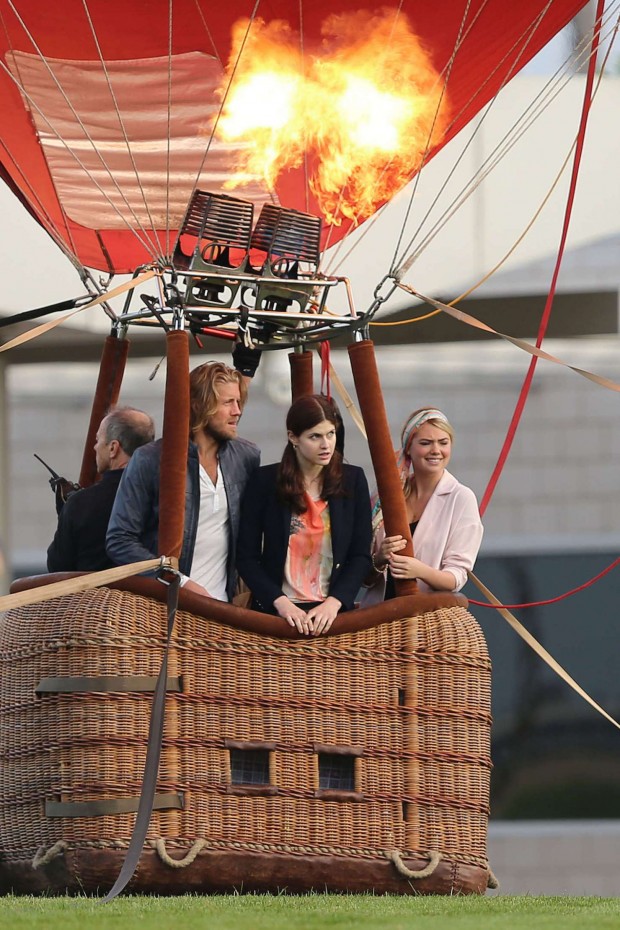
Our private studio is purpose-built for interview production and small-scale shoots, with professional lighting and visual setups ready to go โ€” and enough space to incorporate props and set dressing when a scene calls for it. Beyond the studio, our team supports every aspect of production: professional sound and camera operators, the right gear for the job, and dedicated location scouting and b-roll specialists who know how to capture the footage your story needs.

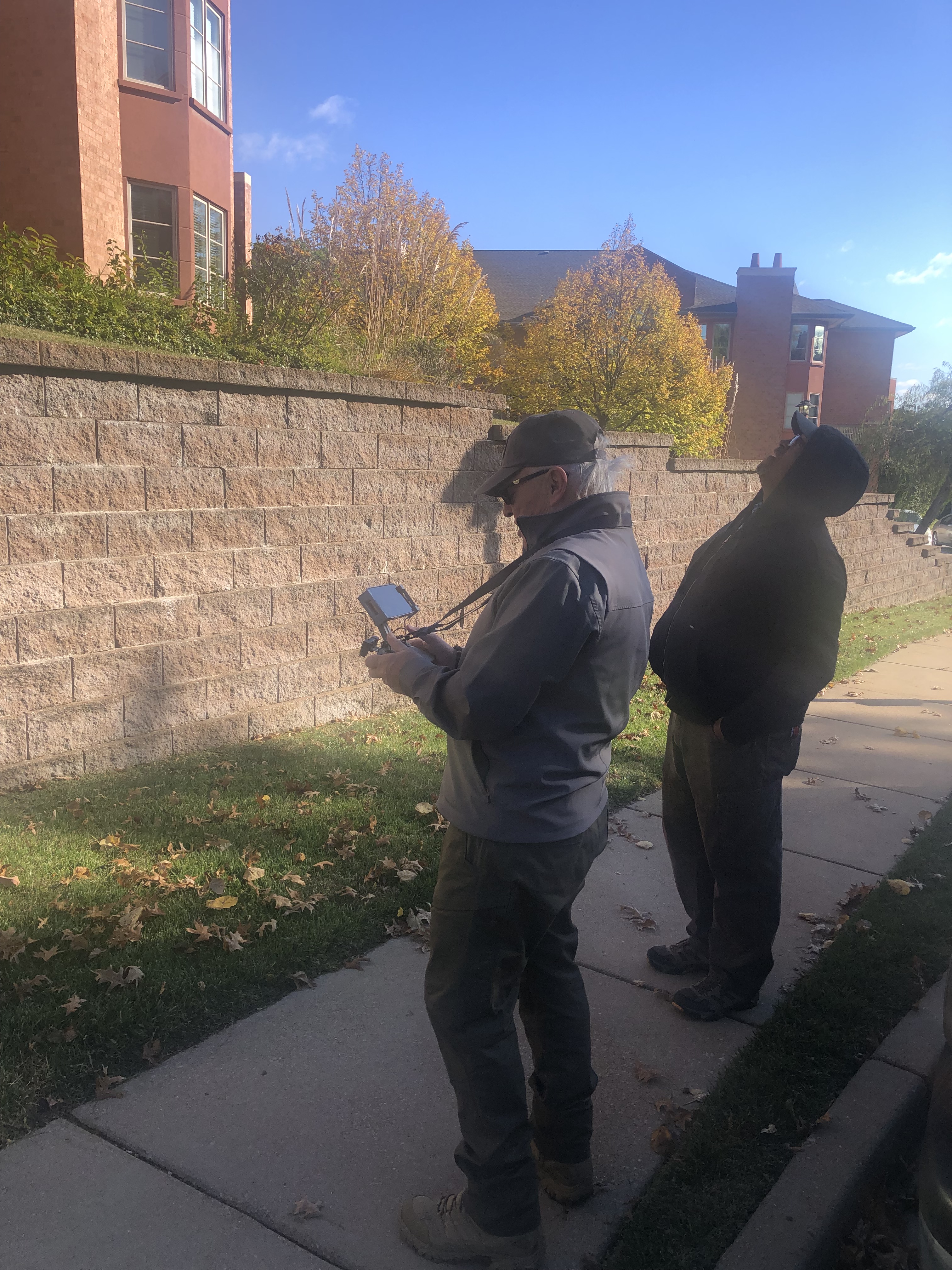
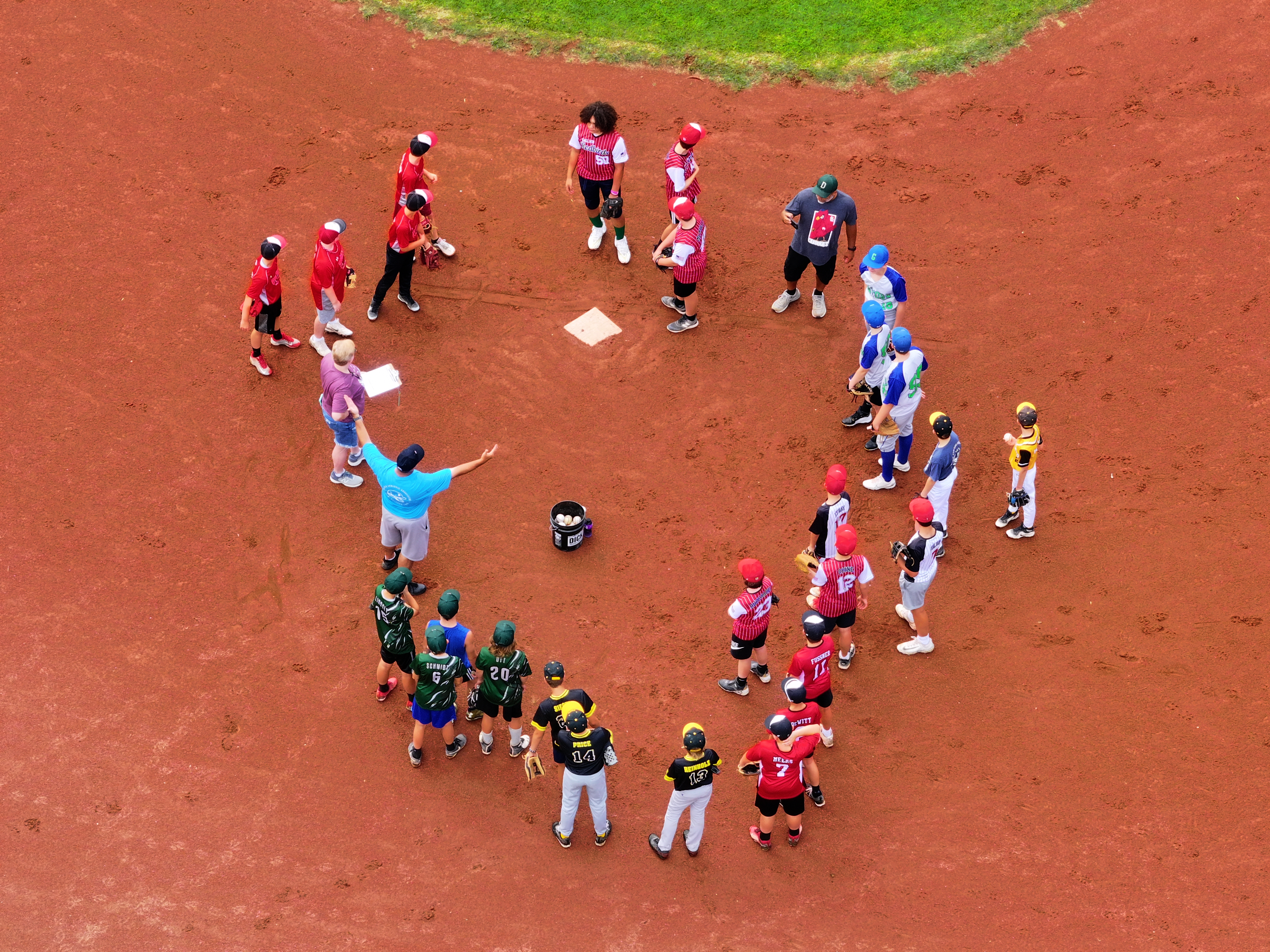
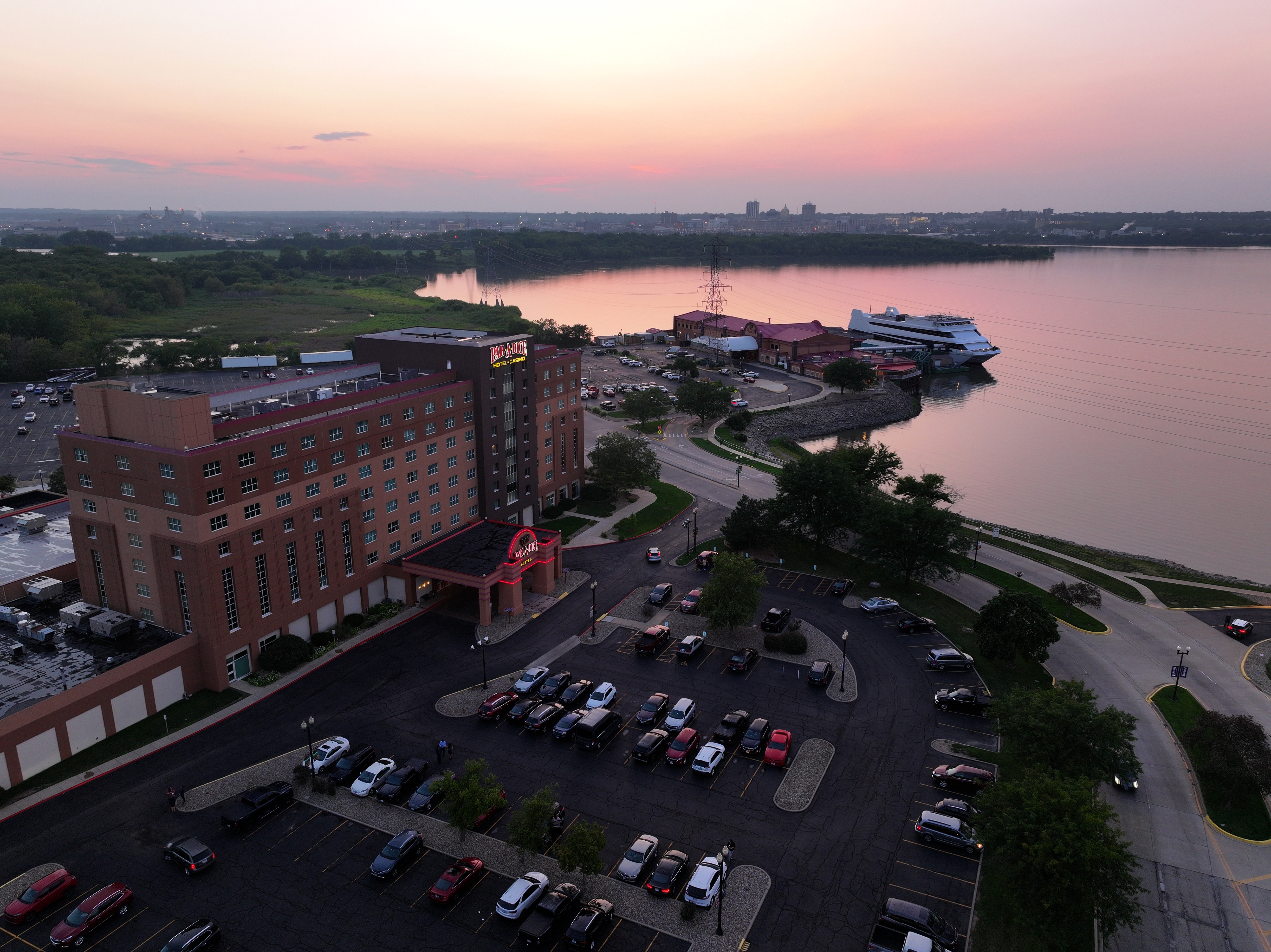
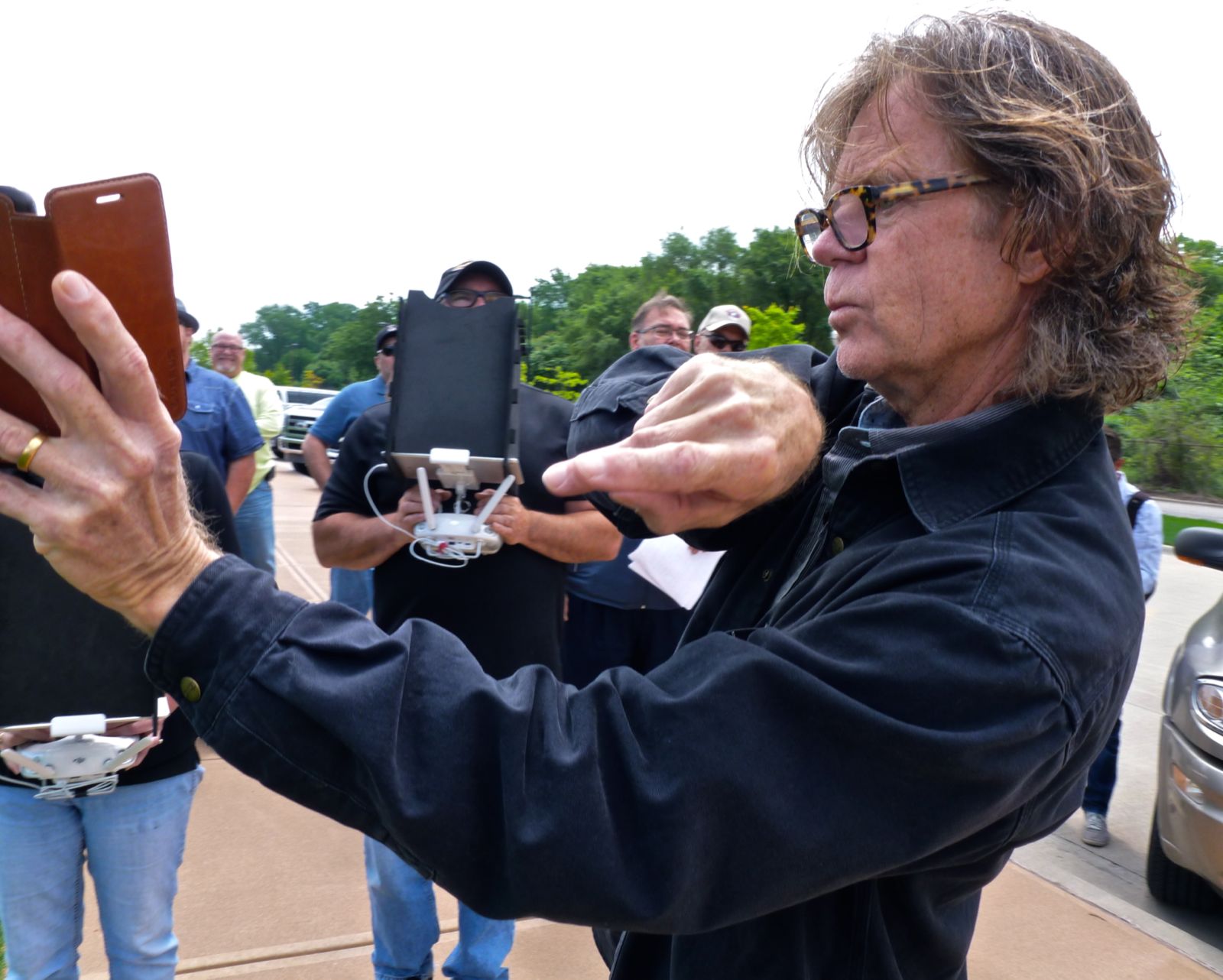
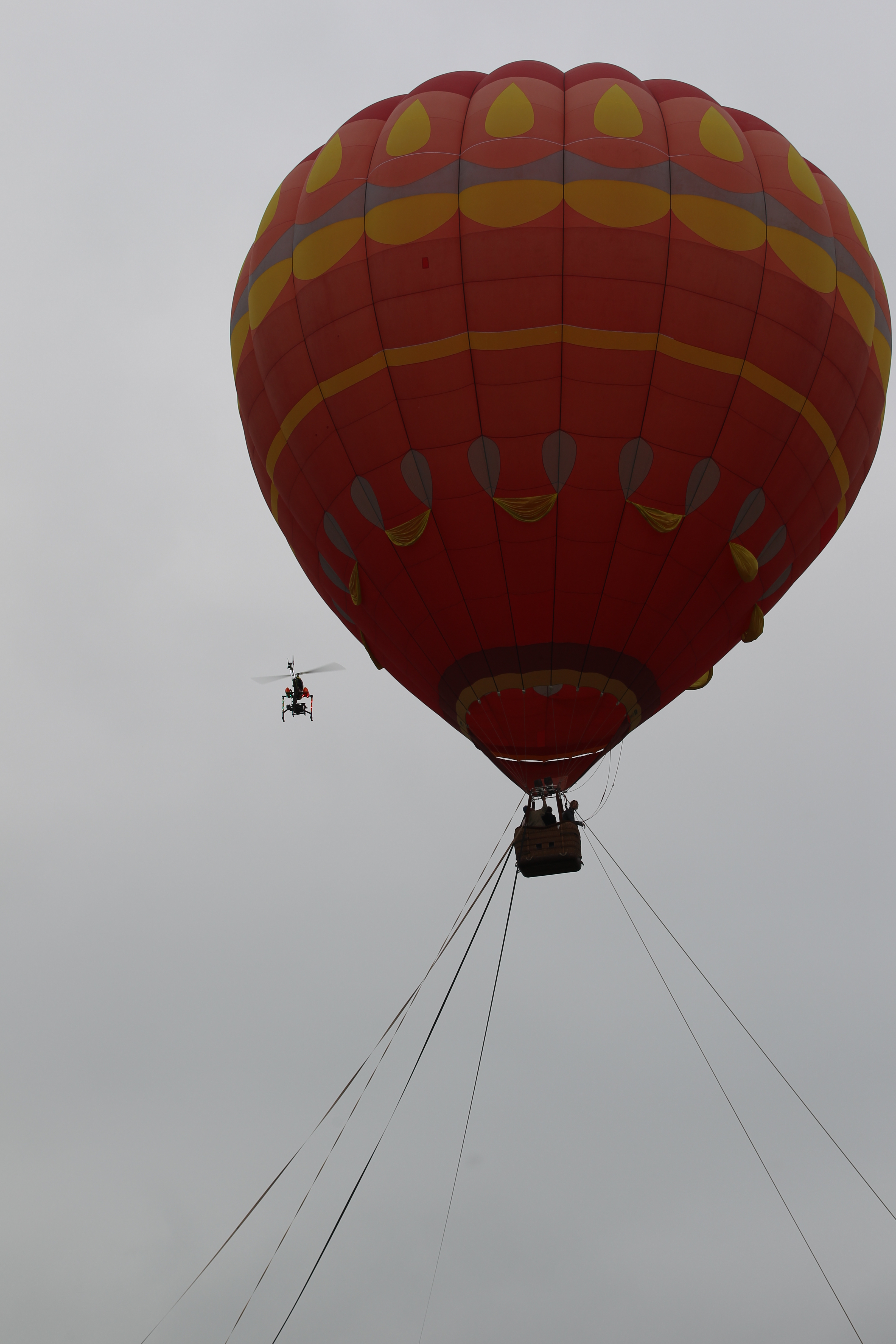
Our drone capabilities go well beyond standard aerial footage. We fly specialized FPV drones for dynamic, cinematic movement โ€” including indoor flight โ€” and offer advanced services such as infrared thermal imaging, orthomosaic mapping, and LiDAR scanning for clients with technical or industrial documentation needs.

We are well-versed in every major file type, media style, and the software ecosystems that support them, and we integrate the latest artificial intelligence tools across our services to improve efficiency and output quality โ€” from production planning through post.

Whether you need a single polished executive interview or a full campaign combining studio and location footage, St Louis Video Production has the crew, equipment, and creative experience to make your next production seamless and successful.

Mike Hallerย 314-913-5626ย stlouisvideoproduction@gmail.com
Custom Video vs. Stock Footage: Cost, Control, and Brand Risk for Service Brands

If you sell a serviceโ€”IT, healthcare, engineering, logistics, facilitiesโ€”your โ€œproductโ€ is trust. Moving pictures are often the fastest way to prove that trust. The recurring question for marketing leaders: invest in original video production or assemble campaigns from stock clips? The smart answer is a frameworkโ€”balancing cost, control, and brand risk against speed and campaign goals. Hereโ€™s a practical, field-tested guide from the production floor.


Executive Summary (for busy stakeholders)

  • Stock footage is efficient for low-stakes, short-life assets (internal explainers, early mockups, quick social tests).
  • Custom video wins when you need ownable IP, legal clarity, narrative cohesion, and proof of your real people, processes, and locations.
  • Hidden costs and risksโ€”licensing limits, look-alike competitors, audio/music rights, compliance missesโ€”often turn โ€œcheapโ€ stock into the costlier option.

Cost: Sticker Price vs. Total Cost of Ownership (TCO)

Direct costs

  • Stock footage: Clip/subscription fees, often per seat or per deliverable; extended licenses for paid media or OTT quickly escalate.
  • Custom video: Crew, gear, locations, permits, talent, and post. Upside: broad rights, consistent masters, footage libraries that pay off across quarters.

Hidden and downstream costs

  1. License governance for each clip (duration, territory, impressions, media types).
  2. Music & SFX rightsโ€”even โ€œroyalty-freeโ€ tracks can exclude broadcast/paid social.
  3. Style stitchingโ€”time spent matching disparate clips and codecs, frame rates, color science, and grain.
  4. Replacement costs if a competitor uses the same hero shot.
  5. Performance taxโ€”generic visuals depress watch time and conversions on high-intent pages.

A quick ROI lens
If custom video lifts conversion or sales enablement metrics even modestly, the compounding reuse (web, social, recruiting, PR, tradeshows) usually beats stock within one campaign cycle.


Control: Narrative, Consistency, and Compliance

Narrative control

  • Stock: You inherit someone elseโ€™s angles, casting, and context. Coverage gaps force script compromises.
  • Custom: You design story beatsโ€”cold open, proof moments, VO sync, graphics handoffsโ€”so messaging drives pictures, not the other way around.

Visual consistency

  • Stock is a collage: mixed camera systems, white balances, shutter cadences, and motion blur.
  • Custom yields a repeatable look: lens set, LUTs, lighting ratios, motion language, and lower-thirds templating that scale across all channels.

Regulatory & safety

  • Stock often misses details your buyers and auditors scrutinize: correct PPE, HIPAA-safe contexts, lockout/tagout cues, sterile fields, data-center protocols.
  • Custom lets us stage compliance correctly and clear it with your legal or safety teams in advance.

Brand Risk: Where Teams Get Surprised

  1. Competitor collisions: The same โ€œtechnician walking and pointingโ€ shows up in your marketโ€”credibility dips.
  2. Context errors: Wrong facility types, unrealistic equipment, or non-Midwest exteriors that break authenticity.
  3. Rights ambiguity: Editorial vs. commercial, actor/model releases, trademarked backgrounds, and AI re-edits that violate clip terms.
  4. Provenance: Mixed AI/3D/real clips without content credentials invite scrutiny. With custom, we can embed C2PA for source transparency.

When Stock Footage Makes Sense (and How to Use It Well)

  • Early prototypes, wireframes, and mood films
  • Decorative b-roll in low-stakes channels
  • Abstract interstitials (macro textures, bokeh, time-lapse)
  • Quick social experiments where speed > polish

Best practices

  • Maintain a clip ledger (ID, license scope, expiry, placements, spend).
  • Avoid recognizable faces or facilities for hero sequences.
  • Standardize frame rate and color space to minimize stitching labor.
  • Prefer abstract or environmental stock to reduce look-alike risk.

When Custom Video Is the Clear Choice

  • Homepage hero videos, service explainers, recruiting films
  • Case studies and proposal sizzles where buyers need evidence
  • Regulated or technical workflows (medical, industrial, utilities, aviation)
  • Evergreen brand libraries for ongoing campaigns
  • Facility tours and POV walkthroughs (including indoor drone moves)

Deliverables that scale

  • Master film (60โ€“120s) + cut-downs (30s/15s/6s) in 16:9, 1:1, and 9:16
  • B-roll library tagged by process, department, and compliance state
  • Interview soundbites (customer, manager, technician) for quick social lifts
  • Graphics pack (lower-thirds, supers, logo resolves) for internal reuse

The Decision Matrix (Use Before You Script)

Ask five questions:

  1. Is the video proof or decoration? Proof = Custom. Decoration = Stock can work.
  2. How public and persistent is the placement? Evergreen or paid = Custom lowers risk.
  3. Are there compliance or accuracy requirements? If yes, custom.
  4. Do we need a unified brand look? If yes, build a custom library + style guide.
  5. Will we repurpose across teams? If yes, customโ€™s TCO wins fast.

Practical Budgeting: Buy Once, Reuse Everywhere

Plan a library, not a one-off

  • Map the funnel (awareness โ†’ consideration โ†’ decision โ†’ onboarding โ†’ recruiting).
  • For each stage, list required scenes: team expertise, process, safety, customer outcomes, facility scale.

Stack efficiencies

  • Shoot interviews + process b-roll while setups are hot.
  • Capture audio wild lines (taglines, CTAs, alt takes) for future edits.
  • Use indoor drones for dynamic reveals without disrupting operations.
  • Record clean plates for on-brand motion graphics and future language swaps.

Rights & governance

  • Commission for broad commercial rights (digital/print/paid/OTT), model & property releases, and music with broadcast/paid rights.
  • Embed C2PA credentials; centralize masters, transcripts, captions, cue sheets, and license docs.

Creative Guardrails for Service-Brand Video

  • Show the actual workflow: Wide (context) โ†’ Medium (people + process) โ†’ Tight (expert details).
  • Prioritize sound: Lav + boom capture, noise control, proper sample rates; build caption files on delivery.
  • Safety and inclusion: Correct PPE/signage; represent real teams authentically.
  • Lighting language: Soft directional key, motivated practicals, consistent contrast; one LUT library.
  • Motion language: Thoughtful gimbal/dolly; drones for establishing and impossible anglesโ€”indoor flights when appropriate.
  • Accessibility: High-contrast supers, legible type, accurate captions, descriptive alt text on embeds.

Sample One-Day Video Plan (Designed for 6โ€“12 Months of Assets)

Pre-production (1โ€“2 weeks prior)

  • Script outline, interview beats, shot list, schedule, releases, safety review
  • Look/tone brief, lower-thirds/graphic templates
  • Tech scout: power, noise, drone paths (including indoor), staging

Production (1 day)

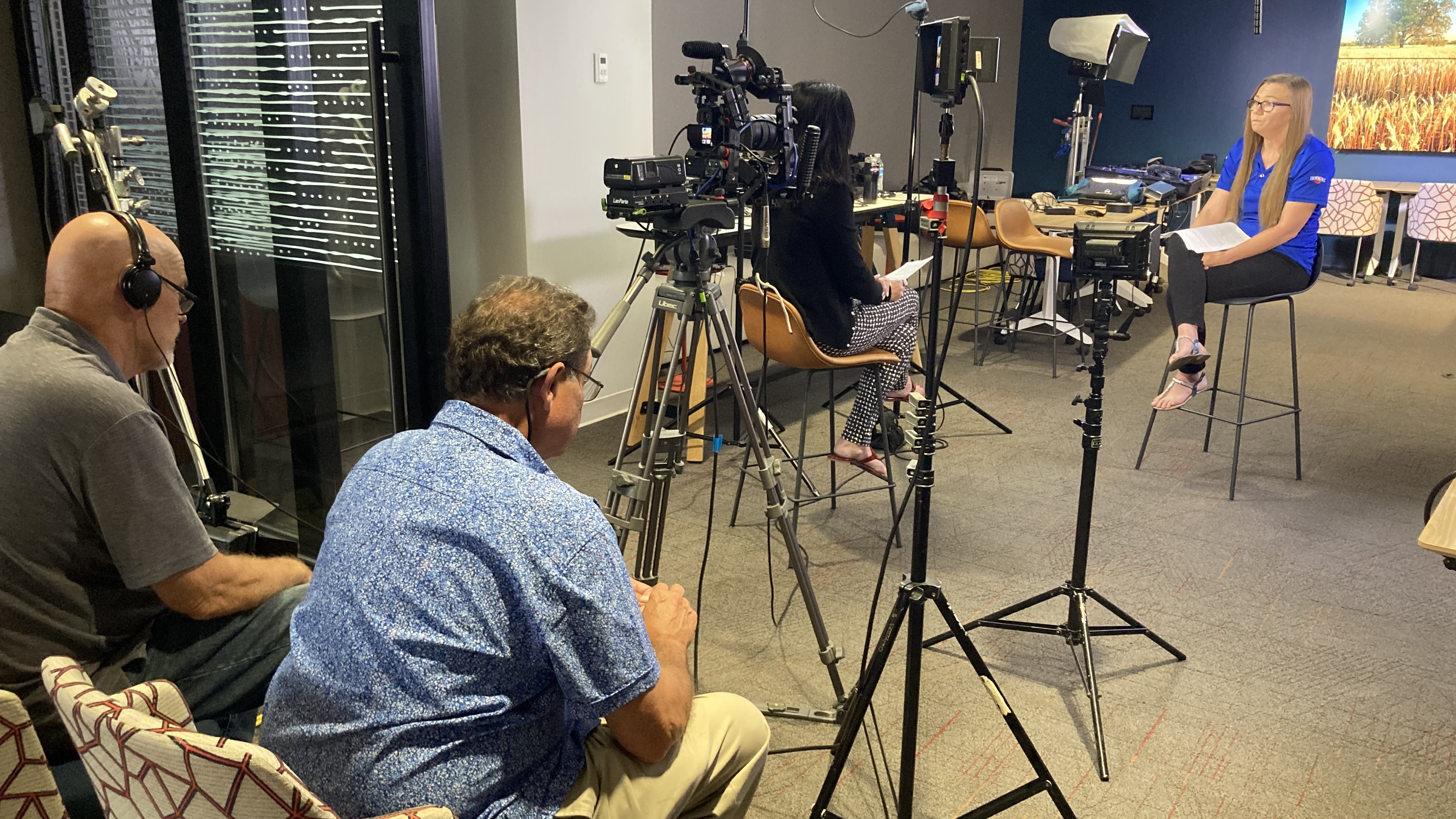
  • Executive & SME interviews (2-camera, teleprompter as needed)
  • Process coverage (A-cam on sticks, B-cam on gimbal; wide/medium/detail cadence)
  • Facility and culture b-roll (collaboration, stand-ups, QC checks)
  • Indoor drone establishing passes and transitions
  • Wild lines for future CTAs and versioning

Post (3โ€“10 days)

  • Color pipeline + loudness-normalized mixes
  • Master + social cut-downs (16:9 / 1:1 / 9:16)
  • Captions (SRT/WebVTT), transcripts, clean text for repurposing
  • Music/SFX with paid/OTT rights; cue sheets delivered
  • Delivery with metadata, C2PA, and asset index

Governance Checklist (Pin This in Your Brand Binder)

  • Broad commercial rights secured; music licensed for paid/OTT
  • Model & property releases on file
  • Compliance sign-off (PPE, privacy, signage)
  • Captions/transcripts included; accessibility reviewed
  • C2PA credentials embedded
  • Centralized asset index with tags/expirations
  • AI policy (permitted enhancements, disclosure, provenance)

Where AI Fits (and Where It Doesnโ€™t)

Use AI to storyboard, generate animatics, clean plates, remove distractions, automate captions, version graphics, and upscale. For credibilityโ€”real people, regulated processes, facility specificsโ€”capture reality and use AI as a finishing tool. Preserve provenance with Content Credentials.


Bottom Line

For service brands, video isnโ€™t decorationโ€”itโ€™s evidence. Stock footage has a role in speed and prototyping, but the videos that build trust and move revenueโ€”cohesive stories, accurate process visuals, compliant details, and consistent brand languageโ€”come from custom production. Model total cost and risk honestly, and bespoke video becomes the most economical choice you can make.


About St Louis Video Production

St Louis Video Production is a full-service professional commercial video and photography company with the right equipment and creative crew experience for successful image acquisition. We provide full-service studio and location video and photography, plus editing and post-production, and licensed drone pilotsโ€”including the ability to fly our specialized drones indoors for dynamic, cinematic facility footage.

We customize productions for diverse media requirements and excel at repurposing your video and photography branding to maximize traction across web, social, recruiting, sales enablement, trade shows, and paid media. Our team is well-versed in all file types, media styles, and accompanying software, and we leverage the latest Artificial Intelligence for efficient, secure workflowsโ€”from denoise and upscaling to smart captioning and content credentials. Our private studio lighting and visual setup is ideal for executive interviews and small productions, with space to incorporate props and sets.

As a full-service production corporation since 1982, St Louis Video Production has partnered with businesses, marketing firms, and creative agencies throughout the St. Louis area to deliver credible, conversion-ready video libraries. We support every aspect of your productionโ€”from setting up a private, custom interview studio to supplying professional sound and camera operators and the right equipmentโ€”ensuring your next video production is seamless and successful.

Mike Hallerย 314-913-5626ย stlouisvideoproduction@gmail.com