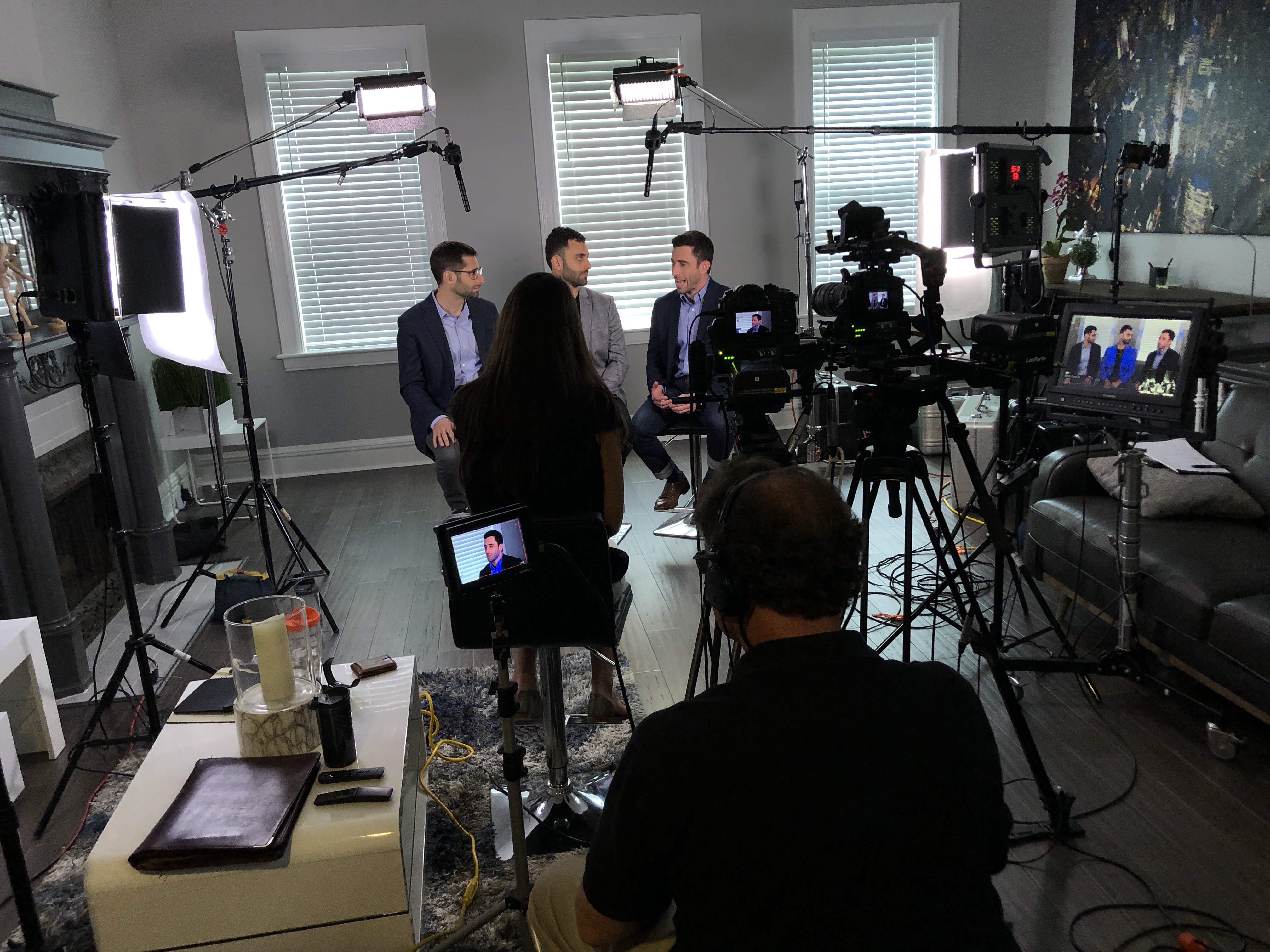
In the world of commercial video production, bigger doesn’t always mean better. For many marketing professionals, corporate communicators, and content strategists, the key to standout visual content lies not in oversized teams or overcomplicated setups—but in the efficiency, precision, and creativity of a small, highly skilled crew.
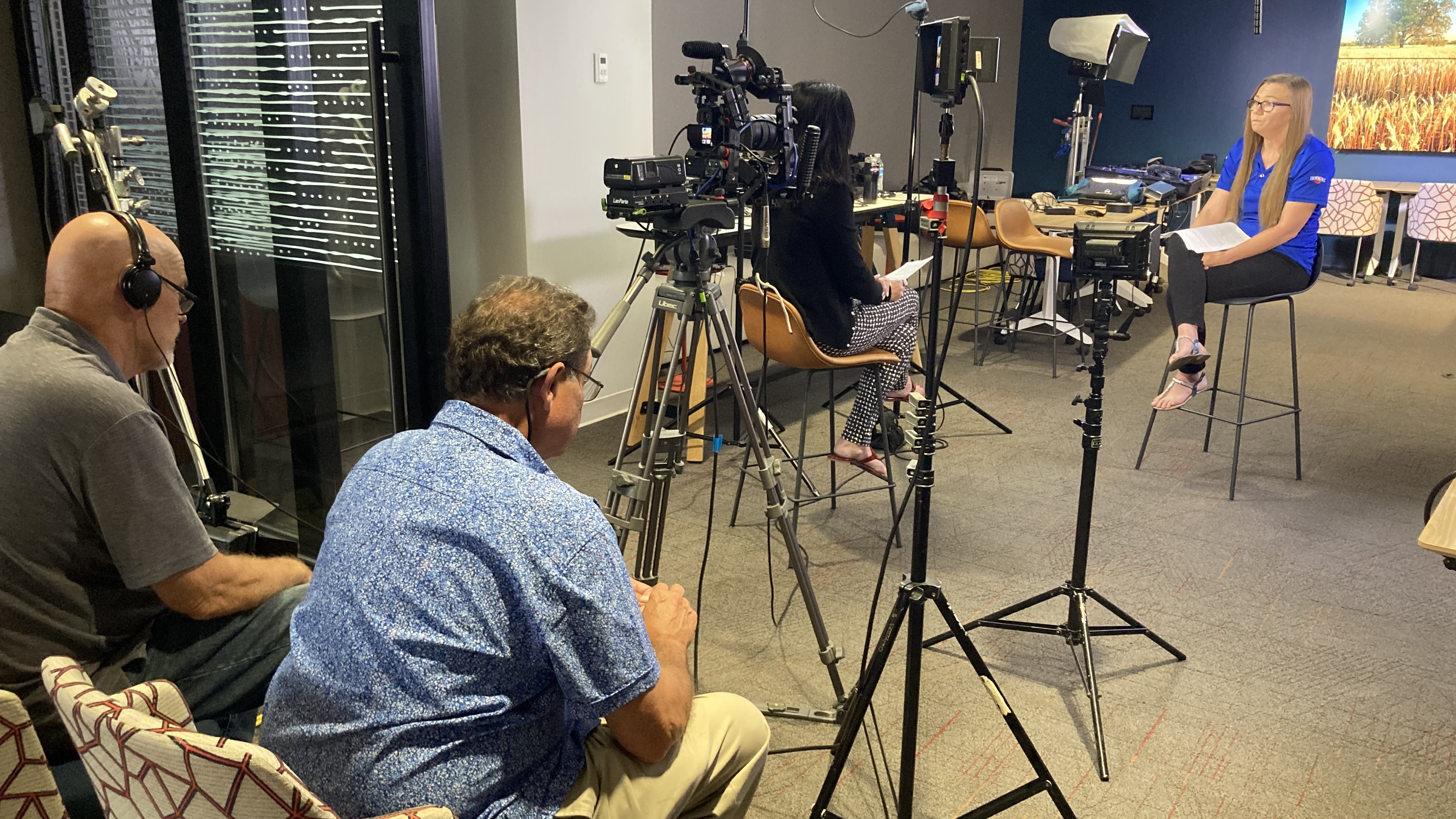
At St Louis Video Production, we’ve spent decades proving that a well-organized, experienced small crew can produce video quality that rivals major productions—often with faster turnaround times, lower overhead, and more flexibility on set. Here’s why scaling down your crew size might just scale up your results.
1. Agility = Better Shots
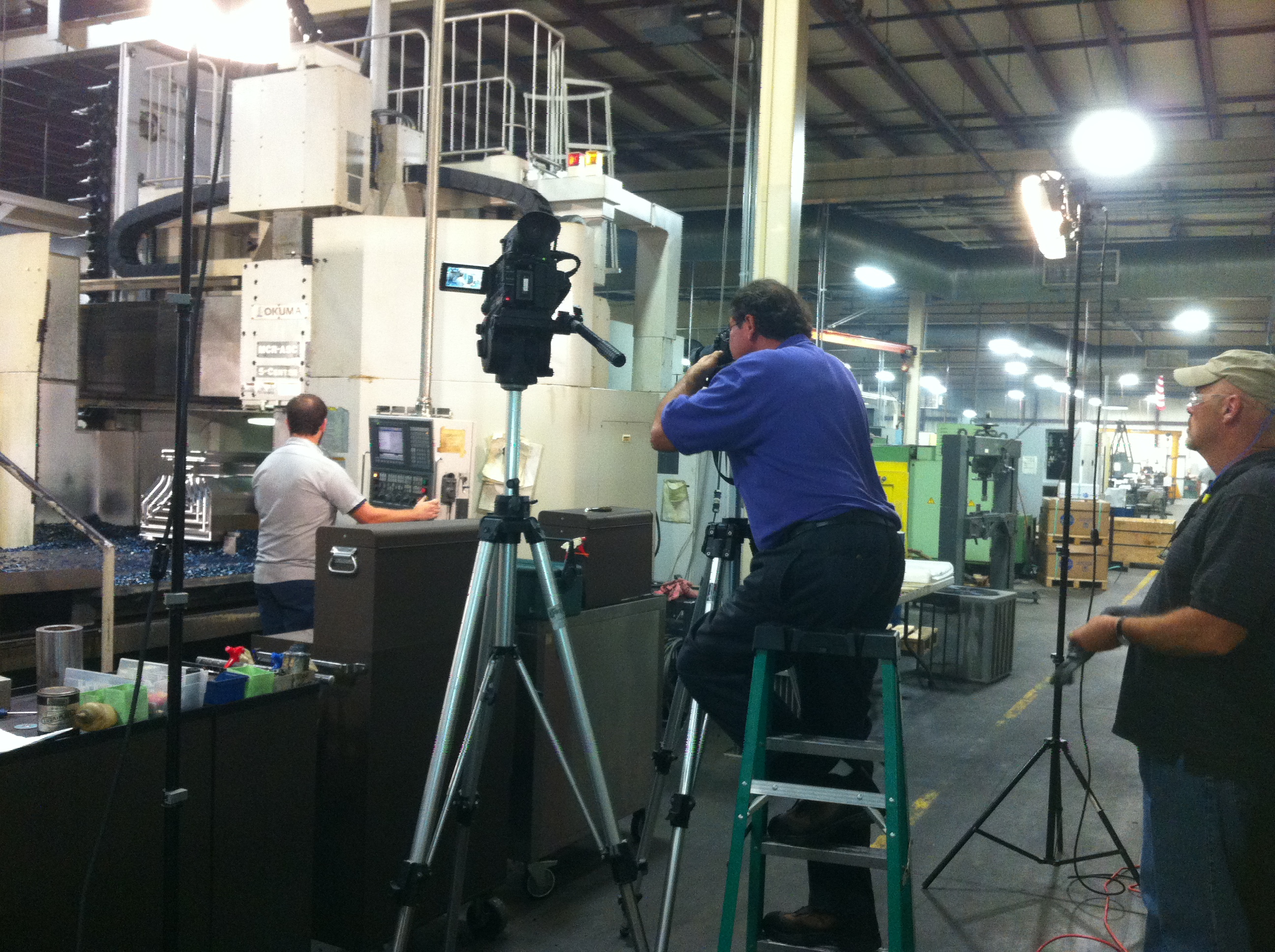
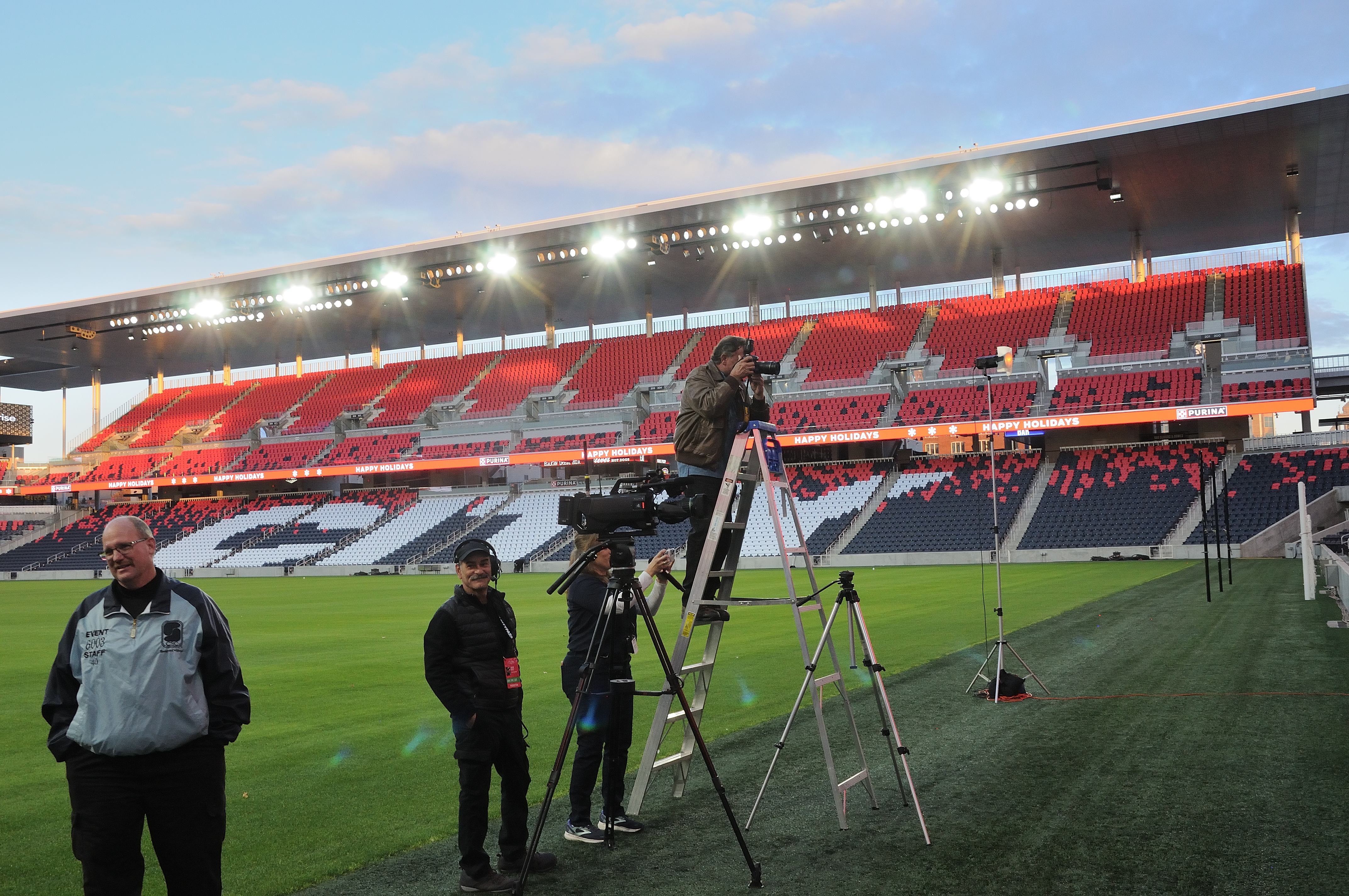
With fewer people on set, small crews can move faster and adapt quicker. This is especially valuable in:
Dynamic environments, like busy offices or event spaces
Tight locations, where large setups would be disruptive
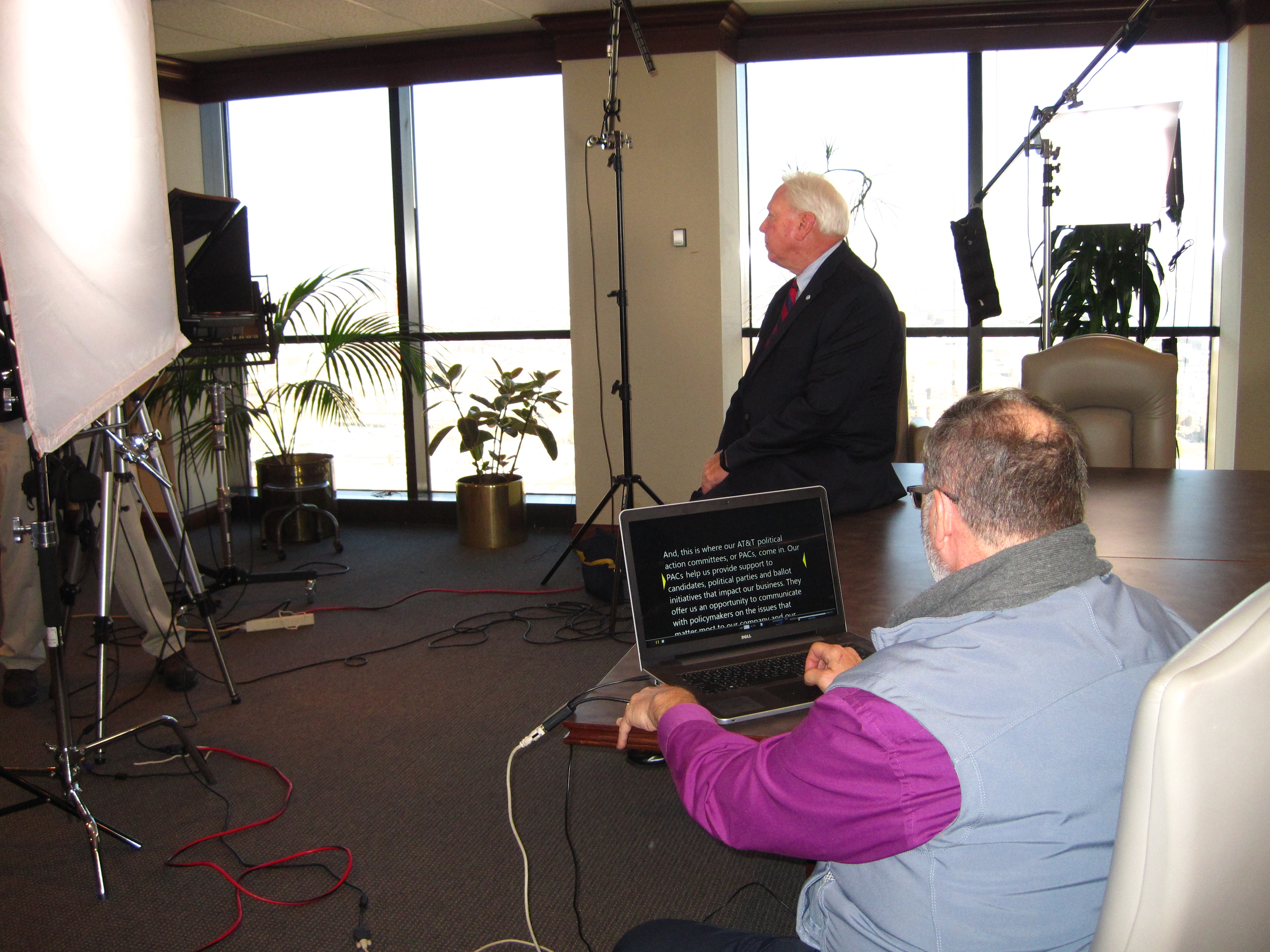
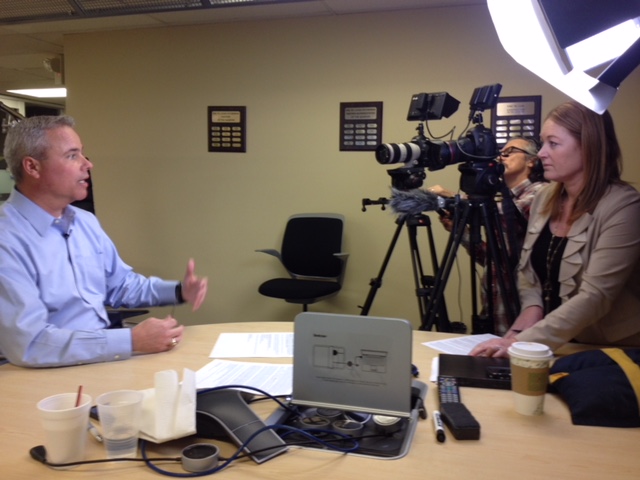
Corporate interviews, where maintaining a low profile ensures authenticity and comfort
Fewer layers of communication also allow for real-time creative decisions between client and crew, cutting down on reshoots and boosting efficiency.
2. Streamlined Workflow Without Sacrificing Quality
A modern small crew often includes:
A videographer who doubles as director of photography
A sound operator who also monitors lighting
A production assistant handling logistics, slates, and continuity
When each member is cross-trained and experienced, the quality of output is never compromised—it’s just produced smarter. With the right tools and planning, a small crew can shoot multi-camera setups, aerial drone footage, and cinematic B-roll—all within one production day.
3. Better Communication, On-Set and Off
In large crews, ideas can get lost in the chain of command. With a smaller team, clients interact directly with the creative lead—often the same person operating the camera or overseeing post-production. This enables:
Real-time feedback and adjustments
Immediate creative alignment
Direct accountability for vision and outcomes
That kind of clarity results in faster editing, more focused messaging, and visuals that stay on brand.
4. More Natural Performances from On-Camera Talent
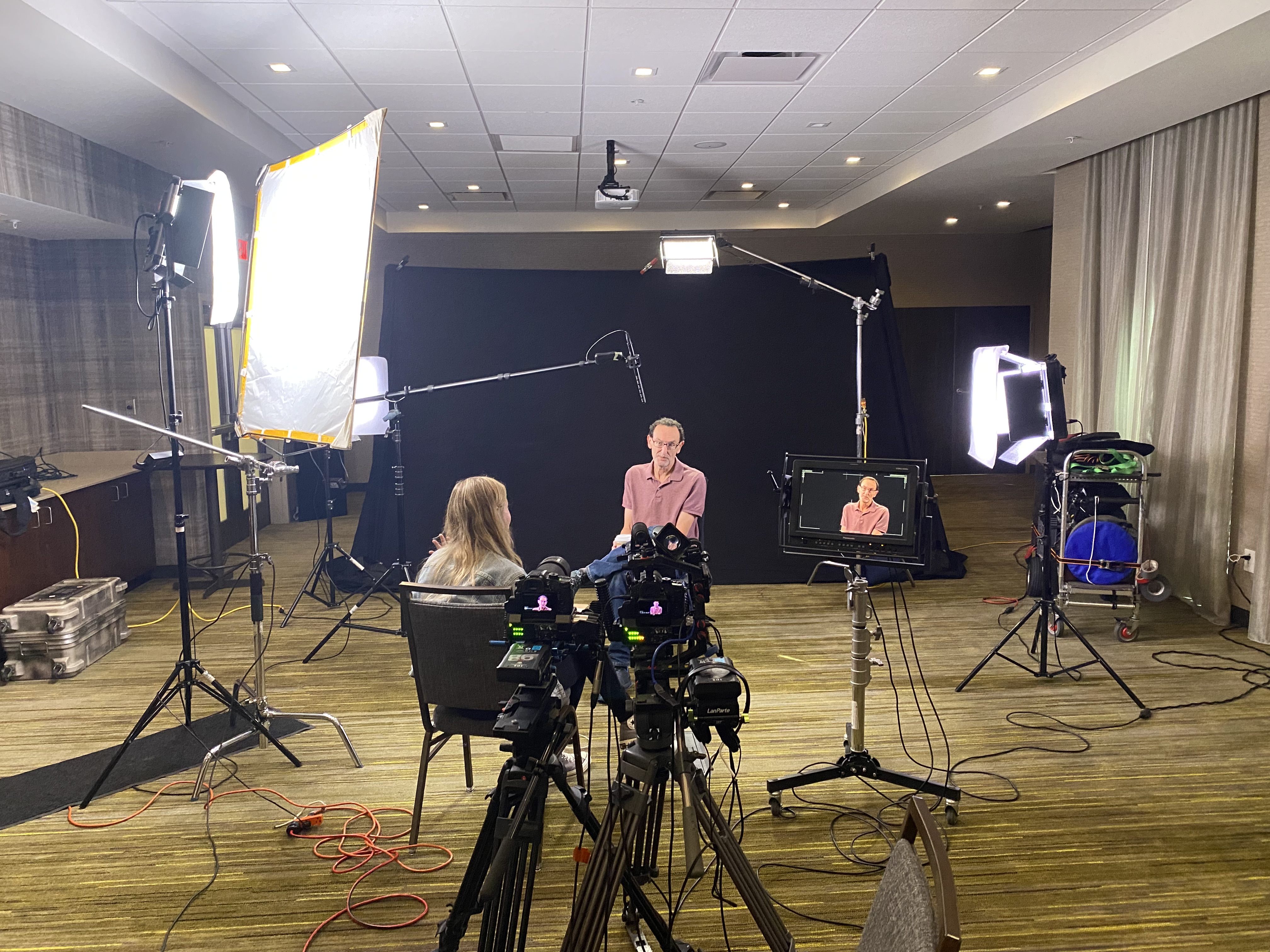
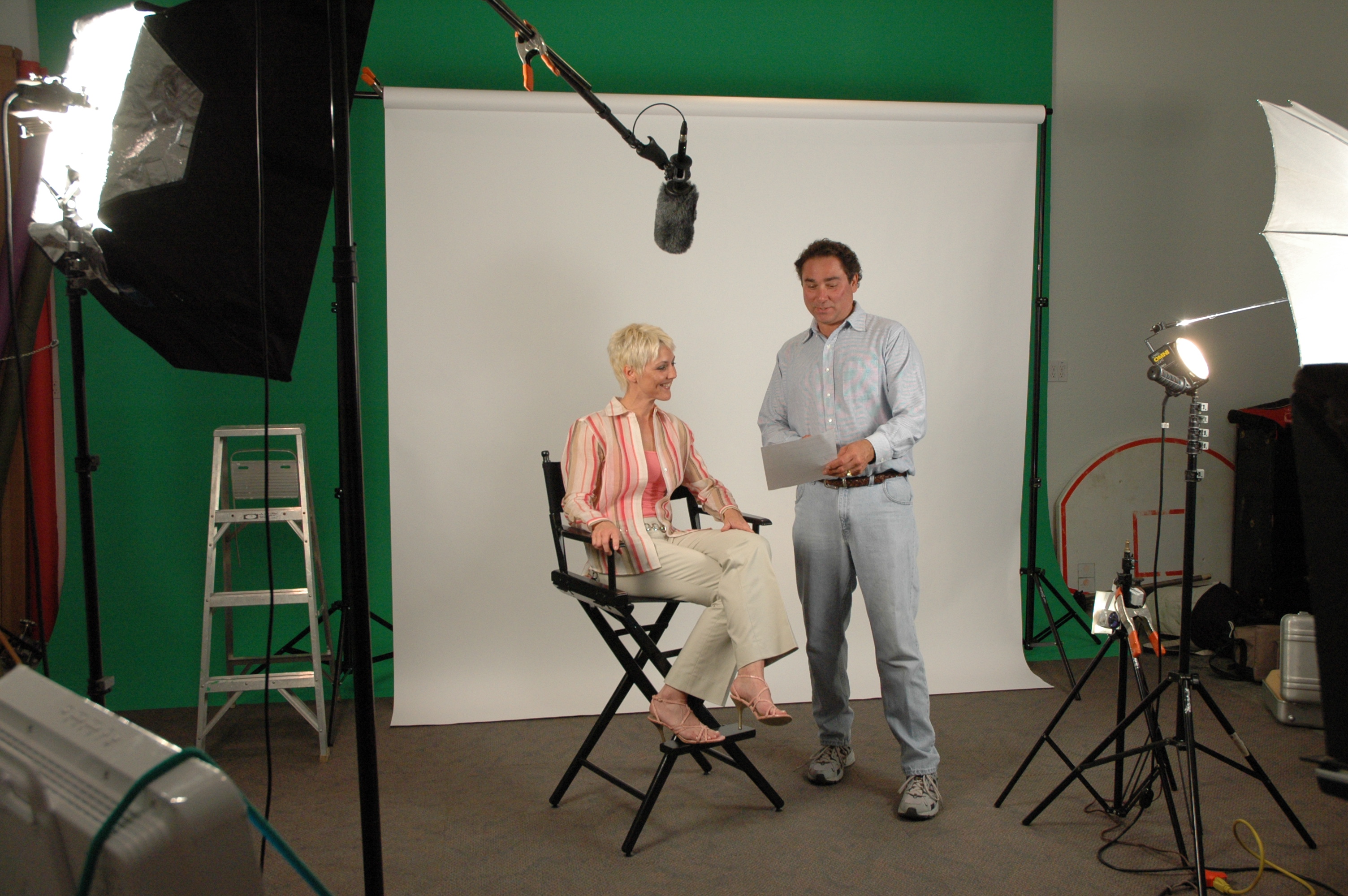
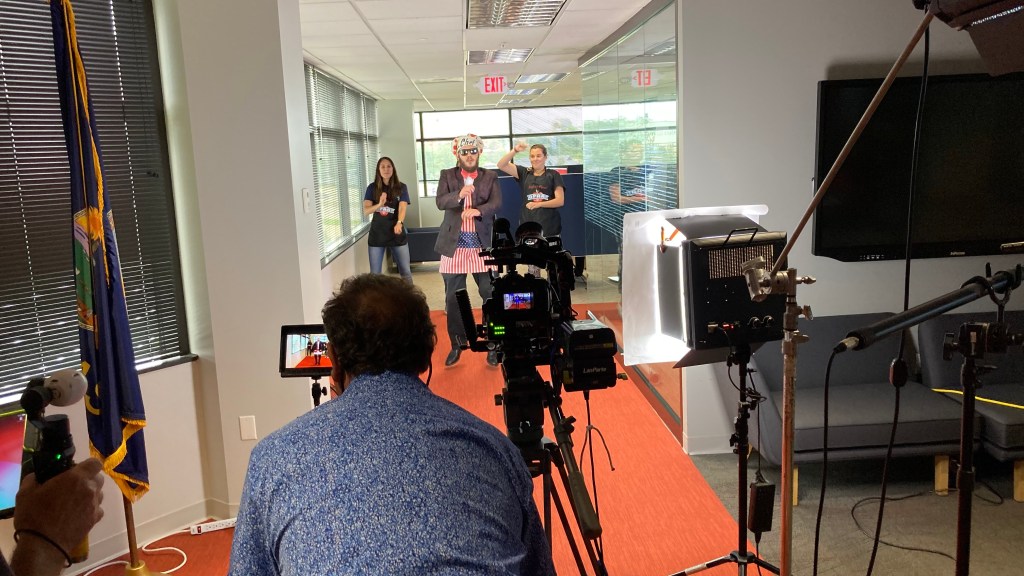
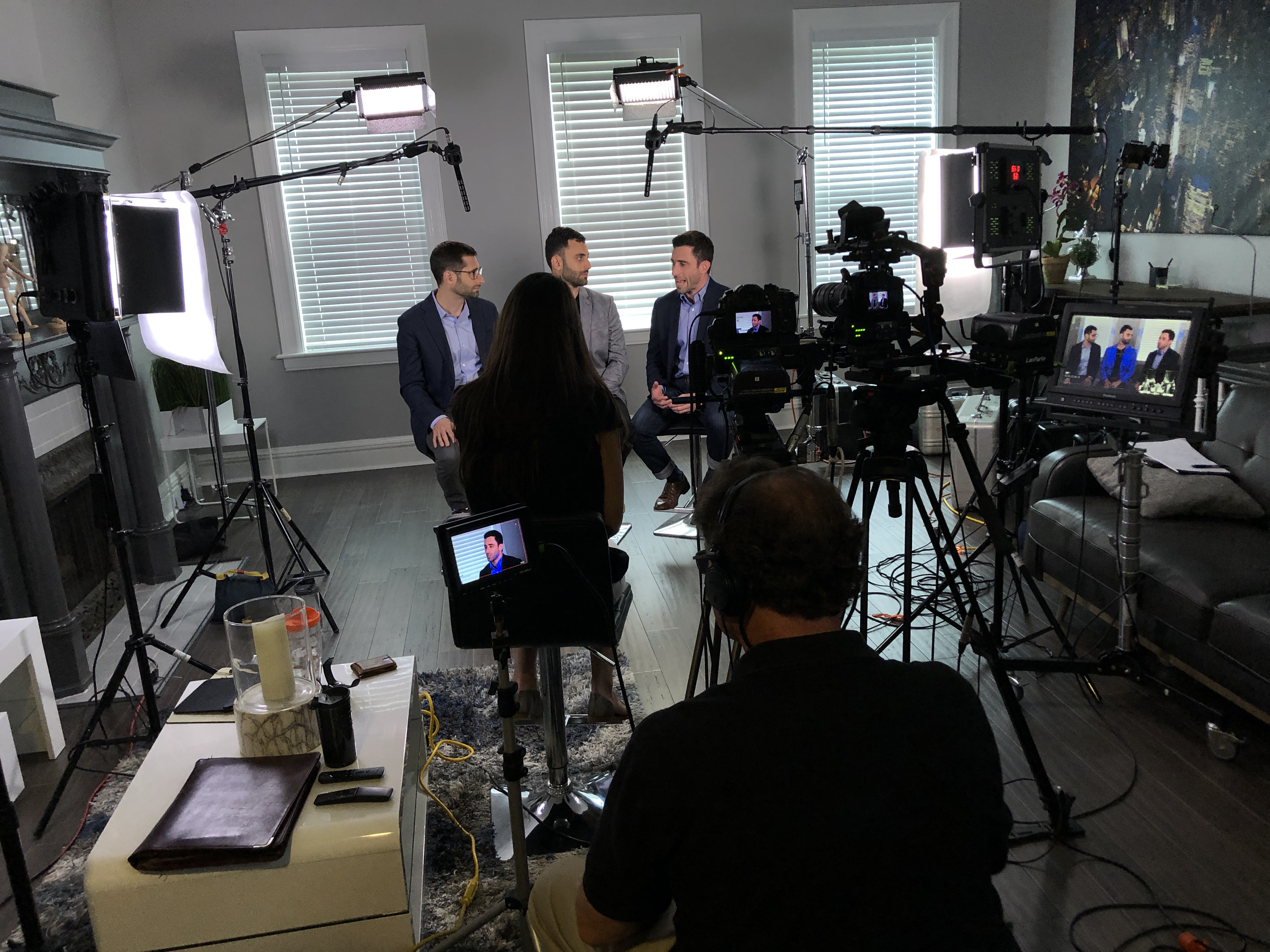
When your subject is a CEO, a customer, or a team member—not a trained actor—a small crew helps create a relaxed, low-pressure atmosphere that encourages authentic delivery. A room full of lights, cables, and a dozen technicians can feel overwhelming. A lean crew setup feels conversational, allowing your on-camera talent to shine naturally.
5. High-End Gear That’s Light and Efficient
Modern equipment makes it easier than ever for small teams to capture large-scale results. At St Louis Video Production, our small crews are equipped with:
Cinema-quality cameras with high dynamic range and interchangeable lenses
Professional sound gear, including boom and lavalier microphones
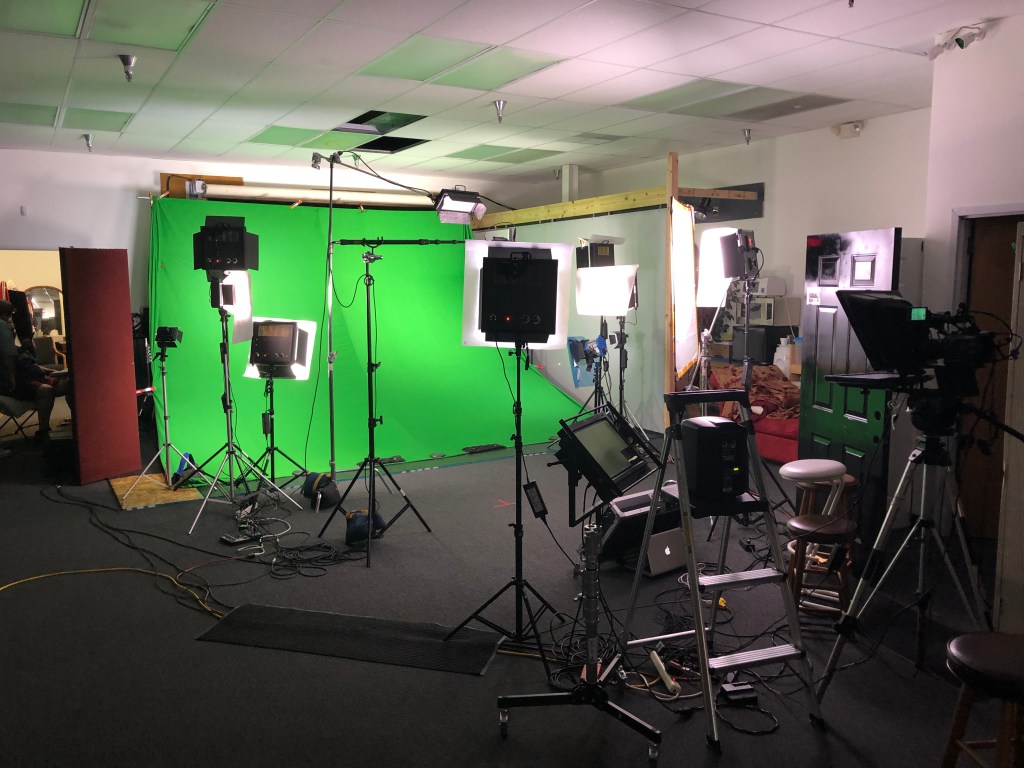
Compact lighting kits that can simulate daylight or create moody, cinematic looks
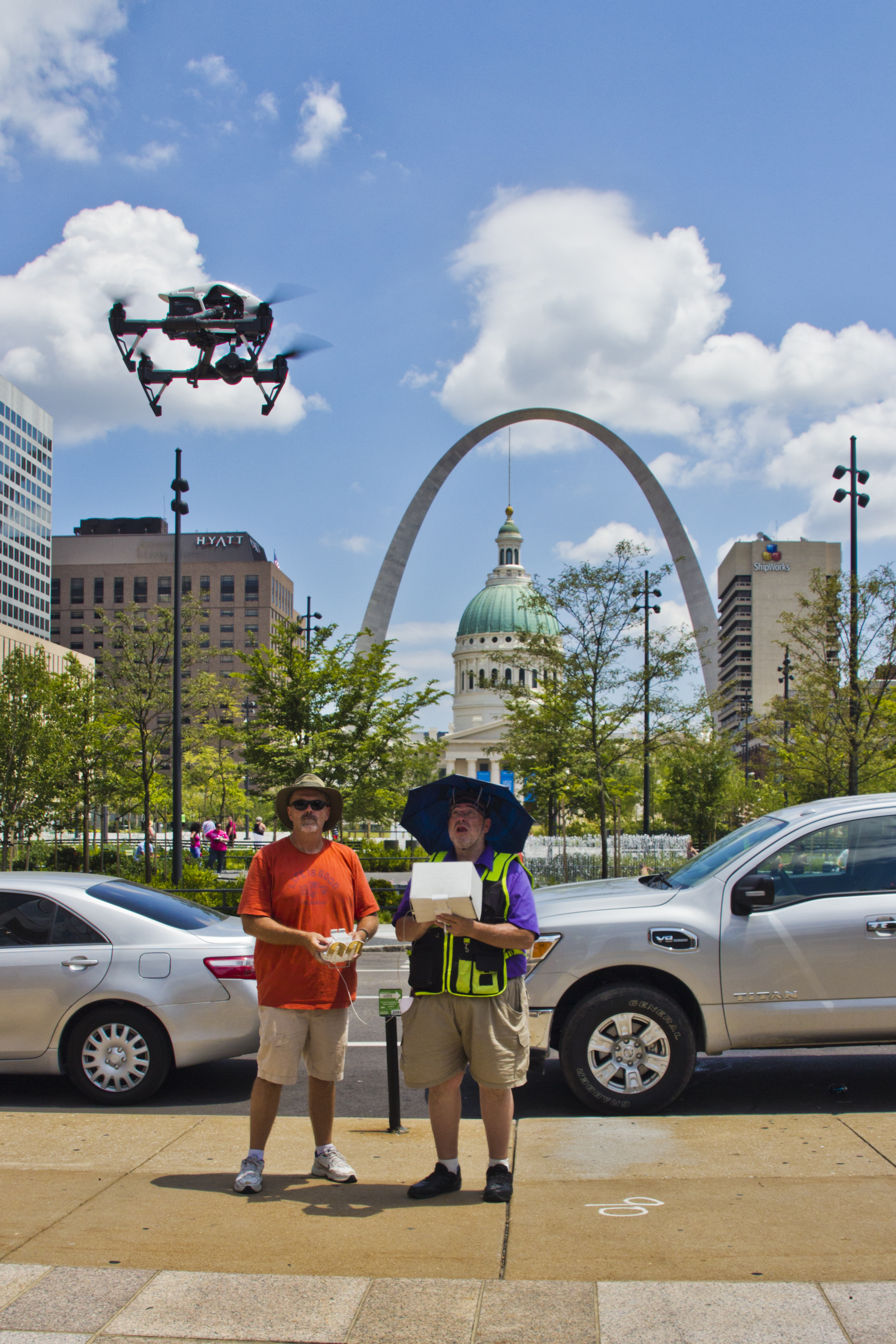
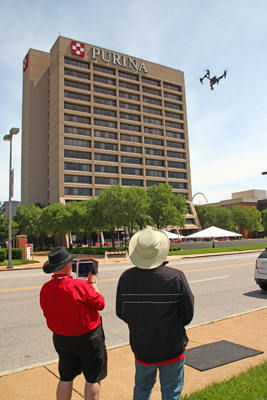
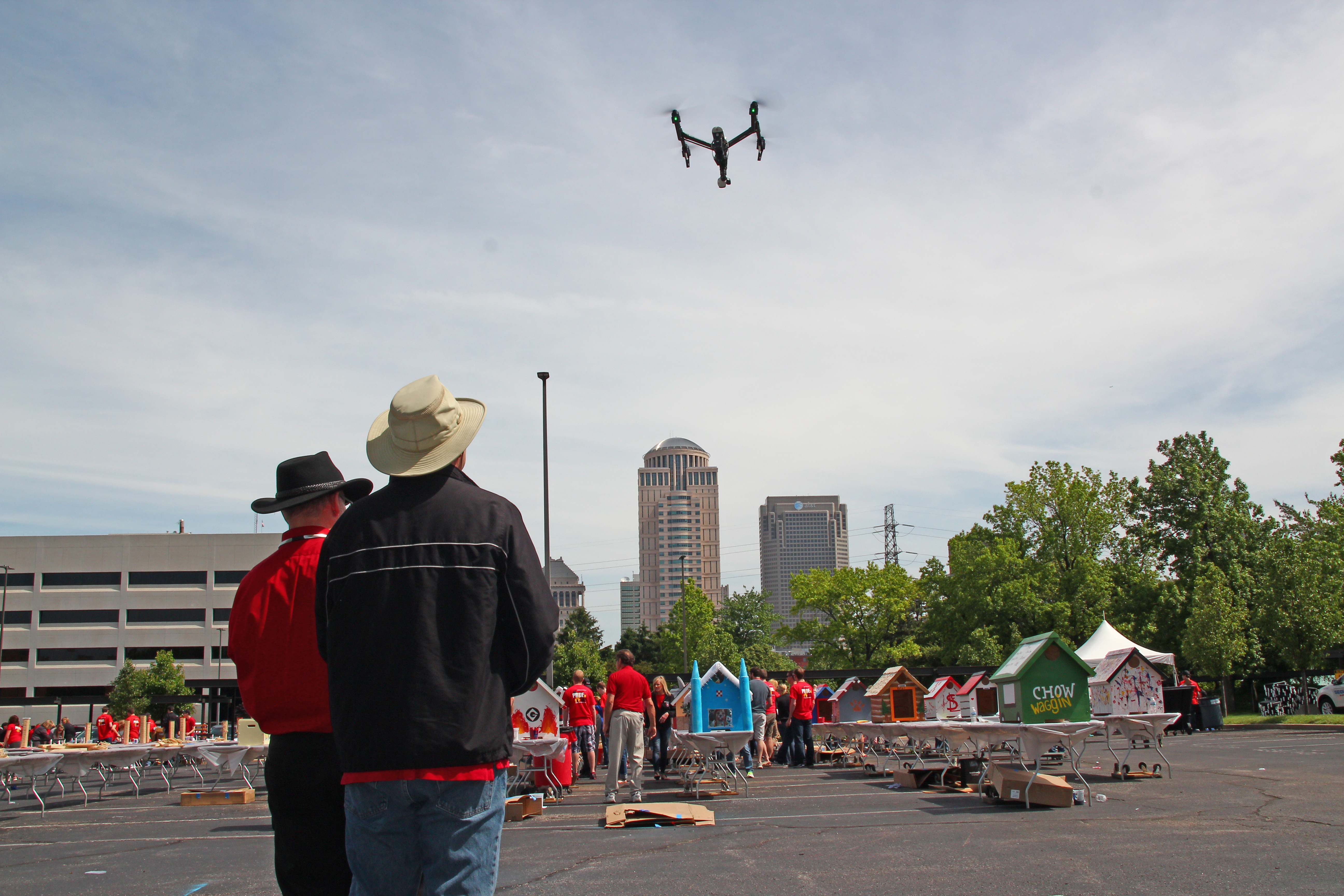
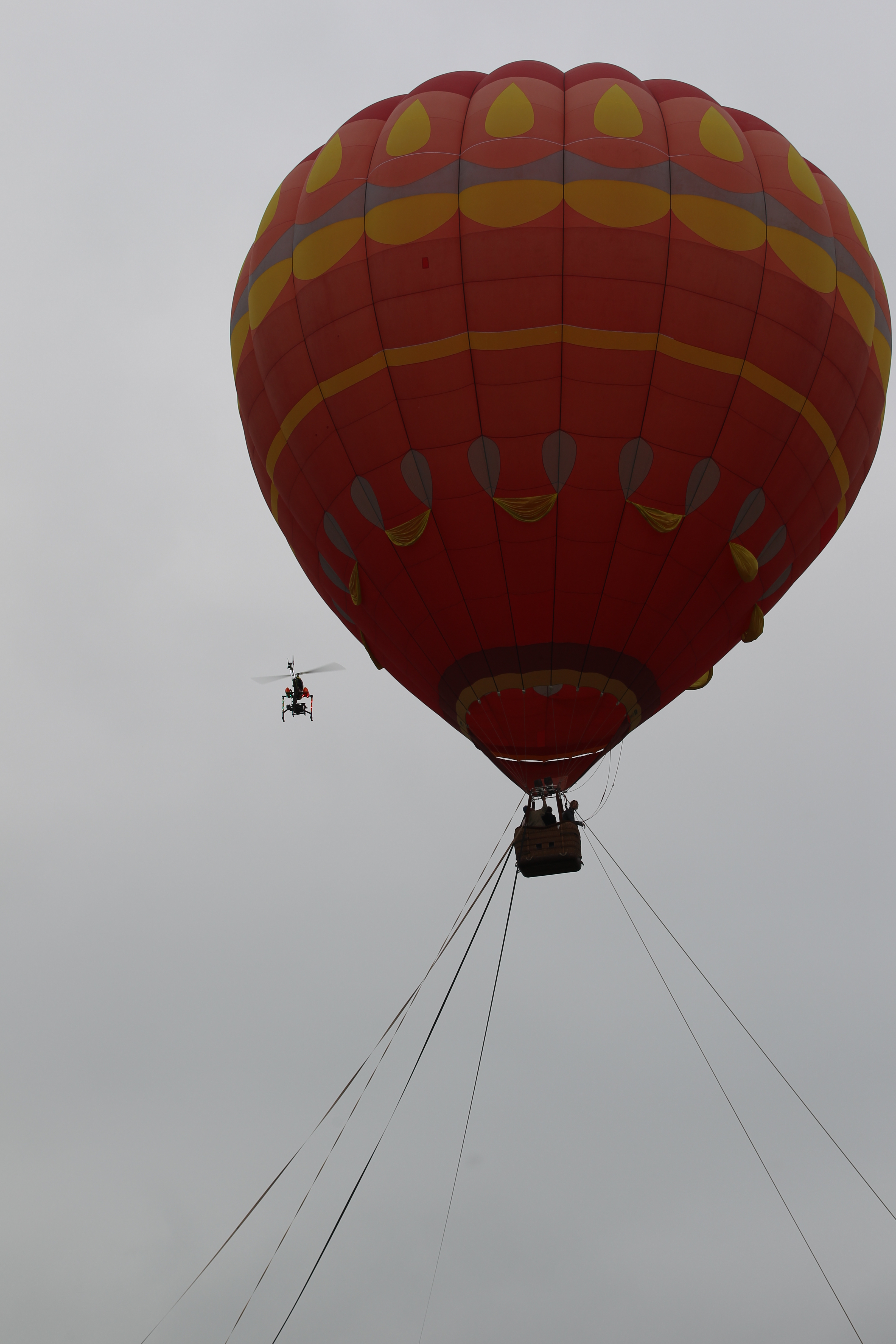
Licensed drones capable of indoor and outdoor flight
AI-driven editing tools for quicker post-production without sacrificing quality
The result? Stunning visuals without the bulky footprint.
Why Businesses Choose St Louis Video Production for High-Impact Small Crews
At St Louis Video Production, we bring over four decades of expertise to every project. We are a full-service professional commercial photography and video production company that’s built for both studio and location shoots, using the right equipment and crew structure for each unique project.
We offer:
Custom video and photography services for all media formats
Licensed indoor and outdoor drone pilots for sweeping aerials and precision imaging
A private studio space ideal for interviews and customizable sets
Full post-production capabilities with AI-powered editing, motion graphics, and color grading
The ability to repurpose and reformat your footage for various platforms, from web and broadcast to internal communications
Since 1982, we’ve supported businesses, marketing firms, and agencies across the St. Louis area with dependable results and creative solutions. Whether it’s a brand video, testimonial series, or product shoot, we optimize every frame with the right-sized crew for the job.
Need high-end results without a production circus? Let’s talk. St Louis Video Production is your partner for streamlined shoots, creative flexibility, and polished visual storytelling that resonates.
Give us a call or a text or an email. We’ll get back to you promptly if we’re out on a production. We are always available to meet you at your offices or in our studio to discuss your upcoming project.
1. What are the initial steps to plan a remote location shoot?
Answer: The first step in planning a remote location shoot involves thorough pre-production planning. This includes scouting the location to understand the environment, obtaining necessary permits, and coordinating logistics such as travel and accommodation for the crew. Additionally, it’s important to develop a detailed shot list and storyboard to ensure all necessary shots are captured efficiently. Communication with local authorities and stakeholders is also crucial to ensure compliance with any local regulations and to address any potential challenges specific to the location.
2. What equipment is necessary for a remote location shoot?
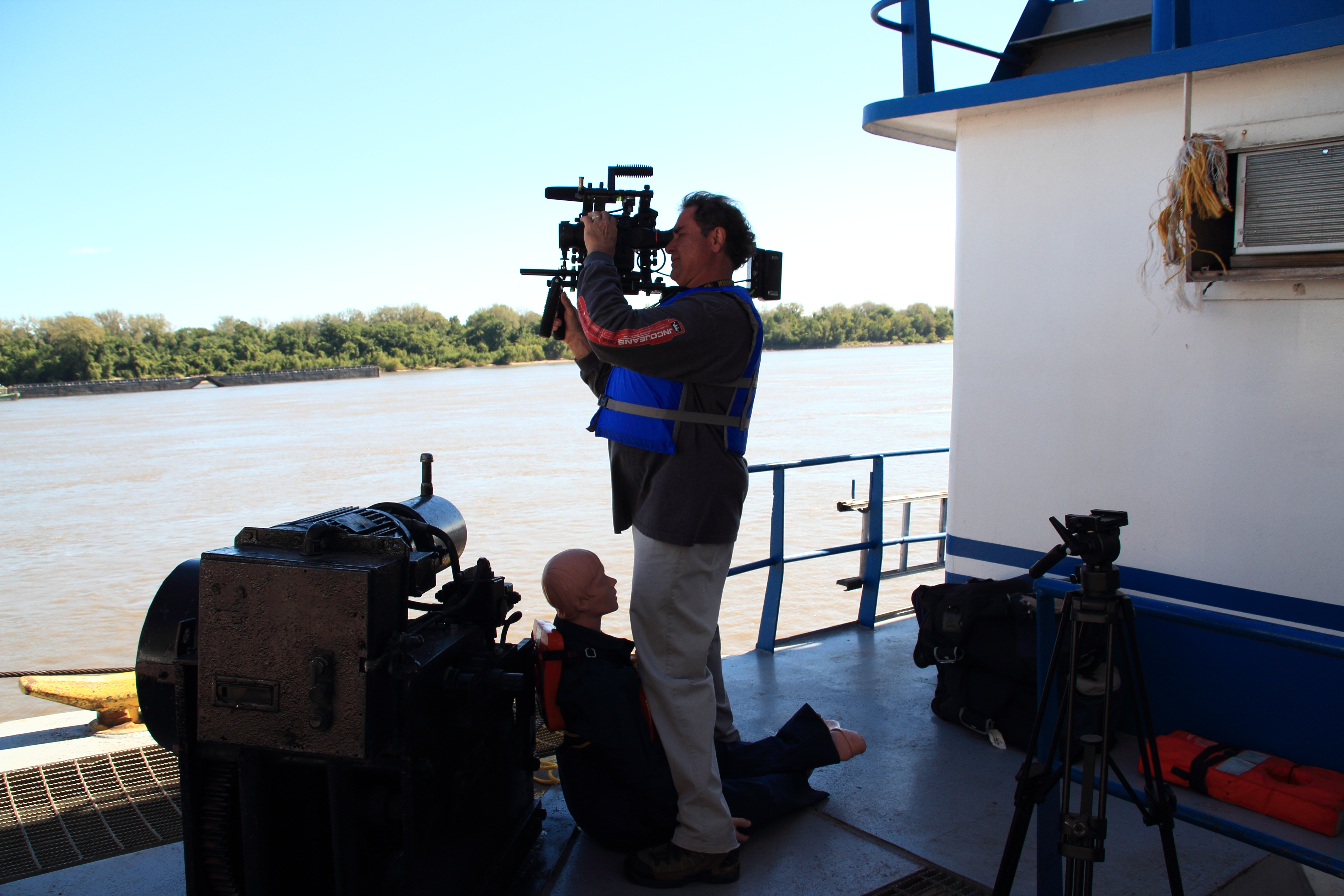
Answer: Essential equipment for a remote location shoot includes cameras, lenses, tripods, lighting equipment, microphones, and audio recorders. Depending on the location and shoot requirements, additional gear such as drones for aerial shots, portable power supplies, and stabilization equipment may be needed. It’s also important to have backup equipment to address any technical issues that may arise during the shoot. Ensuring all equipment is properly packed and protected for transportation is key to a successful shoot.
3. How do you handle unpredictable weather conditions?
Answer: To handle unpredictable weather conditions, it’s important to monitor weather forecasts closely leading up to the shoot and have contingency plans in place. This may include having weatherproof gear for both equipment and crew, scheduling buffer days to accommodate potential delays, and identifying indoor or sheltered locations as backup options. Flexibility and adaptability are crucial, as well as maintaining open communication with the client about any necessary changes to the schedule or shoot plan.
4. What are the key considerations for crew and talent logistics?
Answer: Key considerations for crew and talent logistics include arranging transportation, accommodation, and catering. It’s important to ensure everyone is well-rested and comfortable to maintain high energy levels and morale throughout the shoot. Clear communication about the shoot schedule, call times, and location specifics is essential. Additionally, providing detailed itineraries and contact information for all key personnel helps facilitate smooth coordination and quick resolution of any issues that may arise.
5. How do you ensure high-quality audio and video in a remote location?
Answer: Ensuring high-quality audio and video involves using professional-grade equipment and employing experienced technicians. For video, this means using high-resolution cameras, proper lighting, and stabilization tools. For audio, using directional microphones, wind protection, and monitoring audio levels during recording is crucial. Conducting test shots and audio checks before the shoot helps identify and address any potential issues. Additionally, having a dedicated audio engineer on set can greatly enhance the overall production quality.
6. What is the process for obtaining permits and permissions?
Answer: The process for obtaining permits and permissions varies depending on the location. It typically involves contacting local authorities or government offices responsible for filming permits and providing details about the shoot, including dates, times, locations, and the nature of the production. Some locations may also require proof of insurance and adherence to specific guidelines or regulations. It’s important to start this process early to avoid delays and ensure all legal requirements are met.
7. How do you manage post-production for remote shoots?
Answer: Managing post-production for remote shoots involves organizing and backing up all footage and audio files as soon as possible. Using cloud storage or portable hard drives ensures that the data is secure and accessible. Clear labeling and metadata tagging help streamline the editing process. Communication between the on-site team and post-production team is crucial to ensure that all necessary elements are captured and any potential issues are addressed promptly. Utilizing remote collaboration tools can also facilitate efficient feedback and revisions.
Expertise of St Louis Video Production
St Louis Video Production is a full-service professional video production and commercial photography company with extensive experience in handling remote location shoots. Since 1982, we have been providing top-tier video and photography services, including studio and location shoots, editing, post-production, and licensed drone operations. Our seasoned crew is equipped with the latest technology and creative expertise to ensure successful image acquisition in any environment. Whether it’s navigating logistical challenges or adapting to unpredictable conditions, our comprehensive approach and dedication to excellence guarantee the highest quality results for our clients.
With platforms like Facebook and YouTube commanding vast audiences, leveraging video content effectively can significantly enhance your brand’s visibility, engagement, and ultimately, conversions. In this comprehensive guide, we’ll delve into strategies to harness the potential of Facebook and YouTube video streaming to drive traffic and conversions for your business.
Capitalize on Facebook and Youtube to broadcast real-time events, product demonstrations, Q&A sessions, and behind-the-scenes footage.
Understanding the Importance of Video Streaming
Video content has become a cornerstone of online engagement, offering unparalleled opportunities to connect with audiences in a more immersive and compelling manner. Statistics reveal that video content garners higher engagement rates, shares, and conversions compared to other forms of content. Whether it’s showcasing products, sharing testimonials, or providing valuable insights, video streaming allows businesses to convey their message with impact and authenticity.
Crafting Compelling Content
The success of your video streaming efforts hinges on the quality and relevance of your content. To capture and retain audience attention, focus on creating content that is informative, entertaining, and visually appealing. Consider the following strategies:
Know Your Audience: Tailor your content to resonate with your target demographic. Understand their preferences, pain points, and interests to create content that speaks directly to them.
Tell a Story: Storytelling is a powerful tool for connecting with audiences on an emotional level. Craft narratives that evoke curiosity, empathy, or inspiration to keep viewers engaged.
Optimize for Mobile: With an increasing number of users accessing content on mobile devices, ensure that your videos are optimized for seamless viewing across different screen sizes.
Leveraging Facebook Video Streaming
As one of the largest social media platforms, Facebook offers a prime opportunity for businesses to reach and engage with their audience through video streaming. Here are some tactics to maximize your impact on Facebook:
Live Streaming: Capitalize on Facebook Live to broadcast real-time events, product demonstrations, Q&A sessions, and behind-the-scenes footage. Live videos generate higher levels of engagement as they create a sense of urgency and exclusivity.
Native Uploads: Upload videos directly to Facebook rather than sharing links from external sources. Native videos autoplay in users’ feeds, increasing visibility and engagement.
Interactive Features: Encourage audience interaction through polls, comments, and calls-to-action during live streams. Respond to viewer comments in real-time to foster a sense of community and connection.
Maximizing Reach with YouTube Video Streaming
YouTube reigns as the leading platform for video content, with billions of users consuming content daily. To leverage YouTube effectively for your business, consider the following strategies:
Optimize for Search: Research keywords and topics relevant to your industry and incorporate them into your video titles, descriptions, and tags. Optimize your channel metadata to improve visibility and search rankings.
Consistent Branding: Maintain a consistent brand identity across your YouTube channel, including logos, color schemes, and visual elements. Create custom thumbnails that capture attention and reflect the essence of your content.
Engage with Your Audience: Foster a sense of community by responding to comments, addressing feedback, and encouraging viewers to subscribe and share your content. Regularly update your channel with fresh content to keep audiences engaged and coming back for more.
Measuring Success and Iterating Strategies
Tracking key performance metrics is essential to evaluating the effectiveness of your video streaming efforts. Utilize analytics tools provided by Facebook and YouTube to monitor metrics such as views, watch time, engagement, and conversion rates. Analyze trends and audience feedback to identify areas for improvement and refine your content strategy accordingly.
Conclusion
In conclusion, Facebook and YouTube video streaming present unparalleled opportunities for businesses to drive traffic, engagement, and conversions online. By crafting compelling content, leveraging interactive features, and optimizing for search and mobile, businesses can amplify their brand’s visibility and impact in the digital realm. As a full-service video and photography production company, St Louis Video Production has worked with many businesses, marketing firms, and agencies in the St. Louis area for their corporate photography and video. If you’re ready to elevate your brand’s presence through video streaming, contact us today to learn how we can help you achieve your goals.
As a full-service video and photography production company, St Louis Video Production has worked with many businesses, marketing firms, and agencies in the St. Louis area for their corporate photography and video. If you’re ready to elevate your brand’s presence through video streaming, contact us today to learn how we can help you achieve your goals.
If you’re delving into the world of video production and seeking to create captivating visual stories, understanding the crucial role of a Director of Photography (DoP) is essential. At St. Louis Video Production, a full-service video production company, we know that the DoP plays a pivotal role in shaping the visual narrative of your project. Let’s explore the responsibilities and expertise that our Directors of Photography bring to the table.
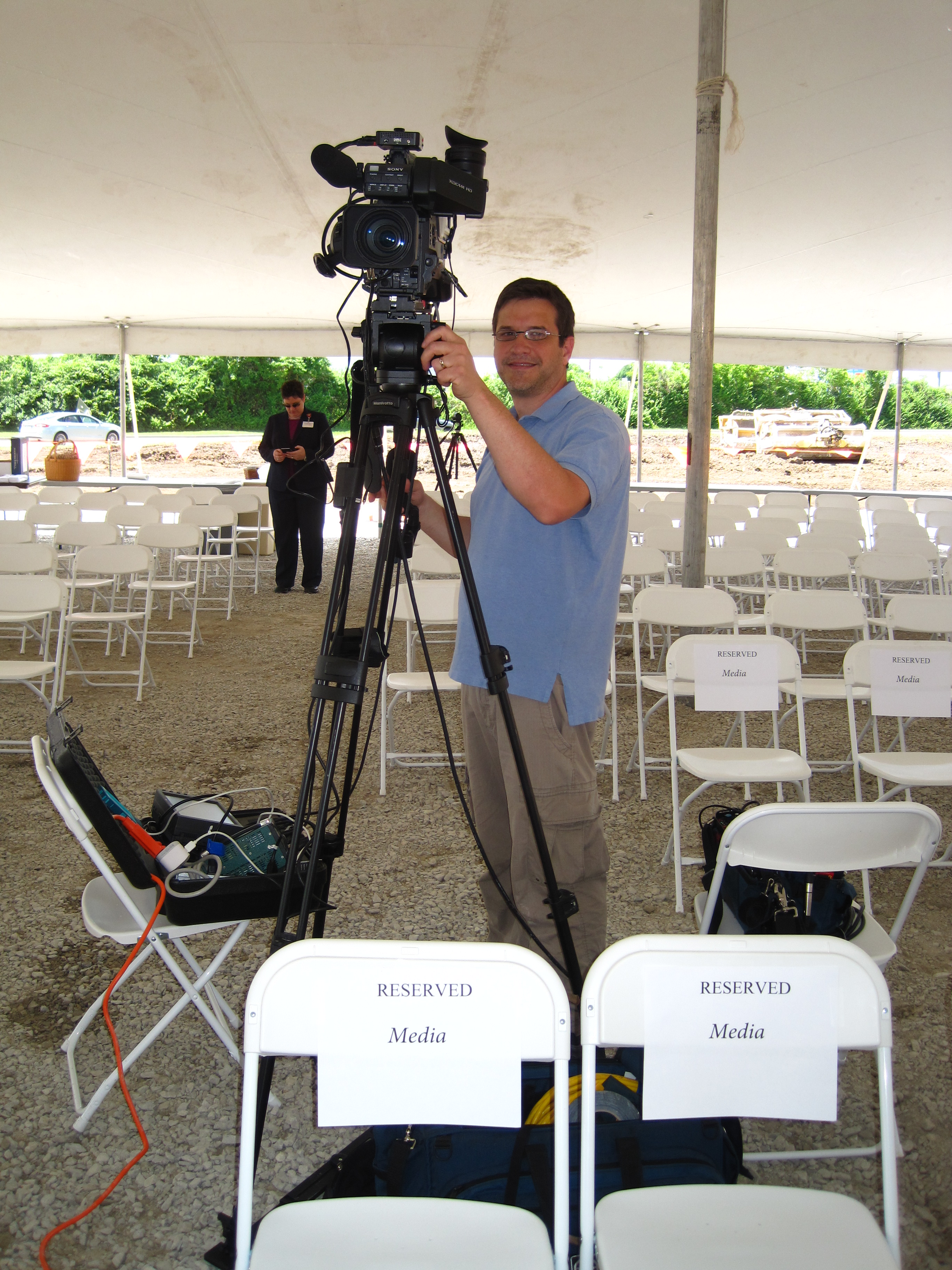
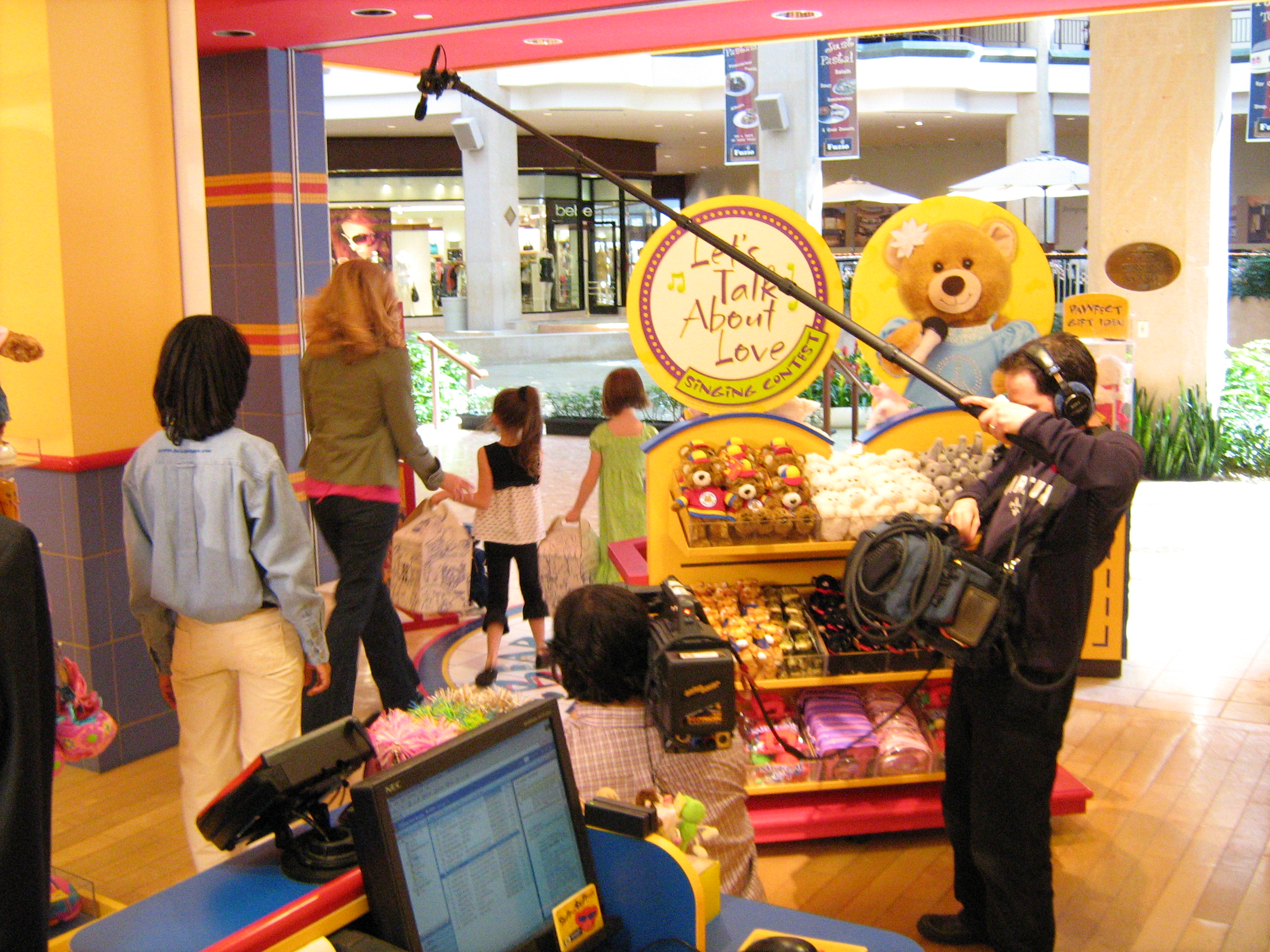
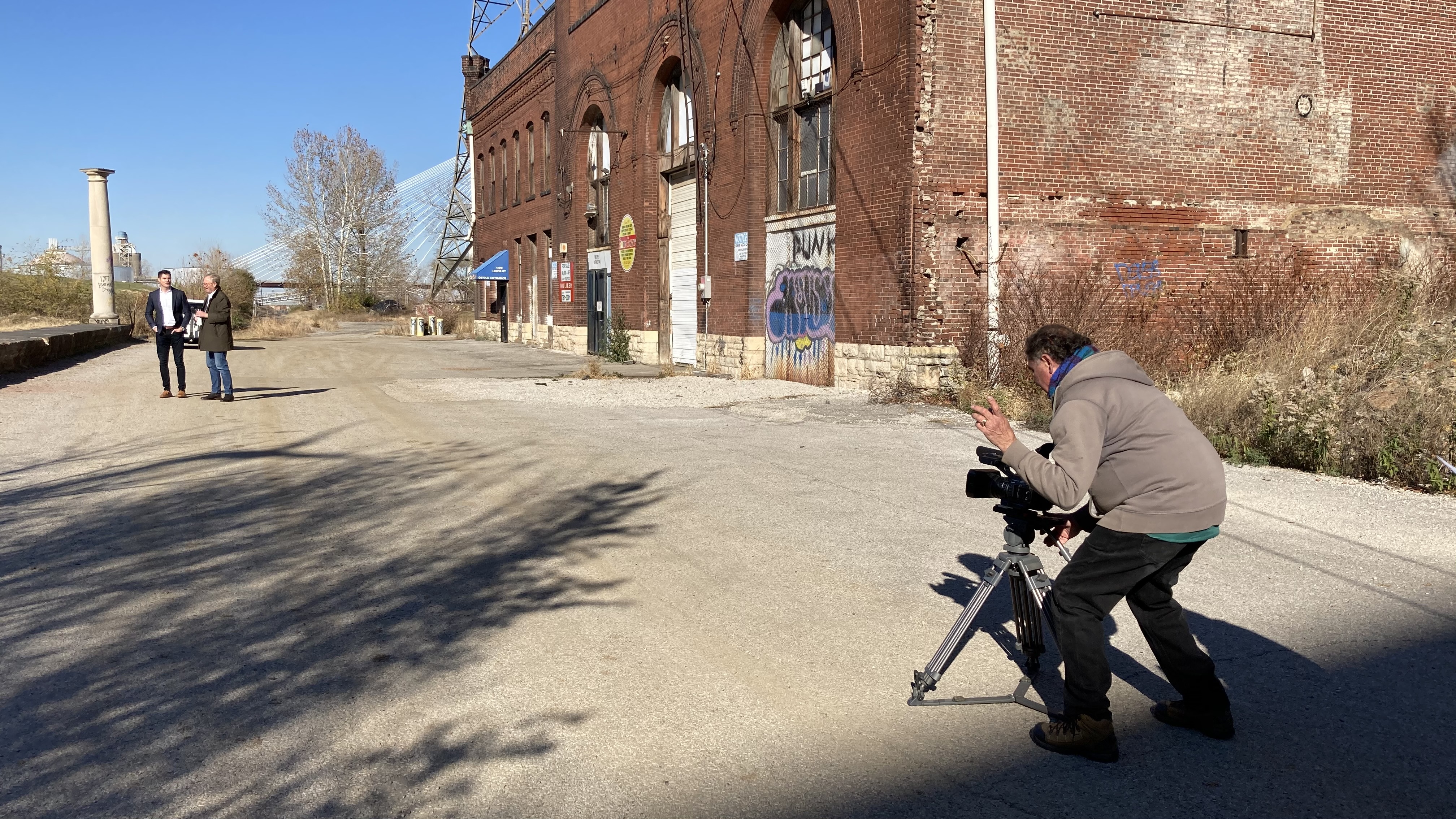
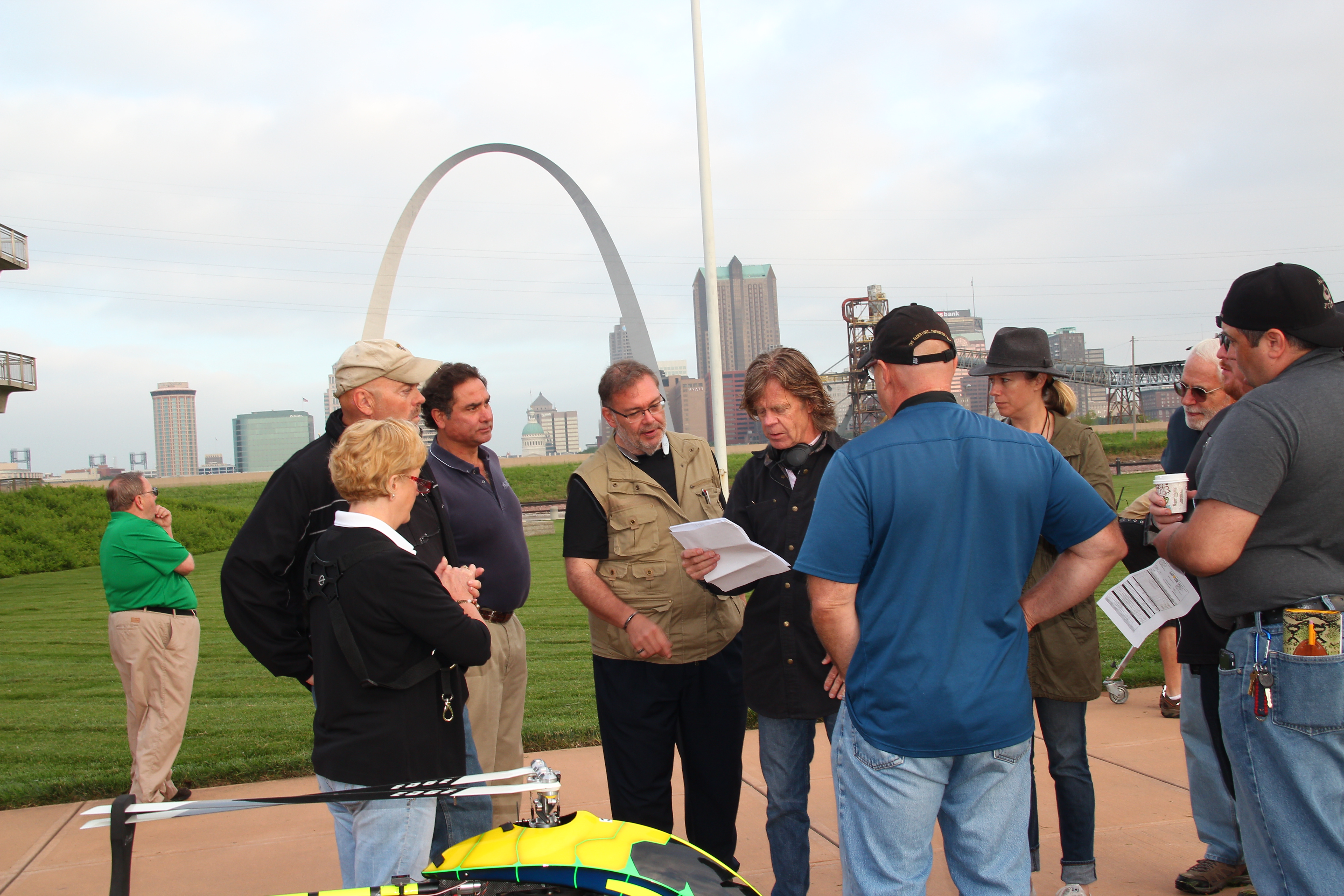
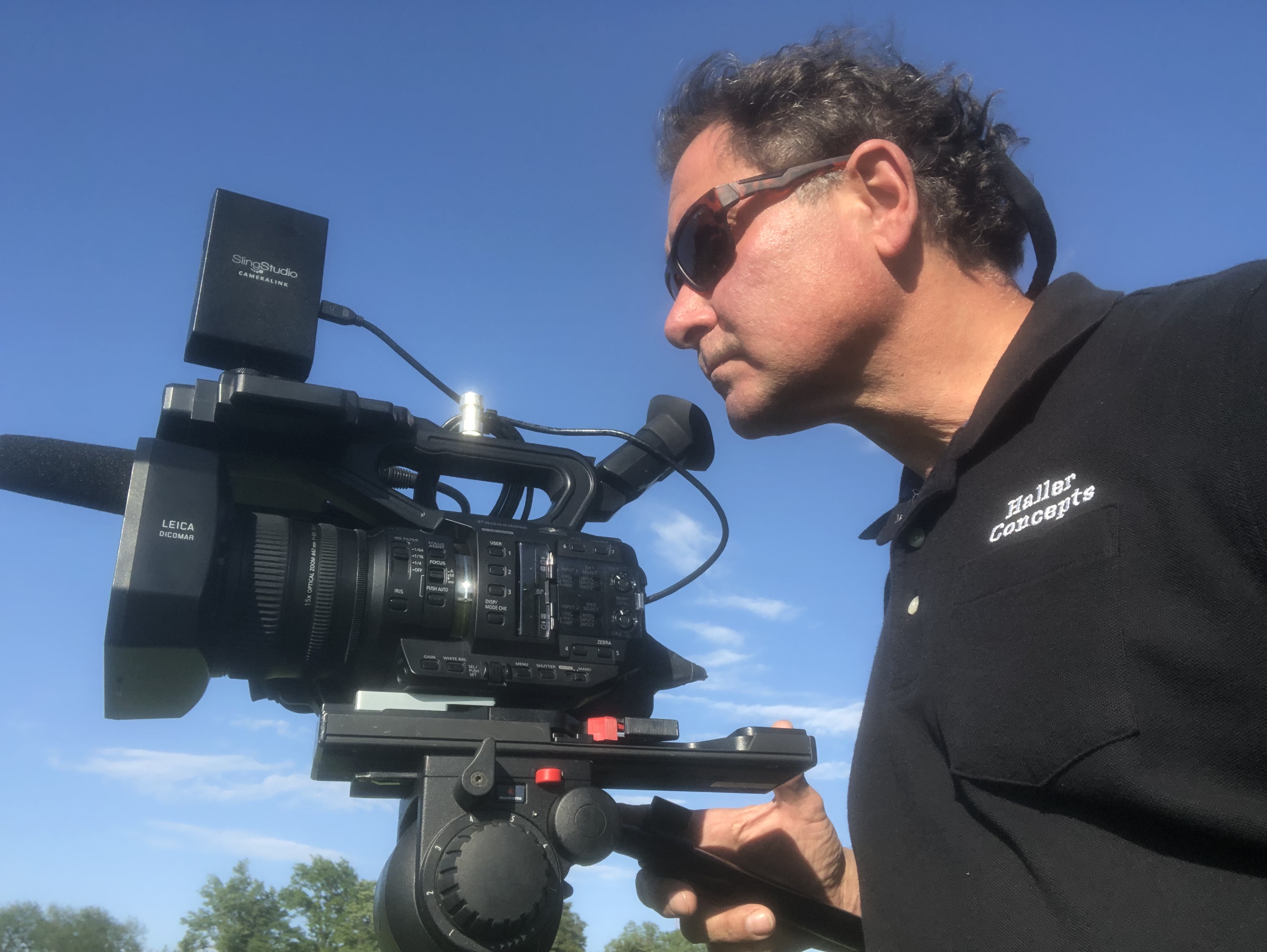
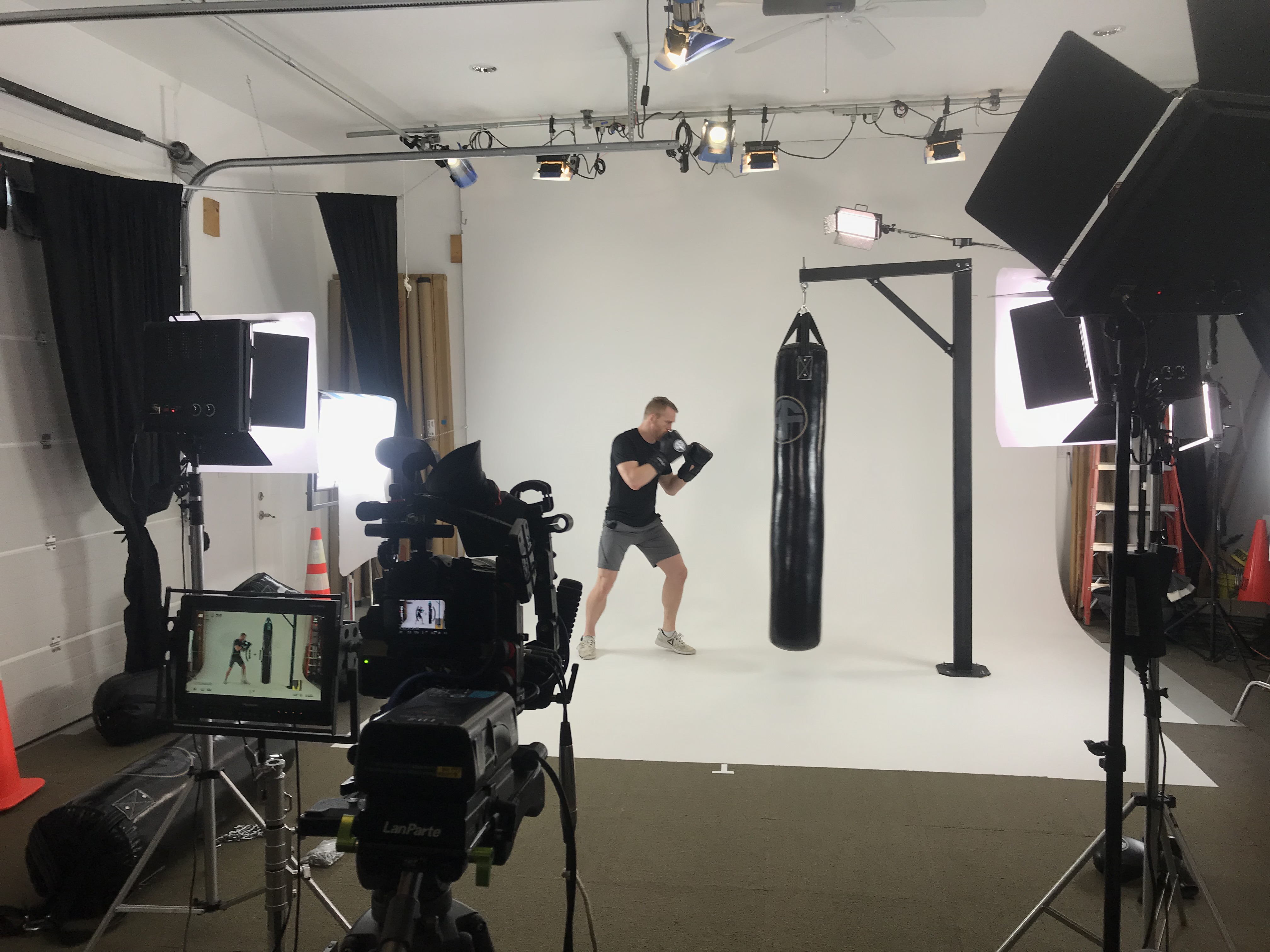
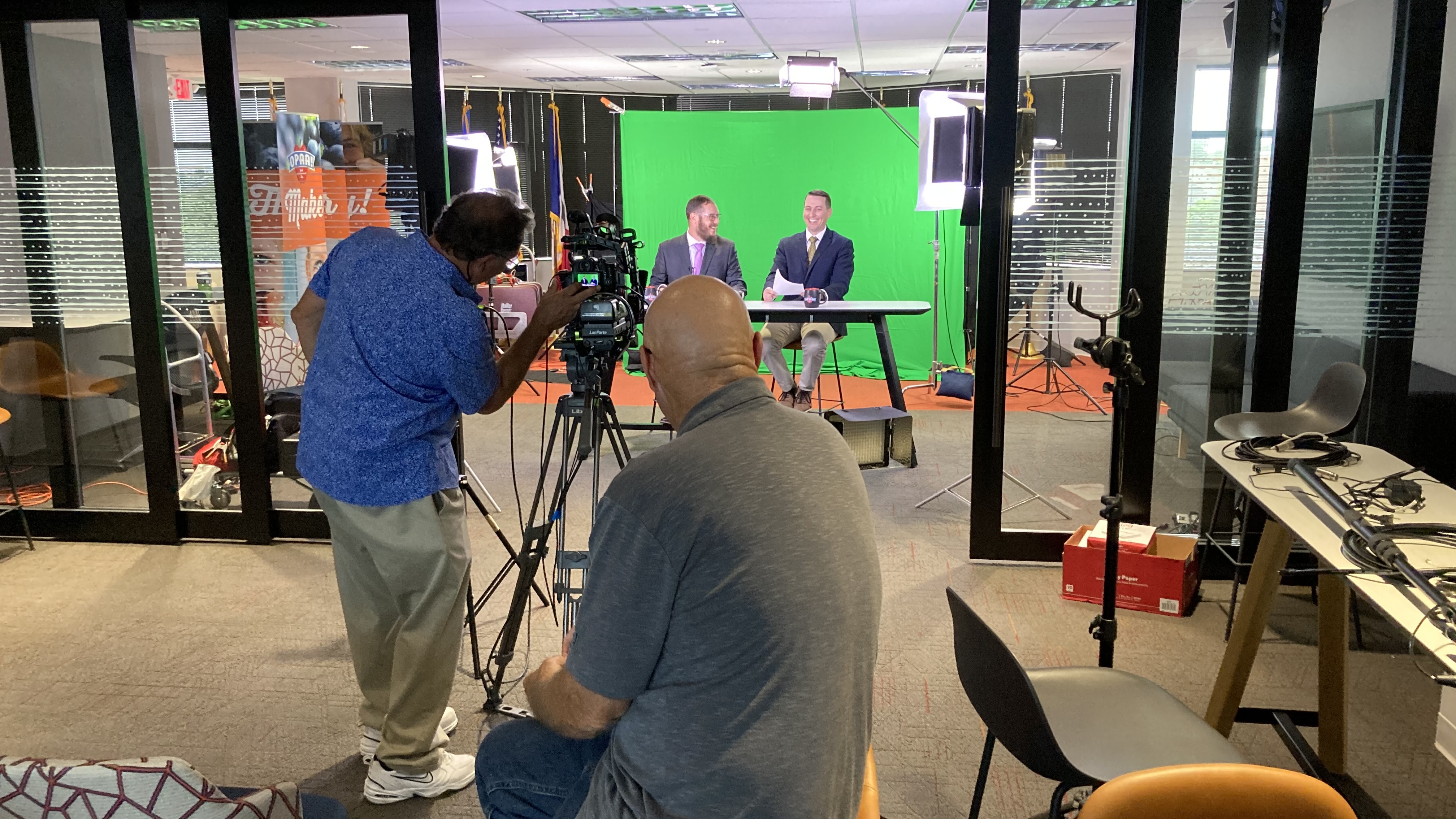
Video production crews in studio and on location | St Louis
What Does a Director of Photography Do?
A Director of Photography, often referred to as a DP or Cinematographer, is responsible for the visual aspects of a film or video production. They are the creative visionaries behind the camera, ensuring that every frame captures the essence of the story and aligns with the director’s vision. Here are the key duties and expertise our DPs bring to your projects:
1. Cinematic Vision
A Director of Photography is a visual storyteller. They work closely with the director to understand the project’s tone, style, and objectives. Using their artistic sensibility, they develop a cinematic vision that guides the overall look and feel of the production.
2. Camera Operation
One of the core responsibilities of a DP is operating the camera. They are skilled in using various camera systems, from traditional cinema cameras to the latest digital models. Their expertise ensures that every shot is composed with precision and technical excellence.
3. Lighting Mastery
Lighting is a fundamental aspect of cinematography. Directors of Photography are experts in using lighting equipment to create mood, atmosphere, and visual impact. They know how to manipulate natural and artificial light sources to achieve the desired effect.
4. Shot Composition
Every frame in a film or video has a purpose. DPs are meticulous in framing shots, selecting angles, and determining the camera’s movement to convey the narrative effectively. They create compositions that draw the viewer into the story.
5. Lens Selection
The choice of lenses can significantly impact the visual style of a production. DPs have a deep understanding of various lenses and their effects on depth of field, perspective, and image quality. They select the right lenses to achieve the desired aesthetic.
6. Collaborative Leadership
Directors of Photography are leaders on set. They collaborate with the director, camera crew, and other departments to ensure that the visual elements align with the overall vision. Effective communication and teamwork are essential qualities.
7. Technical Proficiency
In addition to their creative skills, DPs possess strong technical knowledge. They are proficient in camera settings, exposure, color grading, and post-production workflows. This expertise ensures that the footage captured is of the highest quality.
8. Problem Solving
Filmmaking often presents challenges and unexpected situations. DPs are adept problem solvers, finding creative solutions to technical issues, weather conditions, and other obstacles that may arise during production.
9. Consistency
Maintaining visual consistency throughout a project is crucial. DPs work diligently to ensure that shots match in terms of lighting, color, and style, creating a cohesive visual narrative.
St. Louis Video Production’s Expert Directors of Photography
At St. Louis Video Production, we take pride in our team of experienced and skilled Directors of Photography. They bring a wealth of knowledge and creativity to every project, ensuring that your visual story is brought to life with excellence. Whether you’re shooting in our state-of-the-art studio, on location, or utilizing aerial footage, our DPs are dedicated to delivering outstanding results.
Contact Us to Elevate Your Visual Storytelling
If you’re ready to enhance your video production and create a lasting impact, contact St. Louis Video Production today. Our talented Directors of Photography are here to collaborate with you, bringing your vision to life through their cinematic expertise. Let us craft visually stunning narratives that resonate with your audience.
Don’t miss the opportunity to work with our dedicated team of Directors of Photography. Reach out to us now to discuss your project and take your visual storytelling to the next level!
Video has become a dominant medium for businesses to communicate, engage, and connect with their audience. Whether you’re promoting a product, training your team, or telling your brand’s story, video production plays a pivotal role in achieving your goals. At St. Louis Video Production, we understand the diverse needs of businesses and organizations in the St. Louis area. With a wealth of experience and a full range of services, we excel in delivering high-quality video productions that make an impact. Let’s explore how we stand out in the most requested video production services for businesses today.
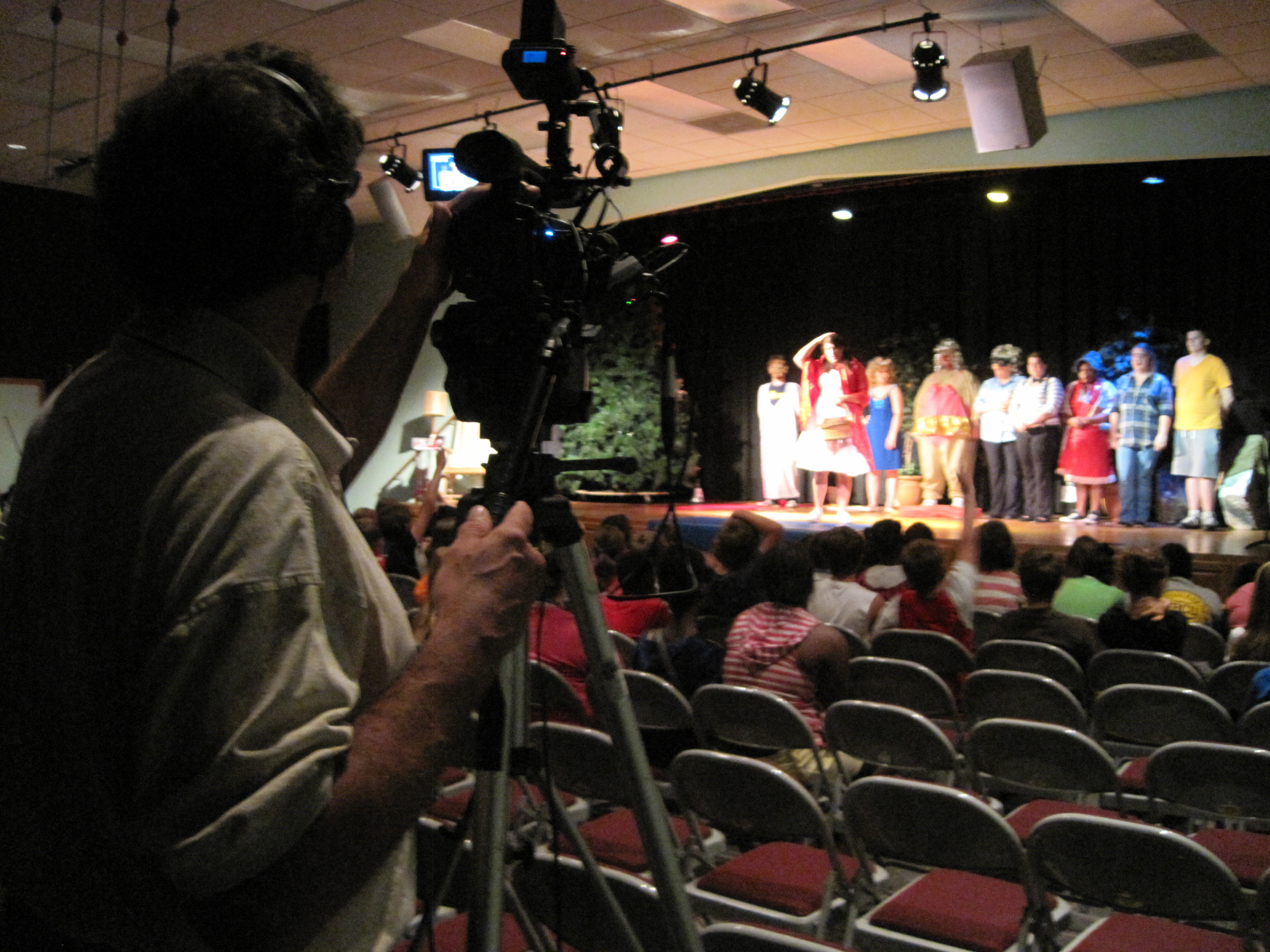
Our expert videographers and directors have the experience to handle live events, product launches, webinars, and Q&A sessions seamlessly.
The Video Production Landscape
Before we dive into the specifics of our expertise, it’s essential to understand the ever-evolving landscape of video production and why it matters to businesses. Video has proven to be a dynamic and versatile tool for conveying messages, and it’s no surprise that various types of videos are commonly requested by businesses:
1. Promotional Videos
Promotional videos are the front-runners in marketing strategies. They need to captivate your audience, tell your brand story, and showcase your products or services effectively. At St. Louis Video Production, we excel in crafting promotional videos that leave a lasting impression. Our creative crew, equipped with state-of-the-art equipment, knows how to make your business shine.
2. Explainer Videos
Simplifying complex concepts is an art, and our team has mastered it. Explainer videos are an excellent way to introduce your products or services to potential customers. Our animated and graphic-driven approach ensures that your message is not only understood but retained.
3. Testimonial Videos
Customer testimonials are invaluable for building trust and credibility. We have a knack for capturing authentic and compelling testimonials that resonate with your audience. When your satisfied customers speak, their voices will be heard loud and clear.
4. Product Demo Videos
Product demos need to showcase the essence of your offerings. With our full-service studio and location video capabilities, we bring your products to life, highlighting their features and benefits. Whether it’s a physical product or a digital service, we know how to make it shine.
5. Corporate Videos
Your company’s values, mission, and culture are at the core of your identity. Our experienced team creates corporate videos that reflect your brand identity seamlessly. We understand the importance of this type of video, whether for internal or external purposes.
6. Training and Educational Videos
In the digital age, effective training and education rely on engaging multimedia content. We specialize in producing training videos that ensure your message is delivered clearly and comprehensively. Our in-house post-production editing ensures that your content is on point.
7. Social Media Videos
Social media platforms demand attention-grabbing content that resonates with your audience. Our team is well-versed in producing short, impactful videos optimized for various social media platforms, ensuring maximum engagement.
8. Live Streaming
Live streaming is all about real-time interaction. Our expert videographers and directors have the experience to handle live events, product launches, webinars, and Q&A sessions seamlessly. We leverage our equipment and crew’s technical expertise to ensure your live stream is a success.
9. Animation and Motion Graphics
For conveying information in a visually engaging way, animation and motion graphics are indispensable. Our creative team knows how to leverage these techniques to create visually stunning videos that convey your message effectively.
10. Virtual Tours
Virtual tours have gained immense importance, especially in industries like real estate, hospitality, and tourism. Our full-service capabilities enable us to capture immersive virtual tours that transport your audience to your locations.
The St. Louis Video Production Advantage
What sets us apart at St. Louis Video Production is our comprehensive approach to video production. We are not just videographers; we are storytellers, directors, and producers who bring your vision to life. Here’s why our company excels in all types of video production services:
1. Full-Service Studio and Location Video
We have the right equipment, from high-quality cameras to lighting and sound gear, to make your videos shine. Our team has the technical expertise to handle both studio and on-location shoots, ensuring your videos look and sound their best.
2. Post-Production Editing
Creating a great video is only half the battle. Our post-production editing services take your footage to the next level. We fine-tune every aspect, from color correction to sound editing, to deliver a polished final product.
3. Still Photography
In addition to video production, we offer still photography services. Whether it’s product shots, corporate headshots, or event photography, our skilled photographers capture the essence of the moment.
4. Customization
Every business has unique needs. We understand this and tailor our services to meet your specific requirements. Whether you need a 30-second social media teaser or a feature-length documentary, we have the experience to deliver.
5. Repurposing for Maximum Traction
Repurposing your video content can extend its reach and impact. We can adapt your productions for different platforms and formats, ensuring that your message reaches a wider audience.
6. Media Expertise
We are well-versed in all file types and styles of media. Whether you require a video in a specific format or need advice on the latest media trends, our team has the knowledge to guide you.
Our Track Record
As a full-service video creation company, St. Louis Video Production has worked with many businesses and organizations in the St. Louis area to create their productions. Our experienced videographers, directors, and producers have a proven track record of delivering outstanding results. We take pride in helping our clients achieve their goals through the power of video.
In conclusion, if you’re seeking a video production partner that can excel in the most requested video production services for businesses today, look no further than St. Louis Video Production. With our creative crew, state-of-the-art equipment, and a commitment to delivering excellence, we are here to bring your vision to life. Contact us today to discuss your video and photography needs, and let us help you make a lasting impact.
In the world of marketing and brand promotion, authentic testimonials hold immense power. They serve as social proof, validating the quality and reliability of your products or services. A well-crafted testimonial video can establish trust with your potential customers and set you apart from the competition. However, creating authentic testimonial videos that resonate with your audience is an art, and one of the key elements that can elevate your testimonials to the next level is B-Roll footage.
The primary focus should always be on the customer’s testimonial. B-Roll should enhance, not distract.
B-Roll is supplementary footage that is interspersed with the main content of a video to provide context, engage viewers, and add visual appeal. When used effectively in testimonial videos, B-Roll can transform a mundane presentation into a compelling and authentic narrative. As an experienced videographer at St. Louis Video Production, I will guide you through the process of crafting authentic testimonials and harnessing the power of B-Roll to make your testimonial videos truly shine.
Understanding the Importance of Authentic Testimonials
Before delving into the intricacies of B-Roll, let’s first understand why authentic testimonials are crucial for your business.
Building Trust: In an era of information overload, consumers are becoming increasingly skeptical of traditional advertising. Authentic testimonials from real customers help build trust by showcasing genuine experiences and opinions.
Humanizing Your Brand: Testimonials put a human face on your brand. They allow potential customers to connect with real people who have benefited from your products or services.
Increased Conversion Rates: Studies have shown that websites with customer testimonials have higher conversion rates. When visitors see positive feedback from others, they are more likely to take the desired action, whether it’s making a purchase or requesting more information.
SEO Benefits: User-generated content, such as testimonials, can improve your website’s search engine ranking. Positive reviews and testimonials can lead to increased organic traffic.
Now that we understand the significance of testimonials, let’s explore how to create authentic ones that resonate with your audience.
Step 1: Identifying the Right Customers
The first step in crafting authentic testimonials is identifying the right customers to feature in your videos. Look for customers who:
Have had a positive experience with your product or service.
Are articulate and can communicate their experience effectively.
Represent a diverse range of demographics, as this can help your testimonials appeal to a broader audience.
Step 2: Conducting Interviews
Once you’ve identified potential testimonial candidates, it’s time to conduct interviews. Prepare a list of questions that will elicit detailed responses about their experiences with your brand. Some sample questions include:
How did you first discover our product/service?
What specific problem or need were you trying to address?
Can you describe the positive results or outcomes you’ve experienced?
Would you recommend our product/service to others? Why?
Ensure that the interviews are conducted in a relaxed and conversational manner. This helps your customers feel more at ease, resulting in more genuine and authentic responses.
Step 3: The Role of B-Roll in Testimonials
Now, let’s dive into the heart of this article—the role of B-Roll in crafting authentic testimonials.
1. Enhancing Visual Appeal
B-Roll footage is a visual storyteller’s best friend. While the customer’s interview provides the audio narrative, B-Roll offers complementary visuals that engage the viewer. Whether it’s shots of your product in action, your team at work, or your office space, B-Roll adds depth and interest to your video.
For example, if you run a bakery and a customer is raving about your delicious pastries, B-Roll footage of freshly baked treats, your skilled bakers at work, and happy customers enjoying your pastries can enhance the viewer’s experience.
2. Providing Context
B-Roll helps provide context to the testimonial. It allows viewers to see the subject in their natural environment or interacting with your product. This context makes the testimonial more relatable and believable.
For instance, if you offer home renovation services and a customer is praising your work, B-Roll showing the “before” and “after” shots of the customer’s home, as well as shots of your team in action, can provide the necessary context to support their story.
3. Maintaining Engagement
In a world where attention spans are getting shorter, maintaining viewer engagement is essential. B-Roll keeps your audience visually engaged throughout the video, preventing them from getting bored or distracted.
Remember that the B-Roll should be relevant to the testimonial. It should reinforce the key points the customer is making and add visual interest without overwhelming the viewer.
Step 4: Editing and Seamlessly Integrating B-Roll
Once you’ve conducted the interviews and gathered your B-Roll footage, it’s time for the editing process. This is where the magic happens. Here are some tips for seamlessly integrating B-Roll into your testimonial videos:
1. Start with a Strong Opening
Hook your viewers from the beginning by starting with compelling B-Roll footage that sets the tone for the testimonial. This can be a visually striking shot related to your product or service.
2. Use B-Roll to Illustrate Key Points
As the customer talks about their positive experience, use B-Roll to illustrate what they are saying. For example, if they mention how your fitness equipment helped them lose weight, show B-Roll clips of people exercising with your equipment and achieving their fitness goals.
3. Transition Smoothly
Ensure smooth transitions between the customer interview and B-Roll footage. Use techniques like crossfades or match cuts to create a seamless flow between the two.
4. Avoid Overcrowding
While B-Roll is essential, avoid overcrowding your video with too much visual information. The primary focus should always be on the customer’s testimonial. B-Roll should enhance, not distract.
5. End with a Strong Closing
Wrap up your testimonial with a powerful closing shot or B-Roll clip that reinforces the positive message and leaves a lasting impression on the viewer.
Step 5: Sound and Music
Sound is another critical element in creating authentic testimonials. Ensure that the customer’s voice is clear and audible. You may need to use audio editing techniques to enhance the quality of the interview audio.
Additionally, consider adding background music that complements the mood and tone of the testimonial. Music can evoke emotions and enhance the overall viewing experience.
Step 6: Brand Customization
At St. Louis Video Production, we understand the importance of aligning your testimonial videos with your brand identity. We can help you customize your testimonial videos to reflect your brand’s style and messaging. Whether it’s through color grading, typography, or incorporating your logo, we ensure that your testimonials seamlessly integrate with your overall marketing strategy.
Step 7: Choosing the Right Platform
Once your testimonial video is ready, it’s crucial to choose the right platform for distribution. Consider your target audience and where they are most likely to engage with your content. Whether it’s on your website, social media platforms, or email marketing campaigns, strategic placement can maximize the impact of your testimonials.
Step 8: Measuring Success
The final step in the process is to measure the success of your testimonial videos. Monitor key metrics such as engagement rates, conversion rates, and feedback from your audience. Use this data to refine your testimonial video strategy and continue improving your content.
As a full-service image creation company, St. Louis Video Production has a wealth of experience in crafting authentic testimonials that resonate with your audience. Our extensive production equipment and crew expertise enable us to create testimonial videos that captivate and persuade. We offer a wide range of services, including drone photography and editing, to bring your testimonials to life.
With our full-service studio and location production capabilities, we can tailor every aspect of your testimonial videos to your brand’s unique needs. Our team is well-versed in all types and styles of media, ensuring that your testimonials are not only authentic but also visually stunning.
Ready to Elevate Your Testimonials? Contact St. Louis Video Production Today!
Crafting authentic testimonials that harness the power of B-Roll is an art, and at St. Louis Video Production, we are masters of our craft. We have a track record of helping businesses in the St. Louis area create impactful corporate images through compelling testimonials. Whether you need assistance with testimonial video production, photography, or drone footage, we have the expertise and equipment to exceed your expectations.
If you’re ready to take your testimonials to the next level and make a lasting impression on your audience, contact us today. Let’s collaborate to create authentic testimonials that showcase the true value of your brand.
Contact Us Now to get started on your journey to testimonial success. Your brand deserves nothing less than the best, and St. Louis Video Production is here to deliver it.
Do you seek tips to make your b-roll shoot successful? Look no further! Read on to discover how expert interview and b-roll filming services can help you shoot hypnotizing footage that’ll leave a lasting impression on your viewers.
Planning ahead will help on the day of filming.
With the right plan and method, your project can be complete quickly with great outcomes.
Introduction
Preparation is key for a successful shoot! Before you begin, it’s important to be organized and have a plan. Here are some tips to help you prepare.
-Research the Talent: Look into the type of person or talent you will be interviewing. Knowing about their work will make the interview go easier.
-Location Scouting: Find a spot that fits your vision. Make sure it’s well lit and not too noisy. Visit the space or Google Street View it before deciding.
-Scheduling: Prepare a shooting schedule for each day. Include start and wrap up times, plus breaks.
-Equipment Prep: Test all gear. Check media cards, mics, tripods, props – get everything ready! Good prep saves time and stress later on.
What is Interview and B-roll Filming?
Interview and B-roll film shooting is an interesting way to create videos. Interviews involve filming one or more people speaking, while B-roll is non-interview footage that helps tell the story. This style of video production can be used for corporate marketing or client testimonials.
To make a successful video, certain tips should be kept in mind. Necessary equipment should be picked, participants should be prepped, backdrops should be chosen, creative angles should be used when filming b-roll, slow motion effects should be used to create texture, sound mixing principles should be understood and creative editing techniques should be explored.
These elements, combined together, make for a quicker and more effective video than a full documentary.
Benefits of Interview and B-roll Filming
Filming interviews and B-roll is a great way to capture your audience’s attention. It creates an impact and makes your message engaging. This type of video content focuses on the story. It can highlight an individual, a corporate message or a local news story. Video adds interest and helps define, introduce and elaborate the story.
There are several advantages to using interview and B-roll filming:
Visual storytelling – Viewers gain insight into a person’s background and life experience through interviews. Visuals show emotions which audio cannot.
Context – B-roll footage provides a clearer visual understanding of the topic.
Professionalism – Investing in production services such as pre-production meetings and shot lists will give professional results.
Creative – Post production editing offers room for creativity like music selection and effects.
Preparing for an Interview and B-roll Filming Shoot
Successful interviews and B-roll shoots need proper planning. Preparing in advance can save time and stress. Here are some top tips.
Schedule: Video shoots involve complex logistics. Everyone must understand their roles, and have enough time to complete them.
Location: Find a suitable place with good lighting, seating, parking, and no noise. Ensure all paperwork is signed.
Equipment: Get all the necessary equipment and a shot list to stay organized.
Talent/Participants: Find knowledgeable or interesting people for interviews or B-roll footage. Ask questions ahead of time. Check if there are any dress codes.
Follow these steps for a smooth interview and B-roll filming experience!
Getting the right equipment and experienced crew is essential.
Equipment Needed for Interview and B-roll Filming
Equipment for interview and B-roll filming depends on the size and scope of the project. But, there are some universal pieces filmmakers should have. A digital or HD camera is essential for good footage. An audio recorder is a must for clear dialogue and great sound quality. Lighting equipment also makes a difference. Having a soft case light and one more powerful light helps to get an optimal effect.
Necessities include backdrop stands, extension cords, batteries, tripod(s), and editing software. These items should be ready when filming. Otherwise, achieving desired results can be difficult.
Tips for a Successful Interview and B-roll Filming Shoot
Organization and preparation are critical for a successful interview and B-roll filming. Here are some tips to consider.
Before the Shoot: • Confirm interviewee’s availability a few days in advance. • Research background info for your story/film. • Outline questions for interviewee ahead of time. • Brainstorm potential b-roll shots linked to your subject matter. • Note equipment needed for shooting (lighting, mics, etc.). • Map out timeline of before, during, and after filming.
During: • Test audio levels before rolling. • Ensure enough light without glare. • Capture safety takes of each shot.
After: • Clearly label tapes with location and date. • Transfer footage onto a drive format (e.g. hard drive or flash drive).
Common Mistakes to Avoid During Interview and B-roll Filming
Avoid these common mistakes when filming interviews and b-roll:
1. Plan ahead. Write a production schedule and organize props.
2. Get the lighting right. Spread the lights around evenly. Adjust if needed.
3. Test different mic placements. Monitor sound levels with headphones.
4. Do test shots. Check for any potential problems early.
5. Give clear direction. Rehearse scripted scenes and action sequences.
Conclusion
Preparation is key to a successful shoot. Visuals, sound quality, and flexibility are important too. Planning ahead will help on the day of filming. Execute and plan thoughtfully. Hire right professionals for the job. With minimal effort, great visuals can be created.
Plan for contingencies. In case of problems, you can confidently handle them. You’ll come away with footage worth sharing.
314-913-5626 Mike Haller, St Louis Video Producer stlouisvideoproduction@gmail.com
If you’re looking for a way to successfully reach your target audience through video content, then you’ve come to the right place! Here, we’ll explore the ways in which you can create videos that will resonate with your viewers and leave them wanting more. From choosing the right visuals to fostering an emotional connection with your audience, this blog will provide all the tips and tricks you need to create videos that will ultimately make an impact. Let’s get started!
Measuring the success of your video production project is key to understanding if your content has resonated with your target audience.
Introduction
It is essential for anyone producing a video to plan out their content and message to ensure that it resonates with their target audience. An effective video production involves researching the needs and interests of your audience, developing a story around those needs, and crafting creative visuals and engaging messages within the constraints of time and budget.
The most successful videos typically blend high-quality audio and visuals in order to engage their viewers’ attention while illustrating the brand’s message. By using relevant topics and themes, popular references, interesting characters, engaging dialogue, imaginative visuals, appropriate music and other assets that appeal to your target audience – you can create content that resonates with them.
It is important to be mindful of cultural differences when making targeted videos since different audiences may have different preferences around sound, style or humor. Additionally, keeping up with current trends in digital media production through research or cross-team collaborations is also recommended as a way to ensure your content remains fresh and relevant.
Finally, ensuring an efficient production process by having clear objectives, expectations for stakeholders involved in the project; as well as testing several versions before finalizing a video can help maximize the effectiveness of any video content produced.
Benefits of Developing Video Content
Creating video content offers your business or organization a range of benefits. First, video content can help you reach a larger audience by making it easier for people to engage with your material. Video content is also more memorable than just text, making it more likely that your message will be remembered by your viewers. Videos can also help you establish authority in the minds of viewers and build a strong brand recognition.
Video content can be used to showcase products or services, explain complex concepts in an easy-to-understand format, or entertain viewers with memorable characters and engaging stories. Whatever the purpose of the video content, it should create an emotional impact on the viewer that encourages them to take action – whether that’s purchasing a product, making donations for a cause, downloading software, or joining a mailing list.
By creating quality video production that emotionally resonates with viewers, you can ensure that your message reaches its intended audience and achieves its goals. It is important to listen to viewer feedback from Analytics platforms such as YouTube and Vimeo when creating follow-up videos that cater to interests suggested by users.
Identifying Your Target Audience
A successful video marketing strategy starts with knowing your target audience. To create content that resonates, you need to identify who you’re targeting and what their needs and interests are.
Demographics play an important role in determining the types of videos that are engaging and successful. Important factors to consider when targeting your video include gender, age, location, income level, education level, hobbies and more. These facts will help you create videos that align with their interests and appeal to them.
You can also segment your audiences into different categories based on specific criteria, such as current customers or fans of a genre of music or television series. This will allow you to create videos tailored for each segmented group, increasing the likelihood of interesting content for the viewer.
In addition to considering demographics, it can be beneficial to analyze how people currently interact with similar topics online via social media platforms like Facebook or YouTube comments – this insight can also help inform your content strategy in terms of message consistency and production quality as well as creative direction that resonates with intended audiences.
Crafting Your Message
For your video production to be successful, it is essential to craft a message that resonates with your target audience. Knowing who you’re talking to is key and can help guide the creative process from scripting to visuals.
Start by understanding who you are targeting and how they currently engage with your brand. An effective strategy begins with a solid comprehension of the preferences and behaviors of the demographic you are targeting. Do they prefer videos that move quickly or slower-paced productions? Do they respond better to humor or direct calls-to-action?
Once you have identified which elements work best for your target audience, begin crafting a message that will encourage them to take action. Connect with their interests and needs while also delivering on the objectives of your production. If you need assistance creating powerful messaging, leveraging experts in copywriting and marketing can be beneficial.
Lastly, decide on an approach that aptly fits both the message and the medium for any given video production project. Remember: regardless of the form factor or genre, all successful video projects will tell stories in the context of their content marketing goals; whether educational, entertaining or persuasive. Put yourself in tune with what matters most for your viewership and strive towards delivering top quality messages every time you come up with new material. This is how great videos resonate with audiences!
Choosing the Right Format
When creating a video that resonates with your target audience, one of the most important decisions you will have to make is choosing the right format. Factors to consider when selecting a format include:
The length of the video;
The kind of production and editing style;
The topic, genre and tone being conveyed;
The level of formality or informality in the content;
Your budget for production and post-production.
Depending on these criteria, you may decide to create an animated explainer video, an informative tutorial series, a live action commercial, or a vlog covering recent industry news and events. All of these formats offer different ways to engage your viewers and leave them with something meaningful. It’s important to choose the right format for your target audience so that not only does it send the correct message but resonates with them as well.
Once you’ve identified which format best suits your needs, you can begin designing your storyboard and planning out all aspects of your production process – from pre-production through scripting to post-production involve sound design and color corrections. You want to ensure that every detail matters in order for your video content to be successful in engaging potential customers.
By creating quality video production that emotionally resonates with viewers, you can ensure that your message reaches its intended audience and achieves its goals.
Creating Quality Content
Creating quality content will be one of the key steps to ensuring that your video resonates with your target audience. It is important to understand your audience’s needs and preferences, so you can create engaging content that they will enjoy watching.
Start by brainstorming ideas for stories that are relevant to your viewers and could expose them to new topics or ways of thinking. Think about creating informational videos, humorous videos, educational videos, or those aimed at increasing brand awareness and customer loyalty. Once you have identified a theme for your video, decide how you want to present it. Consider the use of graphics, visual effects, sound effects, music, narration etc.
Before shooting your video footage or scripting the dialogue ensure that necessary preparations are complete and all resources needed for executing the project are available. Pay particular attention to scripts– write clear coherent ones that capture a viewer’s attention and keep track of all audio materials used during production to avoid any copyright issues later on in the process. Additionally when shooting consider any environmental factors (light levels etc) which may necessitate changes in camera angles/shots or scenes chosen within the video.
Last but not least choose an appropriate distribution platform such as Youtube or Vimeo where you would like your video to be viewed– this will determine where best efforts towards video promotion should be directed throughout stages leading up to its eventual launch.. Overall there is a lot that needs planning and organization before developing effective video content but if done right it can have a great impact on business objectives too.
Promoting Your Video
Once you’ve created an awesome video, your next challenge is getting it out to an audience of people who will appreciate it. Depending on what type of video you have created, there are several ways to achieve this.
Social media is a great tool for getting your video in front of potential viewers. Share it with relevant professionals and networks on Twitter and LinkedIn, post it to Facebook and add friends who may be interested in the content. Also seek out potential partners, influencers and allies who can help promote your video.
Organic reach can be slow build over time, but paid advertisements on social media can help give you a stronger initial push. It’s important to target ads based on the specifics of the audience you want viewing your content; otherwise you could end up wasting ad money on viewers who won’t be interested in the video or take any other desired action as a result of viewing it.
You can also invest in SEO techniques to increase organic visits from search engine queries – use long-tail keywords associated with the type(s) of topics addressed by your video and make sure the metadata associated with your videos is compelling enough for searchers to take the time to watch them. Additionally, YouTube provides analytics that track how many people view each element of each video – monitor where people drop off and optimise accordingly.
Measuring Your Results
Measuring the success of your video production project is key to understanding if your content has resonated with your target audience. With accurate measurement, you can make informed decisions on how to adjust and improve your video content strategy.
There are a range of objectives you might have for a given production—greater viewership, increased conversions/sales, better engagement, deeper user or customer loyalty—and each of these objectives present unique challenges and opportunities. When it comes time to measure, look at everything from reach numbers (views and social shares) to website traffic data, sales figures, and customer feedback surveys.
When measuring the results of your video project, there are several factors you should consider:
Watch time: Measure by tracking where viewers stopped watching the video, what type of content they view regularly on their device (desktop/mobile) and measure against key performance indicators that allow you to benchmark progress over time.
Audience feedback: Get user feedback via surveys or interviews as soon as possible after they have watched the video. Surveys offer quantitative data points around topics like brand affinity and content comprehension so that you can compare this data against previous campaigns.
Analytics: Analytics will give you quantitative evidence into how viewers interact with the content; this includes length watched – like drop off points within the video – share counts across social media platforms etc. Additionally analyzing other KPIs like watch rate (watchted videos/viewed videos) is perhaps more important than ever before when evaluating a production’s impact.
Organizing all these metrics into one report will allow for easier measurement across projects so that any changes made are in line with goals set for each campaign or for larger initiatives such as rebranding or repositioning within certain markets.
314-913-5626 Mike Haller, St Louis Video Producer stlouisvideoproduction@gmail.com



















 St Louis Video Production, Inc.