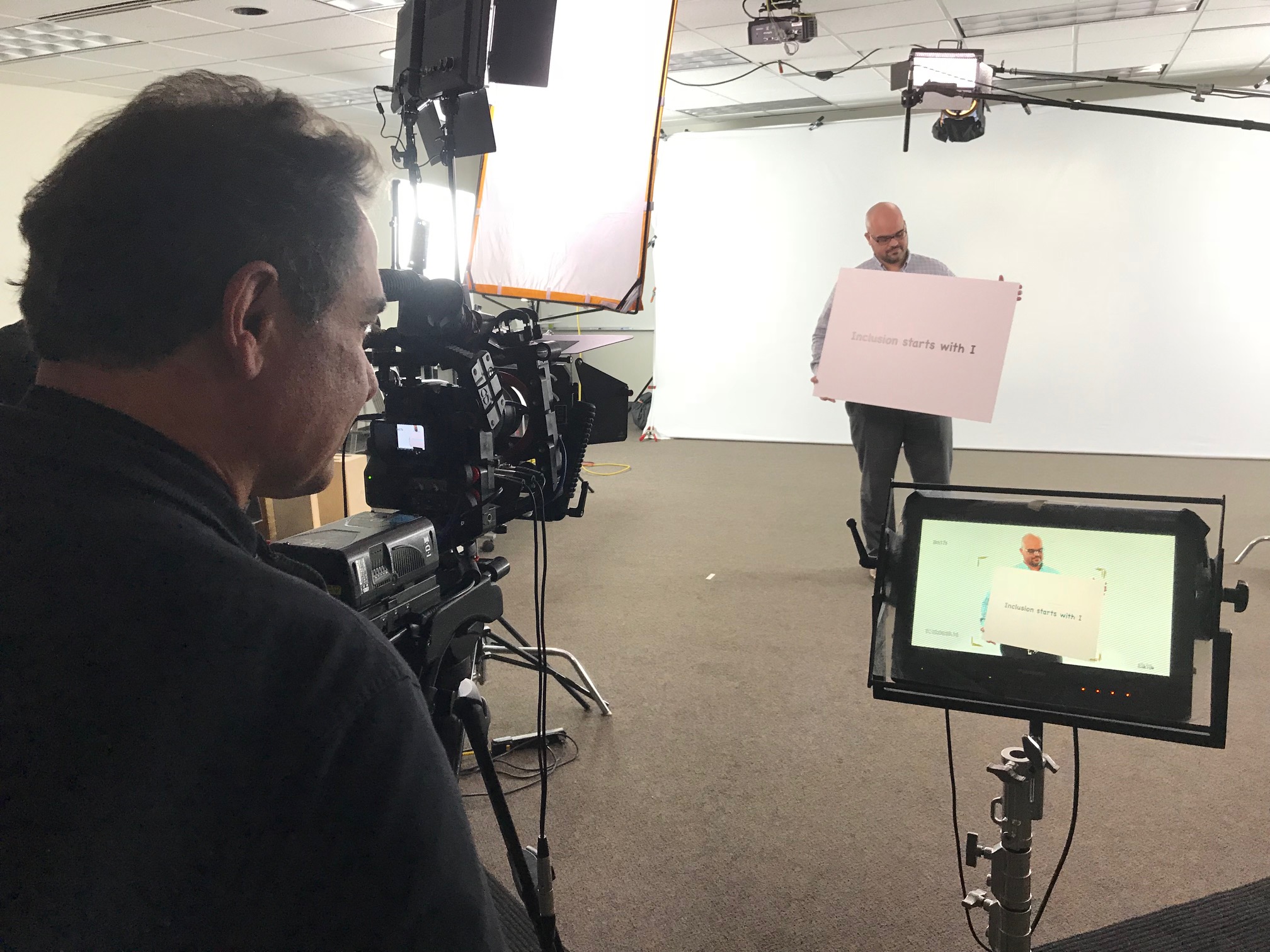
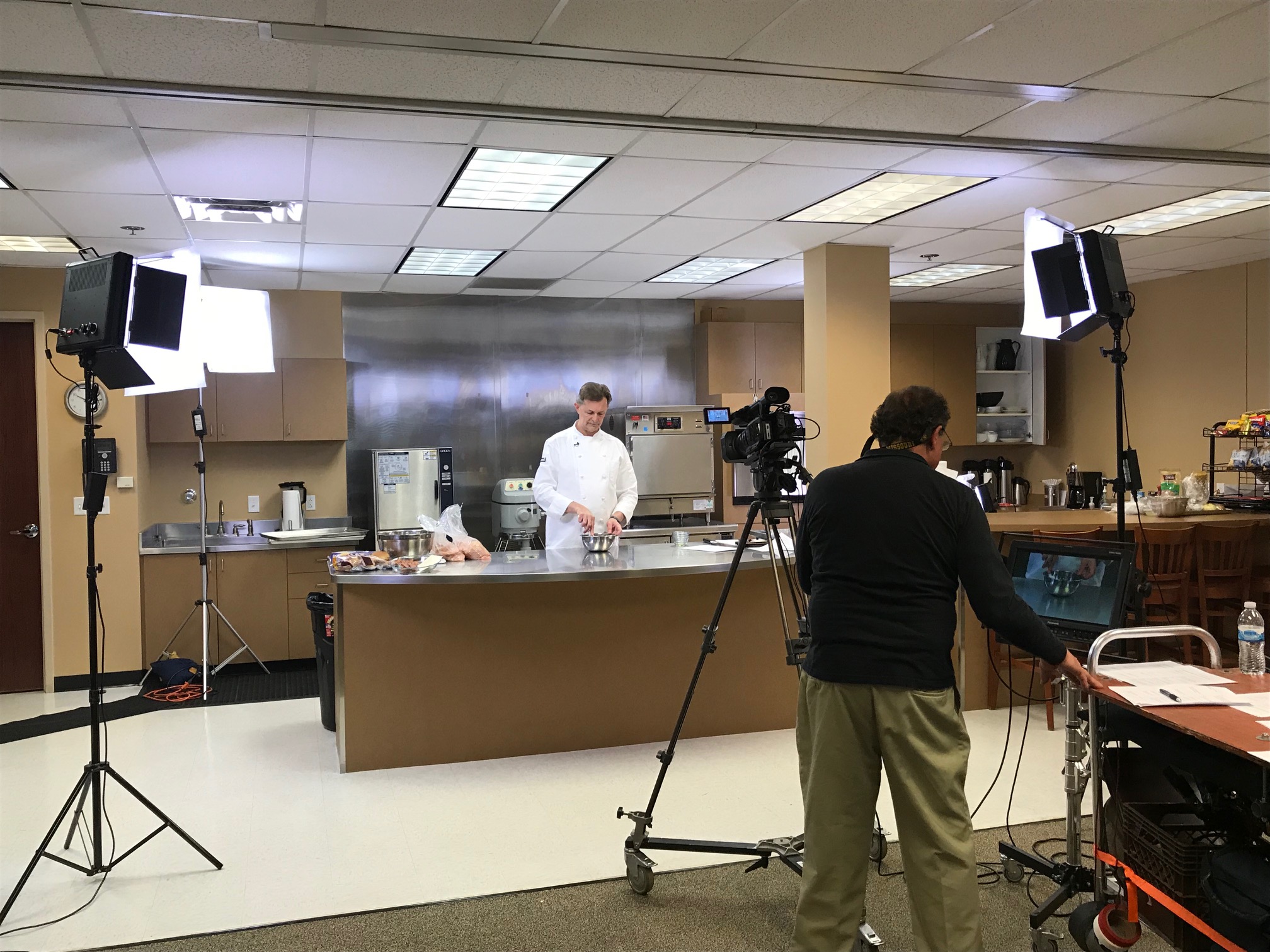
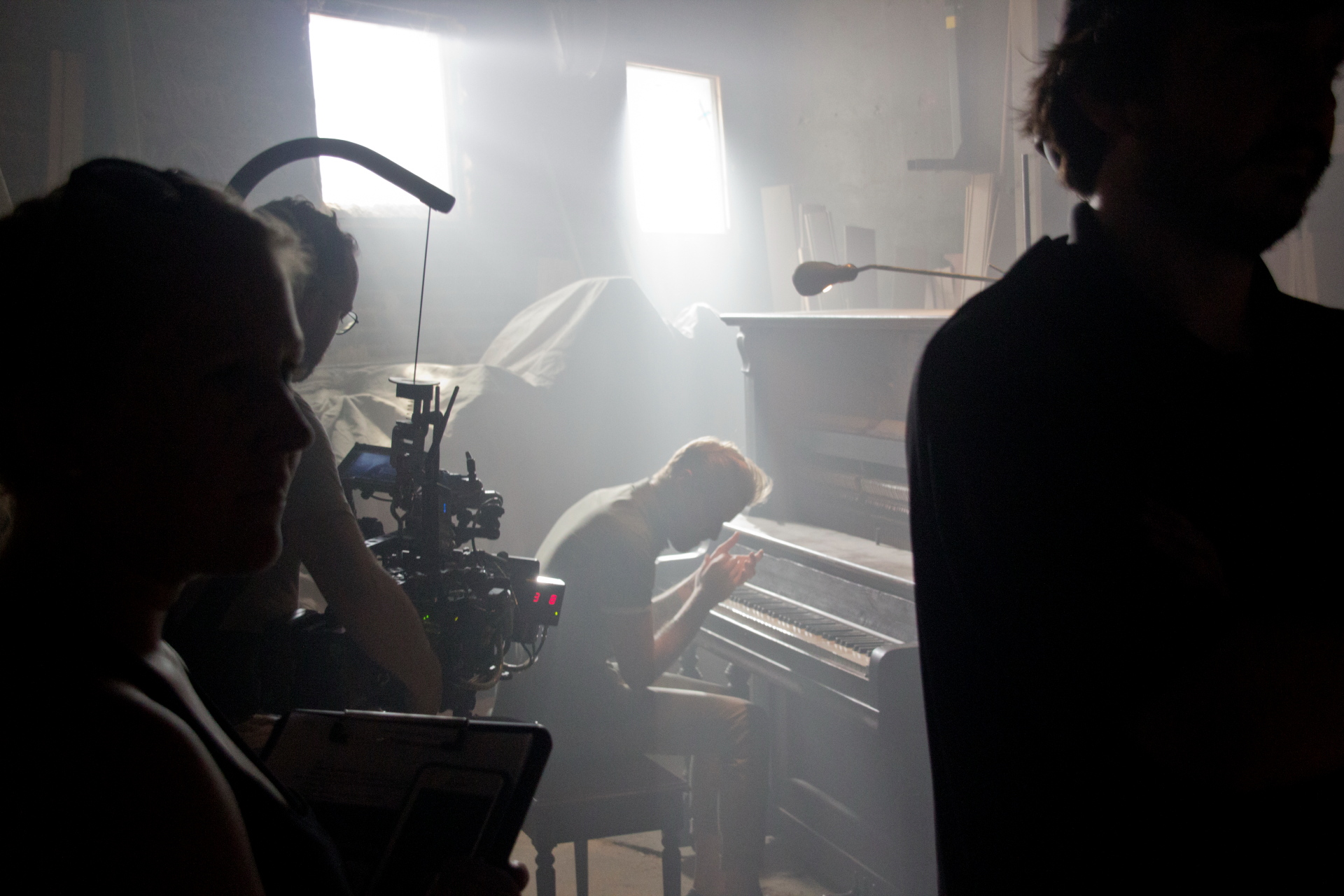
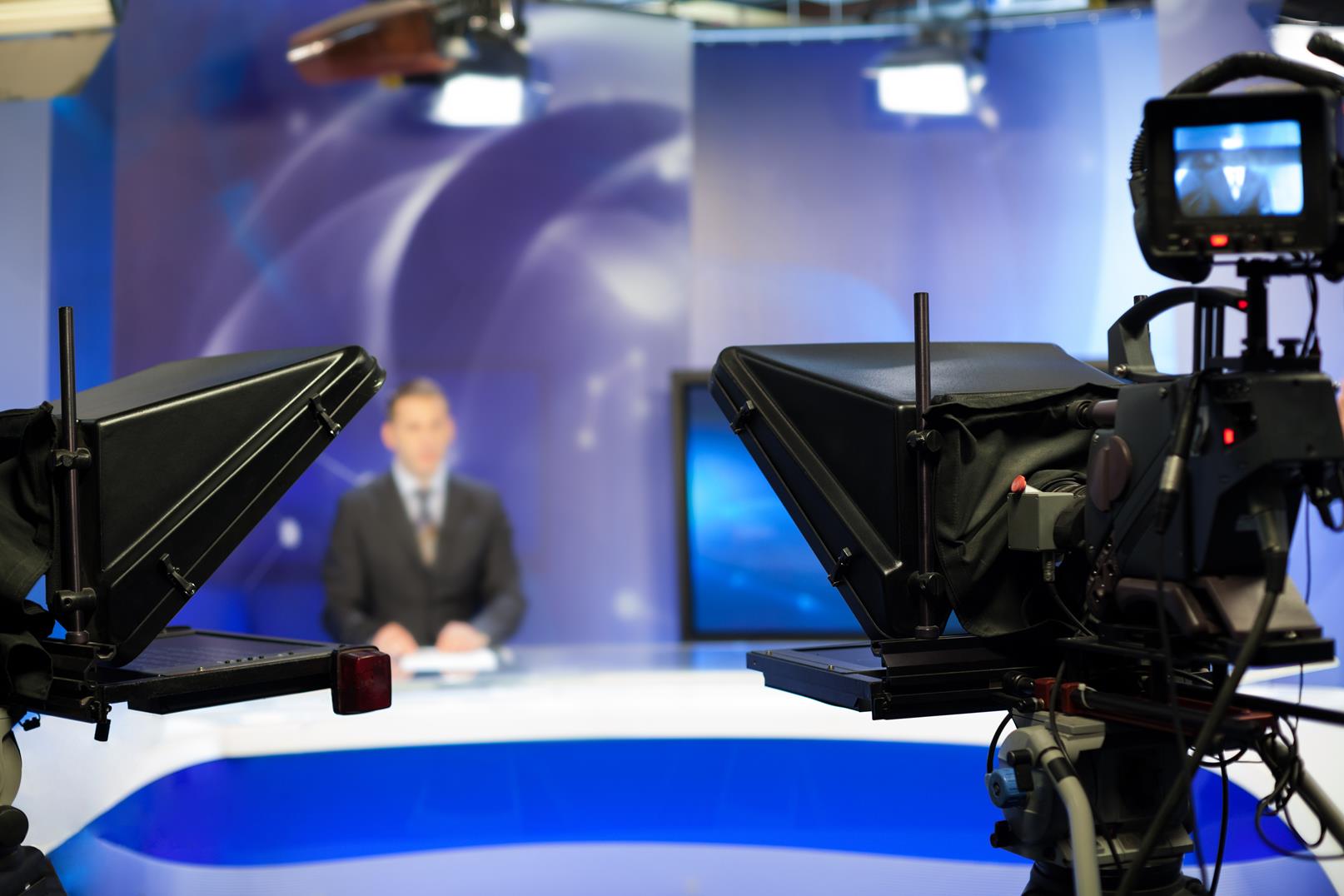
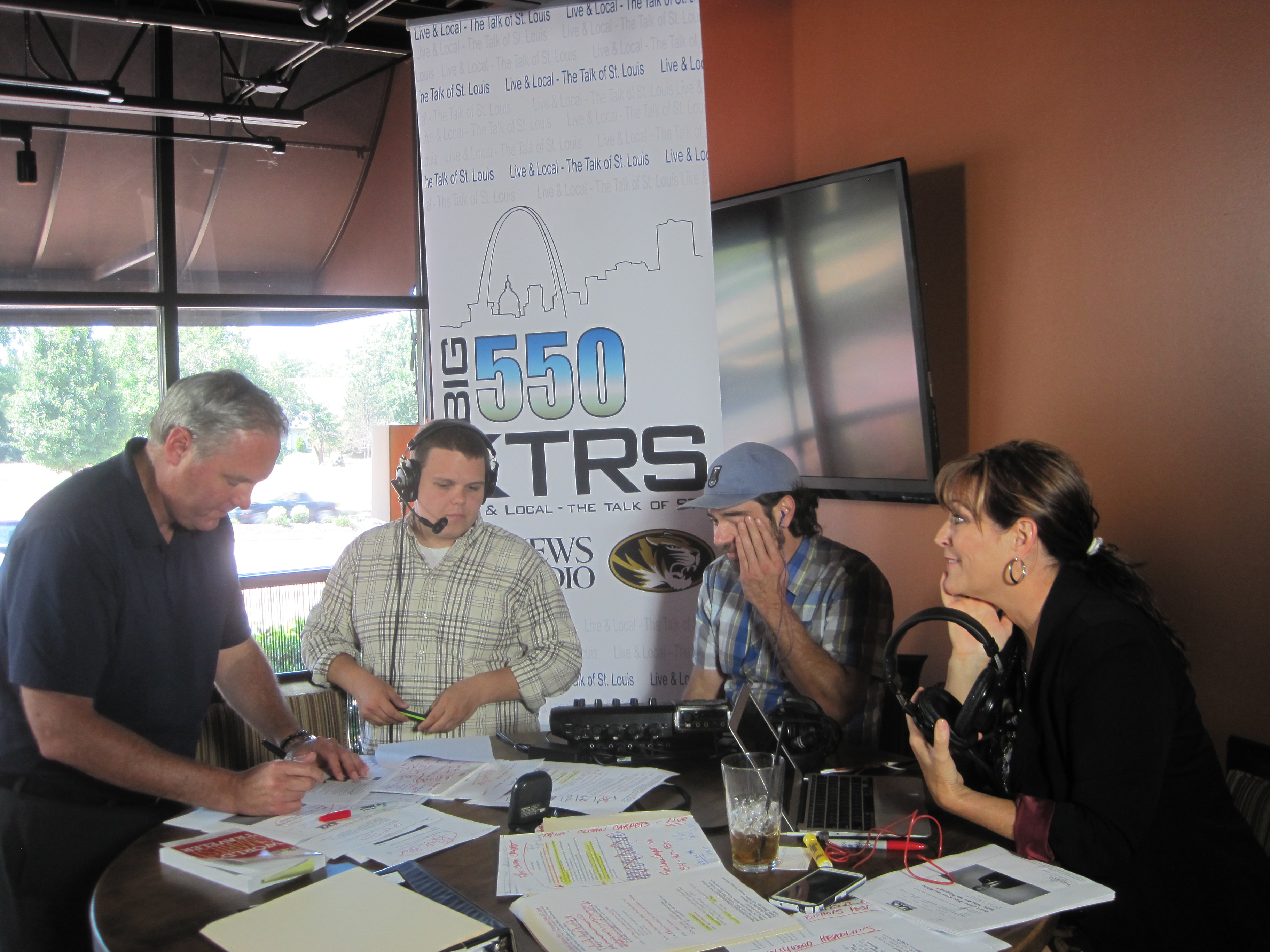
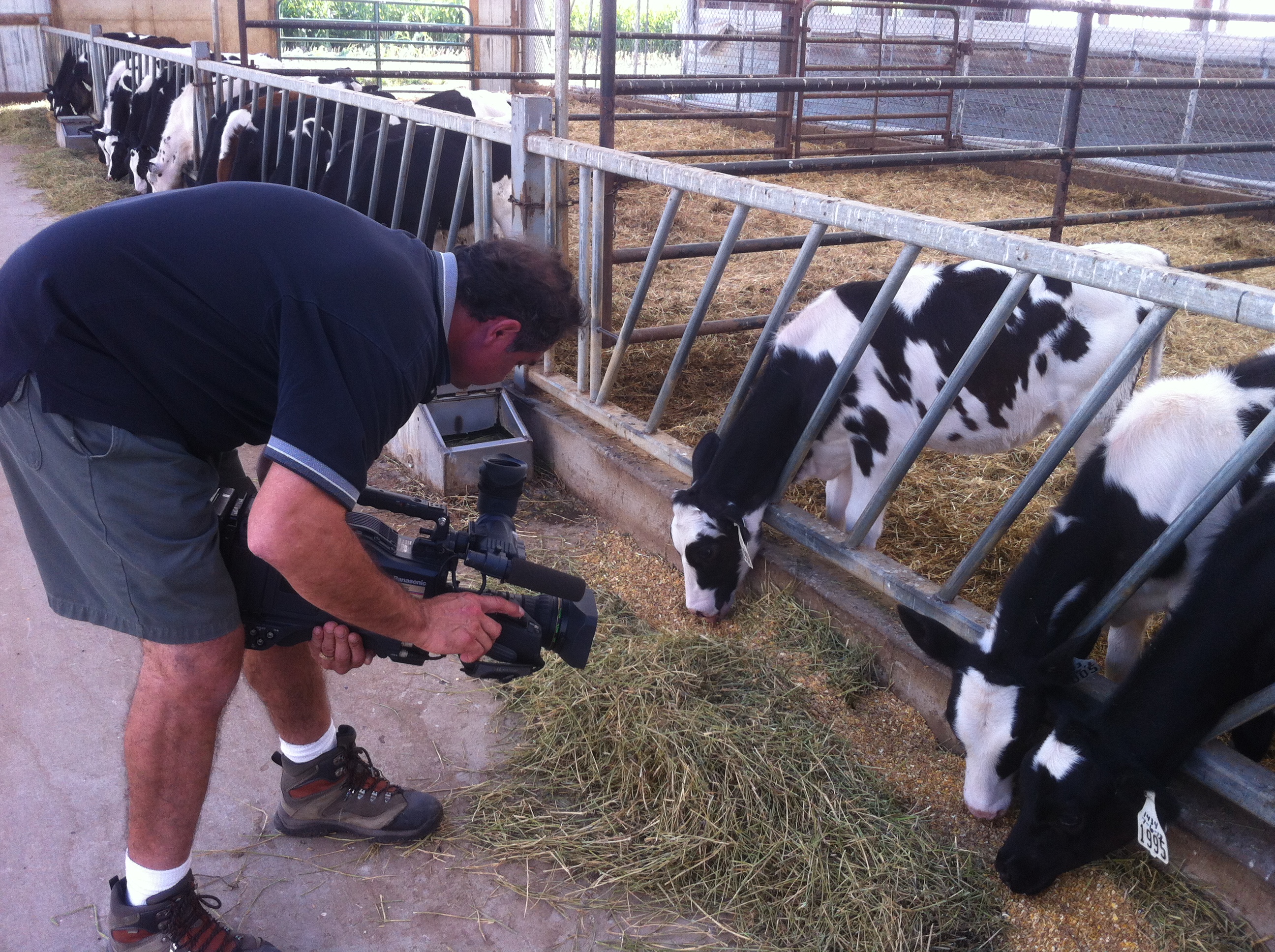
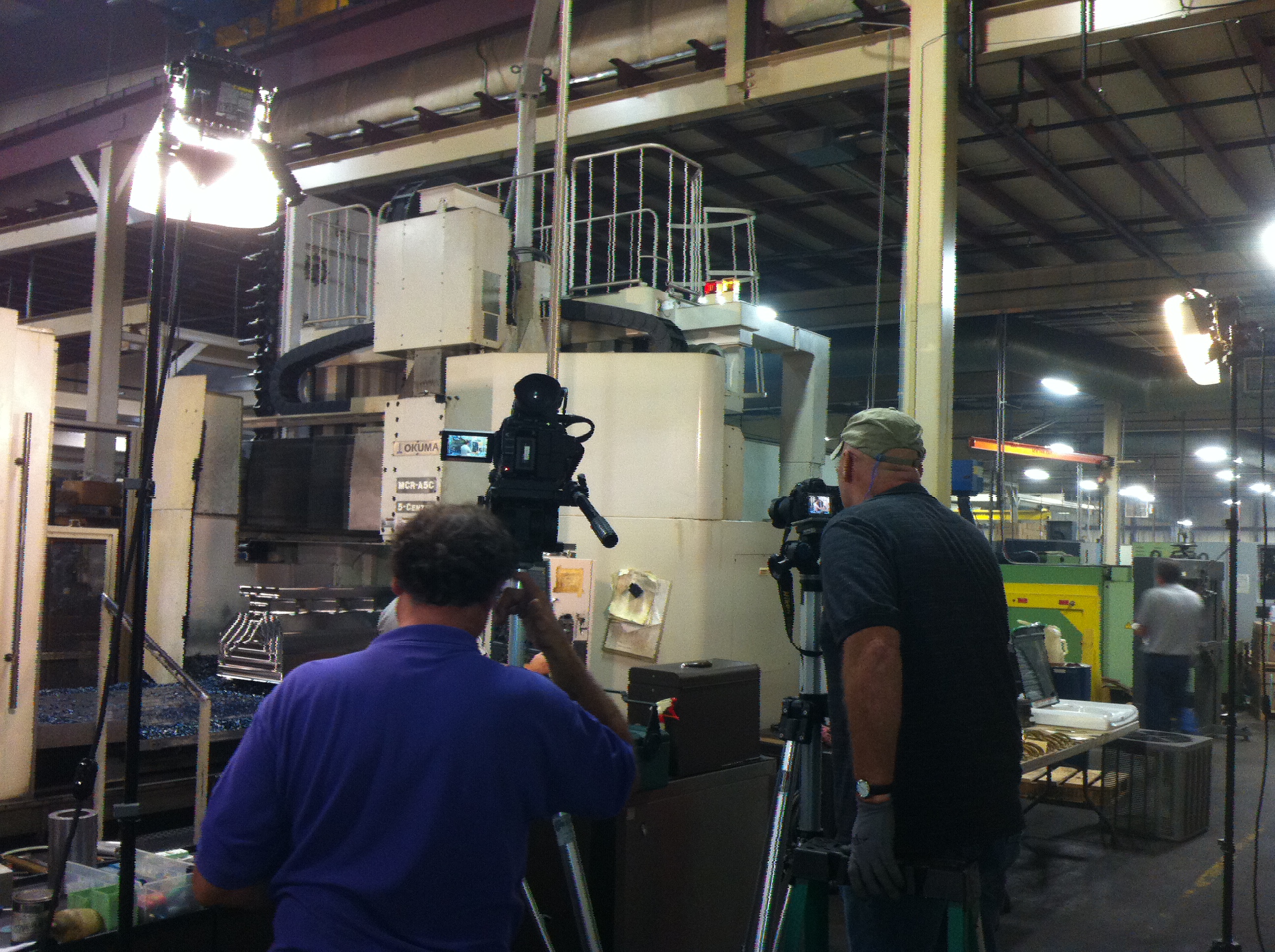
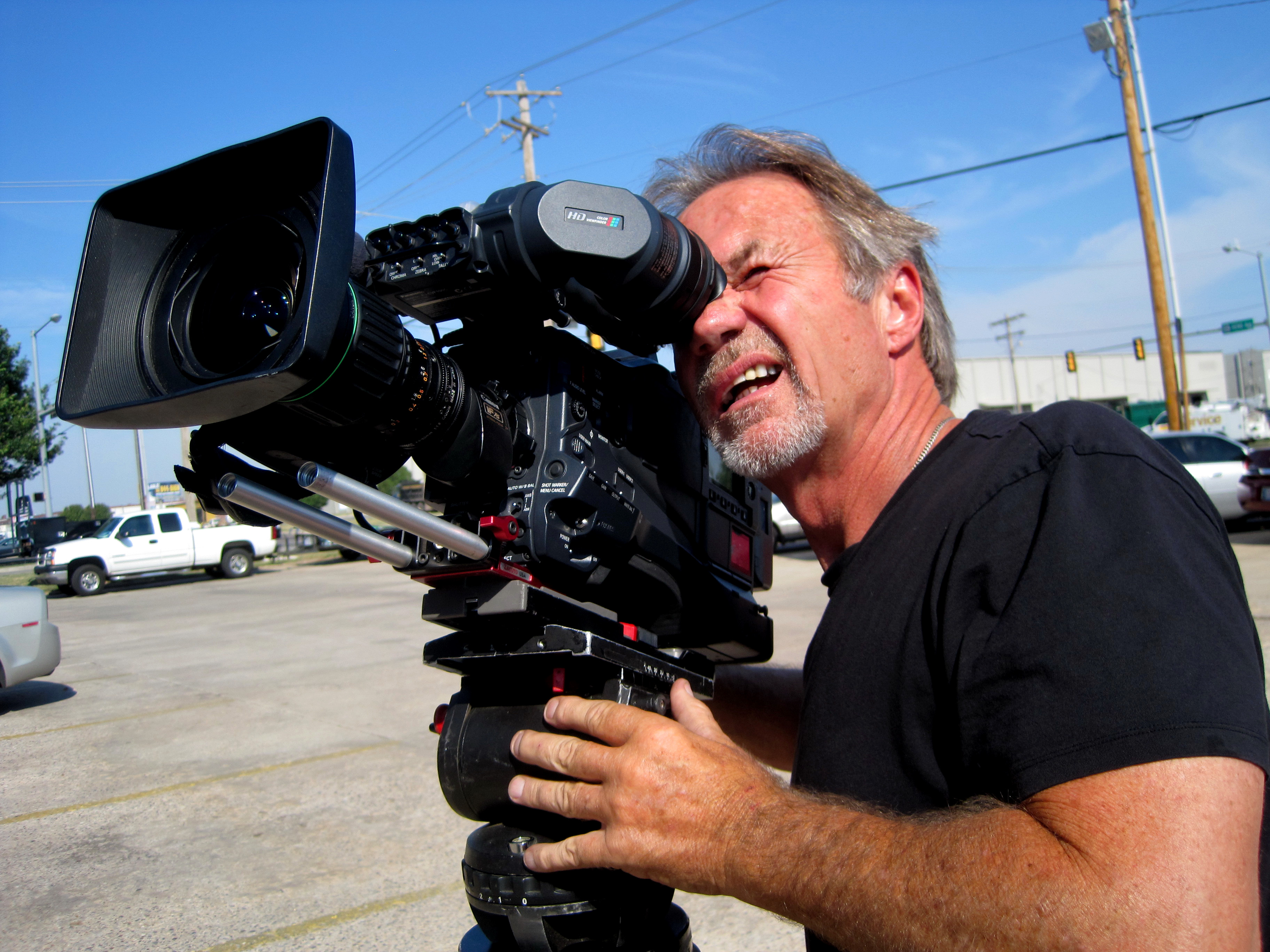
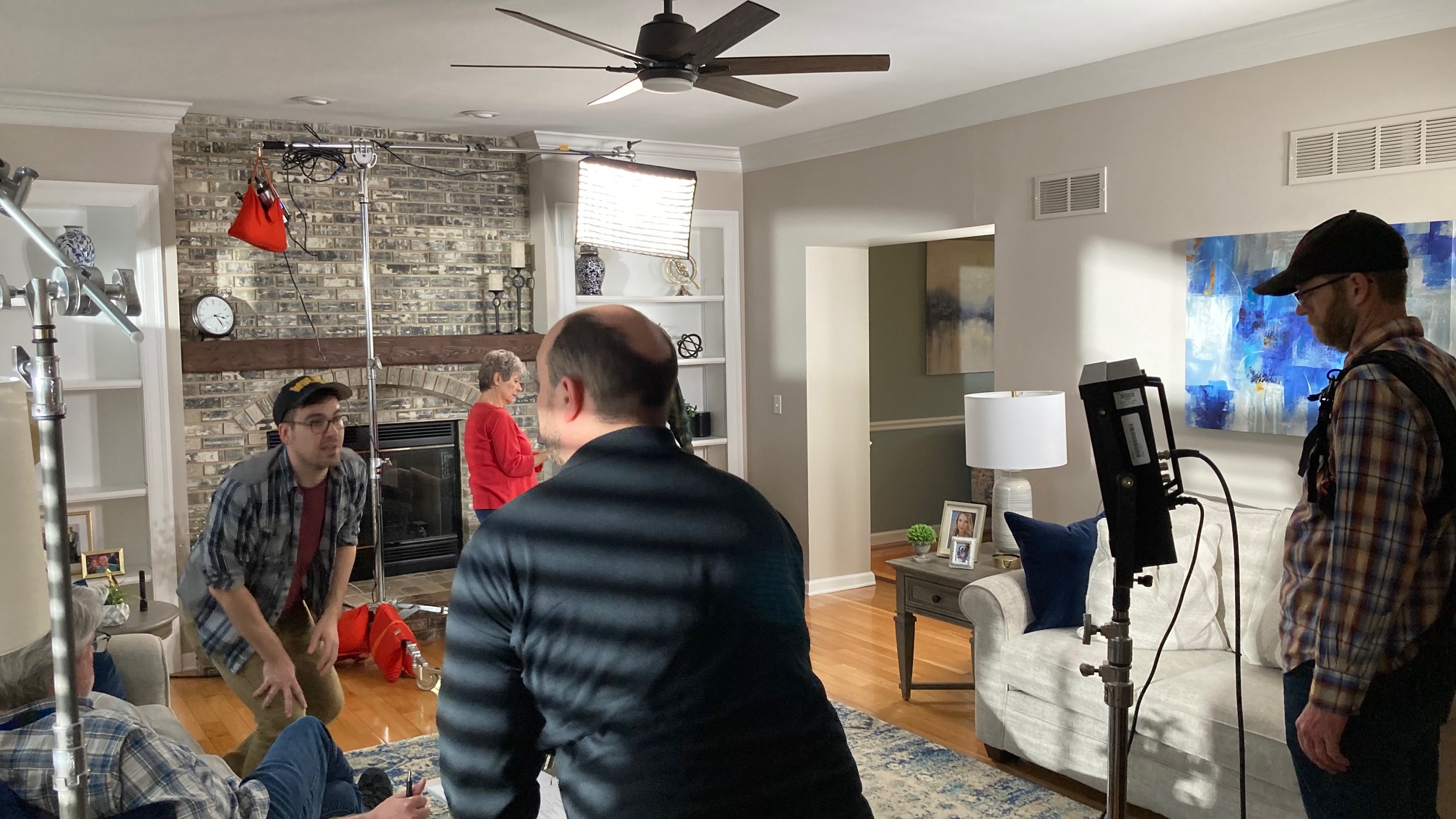
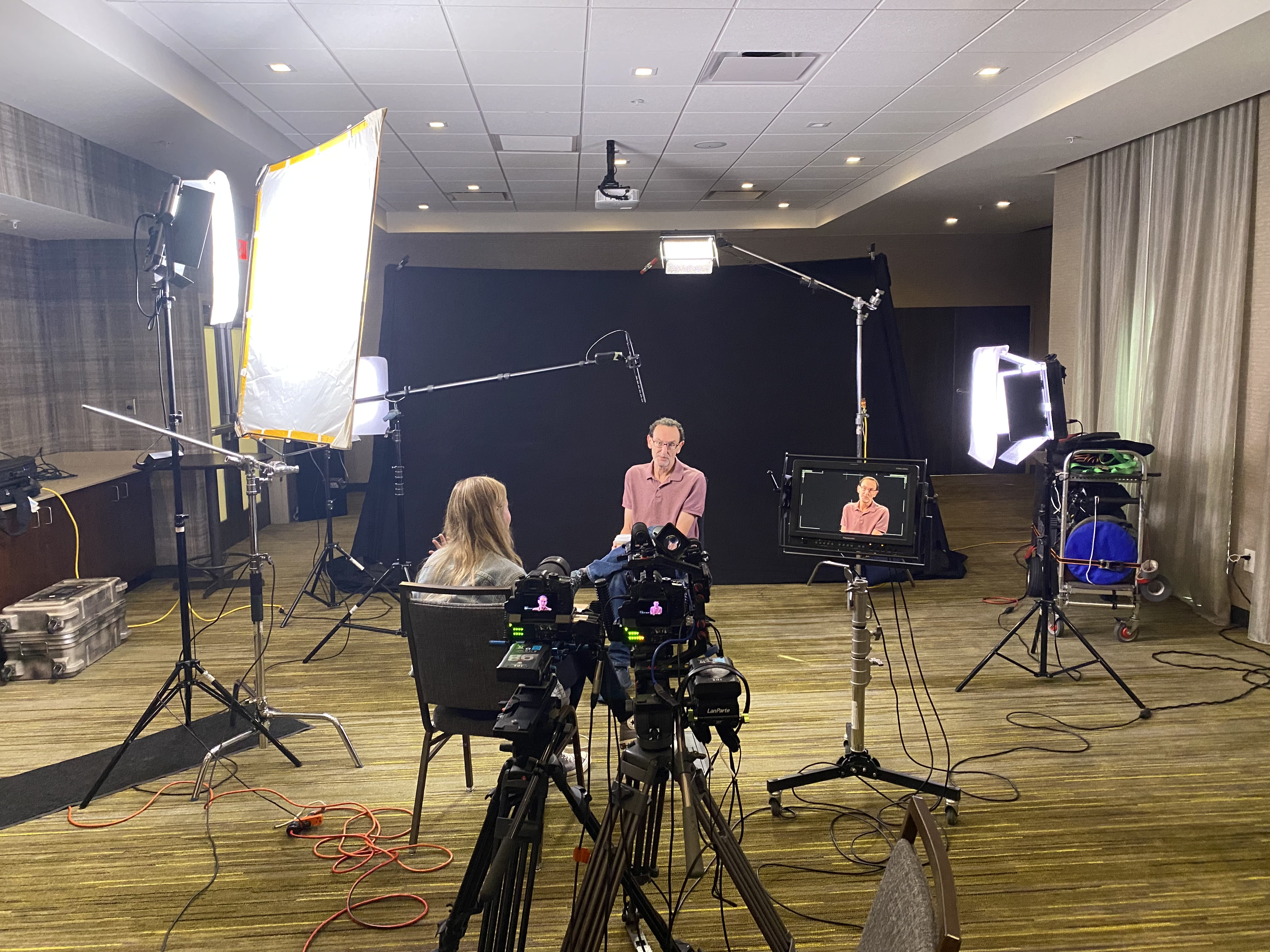
Experienced Crews | Professional Equipment | Studio & Remote Production

Archive for the ‘st louis video production | st louis video’ Category

Unique Ways to Use Testimonial Videos on Social Media: Boosting Engagement and Trust with Strategic Video Placement

In today’s fast-moving digital world, consumers are hungry for authentic experiences—and nothing builds credibility quite like a well-crafted testimonial video. For businesses and organizations looking to stand out in crowded social media feeds, testimonial videos offer more than just social proof; they serve as a powerful storytelling tool that can drive conversions, humanize your brand, and build long-term loyalty. But beyond simply posting these videos to your Facebook page or embedding them on your website, there are countless creative ways to deploy testimonial content across platforms for maximum impact.

As an experienced videographer, photographer, and producer at St Louis Video Production, I’ve helped countless businesses leverage testimonial videos in innovative ways. This blog post will break down unique strategies to repurpose and distribute these compelling assets—strategies that decision-makers in marketing and communications can act on right away.


1. Create Micro-Content for Stories and Reels

Long-form testimonial interviews are a great foundation, but attention spans on social media are short. Use AI-assisted editing and storytelling techniques to pull 15–30 second highlights and reactions for:

  • Instagram Reels
  • YouTube Shorts
  • TikTok clips
  • LinkedIn Stories (via third-party apps)

These short, punchy clips can tease a longer testimonial or highlight one powerful quote that resonates with your audience’s pain points.


2. Pin Testimonials to the Top of Your Profiles

Once you’ve published your testimonial content, don’t let it get buried. Platforms like Facebook, LinkedIn, and X (formerly Twitter) allow businesses to pin posts to the top of their feed. Pinning a strong testimonial gives new visitors an immediate glimpse into real customer satisfaction, improving first impressions.


3. Use Testimonials as Paid Social Ad Creative

Organic reach has its limits. Placing testimonial video content into a paid social ad campaign lets you hyper-target ideal customers based on demographics, interests, and behavior. This is especially effective for:

  • Retargeting website visitors with social proof
  • Introducing your brand to new audiences with relatable customer success stories
  • B2B lead nurturing, showing how your services deliver ROI

Testimonial content is more likely to be trusted than traditional advertising—making it a high-performing format in ad campaigns.


4. Turn Testimonials into Carousels with Embedded Video

Especially on LinkedIn and Instagram, carousels are a top-performing format. Combine key quotes from a video testimonial with behind-the-scenes photos, customer stats, or clips from the shoot. Carousel posts increase swipe-through engagement while keeping viewers immersed in the story.


5. Feature Testimonials in Video Cover Stories and Banners

Facebook, LinkedIn, and YouTube all allow for cover videos or banners on business profiles. Use your strongest testimonial clips—featuring real clients speaking directly to the camera—to anchor your brand presence in a dynamic way. These give your profile immediate authority and energy.


6. Build a “Testimonial Tuesday” or Series-Based Campaign

Create a regular publishing rhythm with testimonial videos, giving your brand a consistent, trustworthy voice. For example:

  • Testimonial Tuesdays: Highlight one client story each week.
  • Behind the Brand: Pair testimonials with visuals of your team and work process.
  • Customer Journey Series: Map out the before-during-after experience.

A series builds anticipation and engagement, especially when each installment tells a part of the customer journey.


7. Leverage LinkedIn Native Video to Reach B2B Buyers

LinkedIn’s algorithm favors native video, especially when it contains peer-driven insights. Post testimonial clips as thought leadership content and tag your featured clients. Not only does this expand your reach, but it also encourages clients to reshare—amplifying trust within their network.


8. Integrate Testimonials into Email Video Clips and Newsletters

Social media and email marketing go hand in hand. Include short video thumbnails of testimonials in your email newsletters with a call to action to watch more on your social platforms or landing pages. These “click-to-watch” elements boost engagement and keep your brand top of mind.


Why Choose St Louis Video Production for Testimonial Video Campaigns?

At St Louis Video Production, we specialize in producing effective testimonial videos that convert—then helping our clients strategically deploy them across platforms to achieve measurable results.

As a full-service professional commercial photography and video production company, we provide everything you need for a successful testimonial campaign:

  • Full-service studio and location video and photography
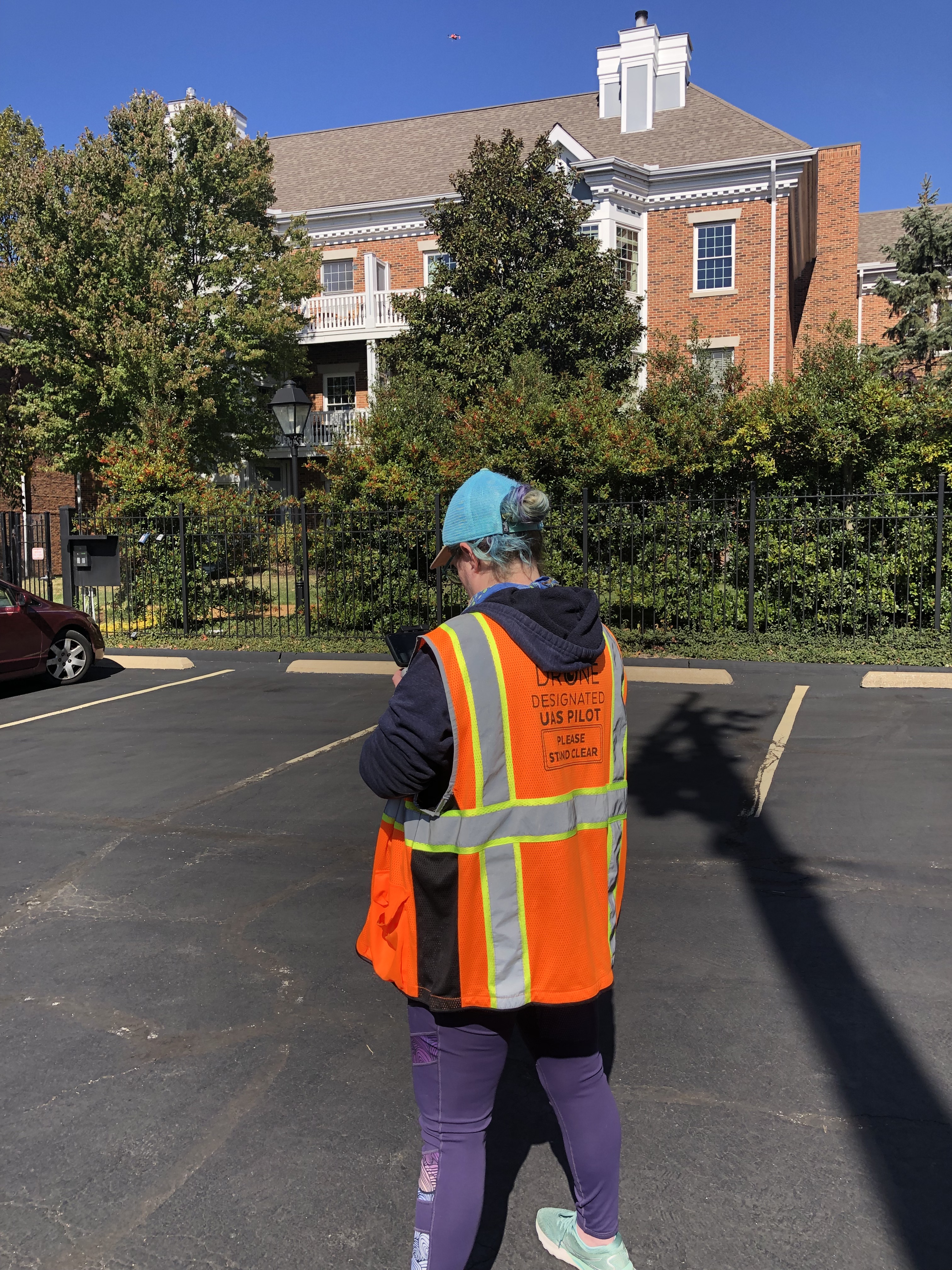
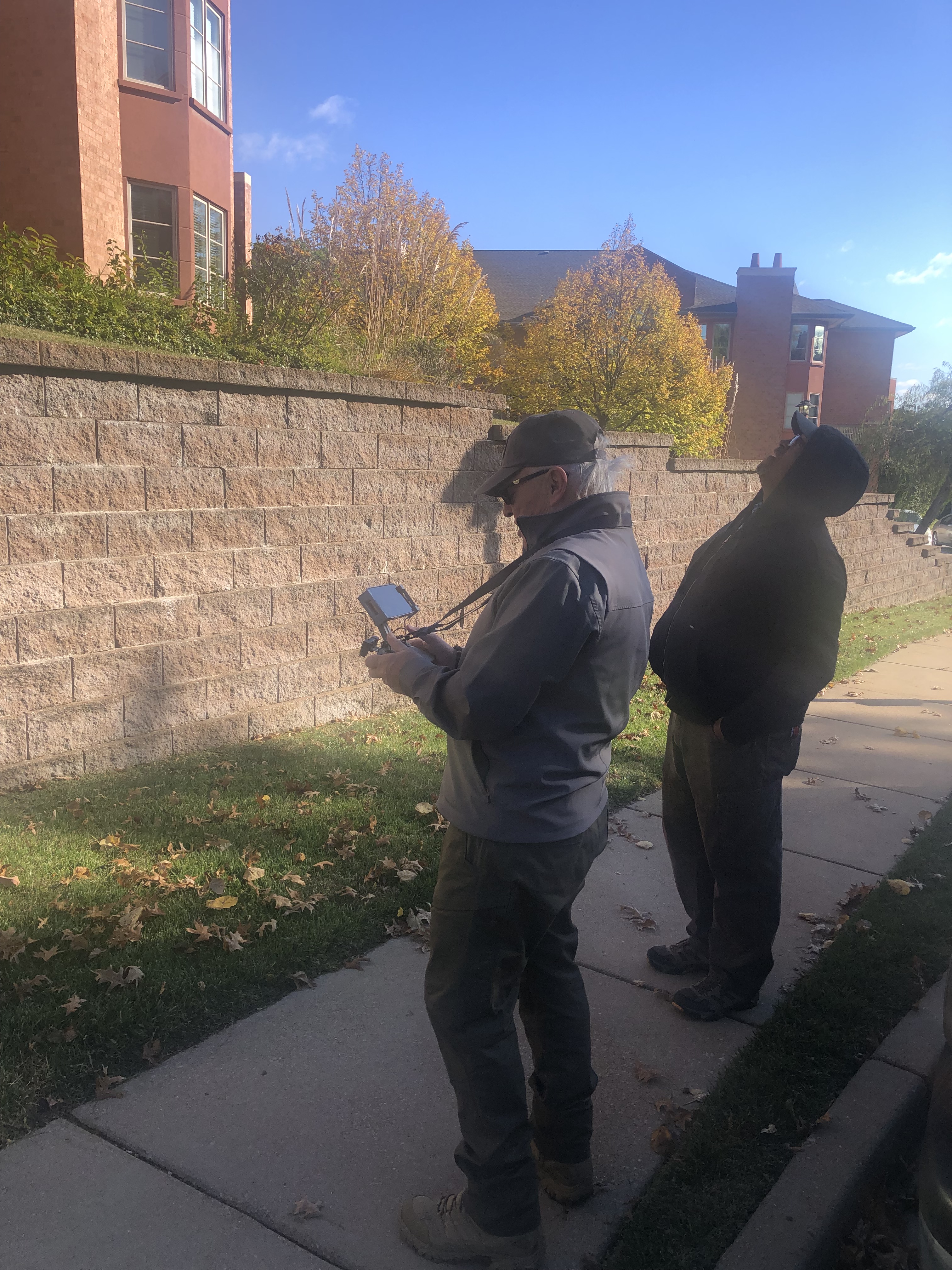
  • Expert editing, post-production, and licensed drone pilots
  • AI-enhanced video editing and media services for optimized efficiency and creativity
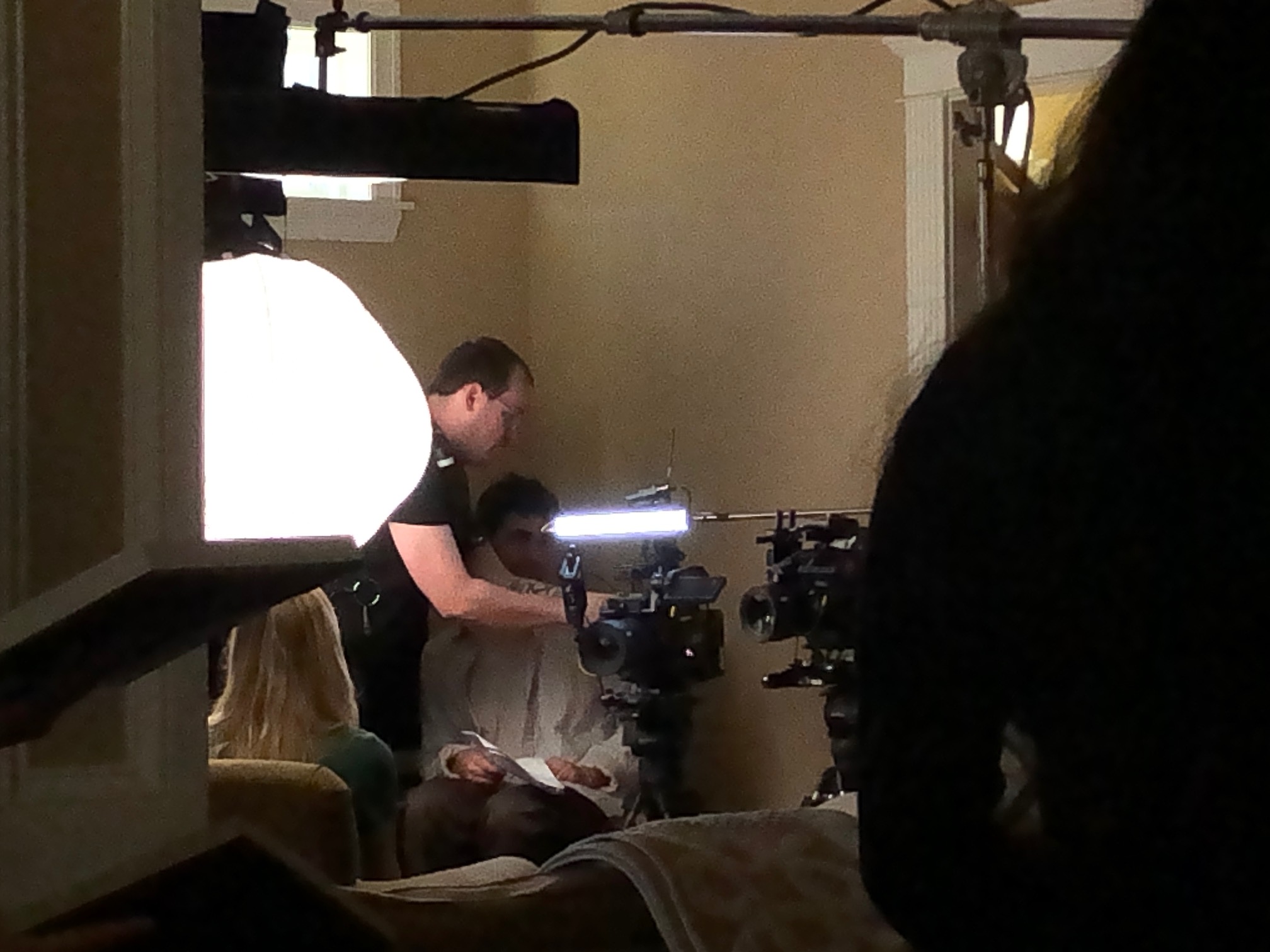
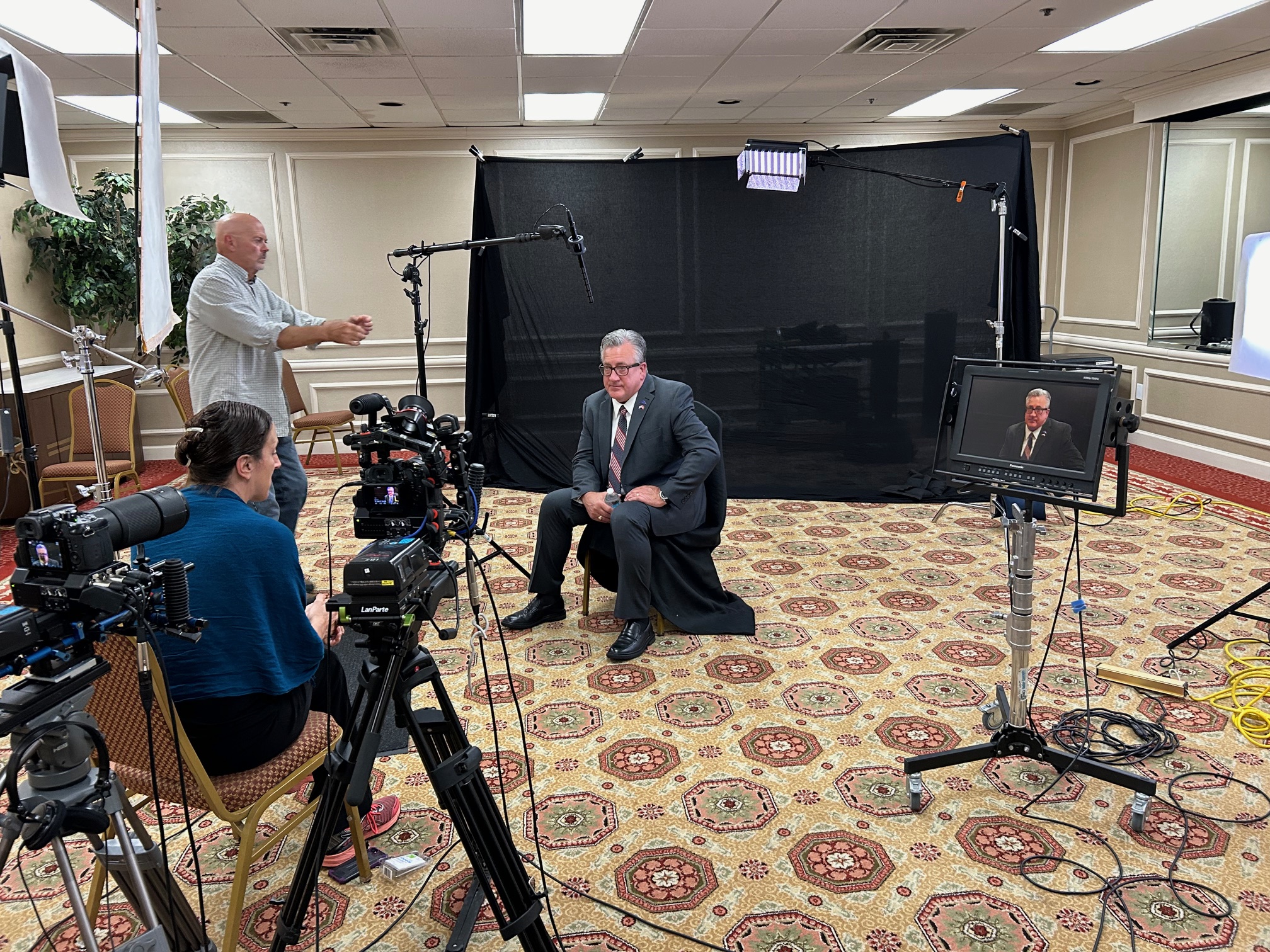
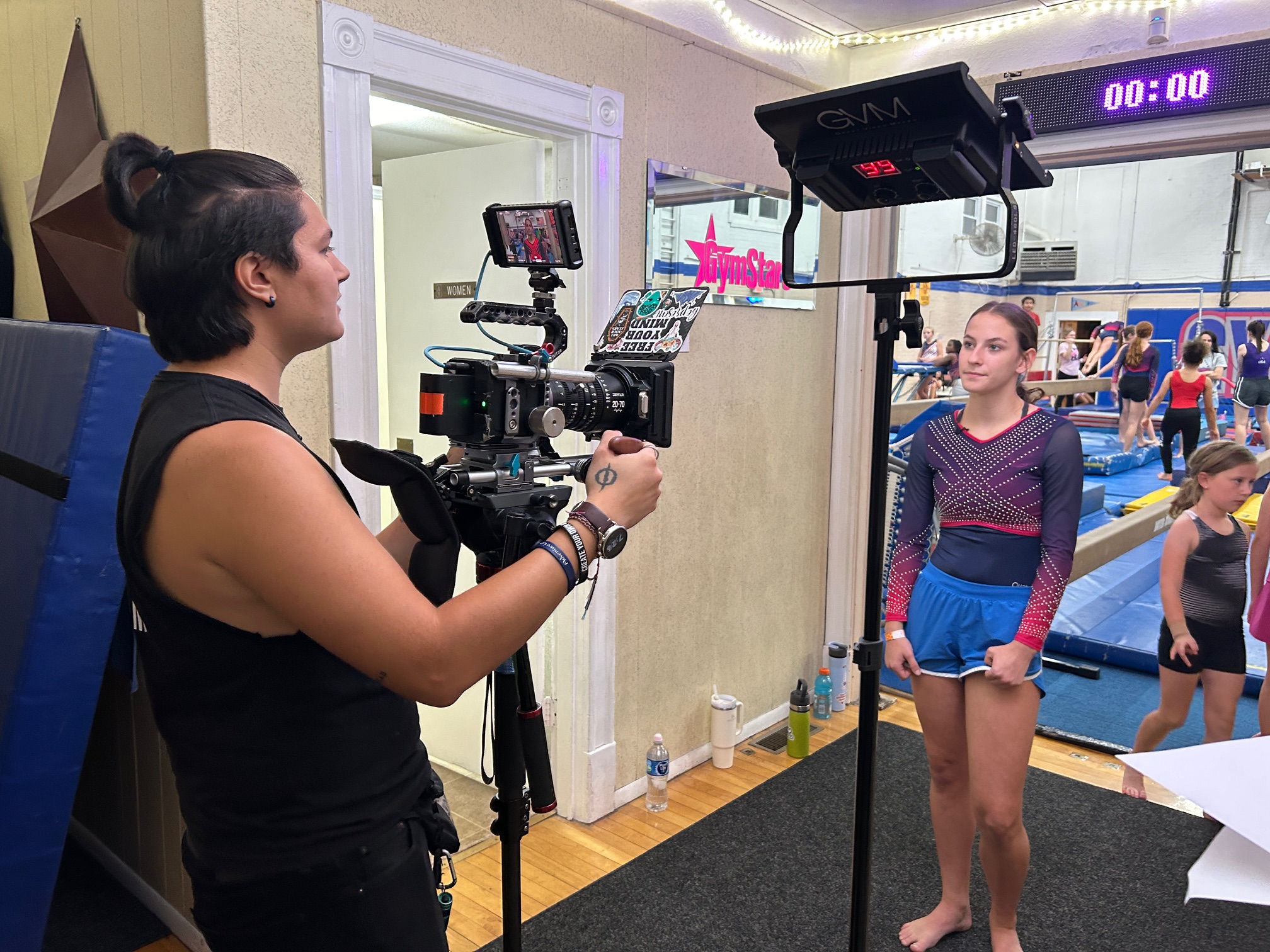
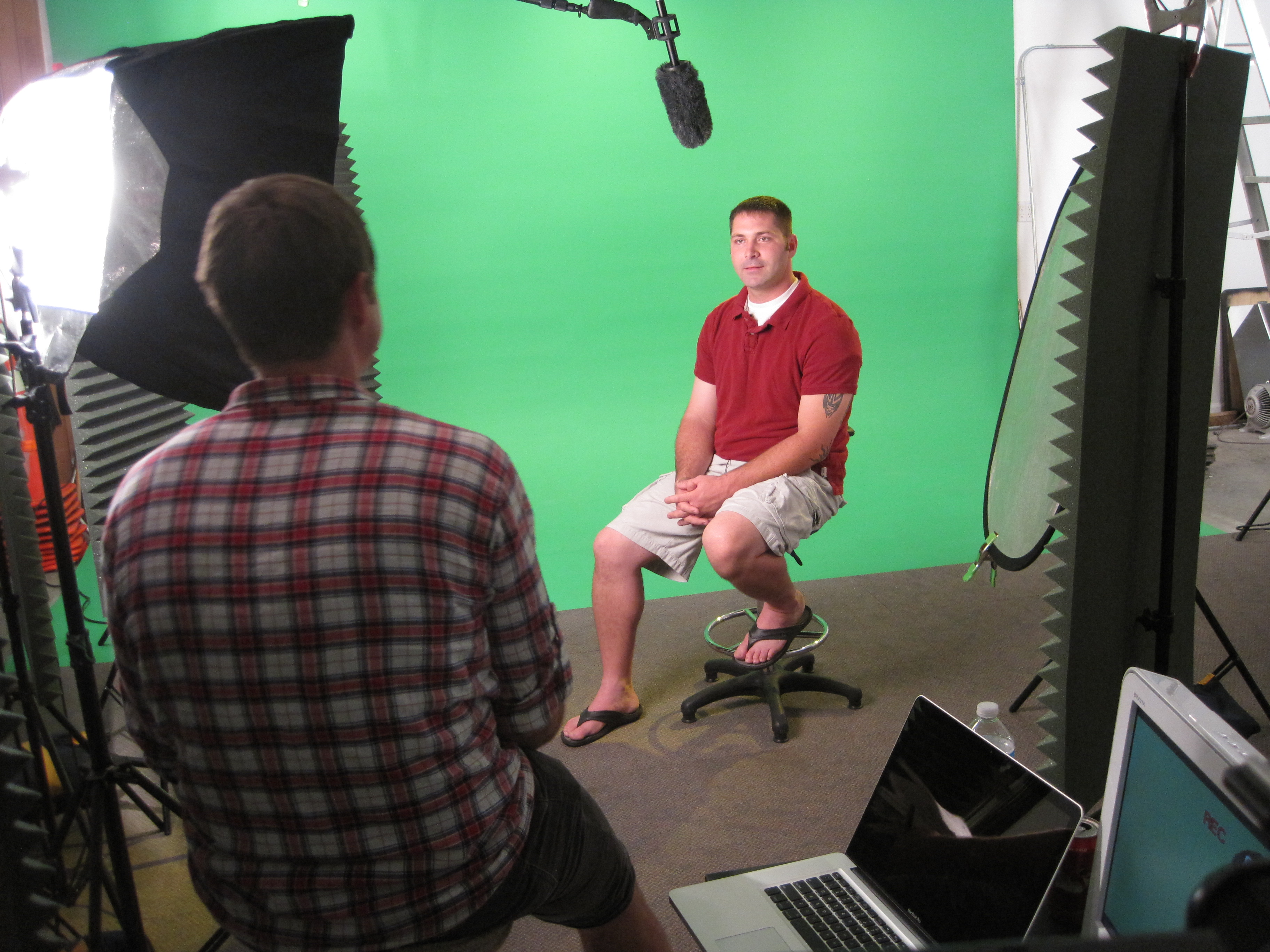
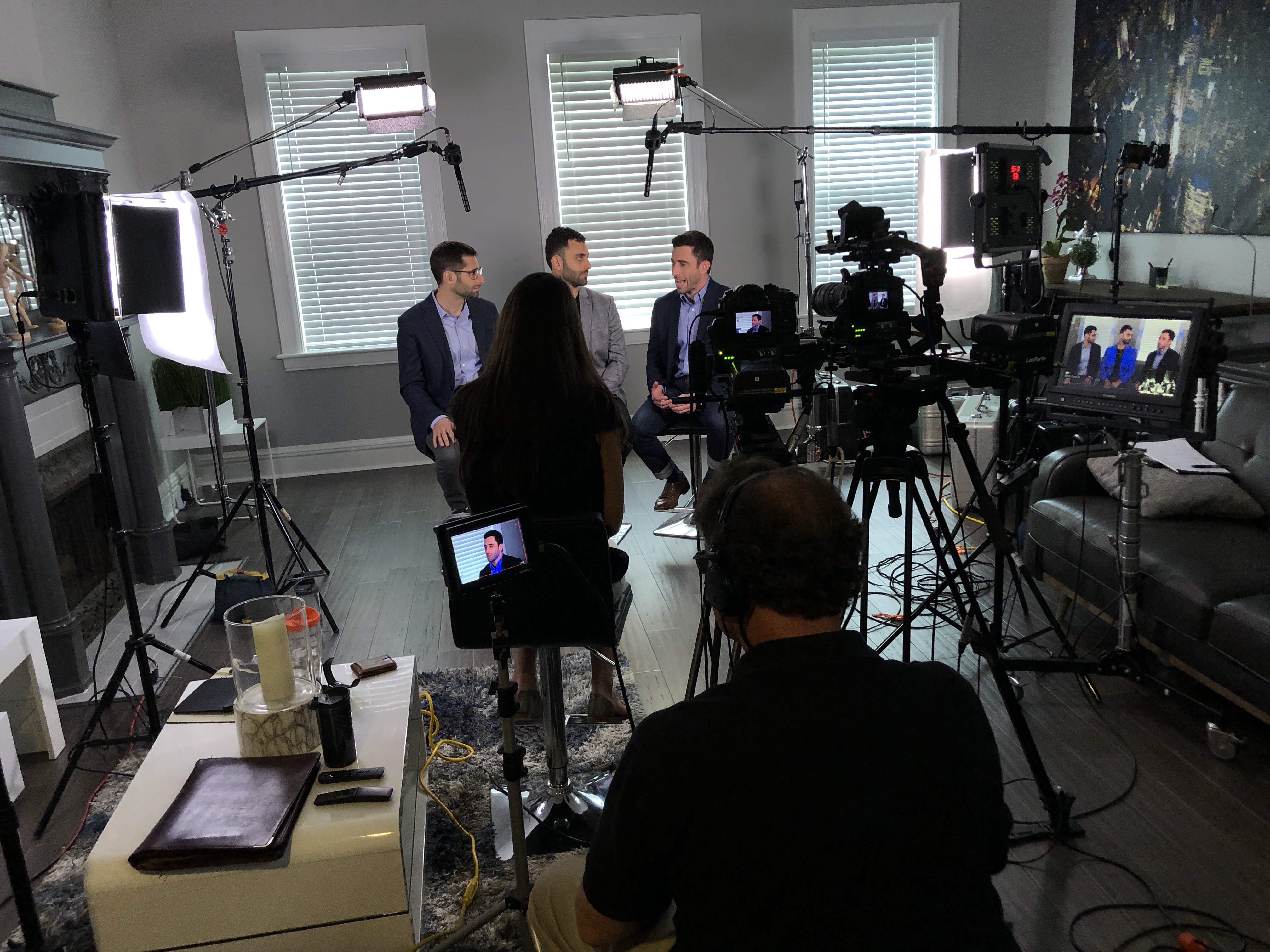
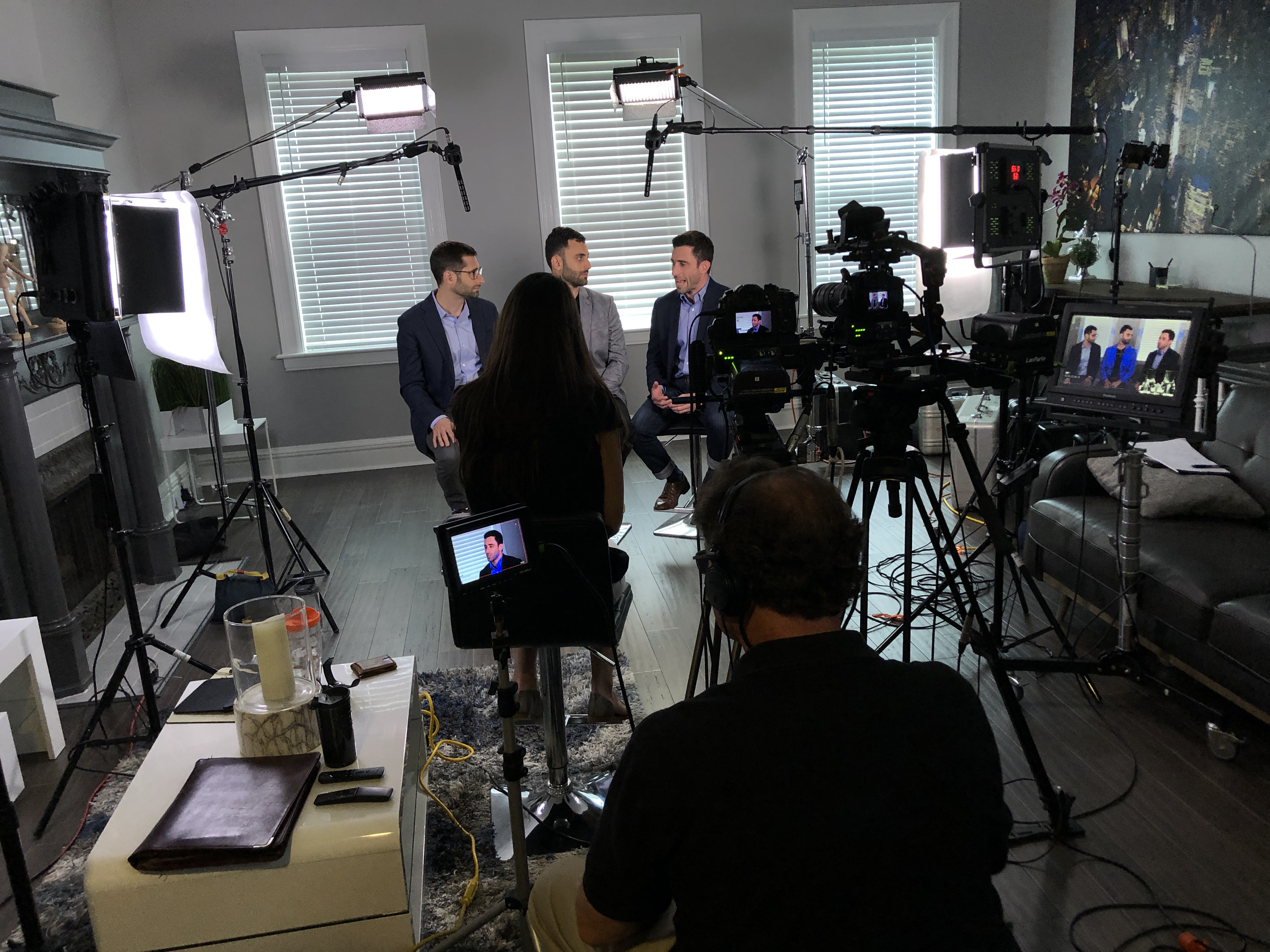
  • Private studio lighting and custom visual setups, ideal for sit-down testimonials
  • A studio large enough to incorporate props and scenic design for enhanced branding
  • The ability to fly specialized drones indoors for dynamic b-roll and visual flair
  • A deep understanding of file types, media styles, and accompanying software

Since 1982, we’ve worked with countless businesses, marketing firms, and creative agencies across the St. Louis region. Whether you’re planning a single video or a multi-platform testimonial campaign, St Louis Video Production brings the right equipment, creative crew, and production experience to elevate your brand’s story.

Let us help you customize, shoot, and repurpose testimonial videos that drive real impact. When you’re ready to turn your customer success into powerful social media content, we’re ready to roll.

Mike Haller 314-913-5626 stlouisvideoproduction@gmail.com
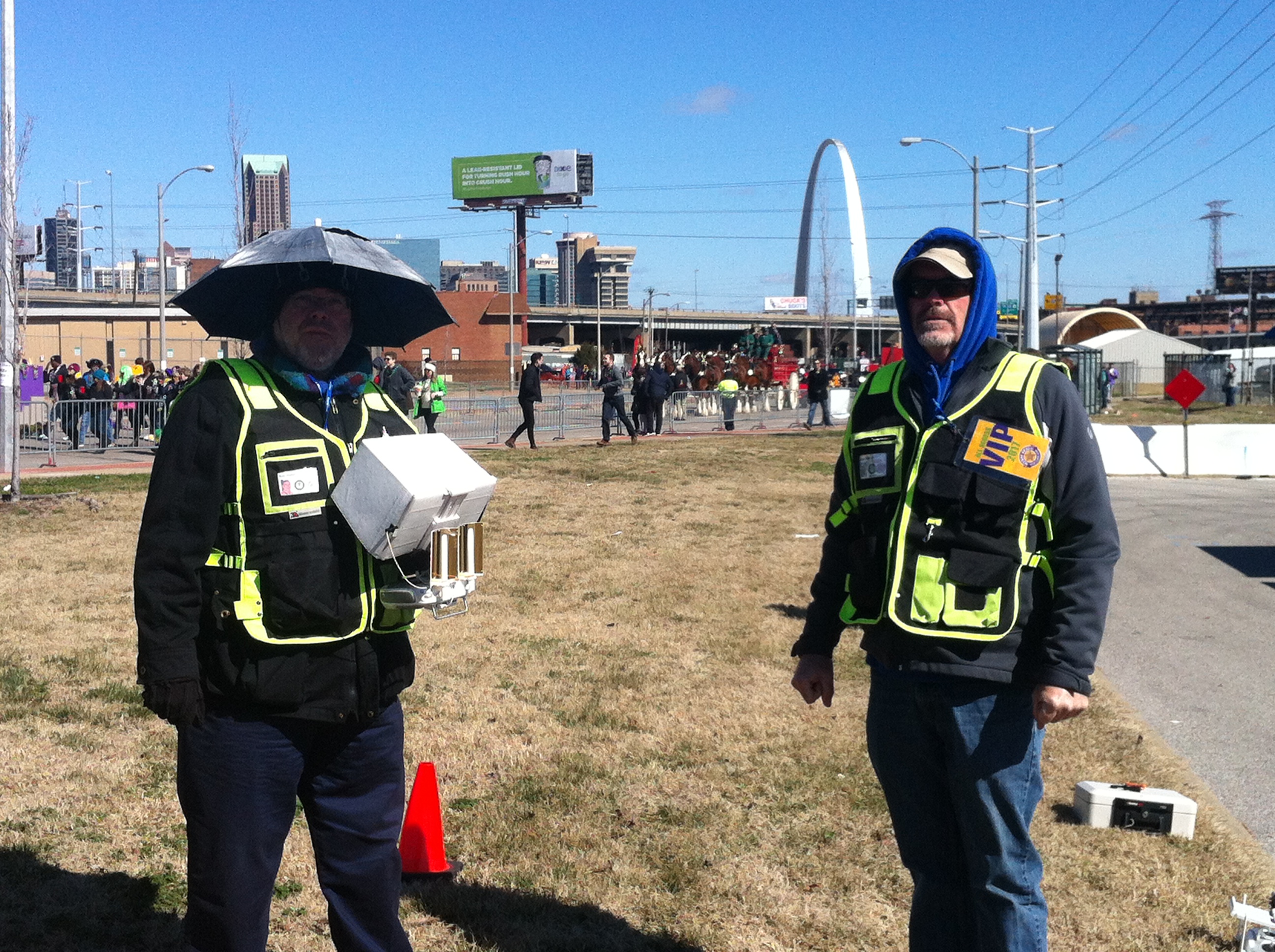
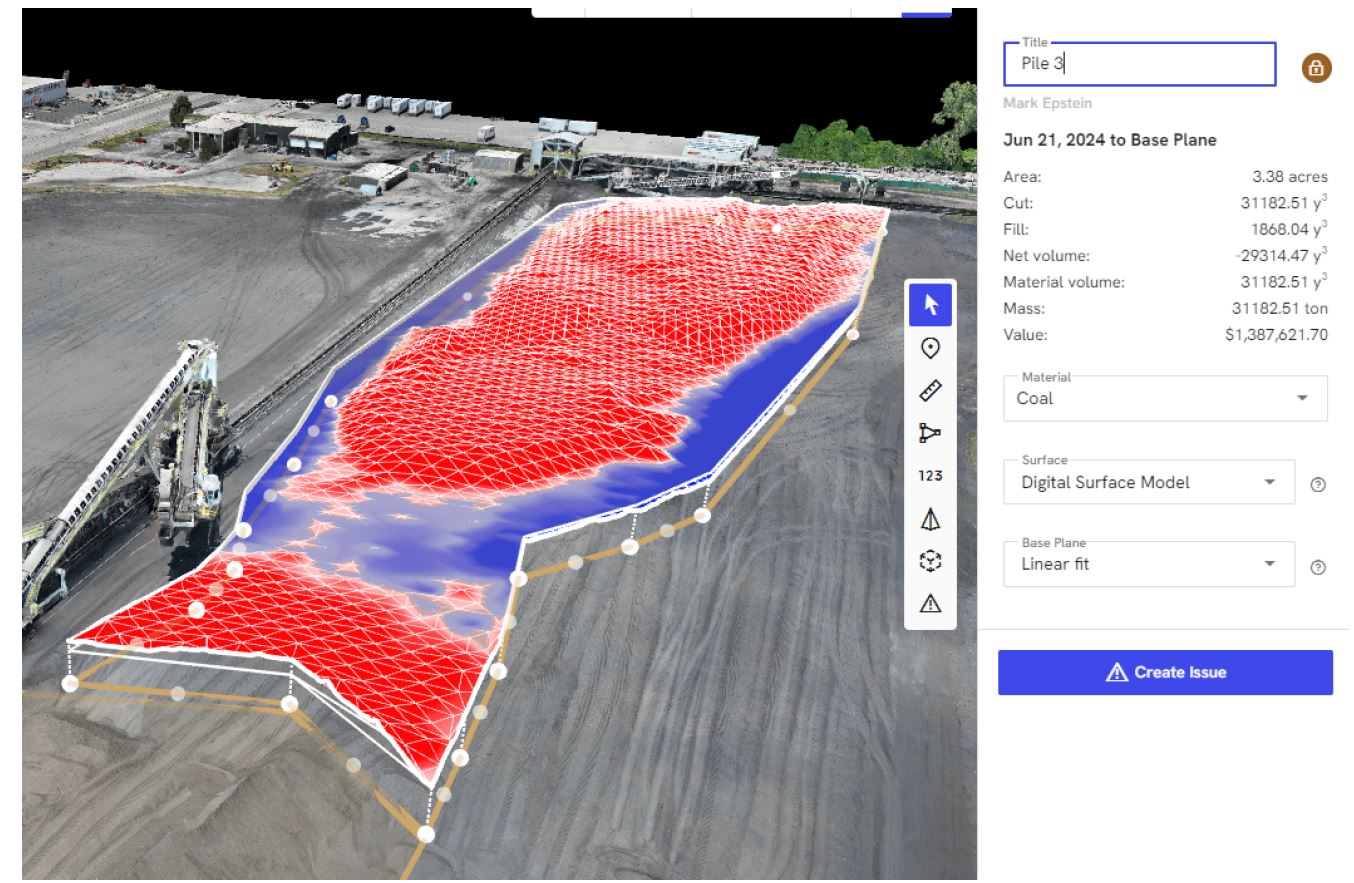
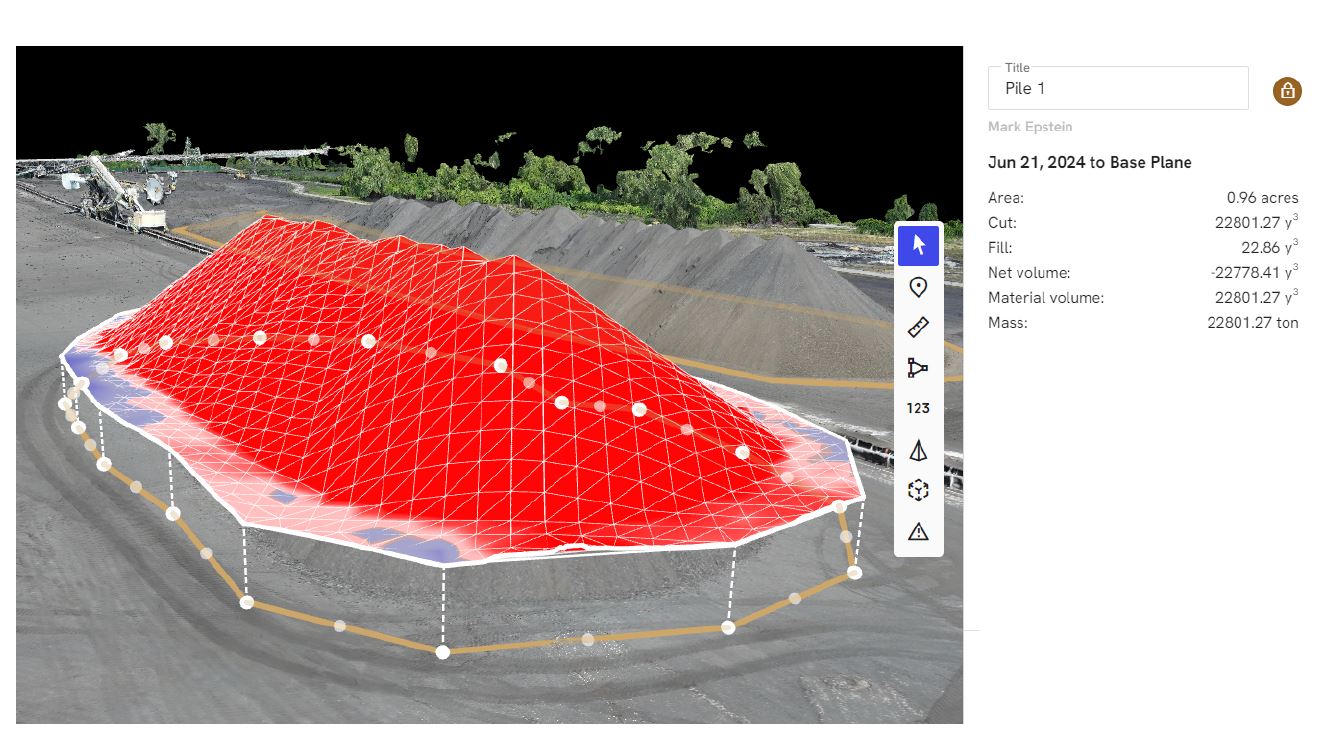
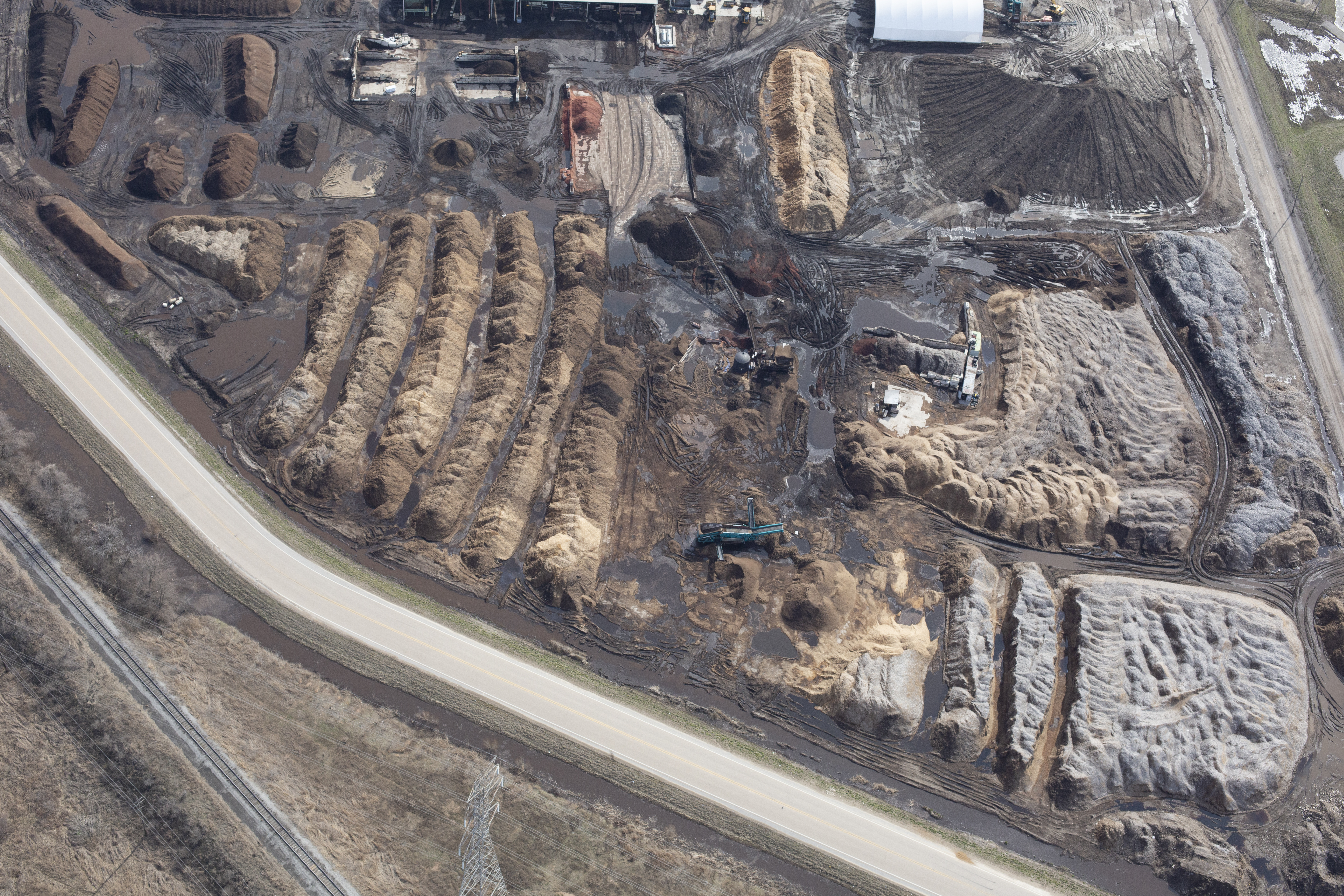
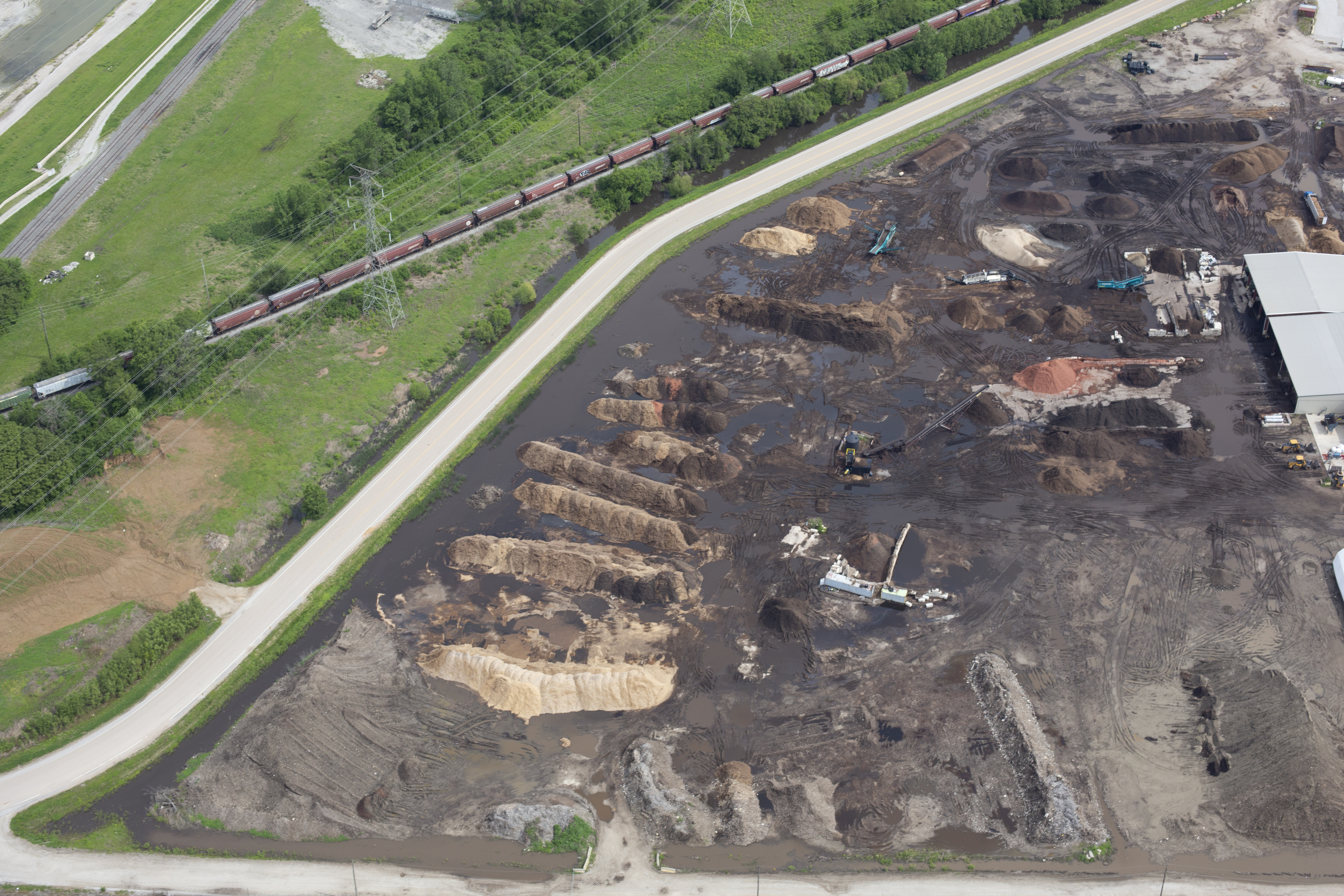
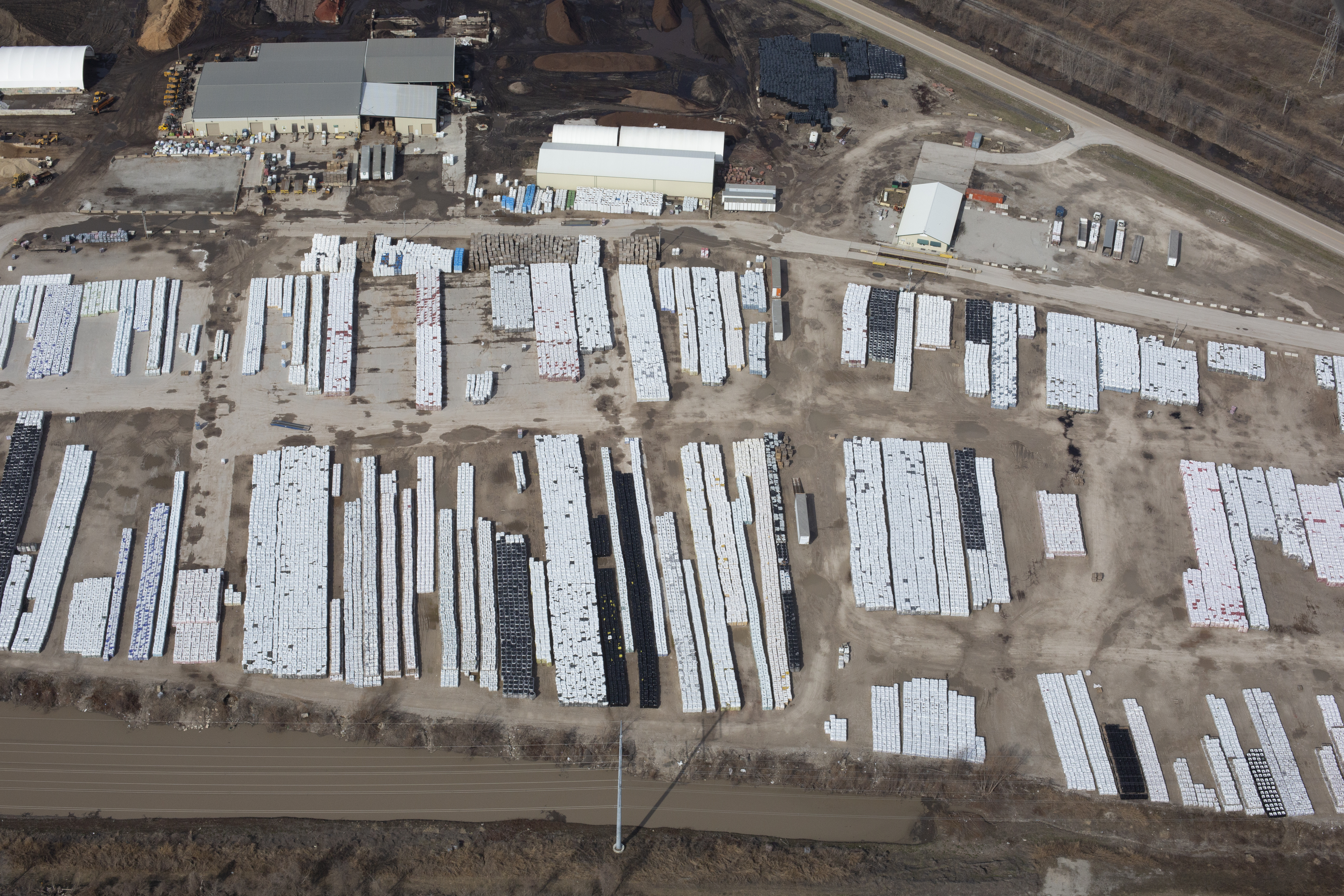
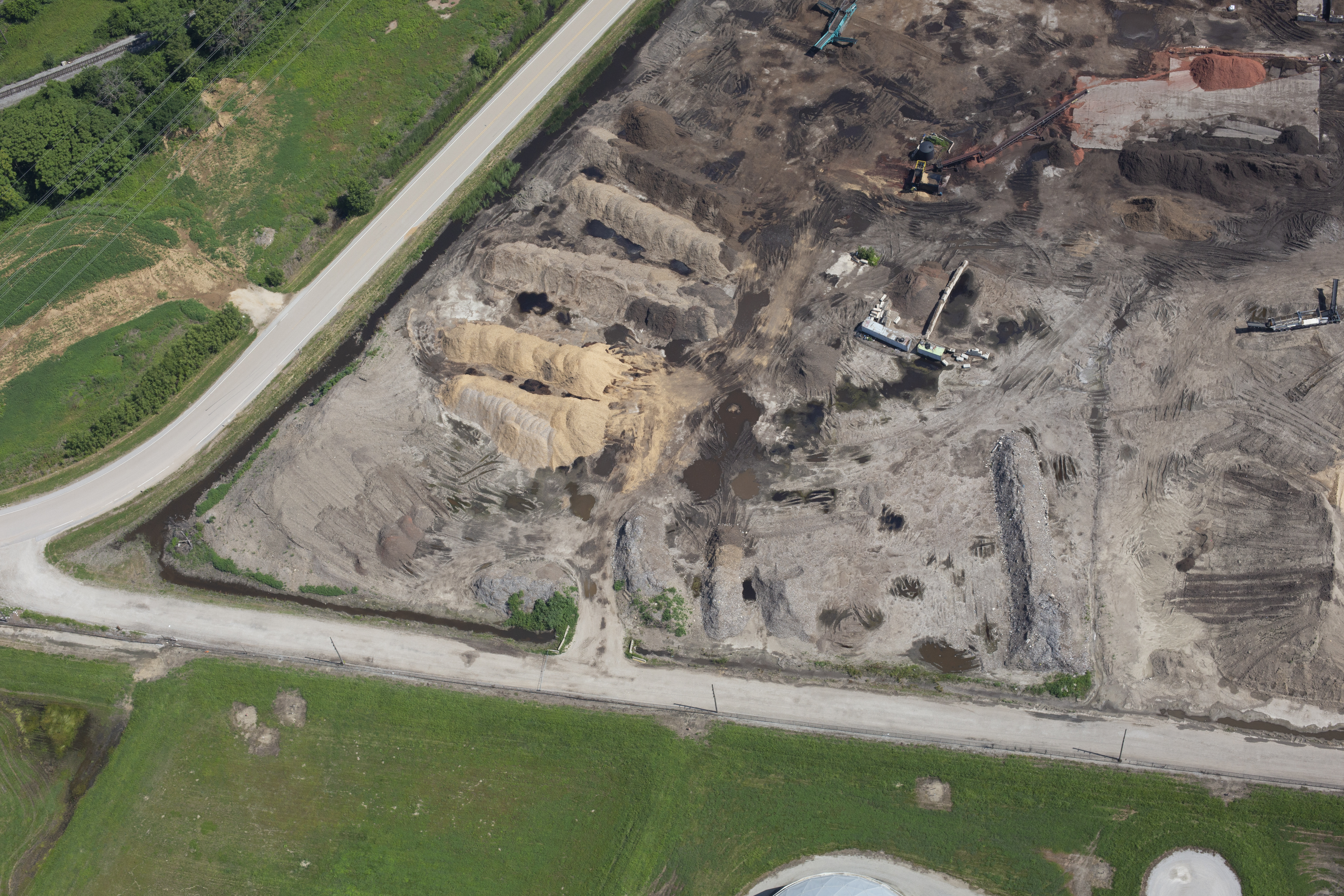
Benefits of Using Drones for Stockpile Measurements

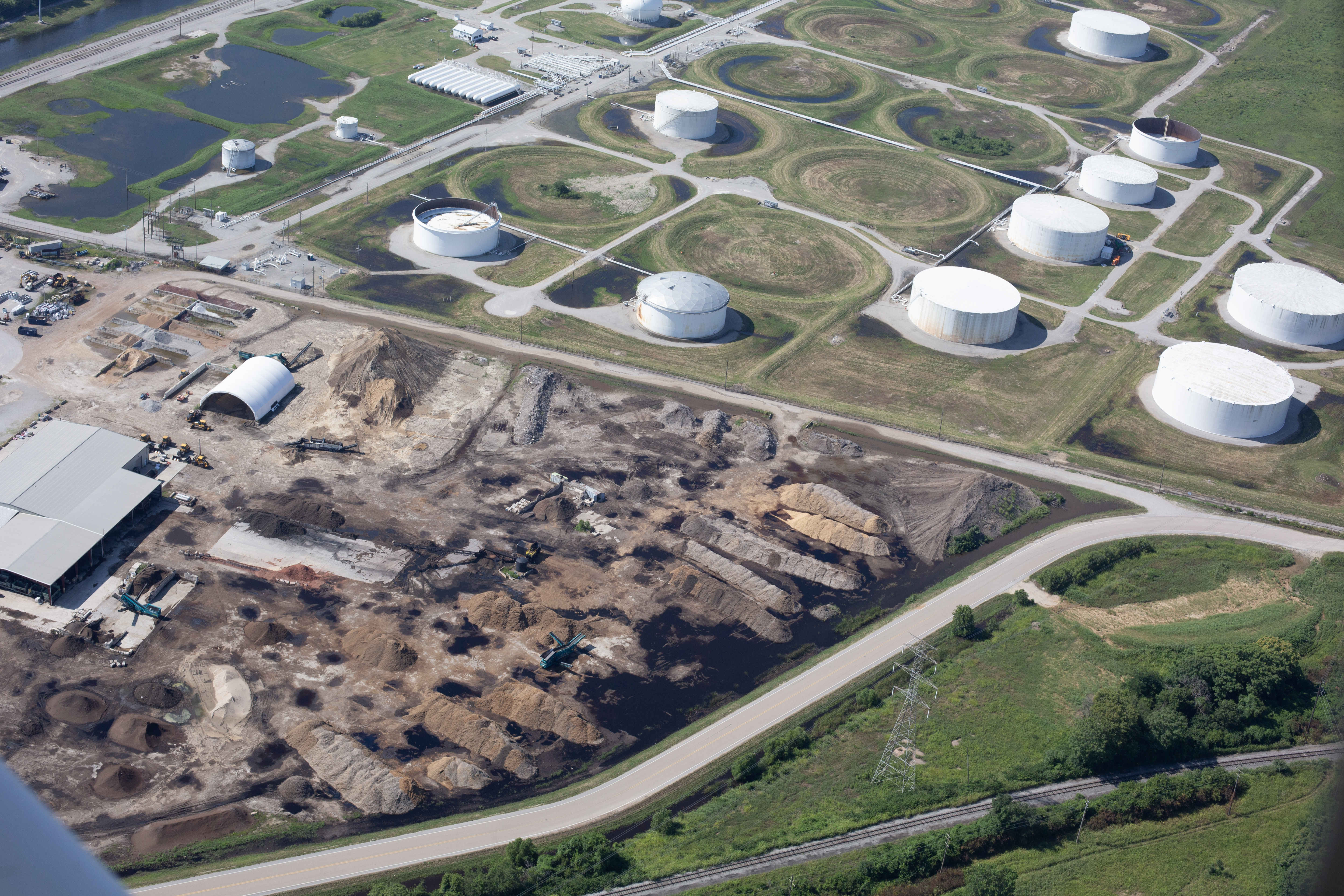
Accurate stockpile measurement is critical for industries such as construction, mining, and aggregate production. Traditional methods of measuring stockpiles—such as ground-based surveys or manual calculations—can be time-consuming, labor-intensive, and prone to human error. The use of drones for stockpile measurements has transformed the industry, providing a faster, safer, and more precise alternative. Here’s why businesses and organizations should integrate drone technology into their stockpile measurement process.

The ability to gather a wide range of data allows organizations to make more informed decisions about inventory management and logistics.

1. Increased Accuracy and Precision

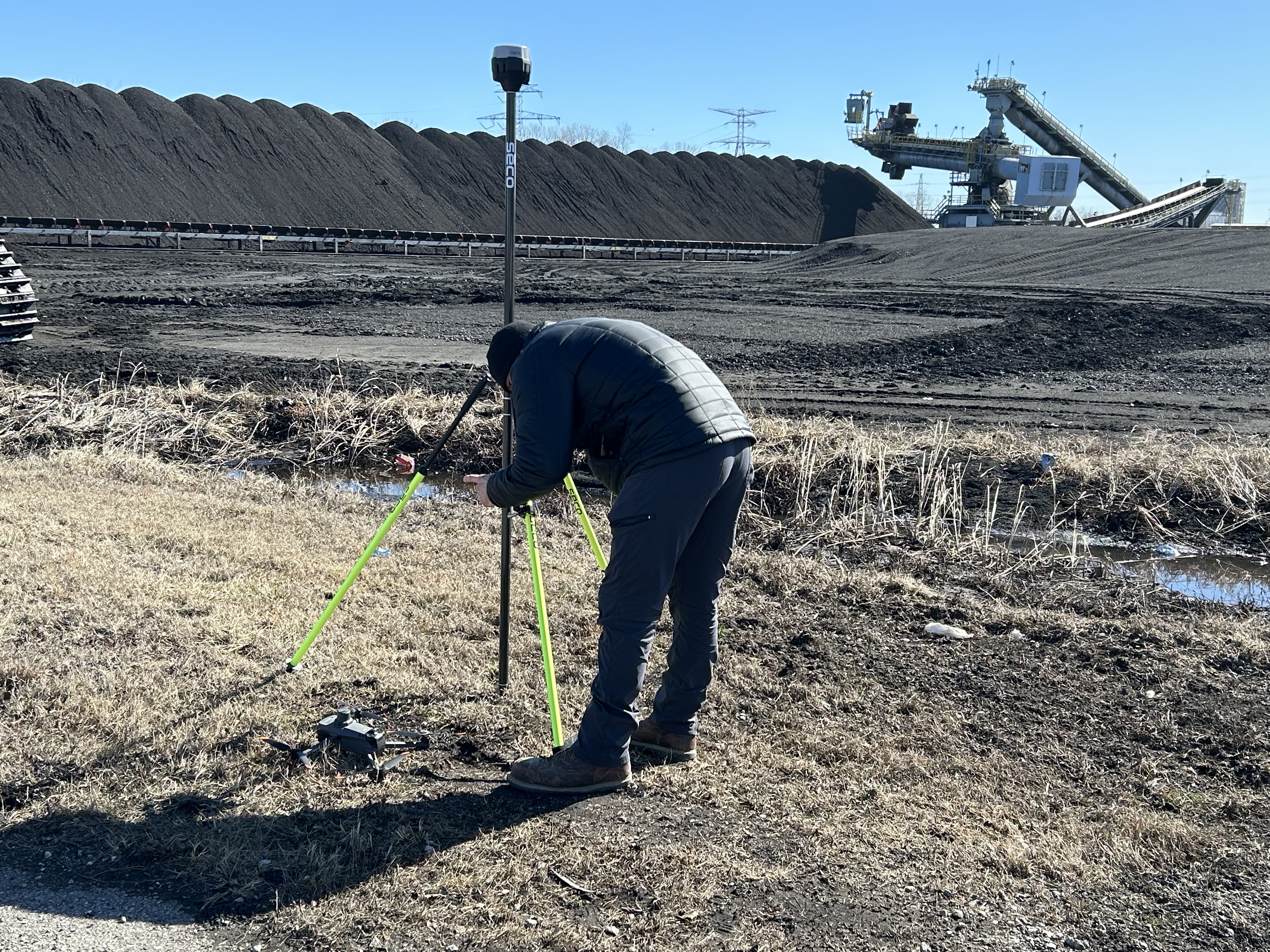
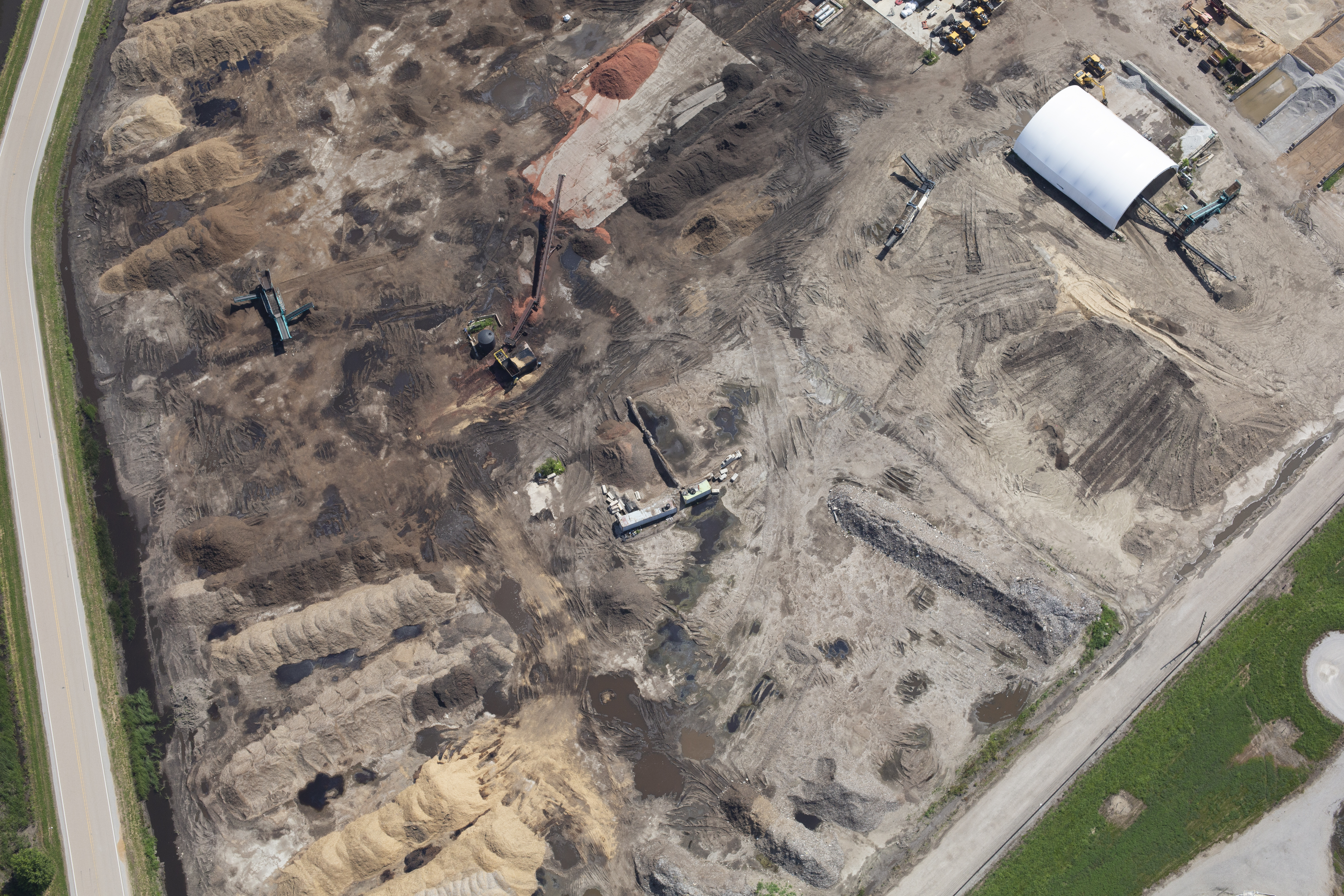
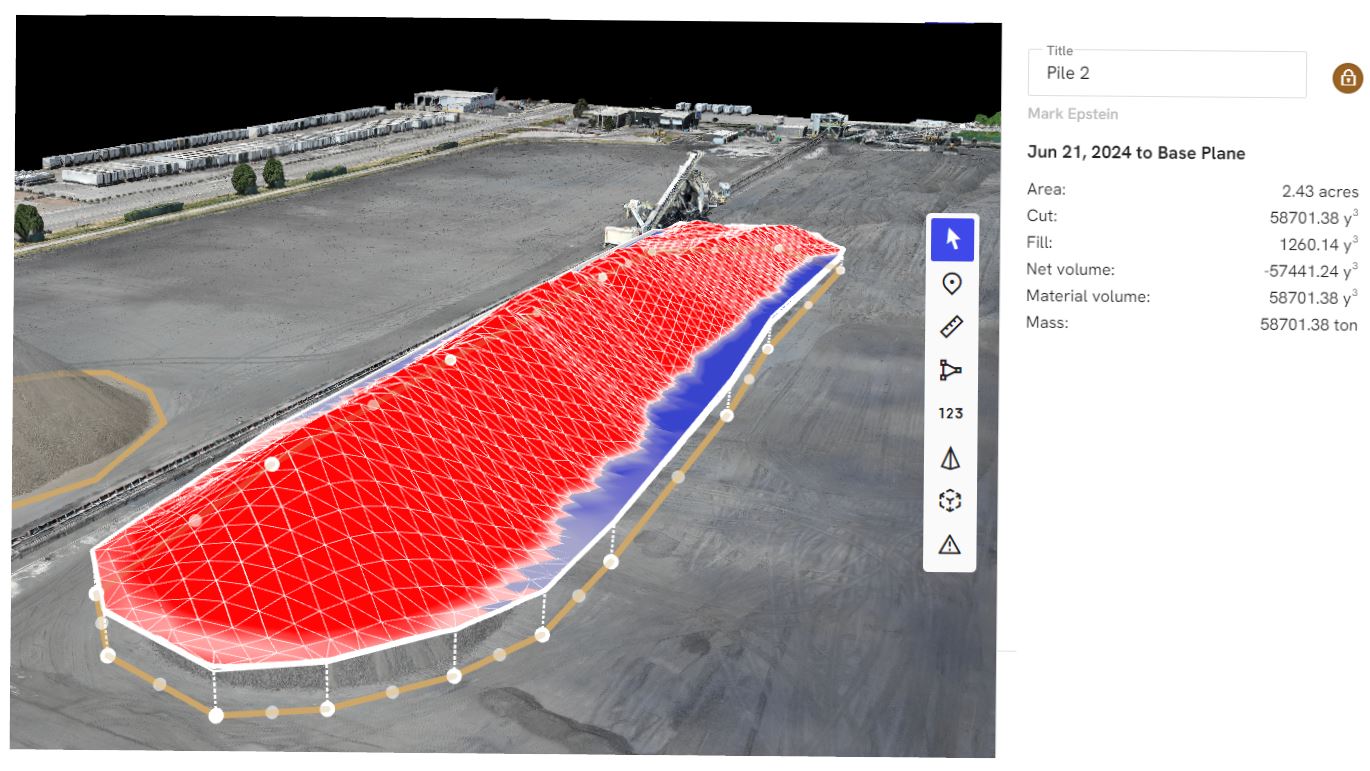
Drones equipped with high-resolution cameras and LiDAR sensors provide precise 3D mapping of stockpiles. Unlike manual measurements, which often rely on estimates, drone technology captures accurate volumetric data with minimal discrepancies. With advanced photogrammetry software, businesses can generate detailed reports with millimeter-level accuracy, ensuring that inventory calculations align with reality.

2. Time and Cost Efficiency

Traditional stockpile measurements require surveyors to spend hours or even days collecting and analyzing data. Drones can complete the same process in a fraction of the time. By automating data collection and processing, companies reduce labor costs, minimize operational downtime, and improve overall efficiency. The speed at which drones operate allows businesses to conduct frequent measurements, keeping inventory data up to date.

3. Enhanced Safety Measures

Manual stockpile surveys often require workers to climb unstable piles or operate heavy machinery in hazardous conditions. Using drones eliminates the need for personnel to be in potentially dangerous environments. Drone-based surveys ensure that measurements can be taken from a safe distance, reducing the risk of workplace injuries and improving compliance with safety regulations.

4. Comprehensive Data Collection

Drones not only capture volumetric data but also provide high-resolution imagery, thermal imaging, and multispectral analysis. These insights help businesses identify stockpile conditions, detect erosion or compaction issues, and monitor environmental factors that could impact material quality. The ability to gather a wide range of data allows organizations to make more informed decisions about inventory management and logistics.

5. Seamless Integration with Existing Systems

Stockpile measurement data collected by drones can be easily integrated into existing inventory management and enterprise resource planning (ERP) systems. This enables businesses to maintain real-time tracking, optimize supply chain operations, and streamline reporting processes. Automated workflows enhance productivity, reduce human error, and ensure that stakeholders have immediate access to critical inventory information.

6. Scalability for Large and Small Operations

Whether managing a single site or multiple locations, drone technology scales to fit the needs of any operation. Large enterprises benefit from the ability to monitor vast areas quickly, while smaller businesses can achieve cost savings by reducing reliance on manual surveys. The adaptability of drone technology ensures that stockpile measurement solutions are accessible to companies of all sizes.

Why Choose St. Louis Video Production for Your Drone Services?

St. Louis Video Production is a full-service professional commercial photography and video production company with the right equipment and creative crew service experience to ensure successful image acquisition. We offer full-service studio and location video and photography, as well as editing, post-production, and licensed drone pilots. Our team can customize your production for diverse types of media requirements, whether it’s stockpile measurement, promotional content, or technical documentation.

We specialize in repurposing photography and video branding to help businesses gain more traction in their marketing efforts. Our expertise covers all file types, media styles, and accompanying software, ensuring seamless integration with your existing systems. For stockpile measurements, our drones capture high-resolution aerial imagery and volumetric data with unmatched precision.

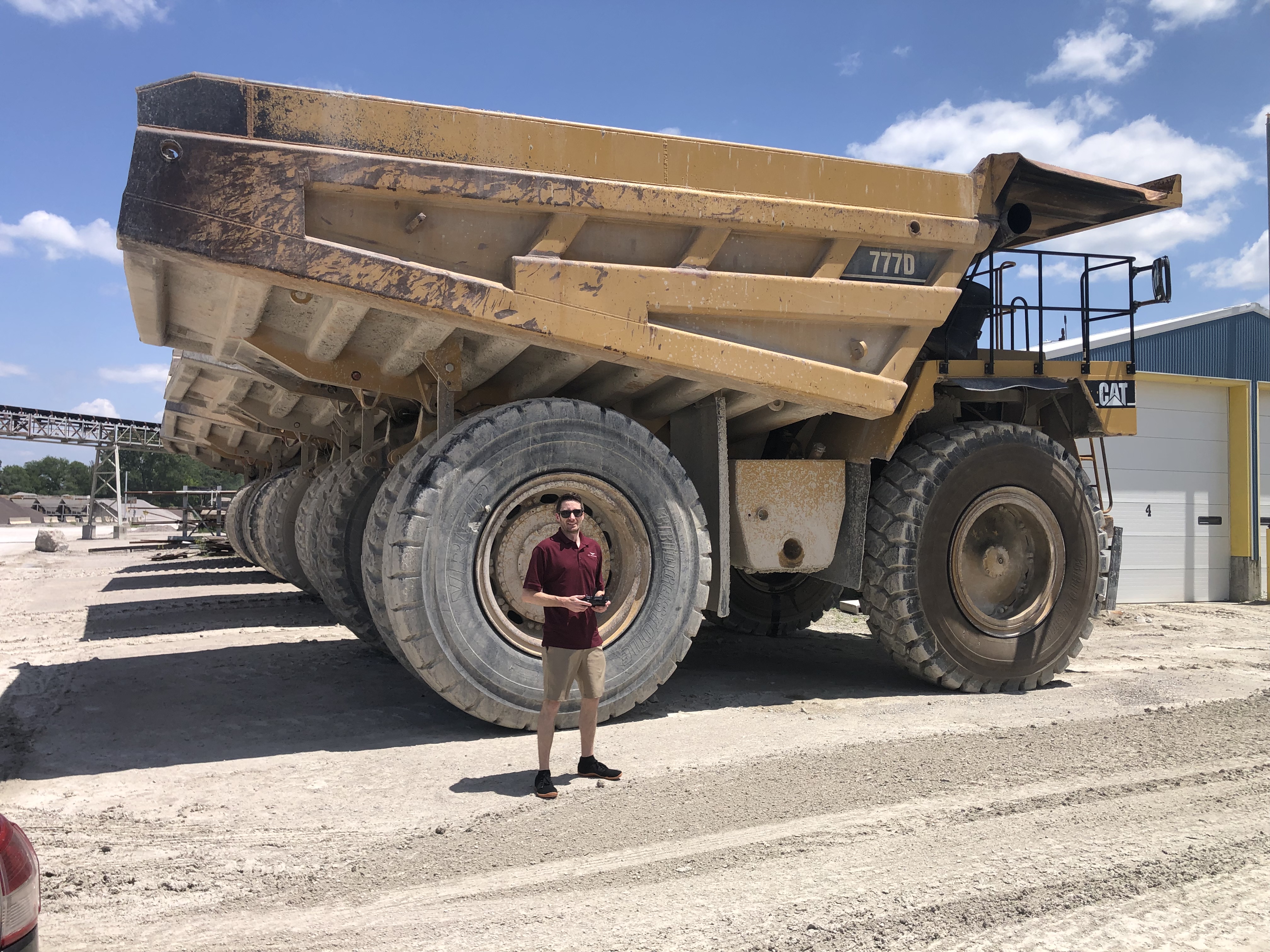
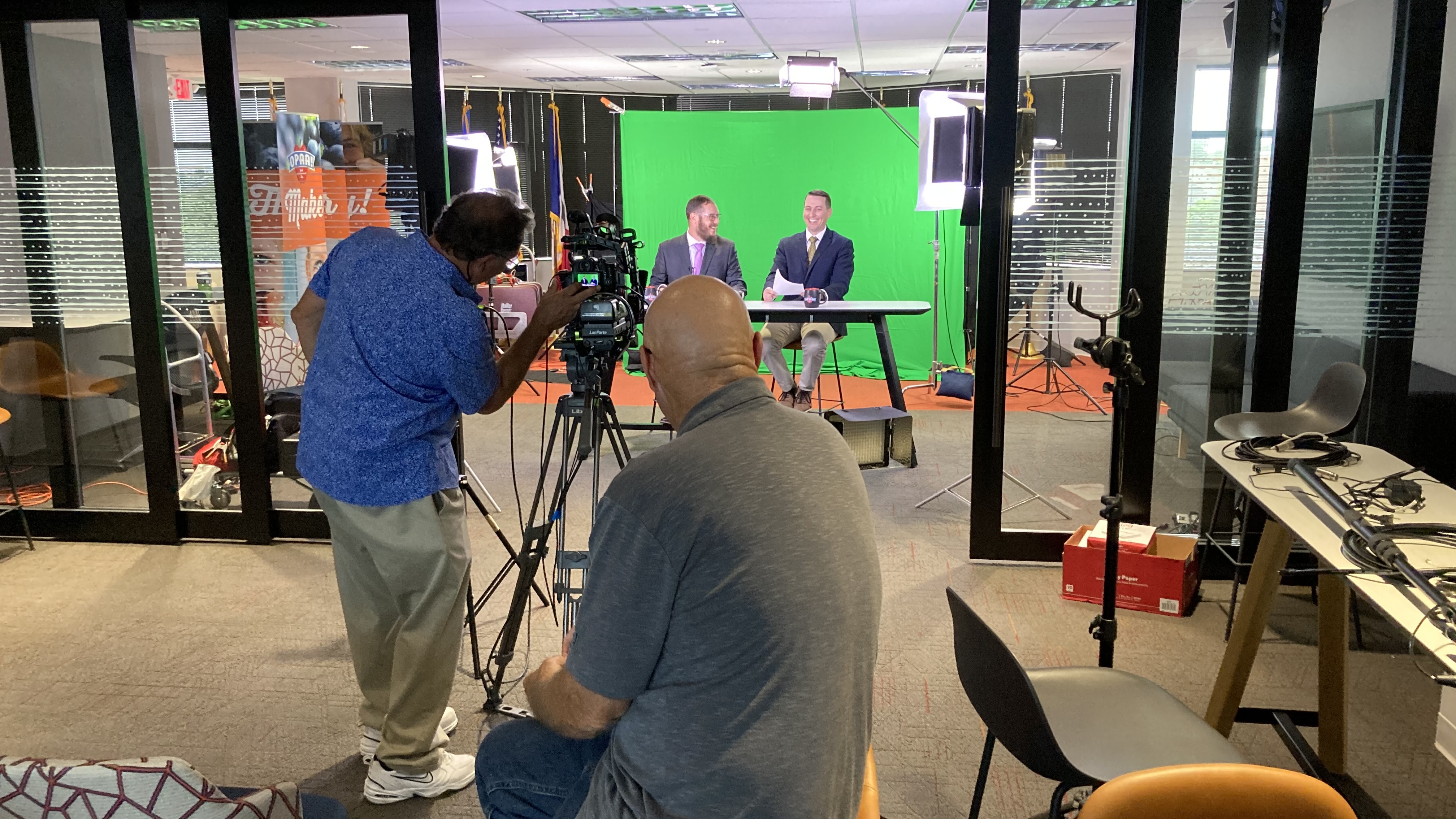
Our private studio lighting and visual setup is ideal for small productions and interview scenes, while our spacious studio accommodates custom set designs with props. From a private interview studio setup to providing sound and camera operators, our team has everything needed to make your next video production perfect. Additionally, we have the capability to fly our specialized drones indoors for unique filming requirements.

Since 1982, St. Louis Video Production has worked with businesses, marketing firms, and creative agencies throughout the St. Louis area to provide top-tier marketing photography and video solutions. Let us help you leverage drone technology to enhance your stockpile measurement process and beyond. Contact us today to discuss your project!

314-913-5626 stlouisvideoproduction@gmail.com
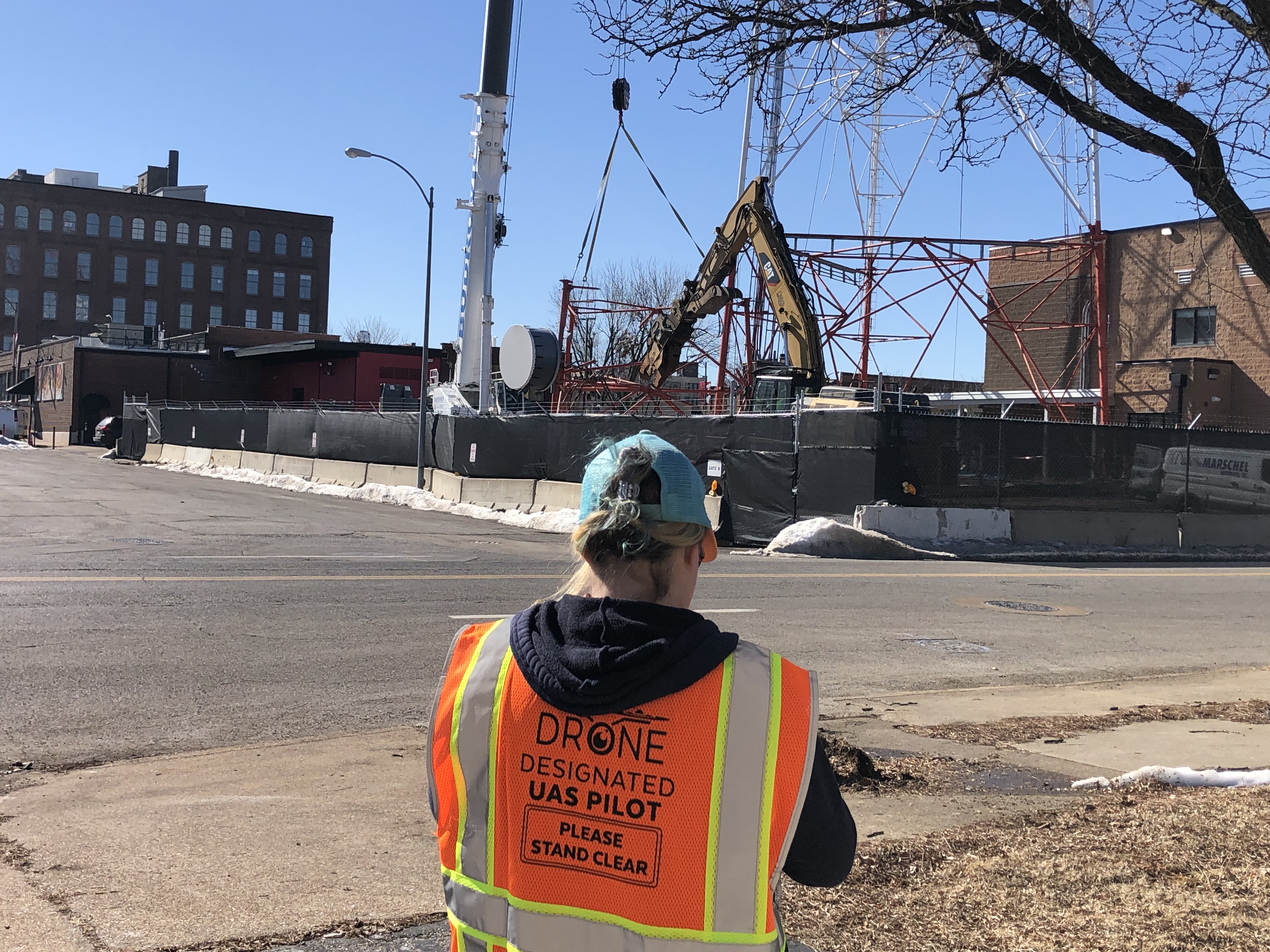
Script and Plan Your Training Video Production: Essential Tips for Success

Creating a compelling and effective training video requires careful planning and execution. Whether you’re training new employees, providing product tutorials, or sharing best practices, a well-produced training video can enhance engagement, ensure knowledge retention, and streamline the learning process. However, it all begins with a solid plan and a structured script. In this post, we’ll cover the essential steps to scripting and planning your next training video production.

Whether you need on-camera talent or voiceover artists, make sure they understand the objectives and tone of the video.

1. Define Your Objectives

Before you even think about shooting your training video, you must define its purpose. What are you trying to achieve with this video? Are you introducing new employees to the company’s culture, policies, or procedures? Are you showing a step-by-step guide on how to use a specific tool or platform?

Clear objectives will guide the tone, style, and structure of the video, ensuring it serves its intended purpose effectively. Write down the goals of the video and focus on the key takeaways you want the audience to retain.

2. Know Your Audience

Understanding who your audience is will help you adjust the video’s style, tone, and complexity. Is this video for entry-level employees, seasoned professionals, or external clients? Adjust your language, pace, and visuals accordingly. For example, an employee onboarding video might need to break down complex processes into digestible steps, while an advanced product tutorial could feature a more technical approach.

3. Craft a Strong Script

A well-written script is the backbone of your training video. Your script should clearly define each section of the video, including:

  • Introduction: Start with an engaging introduction to capture attention. Outline what the video is about and explain why it’s important.
  • Main Content: Break down the training content into manageable sections. This could include demonstrations, explanations, and real-life examples. Include any relevant visuals and descriptions of actions.
  • Conclusion: Summarize the key points from the video, reinforcing the main takeaways. Include a call-to-action (CTA), such as encouraging viewers to practice what they’ve learned or to follow up with additional training.

Each section should be concise, direct, and engaging to maintain the audience’s attention.

4. Plan Visuals and Supporting Elements

Training videos are more than just talking heads. Visual elements, like screen recordings, demonstrations, graphics, and diagrams, are crucial for reinforcing the message. Visual aids should complement the script to clarify complex concepts.

Think about the following:

  • On-screen Text: Use captions or bullet points to highlight important concepts.
  • Demonstrations: Show examples of the skills or processes being taught, so learners can visualize the steps.
  • Graphics: Diagrams, charts, and infographics can break down information and make it easier to understand.

This is where creativity plays a vital role. A well-designed visual plan can elevate the production quality and effectiveness of the training video.

5. Determine the Video’s Format

Training videos come in many formats, including:

  • Live-action: Show real people performing tasks or demonstrating concepts.
  • Animation: Great for explaining abstract ideas or complex systems.
  • Screen Recording: Best for software tutorials or showcasing digital platforms.

Choose the format based on your audience, content, and budget. A mix of formats can also work well in maintaining interest and ensuring the material is easy to digest.

6. Organize the Logistics

Once you have your script and visual plan in place, it’s time to organize the logistics:

  • Location: Do you need a studio, or will you shoot on location? Ensure the space is well-lit and free from distractions.
  • Talent: Who will be featured in the video? Whether you need on-camera talent or voiceover artists, make sure they understand the objectives and tone of the video.
  • Equipment: List all the necessary equipment, such as cameras, microphones, lighting, and props. Ensure everything is ready for the shoot to avoid delays or issues during production.
  • Schedule: Plan the timeline for filming, including the time needed for each segment and any breaks for talent or crew.

7. Production: Capture the Content

With everything in place, it’s time to shoot the video. Stick to the script and plan, but be open to improvisation if new ideas or improvements come up during the shoot. It’s essential to keep your training video engaging, so make sure to keep the energy up, especially for longer videos.

8. Post-production: Polish the Video

Once filming is complete, post-production begins. This is where the magic happens, as you’ll edit the footage, add transitions, include voiceovers or music, and ensure everything flows seamlessly. The editing process is vital to making your training video look polished and professional.

During post-production, you can also include features such as:

  • Subtitles and captions for accessibility
  • Animations to explain complex ideas
  • B-Roll footage to maintain viewer interest

Why Choose St. Louis Video Production?

At St. Louis Video Production, we understand the intricacies of crafting a powerful training video. As a full-service professional commercial photography and video production company, we have the right equipment and creative crew to deliver successful image acquisition and ensure your training video meets the highest standards.

We offer full-service studio and location video and photography, as well as editing, post-production, and licensed drone pilots. Our team is capable of customizing your productions for diverse types of media requirements, from employee onboarding videos to advanced product tutorials. We specialize in repurposing your photography and video branding to gain more traction, ensuring your message reaches a broader audience.

Our private studio lighting and visual setup are perfect for small productions and interview scenes. The studio is large enough to incorporate props, rounding out your set to create the ideal atmosphere for your video. We can assist in every part of your production, from setting up a custom interview studio to providing sound and camera operators.

In addition, we offer specialized drones that can fly indoors, allowing for dynamic shots that enhance the visual appeal of your training videos. With over 40 years of experience in corporate video and photography production, St. Louis Video Production has worked with businesses, marketing firms, and agencies throughout the St. Louis area to deliver top-notch corporate videos and photography.

Whether you’re producing a simple training video or a complex, multi-faceted production, St. Louis Video Production has the expertise and resources to bring your vision to life. Let us help you create an impactful training video that will engage, educate, and inspire your team.

 314-913-5626 stlouisvideoproduction@gmail.com
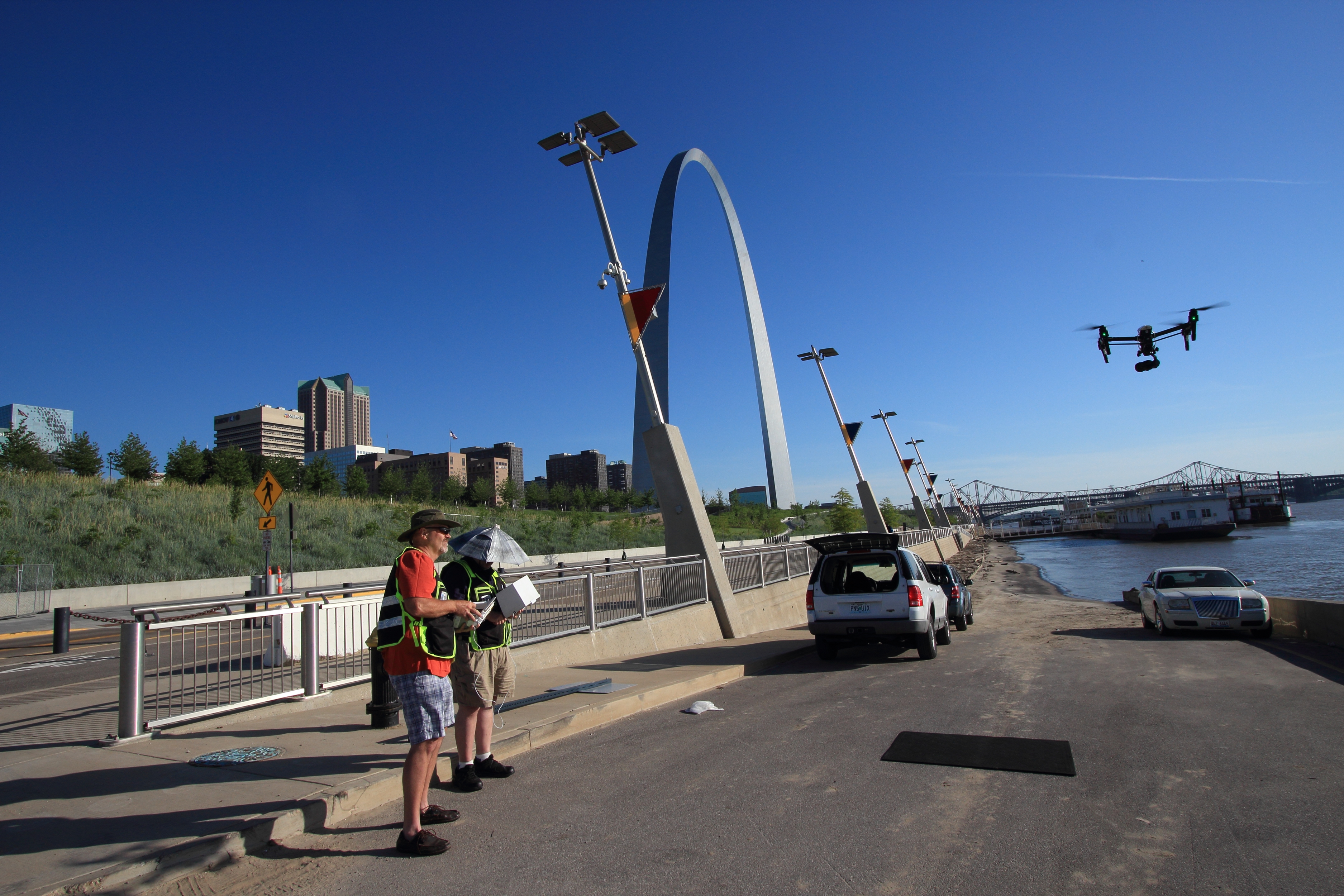
How to Plan Your Day for Great Event Videos and Photos

When it comes to capturing events, whether corporate functions, conferences, or promotional launches, planning is key. Quality photography and video services are essential in documenting these moments, but they require careful thought, preparation, and a strategy to ensure success. For event organizers, understanding how to plan your day with professional photographers and videographers is the first step toward obtaining stunning results. In this guide, we will discuss how to organize your event to ensure great event videos and photos that effectively communicate your brand, message, and mission.

Knowing the event’s flow allows the photographers and videographers to anticipate the best times to shoot and avoid missing important moments.

1. Establish Your Goals and Budget

Before the event, make sure you have a clear understanding of the type of content you want to capture. Are you looking for a highlight reel of the day? A series of candid photos showcasing attendees? Or perhaps both? Having clear objectives will not only guide the creative direction of your event media but will also help your production team provide exactly what you need.

Additionally, establish a budget for photography and video production services. While cost is a factor, remember that investing in experienced professionals and quality equipment will ultimately yield high-quality content that can be repurposed across various marketing channels. A detailed budget helps ensure that all aspects of the event—from pre-production to post-production—are covered.

2. Create a Detailed Event Timeline

A well-organized event timeline is crucial for capturing every significant moment of the day. Provide your videography and photography team with a full agenda, including the times for speeches, awards, breaks, and other key activities. Knowing the event’s flow allows the photographers and videographers to anticipate the best times to shoot and avoid missing important moments.

For example, for corporate events, you may want to highlight the keynotes, panel discussions, or networking opportunities. For a product launch, capturing the reveal or first interaction with the product will be crucial. With a timeline, the crew can plan their shots to make the most of each moment.

3. Designate Key Photo and Video Moments

While it’s impossible to predict every moment of the event, it’s helpful to identify key moments that need special attention. For example, the opening speech, the moment the guest of honor arrives, or the cutting of the ribbon are all significant photo and video opportunities.

Discuss with your production team beforehand to make sure they understand which moments to prioritize. This ensures that nothing important is missed and also allows the videographers and photographers to be in the right place at the right time.

4. Consider Lighting and Equipment Needs

Proper lighting is essential for high-quality photos and videos. If you’re hosting an indoor event, ensure your venue is well-lit or that your production team has access to lighting equipment to create the best visual environment.

At St. Louis Video Production, we have the experience and equipment to handle a range of lighting conditions. Our private studio lighting setup is perfect for small productions and interview scenes, and our large studio can easily accommodate props to help round out your set. This makes our team well-suited for all types of event shoots, both indoors and outdoors.

5. Be Prepared for Interviews and Testimonials

Many events include testimonials from attendees or interviews with the guest of honor. If interviews are part of your event, plan the space for these ahead of time. Consider quiet areas or a designated interview room where your team can set up the perfect shot.

St. Louis Video Production excels in creating custom interview setups. We offer private, custom studio setups with perfect lighting and sound conditions for interviews, and our skilled crew ensures every technical aspect is taken care of. Additionally, our licensed drone pilots can fly specialized drones indoors to capture unique aerial shots of your event.

6. Plan for Repurposing Content

In today’s digital world, one of the most powerful tools for businesses is content repurposing. Capturing the same event through both video and photography gives you versatile content that can be used across your website, social media platforms, and marketing materials.

Our team is well-versed in repurposing photography and video branding to help your company gain more traction with a variety of media. Whether you need high-quality stills for social media or a compelling video for your website, we can help you maximize your content’s potential.

7. Understand Post-Production Needs

After the event, your photography and video production team will enter the post-production phase, where the footage is edited, refined, and transformed into the final product. Be sure to communicate your timeline and expectations for when you need the edited content.

At St. Louis Video Production, we offer full-service post-production to ensure your video and photography are polished and meet your objectives. Whether it’s video editing, color grading, or adding graphics, we’ve got the expertise and tools to deliver exceptional results.


Why Choose St. Louis Video Production?

With over 40 years of experience in commercial photography and video production, St. Louis Video Production is a trusted partner for businesses, marketing firms, and agencies in the St. Louis area. We have the right equipment and creative crew experience to ensure successful image acquisition and help you achieve the perfect video and photography for your event.

As a full-service company, we offer studio and location video and photography, as well as editing, post-production, and licensed drone pilots. Our expertise allows us to customize your productions for diverse media requirements and repurpose your photography and video branding for maximum impact. From private interview studio setups to providing sound and camera operators, we ensure every detail is covered for a seamless production experience.

When it comes to event photography and video production, St. Louis Video Production has the knowledge, experience, and creativity to make your next event a visual success.

314-913-5626 stlouisvideoproduction@gmail.com
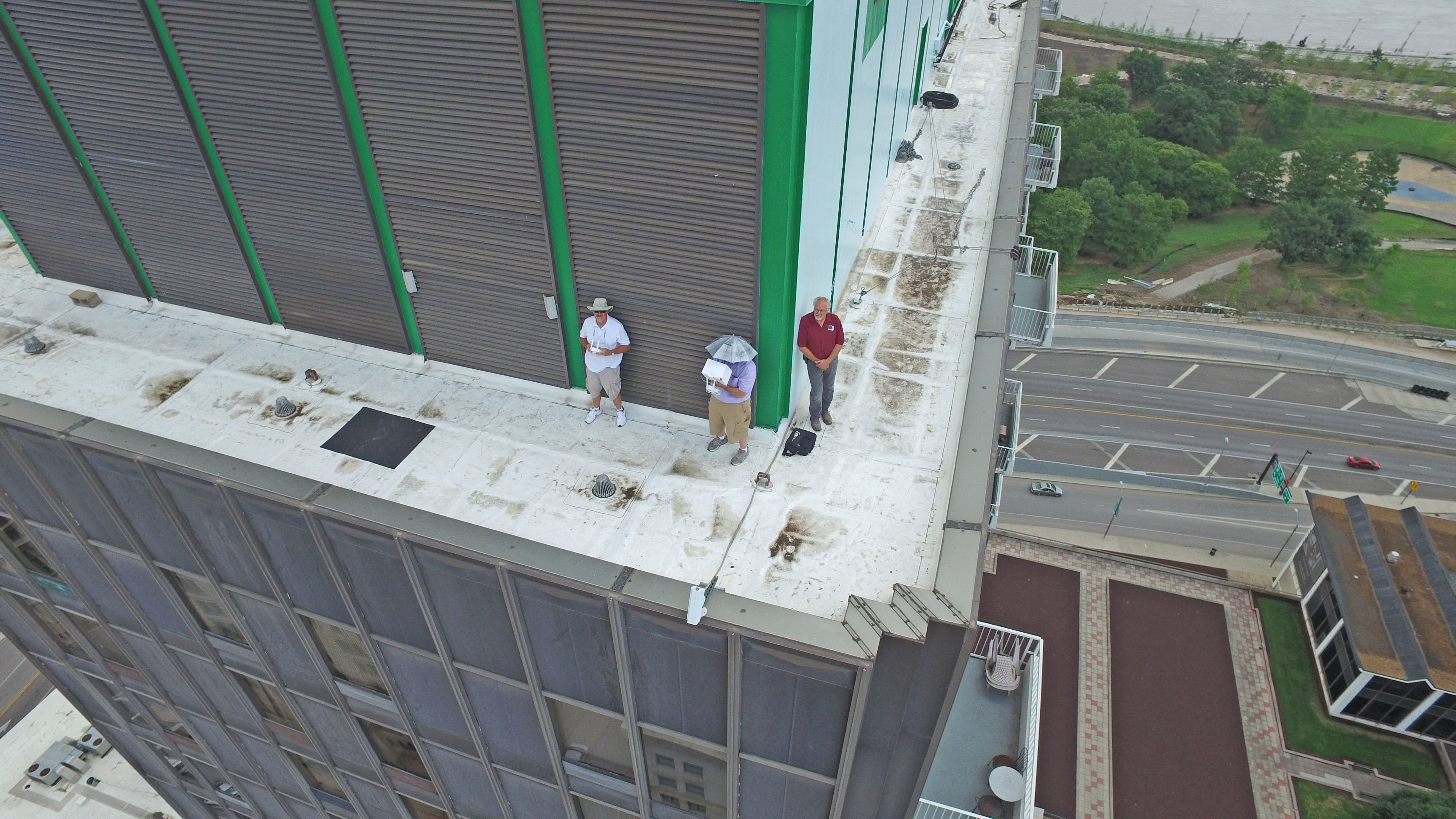
How to Create a Visual Record of Your Construction Site

When it comes to documenting the progress of your construction site, a detailed and accurate visual record can be an invaluable asset for stakeholders, investors, and future reference. Whether you are managing a large-scale commercial development or a smaller residential project, having high-quality photography and video footage is essential for tracking progress, communicating with clients, and ensuring that everything is on schedule and within scope. In this blog post, we’ll explore how to effectively create a visual record of your construction site and the benefits of incorporating professional photography and video production services into your project management strategy.

These images and videos serve not only as a historical legal record but also as powerful tools for marketing and promotional efforts.

1. Documenting Progress with Regular Photography and Video Updates

One of the most effective ways to create a visual record of a construction site is by documenting the progress regularly. These updates can provide clear evidence of how the project evolves from start to finish. It is crucial to capture both wide shots and detailed images to show not only the overall construction site but also the nuances of the work being done at each stage.

At St Louis Video Production, we recommend scheduling periodic photography and video sessions throughout the course of the project. These can range from weekly to monthly sessions, depending on the size and complexity of the project. The key is to be consistent in your approach so that your visual record provides a comprehensive timeline.

2. Highlighting Key Stages and Milestones

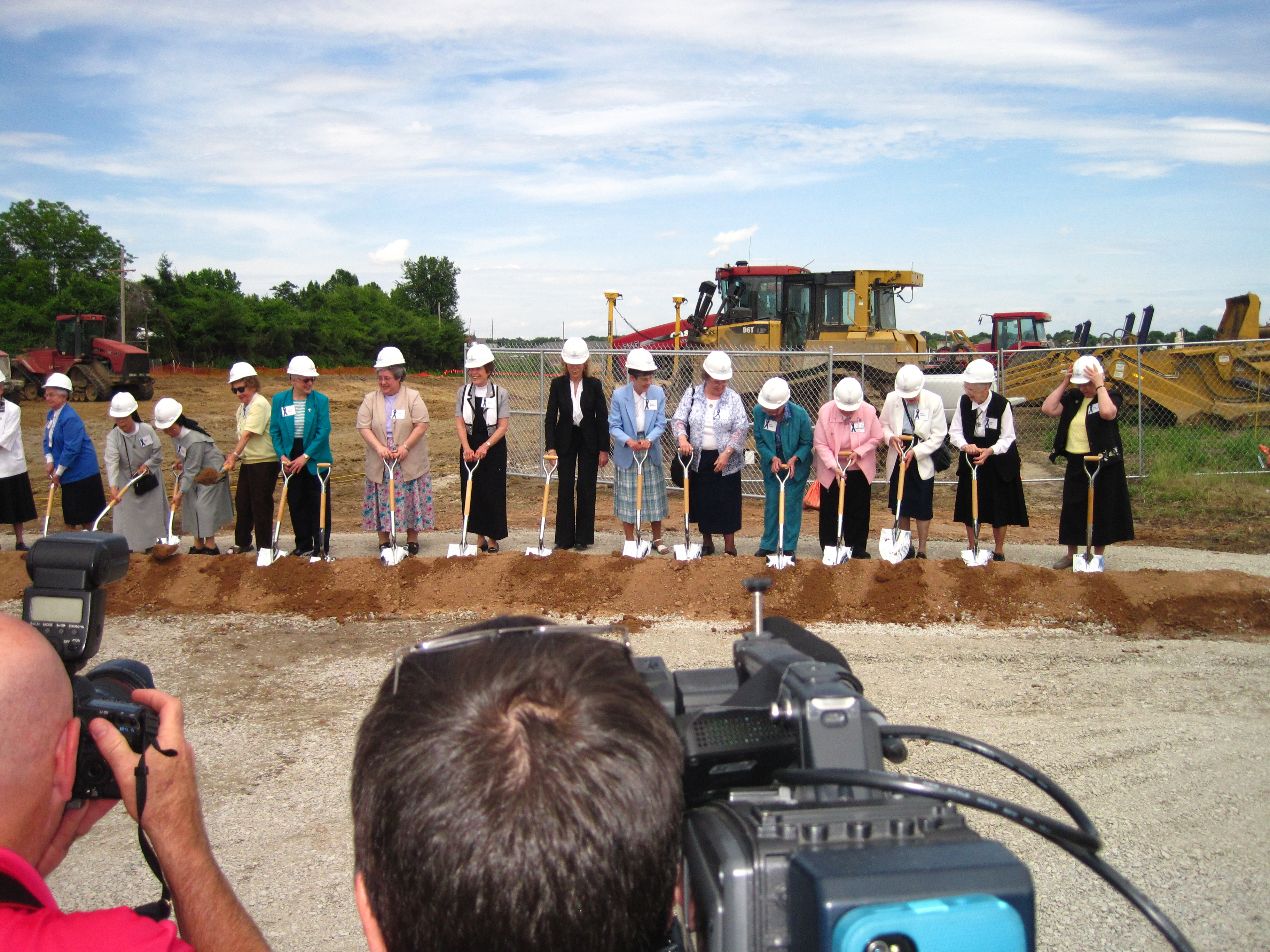
Construction projects often involve several key stages: groundbreaking, framing, roofing, installation of utilities, and finishing touches, among others. To fully capture the story of the project, it’s essential to document each significant milestone. These images and videos serve not only as a historical record but also as powerful tools for marketing and promotional efforts.

With the right photographic approach, you can capture these milestones in a way that highlights the scale and scope of the work being done, as well as the quality and attention to detail that goes into each stage of construction. A professional crew will be able to identify the moments that truly define each stage and present them in a way that is visually compelling and informative.

3. Using Drone Photography for Aerial Perspectives

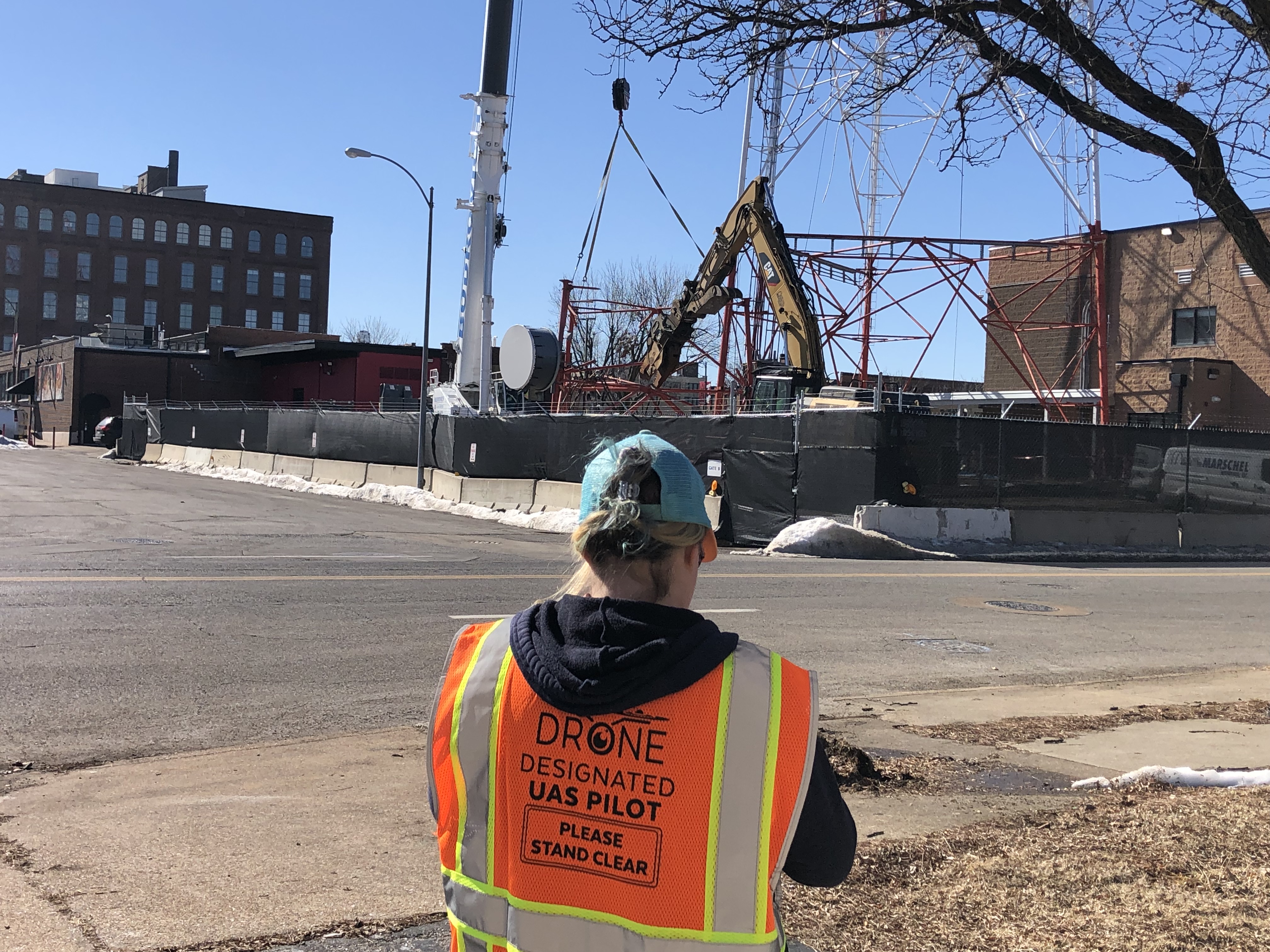
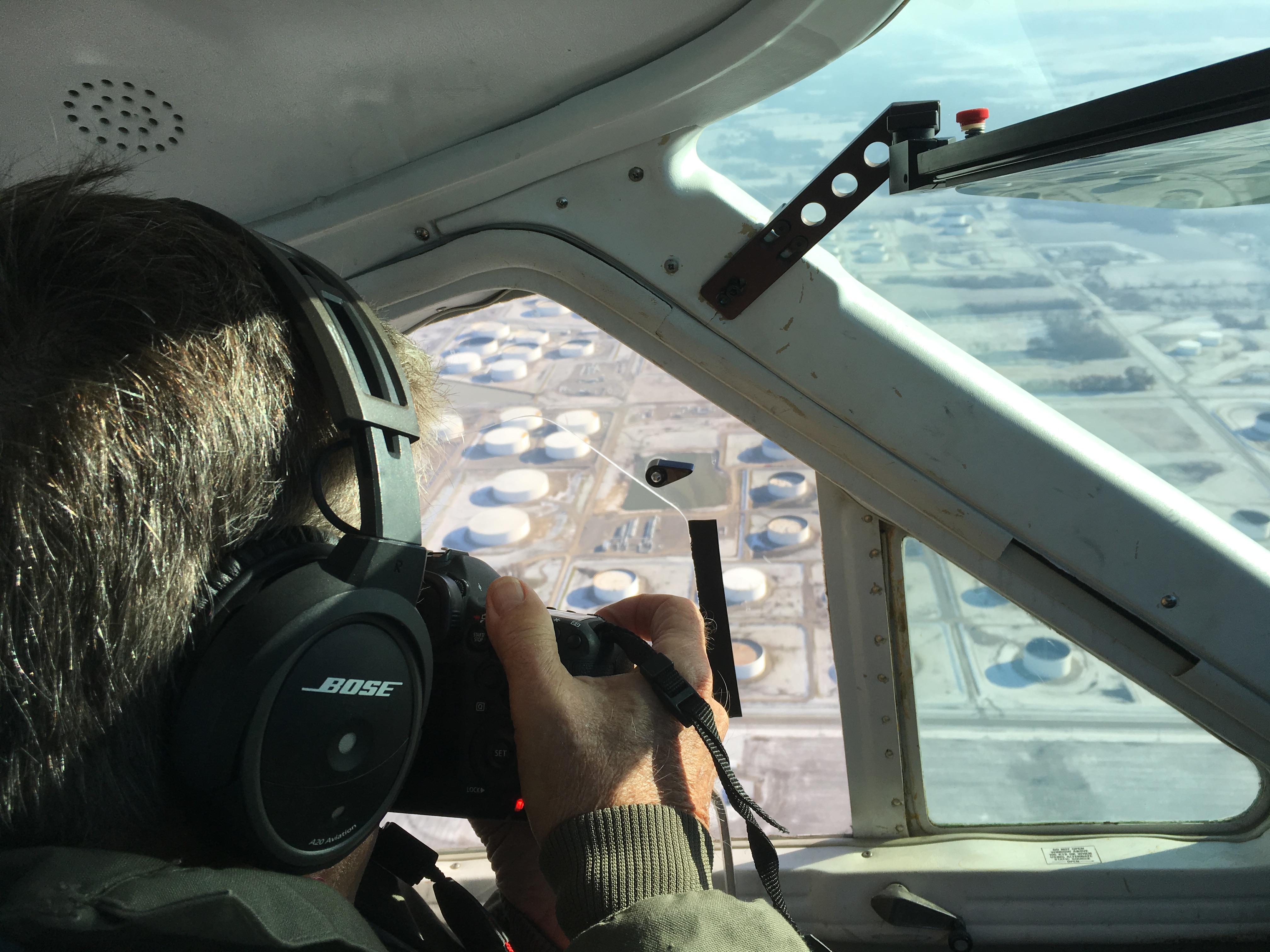
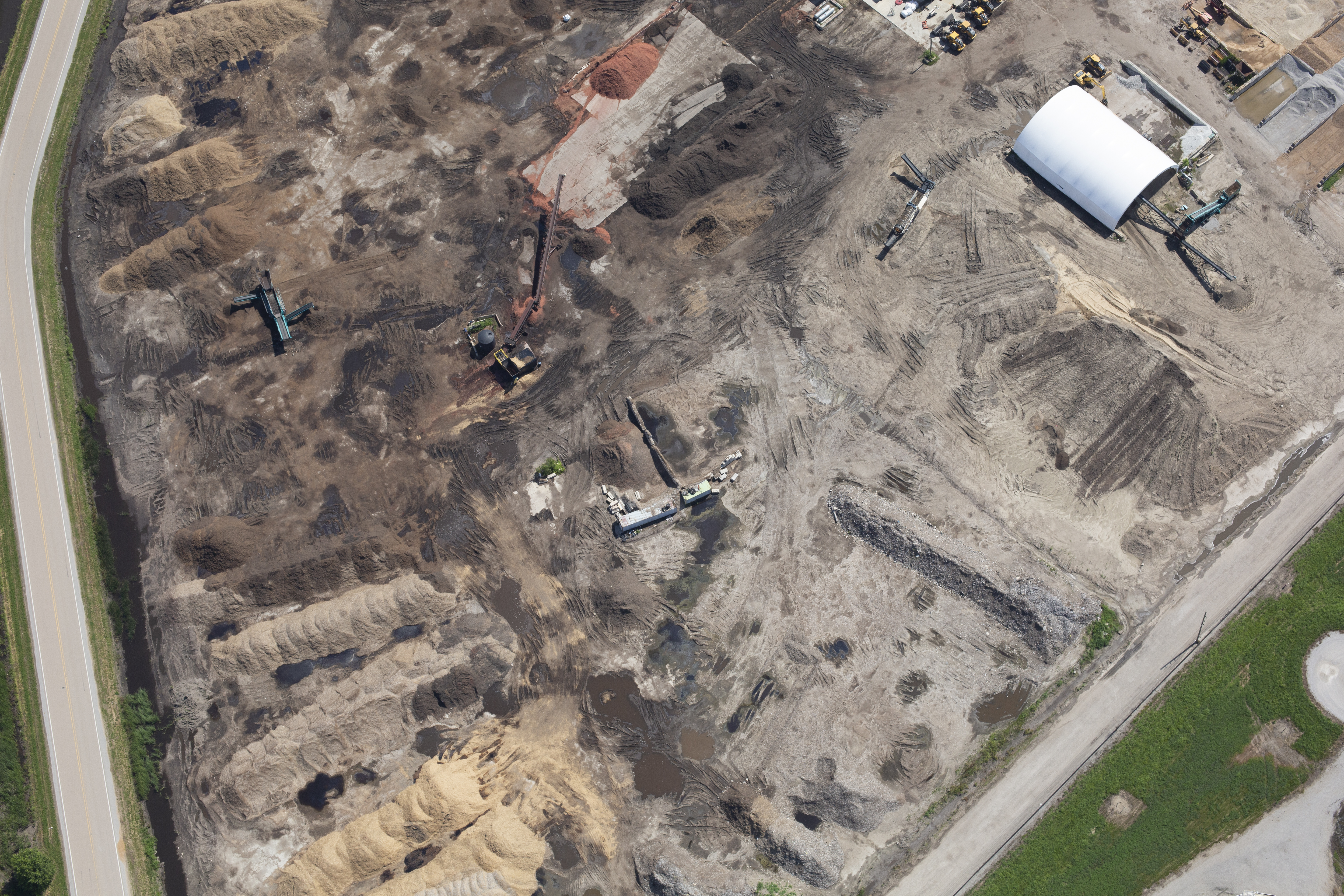
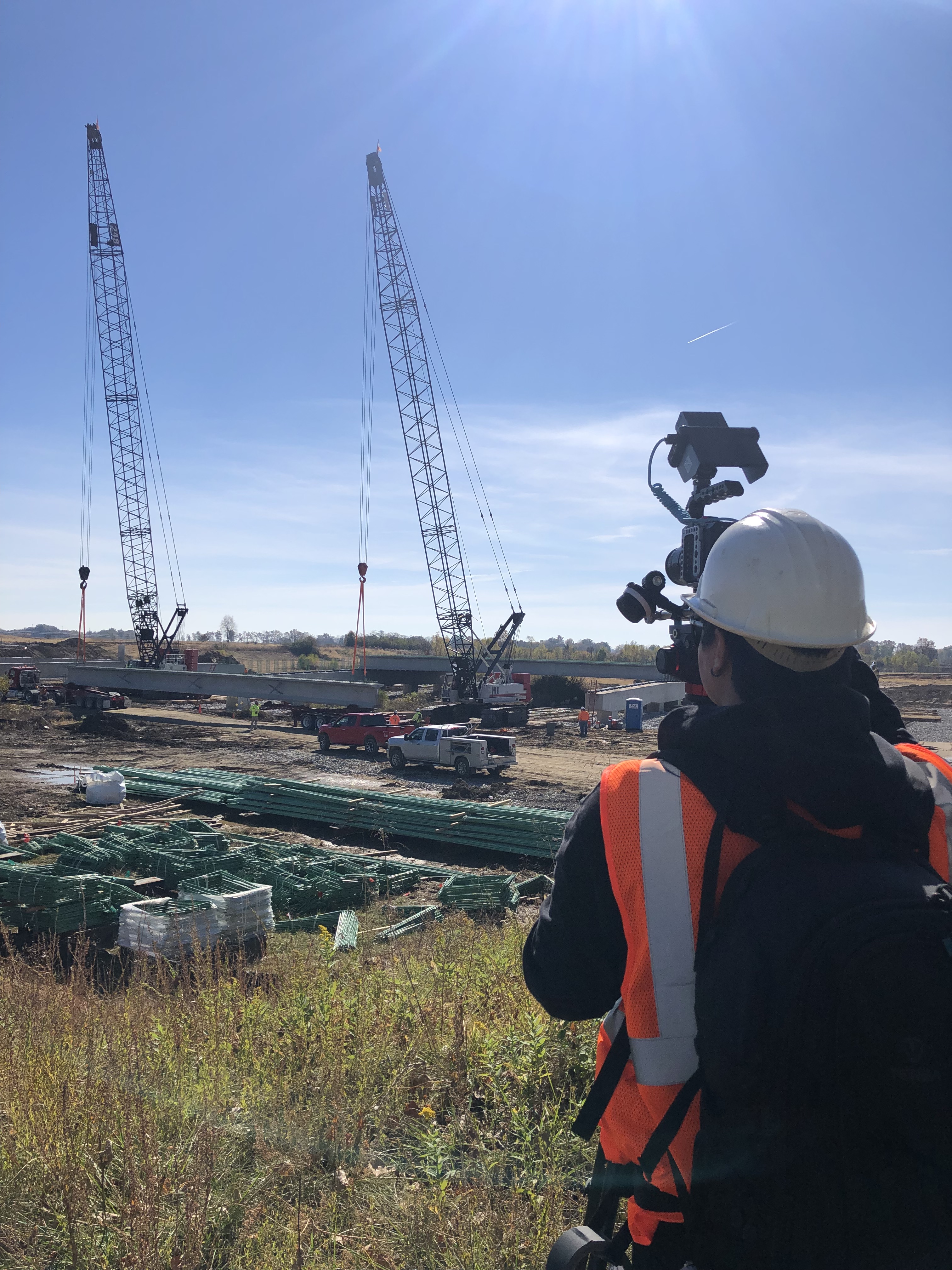
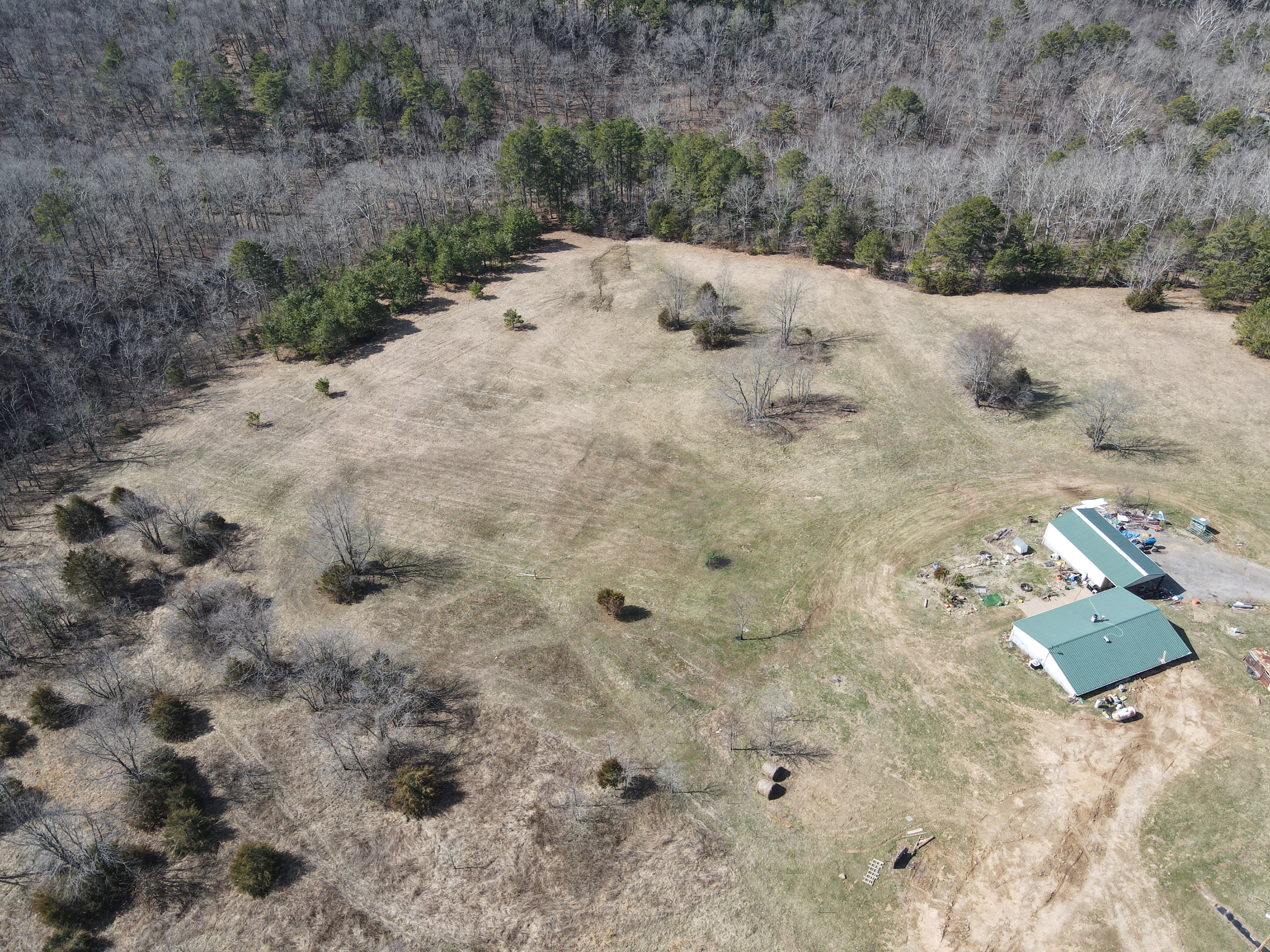
Drone photography has revolutionized the way construction sites are documented. Aerial views can provide an entirely new perspective, offering a broader view of the entire construction site and surrounding areas. This is particularly useful for large-scale projects where capturing the full scope of the work is difficult from the ground.

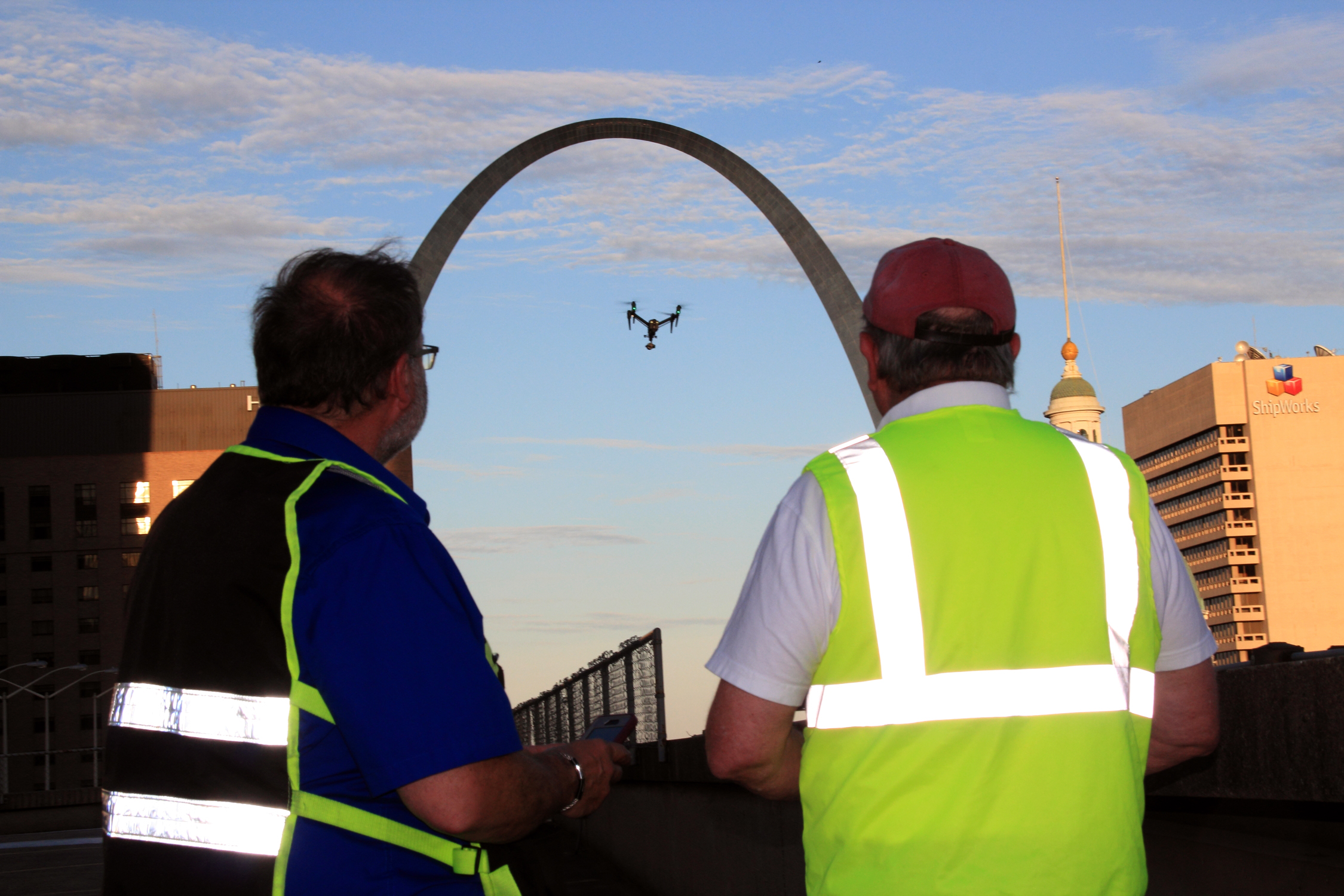
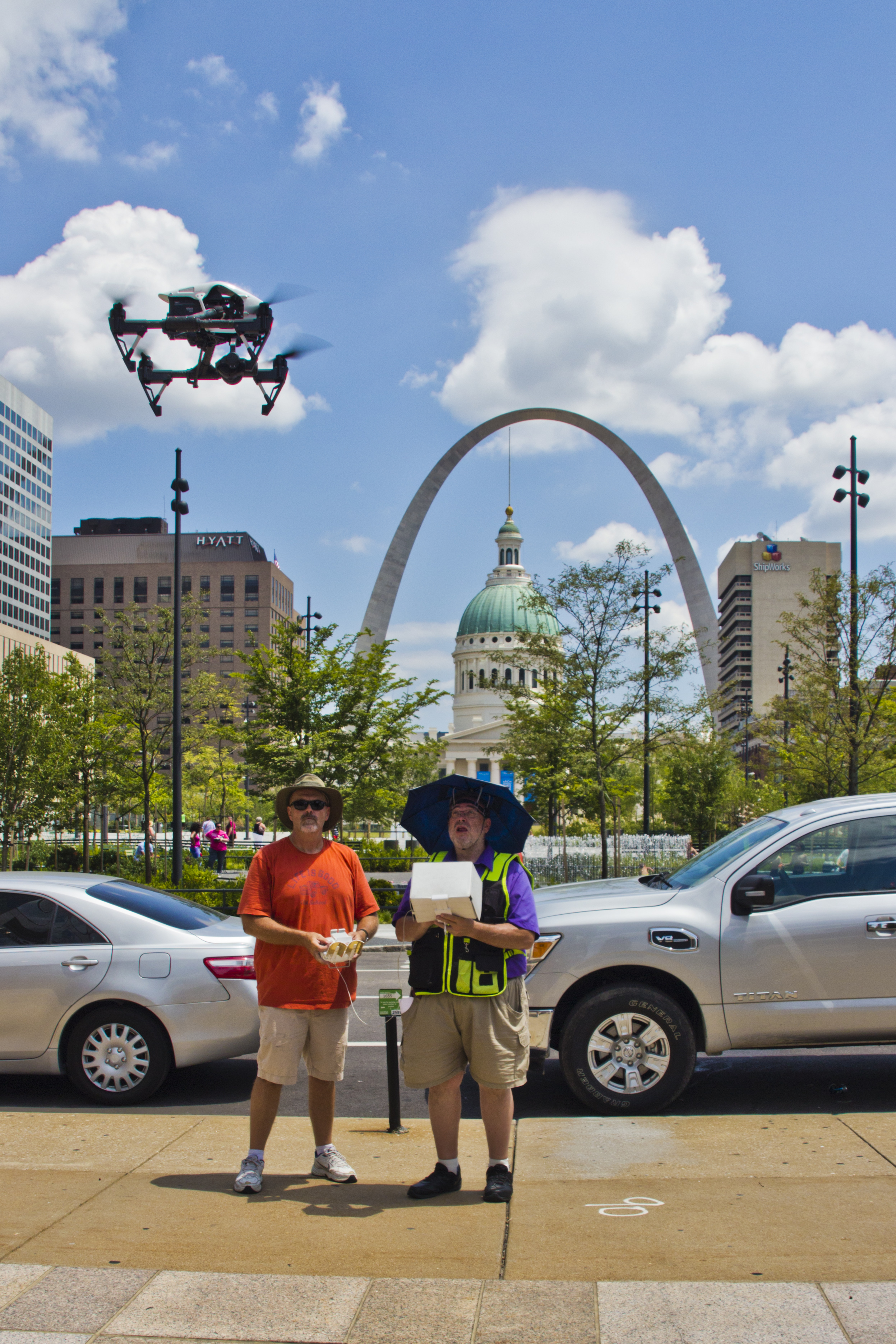
St Louis Video Production is well-equipped to handle drone footage, with licensed drone pilots who can fly specialized drones indoors and outdoors. This allows us to capture dynamic, high-resolution aerial footage of your site from angles that were once impossible, providing a bird’s-eye view of the progress, overall layout, and even the surrounding infrastructure. Aerial shots are ideal for showcasing the scale of a construction project, creating impressive visual records that can be used for both internal tracking and external marketing efforts.

4. Creating Custom Interview Studios for Stakeholder Testimonials

An essential part of documenting your construction site involves sharing the experience with stakeholders, clients, and investors. For this, we recommend setting up custom interview studios within your site or in a nearby location to interview key individuals involved in the project. This can include the project manager, architect, contractor, or any other key personnel. These interviews offer an excellent way to convey the project’s progress in a more personal and detailed manner.

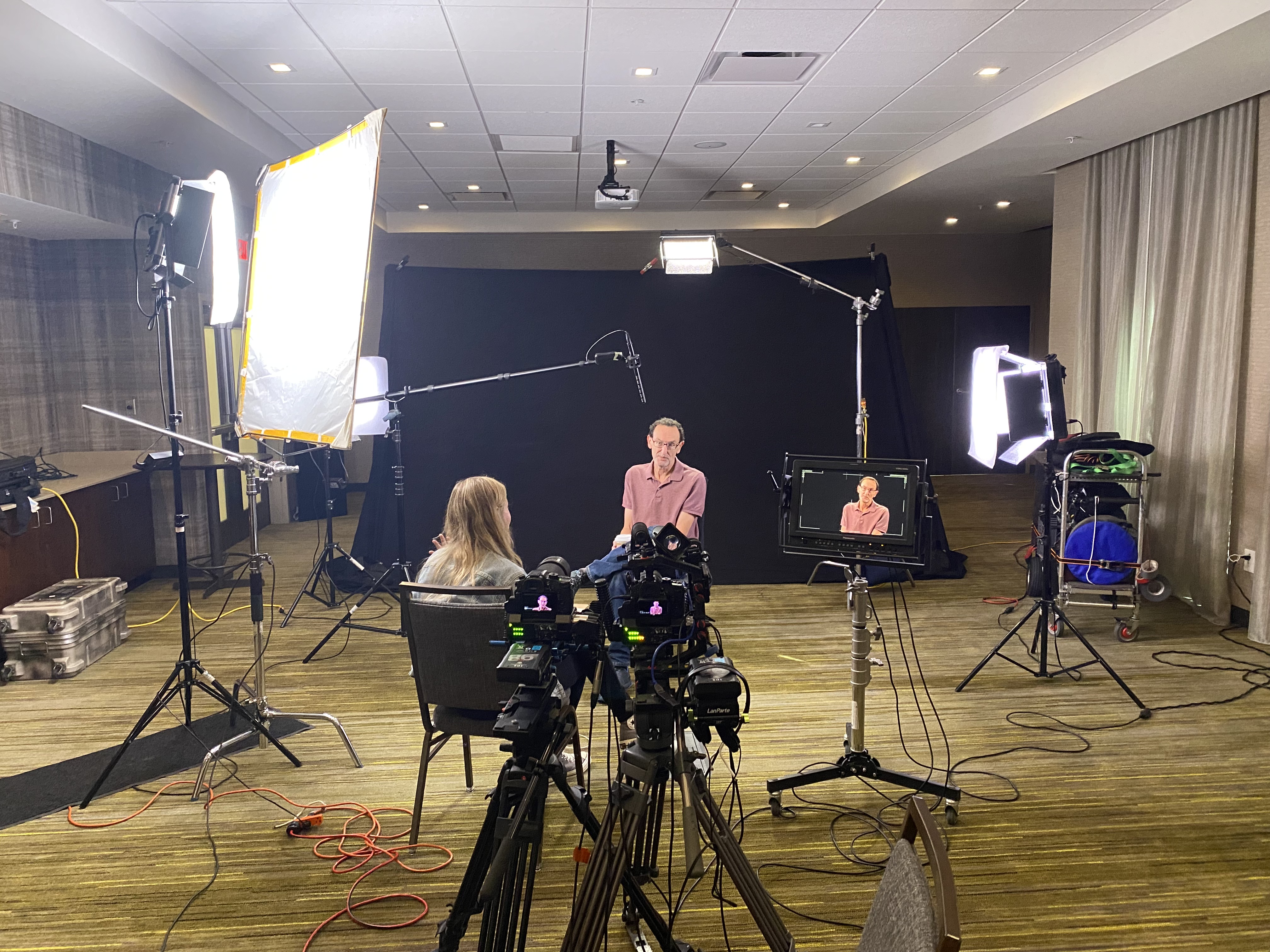
St Louis Video Production provides a private custom interview studio setup in our lighting and visual studio, perfectly suited for smaller productions. We can also tailor the setup to incorporate props and materials that reflect the nature of your construction site, making the interviews even more engaging and relevant to the project. Our expert sound and camera operators will ensure that your interviews are captured in the highest quality, with clear audio and sharp visuals.

5. Repurposing Your Visual Content for Branding and Marketing

Once your construction site is documented, there’s no reason to let that visual content go to waste. Repurposing your photos and videos can provide lasting benefits for your company’s marketing strategy. These assets can be used in everything from promotional videos to social media posts, offering an authentic representation of your work.

At St Louis Video Production, we specialize in repurposing photography and video branding to gain more traction for our clients. By taking your visual records and transforming them into marketing tools, we help you maximize the impact of your investment in professional imagery. This not only increases brand recognition but also showcases the quality and reliability of your construction company in a way that appeals to future clients.

6. Post-Production and Editing

Once the photography and video are captured, the next crucial step is the editing and post-production process. At St Louis Video Production, we ensure that all of your visual records are polished and professional, with the appropriate color grading, transitions, and sound design to create a final product that effectively communicates your message.

Whether you need a video update for your team, a highlight reel for stakeholders, or a detailed documentary-style video to showcase the entire project, we offer comprehensive editing and post-production services. We are proficient in all file types and media styles, ensuring your content is ready for any platform or presentation.

Why Choose St Louis Video Production?

St Louis Video Production is a full-service professional commercial photography and video production company that has been serving businesses and organizations in the St. Louis area since 1982. With the right equipment, experienced creative crew, and a comprehensive range of services, we are well-equipped to handle all your construction site documentation needs.

Our team offers full-service studio and location video and photography, including editing, post-production, and licensed drone pilots. Whether you need high-quality ground-level shots, aerial footage, or custom interview studios, we can customize your production to meet diverse media requirements. We specialize in repurposing your photography and video branding to maximize your reach and impact.

We offer a private studio lighting and visual setup perfect for smaller productions and interview scenes, and our studio is large enough to incorporate props and create custom sets. From providing sound and camera operators to delivering the equipment needed for your project, we’re here to ensure every part of your construction site documentation goes smoothly.

Trust St Louis Video Production to deliver the visual record you need, showcasing your construction project with professionalism, creativity, and expertise. Let us help you make your next construction video production a success.

314-913-5626 stlouisvideoproduction@gmail.com
Secrets to Great Event Photos and Video Clips

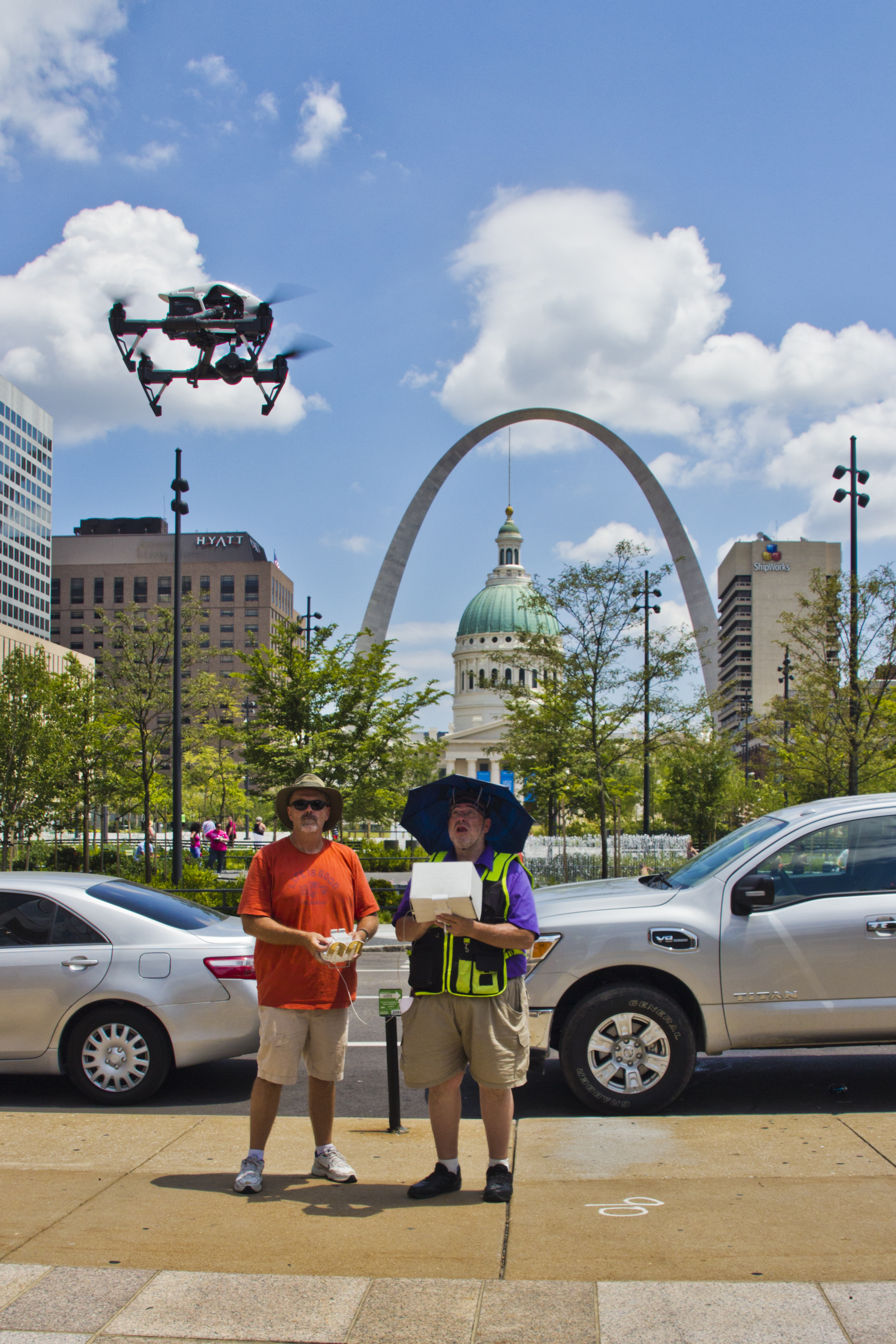
In today’s fast-paced digital landscape, capturing the essence of an event through photography and videography is essential for businesses and organizations. High-quality visuals can convey a message, create a connection with the audience, and provide valuable marketing material. Whether it’s a corporate conference, a product launch, or a community engagement event, producing exceptional event photos and video clips requires a blend of planning, expertise, and the right equipment. Here, we will explore the key elements that contribute to great event photography and videography, helping decision-makers ensure their next event is immortalized in style.

Supplement your main footage with B-roll—scenes that add context, such as venue details, decor, and guests mingling.

1. Pre-Event Planning

The foundation of successful event photography and videography lies in meticulous pre-event planning. This includes:

  • Understanding the Event: Familiarize yourself with the event’s goals, schedule, and key moments that need capturing. This understanding helps in anticipating critical shots and setting expectations with stakeholders.
  • Scouting the Venue: Visit the event location ahead of time to assess lighting conditions, potential backdrops, and any restrictions for filming or photographing. Knowing the layout will allow you to plan the best angles and setups.
  • Equipment Preparation: Ensure that you have the right gear for the event. This includes high-resolution cameras, various lenses, tripods, lighting equipment, and sound recording devices. Consider the need for drones if the venue permits aerial shots, which can add a unique perspective to your footage.

2. Lighting Techniques

Lighting can make or break your visuals. Here are some tips for managing lighting effectively during an event:

  • Utilize Natural Light: Whenever possible, leverage natural light sources. Positioning subjects near windows or outdoors can create beautifully lit images.
  • Bring Your Own Lights: In dimly lit environments, having portable lighting kits can help illuminate your subjects without harsh shadows. Softboxes and LED panels can create a flattering glow.
  • Adjust for Different Environments: Be prepared to adapt your lighting techniques based on the environment—bright banquet halls may require different setups than cozy, dimly lit venues.

3. Capturing Candid Moments

While posed shots are essential, candid moments often convey the true spirit of an event. To capture these fleeting moments:

  • Blend In: Move through the crowd unobtrusively to capture genuine interactions and emotions. A long lens can help maintain distance while still getting close-up shots.
  • Be Alert: Stay focused on the action. Events are dynamic, and the most memorable moments often happen unexpectedly.
  • Engage with Attendees: Building rapport with guests can lead to more natural, relaxed expressions. Don’t hesitate to introduce yourself and create a comfortable atmosphere for candid photography.

4. Storytelling Through Video

When it comes to video production, storytelling is paramount. Here’s how to effectively craft a narrative:

  • Plan Your Shots: Identify key moments to capture, such as speeches, audience reactions, and special performances. This will help you tell a cohesive story when editing.
  • Include B-Roll: Supplement your main footage with B-roll—scenes that add context, such as venue details, decor, and guests mingling. This additional footage enhances the final product and provides smoother transitions.
  • Capture Sound: High-quality audio is critical for videos. Use external microphones to ensure clear sound, especially when recording speeches or presentations. Ambient sound can also enrich the final product.

5. Post-Production Excellence

Editing is where the magic happens. Effective post-production enhances your footage and brings the event to life:

  • Select the Best Shots: Review all footage and select the most compelling clips. Focus on quality over quantity.
  • Use Editing Software Wisely: Familiarize yourself with professional editing software to create polished, visually appealing content. Consider color grading, transitions, and audio adjustments to enhance the overall quality.
  • Tailor Content for Different Platforms: Different social media platforms have varied requirements. Customize video lengths and formats to optimize reach and engagement.

Conclusion

Creating great event photos and video clips is a combination of strategy, technique, and creativity. At St Louis Video Production, we have been perfecting this art since 1982, providing full-service professional commercial photography and video production tailored to the needs of businesses and organizations in the St. Louis area.

Our experienced team utilizes the latest equipment and has a creative crew with extensive knowledge of diverse media requirements. From full-service studio and location video and photography to comprehensive editing and post-production, we can customize your productions to ensure success.

Additionally, our licensed drone pilots can fly specialized drones indoors, providing a unique perspective that sets your event apart. With our private studio lighting and visual setup, we can accommodate small productions and interview scenes, incorporating props to enhance your set. Whether you need assistance with setting up a custom interview studio or require sound and camera operators, St Louis Video Production has the expertise and resources to make your next video production perfect. Let us help you repurpose your photography and video branding to gain more traction in the competitive landscape.

Reach out to us today, and together, we can capture the essence of your next event with stunning visuals that resonate with your audience.

Mike Haller 314-913-5626 stlouisvideoproduction@gmail.com
Top Ideas for Creating Engaging Testimonial Videos

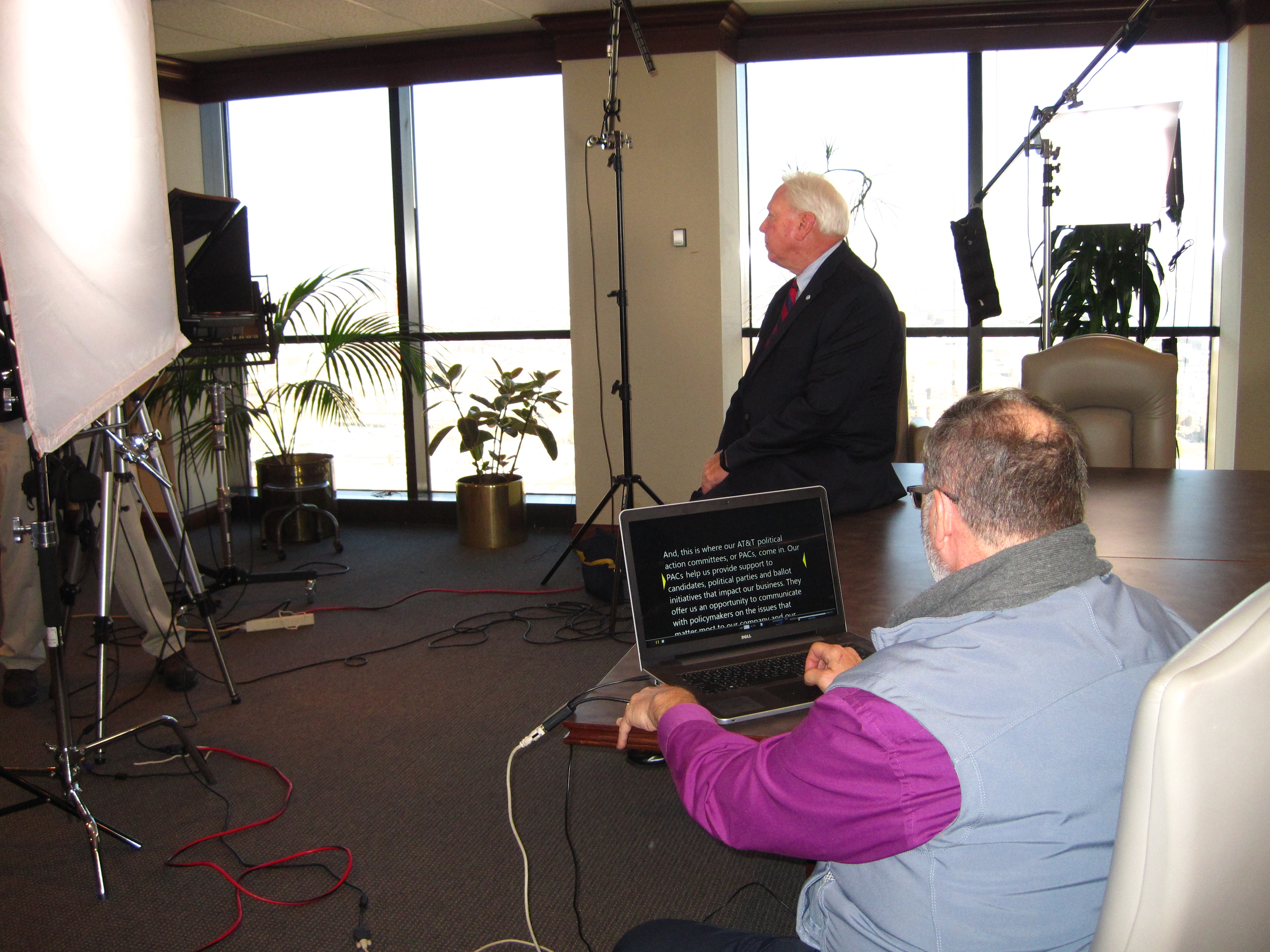
In the realm of corporate communication, testimonial videos have emerged as a potent tool for enhancing credibility and building trust with potential clients. When executed effectively, these videos can profoundly impact your brand’s reputation, offering a compelling narrative that resonates with your target audience. As an experienced producer at St Louis Video Production, I’ve seen firsthand how powerful well-crafted testimonial videos can be. Here’s a comprehensive guide to creating engaging testimonial videos that will captivate your audience and drive your message home.

1. Identify the Right Subjects

The foundation of a compelling testimonial video starts with selecting the right subjects. Look for clients or partners who have had a significant positive experience with your company. They should be articulate, enthusiastic, and relatable to your target audience. A mix of high-profile clients and everyday users can provide a balanced perspective.

2. Craft a Structured Narrative

An effective testimonial video should tell a story. Start by crafting a clear narrative structure:

  • Introduction: Briefly introduce the subject and their background.
  • Problem: Describe the challenges they faced before discovering your service or product.
  • Solution: Highlight how your company provided a solution and the benefits received.
  • Conclusion: End with a summary of the positive outcomes and a call-to-action.

This structure helps keep the content focused and engaging, ensuring that viewers can easily follow along and understand the value of your offering.

3. Focus on Authenticity

Authenticity is key to a successful testimonial video. Avoid scripted responses and instead encourage your subjects to speak naturally. Authentic testimonials resonate more with viewers, making your message more persuasive. Capture genuine emotions and experiences to create a more relatable and trustworthy narrative.

4. Utilize High-Quality Production Techniques

To ensure your testimonial video stands out, invest in high-quality production techniques:

  • Lighting: Proper lighting is crucial for a professional look. Utilize soft, diffused lighting to create a flattering and natural appearance.
  • Sound: Clear audio is essential for effective communication. Use high-quality microphones and minimize background noise.
  • Camera Work: Employ stable camera techniques and varied shots to keep the video visually interesting. Incorporate close-ups for emotional moments and wide shots to provide context.

5. Incorporate Visual Elements

Enhance your testimonial video by incorporating visual elements that complement the narrative:

  • B-Roll Footage: Include footage of the client interacting with your product or service to provide context.
  • Graphics and Text: Use on-screen text and graphics to highlight key points and add visual interest.
  • Branding: Subtly include your brand’s logo and colors to reinforce brand identity.

6. Keep it Concise

While it’s important to cover all necessary points, keep the video concise. Aim for a length of 1-3 minutes to maintain viewer engagement. Focus on delivering the core message without unnecessary details.

7. Include a Call-to-Action

End your testimonial video with a strong call-to-action. Encourage viewers to visit your website, contact your sales team, or take another step towards engaging with your company. Make it easy for them to act on their interest.

Why Choose St Louis Video Production?

At St Louis Video Production, we bring decades of experience and a full suite of services to ensure your testimonial videos are nothing short of exceptional. As a full-service professional commercial photography and video production company, we offer comprehensive studio and location video and photography, including editing, post-production, and licensed drone pilots. Our expertise in repurposing photography and video branding helps your content gain maximum traction.

We are well-versed in all file types, media styles, and accompanying software, ensuring your testimonial videos are produced to the highest standards. Our private studio is equipped with advanced lighting and visual setups, perfect for small productions and interview scenes. From custom interview studio setups to providing sound and camera operators, we have everything you need to make your next video production flawless. We even offer the capability to fly specialized drones indoors for unique perspectives.

Since 1982, St Louis Video Production has collaborated with numerous businesses, marketing firms, and agencies in the St. Louis area, delivering top-notch corporate photography and video services. Let us help you create engaging testimonial videos that not only highlight your successes but also drive meaningful results for your business.

314-913-5626 stlouisvideoproduction@gmail.com
How to Get Ready for Your Next Training Video in Simple Steps

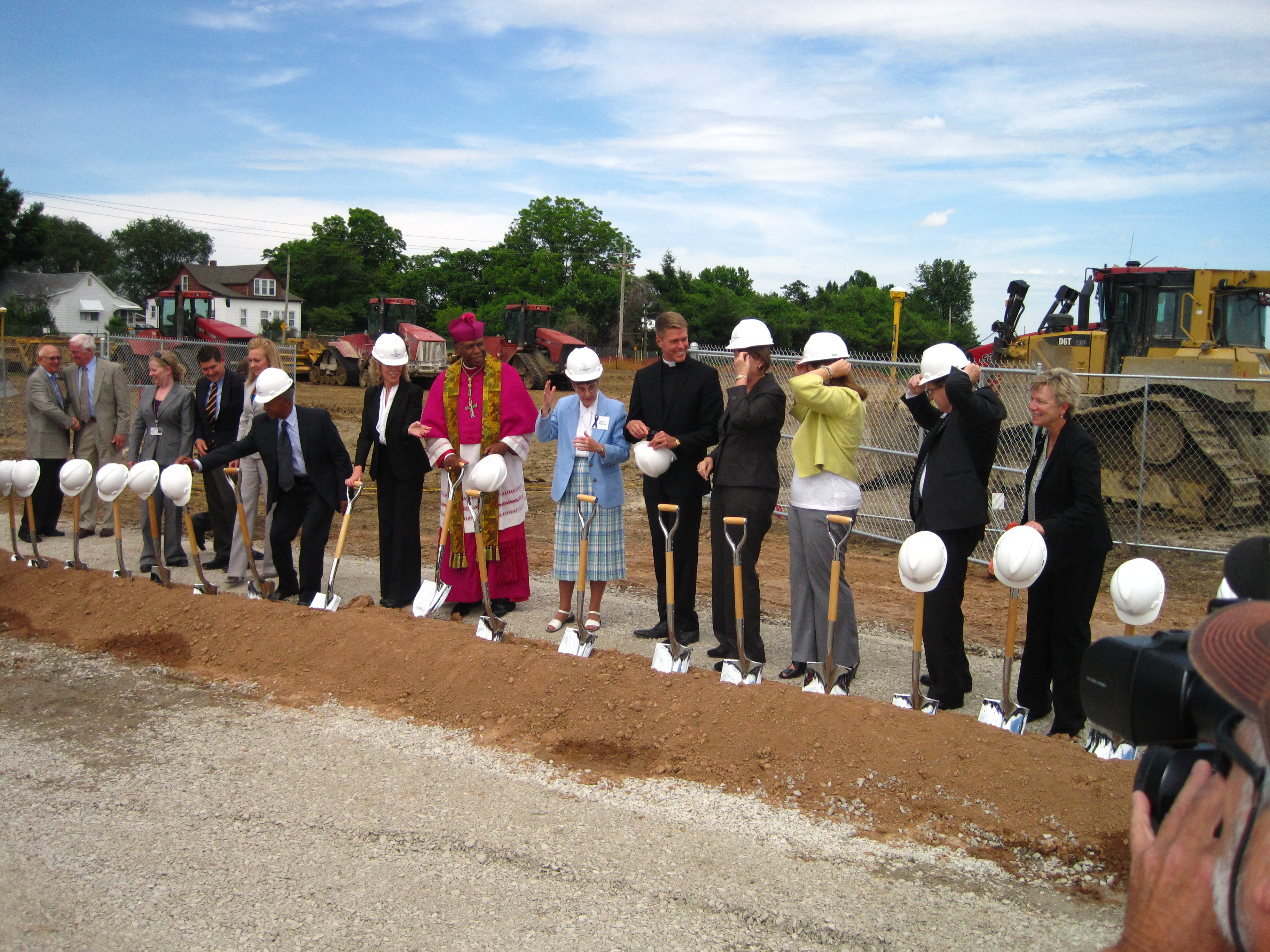
Creating an effective training video requires more than just a camera and a script. It involves careful planning, coordination, and a deep understanding of your audience and the message you want to convey. As decision-makers in your organization, your role is crucial in ensuring the production process is smooth and the final product is engaging, informative, and aligned with your company’s goals. Here’s a step-by-step guide to help you prepare for your next training video.

Whether you use professional actors, company staff, or a mix, they need to be comfortable on camera and able to convey the message effectively.

Step 1: Define the Objective and Audience

The first and most important step is to clearly define the objective of the training video. What are you trying to achieve? Is it to onboard new employees, introduce new processes, or perhaps to enhance skills? Understanding the specific outcome you want will guide the content and structure of the video.

Equally important is knowing your audience. Are they new hires, experienced staff, or a mixed group? Tailoring the content to their level of understanding and the context in which they’ll use this information will make the video more effective.

Step 2: Develop a Detailed Script and Storyboard

Once the objective and audience are defined, it’s time to craft a detailed script. This script should be clear, concise, and aligned with the training goals. A well-written script serves as the backbone of your video, ensuring that all key points are covered logically and comprehensively.

In parallel, develop a storyboard to visualize how each segment of the script will be presented on screen. This includes decisions on camera angles, visual aids, and any on-screen text or graphics. A storyboard helps in aligning the production team’s vision with your expectations and ensures a cohesive final product.

Step 3: Choose the Right Talent

The people who appear in your training video are crucial to its success. Whether you use professional actors, company staff, or a mix, they need to be comfortable on camera and able to convey the message effectively. If the video involves complex or technical information, ensure the talent has a solid understanding or can be briefed thoroughly.

Step 4: Plan the Location and Setup

The location of your shoot plays a significant role in the video’s effectiveness. It should be relevant to the content and free from distractions. Whether you’re filming in an office, a factory floor, or a studio, ensure that the environment enhances the learning experience.

Consider the setup carefully. This includes lighting, sound, and camera placement. Professional production companies, like St Louis Video Production, have the expertise to create an optimal setup, whether in-studio or on-location, to ensure high-quality visuals and audio.

Step 5: Schedule the Shoot Efficiently

Time is money, especially in video production. Plan your shoot schedule meticulously, accounting for setup time, breaks, and any potential delays. Ensure all participants know their roles and timings to keep the production running smoothly.

Step 6: Engage in Post-Production Review

Once the shoot is complete, the raw footage will go into post-production. This stage involves editing the video, adding graphics, animations, and any special effects, and ensuring the final product aligns with your initial goals.

Engage in the review process actively. Provide feedback on the first cut and be clear about any changes you’d like to see. At St Louis Video Production, we understand the importance of this collaborative process and work closely with our clients to refine the video until it meets their expectations.

Step 7: Plan for Distribution

Finally, consider how the video will be distributed. Will it be hosted on your company’s intranet, shared via a learning management system, or used in live training sessions? Understanding the distribution method helps in optimizing the video’s format and resolution.

Partner with Professionals for Optimal Results

At St Louis Video Production, we bring decades of experience in corporate photography and video production, ensuring every project we undertake is executed with precision and creativity. Our team of professionals is equipped with the latest technology, including specialized drones for indoor use, and we offer full-service studio and location video and photography, editing, post-production, and licensed drone pilots.
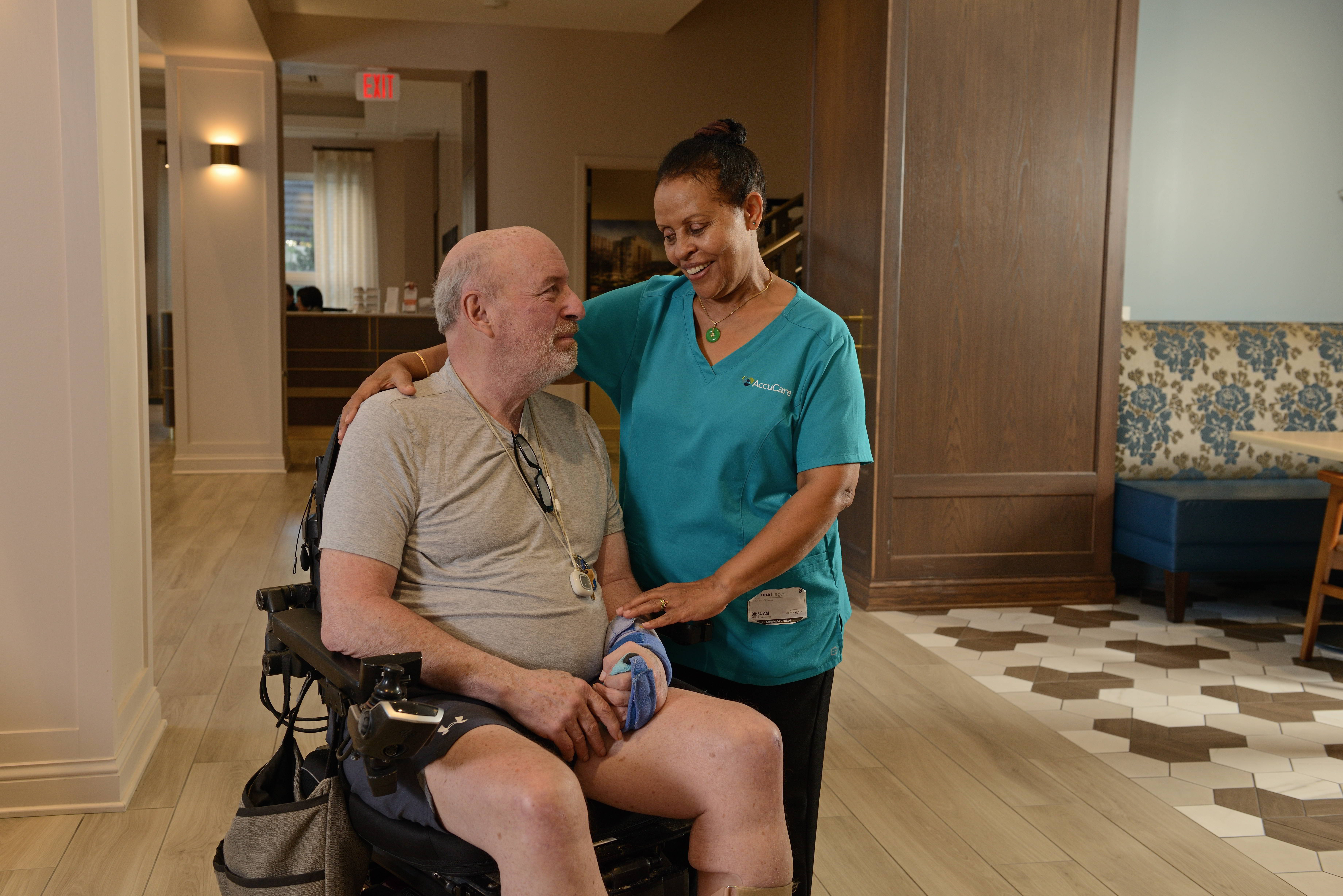
Whether you need a private custom interview studio setup or comprehensive video production services, we can help make your next training video not just a success but a valuable tool for your organization. Our expertise extends to repurposing your photography and video branding, helping you gain more traction across different media platforms.

With a rich history of serving businesses, marketing firms, and agencies in the St. Louis area since 1982, St Louis Video Production is your trusted partner in creating impactful and professional training videos. Let us help you tell your story effectively and efficiently, ensuring your message resonates with your audience and achieves your training objectives.

Mike Haller 314-913-5626 stlouisvideoproduction@gmail.com