In a market crowded with short attention spans, fragmented messaging, and endless content formats, well-produced video interviews and purposeful b-roll remain two of the most effective tools a business can use to communicate clearly and professionally. For organizations in St. Louis that need marketing videos, brand stories, executive messaging, recruiting content, customer testimonials, training assets, or documentary-style business features, the quality of both the interview and the supporting visuals often determines whether the final piece feels credible, polished, and worth watching.
Strong interview production is not simply about pointing a camera at a subject and pressing record. Strong b-roll is not just random footage gathered to fill dead space. The best business videos are built when both elements are planned together from the start. Interview content delivers the message. B-roll provides context, pacing, proof, energy, and visual sophistication. When handled by an experienced production team, the result is a video that feels intentional, persuasive, and useful across multiple platforms.
For decision makers responsible for marketing, communications, branding, internal messaging, recruitment, fundraising, or public relations, understanding the relationship between interview production and b-roll strategy can help shape better projects and better outcomes.
Why Video Interviews Still Matter
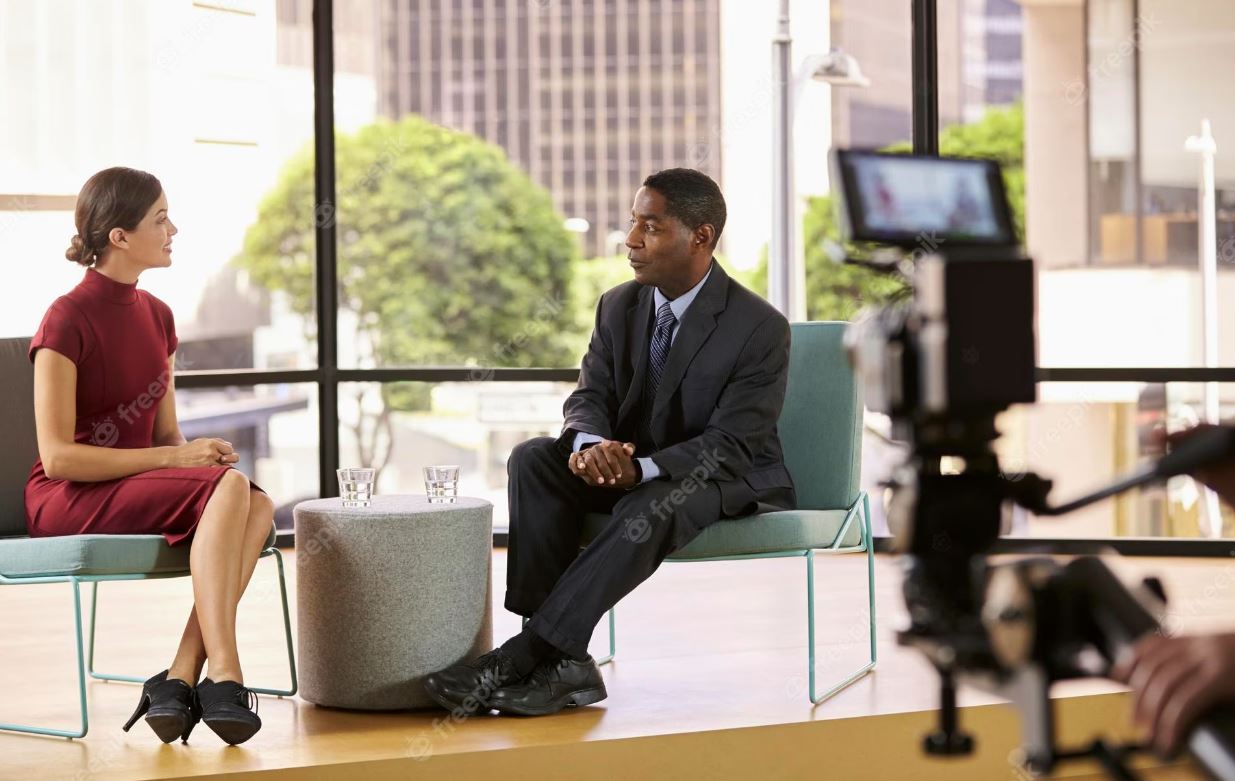
Interview-based video remains one of the most dependable formats in business communication because it allows real people to speak directly and credibly to an audience. Whether the subject is a CEO, founder, customer, technical expert, physician, educator, plant manager, or nonprofit leader, the spoken interview gives the piece authenticity. It creates a human connection that scripted voiceover alone often cannot achieve.
Businesses use interview-driven videos for many reasons. Some want to explain their value proposition through leadership perspectives. Others want to build trust by featuring real customers or employees. Some need to communicate complex services in a more approachable format. Others want to preserve institutional knowledge, document a company story, or create content that can be repurposed into smaller pieces for social media, websites, presentations, and email campaigns.
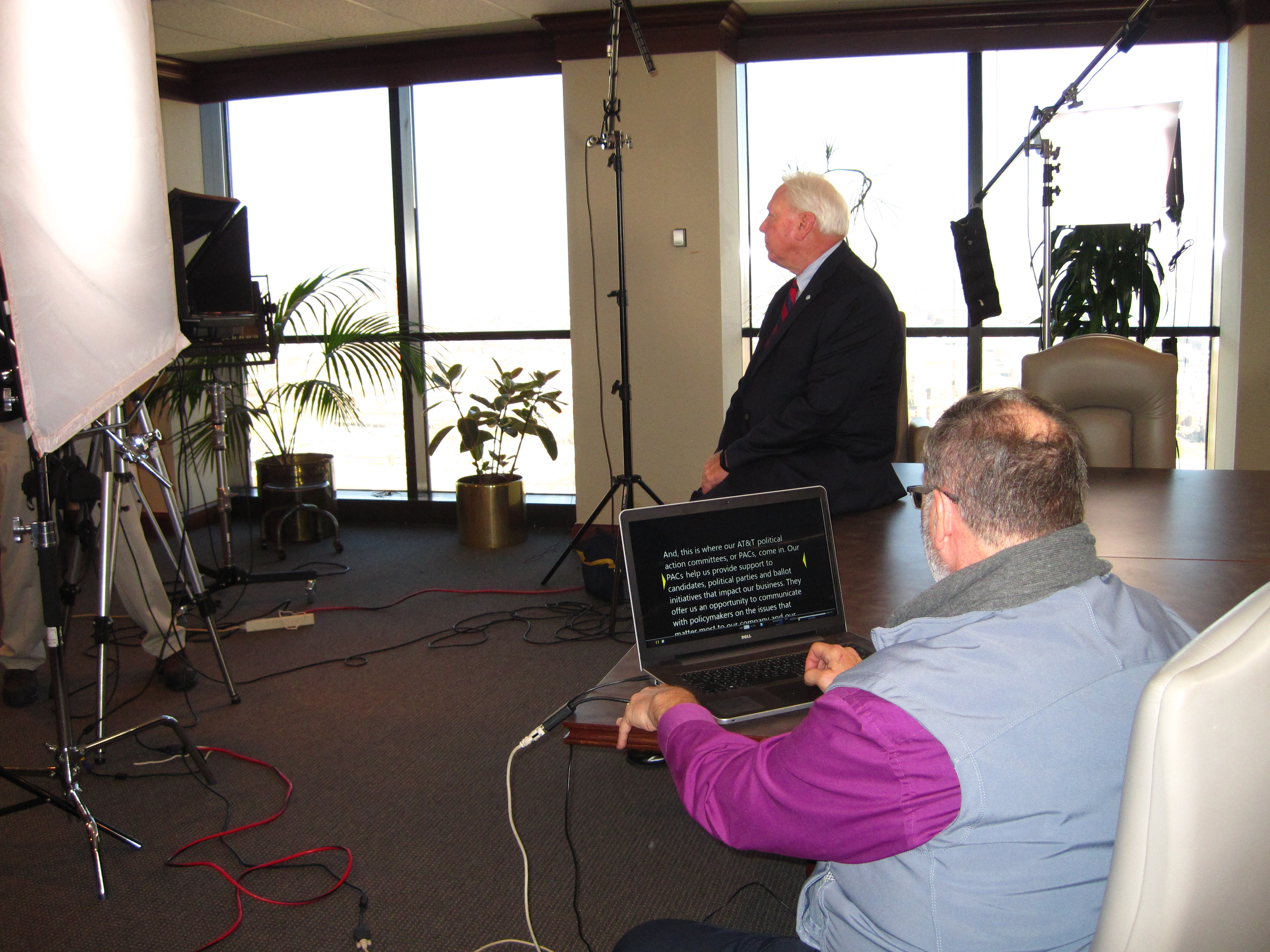
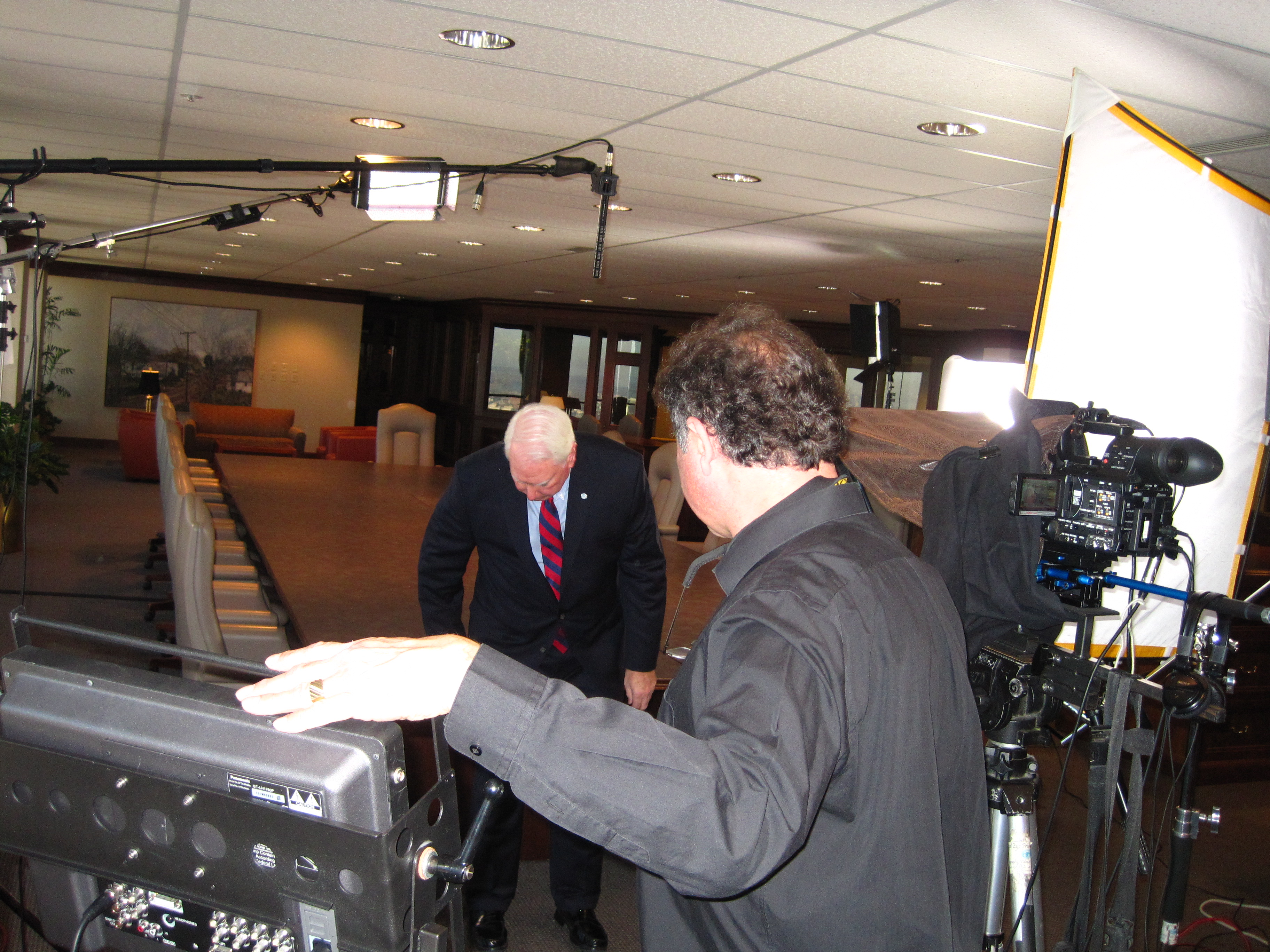
The interview is usually the backbone of the production. It establishes the narrative. It gives structure to the edit. It determines tone. But no matter how articulate the speaker may be, an interview without strong supporting visuals often feels static and limited. That is where b-roll becomes essential.
What B-Roll Really Does
B-roll is often underestimated by clients who have not been through many professional productions. In reality, it is one of the defining factors in whether a video feels average or exceptional.
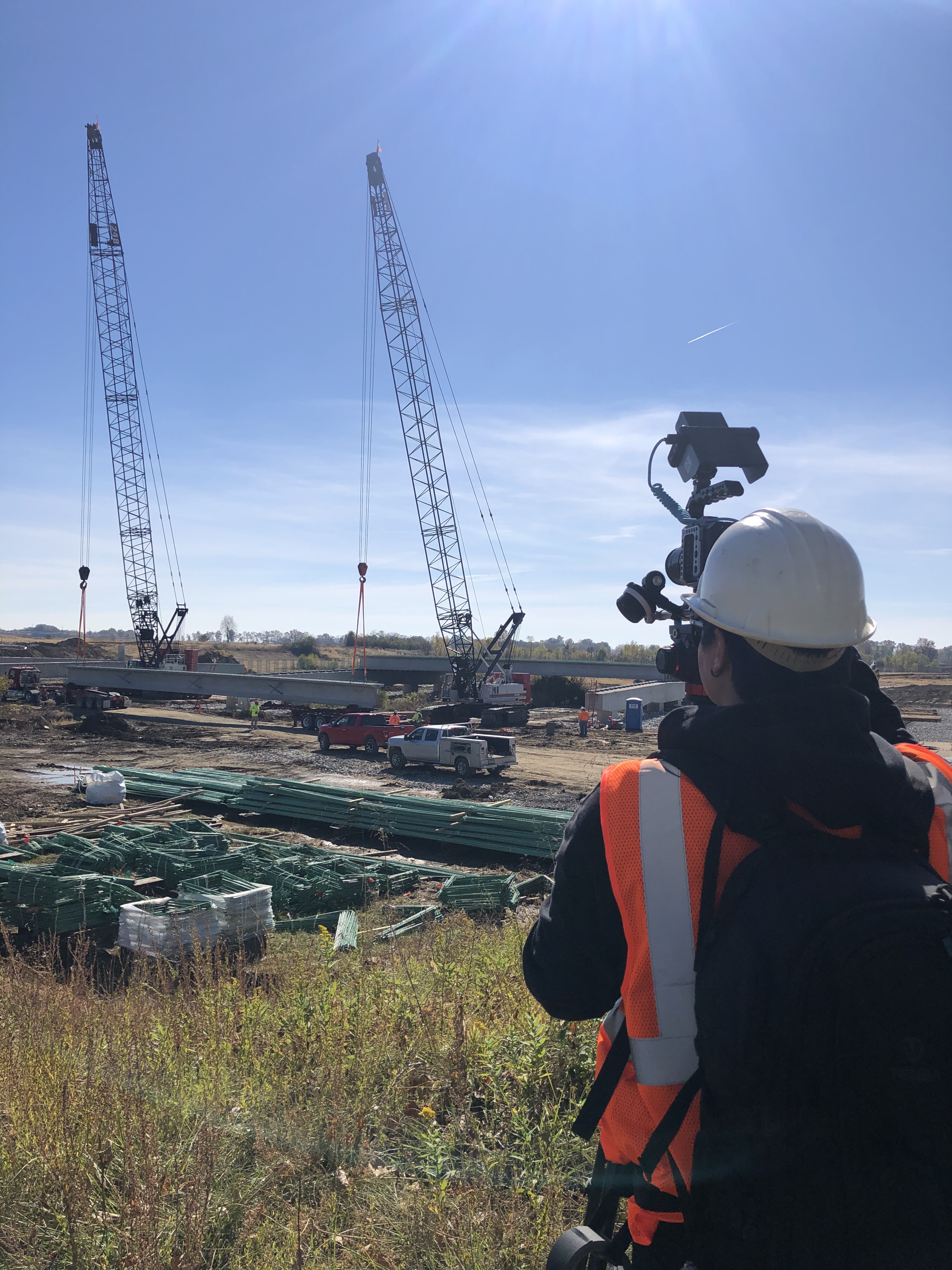
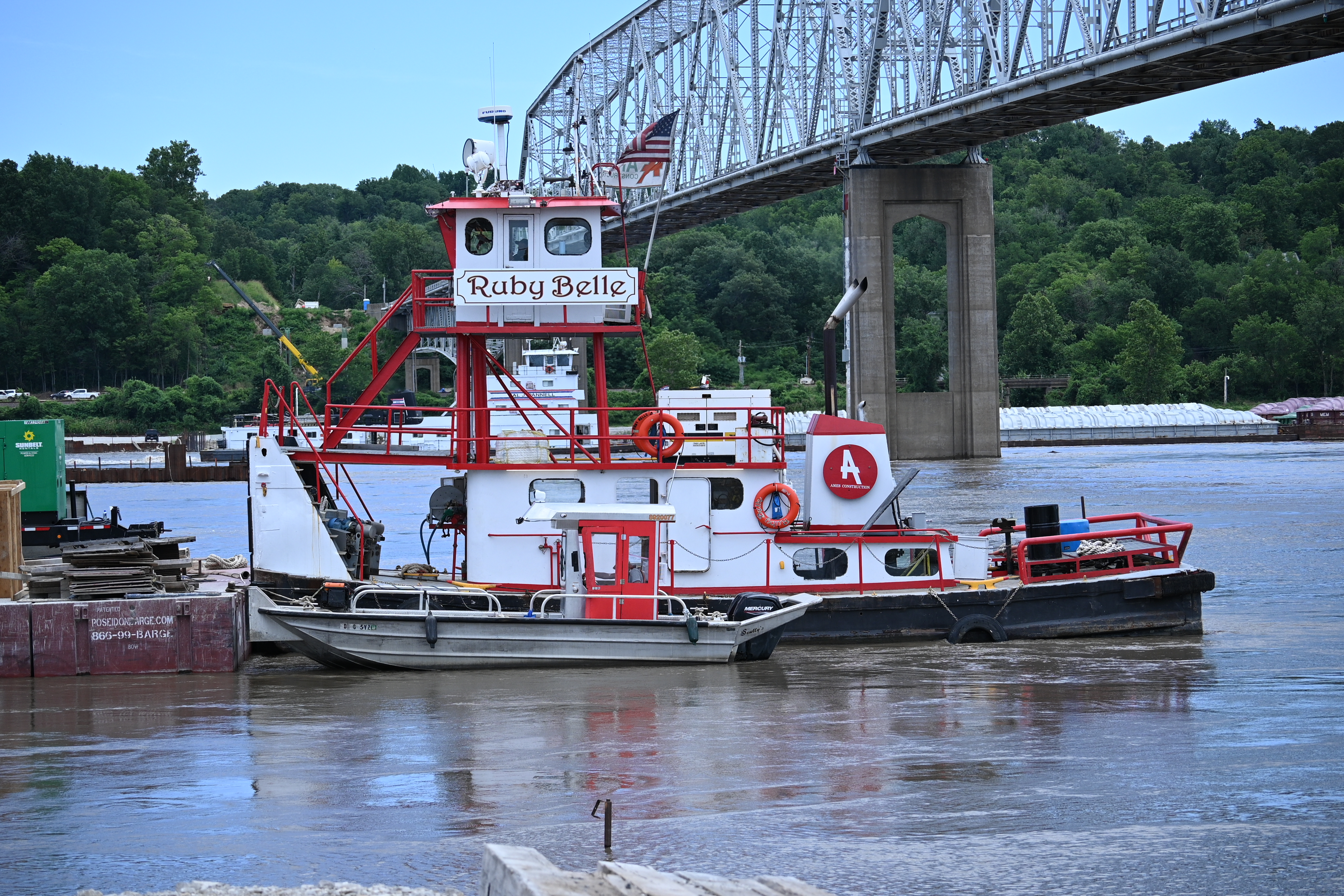
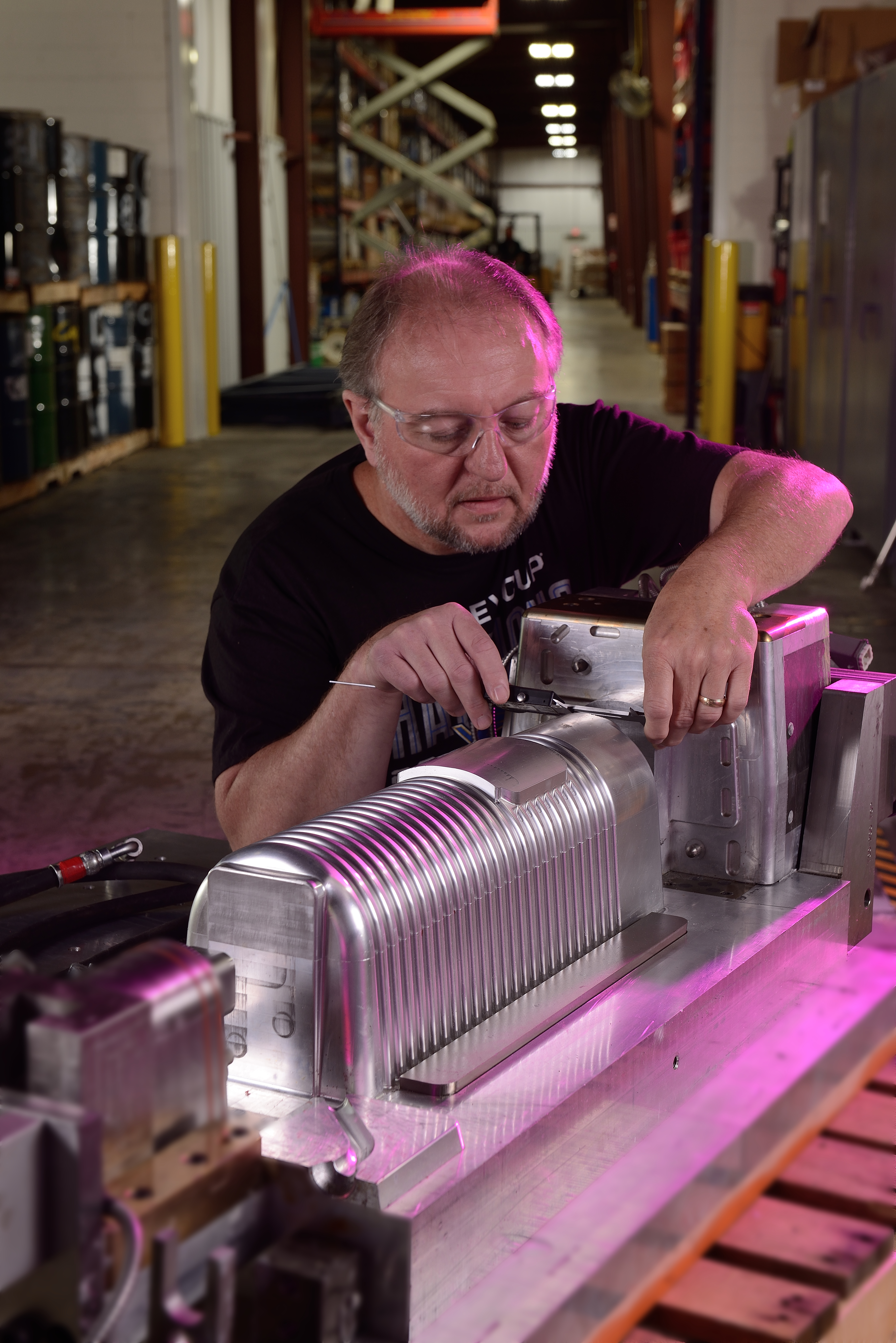
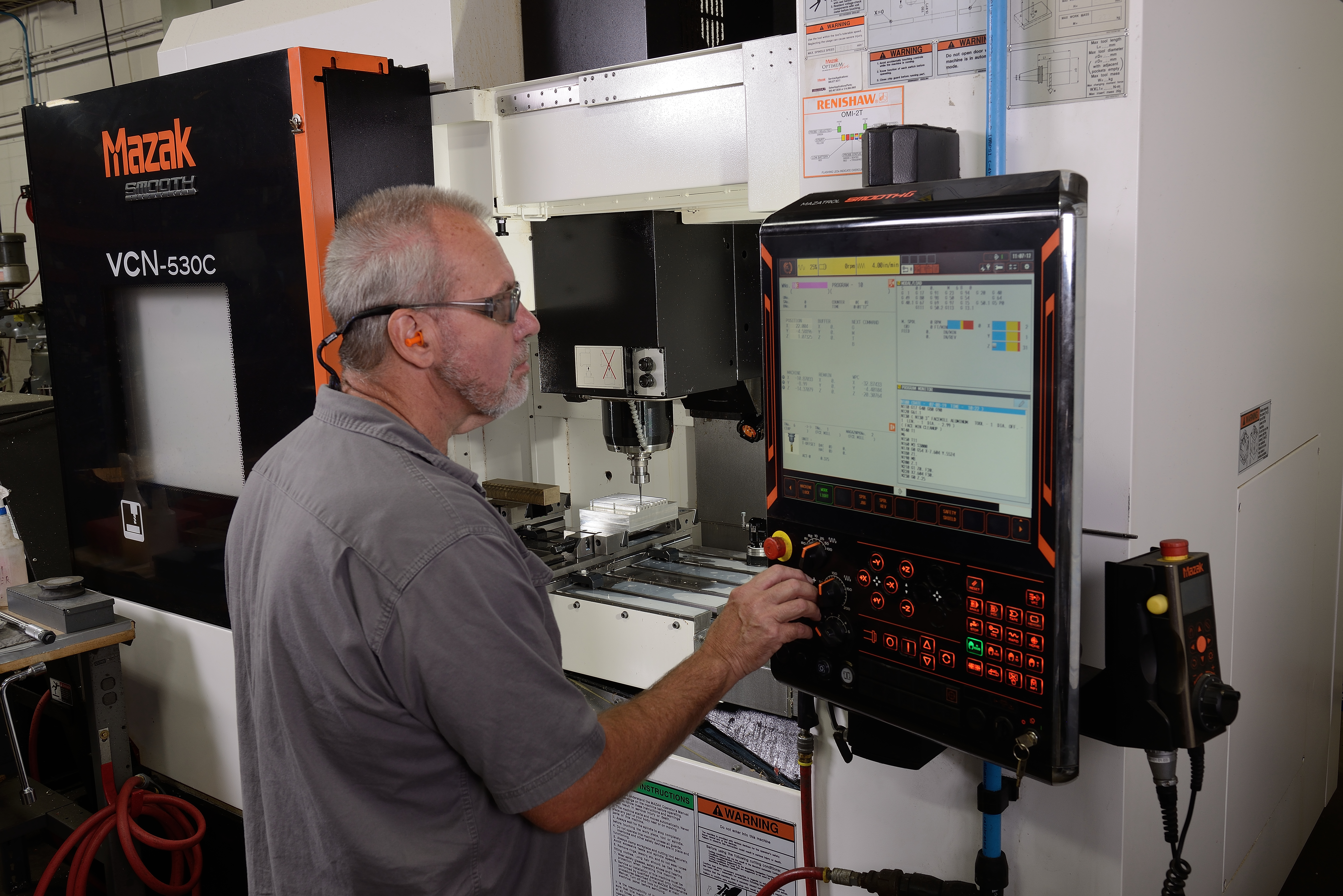
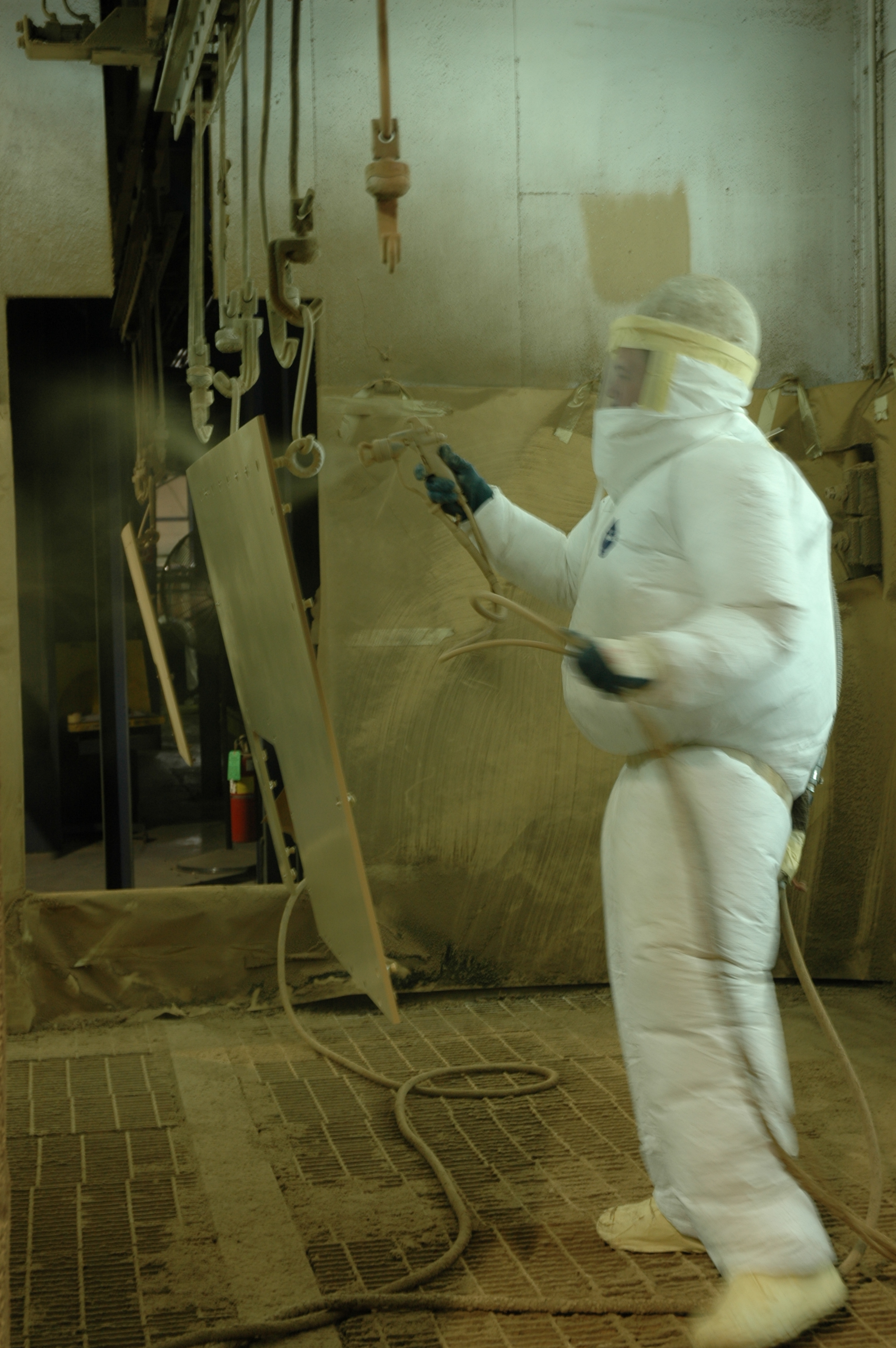
B-roll is the footage that supports, illustrates, and enriches the interview. It may include your team at work, your facility, your products, equipment, service delivery, hands-on processes, environmental shots, branded spaces, customer interactions, workflow details, drone footage, textures, tools, screens, signage, manufacturing activity, architectural details, or lifestyle scenes that help tell the story.
When captured strategically, b-roll does several important things at once.
First, it helps visualize what the speaker is talking about. If an executive mentions efficiency, innovation, precision, or customer service, good b-roll gives the audience something concrete to see. That makes the message more believable.
Second, it improves pacing. Interviews alone can quickly become visually repetitive. B-roll introduces motion, changes perspective, and keeps viewers engaged.
Third, it hides edits. Most interviews require trimming, restructuring, or combining sound bites for clarity and impact. B-roll allows editors to make those transitions smoothly.
Fourth, it adds production value. A video with thoughtful coverage simply feels more polished, more intentional, and more aligned with a strong brand.
Finally, b-roll increases repurposing potential. The more useful visuals a production gathers, the more assets can be created from the same shoot day.
Why St. Louis Businesses Benefit From Specialists
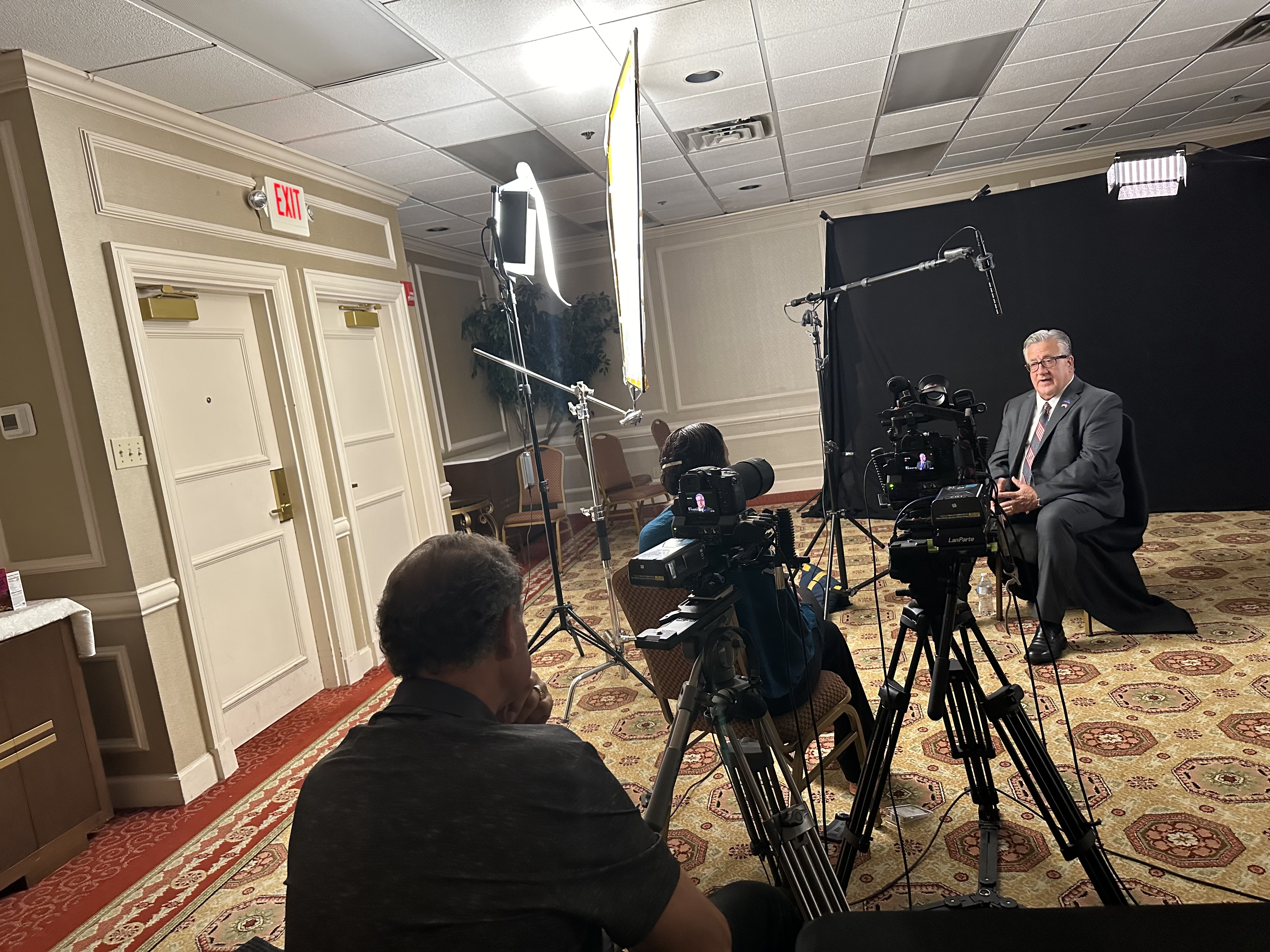
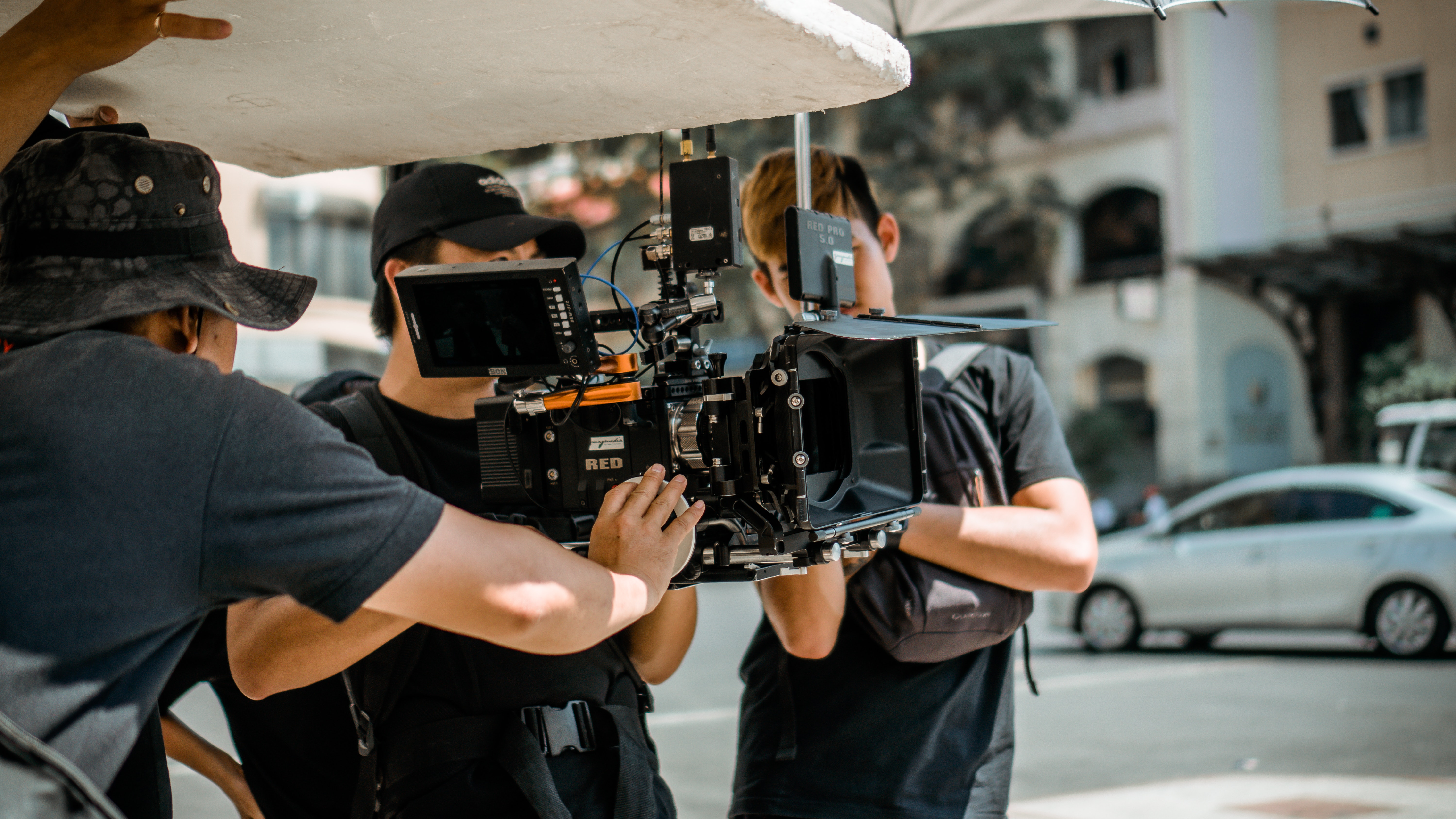
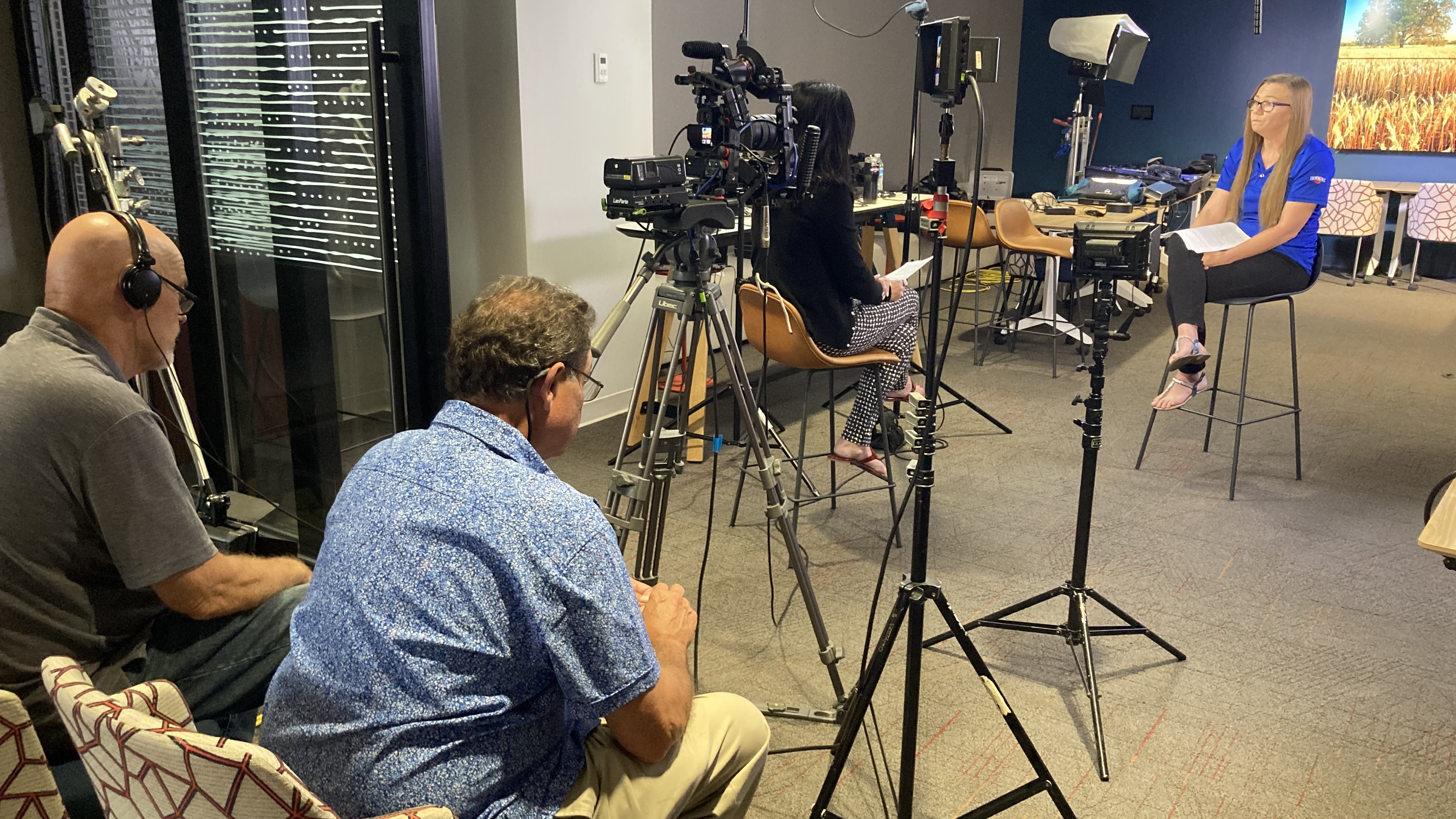
There is a meaningful difference between a crew that occasionally captures interviews and a production team that specializes in interview-based storytelling and b-roll acquisition. Specialists know how to make subjects comfortable, shape meaningful answers, light a scene professionally, manage sound correctly, and identify the coverage needed to support the final edit before the day even begins.
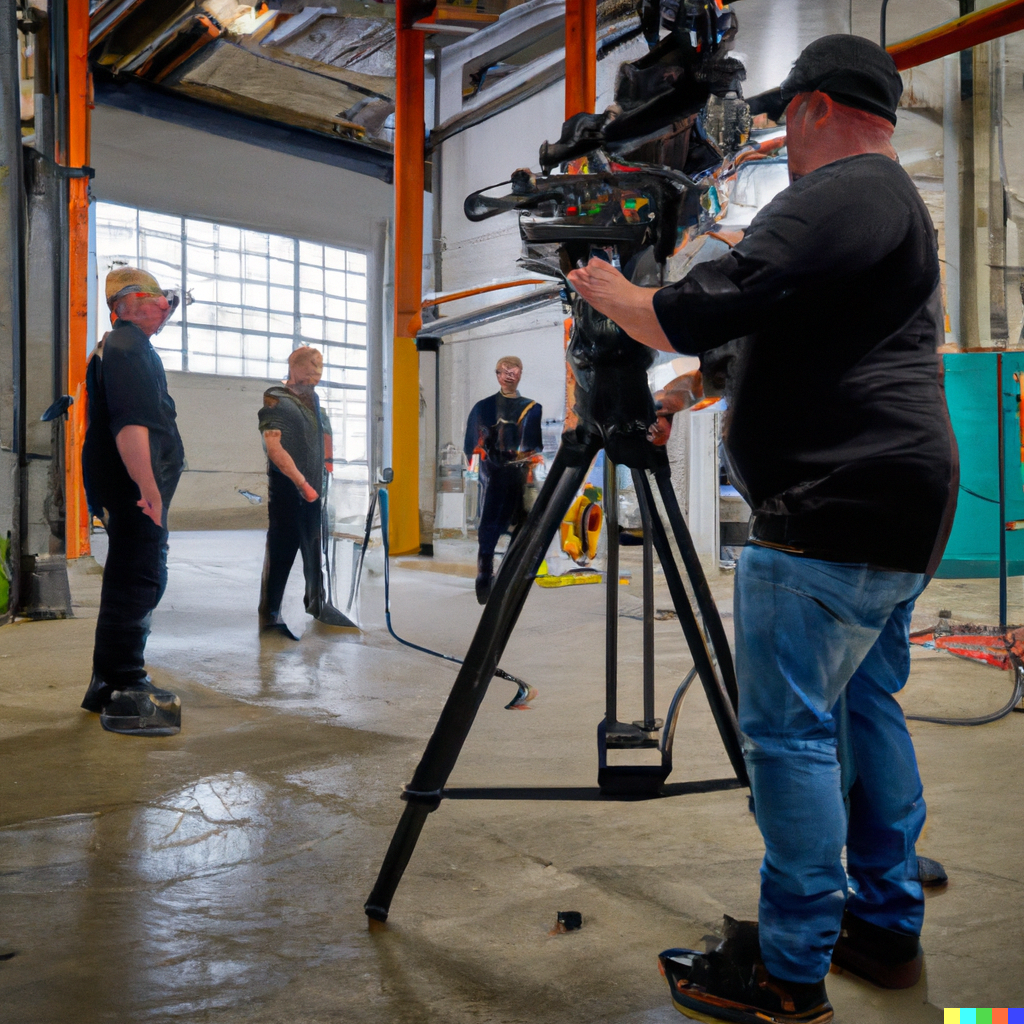
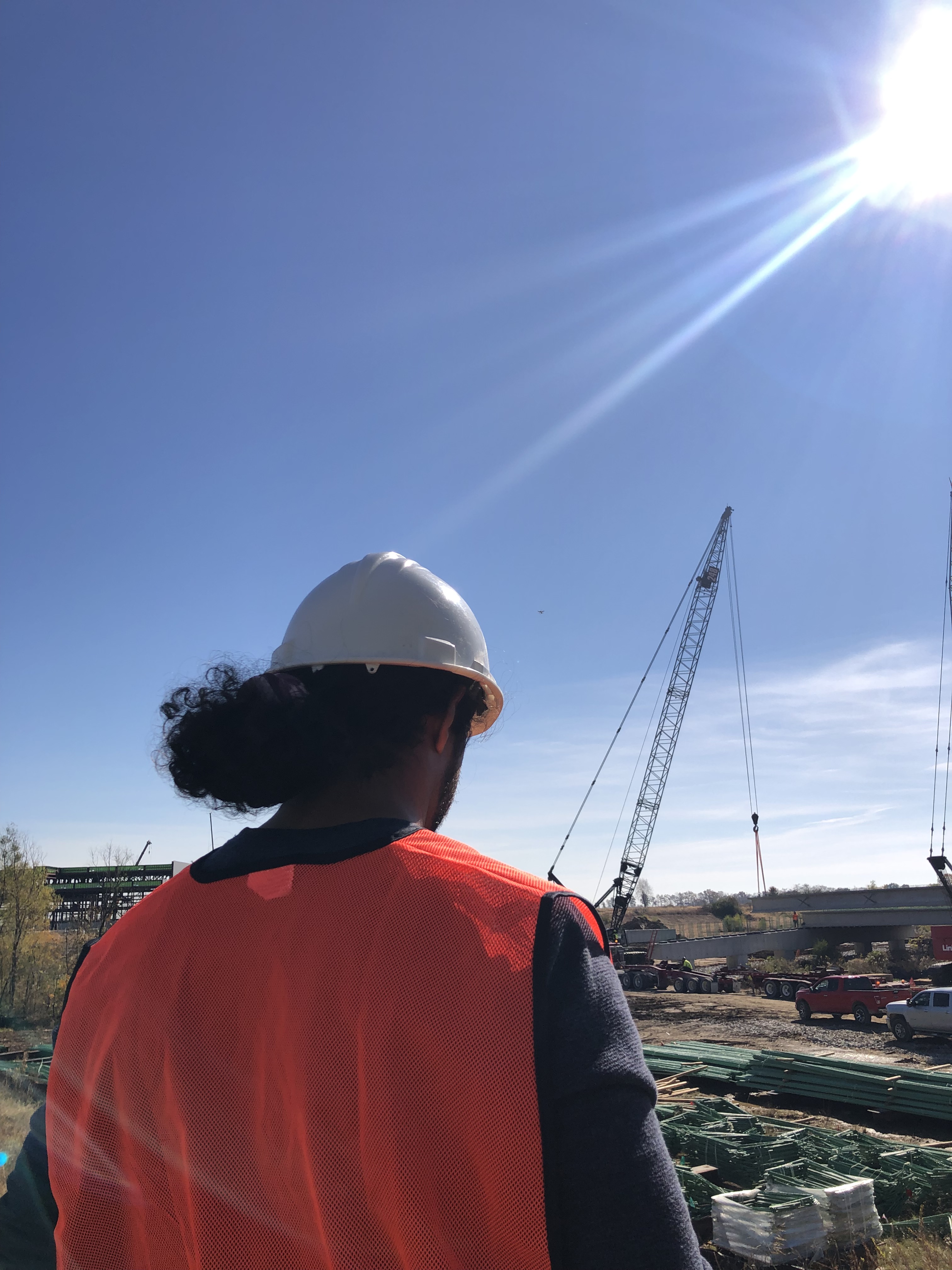
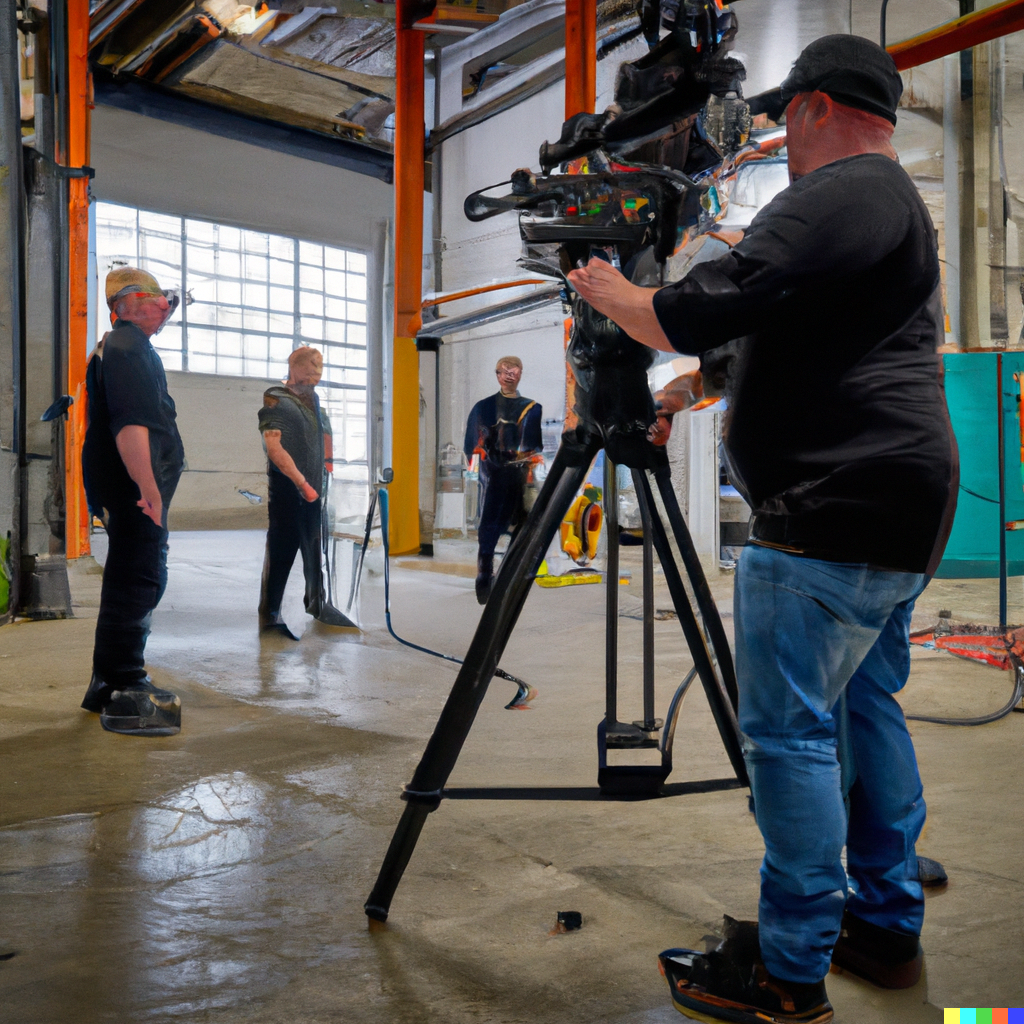
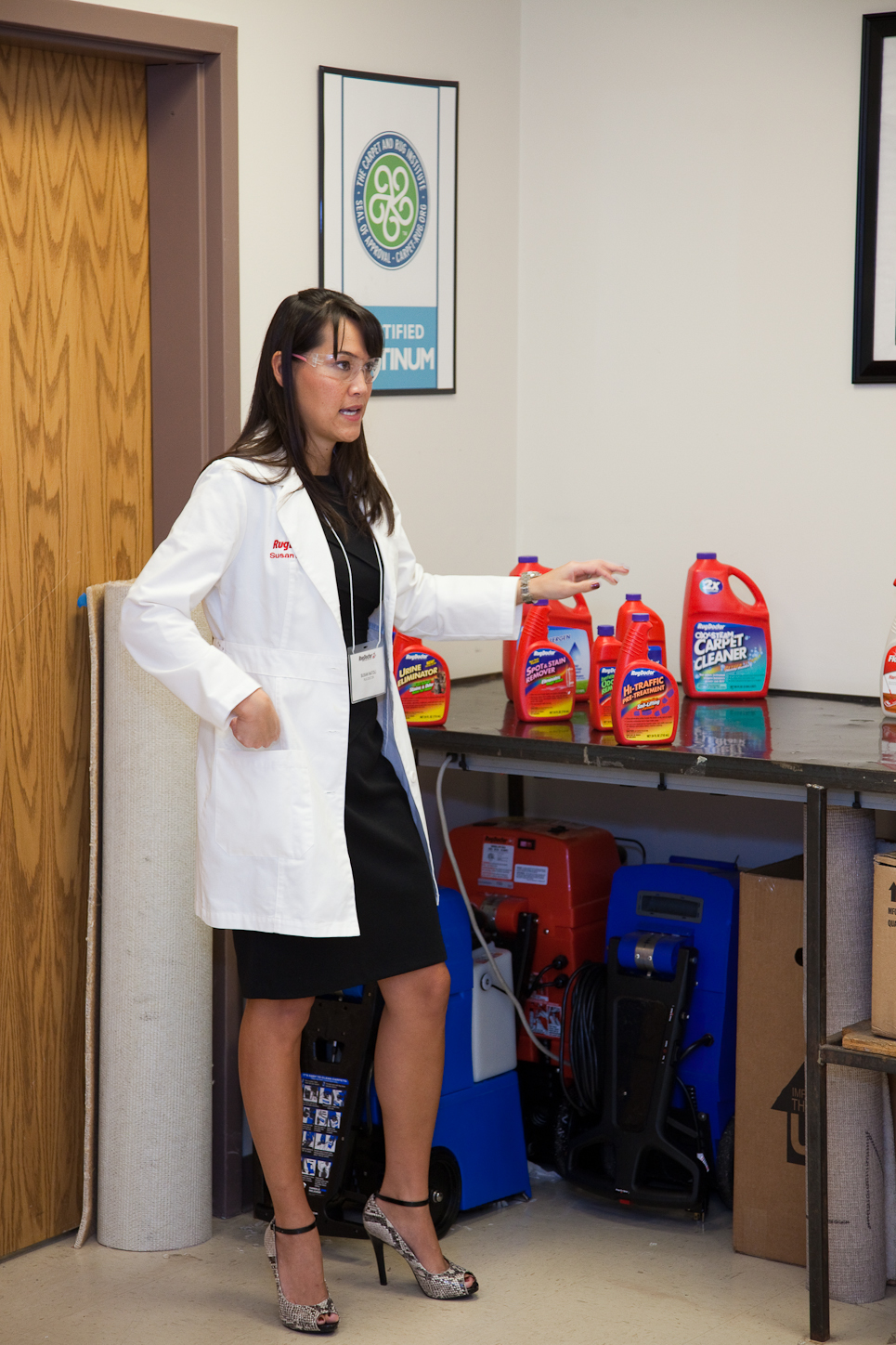
For St. Louis businesses, this matters because many productions need to happen inside real-world environments that are not designed as studios. Offices, plants, hospitals, warehouses, schools, manufacturing floors, retail spaces, and job sites each bring lighting challenges, sound challenges, scheduling limitations, and workflow interruptions. A specialist knows how to adapt the production approach without sacrificing quality.
They also understand how to balance the interview itself with the visual support material. Many less experienced crews focus too heavily on the sit-down portion and leave the location with insufficient b-roll. Then the final edit suffers because there is not enough coverage to support the story. A strong production team plans for both from the outset.
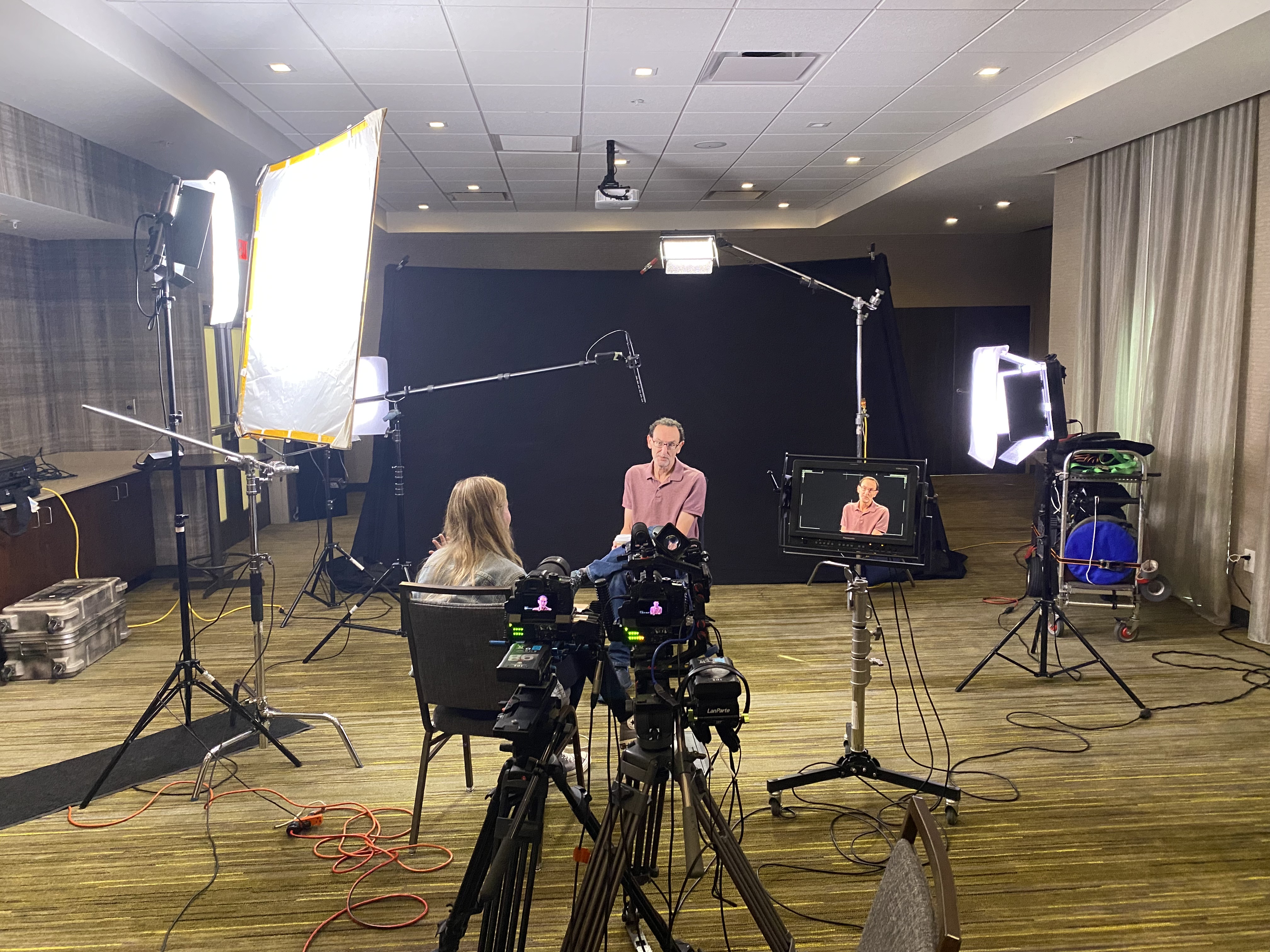
The Anatomy of a Successful Interview Shoot
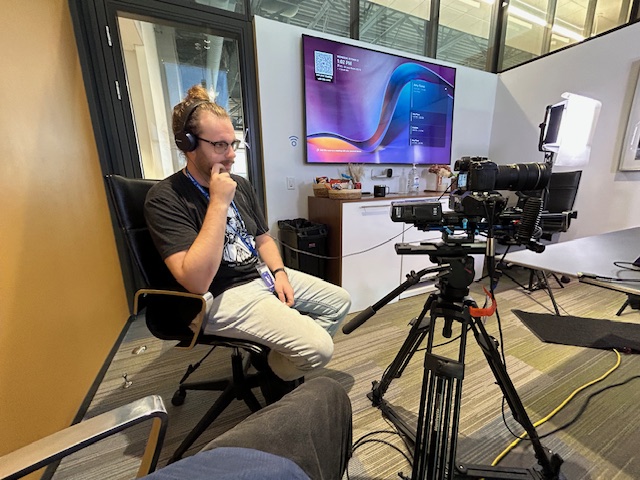
An effective business interview is the result of preparation, not luck. It begins long before the cameras roll.
Defining the Message
The first step is identifying the purpose of the video. Is the project intended to drive leads, support recruiting, explain a process, build trust, communicate culture, or showcase a service? The answer affects the interview questions, the tone of delivery, and the style of b-roll needed.
Without this clarity, interviews can become too broad, too vague, or too disconnected from the business objective.
Choosing the Right Subject
Not every executive or staff member is naturally the best on-camera representative for every story. Sometimes the ideal subject is the founder. Sometimes it is a department head, a client, a technician, a nurse, a project manager, or a long-term employee. The right person is the one who can speak with credibility, clarity, and comfort about the topic at hand.
Building a Comfortable Set
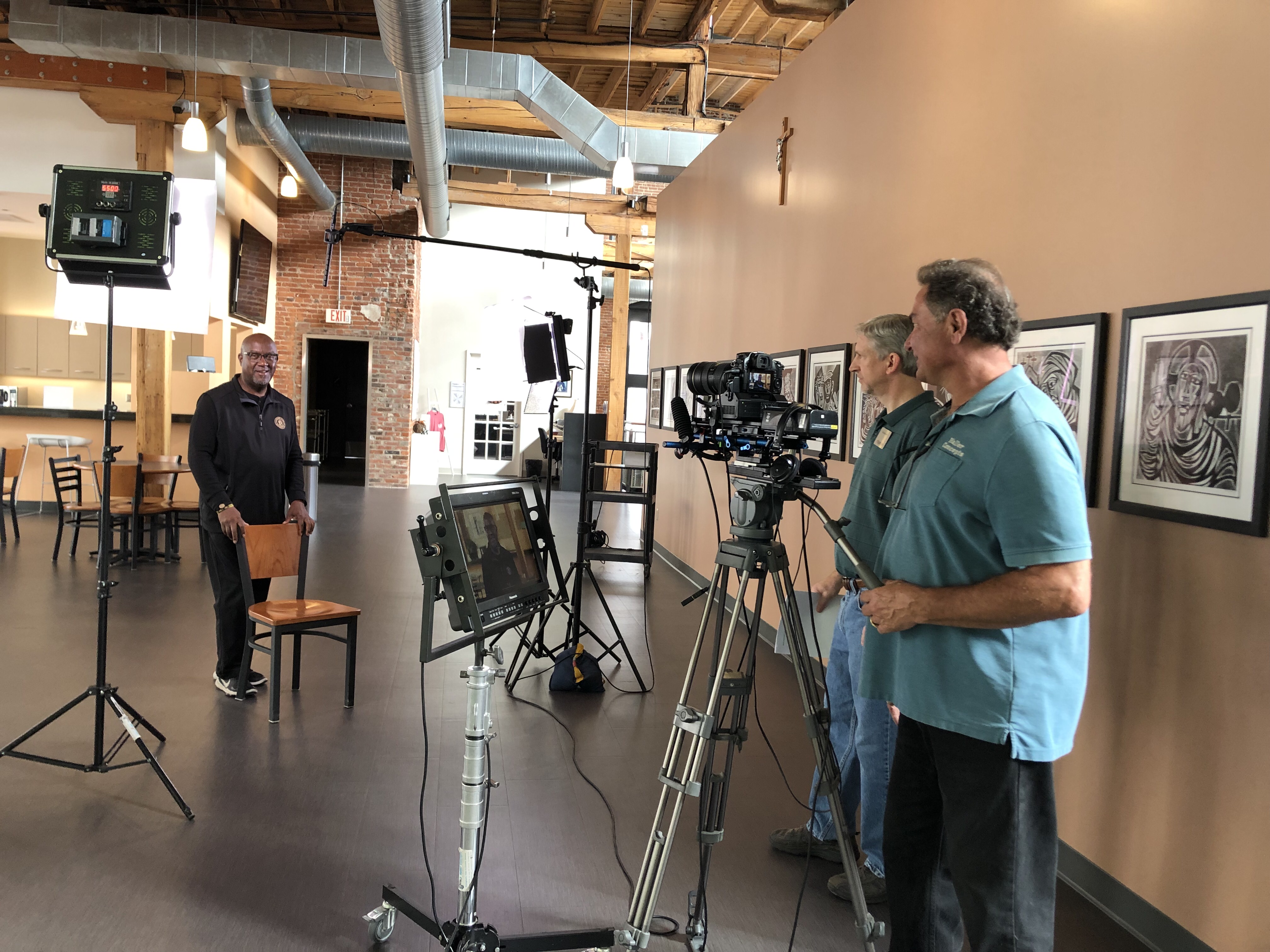
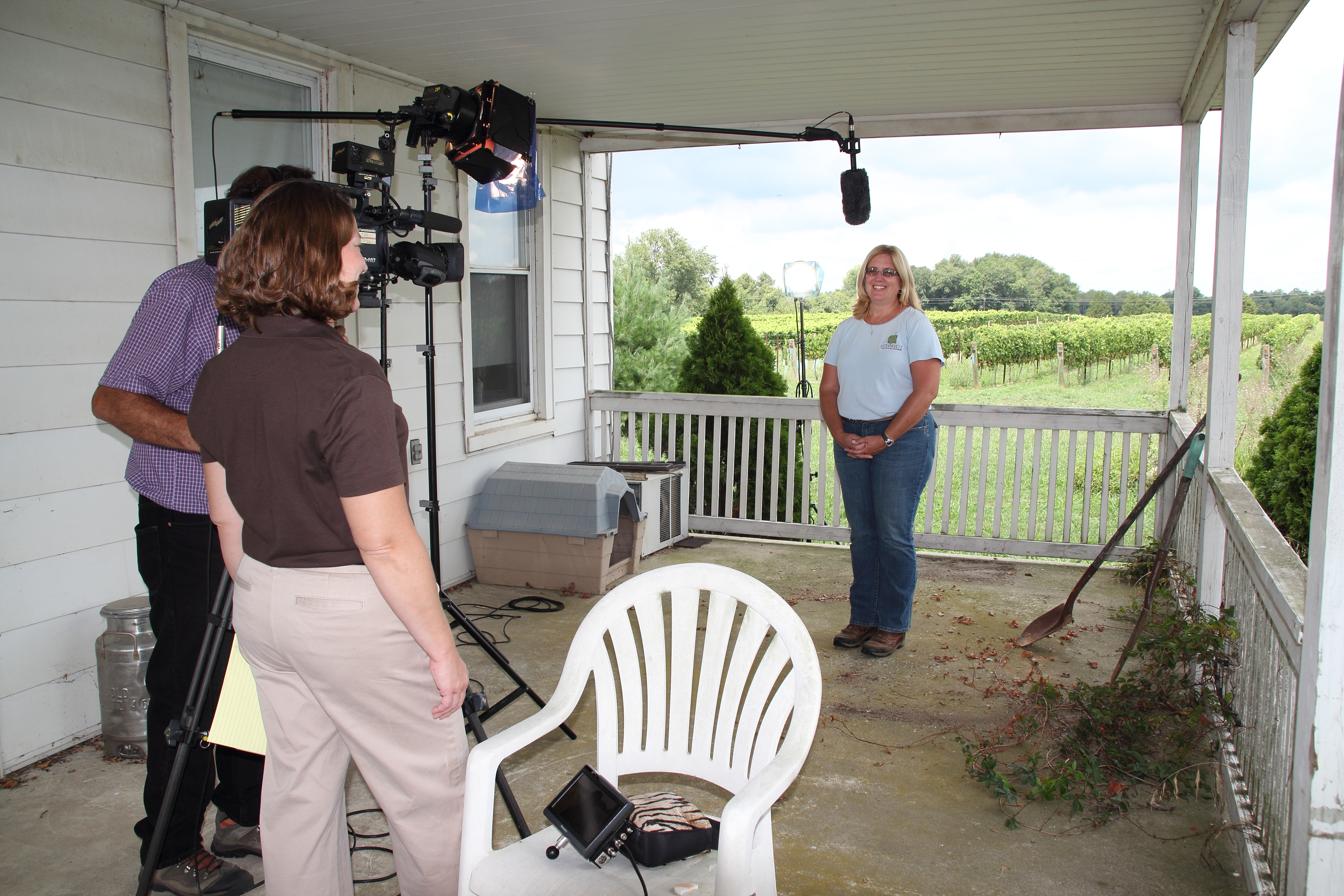
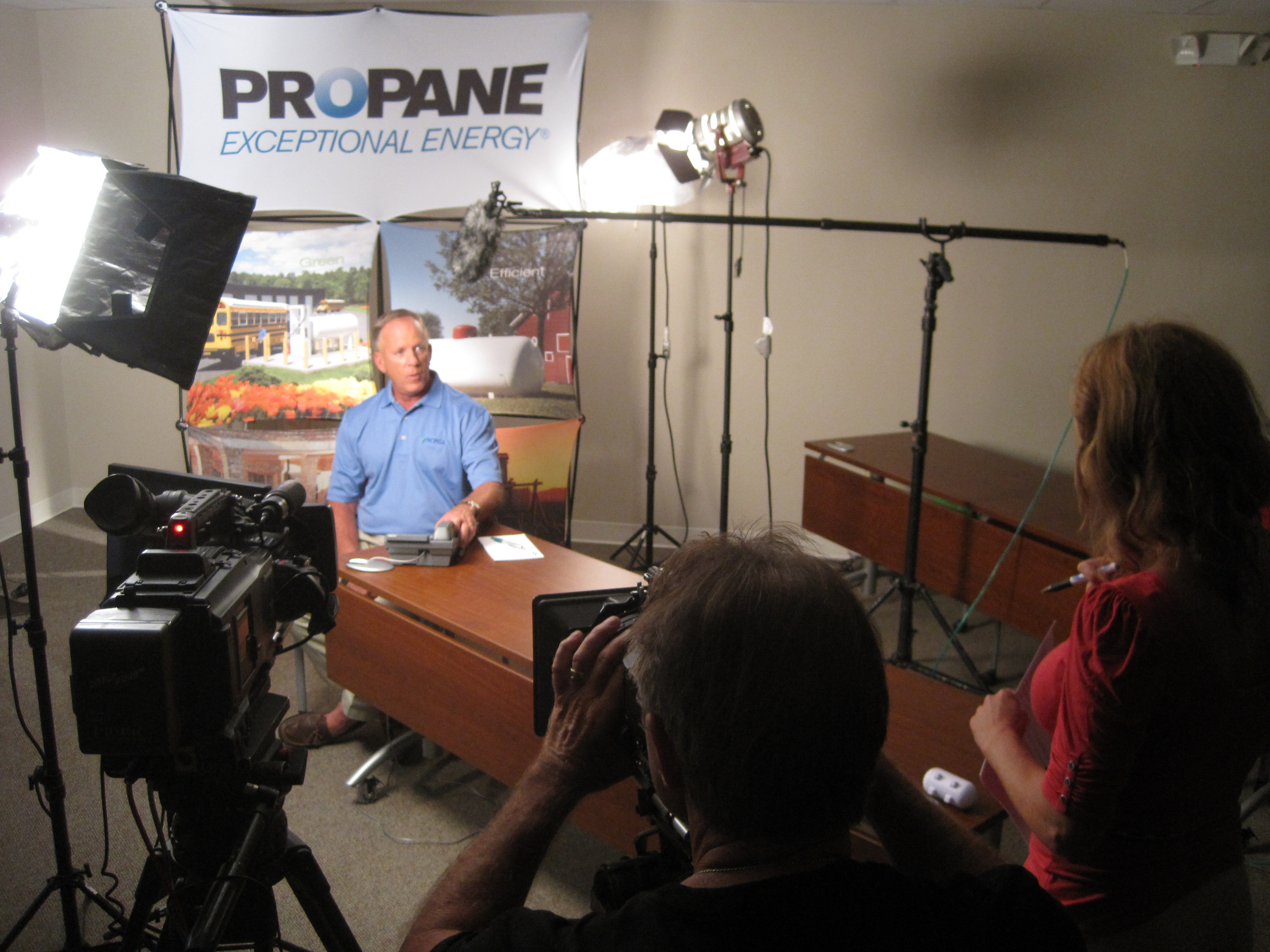
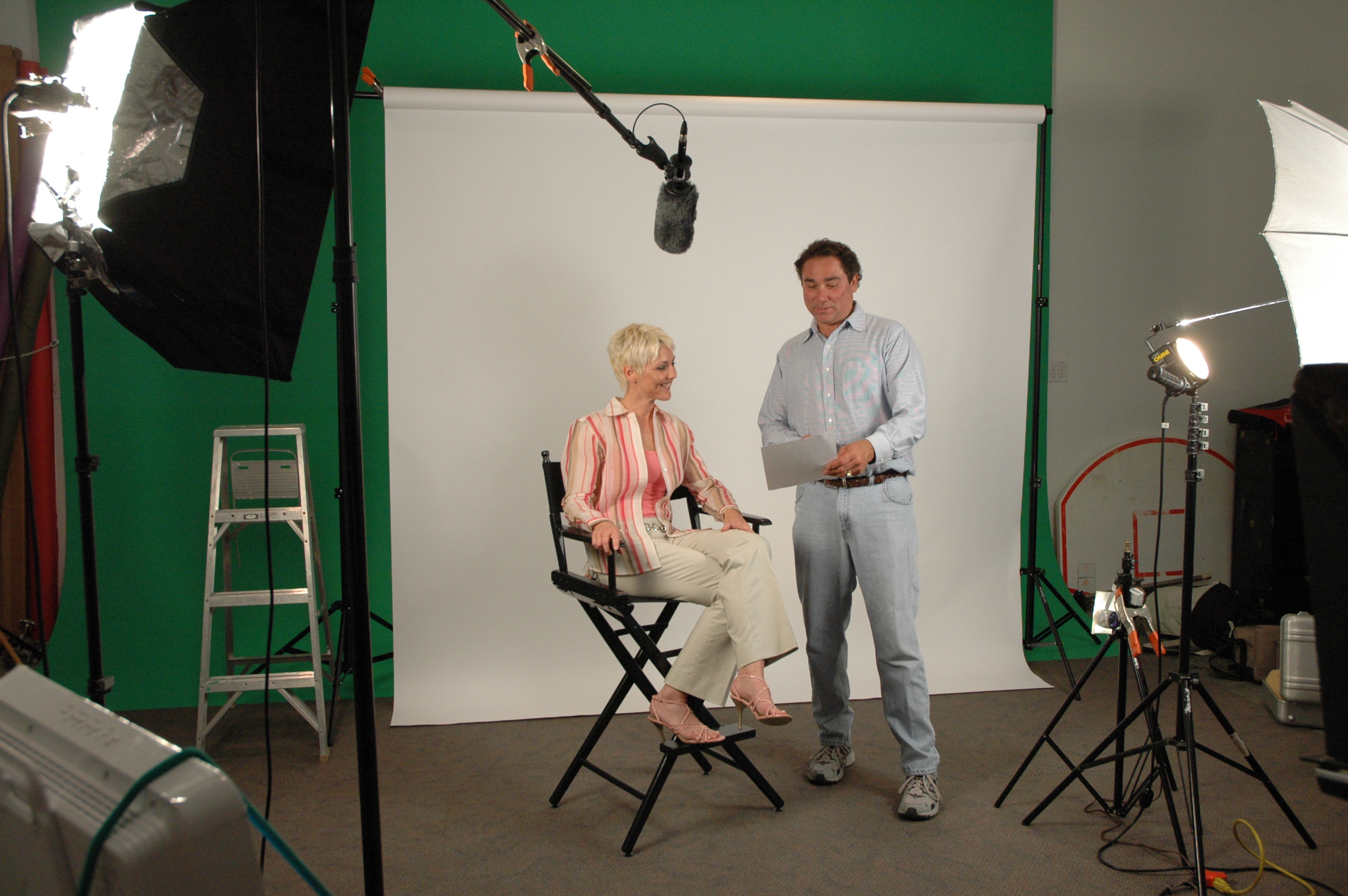
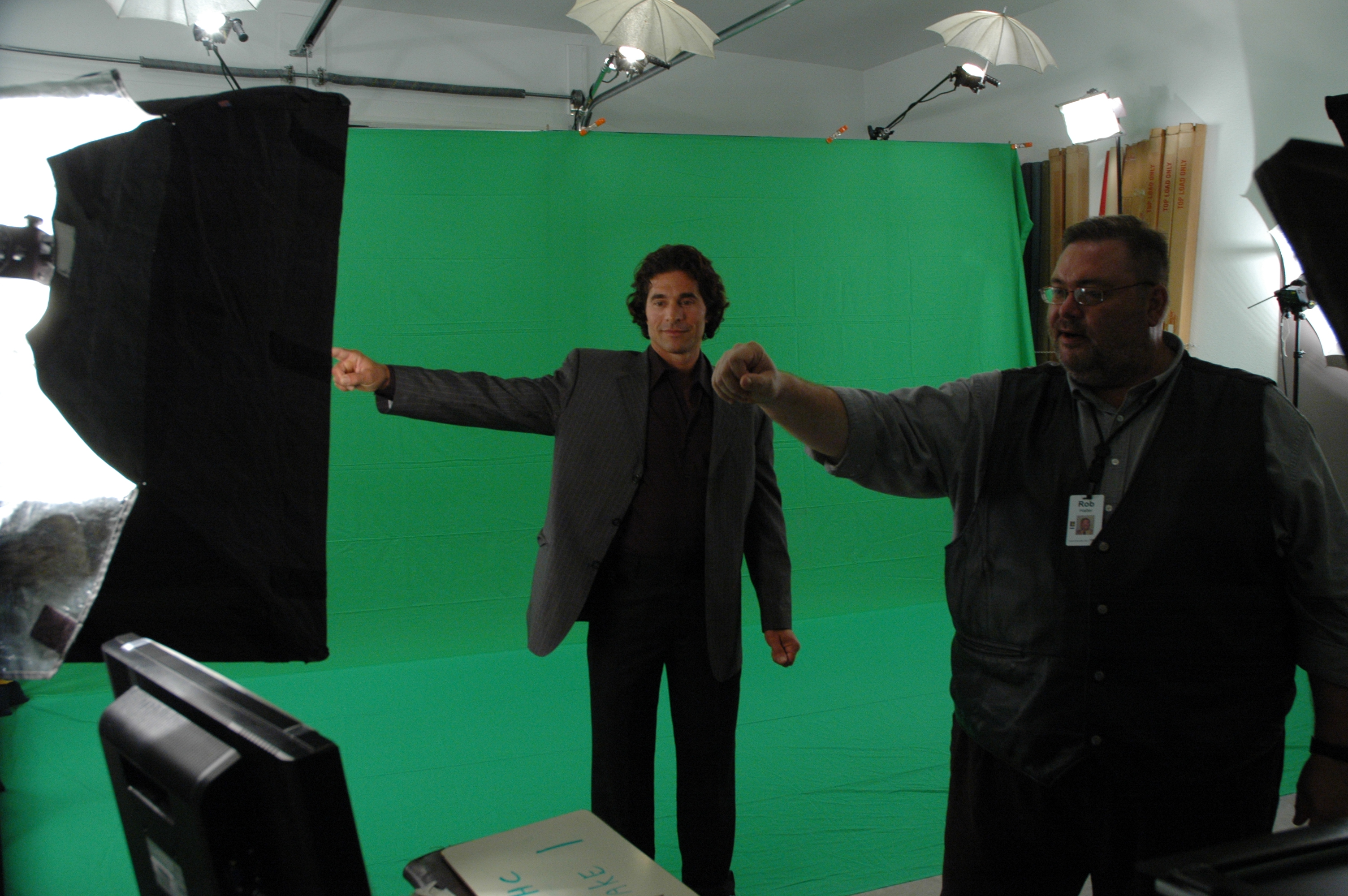
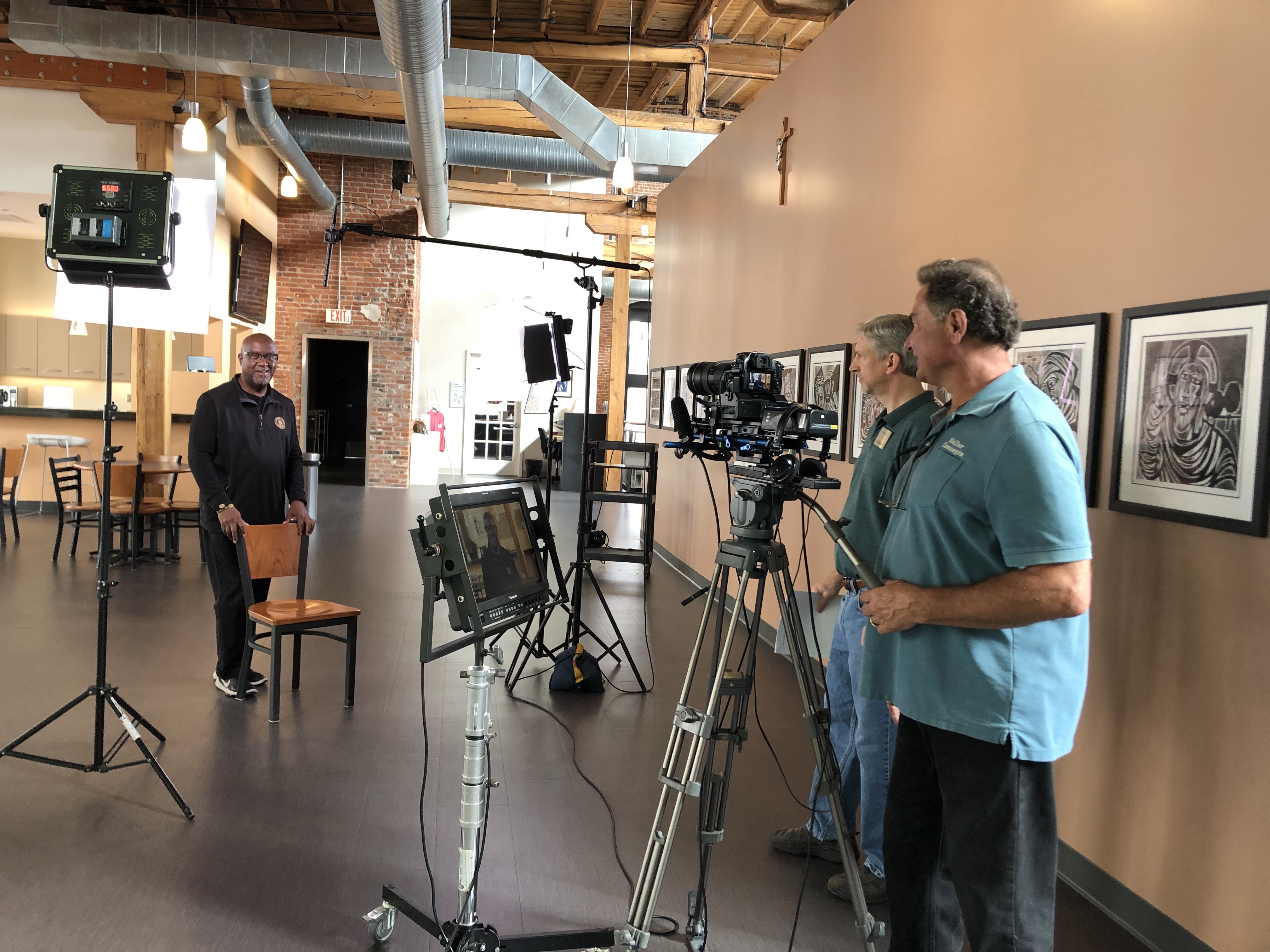
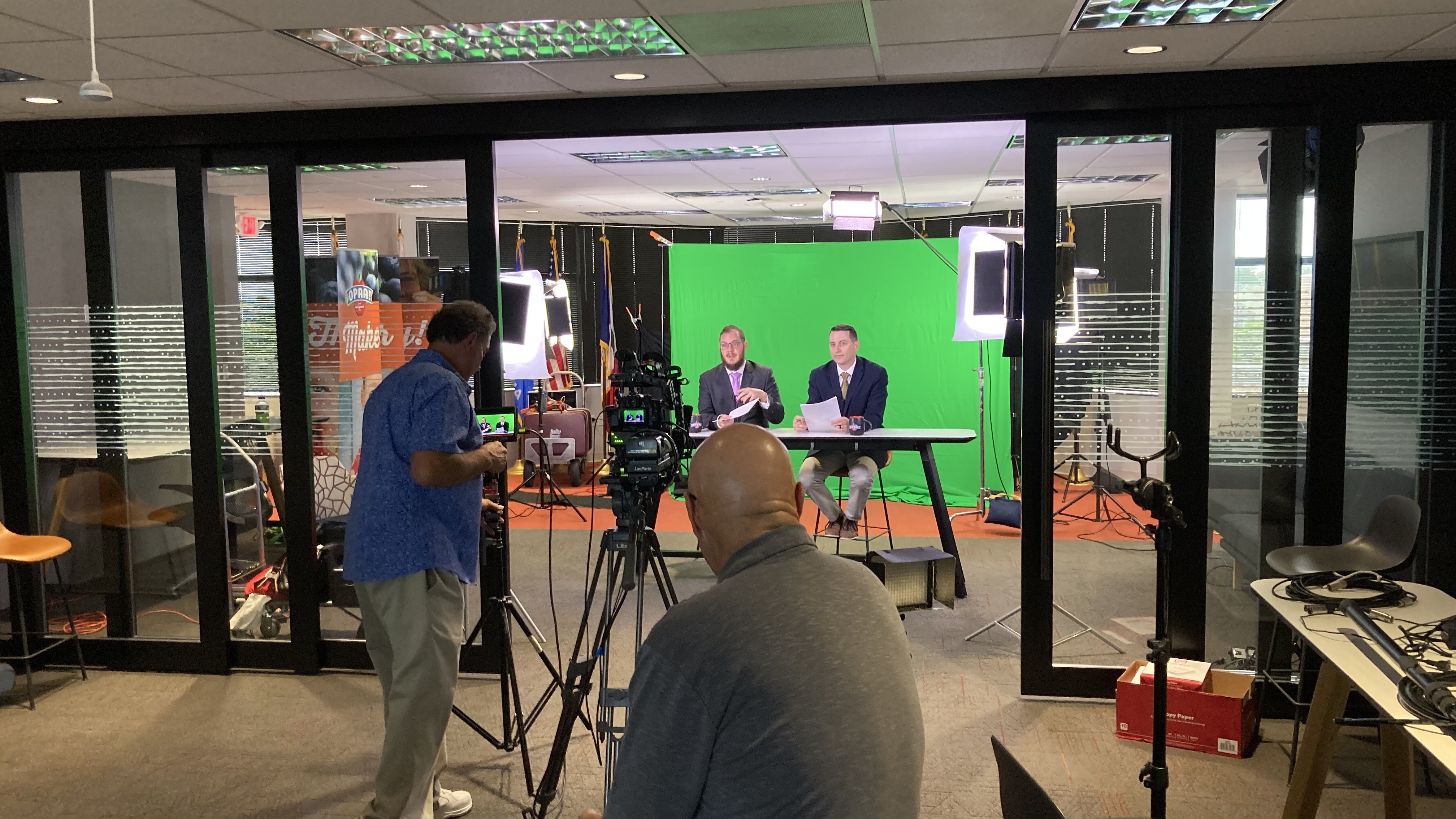
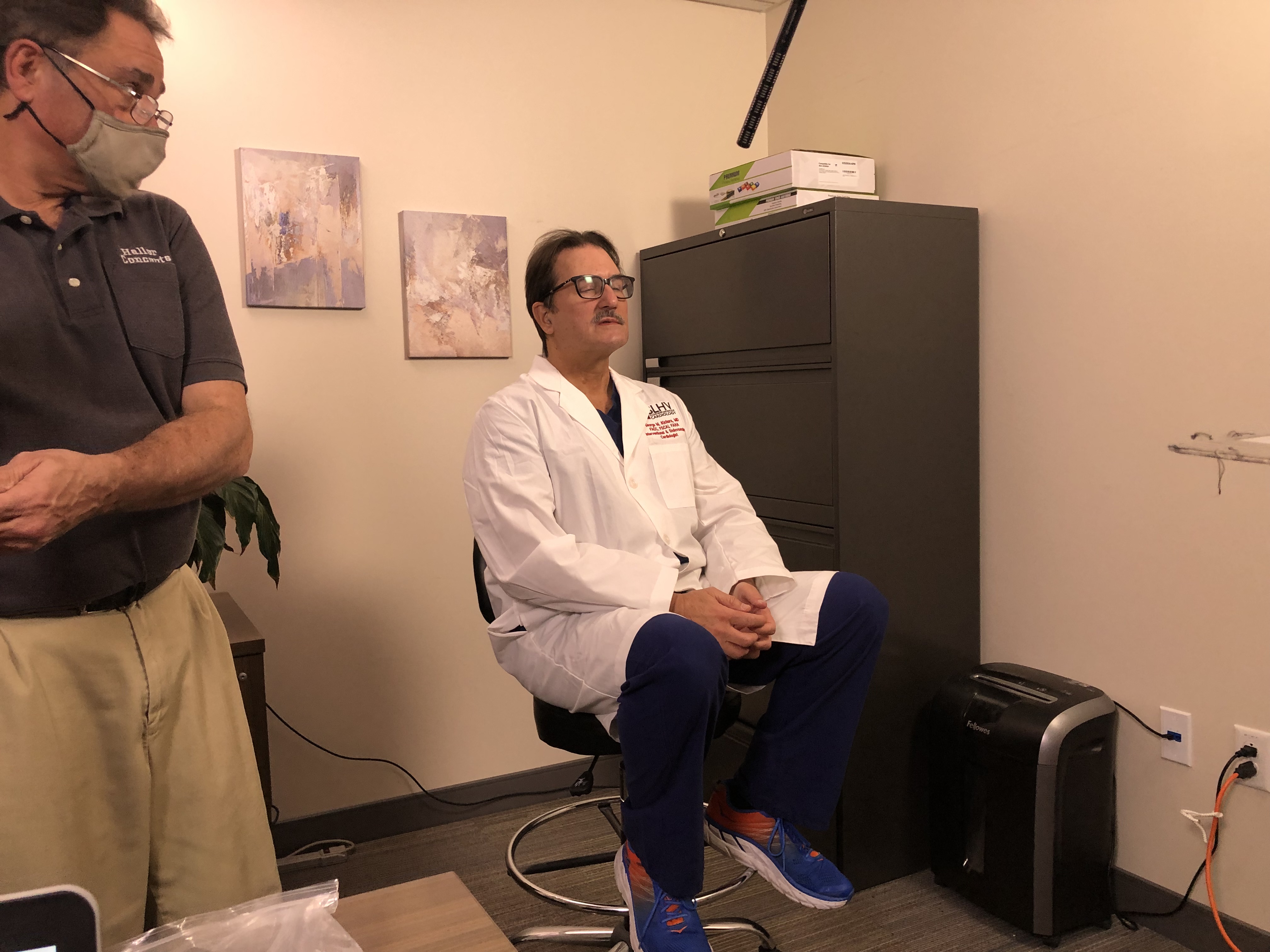
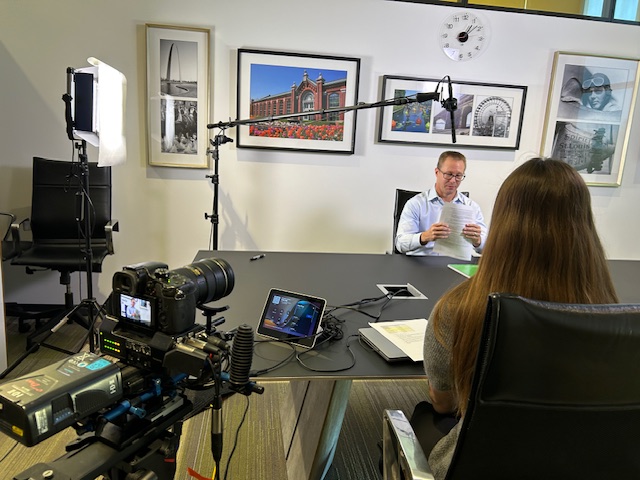
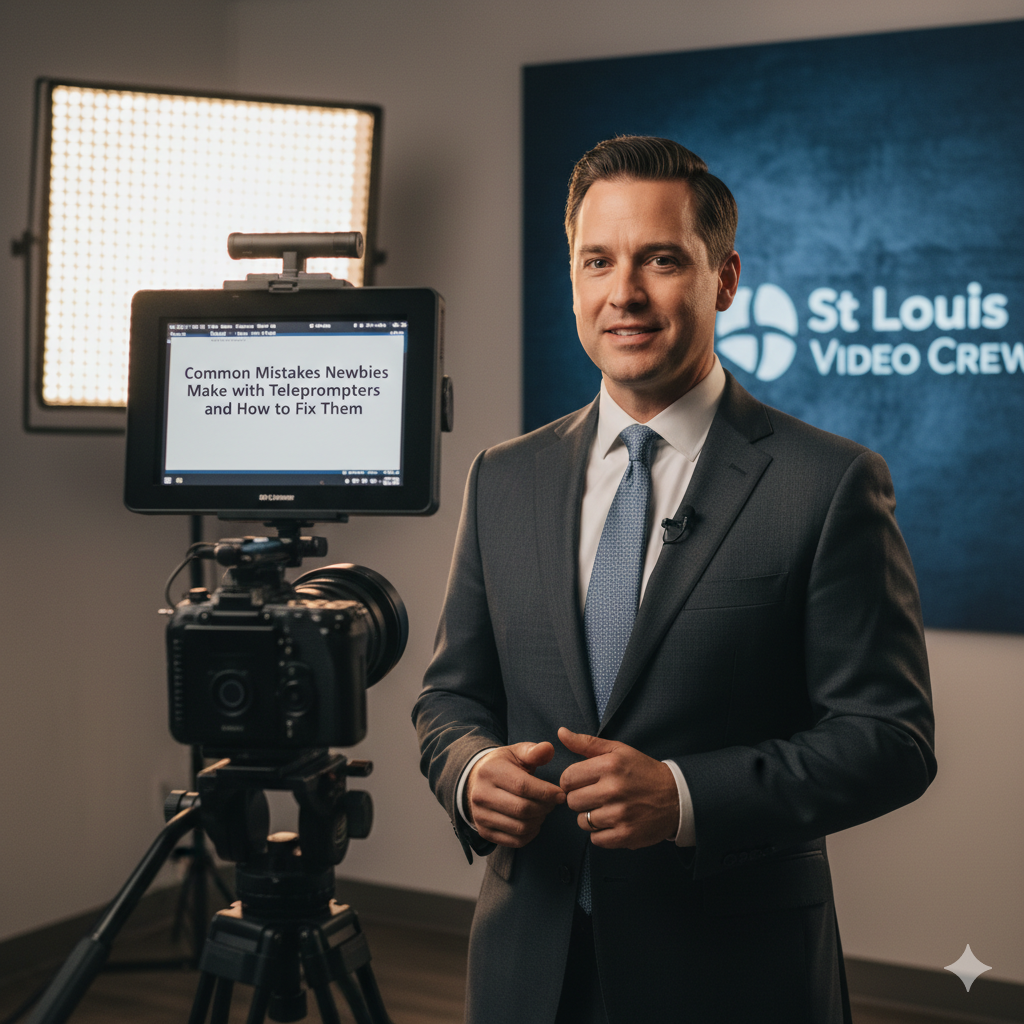
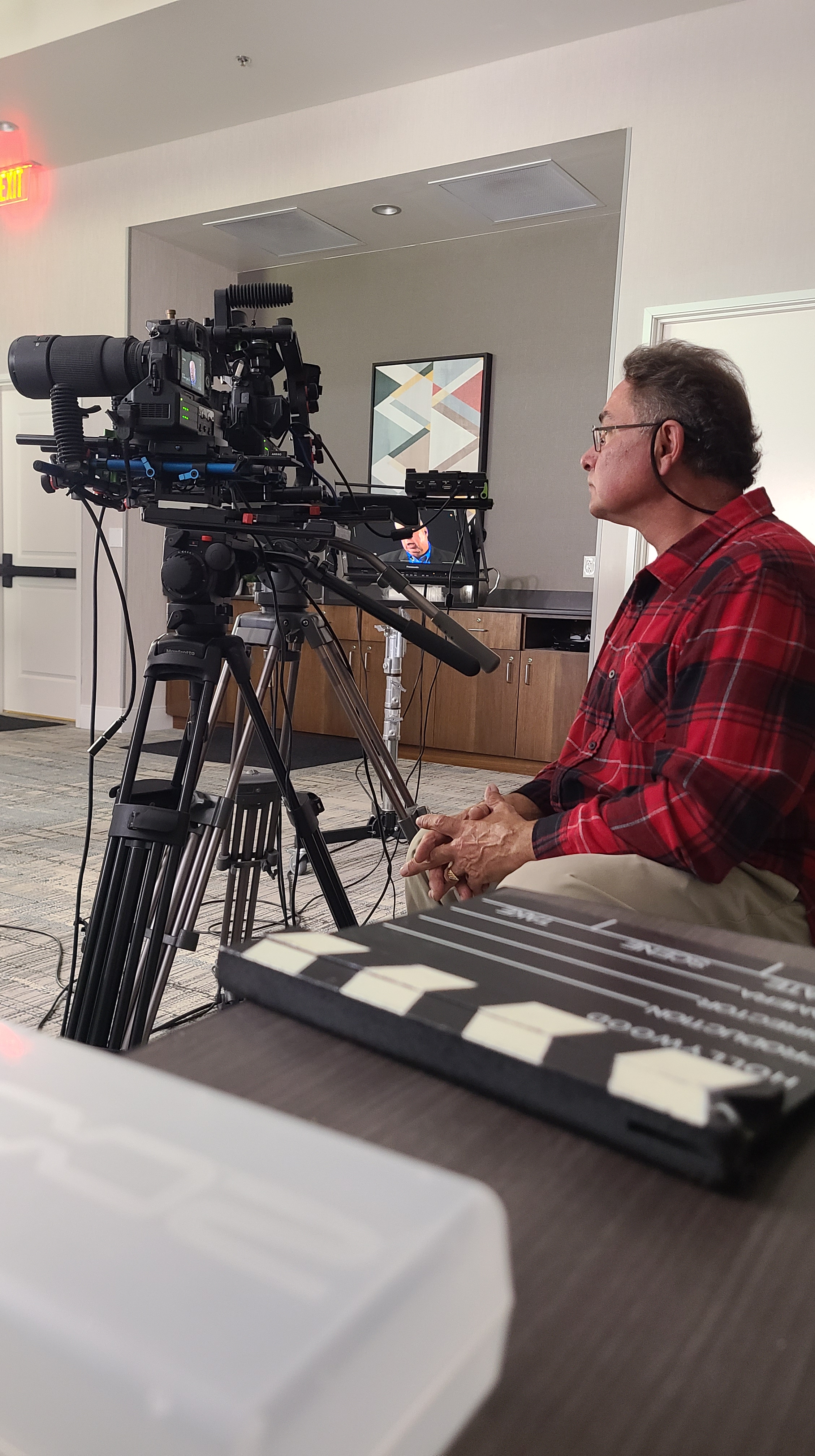
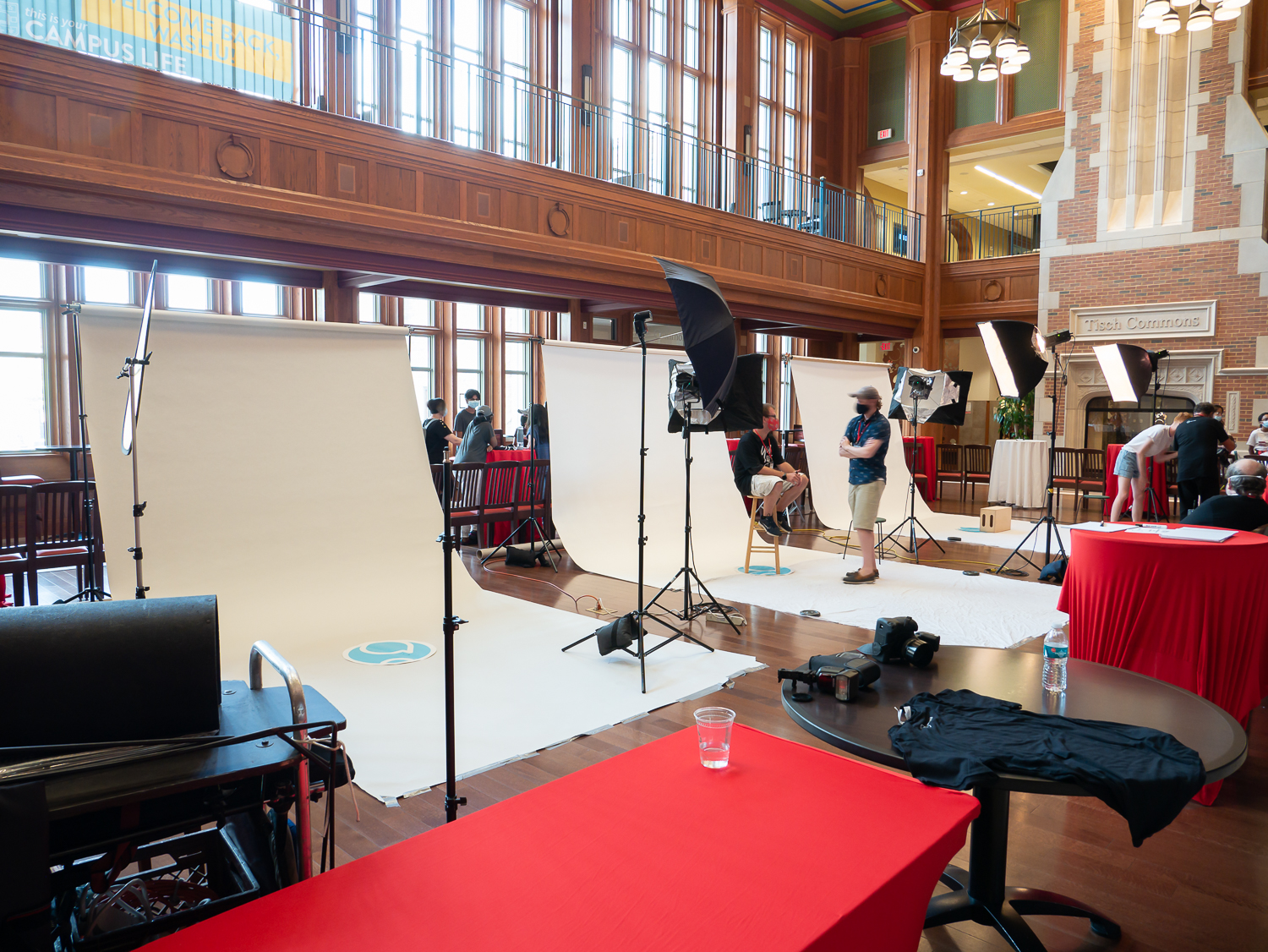
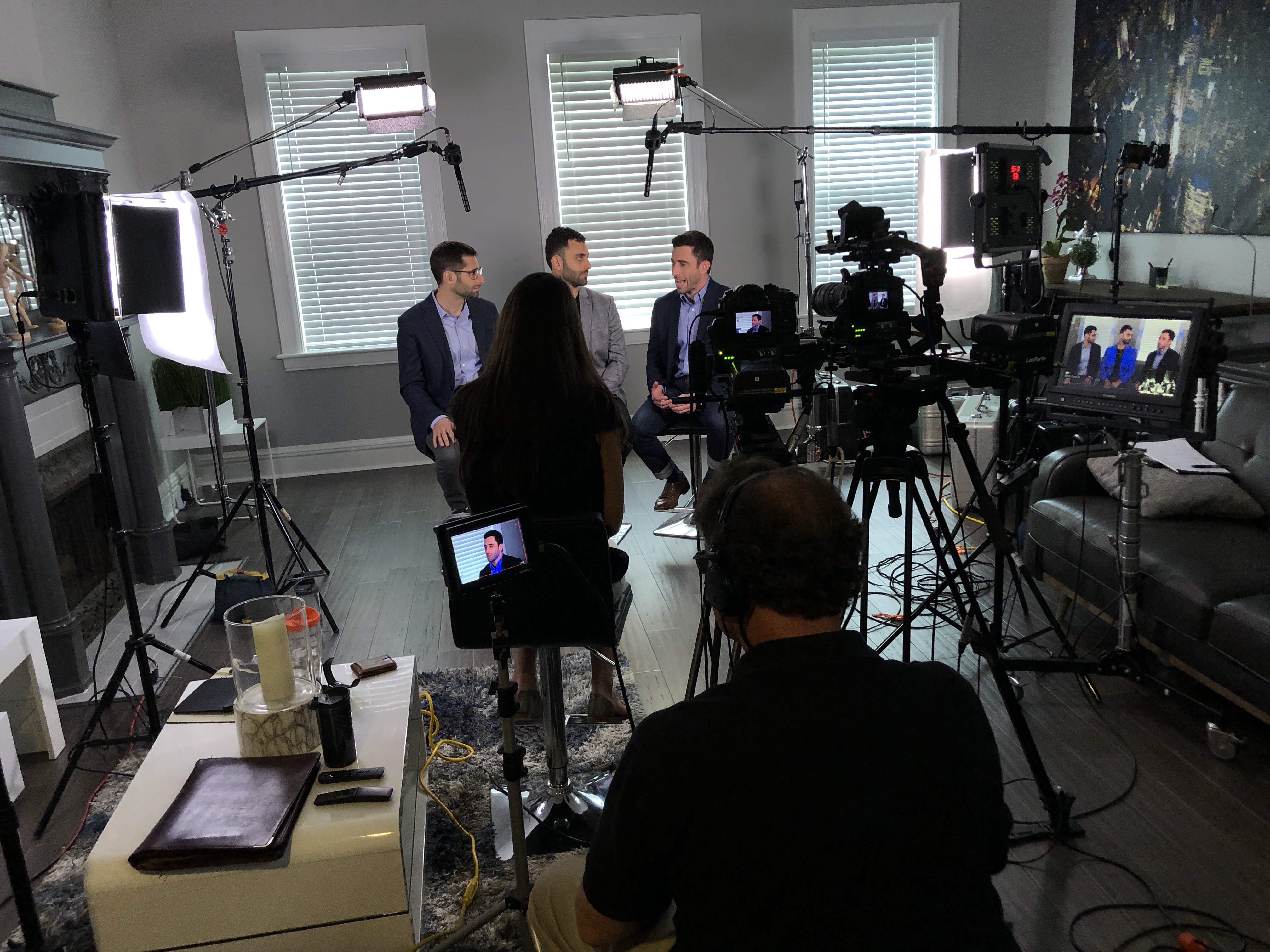
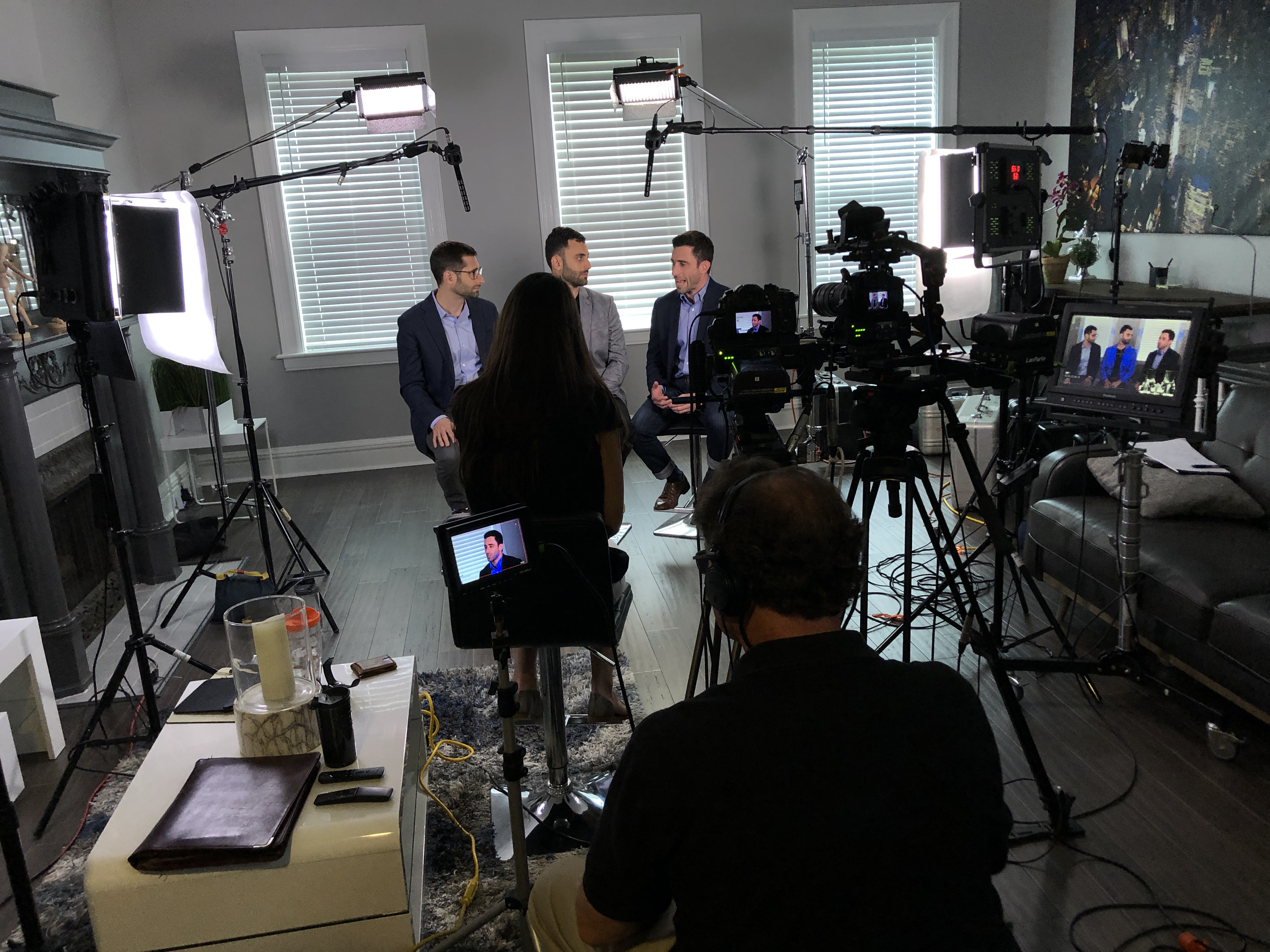
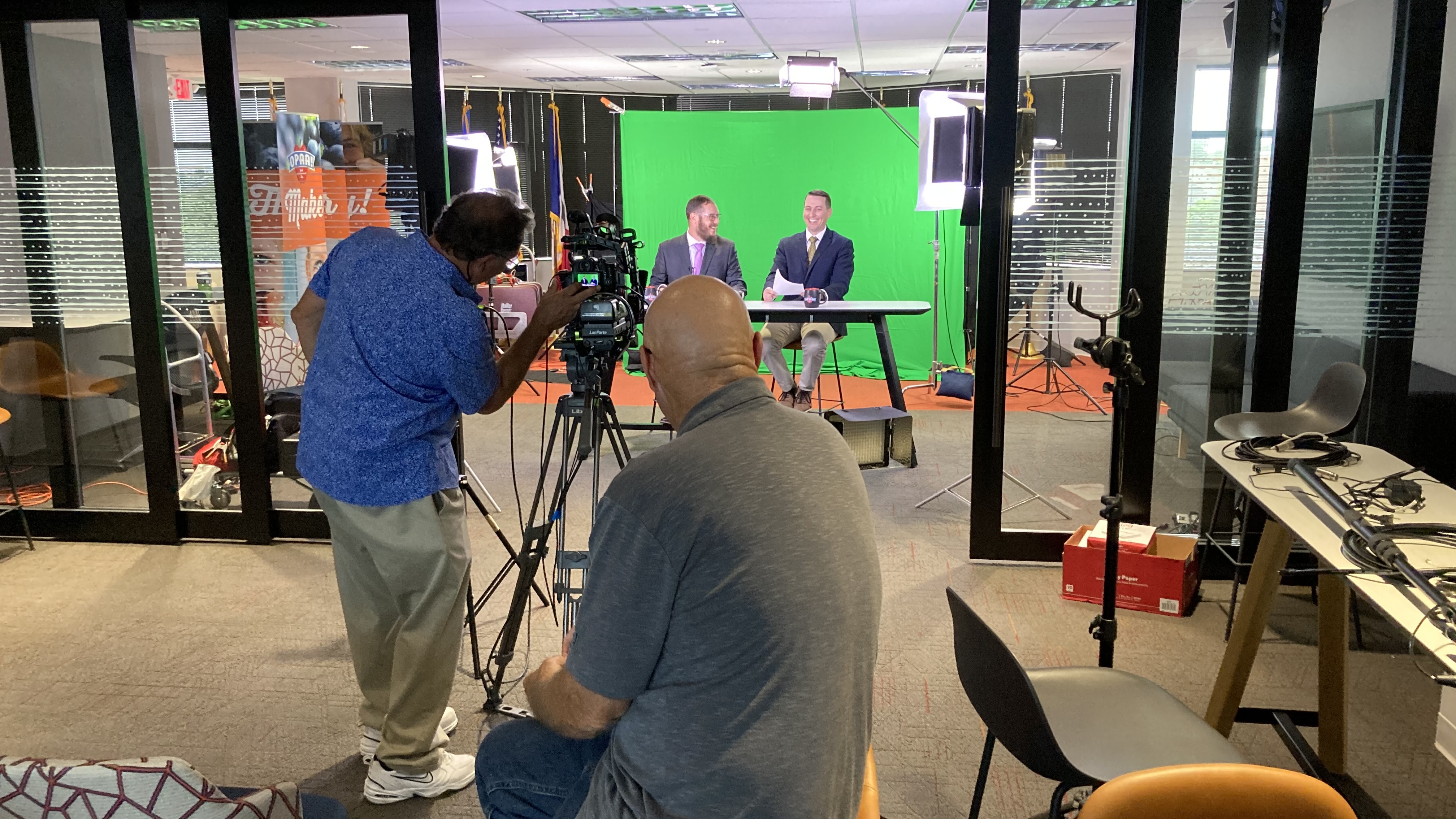
People perform better on camera when the environment feels calm and professional. Lighting, sound, camera placement, room arrangement, background composition, and crew demeanor all influence the quality of the interview. An experienced team understands how to shape a space so the subject looks confident and natural without feeling intimidated.
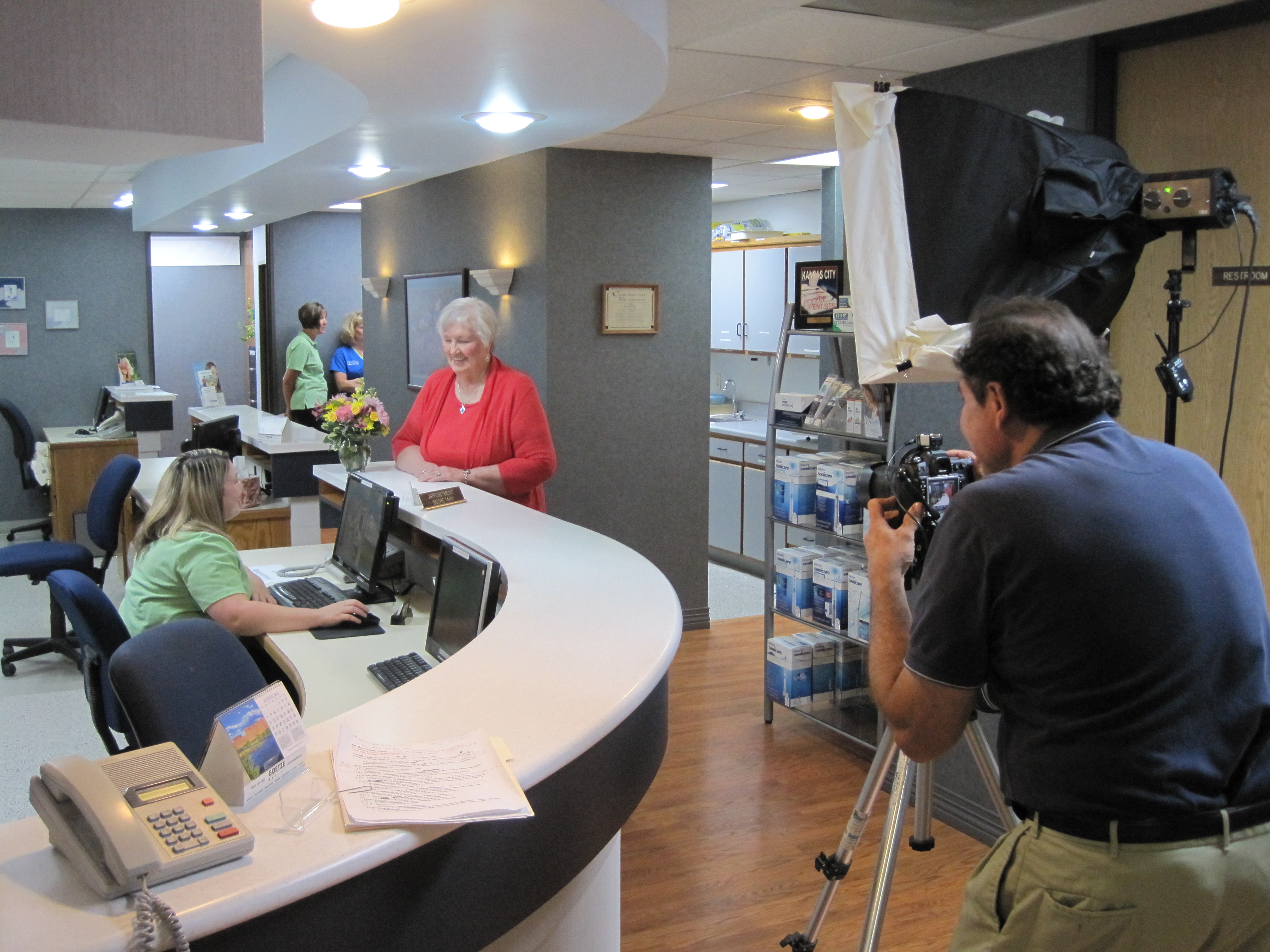
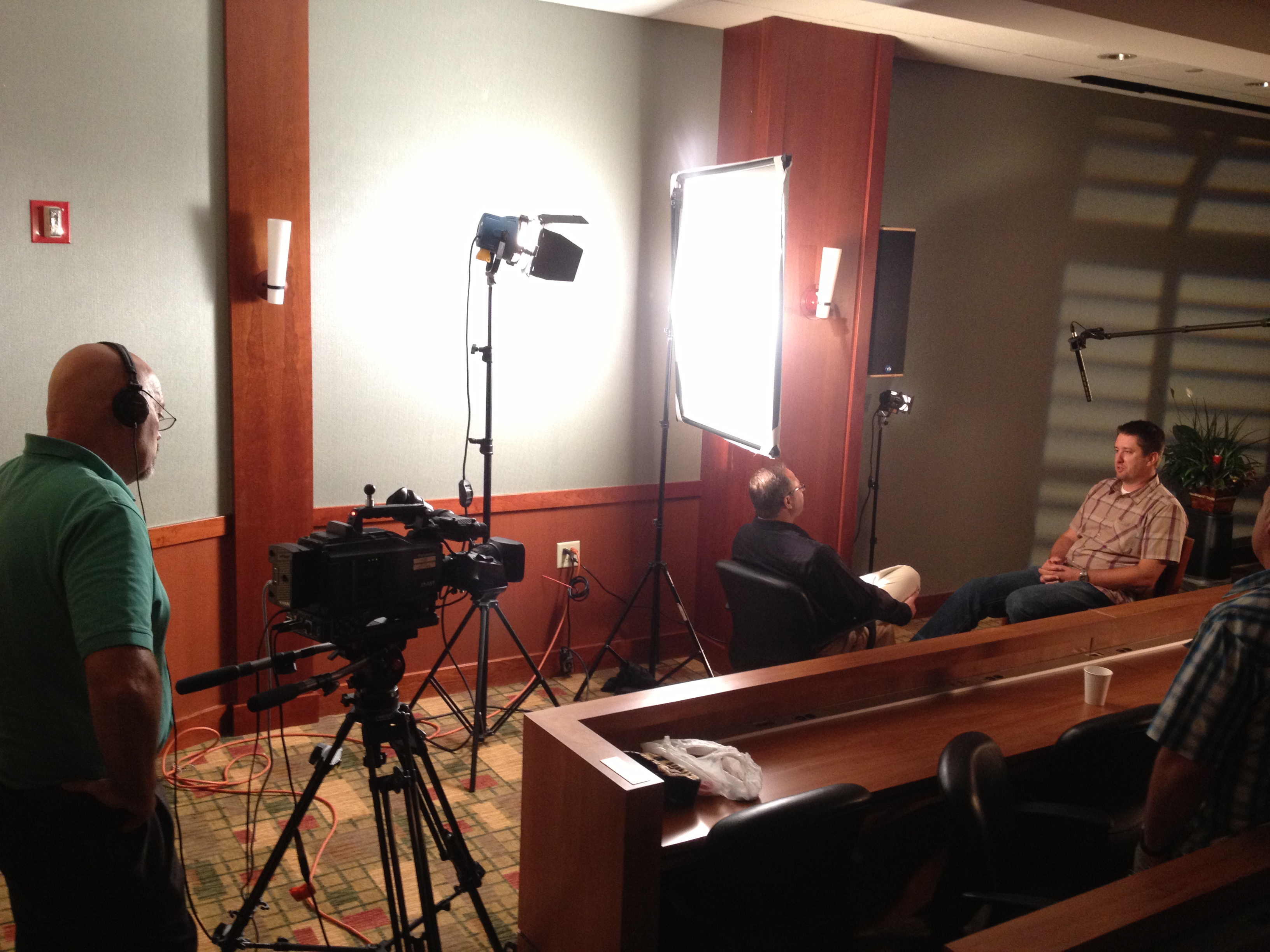
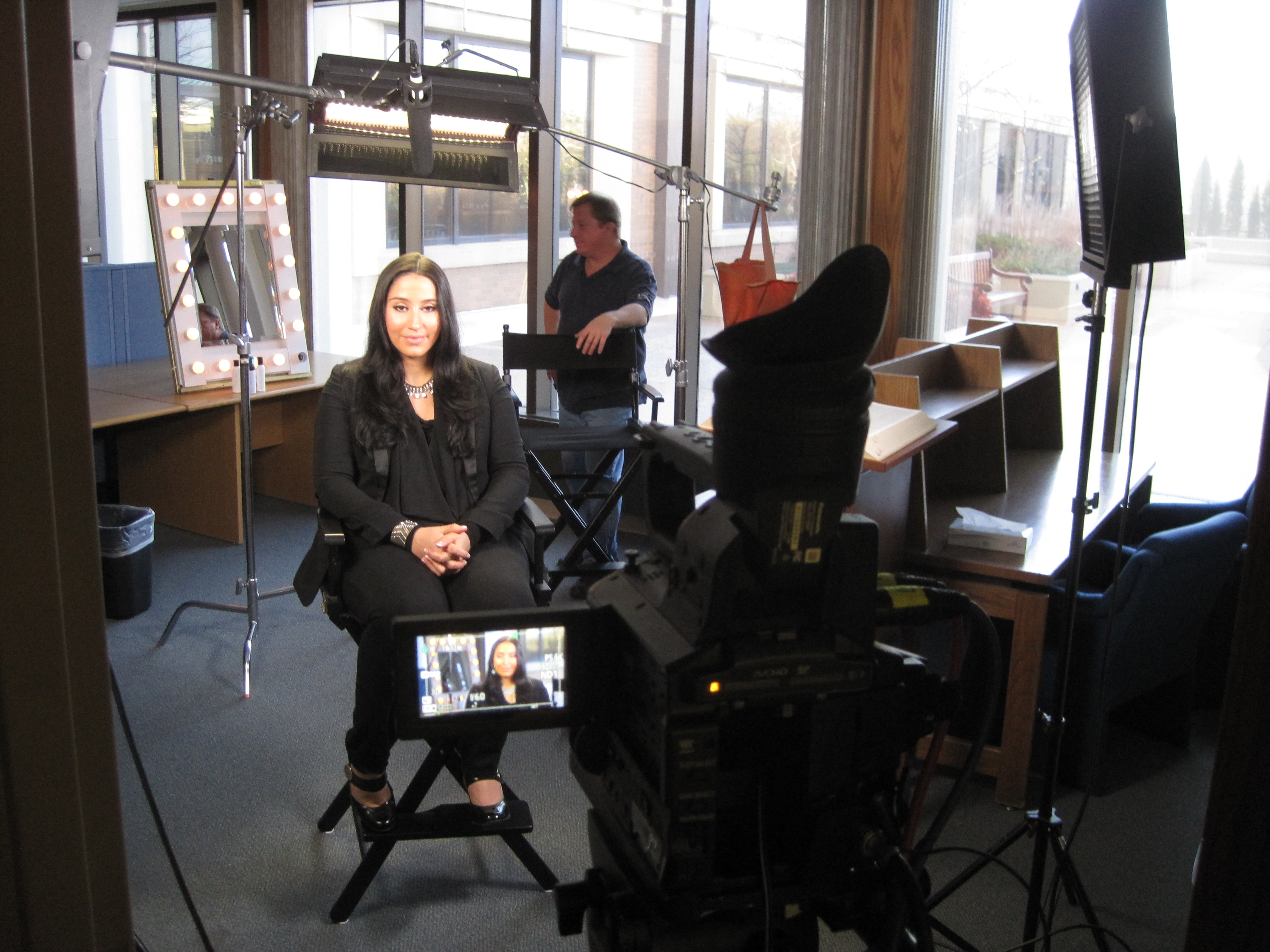
Asking Better Questions
Strong interview footage comes from strong prompting. Questions should be structured to produce complete, useful answers that sound natural in the final edit. Instead of asking for yes-or-no responses or overly corporate phrasing, good producers guide the conversation toward clear, authentic statements.
Capturing for the Edit
Professionals do not just shoot for the moment. They shoot for the final sequence. That means gathering alternate angles when appropriate, room tone for audio continuity, and enough visual variation to support future editing decisions.
What Makes Great B-Roll Different
Great b-roll is purposeful. It is not filler. It is visual storytelling.
That means understanding what the audience needs to see in order to believe, remember, and respond to the message. A company that prides itself on precision should show precision. A company promoting responsiveness should show human interaction and workflow. A manufacturer emphasizing quality control should show the inspection process, machinery, detail shots, and environmental context. A service brand talking about trust should show real people, real settings, and real moments that feel credible.
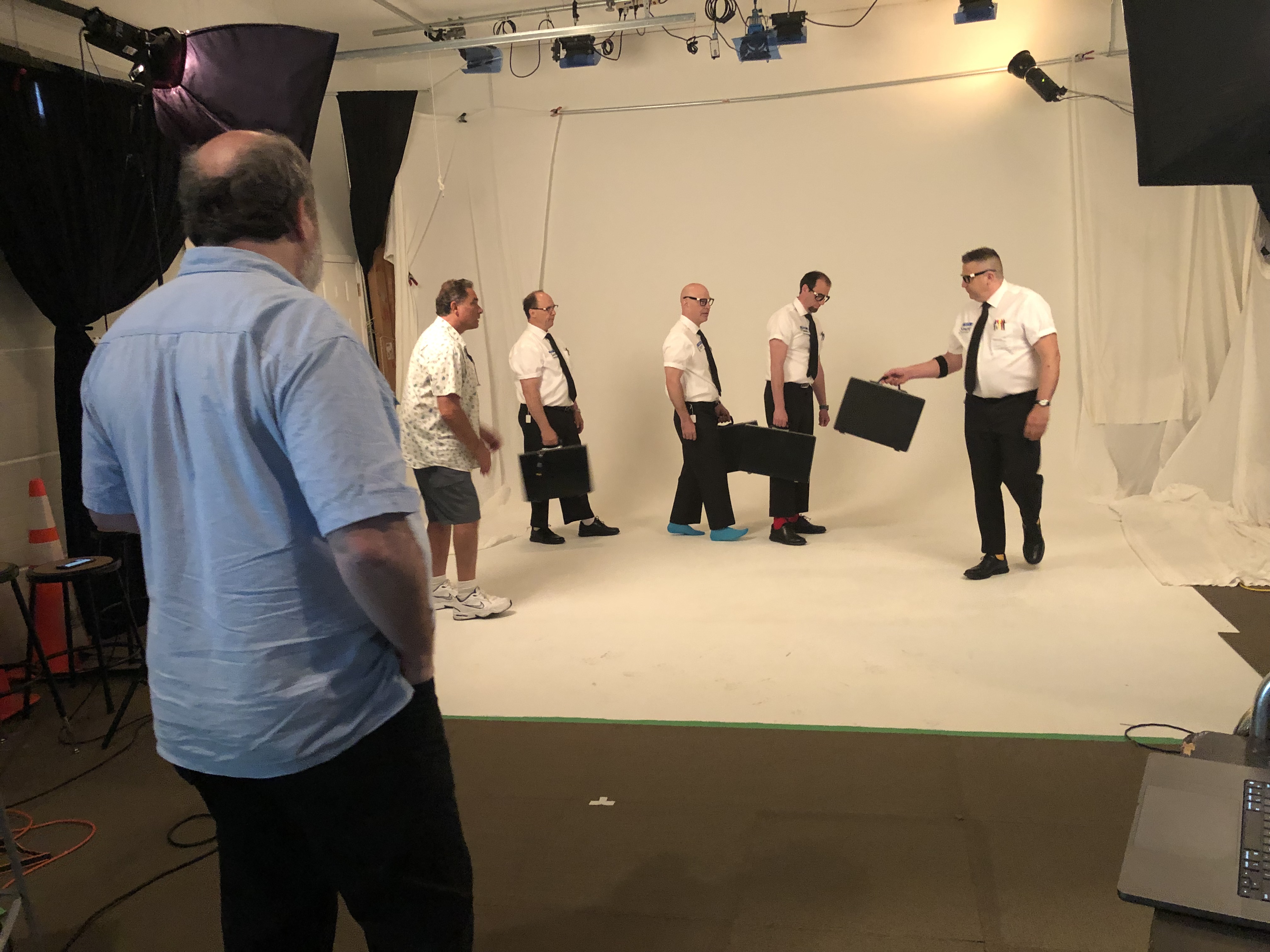
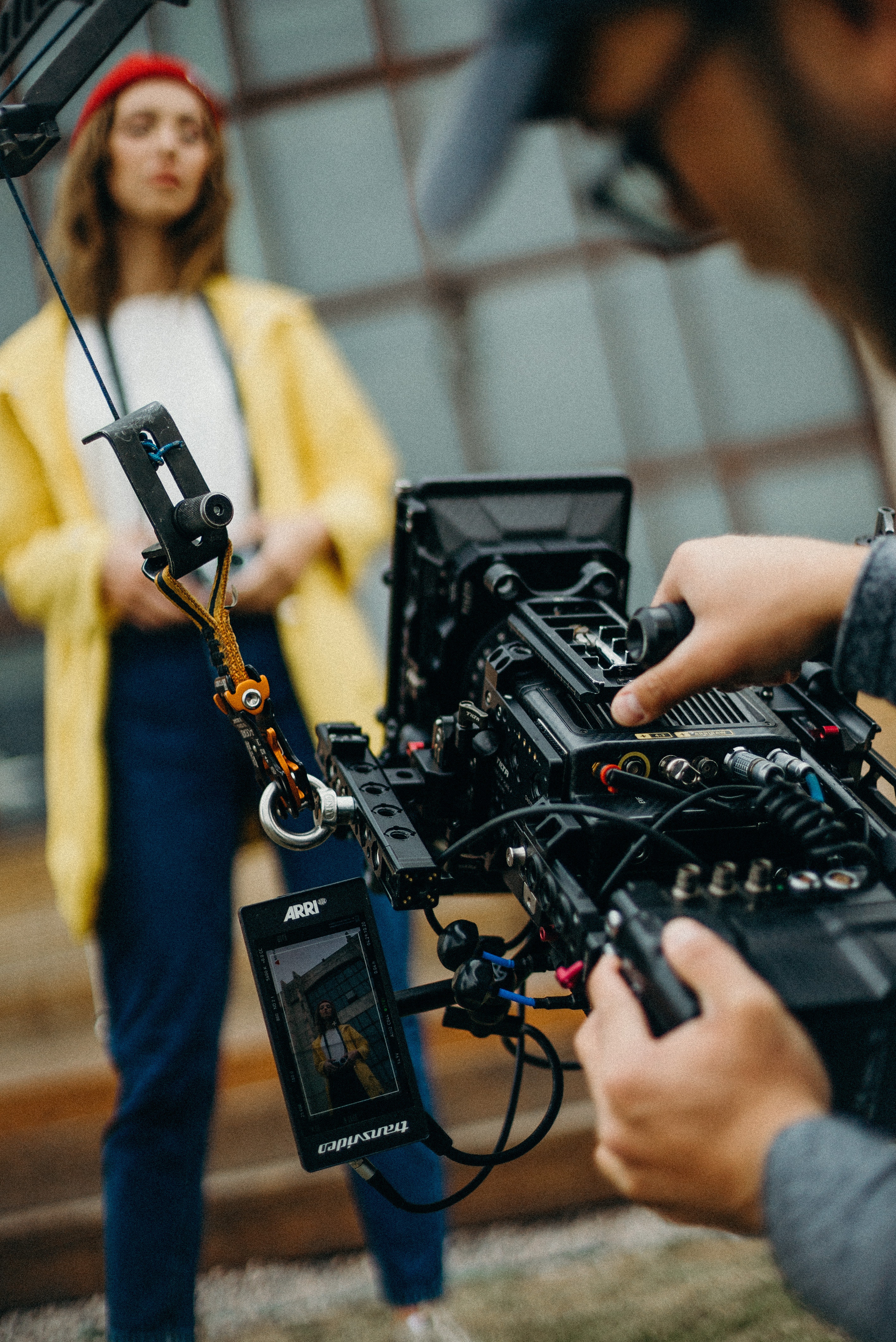
Specialized b-roll teams look for layers within a location. They do not settle for a few wide shots and leave. They gather establishing views, medium action, detail coverage, movement, texture, signage, environmental context, process shots, and the little visual moments that elevate an edit.
This is especially important for businesses that want more than one deliverable from a shoot. A carefully shot day of interviews and b-roll can fuel a flagship brand video, social cutdowns, recruiting pieces, testimonial variations, website headers, trade show loops, internal communications, and still frame grabs for marketing collateral.

Common Business Uses for Interview and B-Roll Productions
St. Louis organizations across industries can use this format effectively.
Professional services firms use interview-driven videos to build trust and explain expertise.
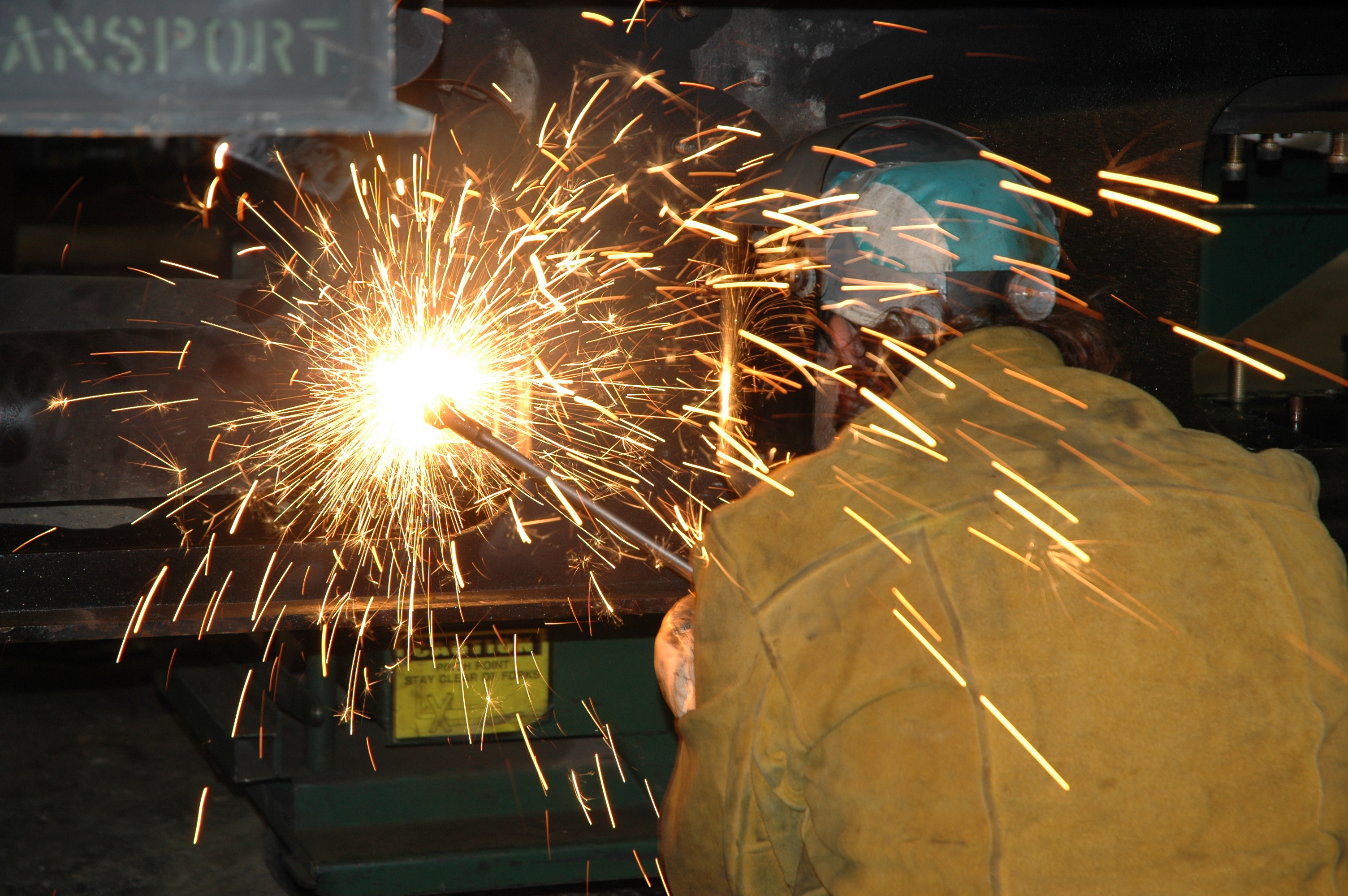
Manufacturers use them to show process, quality control, plant capabilities, and workforce culture.
Healthcare organizations use them to communicate patient care values, service lines, and physician perspectives.
Schools and universities use them for recruitment, development campaigns, and leadership communications.
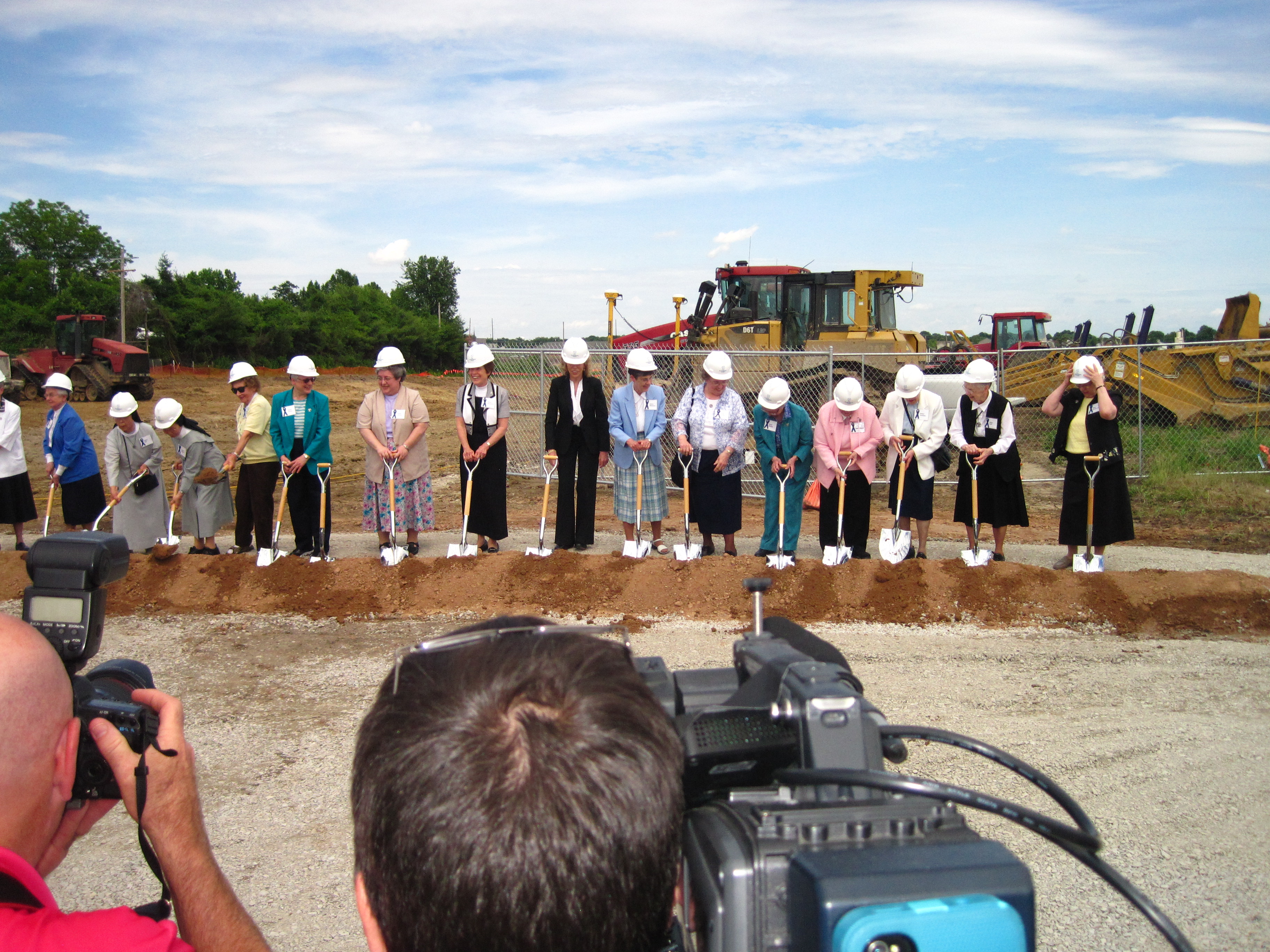
Nonprofits use interviews and b-roll to capture mission, donor impact, and human stories.
Construction and real estate companies use them to show projects, people, equipment, and operational scale.
Marketing agencies use this format on behalf of their clients because it is efficient, versatile, and highly adaptable to multiple campaigns.
Why Location Matters in St. Louis Productions
St. Louis offers a broad range of useful backdrops and business environments, but every location comes with logistical considerations. Interview and b-roll specialists know how to evaluate locations not just for aesthetics, but for practical production needs.
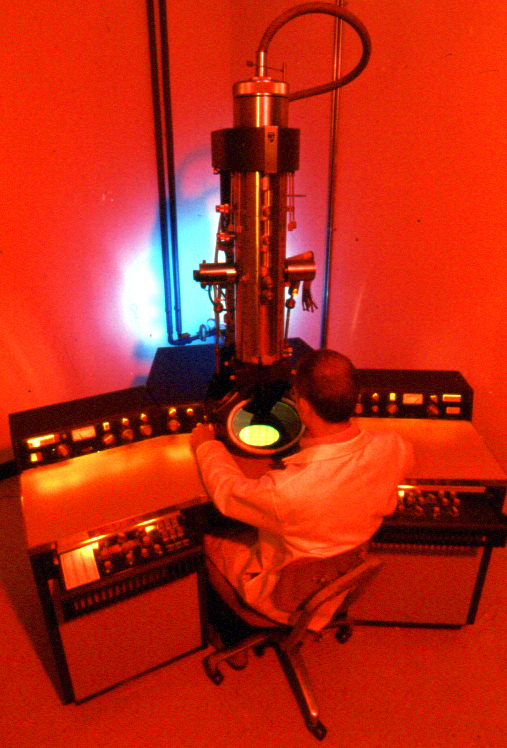
They consider available light, sound contamination, power access, room size, reflective surfaces, HVAC noise, outside traffic, schedule interruptions, and visual distractions. They also think through how different areas of the site can contribute to the story. A lobby, conference room, production floor, rooftop, loading dock, laboratory, warehouse aisle, outdoor entrance, or drone exterior may all play a role in shaping the final visual narrative.
Location scouting becomes especially important when a business wants a polished cinematic look without disrupting normal operations. The right crew can identify strong visual opportunities while keeping the production efficient and manageable.
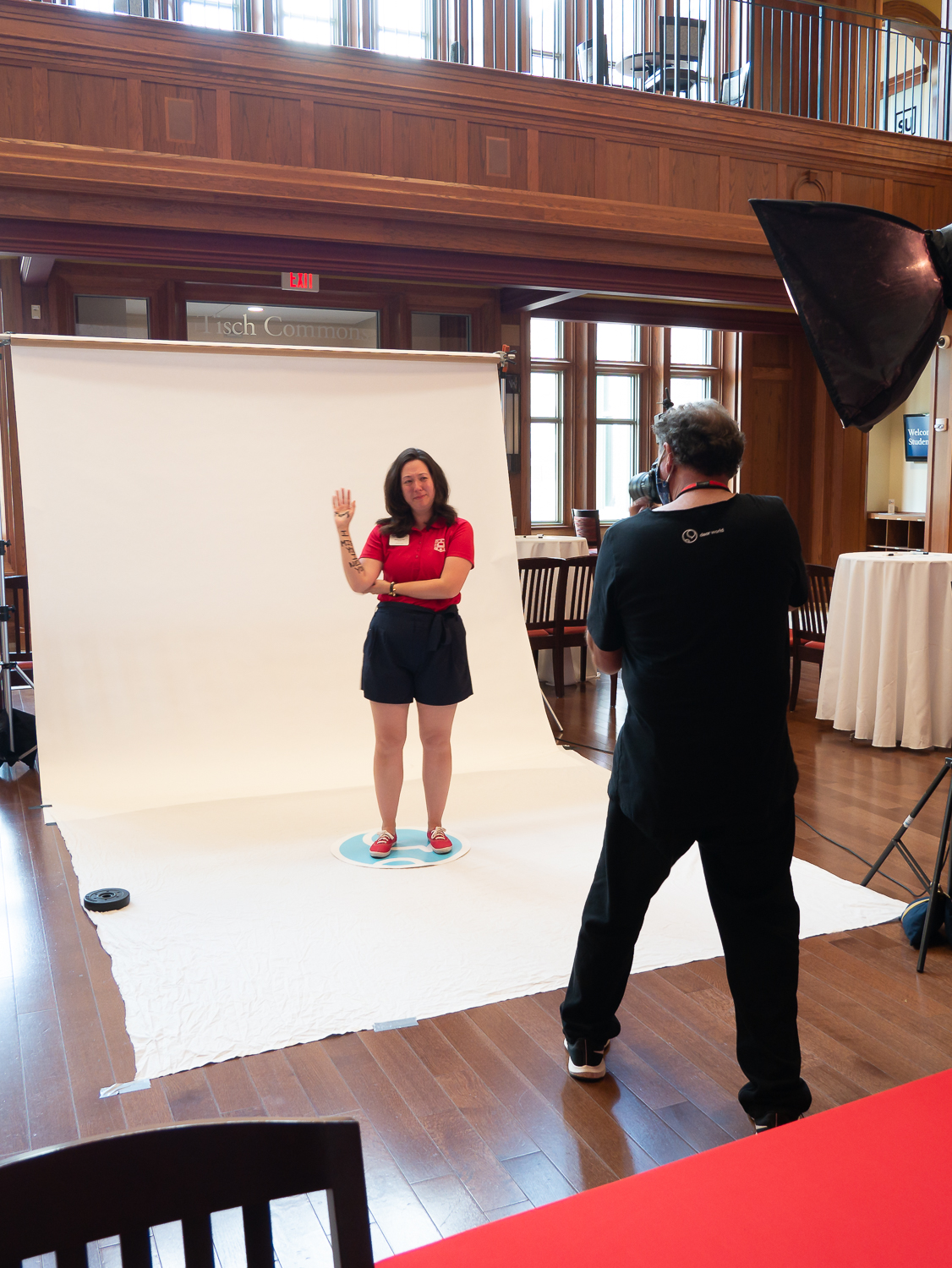
The Importance of Sound in Interview Production
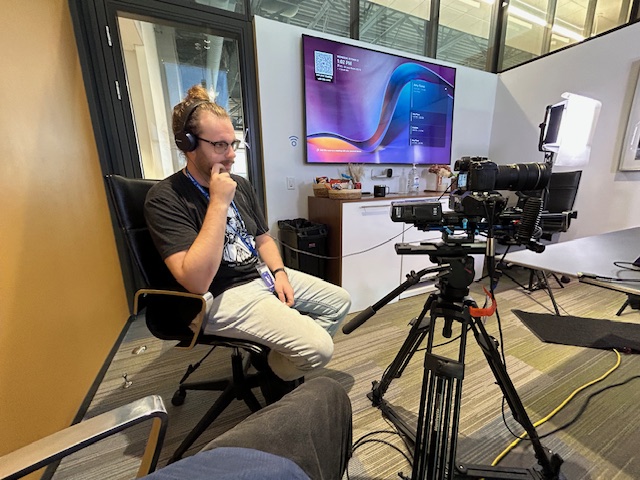
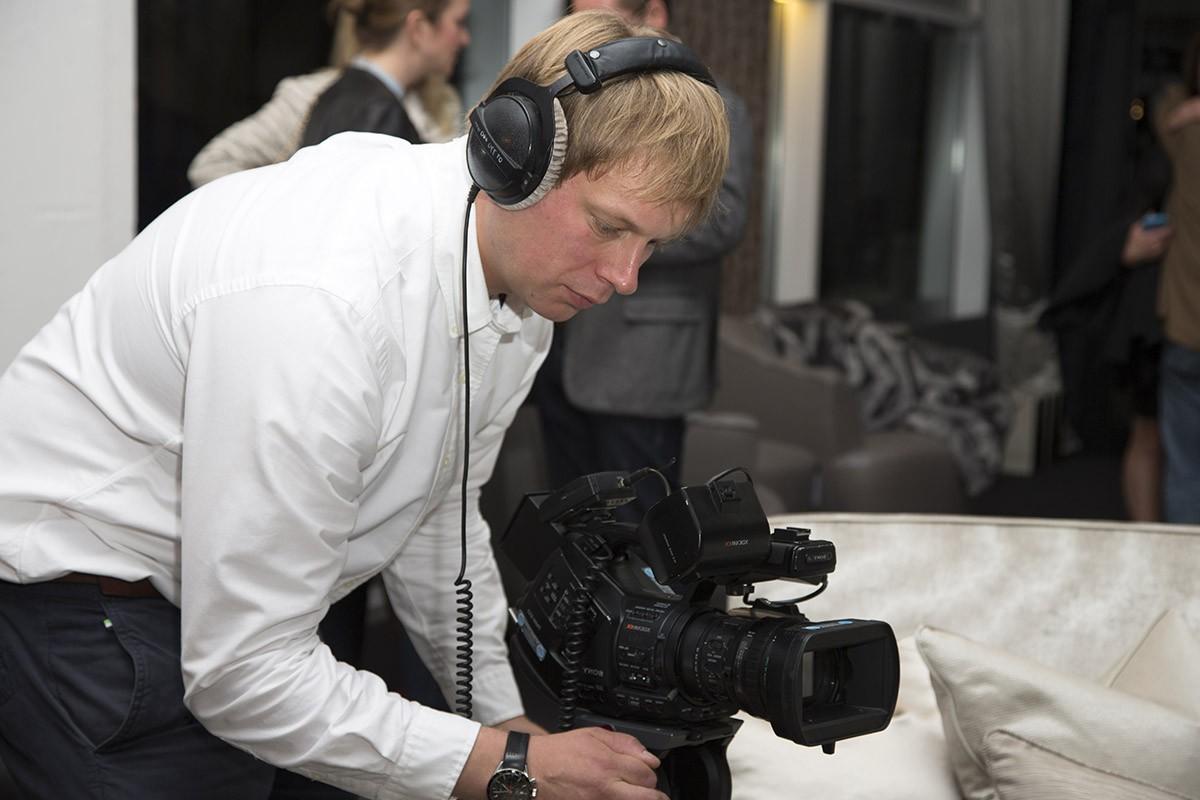
Many clients focus first on the picture, but in interviews, sound quality is just as important. Audiences will tolerate modest visual imperfections more easily than poor audio. If the voice sounds hollow, noisy, distorted, or inconsistent, credibility drops immediately.
That is why professional interview production requires attention to microphones, acoustics, room tone, ambient control, and audio monitoring. Skilled crews know how to work around office hum, HVAC systems, plant noise, traffic, and unpredictable environmental factors. They understand that a beautifully lit interview can still fail if the audio is compromised.
For business videos, clean and intelligible dialogue is not optional. It is foundational.
How Drone, FPV, Thermal, Orthomosaics, and LiDAR Expand the Story
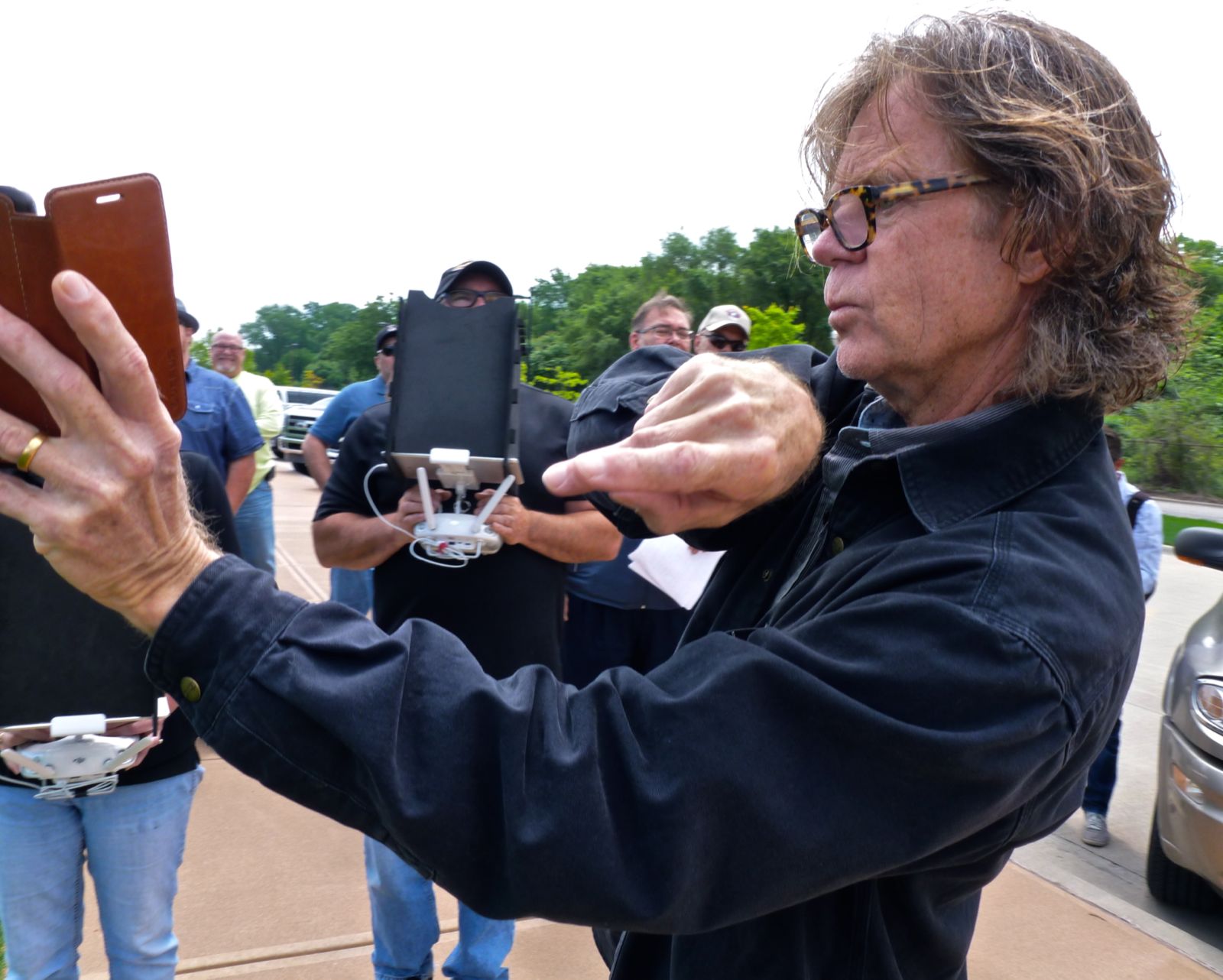
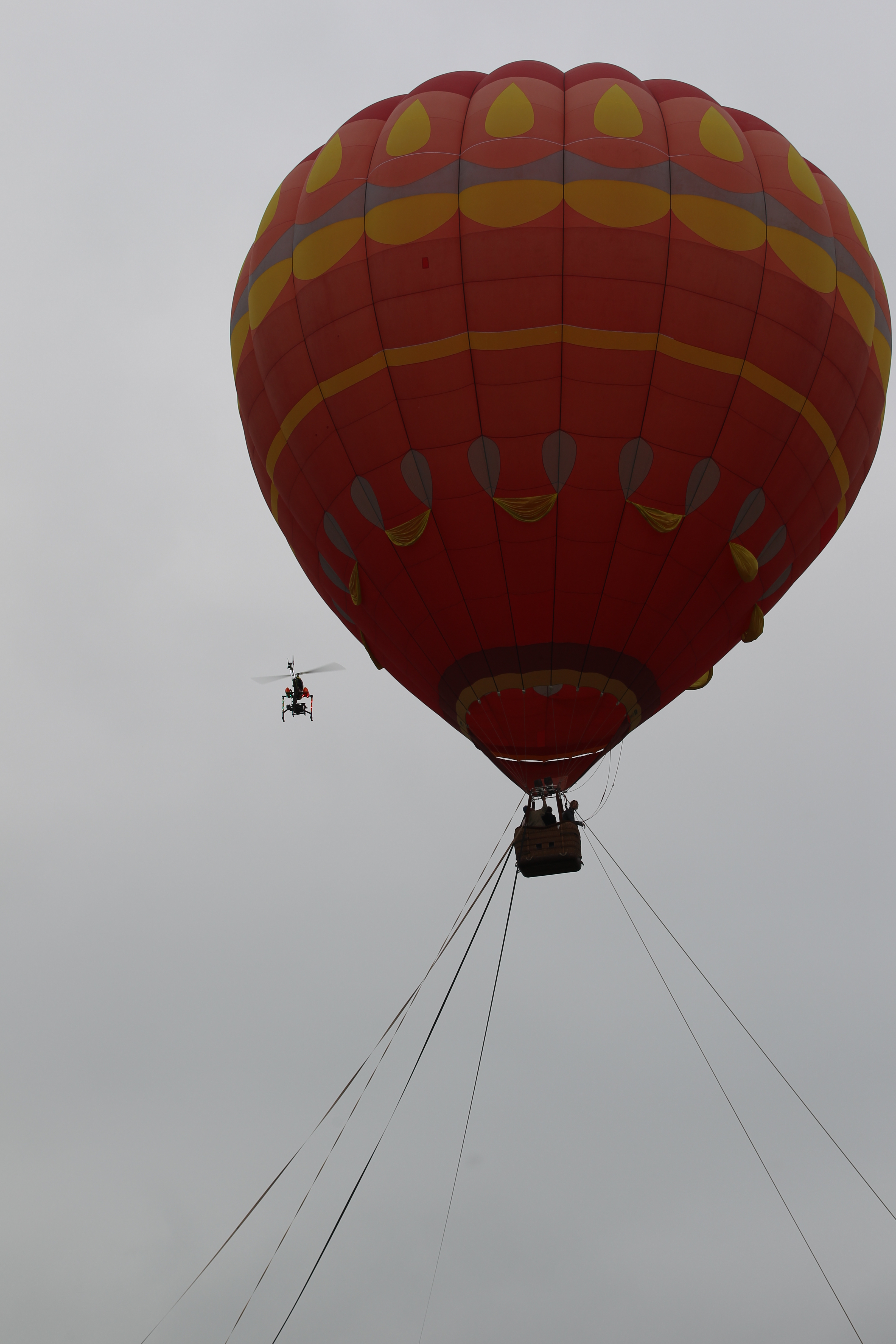
Modern video and photography production has expanded far beyond traditional ground cameras. For the right projects, specialized drone services can dramatically increase both the visual value and the informational value of a production.
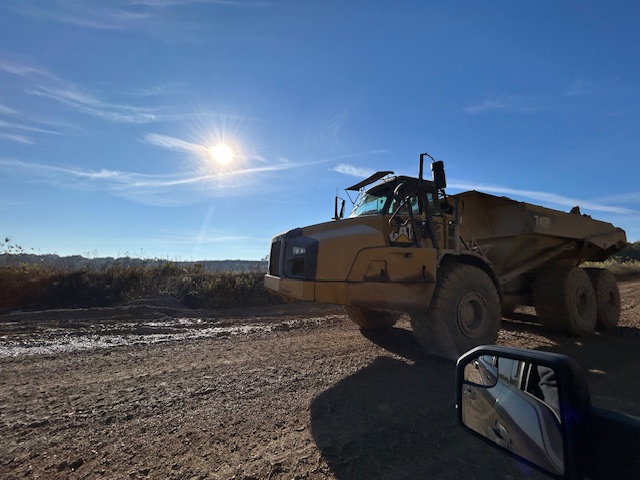
Standard aerial footage can establish location, scale, access, architecture, and operational footprint. FPV drones can create dynamic motion sequences indoors and through spaces that would otherwise be difficult to showcase. For industrial, facility, logistics, and experiential environments, FPV can reveal workflow and layout in a uniquely immersive way.
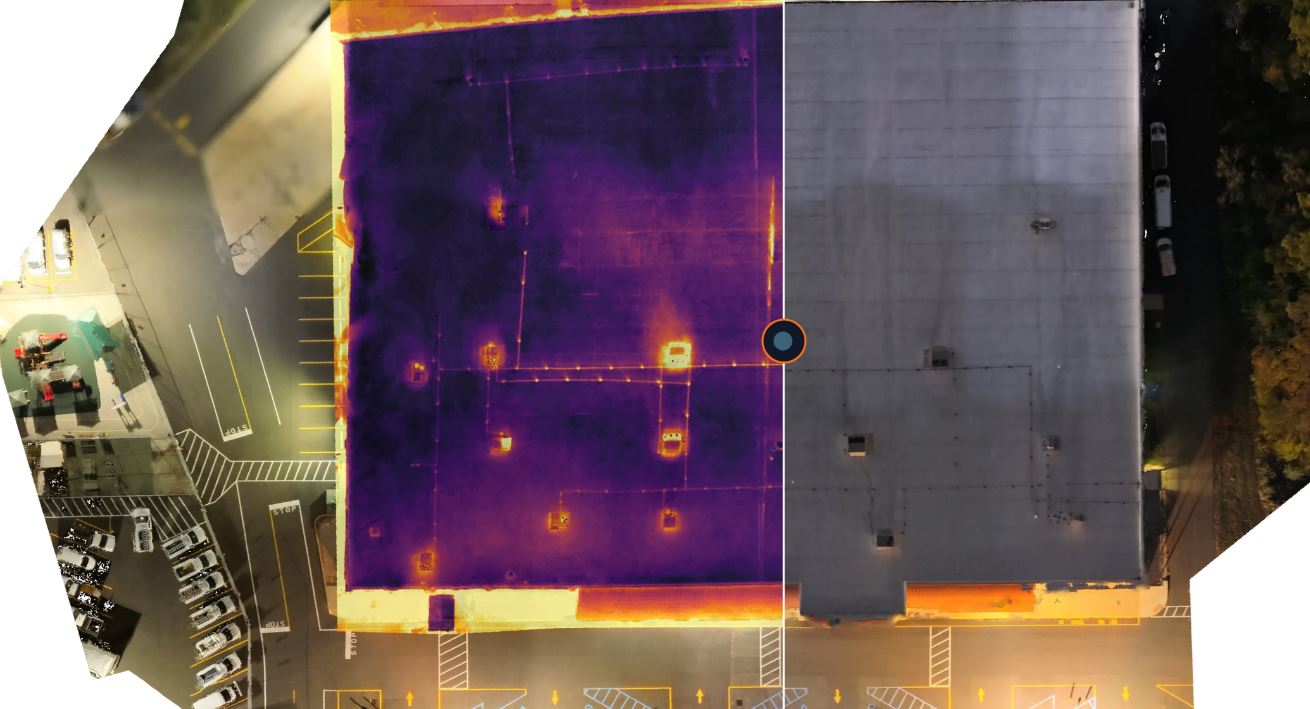
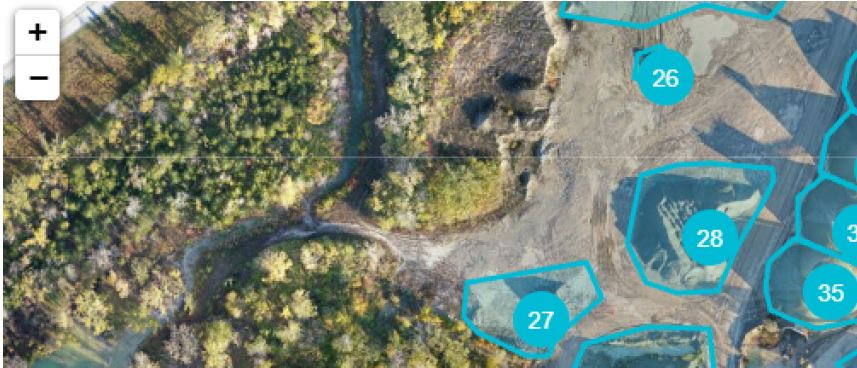
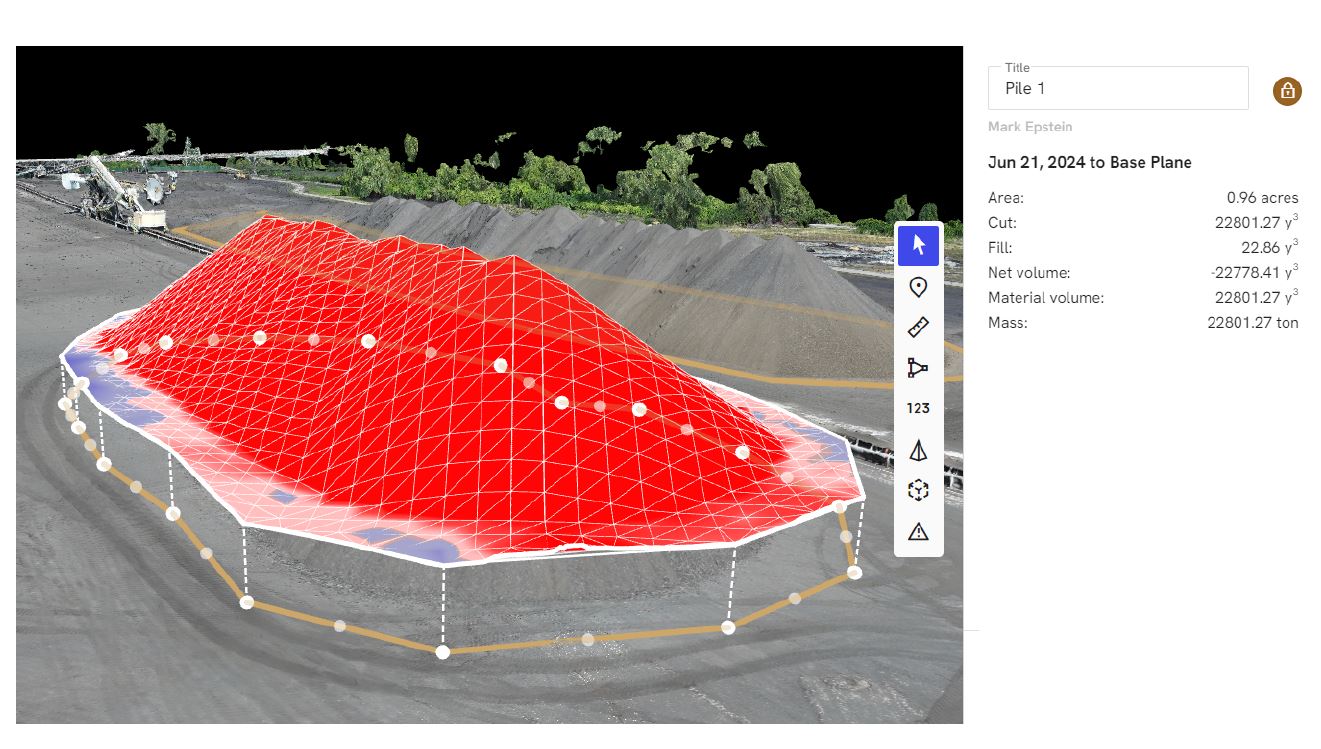
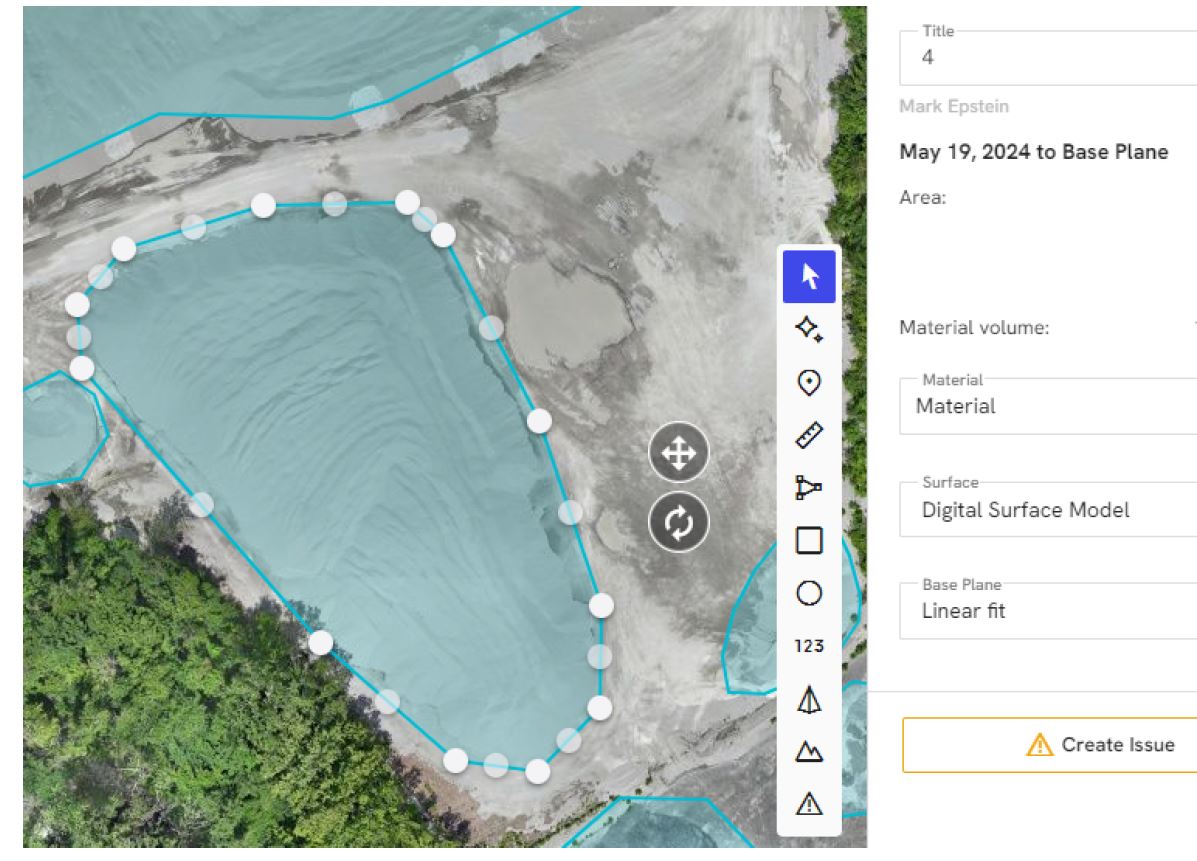
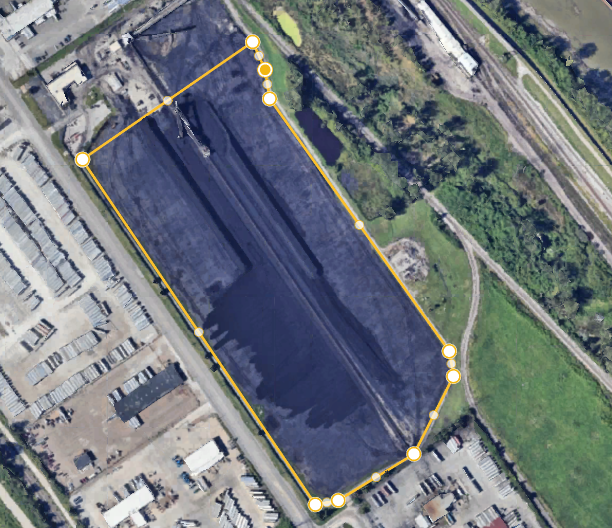
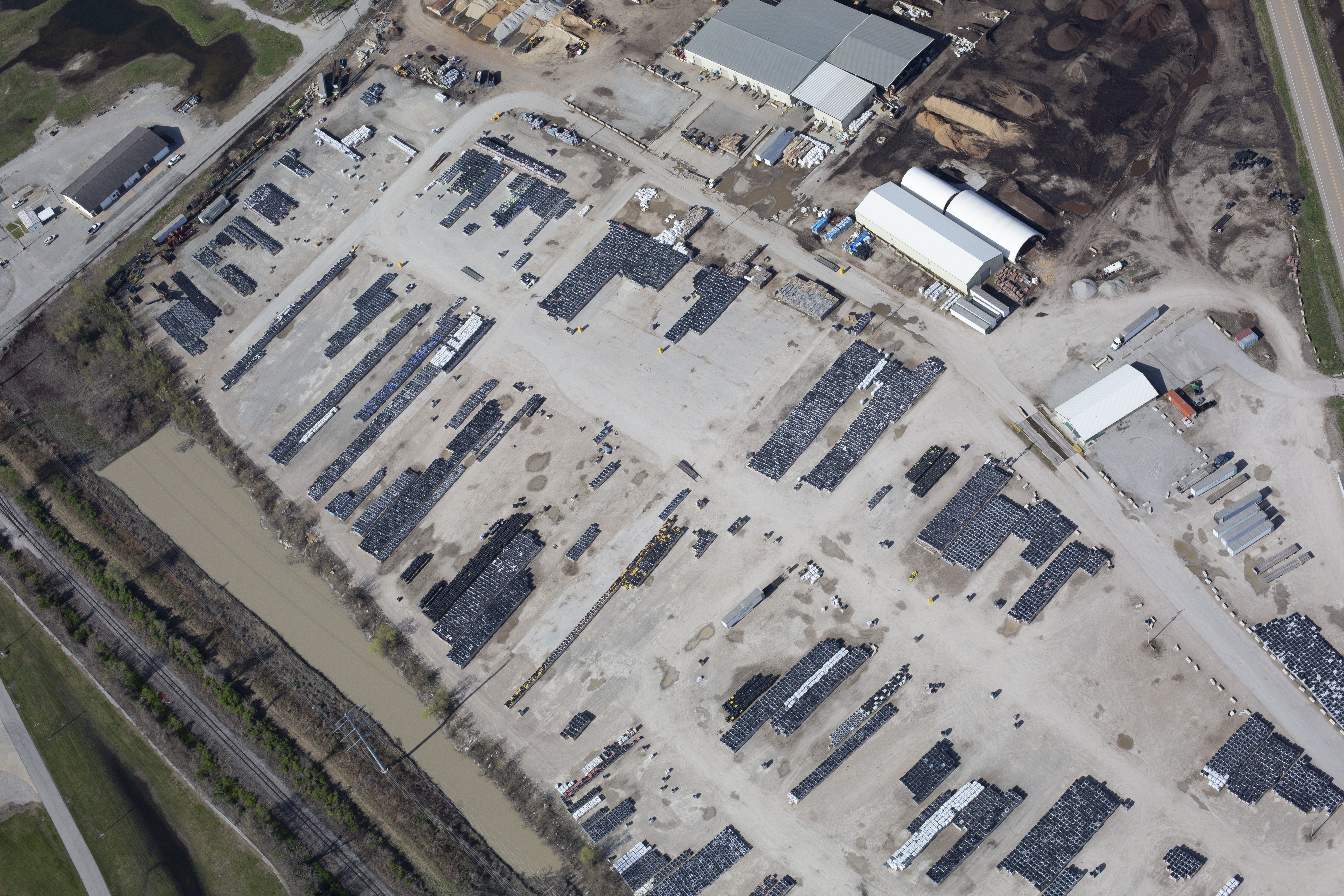
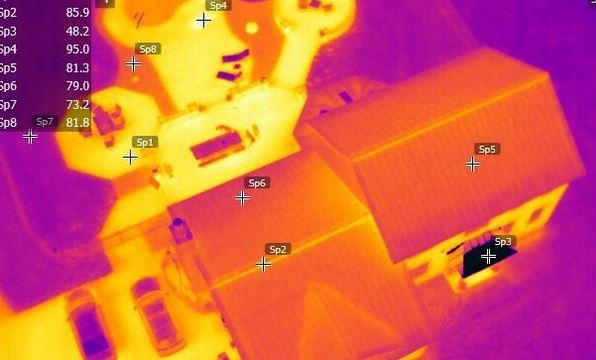
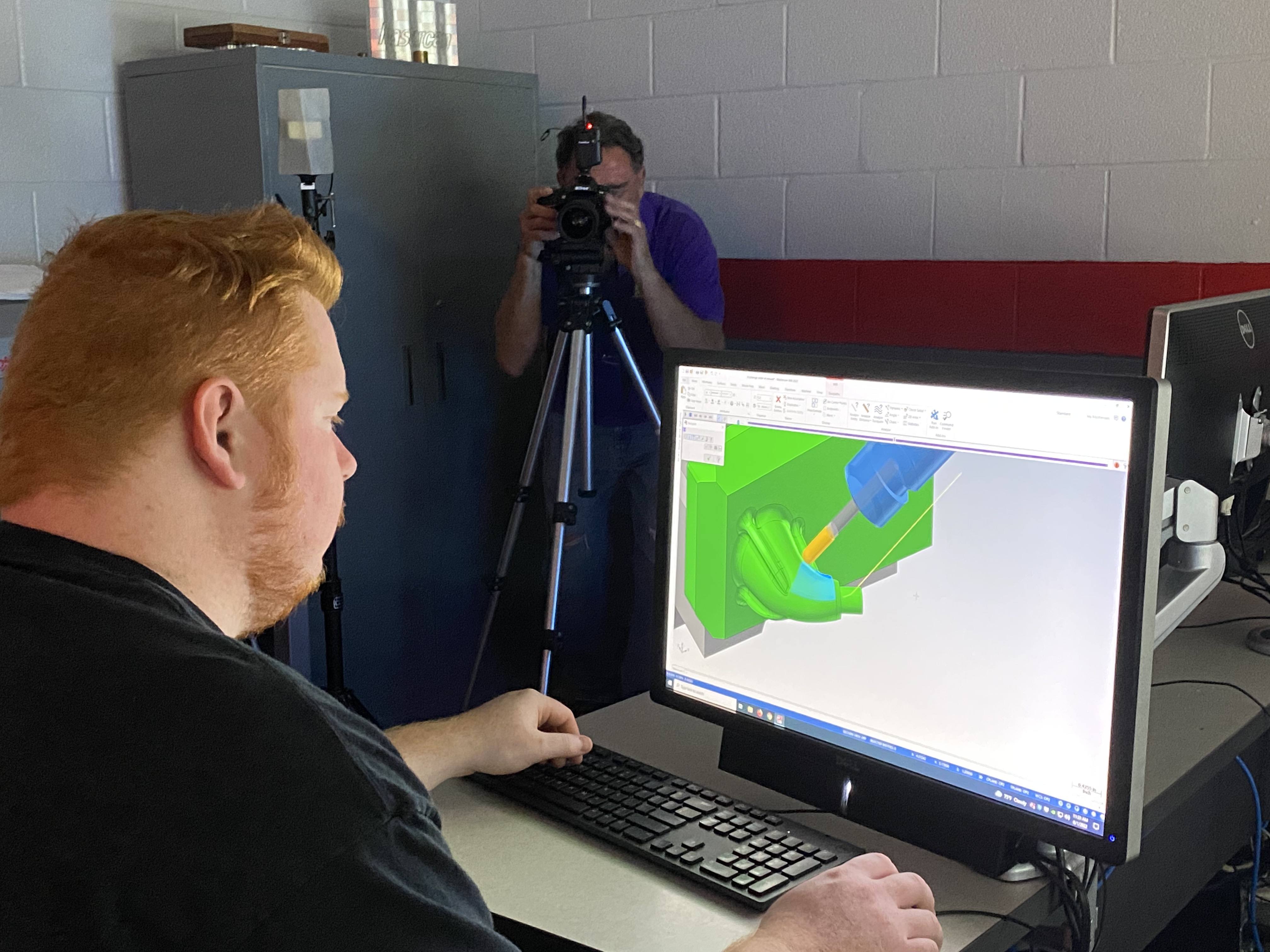
Infrared thermal imaging can support specialized inspections, diagnostics, and visual analysis. Orthomosaic outputs can provide accurate overhead mapping for sites, campuses, developments, and industrial properties. LiDAR can support advanced spatial documentation and data-rich visualization where precision matters.
When these services are integrated into a broader interview and b-roll production strategy, the project becomes more than a simple video shoot. It becomes a more complete visual asset build.
Repurposing: Where Real Value Is Often Won
One of the smartest reasons to invest in a professionally planned interview and b-roll production is the ability to repurpose the captured material. Many businesses underuse their footage by producing one final video and leaving valuable content on the table.
A well-structured shoot can generate a long-form brand piece, short testimonials, executive sound bites, recruiting content, social clips, website visuals, sales presentation assets, digital ads, internal training segments, and still imagery extracted from motion footage where appropriate.
This is where strategy matters. If the production team understands from the beginning that the content will be reused across departments and platforms, they can capture accordingly. That means more orientation options, more compositional variety, more environmental coverage, more short quotable statements, and more flexibility in post-production.
The result is a stronger return on each production day.
What Decision Makers Should Look For in a Production Partner
When evaluating a team for interview and b-roll work, businesses should look beyond a highlight reel. The right questions are practical.
Can this team make nonprofessional talent comfortable on camera?
Do they understand business messaging, not just visuals?
Can they light interviews consistently in real locations?
Do they capture enough b-roll to truly support the story?
Can they handle audio professionally?
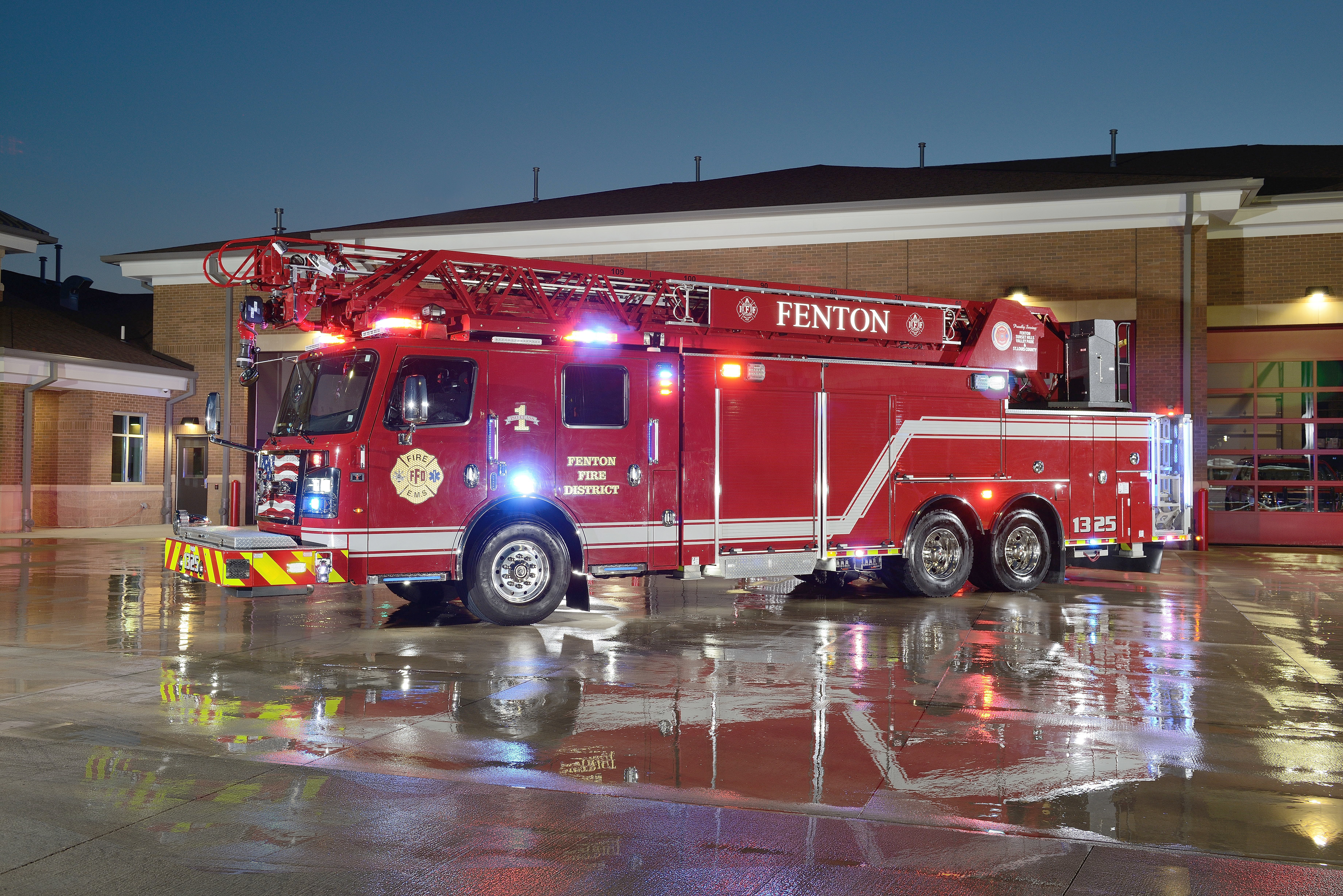
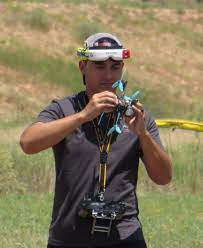
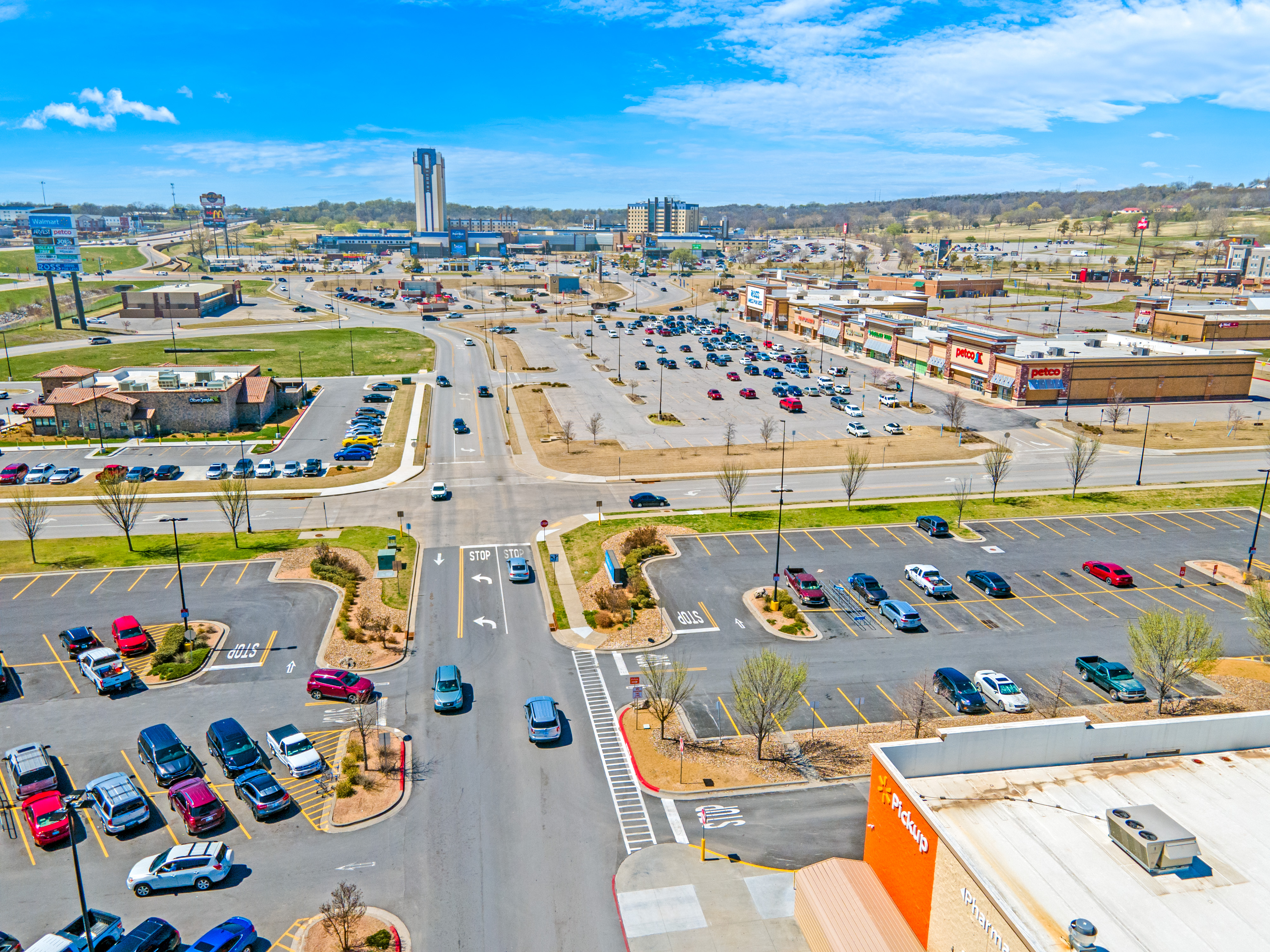

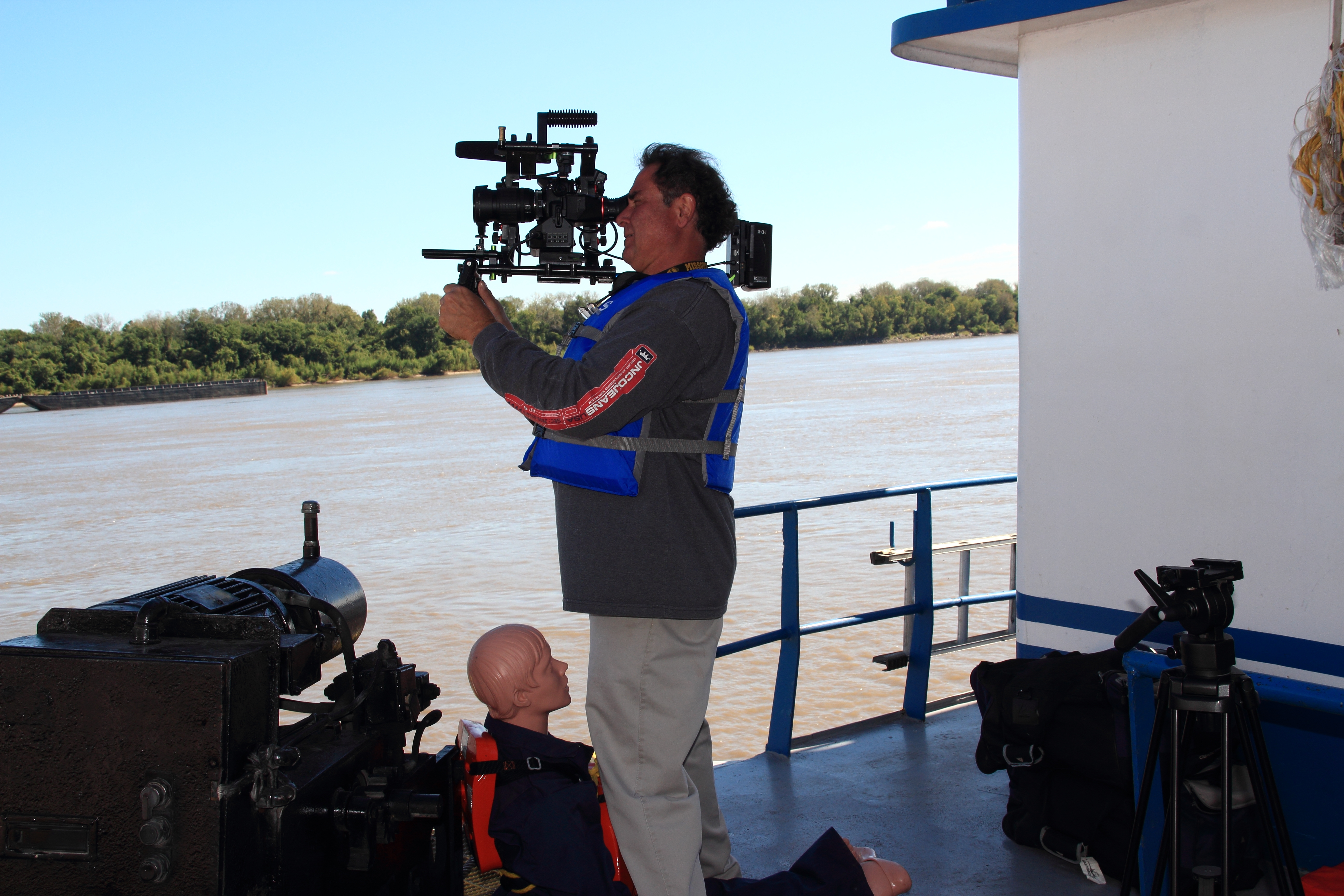
Can they work efficiently around operations, staff schedules, and location constraints?
Can they produce assets for multiple channels and uses?
Can they integrate photography, drone work, and post-production into one coordinated process?
Can they think beyond the shoot day and help build a library of useful branded media?
The strongest production partners are not merely camera operators. They are visual communicators, problem solvers, and production strategists.
Why Experience Still Matters
Technology is more accessible than ever, but access to gear is not the same as experience. Interview production and b-roll storytelling still require judgment, timing, preparation, and editorial thinking. Knowing where to place a subject, how to shape light, when to push for a better answer, how to sequence a location, and what visual gaps will hurt the edit later are all skills built over time.
For organizations trusting a production team to represent their brand, culture, people, and credibility, experience reduces risk. It leads to smoother shoot days, better media capture, stronger edits, and more usable final assets.
Mike Haller 314-913-5626 stlouisvideoproduction@gmail.com
















 St Louis Video Production, Inc.
Leave a comment