Let Your Customers Sell: The Question Playbook for Video Testimonials
If your best prospects could sit in on one honest conversation with your happiest customer, they’d buy faster and with more confidence. That’s the power of a well-structured video testimonial. The trick isn’t fancy gear or a lucky soundbite—it’s asking the right questions in the right order, and creating an environment where real stories surface naturally.
Below is a pragmatic, field-tested playbook we use at St Louis Video Production to plan, conduct, and repurpose testimonial interviews that actually move the needle.
Why Video Testimonials Work (and What “Good” Looks Like)
Good testimonials:
- Match the buyer’s journey (awareness → evaluation → decision).
- Frame the before → during → after in concrete, measurable terms.
- Address common objections (risk, cost, speed to value, switching pain).
- Feel unscripted but are guided—crisp answers, human details, proof.
Signal you’ve nailed it: prospects echo your customer’s own phrases back to your sales team, and sales uses the clips proactively (not just marketing).
Pre-Production: Set the Table for Truth
Define the story arc
- ICP: Which customer profile do we want more of?
- Use case: Which problem-outcome pair matters most this quarter?
- Proof target: What metric, milestone, or moment will validate success?
Line up logistics
- Stakeholders: Subject, their boss (for approval), legal/compliance, location contact.
- Paperwork: Appearance release, location release, product/logo permissions.
- Guardrails: Topics to avoid (competitive NDAs, regulatory limits), brand voice, no-go claims.
Prep the guest (without over-rehearsing)
- Send a 1-page “what to expect” (wardrobe, timing, parking, mic etiquette).
- Share themes, not scripts; reassure “we’ll guide you.”
- Ask for artifacts (dashboards, photos, product in use) to film as B-roll.
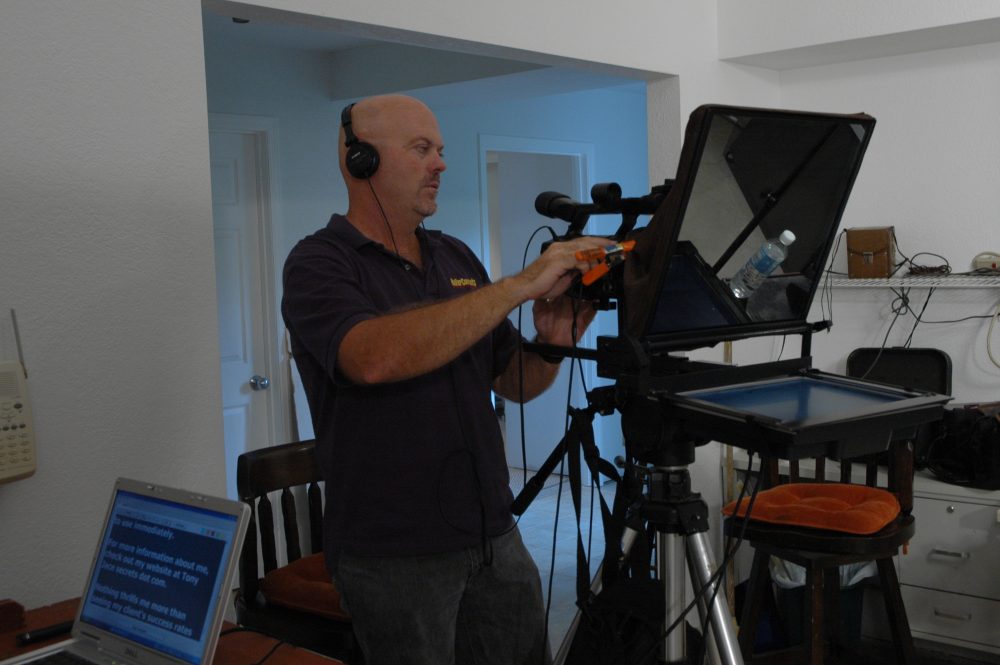
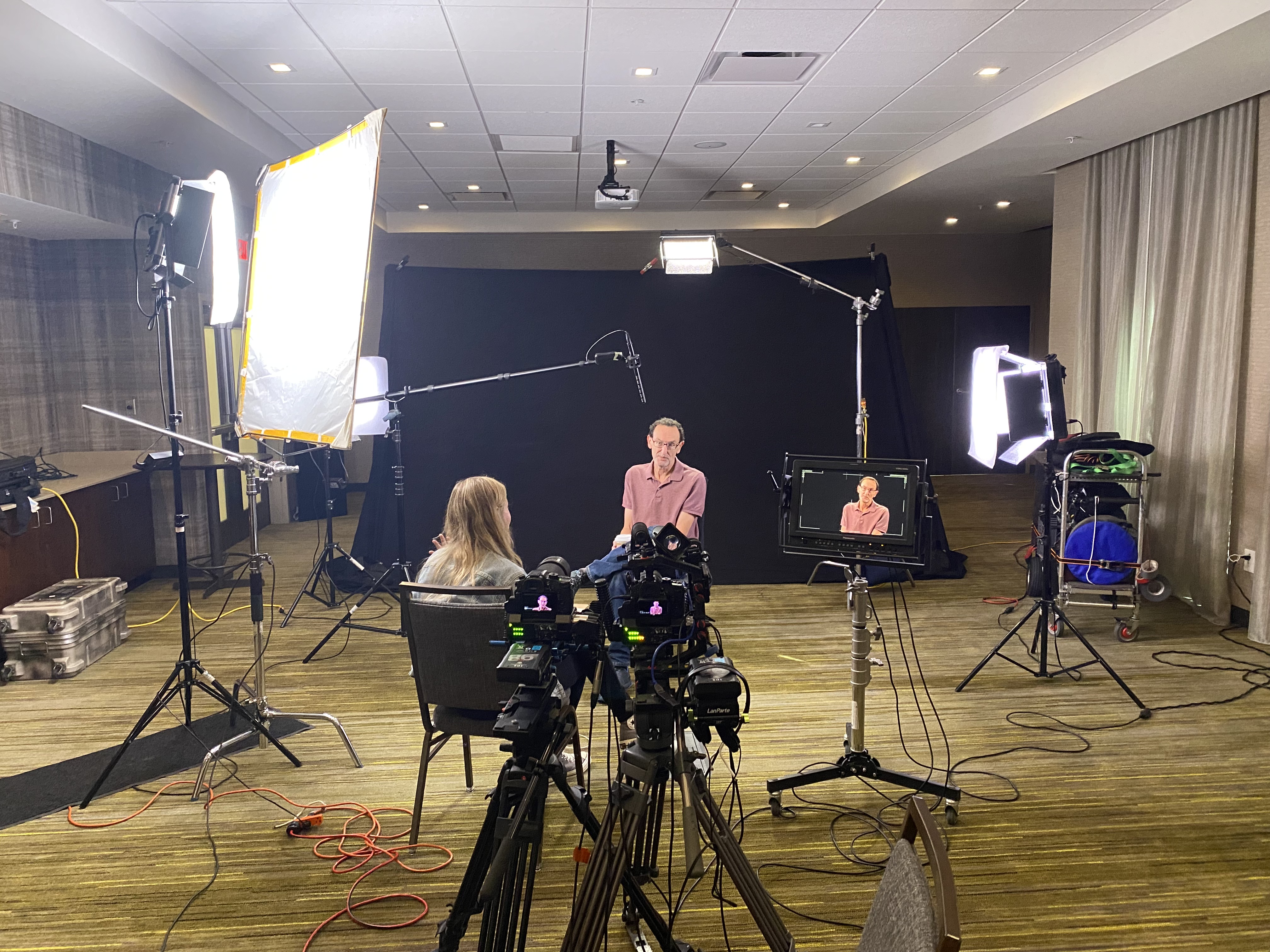
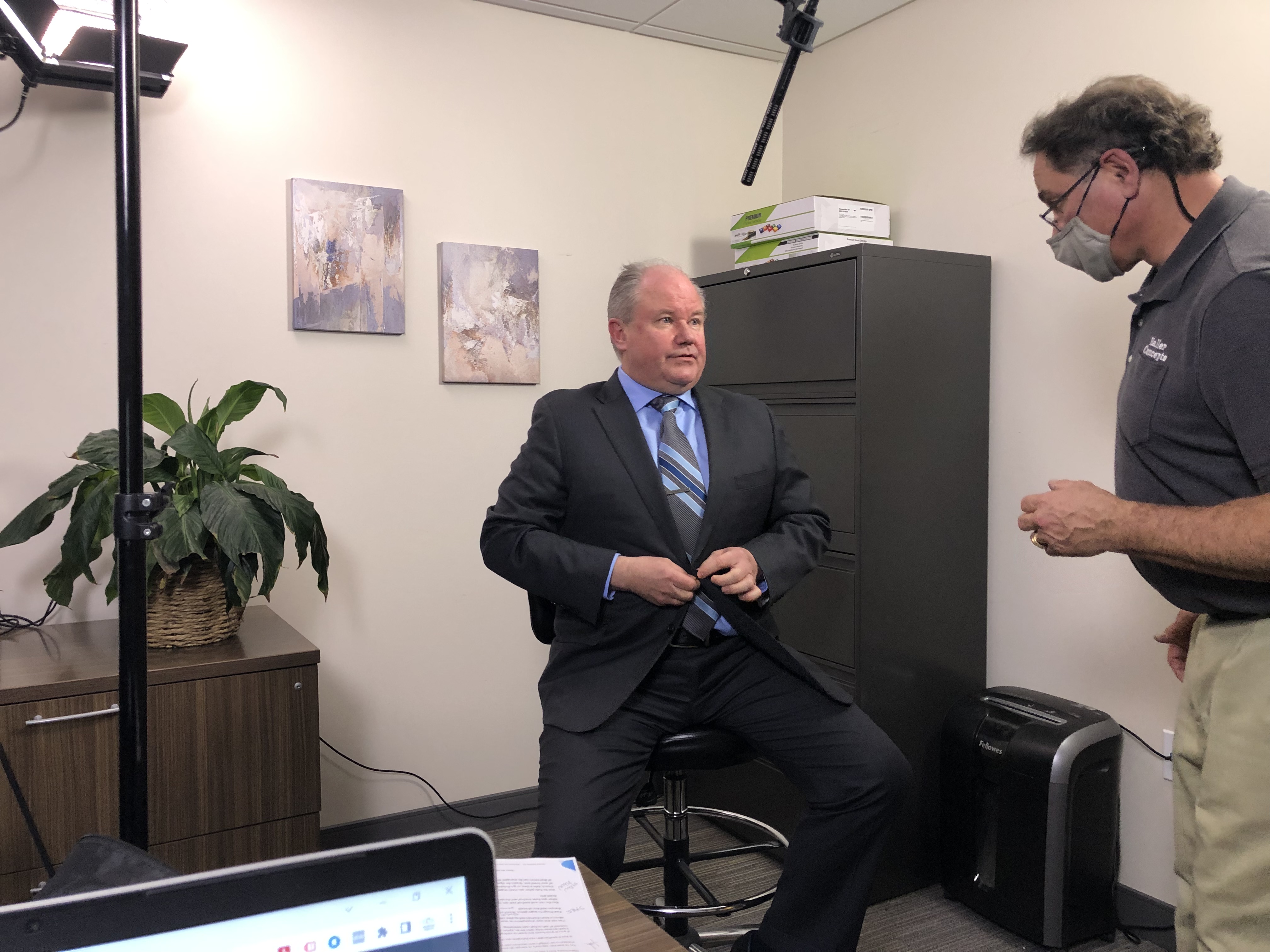
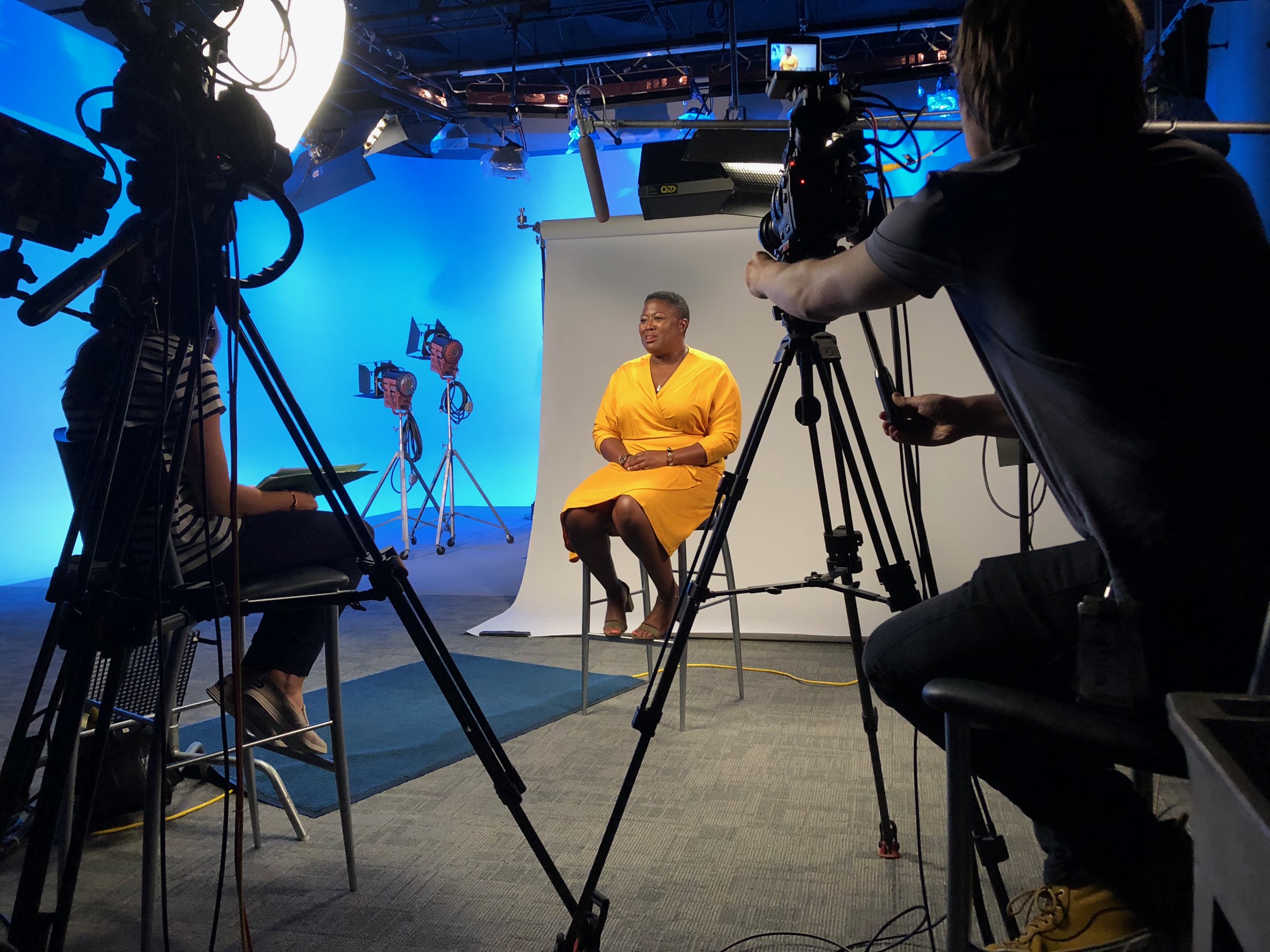
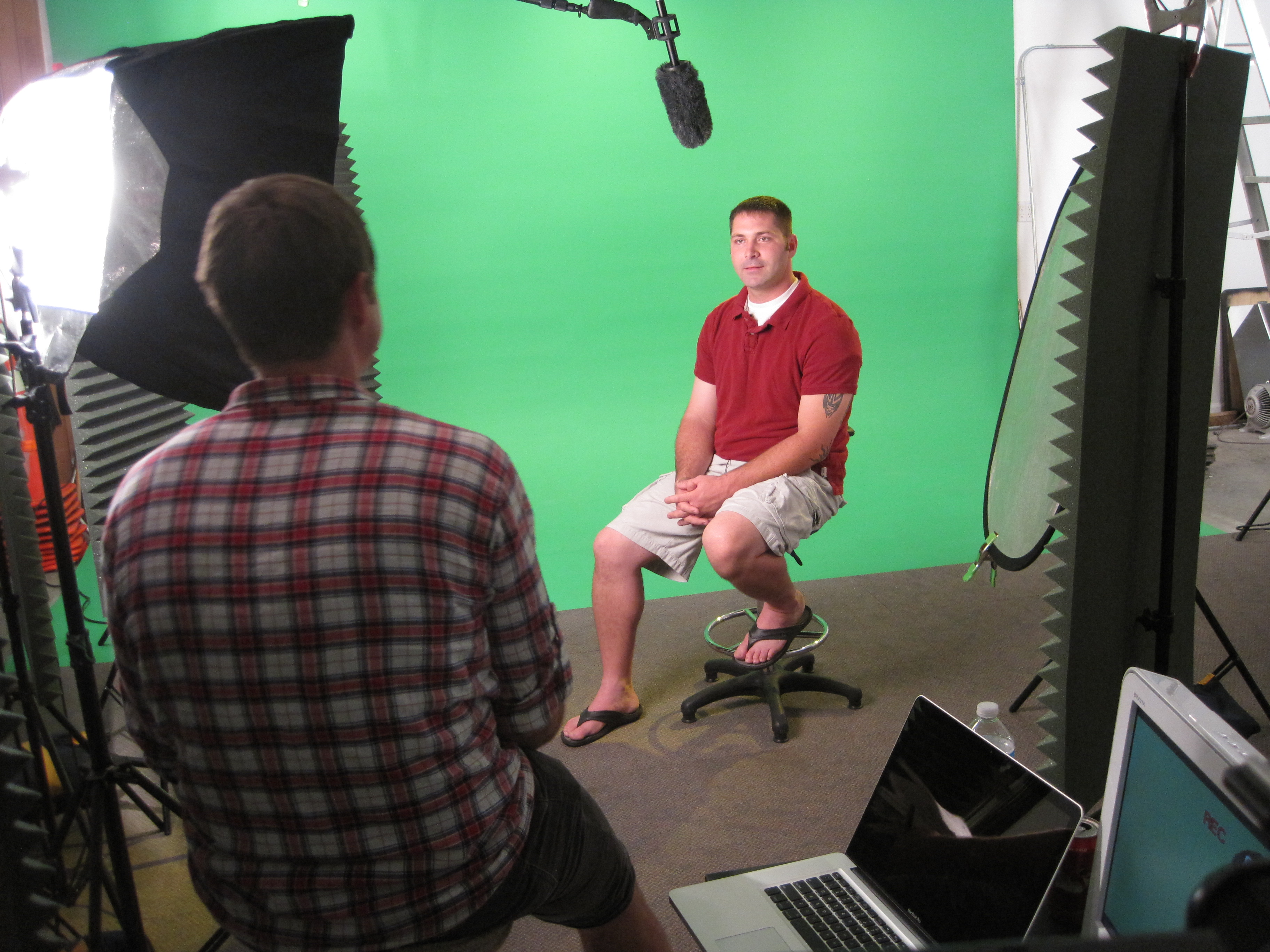
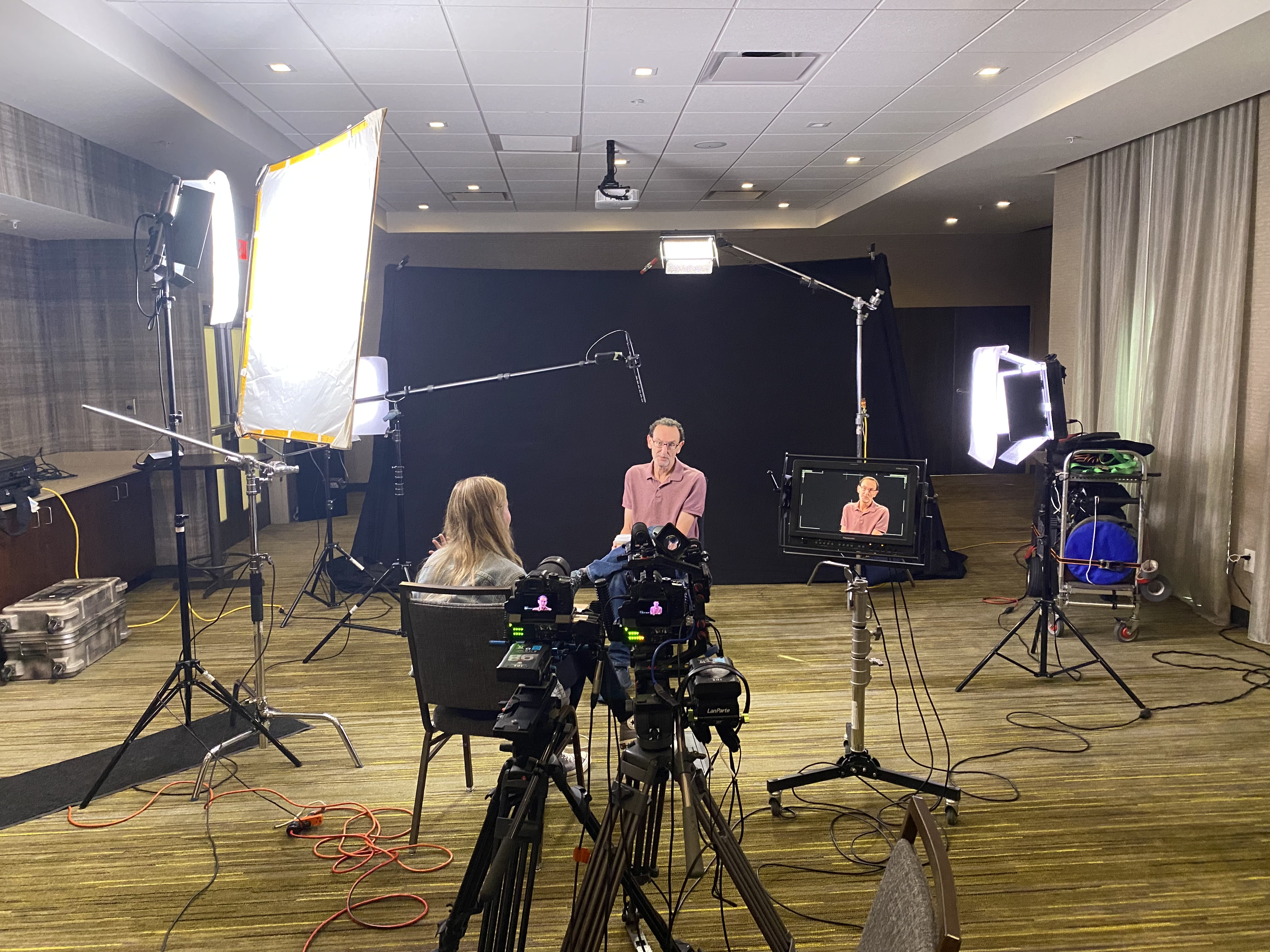
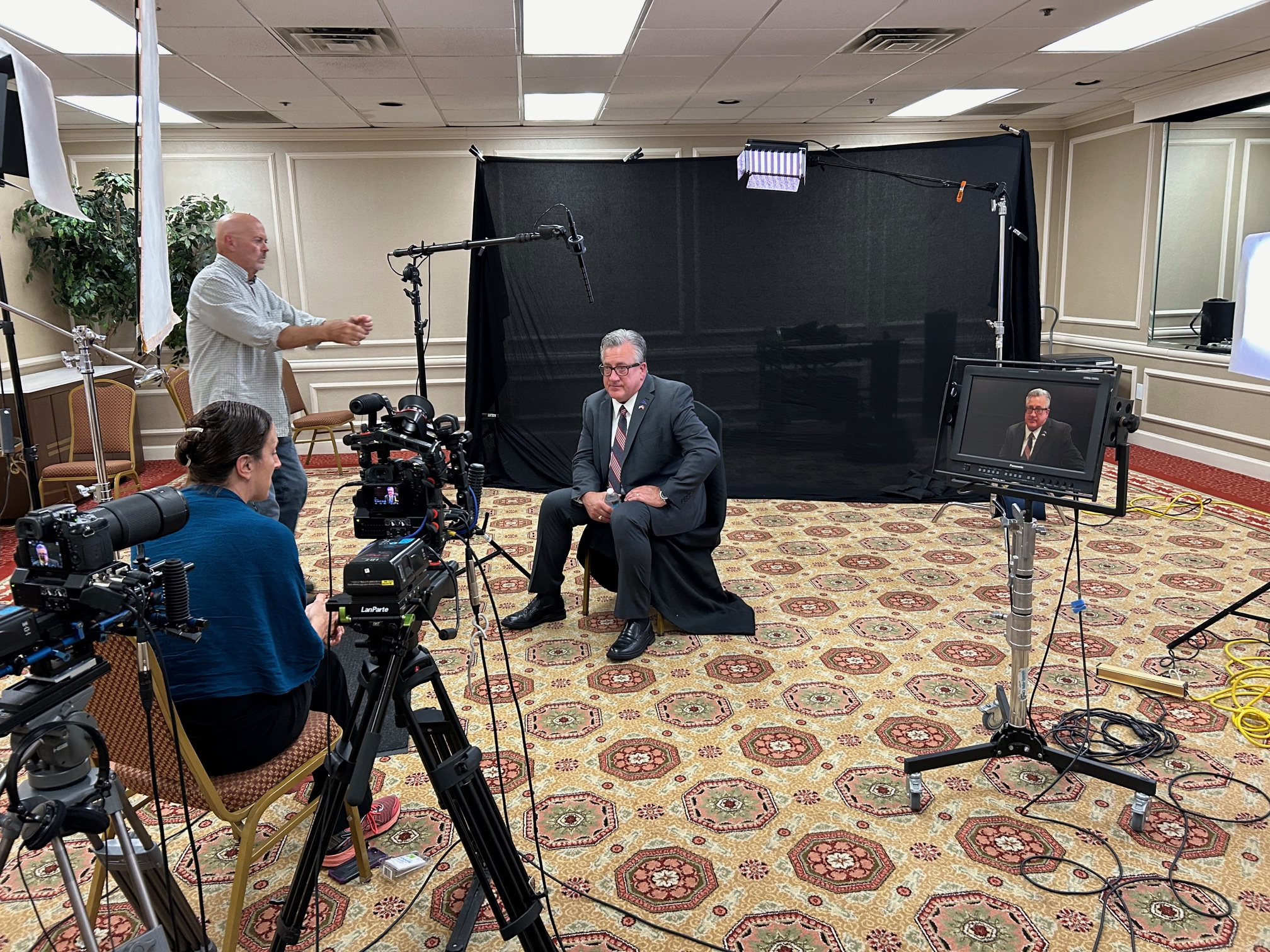
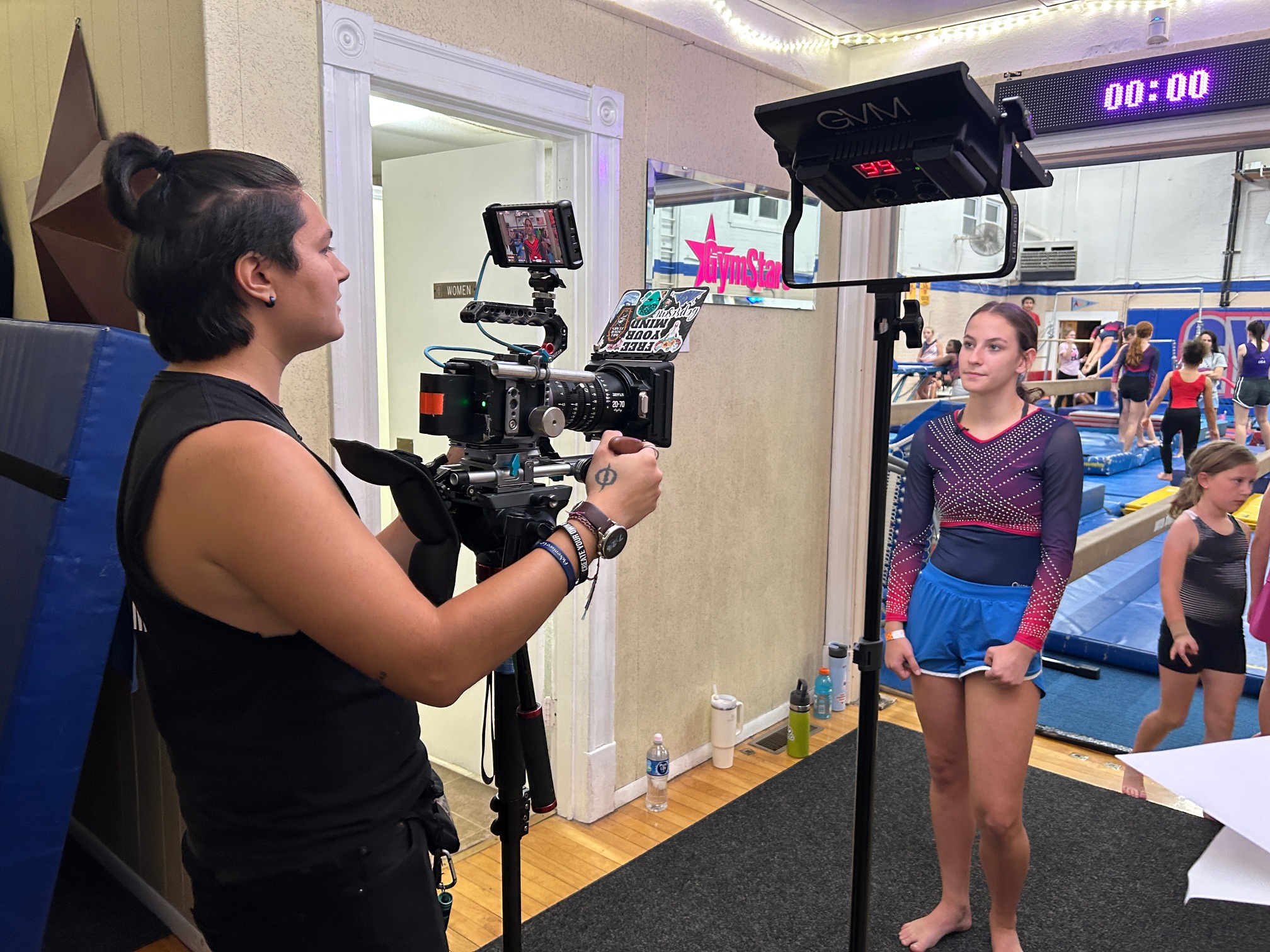
On-Set: Make It Easy to Be Great on Camera
- Warm-up first. Start with soft, non-work questions to settle nerves.
- Ask one idea per question. Short prompts → short, usable answers.
- Go for specifics. Replace “it was better” with “cut onboarding from 10 days to 3.”
- Follow the energy. When eyes light up, stay curious; ask “What happened next?”
- Silence is a tool. After an answer, pause; the best add-ons arrive in the quiet.
Technical baseline (so the story shines):
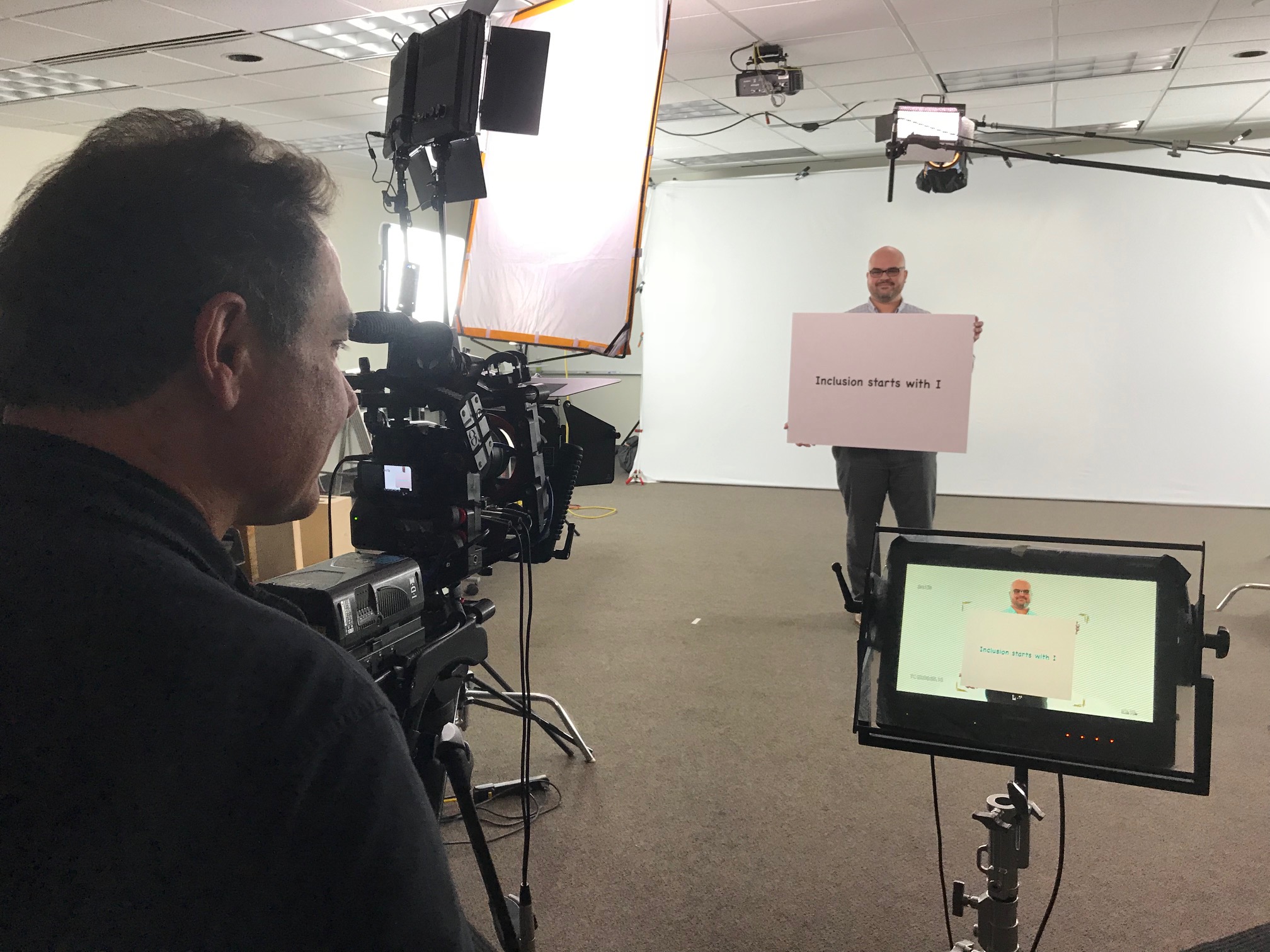
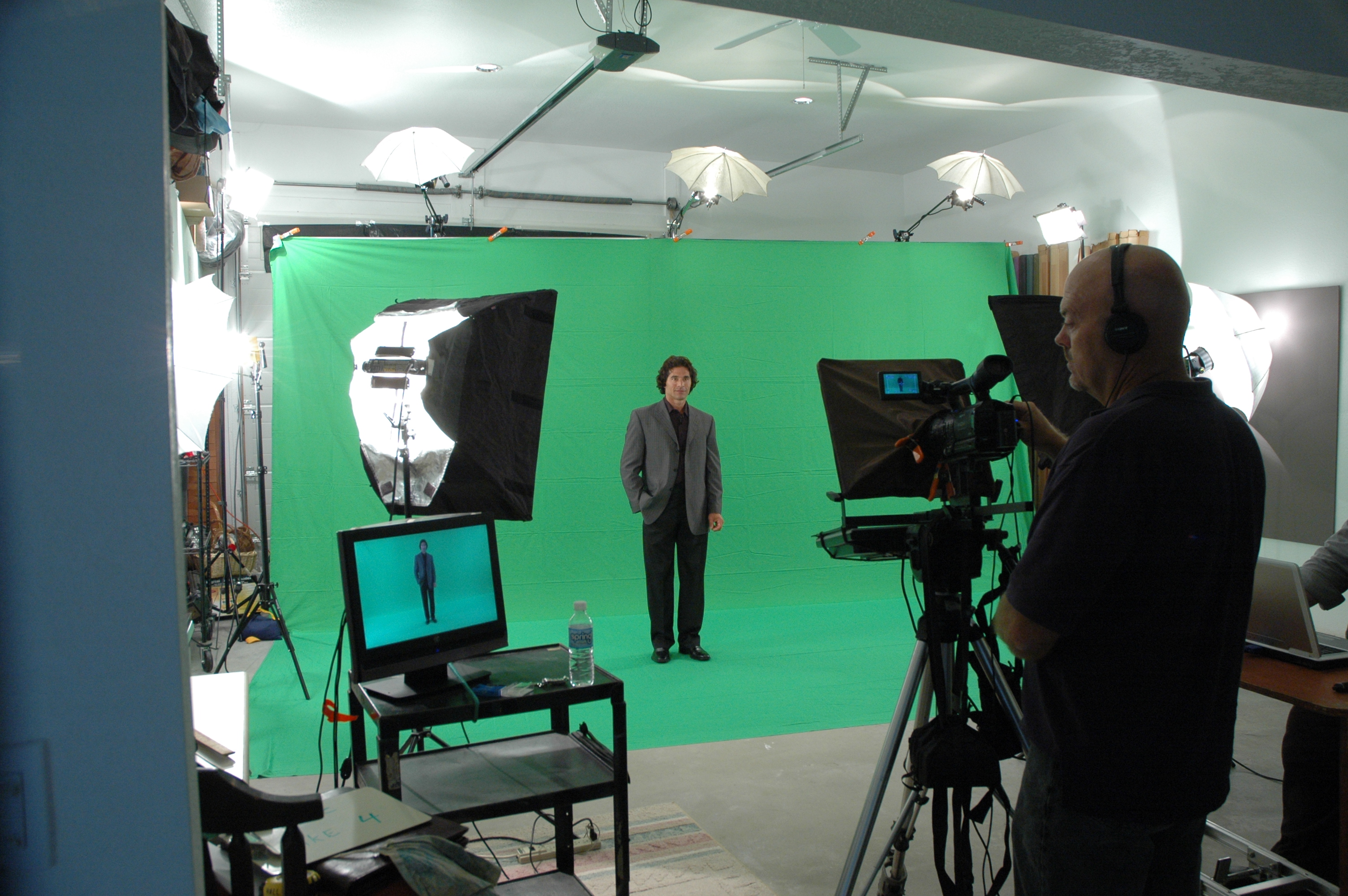
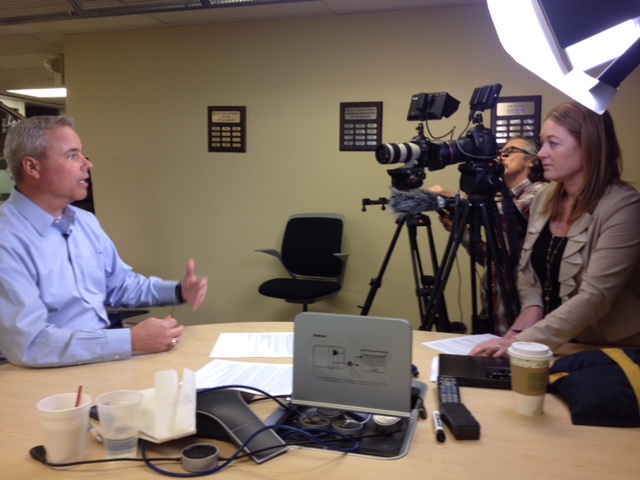
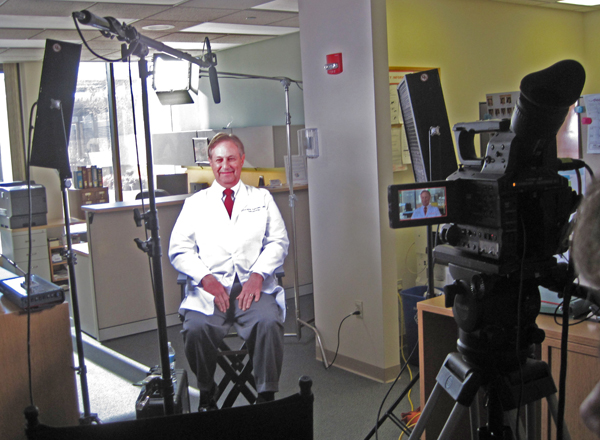
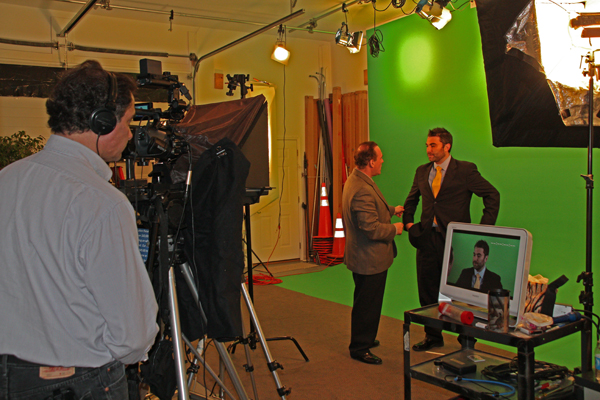
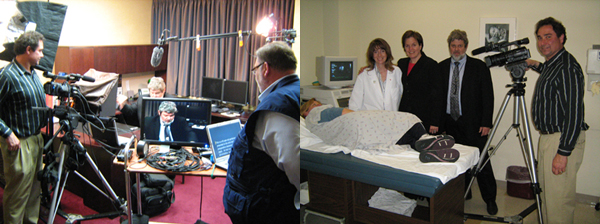
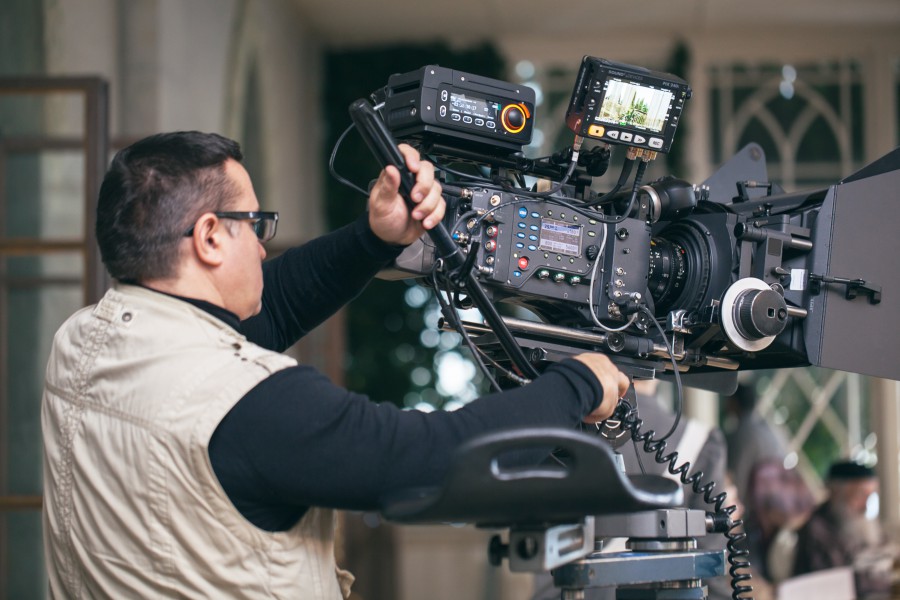
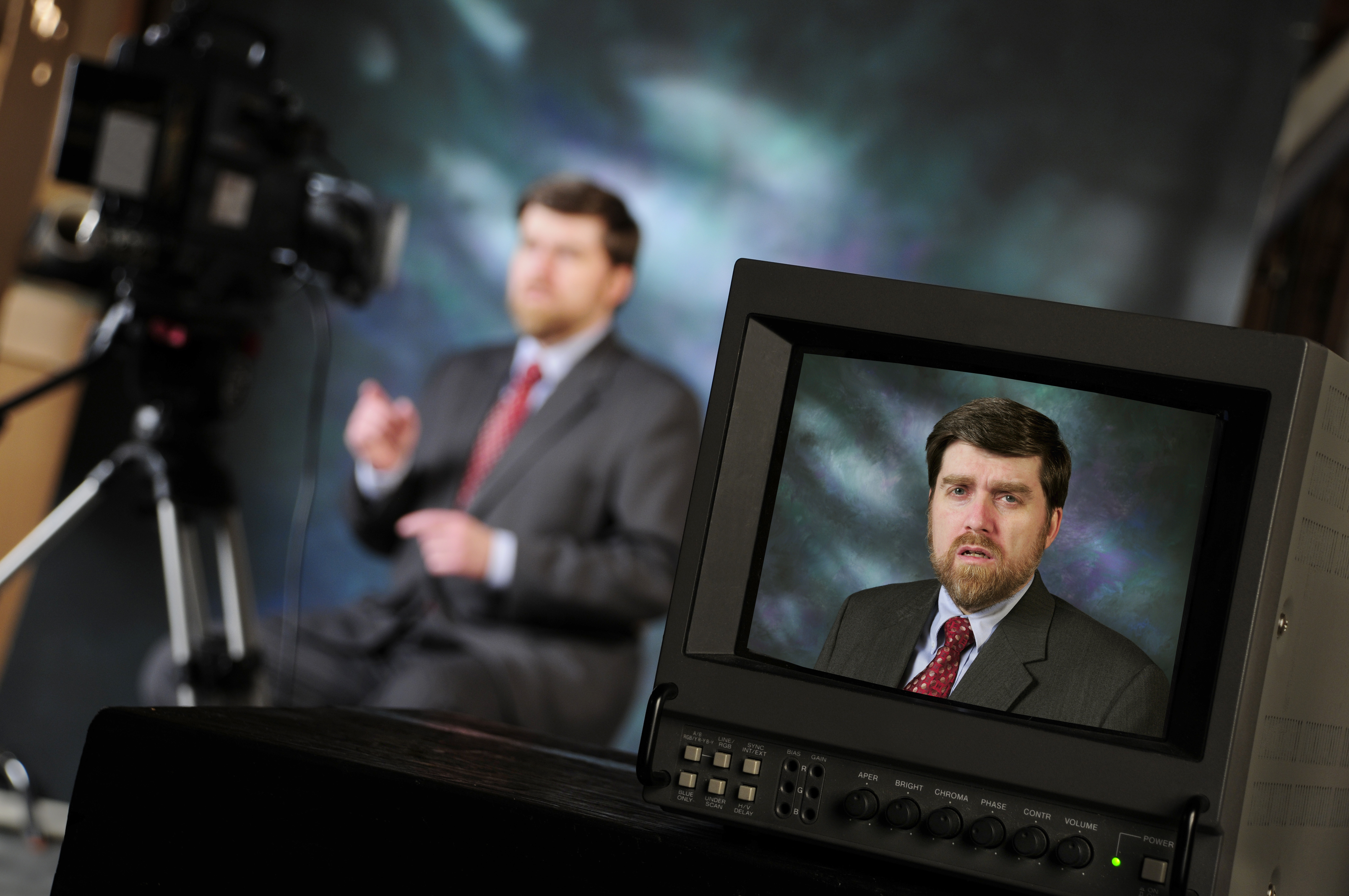
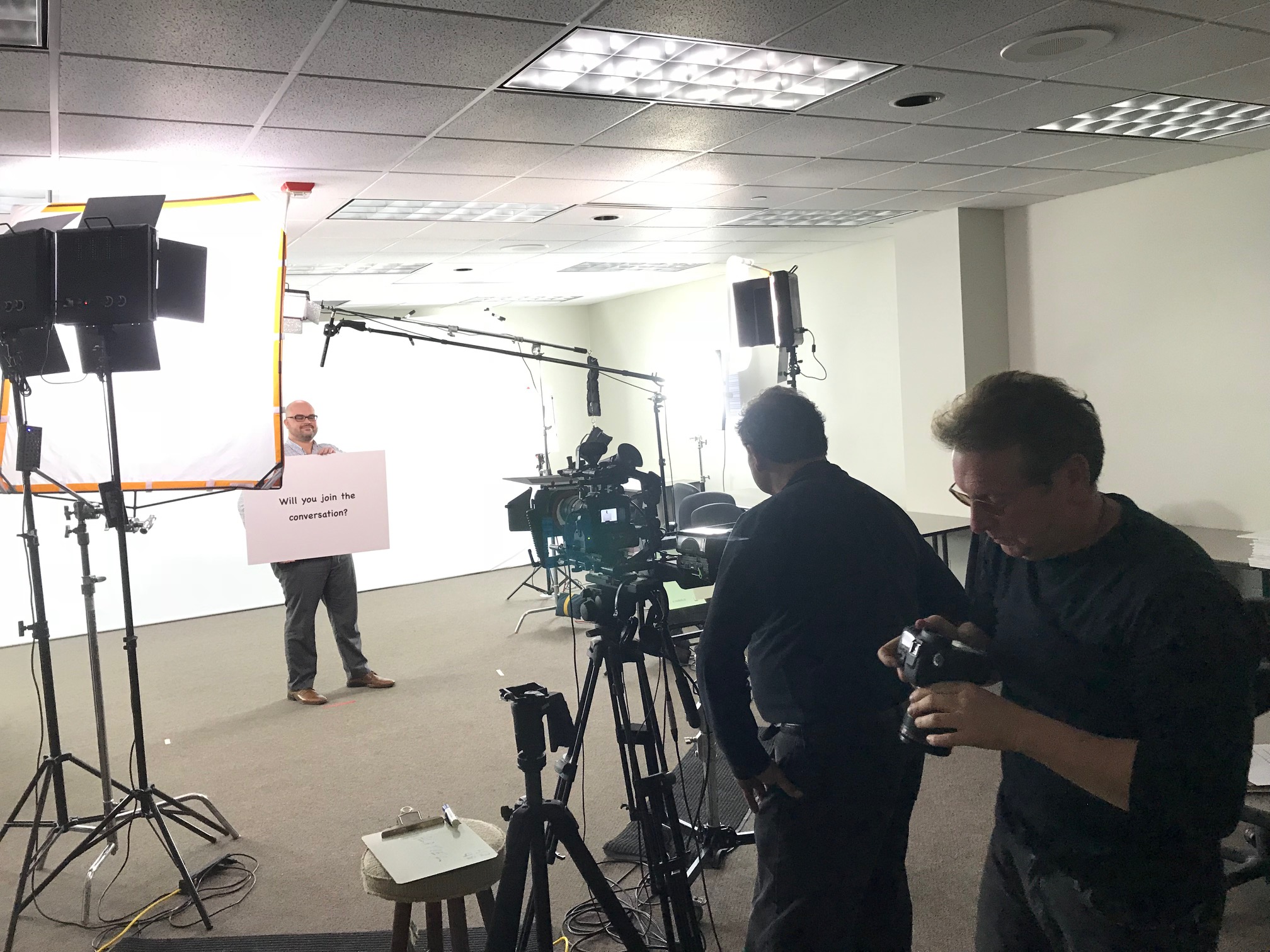
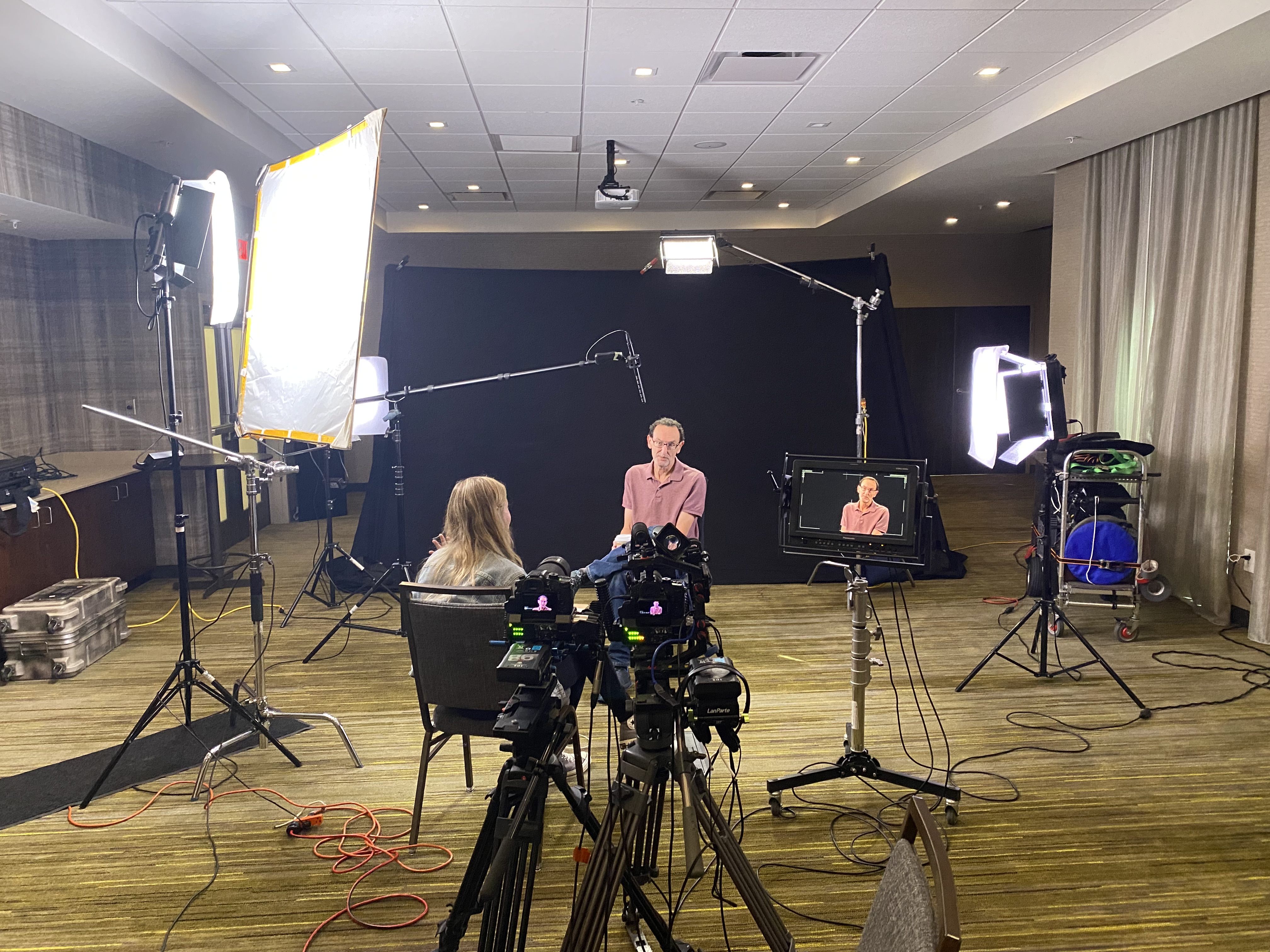
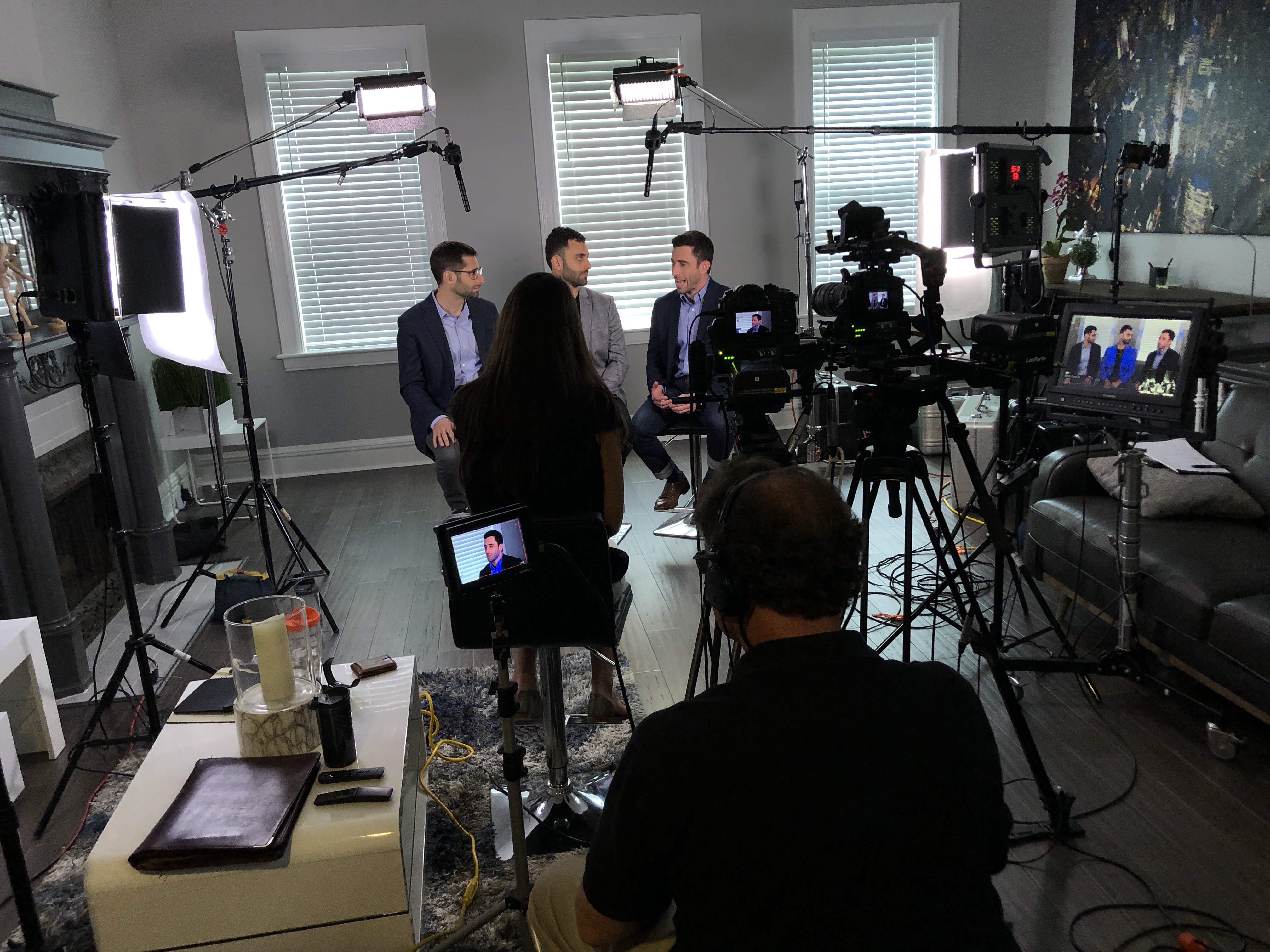
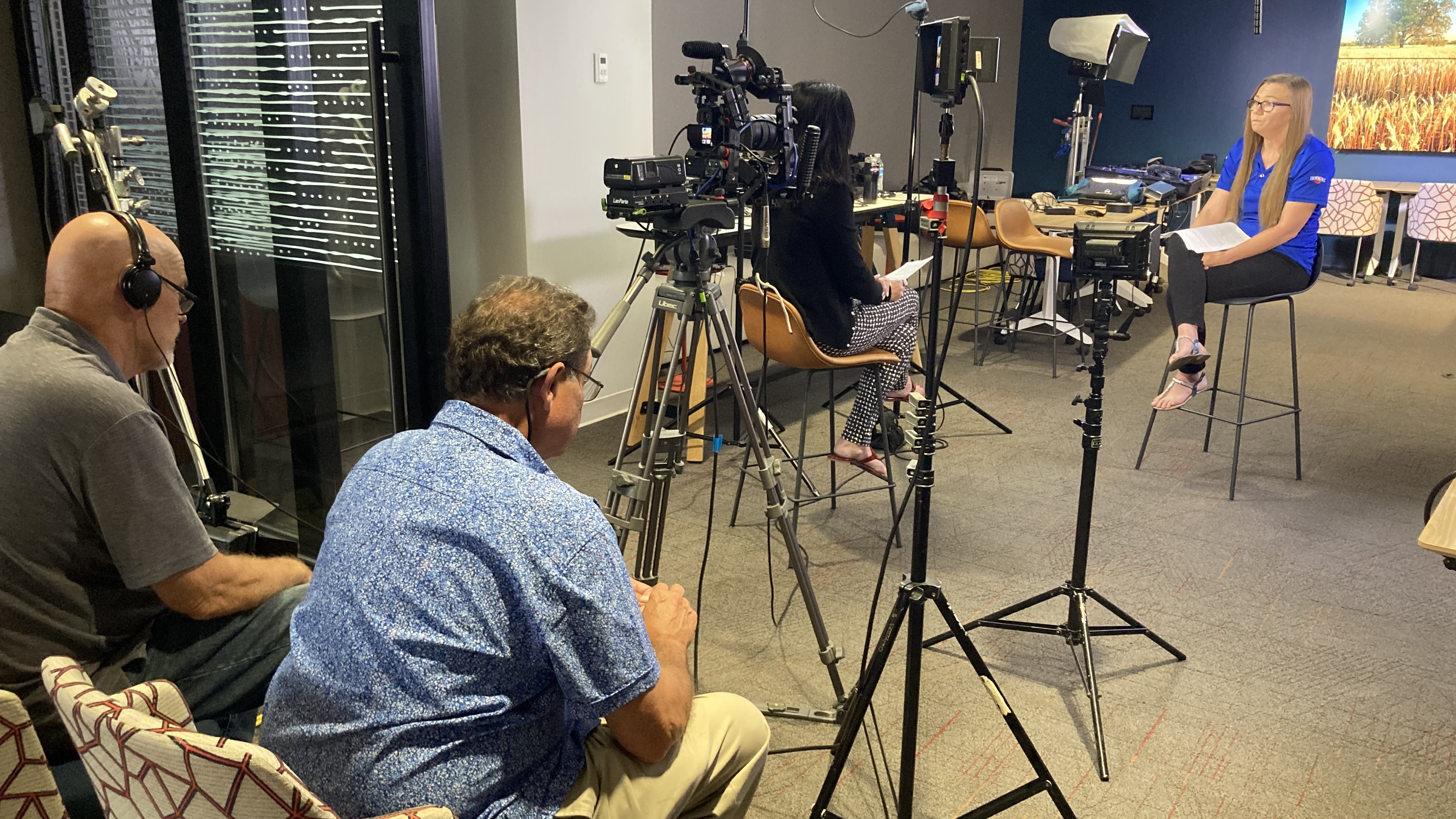
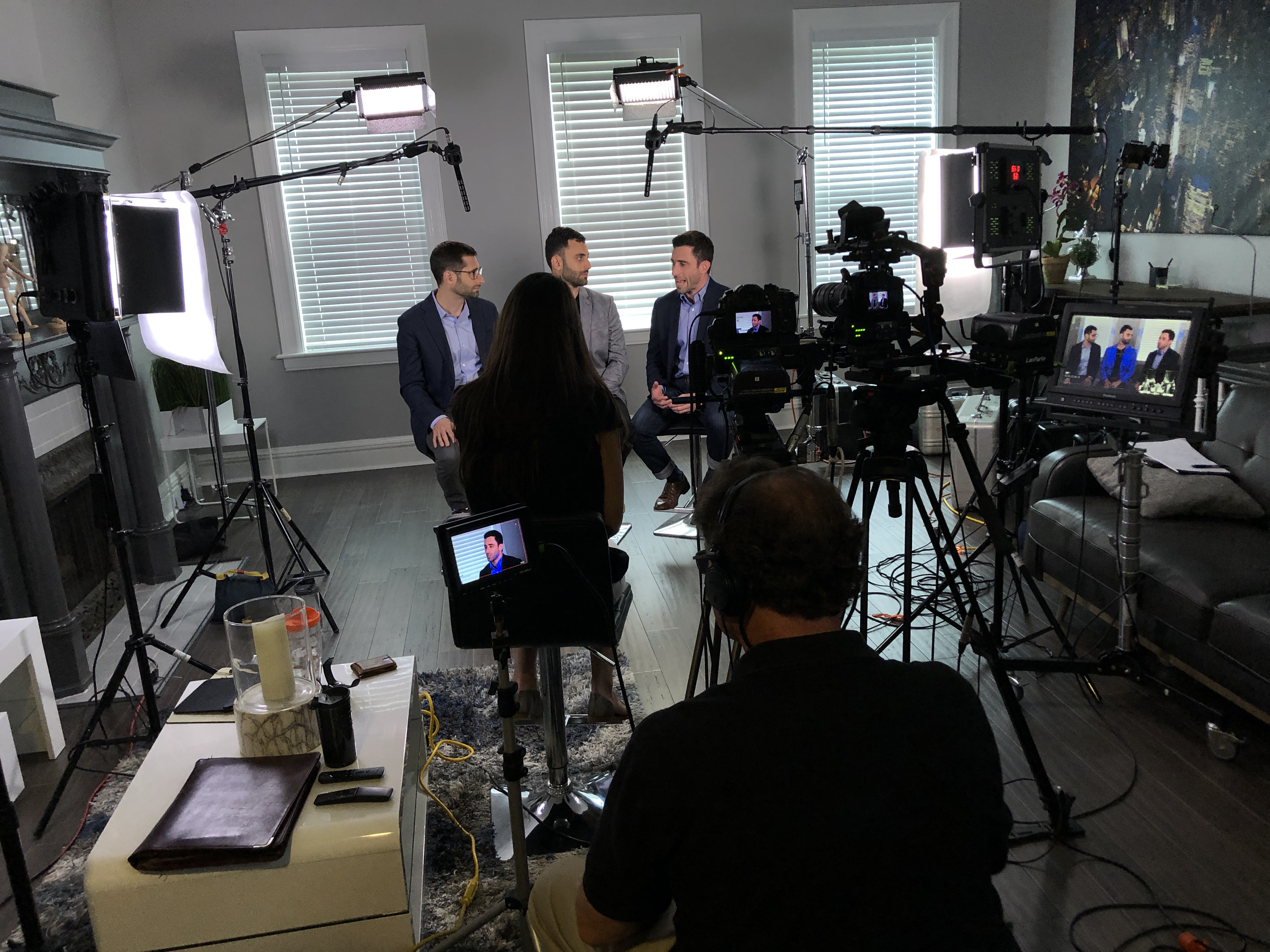
- Two-camera angle for edit flexibility; lav + boom for clean audio.
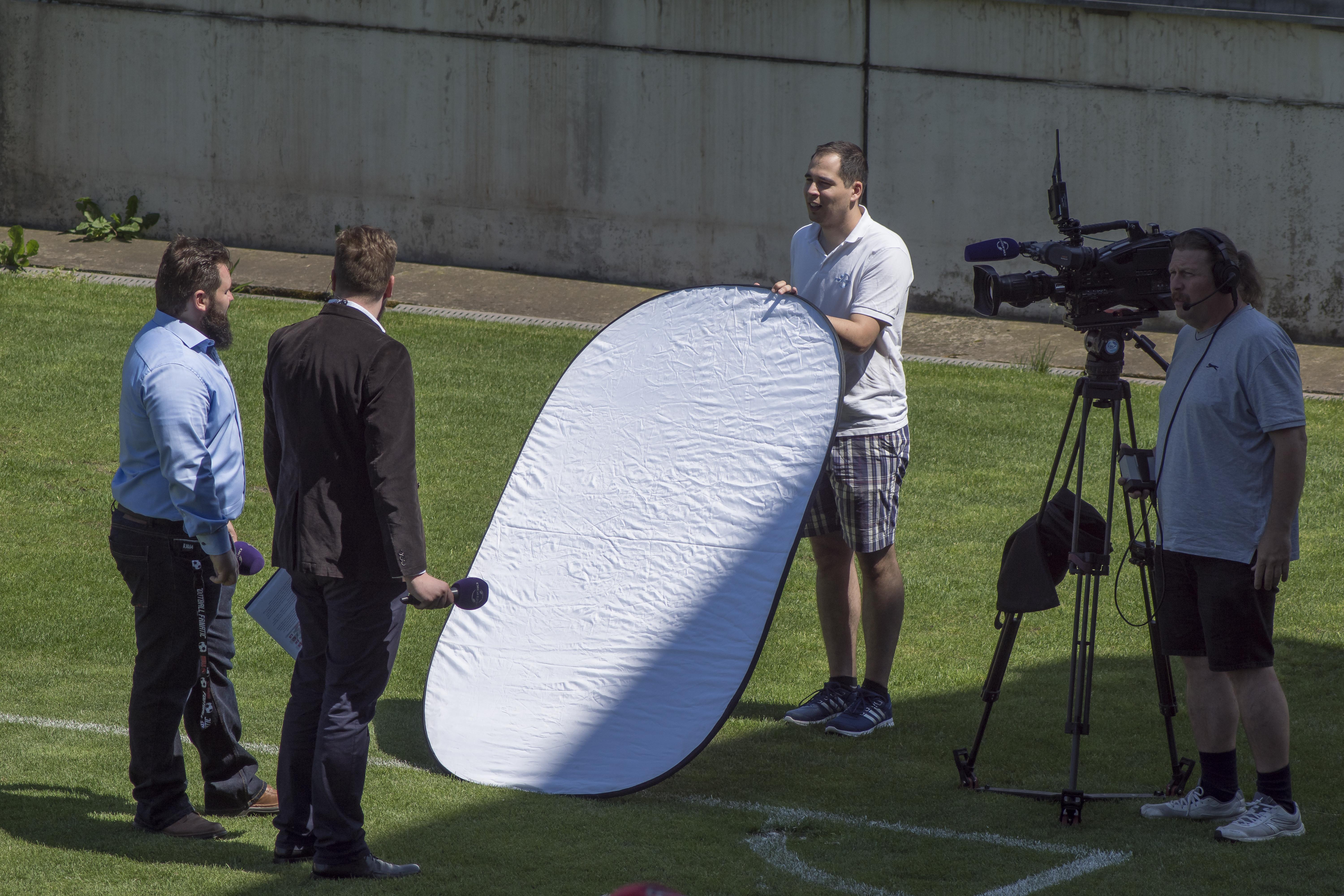
- Soft, flattering key + fill; match brand palette subtly in set elements.
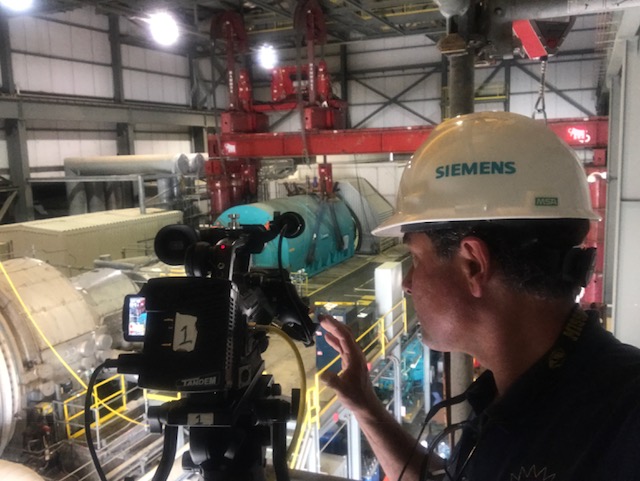
- Capture plentiful B-roll that shows what the guest says.
The Question Playbook (Organized by Outcome)
Use these as modular blocks. You won’t ask them all—select 8–15 that fit your story arc.
1) Openers that Build Comfort
- “Where do you work and what do you do day to day?”
- “What does success look like in your role?”
2) The Before State (Problem and Stakes)
- “What was the situation before you started looking for a solution?”
- “What made the status quo no longer acceptable?”
- “What did the pain look like in numbers (time lost, errors, missed revenue)?”
3) The Search and Selection
- “What alternatives did you consider, and why didn’t they fit?”
- “What tipped the decision in our favor?”
- “What risk felt biggest, and how was it addressed?”
4) Implementation and Experience
- “Walk me through week one—what actually happened?”
- “Who was involved on both teams? Any surprises?”
- “How long until you saw first value? Full value?”
5) Outcomes and Proof
- “What metrics moved? Baseline vs now.”
- “What changed for your team or customers?”
- “What’s a moment you realized this was working?”
6) Objections—Handled on Camera
- “If someone is worried about cost/switching/complexity, what would you tell them?”
- “What do you wish you’d known on day one?”
7) Differentiators in Plain Language
- “What do we do differently than others you’ve worked with?”
- “What one capability would be hardest to give up?”
8) Emotional Beats (Human Detail)
- “How does your workday feel different now?”
- “Who on your team felt the impact first?”
9) Future and Advocacy
- “What’s next now that this is solved?”
- “Would you choose us again? Why?”
Industry-Specific Add-Ons
B2B SaaS / Tech
- “What integrations mattered most?”
- “How did security/compliance review go?”
- “What’s your retention or adoption rate after rollout?”
Manufacturing / Logistics
- “What throughput or yield improvements did you see?”
- “Any downtime reduction or safety gains?”
- “Impact on scrap, returns, or on-time delivery?”
Healthcare / Regulated
- “How did the process respect privacy and compliance?”
- “Which outcomes are you comfortable sharing publicly?”
(Avoid PHI; pre-clear wording with compliance.)
Professional Services
- “Where did the team demonstrate judgment—not just tasks?”
- “What checkpoint gave you confidence we were on track?”
Recruiting / HR
- “How many days to fill before/after?”
- “Quality-of-hire or retention shifts?”
Nonprofit / Public Sector
- “Community outcome in lives touched, hours saved, dollars redirected?”
- “How did this influence stakeholder confidence or funding?”
A 10-Minute Interview Outline (Efficient and Effective)
- Role & context (0:45)
- The “before” and trigger to change (1:30)
- Why we were chosen (1:00)
- Implementation snapshot (1:30)
- Outcomes with numbers (2:30)
- Objection handling (1:00)
- Differentiator and recommendation (1:00)
- CTA-ready closer (0:45)
Make It Visual: B-Roll You’ll Actually Use
- The system in action: screens, hands, processes, product close-ups.
- “Day in the life” cutaways: meetings, whiteboards, customers served.
- Proof artifacts: dashboards, reports, before/after images, shipping lines, storefronts.
- Emotional texture: smiles, relieved team, quiet focus, celebratory moments.
Edit Structure That Converts
- Cold open: 3–6 second hook with a quantifiable win.
- Title card + identity: who’s speaking, why they matter.
- Problem → solution → outcome in under 90 seconds; keep one idea per beat.
- End card CTA: what to do next (book demo, schedule consult, watch deeper case).
- Versions: 16:9 web, 1:1 feed, 9:16 stories/reels; 6s, 15s, 30s, 60–90s cuts.
- Accessibility: open captions burned in; high-contrast safe zones.
Distribution Plan (So the Story Works for You Everywhere)
- Website: case-study pages, product pages, pricing page objection handlers.
- Sales: email follow-ups, proposal decks, QR at trade shows.
- Social/PR: short cuts with one metric per clip; tag the customer if approved.
- Lifecycle: onboarding (what good looks like), renewal (outcomes reminder).
- Paid: A/B test 6s hooks that mirror top objections from sales calls.
Track watch time, quartile completion, CTA clicks, influenced pipeline/revenue; annotate wins to the original testimonial in your asset library.
Ethical, Legal, and Brand Hygiene
- Signed appearance and location releases (store with the asset).
- Avoid confidential data on screens; plan redactions in post if needed.
- Add content credentials/provenance where appropriate.
- Keep claims truthful; use customer’s own metrics and language.
Quick Do/Don’t
Do
- Coach for specifics and stories.
- Ask follow-ups; let them finish.
- Film lots of purposeful B-roll.
Don’t
- Put words in their mouth.
- Lead with jargon or internal slogans.
- Rely on a single long cut—think modular reuse.
Ready-to-Use Prompt Sheet (Print for Your Interviewer)
- “What was happening before you started looking for a solution?”
- “What changed that made you act now?”
- “What nearly stopped you from choosing us?”
- “What happened in week one?”
- “What can you measure that proves this worked?”
- “If someone’s on the fence, what should they know?”
- “What do we do that others don’t?”
- “Would you choose us again? Why?”
Why Teams Choose Us to Produce Testimonials
Since 1982, we’ve helped businesses, marketing firms, and agencies in the St. Louis area capture credible, conversion-ready testimonial stories. Our crews handle everything—from strategy and question design to on-set coaching, filming, and post-production—so your customers look and sound their best while saying what future buyers actually need to hear.
About St Louis Video Production
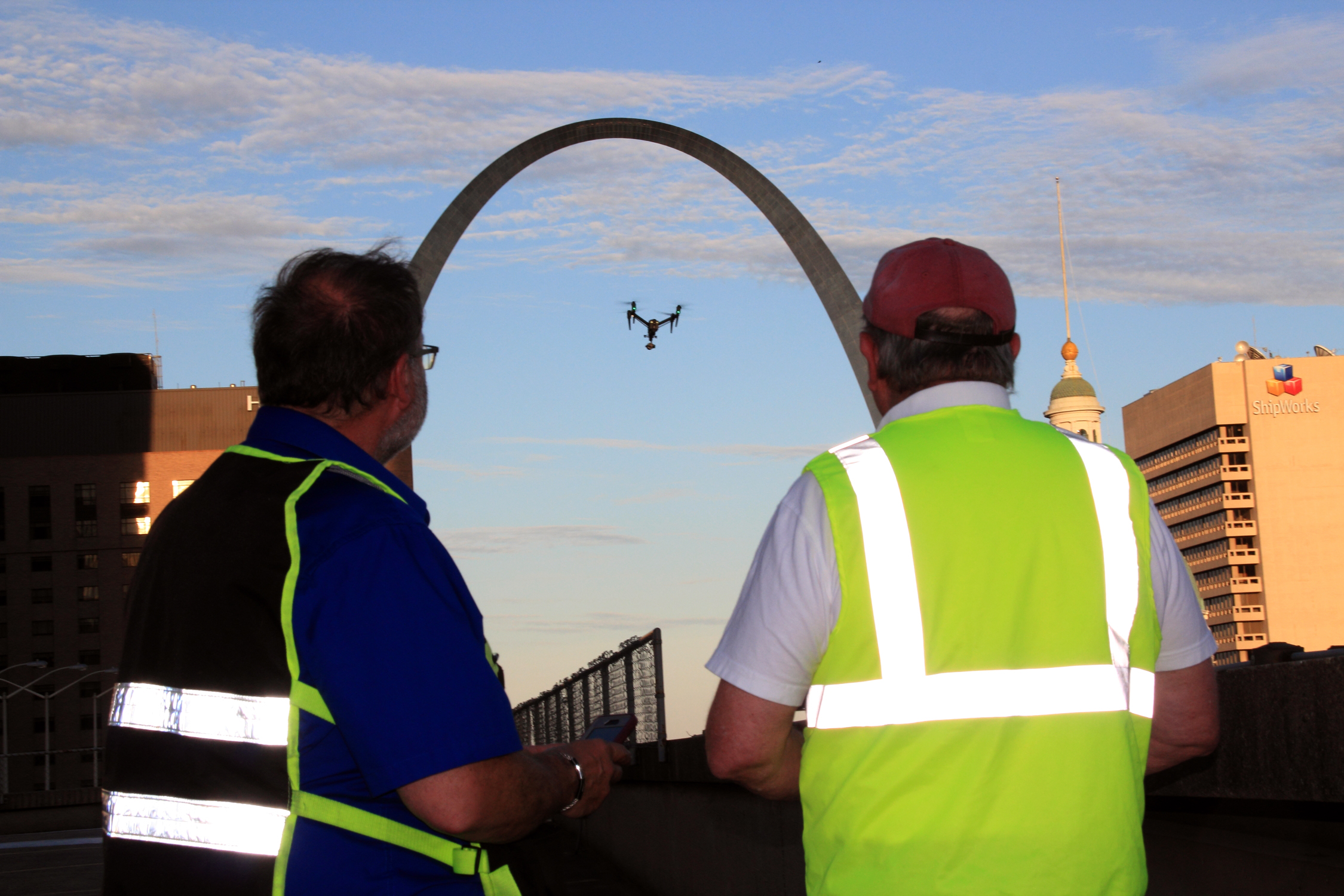
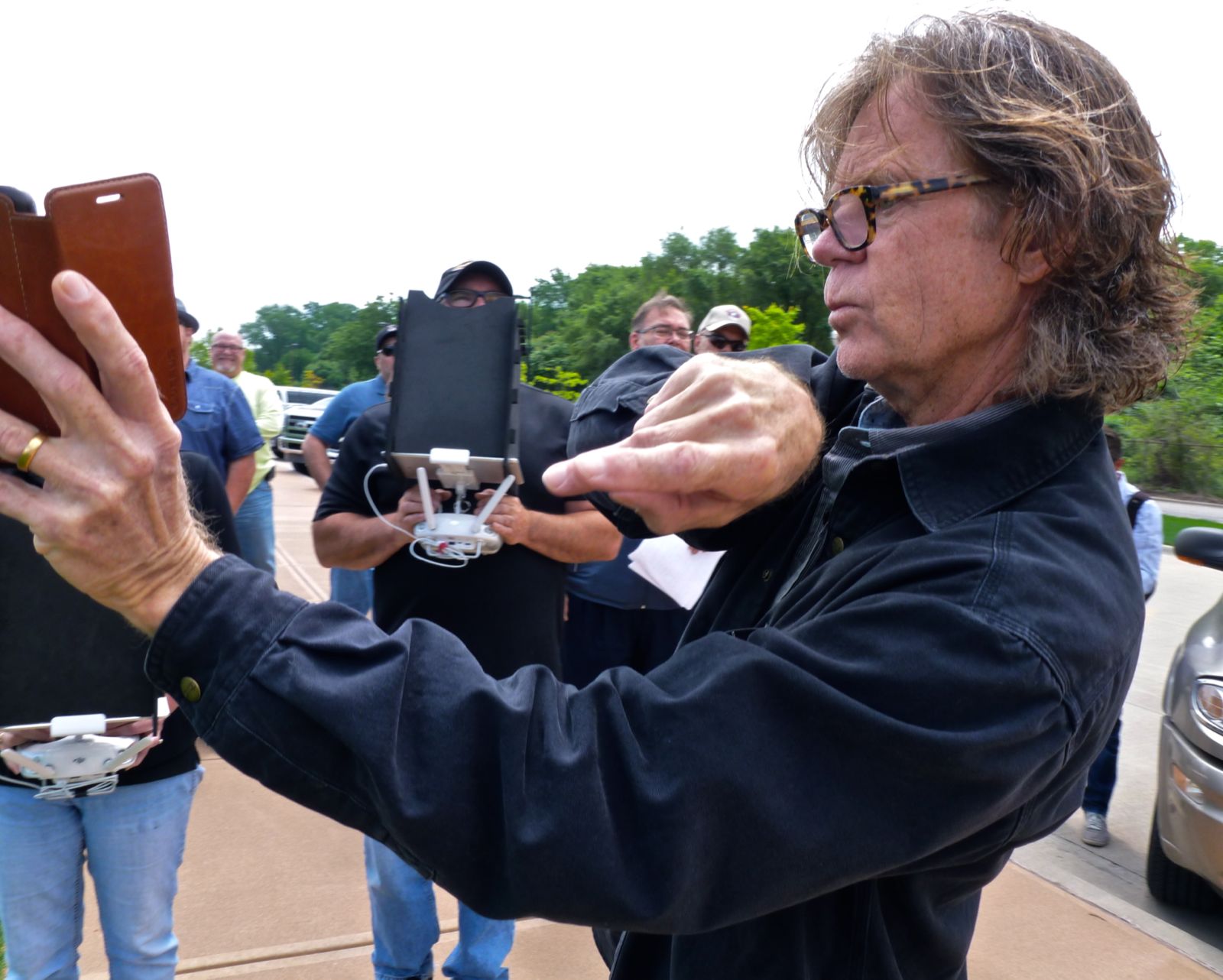
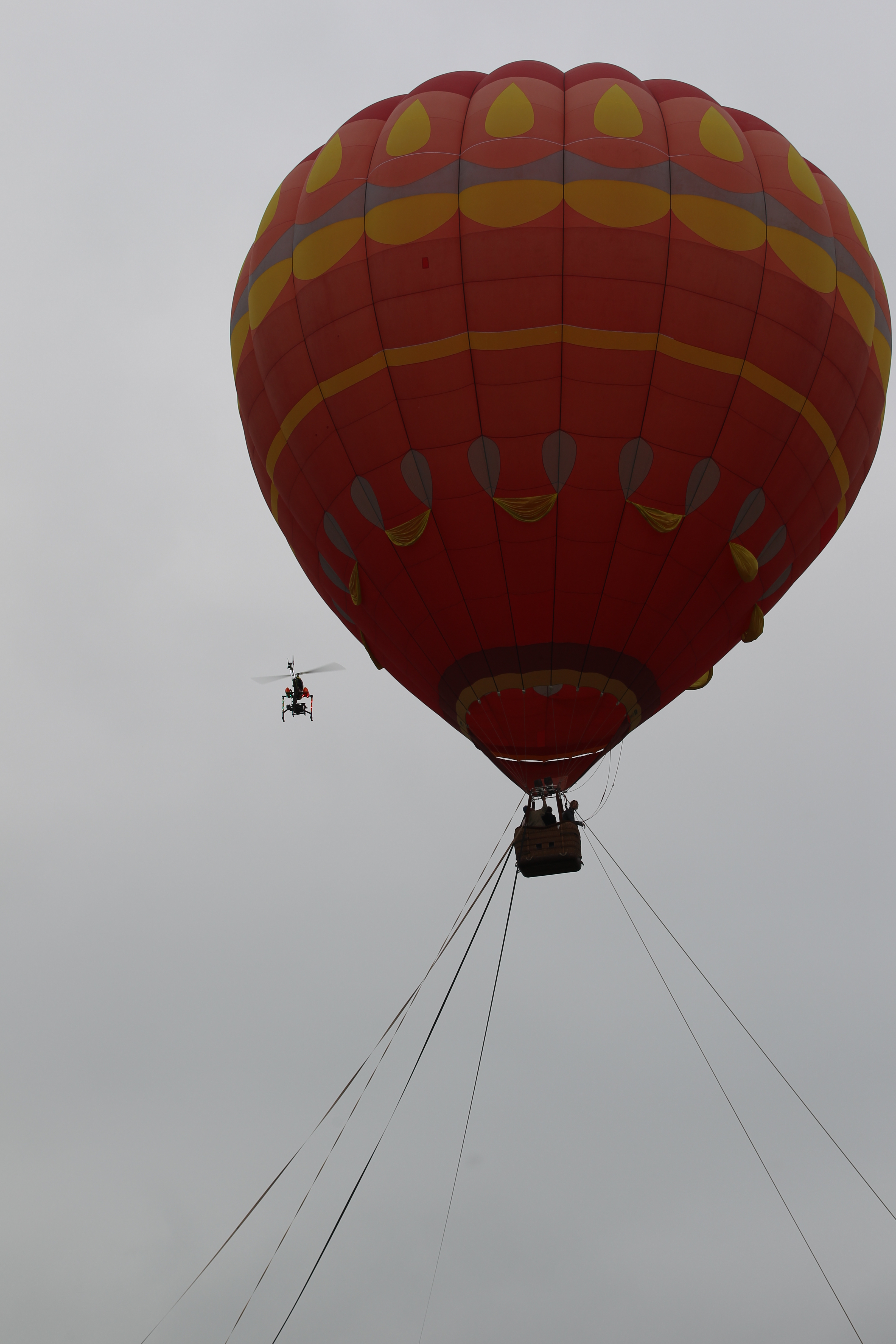
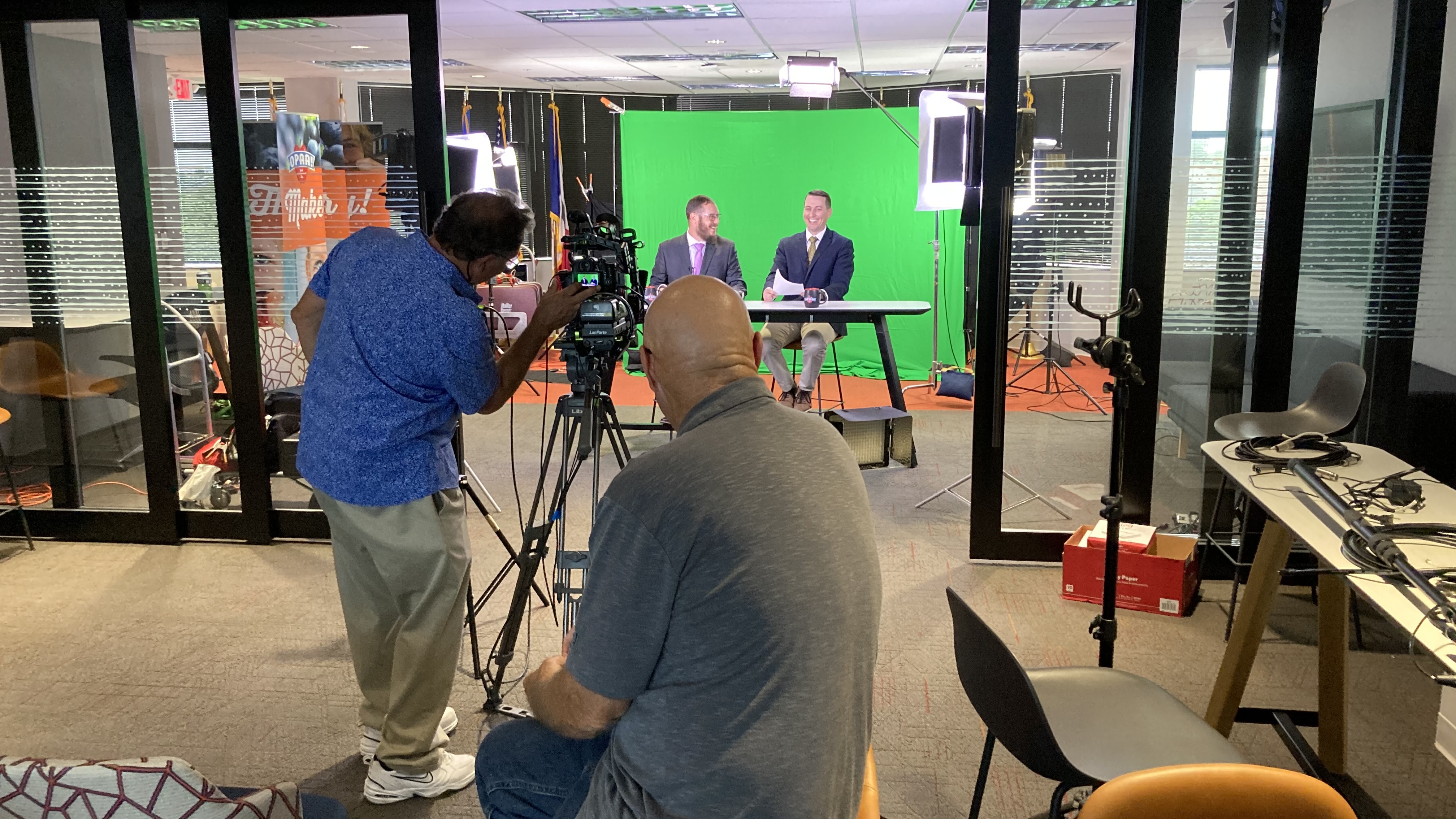
St Louis Video Production is a full-service professional commercial photography and video production company with the right equipment and experienced crew for successful image acquisition. We provide full-service studio and location video and photography, editing, post-production, and licensed drone pilots—including the ability to fly our specialized drones indoors when a dynamic perspective is needed. We customize productions for diverse media requirements and excel at repurposing your photography and video branding to gain more traction across channels. We are well-versed in all file types, media styles, and the accompanying software, and we leverage the latest Artificial Intelligence responsibly throughout our services for speed, consistency, and scale. Our private studio lighting and visual setup is ideal for small productions and interview scenes, with room for props to round out your set. We support every aspect of your production—from setting up a private, custom interview studio to supplying professional sound and camera operators, as well as providing the right equipment—ensuring your next video production is seamless and successful.
Mike Haller 314-913-5626 stlouisvideoproduction@gmail.com


















 St Louis Video Production, Inc.