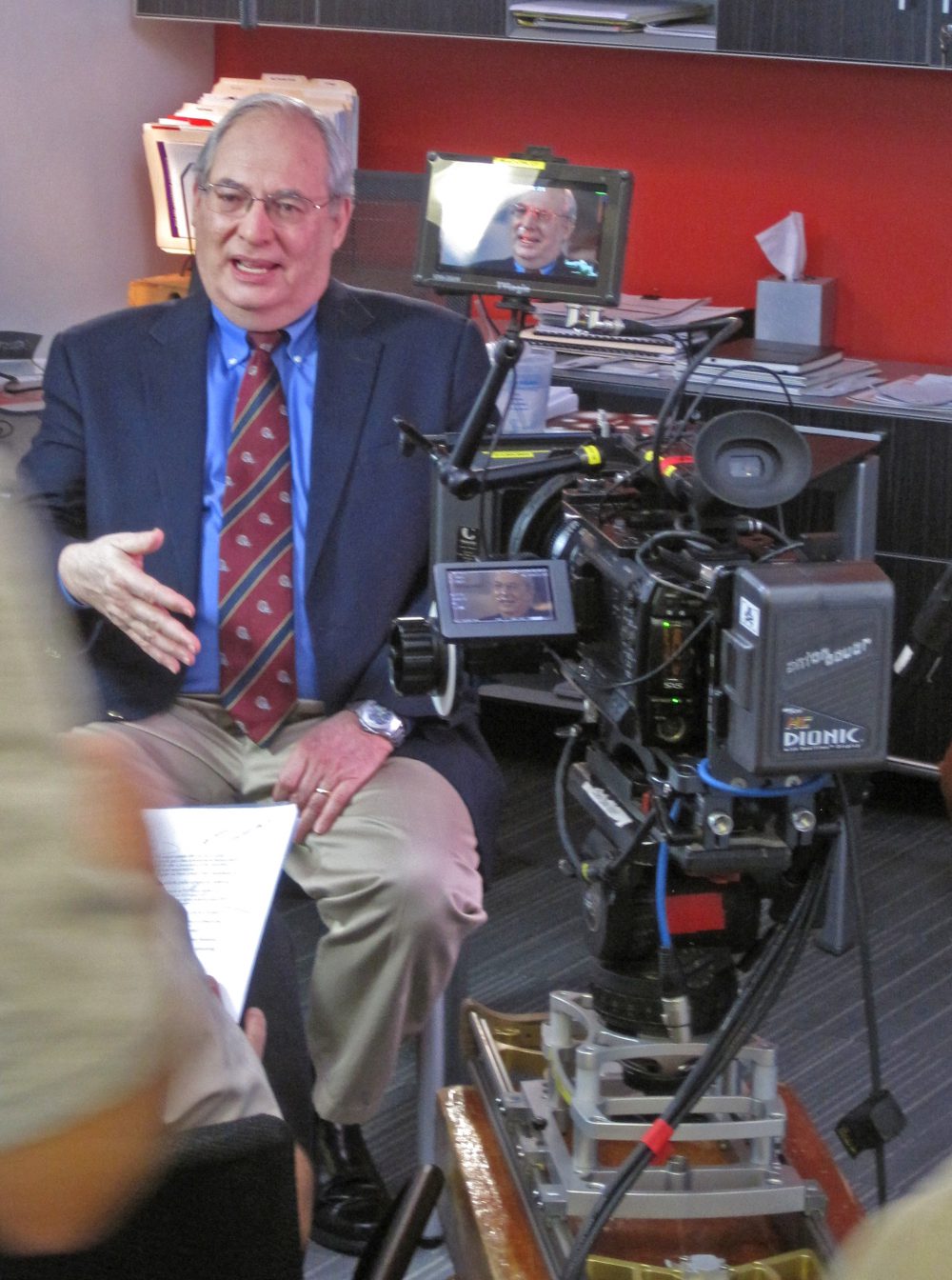
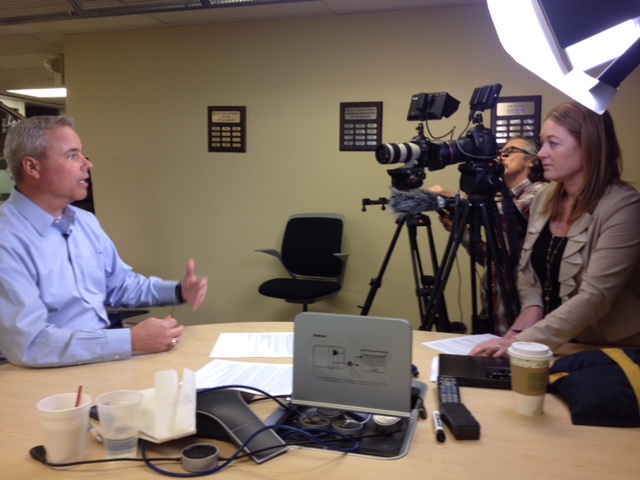
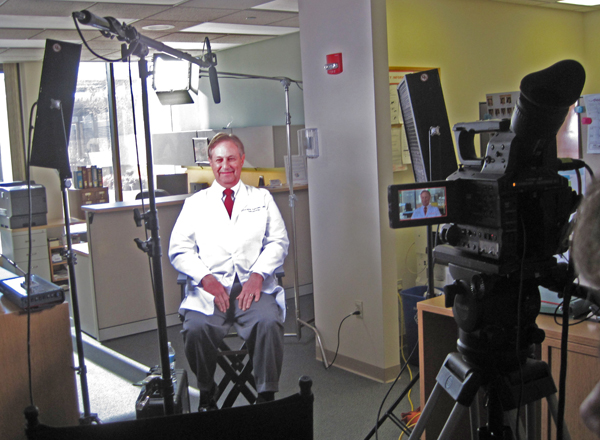
Experienced Crews | Professional Equipment | Studio & Remote Production

Posts tagged ‘corporate video production st louis’

Let Your Customers Sell: The Question Playbook for Video Testimonials

If your best prospects could sit in on one honest conversation with your happiest customer, theyโ€™d buy faster and with more confidence. Thatโ€™s the power of a well-structured video testimonial. The trick isnโ€™t fancy gear or a lucky soundbiteโ€”itโ€™s asking the right questions in the right order, and creating an environment where real stories surface naturally.

Below is a pragmatic, field-tested playbook we use at St Louis Video Production to plan, conduct, and repurpose testimonial interviews that actually move the needle.


Why Video Testimonials Work (and What โ€œGoodโ€ Looks Like)

Good testimonials:

  • Match the buyerโ€™s journey (awareness โ†’ evaluation โ†’ decision).
  • Frame the before โ†’ during โ†’ after in concrete, measurable terms.
  • Address common objections (risk, cost, speed to value, switching pain).
  • Feel unscripted but are guidedโ€”crisp answers, human details, proof.

Signal youโ€™ve nailed it: prospects echo your customerโ€™s own phrases back to your sales team, and sales uses the clips proactively (not just marketing).


Pre-Production: Set the Table for Truth

Define the story arc

  • ICP: Which customer profile do we want more of?
  • Use case: Which problem-outcome pair matters most this quarter?
  • Proof target: What metric, milestone, or moment will validate success?

Line up logistics

  • Stakeholders: Subject, their boss (for approval), legal/compliance, location contact.
  • Paperwork: Appearance release, location release, product/logo permissions.
  • Guardrails: Topics to avoid (competitive NDAs, regulatory limits), brand voice, no-go claims.

Prep the guest (without over-rehearsing)

  • Send a 1-page โ€œwhat to expectโ€ (wardrobe, timing, parking, mic etiquette).
  • Share themes, not scripts; reassure โ€œweโ€™ll guide you.โ€
  • Ask for artifacts (dashboards, photos, product in use) to film as B-roll.
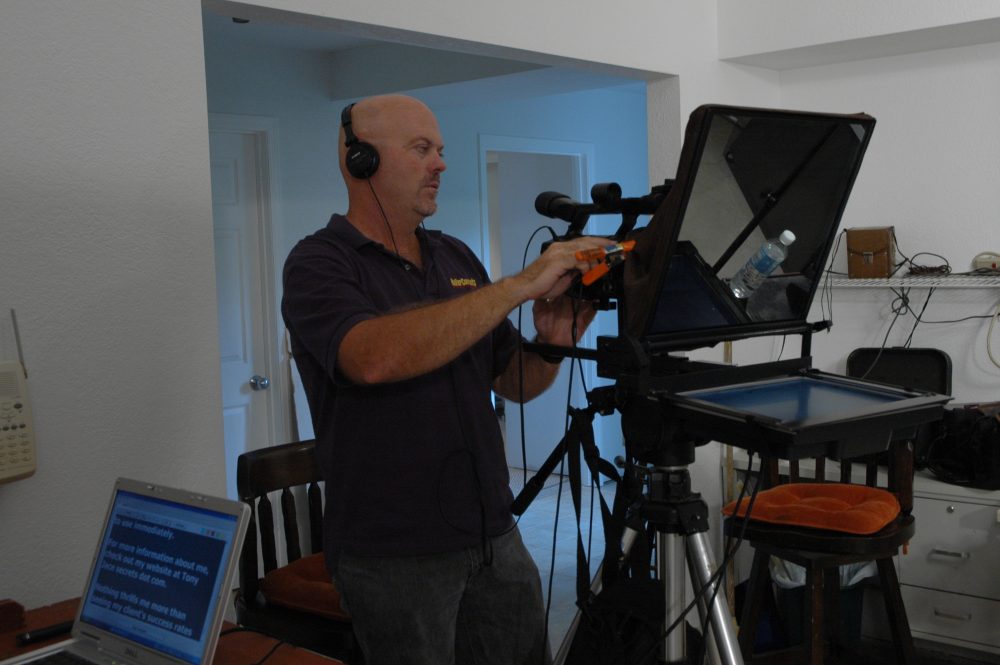
On-Set: Make It Easy to Be Great on Camera

  • Warm-up first. Start with soft, non-work questions to settle nerves.
  • Ask one idea per question. Short prompts โ†’ short, usable answers.
  • Go for specifics. Replace โ€œit was betterโ€ with โ€œcut onboarding from 10 days to 3.โ€
  • Follow the energy. When eyes light up, stay curious; ask โ€œWhat happened next?โ€
  • Silence is a tool. After an answer, pause; the best add-ons arrive in the quiet.

Technical baseline (so the story shines):

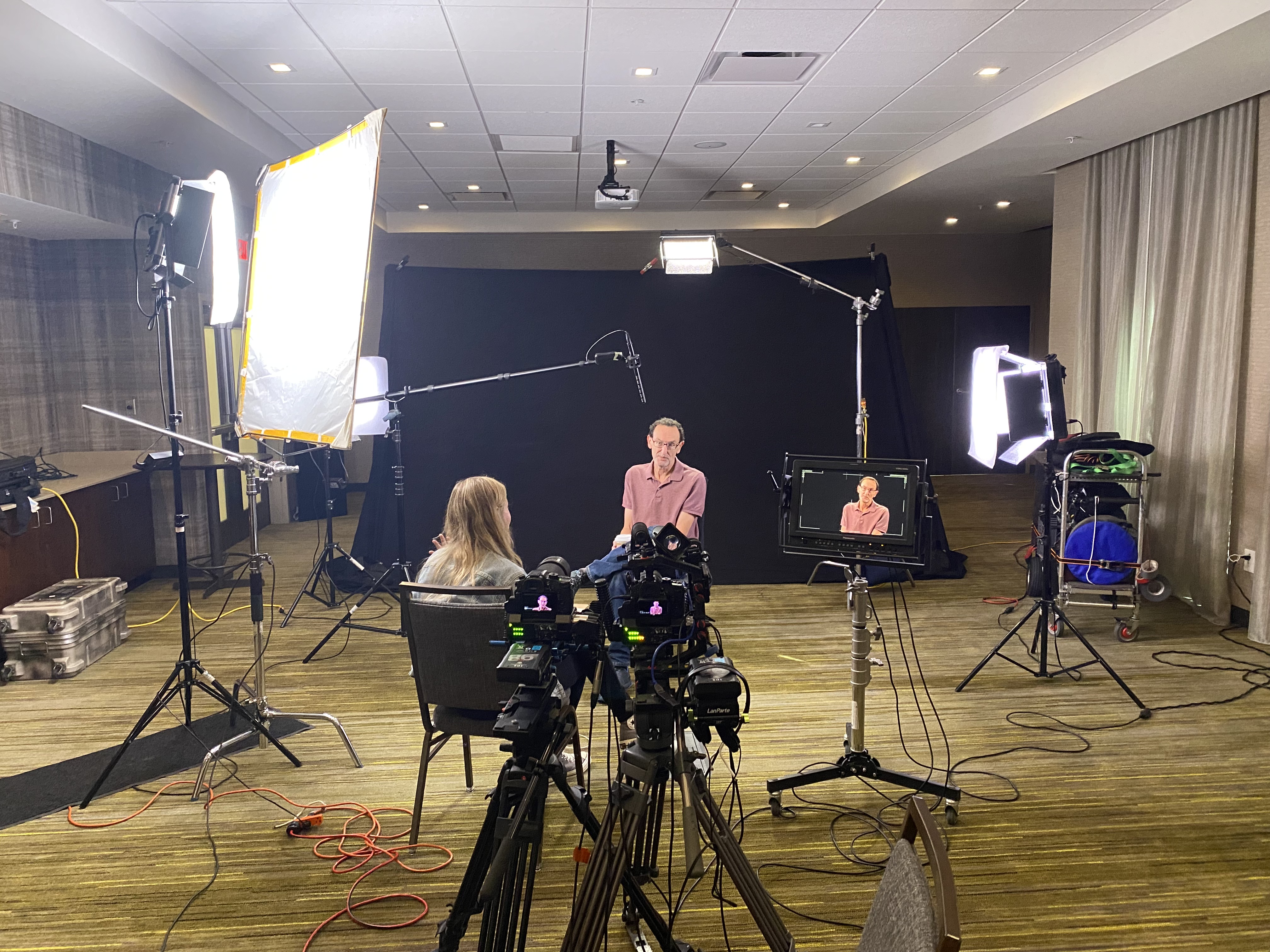
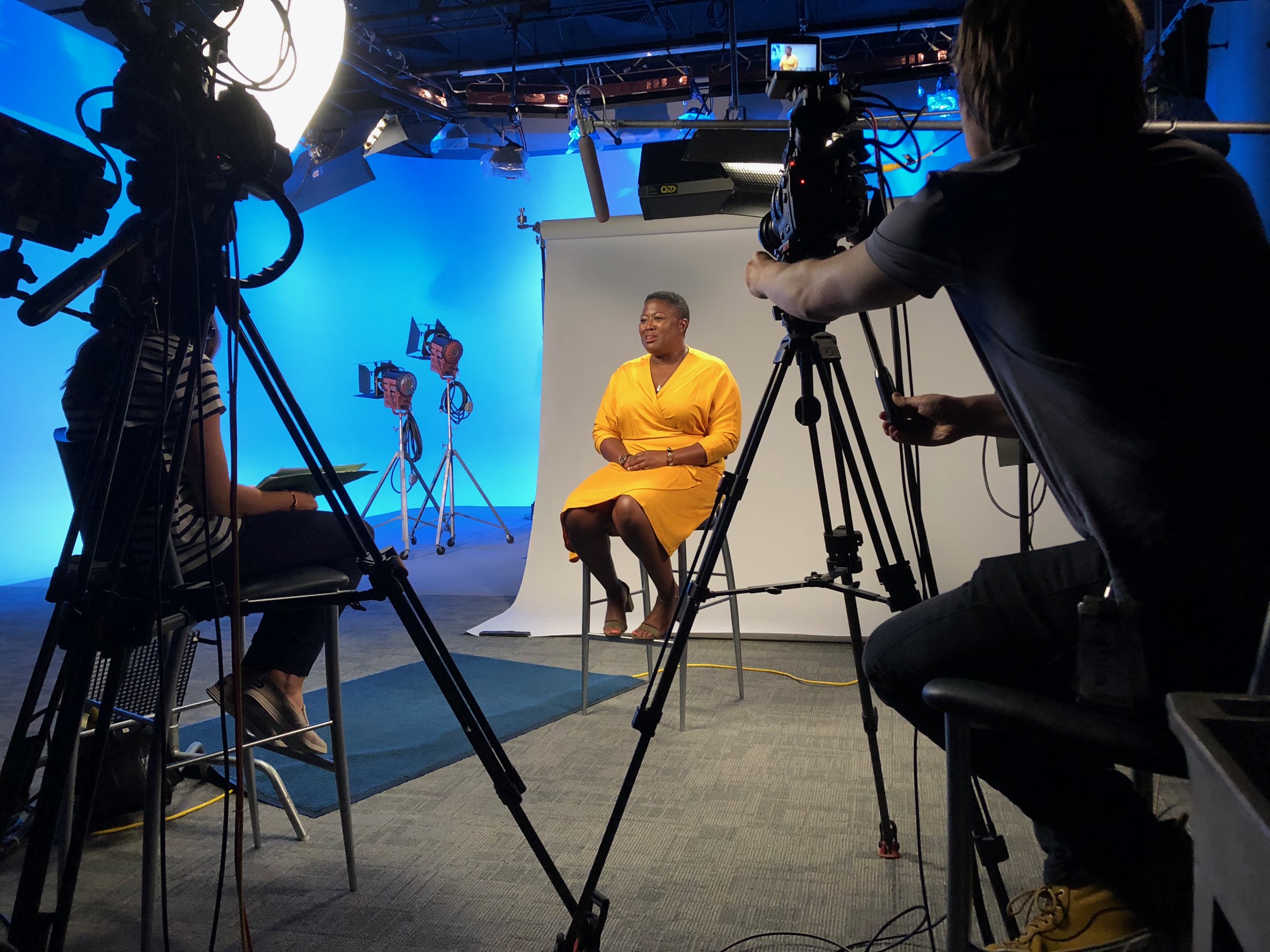
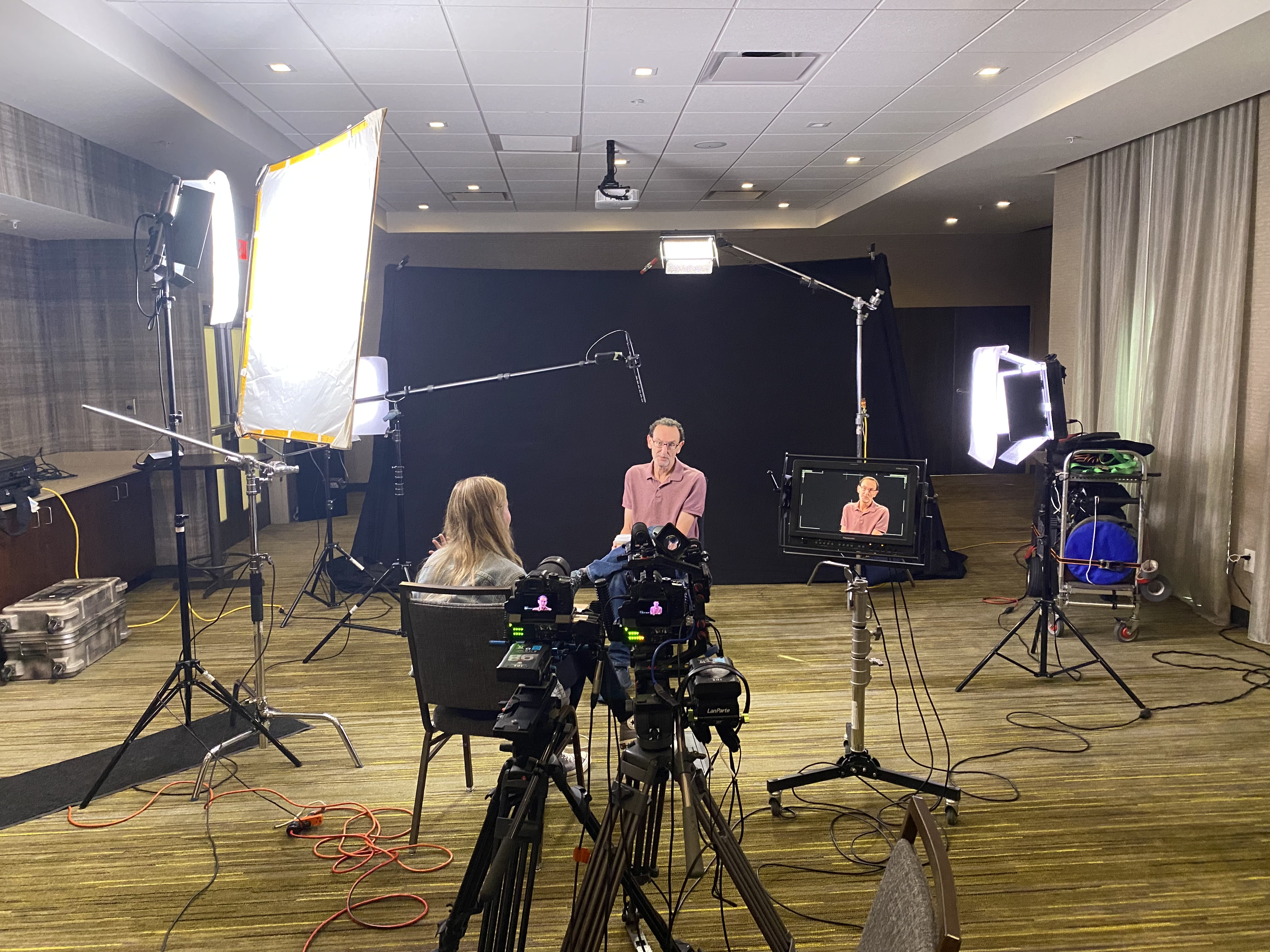
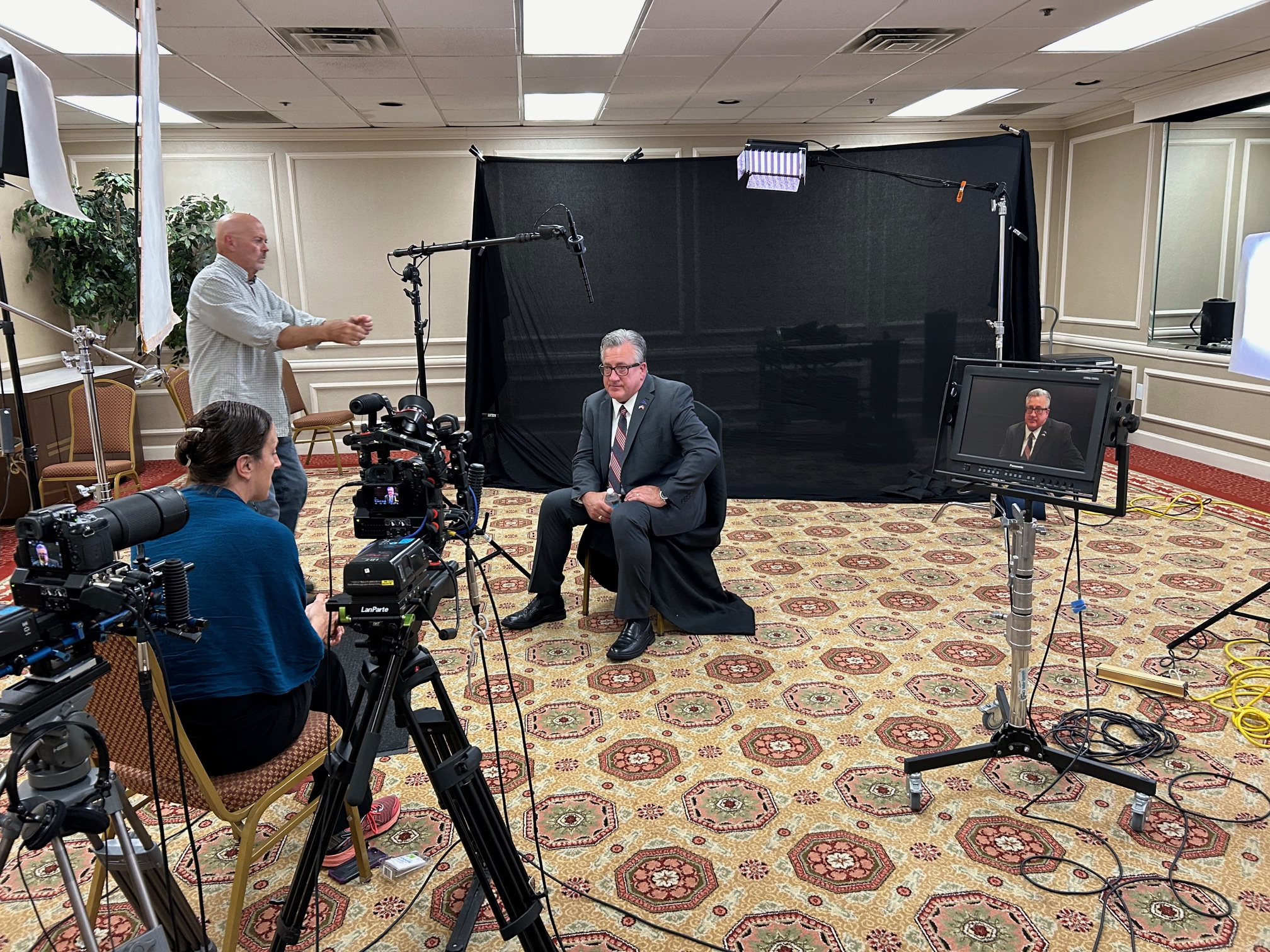
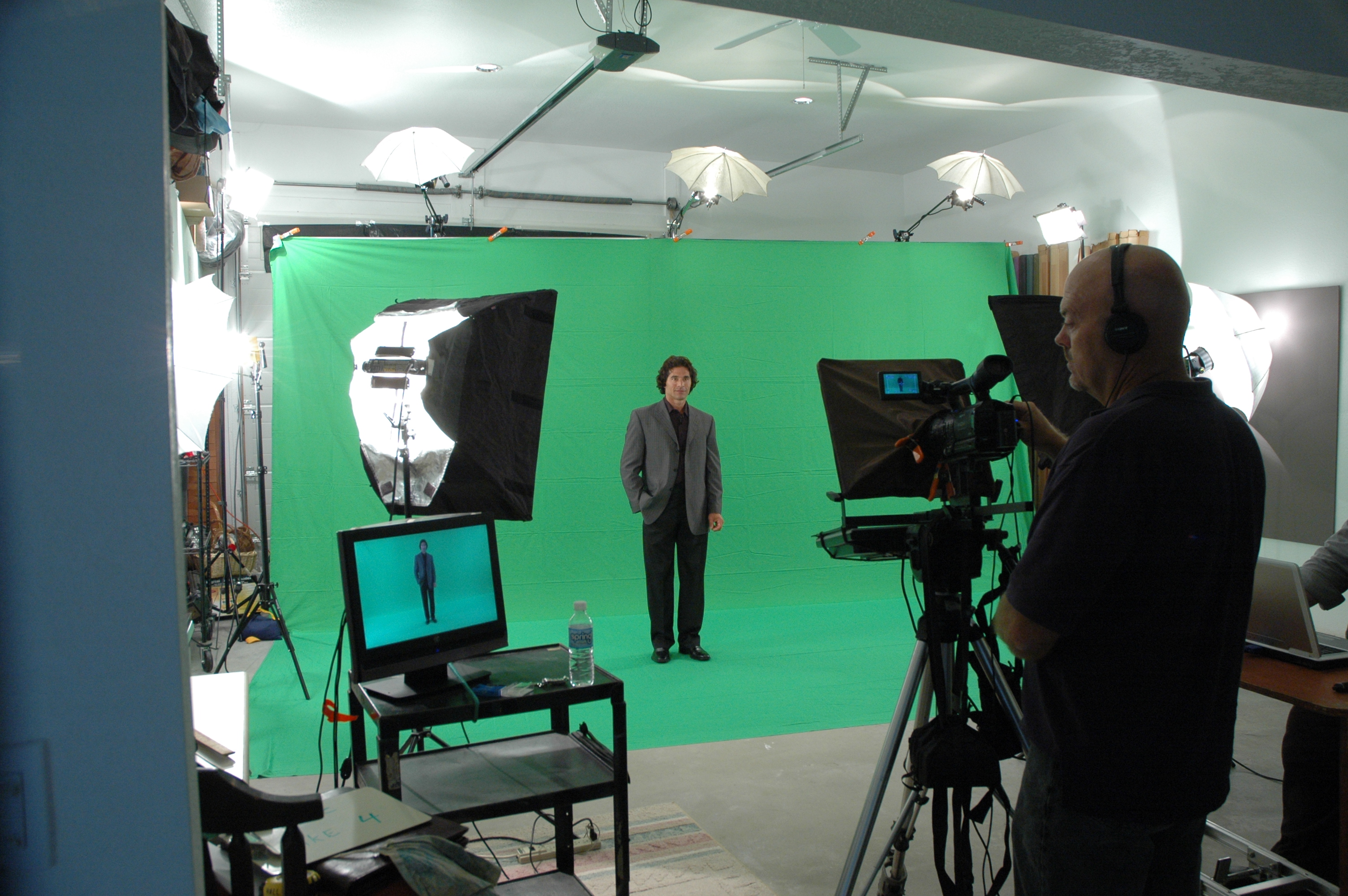
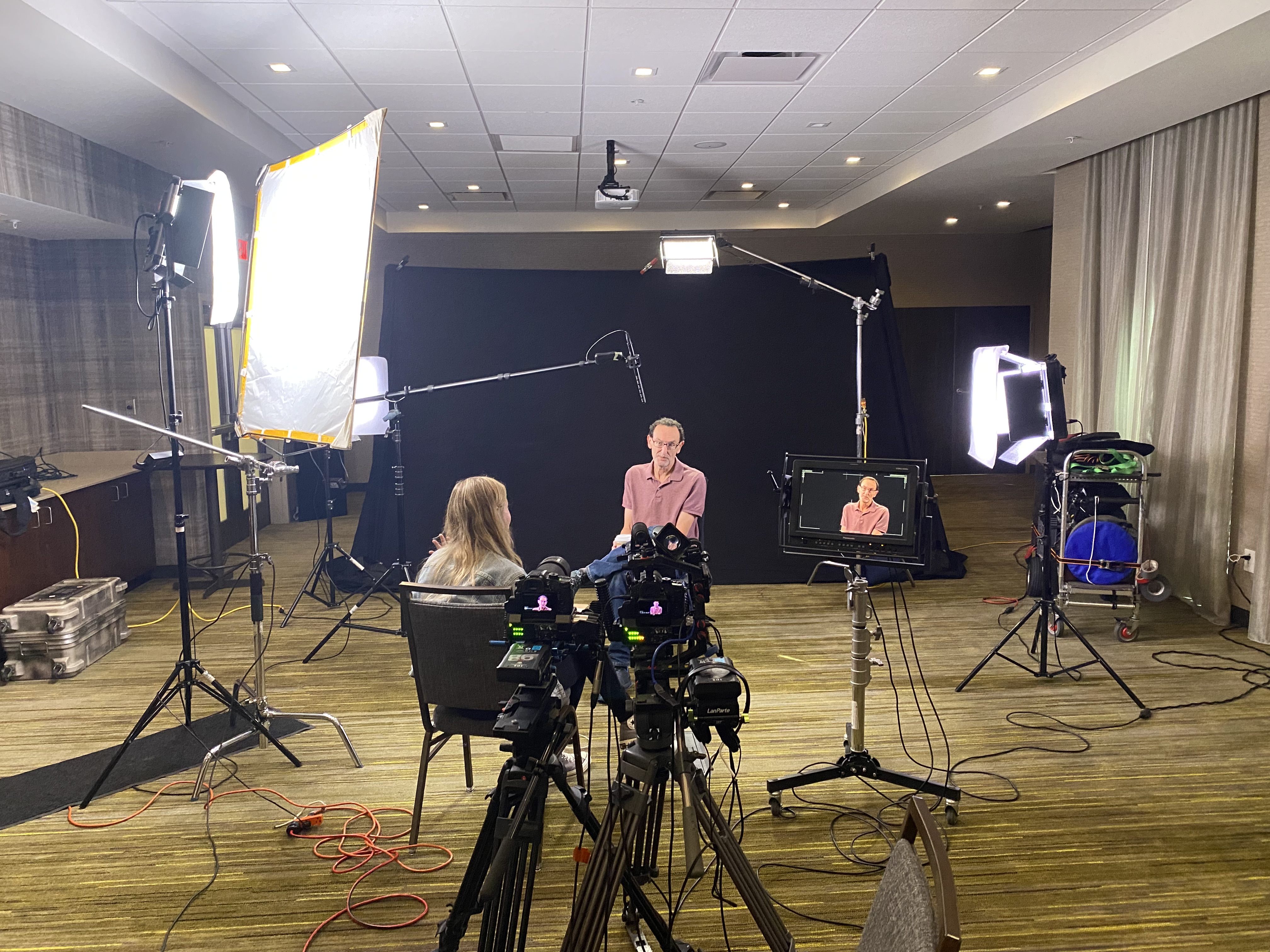
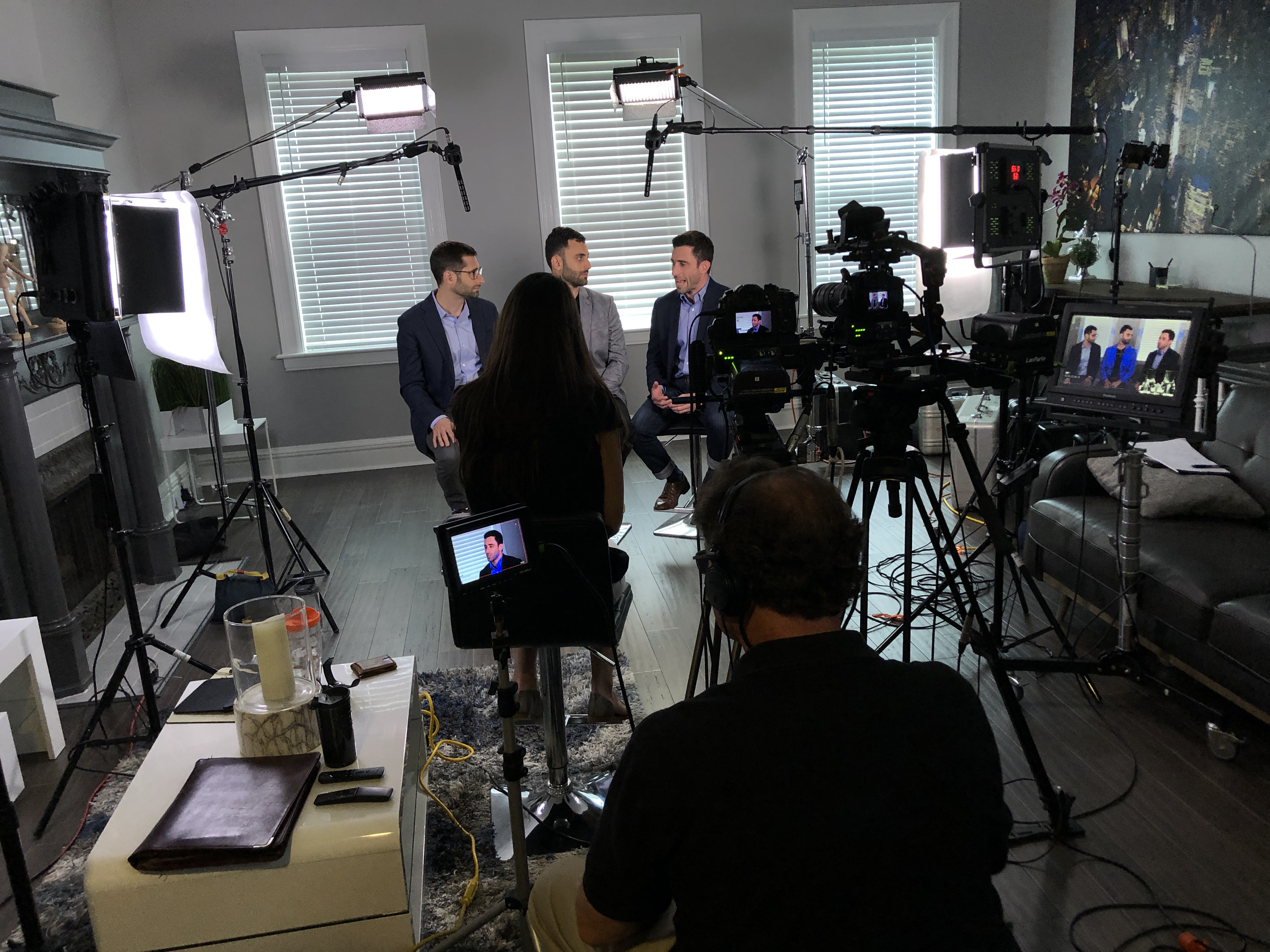
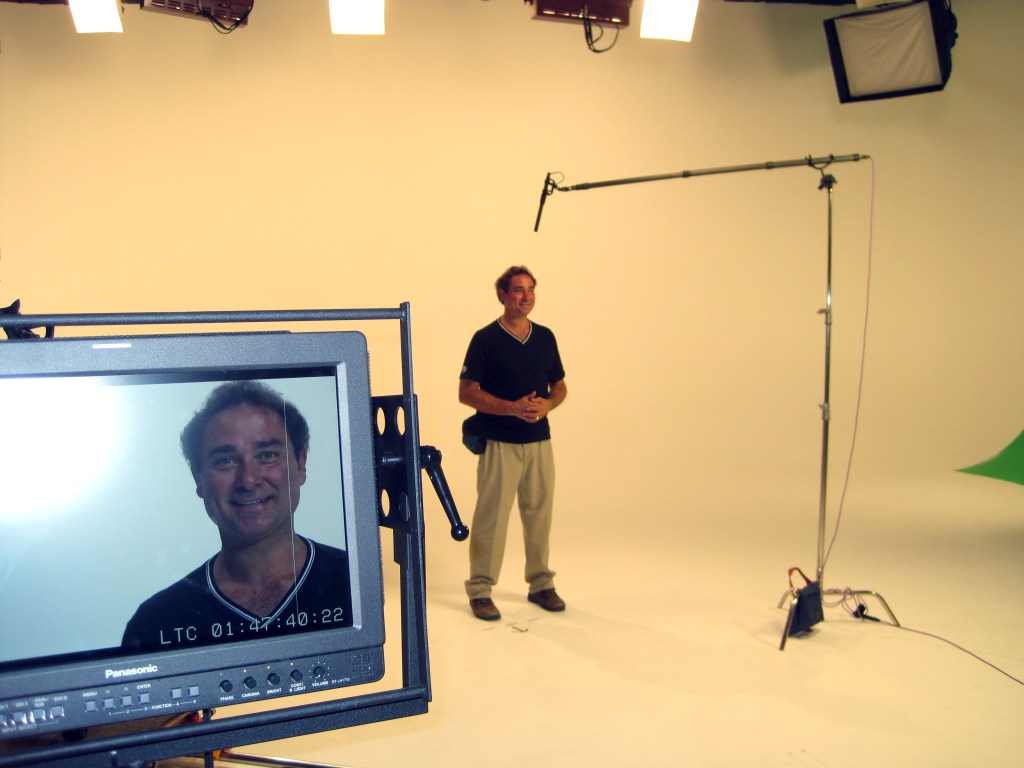
  • Two-camera angle for edit flexibility; lav + boom for clean audio.
  • Soft, flattering key + fill; match brand palette subtly in set elements.
  • Capture plentiful B-roll that shows what the guest says.

The Question Playbook (Organized by Outcome)

Use these as modular blocks. You wonโ€™t ask them allโ€”select 8โ€“15 that fit your story arc.

1) Openers that Build Comfort

  • โ€œWhere do you work and what do you do day to day?โ€
  • โ€œWhat does success look like in your role?โ€

2) The Before State (Problem and Stakes)

  • โ€œWhat was the situation before you started looking for a solution?โ€
  • โ€œWhat made the status quo no longer acceptable?โ€
  • โ€œWhat did the pain look like in numbers (time lost, errors, missed revenue)?โ€

3) The Search and Selection

  • โ€œWhat alternatives did you consider, and why didnโ€™t they fit?โ€
  • โ€œWhat tipped the decision in our favor?โ€
  • โ€œWhat risk felt biggest, and how was it addressed?โ€

4) Implementation and Experience

  • โ€œWalk me through week oneโ€”what actually happened?โ€
  • โ€œWho was involved on both teams? Any surprises?โ€
  • โ€œHow long until you saw first value? Full value?โ€

5) Outcomes and Proof

  • โ€œWhat metrics moved? Baseline vs now.โ€
  • โ€œWhat changed for your team or customers?โ€
  • โ€œWhatโ€™s a moment you realized this was working?โ€

6) Objectionsโ€”Handled on Camera

  • โ€œIf someone is worried about cost/switching/complexity, what would you tell them?โ€
  • โ€œWhat do you wish youโ€™d known on day one?โ€

7) Differentiators in Plain Language

  • โ€œWhat do we do differently than others youโ€™ve worked with?โ€
  • โ€œWhat one capability would be hardest to give up?โ€

8) Emotional Beats (Human Detail)

  • โ€œHow does your workday feel different now?โ€
  • โ€œWho on your team felt the impact first?โ€

9) Future and Advocacy

  • โ€œWhatโ€™s next now that this is solved?โ€
  • โ€œWould you choose us again? Why?โ€

Industry-Specific Add-Ons

B2B SaaS / Tech

  • โ€œWhat integrations mattered most?โ€
  • โ€œHow did security/compliance review go?โ€
  • โ€œWhatโ€™s your retention or adoption rate after rollout?โ€

Manufacturing / Logistics

  • โ€œWhat throughput or yield improvements did you see?โ€
  • โ€œAny downtime reduction or safety gains?โ€
  • โ€œImpact on scrap, returns, or on-time delivery?โ€

Healthcare / Regulated

  • โ€œHow did the process respect privacy and compliance?โ€
  • โ€œWhich outcomes are you comfortable sharing publicly?โ€
    (Avoid PHI; pre-clear wording with compliance.)

Professional Services

  • โ€œWhere did the team demonstrate judgmentโ€”not just tasks?โ€
  • โ€œWhat checkpoint gave you confidence we were on track?โ€

Recruiting / HR

  • โ€œHow many days to fill before/after?โ€
  • โ€œQuality-of-hire or retention shifts?โ€

Nonprofit / Public Sector

  • โ€œCommunity outcome in lives touched, hours saved, dollars redirected?โ€
  • โ€œHow did this influence stakeholder confidence or funding?โ€

A 10-Minute Interview Outline (Efficient and Effective)

  1. Role & context (0:45)
  2. The โ€œbeforeโ€ and trigger to change (1:30)
  3. Why we were chosen (1:00)
  4. Implementation snapshot (1:30)
  5. Outcomes with numbers (2:30)
  6. Objection handling (1:00)
  7. Differentiator and recommendation (1:00)
  8. CTA-ready closer (0:45)

Make It Visual: B-Roll Youโ€™ll Actually Use

  • The system in action: screens, hands, processes, product close-ups.
  • โ€œDay in the lifeโ€ cutaways: meetings, whiteboards, customers served.
  • Proof artifacts: dashboards, reports, before/after images, shipping lines, storefronts.
  • Emotional texture: smiles, relieved team, quiet focus, celebratory moments.

Edit Structure That Converts

  • Cold open: 3โ€“6 second hook with a quantifiable win.
  • Title card + identity: whoโ€™s speaking, why they matter.
  • Problem โ†’ solution โ†’ outcome in under 90 seconds; keep one idea per beat.
  • End card CTA: what to do next (book demo, schedule consult, watch deeper case).
  • Versions: 16:9 web, 1:1 feed, 9:16 stories/reels; 6s, 15s, 30s, 60โ€“90s cuts.
  • Accessibility: open captions burned in; high-contrast safe zones.

Distribution Plan (So the Story Works for You Everywhere)

  • Website: case-study pages, product pages, pricing page objection handlers.
  • Sales: email follow-ups, proposal decks, QR at trade shows.
  • Social/PR: short cuts with one metric per clip; tag the customer if approved.
  • Lifecycle: onboarding (what good looks like), renewal (outcomes reminder).
  • Paid: A/B test 6s hooks that mirror top objections from sales calls.

Track watch time, quartile completion, CTA clicks, influenced pipeline/revenue; annotate wins to the original testimonial in your asset library.


Ethical, Legal, and Brand Hygiene

  • Signed appearance and location releases (store with the asset).
  • Avoid confidential data on screens; plan redactions in post if needed.
  • Add content credentials/provenance where appropriate.
  • Keep claims truthful; use customerโ€™s own metrics and language.
Quick Do/Donโ€™t

Do

  • Coach for specifics and stories.
  • Ask follow-ups; let them finish.
  • Film lots of purposeful B-roll.

Donโ€™t

  • Put words in their mouth.
  • Lead with jargon or internal slogans.
  • Rely on a single long cutโ€”think modular reuse.

Ready-to-Use Prompt Sheet (Print for Your Interviewer)

  • โ€œWhat was happening before you started looking for a solution?โ€
  • โ€œWhat changed that made you act now?โ€
  • โ€œWhat nearly stopped you from choosing us?โ€
  • โ€œWhat happened in week one?โ€
  • โ€œWhat can you measure that proves this worked?โ€
  • โ€œIf someoneโ€™s on the fence, what should they know?โ€
  • โ€œWhat do we do that others donโ€™t?โ€
  • โ€œWould you choose us again? Why?โ€

Why Teams Choose Us to Produce Testimonials

Since 1982, weโ€™ve helped businesses, marketing firms, and agencies in the St. Louis area capture credible, conversion-ready testimonial stories. Our crews handle everythingโ€”from strategy and question design to on-set coaching, filming, and post-productionโ€”so your customers look and sound their best while saying what future buyers actually need to hear.

About St Louis Video Production
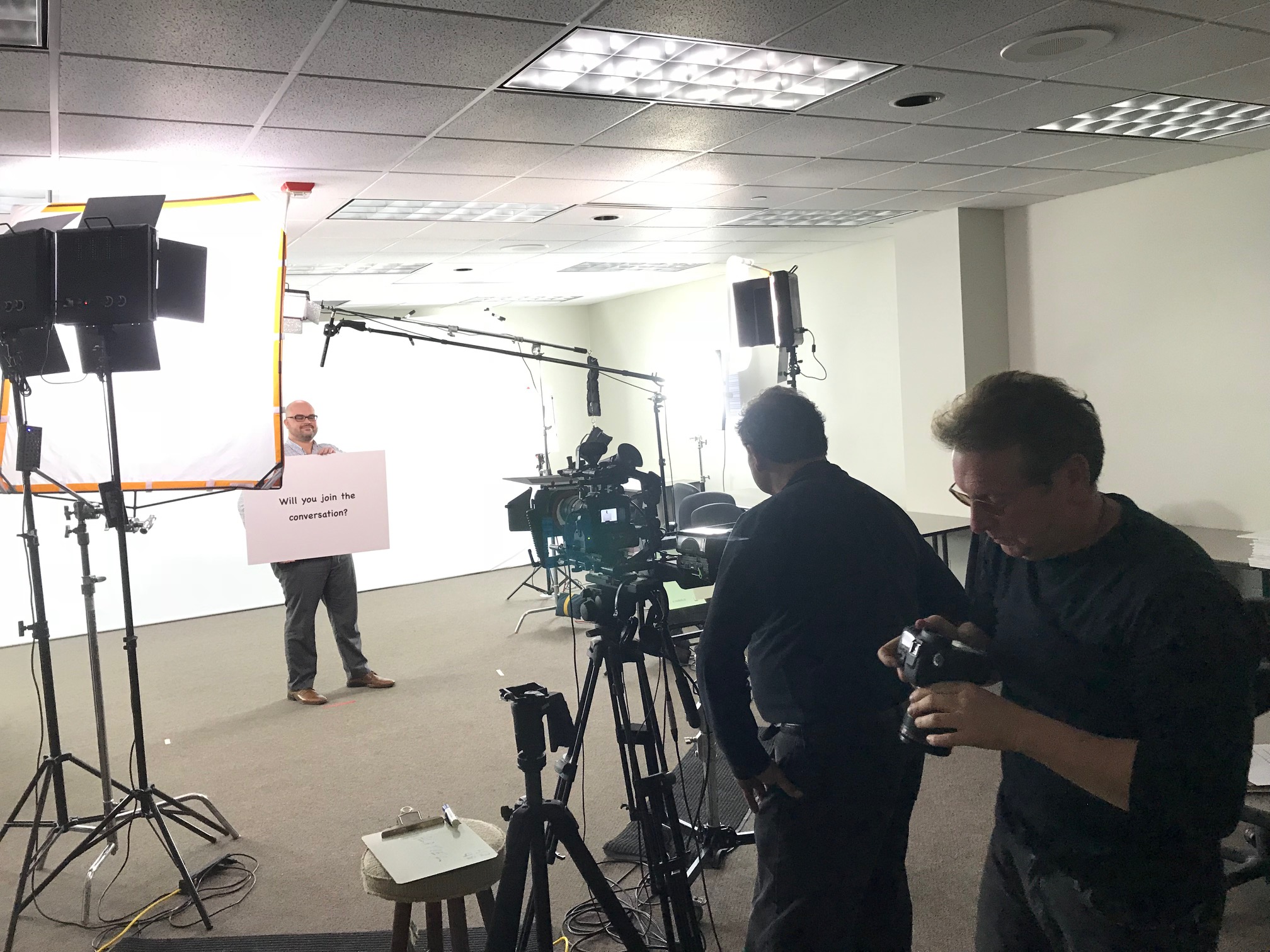
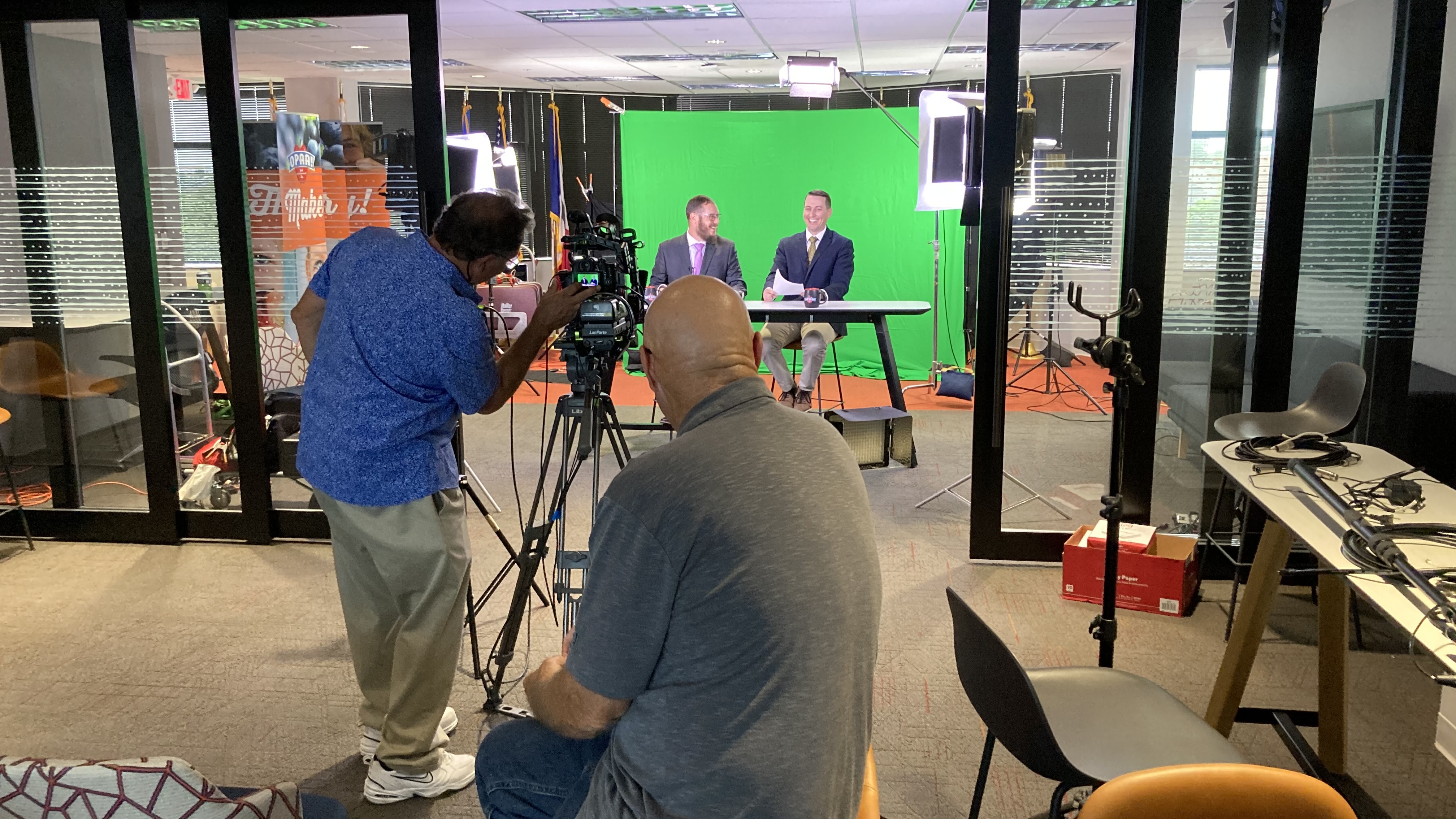
St Louis Video Production is a full-service professional commercial photography and video production company with the right equipment and experienced crew for successful image acquisition. We provide full-service studio and location video and photography, editing, post-production, and licensed drone pilotsโ€”including the ability to fly our specialized drones indoors when a dynamic perspective is needed. We customize productions for diverse media requirements and excel at repurposing your photography and video branding to gain more traction across channels. We are well-versed in all file types, media styles, and the accompanying software, and we leverage the latest Artificial Intelligence responsibly throughout our services for speed, consistency, and scale. Our private studio lighting and visual setup is ideal for small productions and interview scenes, with room for props to round out your set. We support every aspect of your productionโ€”from setting up a private, custom interview studio to supplying professional sound and camera operators, as well as providing the right equipmentโ€”ensuring your next video production is seamless and successful.

Mike Hallerย 314-913-5626ย stlouisvideoproduction@gmail.com
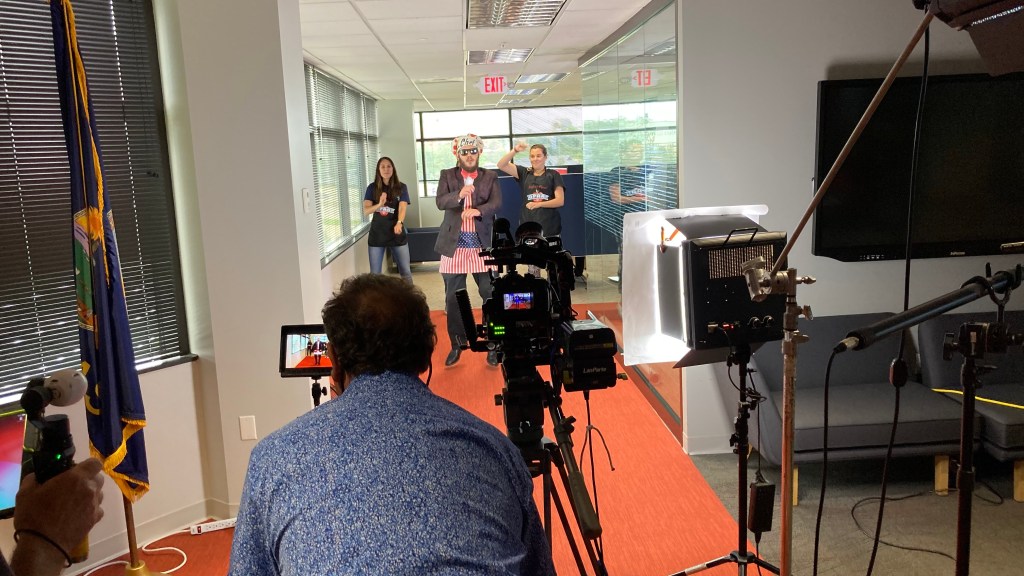
Frequently Asked Questions for a Remote Location Video Shoot

1. What are the initial steps to plan a remote location shoot?

Answer: The first step in planning a remote location shoot involves thorough pre-production planning. This includes scouting the location to understand the environment, obtaining necessary permits, and coordinating logistics such as travel and accommodation for the crew. Additionally, it’s important to develop a detailed shot list and storyboard to ensure all necessary shots are captured efficiently. Communication with local authorities and stakeholders is also crucial to ensure compliance with any local regulations and to address any potential challenges specific to the location.

2. What equipment is necessary for a remote location shoot?

Answer: Essential equipment for a remote location shoot includes cameras, lenses, tripods, lighting equipment, microphones, and audio recorders. Depending on the location and shoot requirements, additional gear such as drones for aerial shots, portable power supplies, and stabilization equipment may be needed. It’s also important to have backup equipment to address any technical issues that may arise during the shoot. Ensuring all equipment is properly packed and protected for transportation is key to a successful shoot.

3. How do you handle unpredictable weather conditions?

Answer: To handle unpredictable weather conditions, it’s important to monitor weather forecasts closely leading up to the shoot and have contingency plans in place. This may include having weatherproof gear for both equipment and crew, scheduling buffer days to accommodate potential delays, and identifying indoor or sheltered locations as backup options. Flexibility and adaptability are crucial, as well as maintaining open communication with the client about any necessary changes to the schedule or shoot plan.

4. What are the key considerations for crew and talent logistics?

Answer: Key considerations for crew and talent logistics include arranging transportation, accommodation, and catering. It’s important to ensure everyone is well-rested and comfortable to maintain high energy levels and morale throughout the shoot. Clear communication about the shoot schedule, call times, and location specifics is essential. Additionally, providing detailed itineraries and contact information for all key personnel helps facilitate smooth coordination and quick resolution of any issues that may arise.

5. How do you ensure high-quality audio and video in a remote location?

Answer: Ensuring high-quality audio and video involves using professional-grade equipment and employing experienced technicians. For video, this means using high-resolution cameras, proper lighting, and stabilization tools. For audio, using directional microphones, wind protection, and monitoring audio levels during recording is crucial. Conducting test shots and audio checks before the shoot helps identify and address any potential issues. Additionally, having a dedicated audio engineer on set can greatly enhance the overall production quality.

6. What is the process for obtaining permits and permissions?

Answer: The process for obtaining permits and permissions varies depending on the location. It typically involves contacting local authorities or government offices responsible for filming permits and providing details about the shoot, including dates, times, locations, and the nature of the production. Some locations may also require proof of insurance and adherence to specific guidelines or regulations. It’s important to start this process early to avoid delays and ensure all legal requirements are met.

7. How do you manage post-production for remote shoots?

Answer: Managing post-production for remote shoots involves organizing and backing up all footage and audio files as soon as possible. Using cloud storage or portable hard drives ensures that the data is secure and accessible. Clear labeling and metadata tagging help streamline the editing process. Communication between the on-site team and post-production team is crucial to ensure that all necessary elements are captured and any potential issues are addressed promptly. Utilizing remote collaboration tools can also facilitate efficient feedback and revisions.


Expertise of St Louis Video Production

St Louis Video Production is a full-service professional video production and commercial photography company with extensive experience in handling remote location shoots. Since 1982, we have been providing top-tier video and photography services, including studio and location shoots, editing, post-production, and licensed drone operations. Our seasoned crew is equipped with the latest technology and creative expertise to ensure successful image acquisition in any environment. Whether it’s navigating logistical challenges or adapting to unpredictable conditions, our comprehensive approach and dedication to excellence guarantee the highest quality results for our clients.

314-913-5626ย stlouisvideoproduction@gmail.com
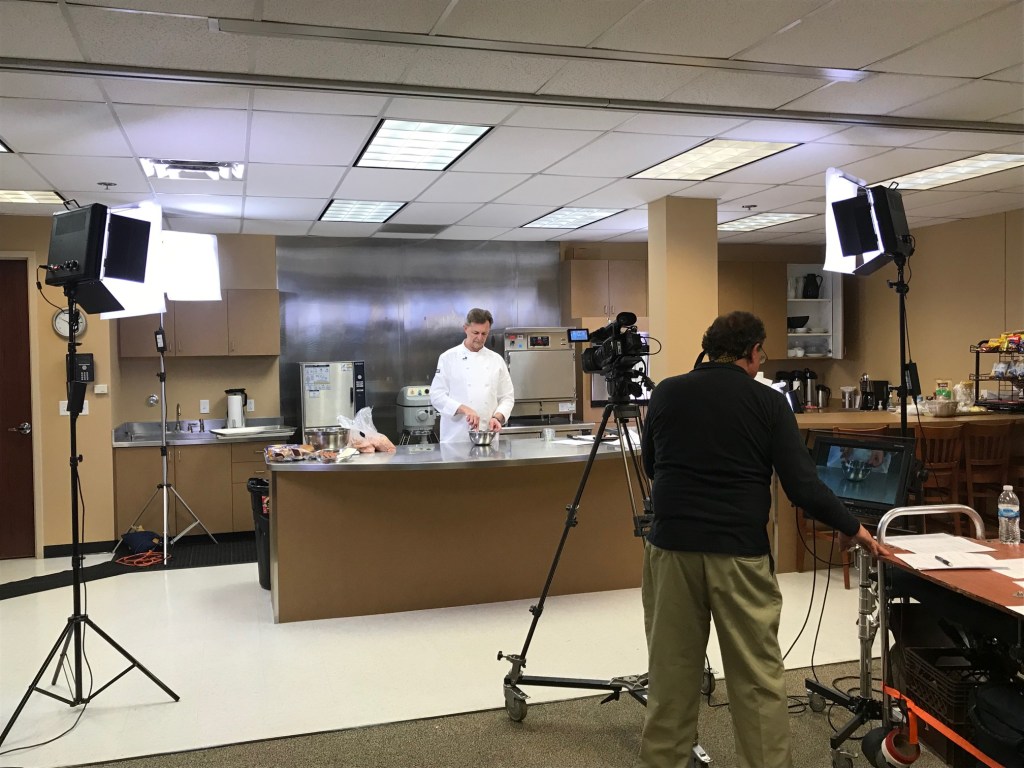
Interview and B-roll Filming Services Tips for a Successful Shoot.

Do you seek tips to make your b-roll shoot successful? Look no further! Read on to discover how expert interview and b-roll filming services can help you shoot hypnotizing footage that’ll leave a lasting impression on your viewers.

Planning ahead will help on the day of filming.

With the right plan and method, your project can be complete quickly with great outcomes.

Introduction

Preparation is key for a successful shoot! Before you begin, it’s important to be organized and have a plan. Here are some tips to help you prepare.

-Research the Talent: Look into the type of person or talent you will be interviewing. Knowing about their work will make the interview go easier.

-Location Scouting: Find a spot that fits your vision. Make sure it’s well lit and not too noisy. Visit the space or Google Street View it before deciding.

-Scheduling: Prepare a shooting schedule for each day. Include start and wrap up times, plus breaks.

-Equipment Prep: Test all gear. Check media cards, mics, tripods, props – get everything ready! Good prep saves time and stress later on.

What is Interview and B-roll Filming?

Interview and B-roll film shooting is an interesting way to create videos. Interviews involve filming one or more people speaking, while B-roll is non-interview footage that helps tell the story. This style of video production can be used for corporate marketing or client testimonials.

To make a successful video, certain tips should be kept in mind. Necessary equipment should be picked, participants should be prepped, backdrops should be chosen, creative angles should be used when filming b-roll, slow motion effects should be used to create texture, sound mixing principles should be understood and creative editing techniques should be explored.

These elements, combined together, make for a quicker and more effective video than a full documentary.

Benefits of Interview and B-roll Filming

Filming interviews and B-roll is a great way to capture your audience’s attention. It creates an impact and makes your message engaging. This type of video content focuses on the story. It can highlight an individual, a corporate message or a local news story. Video adds interest and helps define, introduce and elaborate the story.

There are several advantages to using interview and B-roll filming:

  • Visual storytelling โ€“ Viewers gain insight into a person’s background and life experience through interviews. Visuals show emotions which audio cannot.
  • Context โ€“ B-roll footage provides a clearer visual understanding of the topic.
  • Professionalism โ€“ Investing in production services such as pre-production meetings and shot lists will give professional results.
  • Creative โ€“ Post production editing offers room for creativity like music selection and effects.

Preparing for an Interview and B-roll Filming Shoot

Successful interviews and B-roll shoots need proper planning. Preparing in advance can save time and stress. Here are some top tips.

Schedule: Video shoots involve complex logistics. Everyone must understand their roles, and have enough time to complete them.

Location: Find a suitable place with good lighting, seating, parking, and no noise. Ensure all paperwork is signed.

Equipment: Get all the necessary equipment and a shot list to stay organized.

Talent/Participants: Find knowledgeable or interesting people for interviews or B-roll footage. Ask questions ahead of time. Check if there are any dress codes.

Follow these steps for a smooth interview and B-roll filming experience!

Getting the right equipment and experienced crew is essential.

Equipment Needed for Interview and B-roll Filming

Equipment for interview and B-roll filming depends on the size and scope of the project. But, there are some universal pieces filmmakers should have. A digital or HD camera is essential for good footage. An audio recorder is a must for clear dialogue and great sound quality. Lighting equipment also makes a difference. Having a soft case light and one more powerful light helps to get an optimal effect.

Necessities include backdrop stands, extension cords, batteries, tripod(s), and editing software. These items should be ready when filming. Otherwise, achieving desired results can be difficult.

Tips for a Successful Interview and B-roll Filming Shoot

Organization and preparation are critical for a successful interview and B-roll filming. Here are some tips to consider.

Before the Shoot:
โ€ข Confirm interviewee’s availability a few days in advance.
โ€ข Research background info for your story/film.
โ€ข Outline questions for interviewee ahead of time.
โ€ข Brainstorm potential b-roll shots linked to your subject matter.
โ€ข Note equipment needed for shooting (lighting, mics, etc.).
โ€ข Map out timeline of before, during, and after filming.

During:
โ€ข Test audio levels before rolling.
โ€ข Ensure enough light without glare.
โ€ข Capture safety takes of each shot.

After:
โ€ข Clearly label tapes with location and date.
โ€ข Transfer footage onto a drive format (e.g. hard drive or flash drive).

Common Mistakes to Avoid During Interview and B-roll Filming

Avoid these common mistakes when filming interviews and b-roll:

1. Plan ahead. Write a production schedule and organize props.

2. Get the lighting right. Spread the lights around evenly. Adjust if needed.

3. Test different mic placements. Monitor sound levels with headphones.

4. Do test shots. Check for any potential problems early.

5. Give clear direction. Rehearse scripted scenes and action sequences.

Conclusion

Preparation is key to a successful shoot. Visuals, sound quality, and flexibility are important too. Planning ahead will help on the day of filming. Execute and plan thoughtfully. Hire right professionals for the job. With minimal effort, great visuals can be created.

Plan for contingencies. In case of problems, you can confidently handle them. You’ll come away with footage worth sharing.

314-913-5626
Mike Haller, St Louis Video Producer
stlouisvideoproduction@gmail.com
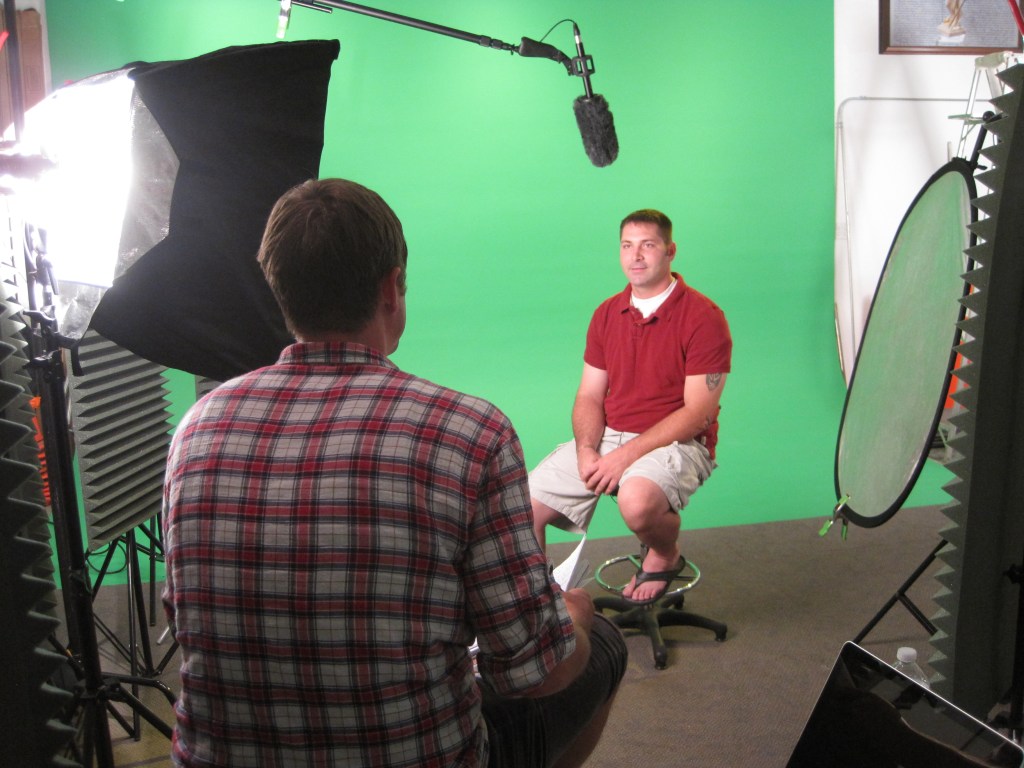
Develop video content that resonates with your target audience. Your video production will only succeed if your audience is interested in your content and message.

If you’re looking for a way to successfully reach your target audience through video content, then you’ve come to the right place! Here, we’ll explore the ways in which you can create videos that will resonate with your viewers and leave them wanting more. From choosing the right visuals to fostering an emotional connection with your audience, this blog will provide all the tips and tricks you need to create videos that will ultimately make an impact. Let’s get started!

Measuring the success of your video production project is key to understanding if your content has resonated with your target audience.

Introduction

It is essential for anyone producing a video to plan out their content and message to ensure that it resonates with their target audience. An effective video production involves researching the needs and interests of your audience, developing a story around those needs, and crafting creative visuals and engaging messages within the constraints of time and budget.

The most successful videos typically blend high-quality audio and visuals in order to engage their viewersโ€™ attention while illustrating the brandโ€™s message. By using relevant topics and themes, popular references, interesting characters, engaging dialogue, imaginative visuals, appropriate music and other assets that appeal to your target audience โ€“ you can create content that resonates with them.

It is important to be mindful of cultural differences when making targeted videos since different audiences may have different preferences around sound, style or humor. Additionally, keeping up with current trends in digital media production through research or cross-team collaborations is also recommended as a way to ensure your content remains fresh and relevant.

Finally, ensuring an efficient production process by having clear objectives, expectations for stakeholders involved in the project; as well as testing several versions before finalizing a video can help maximize the effectiveness of any video content produced.

Benefits of Developing Video Content

Creating video content offers your business or organization a range of benefits. First, video content can help you reach a larger audience by making it easier for people to engage with your material. Video content is also more memorable than just text, making it more likely that your message will be remembered by your viewers. Videos can also help you establish authority in the minds of viewers and build a strong brand recognition.

Video content can be used to showcase products or services, explain complex concepts in an easy-to-understand format, or entertain viewers with memorable characters and engaging stories. Whatever the purpose of the video content, it should create an emotional impact on the viewer that encourages them to take action โ€“ whether thatโ€™s purchasing a product, making donations for a cause, downloading software, or joining a mailing list.

By creating quality video production that emotionally resonates with viewers, you can ensure that your message reaches its intended audience and achieves its goals. It is important to listen to viewer feedback from Analytics platforms such as YouTube and Vimeo when creating follow-up videos that cater to interests suggested by users.

Identifying Your Target Audience

A successful video marketing strategy starts with knowing your target audience. To create content that resonates, you need to identify who youโ€™re targeting and what their needs and interests are.

Demographics play an important role in determining the types of videos that are engaging and successful. Important factors to consider when targeting your video include gender, age, location, income level, education level, hobbies and more. These facts will help you create videos that align with their interests and appeal to them.

You can also segment your audiences into different categories based on specific criteria, such as current customers or fans of a genre of music or television series. This will allow you to create videos tailored for each segmented group, increasing the likelihood of interesting content for the viewer.

In addition to considering demographics, it can be beneficial to analyze how people currently interact with similar topics online via social media platforms like Facebook or YouTube comments โ€“ this insight can also help inform your content strategy in terms of message consistency and production quality as well as creative direction that resonates with intended audiences.

Crafting Your Message

For your video production to be successful, it is essential to craft a message that resonates with your target audience. Knowing who youโ€™re talking to is key and can help guide the creative process from scripting to visuals.

Start by understanding who you are targeting and how they currently engage with your brand. An effective strategy begins with a solid comprehension of the preferences and behaviors of the demographic you are targeting. Do they prefer videos that move quickly or slower-paced productions? Do they respond better to humor or direct calls-to-action?

Once you have identified which elements work best for your target audience, begin crafting a message that will encourage them to take action. Connect with their interests and needs while also delivering on the objectives of your production. If you need assistance creating powerful messaging, leveraging experts in copywriting and marketing can be beneficial.

Lastly, decide on an approach that aptly fits both the message and the medium for any given video production project. Remember: regardless of the form factor or genre, all successful video projects will tell stories in the context of their content marketing goals; whether educational, entertaining or persuasive. Put yourself in tune with what matters most for your viewership and strive towards delivering top quality messages every time you come up with new material. This is how great videos resonate with audiences!

Choosing the Right Format

When creating a video that resonates with your target audience, one of the most important decisions you will have to make is choosing the right format. Factors to consider when selecting a format include:

  • The length of the video;
  • The kind of production and editing style;
  • The topic, genre and tone being conveyed;
  • The level of formality or informality in the content;
  • Your budget for production and post-production.

Depending on these criteria, you may decide to create an animated explainer video, an informative tutorial series, a live action commercial, or a vlog covering recent industry news and events. All of these formats offer different ways to engage your viewers and leave them with something meaningful. Itโ€™s important to choose the right format for your target audience so that not only does it send the correct message but resonates with them as well.

Once youโ€™ve identified which format best suits your needs, you can begin designing your storyboard and planning out all aspects of your production process โ€“ from pre-production through scripting to post-production involve sound design and color corrections. You want to ensure that every detail matters in order for your video content to be successful in engaging potential customers.

By creating quality video production that emotionally resonates with viewers, you can ensure that your message reaches its intended audience and achieves its goals.

Creating Quality Content

Creating quality content will be one of the key steps to ensuring that your video resonates with your target audience. It is important to understand your audience’s needs and preferences, so you can create engaging content that they will enjoy watching.

Start by brainstorming ideas for stories that are relevant to your viewers and could expose them to new topics or ways of thinking. Think about creating informational videos, humorous videos, educational videos, or those aimed at increasing brand awareness and customer loyalty. Once you have identified a theme for your video, decide how you want to present it. Consider the use of graphics, visual effects, sound effects, music, narration etc.

Before shooting your video footage or scripting the dialogue ensure that necessary preparations are complete and all resources needed for executing the project are available. Pay particular attention to scriptsโ€“ write clear coherent ones that capture a viewerโ€™s attention and keep track of all audio materials used during production to avoid any copyright issues later on in the process. Additionally when shooting consider any environmental factors (light levels etc) which may necessitate changes in camera angles/shots or scenes chosen within the video.

Last but not least choose an appropriate distribution platform such as Youtube or Vimeo where you would like your video to be viewedโ€“ this will determine where best efforts towards video promotion should be directed throughout stages leading up to its eventual launch.. Overall there is a lot that needs planning and organization before developing effective video content but if done right it can have a great impact on business objectives too.

Promoting Your Video

Once youโ€™ve created an awesome video, your next challenge is getting it out to an audience of people who will appreciate it. Depending on what type of video you have created, there are several ways to achieve this.

Social media is a great tool for getting your video in front of potential viewers. Share it with relevant professionals and networks on Twitter and LinkedIn, post it to Facebook and add friends who may be interested in the content. Also seek out potential partners, influencers and allies who can help promote your video.

Organic reach can be slow build over time, but paid advertisements on social media can help give you a stronger initial push. Itโ€™s important to target ads based on the specifics of the audience you want viewing your content; otherwise you could end up wasting ad money on viewers who wonโ€™t be interested in the video or take any other desired action as a result of viewing it.

You can also invest in SEO techniques to increase organic visits from search engine queries โ€“ use long-tail keywords associated with the type(s) of topics addressed by your video and make sure the metadata associated with your videos is compelling enough for searchers to take the time to watch them. Additionally, YouTube provides analytics that track how many people view each element of each video โ€“ monitor where people drop off and optimise accordingly.

Measuring Your Results

Measuring the success of your video production project is key to understanding if your content has resonated with your target audience. With accurate measurement, you can make informed decisions on how to adjust and improve your video content strategy.

There are a range of objectives you might have for a given productionโ€”greater viewership, increased conversions/sales, better engagement, deeper user or customer loyaltyโ€”and each of these objectives present unique challenges and opportunities. When it comes time to measure, look at everything from reach numbers (views and social shares) to website traffic data, sales figures, and customer feedback surveys.

When measuring the results of your video project, there are several factors you should consider:

  • Watch time: Measure by tracking where viewers stopped watching the video, what type of content they view regularly on their device (desktop/mobile) and measure against key performance indicators that allow you to benchmark progress over time.
  • Audience feedback: Get user feedback via surveys or interviews as soon as possible after they have watched the video. Surveys offer quantitative data points around topics like brand affinity and content comprehension so that you can compare this data against previous campaigns.
  • Analytics: Analytics will give you quantitative evidence into how viewers interact with the content; this includes length watched โ€“ like drop off points within the video โ€“ share counts across social media platforms etc. Additionally analyzing other KPIs like watch rate (watchted videos/viewed videos) is perhaps more important than ever before when evaluating a productionโ€™s impact.

Organizing all these metrics into one report will allow for easier measurement across projects so that any changes made are in line with goals set for each campaign or for larger initiatives such as rebranding or repositioning within certain markets.

314-913-5626
Mike Haller, St Louis Video Producer
stlouisvideoproduction@gmail.com
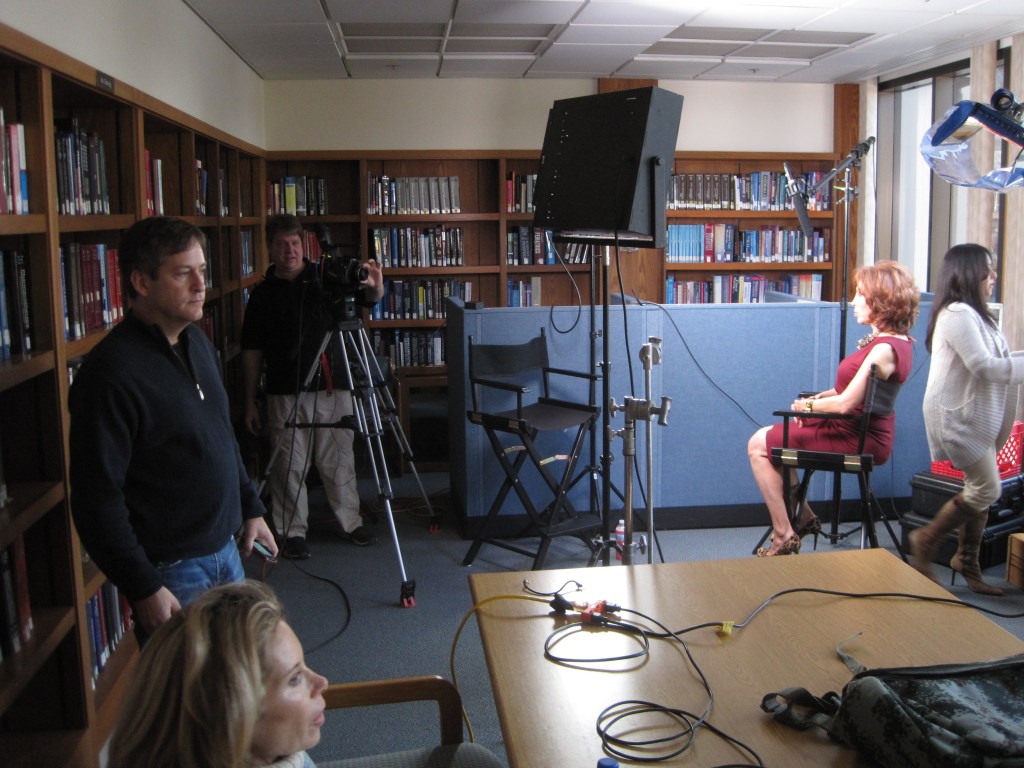
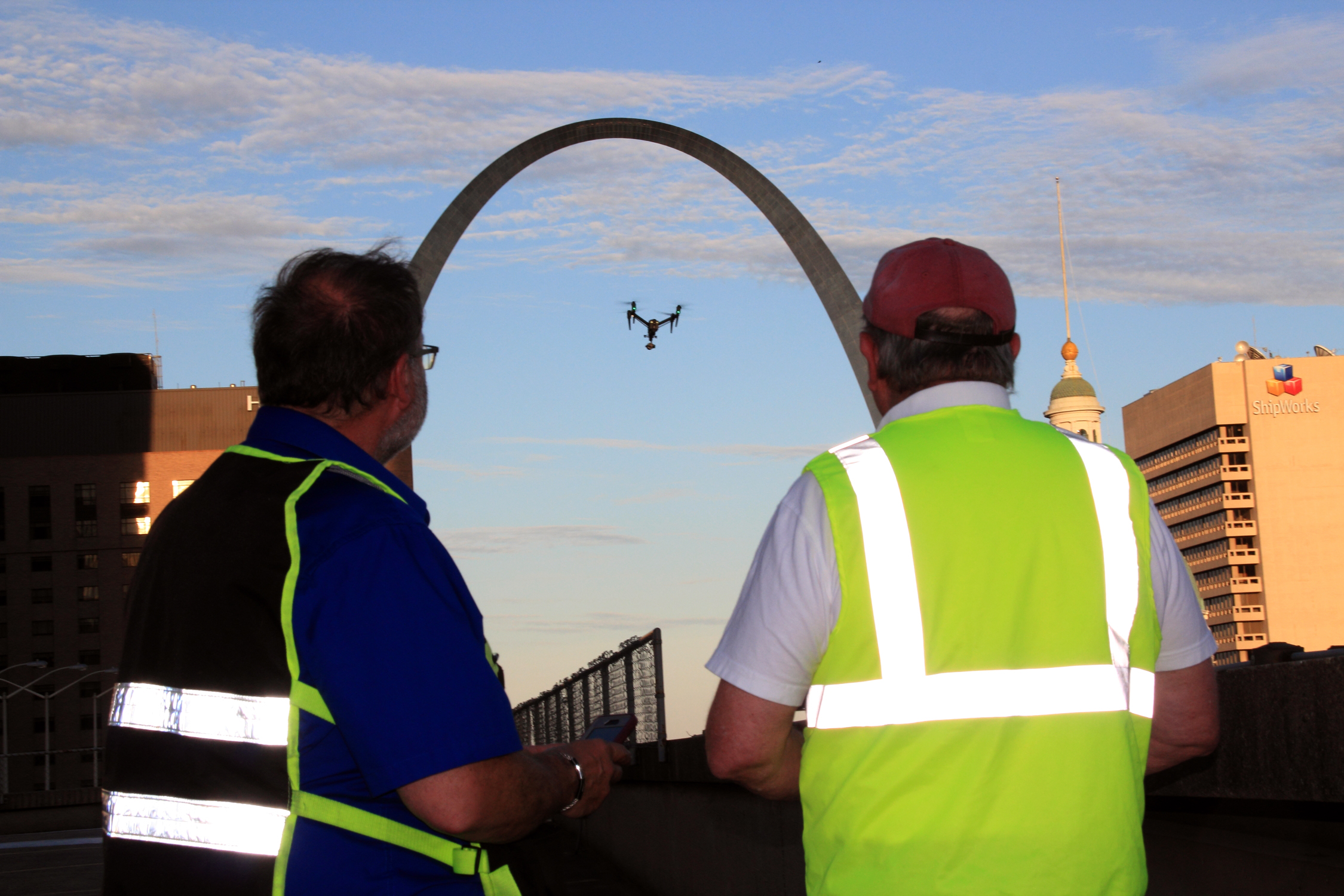
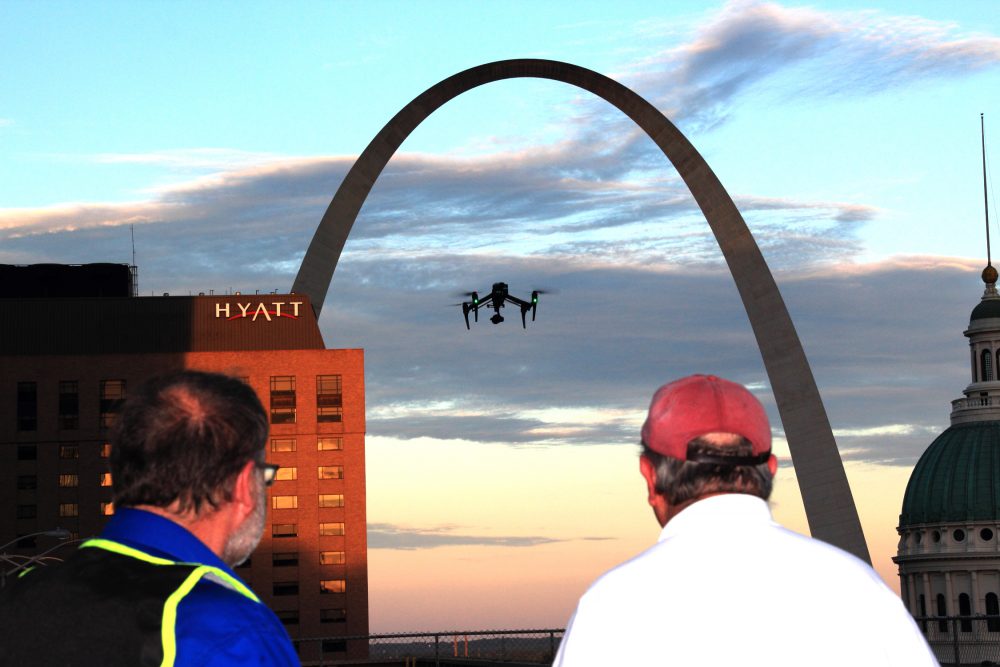
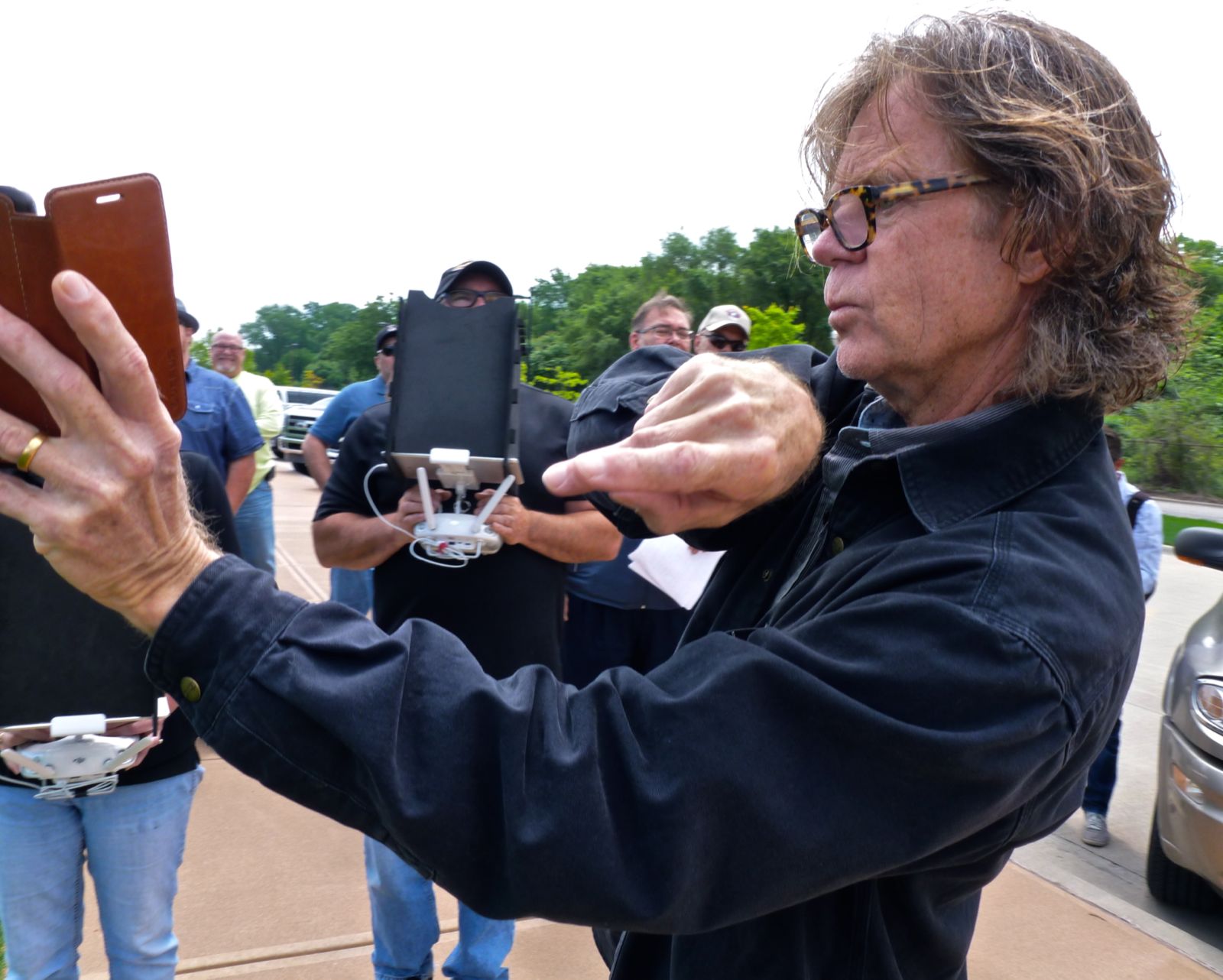
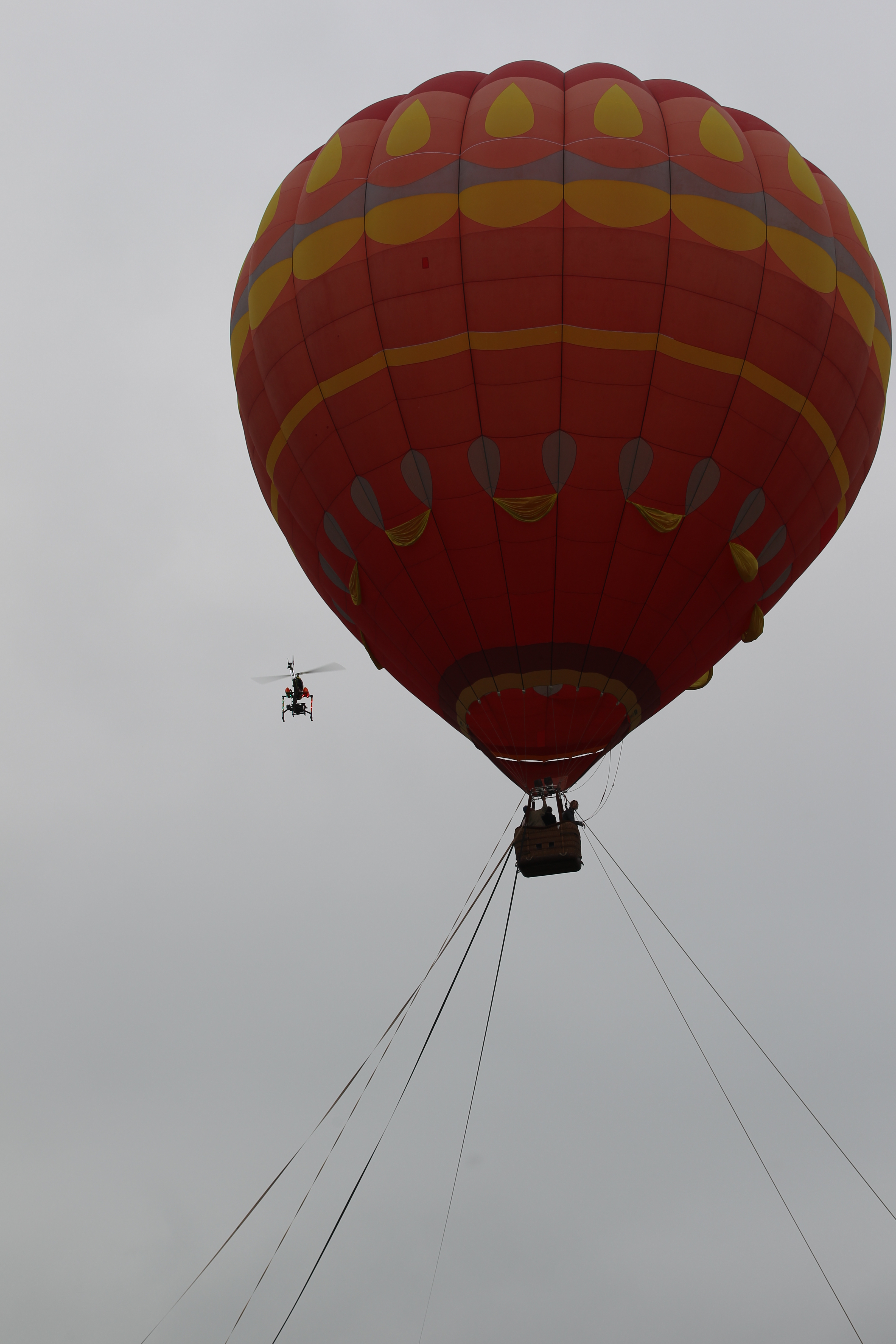
St. Louis video production live streaming with FPV drone video crew.

Our live event FPV drone crew is the perfect production solution for aerial photography celebrations.

Give your audience the best quality video online every time.  Giving your Live video stream amazing crisp quality footage with no stuttering and no extended buffering. Give each viewer the best possible experience with multi-bitrate delivery. We securely deliver the highest quality live video experiences to reach your audience, no matter where they are.

Social media promo video

Itโ€™s the largest source of communication in the modern world. Condensing quality of projects to be outsourced and available to viewers through todayโ€™s Social Media channels is a challenge, especially with so many sites requiring different specs to optimize video quality. Our video crew has the tools, experience and resources to accommodate all media platformโ€™s specs and make a seamless transition from full production videos to high quality, engaging Social Media Promo videos.

314-913-5626
Mike Haller, St Louis Video Producer

stlouisvideoproduction@gmail.com
St Louis Video Production

St Louis Video Production Corporate Annual Shareholder Meeting

Corporate Events
Corporations have stories embedded in their history, people, and vision for the future, and those stories must be told in a compelling, interesting, relevant, and creative way. We can certainly help.

From concept to execution, we are your creative partner in the ways of message dissemination, company or organizational recognition, entertainment, and anything that may meet your fancy. A corporate event is an opportunity to communicate โ€“ consider us your creative vehicle to deliver.

We have been filming events since 1982 and have become specialists in using minimal crew to maximum effect.ย  Our event videos stand out because of our ability to adapt our videography style to reflect the atmosphere of your event.

St Louis Video Production for Corporate Marketing Communications

We can help in many areas of marketing communications for your firm.

National Sales Meetings
Town Halls
Awards Shows
Corporate Dinners
Executive Meetings
Quarterly Meetings
Webcasts
Trade Shows
Incentive Trips
Product Launches
Merchandising Conferences

314-913-5626
Mike Haller, St Louis Video Producer
St Louis Video Production

Rock ‘n’ Roll Marathon – St Louis live corporate event video production.

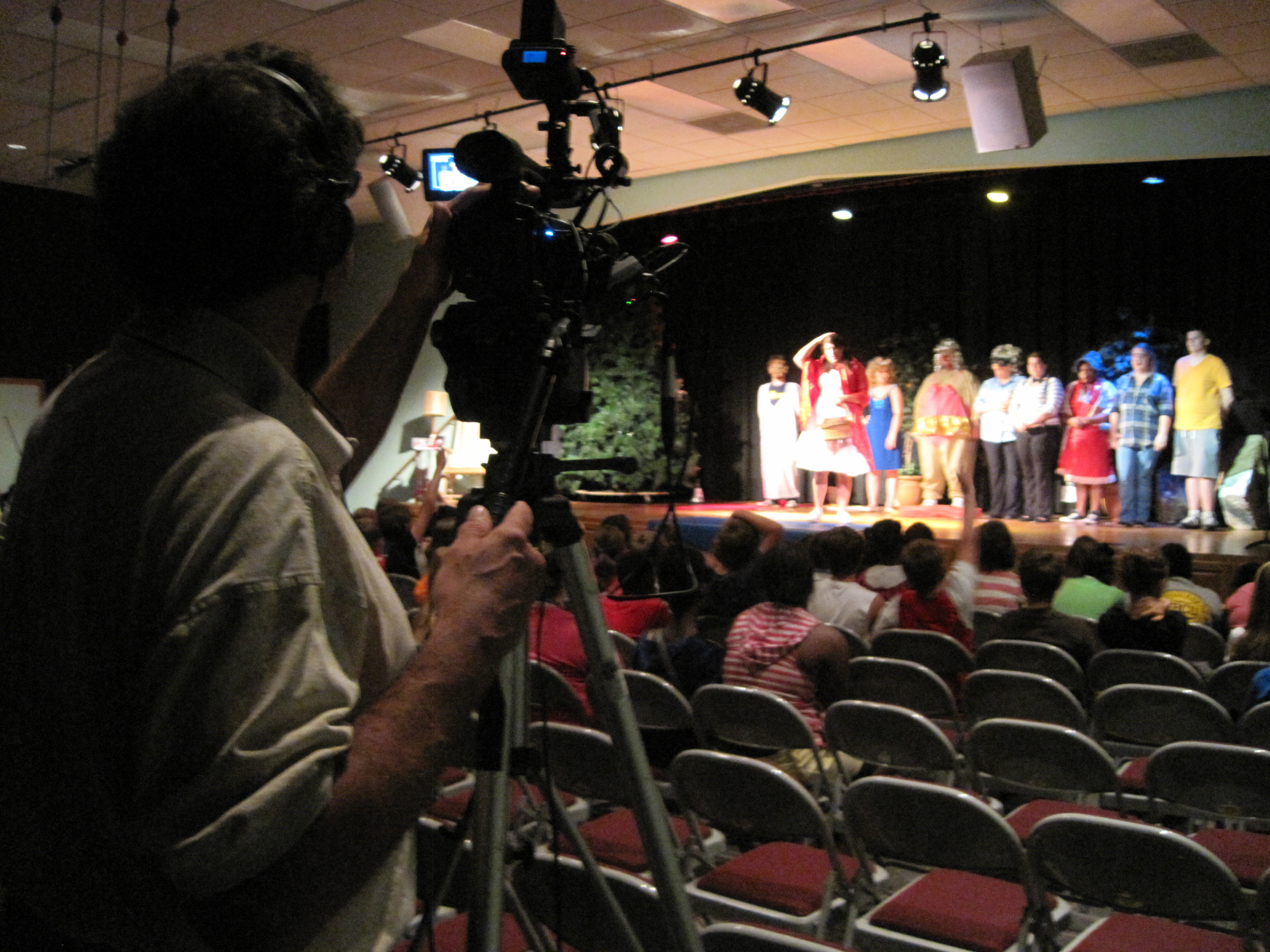
Since 1982, we have been filming Live Corporate Events, Spring Shows, Concerts, Competitions, Theater Productions, and many more! Our primary responsibility is to capture the performance with the utmost care and professionalism. With Multi-Cam setups, high quality audio, and years of experience, we can provide these services at a variety of price structures including no charge to you or your company!

Our specialties include Video, Audio, Photography, Scripting, Creative Consults, and Coordination of our staff to meet your current and future needs.

Live corporate event video production

Live corporate event video production

Providing services to match your event; whether it’s a corporate conference, sporting event, interview panel, or any other type of live event, we can stream it live, edit and master the end product for digital download, hard copies in DVD and create a highlight video to share on any platform. Our pricing and packages are available at hourly rates with an up front quote, and are flexible to fit your needs.

We have a large network of qualified video crews, including editors, video camera operators, and photographers to fit your specific needs. Whatever the requirement, we can provide the hard working people and equipment to do the job right!

314-913-5626
Mike Haller, St Louis Video Producer
St Louis Video Production
stlouisvideoproduction@gmail.com
Corporate video production will help you achieve more sales and better brand awareness.

Corporate video strategies create content and grow your business so your brand can thrive. Start producing corporate videos to tell your companyโ€™s story.

Video storytelling is one of the most impactful tools a corporate can use. A video on your landing page can increase conversion by 80% and 59% of executives said they would rather watch a video than read text. But to be truly effective, your video must have a compelling story to tell.

Your brand is not a stagnant strategy on a piece of paper โ€” you must bring it to life. Video can create a boost to marketing strategies and generates a buzz. Your brand evolves continually, and telling that story is important to keep your audience connected and bring in new viewers โ€” which could eventually become loyal customers.

Video does what text doesn’t. It creates an immediate, real and authentic route of interaction and connectivity with audience members, who can often provide reactions and comments in real time.

What are you aiming to achieve?

Identify Your Business Situation and Issues

What are your problem areas?

Construct Your Objective

Specify How You’ll Measure Success

Research Your Target Audience

Work Out Your Core Message

Write the Script and create a production plan

Distribute, Share & Promote Video

Your brandโ€™s authenticity is what makes you stand out and draws in customers. Go where they are and share what you know through video โ€” they will connect.

314-913-5626
Mike Haller, St Louis Video Producer
St Louis Video Production
stlouisvideoproduction@gmail.com