Script and Plan Your Training Video Production: Essential Tips for Success
Creating a compelling and effective training video requires careful planning and execution. Whether you’re training new employees, providing product tutorials, or sharing best practices, a well-produced training video can enhance engagement, ensure knowledge retention, and streamline the learning process. However, it all begins with a solid plan and a structured script. In this post, we’ll cover the essential steps to scripting and planning your next training video production.
1. Define Your Objectives
Before you even think about shooting your training video, you must define its purpose. What are you trying to achieve with this video? Are you introducing new employees to the company’s culture, policies, or procedures? Are you showing a step-by-step guide on how to use a specific tool or platform?
Clear objectives will guide the tone, style, and structure of the video, ensuring it serves its intended purpose effectively. Write down the goals of the video and focus on the key takeaways you want the audience to retain.
2. Know Your Audience
Understanding who your audience is will help you adjust the video’s style, tone, and complexity. Is this video for entry-level employees, seasoned professionals, or external clients? Adjust your language, pace, and visuals accordingly. For example, an employee onboarding video might need to break down complex processes into digestible steps, while an advanced product tutorial could feature a more technical approach.
3. Craft a Strong Script
A well-written script is the backbone of your training video. Your script should clearly define each section of the video, including:
- Introduction: Start with an engaging introduction to capture attention. Outline what the video is about and explain why it’s important.
- Main Content: Break down the training content into manageable sections. This could include demonstrations, explanations, and real-life examples. Include any relevant visuals and descriptions of actions.
- Conclusion: Summarize the key points from the video, reinforcing the main takeaways. Include a call-to-action (CTA), such as encouraging viewers to practice what they’ve learned or to follow up with additional training.
Each section should be concise, direct, and engaging to maintain the audience’s attention.
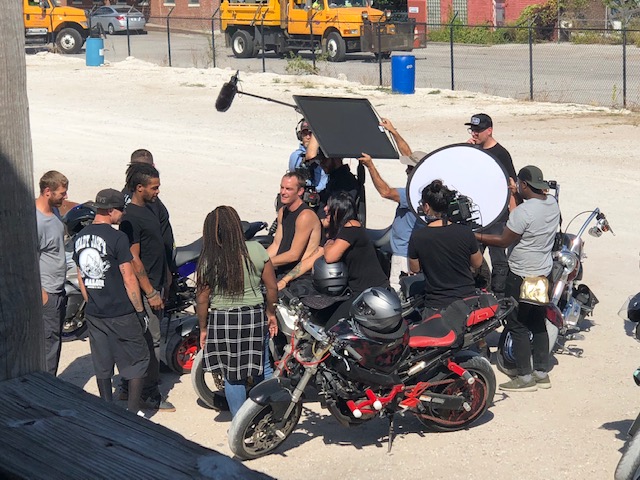
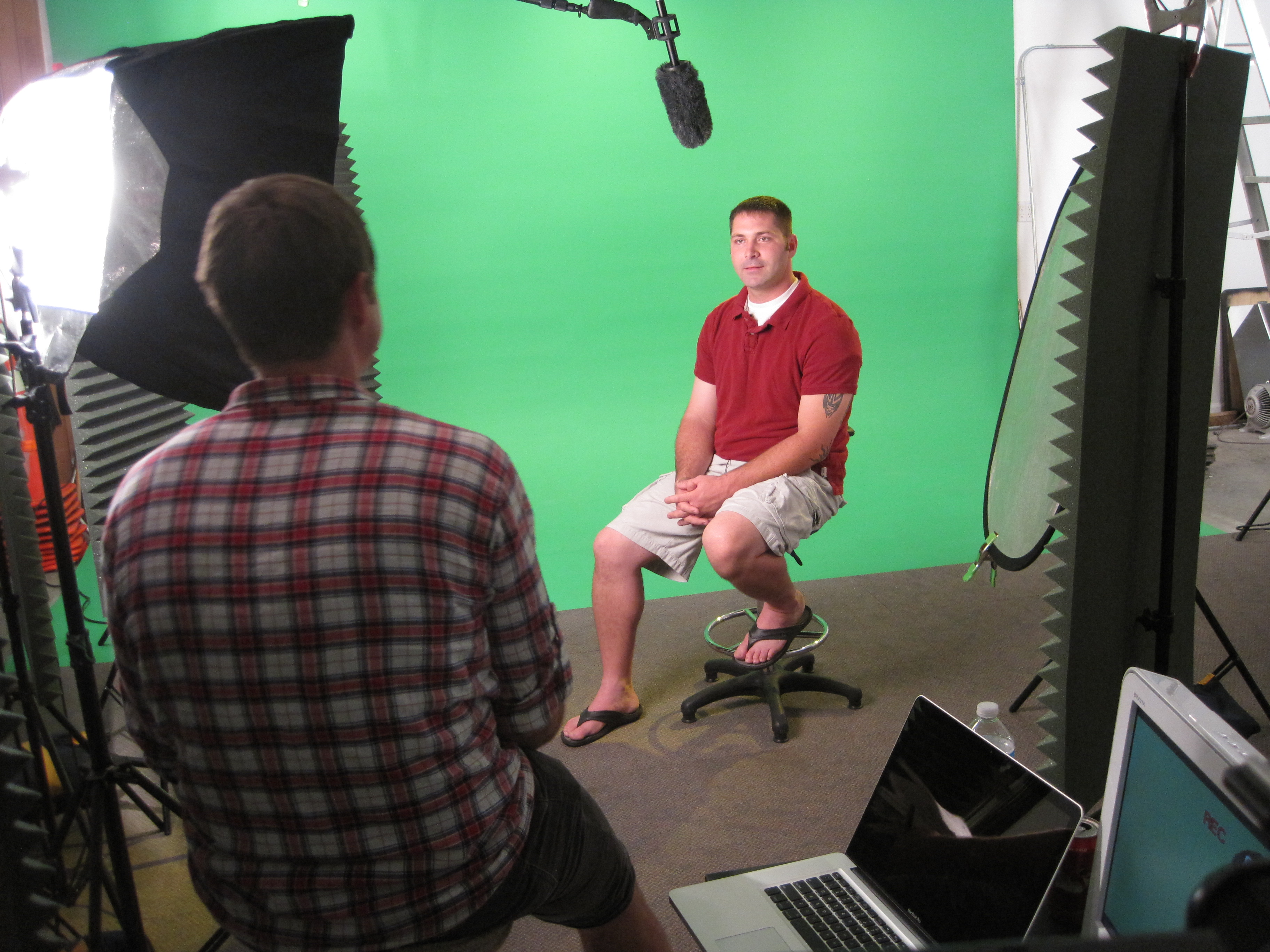
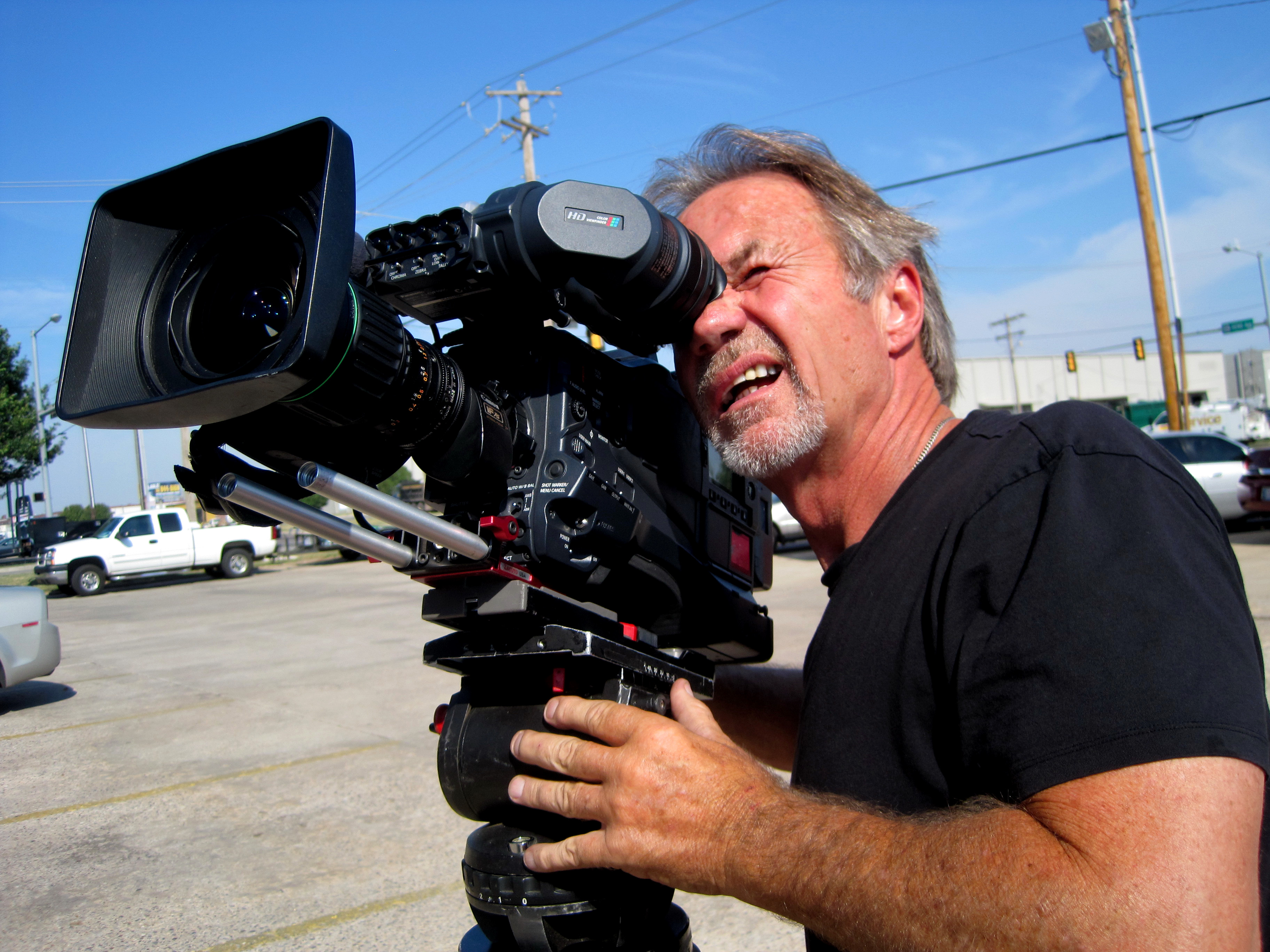
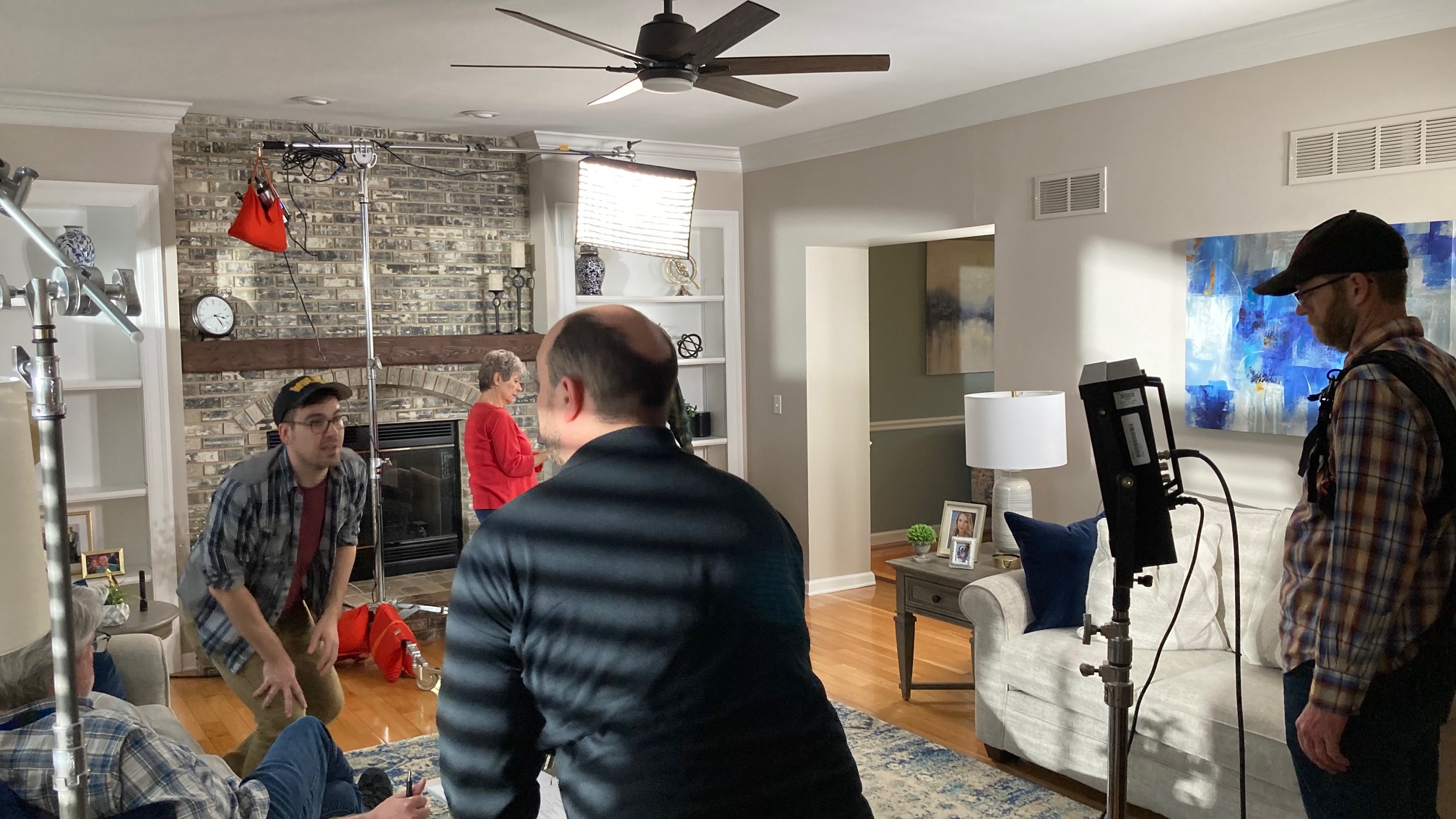
4. Plan Visuals and Supporting Elements
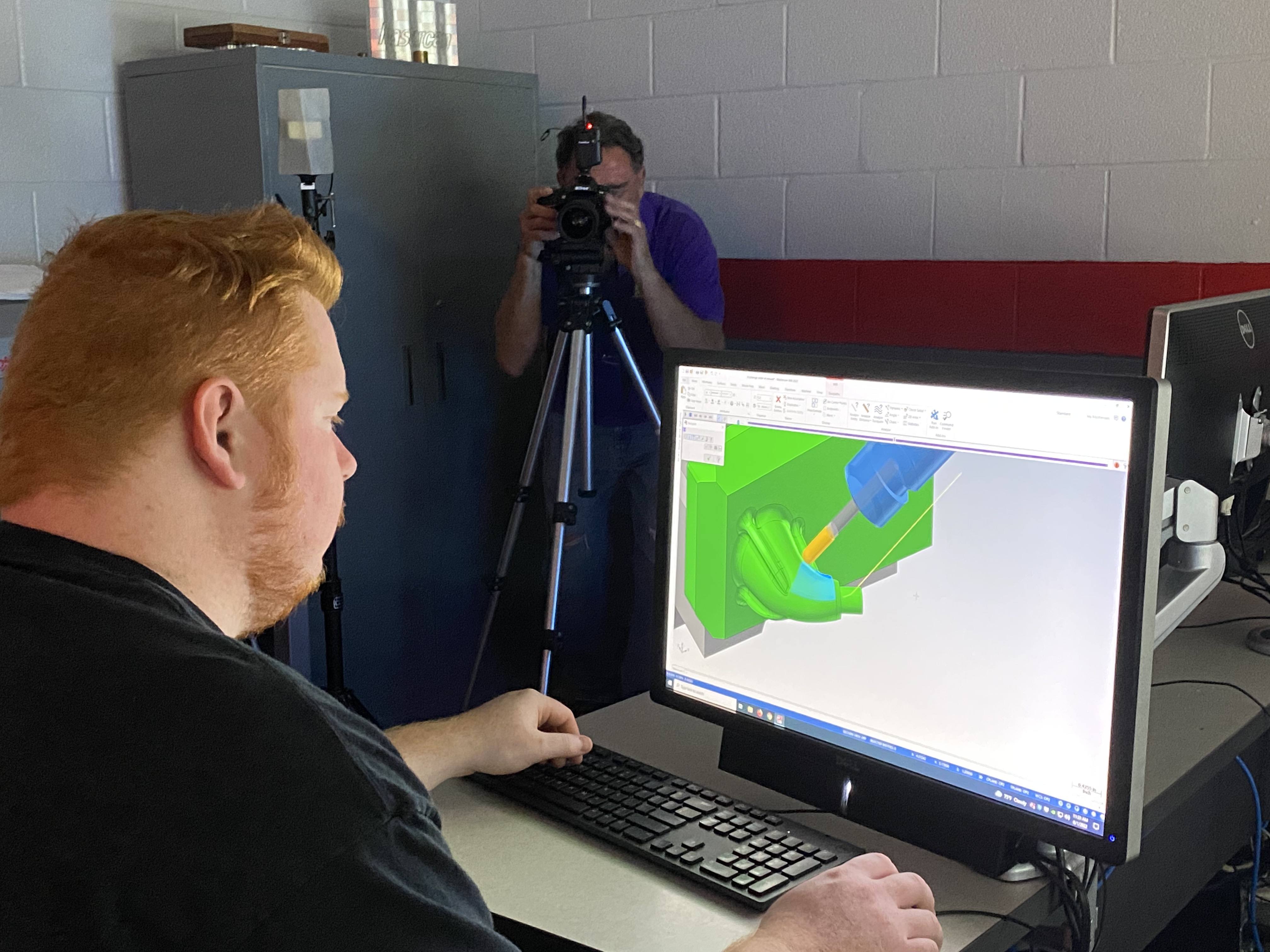
Training videos are more than just talking heads. Visual elements, like screen recordings, demonstrations, graphics, and diagrams, are crucial for reinforcing the message. Visual aids should complement the script to clarify complex concepts.
Think about the following:
- On-screen Text: Use captions or bullet points to highlight important concepts.
- Demonstrations: Show examples of the skills or processes being taught, so learners can visualize the steps.
- Graphics: Diagrams, charts, and infographics can break down information and make it easier to understand.
This is where creativity plays a vital role. A well-designed visual plan can elevate the production quality and effectiveness of the training video.
5. Determine the Video’s Format
Training videos come in many formats, including:
- Live-action: Show real people performing tasks or demonstrating concepts.
- Animation: Great for explaining abstract ideas or complex systems.
- Screen Recording: Best for software tutorials or showcasing digital platforms.
Choose the format based on your audience, content, and budget. A mix of formats can also work well in maintaining interest and ensuring the material is easy to digest.
6. Organize the Logistics
Once you have your script and visual plan in place, it’s time to organize the logistics:
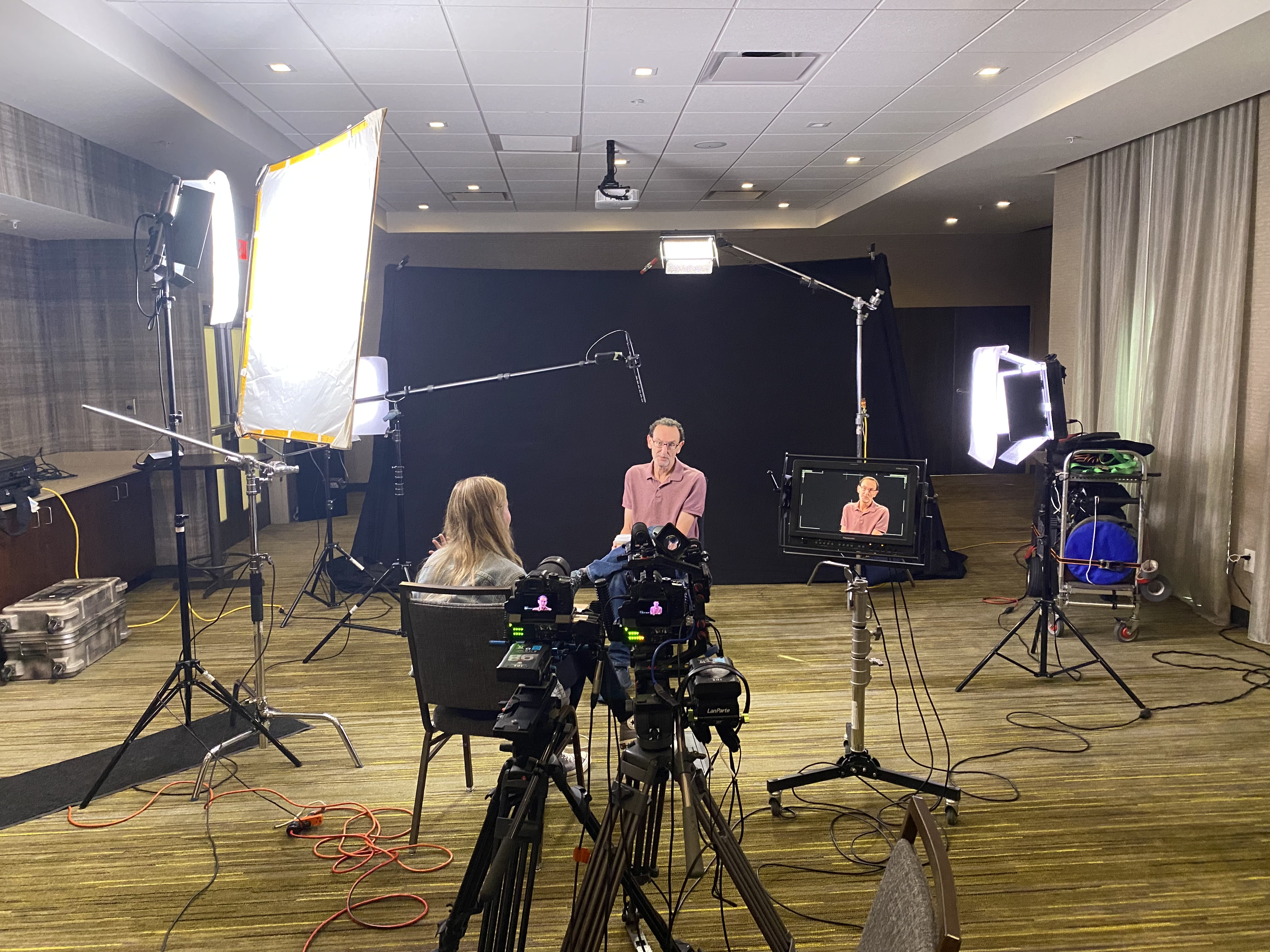
- Location: Do you need a studio, or will you shoot on location? Ensure the space is well-lit and free from distractions.
- Talent: Who will be featured in the video? Whether you need on-camera talent or voiceover artists, make sure they understand the objectives and tone of the video.
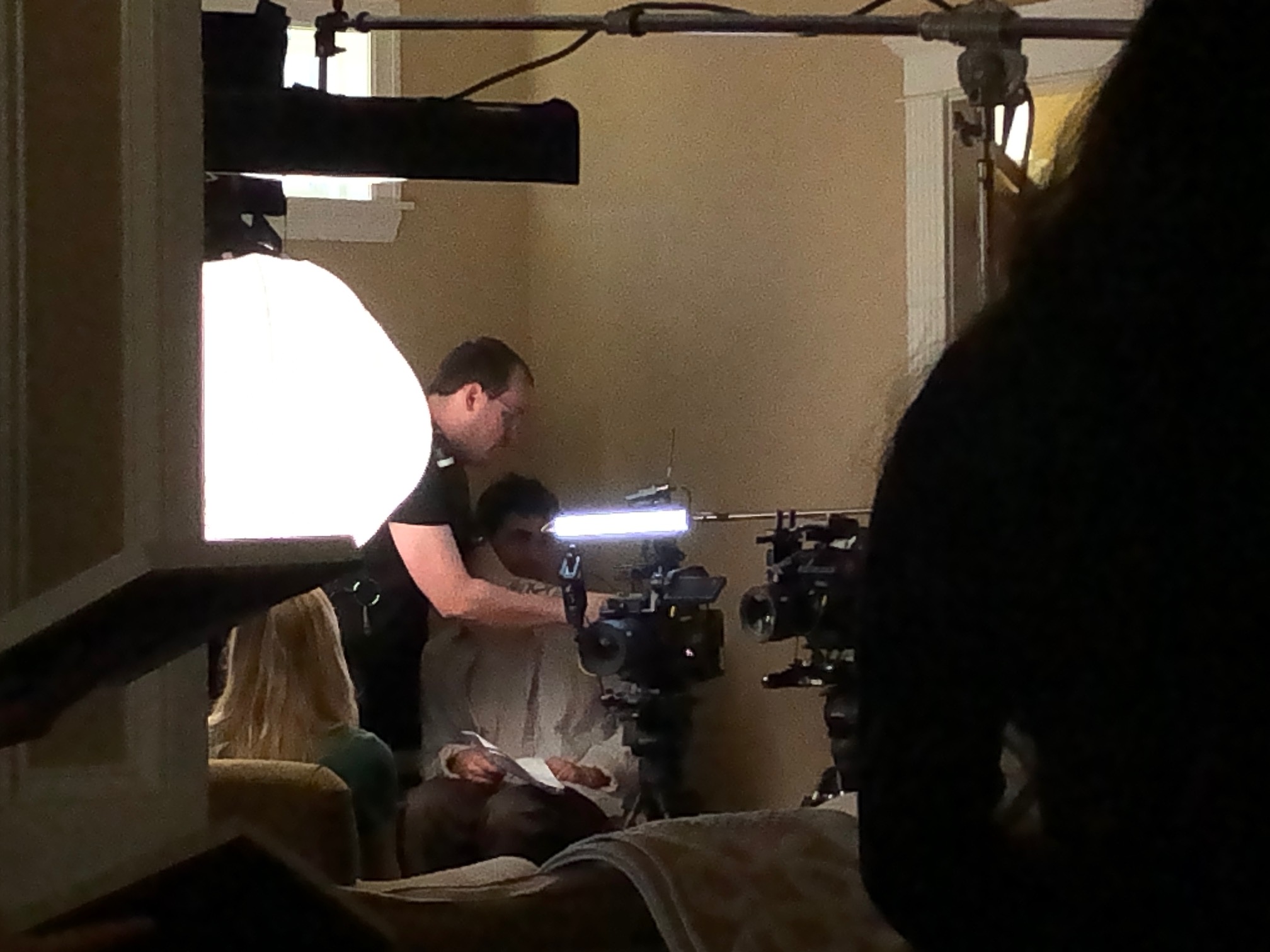
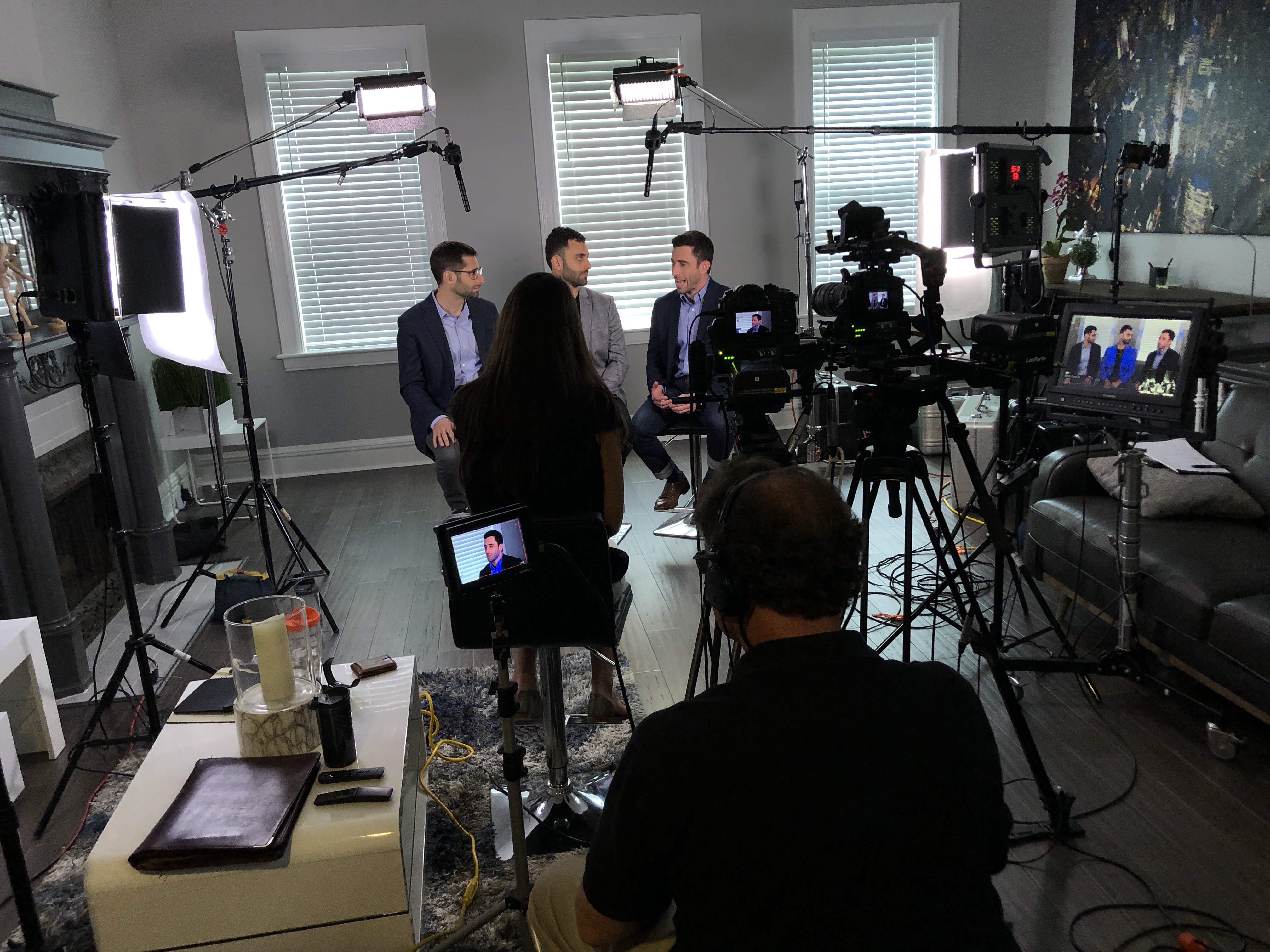
- Equipment: List all the necessary equipment, such as cameras, microphones, lighting, and props. Ensure everything is ready for the shoot to avoid delays or issues during production.
- Schedule: Plan the timeline for filming, including the time needed for each segment and any breaks for talent or crew.
7. Production: Capture the Content
With everything in place, it’s time to shoot the video. Stick to the script and plan, but be open to improvisation if new ideas or improvements come up during the shoot. It’s essential to keep your training video engaging, so make sure to keep the energy up, especially for longer videos.
8. Post-production: Polish the Video
Once filming is complete, post-production begins. This is where the magic happens, as you’ll edit the footage, add transitions, include voiceovers or music, and ensure everything flows seamlessly. The editing process is vital to making your training video look polished and professional.
During post-production, you can also include features such as:
- Subtitles and captions for accessibility
- Animations to explain complex ideas
- B-Roll footage to maintain viewer interest
Why Choose St. Louis Video Production?
At St. Louis Video Production, we understand the intricacies of crafting a powerful training video. As a full-service professional commercial photography and video production company, we have the right equipment and creative crew to deliver successful image acquisition and ensure your training video meets the highest standards.
We offer full-service studio and location video and photography, as well as editing, post-production, and licensed drone pilots. Our team is capable of customizing your productions for diverse types of media requirements, from employee onboarding videos to advanced product tutorials. We specialize in repurposing your photography and video branding to gain more traction, ensuring your message reaches a broader audience.
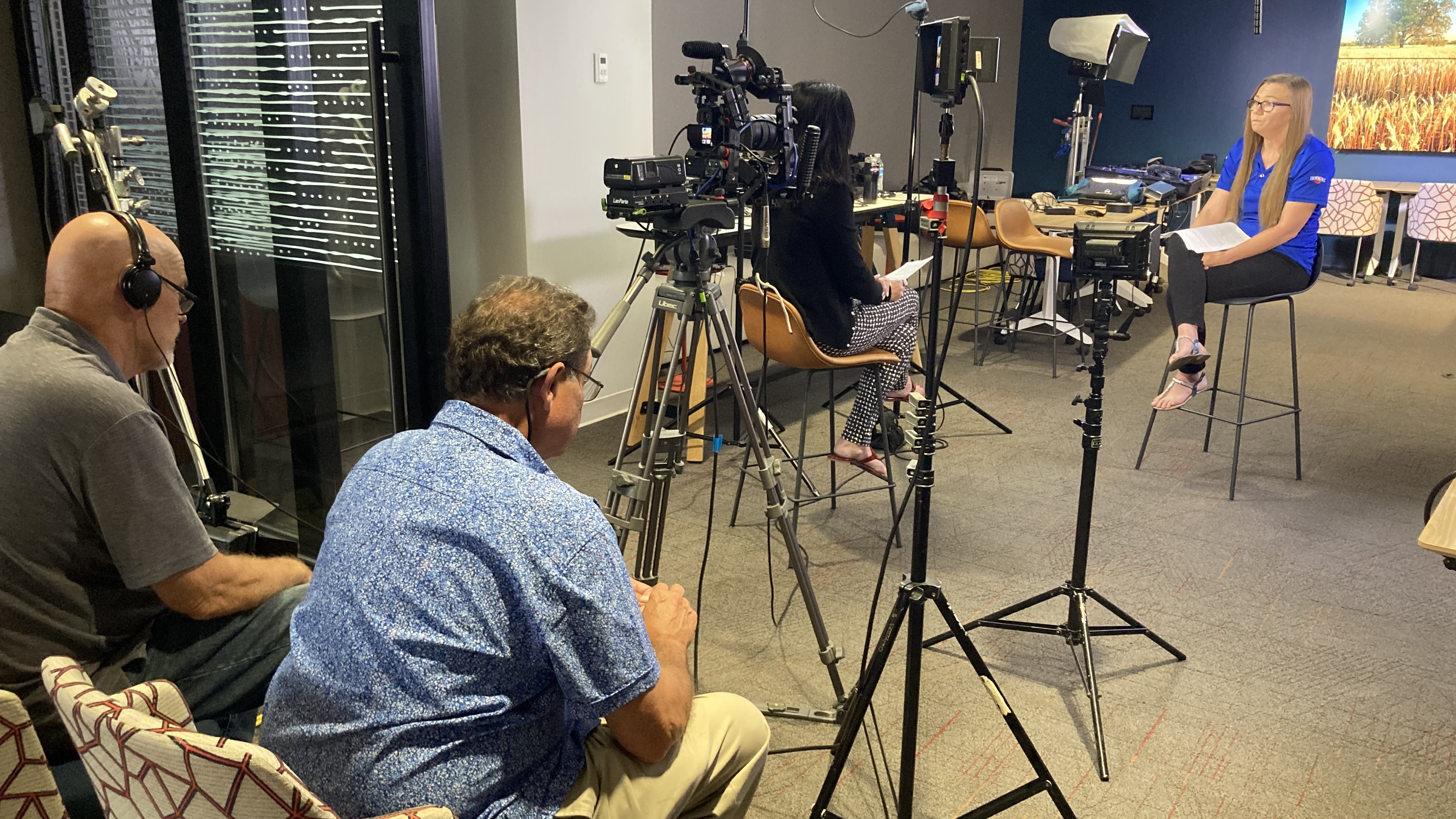
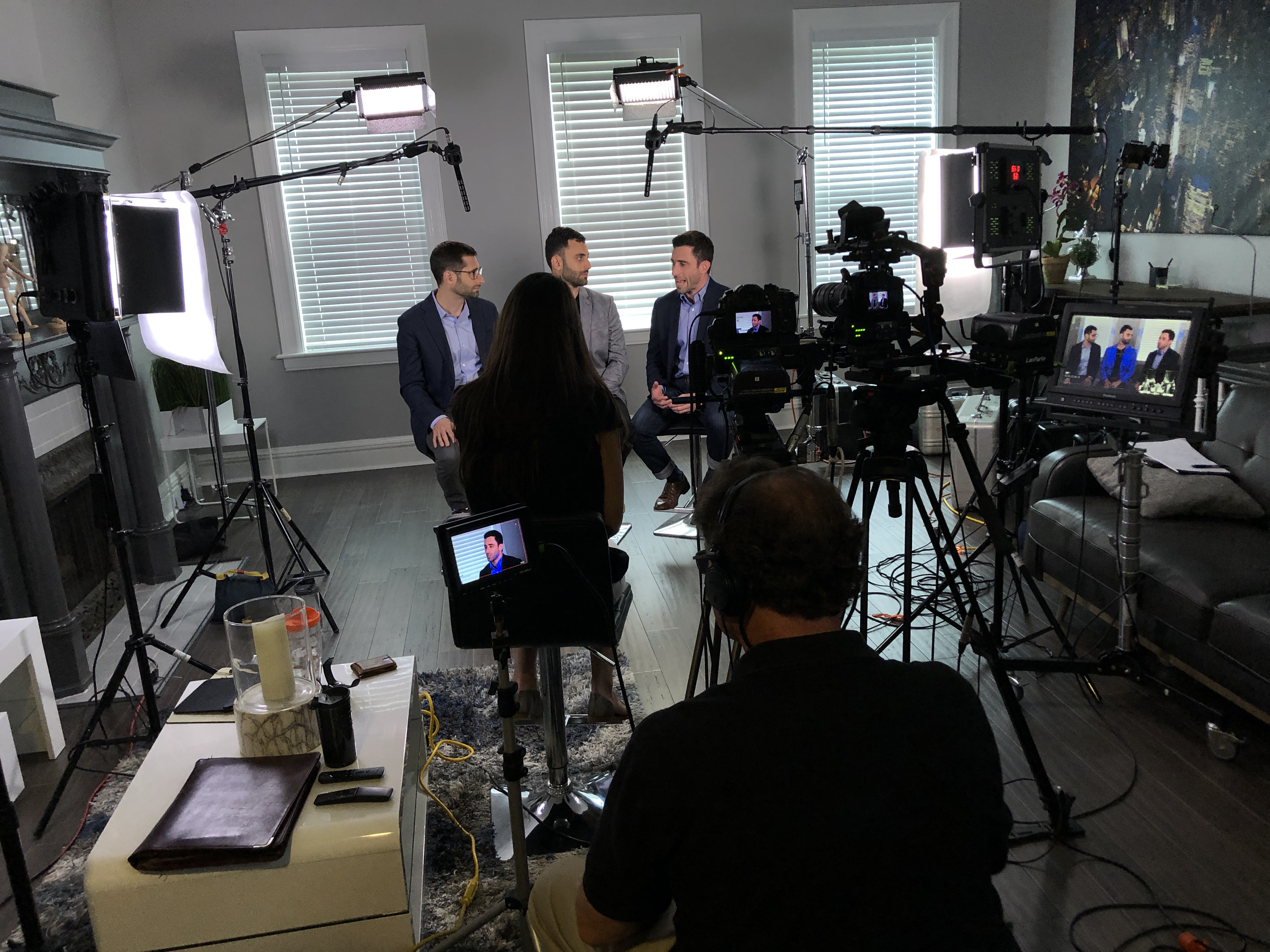
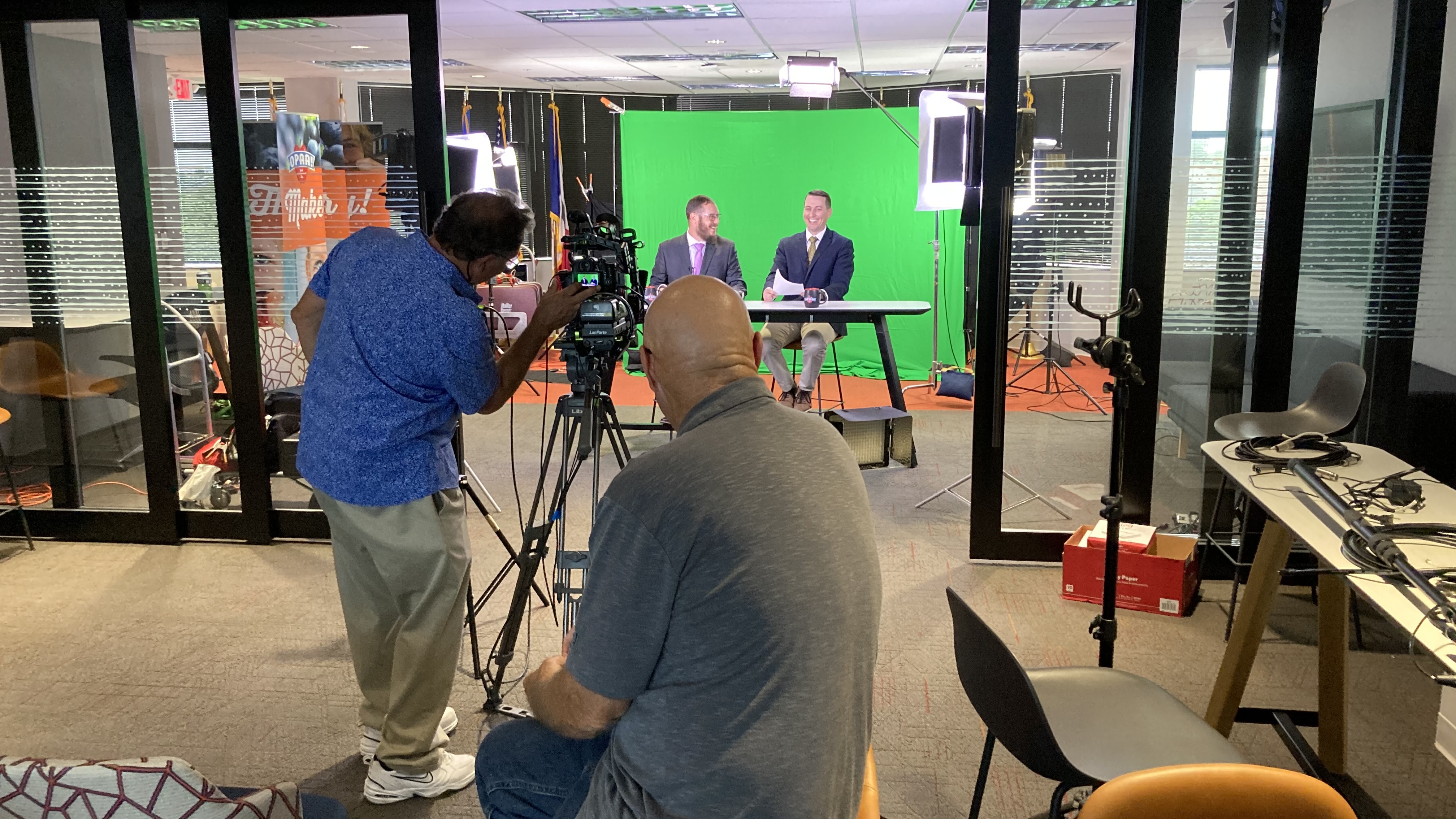
Our private studio lighting and visual setup are perfect for small productions and interview scenes. The studio is large enough to incorporate props, rounding out your set to create the ideal atmosphere for your video. We can assist in every part of your production, from setting up a custom interview studio to providing sound and camera operators.
In addition, we offer specialized drones that can fly indoors, allowing for dynamic shots that enhance the visual appeal of your training videos. With over 40 years of experience in corporate video and photography production, St. Louis Video Production has worked with businesses, marketing firms, and agencies throughout the St. Louis area to deliver top-notch corporate videos and photography.
Whether you’re producing a simple training video or a complex, multi-faceted production, St. Louis Video Production has the expertise and resources to bring your vision to life. Let us help you create an impactful training video that will engage, educate, and inspire your team.

















 St Louis Video Production, Inc.