Frequently Asked Questions for a Remote Location Video Shoot
1. What are the initial steps to plan a remote location shoot?
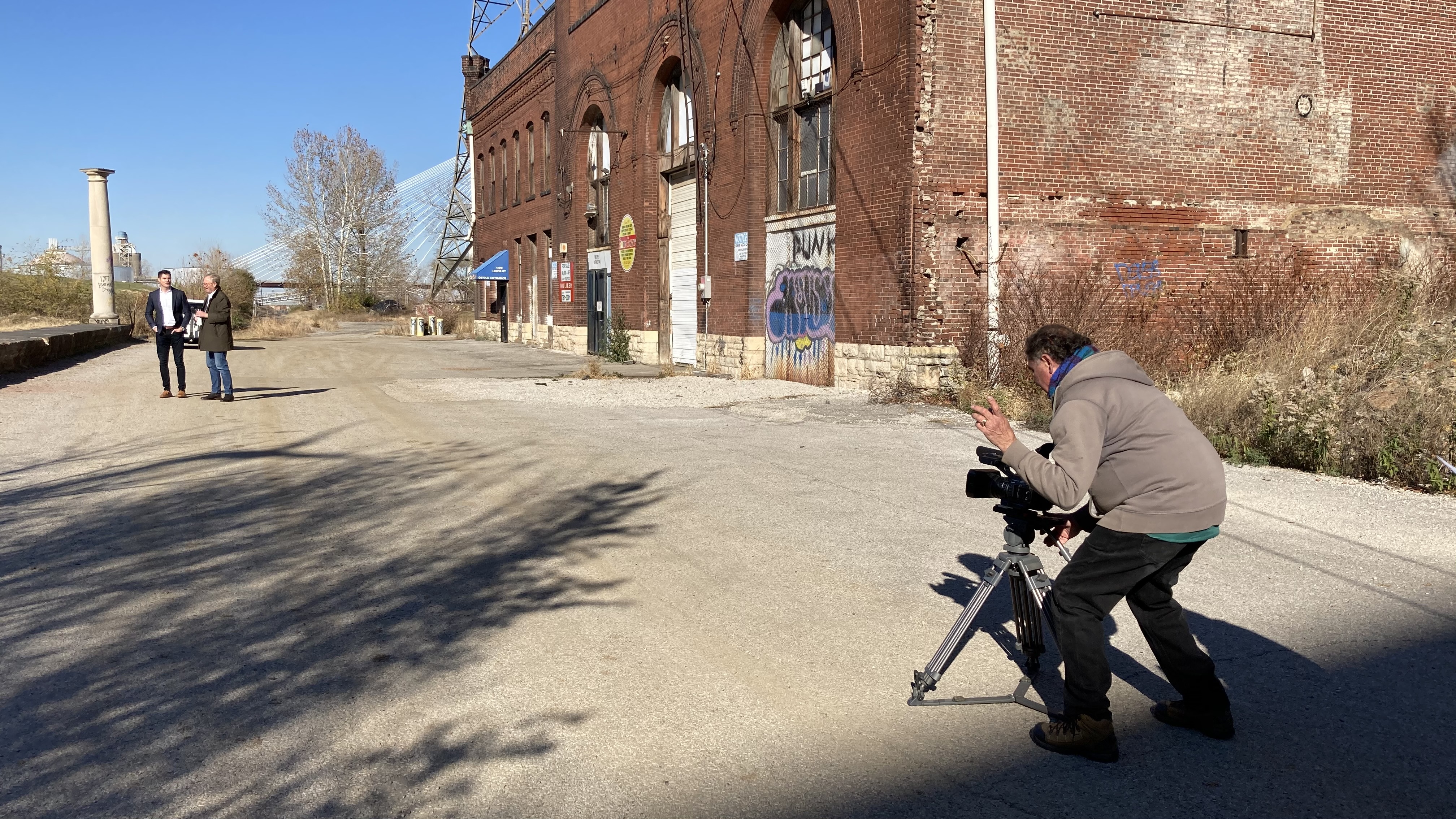
Answer: The first step in planning a remote location shoot involves thorough pre-production planning. This includes scouting the location to understand the environment, obtaining necessary permits, and coordinating logistics such as travel and accommodation for the crew. Additionally, it’s important to develop a detailed shot list and storyboard to ensure all necessary shots are captured efficiently. Communication with local authorities and stakeholders is also crucial to ensure compliance with any local regulations and to address any potential challenges specific to the location.
2. What equipment is necessary for a remote location shoot?
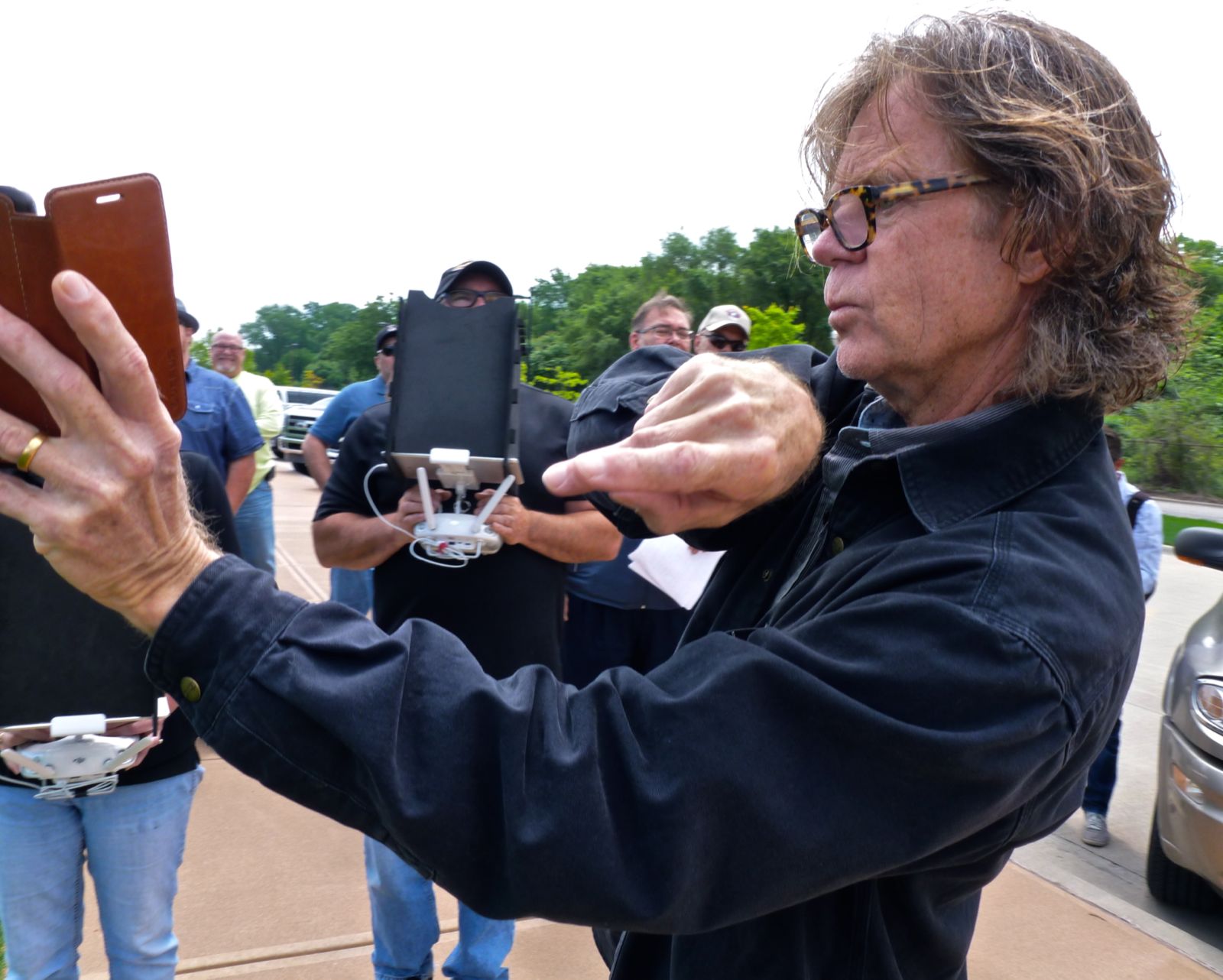
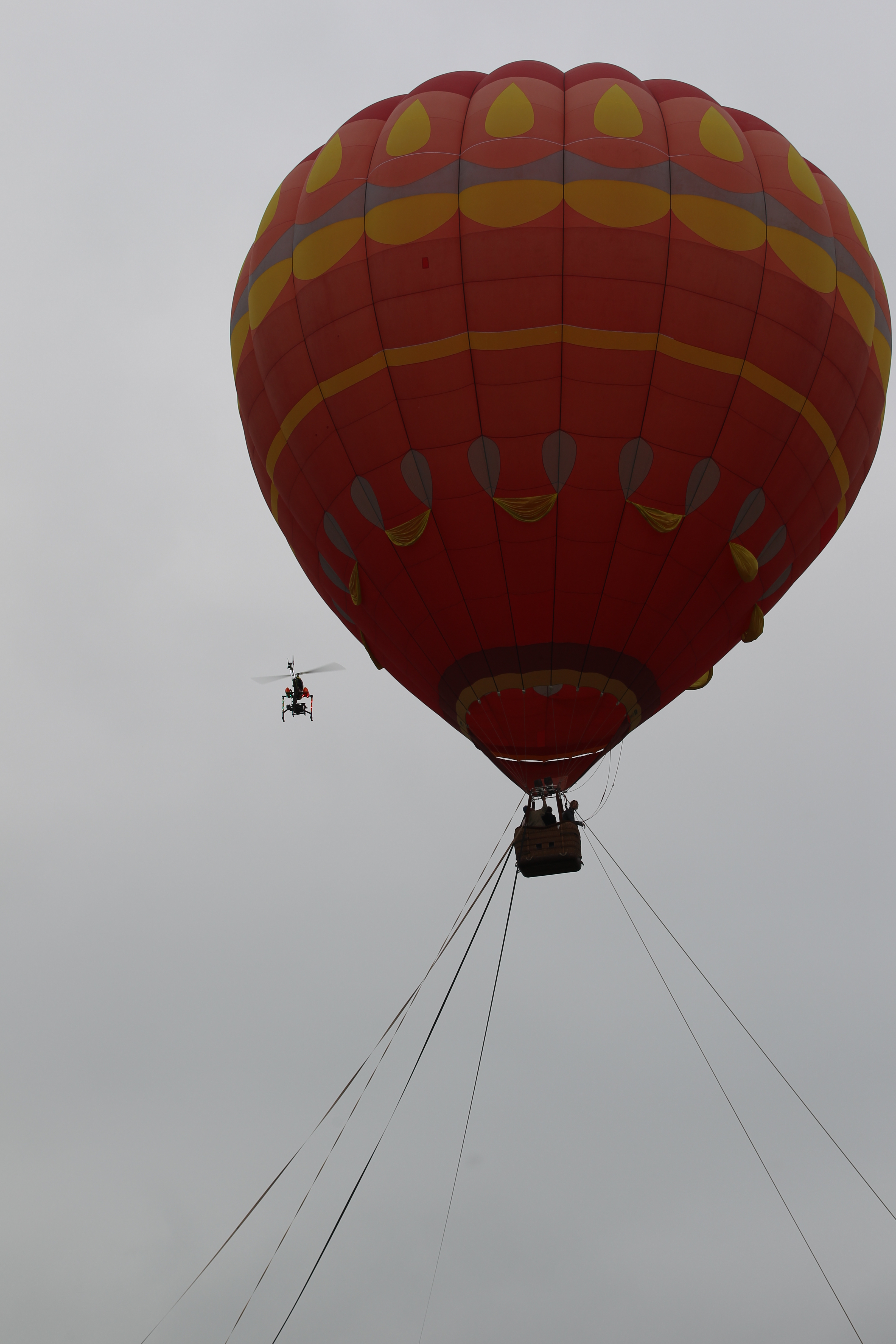
Answer: Essential equipment for a remote location shoot includes cameras, lenses, tripods, lighting equipment, microphones, and audio recorders. Depending on the location and shoot requirements, additional gear such as drones for aerial shots, portable power supplies, and stabilization equipment may be needed. It’s also important to have backup equipment to address any technical issues that may arise during the shoot. Ensuring all equipment is properly packed and protected for transportation is key to a successful shoot.
3. How do you handle unpredictable weather conditions?
Answer: To handle unpredictable weather conditions, it’s important to monitor weather forecasts closely leading up to the shoot and have contingency plans in place. This may include having weatherproof gear for both equipment and crew, scheduling buffer days to accommodate potential delays, and identifying indoor or sheltered locations as backup options. Flexibility and adaptability are crucial, as well as maintaining open communication with the client about any necessary changes to the schedule or shoot plan.
4. What are the key considerations for crew and talent logistics?
Answer: Key considerations for crew and talent logistics include arranging transportation, accommodation, and catering. It’s important to ensure everyone is well-rested and comfortable to maintain high energy levels and morale throughout the shoot. Clear communication about the shoot schedule, call times, and location specifics is essential. Additionally, providing detailed itineraries and contact information for all key personnel helps facilitate smooth coordination and quick resolution of any issues that may arise.
5. How do you ensure high-quality audio and video in a remote location?
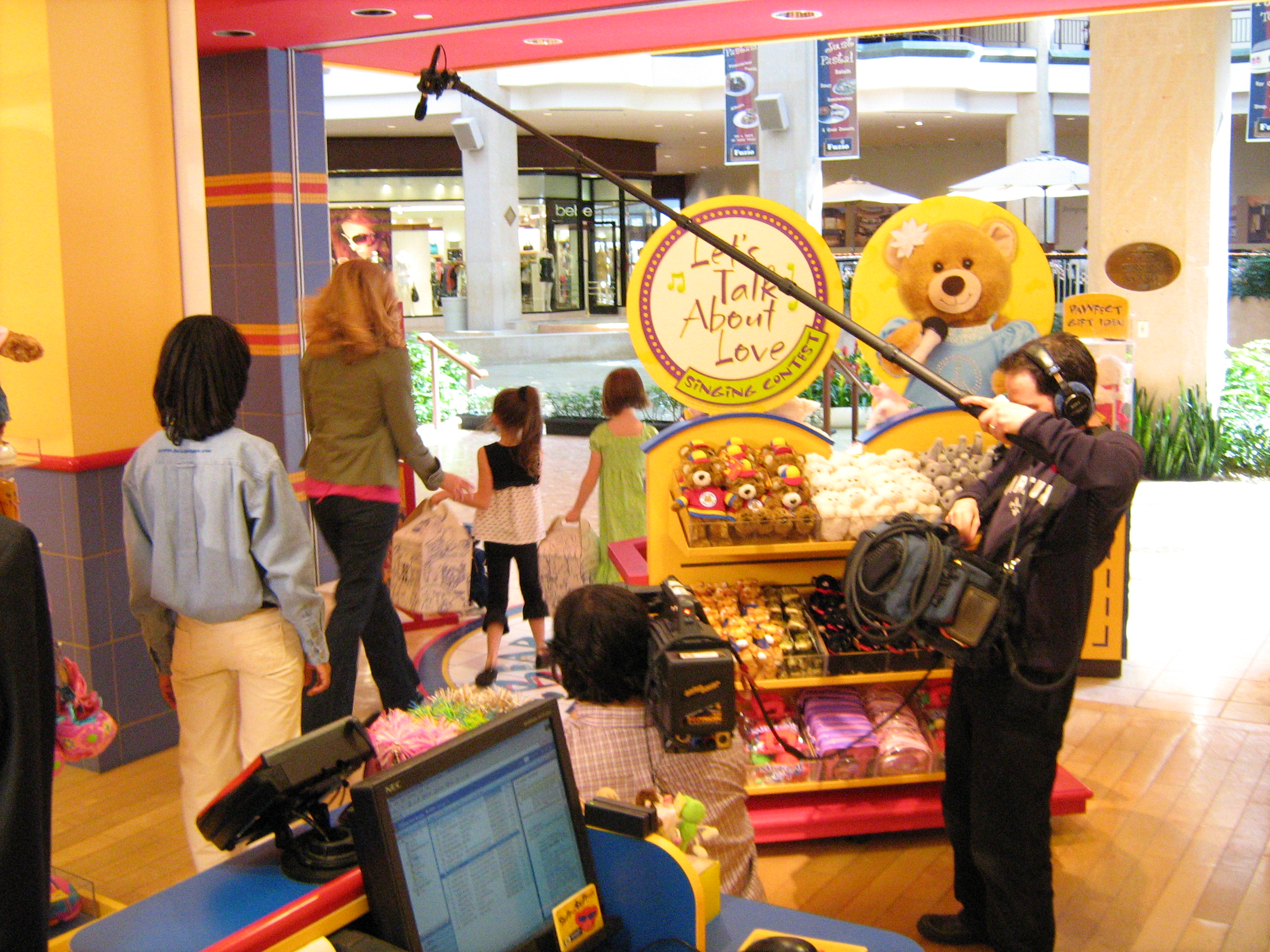
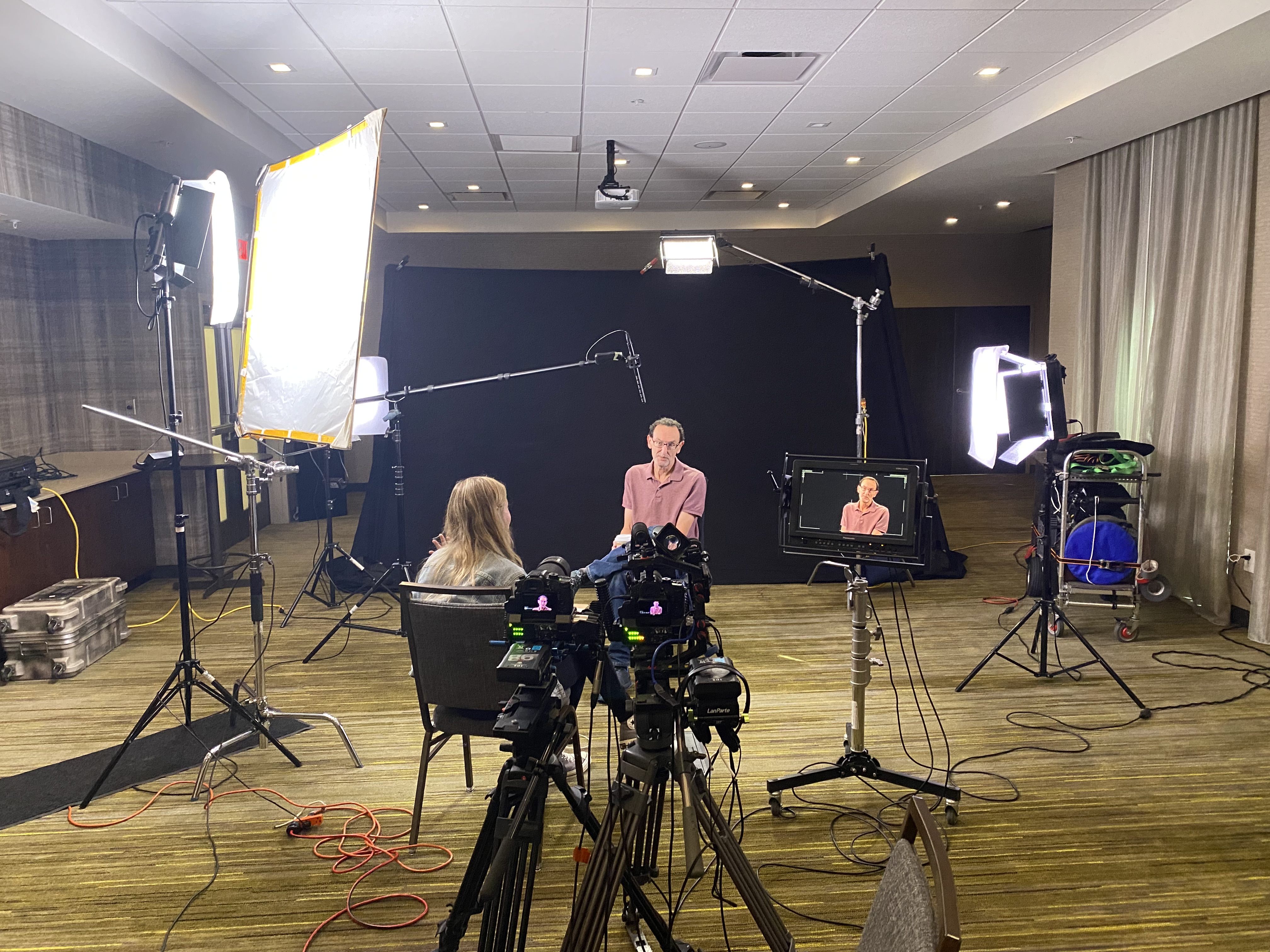
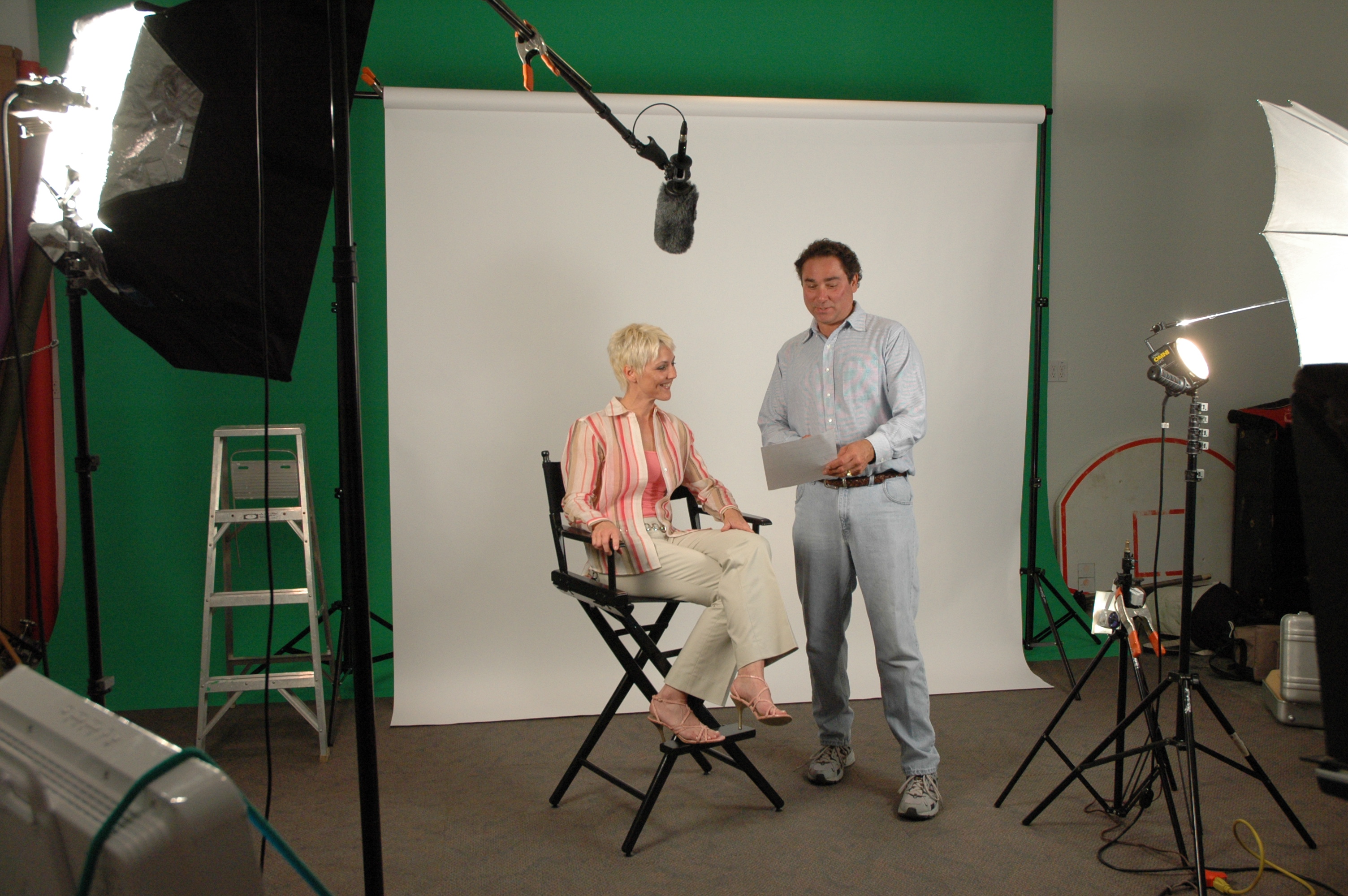
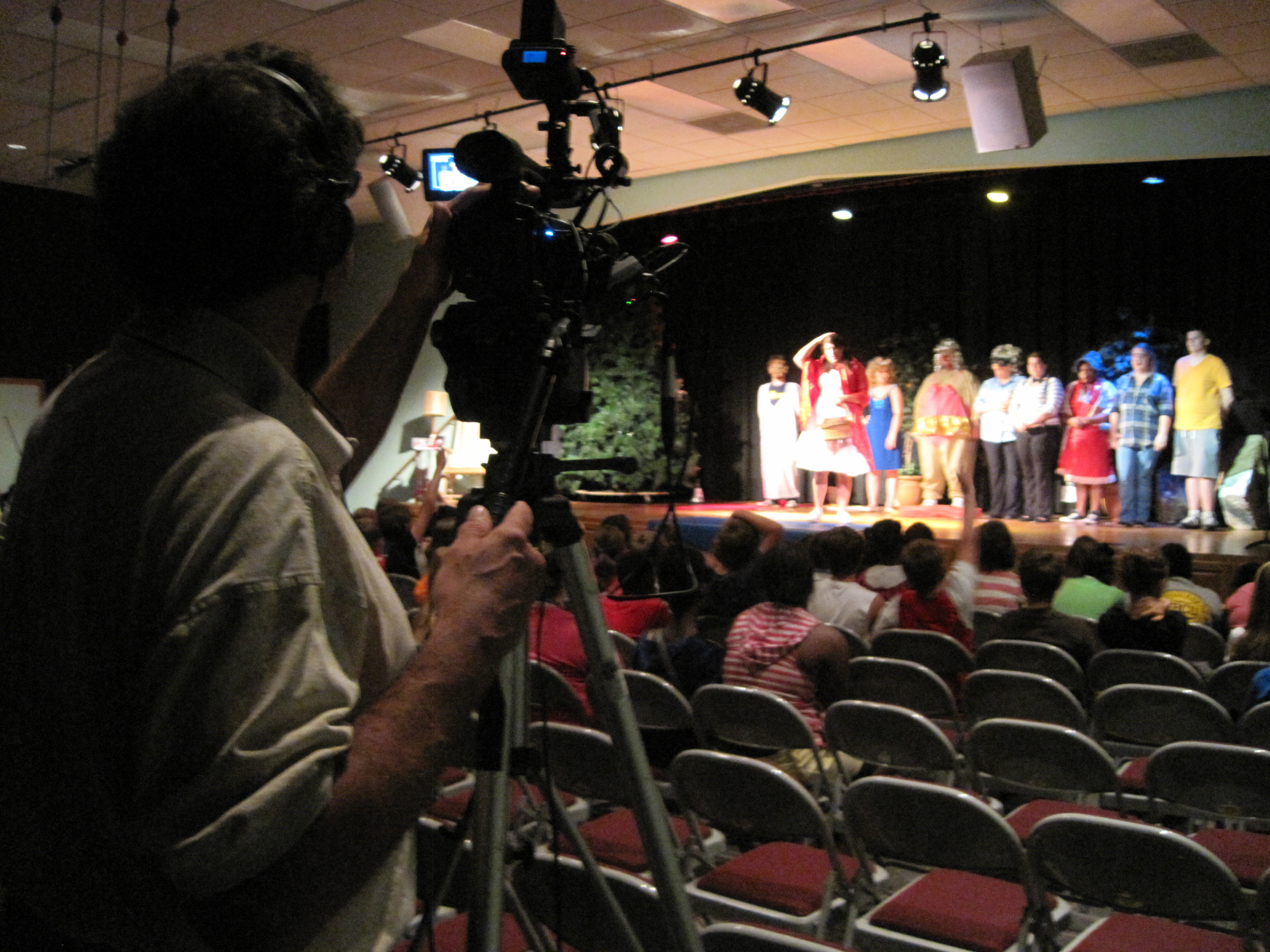
Answer: Ensuring high-quality audio and video involves using professional-grade equipment and employing experienced technicians. For video, this means using high-resolution cameras, proper lighting, and stabilization tools. For audio, using directional microphones, wind protection, and monitoring audio levels during recording is crucial. Conducting test shots and audio checks before the shoot helps identify and address any potential issues. Additionally, having a dedicated audio engineer on set can greatly enhance the overall production quality.
6. What is the process for obtaining permits and permissions?
Answer: The process for obtaining permits and permissions varies depending on the location. It typically involves contacting local authorities or government offices responsible for filming permits and providing details about the shoot, including dates, times, locations, and the nature of the production. Some locations may also require proof of insurance and adherence to specific guidelines or regulations. It’s important to start this process early to avoid delays and ensure all legal requirements are met.
7. How do you manage post-production for remote shoots?
Answer: Managing post-production for remote shoots involves organizing and backing up all footage and audio files as soon as possible. Using cloud storage or portable hard drives ensures that the data is secure and accessible. Clear labeling and metadata tagging help streamline the editing process. Communication between the on-site team and post-production team is crucial to ensure that all necessary elements are captured and any potential issues are addressed promptly. Utilizing remote collaboration tools can also facilitate efficient feedback and revisions.
Expertise of St Louis Video Production
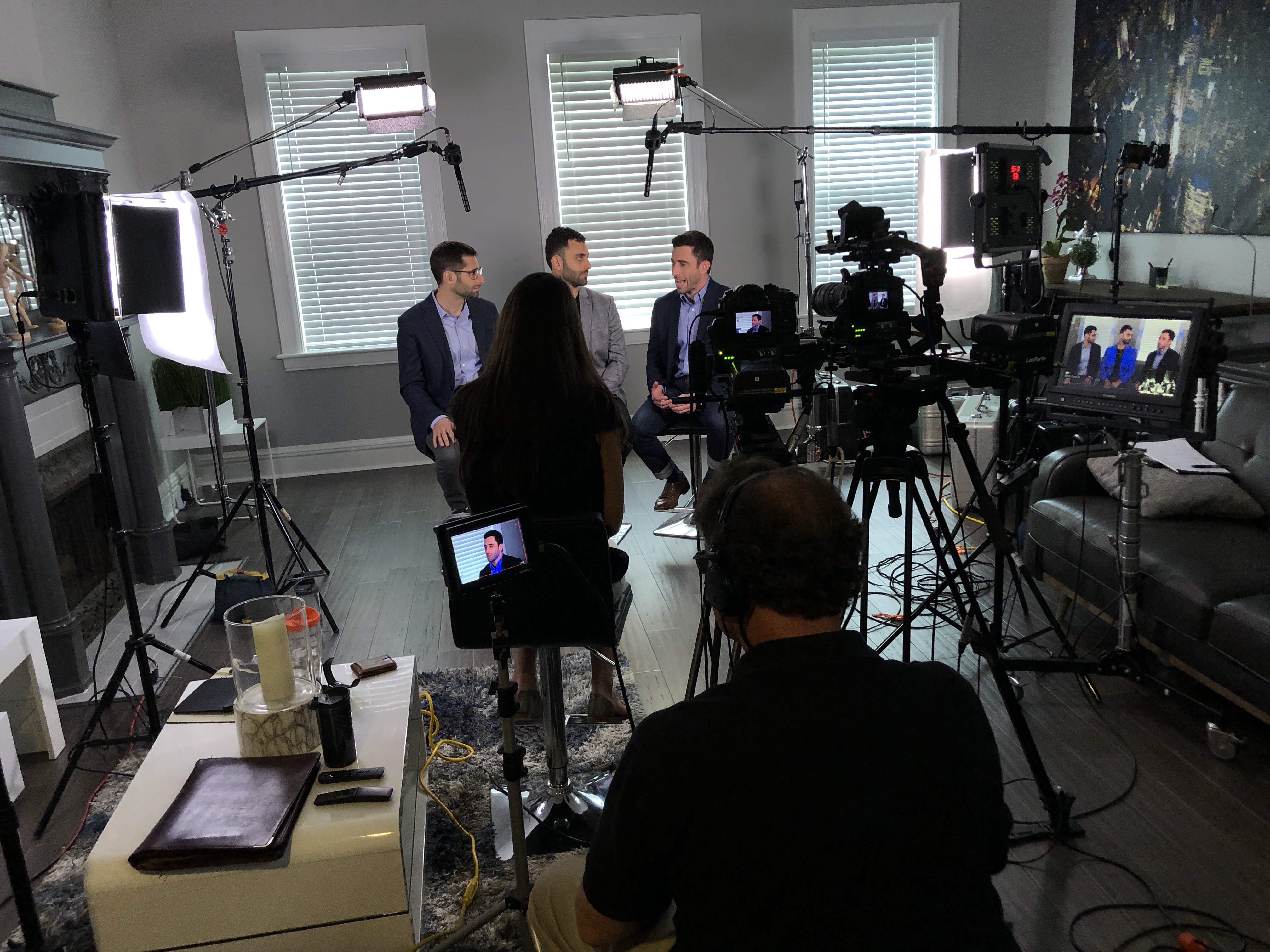
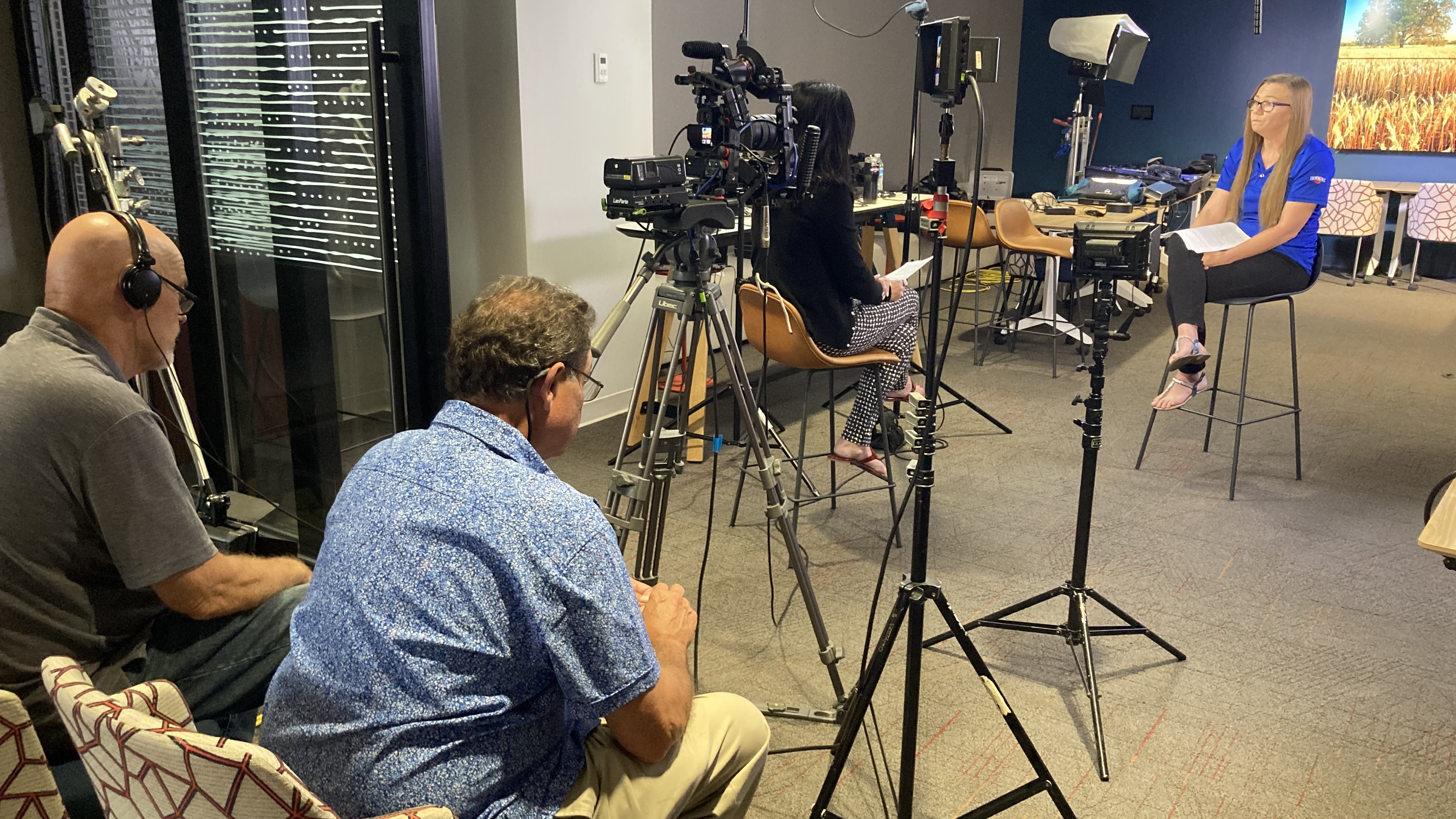
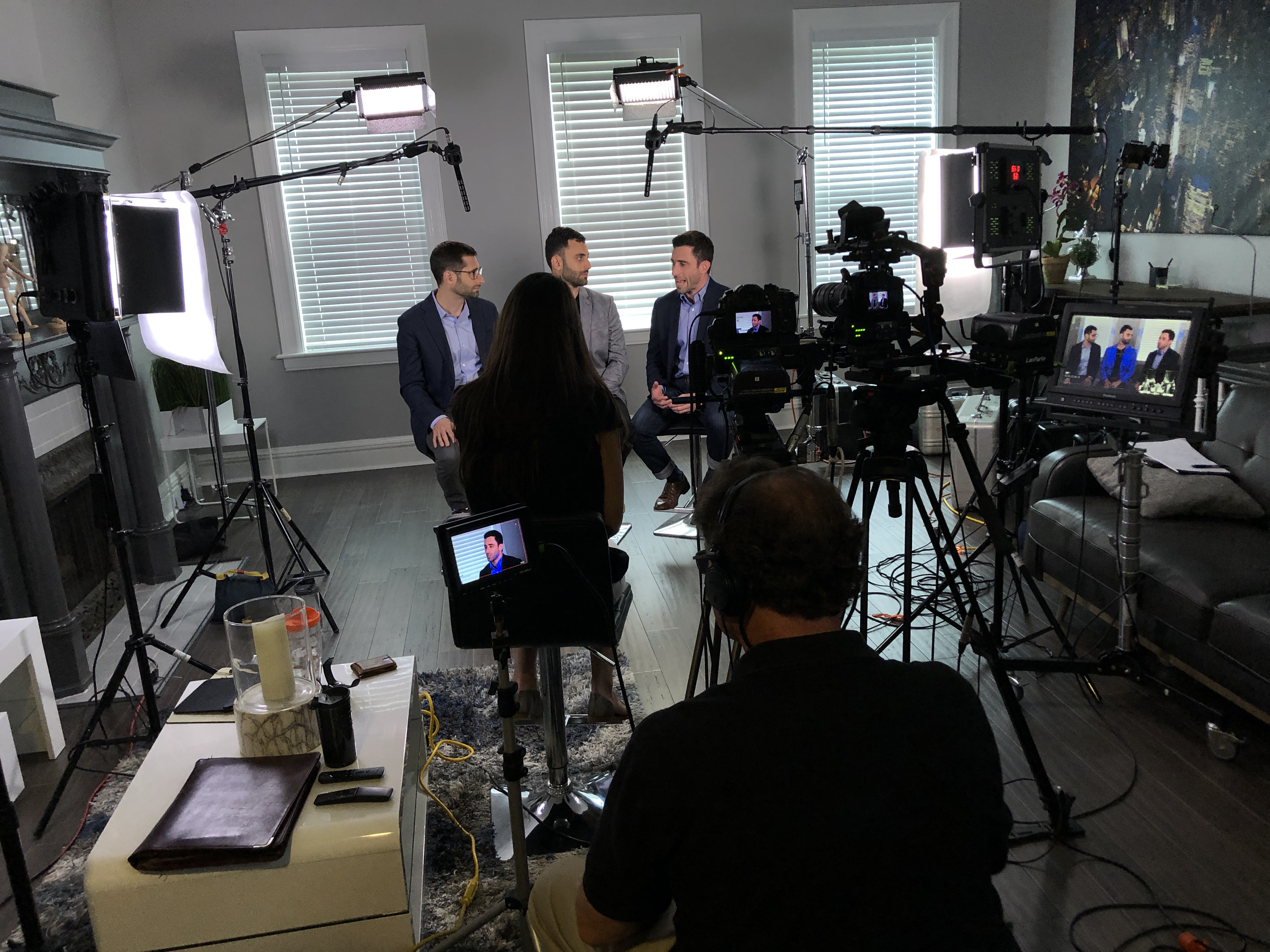
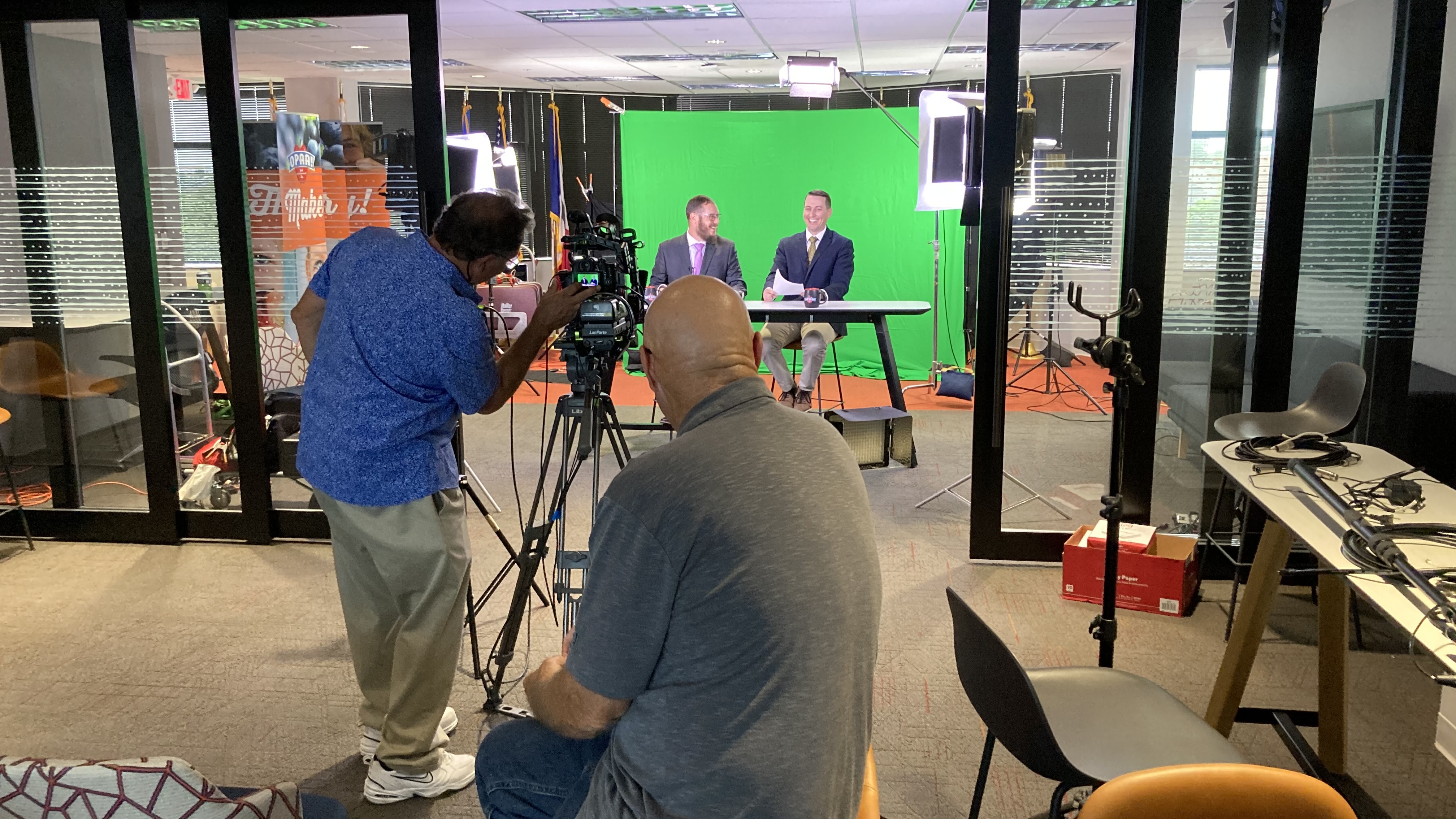
St Louis Video Production is a full-service professional video production and commercial photography company with extensive experience in handling remote location shoots. Since 1982, we have been providing top-tier video and photography services, including studio and location shoots, editing, post-production, and licensed drone operations. Our seasoned crew is equipped with the latest technology and creative expertise to ensure successful image acquisition in any environment. Whether it’s navigating logistical challenges or adapting to unpredictable conditions, our comprehensive approach and dedication to excellence guarantee the highest quality results for our clients.

















 St Louis Video Production, Inc.