The expectations around commercial drone services have changed. Businesses no longer look to drones only for sweeping aerial footage or dramatic exterior photography. More often, they want visuals that do real work. They want imaging that helps explain a site, document conditions, support planning, and uncover details that are difficult to see from the ground.
That is why LiDAR and thermal FLIR infrared drone services have become so valuable for organizations throughout the St. Louis area. These technologies give businesses access to a more analytical level of visual information, helping them move beyond standard aerial content into imaging that supports operations, maintenance, development, communication, and marketing.
At St Louis Video Production, we understand that advanced drone work is not just a flight service. It is a production service. The job is not simply to capture imagery from above. The job is to understand what the client needs to learn, show, or communicate, then build the right capture strategy around that goal.
More than aerial footage
Traditional drone video still has a strong place in commercial production. It is excellent for branding, property overviews, project updates, and promotional storytelling. But some assignments require more than visible-light imagery.
A contractor may need a clearer understanding of site conditions.
A facilities team may need better visibility into a large roof or building system.
A property manager may need a more efficient way to review a complex commercial asset.
A marketing department may want visuals that communicate innovation and technical sophistication.
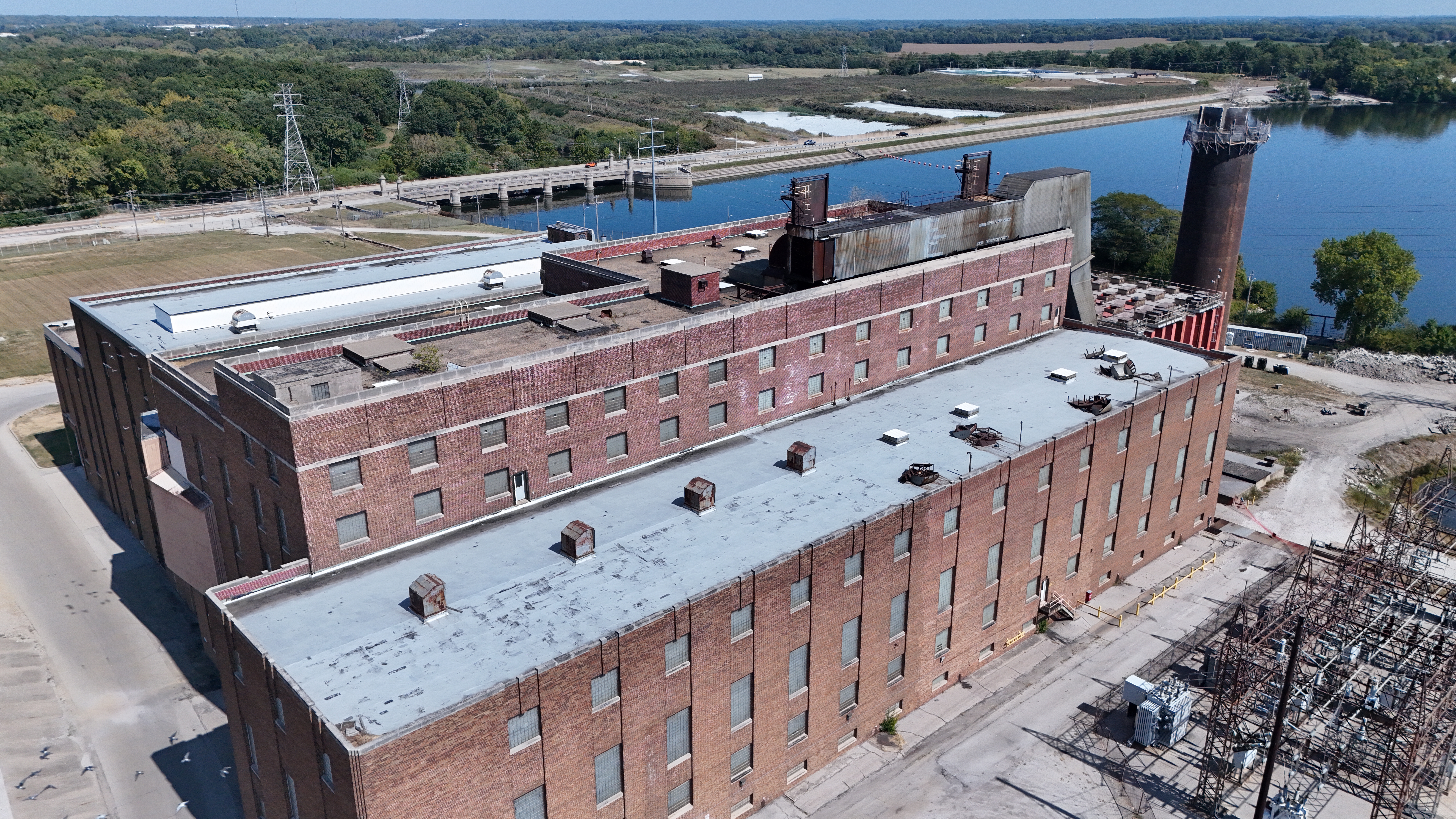
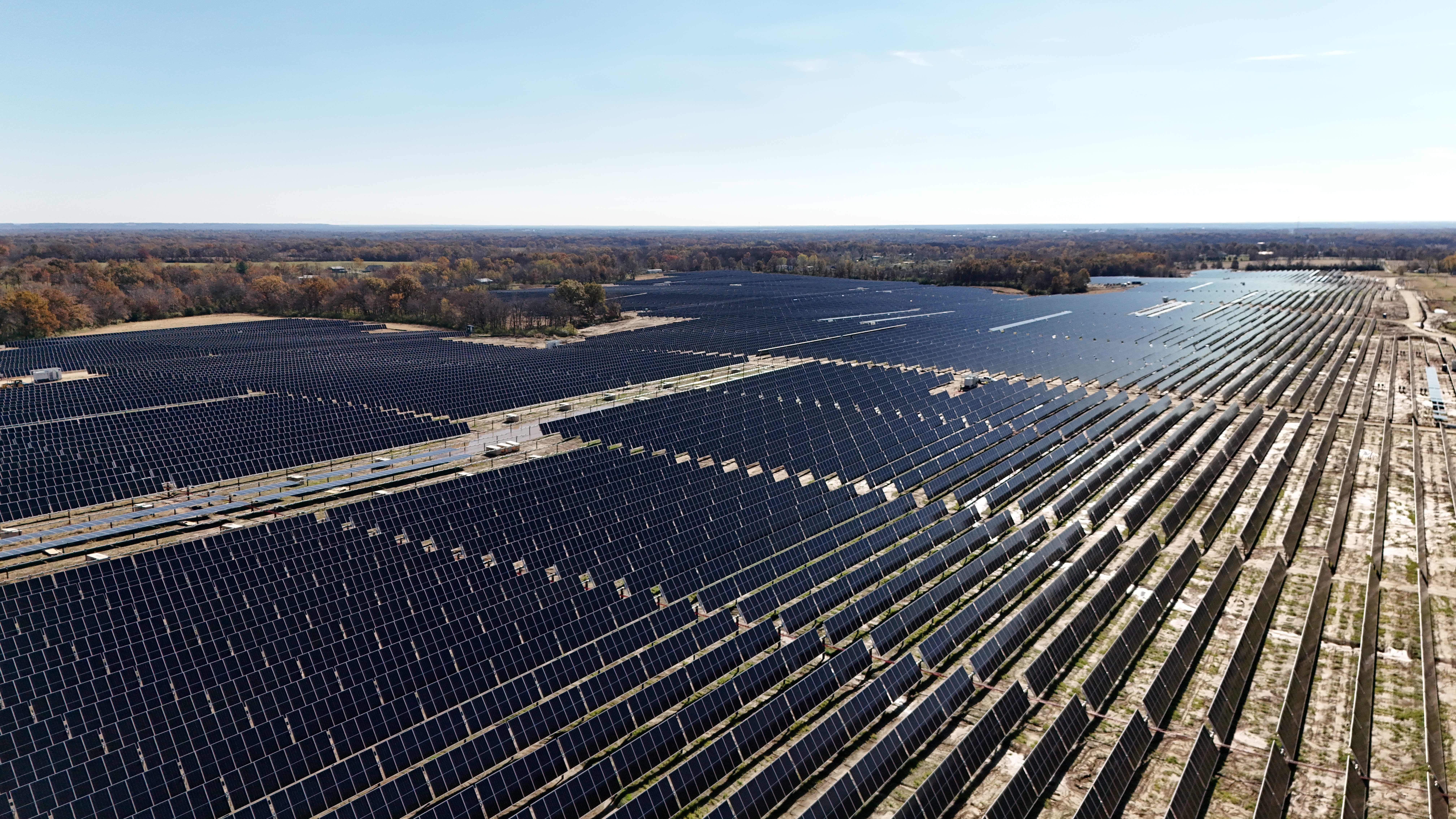
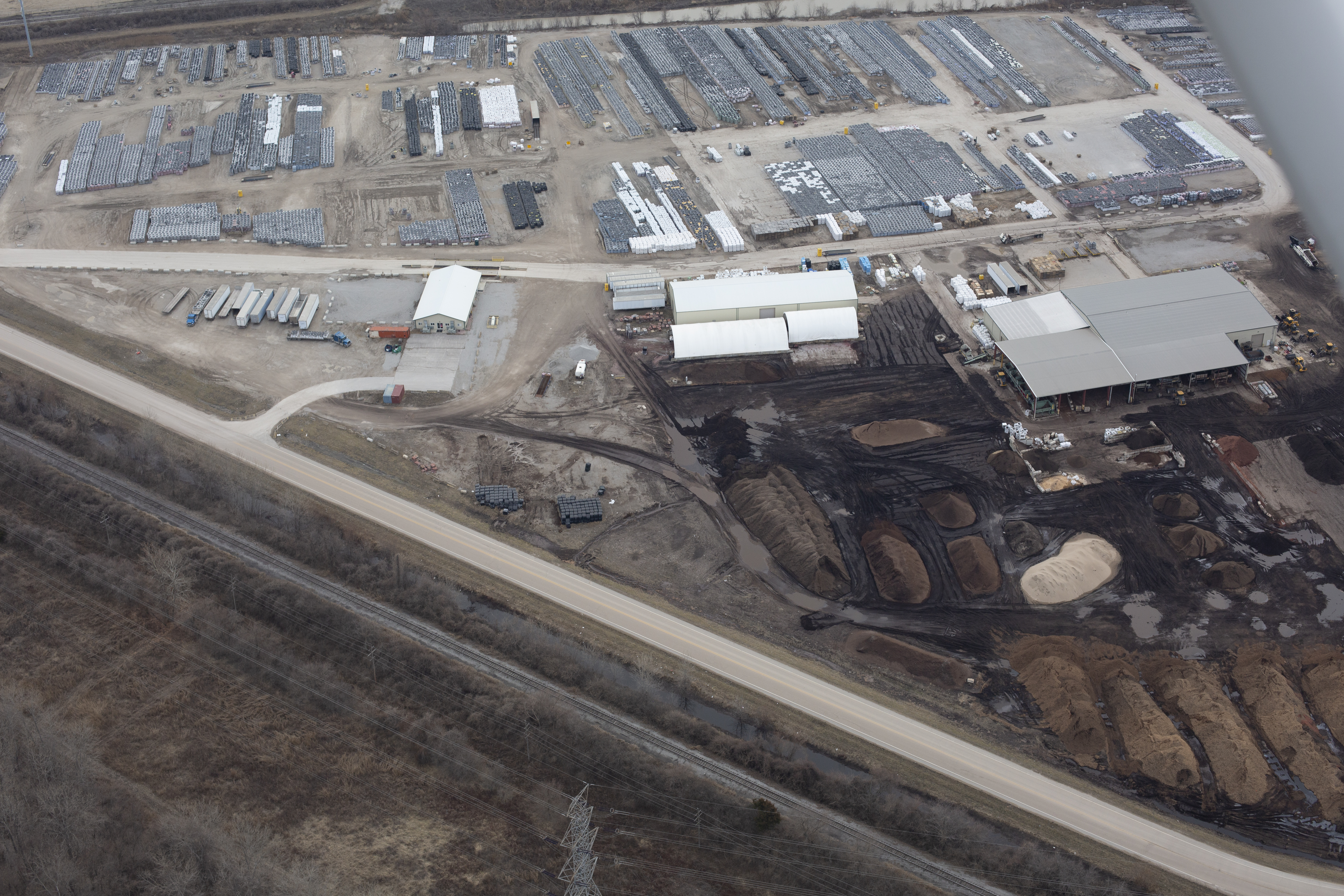
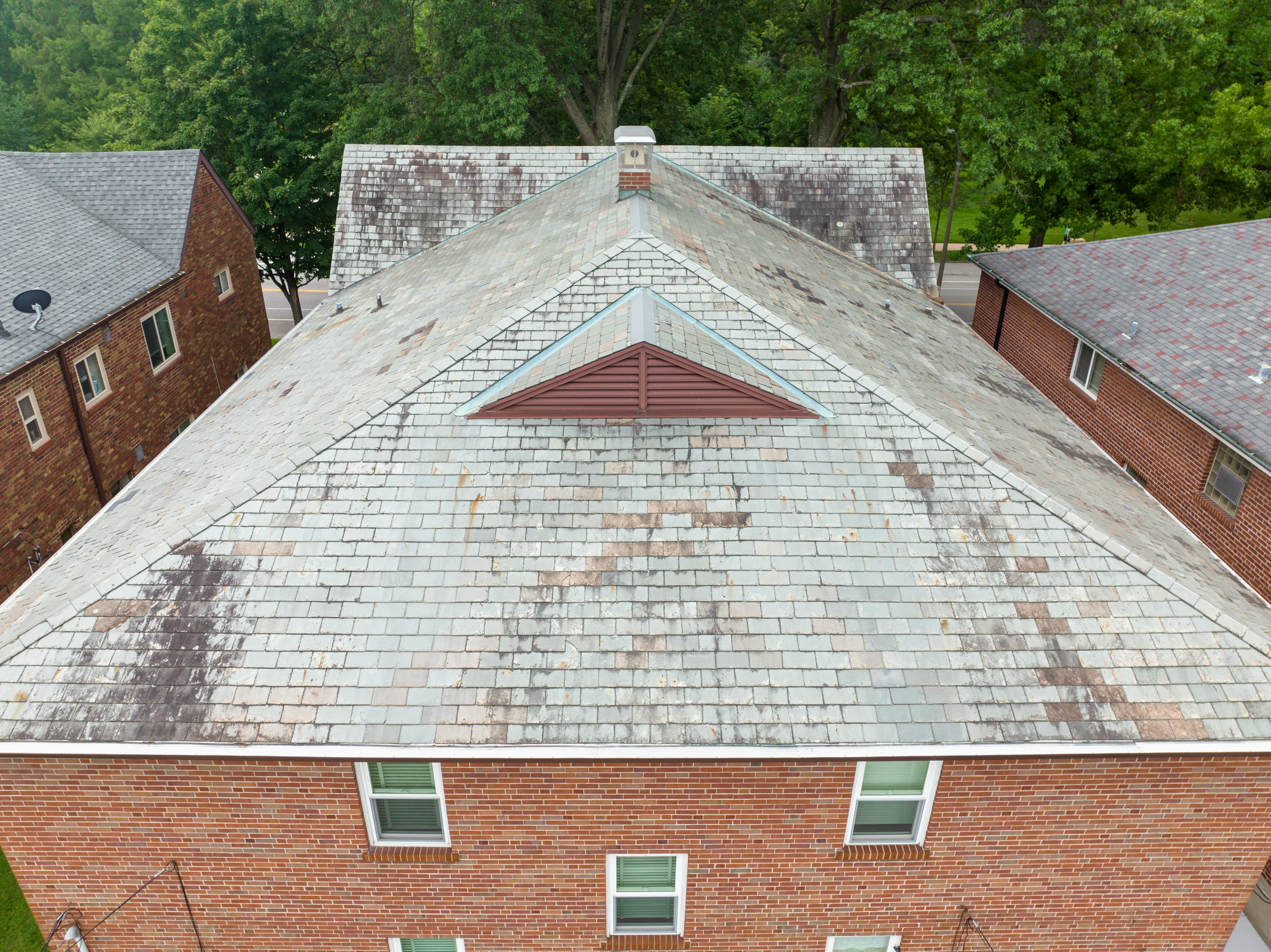
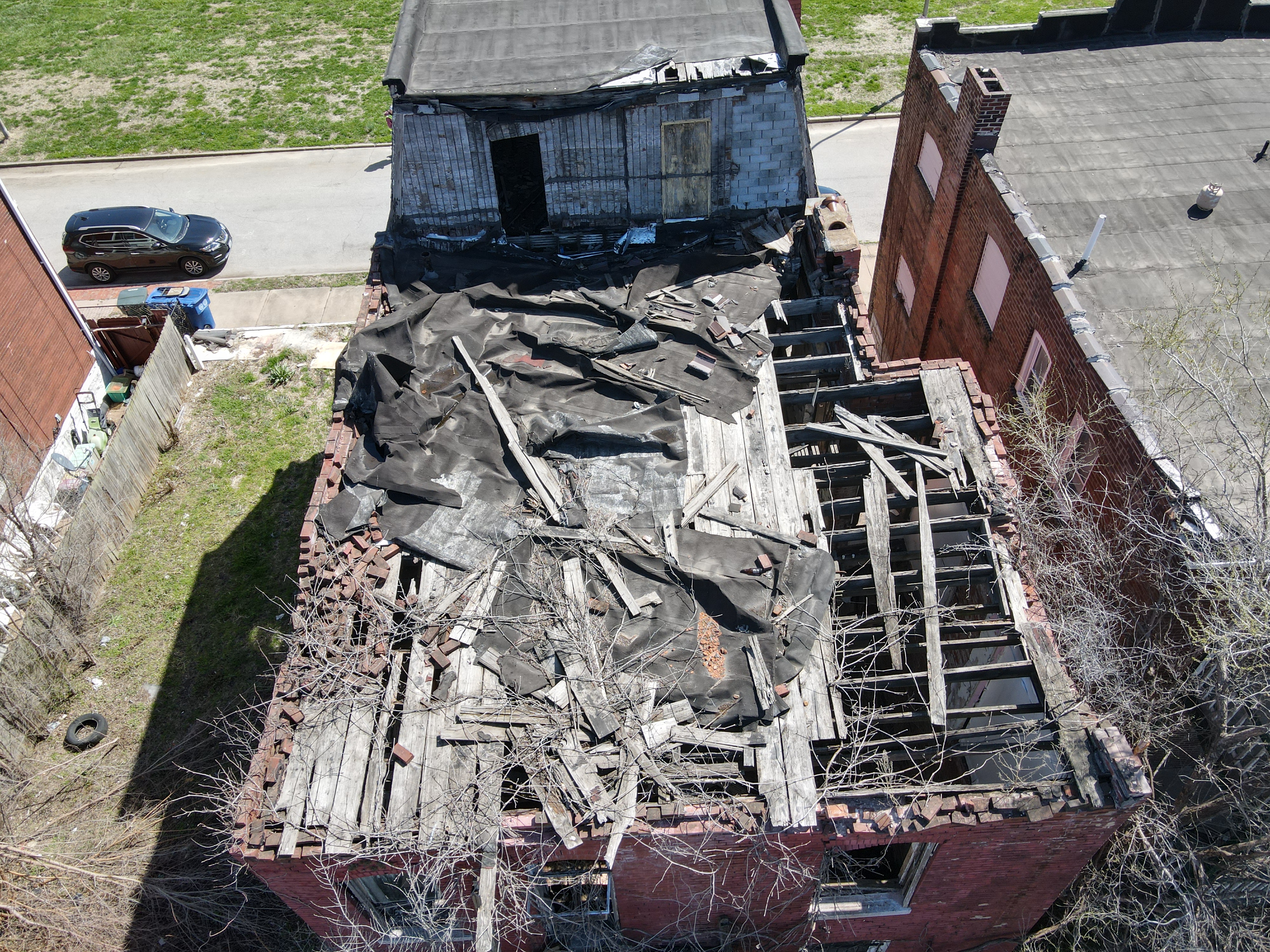
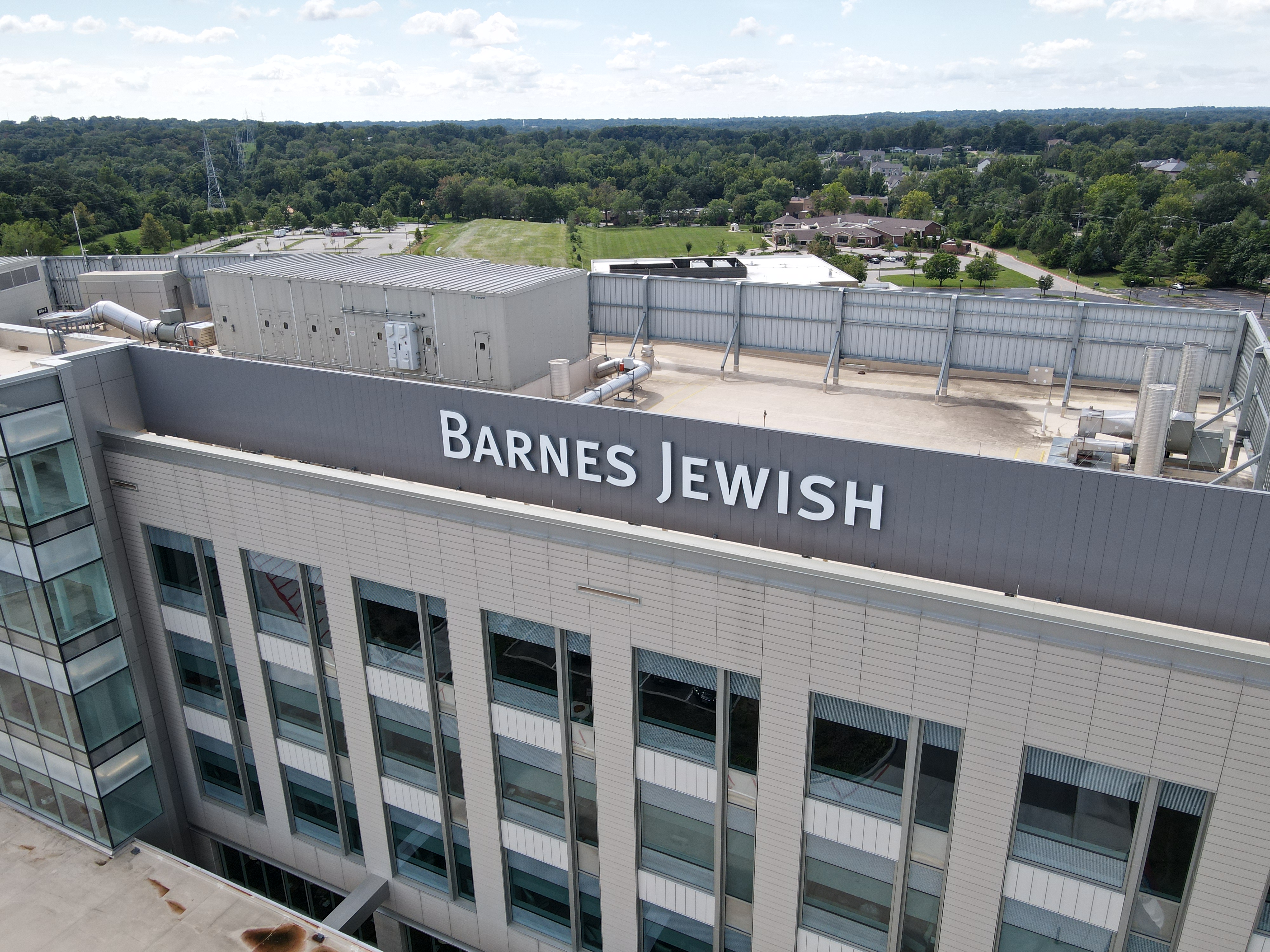
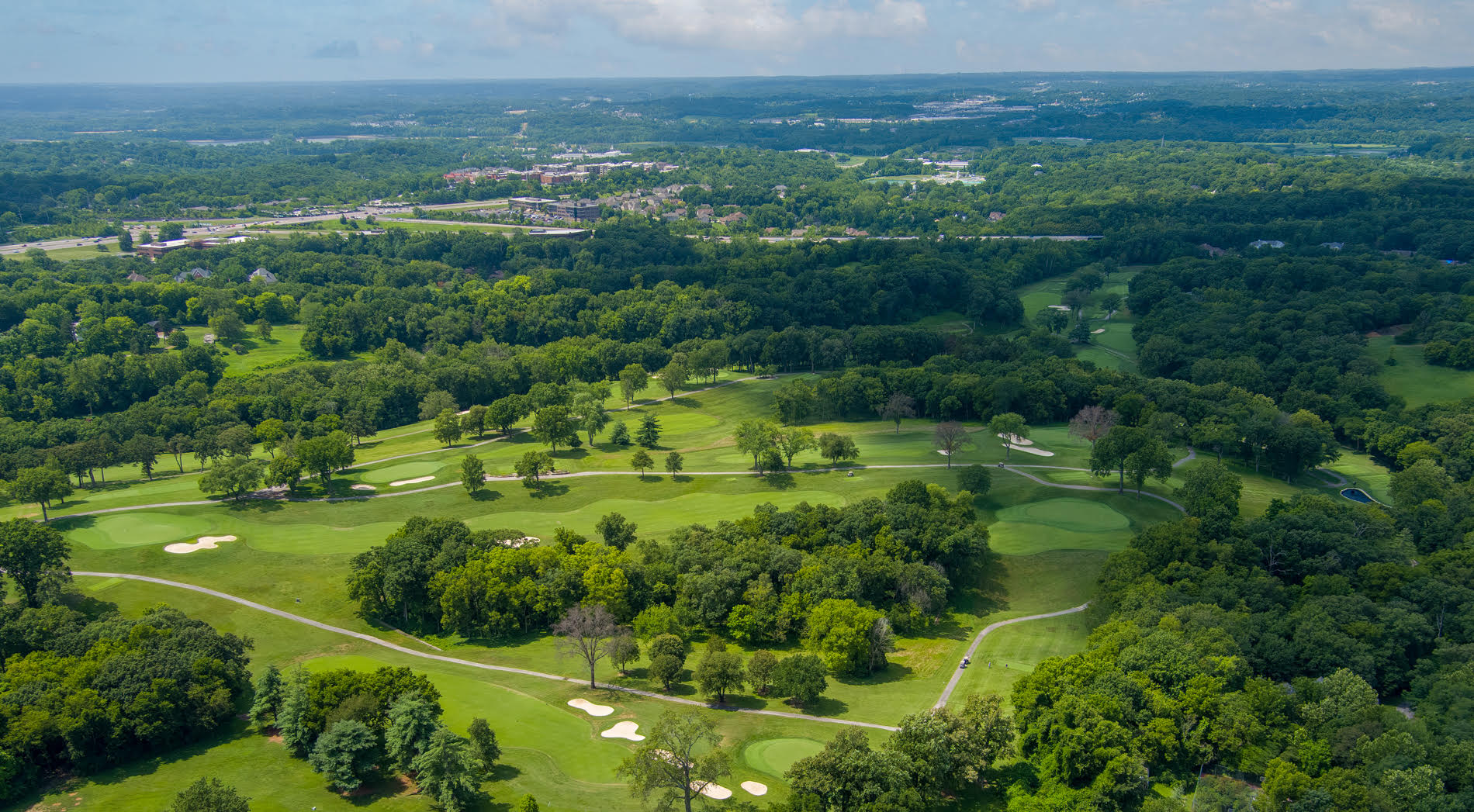
In those situations, LiDAR and thermal imaging offer a very different kind of value. They create information-rich visuals that help organizations see more than standard photography or video alone can provide.
What LiDAR brings to the table
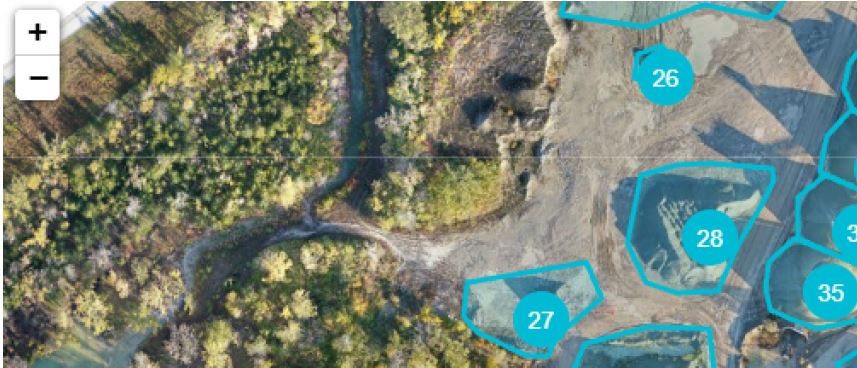
LiDAR, or Light Detection and Ranging, uses laser pulses to measure surfaces and distances. The result is highly detailed spatial information that can be used to create three-dimensional representations of terrain, structures, and site conditions.
For many commercial applications, LiDAR is useful because it helps define the physical makeup of a location. It provides a stronger understanding of elevation, contour, surface relationships, and layout than ordinary overhead photography alone.
That can be especially helpful for projects involving:
- construction and development sites
- industrial and warehouse properties
- large campuses
- infrastructure corridors
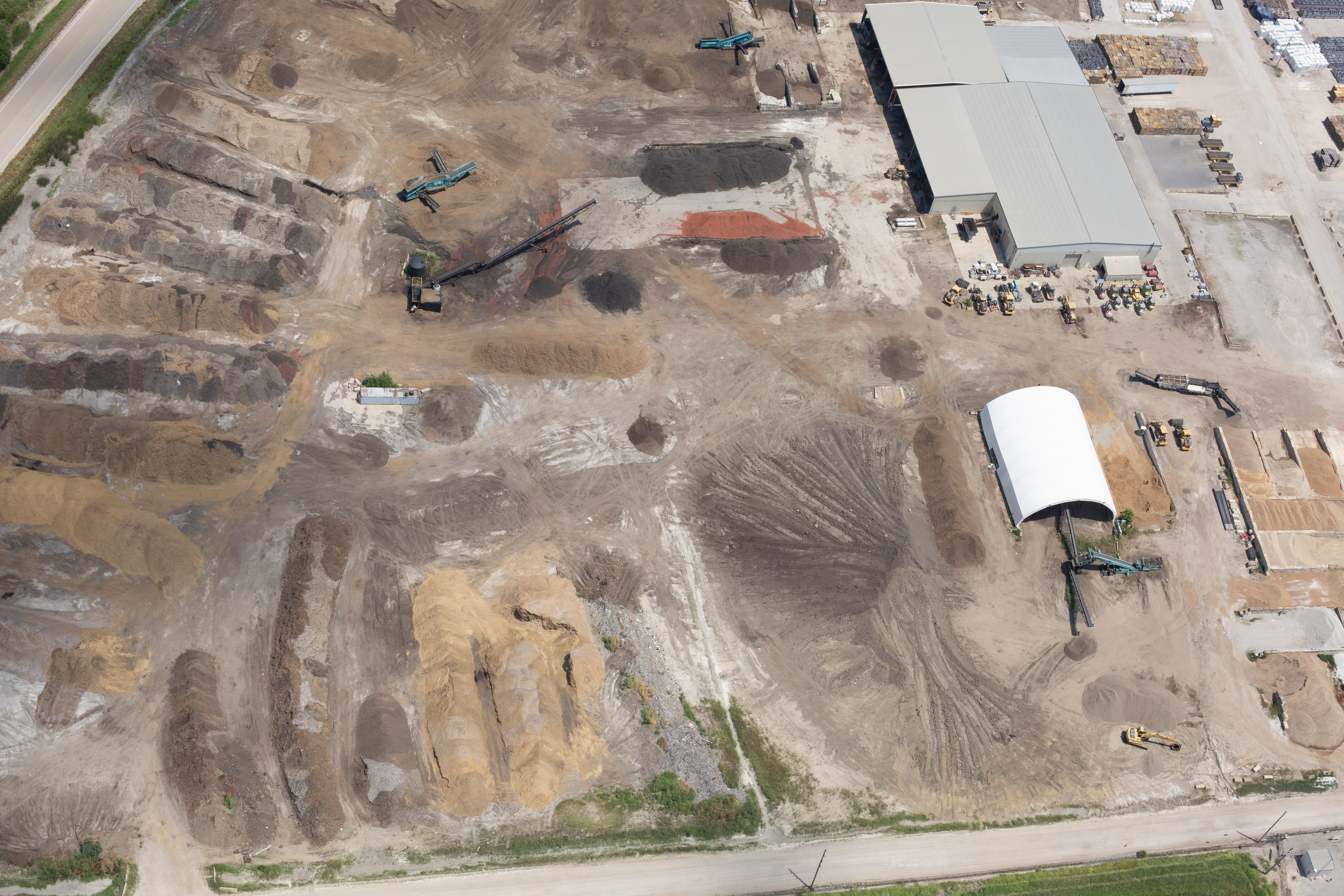
- aggregate and stockpile environments
- planning and documentation workflows
- expansive outdoor commercial spaces
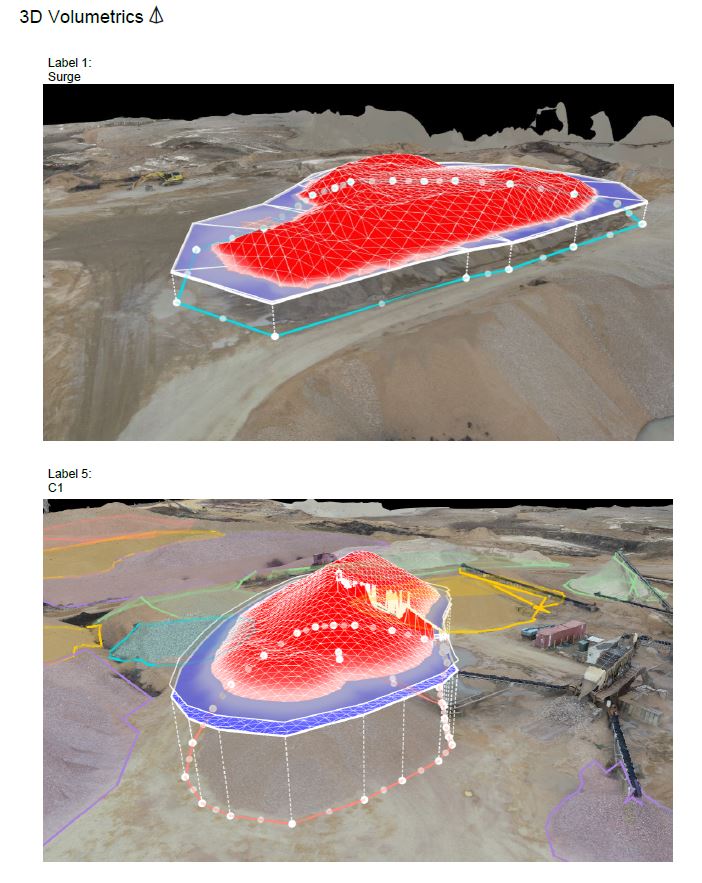
When the objective is not just to show a site, but to better understand it, LiDAR can be a powerful tool.
What thermal FLIR infrared imaging can reveal
Thermal imaging works differently. Instead of recording what a scene looks like in visible light, it records temperature variation across surfaces and structures. That makes it particularly valuable when a client needs to identify unusual heat patterns or temperature inconsistencies.
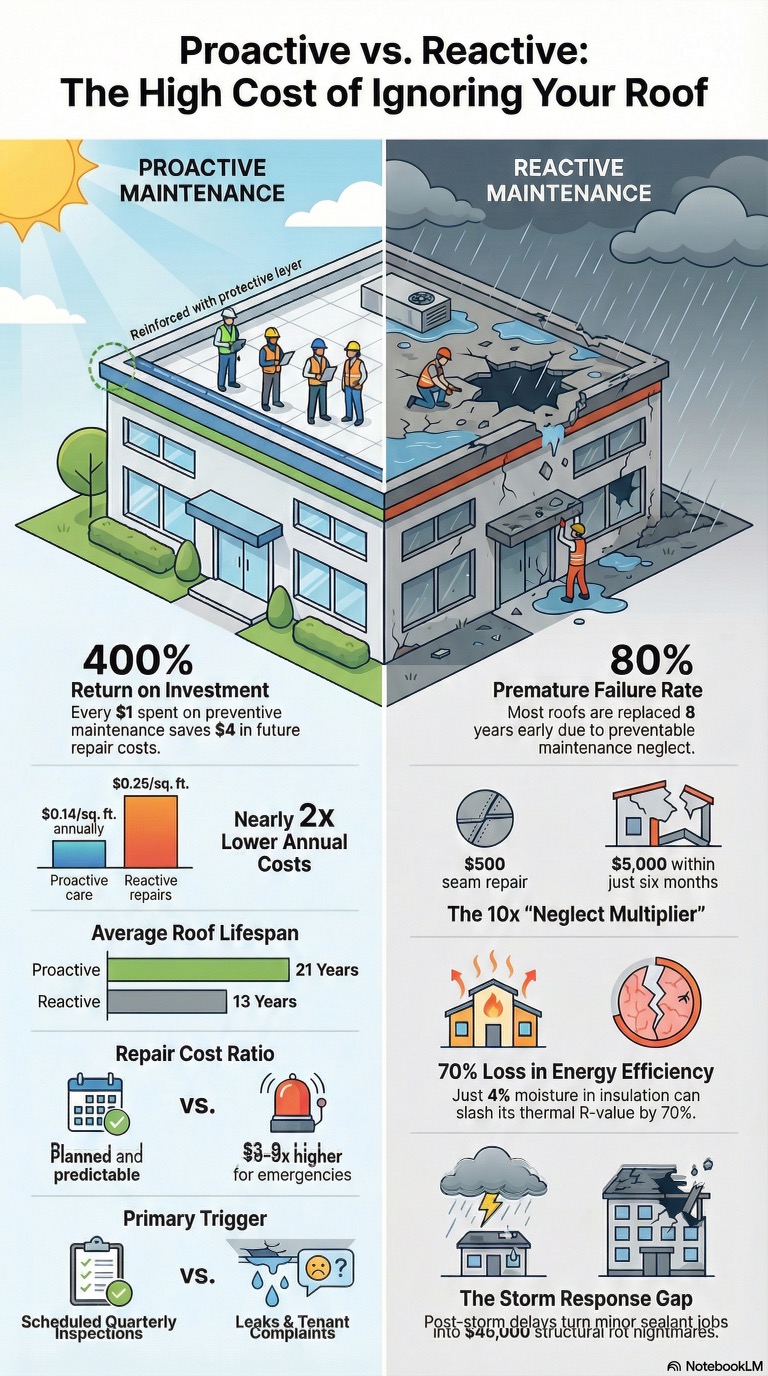
In commercial environments, thermal drone imaging can be useful for reviewing roofs, building envelopes, equipment zones, solar arrays, exterior systems, and large facilities. It can help highlight areas that deserve closer attention, especially where access from the ground is difficult or time-consuming.
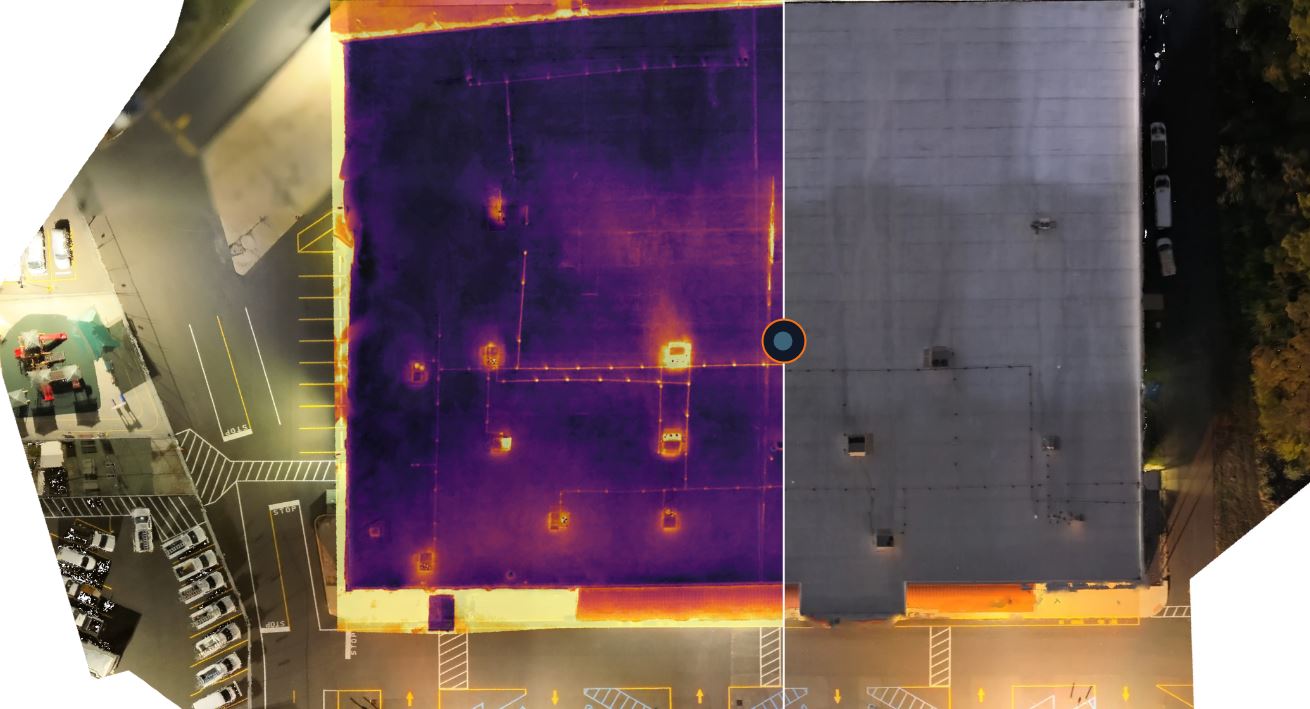
A standard image may show that a roof looks intact. A thermal image may show areas behaving differently.
A building may appear visually consistent in daylight. Infrared imaging may reveal heat-loss patterns that warrant further evaluation.
A large industrial area may be hard to screen manually. Thermal capture can provide a broader view of temperature-related anomalies.
This does not replace licensed inspectors, engineers, electricians, roof consultants, or HVAC professionals. It supports them by supplying better visual information.
A practical fit for St. Louis commercial clients
The St. Louis market includes a wide variety of environments where advanced drone imaging can provide meaningful value. Manufacturing properties, hospitals, commercial roofs, logistics centers, business parks, schools, municipal projects, and active job sites all present situations where ground-based visibility is limited.
LiDAR and thermal drone services can help organizations work more efficiently in those settings.
They can support broader documentation.
They can help teams review hard-to-reach areas.
They can provide visuals for reports, presentations, and internal communication.
They can also create distinctive content that reinforces professionalism and capability in external marketing.
For many clients, the value is not just technical. It is strategic. The imagery becomes part of how they manage properties, explain conditions, support decisions, and present themselves to others.
Two specialized tools with different uses
LiDAR and thermal imaging are often mentioned together, but they are not substitutes for one another.
LiDAR is best suited for capturing spatial structure, topography, geometry, and surface relationships.
Thermal imaging is best suited for identifying heat patterns, temperature variation, and areas that may indicate unusual performance.
The right option depends on the purpose of the project. Some jobs call for detailed site modeling or terrain understanding. Others call for thermal review of a roof, building system, or equipment area. Some assignments benefit from combining both methods.
That is why proper planning matters. The technology should follow the objective, not the other way around.
Where LiDAR can add the most value
LiDAR is particularly helpful in projects where physical space, contour, and measurable layout matter.
Construction teams may use it to better document changing site conditions and communicate progress.
Developers may benefit from stronger topographic understanding and site visualization.
Industrial operators may need a more complete picture of facility grounds, access paths, and large outdoor work areas.
Clients managing stockpiles or outdoor materials may benefit when volume and shape are important considerations.
Institutions with large campuses may use LiDAR-based capture to support planning, documentation, and property communication.
In each case, the value comes from gaining a more informed view of the environment itself.
Where thermal drone services stand out
Thermal imaging is especially effective when clients need a broad way to screen large areas for irregular heat behavior.
Commercial roofing is a major example. Infrared imagery can help show temperature differences across large roof surfaces that may support further investigation.
Building exteriors may also benefit from thermal review where energy loss or envelope performance is a concern.
Solar systems can sometimes reveal underperforming components through irregular thermal signatures.
Industrial and facility environments may use thermal capture to observe unusual heat concentrations in areas that would otherwise be difficult to review efficiently.
For many organizations, thermal imaging is valuable because it provides a faster, more visual way to prioritize next steps.
Why execution matters as much as equipment
Advanced drone services are only as strong as the team behind them. Owning specialized equipment is not enough. A successful LiDAR or thermal assignment depends on the workflow surrounding the technology.
Thermal projects can be affected by sunlight, weather, recent rain, time of day, surface materials, and operational conditions.
LiDAR projects depend on flight design, site obstacles, target density, output requirements, and how the final data will be used.
That means experience matters. Commercial clients need a team that understands not just capture, but also planning, coordination, safety, location logistics, and deliverables.
This is where a production background becomes a real advantage. It allows the work to be approached with discipline, organization, and an understanding of how the final visuals will function in the real world.
The communication power of technical visuals
One of the most overlooked aspects of advanced drone imaging is how useful it can be outside of purely technical workflows.
LiDAR and thermal visuals can strengthen client presentations, internal reports, proposals, case studies, and sales materials. They can help explain conditions to non-technical stakeholders and show that a company uses advanced tools thoughtfully.
For businesses in engineering, construction, property services, development, industrial work, and facility support, this can make a strong impression. It turns technical image acquisition into a communication asset.
That is especially important when the team handling the work understands both imaging and storytelling. Visual information has more value when it is captured and shaped with end use in mind.
A smarter direction for commercial drone work
Commercial imaging is becoming more informative. Businesses increasingly want visuals that help them do something, not just show something.
LiDAR and thermal FLIR infrared drone services reflect that shift. They help organizations assess conditions, document properties, understand environments, and communicate more clearly.
For St. Louis businesses looking for a more capable form of aerial image acquisition, these services offer a clear advantage. They provide insight, not just imagery.
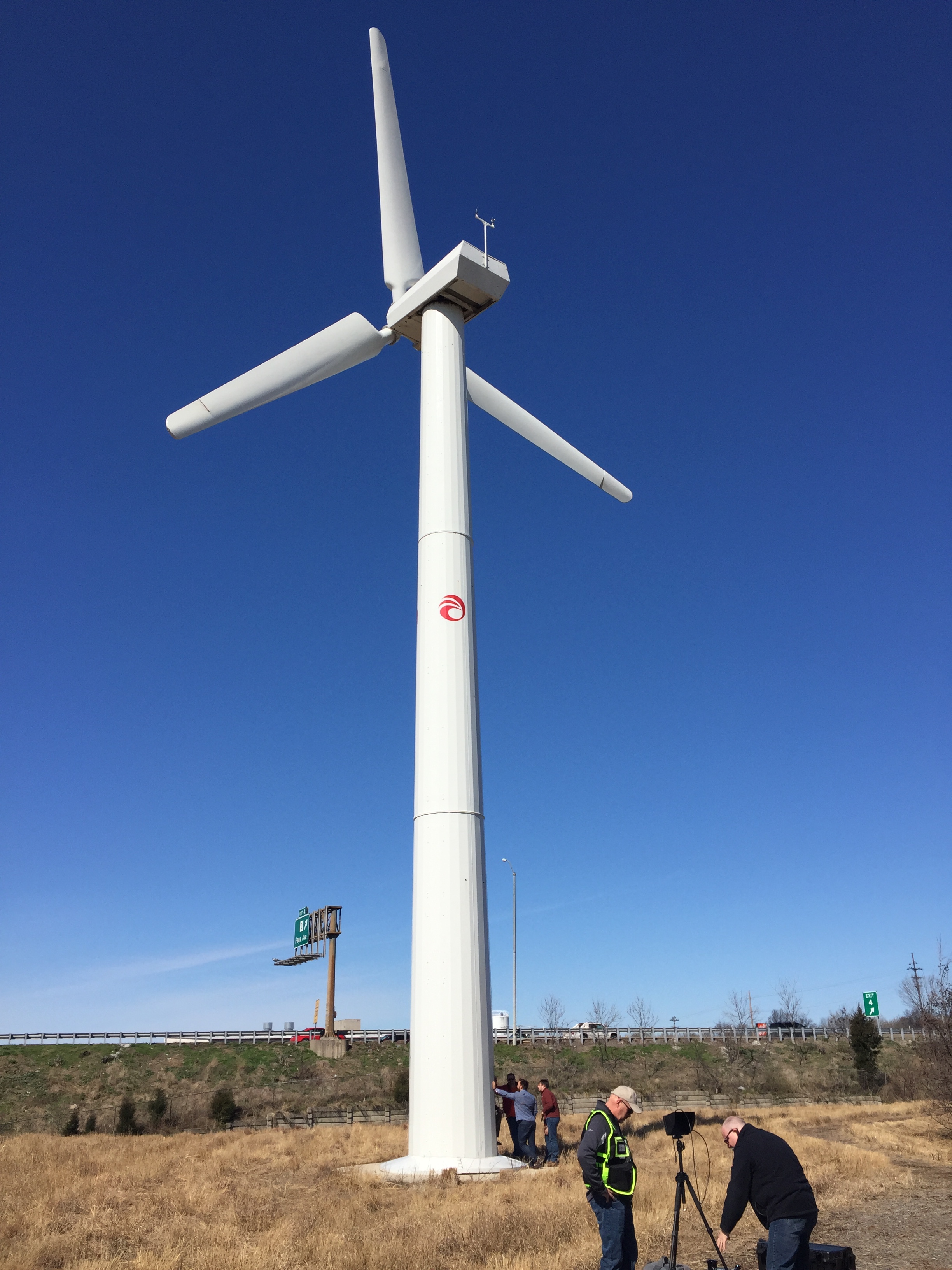
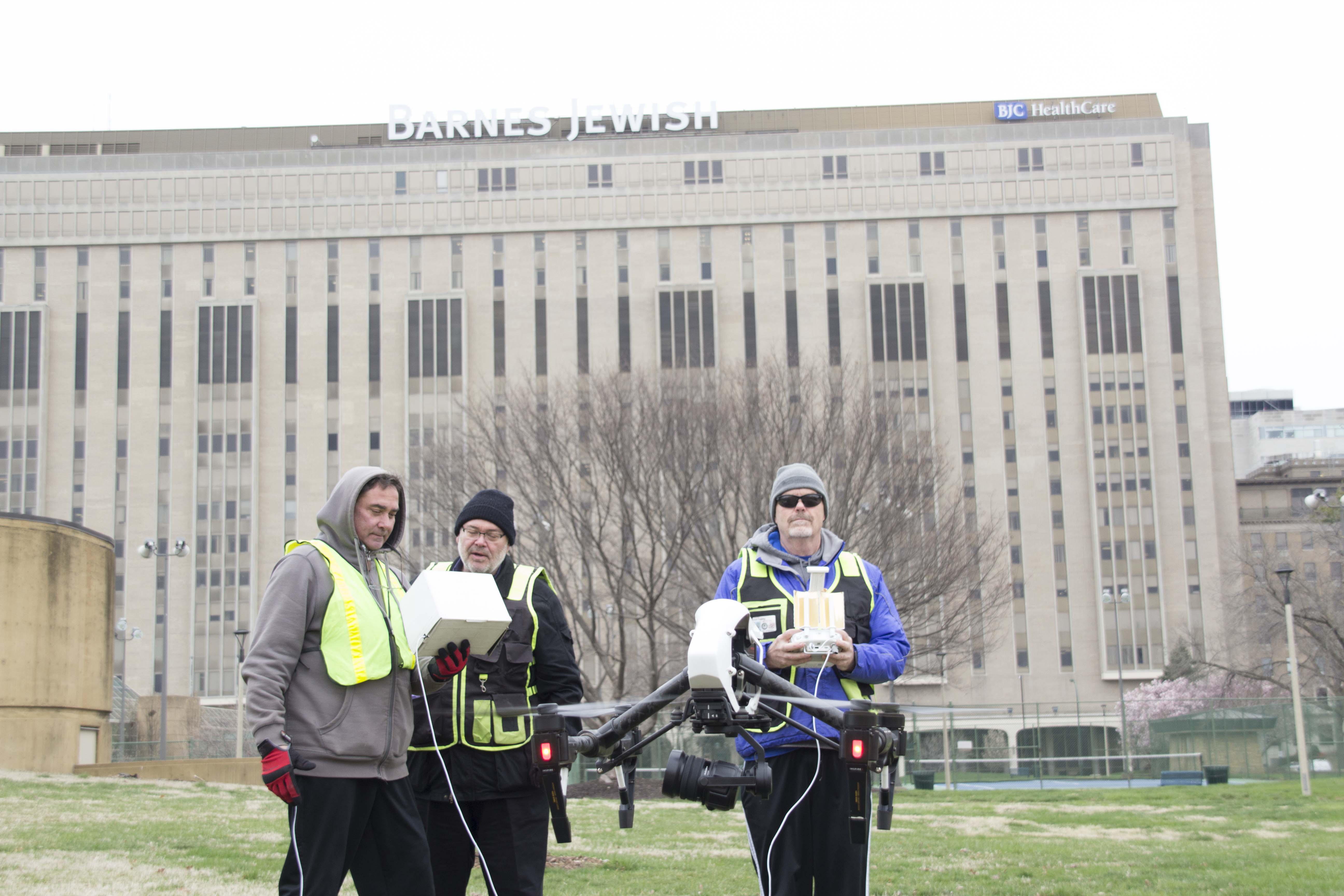
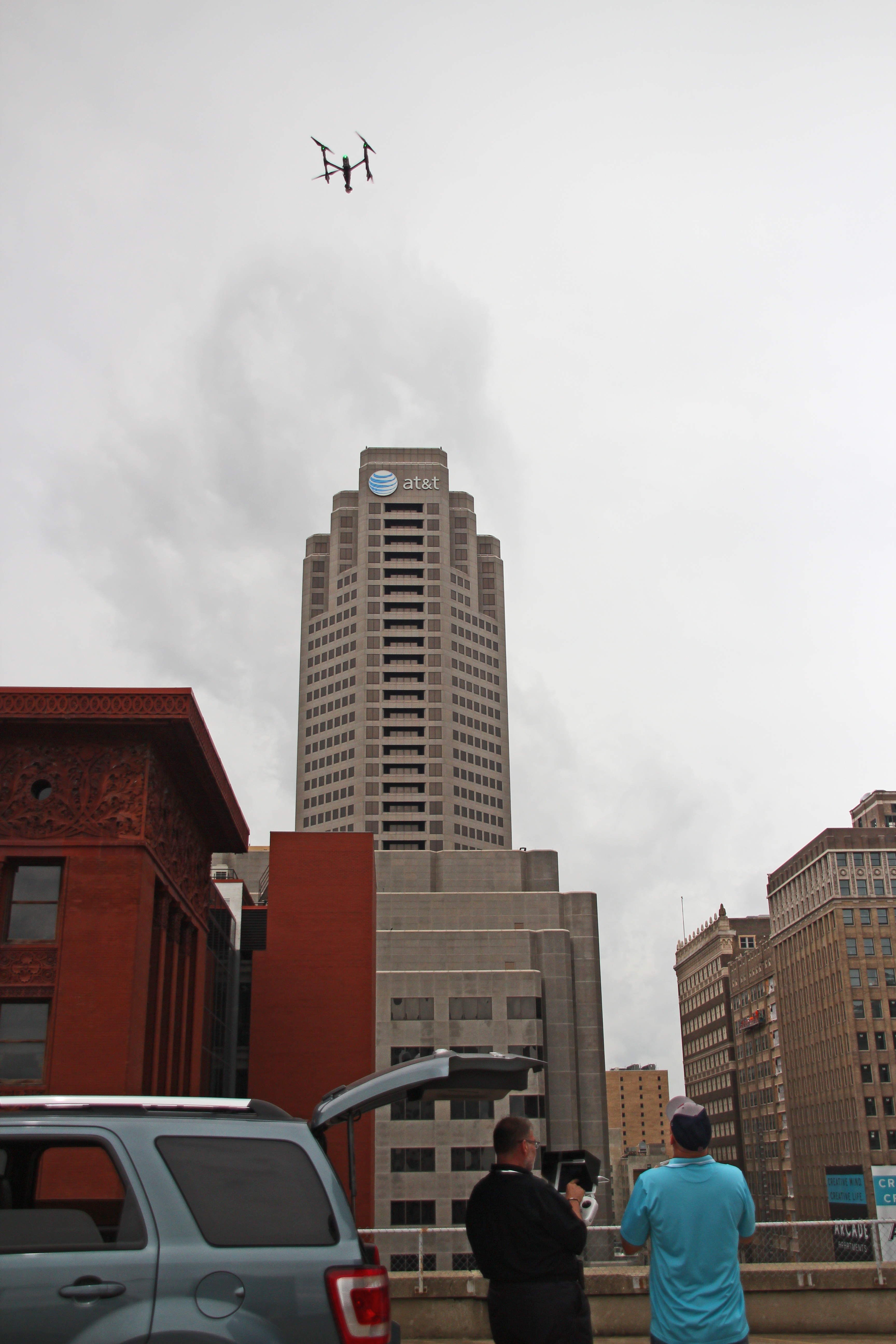
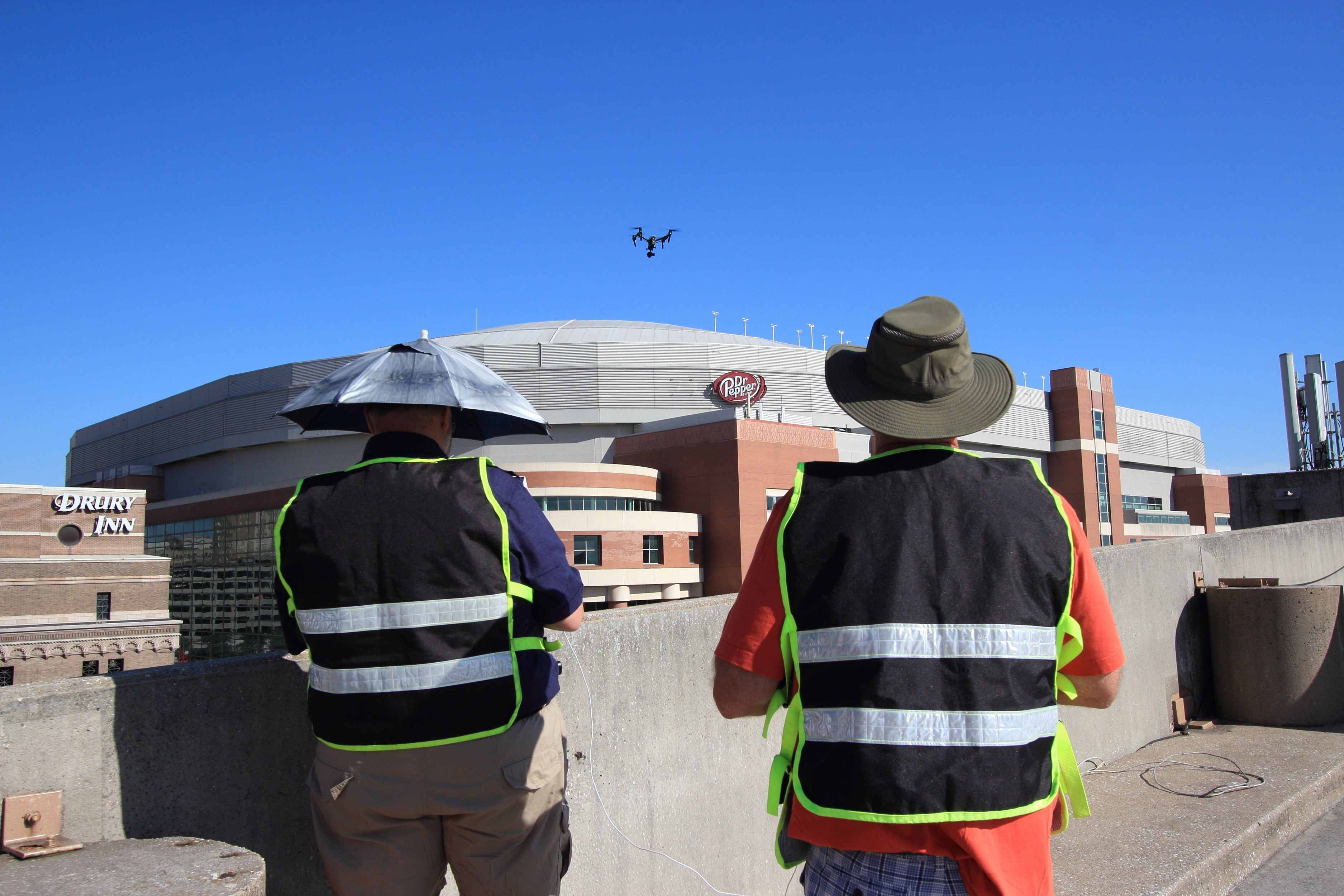
St Louis Video Production for advanced drone imaging
At St Louis Video Production, we bring a full production mindset to advanced aerial imaging. We understand how to plan visual projects around business objectives and how to deliver assets that are useful for documentation, communication, and marketing alike.
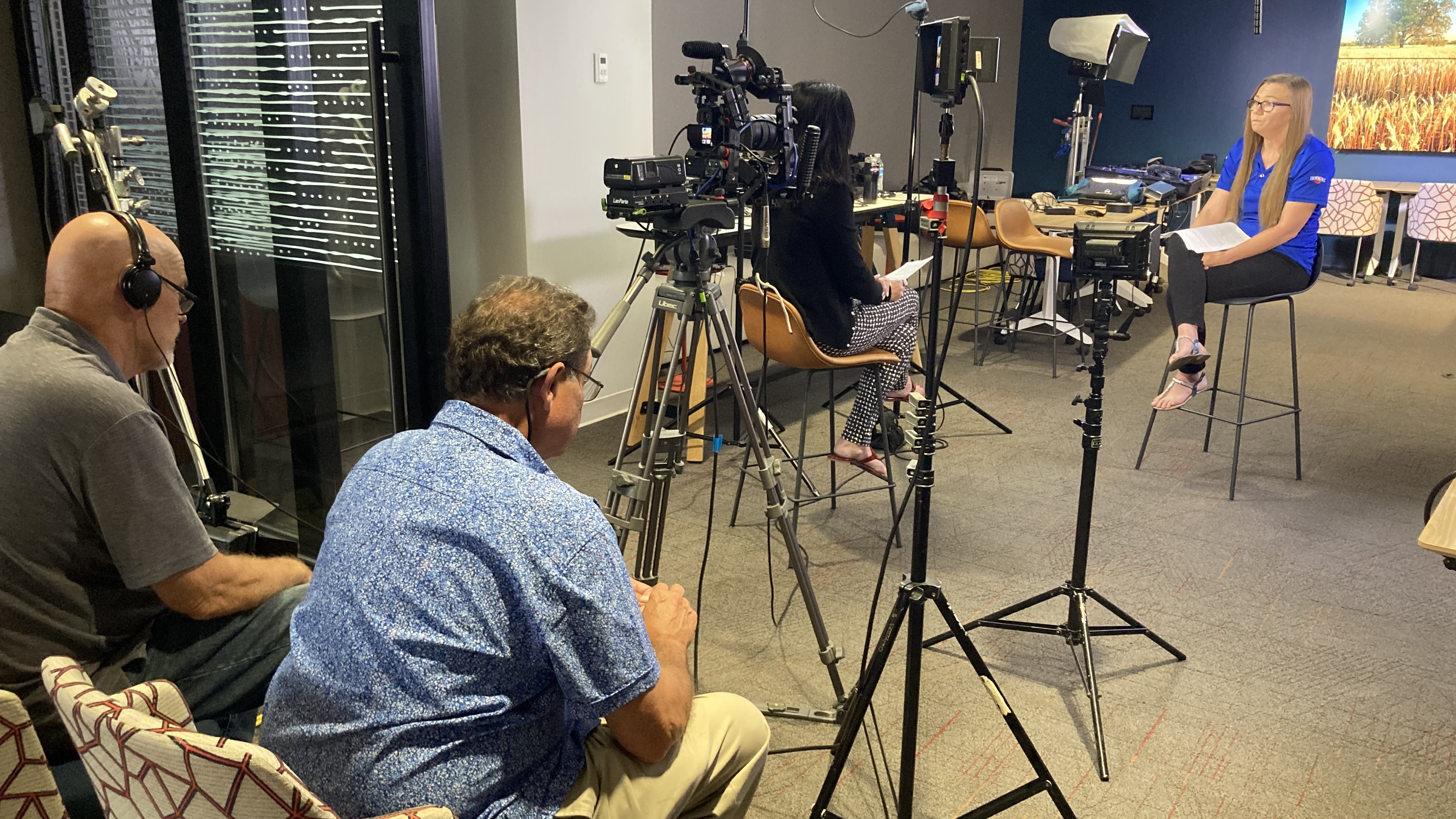
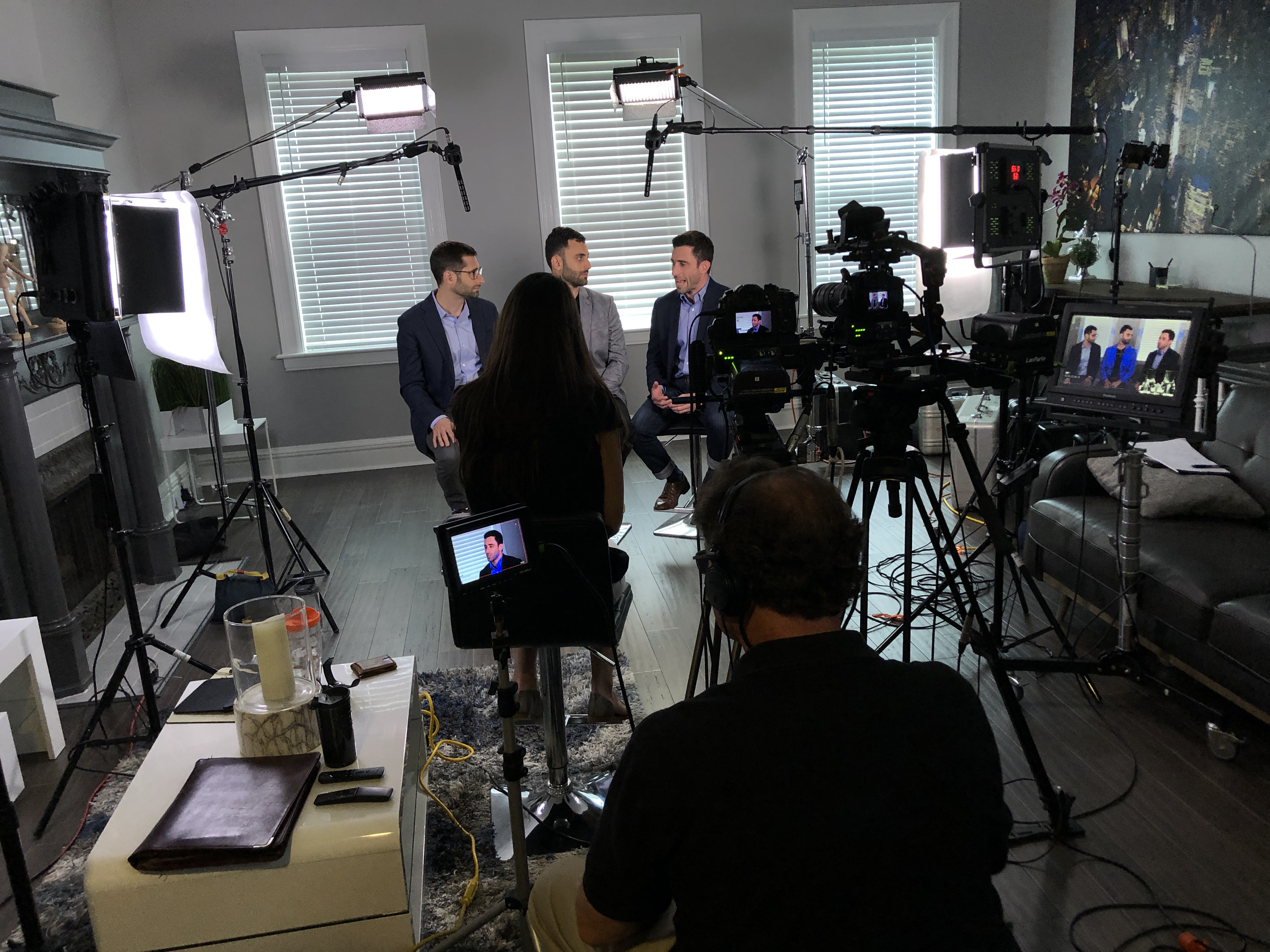
St Louis Video Production is a full-service professional commercial photography and video production company with the right equipment and creative crew service experience for successful image acquisition. We offer full-service studio and location video and photography, as well as editing, post-production and licensed drone services. St Louis Video Production can customize your productions for diverse types of media requirements. Repurposing your photography and video branding to gain more traction is another specialty.
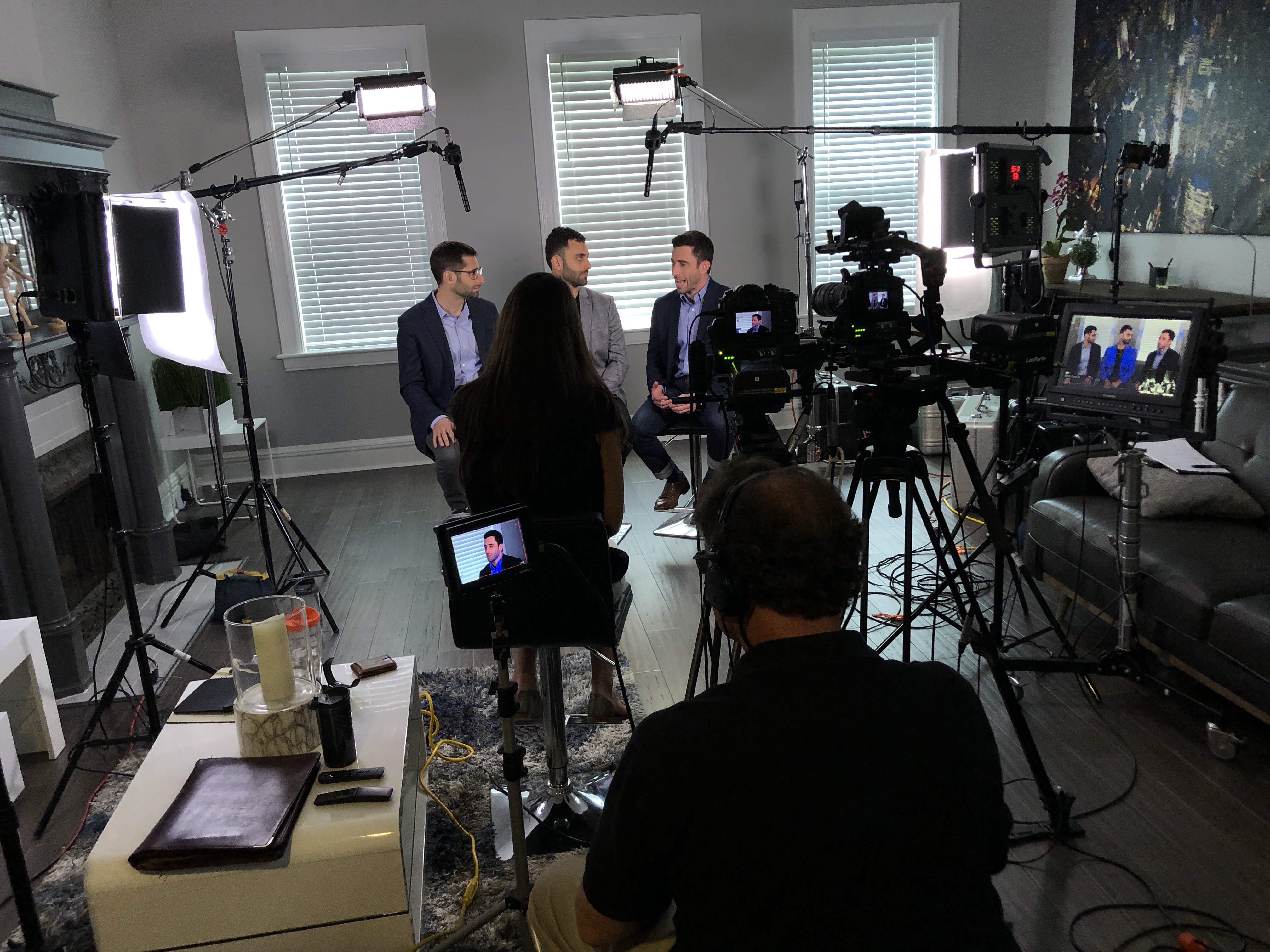
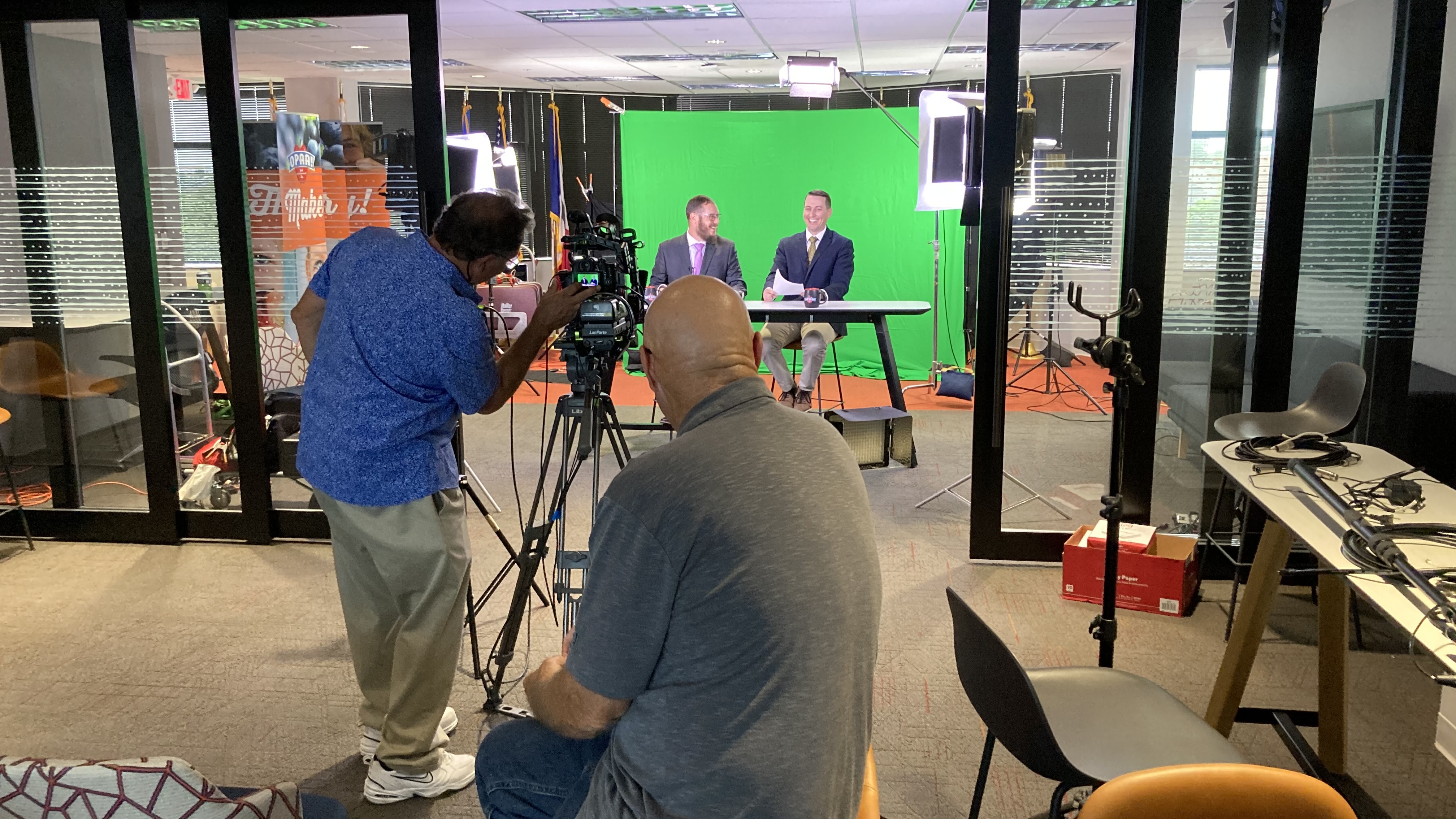
We are well-versed in all file types and styles of media and accompanying software. We use the latest in Artificial Intelligence for all our media services. Our private studio lighting and visual setup is perfect for small productions and interview scenes. Our studio is large enough to incorporate props to round out your set. We support every aspect of your production—from setting up a private, custom interview studio to supplying professional sound and camera operators, as well as providing the right equipment—ensuring your next video production is seamless and successful. We can fly our specialized drones indoors.
Since 1982, St Louis Video Production has worked with many businesses, marketing firms, and creative agencies in the St. Louis area for their marketing photography and video. When clients need more than conventional aerial coverage, our team delivers advanced LiDAR and thermal infrared drone services with the experience, production support, and commercial perspective required for strong results.
Mike Haller 314-913-5626 stlouisvideoproduction@gmail.com
















 St Louis Video Production, Inc.